NS
nicole suciu-foca
Columbia University
New York City, United States
Submit your idea
Select the journal/section where you want your idea to be submitted:
Manuscript Summary Submission Deadline 16 July 2026 | Manuscript Submission Deadline 4 November 2026
This Research Topic is currently accepting articles.
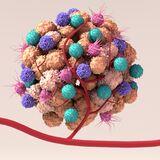
CD8⁺ T cells are central effectors of antitumor immunity, capable of recognizing and eliminating malignant cells. Their presence within tumors often correlates with improved patient outcomes, yet their functional state is profoundly influenced by the tumor microenvironment and metastatic spread, particularly to lymph nodes. In these sites, CD8⁺ T cells may undergo exhaustion, metabolic stress, or suppression by regulatory and stromal elements, limiting their cytotoxic activity.
Recent advances in single-cell technologies, spatial transcriptomes, and immunotherapy trials are shedding light on the complexity of CD8⁺ T cell phenotypes and their dynamic roles in disease progression. Understanding how these cells adapt—or fail to adapt—within tumors and metastatic lymph nodes is critical for the rational design of therapeutic interventions.
The aim of this Research Topic is to integrate emerging insights into the biology of CD8⁺ T cells within primary tumors and metastatic lymph nodes, and to highlight how these discoveries can be leveraged for therapy.
We seek contributions that explore the molecular and cellular mechanisms shaping CD8⁺ T cell phenotypes, their interactions with other immune and stromal compartments, and the factors driving dysfunction, plasticity, or persistence.
Particular emphasis will be placed on translational perspectives, including novel strategies to enhance CD8⁺ T cell infiltration, restore effector function, and overcome exhaustion. We also welcome studies addressing how metastatic lymph nodes serve as hubs of immune regulation and reservoirs of tumor-specific T cells with therapeutic potential.
By bringing together diverse approaches—from basic immunology to clinical applications—this Research Topic aims to advance our understanding of CD8⁺ T cells as both biomarkers and targets for next-generation cancer immunotherapies.
This Research Topic will cover the full spectrum of CD8⁺ T cell biology in solid tumors and metastatic lymph nodes, bridging basic, translational, and clinical research.
We encourage submissions that integrate mechanistic insights with functional relevance, including studies in preclinical models, analyses of human samples, and investigations leveraging cutting-edge technologies such as single-cell profiling, high-dimensional imaging, and computational modeling.
The scope encompasses molecular regulation of CD8⁺ T cell phenotypes, differentiation pathways, effector and memory programs, as well as exhaustion and dysfunction in hostile microenvironments.
We are particularly interested in work that dissects the unique immune dynamics within metastatic lymph nodes and their implications for disease progression. Both original research and comprehensive reviews are welcome, especially those offering translational perspectives for therapeutic exploitation of CD8⁺ T cells.
This Research Topic accepts the following article types, unless otherwise specified in the Research Topic description:
Articles that are accepted for publication by our external editors following rigorous peer review incur a publishing fee charged to Authors, institutions, or funders.
Keywords: CD8-Positive T-lymphocytes, Lymph nodes, Neoplastic, Tumor microenvironment, Neoplastic metastasis, Immune Checkpoint Inhibitors
Important note: All contributions to this Research Topic must be within the scope of the section and journal to which they are submitted, as defined in their mission statements. Frontiers reserves the right to guide an out-of-scope manuscript to a more suitable section or journal at any stage of peer review.

Manuscripts can be submitted to this Research Topic via the main journal or any other participating journal.
Submit your idea
Select the journal/section where you want your idea to be submitted: