RT
ryszard tomaszewski
University of Silesia in Katowice
Katowice, Poland
347
Total views and downloads
Submit your idea
Select the journal/section where you want your idea to be submitted:
Manuscript Summary Submission Deadline 31 March 2026 | Manuscript Submission Deadline 31 July 2026
This Research Topic is currently accepting articles.
Spinal injuries in children represent a significant clinical challenge, driven by their unique anatomical, biomechanical characteristics, and growth patterns. Unlike adults, children exhibit distinct mechanisms of injury and are prone to specific patterns of spinal trauma. The often-subtle clinical signs can delay diagnosis and complicate management strategies. The current state of research highlights an emergent need for innovative imaging techniques, age-adapted treatment plans, and effective long-term rehabilitation approaches, aiming to enhance outcomes for this delicate group. While advances in diagnostic tools, surgical methods, and multidisciplinary rehabilitation have led to improvements in care, there remains a significant knowledge gap in understanding the full epidemiology, preventative measures, ideal treatment pathways, and long-term follow-up in this domain.
This Research Topic aims to cultivate a multidisciplinary dialogue to promote and distribute the latest findings, reviews, case studies, and clinical guidelines on spinal injuries in children. The goal is to accentuate advancements in epidemiology, diagnosis, acute and long-term management, and both surgical and non-surgical interventions. Additionally, this topic aims to tackle the unique challenges like injury prevention, medico-legal and ethical concerns, psychosocial impacts, and enduring outcomes that accompany pediatric spinal injuries.
Topics of interest include, but are not limited to:
- Epidemiology and mechanisms of pediatric spinal trauma
- Imaging advances and diagnostic strategies
- Unique injury patterns and classification systems in children
- Treatment of the spine trauma
- Innovations in spinal cord injury treatment and neuroregeneration
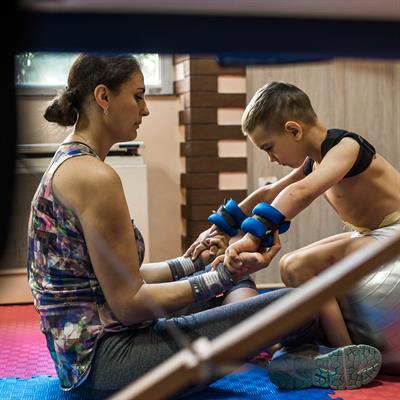
- Rehabilitation strategies
This Research Topic accepts the following article types, unless otherwise specified in the Research Topic description:
Articles that are accepted for publication by our external editors following rigorous peer review incur a publishing fee charged to Authors, institutions, or funders.
Keywords: pediatric spinal injuries, unique injury mechanisms, diagnostic advances, treatment strategies, rehabilitation approaches, long-term outcomes, injury prevention.
Important note: All contributions to this Research Topic must be within the scope of the section and journal to which they are submitted, as defined in their mission statements. Frontiers reserves the right to guide an out-of-scope manuscript to a more suitable section or journal at any stage of peer review.

Manuscripts can be submitted to this Research Topic via the main journal or any other participating journal.
Submit your idea
Select the journal/section where you want your idea to be submitted: