TK
theodoros kelesidis
University of Texas Southwestern Medical Center
Dallas, United States
47
Total downloads
3,787
Total views and downloads
Submit your idea
Select the journal/section where you want your idea to be submitted:
Manuscript Submission Deadline 29 March 2026
This Research Topic is currently accepting articles.
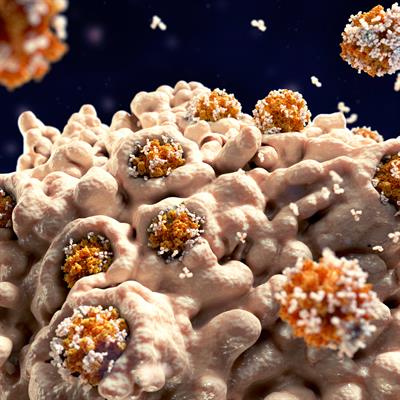
Viral respiratory infections (VRIs)—notably those caused by the Influenza virus, SARS-CoV-2, MERS-CoV, and respiratory syncytial virus (RSV)—are a major cause of morbidity and mortality worldwide. A defining feature of these and other respiratory viral infections is the host’s inflammation-driven immune response to viral invasion. This process, initiated by viral pathogenesis—the mechanisms by which viruses invade, replicate, and evade the immune system—leads to increased blood flow, the recruitment of immune cells, and the release of cytokines and chemokines. While these inflammatory mechanisms are essential for combating and eradicating viral pathogens, they can paradoxically induce collateral damage, such as tissue swelling, airway obstruction, and severe respiratory distress, significantly influencing clinical outcomes.
This article collection aims to explore the multifaceted nature of inflammation, both as a defense against viral invaders and a contributor to disease pathology, in the setting of acute infection, as well as post-infectious chronic sequelae related to tissue remodeling as a result of the inflammatory response to the viral infection. Submissions are encouraged that elucidate the interplay between viral pathogenesis and specific inflammatory pathways—including, but not limited to, how viruses like Influenza, SARS-CoV-2, MERS-CoV, RSV, and others manipulate host responses. The collection also welcomes studies leveraging technological advancements—such as genomics, proteomics, and advanced imaging—to deepen our understanding of these mechanisms. By providing insights into this dynamic interface, the collection aims to lay the groundwork for innovative therapeutic strategies that can selectively modulate inflammation, improving outcomes for individuals affected by VRIs.
We welcome a range of article types addressing, but not limited to, the following themes:
• Mechanisms by which viral pathogenesis triggers inflammatory responses in the respiratory tract
• Comparative analysis of cytokine and chemokine profiles induced by Influenza, SARS-CoV-2,MERS-CoV, RSV, and other respiratory viruses
• The protective and pathological roles of immune cell subsets during VRIs
• Novel biomarkers for distinguishing beneficial from harmful inflammation in viral pneumonia
• Direct and indirect effects of viral proteins on inflammatory signaling pathways
• Impact of viral evasion mechanisms on the host’s inflammatory landscape
• Technological advances in omics and imaging for dissecting VRI-induced inflammation
• Inter-relationships between inflammation, viral load, and disease severity
• Therapeutic interventions targeting inflammatory pathways in severe VRIs
• Role of host genetics in mediating susceptibility to inflammation and tissue injury
• Long-term pulmonary consequences of dysregulated inflammation after recovery from VRIs, such as Long COVID or worsening of asthma, bronchiolitis, to name a few.
This Research Topic accepts the following article types, unless otherwise specified in the Research Topic description:
Articles that are accepted for publication by our external editors following rigorous peer review incur a publishing fee charged to Authors, institutions, or funders.
Keywords: Chemokines, Cytokines, Immune response, Inflammation, Influenza, MERS-CoV, Omics technologies, Respiratory syncytial virus (RSV), SARS-CoV-2, Therapeutic interventions, Viral evasion mechanisms, Viral pathogenesis, Viral respiratory infections (VRIs)
Important note: All contributions to this Research Topic must be within the scope of the section and journal to which they are submitted, as defined in their mission statements. Frontiers reserves the right to guide an out-of-scope manuscript to a more suitable section or journal at any stage of peer review.
Manuscripts can be submitted to this Research Topic via the main journal or any other participating journal.
Submit your idea
Select the journal/section where you want your idea to be submitted:
