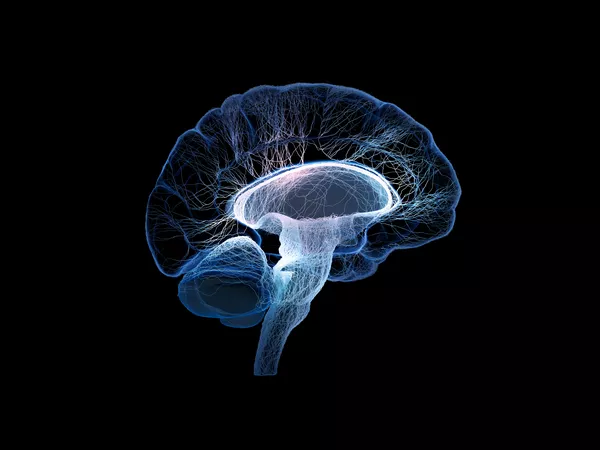
This Research Topic aims to provide a comprehensive examination of the new developments in neurobiology and their implications for autism spectrum disorders. The primary objective is to probe into how various brain phenotypes, such as brain overgrowth and altered connectivity patterns, are linked to behavioral characteristics, developmental trajectories, and cognitive profiles in individuals with ASD. Further inquiry will explore familial patterns of ASD and their neurobiological underpinnings. By synthesizing results from the latest imaging studies and neurobiological frameworks, this topic seeks to unravel the nuanced relationship between brain development, neurobiology, and observable behavior, which may inform clinical practices.
To gather further insights into the complex dynamics of ASD and its neurodevelopmental aspects, we welcome articles addressing, but not limited to, the following themes:
• Neuroimaging studies and their implications for understanding ASD
• Relationship among neurobiological markers, cognitive profiles, and behavioral characteristics
• Evaluation of familial patterns and genetic predispositions in ASD
• Impact of environmental stressors, such as the COVID-19 pandemic, on neurodevelopment
• Modeling ASD using brain organoids and induced pluripotent stem cells (iPSCs) to explore neuronal differentiation, synaptic function, and gene expression
• Translational approaches from research findings to clinical interventions
We encourage submissions exploring the wide spectrum of neurodevelopmental biology and autism through various research methodologies and article types.
Article types and fees
This Research Topic accepts the following article types, unless otherwise specified in the Research Topic description:
Brief Research Report
Case Report
Clinical Trial
Community Case Study
Data Report
Editorial
FAIR² Data
General Commentary
Hypothesis and Theory
Articles that are accepted for publication by our external editors following rigorous peer review incur a publishing fee charged to Authors, institutions, or funders.
Article types
This Research Topic accepts the following article types, unless otherwise specified in the Research Topic description:
Important note: All contributions to this Research Topic must be within the scope of the section and journal to which they are submitted, as defined in their mission statements. Frontiers reserves the right to guide an out-of-scope manuscript to a more suitable section or journal at any stage of peer review.