KF
kossivi fabrice dossa
Faculty of Agriculture, Department of Agricultural Economics, University of Nigeria
Nsukka, 041006, Nigeria
764
Total views and downloads
Submit your idea
Select the journal/section where you want your idea to be submitted:
Manuscript Submission Deadline 19 April 2026
This Research Topic is currently accepting articles.
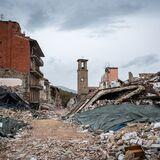
The UN International Day for Disaster Reduction takes place on the 13th October 2025, commemorating the date when the United Nations General Assembly first declared this observance in 1989. Established to raise awareness and promote a worldwide culture of disaster risk reduction, the day underscores not just disaster response, but crucially disaster prevention, mitigation, and preparedness. Over the past 25 years, it has provided communities, practitioners, and researchers an opportunity to reflect on progress in reducing disaster risks, while encouraging continued innovation and collaboration in building safer and more resilient societies.
From the perspective of sustainable urban development, several core themes emerge as particularly relevant for this UN Day. Cities around the globe face increasing exposure to natural hazards such as earthquakes, floods, and storms—trends that are accelerating with population growth, rapid urbanization, and climate change. Ensuring sustainable cities means prioritizing adaptive infrastructure, inclusive planning, and participatory governance, as well as harnessing technological advances to improve urban disaster preparedness and risk communication. Furthermore, disaster reduction is inherently interlinked with sustainable development, equity, and the well-being of urban residents, especially those most vulnerable.
It is in this spirit that Frontiers in Sustainable Cities is launching a new article collection to coincide with the International Day for Disaster Reduction. This occasion not only presents an opportunity to acknowledge the achievements made in reducing urban disaster risks, but also to reflect on ongoing challenges, emerging risks, and innovative solutions for safeguarding the sustainability and resilience of our cities.
This Frontiers in Sustainable Cities Research Topic seeks to address the city-specific dimensions of disaster risk reduction in the context of sustainable urban development. We aim to highlight the significance of integrating disaster resilience into city planning, infrastructure design, and community engagement. The collection invites discussions on how cities can become more adaptive, equitable, and prepared for the evolving spectrum of disasters they may encounter.
Topics may include, but are by no means limited to:
- Urban risk assessment and mapping using new technologies
- Integrating disaster risk reduction in sustainable urban planning
- Nature-based and community-driven solutions for urban resilience
- Policy best practices and governance frameworks in disaster-prone cities
- Leveraging smart city innovations for disaster preparedness
- Case studies of successful urban disaster risk reduction strategies
- Addressing social vulnerability and enhancing inclusivity in urban resilience
We encourage contributions from researchers, practitioners, and policymakers that advance the conversation on building resilient, sustainable cities and inspire actionable change in urban disaster risk reduction.
This Research Topic accepts the following article types, unless otherwise specified in the Research Topic description:
Articles that are accepted for publication by our external editors following rigorous peer review incur a publishing fee charged to Authors, institutions, or funders.
Keywords: Disaster Risk Reduction. Urban Resilience. Climate Change Adaptation. Urban Infrastructure. Disaster Preparedness. Disaster Resilience. Urban Planning
Important note: All contributions to this Research Topic must be within the scope of the section and journal to which they are submitted, as defined in their mission statements. Frontiers reserves the right to guide an out-of-scope manuscript to a more suitable section or journal at any stage of peer review.
Manuscripts can be submitted to this Research Topic via the main journal or any other participating journal.
Submit your idea
Select the journal/section where you want your idea to be submitted:
