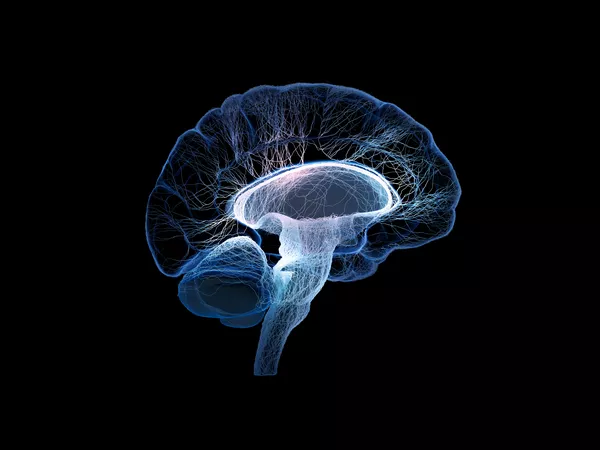
Neuroimaging has undergone a transformative journey from its inception, evolving into a sophisticated field characterized by rapid technological advancements. Despite these developments, the understanding of neural processes and brain activities still presents several unresolved questions. While EEG (electroencephalography) has provided crucial insights into brain wave patterns, its spatial resolution limitations often hinder a comprehensive view of brain functions. In contrast, recent innovations, particularly in functional magnetic resonance imaging (fMRI), have significantly enhanced the ability to visualize and interpret complex neural activities with higher precision.
Recent studies have unveiled promising results concerning the functionality and integration of fMRI with other neuroimaging techniques. These advancements have catalyzed new opportunities to delve into intricate cerebral mechanisms, offering a more nuanced understanding of neural dynamics than previously possible. However, challenges remain, such as improving temporal resolution and ensuring the safety and accessibility of these technologies. Addressing these gaps is crucial for exploiting neuroimaging's full potential and fostering further innovations.
This Research Topic aims to explore the development and application of advanced neuroimaging technologies, specifically tracing the evolution from traditional EEG methods to contemporary fMRI innovations and beyond. The goal is to offer a comprehensive exploration of how these emerging technologies can address existing limitations and broaden the horizons of neuroscientific research.
To gather further insights into the advancements in neuroimaging technologies, we welcome articles addressing, but not limited to, the following themes:
o Comparative analysis of EEG and fMRI in brain research
o Innovations in signal processing for improved neuroimaging
o The fusion of neuroimaging technologies for enhanced diagnostic accuracy
o Applications of advanced neuroimaging in neuropsychiatric disorders
o Ethical considerations and challenges in evolving neuroimaging practices
We invite various article types for submission, including original research, reviews, case studies, and methodological articles.
Article types and fees
This Research Topic accepts the following article types, unless otherwise specified in the Research Topic description:
Brief Research Report
Case Report
Clinical Trial
Community Case Study
Curriculum, Instruction, and Pedagogy
Data Report
Editorial
FAIR² Data
FAIR² DATA Direct Submission
Articles that are accepted for publication by our external editors following rigorous peer review incur a publishing fee charged to Authors, institutions, or funders.
Article types
This Research Topic accepts the following article types, unless otherwise specified in the Research Topic description:
Brief Research Report
Case Report
Clinical Trial
Community Case Study
Curriculum, Instruction, and Pedagogy
Data Report
Editorial
FAIR² Data
FAIR² DATA Direct Submission
General Commentary
Hypothesis and Theory
Methods
Mini Review
Opinion
Original Research
Perspective
Review
Systematic Review
Technology and Code
Keywords: neuroimaging, EEG, fMRI, multimodal integration, MEG, fNIRS, PET-MRI, spatial resolution, temporal resolution, source localization, BOLD, neurovascular coupling, fast fMRI, artifact correction, motion correction, machine learning, deep learning, real-time
Important note: All contributions to this Research Topic must be within the scope of the section and journal to which they are submitted, as defined in their mission statements. Frontiers reserves the right to guide an out-of-scope manuscript to a more suitable section or journal at any stage of peer review.