ND
naim deniz ayaz
Kırıkkale University Faculty of Veterinary Medicine Department of Food Hygiene and Technology
Kırıkkale, Türkiye
634
Total views and downloads
Submit your idea
You will be redirected to our submission process.
Manuscript Summary Submission Deadline 3 May 2026 | Manuscript Submission Deadline 24 July 2026
This Research Topic is currently accepting articles.
The field of infectious disease research is undergoing rapid transformation due to the continuous emergence of novel bacterial threats and the accelerating spread of antimicrobial resistance. Compared to traditional methods, faster, more sensitive, and innovative solutions are required in the isolation, characterization, and treatment of new pathogens that emerge as a result of evolution and pathogens that have become resistant to antibiotics or cause epidemics in new host environments. Advanced genomic technologies, especially in recent years, have completely changed the way bacterial evolution is detected, monitored, and understood, reshaping our understanding of transmission and pathogenesis and allowing for more precise surveillance and rapid identification of new or resistant strains. However, in parallel with diagnostic developments, the rapid increase in the development of antimicrobial resistance also increases the need for many new treatment strategies that can replace or complement traditional antibiotics, underscoring the challenge of timely integration of new data into clinical and public health strategies.
While state-of-the-art sequencing and genomic surveillance tools now provide unprecedented insights into pathogen dynamics, the rise of resistance has created a critical need for distinctly innovative therapeutic interventions. In parallel, studies have emerged on bacteriophages, antimicrobial peptides, bacteriocins, narrow-spectrum small molecules, monoclonal antibodies that neutralize toxins or inhibit important bacterial factors, and CRISPR-based antimicrobials that selectively eliminate resistance genes or kill pathogens. These strategies aim to reduce damage to the microbiota, slow down the development of resistance, and enable precise, adaptive interventions. Despite notable progress, fully integrated pipelines linking genomic diagnostics, real-time resistance monitoring, and the implementation of next-generation therapeutics remain limited. Integrated strategies are required for genomic characterization and the effective implementation of new treatment approaches, supported by comprehensive studies that bring together clinical, epidemiological, and environmental data from a one-health perspective.
This Research Topic aims to gather cutting-edge studies and reviews that advance the understanding, detection, and treatment of emerging and evolving bacterial pathogens. By addressing the intersections of genomic surveillance, innovative therapeutic development, and antimicrobial stewardship, it is aimed to publish effective and up-to-date study data on genomic surveillance linked to clinical and environmental data from a One Health perspective, up-to-date resistance data on bacteria, real-time evidence-based antimicrobial stewardship programs, and agent-specific biological therapies, thereby promoting multidisciplinary and translational research that can inform practical solutions to current and future bacterial threats.
To gather further insights into the characterization and management of emerging bacterial pathogens and the development of novel therapies, we welcome articles addressing, but not limited to, the following themes:
- Epidemiological data and analyses on the presence of new or re-emerging bacteria and the health problems/clinical impact they cause
- Technologies for the genomic characterization and engineering of bacterial pathogens
- Surveillance of current developments, trends, and mechanisms in antimicrobial resistance
- Innovative technologies and methods for the diagnosis, control, and monitoring of emerging and re-emerging bacterial agents
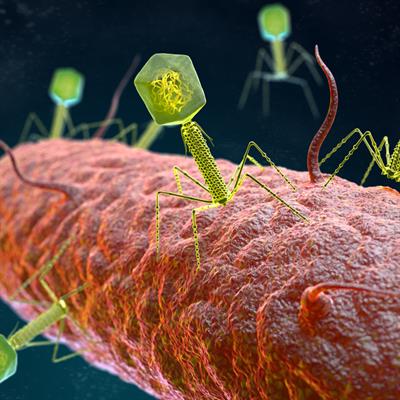
- Development and implementation of biological and targeted therapies, including phages, antimicrobial peptides, bacteriocins, narrow-spectrum small molecules, monoclonal antibodies, and CRISPR-based antimicrobials
Article types considered for this Research Topic include original research articles and comprehensive reviews.
This Research Topic accepts the following article types, unless otherwise specified in the Research Topic description:
Articles that are accepted for publication by our external editors following rigorous peer review incur a publishing fee charged to Authors, institutions, or funders.
Keywords: Pathogens, Genome Sequence, Metagenomic, Antimicrobials, Bacterial Treatment, CRISPR, Phage
Important note: All contributions to this Research Topic must be within the scope of the section and journal to which they are submitted, as defined in their mission statements. Frontiers reserves the right to guide an out-of-scope manuscript to a more suitable section or journal at any stage of peer review.
Manuscripts can be submitted to this Research Topic via the main journal or any other participating journal.
Submit your idea
You will be redirected to our submission process.
