JL
jianyun liu
Jianyun Liu
Indianapolis, United States
1,724
Total views and downloads
Submit your idea
You will be redirected to our submission process.
Manuscript Summary Submission Deadline 30 April 2026 | Manuscript Submission Deadline 31 August 2026
This Research Topic is currently accepting articles.
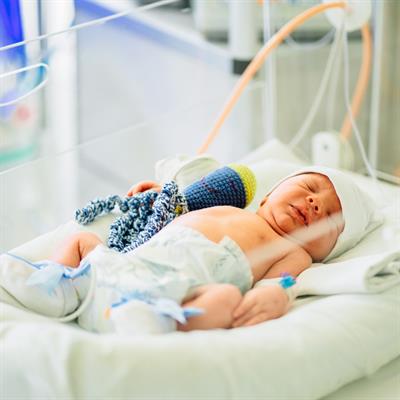
Newborns are vulnerable to infections, sepsis, necrotizing enterocolitis (NEC), respiratory illnesses, and exhibit impaired responses to vaccination. Moreover, deviant neonatal immune programming has been linked to long-term consequences such as increased susceptibility to allergies, autoimmunity, and chronic diseases later in life. Their unique immunological state, characterized by an immature immune system highly reliant on the mother’s passive immunity, requires rapid maturation and adaptation as the neonates transition from a relatively sterile intrauterine environment to a pathogen-rich postnatal environment. Therefore, understanding the highly regulated and dynamic maturation of neonatal immunity is critical for designing tailored approaches for better preventive, diagnostic, and therapeutic strategies.
Although major progress has been made in understanding developmental and pathological aspects of neonatal immunity, several gaps remain: 1) Limited knowledge of how the immune system develops from early gestations and the factors regulating their maturation; and 2), little is known about pathological re-programming of the immune system by exposures and early child life infections and their impact on later life diseases.
In this Research Topics, we would like to invite researchers to contribute and answer the following questions:
1) How the neonatal immune system matures and what are the key molecular/cellular differences between neonatal and adult immune systems?
2) How do maternal factors shape neonatal immunity and how do neonates keep a balance between the tolerance to maternal factors/food/microbiome and protection from pathogens?
3) Why are neonates vulnerable to infections and what immune pathways determine the outcome of neonatal infections?
4) How does aberrant immune activation contribute to diseases associated with prematurity?
5) How do early immune experiences shape lifelong immune health and disease risk and what are the mechanisms? What are the early-life immune signatures that predict later autoimmune, allergic diseases, or other long-term health outcomes?
6) How can vaccines, immunotherapies, and targeted microbiome interventions be adapted for neonatal safety and efficacy?
7) How do environmental factors affect the neonatal microbiome and influence immune development and disease risk?
Research scopes for this Research Topic include:
• Immune Development and Regulation: Understanding the development of fetal/neonatal innate immune cells and their roles in pathogen defense and tissue repair. Investigating T and B cell ontogeny, maternal/fetal microchimerism, antigen presentation, and the establishment of immune memory in the neonatal period.
• Disease Susceptibility: Elucidating immune dysfunction in neonatal sepsis, NEC, bronchopulmonary dysplasia, congenital infections, enteric infections, neurodevelopmental deficits, and other neonatal diseases.
• Vaccinology: Designing age-specific immunization strategies to enhance protection in the first months of life when neonates are vulnerable to infections.
• Other Immunotherapies: Exploring the impact of maternal antibodies, placental immune modulation, and breast milk components on neonatal immunity; discovering novel interventions engaging the neonatal immune system.
• Environmental Influences, Microbiomes, and Long-Term Immune Programming: Studying how early microbial colonization is affected by environmental factors, impacting immune development and disease outcomes; Understanding the mechanisms (such as epigenetic modifications and metabolic reprogramming) of how the early life environmental factors alter the immune system and have a long-term impact on the host.
This Research Topic accepts the following article types, unless otherwise specified in the Research Topic description:
Articles that are accepted for publication by our external editors following rigorous peer review incur a publishing fee charged to Authors, institutions, or funders.
Keywords: neonatal immunology, neonatal innate immunity, neonatal T cells, neonatal B cells, neonatal microbiome, neonatal sepsis, neonatal infection, necrotizing enterocolitis
Important note: All contributions to this Research Topic must be within the scope of the section and journal to which they are submitted, as defined in their mission statements. Frontiers reserves the right to guide an out-of-scope manuscript to a more suitable section or journal at any stage of peer review.
Manuscripts can be submitted to this Research Topic via the main journal or any other participating journal.
Submit your idea
You will be redirected to our submission process.