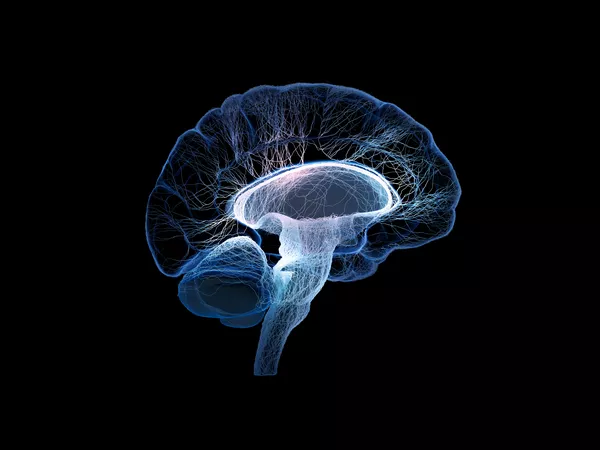
Neuroengineering is an ever-evolving field that is transforming our understanding of the nervous system through the development of sophisticated electrode and bioelectronic technologies. Traditional neural electrodes face significant challenges in interface stability, biocompatibility, long-term signal fidelity, and resolution, which hinder their broader application in neuroscience research and brain–machine interfacing. Recent studies have introduced innovations such as flexible materials, nano-scale architectures, and minimally invasive designs that promise higher integration with neural tissues, reduced immune response, and improved longevity. Despite these advances, achieving seamless, durable, and high-resolution communication with neural circuits remains one of the central challenges in next-generation neural interfacing.
Current research is pushing boundaries with breakthroughs in electrode composition, surface engineering, and the incorporation of multifunctional bioelectronics that combine sensing, stimulation, and local microenvironment modulation. Studies highlight the emergence of soft, bioresorbable, and wireless neural interfaces, as well as advanced algorithms for better interpretation of neural signals. The translation of these technologies into robust, widely deployable systems, however, is still met with hurdles related to chronic implantation, stable tissue integration, and scalability for complex neural circuits and large-scale studies. The field requires comprehensive research that not only introduces innovative platforms but also systematically investigates their performance in vitro and in vivo across diverse experimental conditions.
This Research Topic aims to gather pioneering contributions focused on the design, fabrication, characterization, and application of new electrode and bioelectronic systems for neural recording and stimulation. Central objectives include exploring how novel materials and device structures enhance neural signal fidelity, stability, and biocompatibility; elucidating the mechanisms of neural–electrode interaction; and identifying pathways for translating these innovations into reliable tools for fundamental and applied neuroscience. We encourage submissions addressing critical technical barriers, comparative performance analyses, and proposals for new paradigms in neural interfacing.
To gather further insights in the area of innovative neural interface technologies, we welcome articles addressing, but not limited to, the following themes:
• Advanced materials and architectures for electrodes and bioelectronics
• Biocompatibility and long-term tissue integration strategies
• Novel fabrication and miniaturization techniques
• Multifunctional devices combining sensing, stimulation, and local modulation (e.g., chemical, mechanical, optical)
• Computational methods for neural signal analysis and decoding
• In vivo validation and preclinical assessment of neural interfacing platforms
We welcome a range of article types, including Original Research, Reviews, Perspectives, Methods, and Short Communications.
Article types and fees
This Research Topic accepts the following article types, unless otherwise specified in the Research Topic description:
Brief Research Report
Case Report
Clinical Trial
Community Case Study
Conceptual Analysis
Curriculum, Instruction, and Pedagogy
Data Report
Editorial
FAIR² Data
Articles that are accepted for publication by our external editors following rigorous peer review incur a publishing fee charged to Authors, institutions, or funders.
Article types
This Research Topic accepts the following article types, unless otherwise specified in the Research Topic description:
Important note: All contributions to this Research Topic must be within the scope of the section and journal to which they are submitted, as defined in their mission statements. Frontiers reserves the right to guide an out-of-scope manuscript to a more suitable section or journal at any stage of peer review.