FD
francesca diomede
University of Studies G. d'Annunzio Chieti and Pescara
Chieti, Italy
611
Total views and downloads
Submit your idea
You will be redirected to our submission process.
Manuscript Summary Submission Deadline 22 April 2026 | Manuscript Submission Deadline 31 July 2026
This Research Topic is currently accepting articles.
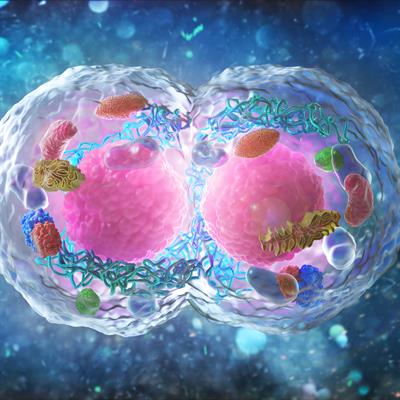
Embryonic stem cells are powerful tools for understanding how organisms develop and how tissues regenerate. These cells have the remarkable ability to self renew and differentiate into every cell type in the body, which makes them central to studies in developmental biology and regenerative medicine. Researchers use embryonic stem cells to model early developmental events, study cell fate decisions, and explore how cells transition from a pluripotent state to specialized functional identities. These insights help clarify how tissues and organs form, how structural patterns are established, and how specific cell types acquire their unique characteristics, all of which are essential for understanding both normal development and developmental disorders.
In regenerative medicine, embryonic stem cells provide a promising foundation for developing cell-based therapies and engineered tissues. Because they can generate unlimited numbers of specialized cells, they are used to produce cardiomyocytes, neurons, hepatocytes, and many other clinically relevant cell types. These cells are then studied to understand disease mechanisms, test drug responses, and design therapeutic strategies that promote repair and regeneration. Embryonic stem cell derived models also help identify key molecular pathways that control cell growth, pattern formation, and tissue remodeling, which opens possibilities for designing targeted interventions to enhance healing processes in damaged or diseased organs.
Studies with embryonic stem cells bring significant insight into how environmental cues, signaling molecules, and intracellular networks guide cell behavior across developmental stages. Understanding these interactions is essential for refining differentiation protocols, improving tissue engineering approaches, and ensuring that therapeutic cells function safely and effectively. Research continues to explore how embryonic stem cells respond to mechanical forces, biochemical gradients, and spatial cues, since these factors shape morphogenesis and are equally important in regeneration.
As the field advances, embryonic stem cells remain essential for bridging basic science discoveries with translational applications. Therefore, this Research Topic will focus on embryonic stem cells role in modeling human development, generating replacement cells, and informing regenerative strategies positions them at the forefront of biomedical innovation.
Key areas of interest include but not limited to:
• Engineering tissues for regenerative therapies using stem cell-based platforms
• Mechanisms controlling pluripotency and cell fate decisions during tissue morphogenesis
• Molecular pathways guiding organ formation and tissue patterning
• Optimization of embryonic stem cell differentiation into clinical studies
• Understanding embryonic stem cell for studying implantation failure
• Use of stem cell derived models to study morphogenetic defects and disease mechanisms
This Research Topic accepts the following article types, unless otherwise specified in the Research Topic description:
Articles that are accepted for publication by our external editors following rigorous peer review incur a publishing fee charged to Authors, institutions, or funders.
Keywords: Embryonic stem cells, pluripotency, differentiation, regenerative medicine, developmental biology
Important note: All contributions to this Research Topic must be within the scope of the section and journal to which they are submitted, as defined in their mission statements. Frontiers reserves the right to guide an out-of-scope manuscript to a more suitable section or journal at any stage of peer review.
Manuscripts can be submitted to this Research Topic via the main journal or any other participating journal.
Submit your idea
You will be redirected to our submission process.
