KZ
kun zhang
Yangzhou University
Yangzhou, China
679
Total views and downloads
Submit your idea
Select the journal/section where you want your idea to be submitted:
Manuscript Summary Submission Deadline 20 March 2026 | Manuscript Submission Deadline 31 July 2026
This Research Topic is currently accepting articles.
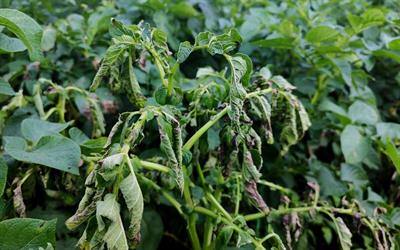
Although microorganisms are minuscule and often difficult to detect, they serve as the invisible pillars of human social development. They play an irreplaceable role in agriculture, pharmaceutical research, and industrial catalysis. They exhibit a critical duality: pathogenic microbes have instigated history-altering epidemics, including crop diseases (potato late blight, grapevine downy mildew), the Black Death, smallpox, and COVID-19 continuously challenging global agriculture and public health. Conversely, organisms like Escherichia coli and Saccharomyces cerevisiae, with their simple structures and rapid reproduction, serve as ideal model systems in life science, enabling revelations of genetic codes, cell cycles, and other fundamental biological principles. Furthermore, these microbes are harnessed to manufacture insulin, antibiotics, bioethanol, fermented foods, and bioplastics, to extract metals, to remediate oil spills, and to generate electricity in microbial fuel cells.
Research on these organisms has catalyzed groundbreaking biotechnologies (PCR, gene editing), transforming modern medicine and bioengineering. Research into pathogen-host interaction mechanisms further drives vaccine and antibiotic development, advancing pharmaceutical innovation. Ultimately, microorganisms' destructive-creative duality has propelled humanity forward both in combating disease threats and in exploring life's profound mysteries. The goal of this Research Topic is to expand our understanding of the advances in the microbial roles in plant disease and biotechnology, including molecular mechanisms of host-pathogen interactions, the dual significance of microbes as both pathogens and model organisms for basic research or engineered platforms for synthetic biology applications.
We cordially invite contributions of Original Research Articles, Reviews, Mini-reviews, Perspectives, and Methods related to, but not limited to, the following topics:
- Molecular and ecological mechanisms underlying the interactions between microorganisms and plants.
- Advanced microbial detection technologies for developing novel plant protection and resistance enhancement strategies.
- Applications of microorganisms in synthetic biology for enhancing medicinal plant yield and quality through engineering and genome editing.
- Microbes as models and tools for studying signaling pathways and developing applications.
This Research Topic accepts the following article types, unless otherwise specified in the Research Topic description:
Articles that are accepted for publication by our external editors following rigorous peer review incur a publishing fee charged to Authors, institutions, or funders.
Keywords: microbe-plant interactions, detection technology, crop protection, synthetic biology, signaling pathways
Important note: All contributions to this Research Topic must be within the scope of the section and journal to which they are submitted, as defined in their mission statements. Frontiers reserves the right to guide an out-of-scope manuscript to a more suitable section or journal at any stage of peer review.
Manuscripts can be submitted to this Research Topic via the main journal or any other participating journal.
Submit your idea
Select the journal/section where you want your idea to be submitted:
