RN
ravinder nagpal
Florida State University
Tallahassee, United States
322
Total views and downloads
Submit your idea
You will be redirected to our submission process.
Manuscript Summary Submission Deadline 6 April 2026 | Manuscript Submission Deadline 25 July 2026
This Research Topic is currently accepting articles.
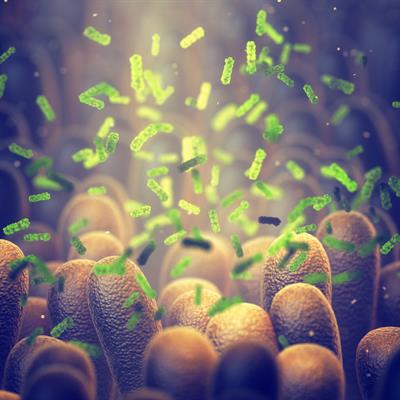
The gut microbiome is increasingly recognized as a key regulator of host physiology, with profound effects on metabolism, immunity, and endocrine function. Aging is associated with marked changes in gut microbial composition and activity, which can disrupt hormonal signaling pathways and contribute to frailty, chronic disease, and reduced healthspan. Conversely, the endocrine system exerts regulatory control over gut function and microbial ecology, creating a dynamic bidirectional relationship. Despite rapid progress in both microbiome and aging research, the specific mechanisms by which gut-endocrine interactions influence aging process and longevity remain insufficiently understood and underexplored in clinical practice.
This Research Topic seeks to advance knowledge on how the gut microbiome and endocrine system interact across the aging process, and how these interactions can be targeted to promote healthier aging. Its goal is to clarify mechanistic pathways linking microbial changes to endocrine regulation, highlight biomarkers that predict age-related endocrine decline, and showcase therapeutic interventions, from diet and probiotics to pharmacological strategies that may modulate the microbiome-endocrine axis to extend healthspan. By integrating basic science, translational research, and clinical perspectives, the collection will provide a comprehensive overview of how gut–endocrine crosstalk contributes to both vulnerability and resilience in aging.
Topics of interest include, but are not limited to:
• Microbiome-driven endocrine alterations associated with aging, including effects on metabolic, reproductive, and stress hormone pathways
• Endocrine regulation of gut microbial composition and function during aging
• The role of gut–endocrine interactions in age-related conditions such as sarcopenia, osteoporosis, diabetes, and cognitive decline
• Microbiome- and hormone-based biomarkers for predicting healthy versus accelerated aging
• Therapeutic approaches targeting gut–endocrine crosstalk to improve longevity, including diet, pre/probiotics, pharmacological agents, and lifestyle interventions
By uniting microbiome scientists, endocrinologists, and aging researchers, this Research Topic aims to deepen our understanding of gut-endocrine interactions and foster novel strategies that promote healthy longevity.
This Research Topic accepts the following article types, unless otherwise specified in the Research Topic description:
Articles that are accepted for publication by our external editors following rigorous peer review incur a publishing fee charged to Authors, institutions, or funders.
Keywords: Microbiome, Gut, Endocrine, Ageing, Longevity, Metabolism, Biomarkers
Important note: All contributions to this Research Topic must be within the scope of the section and journal to which they are submitted, as defined in their mission statements. Frontiers reserves the right to guide an out-of-scope manuscript to a more suitable section or journal at any stage of peer review.
Manuscripts can be submitted to this Research Topic via the main journal or any other participating journal.
Submit your idea
You will be redirected to our submission process.
