AK
ashish kumar
University of California, Davis
Davis, United States
372
Total views and downloads
Submit your idea
You will be redirected to our submission process.
Manuscript Summary Submission Deadline 18 July 2026 | Manuscript Submission Deadline 31 October 2026
This Research Topic is currently accepting articles.
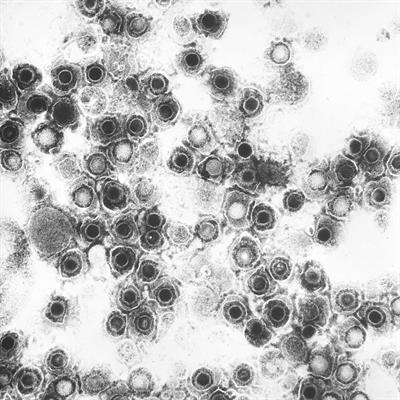
Herpesviruses achieve lifelong persistence through tightly regulated transitions between latency and lytic replication, creating sustained immune surveillance demands on the host. Infected individuals depend on multiple immune layers (such as interferon pathways, NK cell activity, and virus-specific T cells) to suppress viral spread and prevent reactivation. To counter these defences, herpesviruses produce numerous factors (such as viral proteins, and non-coding RNA) that alter interferon and cytokine pathways, hinder antigen presentation, and influence cell-death pathways. These ongoing host–virus interactions shape the outcome of infection, contribute to chronic inflammation, and play a role in the emergence of virus-linked cancers. Clarifying these mechanisms is crucial for advancing new antiviral approaches, vaccine strategies, and immunotherapeutic interventions.
Despite major progress, key gaps remain in understanding how herpesviruses interact with the host immune system to establish lifelong persistence and drive disease. A central challenge is defining the precise mechanisms that regulate latency, reactivation, and immune evasion across different cell types and tissues. Additionally, the full spectrum of host restriction and dependency factors remains incompletely characterized, limiting the development of targeted antiviral or immunomodulatory therapies. Recent advances, such as single-cell and spatial transcriptomics, high-throughput CRISPR screening, and humanized mouse models, now provide powerful tools to dissect these interactions with unprecedented resolution. Applying these approaches can uncover host pathways that control immune sensing, antigen presentation, cytokine modulation, and cellular transformation.
This Research Topic aims to integrate mechanistic, technological, and translational studies that clarify how herpesviruses shape and subvert host immunity, and how these insights can guide new antiviral strategies, immunotherapies, and vaccine development.
Themes of interest include but are not limited to:
• The use of recent advances to study innate and adaptive immune response to herpesvirus infection
• Modulation of immune sensing by viral factors
• Viral control of cytokine and chemokine networks
• Regulation of apoptosis and immune cell survival
• Host-herpesvirus interaction mechanism
• Translational insights: immunopathogenesis and virus-associated disease
This Research Topic accepts the following article types, unless otherwise specified in the Research Topic description:
Articles that are accepted for publication by our external editors following rigorous peer review incur a publishing fee charged to Authors, institutions, or funders.
Keywords: Herpesvirus, Immune response, Interferons, Cytokines, host-virus interaction
Important note: All contributions to this Research Topic must be within the scope of the section and journal to which they are submitted, as defined in their mission statements. Frontiers reserves the right to guide an out-of-scope manuscript to a more suitable section or journal at any stage of peer review.
Manuscripts can be submitted to this Research Topic via the main journal or any other participating journal.
Submit your idea
You will be redirected to our submission process.