AM
andrea masotti
Bambino Gesù Children's Hospital (IRCCS)
Rome, Italy
370
Total views and downloads
Submit your idea
You will be redirected to our submission process.
Manuscript Summary Submission Deadline 9 March 2026 | Manuscript Submission Deadline 27 June 2026
This Research Topic is currently accepting articles.
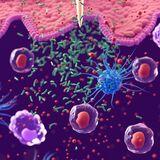
Humans harbour trillions of microbes collectively known as the microbiome. An emerging concept is to view humans and their microbiota as a superorganism, in which host and microorganisms coexist in a dynamic symbiotic relationship. The integral role of the microbiome in human health has inspired re-evaluations of a wide range of inflammatory, immune, and nervous system-related diseases. This perspective also challenges the classical boundary between self and non-self, raising the intriguing possibility that autoantibodies may also target microbial components.
We aim to explore the potential mechanisms by which microbial communities influence the development and progression of autoimmune diseases, including inflammatory bowel disease, rheumatoid arthritis, multiple sclerosis, and type 1 diabetes. We also focus on early cell fate decisions shaped by microbiome colonization in tissues such as the skin and gut.
Given the pivotal role of autoantigens in autoimmune pathogenesis, this Research Topic also seeks to identify such targets within the superorganism context using innovative approaches. We welcome diverse methodologies, including multi-omics integration, single-cell technologies, gnotobiotic models, AI powered immune repertoire analysis, and antigen screening platforms such as PhIP-Seq and Olink. Our goal is to deepen the understanding of microbiome–autoimmunity interactions, address key challenges, and stimulate cutting-edge research that may yield novel insights and therapeutic opportunities.
We welcome submissions addressing, but not limited to, the following topics:
• Redefining immune tolerance within the superorganism framework.
• Discovery of autoantigens and their corresponding antigen receptors, including both public and private specificities
• Development and application of advanced methodologies for autoantigen discovery
• Identification and functional analysis of microbial molecules (e.g., metabolites, structural components, or peptides) that modulate host immune responses or contribute to autoimmune pathogenesis.
• Influence of microbial diversity and dysbiosis on autoimmune pathogenesis
• Genetic and environmental factors shaping the microbiome–autoimmunity axis
• Microbiome-targeted interventions and therapeutic strategies for autoimmune diseases.
Please note that Systems Microbiology does not consider descriptive studies that are solely based on amplicon (e.g., 16S rRNA, 18SrRNA, ITS and other marker genes) profiles, unless they are accompanied by a clear hypothesis and experimentation and provide insight into the microbiological system or process being studied.
This Research Topic accepts the following article types, unless otherwise specified in the Research Topic description:
Articles that are accepted for publication by our external editors following rigorous peer review incur a publishing fee charged to Authors, institutions, or funders.
Keywords: Superorganism, microbiome, autoimmune disease, antigen, antigen receptor, PhIP-Seq, cross-reactivity, immune tolerance
Important note: All contributions to this Research Topic must be within the scope of the section and journal to which they are submitted, as defined in their mission statements. Frontiers reserves the right to guide an out-of-scope manuscript to a more suitable section or journal at any stage of peer review.
Manuscripts can be submitted to this Research Topic via the main journal or any other participating journal.
Submit your idea
You will be redirected to our submission process.
