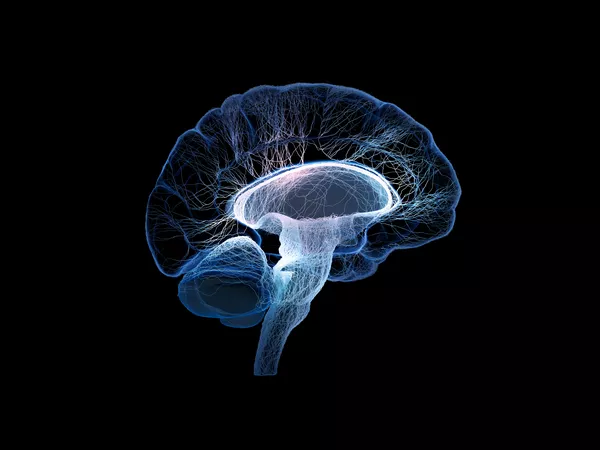
The intricate bidirectional communication between the gut and the brain, known as the Gut-Brain Axis (GBA), is fundamental to human physiology and increasingly recognized for its profound impact on health and disease. At the heart of this axis lies the Enteric Nervous System (ENS), often dubbed the "second brain," an extensive and semi-autonomous neural network embedded within the gastrointestinal tract. Its complex signalling pathways, involving neurotransmitters, hormones, and immune mediators, orchestrate vital digestive functions and exert far-reaching effects on systemic well-being, impacting everything from mood to metabolic health. This specialized topic, "Reviews In Gut-Brain Axis – The Enteric Nervous System," aims to collate and synthesize the rapidly expanding body of knowledge concerning the ENS within the context of the broader GBA. Given the swift advancements and multidisciplinary nature of this field, there is a critical need for comprehensive and authoritative summaries that consolidate current understanding, identify key challenges, and delineate future research directions. We exclusively welcome the submission of high-quality reviews, mini-reviews, and systematic reviews that provide critical perspectives and offer valuable insights into the ENS and its multifaceted roles. The scope of this topic is broad, encompassing various aspects of ENS biology and its interplay within the GBA, as explored through review-based formats. Contributions should critically evaluate existing literature and provide comprehensive analyses on areas including, but not limited to: • ENS Development and Plasticity: Reviews examining the origins, maturation, and adaptive changes of enteric neurons and glia throughout life and in response to stimuli. • Neuroimmune Interactions in the Gut: Syntheses of the complex crosstalk between the ENS, gut microbiota, and local immune system, and its implications for gut homeostasis and the development of neurodegenerative diseases. • ENS Dysregulation in Disease: Analyses of the role of ENS pathology in gastrointestinal disorders (e.g., IBS, IBD) and its contribution to systemic conditions and neurodegenerative diseases including/with emphasis on mechanisms, causality, and current limitations in human evidence. • Microbiota-ENS Axis: Reviews focusing on the mechanisms by which gut microbes influence ENS structure and function, impacting gut-brain communication, and addressing challenges in translating animal findings to human physiology. • ENS Circuitry, Mapping, and Methodological Advances: Analyses of recent breakthroughs in ENS imaging, single-cell sequencing, connectomics, optogenetics/chemogenetics, organoid modeling, and in vivo functional measurement of enteric circuits. • Therapeutic Targeting of the ENS: Critical evaluations of current and prospective interventions aimed at modulating ENS activity for therapeutic benefit in GBA-related conditions, including limitations and unmet needs in translating mechanistic discoveries into clinical practice. • ENS influence/impact on CNS pathology: Reviews focusing on the interaction between the CNS and the ENS during gut inflammation regarding cognitive function, with behaviour studies and clinical patient data. • CNS influence/impact on ENS pathology: Reviews focusing on the interaction between the ENS and the CNS during neurodegeneration regarding enteric functions, with mechanistic studies and clinical patient data.
Article types and fees
This Research Topic accepts the following article types, unless otherwise specified in the Research Topic description:
Brief Research Report
Case Report
Clinical Trial
Community Case Study
Conceptual Analysis
Curriculum, Instruction, and Pedagogy
Data Report
Editorial
FAIR² Data
Articles that are accepted for publication by our external editors following rigorous peer review incur a publishing fee charged to Authors, institutions, or funders.
Article types
This Research Topic accepts the following article types, unless otherwise specified in the Research Topic description:
Important note: All contributions to this Research Topic must be within the scope of the section and journal to which they are submitted, as defined in their mission statements. Frontiers reserves the right to guide an out-of-scope manuscript to a more suitable section or journal at any stage of peer review.