MM
magdalena mizerska-kowalska
Department of Virology and Immunology, Marie Curie-Sklodowska University
Lublin, Poland
168
Total views and downloads
Submit your idea
You will be redirected to our submission process.
Manuscript Summary Submission Deadline 17 March 2026 | Manuscript Submission Deadline 5 July 2026
This Research Topic is currently accepting articles.
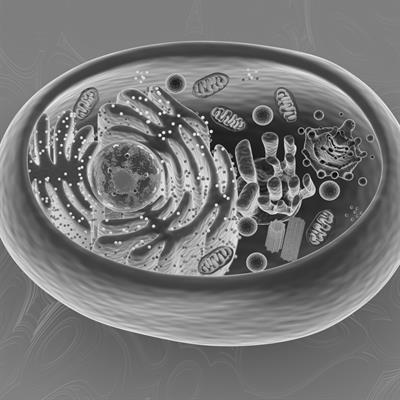
Cell survival in metastatic disease is a complex process that relies on precise coordination between intracellular organelles, to adapt to diverse microenvironmental stresses. Metastatic cells detach from the primary tumor, navigate the circulatory system, and colonize distant organs, while encountering challenges such as oxidative stress, nutrient deprivation, and immune surveillance. Successful adaptation to these conditions requires the integration of multiple survival pathways, mediated by organelle crosstalk, which regulates energy production, stress responses, apoptosis, and metabolic homeostasis.
Mitochondria play a central role in metastatic cell survival by controlling bioenergetics, reactive oxygen species, signaling, and initiation of programmed cell death. Mitochondrial dynamics, including fission, fusion, and mitophagy, enable cells to maintain mitochondrial quality and function under stress. Crosstalk with the endoplasmic reticulum modulates calcium signaling, lipid metabolism, and the unfolded protein response, which are critical for adaptation to microenvironmental stressors. Lysosomes coordinate degradation of damaged organelles and macromolecules through autophagy, providing essential nutrients and maintaining proteostasis, which supports survival during nutrient limitation.
Peroxisomes interact with mitochondria and other organelles to regulate reactive oxygen species and lipid metabolism, which influence metastatic potential. The nucleus integrates stress and metabolic signals from organelles to control transcriptional programs that promote survival and proliferation. Communication between organelles occurs through physical contact sites, signaling molecules, and vesicular trafficking which establishes a dynamic network that can sense environmental changes and activate appropriate adaptive responses.
Dysregulation of organelle crosstalk contributes to enhanced survival of metastatic cells and resistance to therapy. Understanding the dynamics governing these interactions can identify vulnerabilities that can be exploited therapeutically. Targeting key nodes in organelle communication pathways may disrupt cellular adaptation and sensitize metastatic cells to apoptosis or metabolic stress. Therefore, this topic will cover but is not limited to the following areas
• Mitochondrial dynamics and quality control in metastatic cell survival
• Endoplasmic reticulum mediated stress responses and calcium signaling
• Lysosomal autophagy and proteostasis in survival under nutrient limitation
• Peroxisome organelle interactions regulating reactive oxygen species and lipid metabolism
• Nuclear integration of organelle derived signals for survival transcriptional programs
• Molecular mechanisms of organelle crosstalk and communication networks
• Therapeutic targeting of organelle interactions to impair metastatic survival
This Research Topic accepts the following article types, unless otherwise specified in the Research Topic description:
Articles that are accepted for publication by our external editors following rigorous peer review incur a publishing fee charged to Authors, institutions, or funders.
Keywords: Organelle Crosstalk, Cell Survival, Metastasis, Apoptosis, Mitochondrial Dynamics
Important note: All contributions to this Research Topic must be within the scope of the section and journal to which they are submitted, as defined in their mission statements. Frontiers reserves the right to guide an out-of-scope manuscript to a more suitable section or journal at any stage of peer review.
Manuscripts can be submitted to this Research Topic via the main journal or any other participating journal.
Submit your idea
You will be redirected to our submission process.
