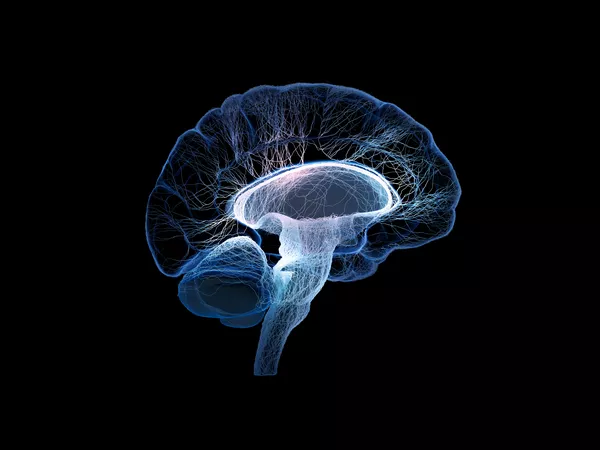
The field of brain connectomics has rapidly evolved, transforming our understanding of neural structures and the intricate patterns that underlie brain function and dysfunction. Recent years have seen growing interest in developing technologies and analytical frameworks capable of mapping the brain’s complex connectivity with unprecedented precision. Despite significant progress in imaging modalities and computational modeling, challenges persist in integrating multi-scale data, resolving the vast complexity of interconnected neural circuits, and translating connectomic information into functional and clinical insights. Key questions remain regarding how structural connections relate to cognitive processes and neuropsychiatric disorders, as well as the best approaches for managing—and interpreting—the sheer volume of data generated by modern connectomics studies.
Cutting-edge studies have introduced advanced imaging techniques, such as high-resolution diffusion MRI and whole-brain light-sheet microscopy, alongside sophisticated computational tools including artificial intelligence-based network analysis and statistical modeling. These innovations have enabled more detailed reconstructions of neural networks and fostered new hypotheses regarding their role in health and disease. Nevertheless, current strategies often grapple with limitations in spatial and temporal resolution, as well as challenges in benchmarking and validating new analytical approaches across diverse datasets and experimental models. As the field advances, a need persists for the development of integrative, reproducible, and scalable methods capable of bridging functional and structural connectomics.
This Research Topic aims to showcase innovative methodologies and conceptual frameworks for mapping and analyzing the brain’s connectome. By gathering work from multiple disciplines, it seeks to address key technical and theoretical challenges, promote best practices, and foster collaboration between experimentalists, data scientists, and clinicians. The goals include highlighting state-of-the-art strategies, uncovering novel neurobiological principles through connectomics, and encouraging transparent, reproducible research that advances both basic science and translational applications.
To gather further insights in the area of cutting-edge brain connectomics, we welcome articles addressing, but not limited to, the following themes:
o Novel imaging modalities and protocols for brain connectivity mapping
o Development and validation of computational and statistical connectomics methods
o Integrative approaches combining structural and functional connectivity data
o Applications of artificial intelligence and machine learning in network analysis
o Benchmarking, standardization, and reproducibility in connectomics research
o Translational and clinical perspectives on brain connectivity in health and disease
Article types and fees
This Research Topic accepts the following article types, unless otherwise specified in the Research Topic description:
Brief Research Report
Case Report
Clinical Trial
Community Case Study
Conceptual Analysis
Curriculum, Instruction, and Pedagogy
Data Report
Editorial
FAIR² Data
Articles that are accepted for publication by our external editors following rigorous peer review incur a publishing fee charged to Authors, institutions, or funders.
Article types
This Research Topic accepts the following article types, unless otherwise specified in the Research Topic description:
Important note: All contributions to this Research Topic must be within the scope of the section and journal to which they are submitted, as defined in their mission statements. Frontiers reserves the right to guide an out-of-scope manuscript to a more suitable section or journal at any stage of peer review.