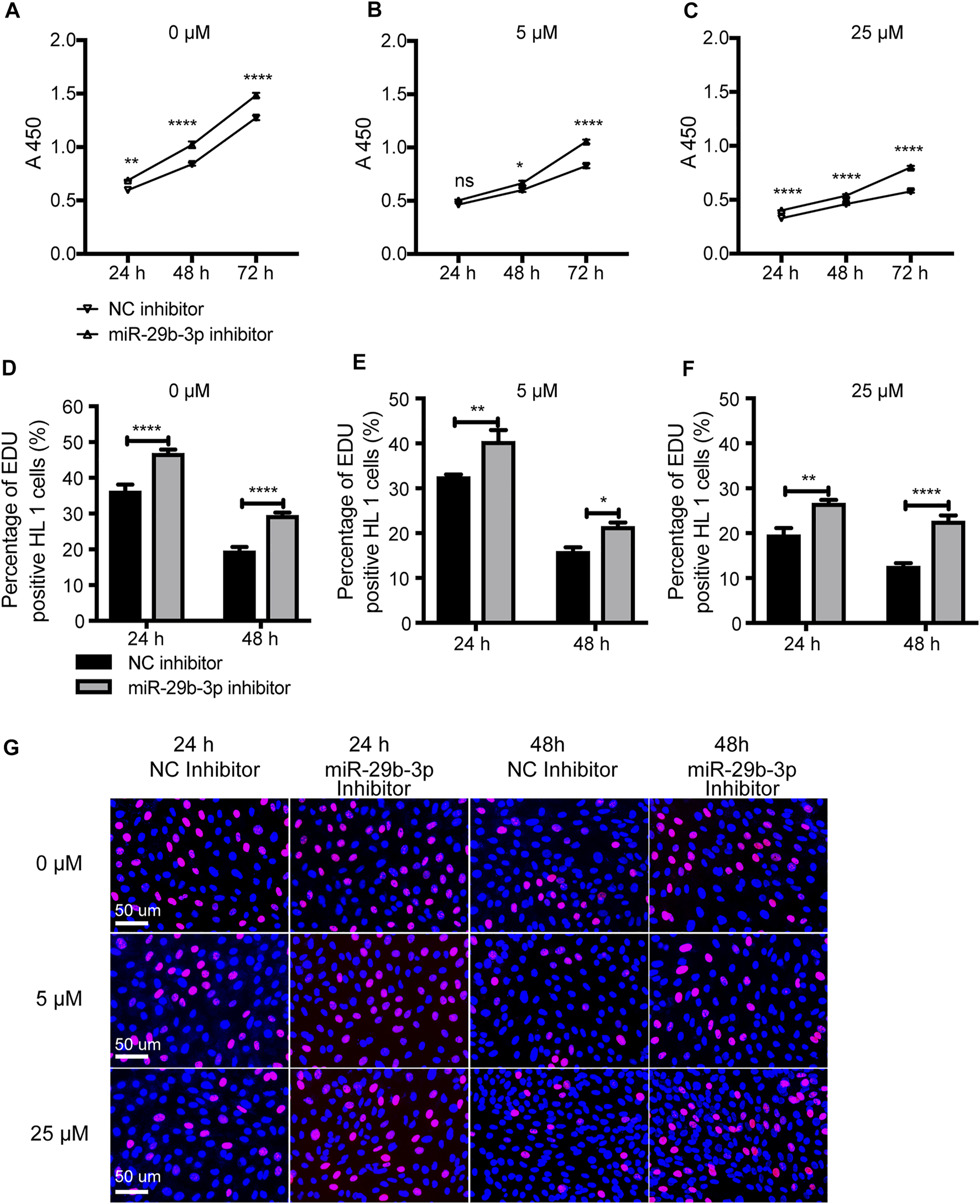
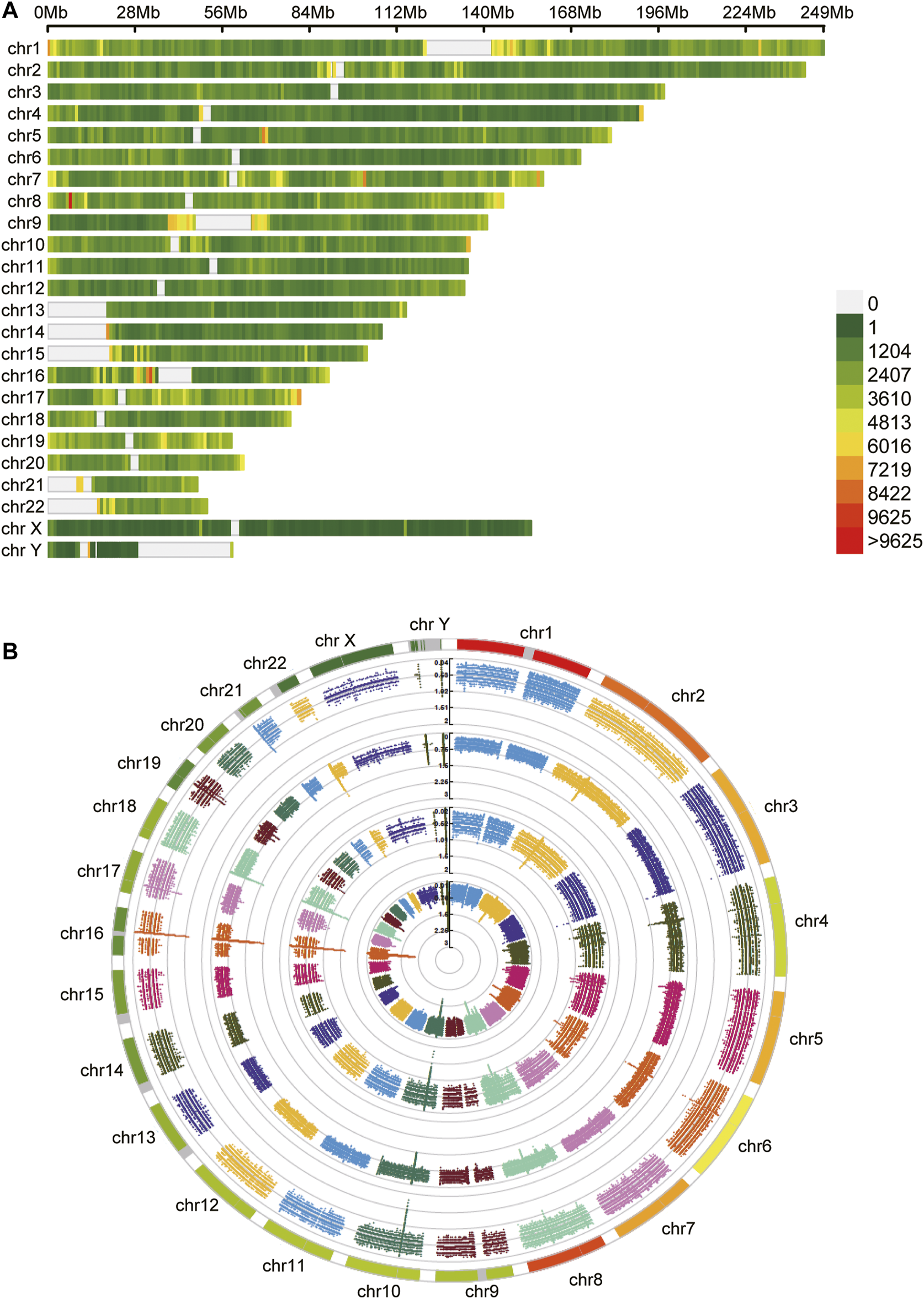
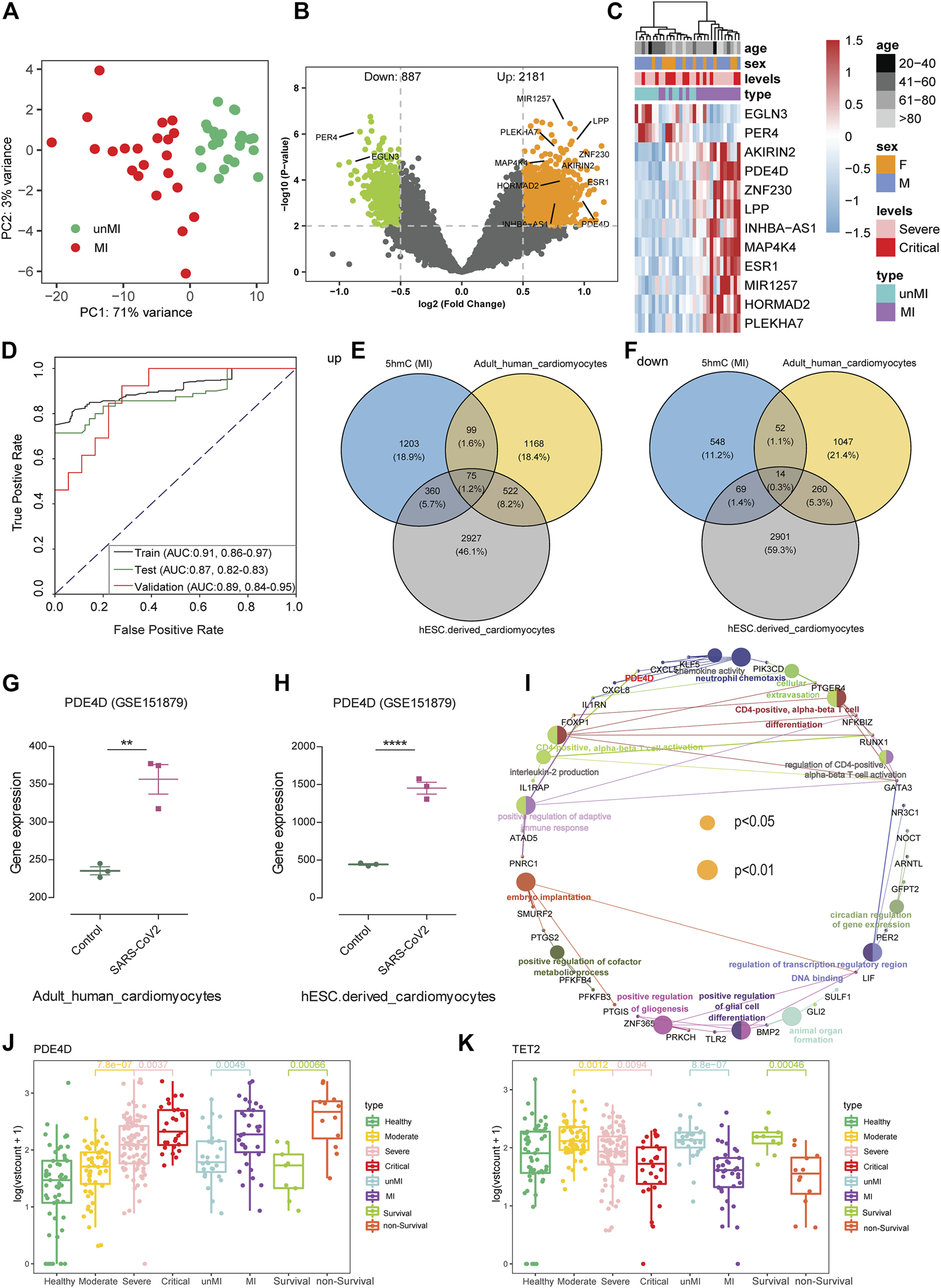
DNA methylation, a biological process triggering the adding of methyl groups to DNA molecules, regulates chromatin architecture and transcription, and plays essential roles in a wide range of biological processes (Li et al., 2013(Li et al., , 2018Roy et al., 2021).Accumulating evidence shows that the dysregulation of DNA methylation is involved in the development of many life-threatening diseases, including cancers, cardiovascular diseases (Pepin et al., 2019(Pepin et al., , 2021Heery and Schaefer, 2021;Dillinger et al., 2022;Rosselló-Tortella et al., 2022). This special issue aims to elucidate the correlation between DNA methylation and human diseases, with the hope to deepen our understanding of the underlying molecular mechanisms of DNA methylation in human diseases and pave the way to the development of new strategies or methods for disease prevention, diagnosis, and therapy.Adding methyl groups to the C-5 position of cytosine, 5-methylcytosine, is the main type of DNA methylation (Choi et al., 2021). To understand the 5-methylcytosine in cancer, one of the primary cause of death worldwide (Siegel et al., 2020), Liu et al. developed a 5-methylcytosine score system and evaluated tumor mutation burden, immune check-point inhibitor response, and the clinical prognosis of individual tumors using the score based on the 5-methylcytosine profile of 1,374 lung adenocarcinoma samples (Liu et al., 2021). Besides, by analyzing 5-methylcytosine and gene expression profiles from 860 clear cell renal cell carcinoma (ccRCC), Xu et al. found LINC00861 was the potentially intervening target of immunotherapy for prostate cancer patients and was significantly associated with the expression of PD-1 and CTLA4 (Xu et al., 2021). Li et al. developed predictive diagnostic and prognostic models by using machine-learning and Cox regression approaches based on pancreatic adenocarcinoma (PAAD) datasets (Li et al., 2022). To take the advantage of the third-generation sequencing technique, Zhang et al. collected two pairs of tumor tissues and adjacent normal tissues from hepatocellular carcinoma (HCC) surgical samples, and then conducted Nanopore sequencing. Zhang et al. firstly proposed to combine 5methylcytosine and 6-methyladenine sites and found four potential tumor suppressor genes including KCNIP4, CACNA1C, PACRG, and ST6GALNAC3, which provided a new solution for epigenetic regulation research and therapy of HCC (Zhang et al., 2022). It was reported that tissue-specific and ubiquitously expressed lncRNA showed different function (Jiang et al., 2016(Jiang et al., , 2019. Zhao et al. focused on lncRNAs differentially expressed in only one and multiple cancer types, and identified 29 lncRNAs as diagnostic biomarkers for ccRCC, the kidney renal papillary cell carcinoma (KIRP), and pan-cancer (Zhao et al., 2022). Disrupted miRNAs were highly correlated with human disease (Shao et al., 2015;Dong et al., 2020;Qiu et al., 2020). To investigate the interaction between miR-29b and DNA methylation in cardiovascular diseases, Wu et al. collected heart tissue samples from 17 patients with congenital heart disease (CHD) (Wu et al., 2022). The authors found an inversely correlation between miR-19a and DNA methyltransferases (DNMT) in the patients. Further exploration in hypomethylated zebrafish showed that miR-29b inhibitor relieved the deformity of hypomethylated zebrafish and restored the DNA methylation patterns in cardiomyocytes, resulting in increased proliferation and renormalization of gene expression, suggesting a mutual regulation between miR-29b and DNMTs in cardiomyocytes and supporting the epigenetic normalization of miRNA-based therapy in cardiomyocytes.In summary, by taking the advantage of the state-of-the-art high-throughput sequencing technologies, the authors showed the function role of DNA methylation in various types of cancer, as well as in cardiovascular disease and COVID-19. We would like to thank all authors for their paper published in this research topic. These studies made significant contributions in the field, extending our understanding of the roles of DNA methylation in human disease and will facilitate further advancement.
12 Authors
- LZ
Lili Zhang
Clinical Biobank, China
- WR
Weiqi Rong
Department of Hepatobiliary Surgery, China
- JM
Jie Ma
Department of Hepatopancreatobiliary Surgery, China
- HL
Hexin Li
Clinical Biobank, China
- XT
Xiaokun Tang
Clinical Biobank, China
- SX
Siyuan Xu
Clinical Biobank, China
- LW
Luyao Wang
Clinical Biobank, China
- LW
Li Wan
Clinical Biobank, China
- QZ
Qing Zhu
Department of Hepatopancreatobiliary Surgery, China
- BJ
Boyue Jiang
Department of General Surgery, China
- FS
Fei Su
Clinical Biobank, China
- HC
Hongyuan Cui
Department of General Surgery, China
18 Authors
- HC
Hang-yu Chen
Department of Pharmacy and Department of Intensive Care Unit, Peking University Third Hospital, China
- XL
Xiao-xiao Li
Department of Pharmacy and Department of Intensive Care Unit, Peking University Third Hospital, China
- CL
Chao Li
Department of Pharmacy and Department of Intensive Care Unit, Peking University Third Hospital, China
- HZ
Hai-chuan Zhu
Institute of Biology and Medicine, College of Life and Health Sciences, Wuhan University of Science and Technology, China
- HH
Hong-yan Hou
Department of Laboratory Medicine, Tongji Hospital, Tongji Medical College, Huazhong University of Science and Technology, China
- BZ
Bo Zhang
Department of Laboratory Medicine, Tongji Hospital, Tongji Medical College, Huazhong University of Science and Technology, China
- LC
Li-ming Cheng
Department of Laboratory Medicine, Tongji Hospital, Tongji Medical College, Huazhong University of Science and Technology, China
- HH
Hui Hu
Department of Medical Laboratory, the Central Hospital of Wuhan, Tongji Medical College, Huazhong University of Science and Technology, China
- ZL
Zhong-xin Lu
Department of Medical Laboratory, the Central Hospital of Wuhan, Tongji Medical College, Huazhong University of Science and Technology, China
- JL
Jia-xing Liu
Institute of Biology and Medicine, College of Life and Health Sciences, Wuhan University of Science and Technology, China
- ZY
Ze-ruo Yang
Yang Sheng Tang Natural Medicine Research Institute, China
- LZ
Lei Zhang
Yang Sheng Tang Natural Medicine Research Institute, China
- NX
Nuo Xu
Yang Sheng Tang Natural Medicine Research Institute, China
- LC
Long Chen
Synthetic and Functional Biomolecules Center, Beijing National Laboratory for Molecular Sciences, Key Laboratory of Bioorganic Chemistry and Molecular Engineering of Ministry of Education, College of Chemistry and Molecular Engineering, Innovation Center for Genomics, Peking University, China
- CH
Chuan He
Department of Chemistry, Department of Biochemistry and Molecular Biology, Howard Hughes Medical Institute, The University of Chicago, United States
- CD
Chao-ran Dong
Institute of Materia Medica, Chinese Academy of Medical Sciences and Peking Union Medical College, China
- QG
Qing-gang Ge
Department of Pharmacy and Department of Intensive Care Unit, Peking University Third Hospital, China
- JL
Jian Lin
Department of Pharmacy and Department of Intensive Care Unit, Peking University Third Hospital, China
11 Authors
- TL
Taisheng Liu
Department of Thoracic Surgery, Affiliated Cancer Hospital and Institute of Guangzhou Medical University, China
- LG
Liyi Guo
The Sixth People?s Hospital of Huizhou City, Huiyang Hospital Affiliated to Southern Medical University, China
- GL
Guihong Liu
Department of Radiation Oncology, DongGuan Tungwah Hospital, China
- XH
Xiaoshan Hu
Department of Internal Medicine of Oncology, Affiliated Cancer Hospital and Institute of Guangzhou Medical University, China
- XL
Xiaoning Li
Department of Thoracic Surgery, Affiliated Cancer Hospital and Institute of Guangzhou Medical University, China
- JZ
Jinye Zhang
Department of Thoracic Surgery, Affiliated Cancer Hospital and Institute of Guangzhou Medical University, China
- ZD
Zili Dai
Department of Radiation Oncology, Affiliated Cancer Hospital and Institute of Guangzhou Medical University, State Key Laboratory of Respiratory Diseases, Guangzhou Institute of Respiratory Disease, China
- PY
Peng Yu
Department of Radiation Oncology, Affiliated Cancer Hospital and Institute of Guangzhou Medical University, State Key Laboratory of Respiratory Diseases, Guangzhou Institute of Respiratory Disease, China
- MJ
Ming Jiang
Department of Breast Surgery, Affiliated Cancer Hospital and Institute of Guangzhou Medical University, China
- JW
Jian Wang
Department of Thoracic Surgery, Affiliated Cancer Hospital and Institute of Guangzhou Medical University, China
- JZ
Jian Zhang
Department of Radiation Oncology, Affiliated Cancer Hospital and Institute of Guangzhou Medical University, State Key Laboratory of Respiratory Diseases, Guangzhou Institute of Respiratory Disease, China
3,532 views
9 citations
11 Authors
- WX
Wenhao Xu
Department of Urology, Fudan University Shanghai Cancer Center, China
- WZ
Wenkai Zhu
Department of Urology, Fudan University Shanghai Cancer Center, China
- XT
Xi Tian
Department of Urology, Fudan University Shanghai Cancer Center, China
- WL
Wangrui Liu
Department of Neurosurgery, Affiliated Hospital of Youjiang Medical University for Nationalities, China
- YW
Yuanyuan Wu
Department of Gastroenterology, Naval Medical Center of PLA, Naval Military Medical University, China
- AA
Aihetaimujiang Anwaier
Department of Urology, Fudan University Shanghai Cancer Center, China
- JS
Jiaqi Su
Department of Urology, Fudan University Shanghai Cancer Center, China
- SW
Shiyin Wei
Department of Neurosurgery, Affiliated Hospital of Youjiang Medical University for Nationalities, China
- YQ
Yuanyuan Qu
Department of Urology, Fudan University Shanghai Cancer Center, China
- HZ
Hailiang Zhang
Department of Urology, Fudan University Shanghai Cancer Center, China
- DY
Dingwei Ye
Department of Urology, Fudan University Shanghai Cancer Center, China
3,348 views
9 citations