 Aymen Nefaa
- Aix Marseille Univ, CNRS, LPL (UMR 7309), Aix-en-Provence, France
This article constitutes the first cognate study aiming at the verification of the genetic link between LSF (French Sign Language) and LST (Tunisian Sign Language) through a lexicostatistical analysis of both sign languages (SLs). To do this, an orthographic/graphic 100 basic lexical items list was utilized to elicit LST lexical items from Tunisian deaf signers with a mean age of 20.86 from three different governorates in the country (Tunis, Nabeul, and Douz). The lists were then compared to LSF lexical signs from two LSF dictionaries (Elix and IVT). Results of the lexicostatistical analysis between the varieties of LST in the three governorates and LSF suggest a proposed distant genetic relationship between the two SLs.
1. Introduction
Research on LST is at an incubation phase. Although few studies on LST exist, they are mainly centered on its structural and morphological aspects (Mhimdi, 2018), or on intra-intermodal variability (Khayech, 2011). These studies concur on the existence of salient lexical similarities between LST and LSF. In some instances, such similarities render it extremely difficult to distinguish between the two SLs and strongly suggest a considerable genetic link (Khayech, 2011). The rationale for such genetic link is further reinforced through the historical link between the two countries during the 75 years of French colonization. However, no cognate studies were conducted to empirically substantiate the alleged genetic link.
2. Development of LST and the deaf community in Tunisia and the influence of LSF
Genetic relationships among major SLs in the United States, Western Europe, and the British colonies were traced with reference to the history of deaf education development in these regions (Al-Fityani and Padden, 2008, p. 12). Indeed, the evolution of SLs as well as the development of deaf communities using and diffusing the SLs in question gravitated for the most part around deaf educational settings in those regions. LST development and diffusion does not structurally differ from the Western European and North American models. Although this development was triggered centuries later in the 1970s, the developmental patterns of LST as well as the Tunisian deaf community follow the same developmental pattern with the deaf educational institutions being at the heart of LST diffusion and deaf community development.
During the last fifty years, two distinct types of deaf educational institutions were established with varying objectives and philosophies. The first type, also known as “associations”, such as the Association Tunisienne d'Aide aux Sourds (ATAS) and Association d'Aide aux Sourds et Deficients Auditifs (ASDA), were founded in the 1970 and 1979 respectively. The ATAS, created by the presidential family, is an educational vocational training institution with 15 branches across the country and is attached to the Ministry of Social Affairs. The ASDA, on the other hand, was established by the wife of the first Tunisian president and aimed at providing social assistance to the deaf community.
The objectives and underlying philosophies for the creation of these institutions differed significantly from those of deaf educational institutions established in France during the same period, where the deaf community played a major role (Mhimdi, 2018). In the Tunisian context, these associations viewed deafness as a deficiency that could be treated through medical interventions, such as speech therapy, hearing aids, and cochlear implants. At this stage in Tunisian deaf history, LST was not included in the deaf educational sphere and oralism was exclusively recognized as the sole valid approach to deaf education.
In 1981, Abdelghani Zaazaa, who studied in Switzerland and had a perfect mastery of French and LSF, and Moncef Ezzedine, who grew up in Tunis and learned and practiced LST, began working together. At this stage, LSF started to be integrated into LST practices (Mhimdi, 2018). They were later joined by two hearing teachers, Youssef Zribi and Taha Bahri, to establish a deaf NGO in 1983 called “Association de la Voix des Sourds Tunisiens” (AVAST), which aimed at mobilizing the deaf community, integrating it into Tunisian society, and protecting its rights. It is noteworthy that the AVAST marked the birth of the second type of deaf organization, founded by the deaf for the deaf, and where LSF was used not only to advocate for deaf rights in Tunisia but also for the education of deaf Tunisians.
By the 2000s, LST had reached a flourishing stage through various partnerships and exchanges developed at the national and international levels, including contact with French deaf organizations such as Center Jacques-Cartier and the Institut National des Jeunes Sourds (INJS). Although LST is now recognized as a fully-fledged language by the Tunisian government, there is no LST dictionary and deaf education is still predominantly oralist. Despite efforts by associations such as AVAST and ASDA to develop the foundations for a bilingual approach to deaf education, the lack of pedagogical and lexical resources in LST presented additional constraints to an already challenging task. In fact, the absence of pedagogically adequate LST teaching materials led many teachers in Tunisian deaf institutions to use LSF instead of LST, as the readily available teaching materials and resources in LSF make it a more viable option (Mhimdi, 2018).
The linguistic contact reported in this section between LSF and LST is not unique to the Tunisian context. Reagan (2021, p. 443) explains that SL contact is a crucial factor prevalent in educational settings where foreign SLs interact with both indigenous, community SLs, as well as home sign systems. This particular type of SLs contact does not constitute an exceptional occurrence in SL comparative-historical studies. The most well documented example of this type of SL contact was reported in the North American context where LSF was introduced to American deaf schools by Laurent Clerc. In effect, LST development is not different from the typical SL development described by Reagan (2021, p. 443), a classic case where the emergence of SL families is largely a result of the creation of schools for the deaf and the SLs utilized in those schools.
3. Relationship between LST and LSF in the literature
Although a relatively modest body of literature emerged over the last two decades, most LST research did not originate from Tunisian universities' research laboratories, but rather within French universities such as the University of Paris 8 (Mhimdi, 2018), the University of Rouen (Khayech, 2011) and Aix-Marseille University (Nefaa et al., 2022). In fact, the scientific study of LST falls outside the interest of the linguistic research endeavor in the Tunisian context. It is only recently that SL began to gain legitimacy through its recognition as a fully-fledged language in 2006 (Khayech, 2011) and studies on LST started to emerge.
One recurring theme among most studies on LST is its salient similarity to LSF. Khayech (2011) highlights the multilingual context in which LST develops as well as the significant influence of LSF at numerous levels of LST ranging from the simple borrowing of lexical and initialized signs, to the entire adoption of the LSF manual alphabet. In her study of code switching between LST and LSF, Khayech (2011, p. 414) explains that LST shows such a high frequency of borrowings from LSF that it is in some instances virtually impossible to discern whether signs are in LSF or LST.
In this same sense, Nefaa et al. (2022, p. 8) attempt to describe this heavy borrowing from LSF as a situation of double diglossia in Tunisian Dialectal Arabic (TDA) and French and in SLs (LST/LSF). In this diglossic situation, LSF and LST exist at both ends of a communicative continuum. From this perspective, LSF and LST evolve in an osmotic rather than disruptive relationship where deaf Tunisian signers use code-switching to facilitate communication rather than to emphasize on a particular sociolinguistic demarcation.
Along the same lines, Mhimdi (2018, p. 34) stresses the historical link between LSF and LST explaining that the linguistic repercussion of French colonization, namely bilingualism, was not restricted to spoken languages but also extended to SLs. She suggests an analogy between the status of the French language in the Tunisian hearing community and LSF in the Tunisian deaf community explaining that code switching between LST and LSF is as frequent as that between Tunisian Dialectal Arabic and French in the spoken modality. This linguistic contact can be traced back to the foundation of the two first deaf education associations in Tunisia: The Association Tunisienne d'aide Aux sourds in 1970 and the Association de Soutien aux Deficients Auditifs in 1979 after Tunisian independence.
The genetic relatedness of LST and LSF is not only underlined by Tunisian SL researchers, but also by Tunisian deaf signers. In her study, Mhimdi (2020) conducted a survey among a population of 99 deaf signers, with 53% of respondents indicating that LST was derived from LSF. Mhimdi (2020) concluded that LSF could be regarded as a “mother language” of LST, suggesting a kinship connection between the two SLs. It should be noted, however, that Mdimdi's study did not adhere to the standard methodological procedures of historical linguistics and thus cannot be considered as an empirical validation of the genetic connection between LSF and LST. Nevertheless, the study provides valuable insights into the existing lexical similarities between LST and LSF.
Along the same lines, through his archeological endeavor to identify the origins of what he terms “noétomalalien” or the history of SL in general, and LSF in particular, Cantin (2016, p. 10) proposes an update to Wittmann's (1991) genealogical tree of SLs. In his update, Cantin (2016) identifies SLs used in French speaking African countries, including Tunisia, as direct descendants of LSF (Figure 1).
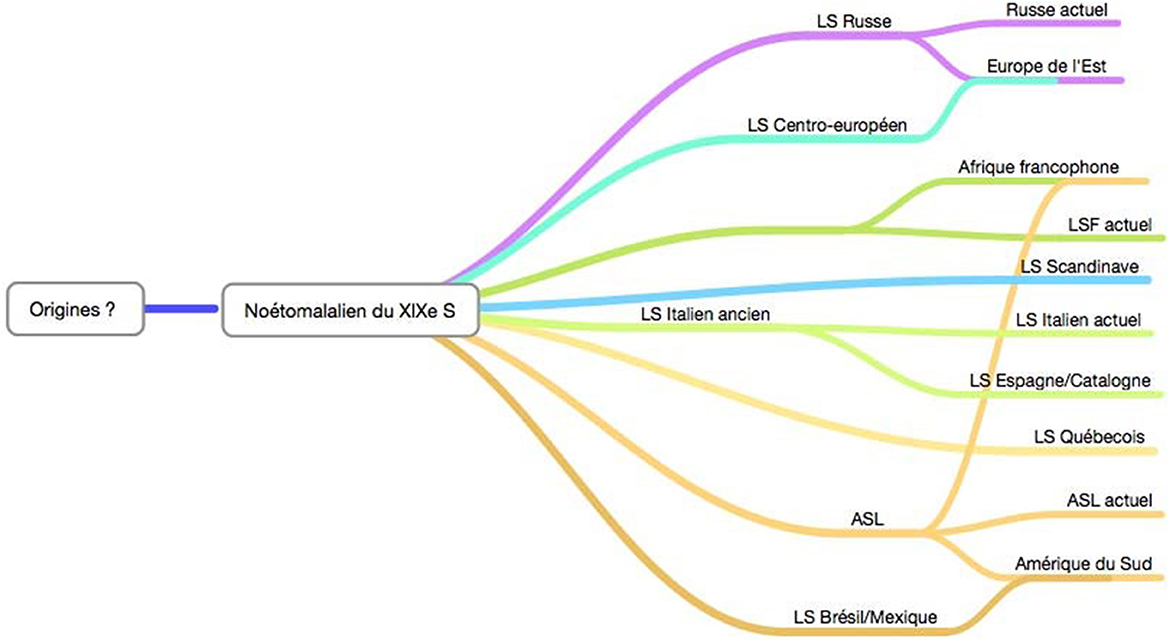
Figure 1. Cantin's (2016) update of Wittmann's (1991) genealogical tree of sign language.
Although the aforementioned studies seem to insist on the existence of a genetic link between LST and LSF, not a single study utilized conventional methodologies of comparative-historical linguistics to validate their claims. In fact, this need to empirically classify SLs was not at the heart of SL linguistics endeavor in general and in Tunisian SL linguistics in particular. To quote Supalla and Clark's (2015) terminology, this “Sign language archeology's” endeavor to categorize and classify SLs was not at the center of SL linguistics. Reagan (2021, p. 428) explains that historical studies on SLs constitute only a relatively small proportion of the extensive body of linguistic research dedicated to SL since 1960.
4. Comparative-historical SL linguistics and lexicostatistics
Lexicostatistics is historically one of the most widely used and most heavily criticized quantitative approaches in historical-comparative linguistics (Reagan, 2021). The broad objective of the lexicostatistical method is to determine the ways in which distinct languages are genetically related based on the proportion of cognates they share (Zhang and Gong, 2016, p. 1). Reagan (2021, p. 429) explains that in studying two or more languages the lexicostatistical method aims at: “(1) identifying related words in targeted languages, (2) establishing sound correspondences between targeted languages, and (3) establishing correspondences between cognates in the targeted languages”. Once these objectives are attained, researchers can hypothesize the existence of a proto-language and substantiate the existence of a genetic relationship between the studied languages as “daughter languages” derived from the same proto-language. The higher the percentage of cognates between two target languages, the closer the historical relationship among the languages as it points to a recent split from a common parent language (Black, 1997).
Drawing on the premise that a basic core vocabulary exists that is shared among all languages and that is relatively stable over time, linguists tried to create lists of basic vocabulary for the purpose of comparing different languages. One of the most influential lexical item lists for lexicostatistical analysis of spoken languages was devised by Swadesh (1952, 1955). Swadesh (1952) explains that the lists should include lexical items sharing four common criteria: (1) High frequency in everyday use, (2) early acquisition, (3) existence in all languages, (4) rarely borrowed from other languages.
It is important to note that assumptions underlying the existence of a core culturally independent vocabulary common to all languages have been challenged by several linguists (Palfreyman, 2014). On the other hand, scholars such as Starostin (2000) criticized the validity of the assumption that rates of lexical retention and loss are relatively constant through time and across languages. Palfreyman (2014, p. 3) affirms the existence of several documented instances where basic vocabulary has undergone rapid changes due to various linguistic phenomena such as borrowing.
With respect to the applicability of the lexicostatistical method to SLs, Woll (1984) criticized the basic assumptions underlying the design of basic lexical items lists as they would encompass a high number of pronouns and body part elements. Such elements are expressed by pointing and are highly iconic in SLs. This particular type of lists would artificially produce a high incidence of cognates among genetically unrelated SLs (Woodward, 1978; Aldersson and Mcentee-Atalianis, 2008). Based on Swadesh's word list, Woodward (1978, 2011) developed a core vocabulary list that he used in his lexicostatistical analysis of American Sign Language (ASL) and LSF.
Regarding the classification of SLs, it is important to note that the term “language family” in comparative-historical SL linguistics is different from the term used for spoken languages. Traditionally, historical linguistics uses the term “language family” to refer to language varieties that descended from a common ancestor. In the case of SLs, Woodward (2011, p. 41) explains that classifying SLs as belonging to the same language family does not necessarily entail that they originated from a single ancestral language. Processes such as borrowing, hybridization, and creolization can make SLs similar to each other without necessarily having a classically defined direct genetic connection.
The new definition of the “language family” concept has led to a shift in the way cognates are defined, identified, and analyzed. The classic comparative-historical method assumes that sound change in spoken languages is regular (Hale, 2015). Correspondingly, it relies on identifying regular sound correspondence among semantically similar words across different languages. These regular correspondences result from the incremental change that is a defining characteristic of linguistic descent in spoken languages and plays a central role in cognates identification and analysis (Power, 2022).
SLs, however, do not necessarily evolve through linguistic descent (Woodward, 2011; Palfreyman, 2014; Reagan, 2021; Power, 2022) nor do they exhibit regular change and diversification patterns characterizing spoken languages (Labov, 2020; Power, 2022). Power (2022, p. 10) argues that the lack of regularity in SL change and development as well as the absence of regular correspondences among related SLs led to major revisions of the traditional method for cognate identification through regular correspondences. In the case of SLs, it becomes unclear whether signs that are historically related through alternative linguistic processes such as borrowing can be considered as cognates (Power, 2022). In effect, the expansion of the “language family” definition in comparative-historical SL linguistics entailed, in its turn, major revisions to the traditional definition of cognacy.
5. Cognacy and SL classification issues in lexicostatistics
One particular approach to isolate borrowed and loan words in lexicostatistical analysis was put forward by Starostin (2000, p. 27) who proposes a root-based quantitative method or the “Etymostatistics” method. This method compares basic roots of words instead of basic vocabulary. Starostin (2000, p. 1) explains that basic roots can be maintained much longer than words. This method would also allow for the identification and separation of borrowed lexical items that are liable to artificially increase cognate percentages. On the other hand, Starostin (2000, p. 27) does not advocate the dismissal of the lexicostatistical method. He instead, proposes the combination of lexicostatistics and etymostatistics in order to: “obtain more precise datings and classifications”.
Starostin (2010) makes a clear distinction between two types of lexicostatistics: classical lexicostatistics (CL) and preliminary lexicostatistics (PL). According to Starostin, CL can only be conducted after a historic relationship between the language varieties being compared has been substantiated. CL constitutes a final step in a long process of determining the historical relationships between languages. In contrast, PL involves using lexicostatistical methods to establish relationships between languages before any historic relationship has been demonstrated. Palfreyman (2014, p. 2) explains that this approach is vulnerable to accusations of circular reasoning, since the same method used to establish the relationship (cognacy) is also used to determine its nature.
Power (2022, p. 10) reports two major alternative approaches where the traditional definition of cognacy was broadened to include both inherited and borrowed signs. The first approach is put forward by Woodward (2011) where an adaptation of the lexicostatistical method would allow for the classification of SL families without being confined to the exclusive identification of inherited signs. Accordingly, borrowed signs can be considered as cognates. The second approach was put forward by Supalla and Clark (2015) which they describe as a “sign language archaeology” or “the archeological approach”. As the name may suggest, this approach bases its cognates identification on historical evidence as well as folk etymology. Supalla and Clark (2015) do not distinguish between cognates inherited through linguistic descent or through other linguistic processes such as borrowing. Although both approaches may seem appealing for the purpose of our study, the archaeological approach relies heavily on material evidence or “excavation”. Such materials may not always available in the Tunisian context where LST is neither codified nor standardized.
Woodward's approach does not limit itself to the traditional historical linguistics view where the notion of cognacy is intrinsically associated with direct genetic descent. Such approach seems to be the most appropriate candidate for the purpose of our study. However, it is important to acknowledge and address some of its limitations. One major limitation of Woodward's' approach is the classificatory scale used to describe and label relationships between SLs. Woodward (1978) adopted Swadesh (1954, p. 326) classification of dialects, languages, stocks and phylums based on the percentage of cognates, as in Table 1.
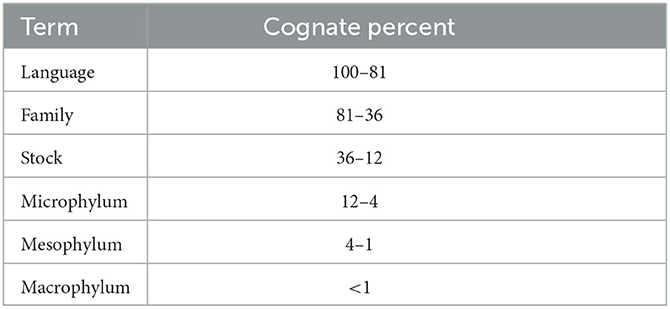
Table 1. Swadesh (1954, p. 326) classificatory scale of SL relationships.
Palfreyman (2014, p. 3) explains that the linking of thresholds with class names such as language, family, and stock proposed in Woodward's classification system seems to be arbitrary as it lacks clear basis and justifications. In this same vein, Campbell (1999, p. 166) explains that several classification terms used to describe higher-order more inclusive language families such as “stock” and “phylum” as well as the compounding elements “macrophylum”, “microphylum”, and “mysophylum”, have caused confusion and controversy as they describe entities that are not fully accepted as existing.
Crowley (1997, p. 173), argues that the term “family” has a distinct meaning in the context of lexicostatistics, which differs from the classical term used by historical linguists. In historical linguistics, a “language family” refers to all language varieties that have developed from a shared ancestral language, regardless of the level of relatedness between them. However, the term “family” is used by lexicostatisticians to refer to a specific level of subgrouping in which languages share more than 36% of cognates. This particular usage of the term “language family” has been deemed confusing and alternative labels for sub-groupings have been suggested.
To prevent the use of confusing terminology, Campbell (1999, p. 166) suggests the use of the term “family” to describe all language families regardless of their level of genetic relatedness. Campbell explains that the proposed relationships categories put forward by Woodward would be considered genuine language families if they were established through linguistic evidence. However, they are currently unsubstantiated and, therefore, should be referred to as “proposed distant genetic relationships” or “postulated families” to prevent insinuations of certainty. Essentially, Campbell suggests that, until there is sufficient linguistic evidence to confirm the higher-order language families in Woodward's classification, it is best to use neutral and tentative terminology when referring to SLs relationship.
6. SL lexical similarity and cognate studies in the Arab world
Lexical similarity and cognate studies of SLs have been extensively conducted in the European and North American contexts, but very few investigations exist on SLs in the Arab world. Abdel-Fattah's (2005) study is one of very few examinations of lexical similarities among Arabic SLs. Abdel-Fattah's (2005) highlights a number of lexical similarities found in Egyptian, Palestinian, Jordanian, and Libyan SLs. Despite the relatively small number of lexical signs included in the analysis, Abdelfattah's work represents one of the pioneering attempts to explore lexical similarities among Arab SLs.
To our knowledge, the only extensive comparative cognate study on Arab SLs was conducted by Al-Fityani and Padden (2008) where they examined Jordanian Sign Language (LIU), Bedouin Al-Sayyid Sign Language (ABSL), Kuwaiti Language (KSL), Libyan Sign Language (LSL) and Palestinian Sign Language (PSL). Al-Fityani and Padden (2008) also compared LIU to ASL. They used all vocabulary available in published dictionaries for each SL except for ABSL which had no published dictionary. Signs were compared with reference to four phonemic parameters: (1) handshape, (2) movement, (3) location, and (4) palm orientation (Al-Fityani and Padden, 2008). To identify cognates, Al-Fityani and Padden followed the guidelines put forth by McKee and Kennedy (2000), which stipulate that for two signs to be considered as related, they should share a minimum of three out of the four parameters.
Al-Fityani and Padden (2008) found that the percentage of cognates existing between LIU and ABSL, KSL, LSL and PSL ranged from 24 to 40%. Concerning LIU and ASL, the percentage of cognates was 17%. The highest cognate percentage was found between LIU and PSL (58%). Al-Fityani and Padden (2008, p. 11) explained that the Palestinian and Jordanian communities are close in terms of marriage customs and traditions, which resulted in potential linguistic exchange and therefore a higher percentage of cognates.
It is essential to underscore that Al-Fityani and Padden (2008) based the interpretation of their results on Woodward's classification system of languages. Based on the percentages of cognates obtained, they suggest that: “LIU-LSL, LIU-ABSL, and LIU-ASL, are not related since they share only 12–36% of cognates”. The interpretations suggested by Al-Fityani and Padden (2008, p. 10) for the “stock” relationship between LIU-LSL, LIU-ABSL, and LIU-ASL seem to be counterintuitive in the sense that the reported percentages of cognates is by itself a valid confirmation that the languages in question are, indeed, related.
In the light of the controversy surrounding both language class categories and cognates percentages used to classify SLs reported in the literature, we will be approaching SL relationships in our study through a strength of relatedness spectrum. The term “family” will be used to describe related SLs regardless of their level of genetic relatedness as recommended by Campbell (1999, p. 166). Cognate percentages will be viewed as potential indicators of the strength of the relationship among the studied SLs varying from low cognate percentages suggesting in Campbell's terms a “proposed distant genetic relationships” to high cognates percentages suggesting “postulated families”.
7. Method
For the purpose of our study, Woodward's (2011) 100 lexical items list was used to identify cognates in LST and LSF. Although the use of dictionaries in both SLs may seem a practical and efficient method for data collection, such method proved to be impossible due to the absence of any type of dictionaries (online or paper based) for LST. Correspondingly, two distinct procedures were devised to collect data for both SLs. For LSF, lexical items were collected from two dictionaries: a paper based LSF dictionary International Visual Theater dictionary (IVT) and an online LSF dictionary (Elix). For LST, lexical items were collected from a population of 61 participants over three Tunisian governorates.
7.1. Data collection of LST lexical items
7.1.1. Instruments
Two distinct techniques were employed to elicit lexical signs in the Tunisian setting. The first method, as outlined by Aldersson and Mcentee-Atalianis (2008) was centered around utilizing orthographic stimuli. In the context of our study, where the objective was to elicit individual signs, potential limitations arising from syntactic interference between writing and the lexicon of sign language were not considered significant. The second method for eliciting signs relied on visual stimuli. Although the literacy rate in the studied sample is higher than the national rate of 98% (Khayech, 2011) we opted for a combination of both methods.
7.1.2. Population
The Tunisian context involves a sample of 61 participants with a mean age of 20.86 and a standard deviation of 8.86. Among the studied population, 36% of the participants were aged over 20 years, while 16.66% were over 30 years old. Additionally, one-third of the participants fell within the age range of 17 to 20 years, and 34% were under the age of 17. The Figure 2 provides a concise overview of the age distribution within the studied population.
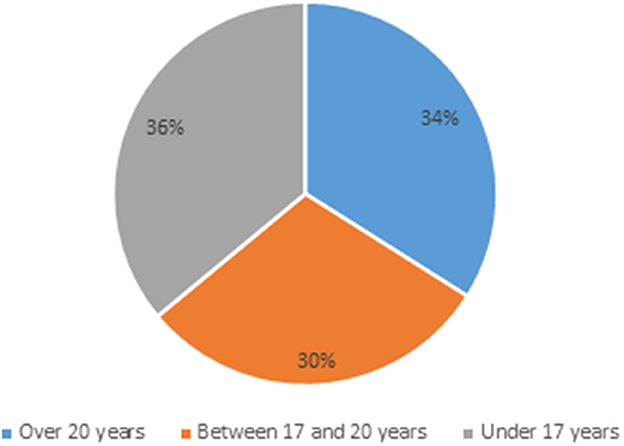
Figure 2. Distribution of the studied population by age.
Although the mean age of the population may seem relatively low, it is important to note that, as explained in Section 2, the development of the Tunisian deaf community and LST is centered around educational settings. Such settings are characterized by relatively young deaf populations. In the case of our study, the main objective is to obtain data from deaf participants who belong to a deaf community wherein a “consensus” or “general agreement” on a non-standardized and non-codified SL exists.
Participants are geographically situated in three different governorates of Tunisia namely: (1) Tunis, (2) Nabeul, and (3) Kebili. The Figure 3 illustrates the proportions of the studied population according to the studied governorates.
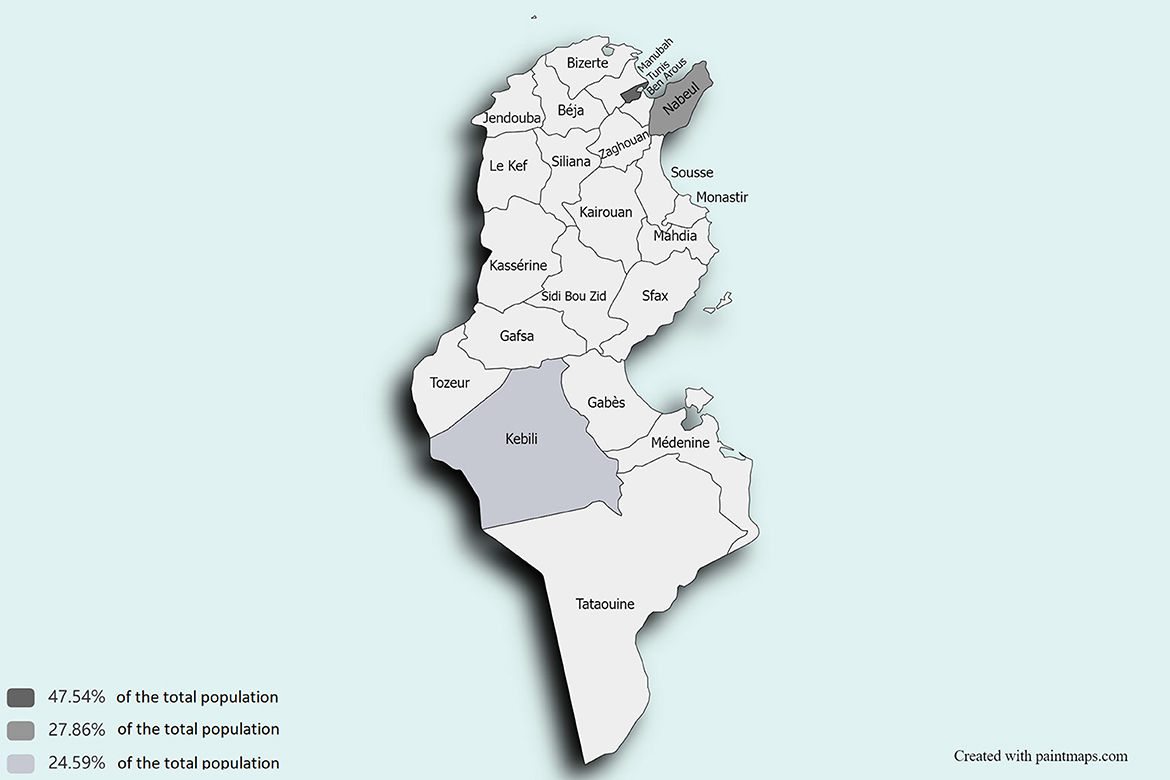
Figure 3. The proportions of the studied population according to the studied governorates.
The choice of these three governorates is based on two major reasons. The first reason is grounded on the fact that unlike LSF, LST is a non-codified and non-standardized SL (Nefaa et al., 2022). Therefore, opting for a single governorate or region would only yield partially valid outcomes that would not reflect the potential variation in LST.
The second reason is based on the sociodemographic characteristics of each governorate. In fact, those governorates show three main characteristics relevant to the purpose of our study: (1) the concentration of deaf individuals in each region, (2) the existence of deaf educational institutions supporting the development of a deaf community and the spread of LST, (3) and the mobility within each governorate as well as between governorates which may potentially foster and sustain contact between varieties of LST.
In the case of Tunis governorate, although the proportion of deaf individuals, is lower than other two governorates (Nabeul and Kebili) (Institut national des statistiques, 2014), the mobility between Tunis and the neighboring governorates of Ariana, Ben Arous, and Manouba, collectively known as the “Le Grand Tunis” region, is exceptionally high. Moreover, the presence of multiple deaf educational institutions and mainstream schools for the deaf, not only promotes linguistic interaction among deaf individuals but also contributes to the formation of a substantial deaf community that extends beyond the borders of Tunis governorate.
The selection of Nabeul governorate was based on two specific criteria. Firstly, the decision was influenced by the proportion of deaf individuals residing in the governorate, which accounts for 6.5% of the overall population with disabilities in Tunisia, as reported by the National Institute of Statistics (Institut national des statistiques, 2014). Additionally, the presence of a prominent deaf community in Nabeul was supported, in part, by the establishment of a non-governmental bilingual center for deaf education known as the Association de Soutien Aux déficients Auditifs (ASDA). This center offers comprehensive educational programs, including early education, primary education, and vocational training in LST within the governorate. ASDA plays a crucial role in creating an environment conducive to the growth and development of deaf culture in Nabeul governorate.
The governorate of Kebili, situated in the southwestern region of Tunisia, stands as the second-largest governorate in Tunis, characterized by a significant expanse of desert terrain. This region exhibits distinctive geographical and socio-cultural attributes that directly impact the prevalence of deafness and the growth of a deaf community and culture.
In contrast to other regions in Tunisia, particularly those in the northern and coastal areas, which have embraced a relatively Westernized lifestyle, Kebili governorate maintains an image of moderate conservatism. The relatively smaller population of Kebili region, with 170,450 inhabitants compared to the highly populated Tunis governorate with 1,056,247 inhabitants, shows a higher incidence of deafness in Kebili (Tunis: 5.9, Kebili: 7.2) according to the National Institute of Statistics (Institut national des statistiques, 2014). This higher prevalence is primarily attributed to the prevailing conservative culture that encourages endogamous marriages within this specific region of the country. Consequently, hereditary deafness is more frequently observed in Kebili compared to other regions where deafness is predominantly of a non-genetic nature (Institut national des statistiques, 2014).
The second criterion for selecting Kebili governorate is its relative isolation resulting from its geographical location in southern Tunisia. With a distance of ~500 km from the capital city, Kebili possesses a modest public transportation network, leading to limited mobility within its towns as well as outside the governorate. This combination of a high incidence of deafness and restricted mobility within and between governorates can significantly influence not only the development of the deaf community but also the emergence of what Zeshan and de Vos (2012) refer to as “Village Sign Language.” The Table 2 provides a summary of the selection criteria for each of the studied regions.
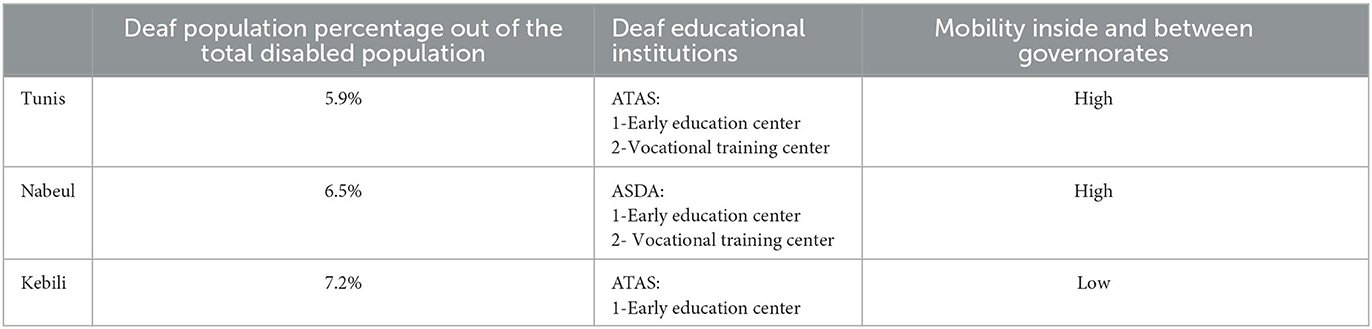
Table 2. Summary of the selection criteria for each of the studied regions.
7.1.3. Procedure
Data collection was conducted in each governorate by the researcher and an LST interpreter. To ensure participants' understanding of the study's purpose and the data collection process, a briefing session that lasted ~15–20 min was conducted in LST. Following the briefing, participants were given the opportunity to provide their consent to participate. The LST interpreter explained the participant consent form to each individual, and participants were requested to sign the form to indicate their agreement to take part in the study and their willingness to be recorded on video.
Upon obtaining informed consent, participants who agreed to participate were asked to produce signs for a set of 100 pictures and/or words displayed on a computer. Interpreters were instructed to clarify to the participants that they might be familiar with multiple synonymous signs for each picture or word, but they were only required to produce the signs commonly used within the local deaf community.
Participants were explicitly informed that the written words accompanying each picture in the data collection task were provided solely as an additional support and that they were not obligated to read every word to comprehend the pictures. If participants encountered difficulties in understanding any picture or word, they were encouraged to ask questions for clarification. The LST interpreter was given instructions to explain the lexical items without suggesting any specific sign to the participants. It is worth noting that all the lexical items/concepts included in Woodward's list were present in LST, and participants were able to produce LST signs corresponding to all 100 lexical items/concepts.
In order to minimize the occurrence of synonyms, participants were instructed to provide signs that were typically used within their own deaf community, even if they were aware of the existence of other synonymous signs. Consequently, this approach yielded one sign per lexical item/concept. Although variation was minimal, synonymous signs for few lexical items/concepts were reported in the Tunis region (nine synonyms) as well as in the Kebili region (4 synonyms). A total of 6100 LST signs were collected in the Tunisian context. The Table 3 summarizes the number of lexical signs obtained by region and by number of participants.
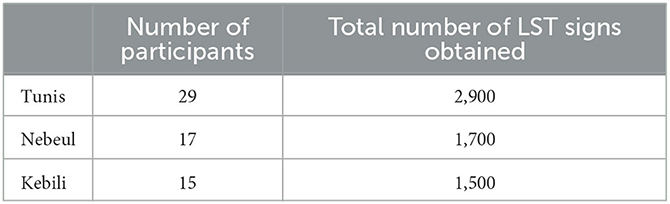
Table 3. Number of lexical signs obtained by region and by number of participants.
7.2. Data collection of lexical signs in LSF
Data collection for lexical items in Woodward's list involved the use of two dictionaries. The first dictionary used was the Elix online bilingual dictionary, which serves as a search engine specifically designed for LSF. Synonymy was not highly significant in this dictionary, as it establishes a similar connection between the written form of the spoken language and SL, aligning with the connection found in Woodward's list.
The second dictionary is a paper based dictionary entitled the International Visual Theater (IVT) dictionary divided in 5 volumes. This dictionary includes 4500 signs classified by themes (housing, school, social life, health, etc.). The dictionary offers an alphabetical index of French translations (French/LSF) and an index of signs classified by configuration. All Woodward's lexical items were present in both dictionaries and a total of 15 cases of synonymy were recorded. Two cases of synonymy included more than one synonym, making a total number of 119 LSF signs out of Woodward's 100 item list.
Synonymous signs were simply included in the analysis as advocated by Starostin (2010, p. 19) qualifying this type of situation as “lack of replacement” situation. Synonymous signs in LST were compared to the equivalent sign(s) in LSF. As an example, the lexical item DOG in LSF has three synonyms whereas the same lexical item/concept among Tunisian signers has two. One LSF sign (3a) corresponds in its four phonemic parameters to one of the LST synonyms (2b) as it is shown in the Figure 4.
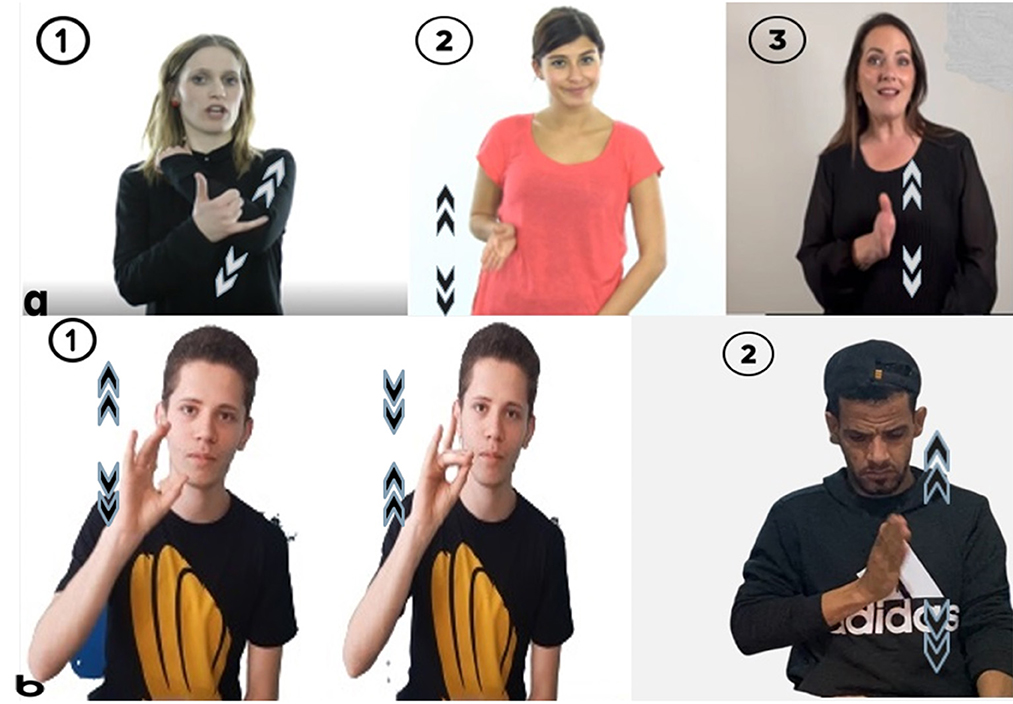
Figure 4. Synonyms for the word “dog” in LSF and LST. Signs a1, a2, and a3 are three synonymous signs for the word “dog” in LSF (Source: Elix online LSF dictionary). Signs b1 and b2 are two synonymous signs for the word “dog” in LST.
Data was annotated using the four phonemic parameters of annotation suggested by McKee and Kennedy (2000), and the annotation process was conducted using the Elan 6.2 software. Later, the annotated data was compared to the videotaped data available in LSF dictionaries. If any of the synonyms reported in LST signs were found to be identical to their counterparts in LSF, those signs were considered as cognates.
8. Results and discussion
Our study focuses on exploring the genetic relationship between LSF and LST, with a specific emphasis on quantitatively identifying lexical cognates. We have primarily centered our analysis on identifying signs that are identical in both LST and LSF, classifying them as cognates. This approach aligns with our primary objective of assessing the genetic relatedness between the two SLs under investigation.
The data illustrated in Figure 5 reveals that LST in the three studied governorates does not surpass 33% with 30% of cognates for the Tunis region, 29% for the Nabeul region, and 33% for the region of Kebili. These relatively low percentages suggest, in Campbell's terms, a proposed distant genetic relationship between LSF and LST.
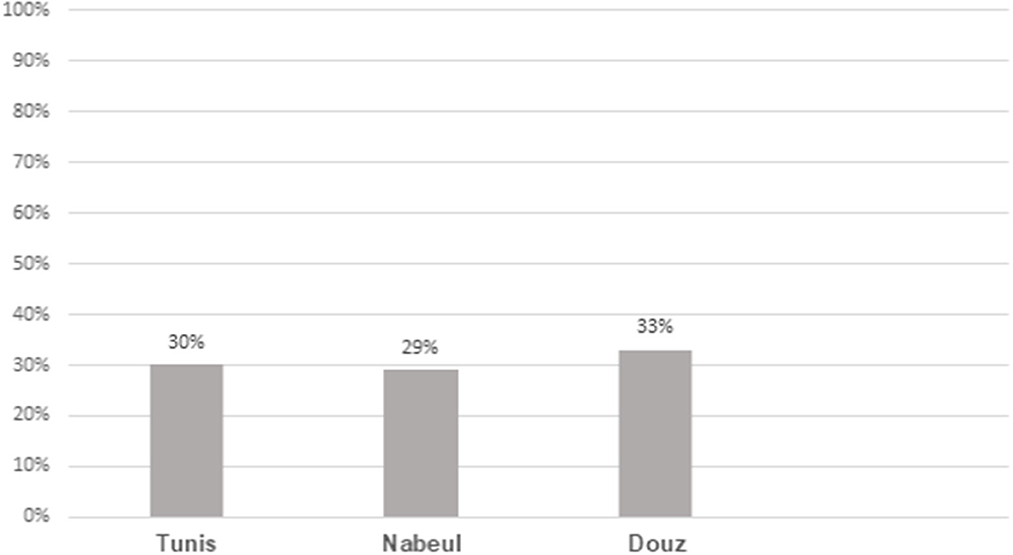
Figure 5. Percentages of LSF-LST cognates by region.
The concept of stability over time in basic vocabulary lists, such as Woodward's list that was used in our research, suggests that changes in basic vocabulary occurs incrementally over an extended duration. Therefore, for two languages descending from the same proto-language to diverge to a degree where they are classified as “distantly related” languages, a considerable amount of time should have elapsed. Starostin (1989, p. 4) provides the example of Indo-European language families which display a range of cognate percentages from 25 to 30%, having separated around 5 or 6 thousand years ago.
The term “proposed distant genetic relationship” as coined by Campbell (1999) was initially used to describe spoken languages directly descending from a common proto-language and that diversified thousands of years ago as evidenced by the low cognate rates they exhibit in basic vocabulary lists. However, the notions of stable core vocabulary retention rates as well direct genetic descent do not necessarily apply to SLs. As explained earlier, genetic descent in SL can involve direct descent from a common ancestor as well as indirect descent involving lateral transfer such as borrowing or other language contact phenomena. In such cases, the notion of stable and incremental core lexicon retention and loss over time as advanced in spoken languages is no longer applicable to SLs.
In fact, the traditional view of cognacy that excludes indirect descent could not explain the cognate rates we obtained in the case of LSF and LST through a relatively short period of time. However, as previously mentioned (cf. Section 4), our approach to cognacy considers a Woodwardian perspective that allows for the recognition of borrowed signs as cognates through indirect genetic transfer. Indeed, it is crucial to highlight that while we refer to the relationship between LST and LSF as a “proposed distant genetic relationship”, this does not necessarily imply a gradual diversification that occurred over thousands of years, as the traditional approach to cognacy might suggest. By considering borrowed words as potential cognates, the notion of a gradual and incremental change in basic vocabulary over time may not hold true in this particular context. The concept of distant genetic relationship, in our case, allows for different possibilities in the historical development of the two SLs under investigation.
The Tunisian deaf context constitutes an interesting environment where LSF transmission is not only horizontal but also relatively recent. The patterns observed in LSF diffusion and its contact with LST align with the observations of Velupillai (2012, p. 29) explaining that “most of the known links between SLs today are based on the fact that they are young languages that often emerged through special education systems for the deaf.”
The influence of LSF on LST bears a resemblance to the influence exerted by French on Tunisian Dialectal Arabic (TDA). Tunisian mainstream education actively promoted the use of the French language along with the existing French educational resources and curricula established during the French colonial era. The challenges posed by the adoption of the Arabic language due to the lack of readily available educational resources led to the pragmatic decision to adopt French as the medium of instruction in Tunisian mainstream schools. The integration of French into Tunisian mainstream education had consequences far beyond the academic realm. French played an important role in the development of TDA. As French gained ground in formal mainstream education, its influence extended to the ways in which TDA was used in informal contexts. French vocabulary, grammar, and syntactic structure infiltrated TDA leading to lexical borrowings, code-switching, code mixing and other linguistic adaptations.
A comparable pattern appears to have been implemented in the context of Tunisian deaf education by opting for an LSF-based deaf education. Just as the Tunisian mainstream education system embraced French as the medium of instruction, Tunisian deaf education followed a similar pattern by adopting LSF as a means of communication and instruction for deaf students. This parallel pattern reflects the pragmatic decision-making process aimed at addressing the challenges posed by the existing LST resources. Given the fact that the adoption of a French-speaking education did not encounter any significant opposition or resistance and has proven to be successful, the adoption of an LSF-based deaf education seemed to be the most viable option.
The introduction of LSF into the Tunisian deaf community during the early stages of its development has given rise to a distinctive pattern of deliberate LSF transmission and diffusion. This resulted in situations where pre-existing LST signs, such as “white”, “red”, and “green”, were substituted with LSF signs. In some other cases, the absence of specific LST signs has compelled the Tunisian deaf community to incorporate LSF signs for various concepts, such as “old”, “when”, and “who”. In such instances, it can be asserted that LST drew upon LSF both during its initial emergence through adoption of signs, and throughout its subsequent development, predominantly through extensive borrowing.
This pattern was sustained by two main factors. The first factor is of a pragmatic nature and revolves mainly around efficiency in deaf education. The second factor is mainly based on the symbolic significance that LSF acquired with the emergence of new types of deaf organizations established by and for the deaf community. These organizations not only aimed to advocate for the rights of the deaf in Tunisia but also prioritized the use of LSF as a means to promote the education of deaf individuals in the country (cf. Section 2).
Another interesting finding revealed by the lexicostatistical analysis is the fact that, although LST is not a codified nor standardized SL, the divergences between the three varieties of LST based Woodward's core vocabulary list seem to be relatively small for the three studied governorates. It is important to emphasize that the lexicostatistical results in our study are not designed to empirically support an argument for a lexical similarity claim between the three varieties included in our study. Such an endeavor would require a different study that would not be confined to core vocabulary lists. Nonetheless, the results obtained through Woodward's list suggest the emergence of a non-conventional standardization process regarding LST.
The recognition of LST as a fully-fledged language by the Tunisian government in 2006 seems to have set the course for what Walters (2003) describes as a non-conventional form of a standardization process. Walters (2003, p.80) explains that the process of standardization is not restricted to the traditional definition where “groups with social power whether intellectual, political, religious, or some combination of these seek to intervene in the course of the language's history, generally by writing grammars and dictionaries”. LST, however, is undergoing a non-conventional standardization process where signer practices as well as clear intuitions about the acceptability of a given sign are set as informal standards (Walters, 2003).
9. Conclusion
The study in hand constitutes the first cognate study exploring the genetic relationship between LST and LSF. Results suggest a proposed distant genetic relationship between LSF and LST with cognates percentages ranging from 30 to 33%. These results can be explained with reference to the adoption of LSF as a medium of instruction in Tunisian deaf education. The results are, thus, in line with our research hypothesis as well as claims by researchers such as Khayech (2011), Cantin (2016), and Mhimdi (2018, 2020) suggesting that LST is genetically related to LSF. The results also support the notion that SL classification extends beyond linguistic descent from a shared ancestral language, as is the case for spoken languages. In the case of SLs, classification encompasses various linguistic processes such as historical connections and contact between SLs.
The study describes a classic case of historical contact between two SLs that has resulted from the adoption of LSF as a medium of instruction in deaf Tunisian institutions. This adoption process was set in motion in the 1980s by LSF-signing Tunisian deaf educators, fostered by the lack of linguistic resources in LST, and promoted by the symbolism that LSF gained as representative of a socially-engaged Tunisian deaf community.
Data availability statement
The raw data supporting the conclusions of this article will be made available by the authors, without undue reservation.
Ethics statement
Written informed consent was obtained from the individual(s) for the publication of any potentially identifiable images or data included in this article.
Author contributions
The author confirms being the sole contributor of this work and has approved it for publication.
Funding
The publication of this research paper was funded by the Laboratoire Parole et Language, LPL (UMR 7309), Aix-en-Provence, France.
Conflict of interest
The author declares that the research was conducted in the absence of any commercial or financial relationships that could be construed as a potential conflict of interest.
Publisher's note
All claims expressed in this article are solely those of the authors and do not necessarily represent those of their affiliated organizations, or those of the publisher, the editors and the reviewers. Any product that may be evaluated in this article, or claim that may be made by its manufacturer, is not guaranteed or endorsed by the publisher.
References
Abdel-Fattah, M. (2005). Arabic sign language: a perspective. J. Deaf Stu. Deaf Educ. 10, 212–221. doi: 10.1093/deafed/eni007
Aldersson, R. R., and Mcentee-Atalianis, L. J. (2008). A lexical comparison of signs from icelandic and danish sign languages. Sign Lang. Stu. 9, 45–87. doi: 10.1353/sls.0.0007
Al-Fityani, K., and Padden, C. (2008). “Sign languages in the Arab world,” in Sign Languages, ed D. Brentari (New York, NY: Cambridge University Press), 433–450.
Black, P. (1997). Lexicostatistics and Australian Languages: Problems and Pros-pects. Boundary Rider: Essays in Honour of Geoffrey O'Grady. Canberra, ACT: Pacific Linguistics, 51–69.
Cantin, Y. (2016). Des origines du noétomalalien français, perspectives historiques. glottopol. Rev. Sociol. Lignen 27, 8–17.
Crowley, T. (1997). An Introduction to Historical Linguistics, 3rd Edn. Oxford: Oxford University Press.
Hale, M. (2015). “The comparative method: theoretical issues,” in The Routledge Handbook of Historical Linguistics, eds C. Bowern, and B. Evans (London: Routledge), 146–160.
Institut national des statistiques (2014). Population et handicap. Retrieved from: https://www.ins.tn/statistiques/123 (accessed March 20, 2023).
Khayech, M. (2011). “Langue des signes tunisienne (LST) et plurilinguisme,” in Plurilinguisme, Politique Linguistique et Education : Quels Eclairages Pour Mayotte, eds F. Laroussi and F. Liénard (Paris: Presses Universitaires de Rouen et du Havre), 413–429.
Labov, W. (2020). The regularity of regular sound change. Language 96, 42–59. doi: 10.1353/lan.2020.0001
McKee, D., and Kennedy, G. (2000). “Lexical comparison of signs from American, Australian, British, and New Zealand sign languages,” in The Signs of Language Revisited: An Anthology to Honor Ursula Bellugi and Edward Klima, eds K. Emmorey and H. Lane (Mahwah, NJ: Lawrence Erlbaum), 49–76.
Mhimdi, F. (2018). Étude Préliminaire de la Situation Sociolinguistique de la Langue des Signes Pratiquées en Tunisie. Tunis Comme Exemple [Mémoire de Master 1]. Paris: Université Paris.
Mhimdi, F. (2020). Étude Sociolinguistique de la Langue des Signes Pratiquée Dans la Région de Tunis [Mémoire de Master 2]. Paris: Université Paris 8.
Nefaa, A., Boutora, L., and Gala, N. (2022). Preliminary considerations on the development of a bicultural trilingual education model for deaf children in the tunisian context. Front. Educ. 6, 750584. doi: 10.3389/feduc.2021.750584
Palfreyman, N. (2014). Applying Lexicostatistical Methods To Sign Languages: How Not to Delineate Sign Language Varieties. University of Central Lancashire (UCLan). (Unpublished paper)
Power, J. M. (2022). Historical linguistics of sign languages : progress and problems. Front. Psychol. 13, 818753. doi: 10.3389/fpsyg.2022.818753
Reagan, T. (2021). Historical linguistics and the case for sign language families. Sign Lang. Stu. 21, 427–454. doi: 10.1353/sls.2021.0006
Starostin, S. A. (2000). “Comparative-historical linguistics and lexicostatistics,” in Time Depth in Historical Linguistics, Vol. 1, eds C. Renfrew, A. McMahon, and L. Trask (Cambridge: McDonald Institute for Archaeological Research), 223–266.
Starostin, S. A. (2010). Preliminary lexicostatistics as a basis for language classification: a new approach. J. Lang. Relat. 3, 79–116.
Supalla, T., and Clark, P. (2015). Sign Language Archaeology: Understanding the Historical Roots of American Sign Language. Washington, DC: Gallaudet University Press.
Swadesh, M. (1952). Lexicostatistic dating of prehistoric ethnic contacts. Proc. Am. Philos. Soc. 96, 452–463.
Swadesh, M. (1954). Perspectives and problems of Amerindian comparative linguistics. Word 10, 306–332. doi: 10.1080/00437956.1954.11659530
Swadesh, M. (1955). Towards greater accuracy in lexicostatistical dating. Int. J. Am. Linguist. 21, 121–137. doi: 10.1086/464321
Walters, K. (2003). Fergies prescience: the changing nature of diglossia in Tunisia. Int. J. Sociol. Lang. 2003:48. doi: 10.1515/ijsl.2003.048
Wittmann, H. (1991). Classification linguistique des langues signees non vocalement. Revue Quebecoise de Linguistique 10, 215–288.
Woll, B. (1984). “The comparative study of different sign languages,” in Recent Research on European Sign Languages: Preliminary Analyses, eds F. Loncke, P. Boyes-Braem, and Y. Lebrun (Lisse: Lisse Swets and Zeitlinger).
Woodward, J. (1978). “Historical bases of American sign language” in Understanding Language Through Sign Language Research, ed P. Siple (New York, NY: Academic Press), 333–348.
Woodward, J. (2011). “Some observations on research methodology in lexicostatistical studies of sign languages,” in Deaf Around the World: the Impact of Language, eds D. J. Napoli and G. Mathur (Oxford: Oxford University Press).
Zeshan, U., and de Vos, C. (2012). Sign Languages in Village Communities: Anthropological and Linguistic Insights. The Hague: Mouton.
Keywords: Tunisian Sign Language (LST), French Sign Language (LSF), genetic relatedness, lexicostatistical method, lexicostatistics
Citation: Nefaa A (2023) Genetic relatedness of Tunisian Sign Language and French Sign Language. Front. Commun. 8:1201148. doi: 10.3389/fcomm.2023.1201148
Received: 06 April 2023; Accepted: 09 August 2023;
Published: 02 October 2023.
Edited by:
Christian Rathmann, Humboldt University of Berlin, GermanyReviewed by:
Yann Cantin, Université Paris 8, FranceJustin M. Power, The University of Texas at Austin, United States
Copyright © 2023 Nefaa. This is an open-access article distributed under the terms of the Creative Commons Attribution License (CC BY). The use, distribution or reproduction in other forums is permitted, provided the original author(s) and the copyright owner(s) are credited and that the original publication in this journal is cited, in accordance with accepted academic practice. No use, distribution or reproduction is permitted which does not comply with these terms.
*Correspondence: Aymen Nefaa, YXltZW4ubmVmYWFAZXR1LnVuaXYtYW11LmZy