 Jason M. Aloisio1*
 Su-Jen Roberts1
 Rachel Becker-Klein2
 Sarah Dunifon1,3
 J. D. Lewis4
 J. Alan Clark4
 Jason Munshi-South4
 Karen Tingley1
- 1Wildlife Conservation Society, Bronx, NY, United States
- 2Two Roads Consulting, Hockessin, DE, United States
- 3Improved Insights LLC, Cleveland, OH, United States
- 4Department of Biological Sciences and Center for Urban Ecology, Louis Calder Center - Biological Field Station, Fordham University, Armonk, NY, United States
Environmental educators have used guided-inquiry in natural and supportive learning environments for decades, but comparatively little programming and research has focused on experiences in urban environments, including in constructed ecosystems like green roofs, or impacts on older youth and adults. To address this gap, we designed a tiered, near-peer research mentoring program called Project TRUE (Teens Researching Urban Ecology) and used a mixed-methods approach to evaluate impacts on undergraduates serving as research mentors. During the 11-week program, undergraduates conducted independent urban ecology research projects in a variety of New York City green spaces, including green roofs. They mentored a team of high school students working on their research projects, providing support throughout design, data collection, and dissemination. Our results indicate that these types of hands-on experiences can effectively support youth in learning research and mentoring skills and applying them to effectively manage and support high school students. Furthermore, 18 months after participation, mentors reported a sustained influence on their professional development, career paths, and science interest, especially in the context of their appreciation for nature. These results suggest that tiered, near-peer urban ecology research mentoring programs that utilizes urban green spaces, such as green roofs, can be an effective environmental education tool, especially in densely populated urban areas lacking traditional green space.
Introduction
A key aim of environmental education is to provide transformational experiences that impact personal growth and foster lifelong pro-environmental behaviors that contribute to a more socially just and environmentally sustainable society (Hungerford and Volk, 1990; Heimlich and Ardoin, 2008). As cities grow, urban dwellers are increasingly disconnected from nature (Miller, 2005; Ardoin et al., 2019), yet urban ecosystems, inclusive of constructed ecosystems like green roofs, provide a rich learning context (Berkowitz et al., 2003; Tidball and Krasny, 2010; Ardoin et al., 2013; Russ, 2015; Peterson, 2018). These settings are particularly well-suited to educational experiences that apply a guided-inquiry approach and create supportive learning environments, such as research mentoring programs (Chawla, 1999; Rickinson, 2001; D’Amato and Krasny, 2011; Cutter-Mackenzie and Edwards, 2013; Russ et al., 2015).
Research Mentoring and Benefits to Mentors
Research mentoring programs are common in undergraduate science education and provide students with an opportunity to conduct authentic research under the supervision of an experienced scientist, typically a graduate student, postdoctoral researcher, or university faculty member (Gonzalez, 2001; Wood, 2003; Dooley et al., 2004; Dolan and Johnson, 2009; Aikens et al., 2016). Mentoring is an essential component of these experiences (Linn et al., 2015) and this direct contact with an expert in the field has demonstrable positive impacts on mentees’ research skills, attitudes toward science, self-efficacy, and pursuit of a STEM (Gonzalez and Kuenzi, 2012) career (Jacobi, 1991; Seymour et al., 2004; Sadler et al., 2010; Robnett et al., 2018). The benefits of mentoring for mentors has received less attention (Pfund et al., 2016), with some small studies finding that mentors report an increased sense of satisfaction (Ragins and Scandura, 1999) and self-efficacy (Clarke-Midura et al., 2016) after their mentoring experience.
Near-peer mentoring—pairing mentors and mentees that are close in age and along a discipline-specific developmental pathway—can also be used to facilitate learning for mentees (Tenenbaum et al., 2014; Pluth et al., 2015; Aloisio et al., 2018) and mentors alike (Berkes and Schleifer, 1976; Tenenbaum et al., 2014). Near-peer mentors may be more effective mentors because they can draw on experiences that affected their own learning at the mentees’ level (Santora et al., 2013). Similar to near-peer mentoring, peer-teaching empowers students to teach each other and has long been a tradition in academia (Wagner, 1982; Topping, 1996) and more recently, has been used in environmental education contexts (DeVreede et al., 2014). Benefits to peer-teachers include improved communication skills, increased knowledge and understanding, enhanced problem-solving skills, and improved attitudes and confidence toward the learning environment (Benware and Deci, 1984; Galbraith and Winterbottom, 2011; Bester et al., 2017; Ford et al., 2018). These benefits are likely to extend to mentors in near-peer mentoring contexts.
This research integrates these various best practices, positioning youth as near-peer research mentors and studying the impact of the experience on the mentors themselves. We posit that providing these experiences early in the career pathway could have compounding positive impacts on mentors’ practice over the course of an entire career (Ericsson and Pool, 2016).
Research Context
Project TRUE is a near-peer urban ecology research mentoring program that includes high school students, undergraduates, graduates, informal educators, and university faculty (Aloisio et al., 2018). Each summer, teams develop and carry out authentic student-led urban ecology research in green spaces across New York City (NYC). This research includes data collected from Project TRUE undergraduates collected over four summers from 2015 to 2018.
Each year, participants formed three separate teams that each included four or five undergraduate mentors, a graduate student, an informal educator, a university faculty principal investigator (PI), and approximately 17 high school students (see Figure 1 in Aloisio et al., 2018). High school participants were rising seniors (N = 189 over 4 years) and most attended public schools in NYC. More than 90% of these participants were from racial or ethnic groups unrepresented in the sciences. Informal educators were full-time professional “conservation educators” working at the Wildlife Conservation Society (WCS). Graduate students were MS or Ph.D. students enrolled in an ecology program at Fordham University, and PIs were tenured ecology faculty in the Department of Biological Sciences at Fordham University. Each team was stationed at the Bronx Zoo, Central Park Zoo, or Prospect Park Zoo (all operated by WCS) and conducted field research on zoo property and at sites throughout NYC. In this way, the program was effectively replicated 12 times over 4 years. The Project TRUE 11-week programmatic model can be broken down into two major blocks: First, undergraduate mentor training (4 weeks) and second, the high school student centered research mentoring program (8 weeks; Figure 1A).
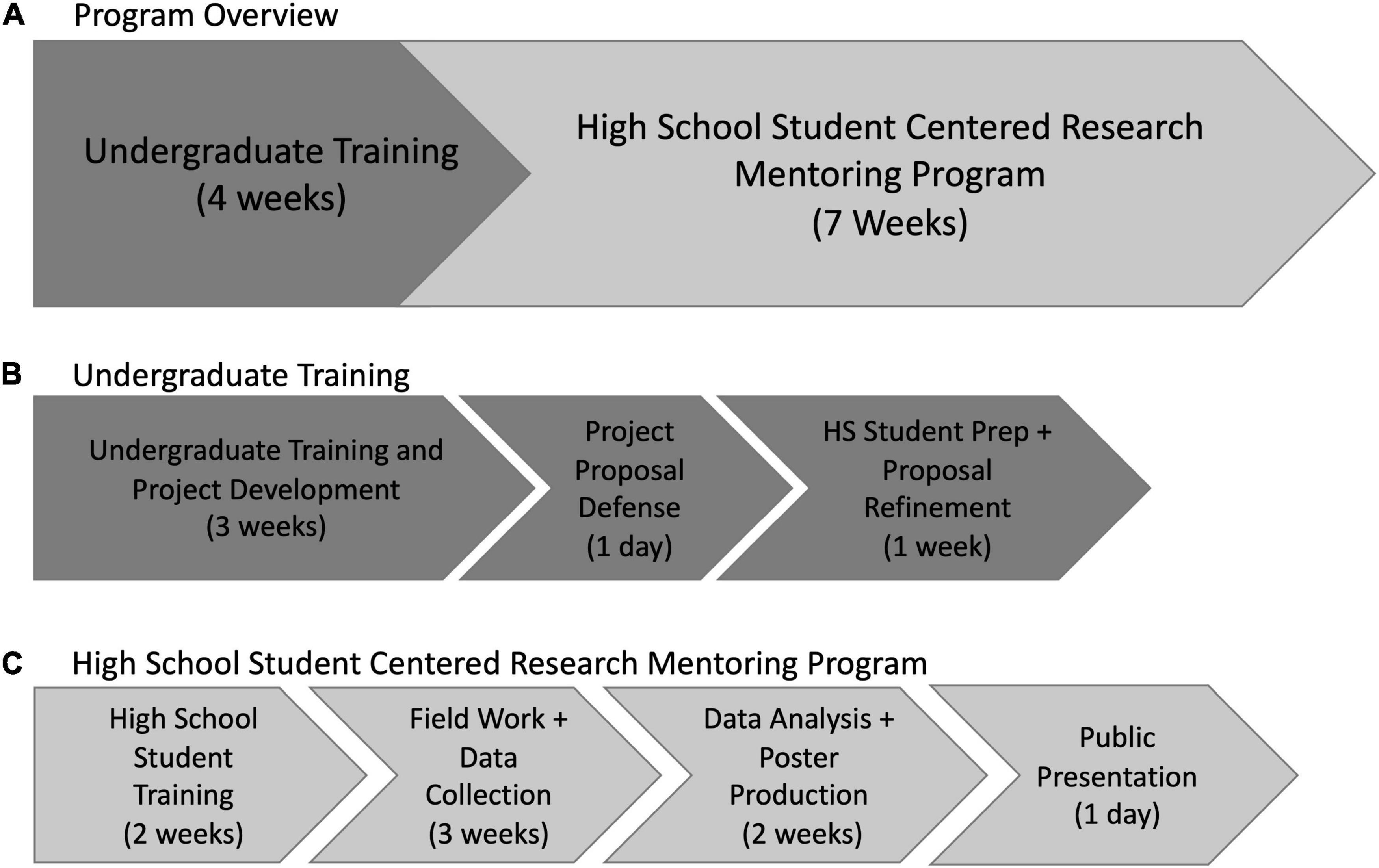
Figure 1. Project TRUE (Teens Researching Urban Ecology) 11-week programmatic model. (A) Mentors worked Monday–Friday for approximately 35 h per week for the duration of the program. During the first 4-week block (B), mentors met with program staff 3–4 days per week for training (https://bronxzoo.com/learn/youth/mentoring) and spent 1–2 days per week independently developing their research project. For the remaining 7 weeks of the program (C), high school students attended Project TRUE 3 days per week for approximately 18 h of weekly contact time. On days when high school students were not present, mentors meet with informal educators, graduate students, and faculty PIs to continually reflect on and review progress, discuss ongoing challenges, technical aspects of research, and prep for HS student sessions.
Mentor training, which occurs during the first 4 week block of Project TRUE (Figure 1B), is an active learning environment (Benware and Deci, 1984; Freeman et al., 2014) primarily utilizing guided-inquiry techniques (Frey and Shadle, 2019). Undergraduates (from here, “mentors”) participate in activities that focus on mentoring, effective communication, assessing understanding, diversity, equity, inclusion, research methods, and youth development.1 Lessons focused on mentoring draw from the growing body of research on effective mentoring (Pfund et al., 2016) and introduced the near-peer relational mentoring model developed for Project TRUE (Aloisio et al., 2018), which is based on the idea that mentoring relationships depend on the attributes of both mentors and mentees and that the relationship is bi-directional, in that both individuals have the opportunity to learn from each other and must contribute to make the relationship work (Fletcher and Ragins, 2007).
Mentors explore green spaces in NYC, including recreational parks, conservation areas, and green infrastructure, using a range of inquiry and field ecology methods (Smith, 2002, 2007; Sobel, 2004) and begin to develop urban ecology research interests such as the role of green roof in urban environments. Additional time is spent independently reading literature to further develop a hypothesis-driven urban ecology research project, such as the effects of growing media properties on plant survivorship on green roofs. This guided-inquiry approach helps to develop project ownership, which can have strong positive mediating effects on self-efficacy (Corwin et al., 2018), a key predictor of STEM major retention (Betz and Hackett, 1986). At the end of the third week of training, mentors propose and defend their research project in-front of their peers, graduate students, informal educators, and faculty PIs. During the final week of training, mentors continue to refine their project and prepare lessons for high school students. Additionally, on a weekly basis throughout the summer, mentors participate in professional development sessions that are reflective in nature and address a variety of topics including mentoring support, science research, data analysis, and poster design.
High school students join the program for the remaining 7 week (Figure 1C), spending 2 weeks focused on community building, learning basic research skills, exploring possible field sites, and familiarizing themselves with the mentors’ projects. Informal educators and graduate students help facilitate team-building activities aimed at establishing an inclusive and supportive community. High school students are encouraged to speak informally with their mentors about their general and research interests to facilitate relationship-building and identify research teams.
For the next 3 weeks, teams of three to five high school students and their mentor work together to conduct field research and collect data. Mentors utilize the same guided-inquiry approach described above to support high school students in developing research questions that are nested within the mentor’s larger project (Lewis and Lewis, 2005; Aloisio et al., 2018). For example, if undergraduate mentor’s project focuses on plant community dynamics on a green roof, a high school student might pose a question about the correlation between depth of growing media or sun exposure on species richness or diversity. During the final 2 weeks, teams analyze their data, create a poster, and present their findings to the public.
This research examines the immediate (post-program) and longer-term impacts (i.e., after 18 months) of a research mentoring experience on mentors’ skills, science attitudes, and STEM career intensions. We hypothesized that early career mentoring experiences gained through Project TRUE will have positive lasting impacts on mentors’ skills and attitudes.
Materials and Methods
Data for this study were collected as part of a 5-year Advancing Informal Science Learning grant funded by the National Science Foundation (Grant numbers DRL-1421017 and DRL-1421019). To study the effects of Project TRUE on mentors, we conducted a mixed-methods study of four cohorts of 15 undergraduates (N = 60 over 4 years) who served as near-peer mentors for high school students during the 11-week program.
Demographics
All mentors attended Fordham University, a selective private Jesuit research university located in NYC, and were selected based on a two-step application process; first, a written application with short-answer essay prompts and letters of recommendation; second, a 10-min interview with program PIs. Overall, 88% (53 of 60) of mentors were from groups underrepresented in STEM fields (Table 1). Seventy-eight percent self-identified as female. Seventeen percent self-identified as Black or African American, 13% as Asian, 8% Hispanic or LatinX, 3% as Middle Eastern, 2% as American Indian or Alaskan Native and Hispanic or LatinX, and 55% as White. Of the 60 mentors, 13% were sophomores, 42% were juniors, and 45% were seniors. The three most common majors were biology (45%), environmental policy/studies (13%), and environmental science (12%). Seven percent were majoring in a non-STEM field. The mean GPA was 3.4 ± 0.3.
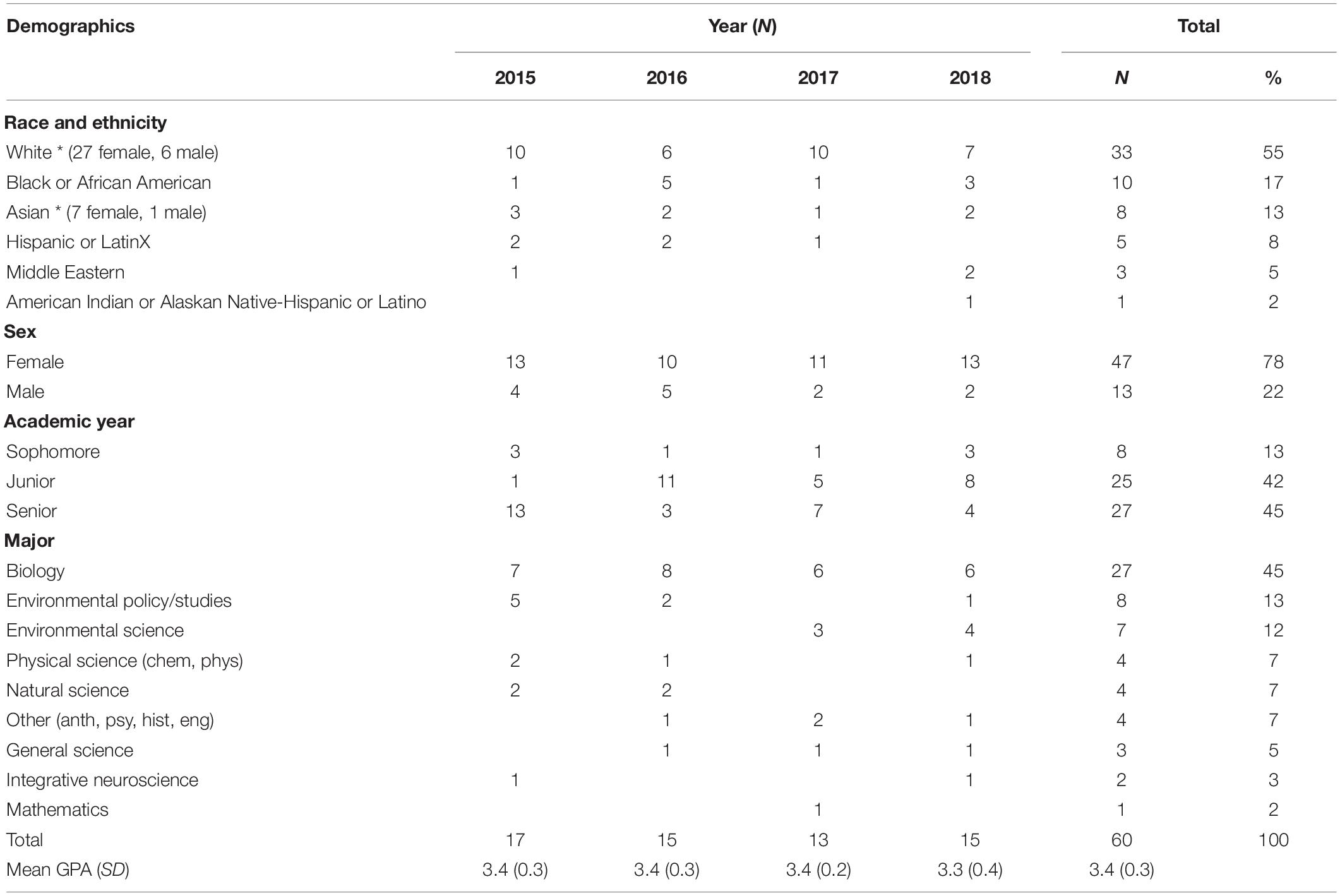
Table 1. Demographics of Project TRUE undergraduate mentors.
Quantitative Methods
Post-program Survey
Mentors who participated in Project TRUE in 2017 and 2018 completed a survey (N = 25; 83% response rate) to assess the effect of the program on self-reported mentoring competency, research skills, and research beliefs and attitudes (Table 2). The survey was developed and tested by the National Research and Mentoring Network (NRMN), which conducts mentoring research, training, and capacity building.
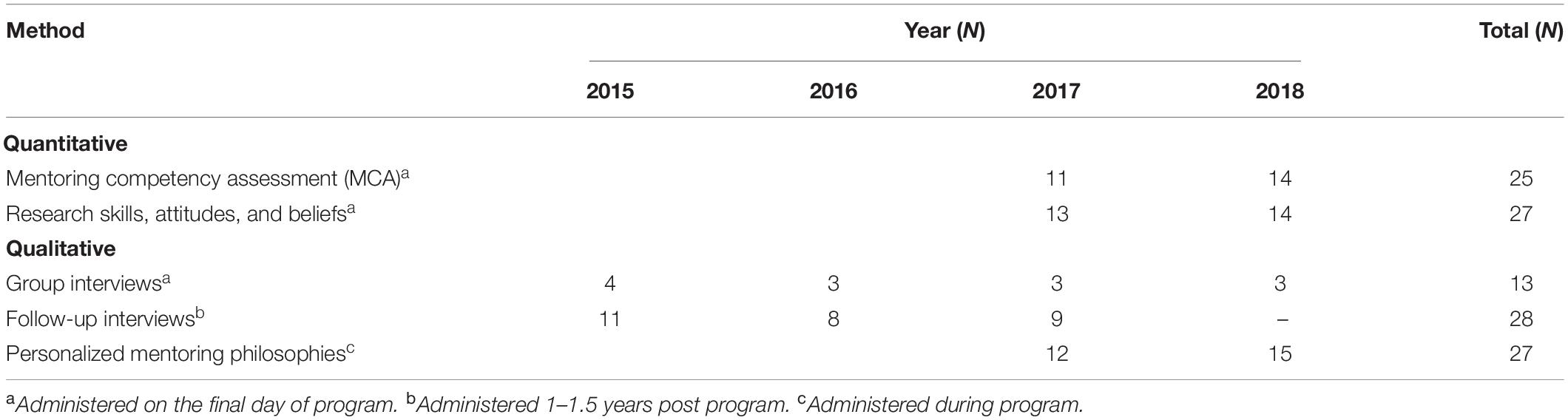
Table 2. Mixed-methods research approach used to study the effects of Project TRUE on mentors’ skills.
One of the scales on the survey was the Mentoring Competency Assessment (MCA), a validated 26-item scale that encourages mentors to reflect on gains in six areas: assessing understanding, fostering independence, maintaining effective communication, addressing diversity, promoting professional development, and aligning expectations (Fleming et al., 2013). Utilizing a retrospective pre/post-test approach to avoid response shift bias (Allen and Nimon, 2007; Sibthorp et al., 2007; Drennan and Hyde, 2008; Pfund et al., 2014), respondents rated their mentoring skills before and after Project TRUE using a 7-point Likert-type scale (1 = “not at all skilled,” 4 = “moderately skilled,” 7 = “extremely skilled”). Using the same approach, respondents rated their “change in ability to be an effective mentee.”
Two additional scales on the survey focused on research skills (14 items) and research beliefs and attitudes (11 items) respectively and aligned with learning objectives described in Entering Research (Pfund et al., 2006; Balster et al., 2010). Mentors rated their gains in each area using a 5-point Likert-type scale (0 = “no gain,” 1 = “a little gain,” 2 = “moderate gain,” 3 = “good gain,” 4 = “great gain”).
Statistical Analyses
All statistical analyses were completed in the R environment (ver. 3.3.2, R Development Core Team) in RStudio ver. 1.1.456 (RStudio, Boston, MA, United States), and α was set at 0.05 for all tests. We used a Wilcoxon signed-rank test tests to test if there was a difference between “before” and “after” scores for the MCA composite, six subscales, and change in ability to be an effective mentee item.
Qualitative Methods
We used a case study approach (Yin, 2017) to collect qualitative data to understand the experiences of mentors in Project TRUE because it is particularly useful for its rich descriptive and heuristic value (Rossman and Rallis, 2003).
Mentoring Philosophy Statements
Mentors who participated in Project TRUE in 2017 and 2018 (N = 25) wrote personalized mentoring philosophies at the beginning of the program (drafted after a few weeks of training, but before high school students began), which they revised at the end of the program.
Post-program Group Interviews
For each of the 4 years of Project TRUE, we conducted in-person group interviews with each research team on the last day of the program (N = 12; Supplementary Appendix 1). Interviews lasted approximately 60 min and facilitators used a semi-structured format, enabling them to investigate key questions while pursuing new or emergent ideas. The group interview questions focused on the general program experience, research, and mentoring.
Follow-Up Interviews
Approximately 18 months after participation in Project TRUE, we invited mentor alumni to participate in a follow-up phone interview (N = 28, Table 2) to describe their experiences and perspectives since participating in the program. Follow-up interviews lasted approximately 30 min and facilitators used a semi-structured format, with interview questions focusing on career interests, science interests, mentoring, and professional skills.
Qualitative Analysis
Group and follow-up interviews were transcribed and analyzed using Miles and Huberman’s (1994) approach to sorting descriptive observation data and transcribed interviews to illuminate key emergent issues. We reviewed the mentoring philosophy statements, looking for trends in both the original and revised statements and changes between the two.
Results
Mentoring
In their initial mentoring philosophies, mentors discussed several themes presented during training that reflected the near-peer, relational mentoring model developed for Project TRUE (Aloisio et al., 2018). For example, almost all (96%) described being a guide and balancing the roles of teacher and friend to encourage active learning for their high school student mentees.
“As a mentor, my goal is to work with the students and guide them as they work toward their personal goals. I aspire to be encouraging, supportive, and patient with the mentees.” –2018 mentor (initial mentoring philosophy)
Revised mentoring philosophy statements consistently reflected a more developed understanding of being a mentor and a deeper understanding of the mentees’ individual experiences and needs. For example, several undergraduates revised their mentoring philosophes to include statements like. “I will work with [my high school mentees] to assess their understanding of the topic and address any gaps in knowledge,” illustrating a personalized approach to mentoring. Other revisions included more explicit statements on the value of individualized mentoring relationships in maximizing impact for the mentee.
“Every mentee is different and has their own strengths; as a result, each relationship will be different. No two mentoring experiences will be the same and it is important to adapt strategies and ask for help when needed.” –2017 mentor (revised mentoring philosophy)
At the end of the summer, mentors also reported significant growth in their mentoring skills. Overall, undergraduate MCA composite scores (7-point Likert-type scale: see methods) increased from 4.6 ± 1.1 (mean ± SD) to 5.9 ± 0.7, a change of +1.3 (V = 324, P < 0.001, Figure 2), with increases in mean skill level for all six MCA subscales (aligning expectations: V = 292; fostering independence: V = 261; maintaining effective communication: V = 292; addressing diversity: V = 185; Promotion professional development: V = 263; P < 0.001 for all subscales, Figure 2). Among all MCA subscales, mentors reported the largest skill gain in assessing understanding (V = 282, P < 0.001, 4.2 ± 1.4–5.8 ± 1.0, + 1.6, Figure 2) of their mentees’ knowledge, abilities, and skills.
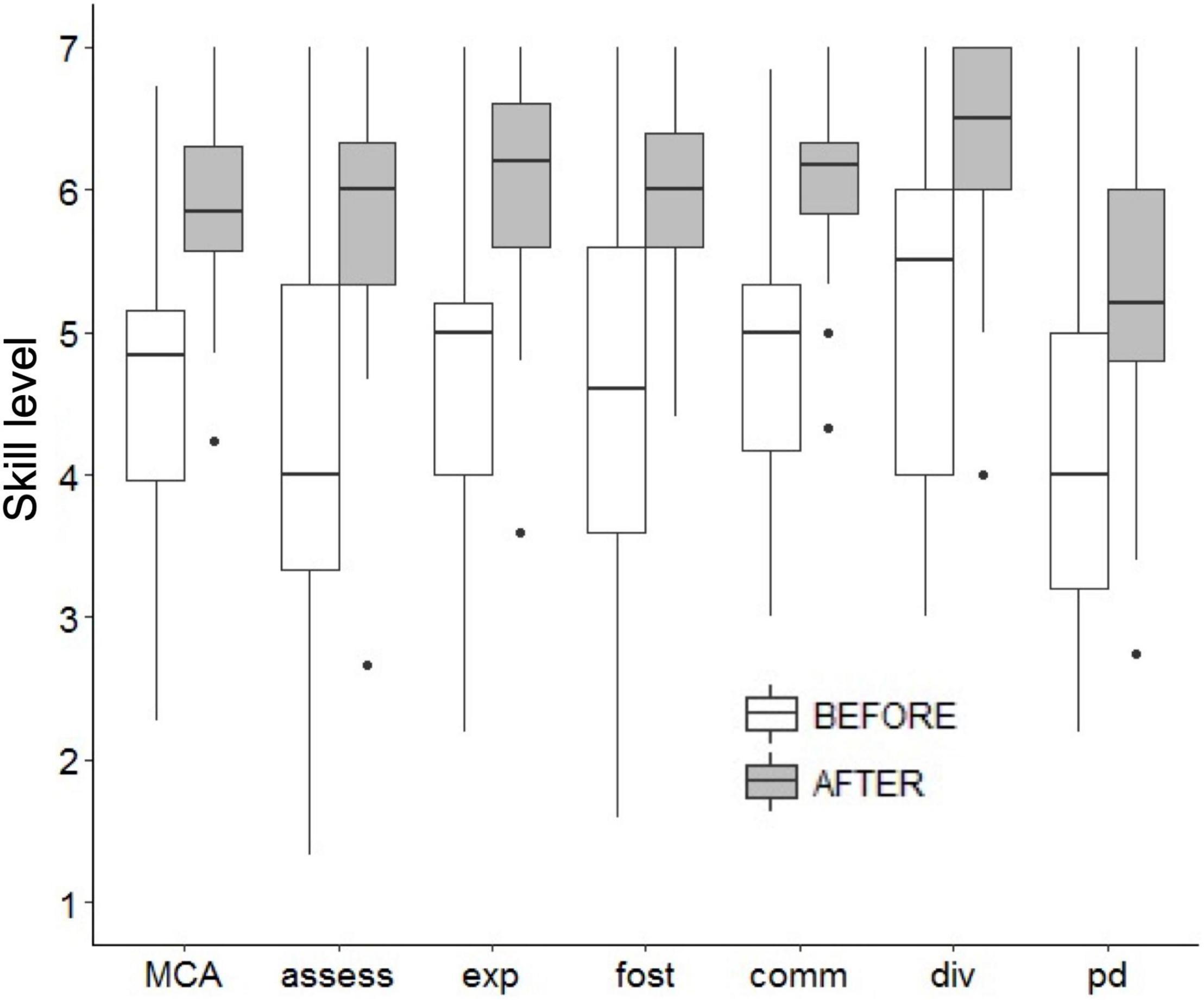
Figure 2. Changes in mean mentor Mentoring Competency Assessment composite scores (MCA) and subscales from self-reported retrospective pretest. A 7-point Likert-type scale (1 = “not at all skilled,” 4 = “moderately skilled,” 7 = “extremely skilled”) was used. Change for MCA and all subscales was statistically significant (P < 0.001). X-axis labels as follows: assess, assessing understanding; exp, aligning expectations; fost, fostering independence; comm, maintaining effective communication; div, addressing diversity; pd, promoting professional development.
Among all “before” and “after” MCA subscale scores, mentors consistently reported the highest skill level in addressing diversity (P < 0.001, “before” 5.1 ± 0.8, “after” 6.3 ± 0.8; + 1.2, Figure 2). This focus was also mirrored in the initial mentoring philosophy statements. For example, some initially described the potential effect of implicit bias (Greenwald and Krieger, 2006) when creating an inclusive environment for their mentees and the importance of recognizing how mentees’ backgrounds may differ from their own.
“I also strive to be conscious of the mentees’ different backgrounds and how they may differ from my own. I will not make assumptions about their knowledge of science, previous research, etc. Ideally, I would like to create an inclusive environment that fosters curiosity, discovery, and creativity, in which the mentees feel powerful and able to achieve their goals.” –2017 mentor (initial mentoring philosophy)
Undergraduate mentors recognized that they were also mentees learning from the graduate students and informal educators. They reported a significant increase in their “ability to be an effective mentee” (P < 0.001, 4.4 ± 1.4–5.8 ± 1.2, +1.4). Revised mentoring philosophies included deeper insights into the bi-directional and ever-evolving nature of mentoring relationships, specifically how their growth as a mentee “will also help the mentor on their own path.” Moreover, after explicitly working as both mentor and mentee, undergraduate mentors realized the value of “acknowledging your own flaws” and that neither mentors nor mentees are “expected to have all the answers” (2017 follow-up interview).
Eighteen months after Project TRUE, nearly all reported applying lessons learned to other mentoring contexts such as tutoring and in non-academic jobs. Mentors most commonly noted that they learned the importance of personalizing relationships between mentees or mentors and communicating/explaining things in different ways.
Mentors described the value of being a mentor for high school students, often highlighting the importance of being close in age and developmental pathway. For example, one noted, “I could empathize with what they were going through, and I could offer more personal advice.” Mentors also described the pride they felt in being given the responsibility to mentor high school students and the confidence that it gave them in realizing how much they, themselves, had grown while in college.
“I think when you’re an undergrad, you feel like you’re at the bottom, like you don’t know anything. But then, when you have to teach someone else, you’re kind of like, “Oh, I really do know this.” – 2017 mentor (follow-up interview)
Research Skills, Beliefs, and Attitudes
Project TRUE seemed to have created a welcoming environment, with mentors reporting between a “good” and “great” gain (5-point Likert-type scale: see section “Materials and Methods”) in their ability to “be [themselves] when working in the research environment” (3.5 ± 0.6; Table 3). For most mentors, Project TRUE was their first research experience outside of a traditional classroom or lab, and they reported that the largest research-related skill gain was in their ability to “design and conduct a research project” (3.6 ± 0.5, Table 3).
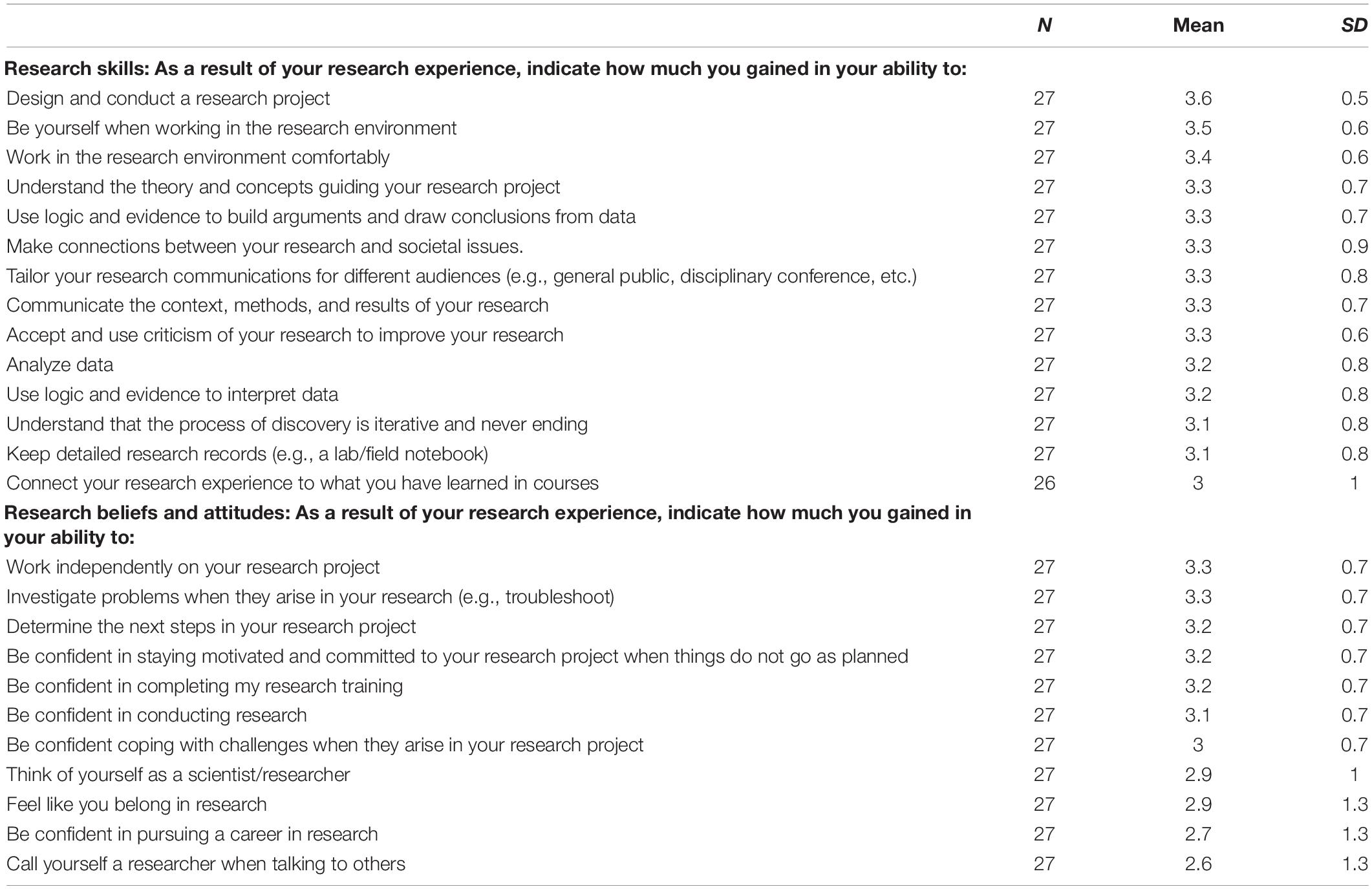
Table 3. Self-reported gains (0 = “no gain,” 1 = “a little gain,” 2 = “moderate gain,” 3 = “good gain,” 4 = “great gain”) in research skills, beliefs and attitudes reported by mentors immediately following participation in Project TRUE.
“I remember the first day they asked us to make research questions and it went horribly. Now, we all have gorgeous questions and I’m so proud of us.” –2017 mentor (group interview)
Upon reflecting on their experience 18 months later, mentors still felt strongly that Project TRUE helped them develop the skills required to conduct research, including doing the background research required to develop a project.
“Project TRUE definitely taught me a lot of skills in terms of creating a project, developing it, and doing the literature research involved in developing the project.” –2016 mentor (follow-up interview)
Despite the challenges associated with designing and conducting original research, mentors reported that they enjoyed projects were not “prepackaged” and that they had the “freedom to guide our own projects” (2017 group interview). Mentors reported skill gains related to persistence, such as their ability to “work independently on [their] research project” (3.3 ± 0.7) and “investigate problems when they arise in [their] research” (3.2 ± 0.7).
“I think it’s given me a lot more ownership and a lot more interest in doing research.” –2015 mentor (follow-up interview)
With multiple opportunities to speak in public about their research, mentors developed confidence in their science communication skills. For example, they reported skill gain in their ability to “make connections between research and societal issues” (3.3 ± 0.9), subsequently “tailor [their] research communications for different audiences” (3.3 ± 0.8), and “communicate the context, methods, and results of [their] research” (3.3 ± 0.7).
“I had to learn how to show people what I know in a way that they would understand.” – 2015 mentor (group interview)
Professional Growth
Eighteen months after participating in Project TRUE, mentors felt that the degree of responsibility that they were given during Project TRUE helped them cultivate confidence and self-reliance that were transferable to other settings. For example, one mentor from 2015 noted that, in their current workplace, like in Project TRUE, it was helpful to be “able to keep myself busy and plan out my day and know that I can trust myself to make decisions.”
Mentors also reflected on the near-peer relational mentoring model, realizing that Project TRUE helped prepare them to effectively work as a team and collaborate with professionals in diverse roles.
“Being a part of a team, and then mentoring, being mentored, all those roles I navigated in one summer, and that can be applied to the rest of my life going forward whether that be in a lab, or in a corporation. I’m gonna run into so many people with different roles, and I’m glad that TRUE prepared me for that.” –2017 mentor (follow-up interview)
Science and Career Interest
Eighteen months after participation, nearly all mentors indicated that Project TRUE influenced their general interest in science and nature. At the start of the program, most were unfamiliar with the field of ecology, and, more specifically, urban ecology. In follow-up interviews, many noted that they developed a greater appreciation for ecology and nature and a general increase in science interest and related activities.
“The whole experience [Project TRUE] has opened a new interest in the world around you, and not just the humans, but like the way other animals interact with their environments and it’s just pretty cool.” –2016 mentor (follow-up interview) “I think I’m very much more in-tune to what’s around me. Project TRUE taught you to look more closely at different types of plants, and birds, and insects. To be more curious. I think in terms of interests, it pushed me to make it part of my life, career-wise and lifestyle-wise.” –2015 mentor (follow-up interview)
Most mentors were initially majoring in a STEM field and about half indicated in follow-up interviews that they experienced no change in their career path because of Project TRUE. Almost all mentors that experienced “no change” planned to pursue a career in medicine both before and after Project TRUE. Nonetheless, several of these alumni described impacts of Project TRUE on refining or confirming their interest in medicine. For example, one mentor who was initially interested in an MD/Ph.D. indicated that “After Project TRUE, I focused on zoonotic epidemiology, diseases that could be translated from animals or from the wild to humans.”
The remaining mentors were interested in careers in biology (n = 6), food/agriculture (n = 2), physical science (n = 2), social science (n = 2), or other environmental fields (n = 3). Of these 15, 13 described a change in career interest after Project TRUE. Career interest change varied in directionality: non-STEM to STEM career fields, STEM to non-STEM, non-STEM to non-STEM, and STEM to STEM (STEM defined according to NSF).
Non-STEM to STEM (n = 3): Three mentors entered with non-STEM or STEM-related career aspirations, such as teaching, and realized they enjoyed research. STEM to non-STEM (n = 2) and non-STEM to non-STEM (n = 3): Some mentors felt research was too tedious, but generally still enjoyed being outside during Project TRUE. STEM to STEM (n = 5): Some mentors felt that Project TRUE changed their worldview and helped hone their STEM interests to involve urban ecology in some way.
Discussion
Our study examined the effects of a tiered, near-peer urban ecology research mentoring program, on mentors. Our results indicate that undergraduate mentors can learn research and mentoring skills and apply them to effectively manage and mentor a small team of high school students in an urban environment (Aloisio et al., 2018; Beauchamp et al., 2021). Eighteen months after participating in Project TRUE, mentors reported transferring these skills to a variety of professional contexts beyond research mentoring, such as teamwork, project management, communication, and leadership. Mentors also reported that the experience influenced their career paths, increased their interest in science, and fostered a greater appreciation for the value of science and nature.
Regardless of career trajectory, participants will go on to mentor others and receive mentoring, thereby mirroring the near-peer and bi-directional relationships of Project TRUE. By gaining mentoring experience early in their careers, and meta-cognitively reflecting on that experience, mentors come to recognize that each of these relationships will be unique, evolve through time, and require concerted effort from both mentors and mentees to be successful. Given that mentoring remains important for success throughout professional careers in academia (Linn et al., 2015), medicine (Sambunjak et al., 2006), teaching (Ehrich et al., 2004), and industry (DeLong et al., 2008), these findings suggest that Project TRUE has the potential to be a transformative environmental education experience for early career mentors with long-lasting positive impacts on academic and career trajectories.
For decades, environmental educators have consistently provided high quality and innovative programming aimed at promoting personal growth and an appreciation and understanding for the natural world. While this focus has generally been for younger audiences (Ardoin et al., 2013), and many environmentalists point to their experiences in nature as children as key factors in determining their career pathways (Chawla, 1999), identity continues to develop during college, when environmental education can, and should, play a role (Orr, 1996). Whether Project TRUE mentors were bound for medical school or unsure of their post-college plans, many described how exploring urban green spaces and green roofs during Project TRUE helped them become more observant of nature and the interconnectivity with humans. Green roofs, for example, helped to demonstrate that urban environmental degradation could be remediated providing a sense of hope for a more environmentally sustainable urban future.
Others have described programs where undergraduates serve as environmental educators for younger audiences (Berkes and Schleifer, 1976), but Project TRUE represents a more intensive mentoring training program with relationships that build over a summer while exploring the green spaces within NYC. In this way, Project TRUE provides both high school students and their mentors with experiences of place, positive social interactions, and identity development within an urban context, which have all been linked to developing ecological place meaning (Russ et al., 2015) and an ecological mindset (Bowser and Cid, 2021). Furthermore, mentoring is a key component of broadening participation in the sciences (Summers and Hrabowski, 2006; Beech et al., 2013) and high school participants of Project TRUE, who were more than 90% from racial and ethnic groups underrepresented in the science, reported receiving high quality mentoring (Aloisio et al., 2018; Beauchamp et al., 2021). While our research cannot directly address why undergraduates were perceived as good mentors, their mentoring philosophies indicated that they approached mentoring with inclusivity and personalization in mind. This approach is effective with any mentee but may be particularly helpful for late-stage high school underrepresented minority students that face a myriad of challenges during the transition to college.
Unlike more traditional summer undergraduate research experiences at universities, which are generally strongly focused on research productivity and do not include high school students, Project TRUE was based out of informal education departments at zoos and grounded pedagogically in environmental education, focusing on teaching the process of scientific inquiry and mentoring through active learning. In follow-up interviews, mentors often reflected on the value of learning how to conduct research and applying the scientific process beyond formal research settings. Mentors specifically talked about “ownership” in this context, suggesting that an approach emphasizing student-centered questions over publication potential may have lasting effects for undergraduates regardless of career. On the other hand, mentors sometimes talked about the relative simplicity of research projects, indicating that there are likely trade-offs between approaches.
Balancing these approaches, handing a student a project that is publishable vs. allowing the student to design a self-inspired project from observations, was often discussed by Project TRUE PIs (three university faculty and three informal education administrators, two of whom hold PhDs in biology) and during presentations, meetings, and discussions with other research mentoring program administrators. Instead of thinking about these two approaches as in conflict, we believe that they are complementary. Publishing research can take years and involving undergraduates requires significant and prolonged commitment from both mentor and mentee (Burks and Chumchal, 2009; Emery et al., 2019). However, summer programs are usually around 10 weeks long, and it is more likely that each research team would contribute a small piece of a larger dataset that could be published later. In this sense, summer research experiences can be thought of as part of a longer-term relationship between undergraduate mentors and faculty, or simply as a one-off experience for students more interested in, for example, environmental education. Some mentors went on to work in faculty labs after participation, applying what they learned in Project TRUE to contribute to the faculty’s research program more effectively, while others became less interested in research but more interested in environmental and social justice. Regardless of trajectory, Project TRUE cultivated personal and professional growth through active learning that is likely to have long-lasting positive impacts.
Limitations
While this study clearly indicates that participation in a tiered, near-peer urban ecology research mentoring program has positive and sustained impacts on undergraduates personal and professional growth, it is difficult to determine to what extent the act of mentoring, being mentored, guided-inquiry research in an urban ecosystem, and peer-to-peer social interactions separately or interactively impacted reported outcomes. Further investigations that control for the various structural components of tiered, near-peer research mentoring programs such as cultural contexts, group size, number of mentor levels, subject area, trainings, and duration may all be important avenues of research. Future work may also consider a traditional pre/post survey approach. While we used a retrospective pre/post design for convenience and to minimize response shift bias from pretest over- or under-estimation (Allen and Nimon, 2007), this design may be more susceptible to self-report bias than a traditional pre/post design. Additionally, and as Berkes and Schleifer (1976) noted, such programs are relatively expensive, and training of early career youth is intensive.
Conclusion
In the current study, we examined the transformative effects of Project TRUE, a tiered, near-peer urban ecology research mentoring program, on mentors while utilizing urban green spaces, including green roofs, as model ecosystems to study socio-ecological dynamics. We demonstrated that undergraduates can learn research and mentoring skills while mentoring high school students through their own nested research experience. Follow-up interviews 18 months after the experience clearly indicated that Project TRUE had profound positive lasting impacts on mentors’ skills and science and career interest, especially in the context of their appreciation for nature. These effects could translate into substantial positive long-lasting impacts. Additionally, undergraduate mentors may be ideally positioned to help broaden participation in the sciences by providing a near-peer role model to high school students considering their academic and career trajectories.
Data Availability Statement
The raw data supporting the conclusions of this article will be made available by the authors, without undue reservation.
Ethics Statement
The studies involving human participants were reviewed and approved by the Fordham University IRB. The patients/participants provided their written informed consent to participate in this study.
Author Contributions
JA conceived and led preparation of the manuscript. S-JR, RB-K, SD, JL, JC, JM-S, and KT contributed to the ideas and preparation of the manuscript. JA, S-JR, RB-K, and SD contributed to the study design and data analysis. All authors contributed to the article and approved the submitted version.
Funding
Project TRUE (Teens Researching Urban Ecology) was a collaborative program between Fordham University and the Wildlife Conservation Society and was funded by a National Science Foundation Advancing Informal Science Learning grant (Grant Nos. DRL-1421017 and DRL-1421019).
Conflict of Interest
SD was employed by the company Improved Insights LLC. RB-K was employed by the company Two Roads Consulting.
The remaining authors declare that the research was conducted in the absence of any commercial or financial relationships that could be construed as a potential conflict of interest.
Publisher’s Note
All claims expressed in this article are solely those of the authors and do not necessarily represent those of their affiliated organizations, or those of the publisher, the editors and the reviewers. Any product that may be evaluated in this article, or claim that may be made by its manufacturer, is not guaranteed or endorsed by the publisher.
Acknowledgments
We thank the high school students, undergraduate students, graduate students, conservation educators, and program assistants. We thank the National Research Mentoring Network for providing training on their curriculum to JA and for allowing us to use their instrument on research skills and research beliefs and attitudes. We thank Terri Fox for her assistance with program evaluation. We thank Brian Johnson, Amy Tuininga, SENCER-ISE: Science Education for New Civic Engagement and Responsibilities—Informal Science Education (grant no. DRL-1237463), and the Noyce Foundation for their support during the earlier phases of Project TRUE. We also thank Diana Reynoso for her thoughtful feedback on this manuscript.
Supplementary Material
The Supplementary Material for this article can be found online at: https://www.frontiersin.org/articles/10.3389/fevo.2022.803210/full#supplementary-material
Footnotes
References
Aikens, M. L., Sadselia, S., Watkins, K., Evans, M., Eby, L. T., and Dolan, E. L. (2016). A social capital perspective on the mentoring of undergraduate life science researchers: an empirical study of undergraduate–postgraduate–faculty triads. CBE Life Sci. Educ. 15:ar16. doi: 10.1187/cbe.15-10-0208
Allen, J. M., and Nimon, K. (2007). Retrospective pretest: a practical technique for professional development evaluation. J. Industr. Teach. Educ. 44, 27–42.
Aloisio, J. M., Johnson, B., Lewis, J. D., Alan Clark, J., Munshi-South, J., Roberts, S.-J., et al. (2018). Pre-college urban ecology research mentoring: promoting broader participation in the field of ecology for an urban future. J. Urban Ecol. 4:juy023. doi: 10.1093/jue/juy023
Ardoin, N. M., Clark, C., and Kelsey, E. (2013). An exploration of future trends in environmental education research. Environ. Educ. Res. 19, 499–520. doi: 10.1080/13504622.2012.709823
Ardoin, N. M., Gould, R. K., Lukacs, H., Sponarski, C. C., and Schuh, J. S. (2019). Scale and sense of place among urban dwellers. Ecosphere 10:e02871. doi: 10.1002/ecs2.2871
Balster, N., Pfund, C., Rediske, R., and Branchaw, J. (2010). Entering research: a course that creates community and structure for beginning undergraduate researchers in the STEM disciplines. CBE Life Sci. Educ. 9, 108–118. doi: 10.1187/cbe.09-10-0073
Beauchamp, A. L., Roberts, S.-J., Aloisio, J. M., Wasserman, D., Heimlich, J. E., Lewis, J. D., et al. (2021). Effects of research and mentoring on underrepresented youths’ STEM persistence into college. J. Exp. Educ. [Epub ahead of print]. doi: 10.1177/10538259211050098
Beech, B. M., Calles-Escandon, J., Hairston, K. G., Langdon, S. E., Latham-Sadler, B. A., and Bell, R. A. (2013). Mentoring programs for underrepresented minority faculty in academic medical centers: a systematic review of the literature. J. Assoc. Am. Med. Colleges 88, 541–549. doi: 10.1097/ACM.0b013e31828589e3
Benware, C. A., and Deci, E. L. (1984). Quality of learning with an active versus passive motivational set. Am. Educ. Res. J. 21, 755–765. doi: 10.3102/00028312021004755
Berkes, F., and Schleifer, B. (1976). University undergraduates in elementary school environmental education. J. Environ. Educ. 7, 18–23. doi: 10.1080/00958964.1976.9941542
Berkowitz, A. R., Nilon, C. H., and Hollweg, K. S. (2003). Understanding Urban Ecosystems: A New Frontier for Science and Education. Berlin: Springer Science & Business Media.
Bester, L., Muller, G., Munge, B., Morse, M., and Meyers, N. (2017). Those Who Teach Learn: Near-Peer Teaching as Outdoor Environmental Education Curriculum and Pedagogy. Bundoora: La Trobe University.
Betz, N. E., and Hackett, G. (1986). Applications of self-efficacy theory to understanding career choice behavior. J. Soc. Clin. Psychol. 4, 279–289. doi: 10.1521/jscp.1986.4.3.279
Bowser, G., and Cid, C. R. (2021). Developing the ecological scientist mindset among underrepresented students in ecology fields. Ecol. Appl. 31:e02348. doi: 10.1002/eap.2348
Burks, R. L., and Chumchal, M. M. (2009). To co-author or not to co-author: how to write, publish, and negotiate issues of authorship with undergraduate research students. Sci. Signal. 2:tr3. doi: 10.1126/scisignal.294tr3
Chawla, L. (1999). Life paths into effective environmental action. J. Environ. Educ. 31, 15–26. doi: 10.1080/00958969909598628
Clarke-Midura, J., Allan, V., and Close, K. (2016). “Investigating the role of being a mentor as a way of increasing interest in CS,” in Proceedings of the 47th ACM Technical Symposium on Computing Science Education. (New York, NY: Association for Computing Machinery).
Corwin, L. A., Runyon, C. R., Ghanem, E., Sandy, M., Clark, G., Palmer, G. C., et al. (2018). Effects of discovery, iteration, and collaboration in laboratory courses on undergraduates’ research career intentions fully mediated by student ownership. CBE Life Sci. Educ. 17:ar20. doi: 10.1187/cbe.17-07-0141
Cutter-Mackenzie, A., and Edwards, S. (2013). Toward a model for early childhood environmental education: foregrounding, developing, and connecting knowledge through play-based learning. J. Environ. Educ. 44, 195–213. doi: 10.1080/00958964.2012.751892
D’Amato, L. G., and Krasny, M. E. (2011). Outdoor adventure education: applying transformative learning theory to understanding instrumental learning and personal growth in environmental education. J. Environ. Educ. 42, 237–254. doi: 10.1080/00958964.2011.581313
DeLong, T. J., Gabarro, J. J., and Lees, R. J. (2008). Why mentoring matters in a hypercompetitive world. Harvard Bus. Rev. 86:115.
DeVreede, C., Warner, A., and Pitter, R. (2014). Facilitating youth to take sustainability actions: the potential of peer education. J. Environ. Educ. 45, 37–56. doi: 10.1080/00958964.2013.805710
Dolan, E., and Johnson, D. (2009). Toward a holistic view of undergraduate research experiences: an exploratory study of impact on graduate/postdoctoral mentors. J. Sci. Educ. Technol. 18:487. doi: 10.1007/s10956-009-9165-3
Dooley, D. A., Mahon, R., and Oshiro, E. (2004). An undergraduate research opportunity: collaboration between undergraduate and graduate students. J. Food Sci. Educ. 3, 8–13. doi: 10.1111/j.1541-4329.2004.tb00034.x
Drennan, J., and Hyde, A. (2008). Controlling response shift bias: the use of the retrospective pre-test design in the evaluation of a master’s programme. Assess. Eval. High. Educ. 33, 699–709. doi: 10.1080/02602930701773026
Ehrich, L. C., Hansford, B., and Tennent, L. (2004). Formal mentoring programs in education and other professions: a review of the literature. Educ. Administr. Q. 40, 518–540. doi: 10.12927/cjnl.2015.24354
Emery, N., Hund, A., Burks, R., Duffy, M., Scoffoni, C., and Swei, A. (2019). Students as ecologists: strategies for successful mentorship of undergraduate researchers. Ecol. Evol. 9, 4316–4326. doi: 10.1002/ece3.5090
Ericsson, A., and Pool, R. (2016). Peak: Secrets from the New Science of Expertise. Boston, MA: Houghton Mifflin Harcourt.
Fleming, M., House, M. S., Shewakramani, M. V., Yu, L., Garbutt, J., McGee, R., et al. (2013). The mentoring competency assessment: validation of a new instrument to evaluate skills of research mentors. Acad. Med. 88:1002. doi: 10.1097/ACM.0b013e318295e298
Fletcher, J. K., and Ragins, B. R. (2007). “Stone center relational cultural theory,” in The Handbook of Mentoring at Work: Theory, Research, and Practice, eds B. R. Ragins and K. E. Kram (Thousand Oaks, CA: SAGE publication), 373–399. doi: 10.4135/9781412976619.n15
Ford, C. R., Wilkins, E. B., and Groccia, J. E. (2018). Students engaged in teaching. New Direct. Teach. Learn. 2018, 33–43. doi: 10.1002/tl.20289
Freeman, S., Eddy, S. L., McDonough, M., Smith, M. K., Okoroafor, N., Jordt, H., et al. (2014). Active learning increases student performance in science, engineering, and mathematics. Proc. Natl. Acad. Sci. U.S.A. 111, 8410–8415. doi: 10.1073/pnas.1319030111
Frey, R., and Shadle, S. E. (2019). “GI: the guided inquiry,” in POGIL: An Introduction to Process Oriented Guided Inquiry Learning for Those Who Wish to Empower Learners, ed. S. R. Simonson (Sterling, VA: Stylus Publishing, LLC), 69–84.
Galbraith, J., and Winterbottom, M. (2011). Peer-tutoring: what’s in it for the tutor? Educ. Stud. 37, 321–332. doi: 10.1080/03055698.2010.506330
Gonzalez, C. (2001). Undergraduate research, graduate mentoring, and the university’s mission. Science 293, 1624–1626. doi: 10.1126/science.1062714
Gonzalez, H. B., and Kuenzi, J. J. (2012). Science, Technology, Engineering, and Mathematics (STEM) Education: A Primer. Washington, DC: Congressional Research Service.
Greenwald, A. G., and Krieger, L. H. (2006). Implicit bias: scientific foundations. Calif. Law Rev. 94, 945–967. doi: 10.2307/20439056
Heimlich, J. E., and Ardoin, N. M. (2008). Understanding behavior to understand behavior change: a literature review. Environ. Educ. Res. 14, 215–237. doi: 10.1080/13504620802148881
Hungerford, H. R., and Volk, T. L. (1990). Changing learner behavior through environmental education. J. Environ. Educ. 21, 8–21. doi: 10.1080/00958964.1990.10753743
Jacobi, M. (1991). Mentoring and undergraduate academic success: a literature review. Rev. Educ. Res. 61, 505–532. doi: 10.3102/00346543061004505
Lewis, S. E., and Lewis, J. E. (2005). Departing from lectures: an evaluation of a peer-led guided inquiry alternative. J. Chem. Educ. 82, 135–139. doi: 10.1021/ed082p135
Linn, M. C., Palmer, E., Baranger, A., Gerard, E., and Stone, E. (2015). Undergraduate research experiences: impacts and opportunities. Science 347:1261757. doi: 10.1126/science.1261757
Miles, M. B., and Huberman, M. A. (1994). Qualitative Data Analysis: An Expanded Sourcebook. Thousand Oaks, CA: Sage.
Miller, J. R. (2005). Biodiversity conservation and the extinction of experience. Trends Ecol. Evol. 20, 430–434. doi: 10.1016/j.tree.2005.05.013
Orr, D. W. (1996). Educating for the environment. J. Environ. Educ. 27, 7–10. doi: 10.1080/00958964.1996.9941461
Peterson, R. B. (2018). Taking it to the city: urban-placed pedagogies in Detroit and Roxbury. J. Environ. Stud. Sci. 8, 326–342. doi: 10.1007/s13412-017-0455-4
Pfund, C., Byars-Winston, A., Branchaw, J., Hurtado, S., and Eagan, K. (2016). Defining attributes and metrics of effective research mentoring relationships. AIDS Behav. 20, 238–248. doi: 10.1007/s10461-016-1384-z
Pfund, C., House, S. C., Asquith, P., Asquith, P., Fleming, M. F., Buhr, K. A., et al. (2014). Training mentors of clinical and translational research scholars: a randomized controlled trial. Acad. Med. 89, 774–782. doi: 10.1097/ACM.0000000000000218
Pfund, C., Maidl Pribbenow, C., Branchaw, J., Miller Lauffer, S., and Handelsman, J. (2006). The merits of training mentors. Science 311, 473–474. doi: 10.1126/science.1123806
Pluth, M. D., Boettcher, S. W., Nazin, G. V., Greenaway, A. L., and Hartle, M. D. (2015). Collaboration and near-peer mentoring as a platform for sustainable science education outreach. J. Chem. Educ. 92, 625–630. doi: 10.1021/ed500377m
Ragins, B. R., and Scandura, T. A. (1999). Burden or blessing? Expected costs and benefits of being a mentor. J. Organ. Behav. 20, 493–509. doi: 10.1002/(sici)1099-1379(199907)20:4<493::aid-job894>3.0.co;2-t
Rickinson, M. (2001). Learners and learning in environmental education: a critical review of the evidence. Environ. Educ. Res. 7, 207–320. doi: 10.1080/13504620120065230
Robnett, R. D., Nelson, P. A., Zurbriggen, E. L., Crosby, F. J., and Chemers, M. M. (2018). Research mentoring and scientist identity: insights from undergraduates and their mentors. Int. J. STEM Educ. 5:41. doi: 10.1186/s40594-018-0139-y
Rossman, G. B., and Rallis, S. F. (2003). Learning in the Field: An Introduction to Qualitative Research. Thousand Oaks, CA: Sage.
Russ, A. (2015). Urban Environmental Education. Ithaca, NY: Cornell University Civic Ecology Lab, NAAEE and EECapacity.
Russ, A., Peters, S. J., Krasny, M., and Stedman, R. C. (2015). Development of ecological place meaning in New York City. J. Environ. Educ. 46, 73–93. doi: 10.1080/00958964.2014.999743
Sadler, T. D., Burgin, S., McKinney, L., and Ponjuan, L. (2010). Learning science through research apprenticeships: a critical review of the literature. J. Res. Sci. Teach. 47, 235–256. doi: 10.1002/tea.20326
Sambunjak, D., Straus, S. E., and Marušić, A. (2006). Mentoring in academic medicine: a systematic review. JAMA 296, 1103–1115. doi: 10.1001/jama.296.9.1103
Santora, K. A., Mason, E. J., and Sheahan, T. C. (2013). A model for progressive mentoring in science and engineering education and research. Innov. High. Educ. 38, 427–440. doi: 10.1007/s10755-013-9255-2
Seymour, E., Hunter, A.-B., Laursen, S. L., and DeAntoni, T. (2004). Establishing the benefits of research experiences for undergraduates in the sciences: first findings from a three-year study. Sci. Educ. 88, 493–534. doi: 10.1002/sce.10131
Sibthorp, J., Paisley, K., Gookin, J., and Ward, P. (2007). Addressing response-shift bias: retrospective pretests in recreation research and evaluation. J. Leisure Res. 39, 295–315. doi: 10.1080/00222216.2007.11950109
Smith, G. A. (2002). Place-based education: learning to be where we are. Phi Delta Kappan 83, 584–594. doi: 10.1177/003172170208300806
Smith, G. A. (2007). Place-based education: breaking through the constraining regularities of public school. Environ. Educ. Res. 13, 189–207. doi: 10.1080/13504620701285180
Sobel, D. (2004). Place-based education: connecting classroom and community. Nat. Listen. 4, 1–7. doi: 10.1007/s10708-021-10408-3
Summers, M. F., and Hrabowski, F. A. (2006). Preparing minority scientists and engineers. Institutions 17:18. doi: 10.1126/science.1125257
Tenenbaum, L. S., Anderson, M. K., Jett, M., and Yourick, D. L. (2014). An innovative near-peer mentoring model for undergraduate and secondary students: STEM focus. Innov. High. Educ. 39, 375–385. doi: 10.1007/s10755-014-9286-3
Tidball, K. G., and Krasny, M. E. (2010). Urban environmental education from a social-ecological perspective: conceptual framework for civic ecology education. Cities Environ. 3:11.
Topping, K. J. (1996). The effectiveness of peer tutoring in further and higher education: a typology and review of the literature. High. Educ. 32, 321–345. doi: 10.1007/bf00138870
Wood, W. B. (2003). Inquiry-based undergraduate teaching in the life sciences at large research universities: a perspective on the Boyer Commission Report. Cell Biol. Educ. 2, 112–116. doi: 10.1187/cbe.03-02-0004
Keywords: mentoring, near-peer, peer-teaching, STEM, undergraduate research experience, green roof, urban ecology
Citation: Aloisio JM, Roberts S-J, Becker-Klein R, Dunifon S, Lewis JD, Clark JA, Munshi-South J and Tingley K (2022) Impacts of a Near-Peer Urban Ecology Research Mentoring Program on Undergraduate Mentors. Front. Ecol. Evol. 10:803210. doi: 10.3389/fevo.2022.803210
Received: 27 October 2021; Accepted: 01 April 2022;
Published: 28 April 2022.
Edited by:
Steven Scyphers, Northeastern University, United StatesReviewed by:
Breanna N. Harris, Texas Tech University, United StatesNicole Betz, Yale University, United States
Copyright © 2022 Aloisio, Roberts, Becker-Klein, Dunifon, Lewis, Clark, Munshi-South and Tingley. This is an open-access article distributed under the terms of the Creative Commons Attribution License (CC BY). The use, distribution or reproduction in other forums is permitted, provided the original author(s) and the copyright owner(s) are credited and that the original publication in this journal is cited, in accordance with accepted academic practice. No use, distribution or reproduction is permitted which does not comply with these terms.
*Correspondence: Jason M. Aloisio, SmFzb24uYWxvaXNpb0BnbWFpbC5jb20=