 Tiffany J. Pereira
 Claire C. Karban
 Lara A. Kobelt3
 Seth M. Munson
- 1Desert Research Institute [DRI] Conservation Ecology Lab, Division of Earth and Ecosystem Sciences, DRI, Las Vegas, NV, United States
- 2U.S. Geological Survey, Southwest Biological Science Center, Flagstaff, AZ, United States
- 3Bureau of Land Management, Las Vegas, NV, United States
Utility-scale solar energy (USSE) development is driving the projected growth in global renewable energy capacity but comes with environmental tradeoffs. New, alternative construction methods are promoted to minimize impacts to soils, vegetation, and hydrology; however, the disturbance created by these methods requires further investigation. We evaluated the population of a rare annual species, threecorner milkvetch (Astragalus geyeri var. triquetrus), at the Gemini Solar Project in the Mojave Desert, USA, two years after construction. Gemini was required to minimize disturbance in the threecorner milkvetch habitat, providing a unique opportunity to study the plant population and life history characteristics of a rare plant species under novel construction methods. Our objectives were to compare plant population characteristics of threecorner milkvetch inside and outside the Gemini footprint and in different photovoltaic (PV) panel microsites (interspace, panel dripline, under panel). We hypothesized that 1) threecorner milkvetch would have lower survival, reproduction, and growth, and a later phenology, inside compared to outside the facility, and 2) that these negative effects on plant demography and phenology would intensify with increasing proximity to photovoltaic panels in the solar array due to an increasing effect of disturbance and reduction of light and water availability. The results of this 1-year study during a favorable year of rainfall demonstrate the persistence of a rare Mojave annual plant species within an altered environment at a USSE facility. We found that threecorner milkvetch had an earlier phenology, grew larger, and had a higher fecundity at Gemini compared to plants off-site. Survivorship between the two populations, however, was not significantly different. Although growth and reproductive metrics were not correlated with distance to panel, minimal threecorner milkvetch emergence occurred directly under the PV panels and along their driplines, indicating a potential loss of suitable habitat if this pattern becomes more widespread in space or through time. Novel construction techniques for USSE could be considered moving forward to minimize impact on aboveground vegetation and maintain viable seed banks. The results of this study can assist land managers in making decisions about USSE development as the demand grows.
Introduction
Renewable energy is on course to meet nearly half of global electricity demand by 2030 (International Energy Agency [IEA], 2024). Utility-scale solar energy (>1 megawatt capacity; USSE) is a primary driver of this boom, accounting for 80% of the projected growth in global renewable capacity by the end of the century (IEA, 2024). In the United States (U.S.), the Department of Energy (DOE) predicts that solar could account for as much as 40% of the nation’s electricity supply by 2035 and 45% by 2050 (Ardani et al., 2021). These forecasts hinge on the availability of large swaths of land for USSE development. Acknowledging this need, the U.S. Bureau of Land Management (BLM) released the updated Western Solar Plan in 2024, opening over 125,000 km2 of federal lands to potential USSE development across 11 western U.S. states (2024). Across these states, new USSE sites are being permitted at an increasing rate, affecting wildlife, plant communities, and the habitats that support them (Parker et al., 2018; Karban et al., 2024). Studies point to numerous ecological impacts including habitat fragmentation and loss (Lovich and Ennen, 2011), microhabitat alteration (Devitt et al., 2022), vegetation damage, soil disturbance and alteration of hydrology (Hernandez et al., 2014), and reduced ecosystem services (Grodsky and Hernandez, 2020).
To reduce these impacts, strategies are being developed to provide ecological function while supporting increased land use needs for energy development. Species responses to energy development depend on the ecosystems in which they occur, the duration and intensity of the disturbances created, and any potential mitigation strategies that are implemented (Moore-O'Leary et al., 2017). A recent comprehensive study provided a framework based on species traits, or characteristics, to predict the effects of USSE development on plants and wildlife (Karban et al., 2024). Species with narrow niches and unique habitat requirements, such as rare plants, are predicted to be intolerant of USSE disturbance, experiencing population decline with USSE development. Avoiding or minimizing these negative impacts may be possible, particularly in the planning and operation stages (Moore-O'Leary et al., 2017; Hernandez et al., 2019; Cypher et al., 2021; Yavari et al., 2022; Karban et al., 2024), though few studies have evaluated the effectiveness of mitigation measures.
Avoiding the most ecologically important habitat is one way to minimize effects to species in USSE facilities (The Nature Conservancy, 2023). In situations in which sensitive resources or unique habitats are not avoided, site preparation and construction methods can be modified to reduce impacts. While traditional construction methods that blade the vegetation and grade soil surfaces can result in low ecological function, alternative methods such as “drive and crush” and “overland travel” minimize soil, vegetation, and hydrologic disturbance (BLM, 2024; Hernandez et al., 2019; Wynne-Sison et al., 2023; Karban et al., 2024). Research can help ascertain successes and improvements to minimize disturbance as the demand for solar energy increases.
At the time of construction, the Gemini Solar Project (hereafter, Gemini) was the largest USSE photovoltaic and battery storage facility in the U.S., encompassing 20 km2. Located northeast of Las Vegas, Nevada, the construction at Gemini left areas of vegetation, soils, and washes intact (BLM, 2024). A portion of Gemini is habitat for a sensitive plant species, threecorner milkvetch (Astragalus geyeri var. triquetrus [A. Gray] M. E. Jones), a rare annual of the pea family (Fabaceae; Figure 1). Construction started in 2022 and ended in 2023. Gemini minimized disturbance across the site, including the threecorner milkvetch habitat, providing a unique opportunity to study the plant population and life history characteristics of a rare plant species under construction methods intended to be less impactful. Our objectives were to compare plant population characteristics of threecorner milkvetch inside and outside the Gemini facility footprint and in different photovoltaic panel microsites (interspace, panel dripline, under panel). We hypothesized that 1) threecorner milkvetch would have lower survival, reproduction, and growth, and a later phenology, inside compared to outside the facility, and 2) that these negative effects on plant demography and phenology would intensify with increasing proximity to photovoltaic panels in the solar array due to an increasing effect of disturbance and reduction of light and water availability.
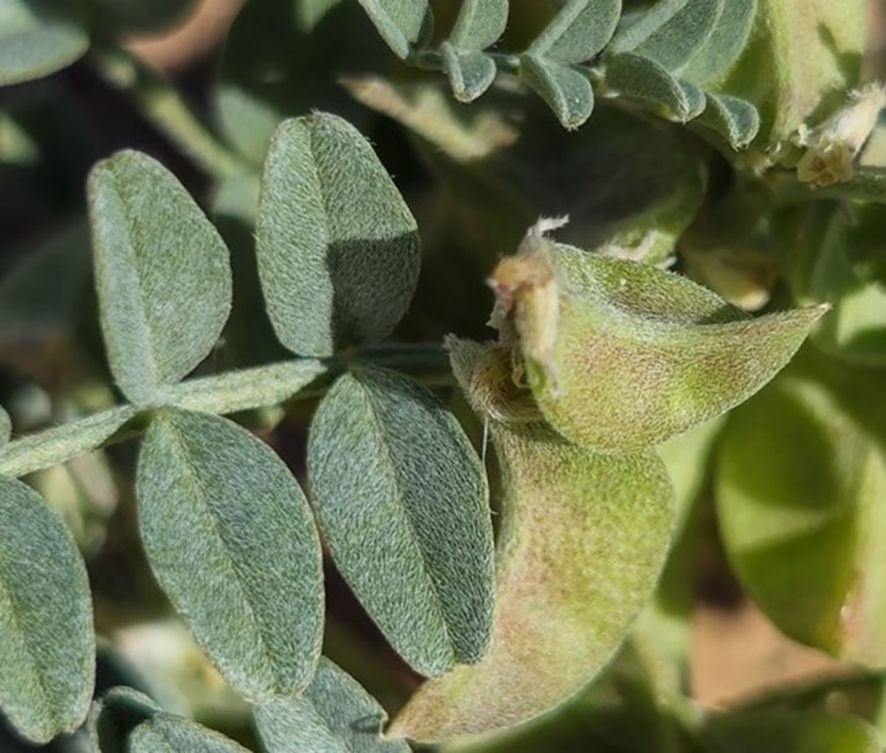
Figure 1. Threecorner milkvetch (Astragalus geyeri var. triquetrus) fruits, for which the species is named (Photo: Tiffany Pereira).
Methods
Study location
The study took place at the 20-km2, 1.8 million PV panel Gemini facility and adjacent undisturbed BLM-managed lands approximately 50 km northeast of Las Vegas, NV (U.S.) and east of Dry Lake Valley in the northeastern region of the Mojave Desert. Gemini is situated at an elevation of 609 to 762 m along the lower grade of a gently sloping bajada that extends up into the Muddy Mountains located approximately 8 km to the south and east (Phoenix Biological Consulting, 2018). Braided, intermittent washes flow northward through the facility and connect into the California Wash, where the off-site population was selected for monitoring (Phoenix Biological Consulting, 2018). The Valley of Fire State Park COOP station (WRCC, 2024), located approximately 12 km east of Gemini and at a comparable elevation, had a long-term (1972–2016) average annual high and low temperatures of 27°C and 14°C, respectively, with average highs of 38°C–41°C during the summer months (June, July, and August) and average lows of 3°C–6°C during the winter months (December, January, and February). Mean annual precipitation is 143 mm; however, all but 2 years out of the last 20 have been below average (Climate Toolbox, UC Merced, https://climatetoolbox.org/).
Study species: threecorner milkvetch
Threecorner milkvetch is a slender, single to many-stemmed annual plant species that generally germinates in late fall to early winter (late November to January) and flowers and fruits in spring (late March through early June; Barneby, 1964). Germination timing and seedling survivorship are highly dependent on winter precipitation. Threecorner milkvetch is endemic to fine-textured aeolian and fluvial sands re-deposited from the Muddy Creek Formation sedimentary deposit within a constrained distribution in the Mojave Desert of southeastern Nevada and adjacent Arizona. Threecorner milkvetch occurs in shifting sandy soils such as dunes and open, deep sandy soils typically stabilized by vegetation and/or a gravel veneer typical in creosote bush communities. Threecorner milkvetch is threatened by urban development, off-highway vehicle use, energy development, surface water development, utility corridor maintenance, and livestock grazing (Basin and Range Watch and Western Watersheds Project, 2019). In 2019, the U.S. Fish and Wildlife Service (USFWS) was petitioned to list threecorner milkvetch under the Endangered Species Act (Basin and Range Watch and Western Watersheds Project, 2019). Threecorner milkvetch is listed by the State of Nevada as Critically Endangered/Fully Protected, by the BLM as a Special Status Species, by the Nevada Natural Heritage Project as At-Risk, and by the Nevada Native Plant Society (NNPS) as Threatened. According to habitat suitability modeling, potential threecorner milkvetch habitat at Gemini is classified as “moderate” (compared to low or high) (Hamilton and Kokos, 2011; Figure 2).
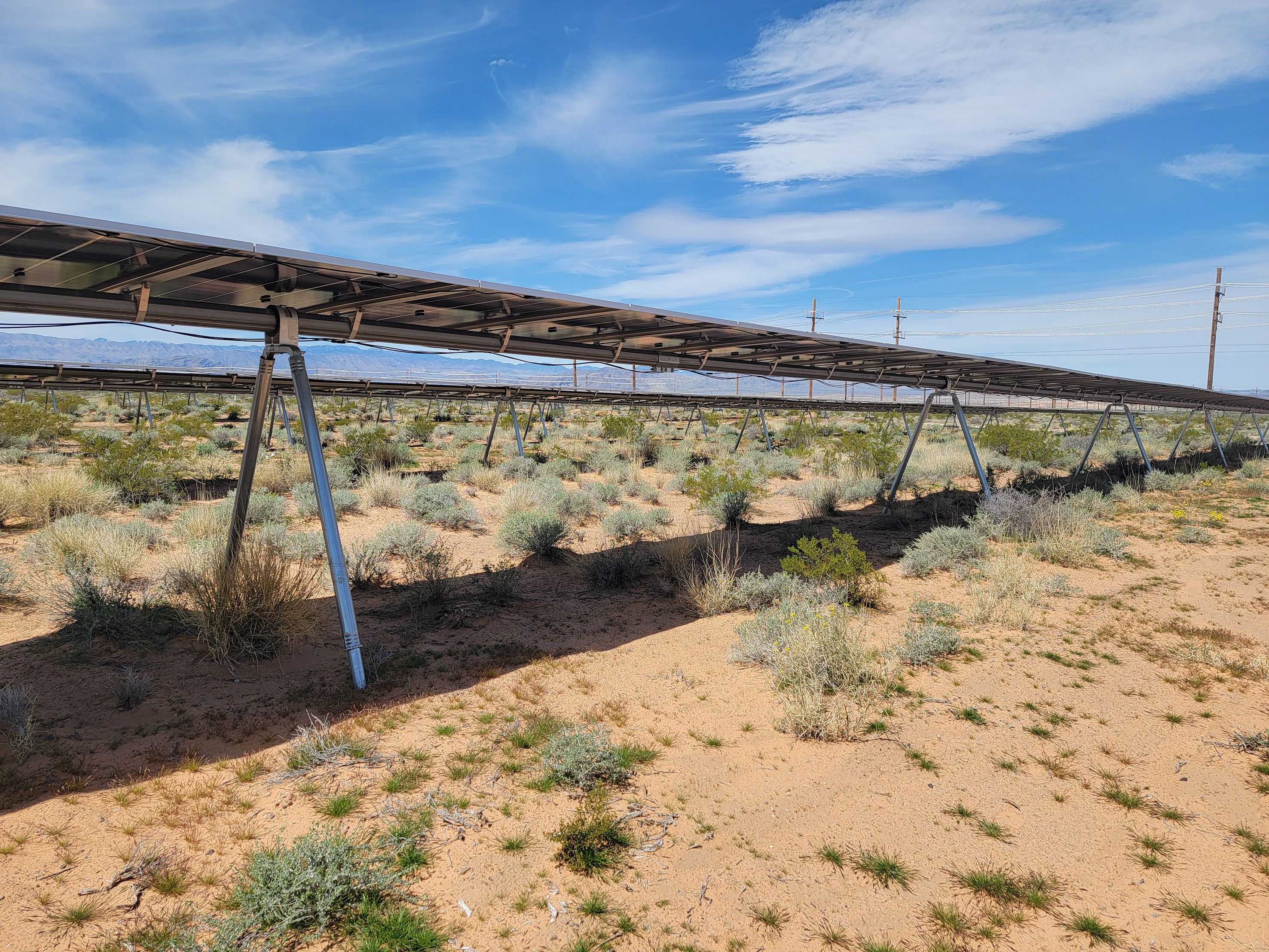
Figure 2. Overview of threecorner milkvetch habitat within Gemini (Photo: Tiffany Pereira).
Population surveys at Gemini
Preconstruction survey
In April through May 2018, a preconstruction survey for all rare plant species, including threecorner milkvetch, was conducted at Gemini (Phoenix Biological Consulting, 2018). Winter precipitation over the winter of 2017–2018 was sufficient to promote germination of threecorner milkvetch (Phoenix Biological Consulting, 2018). During the 2018 effort, trained botanical surveyors walked transects spaced 10 m apart across the entire Gemini footprint and recorded the location and number of all threecorner milkvetch plants and their phenology (vegetative, bolting/budding, flowering, fruiting, seeding/dehiscing, and senescent).
Postconstruction survey
Between March and May 2024, a postconstruction survey was conducted in the threecorner milkvetch habitat, allowing for an assessment of the population through time. Botanical technicians surveyed the threecorner milkvetch habitat within a 0.4-km radius around known milkvetch locations from the 2018 survey and extended the circumference by 0.4 km if new plants were found (Nevada Division of Forestry permit requirements). The location and number of plants were recorded, and the position of each plant was documented relative to the closest PV panel microsite (Figure 3). “Under panel” was at the center of the panel and generally covered during panel rotation. “Panel dripline” included areas directly under the panel edge during rotation, which was largely evident because rainfall runoff from the panels created distinct soil indentations. “Interspace” included the area between panel arrays. The postconstruction survey differentiated “on-site with no arrays” from “interspace” as plants found within the Gemini facility fence, but not within solar arrays. The Gemini facility has bifacial photovoltaic panels mounted on a single-axis-tracking system at approximately 1.5 m above the ground. Panels track east–west with a maximum tilt angle of 55°. The interspace between panel rows is 6.0 m wide when the panels are horizontal.
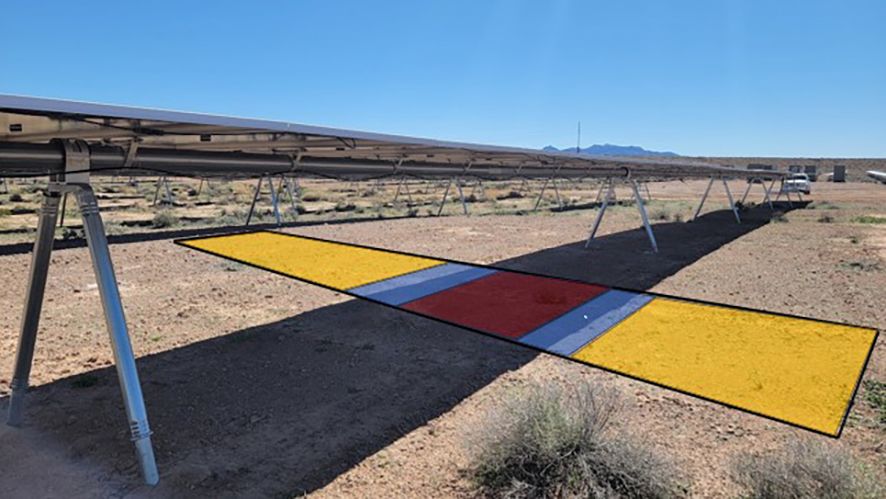
Figure 3. Panel microsite locations at Gemini. Yellow = interspaces between panels. Blue = panel dripline. Red = under panel.
The total area surveyed in 2024 (10.2 km2) was smaller than the total area surveyed in 2018 (71.3 km2) because the initial survey was conducted to determine if and where the species occurred at Gemini and the location and extent of all these populations, while the 2024 survey was conducted to assess the status and extent of known populations.
Monitoring threecorner milkvetch on BLM land and at Gemini
Survivorship
A subset of threecorner milkvetch plants was monitored over time at Gemini (off-site) and 4.5 km outside the solar facility on BLM-managed land (off-site) to investigate potential facility impacts on survivorship and phenology. The BLM-offsite location was selected due to access and the presence of a known historic population of threecorner milkvetch. Beginning on 28 March 2024, 25 individual threecorner milkvetch plants at on-site locations were marked with a numbered metal tag staked into the ground. Surveyors visited the off-site location at the same time but did not find any plants. Consistent subsequent surveys at off-site locations resulted in locating emerging plants on 5 April 2024. Twenty-six off-site plants were marked (51 plants total), and all on- and off-site plants were visited every other week until plants senesced.
Phenology and growth
Detailed plant structure and growth data were measured for each plant at each visit until plants reached a flowering reproductive stage, including the number of leaves, maximum leaf length, number of stems, maximum stem length, plant canopy width, and plant height. At each visit, the phenological stage was recorded, and reproductive metrics (the number of flowers and fruits) were recorded when these structures were present. The number of flowers was counted until fruit developed, and the number of fruits was counted until seeding/dehiscing occurred.
Solar panel microsite/facility impacts
Metrics recorded for each marked plant included distance from the nearest panel center torque tube and a pocket penetrometer (AMS Inc E-280, American Falls, Idaho) reading at a 90° angle from the soil surface to measure the resistance of the soil surface to compressional force (force when soil is displaced, averaged from three collection points immediately adjacent to the plant). Finally, the distance from the nearest road was recorded for each plant.
Analysis
Survival tables and Kaplan–Meier survival curves followed by log-rank tests and Wilcoxon–Gehan tests were generated using GraphPad Prism version 10.4.2 for Windows (GraphPad Software, Boston, Massachusetts, USA, www.graphpad.com). t-tests were used to compare the average weekly start of phenological stages and the duration of fruiting and seeding stages between on- and off-sites. Only plants that progressed through all phenological stage were analyzed. Binomial generalized linear models were used to compare the odds of a plant reaching the fruiting and seeding phenological stages at each site. All fruiting and seeding phenological analyses were conducted in R (version 4.3.2). Model fits were assessed using the DHARMa package (Hartig, 2022). A Shapiro–Wilk test of normality was conducted using GraphPad Prism for all datasets. Because the data were not normally distributed as determined from a Shapiro–Wilk test, non-parametric analyses (Mann–Whitney test followed by the Hodges–Lehmann estimator) were used to compare growth metrics of plants between on- and off-site locations. Growth metrics included canopy width, plant height, stem length, leaf length, number of leaves, and number of stems. The same non-parametric analysis was also used to compare reproductive metrics (number of fruits and flowers). Because the data were not normally distributed, a Spearman’s rank correlation was performed to compare the site variables of panel distance, road distance, and penetrometer reading to threecorner milkvetch height, canopy width, number of leaves, stem length, number of stems, leaf length, number of fruits, or number of flowers using GraphPad Prism.
Seed viability
To test the viability of Gemini threecorner milkvetch seed, an imbibition test was conducted as a precursor to a small-scale viability test for the collected cohorts. Twenty seeds per cohort, 10 scarified with a small nick in the seed coat and 10 with no scarification, were weighed and placed on DI water-soaked filter paper in a petri dish and left overnight (17 h). A tetrazolium test was then conducted for all 20 seeds.
Results
Population surveys at Gemini
The fall and winter precipitation preceding the 2018 preconstruction census was 68 mm, and was 55 mm preceding the postconstruction 2024 census (Table 1). Both these precipitation years fell below the long-term fall and winter average of 94 mm for the study area. Twelve threecorner milkvetch plants were found at six locations during the 2018 preconstruction census at Gemini (Phoenix Biological Consulting, 2018; Table 2). During the 2024 postconstruction survey, 93 individual threecorner milkvetch plants were found at 44 locations.
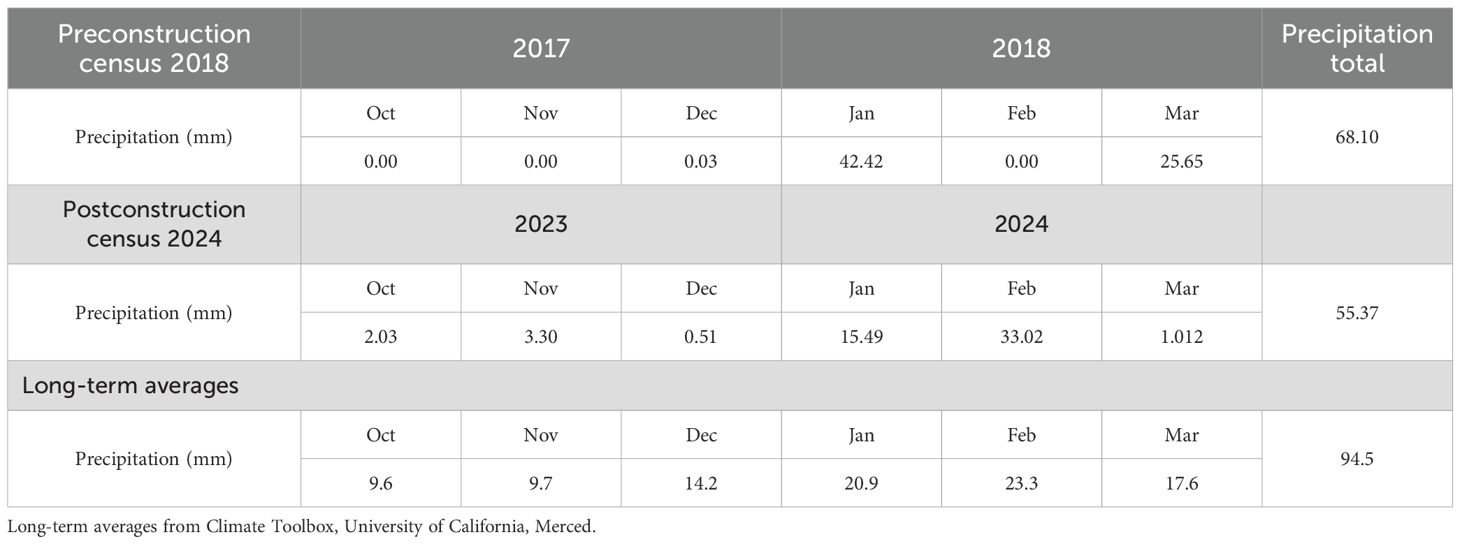
Table 1. Precipitation from valley of fire state park global historical climatology network, October through March for census survey years.
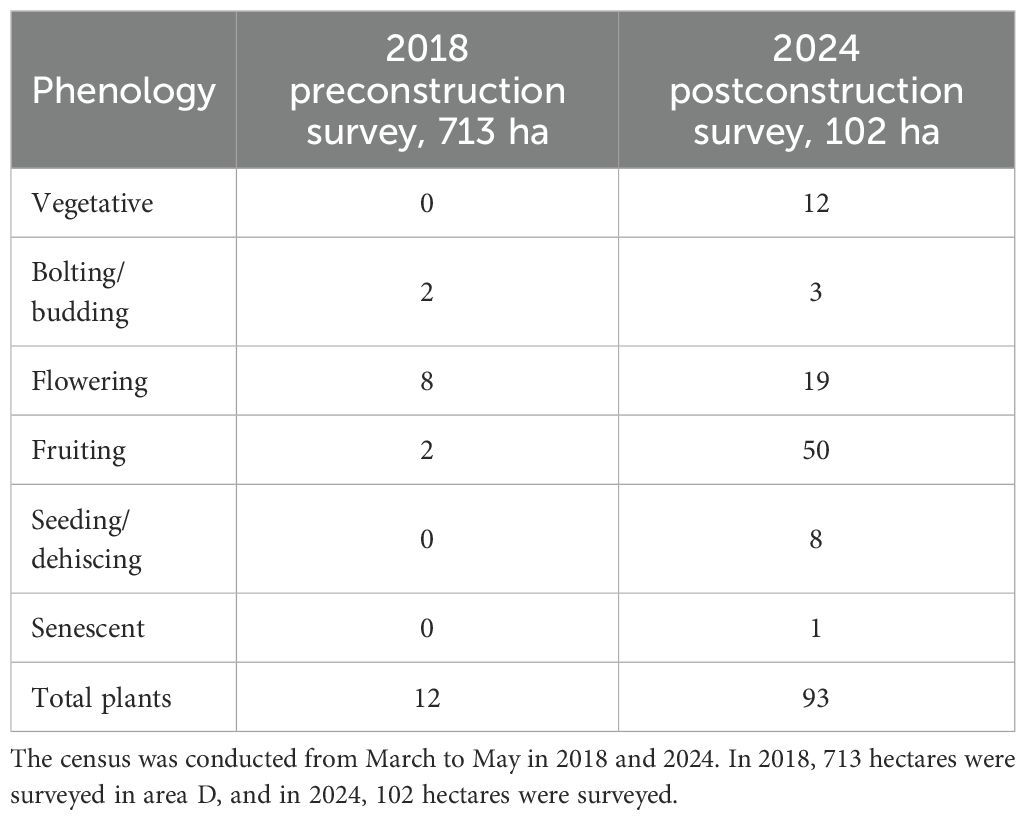
Table 2. Phenology of threecorner milkvetch plants found during Gemini Solar surveys.
Of the 12 plants found during the 2018 preconstruction survey, 0 were vegetative, 2 were bolting/budding, 8 were flowering, 2 were fruiting, 0 were seeding/dehiscent, and 0 were senescent (Table 2). Of the 93 plants found during the 2024 postconstruction survey, 12 were vegetative, 3 were bolting/budding, 19 were flowering, 50 were fruiting, 8 were seeding/dehiscent, and 1 was senescent (Table 2). Four plants were found within the panel drip line, 1 under a panel (Figure 4), 86 in the interspace between panels, and 2 on-site with no arrays (Table 3). The estimated area surveyed per microsite was 2.3 ha for under panel, 4.7 ha for panel dripline, 32.6 ha for interspace, and 62.4 ha for off-site with no arrays (Figure 3). This results in a density of 0.4, 0.9, 2.3, and 0.03 threecorner milkvetch plants per hectare for under panel, panel dripline, interspace, and on-site with no arrays, respectively (Figure 3).
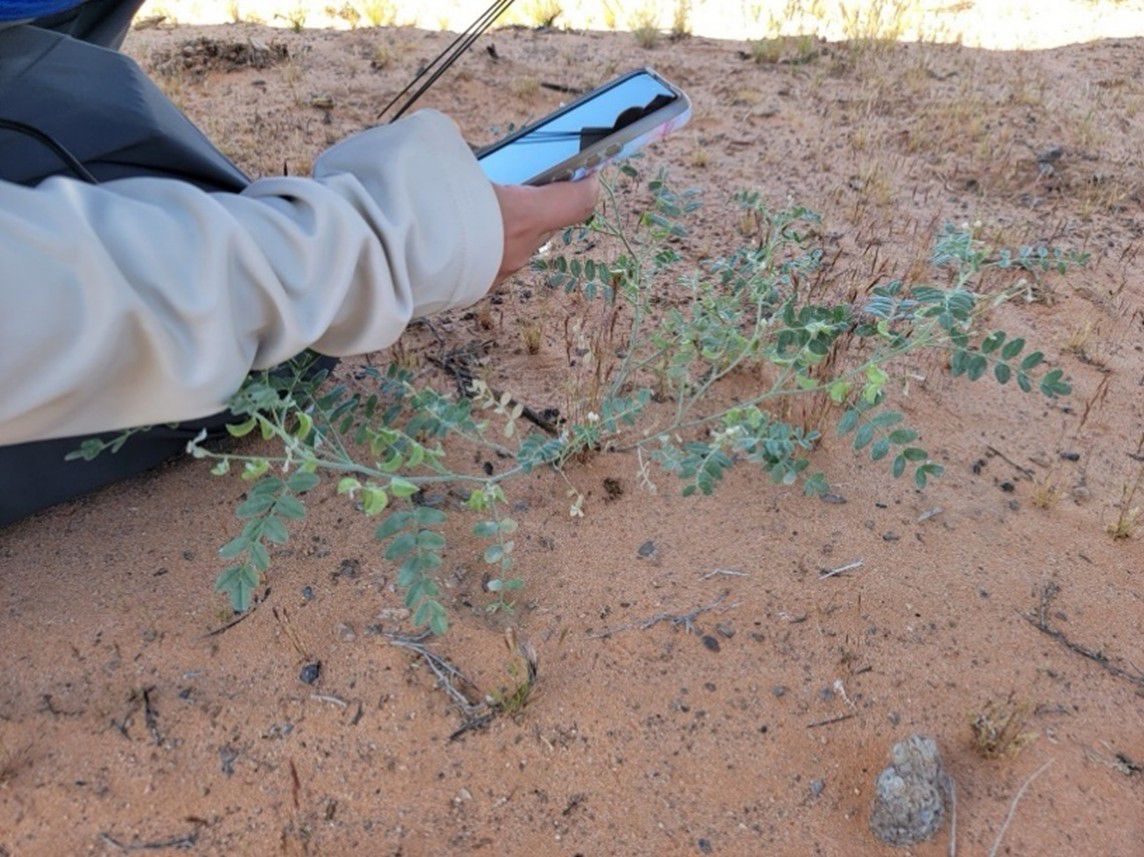
Figure 4. The only threecorner milkvetch plant found growing under a solar panel (Photo: Tiffany Pereira).

Table 3. Microsite locations of threecorner milkvetch plants found during the 2024 Gemini survey.
Survivorship
Because the off-site plants emerged later than those on-site, we only compared 9 weeks of survival starting 7 April 2024 (week 1) and ending when the last plants died in the first week of June (2 June 2024). Both the off- and on-site survival curves had a lower event rate and a higher survival probability until weeks 5 and 6, respectively (May 2024), when survivorship dropped to just above 50% (Figure 5). The off- and on-site survival curves were not significantly different (log-rank [Mantel–Cox] test, p = 0.327; Gehan–Breslow–Wilcoxon test, p = 0.07). The off-site median survival was 7 weeks compared to the on-site median survival of 6 weeks (Figure 5).
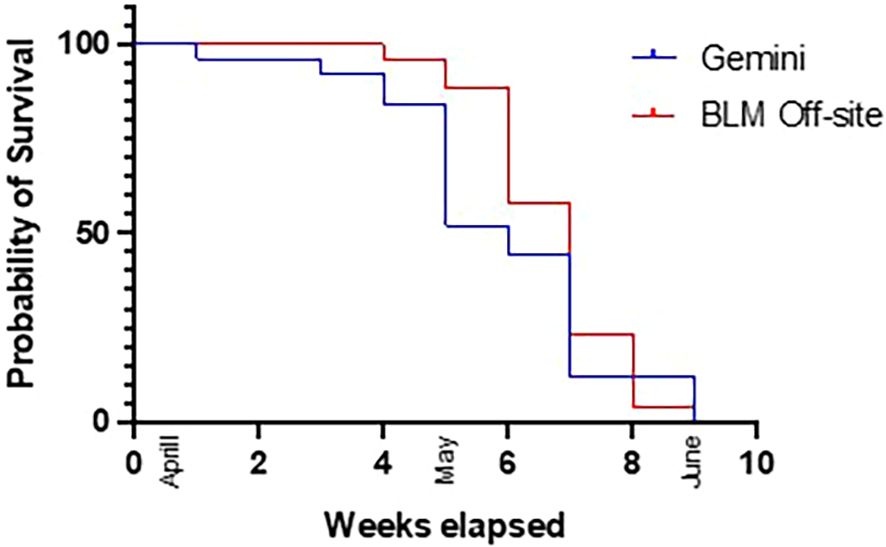
Figure 5. Kaplan–Meier survival curves representing plant survival probability (%) during the growing season, where observations inside and outside the facility overlap starting 7 April 2024 (week 1) and ending 7 June 2024 (week 9) for threecorner milkvetch, an annual plant species.
Phenology
The phenology of the threecorner milkvetch plants on-site was earlier than off-site (Figure 6). Fruiting occurred 2.7 weeks earlier in the Gemini facility compared to outside (Table 4, p < 0.0001). There was a trend of seeding and senescence also occurring earlier at Gemini, but these differences were not significant. In four off-site instances and once on-site, plants were found with vegetative regrowth after being heavily grazed to the soil surface or with stems and leaves missing. In three instances, the grazed plants were able to bolt or flower again before senescing. The odds of reaching the seeding stage before senescence were 7.6× greater in Gemini than off-site (Table 5, p = 0.002). Plants also spent over 1 week longer in each of the fruiting (p = 0.002) and seeding (p < 0.001) stages at Gemini compared to plants off-site (Table 6).
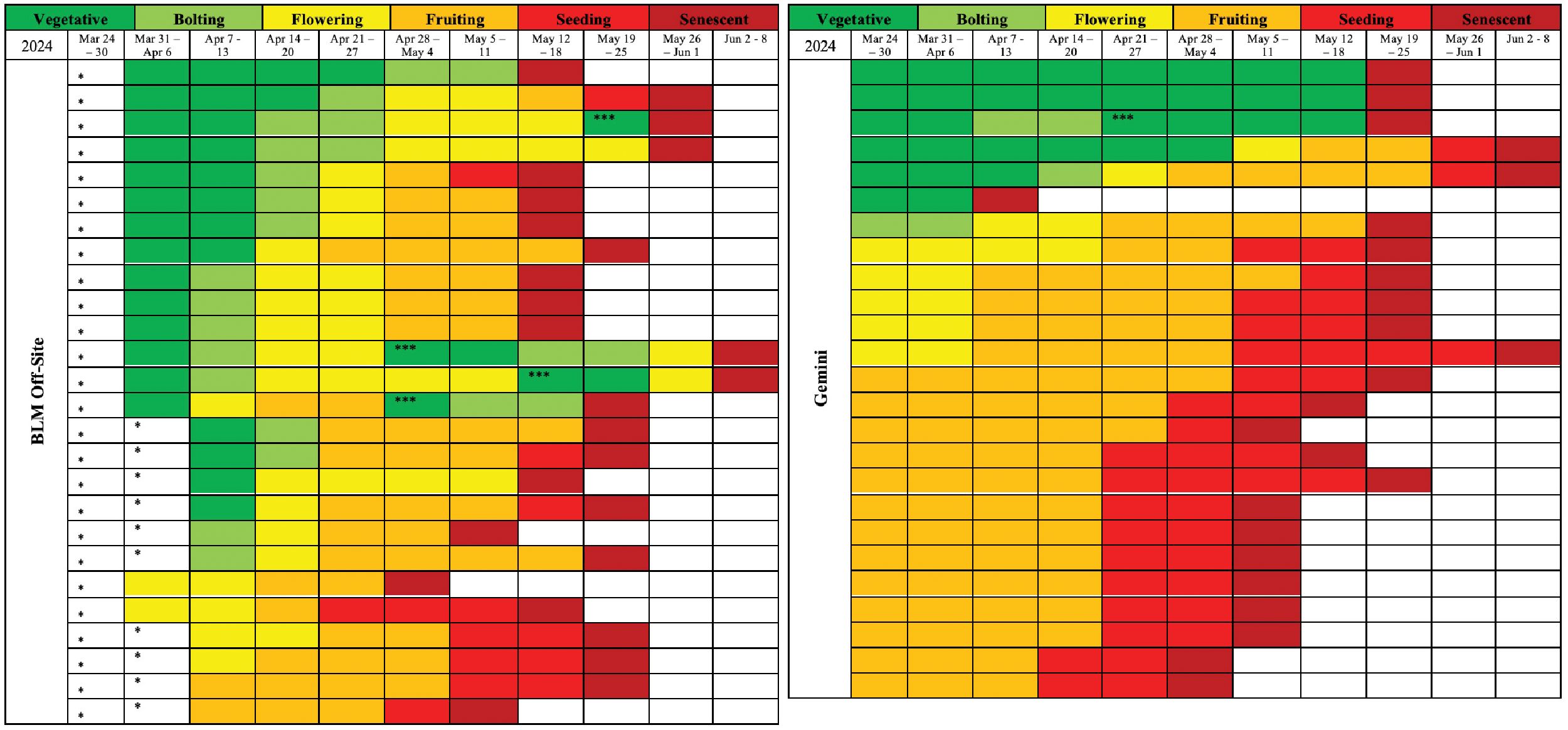
Figure 6. Phenology of tagged BLM off-site and Gemini threecorner milkvetch over time. Each row represents an individual plant. *BLM off-site plants emerged later than Gemini plants. ***Plants that regrew after being heavily grazed.

Table 4. Results of t-tests to compare duration of phenological stages by site.

Table 5. Results of logistic regression comparing phenological stages by site.

Table 6. Duration of phenological stages.
Growth
The threecorner milkvetch plants on-site were significantly larger than off-site plants for canopy width, plant height, stem length, leaf length, number of leaves, and number of stems (Table 7; Mann–Whitney tests for all metrics: p < 0.0001).
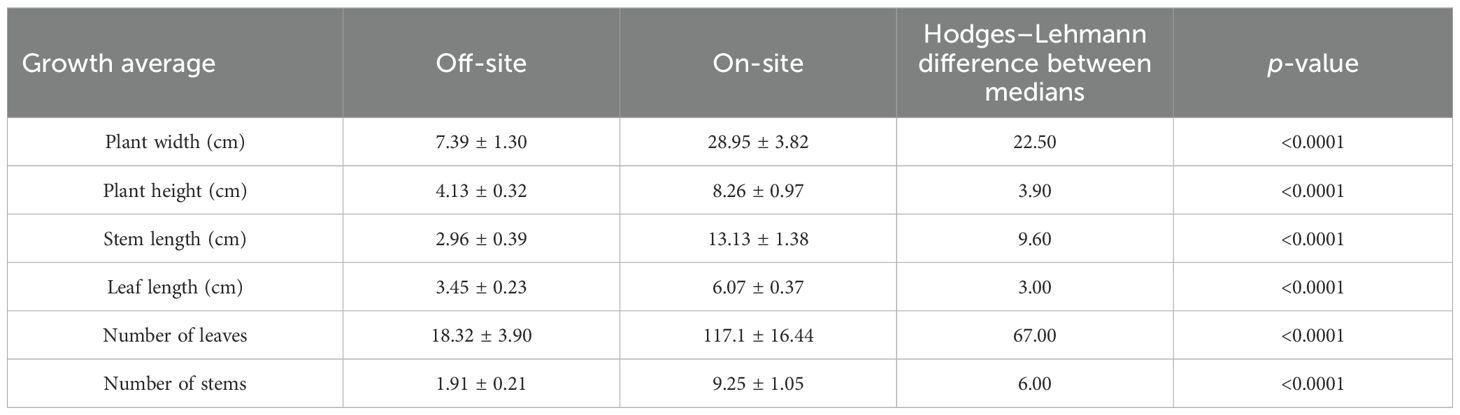
Table 7. Growth metrics for threecorner milkvetch on-site at Gemini and off-site.
Reproduction
On-site threecorner milkvetch plants had eight times the number of flowers and 10 times the number of fruits compared to off-site (Table 8; Mann–Whitney tests: p < 0.001).
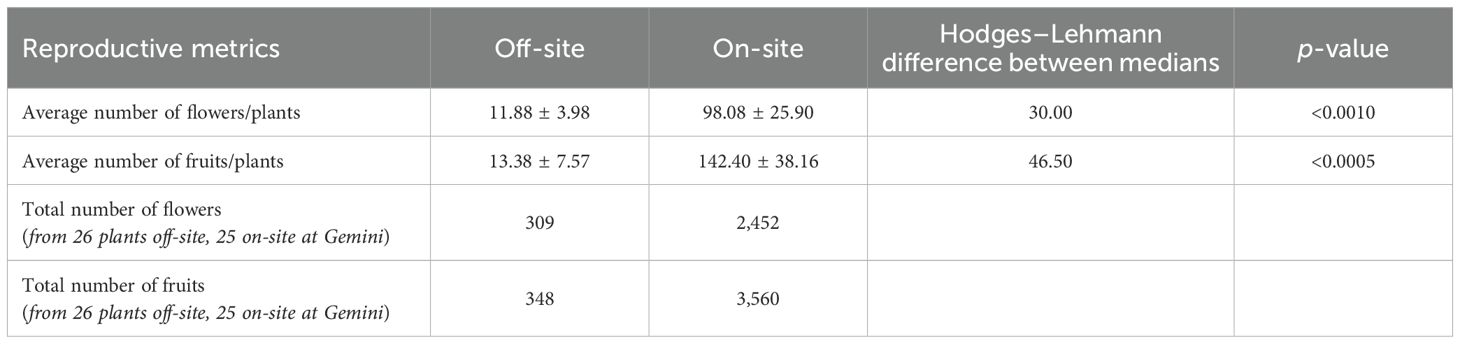
Table 8. Reproductive metrics for threecorner milkvetch on-site at Gemini and off-site.
Seed viability
The imbibition test confirmed physical dormancy for threecorner milkvetch for the first time, with only scarified seed imbibing water. The tetrazolium test resulted in 100% viability for both populations (Figure 7). While monitoring threecorner milkvetch plants on- and off-site, surveyors noted that most seeds had a color difference from threecorner milkvetch seeds collected from Sandy Cove at Lake Mead National Recreation Area in 2023 (Figure 7).
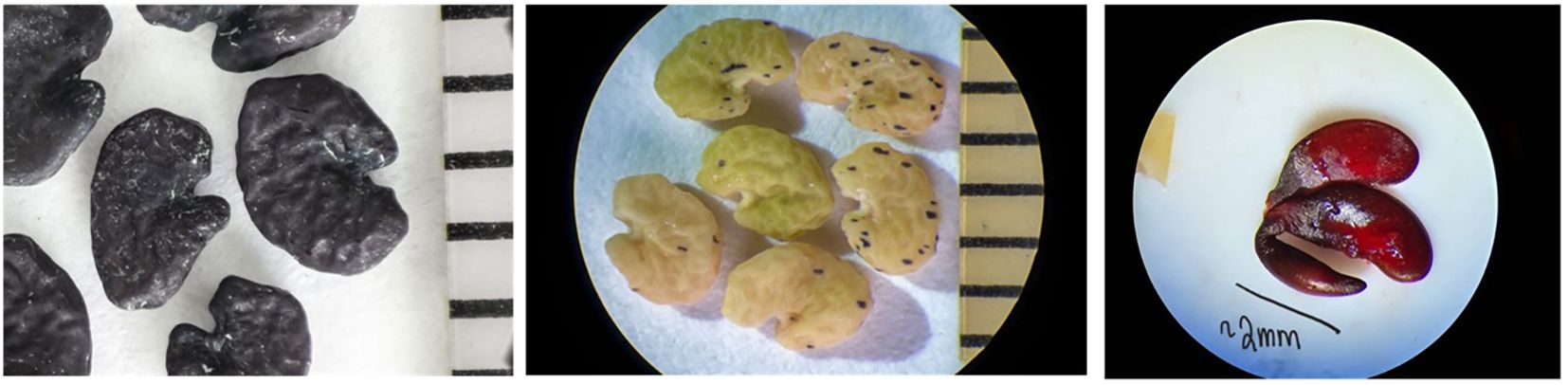
Figure 7. Threecorner milkvetch seeds from Sandy Cove, Lake Mead National Recreation Area in 2023 (left) and Gemini/BLM off-site populations in 2024 (middle). Viable stained embryo (right).
Solar panel and site impacts
The site variables of panel distance, road distance, and penetrometer reading were not significantly correlated with threecorner milkvetch height, canopy width, number of leaves, stem length, number of stems, leaf length, number of fruits, or number of flowers (p ≥ 0.05). Soil compaction as indexed by the penetrometer had a significant negative correlation with increasing road distance (p = 0.006).
Discussion
The demand for solar energy and USSE facilities is expected to increase exponentially in the next decade (IEA, 2024; BLM, 2024), potentially impacting flora, fauna, and the habitats that support them, particularly in the arid Southwest (Parker et al., 2018; Karban et al., 2024). This study is one of the first to evaluate how a rare annual species responds to the development of a solar facility that utilizes novel construction methods intended to minimize impact to vegetation and soils in the desert Southwest. The results of this 1-year study demonstrate that the threecorner milkvetch population persisted within the novel environment created at Gemini. Threecorner milkvetch plants were detected during the 2018 preconstruction survey and 2024 postconstruction survey. In 2024, threecorner milkvetch plants at Gemini were significantly larger with a higher fecundity compared to those monitored off-site. The 2018 and 2024 surveys followed months of comparable fall and winter precipitation required for winter annual germination (Beatley, 1974), and plants represented the range of phenologies during both years.
Like many desert species (Pake and Venable, 1996; Gremer and Venable, 2014), threecorner milkvetch relies on a persistent soil seed bank to maintain population viability and function after unfavorable reproductive years. Threecorner milkvetch seed bank longevity is presently unknown; however, many Astragalus spp. have viable seed banks from 2 to 5 years (Becker, 2010; Segura et al., 2015) or even up to 100 years (Morris et al., 2002). Within solar facilities, desert annual seed banks may endure (Hernandez et al., 2019). Using experimental solar panels, in-situ seed bag burial, and a conceptual model, Tanner et al. (2021) investigated the seed banks of two Mojave Desert annuals, the rare Eriophyllum mohavense and the common Eriophyllum wallacei, finding that the rare species had greater seed bank survival in shaded compared to unshaded microhabitat areas after two growing seasons. Our results confirm that the overland travel and drive and crush construction methods allowed a viable threecorner milkvetch seed bank to persist at Gemini, although under panels had lower densities of plants compared with the interspaces between panels. Seed collected from threecorner milkvetch at Gemini had a 100% viability rate and did not imbibe water unless scarified. This result confirms physical dormancy for the species, a mechanism previously untested. Future monitoring could involve soil seed bank collection or seed burial to determine the seed bank longevity within Gemini panel microsites with comparisons to off-site locations.
Although the threecorner milkvetch seed bank endured and plants emerged in spring 2018 and 2024, the surveys revealed impacts of an altered environment on plant emergence, growth, and phenology. Ninety-four percent of the threecorner milkvetch plants found at Gemini grew in the interspaces between panels. The position of plants relative to the panels has been shown to have an impact on plant responses, particularly on plants located under the panels (Wynne-Sison et al., 2023). A previous study found that perennial plants growing beneath solar panels appeared spindly, with lower canopy volumes compared to plants located between panels and off-site (Wynne-Sison et al., 2023), while a single-year study found that shade under panels can limit biomass of desert annuals (Smith et al., 1987). Tanner et al. (2021) projected that altered shade and runoff regimes on solar sites will have different demographic effects across annual species, even those within the same genus. Projected growth of the rare E. mohavense was substantially reduced in shade as compared with the common E. wallacei, mediated by negative effects on aboveground demographic rates (Tanner et al., 2021). Photosynthetically active radiation (PAR) requirements are not known for threecorner milkvetch, but the PAR reductions in Gemini were more modest than at other facilities. The infrastructure design and layout at Gemini resulted in PAR reductions of approximately 50% in panel interspaces and 78% directly beneath the panels (Pinos et al., in review1). The observed growth of the solitary threecorner milkvetch plant found under a panel appeared etiolated (Figure 4); however, detailed growth measurements on additional plants found under panels and in the dripline would be required in future years to confirm these observations.
It is possible that the threecorner milkvetch plants germinated under the panels and subsequently died prior to the start of our monitoring. The seed and seedling stages are vulnerable life stages of a plant, with temperature and precipitation impacting germination and seedling survival (Leck et al., 2008). Little is known about the specific germination requirements of threecorner milkvetch, but other Mojave winter annuals begin germination in the cooler months of winter, given sufficient precipitation and soil temperatures of approximately 10°C (Beatley, 1974). At Gemini, the area under the panels provides an average cooler soil surface temperature in the summer and an average warmer temperature in the winter (Pinos et al., in review1), which is comparable to other facilities (Wynne-Sison et al., 2023; Armstrong et al., 2016; Yue et al., 2021). In a region that is already experiencing above-average fall and winter temperatures, as the study area has for 9 of the last 10 years (Climate Toolbox, UC Merced), any additional increase in temperature may hinder germination and seedling survival rates for threecorner milkvetch. Low densities under panels may be due to water or light exclusion that limited germination or growth of milkvetch. Subsequent monitoring will determine if our 1-year results represent an ongoing trend of low emergence under panels. If so, threecorner milkvetch could experience habitat limitations created by the under panel microsite, a possible disadvantage for the population.
Elevated soil moisture at 0–10, 10–20, and 20–40 cm depths was retained for longer in the facility compared to outside of the facility after fall–spring precipitation events (Pinos et al., in review1). This retention of soil moisture inside the facility may explain why plants were larger and phenology accelerated compared to outside the facility. These differences in soil moisture could not be explained by distinct soil textures or depths because both Gemini and off-site had the same soil texture (loamy sand) and average depth to an impermeable petrocalcic layer (Arada series, >60 cm). With respect to panel microsites, previous studies identified that perennial plants at panel driplines received more precipitation due to runoff (Wynne-Sison et al., 2023; Hassanpour et al., 2018). At Gemini, only four threecorner milkvetch plants were found within the panel dripline (density 0.9/ha; Table 3) despite there being elevated soil moisture in this microsite on deep soils (Pinos et al., in review1). More shading, lower wind speed, and lower reference evaporation at Gemini compared to off-site locations (Pinos et al., in review1) limit evaporation and further support more soil moisture available for plant growth. Subsequent monitoring is expected to better reveal the long-term microclimate influences on threecorner milkvetch germination and population demography.
Threecorner milkvetch survival did not differ between on- and off-site, and for both sites, survivorship declined sharply in May as daytime temperatures began to rise. Although panels provide shade in the summer and increased soil moisture along driplines from runoff (Pinos et al., in review1; Wynne-Sison et al., 2023; Armstrong et al., 2016; Yue et al., 2021), this did not appear to influence survivorship. In drier years, shade tended to reduce survival of the common annual E. wallacei, but increased survival of the rare E. mohavense (Tanner et al., 2021). Our results suggest that the altered environment created by panel arrays did not alter threecorner milkvetch survivorship at Gemini.
Despite not occurring in high numbers under panels or along panel driplines, threecorner milkvetch in the panel interspaces in the Gemini facility had earlier phenologies than those off-site, suggesting that plants may have an advantage of earlier establishment at Gemini. Monitored threecorner milkvetch were fruiting at Gemini nearly 3 weeks earlier than those off-site. Additionally, these plants at Gemini persisted in the fruiting and flowering stages for weeks longer than off-site. Gemini threecorner milkvetch were larger on average, specifically four times larger in width, and had six times the number of leaves. Gemini threecorner milkvetch produced eight times more flowers and 10 times more fruit. Our analysis showed that the distance from the panel centerline, distance from the road, and soil compaction were not significantly correlated with the increased growth or reproductivity. These increases in reproductive output at Gemini were likely a result of the retention of elevated soil moisture following rainfall events that allowed the in-facility plants to invest more in flowers and fruits than those occurring outside of the facility. The desert annuals E. mohavense and E. wallacei growing in experimental solar arrays were more strongly affected by panel microhabitats under wet compared to dry conditions, with a reduction in abundance of the rare E. mohavense in the shade (Tanner et al., 2021). In a wet year, runoff from panels increased seed output for both species (Tanner et al., 2021). Similarly, microhabitat created by panels was influential for annual plants at Gemini, with driplines and panel interspaces increasing native annual plant density and species richness compared to controls (Karban et al., in review). Precipitation recorded near Gemini in 2024 was below average but significantly higher than previous monitoring years when no threecorner milkvetch plants emerged. Long-term monitoring can help determine if threecorner milkvetch will continue to persist in the Gemini facility, which will depend on sufficient cool-season precipitation to promote continued population viability.
High levels of stochasticity in germination timing and growth were observed within and between threecorner milkvetch populations across its range (Powell, 1998). In a phenology study for this species at Lake Mead National Recreation Area, threecorner milkvetch that reached a larger size before fruiting (such as those on-site at Gemini) appeared to produce more fruit than plants that were smaller when they produced fruit (such as those off-site) (Powell, 1998). Powell (1998) also documented that a small number of monitored plants accounted for a large portion of the total fruit produced. Our 1-year findings are consistent with this observation, demonstrating that even in the population of mostly smaller plants off-site, variability occurs, with some large plants growing and producing vast amounts of fruit each year. These large reproductive plants are important to replenish the seed bank. Threecorner milkvetch may take advantage of shade in the panel interspaces, which leads to less evaporative demand and more soil moisture. This appeared evident as plants in interspaces germinated earlier, grew larger, and produced more flowers and fruit than off-site. Indeed, if all fruits observed on monitored plants at Gemini produced viable seeds, the potential seed production was almost eight times higher compared to off-site. Repeated monitoring will reveal if this is an ongoing trend. However, threecorner milkvetch plants that are unable to emerge, or emerge and die, beneath panels, could indicate in a loss of suitable habitat in the facility.
There were several limitations to our study. Although the survey effort and precipitation were comparable between 2018 and 2024, the area surveyed in 2024 (102 ha) was smaller than in 2018 (713 ha). Subsequent years of monitoring in the postconstruction footprint during similar precipitation years and years of unfavorable precipitation will strengthen our findings. While we selected an off-site location that had similar vegetation and soil characteristics as Gemini, it is possible that factors other than facility construction and infrastructure might have influenced differences between sites. For example, Gemini vegetation management requires the removal of as much Sahara mustard as possible by herbicide treatment or hand pulling within threecorner milkvetch potential habitat (occupied and unoccupied) throughout the growing season. There is little information on the direct impact of invasive plant species on germination, growth, or reproduction of threecorner milkvetch. No tagged threecorner milkvetch plants were found growing under Sahara mustard plants at off-site locations. However, we could not experimentally alter the density of Sahara mustard at the site to determine its influence due to site restrictions, and our study area may have been influenced by site invasive species control efforts.
The results of this 1-year study during a favorable year of rainfall demonstrate the persistence of a rare Mojave annual species within an altered environment at a USSE facility. Despite our hypothesis that the solar energy facility would negatively affect demography and lead to later phenology due to increasing disturbance and a reduction in resource availability from photovoltaic panels, we found the opposite patterns. Threecorner milkvetch at Gemini were larger, emerged earlier, had an earlier phenology, and had a higher fecundity compared to plants off-site. However, minimal threecorner milkvetch emergence occurred directly under the PV panels and along their driplines, indicating a potential loss of suitable habitat if this pattern becomes more widespread in space or through time. Nevertheless, the alternative construction methods used at Gemini allowed a viable seed bank to persist through construction and seed bank recruitment to occur postconstruction, which contrasts with traditional “blade and grade” construction practices that destroy aboveground vegetation and the seed bank. Novel construction techniques for USSE, such as reducing ground disturbance, decompacting soils, increasing spacing of panel arrays, and using non-opaque panels, could be considered moving forward to minimize impact. The results of this study can assist land managers in making decisions about USSE development as the demand grows.
Data availability statement
The raw data supporting the conclusions of this article will be made available by the corresponding author upon request.
Author contributions
TP: Writing – review & editing, Formal analysis, Project administration, Validation, Methodology, Supervision, Funding acquisition, Visualization, Resources, Investigation, Writing – original draft, Conceptualization. CK: Formal analysis, Methodology, Data curation, Writing – review & editing. LK: Writing – review & editing, Funding acquisition. SM: Methodology, Supervision, Validation, Writing – review & editing, Project administration, Funding acquisition.
Funding
The author(s) declare financial support was received for the research and/or publication of this article. Funding for this project was provided by the Bureau of Land Management Southern Nevada District office.
Acknowledgments
We thank staff scientist Tsvetelina Stefanova and botanical technicians Roxanna Neilson and Amelia Porter for their help with field surveys. We thank Lindsay Chiquoine for her insight and Lesley DeFalco for reviewing this manuscript.
Conflict of interest
The authors declare that the research was conducted in the absence of any commercial or financial relationships that could be construed as a potential conflict of interest.
Generative AI statement
The author(s) declare that no Generative AI was used in the creation of this manuscript.
Any alternative text (alt text) provided alongside figures in this article has been generated by Frontiers with the support of artificial intelligence and reasonable efforts have been made to ensure accuracy, including review by the authors wherever possible. If you identify any issues, please contact us.
Publisher’s note
All claims expressed in this article are solely those of the authors and do not necessarily represent those of their affiliated organizations, or those of the publisher, the editors and the reviewers. Any product that may be evaluated in this article, or claim that may be made by its manufacturer, is not guaranteed or endorsed by the publisher.
Author disclaimer
Any use of trade, firm, or product names is for descriptive purposes only and does not imply endorsement by the U.S. Government.
Footnotes
- ^ Pinos, J., Munson, S. M., Karban, C. C., and Petrie, M. D. In Review. Ecovoltaic solar energy development creates novel microclimate, termperature, and soil moisture patterns under solar panels in a warm desert.
References
Ardani K., Denholm P., Mai T., Margolis R., O'Shaughnessy E., Silverman T., et al. (2021). Solar futures study. doi: 10.2172/2589306
Armstrong A., Ostle N. J., and Whitaker J. (2016). Solar park microclimate and vegetation management effects on grassland carbon cycling. Environ. Res. Lett. 11, 74016. doi: 10.1088/1748-9326/11/7/074016
Barneby R. C. (1964). Atlas of north american astragalus. Volumes I and II (New York: The New York Botanical Garden).
Basin and Range Watch and Western Watersheds Project (2019). Petition to List the Three corner Milkvetch (Astragalus geyeri var. triquertrus) as endangered under the Endangered Species Act. Available online at: https://www.basinandrangewatch.org/Threecorner%20Milkvetch%20Petition-April25.pdf (Accessed May 20, 2025).
Beatley J. C. (1974). Phenological events and their environmental triggers in Mojave Desert ecosystems. Ecology 55, 856–863. doi: 10.2307/1934421
Becker T. (2010). Explaining rarity of the dry grassland perennial Astragalus exscapus. Folia Geobotanica 45, 303–321. doi: 10.1007/s12224-010-9068-3
Bureau of Land Management (BLM) (2024). Rough Hat Clark Solar Project: Draft environmental impact statement and draft resource management plan amendment (DOI-BLM-NV-S010-2022-0063-EIS). Available online at: https://eplanning.blm.gov/public_projects/2019992/200523600/20102430/251002430/_Rough%20Hat%20Clark%20Solar%20Project_Draft%20RMPA_EIS.pdf (Accessed May 20, 2025).
Cypher B. L., Boroski B. B., Burton R. K., Meade D. E., Phillips S. E., Leitner P., et al. (2021). Photovoltaic solar farms in California: can we have renewable electricity and our species, too? California Fish Wildlife 107, 231–248. doi: 10.51492/cfwj.hwisi.6
Devitt D. A., Apodaca L., Bird B., Dawyot J. J.P., Fenstermaker L., and Petrie M. D. (2022). Assessing the impact of a utility scale solar photovoltaic facility on a down gradient mojave desert ecosystem. Land 11, 1315. doi: 10.3390/land11081315
Gremer J. R. and Venable D. L. (2014). Bet hedging in desert winter annual plants: Optical germination strategies in a variable environment. Ecol. Lett. 17, 380–387. doi: 10.1111/ele.12241
Grodsky S. M. and Hernandez R. R. (2020). Reduced ecosystem services of desert plants from ground-mounted solar energy development. Nat. Sustainability 3, 1036–1043. doi: 10.1038/s41893-020-0574-x
Hamilton M. E. and Kokos S. R. (2011). Clark county rare plant habitat modeling. Prepared for the Bureau of Land Management Las Vegas Field Office..
Hartig F. (2022). DHARMa: residual diagnostics for hierarchical (Multi-level / mixed) regression models_. R package version 0.4.6. Available online at: https://CRAN.R-project.org/package=DHARMa (Accessed May 15, 2025).
Hassanpour A. E., Selker J. S., and Higgins C. W. (2018). Remarkable agrivoltaic influence on soil moisture, micrometeorology and water use efficiency. PloS One. doi: 10.1371/journal.pone.0203256
Hernandez R. R., Armstrong A., Burney J., Ryan G., Moore-O’Leary K., Diédhiou I., et al. (2019). Techno–ecological synergies of solar energy for global sustainability. Nat. Sustainability 2, 560–568. doi: 10.1038/s41893-019-0309-z
Hernandez R. R., Easter S. B., Murphy-Mariscal M. L., Maestre F. T., Tavassoli M., Allen E. B., et al. (2014). Environmental impacts of utility-scale solar energy. Renewable Sustain. Energy Rev. 29, 766–779. doi: 10.1016/j.rser.2013.08.041
International Energy Agency (IEA) (2024). “Renewables 2024,” in Analysis and forecast to 2030, Paris, France. Available online at: https://www.iea.org/reports/renewables-2024 (Accessed May 14, 2025).
Karban C. C., Lovich J. E., Grodsky S. M., and Munson S. M. (2024). Predicting the effects of solar energy development on plants and wildlife in the Desert Southwest, United States. Renewable Sustain. Energy Rev. 205, 114823. doi: 10.1016/j.rser.2024.114823
Leck M. A., Parker V. T., and Simpson R. (Eds.) (2008). Seedling ecology and evolution (Cambrudge, United Kingdom: Cambridge University Press).
Lovich J. E. and Ennen J. R. (2011). Wildlife conservation and solar energy development in the desert southwest, United States. BioScience 61, 982–992. doi: 10.1525/bio.2011.61.12.8
Moore-O'Leary K. A., Hernandez R. R., Johnston D. S., Abella S. R., Tanner K. E., Swanson A. C., et al. (2017). Sustainability of utility-scale solar energy–critical ecological concepts. Front. Ecol. Environ. 15, 385–394. doi: 10.1002/fee.1517
Morris A. B., Baucom R. S., and Cruzan M. B. (2002). Stratified analysis of the soil seed bank in the cedar glade endemic Astragalus bibullatus: Evidence for historical changes in genetic structure. Am. J. Bot. 89, 29–36. doi: 10.3732/ajb.89.1.29
Pake C. E. and Venable D. L. (1996). Seed banks in desert annuals: Implications for persistence and coexistence in variable environments. Ecology 77, 1427–1435. doi: 10.2307/2265540
Parker S. S., Cohen B. S., and Moore J. (2018). Impact of solar and wind development on conservation values in the Mojave Desert. PloS One 13, e0207678. doi: 10.1371/journal.pone.0207678
Phoenix Biological Consulting (2018). Botanical resources report (Clark County NV: Prepared for Arevia Power & Solar Partners XI, LLC).
Powell E. (1998). Phenology of Three corner Milkvetch, Astragalus geyeri var. triquetrus at Sandy Cove, Lake Mead National Recreation Area (Boulder City, Nevada: National Park Service, Lake Mead National Recreation Area).
Segura F., Vicente M. J., Franco J. A., and Martinez-Sanchez J. J. (2015). Effects of maternal environmental factors on physical dormancy of Astragalus nitidiflorus seeds (Fabaceae), a critically endangered species of SE Spain. Flora 216, 71–76. doi: 10.1016/j.flora.2015.09.001
Smith S. D., Patten D. T., and Monson. R. K. (1987). Effects of artificially imposed shade on a Sonoran Desert ecosystem: Microclimate and vegetation. J. Arid Environments 13, 65–82. doi: 10.1016/S0140-1963(18)31154-6
Tanner K. E., Moore-O’Leary K. A., Parker I. M., Pavlik B. M., Haji S., and Hernandez R. R. (2021). Microhabitats associated with solar energy development alter demography of two desert annuals. Ecol. Appl. 31, e02349. doi: 10.1002/eap.2349
The Nature Conservancy (2023). Principles of low-impact solar siting and design. Available online at: chrome-extension://efaidnbmnnnibpcajpcglclefindmkaj/https://www.nature.org/content/dam/tnc/nature/en/documents/2023SolarGuidanceTNCNC.pdf (Accessed May 16, 2025).
Western Regional Climate Center (WRCC) (2024). National Weather Service (NWS) Cooperative Observer Program (COOP) station, located at Valley of Fire State Park. Available online at: https://wrcc.dri.edu/cgi-bin/cliMAIN.pl?nv8588 (Accessed May 14, 2024).
Wynne-Sison T., Devitt D. A., and Smith S. D. (2023). Ecovoltaics: maintaining native plants and wash connectivity inside a mojave desert solar facility leads to favorable growing conditions. Land 12, 1950. doi: 10.3390/land12101950
Yavari R., Zaliwciw D., Cibin R., and McPhillips L. (2022). Minimizing environmental impacts of solar farms: a review of current science on landscape hydrology and guidance on stormwater management. Environ. Research: Infrastructure Sustainability 2, 032002. doi: 10.1088/2634-4505/ac76dd
Keywords: native plant species, renewable energy development, rare plants, Southwestern United States, Astragalus geyeri var. triquetrus [A. Gray] M. E. Jones, threecorner milkvetch
Citation: Pereira TJ, Karban CC, Kobelt LA and Munson SM (2025) Rare milkvetch (Astragalus) persistence at a utility-scale solar energy facility in the Mojave Desert. Front. Ecol. Evol. 13:1697878. doi: 10.3389/fevo.2025.1697878
Received: 02 September 2025; Accepted: 11 November 2025; Revised: 04 November 2025;
Published: 28 November 2025.
Edited by:
Emma Underwood, University of California, Davis, United StatesReviewed by:
Chuan Jin, Hainan University, ChinaJames McCall, National Renewable Energy Laboratory (DOE), United States
Copyright © 2025 Pereira, Karban, Kobelt and Munson. This is an open-access article distributed under the terms of the Creative Commons Attribution License (CC BY). The use, distribution or reproduction in other forums is permitted, provided the original author(s) and the copyright owner(s) are credited and that the original publication in this journal is cited, in accordance with accepted academic practice. No use, distribution or reproduction is permitted which does not comply with these terms.
*Correspondence: Tiffany J. Pereira, dGlmZmFueS5wZXJlaXJhQGRyaS5lZHU=