 Gráinne Bannigan
 Denise McGrath1,2
 James Matthews
- 1School of Public Health, Physiotherapy and Sports Science, University College Dublin, Dublin, Ireland
- 2Insight Research Ireland Centre for Data Analytics, University College Dublin, Dublin, Ireland
Increasingly lower levels of well-being are reported by university students, and higher education (HE) services are unable to cope. Issues persist relating to the conceptualization and definition of well-being. There is a lack of clarity around what it means for something to be “embedded in the curriculum,” and how this aligns with a whole-university approach toward supporting student well-being. It is important to understand how this may have affected the design, delivery, and efficacy of such efforts to embed well-being in the HE curriculum in recent years. The objective of this review was to scope out the breadth of literature on the topic of embedding well-being in the curriculum to support HE students, specifically from the perspective of an integrated, whole-university approach. A total of 72 published and grey literature articles and documents were included for analysis. Findings are reported on the key characteristics of embedded well-being approaches, how these are underpinned by theory and rationale, how key concepts are defined and understood, who the key actors are, and what the main outcomes of these approaches are.
Systematic review registration: A scoping review protocol was registered with Open Science Framework https://doi.org/10.17605/OSF.IO/9BVQY.
1 Introduction
Increasingly low levels of well-being are reported by university students, and higher education institutions (HEIs) are unable to cope with the rising demand being placed on their support services (Broglia et al., 2018). For this reason, efforts are being made to embed well-being education as part of the university curriculum rather than as a separate service, as there are clear links between a student’s well-being and the HE environment in which they learn and are taught (Sweeting et al., 2021). Specifically, student well-being is impacted by relationships with instructors (e.g., approachability, competence, sense of support) and peers (e.g., sense of belonging and community), course design (e.g., content, delivery, assessment), and academic resources (e.g., learning materials, physical learning spaces) (Konstantinidis, 2024; Juanamasta et al., 2022; Stanton et al., 2016). This relationship is bi-directional, where well-being can equally have an impact on the learning experience. Students with low well-being experience low self-efficacy, poor motivation and poor academic performance (Lipson and Eisenberg, 2018; Geertshuis, 2019). Such an embedded approach allows for a broader range of students to be supported before they fall into crisis (i.e., at the point where specialized/clinical mental health services are needed to support the student) (Price et al., 2019), while also equipping them with key skills that will benefit them beyond the HE context (Byrne and Surdey, 2021).
There remain issues around defining the concept of well-being (Huppert, 2014). It is a complex construct incorporating multiple dimensions, comprising within it mental but also physical health, social relationships, and personal development. It relates to an individual’s capacity to thrive, moving beyond the diagnosis and treatment models often associated with mental health conceptualisations toward developing an individual’s capacity for psychological, emotional, and social functioning (Travia et al., 2022). People with high levels of positive emotions and those who are functioning well psychologically and socially are described by some as “flourishing” (Seligman, 2011). For the purpose of this scoping review, it was decided that no specific, pre-determined definition of well-being would be used as one of the purposes of the investigation is to determine how well-being is defined and understood in the literature.
These issues in defining well-being have significant implications on how it is measured (Linton et al., 2016). Well-being is generally assessed using validated quantitative self-report measures such as the WHO-5 Wellbeing (Topp et al., 2015), the Psychological Wellbeing Scale (Ryff and Keyes, 1995), the Flourishing Index (VanderWeele, 2017), the Positive and Negative Affect Schedule (Watson et al., 1988), the Warwick-Edinburgh Mental Well-being scale (Tennant et al., 2007), amongst many others, and is sometimes supplemented using additional qualitative methods. It is also recognized that well-being measures need to be relevant to specific groups and settings (e.g., age, workplace, community) (Huppert, 2017). Currently, a limited number of measures specifically relating to student well-being in the HE curriculum context have been developed (Dodd et al., 2021), such as the Healthy Environments and Learning Practices Survey (Zandvliet et al., 2019).
Following the development of the Ottawa Charter of Health Promotion, which advocates for structured, global public health promotion (Thompson et al., 2018), interest has grown toward “settings-based” or “whole-system” approaches to the promotion of health and well-being (Upsher et al., 2022). In the context of HE, a “whole-university” approach aims to integrate health and well-being principles throughout the whole university ecosystem (Okanagan Charter, 2015). These principles are not viewed exclusively as the concern of student disability, health and mental health services, but also of the teaching and support staff, senior management, structural and organizational supports, as well as the students themselves (Houghton and Anderson, 2017). They underpin the actions of “health-promoting” universities, also known as “healthy” universities or campuses, which emphasize the integral connections that exist between an individual and their environment and recognize that health and well-being are created and influenced by the many settings that encompass an individual’s everyday life, including where they learn or work (World Health Organization, 1986). The primary goal of such an approach is to improve the environment in which someone lives, learns and works, moving away from individualized interventions which seek to change individual risk factors toward population-based interventions which seek to change structural elements that can negatively affect health and well-being (Fernandez et al., 2016). In the HE context specifically, the aim is to integrate health and well-being practices into everyday life at the university, ultimately creating an environment that promotes health, well-being, and social connectedness and enables students and staff to succeed and thrive.
Health-promoting universities recognize that the HE setting, including all of its actors (e.g., staff, faculty, administrators, leadership etc.) and processes, is a whole, integrated system within which exist multiple opportunities for structural interventions to be developed. Student Minds in the UK developed The University Mental Health Charter to inform the implementation of such a whole-university approach, focusing on four domains within a university: learning (e.g., pedagogy and assessment), support services (internal and external), student life (e.g., campus, accommodation), and the well-being of staff (Hughes and Spanner, 2019). This was built upon to develop the subsequent Stepchange: Mentally Healthy Universities framework, which advocates for all universities to make health and well-being a strategic priority and to adopt a whole-university approach (de Pury and Dicks, 2020). Efforts to embed well-being in the HE curriculum fall under this broader context of a whole-university approach, specifically relating to the “learn” domain (transition to university, learning, teaching, assessment, progression through university), given that the formal curriculum makes up a significant part of the student experience and of the HE system as a whole. Indeed, the only points of contact that students are guaranteed to have with their institutions are with HE staff and the curriculum. Therefore, any genuine attempt at integrating a whole-university approach to embedding well-being in the HE context must consider the potential impact of the curriculum on students, both positive and negative (Byrne and Surdey, 2021).
An intervention may be considered as embedded in the curriculum when it relates to those student experiences which are connected to the formal curriculum – in other words, learning experiences that are planned and guided by academic staff and educators. This can be done through altering curriculum design (i.e., how something is taught), such as making changes to class time-tabling or to assessment and feedback methods. It can also be done through altering curriculum delivery (i.e., what is taught), such as embedding well-being through mandatory or elective classes or modules (i.e., a whole class or module specifically designed to teach students about well-being topics and practices) or infusing core ideas and values into pre-existing courses (i.e., including well-being content or activities in parts of an existing course) thereby taking advantage of a student’s own discipline to promote knowledge and skills related to their well-being. These methods of embedding well-being do not only involve explicitly teaching students about well-being topics and coping mechanisms, but also relate to the delivery of content or activities that may directly or indirectly impact student well-being without necessarily explicitly referring to well-being. For instance, Upsher et al. (2022) compared four pre-existing interventions embedded in the curriculum to promote well-being across one university including: a psychology module on graduate attributes, an English module on degree skills development and career support, a nursing module on well-being in London, and an international politics module on issues in international politics structured around human emotions. However, such efforts to embed well-being in the curriculum vary greatly. They range from one-off sessions or workshops delivered within a given module, to more extensive programs which may last several weeks with the view to be integrated on a long-term basis beyond the scope of a given research study. Thus, what it truly means to be “embedded” in the curriculum from a whole-university perspective, and how this can be optimized, remains unclear. It is important to understand how this may have affected research around student well-being, particularly regarding the design, delivery, and efficacy of efforts to embed well-being as part of the HE curriculum.
The overall aim of this review is to scope the breadth of the literature – including grey literature – surrounding the topic of embedding well-being in the curriculum in HE, specifically through a whole-university lens. A further aim is to clarify and map key concepts and definitions currently underpinning the literature related to embedding well-being in the HE curriculum, and to identify what gaps may exist in this regard. Indeed, to deliver the appropriate support to students in a sustainable way which is integrated within the HE ecosystem, there needs to be better clarification and mapping of the language and approaches being used in this context. This scoping review expands on the systematic review conducted by Upsher et al. (2022) as it includes an investigation of grey literature sources, has an additional focus on mapping out the language and definitions used in the literature, and goes beyond investigating just the effectiveness of embedded well-being interventions.
2 Methods
The purpose of a scoping review is to give an initial assessment of the potential breadth of the available literature on a given research topic, and it is increasingly being employed as an exploratory first step in the research process (Arksey and O'Malley, 2005). This aligns with the present review as curriculum-embedded well-being interventions for HE students is a particularly broad topic. Specifically, there is a lack of consensus as to the use of the terms such as “well-being” and “curriculum-embedded” and there exists a large variety of different intervention types which seek to support student well-being. Furthermore, existing efforts to embed well-being in the HE curriculum are often disjointed, relying on initiatives prompted by individual staff and program directors rather than being developed at a coherent, system-based level (Byrne and Surdey, 2021). A preliminary search of the Cochrane Database of Systematic Reviews and JBI Evidence Synthesis was conducted and no current or underway systematic reviews or scoping reviews on the topic were identified.
This scoping review was conducted in accordance with the JBI methodology for scoping reviews (Peters et al., 2020). A librarian from University College Dublin with expertise and knowledge on how to conduct scoping reviews was consulted throughout the search process.
2.1 Research questions
Primary question:
• What approaches are HEIs taking to embed well-being in the curriculum from a whole-university perspective?
Secondary questions:
• What are the main characteristics of embedded well-being interventions?
• How are the key concepts of “well-being,” “embedded in the curriculum” and “whole university approach” understood and defined?
• How are these approaches underpinned by theory and rationale?
• Who are the key actors in the creation, promotion and embedding of well-being in the curriculum?
• What are the outcomes of these approaches?
2.2 Inclusion criteria
2.2.1 Participants
2.2.1.1 Include
Students in HE, at any stage (e.g., undergraduate, postgraduate), of any age and any discipline/course.
2.2.1.2 Exclude
Non-student members in HE (e.g., staff, faculty, administrators), clinical populations.
2.2.2 Concept
2.2.2.1 Include
Articles or documents where the primary aim is to describe, measure or understand the development, impact or desired impact of interventions that embed well-being as part of the HE curriculum, using a whole-university approach. Interventions are determined as being “embedded” if they take place within the curriculum (e.g., the content and/or structure of an academic program, the learning process, or the teaching process) and last longer than a single session (Byrne and Surdey, 2021). For example, mandatory or elective classes aiming to teach students about specific well-being topics or skills. Interventions are determined as using a “whole-university” approach if they foster a supportive culture and environment, integrate well-being into the overarching institutional ethos, and focus on the whole population (Dooris et al., 2020). A conceptual document was created outlining the characteristics of a whole-university approach based on key pieces in the literature and was used to help guide the screening process.
2.2.2.2 Exclude
Articles or documents in which interventions target specific, pre-existing mental health or neurodevelopmental conditions or difficulties (e.g., ADHD, autism…), and which are not embedded as part of the HE curriculum.
2.2.3 Context
2.2.3.1 Include
Higher/third-level education (e.g., university, college), online or offline, in English.
2.2.3.2 Exclude
Any other stage of education before (e.g., primary, secondary) or after (e.g., post-doctoral) third-level.
2.2.4 Source types
This scoping review considered intervention studies including randomized controlled trials, non-randomized controlled trials, before and after studies and interrupted time-series studies. Qualitative and mixed-methods studies were also included. Grey literature sources were also included in this review. This included any textual data from HE websites, articles, strategy documents etc. which describe in detail the process through which efforts are being made or have already been made to embed well-being in the curriculum from a whole-university perspective. Though the concepts covered by the grey literature search vary slightly from those of the published literature, the authors felt it was important to include such a grey literature search in order to demonstrate whether (and how) HEIs are bridging the gap between theory and practice. Grey literature sources were limited to institutions across the United States, Canada, United Kingdom, Australia, New Zealand and Ireland (i.e., English-speaking countries, as this is the language proficiency of our research group and allows for a more targeted and manageable search).
2.3 Search strategy
The search strategy aimed to locate published primary-level research. An initial limited search of Scopus was undertaken to identify articles on the topic. The text words contained in the titles and abstracts of relevant articles, and the index terms used to describe the articles were used to develop a full search strategy for Scopus, PubMed, Web of Science, ASSIA, ERIC and PsycINFO (see Supplementary material 1). The search strategy, including all identified keywords and index terms, was adapted for each included database and/or information source. The reference list of all included sources of evidence was also screened for additional articles. Articles published in English between 2011 and the present were included.
The grey literature search was conducted through the Google Chrome search engine. As Google searches are limited to 32 words per query, it was necessary to split the search into three stages, starting from a narrow approach and gradually widening the search to catch any remaining sources which may have been omitted due to the complex and overlapping nature of the language being used in this area (see Supplementary material 2). Different included and excluded terminologies were used in each stage as all terms could not fit into a single search. The search was narrowed to only display results from academic website domains (e.g., edu, ac.uk etc.).
To capture the most relevant results while ensuring that the number of results to screen was feasible, only the first ten pages of each search’s results page were reviewed according to the displayed title and short text description underneath. Potentially relevant results were bookmarked directly in Google Chrome when the search was conducted and were later entered into an Excel spreadsheet for further screening by two reviewers. This grey literature search and screening methodology has been adapted from previous studies which have employed it (Godin et al., 2015).
Following the search, all identified citations were collated and uploaded into EndNote 20.6 (Clarivate Analytics, PA, USA) and duplicates were removed. Following a pilot test with the first twenty citations, titles and abstracts were screened by two independent reviewers for assessment against the inclusion criteria for the review. Potentially relevant sources were retrieved in full and their citation details imported into Covidence. The full texts of selected citations were assessed in detail against the inclusion criteria by two independent reviewers. Reasons for exclusion of sources of evidence at full text that do not meet the inclusion criteria were recorded. Any disagreements that arose between the reviewers at each stage of the selection process were resolved through discussion with an additional reviewer. The results of the search and the article inclusion process are reported in full detail in a Preferred Reporting Items for Systematic Reviews and Meta-analyses extension for scoping review (PRISMA-ScR) flow diagram (Tricco et al., 2018) (Figure 1).
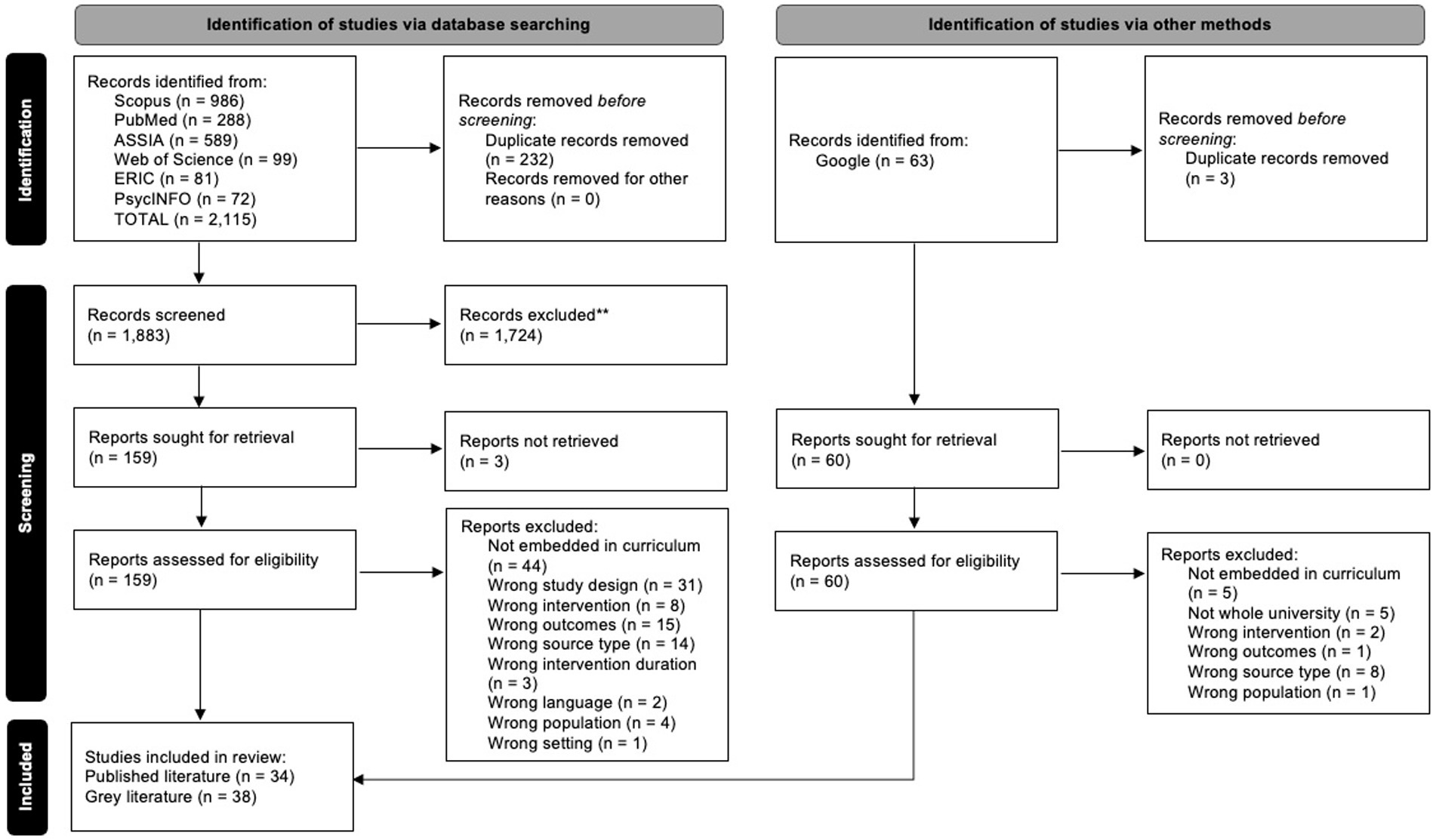
Figure 1. PRISMA-ScR flow diagram of the article screening process.
2.4 Data extraction
Data was extracted from the published literature by three independent reviewers following an adapted version of the Template for Intervention Description and Replication (TIDieR) checklist (Hoffmann et al., 2014) (see Supplementary material 3). The data extracted from the published literature included specific details about “why” (rationale, conceptual approach and aims of the intervention), “what” (study type, materials, procedures, outcome measures, definitions), “who” (participants, recruitment process, intervention provider), “how” (how the intervention was designed and delivered, methods), “where” (country in which the intervention was delivered), “when” (over what period the intervention was delivered), “how much (how often the intervention was delivered), and “how well” (findings, limitations).
The data extracted from the grey literature followed the same template which was adapted for this source type, including specific details about “why” (rationale, aims/goals, commitments), “what” (document description, definitions), “who” (target population, who provided, who was involved, community of practice), “how” (what was planned/done, communication, engagement), “where” (country, institution), “when” (over what period), and “how well” (evaluation). The draft extraction tools were piloted after sources were screened, with all three reviewers independently piloting them on a small sample of sources before meeting to discuss the process and revising the tool as necessary.
The primary reviewer then extracted all data from both source types, while the second and third reviewers extracted smaller data samples from the published and grey literature, respectively. The full data extraction templates are provided for both the database search and the grey literature search (see Supplementary materials 4, 5). Any disagreements that arose between the reviewers during the extraction process were resolved through discussion with the third reviewer.
2.5 Data analysis
Year of publication, country of publication, institution, study type, materials, outcome measures, population details, intervention duration, and delivery format were analyzed using descriptive statistics and/or quantities. The textual data was analyzed using qualitative content analysis, which allows for an efficient classification and interpretation of large amounts of textual data through a systematic coding process to identify meaningful patterns and categories (Hsieh and Shannon, 2005; Beasy et al., 2021).
At the start of the content analysis, a coding manual was developed in order to guide the process and ensure consistency in the coding of the data. This manual outlines all of the steps involved in the coding process, a list of all data extraction spreadsheet sections to be coded, and a set of coding rules to be followed. The different steps involved in the current analysis included: (a) reading through the data to gain a general overview of the whole picture, while highlighting key words and noting down initial thoughts and first impressions; (b) deciding the level of analysis (i.e., word, phrase, sentence etc.), how many concepts to code for, whether to code for existence or frequency of a concept, how to distinguish between concepts, and what to do with irrelevant information; (c) developing rules for coding the data; (d) developing an draft coding scheme by reading through the data and creating initial labels for codes; (e) coding all of the data; (f) sorting and organizing codes into categories and subcategories.
3 Results
The following results section is broken down into “Study Characteristics,” “Participant and Population Characteristics,” “Intervention Characteristics,” “Definitions,” and “Outcomes and Limitations.” Each of these is individually divided into two sub-sections focusing on the published and grey literature separately. Summary tables of all included studies from the published literature and documents from the grey literature and their characteristics are included below (Tables 1, 2).
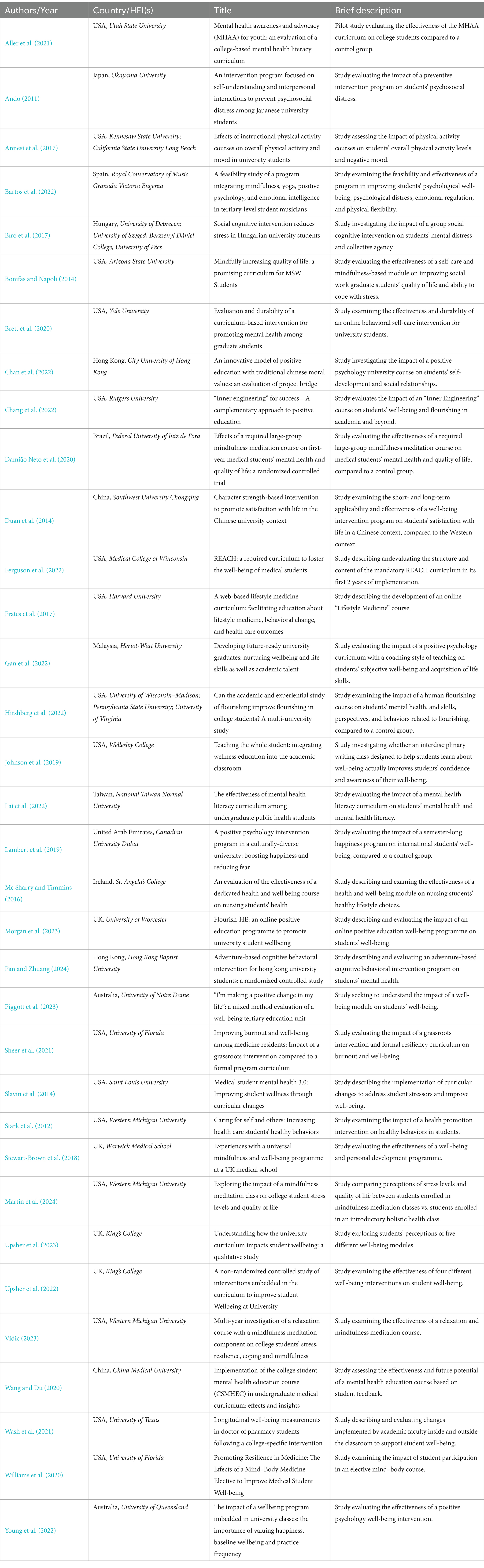
Table 1. Summary table of the published literature.
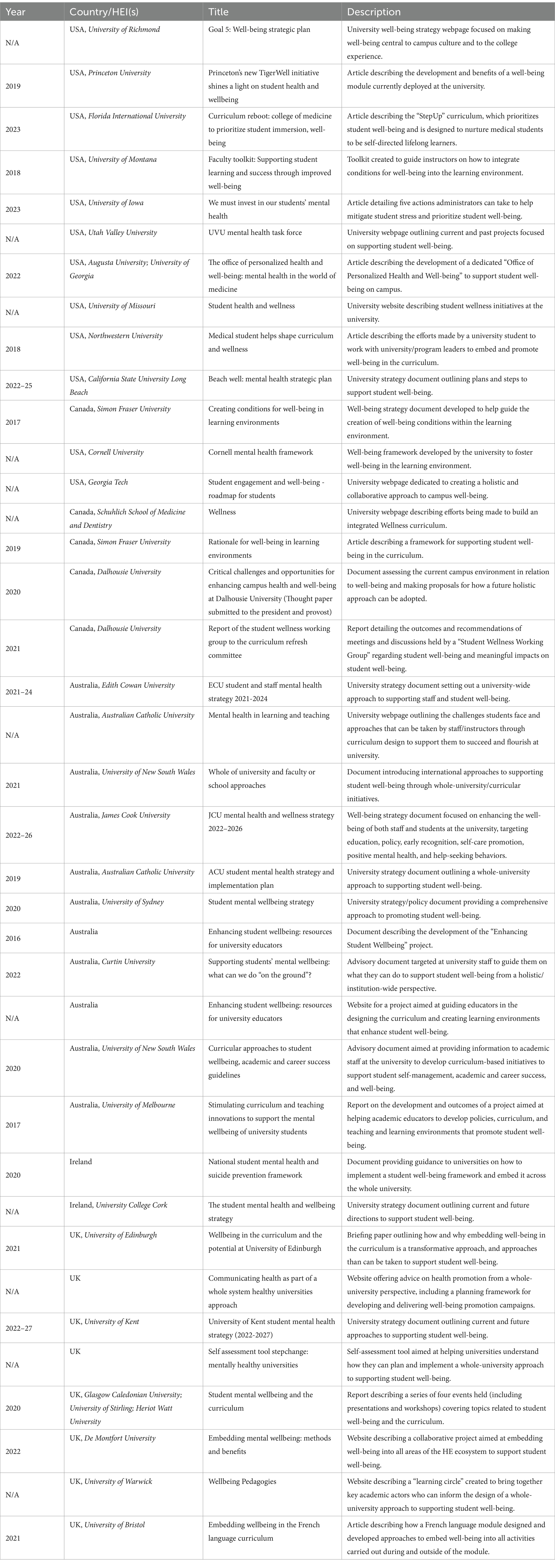
Table 2. Summary table of the grey literature.
3.1 Study characteristics
3.1.1 Published literature
Of the 34 included articles, the majority (n = 24) were published between 2019 and 2023. Of these, more than half (n = 13) were published between 2022 and 2023 (Figure 2).
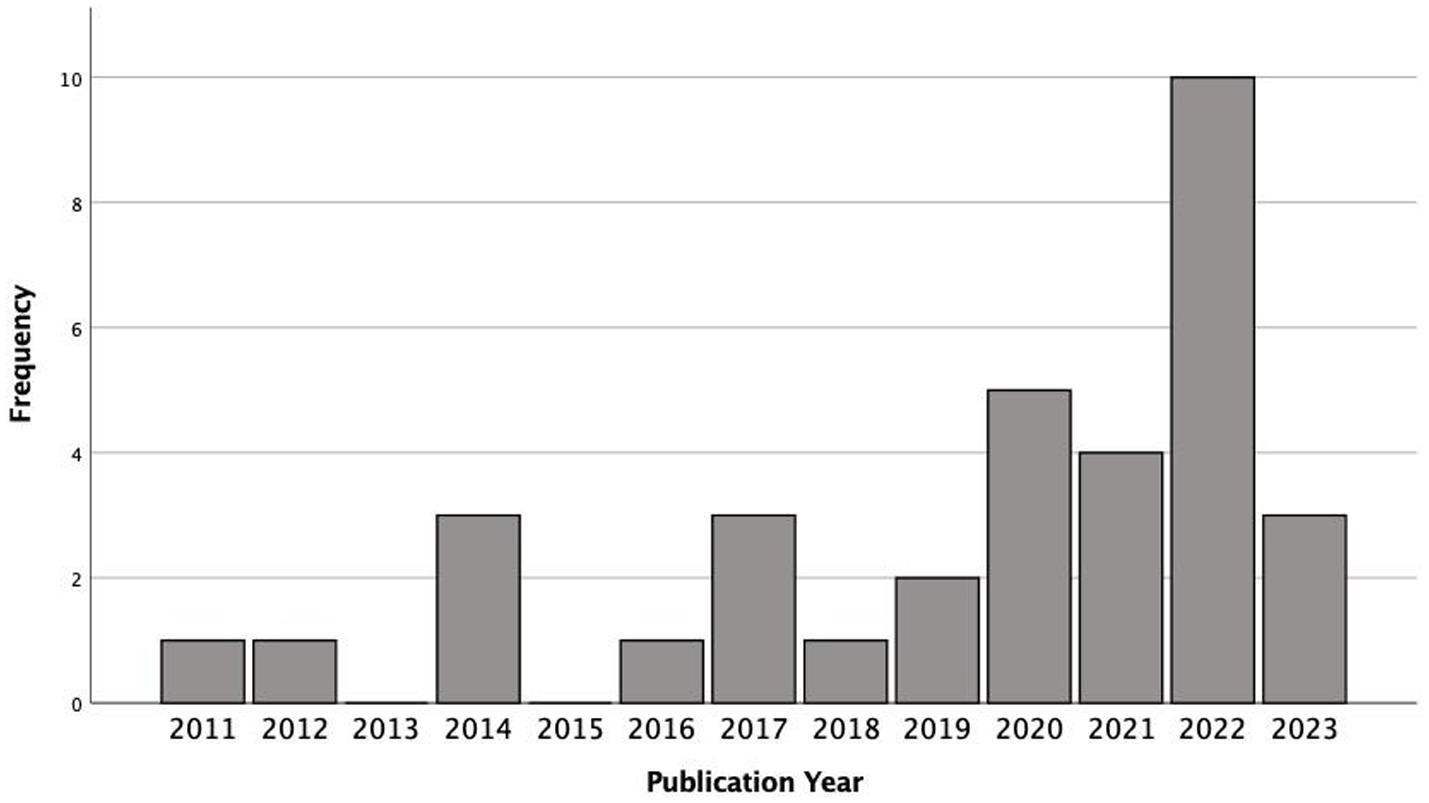
Figure 2. Distribution of published literature publications per year.
Almost half of all included articles were conducted in the USA (n = 16), with the next largest groups being from the UK (n = 4), Australia (n = 2), Hong Kong (n = 2), and China (n = 2). Of the 34 included articles, there were three RCTs, 14 non-randomized control studies, 14 non-randomized, single-arm studies, and 2 descriptive studies. Of the experimental and quasi-experimental studies, the majority (n = 20) were quantitative in nature while the rest were qualitative (n = 1) or used mixed methods (n = 10).
In terms of the materials used in each article, almost all of them (n = 32) used a survey or questionnaire to collect data from participants. Other materials included interviews (n = 1) and physiological trackers (n = 1). The outcome measures employed across articles were extremely varied, the full details of which can be viewed in Table 3, and many articles employed more than one measure. Of the included articles, around a third (n = 11) developed and used a custom, non-standardized scale/measure. The most frequently used standardized scale (n = 8) was the Perceived Stress Scale (PSS), followed by the Depression and Anxiety Stress Scale (DASS-21) (n = 4), the Satisfaction With Life Scale (SWLS) (n = 4), the Brief Resilience Scale (n = 3), the Five Facet Mindfulness Questionnaire (FFMQ) (n = 3), the Mindfulness Attention Awareness Scale (MAAS) (n = 3), and the Mental Health Continuum - Short Form (n = 3). Some articles used additional qualitative questions to supplement their quantitative outcome measures (n = 6).
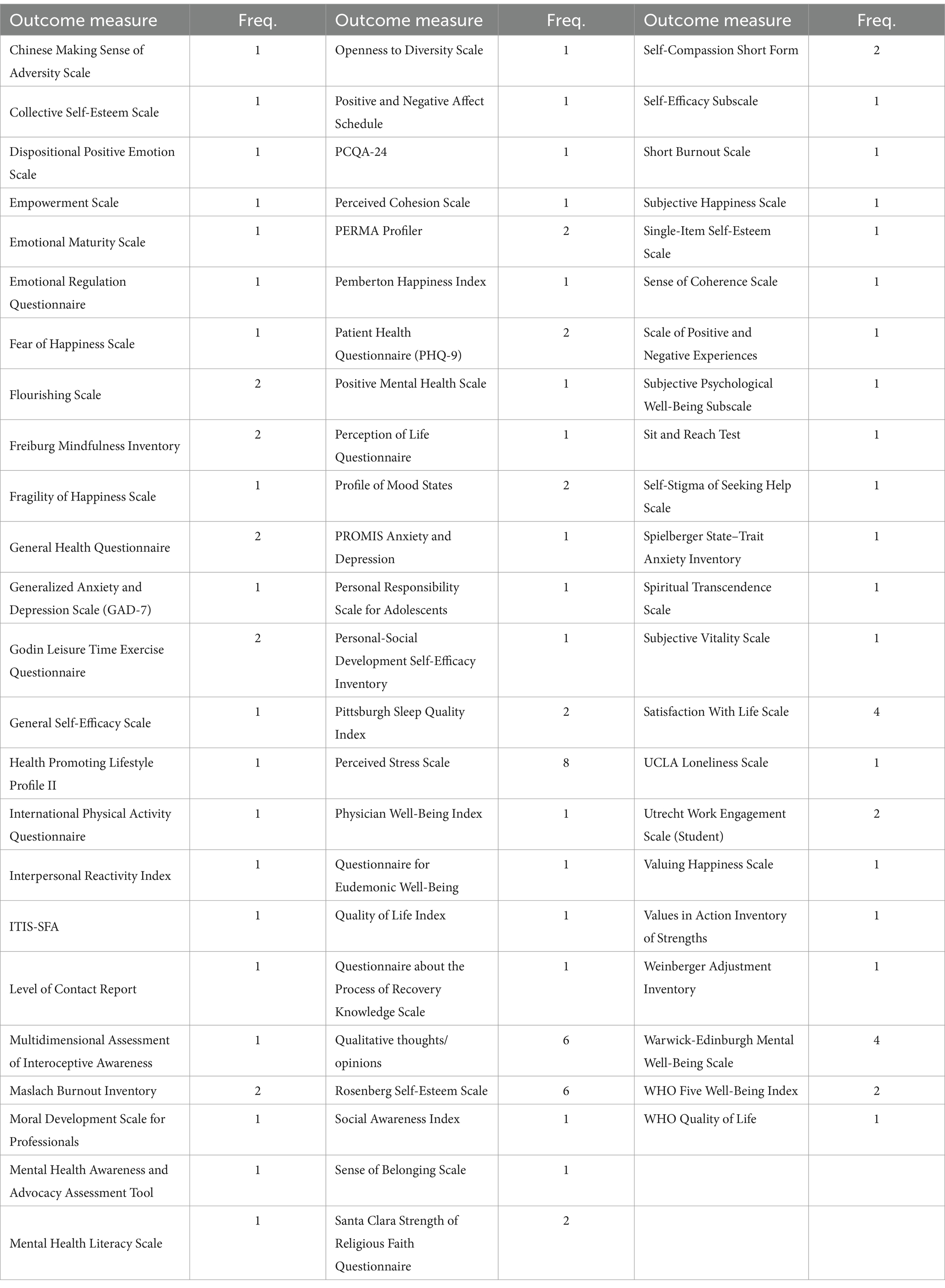
Table 3. Outcome measures employed across the published literature.
Data were also collected regarding the conceptual approaches and perspectives referred to in the development of interventions. Of the 34 articles, almost half (n = 15) did not explicitly refer to any conceptual approach. Of the remaining articles, the most commonly referred-to approaches and perspectives include positive psychology (n = 11), social cognitive theory (n = 4), PERMA-H (n = 3), and self-efficacy theory (n = 2). A full list of all conceptual approaches referred to can be found in Table 4.
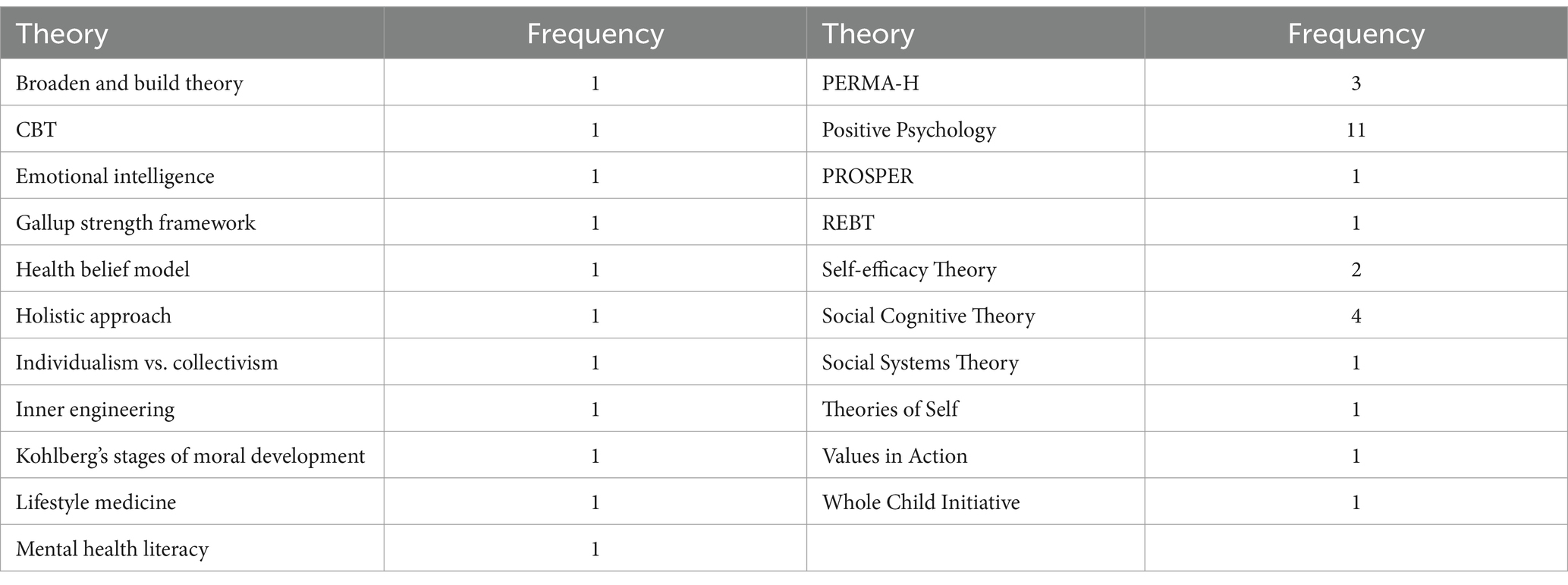
Table 4. Conceptual approaches referred to in the grey literature.
In terms of the rationale underpinning the research, these could broadly be divided into six categories: (a) issues and gaps in the literature; (b) growing concern around student well-being; (c) cultural context; (d) impact on academic outcomes; (e) commonly-reported student well-being issues; and (f) transition to HE. Relating to issues and gaps in the literature, articles most frequently cited the importance of addressing well-being in HE beyond traditional support services (n = 14), that these traditional services are unable to cope with the rising demand (n = 7), that there lacks a robust evidence base for embedding well-being in the curriculum from a whole university perspective (n = 12), and acknowledge many problems with help-seeking associated with mental health stigma (n = 8). Regarding the second category, the majority of articles acknowledge that HE student well-being is a growing concern (n = 22) with students exhibiting consistently lower well-being rates compared to the rest of the population (n = 9). For the third category, articles noted that the issues around student well-being are of global concern (n = 4) while some are concerned about the suitability of well-being supports embedded in the curriculum to be adapted for different cultural contexts (n = 4). For the fourth category, around a third of all articles acknowledged that poor well-being negatively impacts academic performance (n = 13) and the educational experience as a whole (n = 10), leading to burnout (n = 9), low student retention (n = 8), poor work-life balance (n = 6) and concerns about future career prospects (n = 5). Within the fifth category, articles most frequently referred to stress (n = 11), anxiety and depression (n = 9), sleep deprivation (n = 8), decline in physical activity (n = 8), poor nutrition (n = 7) and substance abuse (n = 7) as some of the most common issues reported by students. The final category concerns issues specifically around the transition from secondary to third-level education (n = 9), with several articles acknowledging the importance of supporting students during this transition (n = 10) as it is a period where they are dealing with so many new unknowns (n = 6) and is a high risk period for developing psychopathologies (n = 4).
3.1.2 Grey literature
For the grey literature, of the 38 included documents almost a third (n = 12) had an indeterminable publication date (i.e., webpage or PDF with no clearly identifiable publication date). Of the remaining 25 documents, all of them were published between 2017 and 2023 with the majority (n = 19) published between 2020 and 2023 (Figure 3).
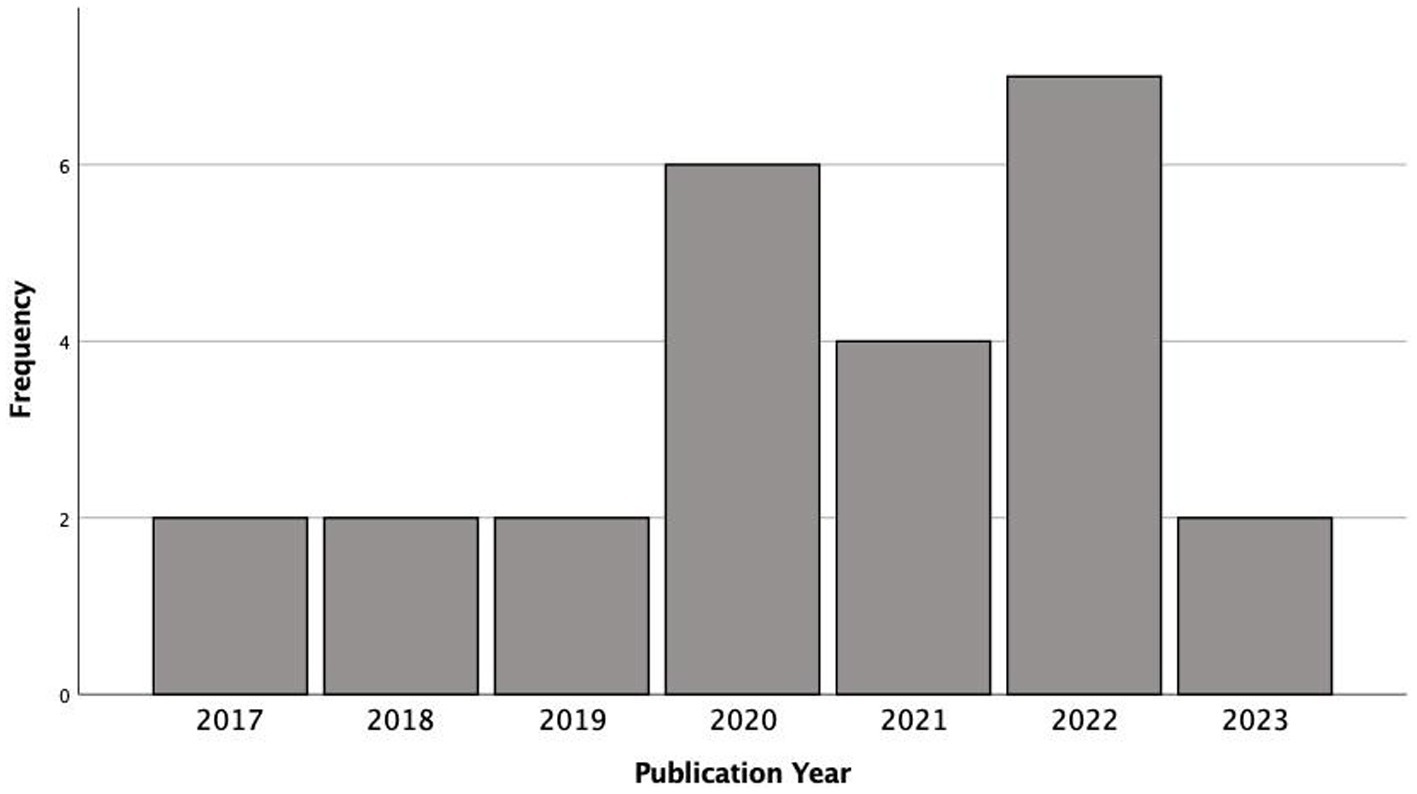
Figure 3. Distribution of grey literature publications per year.
Almost a third (n = 12) of all included documents were from the USA, with the remaining two thirds from Australia (n = 9), the UK (n = 8), Canada (n = 5) and Ireland (n = 2). No single institution was overrepresented as the maximum number of times any one HEI was recorded was 2. Of the 38 included documents, most of them (n = 9) were strategic documents (i.e., HEI well-being strategy document), articles (i.e., news article published online) (n = 7), advisory documents (i.e., toolkit or “roadmap”) (n = 7), or project web pages (i.e., national well-being project) (n = 6).
In terms of the rationale underpinning the included documents, these could broadly be divided into seven categories: (a) issues and gaps in the literature; (b) growing concern around student well-being; (c) benefits associated with learning about well-being; (d) importance of the HE setting; (e) barriers to help-seeking; (f) well-being issues affect academic outcomes; and (g) commonly-reported student well-being issues. Relating to issues and gaps in the literature, the majority of documents addressing this (n = 6) refer to an over-emphasis on reactive clinical interventions and an under-reliance on proactive prevention and wellness-promotion initiatives. Many of the documents also recognize that traditional HE health and well-being services are overburdened and unable to cope with the demand (n = 5), that current efforts to support students are disjointed (n = 4), help-seeking rates among students are low (n = 4), and that although many HE faculty members are willing to help students they are unsure how and require training (n = 4). For the second category, the vast majority of the included documents acknowledge that HE student well-being is a major growing concern (n = 23) that is only worsening over time (n = 8). For the third category, the benefits associated with learning about well-being include a strong correlation with academic success (n = 8), the early formation of consistent and lifelong healthy habits (n = 6), improved student well-being (n = 6), increased academic retention (n = 5), and an increased sense of autonomy and personal empowerment amongst students (n = 3). Relating to the fourth category, many documents acknowledge the importance of the HE setting, particularly the curriculum, in supporting student well-being as it is one of the only guaranteed points of contact between students and their institutions (n = 7) and creating a classroom culture that supports well-being has the potential to powerfully impact students (n = 5). Successful well-being efforts also require a coordinated campus-wide effort (n = 6) with participation and input from students themselves (n = 5) as well as faculty (n = 8). The fifth category identifies numerous barriers to students seeking help in HE, notably due to perceived stigma (n = 3) and difficulty navigating existing support systems due to overwhelming messaging and confusing signposting (n = 3). The sixth category identifies common ways in which well-being issues negatively influence students’ educational experience, in particular leading to poor academic performance (n = 10) and impacting future employment prospects (n = 7). The final category covers the most common issues that students consistently report related to their well-being, including stress (n = 10), anxiety and depression (n = 5), low emotional health (n = 3), reduced physical activity (n = 3), self-harm and suicide ideation (n = 2), burnout (n = 1), poor nutrition (n = 1), and substance abuse (n = 1).
3.2 Participant/population characteristics
3.2.1 Published literature
Of the 34 included articles, almost a third (n = 10) had over 250 participants. Another third (n = 12) had between 100 and 250 participants, and the final third (n = 12) had less than 100 participants (Figure 4). One of the included articles had an indeterminable number of participants.
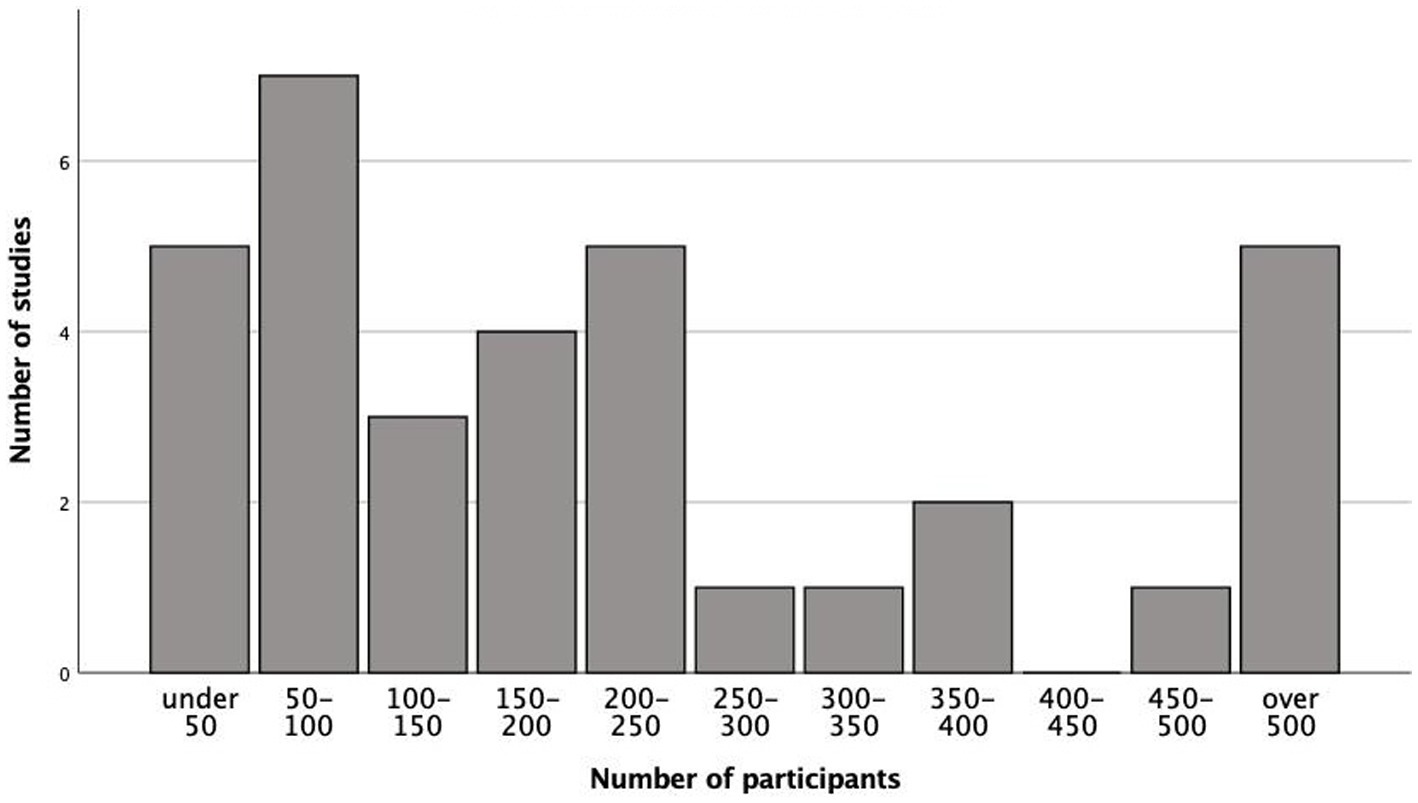
Figure 4. Number of participants per study.
Almost a quarter (n = 8) of the included articles did not report any data relating to the gender of participants. The vast majority of those that did had an overrepresentation of female participants compared to male participants, as can be seen in Figure 5. The maximum proportion of male participants included in any article was 40–50%, while the proportion of female participants ranged from a minimum of 40–50% to a maximum of 90–100%.
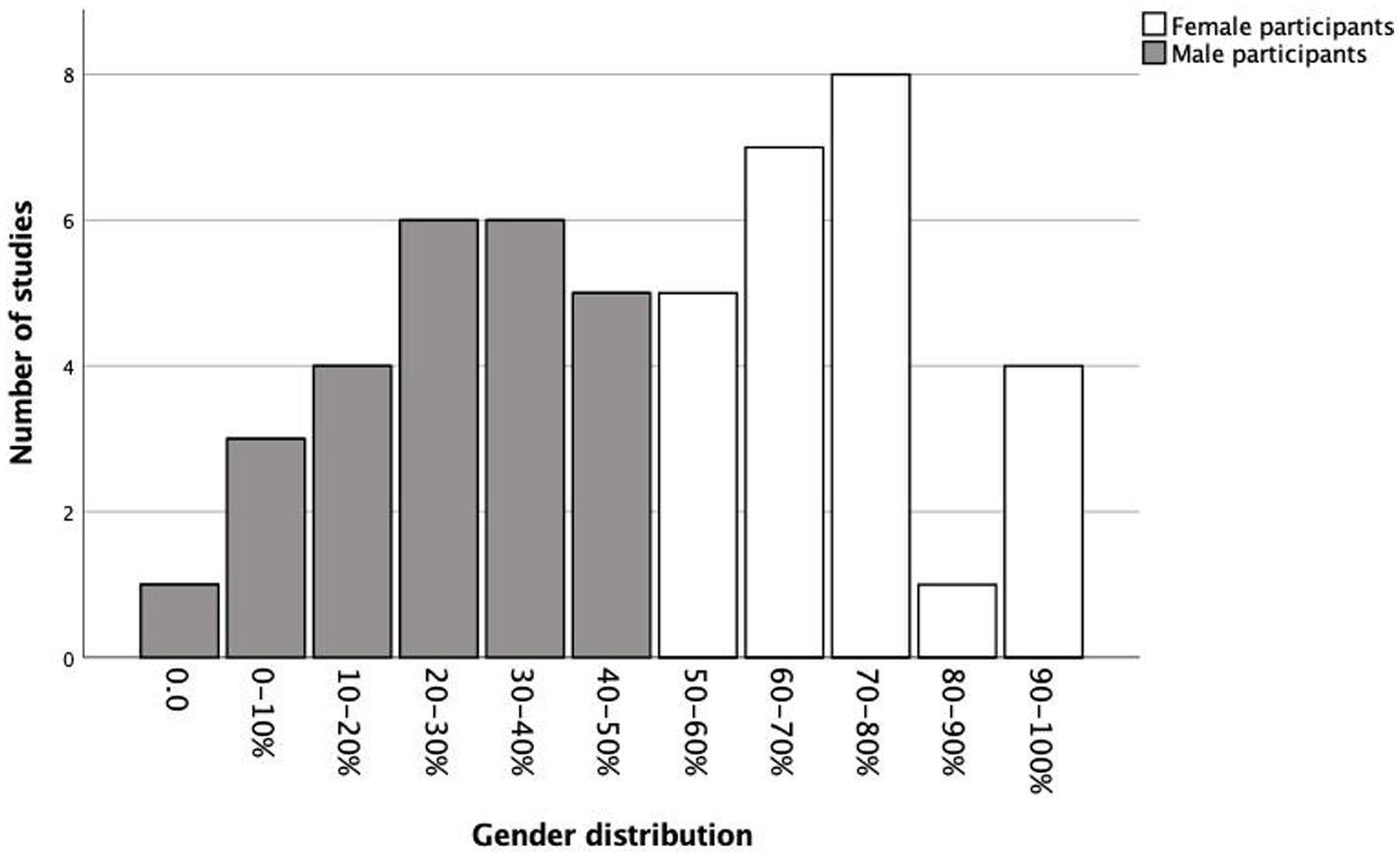
Figure 5. Participant distribution by gender.
Regarding participants’ year/stage of study, almost a third of all included articles (n = 10) did not report any data relating to this. The majority of the remaining articles included 1st year (freshman) students (n = 18), 2nd year (sophomore) students (n = 16) and 3rd year (junior) students (n = 14). Fewer articles included 4th year (senior) (n = 9) and graduate/postgraduate students (n = 6). Some articles included more than one year group at once.
Almost a third of all articles (n = 11) did not report any data concerning participants’ discipline of study. The most commonly reported disciplines were arts and humanities (n = 14), health and healthcare (n = 9) and medicine (n = 7). A full list of disciplines can be seen in Table 5.

Table 5. Research participants’ disciplines from the published literature.
3.2.2 Grey literature
Of the 38 included documents, half of them (n = 19) targeted all HEI students directly and around a third (n = 13) targeted HEI staff/faculty (and through them, HEI students indirectly). Some documents (n = 8) targeted students of a specific discipline, including medicine (n = 7) and business (n = 1). The remaining documents (n = 4) targeted HEIs as whole entities.
3.3 Intervention characteristics
3.3.1 Published literature
Of the 34 included articles, around a third (n = 11) did not report any data on the intervention provider. Of the remaining articles, most interventions were provided by either regular faculty members (n = 13) or by a topic expert/specialist (n = 10). Data was also extracted relating to intervention duration, number of contact hours and format. Of the 34 included articles, one did not report data on intervention duration, 9 did not report data on the total number of contact hours, and 5 had an indeterminable number of contact hours. Intervention duration was reported in either weeks or semesters, ranging from 6 weeks to 3 years in duration and from 1 to 8 semesters in duration with great variability in between.
Intervention contact hours ranged from ≤5 h to 40 h + total (Figure 6), most commonly lasting 10-15 h total (n = 4) or 30-35 h total (n = 4). The vast majority of interventions (n = 27) were delivered in person, with the remaining interventions delivered online (n = 3) or in a blended online/in-person format (n = 4).
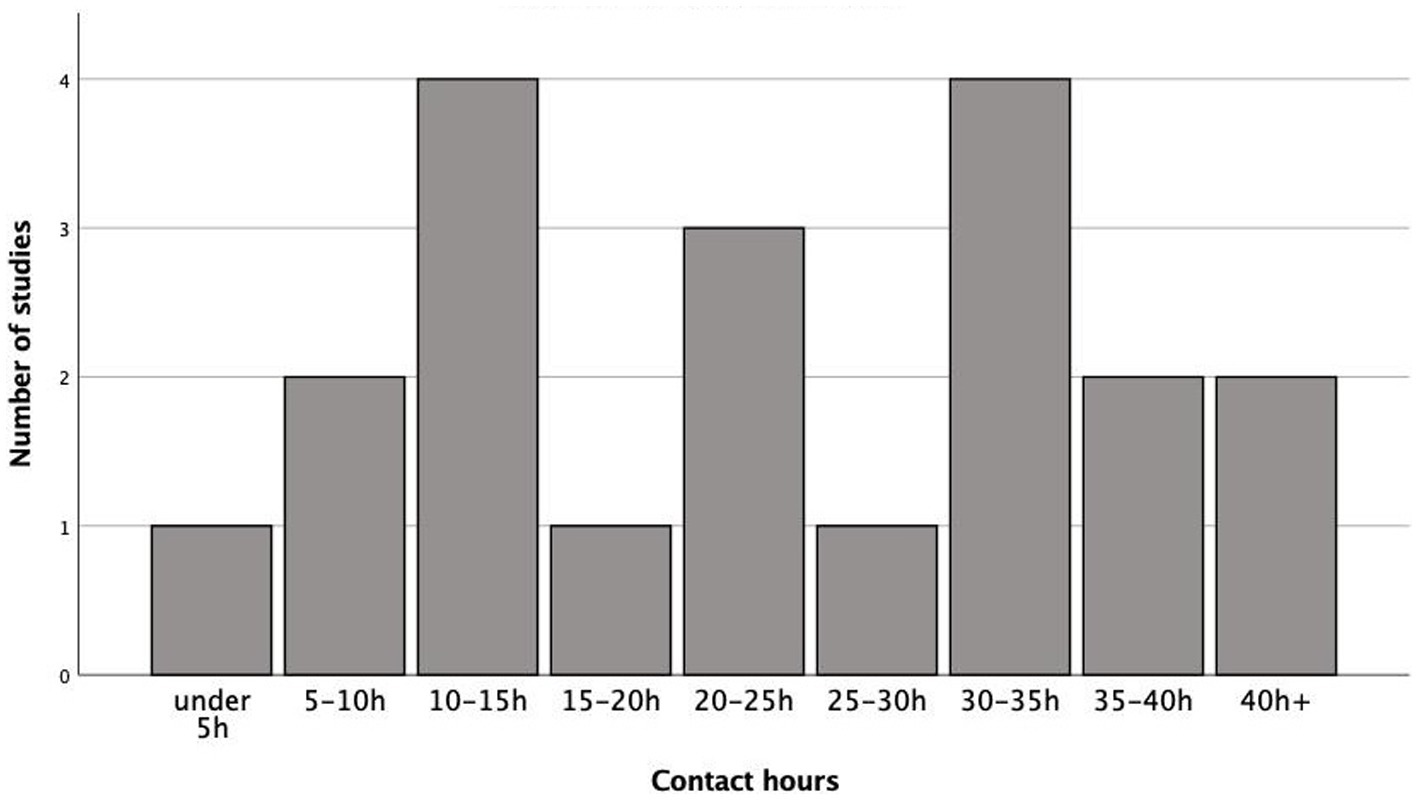
Figure 6. Total number of intervention contact hours.
Finally, data was also extracted on the various course topics covered in the interventions and also on curriculum delivery methods. In terms of course topics, these were broadly divided into five overarching categories: (a) stress management techniques; (b) well-being support; (c) practical life skills; (d) mental health literacy; and (e) understanding the “self.” A full list of all course topics can be seen in Table 6. Within the first category, the most common topics were meditation (n = 15) and mindfulness (n = 14), followed by breathing techniques and breath awareness (n = 6) and yoga (n = 6). The second category included some of the least common topics, such as accessing support (n = 3), advocacy and stigma reduction (n = 3), and treatment (n = 4). The third category included the most common topic overall, communication skills and interpersonal relationships (n = 17). Other common topics included goal-setting (n = 9), physical activity (n = 8), academic/study skills (n = 8), and healthy eating (n = 7). Within the fourth category, the most common topics were theories underpinning mental health issues (n = 7), stress mechanisms (n = 6), anxiety disorders (n = 3), and mood disorders (n = 3). For the last category, the most common topics were self-regulation of emotional states (n = 8), self-esteem (n = 7), and identity and personality (n = 7).
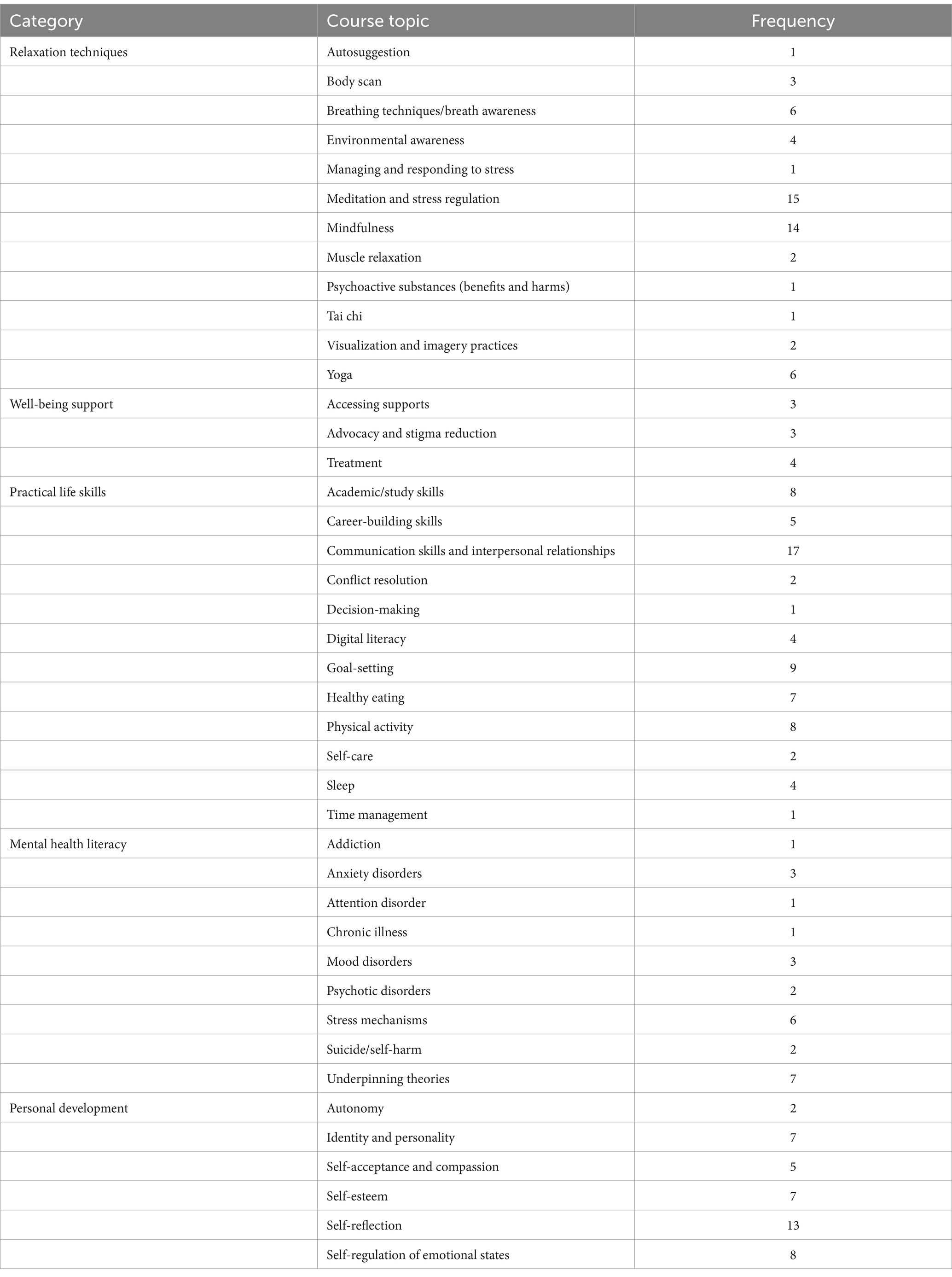
Table 6. Course topics covered in the published literature interventions.
In terms of curriculum delivery methods, the vast majority of interventions employed lectures and guided learning (n = 22) and practical skills workshops (n = 20). Other common methods included assignments and homework (n = 14), home-based practice (n = 14), group activities (n = 12), and in-class discussions (n = 12). A full list of all methods is provided in Table 7.
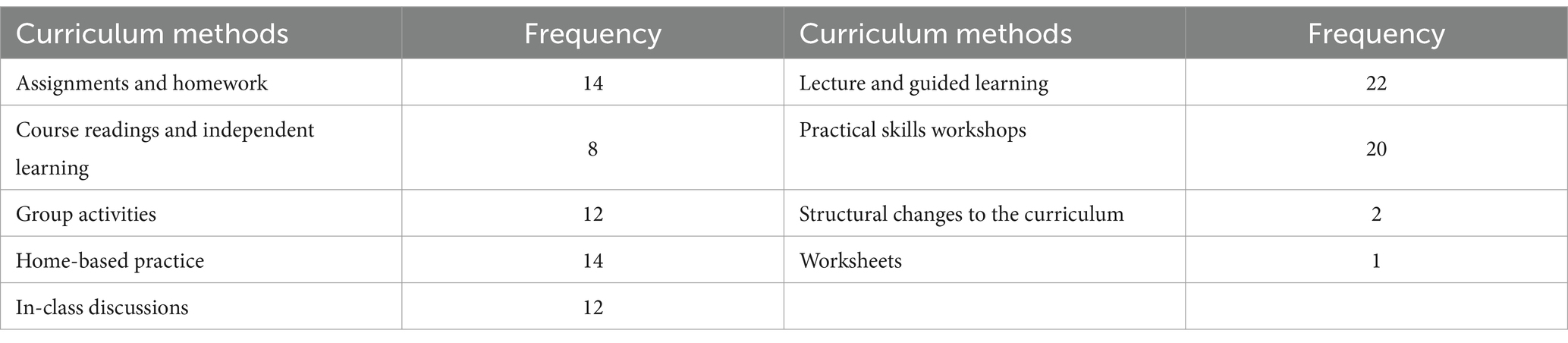
Table 7. Curriculum methods employed across the published literature interventions.
3.3.2 Grey literature
Regarding the providers detailed in the included documents, almost a third (n = 12) did not report any data on this. Of the remaining documents, the most commonly listed providers were health services/centres (i.e., student well-being centre) (n = 6), external well-being projects (n = 4), institutions (i.e., provided through high-level administrative efforts) (n = 4), HEI well-being groups/projects (n = 4) and specific schools/departments (n = 4). The full list of providers is included in Table 8.

Table 8. Intervention providers in the grey literature.
Other than the direct provision of interventions, data was also extracted on other key actors involved in the process of their development. Of the 38 included documents, almost a third (n = 12) did not report any data related to this. Of the remaining 26 documents, almost three quarters involved both students and/or student organizations (i.e., student’s union) (n = 17) and staff/faculty (n = 15) in some capacity. Other notable actors included university leadership (n = 8), university health services (n = 8), external experts (i.e., mental health counselor) (n = 5) and university administration (n = 5). A full list of key actors is provided in Table 9.

Table 9. Key actors involved in the development of curriculum-based interventions in the grey literature.
3.4 Definitions
3.4.1 Published literature
As part of the data extraction process, key definitions were identified related to “well-being,” “embedded in the curriculum” and “whole university approach.” While most of these were clearly and explicitly stated in the included articles (i.e., “the present article defines well-being as…”), some were indirectly derived from context (i.e., article does not explicitly refer to a definition but talks in detail about certain characteristics related to the definitions of interest). Of the 34 included articles, over half (n = 18) did not report any definitions at all and only one article defined all three concepts. Around a third of all included articles defined “well-being” (n = 12), with fewer defining “embedded in the curriculum” (n = 4) and “whole university approach” (n = 5).
Regarding “well-being,” definitions fell into four general categories: (a) personal development; (b) multidimensionality; (c) PERMA model; and (d) WHO definition. The first category broadly relates well-being to a core sense of “self,” with articles referring to the importance of autonomy and self-efficacy (n = 3), life satisfaction (n = 3), resilience (n = 1), hope and optimism (n = 1) and personal values (n = 1). The second category covers articles referring to well-being as multidimensional in nature (n = 5), such as a physical dimension (n = 5), psychological dimension (n = 4), financial dimension (n = 1) and spiritual dimension (n = 1). The third category covers articles defining well-being according to the PERMA Model (n = 3), otherwise referred to as “flourishing” (n = 8), including positive emotions (n = 5), engagement (n = 5), relationships (n = 8), meaning and purpose (n = 5), and accomplishment and achievement (n = 4). Finally, the last category covers articles defining well-being according to the WHO definition, where well-being is “not merely the absence of disease or infirmity” (n = 4).
Regarding “embedded in the curriculum,” definitions fell into three general categories: (a) curriculum design; (b) curriculum delivery; and (c) positive education. The first category refers to embedding well-being directly into the course content itself (i.e., what is taught) (n = 4), via enhanced explicit guidance for students (n = 2) and pedagogy (n = 2). The second category refers to embedding well-being indirectly by altering various curriculum processes (i.e., how it is taught) (n = 4), such as assessment (n = 2) and complete re-structuring of the curriculum itself (n = 2). The third category defines embeddedness according to the principles of positive education (n = 2), where traditional academic and well-being skills are viewed as interconnected (n = 1) and well-being should be embedded in the sense of taking a proactive rather than reactive approach to treating the source rather than the symptom (n = 2).
Regarding a “whole university approach,” definitions fell into three general categories: (a) named approach; (b) settings-based model; and (c) structural factors. The first category refers to articles in which a specific named approach was explicitly mentioned (n = 5), including “Healthy Universities Approach,” “Health Promoting Universities,” “Okanagan Charter,” “Ottawa Charter” and “University Mental Health Charter.” The second category refers to articles defining a “whole university approach” according to a settings-based model, which addresses the whole population (n = 1), operates from a “person-in-context” perspective (n = 2), shifts HEIs from being “institutions of knowledge production” to “fostering personal growth” (n = 1), and engages all community sectors (n = 1). The last category covers articles defining a “whole university approach” as one necessitating institution-wide structural changes (n = 3), in the physical environment (n = 1), institutional mission, vision and strategic plan (n = 1), at a leadership/management level (n = 2), of the organizational culture (n = 3), and of social support systems (n = 1).
3.4.2 Grey literature
Of the 38 included documents, almost half (n = 18) did not report any definitions at all and only 4 documents defined all three concepts. Almost a third of all included documents defined “well-being” (n = 12), with fewer defining “embedded in the curriculum” (n = 4) and “whole university approach” (n = 7).
Regarding “well-being,” definitions fell into four general categories: (a) named model/framework; (b) personal development; (c) multidimensional; and (d) WHO definition. The first category refers to any document in which a well-being model and/or framework was explicitly mentioned by name (n = 12), including the Complete State Model of Mental Health (n = 2), Self-determination Theory (n = 1), and “Flourishing”/“Thriving” (n = 9). The second category covers definitions relating well-being to the individual “self” (n = 5), including autonomous motivation (n = 1), meaning and purpose (n = 3), positive emotions (n = 3), satisfaction with life (n = 2), resilience (n = 3), and understanding of the “self” (n = 5). The third category relates to a holistic, multidimensional conceptualization of well-being, including social (n = 7), academic (n = 4), psychological (n = 4), financial (n = 3), physical (n = 3), and environmental (n = 2). The fourth and final category covers documents defining well-being according to the WHO definition (n = 5), specifically that it is a balance between an individual’s capacity and resources to cope with life stressors (n = 12) and that it is more than just the absence of being ill (n = 5). It concerns one’s capacity to realize one’s own potential (n = 8), to contribute to and engage with one’s community (n = 7), and to work productively (n = 6).
Regarding “embedded in the curriculum,” definitions fell into two general categories: (a) curriculum design and (b) curriculum delivery. The first category refers to embedding well-being directly into the course content itself (i.e., what is taught) (n = 3), by explicitly addressing it in the taught curriculum (n = 4) or by infusing it into existing course content in a way that is relevant to the academic content (n = 2). The second category refers to embedding well-being indirectly by altering various curriculum processes (n = 3), such as assessment (n = 4), the physical and digital environment (n = 1), and direct student support (n = 3).
Regarding a “whole university approach,” definitions fell into three general categories: (a) Healthy Universities; (b) Okanagan Charter; and (c) Ottawa Charter for Health Promotion. The first category relates to documents that define a whole university approach according to the Healthy Universities framework (n = 2), where well-being is viewed as necessitating a community effort (n = 4), leadership commitment (n = 1), a proactive approach (n = 1), and a radical understanding and restructuring of existing HE systems (n = 2). This framework recognizes the importance of incorporating health and sustainability into a HEI’s mission, vision and strategic plan (n = 2) and of addressing both student and staff needs (n = 4). The second category covers documents defining a whole university approach according to the Okanagan Charter (n = 2), where health, well-being and success are embedded into all aspects of HEI culture (n = 5), including administration (n = 2), operations (n = 2) and academic mandates (n = 2). The last category refers to documents that define a whole university approach following the Ottawa Charter for Health Promotion (n = 2), taking a settings-based approach where health and well-being are created in the settings of an individual’s everyday life (n = 3). This approach views well-being as universal and ubiquitous (n = 2) and that it should therefore be a collective, societal responsibility and priority (n = 2).
3.5 Outcomes and limitations
3.5.1 Published literature
Of the 34 included articles, the most commonly reported findings focused on mental health and/or well-being outcomes (n = 30). Of these, almost two thirds reported significant increases across some or all well-being measures (n = 19), while the remaining third reported no significant increases (n = 11). Other commonly reported findings include: student participation and/or satisfaction (n = 10), with the majority reporting significant positive increases (n = 7); life satisfaction (n = 7), with an even split between significant (n = 4) and non-significant (n = 3) results; and interpersonal relationships (n = 6), with the majority reporting significant positive increases (n = 4). A full list of all significant and non-significant results can be seen in Table 10.
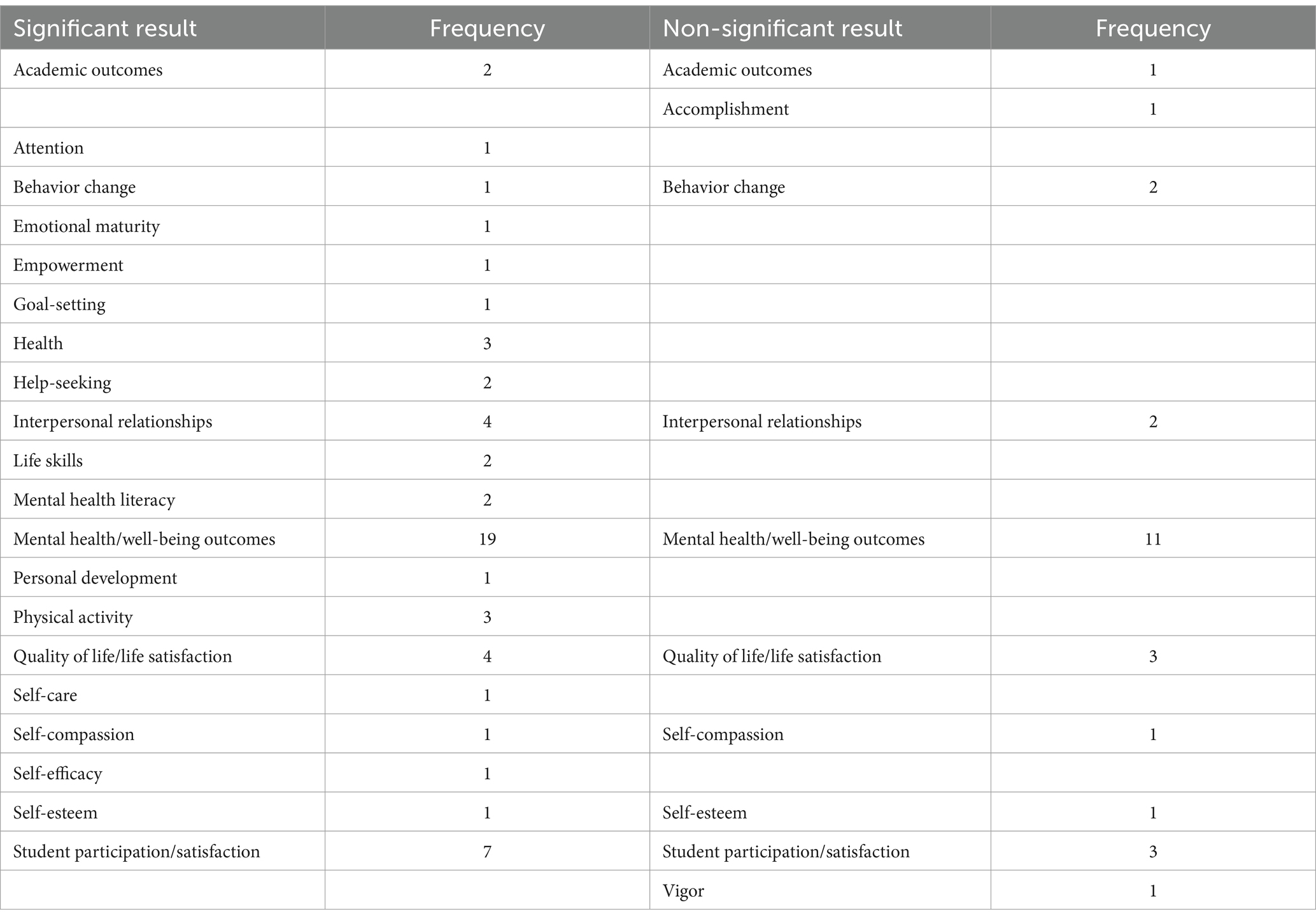
Table 10. Author-reported results from the published literature.
In terms of author-reported limitations, almost half of all included articles (n = 16) reported their results having poor generalizability due to coming from an unrepresentative sample, for instance due to having a small sample size (n = 13) and/or a heterogeneous sample (n = 5). Examples of reported heterogeneous samples include ethnicity (n = 4), gender (n = 2) and discipline/school (n = 7). Other notable limitations include study design weakness (n = 10), the presence of confounding variables (n = 8), low retention/response rate (n = 7), lack of control group (n = 7), and participant self-selection effect (n = 7).
3.5.2 Grey literature
For the grey literature, reported outcomes fell into six broad categories: (a) communication, awareness and access; (b) curriculum and HE structures; (c) informed practice; (d) well-being course/program; (e) hiring and training staff; and (f) meetings and expert consultations. The first category covers documents that reported improvements in communication, awareness and access around well-being and well-being supports. Of the 38 included documents, around a quarter reported developing a strategic well-being implementation plan (n = 9) and/or holding well-being events (i.e., workshops, skill-building programs, talks) (n = 8). Other documents reported the establishment of a well-being center/learning community (n = 4), the improvement of existing supports (n = 3), and/or the improvement of communication with students to promote help-seeking beyond the simple provision of information (n = 4). The second category relates to documents that reported changes to the curriculum and/or other important HEI structures to better address student needs. Of the 38 included documents, around a quarter (n = 9) reported embedding well-being support in the required curriculum, with others reporting changing existing curricular structures to ease academic pressure (n = 3), improving the transition experience for incoming first year students (n = 3), developing advisory documents to improve teaching practices (n = 2), and/or developing “state-of-the-art” academic resources (n = 1). The third category includes documents that reported efforts to develop a stronger knowledge-base to better inform practice related to improving student well-being. Documents reported in-depth assessments of existing HE structures for areas to improve (n = 5), exploring implementation best practice (n = 5), assessing student needs (n = 3), reviewing current HE policies and practices (n = 2), and/or reviewing best practice at other HEIs (n = 1). The fourth category refers to documents that reported the development of a specific well-being course/program, with documents reporting various stages of implementation including course development/approval (n = 5), piloting (n = 2), and implementation (n = 4). The fifth category covers documents that reported hiring and/or training staff to specialize in supporting student well-being, including training existing faculty to deliver well-being content (n = 4), hiring well-being experts (i.e., counselors, therapists), and/or hiring project managers (n = 1). Other strategies included expanding mentor and peer support programs (n = 2), making more funds available for well-being purposes (n = 2), and/or student peer training in well-being (n = 1). The last category relates to documents that reported holding meetings, discussions and other expert consultations on the topic of embedding well-being in HE. Almost a third of included documents (n = 12) reported consulting and collaborating with students, while others reported the development of a well-being advisory board/committee (n = 4), high-level meetings with members of HE administration and leadership (n = 3), holding discussions with faculty/teaching staff (n = 3), and meetings with relevant stakeholders (n = 2).
4 Discussion
This scoping review sought to explore what approaches HEIs are taking to embed well-being in the curriculum from a whole-university perspective, with a further subset of questions examining what the main characteristics of embedded well-being interventions are, how key concepts are defined, how these approaches are underpinned by theory and rationale, who the key actors are, and what are the outcomes of these approaches. A search was conducted across six academic and one grey literature databases, with additional documents identified from the reference lists of eligible articles. A total of 72 articles and documents, published between 2011 and 2024, were identified. Broadly speaking, the main approaches HEIs have been taking to embed well-being in the curriculum include providing students with well-being knowledge, equipping them with practical skills to manage their well-being, and making structural changes to the way the curriculum is delivered to alleviate undue pressure on students. From a whole-university perspective, increasing efforts are being made by HEIs to develop institution-wide well-being strategy documents that identify and target multiple concurrent levels and actors within the HE ecosystem where student well-being can be holistically supported.
The first of the secondary review questions examined the key characteristics of embedded well-being approaches across the published and grey literature. There is an increased focus on embedding well-being in the curriculum for 1st, 2nd and 3rd year students, and less focus on students in 4th year and above or on graduate/postgraduate students. Different student cohorts have varied and unique needs depending on their stage of study, and at present much of the focus in the literature has been around these earlier stages of study with students having just transitioned from secondary to tertiary education. However, later stage and graduate/postgraduate students present with their own unique needs that warrant further research into how to best address them (Beasy et al., 2021; Mackie and Bates, 2019). While the grey literature did not differentiate explicitly between year groups, the majority of documents purported to target all HEI students, so it is important to bridge the gap between theory and practice and ensure that all students are indeed being captured by embedded well-being efforts, as is key to a truly whole-university perspective (Peters et al., 2020).
The main methods employed to embed well-being include traditional in-person lectures and guided learning to impart knowledge to students on various well-being topics, and practical skills workshops that allow them to engage more deeply with the well-being content (Conley, 2015). Some articles looked beyond this to make changes directly to the curriculum structure itself as a way to embed well-being, such that the curriculum is more thoughtfully designed and delivered in a way that both avoids negatively impacting student well-being and actively supports it in other ways. For instance, by changing the way students are assessed to alleviate some of the pressure on them, or restructuring how and when assignments are set to be more considerate of the many other academic and/or extracurricular activities that they also take part in. This was reported in the grey literature also, with additional consideration given to changing HEI processes that run parallel to the curriculum such as improving communication with students, hiring and training HEI staff to specifically deliver well-being content, and developing institution-wide well-being strategy documents. This is one of the core tenets of a whole-university approach, where the student is considered within the wider HE structure and context beyond just a single point of contact with the curriculum in any given module, course or class (van der Bijl-Brouwer et al., 2019).
The most common well-being topics covered in the curriculum included mindfulness, communication skills and interpersonal relationships, meditation and stress regulation, study skills, goal-setting, physical activity, and self-reflection, suggesting that these are the areas deemed most relevant and useful for students to learn about in relation to their own well-being. Previous research would corroborate this based on students’ own perceptions of their well-being needs and the areas in which they struggle in HE (Baik et al., 2019). However, the use of mindfulness and meditation to address student well-being is somewhat disproportionate compared to other topics and methods, and it may be worth exploring the potential of other topics and methods to ensure that these are not automatically being relied on by default, or in a tokenistic manner (Lister and Allman, n.d.).
A key distinction between the published and grey literature in relation to intervention characteristics is that while the published literature focuses more heavily on evaluating the delivery of the curriculum content itself, the grey literature provides more context from the wider university perspective at an earlier development and implementation level rather than at just the outcome evaluation level. Indeed, more detail was given in the grey literature documents around the development process in general including the key actors involved in this process and the various commitments being made to support student well-being from an institution-wide perspective. This is important to have captured, as much of the effectiveness of embedded well-being efforts relies on how they are designed and who is involved in this design process, the details of which can sometimes get lost in the published literature.
A further research question sought to understand how these well-being approaches are underpinned by theory and rationale. While many of the included papers and documents did not explicitly refer to any specific conceptual approach or perspective, those that did most frequently cited positive psychology as the foundation for their approaches. Both of these strongly emphasize supporting individuals not just to survive but to thrive and flourish, citing the importance of positive emotions, engagement, positive relationships, meaning and accomplishment in the process of achieving long-term happiness and life-satisfaction (Matthewman et al., 2018). This is in line with not only much of the literature on HE student well-being, but also many of the wider population-based strategies and frameworks on sustainable well-being seeking to support individuals beyond HE (e.g., in the workforce) (Mohan, 2023). Establishing a strong conceptual and/or research-informed basis for the development of embedded well-being approaches is important however and should not be overlooked as seems to be the case currently, and may require further attention in the literature moving forward. In terms of the rationale, this was highly consistent between both source types, indicating that there is a strong understanding and agreement of the reasons why student well-being needs to be supported, and how. It is widely recognized that student well-being issues are a major concern globally and that traditional support services are overburdened, demonstrating a clear need to research and implement more effective embedded supports. The most common personal and educational well-being issues that students face were also consistently identified across both source types, reinforcing a global awareness of the breadth and significance of the problem and a need for the conversation to shift toward more solution-oriented research.
This review also sought to understand how the concepts of “well-being,” “embedded in the curriculum” and “whole university approach” are defined and understood. Well-being was more frequently and explicitly defined compared to other key concepts, however, the findings presented here only serve to reinforce how difficult it is to define (Dodge et al., 2012). For example, the outcome measures employed to evaluate well-being across the published literature varied significantly and with very little consistency, indicating a lack of agreement as to its conceptualization and measurement. There needs to be a greater push toward definition consistency in the well-being literature, as it is currently difficult to navigate this space or to effectively evaluate and/or compare interventions that are measuring different concepts.
Conceptualization issues aside, both source types were consistent in highlighting the multidimensional, holistic nature of well-being beyond psychological and physical dimensions, such as financial, spiritual, social, academic and environmental, and also consistently highlighted its significance in contributing to an individual’s core personal development. Both source types also referred to the PERMA model and the WHO definition of well-being, suggesting that equating well-being with a sense of “flourishing” and not being “merely the absence of disease” may hold the core building blocks to develop a consistent, holistic, and universally-accepted conceptualization of well-being.
Though very few of the included articles and documents actually defined “embedded in the curriculum,” those that did were consistent in recognizing that it relates to both the design and the delivery of the curriculum, suggesting that the most effective way to embed well-being in the curriculum should address both of these aspects together rather than in isolation. Few articles or documents defined a “whole university approach” either, though it is worth noting that it was slightly more frequently defined in the grey literature than in the published literature. There was consistency in both sources referring to the Healthy Universities approach, the Okanagan Charter and the Ottawa Charter for Health Promotion in relation to defining a “whole university approach,” suggesting that although rarely defined in the literature, it may be more universally understood and conceptualized (Dooris et al., 2021). Specifically, a “whole university approach” addresses the whole population and requires community participation and effort (including staff, students, administration and high-level leadership commitment), is proactive, and incorporates sustainable well-being into all levels of HEI culture (Fernandez et al., 2016; van der Bijl-Brouwer et al., 2019). However, this appears to be more aspirational than operationalized and the specific steps necessary to adhere to such an approach need to be clearly defined and outlined.
Understanding who the key actors are in the creation, promotion and embedding of well-being in the curriculum was another goal for this review. Based on the present findings, the importance of incorporating both student and staff perspectives alongside health services and HEI leadership in the creation and maintenance of embedded well-being efforts cannot be understated, as these groups were all frequently referred to during the development stages described across the grey literature specifically. This is in line with much of the rest of the literature in this area citing the importance of the student voice in developing effective well-being interventions (Busher, 2012; Querstret, 2019). This further highlights the importance of combining both the grey and published literature in this area as the importance of the student voice becomes somewhat lost in a purely outcome-based approach to examining and evaluating embedded well-being efforts.
The final review question examined the outcomes of the various approaches included in this review. The findings presented here corroborate that embedding well-being in the curriculum presents many positive benefits for students (Byrne and Surdey, 2021) in terms of their mental health, course satisfaction, quality of life, interpersonal relationships, self-efficacy, and physical health, amongst other factors. That being said, many studies also reported no significant improvements across some of these outcomes. This is also consistent with the literature, citing difficulties in consolidating the results from embedded well-being interventions together in a way that is consistent and reproducible (Byrne and Surdey, 2021; Upsher et al., 2022). The studies included here present with their own limitations however which constrain their generalizability, notably due to having an unrepresentative, heterogenous, and/or small sample of participants. There is a very clear and large gender split, with an overrepresentation of female students, as well as an overrepresentation of health-related disciplines (medicine, nursing, psychology). This is problematic given that whole-university embedded well-being efforts ideally need to capture a broad range of students, particularly those that are hardest to reach.
This review significantly contributes to the field of university student well-being for its detailed examination of key terms, embedded intervention characteristics, and key actors and outcomes. It has highlighted the flurry of research and applied activity following the COVID-19 pandemic, much of which has been reactionary. In the aftermath of this, and amid sustained low levels of student well-being globally, this review is the first to combine insights from both the published research literature and the applied field to attempt to understand the scope of current practice and ongoing issues in this area and how we can best move forward. It serves as a comprehensive guide for future research in addressing important gaps in the literature as well as a guide for universities in addressing the practical implementation of embedding well-being in the curriculum. It is clear that improving student well-being is of the utmost importance currently, though this will require much clearer and more consistent defining of key terms. This may be achieved through a unified, global community approach that shares a unified vision, goals and solutions for supporting student well-being. HEIs are starting to orient themselves in a positive direction, as seen from an increased commitment on their part to addressing the widespread well-being issues experienced by their students, as well as the development of more centralized communities of practice such as Healthy Universities in the UK. In order for these efforts to truly be effective, it is important to ensure that the student voice is incorporated at every stage of the iteration process, not just at the implementation and evaluation stage, and ideally these efforts will include varied, future-proof solutions, that address the wider HE context and aim to shape individual well-being beyond academia. Currently, a blind spot exists in the student groups being captured in the literature - future research needs to push for the inclusion of students other than females in health-oriented fields to fully capture the diverse spectrum of the student experience.
Summary of implications for practice and research:
• Consider the needs of different student cohorts at different points in the HE life-cycle (i.e., depending on age/stage of study).
• Consider a combination of changes to both curriculum content (delivery) and curriculum structure (design) to support HE student well-being.
• Consider designing and employing embedded well-being interventions that actually address the deeper systemic issues related to student well-being that takes the whole HE ecosystem into consideration.
• Establish a strong conceptual and/or research-informed basis for the development of embedded well-being approaches.
• Shift the conversation toward more solution-oriented research as students’ well-being needs have been thoroughly investigated and understood.
• Ensure clear and consistent definitions of key terms such as “well-being,” “embedded in the curriculum” and “whole-university” are used.
• Consider adopting a holistic approach to well-being.
• Ensure that the student voice is considered at all stages of developing embedded well-being interventions, alongside the perspectives of HE staff.
4.1 Strengths and limitations
The primary strength of this scoping review is that, in combining both published and grey literature, it is uniquely positioned to provide a more comprehensive evaluation of embedded well-being practices in the curriculum that clearly informs and bridges the gap between research, practice, and implementation. Certain categories identified in the published literature were reinforced in the grey literature, lending further credence to their significance outside of a purely research-based context. Conversely, certain categories were present in one source type but not the other, or were more heavily represented and discussed in one but not the other.
However, limiting the search to English language results only means that the results from the scoping review are inherently biased toward a Western-centric perspective on well-being, therefore more research is needed from other more global perspectives. Related to this limitation, the grey literature search was limited to a small group of Western countries because of the academic domains used to narrow the search. The results are further biased toward a specifically American perspective, as the vast majority of studies and documents included in this review originate from these regions.
Though the focus of the present review was on students, it is also important to address the role of educators both in delivering well-being content but also in relation to the well-being of HE staff themselves. For educators to effectively impart well-being knowledge on students, they must be able to take care of their own well-being first (Querstret, 2019). It may also be worth considering the roles of other staff members and actors within the HE ecosystem, as a truly whole-university approach is one that considers all actors within HE. This is something that future research could explore.
Data availability statement
The original contributions presented in the study are included in the article/Supplementary material, further inquiries can be directed to the corresponding author/s.
Author contributions
GB: Conceptualization, Formal analysis, Investigation, Methodology, Writing – original draft, Writing – review & editing, Data curation. DM: Conceptualization, Methodology, Supervision, Writing – review & editing, Funding acquisition. JM: Conceptualization, Methodology, Supervision, Writing – review & editing.
Funding
The author(s) declare that financial support was received for the research and/or publication of this article. This research was conducted with the financial support of Research Ireland [12/RC/2289_P2] at Insight Research Ireland Centre for Data Analytics at University College Dublin.
Conflict of interest
The authors declare that the research was conducted in the absence of any commercial or financial relationships that could be construed as a potential conflict of interest.
Generative AI statement
The authors declare that no Gen AI was used in the creation of this manuscript.
Publisher’s note
All claims expressed in this article are solely those of the authors and do not necessarily represent those of their affiliated organizations, or those of the publisher, the editors and the reviewers. Any product that may be evaluated in this article, or claim that may be made by its manufacturer, is not guaranteed or endorsed by the publisher.
Supplementary material
The Supplementary material for this article can be found online at: https://www.frontiersin.org/articles/10.3389/feduc.2025.1534244/full#supplementary-material
References
Aller, T. B., Fauth, E. B., and Seedall, R. B. (2021). Mental health awareness and advocacy (MHAA) for youth: an evaluation of a college-based mental health literacy curriculum. Mental Health Prevention 23:200204. doi: 10.1016/j.mhp.2021.200204
Ando, M. (2011). An intervention program focused on self-understanding and interpersonal interactions to prevent psychosocial distress among Japanese university students. J. Adolesc. 34, 929–940. doi: 10.1016/j.adolescence.2010.12.003
Annesi, J. J., Porter, K. J., Hill, G. M., and Goldfine, B. D. (2017). Effects of instructional physical activity courses on overall physical activity and mood in university students. Res. Q. Exerc. Sport 88, 358–364. doi: 10.1080/02701367.2017.1336280
Arksey, H., and O'Malley, L. (2005). Scoping studies: towards a methodological framework. Int. J. Soc. Res. Methodol. 8, 19–32. doi: 10.1080/1364557032000119616
Baik, C., Larcombe, W., and Brooker, A. (2019). How universities can enhance student mental wellbeing: the student perspective. High. Educ. Res. Dev. 38, 674–687. doi: 10.1080/07294360.2019.1576596
Bartos, L. J., Funes, M. J., Ouellet, M., Posadas, M. P., Immink, M. A., and Krägeloh, C. (2022). A feasibility study of a program integrating mindfulness, yoga, positive psychology, and emotional intelligence in tertiary-level student musicians. Mindfulness 13, 2507–2528. doi: 10.1007/s12671-022-01976-7
Beasy, K., Emery, S., and Crawford, J. (2021). Drowning in the shallows: an Australian study of the PhD experience of wellbeing. Teach. High. Educ. 26, 602–618. doi: 10.1080/13562517.2019.1669014
Bíró, É., Veres-Balajti, I., Ádány, R., and Kósa, K. (2017). Social cognitive intervention reduces stress in Hungarian university students. Health Promot. Int. 32, 73–78. doi: 10.1093/heapro/dau006
Bonifas, R. P., and Napoli, M. (2014). Mindfully increasing quality of life: a promising curriculum for MSW students. Soc. Work. Educ. 33, 469–484. doi: 10.1080/02615479.2013.838215
Brett, C., Wang, K., Lowe, S. R., and White, M. A. (2020). Evaluation and durability of a curriculum-based intervention for promoting mental health among graduate students. Am. J. Health Educ. 51, 350–359. doi: 10.1080/19325037.2020.1822240
Broglia, E., Millings, A., and Barkham, M. (2018). Challenges to addressing student mental health in embedded counselling services: a survey of UK higher and further education institutions. British J. Guidance Counsel. 46, 441–455. doi: 10.1080/03069885.2017.1370695
Busher, H. (2012). Students as expert witnesses of teaching and learning. Manag. Educ. 26, 113–119. doi: 10.1177/0892020612445679
Byrne, D, and Surdey, J. (2021). Embedding wellbeing across the curriculum in higher education. Dublin, Ireland: Union of Students in Ireland and the National Forum for the Enhancement of Teaching and Learning in Higher Education. Available online at: https://usi.ie/wp-content/uploads/2021/10/Supporting-Wellbeing-in-Practice-October-2021.pdf.
Chan, G. H., Lee, G. K., Kong, C. Y., and Lo, T. W. (2022). An innovative model of positive education with traditional Chinese moral values: an evaluation of project bridge. Int. J. Environ. Res. Public Health 19:3797. doi: 10.3390/ijerph19073797
Chang, T. F., Pundir, S., Rayapuraju, A., and Purandare, P. (2022). “Inner engineering” for success—a complementary approach to positive education. Front. Educ. 7:5850. doi: 10.3389/feduc.2022.745850
Conley, C. S. (2015). “SEL in higher education” in Handbook of social and emotional learning: Research and practice, 2015. eds. J. A. Durlak, C. E. Domitrovich, R. P. Weissberg, and T. P. Gullotta (New York: Guilford), 197–212.
Damião Neto, A., Lucchetti, A. L., da Silva, E. O., and Lucchetti, G. (2020). Effects of a required large-group mindfulness meditation course on first-year medical students’ mental health and quality of life: a randomized controlled trial. J. Gen. Intern. Med. 35, 672–678. doi: 10.1007/s11606-019-05284-0
de Pury, J., and Dicks, A. (2020). Stepchange: Mentally healthy universities : Universities UK. Available at: https://www.universitiesuk.ac.uk/sites/default/files/uploads/Reports/uuk-stepchange-mhu.pdf (Accessed February 20, 2024).
Dodd, A. L., Priestley, M., Tyrrell, K., Cygan, S., Newell, C., and Byrom, N. C. (2021). University student well-being in the United Kingdom: a scoping review of its conceptualisation and measurement. J. Ment. Health 30, 375–387. doi: 10.1080/09638237.2021.1875419
Dodge, R., Daly, A. P., Huyton, J., and Sanders, L. (2012). The challenges of defining wellbeing. Int. J. Wellbeing 2, 222–235. doi: 10.5502/ijw.v2i3.4
Dooris, M., Powell, S., and Farrier, A. (2020). Conceptualizing the ‘whole university’ approach: an international qualitative study. Health Promot. Int. 35, 730–740. doi: 10.1093/heapro/daz072
Dooris, M., Powell, S., Parkin, D., and Farrier, A. (2021). Health promoting universities: effective leadership for health, well-being and sustainability. Health Educ. 121, 295–310. doi: 10.1108/HE-12-2020-0121
Duan, W., Ho, S. M., Tang, X., Li, T., and Zhang, Y. (2014). Character strength-based intervention to promote satisfaction with life in the Chinese university context. J. Happiness Stud. 15, 1347–1361. doi: 10.1007/s10902-013-9479-y
Ferguson, C. C., Ark, T. K., and Kalet, A. L. (2022). REACH: a required curriculum to foster the well-being of medical students. Acad. Med. 97, 1164–1169. doi: 10.1097/ACM.0000000000004715
Fernandez, A., Howse, E., Rubio-Valera, M., Thorncraft, K., Noone, J., Luu, X., et al. (2016). Setting-based interventions to promote mental health at the university: a systematic review. Int. J. Public Health 61, 797–807. doi: 10.1007/s00038-016-0846-4
Frates, E. P., Xiao, R. C., Sannidhi, D., McBride, Y., McCargo, T., and Stern, T. A. (2017). A web-based lifestyle medicine curriculum: facilitating education about lifestyle medicine, behavioral change, and health care outcomes. Jmir Med. Educ. 3:e7587. doi: 10.2196/mededu.7587
Gan, T. Y., Beevi, Z., Low, J., Lee, P. J., and Hall, D. A. (2022). Developing future-ready university graduates: nurturing wellbeing and life skills as well as academic talent. Front. Psychol. 13:827517. doi: 10.3389/fpsyg.2022.827517
Geertshuis, S. A. (2019). Slaves to our emotions: examining the predictive relationship between emotional well-being and academic outcomes. Act. Learn. High. Educ. 20, 153–166. doi: 10.1177/1469787418808932
Godin, K., Stapleton, J., Kirkpatrick, S. I., Hanning, R. M., and Leatherdale, S. T. (2015). Applying systematic review search methods to the grey literature: a case study examining guidelines for school-based breakfast programs in Canada. Syst. Rev. 4:1. doi: 10.1186/s13643-015-0125-0
Hirshberg, M. J., Colaianne, B. A., Greenberg, M. T., Inkelas, K. K., Davidson, R. J., Germano, D., et al. (2022). Can the academic and experiential study of flourishing improve flourishing in college students? A multi-university study. Mindfulness. 13, 2243–2256. doi: 10.1007/s12671-022-01952-1
Hoffmann, T. C., Glasziou, P. P., Boutron, I., Milne, R., Perera, R., Moher, D., et al. (2014). Better reporting of interventions: template for intervention description and replication (TIDieR) checklist and guide. BMJ 348:348. doi: 10.1136/bmj.g1687
Houghton, A. M., and Anderson, J. (2017). Embedding mental wellbeing in the curriculum: maximising success in higher education. High. Educ. Acad. 68, 1–44.
Hsieh, H. F., and Shannon, S. E. (2005). Three approaches to qualitative content analysis. Qual. Health Res. 15, 1277–1288. doi: 10.1177/1049732305276687
Huppert, F. A. (2014). The state of wellbeing science. State Wellbeing Sci 3, 1–49. doi: 10.1002/9781118539415.wbwell036
Huppert, F. A. (2017). Challenges in defining and measuring well-being and their implications for policy. In: Future Directions Well-Being. eds. M. White, G. Slemp, and A. Murray (Cham: Springer), 163–167. doi: 10.1007/978-3-319-56889-8_28
Johnson, J., Bauman, C., and Pociask, S. (2019). Teaching the whole student: integrating wellness education into the academic classroom. Student Success 10, 92–103. doi: 10.5204/ssj.v10i3.1418
Juanamasta, I. G., Aungsuroch, Y., Gunawan, J., and Fisher, M. L. (2022). Postgraduate and undergraduate student nurses' well-being: a scoping review. J. Prof. Nurs. 40, 57–65. doi: 10.1016/j.profnurs.2022.03.001
Konstantinidis, A. (2024). An integrative review of the literature on factors influencing student well-being in the learning environment. Int. J. Educ. Res. Open. 7:100384. doi: 10.1016/j.ijedro.2024.100384
Lai, H. J., Lien, Y. J., Chen, K. R., and Lin, Y. K. (2022). The effectiveness of mental health literacy curriculum among undergraduate public health students. Int. J. Environ. Res. Public Health 19:5269. doi: 10.3390/ijerph19095269
Lambert, L., Passmore, H. A., and Joshanloo, M. (2019). A positive psychology intervention program in a culturally-diverse university: boosting happiness and reducing fear. J. Happiness Stud. 20, 1141–1162. doi: 10.1007/s10902-018-9993-z
Linton, M. J., Dieppe, P., and Medina-Lara, A. (2016). Review of 99 self-report measures for assessing well-being in adults: exploring dimensions of well-being and developments over time. BMJ Open 6:e010641. doi: 10.1136/bmjopen-2015-010641
Lipson, S. K., and Eisenberg, D. (2018). Mental health and academic attitudes and expectations in university populations: results from the healthy minds study. J. Ment. Health 27, 205–213. doi: 10.1080/09638237.2017.1417567
Lister, K., and Allman, Z. Embedding mental wellbeing in the curriculum: a collaborative definition and suite of examples in practice. Front. Educ. 8:1157614. doi: 10.3389/feduc.2023.1157614
Mackie, S. A., and Bates, G. W. (2019). Contribution of the doctoral education environment to PhD candidates’ mental health problems: a scoping review. High. Educ. Res. Dev. 38, 565–578. doi: 10.1080/07294360.2018.1556620
Martin, M. W., Vidic, Z., and Oxhandler, R. (2024). Exploring the impact of a mindfulness meditation class on college student stress levels and quality of life. J. Am. Coll. Heal. 72, 2829–2835. doi: 10.1080/07448481.2022.2133962
Matthewman, L. J., Jodhan-Gall, D., Nowlan, J., O'Sullivan, N., and Patel, Z. (2018). Primed, prepped and primped: reflections on enhancing student wellbeing in tertiary education. Psychol. Teach. Rev. 24, 67–76. doi: 10.53841/bpsptr.2018.24.1.67
Mc Sharry, P., and Timmins, F. (2016). An evaluation of the effectiveness of a dedicated health and well being course on nursing students' health. Nurse Educ. Today 44, 26–32. doi: 10.1016/j.nedt.2016.05.004
Mohan, K. P. (2023). Mental health and well-being support for Thai university graduates: a qualitative exploration of pathways to develop a resilient workforce. J. Popul. Social Stud. 31, 783–801. doi: 10.25133/JPSSv312023.043
Morgan, B., Simmons, L., and Ayles, N. (2023). Flourish-HE: an online positive education programme to promote university student wellbeing. Front. Educ. 8:1124983. doi: 10.3389/feduc.2023.1124983
Okanagan Charter. (2015). An international Charter for health promoting universities and colleges. In Proceedings of the International Conference on Health Promoting Universities and Colleges. Kelowna, BC, Canada.
Pan, J. Y., and Zhuang, X. (2024). Adventure-based cognitive behavioral intervention for Hong Kong university students: a randomized controlled study. Res. Soc. Work. Pract. 34, 144–157. doi: 10.1177/10497315231163804
Peters, M. D. J., Godfrey, C., McInerney, P., Munn, Z., Tricco, A. C., and Khalil, H. (2020). “Chapter 11: scoping reviews (2020 version)” in JBI manual for evidence synthesis. eds. E. Aromataris and Z. Munn (Adelaide, Australia: JBI).
Piggott, B., Chivers, P., Bulsara, C., Conlon, J., Grigg, K., Harris, S. A., et al. (2023). “I'm making a positive change in my life”: a mixed method evaluation of a well-being tertiary education unit. Health Promot. J. Austr. 34, 518–529. doi: 10.1002/hpja.613
Price, A., Smith, H. A., and Kavidiou, K. (2019). USI national report on student mental health in third level education. Dublin: Union of Students in Ireland. Available at: https://www.usi.ie/wp-content/uploads/2019/08/WEB-USI-MH-report-1.pdf
Querstret, D. (2019). Collaborating with students to support student mental health and well-being. Engaging Student Voices in Higher Education. eds. S. Lygo-Baker, I. Kinchin, and N. Winstone (Cham: Palgrave Macmillan) 191–207. doi: 10.1007/978-3-030-20824-0_12
Ryff, C. D., and Keyes, C. L. (1995). The structure of psychological well-being revisited. J. Pers. Soc. Psychol. 69, 719–727. doi: 10.1037/0022-3514.69.4.719
Seligman, M. E. (2011). Flourish: A visionary new understanding of happiness and well-being. New York: Free Press, 2025:119.
Sheer, A. J., Estores, I. M., Nickels, R., Radhakrishnan, N., Goede, D. L., Mramba, L. K., et al. (2021). Improving burnout and well-being among medicine residents: impact of a grassroots intervention compared to a formal program curriculum. J. Educ. Health Promot. 10:250. doi: 10.4103/jehp.jehp_1378_20
Slavin, S. J., Schindler, D. L., and Chibnall, J. T. (2014). Medical student mental health 3.0: improving student wellness through curricular changes. Acad. Med. 89, 573–577. doi: 10.1097/ACM.0000000000000166
Stanton, A., Zandvliet, D., Dhaliwal, R., and Black, T. (2016). Understanding Students' experiences of well-being in learning environments. High. Educ. Stud. 6, 90–99. doi: 10.5539/hes.v6n3p90
Stark, M. A., Hoekstra, T., Hazel, D. L., and Barton, B. (2012). Caring for self and others: increasing health care students' healthy behaviors. Work 42, 393–401. doi: 10.3233/WOR-2012-1428
Stewart-Brown, S., Cader, M., Walker, T., Janjua, S., Hanson, E., and Chilton, A. M. (2018). Experiences with a universal mindfulness and well-being programme at a UK medical school. Health Educ. 118, 304–319. doi: 10.1108/HE-10-2017-0053
Sweeting, H., Thomson, H., Wells, V., and Flowers, P. (2021). Evolution of ‘whole institution’ approaches to improving health in tertiary education settings: a critical scoping review. Res. Pap. Educ. 28, 1–29. doi: 10.1080/02671522.2021.1961302
Tennant, R., Hiller, L., Fishwick, R., Platt, S., Joseph, S., Weich, S., et al. (2007). The Warwick-Edinburgh mental well-being scale (WEMWBS): development and UK validation. Health Qual. Life Outcomes 5, 1–3. doi: 10.1186/1477-7525-5-63
Thompson, S. R., Watson, M. C., and Tilford, S. (2018). The Ottawa Charter 30 years on: still an important standard for health promotion. Int. J. Health Promot. Educ. 56, 73–84. doi: 10.1080/14635240.2017.1415765
Topp, C. W., Østergaard, S. D., Søndergaard, S., and Bech, P. (2015). The WHO-5 well-being index: a systematic review of the literature. Psychother. Psychosom. 84, 167–176. doi: 10.1159/000376585
Travia, R. M., Larcus, J. G., Andes, S., and Gomes, P. G. (2022). Framing well-being in a college campus setting. J. Am. Coll. Heal. 70, 758–772. doi: 10.1080/07448481.2020.1763369
Tricco, A. C., Lillie, E., Zarin, W., O'Brien, K. K., Colquhoun, H., Levac, D., et al. (2018). PRISMA extension for scoping reviews (PRISMA-ScR): checklist and explanation. Ann. Intern. Med. 169, 467–473. doi: 10.7326/M18-0850
Upsher, R., Nobili, A., Hughes, G., and Byrom, N. (2022). A systematic review of interventions embedded in curriculum to improve university student wellbeing. Educ. Res. Rev. 37:100464. doi: 10.1016/j.edurev.2022.100464
Upsher, R., Percy, Z., Cappiello, L., Byrom, N., Hughes, G., Oates, J., et al. (2023). Understanding how the university curriculum impacts student wellbeing: a qualitative study. High. Educ. 86, 1213–1232. doi: 10.1007/s10734-022-00969-8
Upsher, R., Percy, Z., Nobili, A., Foster, J., Hughes, G., and Byrom, N. (2022). A non-randomised controlled study of interventions embedded in the curriculum to improve student wellbeing at university. Educ. Sci. 12:622. doi: 10.3390/educsci12090622
van der Bijl-Brouwer, M., Key, T., Kligyte, G., Malcolm, B., and Thurgood, C. (2019). “Improving wellbeing in universities: a transdisciplinary systems change approach” in Proceedings of relating systems thinking and design (RSD8) 2019 symposium. Chicago, IL, USA: RSD8 Symposium.
VanderWeele, T. J. (2017). On the promotion of human flourishing. Proc. Natl. Acad. Sci. 114, 8148–8156. doi: 10.1073/pnas.1702996114
Vidic, Z. (2023). Multi-year investigation of a relaxation course with a mindfulness meditation component on college students’ stress, resilience, coping and mindfulness. J. Am. Coll. Heal. 71, 2711–2716. doi: 10.1080/07448481.2021.1987918
Wang, Q., and Du, T. (2020). Implementation of the college student mental health education course (CSMHEC) in undergraduate medical curriculum: effects and insights. BMC Med. Educ. 20, 1–2. doi: 10.1186/s12909-020-02438-1
Wash, A., Vogel, S., Tabe, S., Crouch, M., Woodruff, A. L., and Duhon, B. (2021). Longitudinal well-being measurements in doctor of pharmacy students following a college-specific intervention. Curr. Pharmacy Teach. Learn. 13, 1668–1678. doi: 10.1016/j.cptl.2021.09.032
Watson, D., Clark, L. A., and Tellegen, A. (1988). Development and validation of brief measures of positive and negative affect: the PANAS scales. J. Pers. Soc. Psychol. 54, 1063–1070. doi: 10.1037/0022-3514.54.6.1063
Williams, M. K., Estores, I. M., and Merlo, L. J. (2020). Promoting resilience in medicine: the effects of a mind–body medicine elective to improve medical student well-being. Global Adv. Health Med. 9:2164956120927367. doi: 10.1177/2164956120927367
World Health Organization. Ottawa charter for health promotion, 1986. World Health Organization. Regional Office for Europe; (1986). Available at: https://www.healthpromotion.org.au/images/ottawa_charter_hp.pdf
Young, T., Macinnes, S., Jarden, A., and Colla, R. (2022). The impact of a wellbeing program imbedded in university classes: the importance of valuing happiness, baseline wellbeing and practice frequency. Stud. High. Educ. 47, 751–770. doi: 10.1080/03075079.2020.1793932
Keywords: curriculum-embedded, higher education, students, well-being, whole-university
Citation: Bannigan G, McGrath D and Matthews J (2025) Whole-university approaches to embedding well-being in the curriculum: a scoping review. Front. Educ. 10:1534244. doi: 10.3389/feduc.2025.1534244
Edited by:
Devi Khanna, The University of Manchester, United KingdomReviewed by:
Alyson Dodd, Northumbria University, United KingdomCélia Sampaio, University of Minho, Portugal
Michael Priestley, Durham University, United Kingdom
Copyright © 2025 Bannigan, McGrath and Matthews. This is an open-access article distributed under the terms of the Creative Commons Attribution License (CC BY). The use, distribution or reproduction in other forums is permitted, provided the original author(s) and the copyright owner(s) are credited and that the original publication in this journal is cited, in accordance with accepted academic practice. No use, distribution or reproduction is permitted which does not comply with these terms.
*Correspondence: Gráinne Bannigan, Z3JhaW5uZS5iYW5uaWdhbkBpbnNpZ2h0LWNlbnRyZS5vcmc=