 Sandra Patricia Barragán Moreno
 Oscar Leonardo Lozano Galindo
- 1Academic Area of Basic Sciences and Modeling, Faculty of Natural Sciences and Engineering, Universidad de Bogotá Jorge Tadeo Lozano, Bogotá D.C., Colombia
- 2Secretaría de Educación de Bogotá – Los Alpes IED, Bogotá D.C., Colombia
Introduction: Digital inequality remains a persistent obstacle to achieving educational equity, particularly in socioeconomically vulnerable contexts. This study analyzes how unequal access to digital platforms affects educational continuity in early childhood, primary, and secondary education.
Methods: A System Dynamics model of the Forrester type was developed to simulate the cumulative effects of structural variables (household income, teacher digital competence, school–family collaboration, and digital public policies) over a 10-year horizon. The model was parameterized using official Colombian educational data and literature-based coefficients, and 13 simulations were conducted under different socioeconomic, pedagogical, and policy scenarios.
Results: Simulation outcomes indicate that educational continuity is highly sensitive to variations in income levels, teacher training, and investment in digital policies. Low-investment and low-income conditions led to progressive declines in retention, while scenarios combining improved household income, teacher competence, and policy support produced multiplier effects, strengthening continuity and transition to higher education.
Discussion: Findings reveal that digital access alone is insufficient to guarantee educational continuity. Instead, pedagogical quality, teachers’ digital skills, and school–family collaboration emerge as key mediating factors sustaining engagement and reducing dropout.
Conclusion: System Dynamics modeling provided a comprehensive understanding of the feedback loops and interdependencies linking digital inequality and educational continuity. The study offers evidence-based insights for policymakers to design integrated strategies that combine technological investment, pedagogical innovation, and family participation to promote equitable and sustainable educational trajectories.
1 Introduction
Due to the incorporation of new technologies, digital transformation entails innovation aimed at reshaping products and organizational processes, as well as addressing both existing and emerging challenges (Alenezi, 2021, p. 2).
Digital transformation stands as one of the most decisive processes of the 21st century, reshaping economic, social, and educational systems worldwide. Within this context, equitable access to, use of, and engagement with digital technologies have become essential conditions for exercising the right to education—particularly in societies marked by structural inequalities (Area-Moreira et al., 2020; Kleeberg-Niepage et al., 2023). In education, digital transformation refers to the integration of information and communication technologies (ICT) into teaching–learning processes, academic management, and institutional practices, with the goal of improving educational quality, curriculum relevance, and learning opportunities (Miras et al., 2023). The COVID-19 pandemic (2020–2021) accelerated this process dramatically, compelling school systems to adopt virtual learning environments and thereby exposing both the potential of digital platforms and the depth of existing inequalities in access and skills (Owen et al., 2023).
The digital divide, defined as the gap between those who can benefit from digital technologies and those who cannot (Rogers, 2001; Hargittai, 2002; Selwyn, 2004; Van Dijk, 2020; Jacovkis et al., 2024), extends beyond technical limitations. It reflects persistent social, economic, and educational disparities that restrict access to opportunities and resources (Barragán Moreno and Guzmán Rincón, 2025) (Figure 1). In low-income contexts, this divide is exacerbated by weak connectivity, insufficient teacher training, inadequate school infrastructure, and rural–urban disparities (Jacovkis et al., 2022; Johnson et al., 2024). Family conditions such as the absence of devices, limited Internet access, and material deprivation particularly affect girls and marginalized populations (Mohamad et al., 2024; Cañón Ospina et al., 2024). Importantly, research shows that the mere presence of technology does not ensure educational continuity—understood as students’ sustained progression through the educational system (Barragán Moreno et al., 2025). The effective use of digital platforms depends on interconnected variables such as content quality, teachers’ digital competence, family support, institutional mediation, and pedagogical leadership (Peirats Chacón et al., 2022; Gil-Fernández and Calderón-Garrido, 2023). When these conditions are absent, technology can exacerbate inequalities instead of mitigating them (Ainscow, 2016; San Martín Alonso and del García Dujo, 2016; Area-Moreira et al., 2020; Jacovkis et al., 2024).
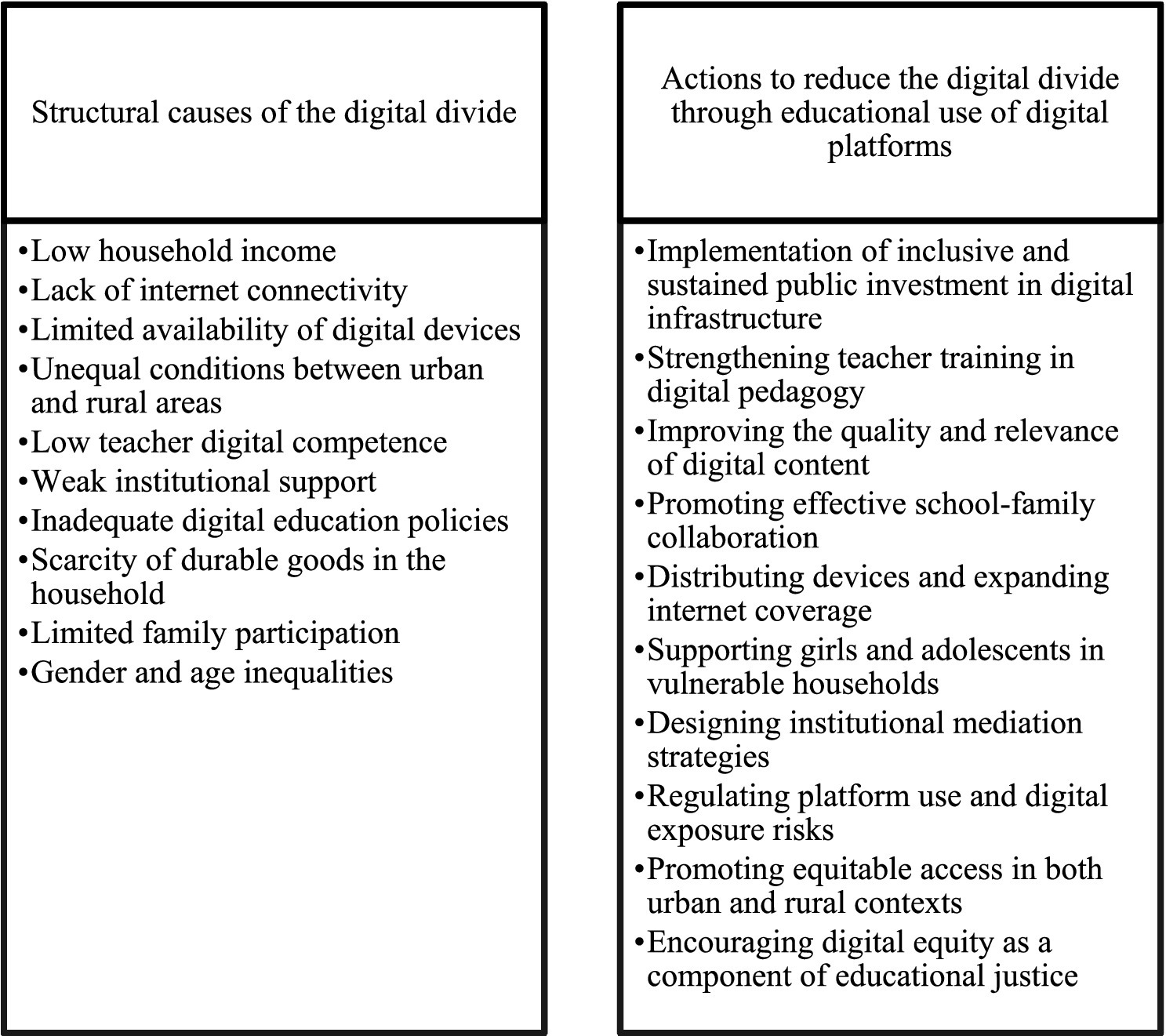
Figure 1. Causes and actions associated with the digital divide. Source: Own elaboration based on Peirats Chacón et al. (2022), Miras et al. (2023), Murray-Garcia et al. (2023), De María and Bartesaghi (2023), Gil-Fernández and Calderón-Garrido (2023), and Cañón Ospina et al. (2024).
From a theoretical standpoint, this study builds upon multi-level digital divide theory (Rogers, 2001; Van Dijk, 2020) and educational equity frameworks (Ainscow, 2016; San Martín Alonso and del García Dujo, 2016) to examine the dynamic interactions among access, use, and outcome inequalities in education. It also adopts a systemic perspective, recognizing that educational continuity results from complex feedback relationships between socioeconomic factors, pedagogical quality, and institutional capacity. The study advances prior research by integrating these theoretical dimensions into a System Dynamics Forrester-type model, allowing simulation of long-term and cumulative effects that static or cross-sectional analyses cannot capture.
Although several countries have implemented successful policies—such as Uruguay’s Plan Ceibal (De María and Bartesaghi, 2023) or digital inclusion initiatives in Asia (Segar and Asmawi, 2024)—inequalities persist even in technologically advanced contexts. In South Korea, for instance, unregulated platform use among youth has generated psychosocial and criminal risks (Seok and DaCosta, 2020). These examples highlight that technology is not neutral; its educational impact depends on regulatory frameworks, pedagogical purpose, and sociocultural context. Thus, educational continuity emerges as a process vulnerable to digital inequality, particularly in marginalized communities.
Guided by this framework, the research question addressed is: To what extent does inequality in access to digital platforms influence the educational continuity of students in early childhood, primary, and secondary education? Accordingly, the objective of this study is to simulate the influence of unequal digital access on educational continuity through a System Dynamics model grounded in the Forrester approach. The study contributes both conceptually and methodologically by linking digital inequality, pedagogical quality, and institutional dynamics within a unified simulation framework. This provides evidence to support public policy design aimed at promoting equity and sustainability in digital education.
This article is organized as follows: Section 2 presents the theoretical background; Section 3 details the methodology and model structure; Section 4 reports the simulation results; and Section 5 discusses their implications for policy and practice.
2 Digital inequality and educational continuity: conceptual foundations
Unequal access to digital platforms in education has been consistently documented as both a symptom and a driver of structural inequalities. Socioeconomic status and geographic location remain among the strongest determinants of students’ ability to connect, participate, and benefit from online learning opportunities (Olanrewaju et al., 2021; Stewart, 2021). The COVID-19 pandemic further intensified these disparities, exposing the fragility of digital infrastructures and deepening existing social divides (Plage et al., 2022).
However, digital inequality extends beyond connectivity or device ownership. It operates through intermediate mechanisms—such as teachers’ digital competence, pedagogical quality, and family mediation—that determine whether technological access translates into meaningful learning (Tomczyk, 2020; Stewart, 2021). This multidimensional view shifts the discussion from technology provision to educational justice, where access, use, and outcomes are mediated by human and institutional capacities (Ainscow, 2016; Jacovkis et al., 2024). Within this framework, the capacity to sustain learning through digital means depends on the interaction between individual motivation, school-level support, and broader policy environments.
From a systemic perspective, unequal access to digital platforms should not be viewed as a purely technical or logistical problem, but as an expression of structural social inequities. Families’ material conditions, schools’ organizational capacities, and the State’s investment and regulatory roles determine the extent to which digital transformation promotes or hinders educational continuity (Ainscow, 2016; Jacovkis et al., 2024). Persistent inequality in access and digital competence reinforces cumulative disadvantage: those with greater economic, cognitive, and institutional resources are more capable of benefiting from digital opportunities, while others remain excluded from their educational potential.
Although numerous studies have identified socioeconomic and institutional determinants of digital inequality and its consequences for access and participation (Olanrewaju et al., 2021; Stewart, 2021; Johnson et al., 2024; Jacovkis et al., 2024), most have adopted descriptive or correlational designs. Such approaches are valuable for mapping disparities but are limited in explaining how inequalities evolve over time. They often overlook the dynamic and feedback-driven nature of educational continuity, where cumulative advantages and disadvantages reinforce each other across educational cycles. Variables such as household income, teacher digital skills, institutional mediation, and public policy interact dynamically in ways that cannot be fully captured through static analyses—a gap that calls for models capable of representing systemic complexity (Sterman, 2000; Bala et al., 2017).
The importance of adopting dynamic lens (Bianchi, 2016) is underscored by international evidence. The UNESCO Institute for Statistics and Global Education Monitoring Report (2024) estimates that about 30% of the global school-aged population faces difficulties with educational continuity. In regions such as North Africa and South and Central Asia, only 86% of males and 89% of females aged 15–24 demonstrate basic reading comprehension. These disparities illustrate how educational and digital divides intersect with geography, gender, and socioeconomic status, shaping long-term social outcomes including employability, health, and civic participation.
Educational persistence—defined as students’ ability to progress through successive educational levels—is influenced by the interaction of personal, institutional, economic, and policy-related factors (Barragán Moreno et al., 2025). Among these, the digital divide has emerged as a key determinant of early educational interruption, both in high-and low-income contexts (Johnson et al., 2024; Seok and DaCosta, 2020). As Rogers (2001) observed, technological innovations tend to produce cumulative advantages for some while generating persistent barriers for others. Figure 2 illustrates the complex interactions among logistical, socioeconomic, political, individual, and institutional variables that combine to perpetuate or deepen educational disparities.
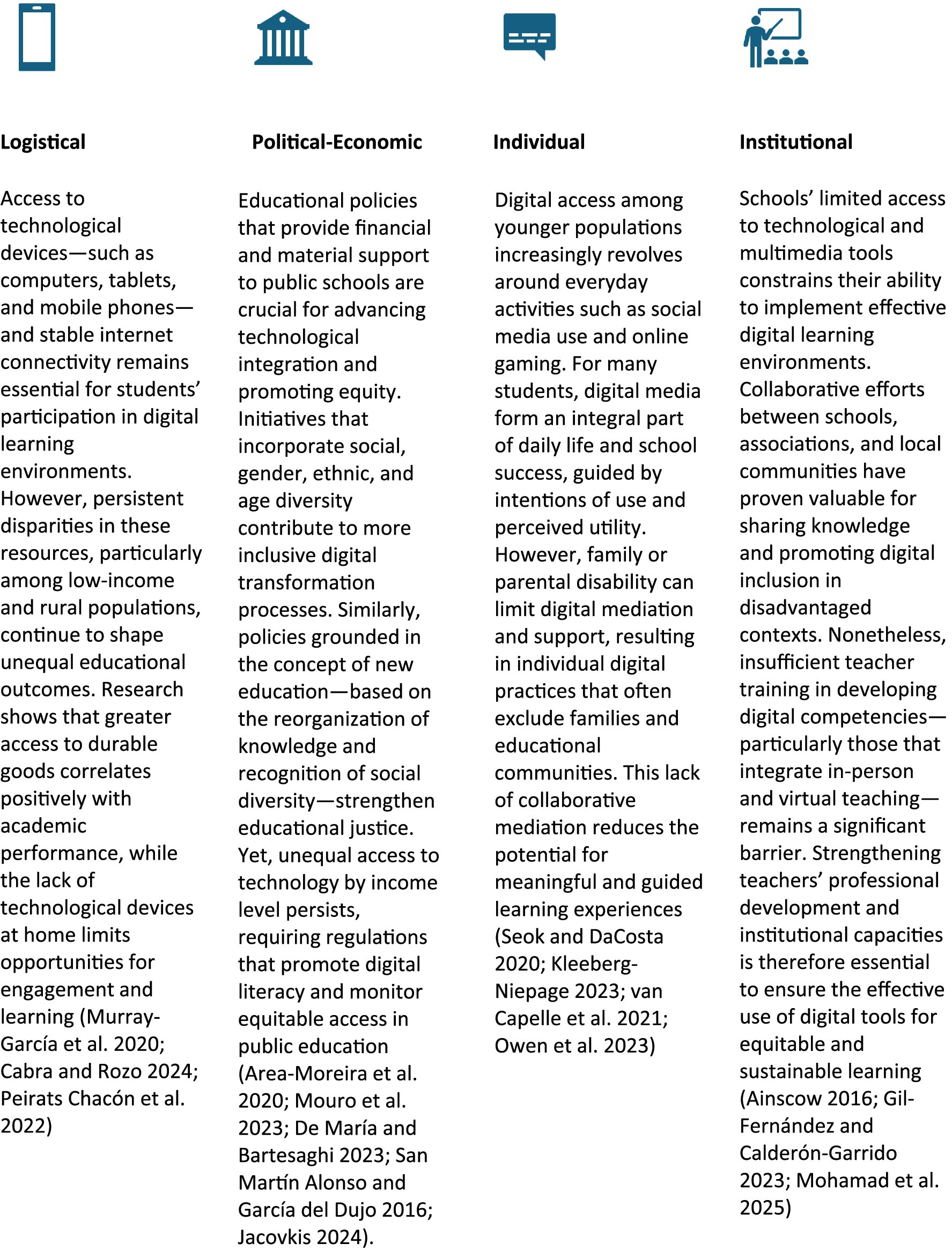
Figure 2. Systemic variables explaining the digital divide in education.
At the same time, digital platforms offer opportunities to transform educational processes when designed and implemented within inclusive and pedagogically sound frameworks. They enable personalization, continuous assessment, and adaptation to diverse learning paces and styles (Jacovkis et al., 2022). Nonetheless, this potential is contingent upon institutional capacity, pedagogical intentionality, and ethical governance. Sosa Alonso et al. (2023) warned that a purely technocratic view of digital efficiency risks creating dependency on private service providers and undermining the human-centered mission of education—a tension also highlighted by Calderón-Garrido et al. (2023).
In this context, addressing digital inequality requires an integrated systemic approach that combines technological, pedagogical, and social dimensions. System Dynamics methodology provides tools to model and simulate such complex interactions, helping to identify leverage points and anticipate system behavior under alternative policy scenarios (Sterman, 2000; Bala et al., 2017). By incorporating feedback loops, accumulations, and time delays, this approach captures the evolving nature of educational processes and supports the design of adaptive, equity-oriented public policies.
While previous studies have examined the digital divide in education primarily through cross-sectional or descriptive analyses (e.g., Rogers, 2001; Van Dijk, 2020; Selwyn, 2004), few have explored its dynamic and feedback-driven nature. This study offers a novel contribution by applying a System Dynamics Forrester-type model to simulate the long-term interactions among access, usage, and outcome inequalities within Colombia’s education system. Beyond methodological innovation, this research also advances the theoretical understanding of digital inequality by integrating the three-layered structure of access, usage, and outcomes into a unified System Dynamics framework. Unlike prior studies that have treated these dimensions separately, the proposed model captures their interdependencies and feedback mechanisms, linking digital access, pedagogical quality, and institutional capacity to long-term patterns of educational continuity and equity. This dual contribution—methodological and conceptual—positions the study as a step forward in modeling the systemic behavior of digital inequality in educational contexts.
3 Methodology
To simulate the influence of inequality in access to digital platforms on the educational continuity of students in early childhood, primary, and secondary education, this study adopted a systemic and complex approach, in line with the principles of General Systems Theory (von Bertalanffy and Sutherland, 1974). As discussed in the theoretical framework, digitally mediated educational phenomena cannot be understood in isolation but require a comprehensive perspective that recognizes the dynamic interaction of multiple structural, individual, institutional, and political-economic variables (Cosenz, 2014).
Under this premise, System Dynamics was selected as the central methodological framework, as it enables the representation, modeling, and simulation of complex systems characterized by feedback loops, accumulations, and time delays (Sterman, 2000; Bianchi, 2016; Bianchi and Salazar Rua, 2022). This methodology has been widely applied in public policy and educational research due to its capacity to anticipate systemic behaviors and evaluate future scenarios (Aracil and Gordillo, 1997; Bala et al., 2017).
3.1 Study design
This is an applied, exploratory, explanatory, and prospective study. The goal was to design and validate a dynamic model that simulates educational policy scenarios aimed at reducing digital inequalities affecting school continuity at the basic education level.
A mixed-methods approach was adopted, following the distinction proposed by Anguera et al. (2018), for whom mixed methods require the integration of qualitative and quantitative components to address a single research question. In the first stage, a causal loop diagram (CLD) was developed to qualitatively identify feedback structures and formulate dynamic hypotheses about how digital inequality affects educational trajectories. In the second stage, these qualitative insights were operationalized through a Forrester-type stock-and-flow model, which formalized the system using equations linking level variables, flow variables, and auxiliary relationships. The integration between the CLD and the quantitative simulation model constitutes the core of the mixed-methods design, as the qualitative structure is directly embedded and transformed into a mathematical representation that enables system-level analysis (Aracil and Gordillo, 1997; Bala et al., 2017).
3.2 System boundaries and scope
Simulations were conducted over a 10-year time horizon, enabling the analysis of cumulative effects of various policies and structural conditions. Although the model is structured for generalizability, its parameterization was based on official data from the Colombian context, following methodological recommendations for operational model validation (Landriscina, 2013).
Key stakeholders considered in the system included students and their families, educational institutions, teachers, and government entities. These actors play direct or indirect roles in access, mediation, training, and decision-making regarding the educational use of digital technologies (Ainscow, 2016; San Martín Alonso and del García Dujo, 2016; Area-Moreira et al., 2020; Peirats Chacón et al., 2022; Gil-Fernández and Calderón-Garrido, 2023; Jacovkis et al., 2024).
3.3 Model structure and variables
The System Dynamics model was designed to simulate structural relationships that explain how digital inequality influences educational continuity. The System Dynamics architecture was designed to represent the causal relationships among digital inequality, institutional capacity, and educational continuity (see Figure 1). This conceptual framework guided the identification of structural variables and the development of the causal loop and stock–flow diagrams presented in later sections. The model integrates three interdependent subsystems (access, usage, and outcomes) which correspond to the first, second, and third levels of the digital divide. These subsystems interact dynamically through feedback loops that connect economic, pedagogical, and institutional dimensions, consistent with the socio-technical perspective proposed by Rogers (2001) and later refined by Area-Moreira et al. (2020), Peirats Chacón et al. (2022), Jacovkis et al. (2024), and Barragán Moreno and Guzmán Rincón (2025).
• Access divide (first digital divide): This subsystem captures disparities in the physical availability of digital devices and in Internet connectivity quality. Factors such as household income, geographic location, and institutional infrastructure were included as determinants. Following Rogers (2001), access inequality is represented as a nonlinear function of socioeconomic status, where small increases in income produce disproportionately higher gains in device acquisition and connectivity. In the model, this is implemented through a lookup function named Connectivity (Table 1). The data used for calibration were obtained from national statistics (Ministerio de Educación Nacional de Colombia, 2024a, 2024b) and complemented by the findings of Area-Moreira et al. (2020), who demonstrated that low-income families face greater barriers to reliable connectivity. This variable serves as the model’s entry point, influencing subsequent digital engagement and learning potential.
• Usage and skills divide (second digital divide): Beyond access, digital inequality manifests through differences in digital competence and in the quality of technology use (Barragán Moreno and Guzmán Rincón, 2025). This subsystem includes two critical variables: teachers’ digital competence and family digital mediation. Teachers’ digital competence was operationalized as a dynamic stock variable representing the proportion of trained teachers over the total teaching staff, with inflows determined by annual training programs and outflows by staff turnover. The relationship follows Gil-Fernández and Calderón-Garrido (2023), who emphasized that professional development in digital education increases effective pedagogical integration. Family digital mediation, grounded in Peirats Chacón et al. (2022), represents how families regulate and guide students’ digital use. Families with lower socioeconomic levels tend to allow more entertainment-oriented and less supervised use, resulting in what these authors term “digital mediation gaps.” Consistent with Rogers (2001), this subsystem shows how an access divide can evolve into a learning divide or content divide when digital skills and purposes of use differ.
• Outcome divide (third digital divide): The final layer model inequality in the capacity to transform digital use into tangible educational benefits, such as improved learning outcomes or sustained engagement. Jacovkis et al. (2024) suggested individuals and institutions with greater resources are better positioned to capitalize on digitalization. In the model, learning outcomes depend on both pedagogical and socioeconomic factors: Pedagogical quality was defined as a reinforcing function of economic resources, teacher digital competence, and organizational support, inspired by the socio-technical perspective of San Martín Alonso and del García Dujo (2016) and the concept of formative justice proposed by Sosa Alonso et al. (2023).
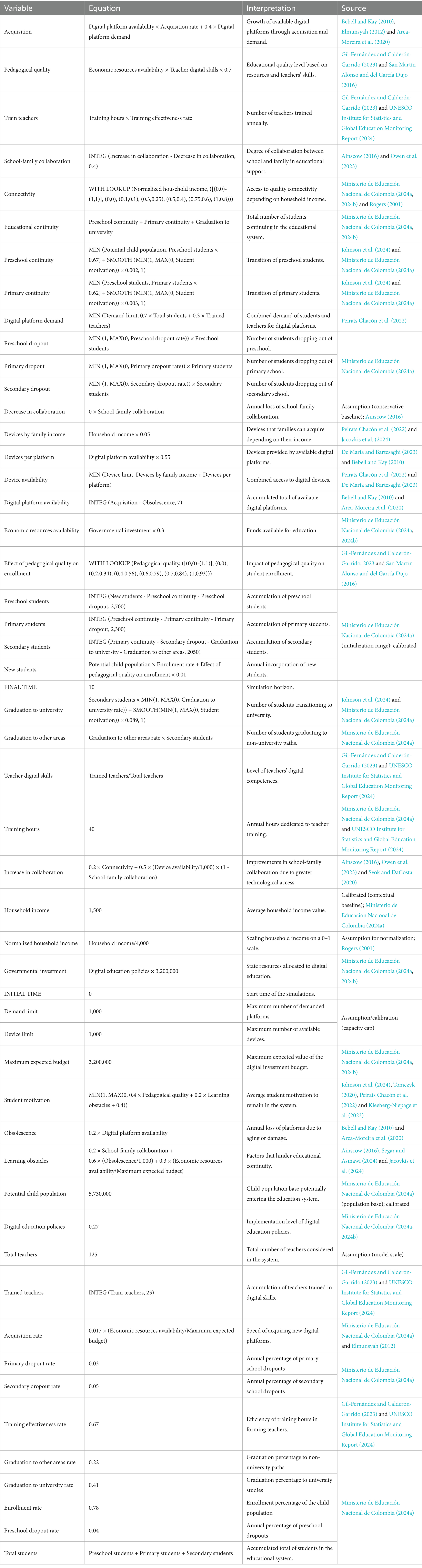
Table 1. Model variables by type, and quality dimension.
For the operationalization and quantification of variables, each structural variable was parameterized using a combination of official national datasets and literature-derived coefficients. For example, household income was normalized between 0 and 1 to represent economic capacity. Teachers’ digital competence was dynamically calculated through integration functions that capture training inflows and attrition outflows. Connectivity and device availability were calibrated using lookup functions informed by empirical distributions. All variables were scaled annually over a 10-year simulation horizon to ensure temporal consistency. The last column of Table 1 includes the data sources used for each variable.
3.4 Design of the causal loop diagram and simulation model
Based on the identification of relevant variables (Ainscow, 2016; San Martín Alonso and del García Dujo, 2016; Area-Moreira et al., 2020; Peirats Chacón et al., 2022; Gil-Fernández and Calderón-Garrido, 2023; Jacovkis et al., 2024; Barragán Moreno et al., 2025), causal structures were built in the form of feedback loops. These illustrate how one variable influence another, and how, over time, this influence returns to affect the original variable, creating reinforcing or balancing effects (Aracil and Gordillo, 1997; Bala et al., 2017). These loops formed the basis for the Forrester Diagram, which models the dynamics of accumulations (levels), rates of change (flows), and intermediate relationships (auxiliary variables). The model was implemented using Vensim PLE software.
3.4.1 Model validation and sensitivity analysis
The simulation model was validated following the guidelines proposed by Bala et al. (2017) through two main stages. First, structural validation verified the causal consistency between the model and the relationships described in the reviewed scientific literature. Second, historical behavior testing compared the model’s outputs with empirical patterns observed in official data from Colombia’s education system. For model calibration and parameter estimation, data from national educational databases were combined with relationships derived from previous research (Rogers, 2001; Area-Moreira et al., 2020; Gil-Fernández and Calderón-Garrido, 2023; Jacovkis et al., 2024).
To evaluate the robustness and structural stability of the model, a sensitivity analysis was conducted using the Sensitivity2All tool in Vensim PLE. This procedure applied one-at-a-time (OAT) perturbations of ±10% to all endogenous variables of type level, rate, and auxiliary. The objective was to identify which parameters exerted the greatest influence on the system’s main outcomes. During execution, the software displayed warnings for exogenous variables (e.g., Household income, Digital education policies, Training effectiveness rate, Graduation to university rate, and Maximum expected budget), since the sensitivity tool is restricted to internal variables. The analysis focused on detecting nonlinear behaviors, amplification effects, and parameter dominance within the model’s feedback loops. The resulting patterns were used to identify the most influential variables and assess the overall robustness of system behavior. Figures 3, 4 depict the causal-loop and Forrester-type structures of the model, while Table 1 details the variables, equations, and data sources.
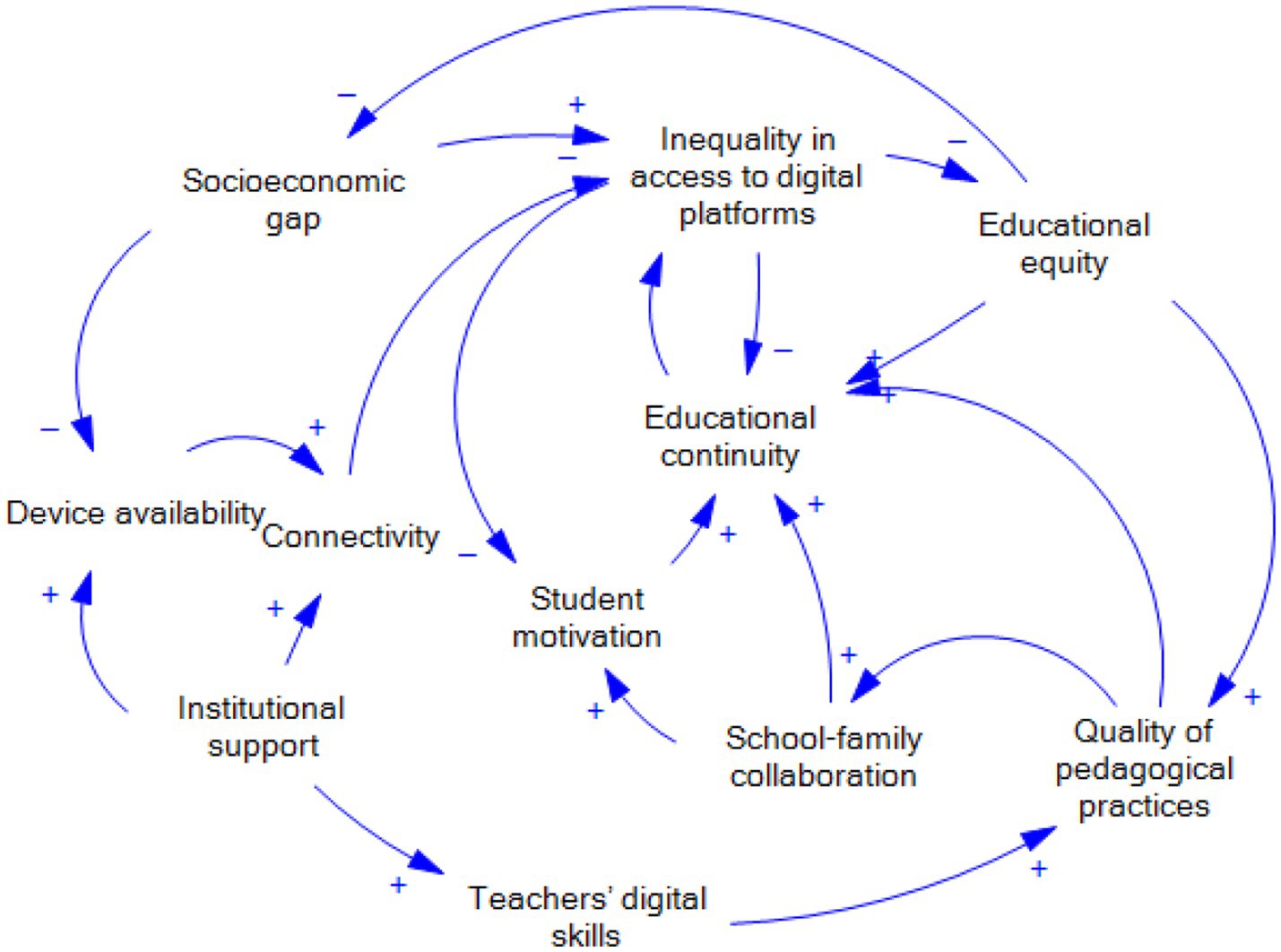
Figure 3. Causal loop diagram of the educational system under digital inequality. Source: Own elaboration using Vensim PLE based on Ainscow (2016), San Martín Alonso and del García Dujo (2016), Area-Moreira et al. (2020), Peirats Chacón et al. (2022), Gil-Fernández and Calderón-Garrido (2023), Cañón Ospina et al. (2024), Jacovkis et al. (2024), and Barragán Moreno et al. (2025).
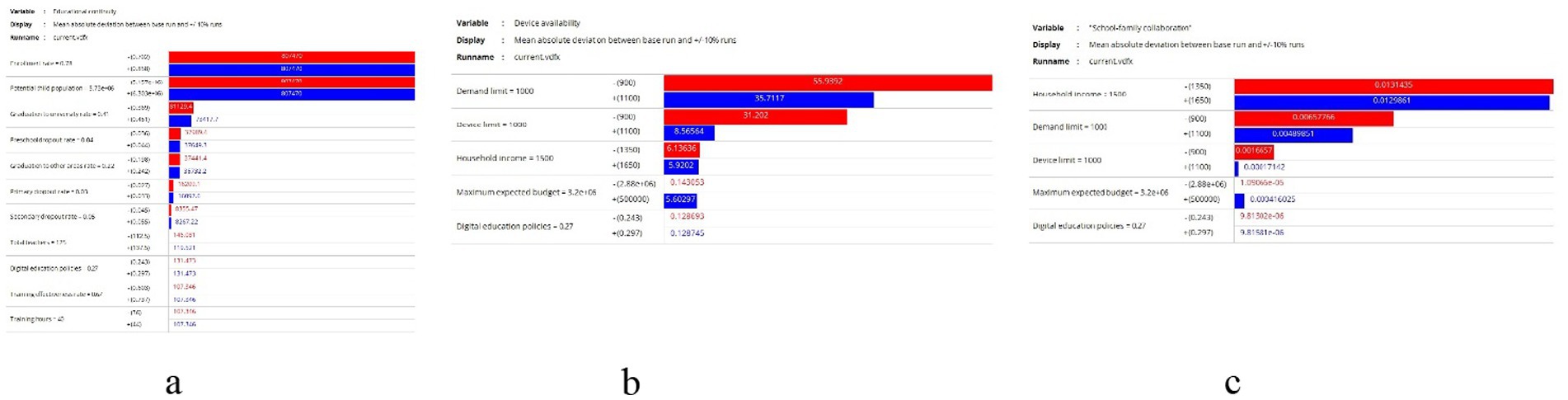
Figure 4. Sensitivity analysis for the most representative variables. (a) Educational continuity. (b) Device availability. (c) School–family collaboration.
The choice of System Dynamics was grounded in its suitability for modeling complex educational systems characterized by feedback loops and time delays. Unlike previous descriptive approaches, this method enables the analysis of long-term cumulative effects of digital inequality. Rather than sampling individuals, the model was parameterized using national-level datasets that represent the population of Colombian schools, complemented with coefficients derived from prior literature. Following Bala et al. (2017), the model’s validity and reliability were confirmed through structural validation, historical behavior testing, and sensitivity analyses in key parameters. Each causal relationship in the model was theoretically supported by the reviewed literature, ensuring conceptual and empirical coherence.
3.4.2 Simulation scenarios
A total of 13 simulations were developed, organized into five scenario groups:
1. Baseline scenario: represents the current trajectory of educational continuity under existing conditions of digital inequality, without intervention.
2. Socioeconomic scenarios: simulate variations in average household income.
3. Teacher-related scenarios: simulate changes in the effectiveness rate of teacher training.
4. Policy-institutional scenarios: simulate variations in the level of implementation of digital education policies.
5. Combined scenarios: explore the interaction between key variables (household income, public policy, and teacher effectiveness) to simulate more complex system dynamics.
3.4.3 Ethical considerations
The study was conducted using secondary, aggregated, and publicly available data. No personal or institutional data was collected or manipulated. The research adhered to ethical standards for data usage, model transparency, and proper citation of all scientific and institutional sources.
4 Results
4.1 Causal structure of the system
Based on the conceptual framework, a causal loop diagram (Figure 3) was developed to represent the dynamic relationships among structural inequality, access to digital platforms, pedagogical effectiveness, public policy, institutional conditions, and educational continuity.
The model identifies four systemic feedback loops:
1. A reinforcing loop, associated with household income as a structural determinant of access: Higher levels of educational continuity reduce inequality in access to digital platforms, thereby fostering educational equity. This equity, in turn, improves the quality of pedagogical practices, which strengthens school–family collaboration. As collaboration increases, student motivation is reinforced, further supporting educational continuity. This loop highlights how systemic improvements in access conditions and relational practices can generate cumulative positive effects on student retention.
2. A balancing loop, related to the role of digital education policies in mitigating inequality: Greater educational equity contributes to better pedagogical practices and stronger school–family collaboration. This supportive environment fosters students’ educational continuity, which gradually reduces digital inequality, as sustained participation in schools enhances access to institutional digital resources. As inequality decreases, educational equity is reinforced, closing a balancing loop that tends to stabilize the system. This cycle underscores how investment in equity can offset technological disparities and prevent the widening of digital gaps.
3. An institutional loop, focused on school infrastructure and family support a wider socioeconomic gap reduces both device availability and connectivity, intensifying digital inequality. This increase in inequality weakens educational equity, which in turn perpetuates or even enlarges the initial socioeconomic gap by limiting learning opportunities and social mobility. This loop reflects the persistence of structural deficits in economic and technological conditions, showing how disadvantages tend to reproduce unless compensatory policies are implemented to break the vicious cycle.
4. A pedagogical loop, linked to teacher training and technological mediation: Higher quality pedagogical practices stimulate stronger school–family collaboration, creating an environment of shared responsibility that supports learning. This collaboration enhances educational continuity by reducing dropouts and academic lag. Greater continuity, in turn, reduces inequality in access to digital platforms, as sustained participation ensures exposure to institutional digital resources. Lower inequality strengthens educational equity, which feeds back into the improvement of pedagogical practices. This reinforcing loop illustrates how improvements in teaching quality can drive positive systemic changes in digital and social equity.
Overall, the set of loops illustrates how structural, pedagogical, and relational factors are interconnected in ways that can either generate self-reinforcing improvements or sustain persistent inequalities. The causal diagram underscores that digital inequality cannot be addressed through isolated actions; rather, it requires systemic strategies that strengthen positive feedback mechanisms linked to equity and continuity, while counteracting the balancing dynamics that tend to reproduce exclusion.
4.2 Structural representation of the system
From the causal diagram, a Forrester-type simulation model was developed (Figure 4), composed of stocks, flows, and auxiliary variables. The model considers the number of students, enrollment flows, dropout and retention rates, and socio-institutional variables that influence Educational continuity and Graduation to university. In this context, the final Educational continuity is understood as the value of the continuity indicator at year 10 of the simulation horizon, while the final Graduation to university refers to the annual flow of students entering higher education at year 10.
4.3 Model variables
Table 1 classifies the model variables by type (constants, stocks, flows, auxiliaries), and the dimension of educational quality they affect (access, equity, relevance, efficiency, or learning outcomes).
4.4 Baseline scenario: educational continuity without intervention
An initial simulation of the baseline scenario was carried out, with no policy interventions or improvements in income or teacher training. The baseline scenario (SIM1) illustrates the system’s reference behavior over the 10-year simulation horizon. Figure 5a shows Educational continuity, which increases rapidly during the first 4 years as preschool, primary, and secondary student stocks expand, and then stabilize at approximately 10.5 million students by year 10. This dynamic reflects the capacity of the system to absorb new enrollments and gradually reach an equilibrium between student inflows and outflows. Figure 5b presents Graduation to university, which exhibits a delayed growth in the first 2 years, followed by a sharp acceleration and subsequent stabilization at around 2.5 million students per year by year 10. This lag is explained by the smoothing function in the model, which captures motivational and quality effects before students’ transition to higher education. Together, these results provide a reference trajectory against which alternative policy, socioeconomic, and teacher-training scenarios can be compared.
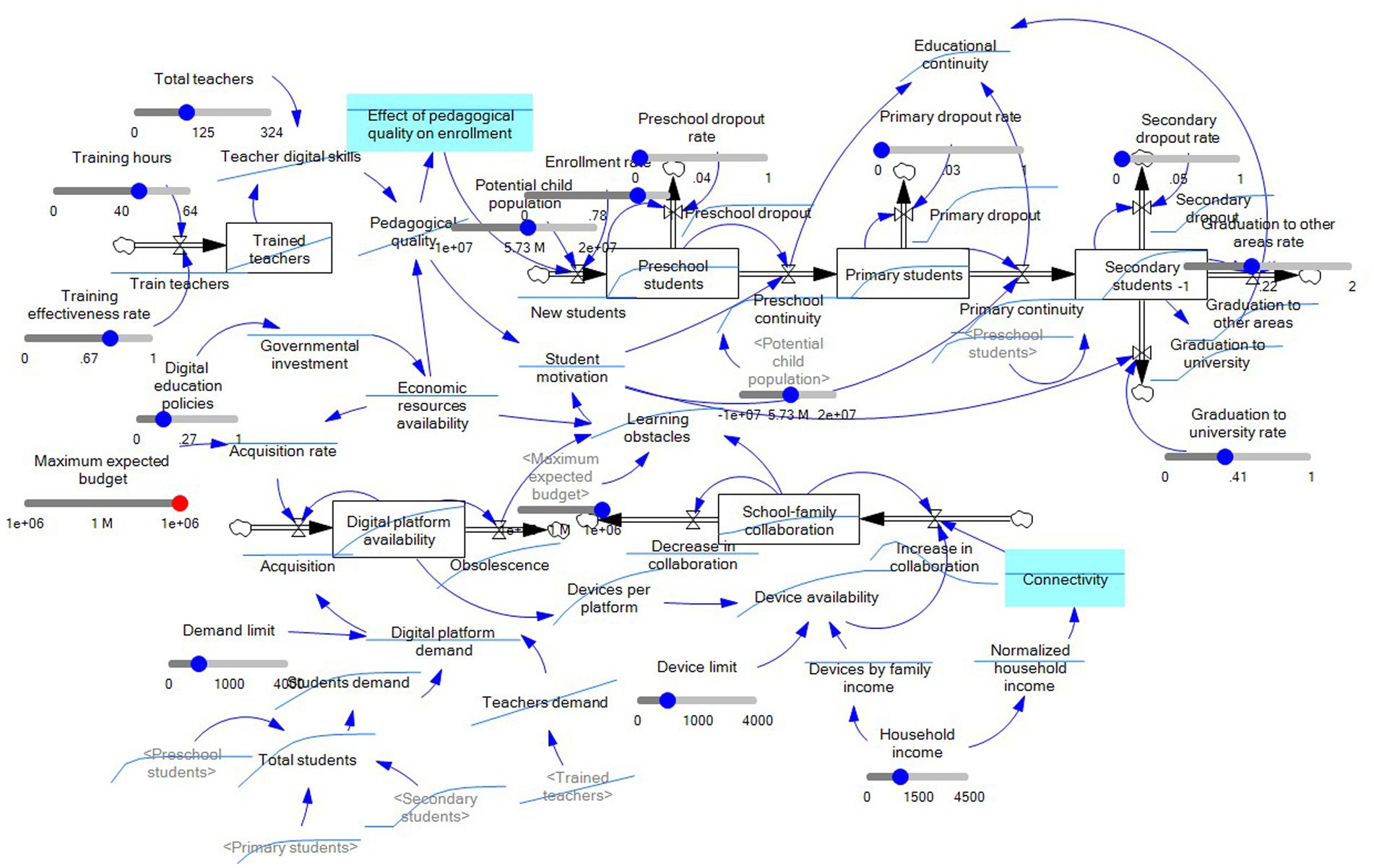
Figure 5. Forrester simulation model of unequal access to digital platforms.
4.5 Sensitive analysis results
The sensitivity analysis served to examine how variations in key structural parameters influence the dynamic behavior of the system, particularly the variables associated with educational continuity. This procedure allowed identifying the degree to which changes in access, pedagogical, and socioeconomic factors affect the stability of the modeled relationships. By observing the magnitude and direction of the simulated responses, the analysis provided evidence on which parameters act as leverage points within the system. The results revealed that the model maintains internal stability and logical coherence under moderate perturbations, while clearly distinguishing those subsystems—such as technological access, pedagogical mediation, and social collaboration—that exert the greatest influence on overall system performance.
Table 2 summarizes the results of the sensitivity analysis performed on the main endogenous variables of the model. The table highlights the parameters that most influenced the system’s behavior when perturbed by ±10%, together with their corresponding interpretations. The results show that certain parameters—such as Digital education policies, Enrollment rate, and Household income—exerted a greater impact on the system’s dynamics, revealing the structural dependencies that link technological, pedagogical, and socioeconomic dimensions. In contrast, variables like Governmental investment and Digital platform demand exhibited nearly linear responses, indicating structural stability and a lower degree of sensitivity. Collectively, these findings provide a concise overview of how changes in specific parameters propagate through the system, shaping educational continuity and the broader equilibrium of the model.
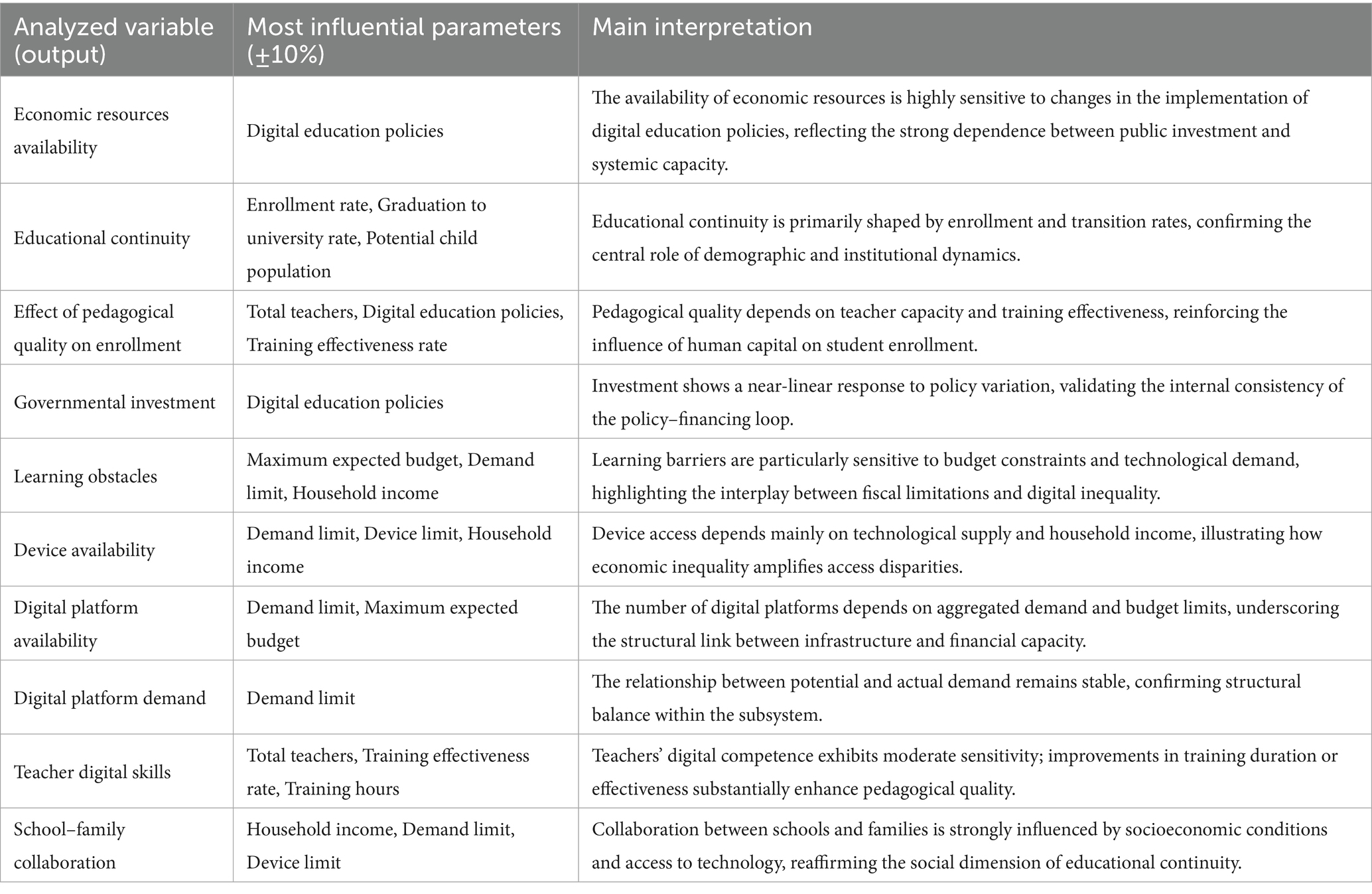
Table 2. Sensitivity analysis results (±10%).
Figures 4a–c illustrate the results of the sensitivity analysis for the three most representative variables of the model: Educational continuity, Device availability, and School–family collaboration. These variables were selected because they capture the technological, pedagogical, and social dimensions of the system and exhibited the highest responsiveness to parameter perturbations.
Figure 4a shows the sensitivity analysis of Educational continuity, the main output variable of the model. Small variations in the Enrollment rate, Graduation to university rate, and Potential child population produced proportional and stable changes in continuity, confirming the internal coherence of the model. This pattern demonstrates that educational trajectories are mainly governed by demographic and institutional factors interacting through reinforcing feedback loops.
Figure 4b presents the sensitivity analysis of Device availability, which represents the structural component of technological access. The results reveal a high sensitivity to changes in the Demand limit, Device limit, and Household income, indicating that economic inequality directly constrains the capacity of families to access and maintain digital devices. The shape of the sensitivity curve reflects nonlinear behaviors when limits of demand or supply are reached, illustrating the propagation of digital inequality through the system.
Finally, Figure 4c displays the sensitivity analysis of School–family collaboration, which functions as a mediating variable between access and educational outcomes. The results show strong sensitivity to Household income and technological availability, suggesting that improvements in access rapidly enhance collaboration, while reductions in income or device availability cause asymmetric declines. This nonlinear behavior highlights the resilience of social collaboration once established and its critical role in mitigating the negative effects of digital inequality.
4.6 Simulation results by variable
This section summarizes the results of the 13 scenarios obtained from the Forrester Diagram presented in Figure 5. The simulations allowed the exploration of system behavior under different conditions of economic inequality, digital public policies, and teacher training effectiveness. Each scenario highlights how structural, pedagogical, and institutional determinants interact to influence students’ educational continuity.
SIM1: Baseline scenario: The baseline represents the reference mode (Table 3) without any policy or pedagogical interventions. The model depicts a vulnerable educational system where digital inequality constrains student progression and limits upward transitions across educational levels. Figures 6a,b display the trajectories of Educational continuity and Graduation to university under baseline conditions. Both variables follow a characteristic S-shaped growth pattern: an initial acceleration during the first 5 years, driven by incremental improvements in access, school–family collaboration, student motivation, and reduced dropout; followed by a deceleration and stabilization phase between years five and 10, typical of systems approaching saturation or equilibrium. The leveling observed in both curves suggests that, in the absence of systemic interventions, educational continuity and graduation rates reach a steady state constrained by structural inequalities and limited digital capacity.
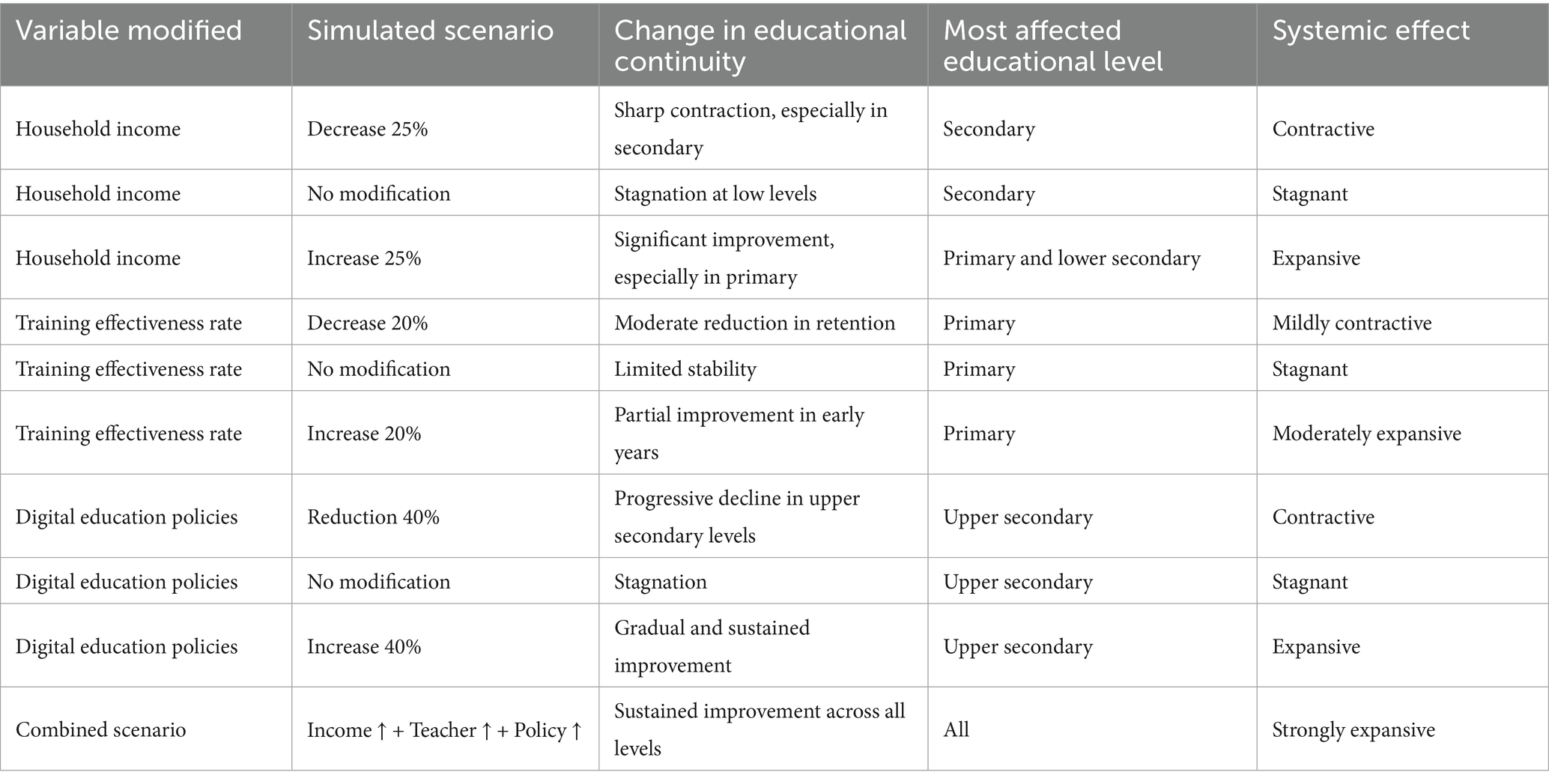
Table 3. Summary of simulation scenarios and observed systemic effects.
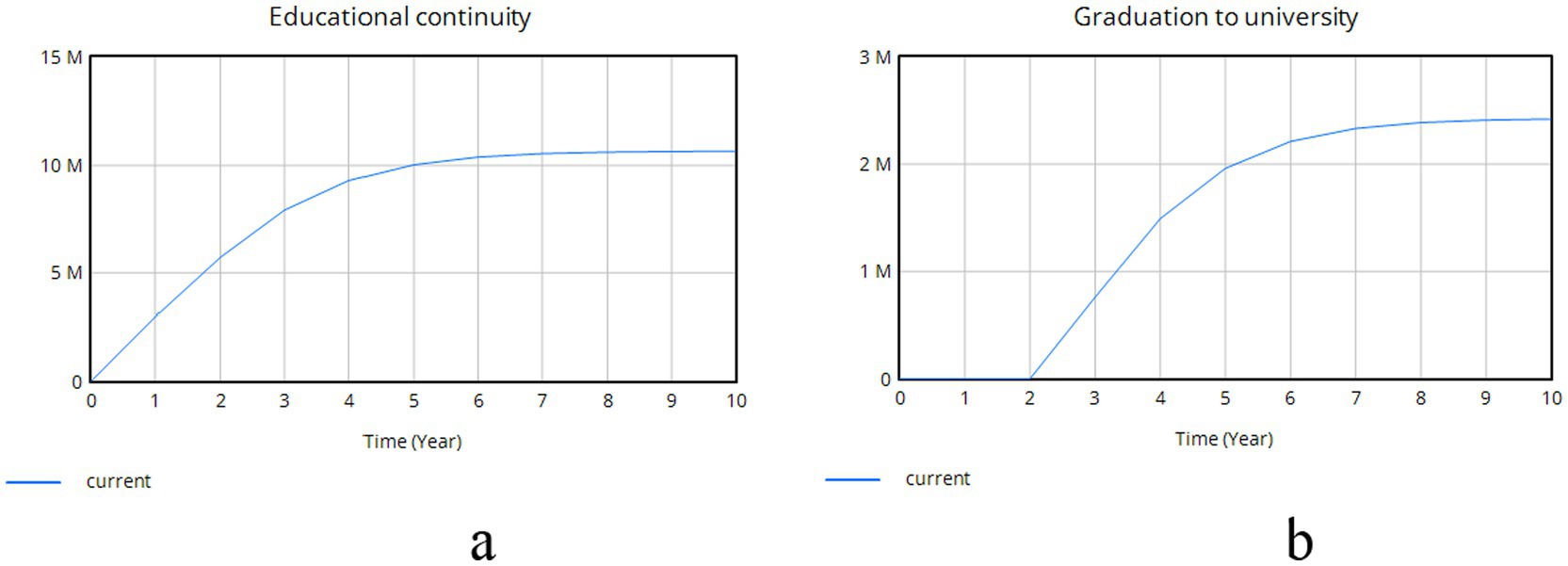
Figure 6. (a) Educational continuity and (b) Graduation to university behavior in the baseline scenario without intervention.
SIM2: Socioeconomic scenarios: These simulations modified household income levels (Table 3). Results show that higher Family income improves access to connectivity and devices, generating steady gains in continuity and transitions to higher education. Moderate increases in income (USD 2,000–3,000) produce noticeable improvements, while very high-income levels (USD 4,000) create conditions for full digital access and greater retention.
SIM3: Teacher-related scenarios: These scenarios explored variations in the effectiveness rate of teacher training (Table 3). Higher training effectiveness (0.5) substantially enhances pedagogical quality, raising both educational continuity and the number of students transitioning to university. Conversely, reductions in training effectiveness (0.4 or 0.3) reveal significant declines, showing how weaknesses in teacher professional development translate into systemic educational losses.
SIM4: Policy–institutional scenarios: Here, the level of implementation of digital education policies was adjusted (Table 3). Limited policies (0.4) led to low impacts on infrastructure and training, reducing continuity. Intermediate policies (0.6) promoted better access and pedagogical quality, fostering smoother transitions between levels. High-investment policies (0.8) generated the strongest outcomes, reinforcing every subsystem and signaling a high level of governmental commitment to technology in education.
SIM5: Combined scenarios: Finally, combinations of household income, digital policy levels, and teacher training effectiveness were tested (Table 3). Results demonstrate that synergies between variables amplify positive effects. For example, medium household income (USD 3,000) combined with intermediate digital policies (0.6) achieved strong equilibrium between access and quality, favoring continuity. By contrast, low investment in policies combined with moderate teacher training produced significant limitations in capacity and retention. Interestingly, strong digital policies (0.8) partially compensated for low family income (USD 1,000), illustrating the balancing role of state intervention in mitigating socioeconomic disadvantages.
Taken together, the scenarios confirm that digital inequality is not determined by a single factor but emerges from the interaction between economic conditions, pedagogical quality, and policy implementation. The system responds nonlinearly: small improvements in one area can be offset by deficits in another, while combined interventions create multiplier effects that significantly strengthen educational continuity and transitions to higher education.
5 Discussion
5.1 Discussion of results
The results of the system dynamics simulations demonstrate that educational continuity is strongly conditioned by structural factors such as family income, device availability, and the implementation of digital public education policies. These findings are consistent with Olanrewaju et al. (2021) and Stewart (2021), who emphasized that socioeconomic inequalities—particularly in rural or low-income settings—limit access to connectivity and digital devices, thereby significantly reducing opportunities for remote or hybrid learning.
However, the simulations also reveal that while access to digital platforms is essential, it is not sufficient on its own. Educational continuity critically depends on intermediate variables such as student motivation, pedagogical quality, and teachers’ digital skills. These results align with Johnson et al. (2024) and Tomczyk (2020), who underscore the central role of pedagogical and human dimensions in ensuring sustained educational trajectories. Furthermore, the model identified feedback loops that connect public investment and digital inclusion policies with educational continuity outcomes, echoing the system-oriented approaches proposed by Bala et al. (2017) and Sterman (2000).
The simulated scenarios also show that strengthening digital education policies—particularly when combined with medium or high family income—produces a multiplier effect on educational outcomes. This effect is reflected in increased platform availability, enhanced school–family collaboration, and higher progression rates toward higher education. Comparable experiences have been documented by De María and Bartesaghi (2023) and Segar and Asmawi (2024), who found that sustained state investment in digital infrastructure can reduce the digital divide and foster continuous educational trajectories.
It is equally important to highlight that the effectiveness of digital policies is closely tied to pedagogical and organizational dimensions. Consistent with San Martín Alonso and del García Dujo (2016), this study stresses that digital transformation requires profound cultural and instructional changes within educational institutions. As also emphasized by Peirats Chacón et al. (2022) and Gil-Fernández and Calderón-Garrido (2023), digital literacy initiatives should include not only teachers but also families, whose participation has become crucial to sustaining educational engagement and reducing discontinuity.
Moreover, this study reinforces the persistent challenges faced by regions with limited technological access (UNESCO Institute for Statistics and Global Education Monitoring Report, 2024). Although large-scale digital education policies can partially compensate for these deficiencies, the findings indicate the need for integrated approaches grounded in social and educational equity, active student and teacher participation, and the principles of educational justice (Jacovkis et al., 2024; Kleeberg-Niepage et al., 2023; Ainscow, 2016).
In summary, addressing the digital divide in education requires a systemic vision that connects technological access, inclusive pedagogical strategies, strong school–family collaboration, and sustainable digital public education policies. This study contributes original empirical evidence and a simulation-based methodological framework that supports the design of policy interventions aimed at promoting educational equity and continuity over time.
5.2 Theoretical implications
Beyond its empirical findings, the model contributes to the theoretical understanding of the nexus between technology and equity in education. By using System Dynamics, the study demonstrates that digital access cannot be conceptualized as a static resource gap but as part of an evolving system in which reinforcing and balancing feedback loops shape long-term outcomes. This perspective advances equity theory by showing that technological resources acquire meaning only when mediated by pedagogical quality, teacher competencies, and institutional collaboration. In this sense, equity is not a direct consequence of providing devices or connectivity, but the result of systemic interactions where social, economic, and pedagogical dimensions converges. The model thus enriches existing debates by positioning digital equity as a dynamic construct, highlighting the importance of feedback processes, cumulative advantages, and thresholds that either amplify or mitigate educational inequalities over time.
5.3 Implications for policy and practice
The findings of this study offer concrete guidance for the design, monitoring, and evaluation of public policies in contexts where the digital divide persists. First, digital inclusion policies should prioritize investments in technological infrastructure to ensure equitable access to devices and connectivity, particularly in vulnerable populations. Second, teacher training programs must go beyond technical instruction and focus on developing pedagogical skills for digital mediation, especially in settings with low technological availability. Lastly, effective collaboration among schools, families, and local governments emerges as a critical component for sustaining complete educational trajectories. This underscores the need for more integrative, multi-actor governance frameworks.
5.4 Limitations and recommendations for future research
This study presents some limitations that should be acknowledged. First, the System Dynamics model was parameterized with structural, institutional, and pedagogical variables for which reliable data were available. While this choice increases robustness, it also implies the exclusion of other relevant dimensions (particularly cultural, psychosocial, and motivational factors) that are harder to quantify and incorporate into a formal model. Elements such as family expectations, students’ self-efficacy, gender norms, or the influence of peer networks may also play critical roles in shaping educational continuity but could not be explicitly represented here.
Second, the model simplifies reality by focusing on three main determinants—household income, teacher training effectiveness, and digital policy implementation. Although these variables capture the structural dynamics of digital inequality, they do not encompass the full range of contextual heterogeneity across regions, schools, and social groups. As a result, the simulations should be interpreted as prospective scenarios rather than predictive forecasts.
Finally, the model assumes relatively stable conditions of technological and policy development. Rapid changes in digital platforms, evolving teacher training frameworks, or unexpected policy reforms may generate behaviors that differ from those projected here.
Future research should aim to:
• Incorporate primary empirical data from real educational institutions to improve model calibration.
• Analyze the differentiated impact of the digital divide across educational levels and geographic contexts (urban vs. rural).
• Explore the role of artificial intelligence as a pedagogical compensation tool in low-connectivity environments.
• Evaluate the longitudinal effects of combined public policies (technological, social, and educational) on school retention and graduation.
6 Conclusion
This study simulated the influence of inequality in access to digital platforms on educational continuity at the early childhood, primary, and secondary education levels, using a System Dynamics model. The results helped identify causal structures and nonlinear relationships that shape student access, retention, and progression within the educational system.
First, the findings confirmed that structural variables such as household income, device availability, and the implementation of public digital education policies play a decisive role in educational continuity. However, the simulations also revealed that technological access alone does not guarantee complete educational pathways. Intermediate factors such as pedagogical quality, student motivation, teachers’ digital skills, and school–family collaboration act as mediators and amplifiers of the impact of digital policies.
Second, the simulations showed that scenarios involving greater state investment in digital education, combined with more favorable socioeconomic conditions, can activate virtuous cycles that increase educational continuity, reduce school dropout, and promote access to higher education. These findings reinforce the importance of comprehensive public policy approaches that integrate technological, pedagogical, organizational, and social dimensions.
Finally, this study highlights the value of modeling and simulation as prospective tools for understanding the complexity of the digital divide in education and its systemic effects. Simulations allow policymakers and researchers to anticipate the cumulative impact of various decisions and to design more effective and context-sensitive interventions. Consequently, future research should deepen the use of dynamic models and interdisciplinary approaches to inform evidence-based educational decision-making.
Data availability statement
The original contributions presented in the study are included in the article/supplementary material, further inquiries can be directed to the corresponding author.
Author contributions
SB: Conceptualization, Data curation, Investigation, Methodology, Project administration, Resources, Software, Supervision, Validation, Visualization, Writing – original draft, Writing – review & editing. OL: Conceptualization, Formal analysis, Methodology, Resources, Validation, Visualization, Writing – original draft, Writing – review & editing.
Funding
The author(s) declare that no financial support was received for the research and/or publication of this article.
Conflict of interest
The authors declare that the research was conducted in the absence of any commercial or financial relationships that could be construed as a potential conflict of interest.
Generative AI statement
The authors declare that Gen AI was used in the creation of this manuscript. Artificial intelligence tools (OpenAI, 2025) were used exclusively to support language editing, style refinement, and structural adjustments of the manuscript. The tool assisted in improving language in the abstract, introduction, theoretical framework, discussion, limitations, simulation results section, and reference formatting. All scientific content, including model design, data analysis, interpretation of results, and conclusions, is entirely a proposal of the authors.
Any alternative text (alt text) provided alongside figures in this article has been generated by Frontiers with the support of artificial intelligence and reasonable efforts have been made to ensure accuracy, including review by the authors wherever possible. If you identify any issues, please contact us.
Publisher’s note
All claims expressed in this article are solely those of the authors and do not necessarily represent those of their affiliated organizations, or those of the publisher, the editors and the reviewers. Any product that may be evaluated in this article, or claim that may be made by its manufacturer, is not guaranteed or endorsed by the publisher.
References
Ainscow, M. (2016). Collaboration as a strategy for promoting equity in education: possibilities and barriers. J. Prof. Cap. Community 1, 159–172. doi: 10.1108/JPCC-12-2015-0013
Alenezi, M. (2021). Deep dive into digital transformation in higher education institutions. Educ. Sci. 11:770. doi: 10.3390/educsci11120770
Anguera, M. T., Blanco-Villaseñor, A., Losada, J. L., Sánchez-Algarra, P., and Onwuegbuzie, A. J. (2018). Revisiting the difference between mixed methods and multimethods: is it all in the name? Qual. Quant. 52, 2757–2770. doi: 10.1007/s11135-018-0700-2
Area-Moreira, M., Santana Bonilla, P. J., and Sanabria Mesa, A. L. (2020). La Transformación Digital de los Centros Escolares: Obstáculos y Resistencias. Digit. Educ. 37, 15–31. doi: 10.1344/der.2020.37.15-31
Bala, B. K., Arshad, F. M., and Noh, K. M. (2017). System dynamics modelling and simulation. Singapore: Springer.
Barragán Moreno, S. P., Rincón, A. G., Carmona, G. P. C., Támara, L. G., and Galindo, O. L. L. (2025). Identifying key variables of student dropout in preschool, primary, secondary, and high school education: an umbrella review approach. Eur. J. Educ. Res. 14, 585–600. doi: 10.12973/eu-jer.14.2.585
Barragán Moreno, S. P., and Guzmán Rincón, A. (2025). Digital divide as an explanatory variable for dropout in higher education. Int. J. Educ. Technol. High. Educ. 22:60. doi: 10.1186/s41239-025-00550-0
Bebell, D., and Kay, R. (2010). One to one computing: a summary of the quantitative results from the Berkshire wireless learning initiative. J. Technol. Learn. Assess. 9, 1–60. Available online at: https://ejournals.bc.edu/index.php/jtla/article/view/1607
Bianchi, C., and Salazar Rua, R. (2022). A feedback view of behavioural distortions from perceived public service gaps at ‘street-level’ policy implementation: the case of unintended outcomes in public schools. Syst. Res. Behav. Sci. 39, 63–84. doi: 10.1002/sres.2771
Calderón-Garrido, D., Parcerisa, L., Rivera-Vargas, P., and Moreno-González, A. (2023). Opiniones de las Familias sobre Corporaciones Tecnológicas, Plataformas Digitales Educativas y Derechos de la Infancia: Validación Psicométrica de un Instrumento. Aloma 41, 141–148. doi: 10.51698/aloma.2023.41.1.141-148
Cañón Ospina, C. A., Barragán-Moreno, S. P., and González Támara, L. (2024). Herramientas Digitales y Nivel Académico en Bogotá y Municipios Circundantes. Rev. Prisma Soc. 46, 147–172. Available online at: https://revistaprismasocial.es/ps/article/view/5485
Cosenz, F. (2014). A dynamic viewpoint to design performance management systems in academic institutions: theory and practice. Int. J. Public Adm. 37, 955–969. doi: 10.1080/01900692.2014.952824
De María, N., and Bartesaghi, I. (2023). Brecha Digital y Educación: Una Computadora por Niño en Uruguay. Rev. Dir. Int. 20, 119–134. doi: 10.5102/rdi.v20i2.9116
Elmunsyah, H. (2012). A study of ICT infrastructure and access to educational information in the outskirts of Malang. Acta Didact. Napoc. 5, 41–48. Available online at: http://files.eric.ed.gov/fulltext/EJ1054292.pdf
Gil-Fernández, R., and Calderón-Garrido, D. (2023). Percepción de los Docentes ante los Retos de la Sociedad Digital. Bordón. Rev. Pedagog. 75, 93–108. doi: 10.13042/Bordon.2023.97600
Hargittai, E. (2002). Second-level digital divide: differences in people’s online skills. First Monday 7. doi: 10.5210/fm.v7i4.942
Jacovkis, J., Rivera-Vargas, P., and Helsper, E. J. (2024). Platforming public education: addressing socio-digital inequalities and strengthening the role of public administration in Catalonia. Int. Multidis. J. Soc. Sci. 13, 39–57. doi: 10.17583/rimcis.12387
Jacovkis, J., Rivera-Vargas, P., Parcerisa, L., and Calderón-Garrido, D. (2022). Resistir, Alinear o Adherir: Los Centros Educativos y las Familias ante las BigTech y sus Plataformas Educativas Digitales. EDUTEC. Rev. Electron. Tecnol. Educ. 82, 104–118. doi: 10.21556/edutec.2022.82.2615
Johnson, A. D., Castle, S., Partika, A., and Martin, A. (2024). Predictors of young students' school participation during the early days of COVID-19 remote learning. Child Youth Serv. Rev. 163:107745. 1–19. doi: 10.1016/j.childyouth.2024.107745,
Kleeberg-Niepage, A., Eshun, E. S., and Perzy, A. (2023). Real danger or urgent necessity? Young Ghanaian's perspectives on smartphone use in relation to academic success. Inf. Sci. 26, 191–208. doi: 10.28945/5197
Ministerio de Educación Nacional de Colombia (2024a). Sistema de Información Nacional de Educación Básica y Media. SINEB. Available online at: http://bi.mineducacion.gov.co:8380/eportal/web/sineb (Accessed November 18).
Ministerio de Educación Nacional de Colombia (2024b). Observatorio de Trayectorias Educativas. OTE. Available online at: http://bi.mineducacion.gov.co:8380/eportal/web/sineb (Accessed March 15).
Miras, S., Ruiz-Bañuls, M., Gómez-Trigueros, I. M., and Mateo-Guillen, C. (2023). Implications of the digital divide: a systematic review of its impact in the educational field. J. Technol. Sci. Educ. 13:936. doi: 10.3926/jotse.2249
Mohamad, M., Abdullah, N., Rahim, N., Sanmugam, M., and Takajo, H. (2024). Mobile assistive technology for dyslexic children: a significant review. J. Adv. Res. Appl. Sci. Eng. Technol. 51, 57–70. doi: 10.37934/araset.51.2.5770
Murray-Garcia, J., Ngo, V., and Garcia, E. F. Y. (2023). COVID-19's still-urgent lessons of structural inequality and child health in the United States. J. Natl. Med. Assoc. 115, 321–325. doi: 10.1016/j.jnma.2023.03.004,
Olanrewaju, G. S., Adebayo, S. B., Omotosho, A. Y., and Olajide, C. F. (2021). Left behind? The effects of digital gaps on E-learning in rural secondary schools and remote communities across Nigeria during the COVID-19 pandemic. Int. J. Educ. Res. Open 2:100092. doi: 10.1016/j.ijedro.2021.100092,
Owen, A., Friedman, C., and Owen, R. (2023). Parents with disabilities’ household access to educational devices and internet during the COVID-19 pandemic. J. Online Learn. Res. 9, 101–126. Available online at: https://files.eric.ed.gov/fulltext/EJ1384489.pdf
Peirats Chacón, J., Digón Regueiro, P., and San Martín Alonso, Á. (2022). Dilemas y Preocupaciones de las Familias sobre el Uso de Recursos Educativos Digitales en la Etapa de la Educación Infantil. Digit. Educ. Rev. 41, 93–113. doi: 10.1344/der.2022.41.93-113
Plage, S., Cook, S., Povey, J., Rudling, E., te Riele, K., McDaid, L., et al. (2022). Connection, connectivity and choice: learning during COVID-19 restrictions across mainstream schools and flexible learning programmes in Australia. Aust. J. Soc. Issues. Advance online publication. doi: 10.1002/ajs4.228,
San Martín Alonso, Á., and del García Dujo, Á. (2016). Pedagogic dilemmas to flows of knowledge in the age of digital technology. Int. J. Educ. Technol. High. Educ. 13:26. doi: 10.1186/s41239-016-0030-1
Segar, T., and Asmawi, A. (2024). Exploring ESL students’ use of multimedia in an English-speaking classroom. Malaysian Online J. Educ. Sci. 12, 61–75. doi: 10.22452/aldad.vol12no3.5
Selwyn, N. (2004). Reconsidering political and popular understandings of the digital divide. New Media Soc. 6, 341–362. doi: 10.1177/1461444804042519
Seok, S., and Dacosta, B. (2020). Relationships between young south Korean’s online activities and their risk of exploitation. J. Online Learn. Res. 6, 77–101. Available online at: http://files.eric.ed.gov/fulltext/EJ1254018.pdf
Sosa Alonso, J. J., Bethencourt Aguilar, A., Castellanos Nieves, D., and Area Moreira, M. (2023). Plataformas Digitales Educativas y Justicia Formativa. Arch. Anal. Polit. Educ. 31, 1–20. doi: 10.14507/epaa.31.7923
Sterman, J. D. (2000). Business dynamics: systems thinking and modeling for a complex world. Boston: Irwin/McGraw-Hill.
Stewart, W. H. (2021). A global crash-course in teaching and learning online: A thematic review of empirical emergency remote teaching (ERT) studies in higher education during year 1 of COVID-19. Open Praxis 13, 89–102.
Tomczyk, Ł. (2020). Skills in the area of digital safety as a key component of digital literacy among teachers. Educ. Inf. Technol. 25, 471–486. doi: 10.1007/s10639-019-09980-6
UNESCO Institute for Statistics and Global Education Monitoring Report. (2024). World Inequality Database on Education (WIDE). UNESCO UIS & GEM. Available online at: https://www.education-inequalities.org/ (Accessed September 15, 2025).
Keywords: digital inequality, educational continuity, system dynamics modeling, educational computing, basic education
Citation: Barragán Moreno SP and Lozano Galindo OL (2025) Modeling digital inequality in basic education: a system dynamics simulation of educational continuity. Front. Educ. 10:1715760. doi: 10.3389/feduc.2025.1715760
Edited by:
Siyabonga Mhlongo, University of Johannesburg, South AfricaReviewed by:
Fatima Makda, University of Witwatersrand, South AfricaAchmad Tavip Junaedi, Institut Bisnis dan Teknologi Pelita Indonesia, Indonesia
Copyright © 2025 Barragán Moreno and Lozano Galindo. This is an open-access article distributed under the terms of the Creative Commons Attribution License (CC BY). The use, distribution or reproduction in other forums is permitted, provided the original author(s) and the copyright owner(s) are credited and that the original publication in this journal is cited, in accordance with accepted academic practice. No use, distribution or reproduction is permitted which does not comply with these terms.
*Correspondence: Sandra Patricia Barragán Moreno, c2FuZHJhLmJhcnJhZ2FuQHV0YWRlby5lZHUuY28=
†These authors have contributed equally to this work and share first authorship
‡ORCID: Sandra Patricia Barragán Moreno, orcid.org/0000-0001-6503-4445
Oscar Leonardo Lozano Galindo, orcid.org/0000-0001-7089-0182