 Babak Ashtari
 Mohammadreza Bemanian
- Department of Architecture, Architectural Design, Modeling and Fabrication Lab, Tarbiat Modares University, Tehran, Iran
Cool roofs, as feasible and efficient passive solar technique that reduces building energy requirements for cooling and improves indoor thermal comfort conditions, have received considerable attention in recent years and as a result, a number of concepts, methods, and experiences have been developed during the related research. Although some studies have been conducted on this subject in the form of review articles, taking into consideration the large number of publications, there is still a call for some review papers dealing with the potential of cool roofs and providing a thorough report on their energy performance and a detailed summary of their pros and cons on the basis of the relevant studies. On this account, this study contributes a systematic review of the issued paper in Scopus and Web of Science regarding the cool roof technologies to recognize the advantages and challenges of cool roofs in practice and its future trends. In addition, detailed summary of advantages and drawbacks of this passive solar measure has been developed, as itemized factors corresponded to the codified references. A total of 90 published reports were analyzed, declaring that a cool roof is an efficient approach for generating clean energy on the building scale. This article induces an overall view of the advantages and restrictions of the cool roof throughout the world. Conclusions give a valuable reference for improving the cool roof design for their more widespread use in the building industry.
1 Introduction
Environmental crises such as global warming, ozone depletion, air pollution and water pollution, along with a shortage of energy resources, are two main problems for today’s world (Abdul Mujeebu and Alshamrani, 2016; Shafique and Kim, 2017). There is no question that all of these issues resulted from the excessive use of fossil fuels, which have accounted for a large part of the global energy demand in recent decades. Other than the harmful environmental effects and the huge cost of fossil fuel resources, it is obvious that they are non-renewable and will inevitably end at some point, perhaps in the near future. Accordingly, one of the most important challenges facing scientists and experts today is to find an acceptable alternative to fossil fuels that have as little adverse environmental impact as possible and are also renewable (Rosenfeld et al., 1998).
They, therefore, pursued more eco-friendly energy resources, such as solar energy, wind power, hydropower, and geothermal energy, and explored to establish an effective, sustainable mechanism for the utilization of these supplies (Kannan and Vakeesan, 2016). Solar energy can be regarded the best option in this respect because it is the most accessible source of renewable sources of energy, i.e. many areas of the globe enjoy an adequate amount of solar radiation, and it is also not exhaustible. Greenhouse gases are one of the main givers to global warming, and the building sector considers for a great part of total global energy depletion and Greenhouse gases emission (Imran et al., 2018). There have been several strategies to diminish greenhouse gasses emissions in the building system, including generating energy onsite in a further effective and sustainable practice, decreasing energy depletion, and using power more efficiently. Various researchers have inscribed several sustainable techniques and strategies for building roofs to develop the energy performance in buildings. Some of these techniques are old, while others have only been introduced in the former few years. Many analyses, simulations, and case studies can be seen in this field (Marrana et al., 2017; Ashraf et al., 2018; Pradhan et al., 2019). Several experimental and modeling investigations have been written that analyze building energy performance benefits of cool roofing methods (Santamouris et al., 2011; Akbari and Kolokotsa, 2016; Pisello, 2017; Jeong et al., 2021; Macintyre et al., 2021). Few studies focus on analyzing the advantages and disadvantages of different methods of the cool roof in various climate conditions. (Testa and Krarti, 2017; Hu and Yu, 2019; Rawat and Singh, 2021a).
Moreover, as expected, the need for energy resources will increase in the years to come as a result of population growth and technological progress (Lotfabadi, 2015). High-energy use will additionally lead to environmental depravity and append the influence on climate change situations. High energy consumption is more considerable in tropical and semitropical regions than others, principally for meeting the requirement for cooling. Energy-conscious designs and methods reduce the cooling loads to minimize buildings’ structure and operational costs (Frontini et al., 2012; Yeganeh and Kamalizadeh, 2018; Yeganeh, 2020; Norouzi et al., 2021). The Roofs of the building reaching inside form the environment in hot-dry, warm, and humid, and composite climatic zones provide approximately 50–60% load in an entire cooling load. Cooling is a crucial demand of the building, particularly in these altitudes. The roof is a principal part of the building cover exposed to solar radiation and provides the highest load of the total cooling load of the building (Cheikh and Bouchair, 2008). To provide a comprehensive review of the cool roof benefits and challenges, this review research strives to recognize the recent improvements on cool roofs worldwide. In addition, this article will help researchers attain a form of information from which they can convey the subsequent level of study on cool roofs and assist directorial and general practitioners in using cool roofs more broadly in future smart cities.
The purpose and objective of this literature review for the application of Cool Roofs as an Effective Passive Solar Technique are summarized as:
• Various types and configurations of cool roofs, as well as a thorough report on their energy efficiency
• Many general advantages and drawbacks of passive solar application concerning energy utilization were also synthesized.
• Collecting relevant publications in the last 2 decades.
• Further development of cool roof technology performs.
2 Methodology for Background Searching
This literature research presents a significant review of the state-of-the-art study into cool roofs. This part regards the research steps related to making this well-organized analysis of the report. An accurate and comprehensive literature review can give valuable data regarding the basic information of cool roof uses in sustainable building design and show future study trends. The subsequent principal steps were exerted for the literature finding.
2.1 Introductory Research
This step involves the introductory research in the Springer and Direct Science gateways. The best journals containing the “cool roofs” keyword in the title and keywords were picked in this research. The keywords linked to the above topic were also studied, and the associated data was derived from numerous journals.
2.2 Content Collection Classification
A four-step research method (Figure 1) was applied to obtain the essays for this review. First, two major scientific databases, Thomson Reuters Web of Science and Scopus, were recognized for the keywords exploration. Next, a combination of keywords and phrases was selected based on the study group’s open scientific data and information. Multiple keywords were chosen in English, including passive solar design-cool roof, cool roof, a building envelop, cool materials.
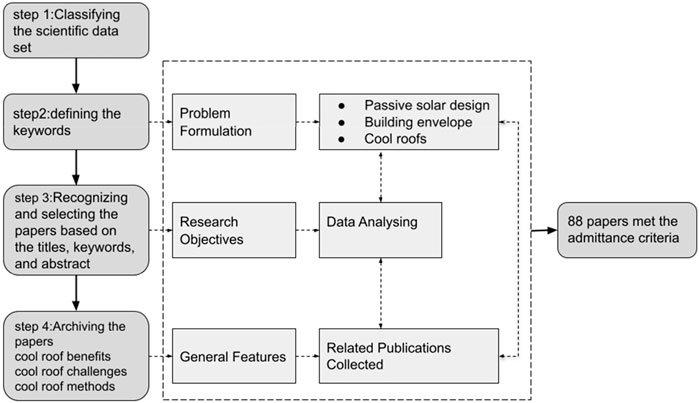
FIGURE 1. The overall research process.
2.3 Concluding Election of Papers
Afterward, a manual screening method was given out based on the titles, abstracts, titles, and keywords. The center of this research was peer-reviewed journal articles, conference articles.
Lastly, in the fourth step, after studying the complete texts of the resting articles, 90 articles directly and indirectly related to the topic were selected for a thorough review investigation.
The principal objective of this study is to give complete knowledge about the cool roof. This article also explains the challenges that require consideration before applying cool roofs on a large scale. The research recommends the possible pathways for utilizing green energy through the synergy of several renewable energy methods on the building scale to improve power production from the cool roofs and present eco-friendly management gains.
3 Passive Solar Design
There are basically two main approaches for utilizing solar energy in buildings, i.e. using active systems and passive systems. Active systems employ mechanical and electrical equipment such as photovoltaic panels, collectors, voltage regulators, blowers, and pumps to absorb and convert the Sun’s radiation, while passive systems deal with the application of certain considerations in the design of buildings that leverage the capacity of the local environment yet at the same time minimizing the negative effects of the climate on the comfort level of the building (Rawat and Singh, 2021b). Since this paper focuses on the subject of cool roofs dealing with passive solar measures, the topic of active systems is beyond the scope of this study and will not be addressed any further.
It would, however, be worth tackling passive solar measures a little further. Historically, before the development of mechanical heating and cooling, the solar passive building design strategies were employed for thousands of years, by requirement, and it has remained an integral part of vernacular architecture in many countries (Singh et al., 2011). The passive design strategies can be defined as the use of solar energy, along with the characteristics of local climate and building materials, in order to directly sustain thermally favorable conditions in the built-up environment while mitigating energy consumption (Rabah, 2005). At the conceptual design stage, the biggest possibilities for incorporating passive solar design strategies arise by deciding the values of parameters that have a vital effect on building performance, such as building form, opaque envelope elements, glazing, and shading, etc. In this approach, attempts are being made to integrate certain methods into the design of various parts of the house, such as its outer envelope including the roof and walls, so as to enable the best possible use of solar energy (Bilgiç, 2003; Yeganeh, 2017).
Passive solar architecture techniques offer efficient ways to utilize solar energy without the use of electrical or mechanical devices to help create thermal comfort in buildings. The flow of energy in passive design is achieved by natural means: radiation, conduction, or convection without using any electrical device (Al-Obaidi et al., 2014). The passive techniques have the potential to be utilized for both heating and cooling. The heating systems shall supply or collect and store the solar heat and maintain the heat inside the house. In comparison, cooling systems are intended to provide the building with cold or protection from direct solar radiation and improve air ventilation (Kamal, 2012).
3.1 Importance of Cool Roofs as an Efficient Passive Technique
Passive solar techniques, as has been described, are the most feasible measures that can be put into practice for the proper utilization of solar energy and thus for the enhancement of the thermal performance of buildings. However, these measures are often related to some features in the design of the building envelope. The building envelope is mainly designed to limit the heat transfer between the inside and the outside in order to control the thermal characteristics of the interior environment and to reduce the need for heating, cooling, and electrical lighting in buildings (Azari, 2014; Yeganeh, 2015; Yeganeh et al., 2018; Motevallian and Yeganeh, 2020). Thus, as Silva et al. (2016) maintained, the energy efficiency of buildings strongly depends on the thermal performance of their envelope.
Basically, Cool roofs or solar reflective roofs have surfaces that reflect sunlight and emit heat more efficiently than hot or dark roofs, and therefore keeping them cooler in the Sun. That is, roofs with high solar reflectance and high infrared emittance can be called cool roofs. A cool roof is not a new concept; traveling pictures from the Mediterranean and the Middle East also show the scenery of homes with white roofs and walls. These are actually cool roofs, and have for thousands of years been a traditional architectural feature (Vickers, 2017). The solar reflectance (SR) (reflectivity or albedo) and infrared emittance (or emissivity) are two surface properties that affect the thermal efficiency of these roof surfaces (Sadineni et al., 2011).
Solar reflectance, also known as albedo, refers to the reflection of solar energy as it comes into contact with the surface material. Thermal emittance refers to the radiant emittance of the heat of a particular object in the form of infrared or thermal radiation, which relates to how easily the surface cools itself (Zingre et al., 2015a; Vickers, 2017).
A “cool roof” as a roofing system that refuses solar heat and holds surfaces cooler below the Sun is defined by The European Cool Roofs Council. A “cool roof” is ordinarily obtained by using cold materials on the external surface. So, these kinds of materials can decrease solar radiation absorption while releasing the heat received by the roof (Chang et al., 2008). The cool roof technology is more cost-effective and uncomplicated to perform in all domestic and commercial buildings (Rawat and Singh, 2021b). Cool roofs reflect a substantial fraction of incoming sunlight and retain the roof surface lower than conventional roofs, decreasing heat conduction into the building and its cooling load. This cool roof appearance performs it most beneficial when solar radiation’s intensity is tremendous, and the highest daily deviation happens (Razykov et al., 2011). There are somewhat differing descriptions for cold materials. Whereby, cold materials must have a solar reflectance originally equal to or greater than 0.65 for ES-ENERGY STAR (Yang et al., 2020). After 3 years, its requirement is higher than 0.50, while APEC Energy Working Group (De Masi et al., 2018) recognized having at least a reflectance of 0.70 and a thermal emissivity of 0.75.
Consequently, when the surface material has higher albedo and emissivity, the thermal fluctuations of the surface will be lower. Moreover, the thermal emittance, i.e. the capability of the roof surface for infrared radiations, is another significant factor in the thermal performance of roofs. That is, the higher their thermal emittance, the faster the roofs will lose heat and cool down (Suehrcke et al., 2008). Cool roof and green roof approach afforded and aided conceive thermal comfort for inhabitants and the energy saving of buildings (Lamnatou and Chemisana, 2015) (Shafique et al., 2018; Gilabert et al., 2021). A sustainable initiative and attracting energy scientists, architects, and urban planners to create better thermal comfort conditions and energy conservation and urban property growth are provided by Cool roofs and Green roofs (Saadatian et al., 2013). Beom-SoonHan examines the effects of cool roofs on turbulent coherent structures and ozone air quality, and analysis shows that cool roofs weaken the effects of turbulent coherent structures on O3 concentration. (Han et al., 2020).
The effect of solar radiation on sunny days, the lack of infrared heat during the night, and the complications of heavy rainfall affect the roof more than any other building component (Al-Obaidi et al., 2014; Vellingiri et al., 2020). Moreover, as reported by Akbari and Matthews in their 2012 study (Akbari and Matthews, 2012), roof surfaces of buildings account for 20% in less urban areas, while this is up to 25% in cities with high density levels, and therefore the key effects of roofs on air and surface temperature in urban areas can be understood.
On this account, roofs can be used as specific enveloping elements for which revolutionary technology can offer considerable energy savings and lead to the enhancement of indoor thermal conditions. As a consequence, the implementation of efficient passive solar architecture measures into roofs would not only contribute significantly to the use of solar energy on a building scale, but would also help significantly to minimize the negative environmental impact on the city scale.
Cool roofs, i.e. roofs with a high level of solar reflectance and a high level of infrared emittance, are one of the most feasible and efficient passive techniques that can be applied to equip new buildings as well as to retrofit old ones. Additionally, green roofs reduced solar radiation receiving 60% radiation and diminished air conditioning energy among 25–80% (Besir and Cuce, 2018). Taizo Aoyama researches explain that a self-cleaning paint, based on an acrylic silicone polymer, efficiently keeps a high solar reflectance and limits dirt from adhering (Haberl et al., 2004). Some papers have focused on cool roof martials (Akbari and Levinson, 2008; Urban and Roth, 2010; Zinzi, 2010). Tim Sinsel studies the super cool materials. The results also revealed that super cool roofs could lower pedestrian-level air warmth in some areas by up to 2.4 K (Konopacki et al., 1998).
Among the limited studies on the form of a review article, reference may be made to the study conducted by Testa and Krarti (2017), in which the literature on cool roofs and switchable roofing materials are compiled and summarized as a tool for energy savings in buildings. While their study focused on energy savings and penalties for cool roofs, they nevertheless delivered a concise report on additional advantages and limitations of this technique. In the same direction, the 2014 Al-Obaidi et al. (Vickers, 2017). study provided a review of passive cooling strategies, including reflective and radiative roofs in tropical houses in Southeast Asia, and discussed the physical attributes of these approaches. However, as a more comprehensive study, the literature review by Haberl and Cho (Haberl et al., 2004) analyzed seventy-two articles from various sources, both quantitative and qualitative research on cool roofs, and provided a valuable summary of the potential energy performance of this passive technique based on different roof configurations.
While typical roofing materials have an SR of 0.05–0.25, applying reflective roof coating may raise the SR to more than 0.60. Many roofing materials have an infrared emittance of 0.85 or greater, apart from metals with a low infrared emittance of around 0.25. Hence, while metals are highly reflective, namely their SR is greater than 0.60, bare metal roofs and metallic roof coatings appear to get hot as they cannot efficiently emit the absorbed heat as radiation. However, adding special roof coatings may elevate the infrared emittance of bare metal roofs (Sadineni et al., 2011). Albeit, some studies have revealed that a roof with lower thermal emittance such as metal surfaces but extremely high solar reflectance can still remain cool in the sun (Akbari and Levinson, 2008). Lighter-colored surfaces have greater reflectance values than dark surfaces. In fact, the solar reflectance is close to 0 for black surfaces and close to 1 for white surfaces. Besides color, the roughness of the surface and the existence of contaminants can also influence the solar reflectance of the roof. Clean and polished materials have higher SR values (Testa and Krarti, 2017).
Hence, one of the easiest ways to apply cool roofing techniques is to shift from dark color finishes to light colors. (Zinzi, 2010). investigated the influence of color on the thermal profiles of the building material by monitoring the average daily surface temperature and temperature range of a number of mosaic and concrete samples. the color has a significant impact on the thermal performance of the material in such a way that there is a difference of about 10°C between the black and white color of the mosaic samples and about 12°C for the concrete samples. Moreover, the light color mitigates the range of thermal fluctuations, i.e. the difference between the maximum and minimum material temperature. (Zinzi, 2010).
3.2 Cool Martials
That is to say, higher solar reflectance and higher thermal emissions result in lower roof surface temperatures and prevent heat from flowing to the building compared to dark and hot roofs that absorb more than 90% of the incident solar radiation that induces temperatures above 66°C (Urban and Roth, 2010). Table 1 shows the degree of these two factors in some common roof finishes. As can be observed, if the solar reflectance and infrared emission are higher, the temperature of the roof would be lower.

TABLE 1. Correlation between roof temperature and two variables of Solar reflectance and Infrared emittance. (Adopted from (Konopacki et al., 1998)).
Solar energy intensity ranges from 250 to 2,500 nm in wavelengths. White or light-colored cool roof products reflect visible wavelengths, whereas colored cool roof products reflect in the infrared energy range. In view of the demand for colored roofing products for many buildings, manufacturers have tried to develop cool colored products that reflect near-infrared or infrared wavelengths ranging from about 700 to 2,500 nm. That is, as Figure 2 shows, by employing cool coating material for each particular color, the solar reflectance of the roof tiles has significantly decreased.

FIGURE 2. Comparison between solar reflectance of Cool colored tiles (top) and ordinary colored tiles (bottom) (Source: American Roof tile Coatings and Lawrence Berkeley National Laboratory as cited in (Urban and Roth, 2010)).
Based on the widespread acceptance of cool roofs in recent years, various innovative cool coating materials and implementing technology have been developed and this procedure is also underway. Table 2 illustrates the most common types of cool roofs that are already available on the market.
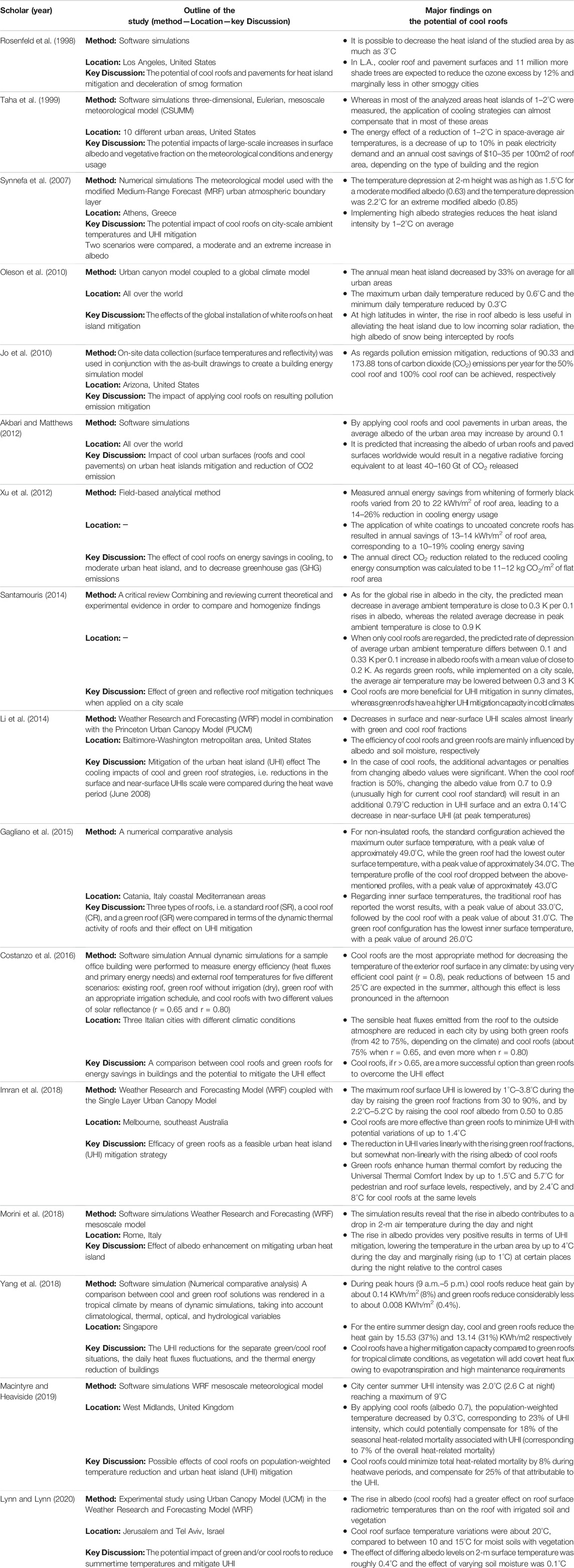
TABLE 2. A comparative report on the potential of cool roofs in terms of city scale as well as global scale, based on the main related publications (Developed by the author).
4 Result and Discussion
4.1 Elaboration of Benefits and Drawbacks
The subject of passive solar architecture covers a wide range of techniques, among which the application of solar reflective finishes for roofing systems has been of considerable interest over the last few decades. That is, there has been growing concern about the potential benefits of applying cool finishes to roof surfaces of buildings. The use of cool roofs to enhance comfort conditions and minimize energy consumption in dwellings and more commonly used buildings, such as educational, administrative, commercial, and cultural facilities, has therefore been examined in a large number of experimental and theoretical studies. As far as residential buildings are concerned, one may refer to the 1998 study by Parker et al. (1998), which carried out a series of experiments in Florida residences during the summer to measure the effect of increasing solar reflectance on space cooling loads. In the same direction, Synnefa et al. (Vickers, 2017) analyzed the effect of cool roof coatings on cooling and heating loads and the indoor thermal comfort conditions of residential buildings in 27 cities around the world, reflecting various climatic conditions. However, for non-residential buildings, Akbari et al. (2005) monitored the impact of cool roofs on energy usage and environmental parameters in six California buildings at three separate locations. In the same direction, Romeo and Zinzi (2013) recorded the results of a large application in an office/laboratory building belonging to a school campus in Trapani, the location that enjoys Mediterranean climate on the west coast of Sicily in Italy.
Cool roofs have an outer surface covered with specific materials that are capable of minimizing solar absorption and maximizing thermal emittance. Therefore, they are able to sustain lower surface temperatures and minimize the heat transfer to the building. In particular, solar absorption is reduced by increasing the solar reflectance of the roof, defined as a fraction of the solar radiation that is diffusely reflected away from the surface (Testa and Krarti, 2017).
Principally, the benefits of adding cool materials to roofs derive from their ability to reduce the surface temperature. In general, the advantages of cool roofs can be regarded on a building, city, and global scale. At the building scale, the use of cooling materials decreases the usage of cooling energy and the peak energy demand for ventilation, since less heat is transmitted from the cooler roof to the building (Santamouris et al., 2011). The energy performance of cool roofs and their ability to provide thermal comfort in residential and non-residential buildings have been the subject of both experimental and numerical studies.
In addition, the heating penalty for this measure is also considered in a variety of papers. While a cool roof can reduce the cooling load of the building during warm months, it can unfortunately raise the heating load in cool months, thereby reducing its overall efficiency (Testa and Krarti, 2017). That is, though applying cool roofs can help decrease cooling loads in warm climates, the same cool roofs with high solar reflectance can also increase thermal heating loads and energy consumption in buildings during heating seasons, particularly in colder climates (Akbari and Levinson, 2008). In the same vein, based on EPA reports, this rise is much less significant than the concomitant decrease in cooling load, resulting in positive net savings in warm/moderate climate conditions. This is supported by the reason that, during the winter, the sun is far lower in the sky and the solar radiation on the horizontal surface is less severe. Hence, there is a greater risk of overcast clouds and less solar efficiency (fewer hours of sunshine) meaning that less overall energy falls on the earth to be stored or transmitted over the same amount of time as during the summer.
A thorough understanding of the energy performance of cool roofs requires a review of the related research, a summary of the findings, and an analogy between them. Haberl and Cho (Haberl et al., 2004) have arguably made one of the most noteworthy attempts in this respect, as they provide a relatively extensive review study on the energy efficiency of cool roofs based on seventy-two articles, although today it can somehow be regarded not to be state-of-the-art. Their findings, however exclusively for typical US buildings, revealed that cooling energy savings in residential and commercial buildings ranged from 2 to 44% and averaged around 20%; in addition, peak cooling energy savings from cooling roofs ranged from 3 to 35%, depending on the level of ceiling insulation, duct placement, and attic configuration. Although their approach could be insightful, their research is not only somehow outdated today, but also limited to a certain location and climatic condition. However, in order to provide a more inclusive and state-of-the-art analysis of the energy performance of cool roofs on a building scale, a review of the most relevant studies of different climatic conditions across the past 2 decades has been reported in Table 3, including their basic principles and major findings.
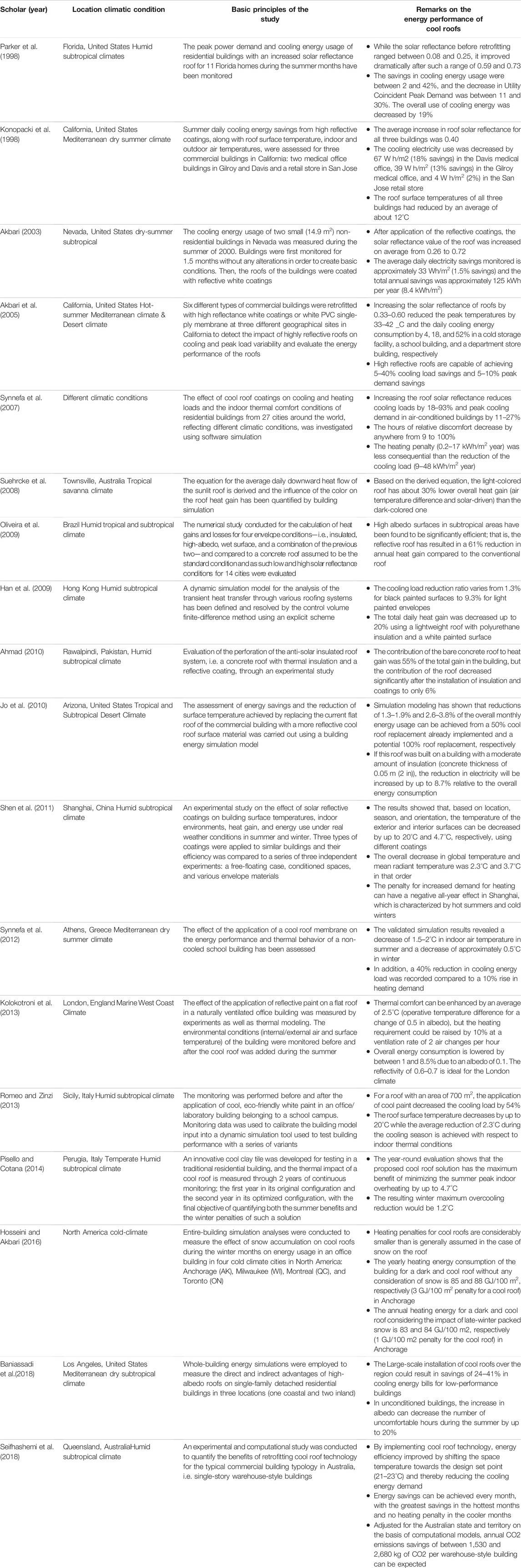
TABLE 3. A summarized review of the energy performance of cool roofs at the building scale on the basis of main related publications (Developed by the author).
The application of cool coatings on the roof not only enhances their thermal efficiency but also decreases thermal stress, which helps to extend the life of the roof and minimize the cost of roof maintenance. As a matter of theory, material deterioration is consistent with chemical reactions that proceed quicker with higher temperatures, as cool materials lower the surface temperature, they retard destructive reactions within the roofing materials. Besides, extreme thermal variations have significant damaging effects on roofing materials, and thus, as cool coatings mitigate these changes, the service life of roofs is extended. In a study conducted by Gagliano et al. (2015), a comparison was made between three different roofs, i.e. standard, cool and green roofs, in two scenarios as insulated and without insulation in terms of their dynamic thermal behavior. As their findings revealed (Gagliano et al., 2015), although the cool roof has not shown the capability of the green roof to mitigate thermal variations between the outer and inner surfaces of the roofs, this technology can reduce the outer surface temperature by up to 7°C compared to the standard case.
However, as has been pointed out, the benefits of cool roofs are not limited to building scale, as they have a considerable impact on the neighborhood and city scale and as a consequence on the global environment. Materials utilized in building envelopes and urban structures play an essential role in the urban thermal balance. They absorb solar and infrared radiation and dissipate part of the stored heat into the environment by convective and radiative processes that raise the atmospheric temperature. On a city scale, this effect leads to a rise in urban air temperature, namely the well-known phenomenon regarded as the Urban Heat Island (UHI) effect. This is characterized as the increase in air temperature in densely developed areas with respect to the surrounding countryside, and its major driver is the alteration of the land surface in the urban area, where the vegetation is substituted by paved roads and building surfaces (Costanzo et al., 2016).
As discussed in a variety of studies (Table 4), the application of cool materials on urban surfaces avoids the urban heat island effect (UHI) and slows down the smog formation by minimizing local air temperature. The advantages of cool pavements are due to the fact that raising the solar reflectance of the ground surface makes it cooler under the sun, decreases the convection of heat from the pavement to the air, and thus reduces the temperature of the surrounding atmosphere. In effect, City-scale use of cooling materials will theoretically minimize air pollution, both directly and indirectly. As (Rosenfeld et al., 1998) have clarified, the direct reduction in air pollution is due to the fact that less cooling energy is used; thus, fewer pollutants from power plants, i.e. harmful gases, such as CO2 or NOx, are generated, whereas indirect reductions in air pollution indicate the fact that the ozone-forming reaction that creates smog accelerates at higher temperatures, so the possibility of smog formation is diminished at lower urban air temperatures. Moreover, as Yang et al. (2018) argued, structures, pavements, and car parks keep the heat coming from the earth from dissipating into the cool night sky. As a result, the air temperatures in UHI maintain high even throughout the night, raising the need for air conditioning and the emission of air pollution and greenhouse gasses from fossil fuel plants.
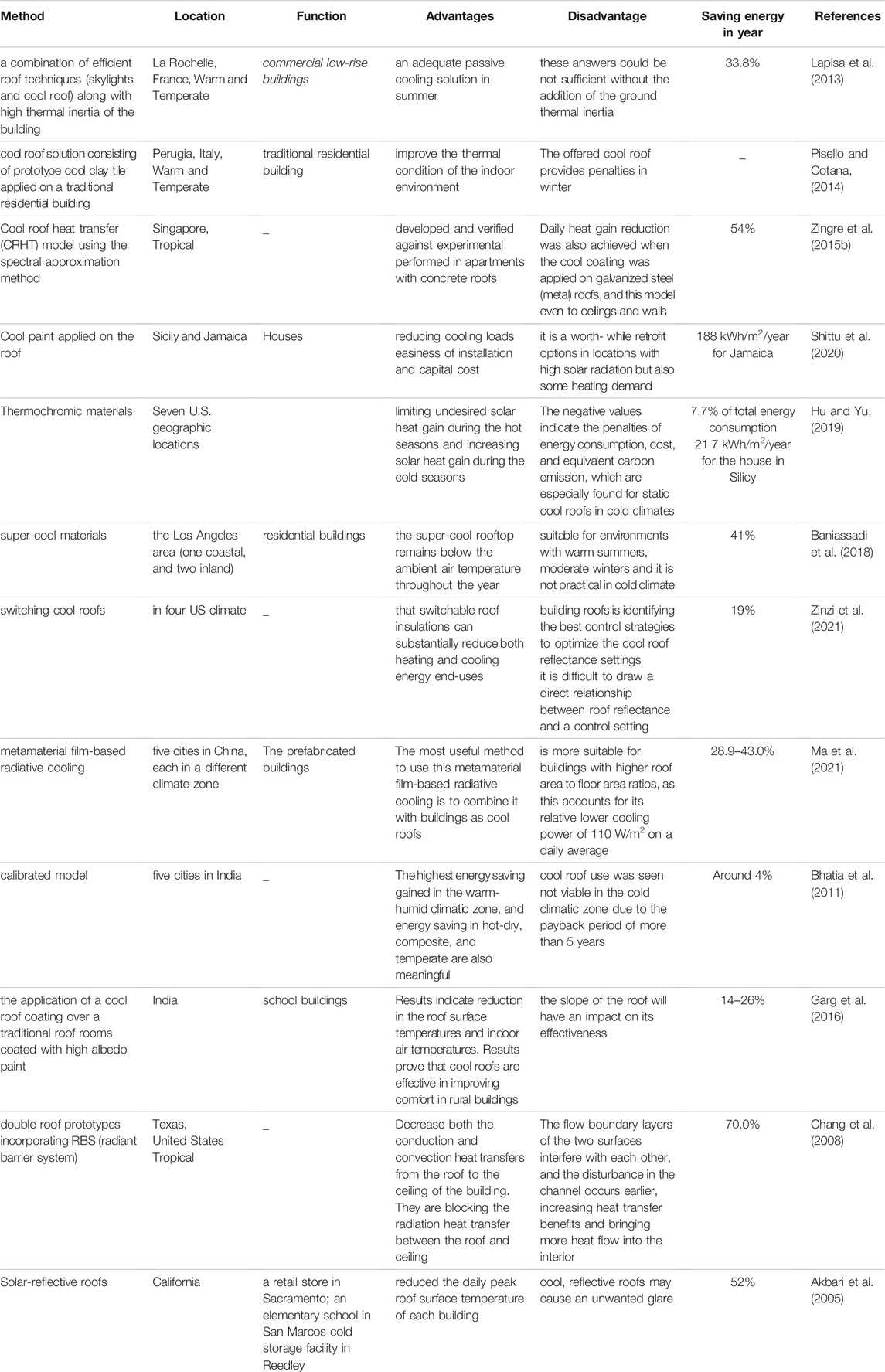
TABLE 4. Different methods of cool roof.
For the sake of brevity and clarity, a concise report on the potential of cool roofs in relation to the city scale as well as the global scale was compiled in Table 2, including the main addressed subject concerning the effect of cool roofs as well as the major results of the studies.
Apart from the benefits of cool roofs on different scales, which have been mentioned in a number of studies, there are, however, some drawbacks that have been attributed to this technology in some texts. The most important issue in this regard is the fact that, since the use of cooling materials on roofs decreases the heat gain throughout the year, they not only minimize the cooling demand but also increase the demand for heating during the cold periods. However, as is typically documented in studies on locations with relatively long hot periods, such as studies by Synnefa et al. (2012)and Pisello and Cotana (2014), the increase in heating load during cold months is not that significant compared to the decrease in cooling load. But, when it comes to areas with longer and severe cold periods, as in the study conducted by Shen et al. (2011), increased demand for heating can have a substantial negative annual impact on total energy use. Another possible adverse consequence of lower surface temperatures from inactive cool roofs is the sensitivity to condensation within the roof assembly. In cold climates with short-tempered summers, lower surface temperatures of inactive cool roofs may increase moisture in the roofing construction by reducing the drying potential and enhancing the uncertainty of interstitial concentration (MoghaddaszadehAhrab and Akbari, 2013). The cool roof payback period is short compared to other methods, which can be 2 months (Zhang et al., 2016). Cool roofs, compared with photovoltaic panel roofs and roof gardens, maintain a lower surface temperature, improving passive cooling during nighttime (Abuseif and Gou, 2018). Accurate choice of this approach is required when heating is highly needed for a building to assess its performance before implementing it on the roofs of a building and avoiding its adverse consequence on heating loads.
Furthermore, as the efficiency of cool roofs is strongly linked to their solar reflectance, the accumulation of dirt and dust might reduce their effect (Urban and Roth, 2010). Thus, in areas where there is a high potential for dust to settle on the surface, the application of cool roofs could lead to some problems over time. Moreover, considering the nature of cool surfaces with high solar reflectance, they provide intense radiation in their surroundings, which may cause visual annoyance and undesired glare, particularly during clear sunny days (Al-Obaidi et al., 2014). Consequently, their use in the vicinity of critical areas that require a clear aerial view, such as airports, is not suggested.
In order to provide an informative detailed summary of the elaborated pros and cons of the cool roofs, one of the best approaches is to provide itemized factors that correspond to the relevant codified references. It should be remembered, of course, that some of these components are not essentially independent of each other and are in a causal relationship. For instance, as cool roofs reduce heat gain, they enhance the thermal comfort of indoor spaces and thus decrease energy demand for air conditioning, which in turn helps to reduce the peak demand for electricity and has a positive effect on lower electricity bills. However, though these components are in close, casual relationships with each other, each study approached the subject from a certain viewpoint and presented its report with a focus on specific components. Ergo, for the purpose of offering a clearer and more instructive summary, they are presented as separate components in Table 5. In addition, while the majority of codified sources pertaining to each item are in the form of research articles, in a few instances, certain review studies which provide insightful information on a particular item are also included in this summary.
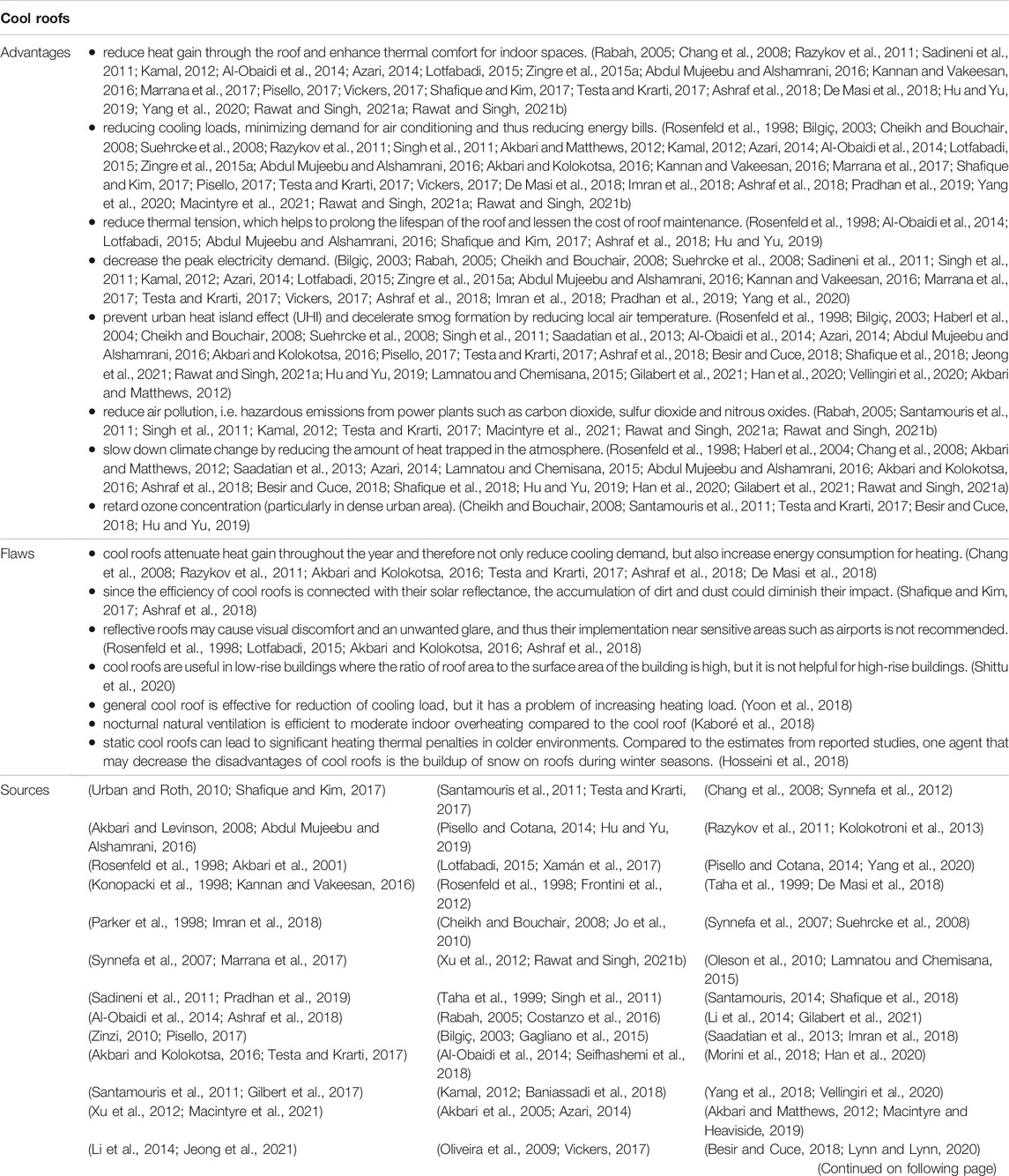
TABLE 5. Summary of the advantages and drawbacks of cool roofs through the itemization and codification of the relevant sources (Developed by Authors).
Table 4 discusses more deeply the drawbacks and limitations, and advantages of the different methods on various climate conditions.
5 Conclusion
This review paper addressed the general features and operating mechanism of cool roofs and provided a comparative report on their energy efficiency and thermal performance through an extensive review of the most relevant studies, including a wide range of experimental analyzes and computational approaches based on software simulations conducted in different types of buildings under different climatic conditions. In addition, the pros and cons of this passive technique have been explained and a detailed summary has been drawn up as the itemized factors corresponded to the codified references. The concluding remarks may be noted as follows:
- Cool roofs can be considered an efficient passive solar technique that can be implemented fairly easily for new buildings as well as for the retrofitting of existing structures.
- Their operating mechanism is based on the application of materials as a surface coating with high reflectivity as well as high emissivity, and therefore both reflective and radiative approaches that boost heat dissipation can be developed in this regard.
- The benefits of this technique can be regarded on various scales: building-scale pros, such as providing thermal comfort, increasing energy efficiency, and helping to improve roof life-span; pros at the city and global scale, such as attenuating local air temperatures and thus preventing urban heat island effects and smog formation, reducing air pollution and slowing down climate change.
- As the analyzed studies have indicated the efficiency of cool roofs depends on certain criteria, including the climatic conditions, i.e. air temperature, relevant humidity and wind direction, general layout of the building, and building envelope properties, i.e. constituent layers profile, specifically the level of insulation.
- They minimize the heat gain throughout the year, thereby helping to reduce the cooling load while at the same time increasing the heating load.
- In the case of warm and temperate climate conditions, with a considerable cooling period, positive net energy savings have often been reported, with very low penalties for winter heating.
- Cool roofs can cause considerable heat penalties during cold seasons for locations with a severe heating season and therefore have a negative impact on the overall annual energy demand.
- Although cool roofs have significant advantages for their surrounding environment, especially in the case of large applications, they are however noticeably susceptible to the accumulation of dirt and dust and may also provide undesired glare, particularly during sunny days.
- As a guideline for future studies, it can be argued that while the energy efficiency of cool roofs has been widely examined in the hot or temperate climate zone, more detailed experimental and simulation analyses need to be performed when it comes to cold and continental climatic conditions in order to investigate their thermal output i.e. the resulting heating penalty, and also the relevant compensation strategies to outperform this negative output should be developed.
Author Contributions
BA: paper draft version, data collection, paper formatting, and primary data analysis. MY: conceptualization, final editing, validating, data analysis. MB: general supervision. BV: paper revisions-supplementary data analysis-data analysis.
Conflict of Interest
The authors declare that the research was conducted in the absence of any commercial or financial relationships that could be construed as a potential conflict of interest.
Publisher’s Note
All claims expressed in this article are solely those of the authors and do not necessarily represent those of their affiliated organizations, or those of the publisher, the editors and the reviewers. Any product that may be evaluated in this article, or claim that may be made by its manufacturer, is not guaranteed or endorsed by the publisher.
References
Abdul Mujeebu, M., and Alshamrani, O. S. (2016). Prospects of Energy Conservation and Management in Buildings - the Saudi Arabian Scenario versus Global Trends. Renew. Sust. Energ. Rev. 58, 1647–1663. doi:10.1016/j.rser.2015.12.327
Abuseif, M., and Gou, Z. (2018). A Review of Roofing Methods: Construction Features, Heat Reduction, Payback Period and Climatic Responsiveness. Energies 11 (11), 3196. doi:10.3390/en11113196
Ahmad, I. (2010). Performance of Antisolar Insulated Roof System. Renew. Energ. 35 (1), 36–41. doi:10.1016/j.renene.2009.07.022
Akbari, H., and Kolokotsa, D. (2016). Three Decades of Urban Heat Islands and Mitigation Technologies Research. Energy and Buildings 133, 834–842. doi:10.1016/j.enbuild.2016.09.067
Akbari, H., and Levinson, R. (2008). Evolution of Cool-Roof Standards in the US. Adv. building Energ. Res. 2 (1), 1–32. doi:10.3763/aber.2008.0201
Akbari, H., Levinson, R., and Rainer, L. (2005). Monitoring the Energy-Use Effects of Cool Roofs on California Commercial Buildings. Energy and Buildings 37 (10), 1007–1016. doi:10.1016/j.enbuild.2004.11.013
Akbari, H., and Matthews, H. D. (2012). Global Cooling Updates: Reflective Roofs and Pavements. Energy and Buildings 55, 2–6. doi:10.1016/j.enbuild.2012.02.055
Akbari, H. (2003). Measured Energy Savings from the Application of Reflective Roofs in Two Small Non-residential Buildings. Energy 28 (9), 953–967. doi:10.1016/s0360-5442(03)00032-x
Akbari, H., Pomerantz, M., and Taha, H. (2001). Cool Surfaces and Shade Trees to Reduce Energy Use and Improve Air Quality in Urban Areas. Solar energy 70 (3), 295–310. doi:10.1016/s0038-092x(00)00089-x
Al-Obaidi, K. M., Ismail, M., and Abdul Rahman, A. M. (2014). Passive Cooling Techniques through Reflective and Radiative Roofs in Tropical Houses in Southeast Asia: A Literature Review. Front. Architectural Res. 3 (3), 283–297. doi:10.1016/j.foar.2014.06.002
Ashraf, B., A. Radwan, M., A. Sadek, M., and A. Elazab, H. (2018). Preparation and Characterization of Decorative and Heat Insulating Floor Tiles for Buildings Roofs. Ijet 7 (3), 1295–1298. doi:10.14419/ijet.v7i3.13177
Azari, R. (2014). Integrated Energy and Environmental Life Cycle Assessment of Office Building Envelopes. Energy and Buildings 82, 156–162. doi:10.1016/j.enbuild.2014.06.041
Baniassadi, A., Sailor, D. J., Crank, P. J., and Ban-Weiss, G. A. (2018). Direct and Indirect Effects of High-Albedo Roofs on Energy Consumption and thermal comfort of Residential Buildings. Energy and Buildings 178, 71–83. doi:10.1016/j.enbuild.2018.08.048
Besir, A. B., and Cuce, E. (2018). Green Roofs and Facades: A Comprehensive Review. Renew. Sust. Energ. Rev. 82, 915–939. doi:10.1016/j.rser.2017.09.106
Bhatia, A., Mathur, J., and Garg, V. (2011). Calibrated Simulation for Estimating Energy Savings by the Use of Cool Roof in Five Indian Climatic Zones. J. Renew. Sust. Energ. 3 (2), 023108. doi:10.1063/1.3582768
Bilgiç, S. (2003). Passive Solar Desing Strategies for Buildings: A Case Study on Improvement of an Existing Residential Building's thermal Performance by Passive Solar Design Tools. İzmir Institute of Technology.
Chang, P.-C., Chiang, C.-M., and Lai, C.-M. (2008). Development and Preliminary Evaluation of Double Roof Prototypes Incorporating RBS (Radiant Barrier System). Energy and Buildings 40 (2), 140–147. doi:10.1016/j.enbuild.2007.01.021
Cheikh, H. B., and Bouchair, A. (2008). Experimental Studies of a Passive Cooling Roof in Hot Arid Areas. Open Fuels Energ. Sci. J. 1 (1). doi:10.2174/1876973x00801010001
Costanzo, V., Evola, G., and Marletta, L. (2016). Energy Savings in Buildings or UHI Mitigation? Comparison between green Roofs and Cool Roofs. Energy and buildings 114, 247–255. doi:10.1016/j.enbuild.2015.04.053
De Masi, R. F., Ruggiero, S., and Vanoli, G. P. (2018). Acrylic white Paint of Industrial Sector for Cool Roofing Application: Experimental Investigation of Summer Behavior and Aging Problem under Mediterranean Climate. Solar Energy 169, 468–487. doi:10.1016/j.solener.2018.05.021
Frontini, F., Manfren, M., and Tagliabue, L. C. (2012). A Case Study of Solar Technologies Adoption: Criteria for BIPV Integration in Sensitive Built Environment. Energ. Proced. 30, 1006–1015. doi:10.1016/j.egypro.2012.11.113
Gagliano, A., Detommaso, M., Nocera, F., and Evola, G. (2015). A Multi-Criteria Methodology for Comparing the Energy and Environmental Behavior of Cool, green and Traditional Roofs. Building Environ. 90, 71–81. doi:10.1016/j.buildenv.2015.02.043
Garg, V., Kotharkar, R., Sathaye, J., Rallapalli, H., Kulkarni, N., Reddy, N., et al. (2016). Assessment of the Impact of Cool Roofs in Rural Buildings in India. Energy and Buildings 114, 156–163. doi:10.1016/j.enbuild.2015.06.043
Gilabert, J., Ventura, S., Segura, R., Martilli, A., Badia, A., Llasat, C., et al. (2021). Abating Heat Waves in a Coastal Mediterranean City: What Can Cool Roofs and Vegetation Contribute. Urban Clim. 37, 100863. doi:10.1016/j.uclim.2021.100863
Gilbert, H. E., Rosado, P. J., Ban-Weiss, G., Harvey, J. T., Li, H., Mandel, B. H., et al. (2017). Energy and Environmental Consequences of a Cool Pavement Campaign. Energy and buildings 157, 53–77. doi:10.1016/j.enbuild.2017.03.051
Haberl, J., Gilman, D., and Culp, C. (2004). Texas Emissions and Energy Calculator (eCALC): Documentation of Analysis Methods, Report to the TCEQ.
Han, B.-S., Baik, J.-J., Kwak, K.-H., and Park, S.-B. (2020). Effects of Cool Roofs on Turbulent Coherent Structures and Ozone Air Quality in Seoul. Atmos. Environ. 229, 117476. doi:10.1016/j.atmosenv.2020.117476
Han, J., Lu, L., and Yang, H. (2009). Investigation on the thermal Performance of Different Lightweight Roofing Structures and its Effect on Space Cooling Load. Appl. Therm. Eng. 29 (11-12), 2491–2499. doi:10.1016/j.applthermaleng.2008.12.024
Hosseini, M., and Akbari, H. (2016). Effect of Cool Roofs on Commercial Buildings Energy Use in Cold Climates. Energy and Buildings 114, 143–155. doi:10.1016/j.enbuild.2015.05.050
Hosseini, M., Tardy, F., and Lee, B. (2018). Cooling and Heating Energy Performance of a Building with a Variety of Roof Designs; the Effects of Future Weather Data in a Cold Climate. J. Building Eng. 17, 107–114. doi:10.1016/j.jobe.2018.02.001
Hu, J., and Yu, X. B. (2019). Adaptive Thermochromic Roof System: Assessment of Performance under Different Climates. Energy and Buildings 192, 1–14. doi:10.1016/j.enbuild.2019.02.040
Imran, H. M., Kala, J., Ng, A. W. M., and Muthukumaran, S. (2018). Effectiveness of green and Cool Roofs in Mitigating Urban Heat Island Effects during a Heatwave Event in the City of Melbourne in Southeast Australia. J. Clean. Prod. 197, 393–405. doi:10.1016/j.jclepro.2018.06.179
Jeong, S., Millstein, D., and Levinson, R. (2021). Modeling Potential Air Temperature Reductions Yielded by Cool Roofs and Urban Irrigation in the Kansas City Metropolitan Area. Urban Clim. 37, 100833. doi:10.1016/j.uclim.2021.100833
Jo, J. H., Carlson, J. D., Golden, J. S., and Bryan, H. (2010). An Integrated Empirical and Modeling Methodology for Analyzing Solar Reflective Roof Technologies on Commercial Buildings. Building Environ. 45 (2), 453–460. doi:10.1016/j.buildenv.2009.07.001
Kaboré, M., Bozonnet, E., Salagnac, P., and Abadie, M. (2018). Indexes for Passive Building Design in Urban Context - Indoor and Outdoor Cooling Potentials. Energy and Buildings 173, 315–325. doi:10.1016/j.enbuild.2018.05.043
Kamal, M. A. (2012). An Overview of Passive Cooling Techniques in Buildings: Design Concepts and Architectural Interventions. Acta Technica Napocensis: Civil Eng. Architecture 55 (1), 84–97.
Kannan, N., and Vakeesan, D. (2016). Solar Energy for Future World: - A Review. Renew. Sust. Energ. Rev. 62, 1092–1105. doi:10.1016/j.rser.2016.05.022
Kolokotroni, M., Gowreesunker, B. L., and Giridharan, R. (2013). Cool Roof Technology in London: An Experimental and Modelling Study. Energy and Buildings 67, 658–667. doi:10.1016/j.enbuild.2011.07.011
Konopacki, S., Gartland, L., Akbari, H., and Rainer, L. (1998). Demonstration of Energy Savings of Cool Roofs. CA: Lawrence Berkeley National Lab., Environmental Energy Technologies Div.
Lamnatou, C., and Chemisana, D. (2015). A Critical Analysis of Factors Affecting Photovoltaic-green Roof Performance. Renew. Sust. Energ. Rev. 43, 264–280. doi:10.1016/j.rser.2014.11.048
Lapisa, R., Bozonnet, E., Abadie, M. O., and Salagnac, P. (2013). Cool Roof and Ventilation Efficiency as Passive Cooling Strategies for Commercial Low-Rise Buildings - Ground thermal Inertia Impact. Adv. Building Energ. Res. 7 (2), 192–208. doi:10.1080/17512549.2013.865559
Li, D., Bou-Zeid, E., and Oppenheimer, M. (2014). The Effectiveness of Cool and green Roofs as Urban Heat Island Mitigation Strategies. Environ. Res. Lett. 9 (5), 055002. doi:10.1088/1748-9326/9/5/055002
Lotfabadi, P. (2015). Analyzing Passive Solar Strategies in the Case of High-Rise Building. Renew. Sust. Energ. Rev. 52, 1340–1353. doi:10.1016/j.rser.2015.07.189
Lynn, B. H., and Lynn, I. M. (2020). The Impact of Cool and green Roofs on Summertime Temperatures in the Cities of Jerusalem and Tel Aviv. Sci. Total Environ. 743, 140568. doi:10.1016/j.scitotenv.2020.140568
Ma, M., Zhang, K., Chen, L., and Tang, S. (2021). Analysis of the Impact of a Novel Cool Roof on Cooling Performance for a Low-Rise Prefabricated Building in China. Building Serv. Eng. Res. Tech. 42 (1), 26–44. doi:10.1177/0143624420960276
Macintyre, H. L., Heaviside, C., Cai, X., and Phalkey, R. (2021). Comparing Temperature-Related Mortality Impacts of Cool Roofs in winter and Summer in a Highly Urbanized European Region for Present and Future Climate. Environ. Int. 154, 106606. doi:10.1016/j.envint.2021.106606
Macintyre, H. L., and Heaviside, C. (2019). Potential Benefits of Cool Roofs in Reducing Heat-Related Mortality during Heatwaves in a European City. Environ. Int. 127, 430–441. doi:10.1016/j.envint.2019.02.065
Marrana, T. C., Silvestre, J. D., de Brito, J., and Gomes, R. (2017). Lifecycle Cost Analysis of Flat Roofs of Buildings. J. Constr. Eng. Manage. 143 (6), 04017014. doi:10.1061/(asce)co.1943-7862.0001290
Moghaddaszadeh Ahrab, M. A., and Akbari, H. (2013). Hygrothermal Behaviour of Flat Cool and Standard Roofs on Residential and Commercial Buildings in North America. Building Environ. 60, 1–11. doi:10.1016/j.buildenv.2012.11.003
Morini, E., Touchaei, A. G., Rossi, F., Cotana, F., and Akbari, H. (2018). Evaluation of Albedo Enhancement to Mitigate Impacts of Urban Heat Island in Rome (Italy) Using WRF Meteorological Model. Urban Clim. 24, 551–566. doi:10.1016/j.uclim.2017.08.001
Motevalian, N., and Yeganeh, M. (2020). Visually Meaningful Sustainability in National Monuments as an International Heritage. Sustain. Cities Soc. 60, 102207. doi:10.1016/j.scs.2020.102207
Norouzi, M, Yeganeh, M, and Yusaf, T . (2021). Landscape Framework for the Exploitation of Renewable Energy Resources and Potentials in Urban Scale (case study: Iran). Renew. Energy 163 (C), 300–319. doi:10.1016/j.renene.2020.08.051
Oleson, K. W., Bonan, G. B., and Feddema, J. (2010). Effects of white Roofs on Urban Temperature in a Global Climate Model. Geophys. Res. Lett. 37 (3), 1–7. doi:10.1029/2009gl042194
Oliveira, J. T., Hagishima, A., and Tanimoto, J. (2009). Estimation of Passive Cooling Efficiency for Environmental Design in Brazil. Energy and Buildings 41 (8), 809–813. doi:10.1016/j.enbuild.2009.02.006
Parker, D. S., Sherwin, J. R., Gu, L., Huang, Y. J., Konopacki, S. J., and Gartland, L. M. (1998). Measured and Simulated Performance of Reflective Roofing Systems in Residential Buildings. ASHRAE Trans. 104, 963.
Pisello, A. L., and Cotana, F. (2014). The thermal Effect of an Innovative Cool Roof on Residential Buildings in Italy: Results from Two Years of Continuous Monitoring. Energy and Buildings 69, 154–164. doi:10.1016/j.enbuild.2013.10.031
Pisello, A. L. (2017). State of the Art on the Development of Cool Coatings for Buildings and Cities. Solar Energy 144, 660–680. doi:10.1016/j.solener.2017.01.068
Pradhan, S., Al-Ghamdi, S. G., and Mackey, H. R. (2019). Greywater Recycling in Buildings Using Living walls and green Roofs: A Review of the Applicability and Challenges. Sci. Total Environ. 652, 330–344. doi:10.1016/j.scitotenv.2018.10.226
Rabah, K. (2005). Development of Energy-Efficient Passive Solar Building Design in Nicosia Cyprus. Renew. Energ. 30 (6), 937–956. doi:10.1016/j.renene.2004.09.003
Rawat, M., and Singh, R. (2021). A Study on the Comparative Review of Cool Roof thermal Performance in Various Regions. London, United Kingdom: Energy and Built Environment.
Rawat, M., and Singh, R. N. (2021). Performance Evaluation of a Cool Roof Model in Composite Climate. Mater. Today Proc. 44, 4956–4960. doi:10.1016/j.matpr.2020.12.858
Razykov, T. M., Ferekides, C. S., Morel, D., Stefanakos, E., Ullal, H. S., and Upadhyaya, H. M. (2011). Solar Photovoltaic Electricity: Current Status and Future Prospects. Solar energy 85 (8), 1580–1608. doi:10.1016/j.solener.2010.12.002
Romeo, C., and Zinzi, M. (2013). Impact of a Cool Roof Application on the Energy and comfort Performance in an Existing Non-residential Building. A Sicilian Case Study. Energy and Buildings 67, 647–657. doi:10.1016/j.enbuild.2011.07.023
Rosenfeld, A. H., Akbari, H., Romm, J. J., and Pomerantz, M. (1998). Cool Communities: Strategies for Heat Island Mitigation and Smog Reduction. Energy and buildings 28 (1), 51–62. doi:10.1016/s0378-7788(97)00063-7
Saadatian, O., Sopian, K., Salleh, E., Lim, C. H., Riffat, S., Saadatian, E., et al. (2013). A Review of Energy Aspects of green Roofs. Renew. Sustain. Energ. Rev. 23, 155–168. doi:10.1016/j.rser.2013.02.022
Sadineni, S. B., Madala, S., and Boehm, R. F. (2011). Passive Building Energy Savings: A Review of Building Envelope Components. Renew. Sustain. Energ. Rev. 15 (8), 3617–3631. doi:10.1016/j.rser.2011.07.014
Santamouris, M. (2014). Cooling the Cities - A Review of Reflective and green Roof Mitigation Technologies to Fight Heat Island and Improve comfort in Urban Environments. Solar energy 103, 682–703. doi:10.1016/j.solener.2012.07.003
Santamouris, M., Synnefa, A., and Karlessi, T. (2011). Using Advanced Cool Materials in the Urban Built Environment to Mitigate Heat Islands and Improve thermal comfort Conditions. Solar Energy 85 (12), 3085–3102. doi:10.1016/j.solener.2010.12.023
Seifhashemi, M., Capra, B. R., Milller, W., and Bell, J. (2018). The Potential for Cool Roofs to Improve the Energy Efficiency of Single Storey Warehouse-type Retail Buildings in Australia: A Simulation Case Study. Energy and Buildings 158, 1393–1403. doi:10.1016/j.enbuild.2017.11.034
Shafique, M., and Kim, R. (2017). Application of green Blue Roof to Mitigate Heat Island Phenomena and Resilient to Climate Change in Urban Areas: A Case Study from Seoul, Korea. J. Water Land Dev. doi:10.1515/jwld-2017-0032
Shafique, M., Kim, R., and Kyung-Ho, K. (2018). Green Roof for Stormwater Management in a Highly Urbanized Area: the Case of Seoul, Korea. Sustainability 10 (3), 584. doi:10.3390/su10030584
Shen, H., Tan, H., and Tzempelikos, A. (2011). The Effect of Reflective Coatings on Building Surface Temperatures, Indoor Environment and Energy Consumption—An Experimental Study. Energy and Buildings 43 (2-3), 573–580. doi:10.1016/j.enbuild.2010.10.024
Shittu, E., Stojceska, V., Gratton, P., and Kolokotroni, M. (2020). Environmental Impact of Cool Roof Paint: Case-Study of House Retrofit in Two Hot Islands. Energy and Buildings 217, 110007. doi:10.1016/j.enbuild.2020.110007
Singh, M. K., Mahapatra, S., and Atreya, S. (2011). Solar Passive Features in Vernacular Architecture of North-East India. Solar Energy 85 (9), 2011–2022. doi:10.1016/j.solener.2011.05.009
Suehrcke, H., Peterson, E. L., and Selby, N. (2008). Effect of Roof Solar Reflectance on the Building Heat Gain in a Hot Climate. Energy and Buildings 40 (12), 2224–2235. doi:10.1016/j.enbuild.2008.06.015
Synnefa, A., Saliari, M., and Santamouris, M. (2012). Experimental and Numerical Assessment of the Impact of Increased Roof Reflectance on a School Building in Athens. Energy and Buildings 55, 7–15. doi:10.1016/j.enbuild.2012.01.044
Synnefa, A., Santamouris, M., and Akbari, H. (2007). Estimating the Effect of Using Cool Coatings on Energy Loads and thermal comfort in Residential Buildings in Various Climatic Conditions. Energy and Buildings 39 (11), 1167–1174. doi:10.1016/j.enbuild.2007.01.004
Taha, H., Konopacki, S., and Gabersek, S. (1999). Impacts of Large-Scale Surface Modifications on Meteorological Conditions and Energy Use: A 10-region Modeling Study. Theor. Appl. climatology 62 (3), 175–185. doi:10.1007/s007040050082
Testa, J., and Krarti, M. (2017). A Review of Benefits and Limitations of Static and Switchable Cool Roof Systems. Renew. Sust. Energ. Rev. 77, 451–460. doi:10.1016/j.rser.2017.04.030
Urban, B., and Roth, K. (2010). Guidelines for Selecting Cool Roofs. Washington, DC: US Department of Energy.
Vellingiri, S., Dutta, P., Singh, S., Sathish, L. M., Pingle, S., and Brahmbhatt, B. (2020). Combating Climate Change-Induced Heat Stress: Assessing Cool Roofs and its Impact on the Indoor Ambient Temperature of the Households in the Urban Slums of Ahmedabad. Indian J. Occup. Environ. Med. 24 (1), 25–29. doi:10.4103/ijoem.IJOEM_120_19
Vickers, N. J. (2017). Animal Communication: When I'm Calling You, Will You Answer Too. Curr. Biol. 27 (14), R713–R715. doi:10.1016/j.cub.2017.05.064
Xamán, J., Cisneros-Carreño, J., Hernández-Pérez, I., Hernández-López, I., Aguilar-Castro, K. M., and Macias-Melo, E. V. (2017). Thermal Performance of a Hollow Block With/without Insulating and Reflective Materials for Roofing in Mexico. Appl. Therm. Eng. 123, 243–255. doi:10.1016/j.applthermaleng.2017.04.163
Xu, T., Sathaye, J., Akbari, H., Garg, V., and Tetali, S. (2012). Quantifying the Direct Benefits of Cool Roofs in an Urban Setting: Reduced Cooling Energy Use and Lowered Greenhouse Gas Emissions. Building Environ. 48, 1–6. doi:10.1016/j.buildenv.2011.08.011
Yang, F., Tian, B., Xu, L., and Huang, J. (2020). Experimental Demonstration of thermal Chameleonlike Rotators with Transformation-Invariant Metamaterials. Phys. Rev. Appl. 14 (5), 054024. doi:10.1103/physrevapplied.14.054024
Yang, J., Mohan Kumar, D. l., Pyrgou, A., Chong, A., Santamouris, M., Kolokotsa, D., et al. (2018). Green and Cool Roofs' Urban Heat Island Mitigation Potential in Tropical Climate. Solar Energy 173, 597–609. doi:10.1016/j.solener.2018.08.006
Yeganeh, M. (2015). Educating Designing an Architectural Model Based on Natural Principles and Criteria. International Conference New Perspectives in Science Education Florence, Italy.
Yeganeh, M. (2017). Intergenerational Semiotic Discourse as a Methodological Approach in Identity Transforming of Islamic Cities 2017. Revival knowl. Muslim World.
Yeganeh, M., and Kamalizadeh, M. (2018). Territorial Behaviors and Integration Between Buildings and City in Urban Public Spaces of Iran׳s Metropolises. Front. Archit. Res. 7 (4), 588–599. doi:10.1016/j.foar.2018.06.004
Yeganeh, M., Bayegi, F., and Sargazi, A. (2018). Evaluation of Environmental Quality Components on Satisfaction, Delight and Behavior Intentions of Customers (case study: Gorgan Restaurants). Am. J. Res. 2018 (5–6), 5–6. doi:10.26739/2573-5616-2018-3-2-10
Yeganeh, M. (2020). Conceptual and Theoretical Model of Integrity Between Buildings and City, 59. Sustainable Cities and Society. doi:10.1016/j.scs.2020.102205
Yoon, S. G., Yang, Y. K., Kim, T. W., Chung, M. H., and Park, J. C. (2018). Thermal Performance Test of a Phase-Change-Material Cool Roof System by a Scaled Model. Adv. Civil Eng. 2018, 2646103. doi:10.1155/2018/2646103
Zhang, Z., Tong, S., and Yu, H. (2016). Life Cycle Analysis of Cool Roof in Tropical Areas. Proced. Eng. 169, 392–399. doi:10.1016/j.proeng.2016.10.048
Zingre, K. T., Wan, M. P., Tong, S., Li, H., Chang, V. W.-C., Wong, S. K., et al. (2015). Modeling of Cool Roof Heat Transfer in Tropical Climate. Renew. Energ. 75, 210–223. doi:10.1016/j.renene.2014.09.045
Zingre, K. T., Yang, X., and Wan, M. P. (2015). Performance Analysis of Cool Roof, green Roof and thermal Insulation on a concrete Flat Roof in Tropical Climate. Texas.
Zinzi, M., Agnoli, S., Ulpiani, G., and Mattoni, B. (2021). On the Potential of Switching Cool Roofs to Optimize the thermal Response of Residential Buildings in the Mediterranean Region. Energy and Buildings 233, 110698. doi:10.1016/j.enbuild.2020.110698
Keywords: passive solar technique, solar energy, cool roof, energy efficiency, thermal performance
Citation: Ashtari B, Yeganeh M, Bemanian M and Vojdani Fakhr B (2021) A Conceptual Review of the Potential of Cool Roofs as an Effective Passive Solar Technique: Elaboration of Benefits and Drawbacks. Front. Energy Res. 9:738182. doi: 10.3389/fenrg.2021.738182
Received: 08 July 2021; Accepted: 23 September 2021;
Published: 21 October 2021.
Edited by:
Zhongyang Luo, Zhejiang University, ChinaReviewed by:
Daniel Tudor Cotfas, Transilvania University of Brașov, RomaniaRunsheng Tang, Yunnan Normal University, China
Copyright © 2021 Ashtari, Yeganeh, Bemanian and Vojdani Fakhr. This is an open-access article distributed under the terms of the Creative Commons Attribution License (CC BY). The use, distribution or reproduction in other forums is permitted, provided the original author(s) and the copyright owner(s) are credited and that the original publication in this journal is cited, in accordance with accepted academic practice. No use, distribution or reproduction is permitted which does not comply with these terms.
*Correspondence: Mansour Yeganeh, WWVnYW5laEBtb2RhcmVzLmFjLmly