 Brian J. Anderson
 Daniel W. Mueller
 Season A. Hoard
 Christina M. Sanders1
 Sanne A. M. Rijkhoff
- 1Division of Governmental Studies and Services, Washington State University, Pullman, WA, United States
- 2United States Coast Guard Academy, New London, CT, United States
- 3School of Politics, Philosophy and Public Affairs, Washington State University, Pullman, WA, United States
- 4Deparment of Social Sciences, Texas A&M University—Corpus Christi, Corpus Christi, TX, United States
Social science has an important role in aviation biofuels research, yet social science methods and approaches tend to be underdeveloped and under-utilized in the broader aviation biofuels literature and biofuels overall. Over the last 5 years, social science approaches in aviation biofuels research, particularly site-selection, have made several advances. Where early site-selection models either entirely excluded social science concepts or included only a few measurements using poor proxies, current models more accurately, and more comprehensively capture key social science concepts to better examine and predict project implementation success and long-term sustainability. Despite several studies published within the last 20 years noting the need for more empirical studies of social sustainability and improvement in incorporation of social criteria, progress has remained rather stagnant in several areas. To help move the field forward, we conduct a review of the current state of social science research in aviation biofuels with a focus on sustainability, site-selection, and public acceptance research, identifying key approaches, important developments, and research gaps and weaknesses of current approaches. While several review studies already exist, they tend to focus on a single area of biofuels such as public acceptance. By broadening our review to several areas, we are able to identify several common limitations across these areas that contribute to the continued underutilization of social science approaches in aviation biofuels. This includes the preference for practical and reliable indicators for social criteria that prioritize quantitative methods over other approaches. Based on these limitations, we make several recommendations to improve social science research in aviation biofuels, including ensuring that social scientists are key members of the research team, the adoption of a mixed-methods research designs that combines quantitative and qualitative approaches that better measure some criteria and local-level impacts, and adequate resources for social science research throughout biofuel development projects as these methods are often more time-consuming and costly to implement. We argue that implementing these recommendations in future aviation biofuel development projects will improve social science approaches utilized in aviation biofuels research and address a long-acknowledged gap in the field.
1 Introduction
The social sciences have much to contribute to aviation biofuels development, the broader literature and research in sustainability, and expertise in the effective and appropriate use of social science research and methodology, such as survey design, implementation, and analysis. Despite this importance, social science research in the field continues to be undervalued, underdeveloped, underrepresented or, at times, ignored across the literature, especially in empirical studies. While there has been improvement in recent studies, inclusion of social science considerations in empirical sustainable aviation fuel research is still in its early stages. Social science aspects, when employed, can play an important role in helping assess potential for acceptance of biofuel-related projects (Marciano et al., 2014; Ahmad and Xu, 2019; Segreto et al., 2020), provide the opportunity to more fully assess community capacity to sustain biofuel facilities (See Martinkus et al., 2017; Rijkhoff et al., 2017; Martinkus et al., 2019; Mueller et al., 2020; Rijkhoff et al., 2021), and more fully understand the sustainability of biofuel supply chains (See Wang et al., 2017; Pashaei Kamali et al., 2018; Wang et al., 2019).
Despite these advancements, there are several limitations to the application of social science research and methodologies in biofuels development. Part of the issue is the preference for accessible and reliable quantitative measures, especially in frameworks that attempt to combine environmental, economic, and social sustainability criteria. As many important social sustainability criteria are not easily accessible without additional, often qualitative research, this preference leads to similar social criteria with questionable validity being employed. To be sure, social science has made important contributions in the field of biofuel development, but this work has much less prominence, less resources are committed to social aspects of biofuel development and sustainability, and ultimately, the consequence is that the understanding of social costs and benefits of biofuel development are lacking, especially at the local level.
As more public and private attention and funding is being devoted to aviation biofuels research globally, this is an ideal time to address social science research gaps in the field. To facilitate this process, a review of social science research was conducted in three broad areas of aviation biofuels research, sustainability, site-selection, and public acceptance. Social science research and methodologies clearly exist outside these three broad areas; however, much theoretical and empirical social science work in the field is focused on these aspects of aviation biofuels development; thus, addressing gaps in these areas has the potential to move the field forward significantly. While several good reviews of research in social sustainability, social criteria, and site-selection exist (See Vallance et al., 2011; Kurka and Blackwood 2013; Pashaei Kamali et al., 2018; Gnansounou and Alves 2019b), these studies focus on biofuels in general, or on one aspect of aviation biofuels development research, such as sustainability or site-selection, and do not attempt or only cursorily examine larger trends across different areas of the broader development literature. This broader focus allows for identification of common limitations and issues in the way social science research and methods are applied in aviation biofuels research and assertion of specific policy and practical recommendations to address these gaps and limitations. One of the best methods for improving social science research and outcomes is to ensure that every biofuel development project is required to have a social science research team that is staffed with actual social scientists, with a variety of methods backgrounds, that this team is equal to other counterparts in the project (as evidenced by at least one member being a Co-PI), and that the team is adequately funded to conduct long-term social science research at both the national, regional and local level throughout the duration of the project.
We also argue an important area for future improvement, no matter the area of research, is more truly mixed-methods research that combines quantitative and qualitative measures, especially at the local level. While we acknowledge that quantitative methods that combine social, economic and environmental criteria, especially in initial stages, are important, more resources need to be available in all stages of biofuel development to collect local level social measures through both quantitative and qualitative methods. Without this, the full impact of aviation biofuel development, and ultimately the sustainability of this development for current and future generations cannot be assessed.
This article is organized as follows. First, we provide an explanation of our review methodology, followed by a review of social sustainability, especially empirical social sustainability research focusing on appropriate social criteria, identifying current trends, and limitations. Next, we examine combined framework and models used in aviation biofuels research for site-selection and life-cycle social sustainability research. The literature on public acceptance of aviation biofuels is then discussed as well as ways to improve these studies through engagement with the broader biofuels acceptance literature. Lastly, based on shared limitations of social science research in empirical studies across these three broad areas, recommendations are provided for improvement of interdisciplinary research and engagement with the social sciences to more fully evaluate aviation biofuel development.
2 Review Methodology
This review focuses on social science applications in aviation biofuels research with specific attention to empirical studies that utilize social science methods and techniques, either wholly or in part. Our aim is to identify how social science has been incorporated into current and past empirical aviation biofuels research. This review is less concerned with conceptual issues and perspectives as many strong reviews, especially in sustainability, already address these issues, and makes empirical applications its central focus. As such, we identified three key areas in aviation biofuels research that constitute much of the social science empirical research currently being used in the field, sustainability, site-selection with a specific attention to combined frameworks and modeling, and public acceptance. The analytical focus on these areas allows us to capture and examine a wide variety of empirical studies across aviation biofuels, identify commonalities in how social science research and methodologies are currently applied, and highlight critical areas for improvement. Based on this, we make recommendations for strengthening social science applications in the future across a vast array of empirical studies, specifically in studies concerning aviation biofuel.
3 Sustainability
An important concept in research on aviation biofuel is sustainability. However, it is often unclear what is meant precisely with this word, which leads to challenges of measuring sustainability and thus makes it difficult to provide evidence of said sustainability in projects. Generally, sustainability is viewed as a balance and trade-off between environmental sustainability, economic sustainability, and social sustainability. This three-pillar approach of sustainability has been conceptualized in several ways, among which interconnected pillars (Basiago 1995; Moldan et al., 2012), dimensions (Stirling, 1999; Mori and Christodoulou, 2012); components (Du and Jacobus, 2006; Zijp et al., 2015). Popular depictions of the model include venn diagrams, concentric circles, and pillars where sustainability is identified in the overlap between components or supported by the three separate pillars. This approach, while still prominent in the sustainability literature, has been criticized for being under-theorized and for over-simplified depictions that obfuscate the meaning of sustainability, leading to inconsistent operationalization, and hindering understanding of the overall concept (Thompson, 1995; Purvis et al., 2019).
This three-component approach also dominates the biofuels sustainability research, and variations of this approach are present in several public and private biofuel certification schemes. Among the three components, social sustainability is particularly difficult to define, and across sustainably literatures there are various interpretations of the concept. These definitions are often based, at least partially, upon the definition of sustainable development in the Brundtland Report, which defined sustainability as “development that meets the needs of the present without compromising the ability of future definitions to meet their own needs” (Brundtland, 1987, p. 40). As a whole, social sustainability conceptualization and operationalization tends to focus on social equality across several dimensions, including economic, gender, educational, health, and cultural equality (Moldan et al., 2012), but even this generalization oversimplifies the plethora of conceptual and empirical studies that attempt to examine social sustainability in different ways. This conceptual muddle leads to various typologies and dimensions for social sustainability that can contribute to further confusion (See Foladori 2005; Vallance et al., 2011; Åhman 2013). Put simply, the definition of social sustainability is still being developed and there is not one generally accepted definition or operationalization of this concept.
In their review of sustainability literature, Vallance et al. (2011) distinguish between three types of social sustainability: developmental social sustainability, bridge social sustainability, and maintenance social sustainability. Developmental social sustainability is rooted in the definition of development found in the previously mentioned Brundtland Report, and focuses on needs met through economic development, and tends to assume positive social outcomes from this development. According to the authors, “it captures the essence of a much larger construct that attempts to address both tangible and less tangible necessities for life which, in turn, was seen to depend on reviving growth; changing the quality of growth; meeting essential needs for jobs, food, energy, water, and sanitation…” (p. 343). This literature focuses on sustainability in addressing basic, physical needs (McKenzie, 2004; Dudziak 2007), and examining equity in access to services, education and other factors that threaten society in the long term (Campbell 1996; Partridge 2005). Bridge social sustainability is less anthropocentric and focuses on the needs of the biophysical environment, while maintaining social sustainability “speaks to traditions, practices, preferences and places people would like to see maintained (sustained) or improved” (Vallance et al., 2011, p. 345). These types of sustainability conflict cause confusion as the needs of the people (developmental) conflict with their desires (maintenance) and the needs of the environment (bridge) (Vallance et al., 2011). Additionally, conflict occurs when you examine whose needs are being met (as these needs are rarely met across groups of people), or whether maintenance of some resources actually harms other resources and groups.
While Vallance et al. (2011) framework is referenced in more studies, it is not the only framework or typology which tends to produce additional confusion. Åhman (2013) examines the many theoretical frameworks that exist in the social sustainability literature, including Vallance et al. (2011), and differentiates between several themes: basic needs and equity, education, quality of life, social capital, social cohesion, integration and diversity, sense of place development/maintenance, and others. The author argues for a larger “polemic structure” based on similarities across the different frameworks and themes that helps us better understand the concept “as a construct entailing value statements and scientific methods as well as cultural, political, and economic positions” (p. 1163). Because the conceptualization of social sustainability is complex and contentious, it should be no surprise that social indicators are equally contentious; scientists in a variety of disciplines have debated appropriate indicators.
Similar to issues with conceptualization, the operationalization of social sustainability is problematic. In terms of empirical research, social sustainability receives much less attention than both the environmental and economic pillars in biofuel sustainability research (See Demirbas 2004; Cherubini et al., 2009; Acquaye et al., 2011; Clarens et al., 2011). In fact, several recent studies continue to examine sustainability without including social aspects or only focus on economic viability (See Diniz et al., 2018; Resurreccion et al., 2021). When social sustainability is included, it tends to focus on a developmental perspective and more specifically basic needs.
Additionally, while several key certification schemes include social sustainability aspects, the extent to which it is addressed and whether it is included in monitoring and reporting standards varies (Scarlet and Dallemand 2011; de Man and German, 2017). For instance, EU-RED (European Union’s Renewable Directive 2009/28/EC) does not include social sustainability criteria, instead relegating aspects of social sustainability to biennial reporting mechanisms (See de Man and German 2017). Not only is this problematic from a theoretical standpoint, as one of the necessary pillars for overall sustainability is ignored or insufficiently examined, but the cumulative evidence from several biofuel-related projects illustrates that “costs and benefits are unevenly distributed within and between communities, with consequences for the ways in which social, economic, and environmental impacts are experienced” (Hodbod and Julia, 2013). As a result, only certain actors are better positioned to capitalize on biofuel production opportunities and poverty reduction in rural areas is not guaranteed with biofuel expansion (Hodbod and Julia, 2013). Correa et al. (2019) make several recommendations for implementing sustainable biofuel production systems and call for “rigorous assessments that integrate socioeconomic and environmental objectives at local, regional, and global scales”. Despite these calls, local level analysis is still lacking.
Social sustainability has received more attention in the last 20 years; however, conceptual studies far outweigh empirical analysis in biofuels sustainability research (See Pashaei Kamali et al., 2018; Gnansounou and Alves 2019b). Among empirical studies, few have included social sustainability criteria in a broader attempt to identify appropriate indicators for biofuel sustainability evaluations, often using systematic literature reviews to identify potential indicators and expert surveys or stakeholder engagement to rank potential indicators according to their relevance (relevance of criteria to system sustainability), practicality (existence of measurements, data availability, data costs), reliability (reliability/reproducibility of available data), importance (importance of criteria for assessing sustainability of system), and other metrics (See Buchholz et al., 2009; Kurka and Blackwood 2013; Pashaei Kamali et al., 2018).
Surveys are increasingly used in aviation biofuels in a variety of ways, including but not limited to assessing public opinion and support, identifying sustainability criteria, evaluating the impact of noise on health of populations, and stakeholder engagement. While several technological developments have made surveys more accessible to researchers, limited prior experience with survey methodology can lead to surveys with questionable reliability, validity, and at times improper analysis and generalization. A good source for those interested in using survey methodology is Dillman et al. (2014) which covers design and implementation of phone, mail, and online surveys.
Studies ranking sustainability criteria have used both survey methodology and stakeholder engagement but conclusion drawn are problematic given their sample sizes, questions, and analysis. For instance, when social, environmental, and economic criteria were ranked together, social criteria were ranked lower across dimensions and often had the most disagreement across experts (Buchholz et al., 2009; Kurka and Blackwood 2013). Additionally, where several social criteria were ranked highly in relevance, especially local level factors such as standard of living, they often performed poorly in reliability, practicality, and importance. Social criteria were also rated significantly differently between industrialized and non-industrialized countries (Buchholz et al., 2009). In their recommendations, Buchholz et al. (2009) did not rule out any criteria, instead recommending more engagement to identify the top third criteria for assessment. In contrast, Kurka and Blackwood (2013), based on feedback from experts, narrowed their list to the following two social criteria: regional job creation (created jobs/kWh for plants and supply chains) and regional food security (the percentage of total productive land use change in favour of energy crop plantation).
It is concerning that Kurka and Blackwood chose to narrow the list of social criteria based on results of their survey of experts. First, Bussholz et al. (2009) had 46 global bioenergy experts respond to their survey while Kurka and Blackwood had only 13 total regional participants in their stakeholder forum. Both these sample sizes necessitate limited generalization and caution, and do not support making any preliminary decisions regarding these criteria. Additionally, these surveys used non-probability sampling, which makes sense given the sample size, which further limits any inferences to the larger population of biofuels experts. Both studies also provide limited background on their participants, stressing their expertise either regionally or globally in biofuels. Kurka and Blackwood (2013) do state they used non proportional quota sample to get a balance of participants from the following backgrounds: “local authorities, the regulative body, the business support agency, environmental protection, harvesting and supply, sawmilling, bioenergy production, agriculture, forestry, and waste management”. Based on the information given, it is unlikely that social science experts were included in either study, or at least had very limited participation in ranking criteria. This would bias results of the ranking exercises as it is unclear that those with different backgrounds would have the expertise to effectively rank these criteria.
In their assessment of the literature, Pashaei Kamali et al. (2018) only included social criteria stating that the social dimension of sustainability is far less developed than environmental and economic dimensions. These authors argue that in order to assess social performance of biofuel supply chains, relevant social and governance issues must be identified, which should be done through case studies rather than attempting to create a static framework and indicators (see also Wang et al., 2017, Wang et al., 2019). Through a case-study of the sugarcane biojet fuel supply chain in Brazil, these authors included biofuel sector experts’ evaluations of social and governance issues found in a systematic literature review according to their relevance, practicality, reliability, importance, and simplicity. They found a high level of agreement between the literature review (factors examined by studies) and the sector experts, with the most practical factors included in more empirical studies. For instance, while human health and safety was identified as the most important and relevant issue, it was not rated as highly in practicality, reliability or simplicity, and was only included in one empirical study. In contrast, employment was rated most practical which may be why so many studies include it in social criteria metrics. The authors found that social cohesion and cultural diversity had the lowest rankings across all dimensions by experts and were addressed in no empirical studies. There was also a high-level of support for including human health and safety, labor rights, and social development in certification schemes for Brazil biojet fuel supply, but practicality and reliability hinder their inclusion and implementation which lead the authors to argue that “improvement in measurement and data collection of these issues should be pursued urgently” (Pashaei Kamali et al., 2018).
While the authors’ focus on social criteria is laudable and much needed, it is important to note that this study has a relatively small sample size as well (39 valid responses) and the extent of participation of social scientists is unclear. The authors identified five “expert groups” among their sample: academia, consultancy, certification body, government, and non-profit. While some of their academic experts, consultancies, and non-profits may have social science expertise, this is not guaranteed and information to effectively evaluate whether this expertise is present is not provided. At a minimum, better background information needs to be provided in order to determine their ability to fully assess social factors. Studies examining social criteria need to include social science experts in the field. The higher percentage of “no opinion” responses for several social criteria suggest the participants did not have expertise to rank these options. Social science experts, particularly at a regional and local level, are necessary to fully assess these criteria and have better knowledge of what is currently available. These studies are essential for identifying criteria that can accurately assess sustainability and present the perfect opportunity to more fully engage social scientists in sustainability research. We also note some concerns with the questionnaire used that may impact how respondents answered questions. It is not always easy to obtain the survey questionnaire used in published research but access to the survey questionnaire is essential to fully evaluate the methodology and results. First, some questions utilized in the Pashaei Kamali et al. (2018) study may have potentially biased survey responses through question wording, such as using “more relevant” rather than rate the relevance of the following options. Second, some definitions provided may be unclear for some participants. Third, some factors ranked need more explanation to ensure they are interpreted by respondents the same way and in the way the researchers intended. Lastly, often the survey response options did not match the question and the scales should have been better balanced. For instance, for reliability, survey respondents were asked: “which issues do you consider reliable to in jet biofuel supply chain from ethanol? [sic]” Not only is question wording confusing, but the response options were actually the least important, very unimportant, neither important nor unimportant, very important, the most important and I don’t know. It is curious that the authors chose not to include just important as a response option for a more balanced scale. In future iterations, a seven point Likert scale could be used for more nuanced analysis (although more respondents would be required). Based on the questionnaire we would make several revisions to the survey instrument for more reliable and valid results.
The importance of including social scientists to improve social sustainability research has been noted (see Vallance et al., 2011), yet adequate participation of social scientists seems to be lacking even in more recent studies. Several issues lead to the subjugation of social sustainability and social concerns with limited improvement in measurements used in most empirical studies. First, while the preference for both practical and reliable criteria is understandable in terms of ease of access, use, and comparability across cases, it also preferences quantitative data over other methods. This is problematic as data for many social issues, particularly at the local level, are not widely available and often qualitative. Reliability and practicality does not mean these are valid measurements of the concepts in question. The preference of practical and reliable criteria therefore not only ignores data that may better reflect these concerns and issues but can encourage empirical studies to leave social criteria out altogether. Ultimately, this leads to data driven studies instead of theory informed research.
Second, as noted, the preference for this convenient data can prevent accurate and reliable analysis of social concerns at a local level. Even studies conducting case-study analysis (e.g. Kurka and Blackwood 2013; Pashaei Kamali et al., 2018), do not effectively address these concerns of confusing levels of analysis as regional and local level concerns are not included. The use of national-level data can obfuscate the consequences of biofuel development at the local level. Unfortunately, the preference for reliable and practical quantitative measures encourages a lack of study at a more localized level, or at the very least, incomplete studies with limited quantitative data. Hodbod and Julia, (2013) reviewed the social sustainability analysis of supply chains and found a lack of studies at the local level. In fact, they argue that even studies that include sustainability experts tend to focus on national or even more often, on international effects. Lacking the inclusion of experts at the local level overlooks the detrimental effects of sustainable development at this level (Hodbod and Julia, 2013), which is a significant issue. Based on our evaluation of the methods utilized in these studies and the conclusion drawn, we would also recommend that social science experts with experience in survey methodology be included in this work. Not only should they be present in the review process for published studies but their experience in this field is necessary for improvement of these methods and the conclusion drawn.
While social indicators are often ignored or undervalued, there are at least some contributions to biofuel research that have attempted to include social metrics in more holistic analyses. Much of this progress is occurring in combining social metrics in broader modeling. This approach still tends to rely on quantitative data and may not be able to perfectly capture local conditions in communities where biofuel supply chains are emerging, but it does indicate a genuine attempt by researchers to pay more attention to social metrics and include them when assessing the overall sustainability of a biofuel supply chain. In the next section, these contributions are explored.
4 Combined Frameworks and Modeling
One important way the social sciences have contributed to aviation biofuels research is through the development of combined frameworks and modeling to assess sustainability of biofuel supply chains and biorefinery site selection. These approaches attempt to blend traditional indicators of success for biofuel supply chains, such as available feedstocks, infrastructure, economic factors, etc., with often overlooked social indicators that are just as important to determining the viability of these supply chains. Given that most of these attempts rely on quantitative data, the preference is to use quantitative indicators of social sustainability as well which is in conflict with the more appropriate qualitative approach of measuring social science sets. However, despite the combined modeling approach still cannot capture all important social data in a given community, it marks a significant departure from the total omission of social metrics in previous biofuel research.
One major approach utilizing social assets includes the life cycle sustainability assessment (LCSA or LCA), which is a tool designed to assess the environmental, economic, and social sustainability of a biofuel production chain by calculating the impact of the product from feedstock to end user (Fokaides and Christoforou 2016). LCSA has existed for several decades but has only recently been applied to biofuel production as biofuels emerge as an important tool in the fight against climate change. An early study by Markevičius et al. (2010) developed several metrics for sustainability popular in the literature at the time including 15 social metrics (out of 35 total). These include, for example, cultural acceptability within communities, working conditions, and food security for social metrics, among others. However, when the authors asked biofuel experts to rank the most important sustainability metrics in terms of their relevance, practicality, reliability, and importance to biofuel production, social metrics were consistently ranked low in all four attributes, reflecting the inattentiveness of biofuels experts to social sustainability metrics, and the lack of social science participation in these ranking studies.
Collotta et al. (2019) reviewed 60 LCSA studies that examined sustainability at various stages in the biofuel production chain and found that only a handful were attentive to social factors related to biofuel production, including social well-being, and social impacts to farmers and communities where biofuels are produced and refined. This study, completed almost 10 years after the research by Markevičius et al. (2010), reveals, as detailed earlier, that most research on biofuels ignores social factors, even though they are understood to be an equally important part of the three-pillar approach to sustainability. In fact, of the few studies that Collotta et al. (2019) determined to be focused on social factors, most only focused on economic impacts of biofuel production related to revenues, while the remainder explored more nuanced social perspectives, such as the role that social contexts and stakeholder values play in sustainability assessments (Ekener et al., 2018), and how socioeconomic contexts of the societies in which biofuels are produced can cause impacts of biofuel production to be positive in some communities and negative in others (Ekener-Petersen et al., 2014; Ribeiro and Quintanilla 2015). Another comprehensive study of biofuel LCSAs completed since 2008 supported the findings of Collotta et al. (2019), finding that while social indicators were examined in many analyses, of the over 100 analyses indexed, “the main [social] indicator used is employment, and in many analyses, this is the only indicator considered” (Visentin et al., 2020). This is in line with the previously mentioned study by Pashaei Kamali et al. (2018) which shows that within a decade, biofuel experts have made progress in recognizing the importance of social metrics. However, in practice, these metrics are still excluded due to issues with the practicality and ease of including them in quantitative models. Thus, social science is not only overlooked in the more general sustainability analyses in aviation biofuel research, but there is also still a significant lack of the use of proper metrics in the more specialized combined approach of for instance the life cycle sustainability assessments.
While it is clear that social factors of sustainability remain sidelined in the great bulk of biofuel LCSAs, these more nuanced approaches to sustainability assessments of biofuel supply chains remain important. By bringing attention to important social factors that can determine not only whether supply chains are economically viable, but also whether biofuel production can bring long-lasting positive social effects to the communities where production takes place, LCSAs have the potential to enhance our understanding of the viability of biofuel production. As noted by Lan et al. (2020), “the conflicts and relationships between stakeholders at varied scales and levels in [biofuel supply chains (BSC)] need a better understanding to support effective BSC design at an early stage”. This suggests that a major challenge to the development of biofuel supply chains and the research associated with them is the dearth of social science research that assesses stakeholder relationship and other social factors associated with biofuel production. The analysis by Visentin et al. (2020) also reflects this, revealing that only a handful of the more than 100 LCSAs completed in the last decade or so focused on social factors like supplier relations or community involvement beyond merely employment.
The need for more social science research and the greater attention to social factors that the social sciences have brought to biofuel production chains have resulted in the creation of social life cycle assessments (SLCA), which are variations of life cycle assessments that attempt to include more social factors when assessing biofuel production. While these assessments would also be considered a form of LCSA, SLCAs emphasize the social elements of sustainability in ways that LCSAs have ignored. International guidelines, developed by the United Nations Environmental Programme, for how to undertake SLCAs have been around for over a decade (UNEP, 2009). Since then, several studies have attempted to use SLCAs in the area of biofuel production, to great success. Gnansounou and Alves (2019b) note that SLCA is still a relatively new technique without standardization in tools and data. They also discuss biases that result from the information collected. However, it should be noted that social scientists are trained to deal with many of the issues they discussed showing the importance of including social scientists when attempting to include social aspects in these frameworks. Mattioda et al. (2020) also note that while SLCA is not standardized, it can be used across multiple different sectors to develop a much more holistic assessment of any production supply chain. The authors provide nine examples of SLCA being used in biofuel production, all of which pay special attention to how biofuels affect various stakeholders, workers in the biofuel industry, and community and societal effects of biofuel production (Mattioda et al., 2020). This focus helps bring more empirical attention to the question of social sustainability and is important for moving both conceptual and empirical work on social sustainability forward.
While SLCAs attempt to provide a more broad and holistic picture of a biofuel supply chain, from feedstock to end-user, many scholars have also narrowed in on specific stages of biofuel production, utilizing social science research to enhance our understanding of every step of the biofuel supply chain. One example of this is biorefinery site selection, a process that relies on numerous biogeophysical indicators to find the most optimal location to build a biorefinery. These indicators can include distance to feedstock supplies, the presence of nearby highway and railway infrastructure, and the economic viability of the biorefinery, among others. In site selection literature, the focus is often on long term accomplishments of industries, assuming that when the proper biogeophysical assets are present, a project will likely succeed. However, without taking social assets into account, a project might never get realized. By relying on biogeophysical indicators alone, a vital component in site selection is thus overlooked.
Some scholars have begun to focus on social factors: Santibañez-Aguilar et al. (2014) attempt to factor in the social impact of biorefineries by calculating the number of jobs generated by a facility, suggesting that more jobs would lead to positive social impacts in the community. Martinkus et al. (2014) go even further by developing a social asset factor that measures a community’s capacity for collective action, suggesting that high social asset factor communities are better suited to complex projects like the construction of biorefineries. This approach reflects the Social Hotspot Database method described by Gnansounou and Alves (2019a) and Rijkhoff et al. (2017) further develop Martinkus et al. (2014) work by creating a social asset framework that includes social, creative, and human capital to assess community suitability for biofuel projects. In a later paper, Martinkus et al. (2017) further refine this capitals approach by building social, cultural, and human capital indicators into a decision support tool that also includes more traditional indicators for site selection, arguing that higher levels of these community traits would improve the implementation process of biorefineries, while ignoring them risks long-term success of biofuel production. Mueller et al. (2020) also attempt to use a capitals approach to biorefinery siting, using the Community Assets and Attributes Model (CAAM) to develop strategies for biofuel project leaders to approach and interact with communities in positive ways, further enhancing the chance of biorefinery success and viability. Figure 1 provides a visual representation of the theoretical indicators feeding into calculation of the capitals contained in the CAAM model. Despite this progress, the focus is still on quantifiable measures of social assets, rather than combining that with the more appropriate qualitative approach.1
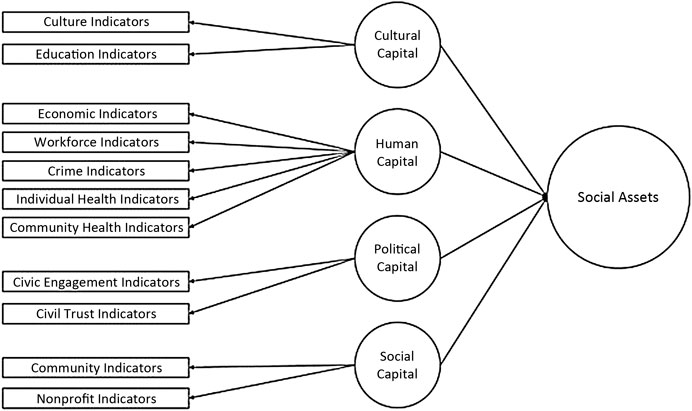
FIGURE 1. Visualization of the community assets and attributes model. Note: Based on Mueller et al. (2020).
These areas of research in biofuel supply chains all indicate a potential for a robust social science presence in biofuel research, and the authors cited above reflect the need for even more social science scholars in the field. Unfortunately, many of the studies that attempt to incorporate social aspects do so only superficially “in a nonmethodological way” (Gnansounou and Alves 2019b). There are various potential methods for incorporating social aspects more methodically and reliably in aviation biofuels research but Gnansounou and Alves (2019b) criticize several approaches since they require more stakeholder engagement. For instance, they point out that SLCA is still lacking proper tools and data (p. 126). It is encouraging that researchers and biofuel project leaders understand that, in theory, social sustainability is just as important as economic and environmental sustainability, but unfortunate that they have, in practice, shied away from the inclusion of social metrics in biofuel research, largely due to the inconsistency of social metrics and the difficulty associated with measuring social traits. It is further discouraging that the preference for quantitative measures may cause researchers to shy away from methods that may more validly capture social sustainability due to the time and resources needed for these methods. However, aviation biofuel supply chain viability cannot simply incorporate only the traditional biogeophysical and economic factors that usually go into determining the success of biofuel production. If sustainability is the goal of these supply chains, then social sustainability must be considered, and that includes using the content expertise and methods—qualitative as well as quantitative—of social scientists to ascertain a more holistic vision of what a truly sustainable biofuel supply chain really looks like.
The complications and problems that come from severely under-developed social sustainability criteria will continue as long as the preference for uniform frameworks with easily obtainable data remains. While this preference is understandable, its dominance ensures that social sustainability will receive little empirical analysis or improvement. There is a need in the aviation biofuels literature, and the broader biofuels literature, for more interdisciplinary research that includes social science research experts, particularly those with expertise in various social issues for the case in question. Additionally, while the dominance of quantitative methods in aviation biofuels research is understandable, more mixed-methods research that include qualitative methods would greatly benefit our understanding of sustainability overall and social sustainability in particular. We agree with Pashaei Kamali et al. (2018) that case study analysis is important for identifying social sustainability criteria, and mixed-method research could be especially beneficial for identifying sustainability issues on a case-by-case basis, and at a local level. This does not preclude trying to adopt a somewhat unified framework for social criteria, but these frameworks may be better developed through other methods, such as qualitative comparative analysis, rather than the methods typically utilized in the aviation biofuels literature.
An active area of social science research and concepts is the literature on public acceptance of biofuels which can be considered as an important component of the supply chain and sustainability. However, the application of these concepts and methods has been underwhelming in regard to aviation biofuels specifically. Fortunately, the larger literature provides guidance on how to improve analysis of public acceptance of aviation biofuels for future studies.
5 Public Acceptance of Biofuels
Understanding public approval of aviation biofuels and the factors that make the public more (or less) supportive is an important part of social sustainability of aviation biofuel. Including public attitudes and perceptions helps to describe and explain various communities and cultures which potentially act as barriers to public support of biofuels. Moreover, the incorporation of public acceptance can make forecasting and estimating outcomes more culturally sensitive and accurate given that factors influencing public acceptance evolve over time (Sovacool 2014). Systematic reviews of the literature on public approval include mainly studies that examine public perceptions and acceptance of new technologies in the broad sense (e.g., Cohen et al., 2014; Sovacool 2014; Drews and van den Bergh 2016; Segeto et al., 2020). Specifically, research has shown that while there is strong support for transitions to renewable energy systems in the abstract (Bertsch et al., 2016), there are many examples of opposition to specific projects at the local level, two examples being Upreti and van der Horst (2004), and Jobert et al. (2007).
Case studies and several meta-analyses (Brohmann et al., 2007; Cohen et al., 2014; Segreto et al., 2020) include research of social acceptance of renewable energy systems, including wind farms, biomass energy generation, and others. However, researchers have lamented the scarcity of scientific studies on public attitudes toward, and acceptance of, biofuels in general, and sustainable aviation biofuels (SAFs) specifically (Filimonau and Högström 2017; Ahmad and Xu, 2019; Løkke et al., 2021). This is worrisome for proponents of SAF, for while there may be potent arguments for adoption of SAF to mitigate climate change, lack of social acceptance is a key barrier for sustainable implementation (see for example, Upreti and van der Horst 2004). While SAF acceptance research can fruitfully draw from the existing literature, SAF differs from most forms of sustainable energy systems in its need for feedstock production, and its connection to the aviation industry and its related benefits and risks. This is apparent when examining public support for aviation biofuels, where factors such as airline ticket price can affect support for a policy (for example, Lynch et al., 2017).
Related to the difficulties of the conceptualization of public acceptance is its operationalization. In a meta-analysis of the literature on energy scholarship, Sovacool (2014) finds that only roughly 12.6 percent of articles include “human centered” (sic) research methods. As mentioned in the discussion on sustainability, the most often used methodological approach focuses on quantitative measures which lack precision and accuracy of the social concepts. While the social science inclusions in studies on public perceptions of SAF is both qualitative and quantitative, quantitative approaches are dominant. Specifically, surveys dominate these studies with fewer incorporating field research, focus groups, or interviews (p. 11). It should be noted that these surveys greatly vary in terms of sampling methods utilized, sample sizes, and the information provided to fully assess results. Some provide detailed information on sampling strategies, sample demographics, and operationalization and measurement for effective assessment of the methodology (See Dragojlovic and Einsiedel 2015; Spartz et al., 2015; Rice et al., 2020), while others may lack detailed information in one or more components (See Radics et al., 2016). Also, it can be difficult to access the survey questionnaire as most studies do not provide this information. While surveys have several benefits, sophisticated surveys, especially those using probability sampling, are costly even when conducting online surveys and may not appropriately measure the phenomena of interest. Jensen and Andersen (2013) specifically argue that in-depth, qualitative methods are important when examining perceptions of new technologies—in this case aviation biofuels—that may not be familiar to participants. Others have pointed out that due to the lack of prior research in this area, exploratory, qualitative methods are needed (Filimonau and Högström 2017). Despite these critiques, Løkke et al. (2021) found that the predominant method of measuring public opinion is still through surveys while employing in-depth qualitative interviews and focus groups are better able to address the complexity of the factors impacting acceptance of biofuels. This is supported by a Moula et al. (2017) study conducted in Finland. Conducting in person surveys, they noted that several respondents were concerned they did not have enough information on the topic and may answer incorrectly. This could impact response rates to surveys, lead to non-response bias, and ultimately shows that some aspects of public support and acceptance are difficult to capture through a survey instrument.
Given the lack of specific research on social approval in aviation biofuels, conceptualization, and operationalization of public acceptance is vital. However, scholars disagree and use various definitions. For instance, Ahmad and Xu, (2019) define public acceptance of biofuels as the willingness to use biofuels, while Bertsch et al. (2016) describe acceptance “as an active or passive approval of a certain technology/product or policy.” Perhaps more useful, Wüstenhagen et al. (2007) provide a thorough overview of the conceptualization of social acceptance of renewable energy innovation. They conceptualize acceptance as having three categories or dimensions: socio-political acceptance (broad acceptance), community acceptance (acceptance of local projects and impacts), and market acceptance (or market adoption). This framework might be applicable to the discussion of social acceptance of SAF. Table 1 illustrates the utility of the framework in categorizing studies examining different aspects of public acceptance of SAF. We show that current studies mainly focus on a single dimension of socio-political acceptance.
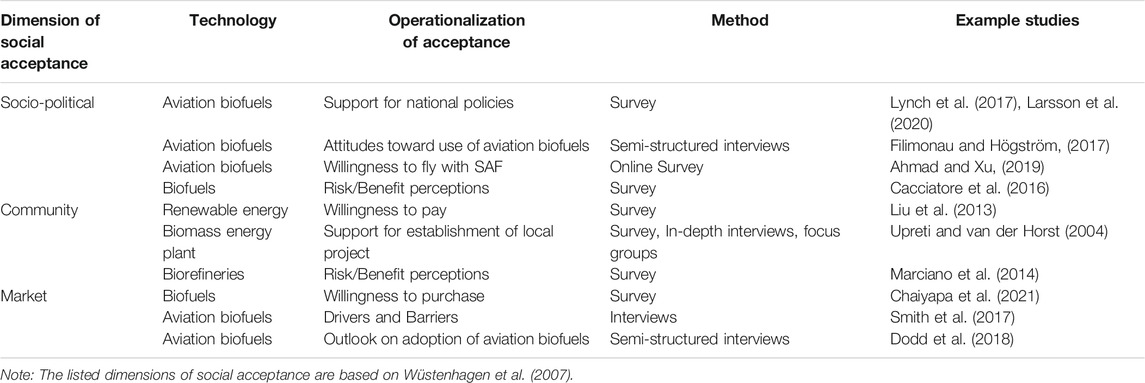
TABLE 1. Overview of operationalization of public acceptance of (aviation) biofuels.
Most work has been done on the first of the three dimensions namely socio-political acceptance of SAF. Similar to the broader acceptance of renewable energy literature, there seems to be widespread support for biofuel use in the aviation industry in theoretical terms, but there are reservations when it comes to the practical implications. One way to operationalize the dimension of socio-political support for SAF is to use general attitudes towards the use of aviation biofuels or general support for biofuel policies. Lynch et al. (2017) operationalizing acceptance as support for specific national policies, found in their case study of the Netherlands, that the Dutch support the idea of using biofuels to achieve a more environmentally friendly aviation system. When it comes to using arable land and biomass for fuel instead of for the food industry, public concerns became clear.2 Furthermore, the public indicated a lack of clarity on whether SAFs result in a reduction of greenhouse gas emissions and keeping the price of flying affordable (p. 136). Another study in Europe explored a more general or broad support for environmental policies in Sweden and found that only 18% of the population had negative attitudes towards a mandate for biofuel blending in the aviation industry (Larsson et al., 2020). Furthermore, Filimonau and Högström, (2017) used semi-structured interviews of tourists to examine perceptions of the use of SAF in the United Kingdom civil aviation sector. Like the studies above, they found that most were supportive of SAF generally. In other words, people seem to be generally open and supportive of environmental policies towards increasing sustainability but remain skeptical to its implementation.
The socio-political acceptance dimension thus seems to be in conflict with the community acceptance dimension from time to time. In social psychology this effect is known as not in my backyard, or NIMBY, which describes situations in which citizens generally agree with the policy initiatives but retract their support as soon as they find out that they might suffer negative consequences in their immediate neighborhood. This component of public acceptance of biofuel is relevant with regard to combined frameworks such as LCSA and specifically in studies on site selection. Apart from environmental advantages, sustainable aviation biofuel initiatives may bring economic benefits for a business, city, or country and locals may benefit from improved infrastructure and new jobs. Nevertheless, the public may oppose such initiatives with objections related to expected noise, traffic, and other individual costs. One of the main challenges to sustainable aviation biofuel is for external stakeholders to win the trust of the public. These studies point to another way that socio-political acceptance of SAF has been operationalized namely as risk/benefit perceptions. Several studies have used perceptions of the risks and benefits of SAF as a proxy for acceptance. For example, Cacciatore et al. (2016) calculate a net risk/benefit variable as part of their study of the impact of partisanship on perceptions of biofuels. Their findings point to several factors that impact perceptions of benefits and risks of biofuels, including age, party identification, and media consumption (Cacciatore et al., 2016). While this study focused specifically on the impact of partisanship on risk/benefit perceptions of biofuels it did not then discuss how perceptions of risks and benefits impacts support for biofuels.
Scholarship about attitudes toward climate change, and sustainable energy, indicate they are driven by four key things: 1) sociodemographics; 2) underlying values and beliefs; 3) perceptions about climate change and the energy industry; and 4) short term cues, such as information from stakeholders or news media (see Drews and Van den Bergh 2016 for an overview). There have been some attempts at developing a framework for understanding the determinants of attitudes toward SAF. One approach follows the theory of planned behavior (Ajzen 1991) and argues that knowledge, perceived concerns, perceived benefits, and social trust predict attitudes toward sustainable aviation fuel (Ahmad and Xu, 2019). This framework has not been explored empirically, with only a small, descriptive pilot conducted to date. This again shows that research in the area of social acceptance of biofuels is under-developed. More broadly, other frameworks have been tested for understanding perceptions of biodiesel which include the four determinants mentioned previously but also add attitude toward technologies, past and intended behavior, and trust in key players (Amin et al., 2017). Utilizing participants in Malaysia, Amin et al. (2017) indicate that the most important predictors of attitudes toward biodiesel were perceptions of benefits and trust in key actors. It is useful to replicate these studies in other contexts: what impacts perceptions in Malaysia may not be as salient in the United States, for example. Additionally, there may be differences in the way these variables affect public acceptance when it comes to biodiesel compared to aviation biofuel.
Though studies using a qualitative approach in understanding and predicting SAF are limited, one important exception is the study by Filimonau and Högström, (2017) who used semi-structured interviews of tourists to examine perceptions of the use of SAF in the United Kingdom civil aviation sector. It was found that while most tourists are supportive of SAF generally, they lack knowledge of the environmental benefits of SAF use in the aviation industry (Filimonau and Högström 2017). Building on this, Filimonau et al. (2018) conducted a survey of 306 respondents in Poland. Results of this study suggest that knowledge of the application of biofuels in aviation is indeed lacking, leading to participants’ concerns about the safety of the technology. In both studies, the authors conclude that knowledge of biofuels and SAF specifically should be promoted by governmental and non-governmental actors to promote adoption of the technology more widely. This recommendation is echoed by Kim et al. (2019) who suggest that increased public knowledge of aviation biofuels and its benefits may accelerate the transition from traditional fuel to SAF.
While increased knowledge is assumed to promote support, two studies (though focusing on biofuels generally and not SAF), show that increased knowledge was actually correlated with negative perceptions of biofuels (Cacciatore et al., 2016; Lanzini et al., 2016). Indeed, more studies have shown—perhaps unsurprisingly—that support for biofuels decreases when participants are primed with information about the potential for negative side effects of biofuel production (i.e., higher food prices, land use changes, etc.) (Jensen and Andersen 2013; Fung et al., 2014; Dragojlovic and Einsiedel 2015). This impact of new information can be moderated by partisanship, as demonstrated in a study looking at support for a biofuels tax credit in the United States (Goldfarb and Kriner 2021).
Political beliefs, especially given the context within the United States, are another potential determinant of attitudes toward SAF identified in the literature. In general, Democrats in the United States have more positive evaluations of biofuels and the policies that support them (Dragojlovic and Einsiedel 2014; Cacciatore et al., 2016; Goldfarb and Kriner 2021). Party affiliation has been shown to interact with perceptions of the risks and benefits, which in turn impacts support for biofuels (Fung et al., 2014). That is, Republicans and Democrats weigh benefits and risks differently. As suggested by one study, this may be because individuals view media representations of biofuels through a partisan lens (Cacciatore et al., 2016). In summary, researchers have examined socio-political acceptance for SAF and have tried to explore the determinants of these general attitudes. From the few studies that have been conducted using predominantly quantitative approaches, there is some evidence to suggest that knowledge of biofuels, partisanship, and trust in key actors can impact acceptance of biofuels.
Though socio-political acceptance and community acceptance can be in conflict with one another, the latter has been widely studied in the broader renewable energy literature. For example, research has been conducted on the development of renewable energy sources in rural China (Liu et al., 2013), a biomass energy plant in the United Kingdom (Upreti and van der Horst 2004), or biorefineries in the north-east United States (Marciano et al., 2014). Multiple reviews of case studies and trends in social acceptance research of sustainable energy systems have been published (Brohmann et al., 2007; Segreto et al., 2020). These studies demonstrate the importance of context in understanding how to best approach implementation of renewable energy projects at the local level. In line with recommendations from social science, many utilize in-depth, qualitative methods. Still, the SAF acceptance literature has, to the best of our knowledge, not yet attempted to examine site-specific reasons for the success or failure of an SAF project or policy. While there may be parallels between acceptance of renewable energy projects generally and SAF projects specifically, the unique impacts of biofuels production (i.e., feedstock and processing) on local communities and economies clearly calls for focused and rigorous research in this area. There is thus a clear gap in the literature around SAF acceptance, that resembles the limitations in research on social sustainability in general and in aviation biofuel in particular.
The third and last dimension of the framework of social acceptance of renewable energy innovation as conceptualized by Wüstenhagen et al. (2007) is market acceptance and has been more frequently studied in the biofuels and SAF literature than socio-political and community acceptance. The overview by Løkke et al. (2021) shows that willingness to pay is one of the main measures of market acceptance. For example, Rice et al. (2020) found that participants are willing to pay more for sustainable aviation practices (including biofuels), but that willingness was moderated by ticket price, degree of greenhouse gas reduction, and gender. Similarly, Rains et al. (2017) found that participants were willing to pay more for airfare if the increase was due to adopting SAF. Market acceptance studies are also performed after the implementation of policies, for instance, after a biofuels policy in Vietnam failed due to lack of market uptake, residents of two cities were surveyed about their awareness of biofuels, motivations to use biofuels, and willingness to purchase (Chaiyapa et al., 2021). Yet other studies have focused on market acceptance from the perspectives of direct stakeholders instead of from the public perspective. Smith et al. (2017) looked at the acceptance and adoption of aviation biofuels among industry insiders and companies by conducting interviews with fuel supply chain stakeholders in the United States Pacific Northwest to explore barriers and opportunities for transitioning to SAF. Similarly, Dodd et al. (2018) reviewed attitudes from 58 aviation-related organizations in several countries to examine why transitions to SAF have stalled. Given the complexity of all dimensions of social acceptance, these studies are a step in the right direction, but much more research is needed.
To summarize, research into public acceptance of SAF is in its infancy compared to the state of the literature on other types of biofuels development. While drawing from literature on social acceptance of other renewable energy technologies can provide guidance, the unique aspects of SAF warrant focused research.
6 Findings and Discussion
Despite calls to improve social sustainability research and better examine local level effects of aviation biofuel development, these areas remain under-developed, and under-researched. Social sustainability continues to be a conceptual muddle with confusion on definitions and appropriate criteria. In addition to conceptualization issues, social indicators used in empirical research to assess sustainability remain underwhelming with questionable validity despite their reliability and practicality. Moreover, the local level determinants and effects of aviation biofuels remains under researched and under-estimated.
This review of social science research in three broad areas of aviation biofuels research, sustainability, site-selection, and public acceptance, reveals common limitations that, if addressed, would improve research in the field overall. Despite the body of conceptual literature, sustainability, and more specifically social sustainability remain ill-defined. Many attempts to incorporate social sciences in aviation biofuel research fail to use accurate measures due to the lack of proper concepts. While combined frameworks and modeling provide better indicators for social sustainability and related social concerns, the focus is still on quantifying these determinants that are often primarily of qualitative nature. Similarly, studies incorporating public acceptance of sustainable energy do not fully understand what contributes to specific support. Findings suggest that while perceptions of sustainable aviation fuel (SAF) are generally positive, there is a lack of knowledge among the public on the application and benefits of SAF, especially for third and fourth generation biofuels. Future studies should include how perceptions, community acceptance, and market acceptance of SAF, are affected by political beliefs (Dragojlovic and Einsiedel 2014; Fung et al., 2014; Cacciatore et al., 2016), media representations (Delshad and Raymond 2013), increased knowledge, and other factors. Furthermore, while surveys are increasingly used in aviation biofuels, the surveys conducted thus far vary greatly in terms of sophistication and quality. The expense and time required to conduct a valid and reliable survey are often underestimated and this impacts conclusion that can be drawn. Several review studies, especially in public acceptance and support of aviation biofuels, have shown the growing prevalence of surveys but to our knowledge a review of survey methodology in the field has not been developed. A future study examining survey methodology in particular with a goal of improving current practice would be beneficial, especially as online surveys, online panels, and technology increases access to this method. However, this does not mean surveys are always the appropriate method for gathering social data, especially in aviation biofuels research.
An important limitation in all three areas is the preference for quantitative methods and indicators, especially in mixed-methods frameworks, that prioritize accessible, and reliable measures without additional local research. Many of the social impacts of biofuel development do not lend themselves to easily quantifiable metrics and the preference for these types of indicators leads to, at best, an incomplete assessment, and at worst, invalid conclusions, and inaccurate predictions. This preference also contributes to inadequate research at the local level where biofuel development has the most impact. To be sure, broader assessments of sustainability criteria that include social criteria have received more attention in the last 10 years and this is an important and necessary development. However, focusing on quantitative methods and indicators is an important limitation of this research that must be addressed.
Truly mixed methods research that combines quantitative and qualitative assessment is needed and is severely lacking in aviation biofuels and the broader biofuel development literature. Mixed methods approaches that combine quantitative and qualitative methods are especially needed to address limitations of evaluations at the local level, and expand the indicators used to evaluate whether biofuel development is sustainable through a focus beyond “practical” indicators. Although we agree with Pashaei Kamali et al. (2018) that case-studies of social issues are important to determine appropriate social criteria to assess sustainability, these case studies must also focus on community-level impacts to avoid becoming too focused on the national or regional levels only.
7 Practical Implications of This Study and Recommendations
To facilitate better and more consistent application of social science approaches in not only aviation biofuels research and projects but the broader biofuels field, we recommend that certification schemes include social sustainability criteria and that these criteria be included in monitoring and reporting standards. While we acknowledge that quantitative metrics are often the focus of these standards, we recommend flexibility in the criteria reported and how the criteria are reported to better suit a particular case and better capture localized impacts of biofuel supply chains.
As current criteria are inadequate in terms of social sustainability, those conducting biofuel development and research projects should ensure that social sustainability and criteria are being adequately addressed. To help ensure inclusion of this important component, these projects should include a social science research team that is equal to the other interdisciplinary team components and at least one member of the social science team should serve as a Co-PI for the life of the project. Social science research should be adequately funded throughout the project with consideration for time, travel (especially for qualitative data collection), and project adaptability as researchers identify appropriate methods for data collection for a specific case. Social science team members should have a range of social science backgrounds and research training, including both qualitative and quantitative experience. Ensuring that some of these team members also have experience with the case(s) being examined is also recommended. If surveys will be utilized, social scientists with survey research backgrounds should be part of the development, implementation, and analysis phases, at least in an advisory role. As stakeholder engagement is crucial to the success of biofuel development projects, it is also recommended that members of the social science team help lead these aspects and have experience in different components of stakeholder engagement, including interviews, focus group, and survey methodologies.
Further, the approach employed to understand social impacts of biofuel development projects should be mixed-method, including both qualitative and quantitative methods as appropriate. This can include the use of secondary data collected by outside sources but should also include both qualitative and quantitative data collection as appropriate. Incorporating social science considerations should occur throughout the duration of the project, and should include metrics and goals at the local, regional, and national level. Furthermore, it is necessary to integrate a plan for adequately funded post-project evaluation components to monitor long term impacts, especially at the local level. The importance of research design and data collection flexibility is also important as these projects should be informed by not only current literature and projects in this area, but should also seek to develop appropriate metrics for their specific case.
This review indicates that significant strides have taken place in social sustainability and social science research in aviation biofuels over the last decade. We encourage scholars, practitioners, and funding organizations to include social science experts in current and future studies to ensure that sustainability, all aspects of it, is achieved in aviation biofuel initiatives. The recommendations provided can help ensure that social criteria are better addressed in the future and that social scientists have adequate support and prominence within a project to continue much needed work in the field.
Author Contributions
SH, DM, and SR contributed to the conception of the study. BA, DM, SH, and CS wrote sections of the first draft of the article. All authors contributed to the article revision. SR provided Figure 1 and prepared the final article for publication.
Funding
This research was funded by the U.S. Federal Aviation Administration Office of Environment and Energy through ASCENT, the FAA Center of Excellence for Alternative Jet Fuels and the Environment, project 001(A) through FAA Award Number 13-C-AJFE-WaSU-013 under the supervision of under the supervision of Dr. James Hileman and Nathan Brown. Any opinions, findings, conclusions or recommendations expressed in this material are those of the authors and do not necessarily reflect the views of the FAA.
Conflict of Interest
The authors declare that the research was conducted in the absence of any commercial or financial relationships that could be construed as a potential conflict of interest.
Publisher’s Note
All claims expressed in this article are solely those of the authors and do not necessarily represent those of their affiliated organizations, or those of the publisher, the editors and the reviewers. Any product that may be evaluated in this article, or claim that may be made by its manufacturer, is not guaranteed or endorsed by the publisher.
Footnotes
1We recommend Gnansounou and Alves (2019a), for an overview of current studies making use of integrated sustainability assessment (ISA) which is applied to biofuel and biofuel feedstock production options.
2It should be noted that the food price and land use concerns are largely associated with first- and second-generation biofuels that use crops such as corn or oil-based plants as feed stock. Third and fourth generation biofuels, produced by algae, would not have the same need for arable land (Hasan et al., 2021), but may have other tradeoffs that affect its viability. Third and fourth generation biofuels are relatively new developments, and research into public perceptions of these types of biofuels is lacking. Of course, it would be difficult to study perceptions of these more recent biofuels if people do not know how they are produced, and potential risks and benefits associated with this new technology.
References
Acquaye, A. A., Wiedmann, T., Feng, K., Crawford, R. H., Barrett, J., Kuylenstierna, J., et al. (2011). Identification of 'Carbon Hot-Spots' and Quantification of GHG Intensities in the Biodiesel Supply Chain Using Hybrid LCA and Structural Path Analysis. Environ. Sci. Technol. 45 (6), 2471–2478. doi:10.1021/es103410q
Ahmad, S., and Xu, B. (2019). “Public Attitude towards Aviation Biofuels: A Pilot Study Findings,” Phil Greening, and Jamal Ouenniche. in Proceedings of 11th International Conference on Applied Energy Vasteras, Sweden. Available at: http://www.energy-proceedings.org/wp-content/uploads/2020/03/958_Paper_0531091009.pdf.4
Åhman, H. (2013). Social Sustainability - Society at the Intersection of Development and Maintenance. Local Environ. 18 (10), 1153–1166. doi:10.1080/13549839.2013.788480
Amin, L., Hashim, H., Mahadi, Z., Ibrahim, M., and Ismail, K. (2017). Determinants of Stakeholders' Attitudes Towards Biodiesel. Biotechnol. Biofuels. 10 (1), 219. doi:10.1186/s13068-017-0908-8
Ajzen, I. (1991). The Theory of Planned Behavior. Organizational Behavior and Human Decision Processes 50 (02), 179–211.
Basiago, A. D. (1995). Methods of Defining 'sustainability'. Sust. Dev. 3 (3), 109–119. doi:10.1002/sd.3460030302
Benoît, C., and Bernard, M.United Nations Environment Programme, CIRAIG, and Processes and Services Interuniversity Research Centre for the Life Cycle of Products (2013). Guidelines for Social Life Cycle Assessment of Products. Paris, France: United Nations Environment Programme. Available at: https://www.deslibris.ca/ID/236529.
Bertsch, V., Hall, M., Weinhardt, C., and Fichtner, W. (2016). Public Acceptance and Preferences Related to Renewable Energy and Grid Expansion Policy: Empirical Insights for Germany. Energy. 114 (November), 465–477. doi:10.1016/j.energy.2016.08.022
Brundtland, G. (1987). Report of the World Commission on Environment and Development: Our Common Future. United Nations General Assembly document A/42/427 https://sustainabledevelopment.un.org/content/documents/5987our-common-future.pdf (Accessed February 10, 1987), 1–300.
Buchholz, T., Luzadis, V. A., and Volk, T. A. (2009). Sustainability Criteria for Bioenergy Systems: Results from an Expert Survey. J. Clean. Prod. 17 (November), S86–S98. doi:10.1016/j.jclepro.2009.04.015
Cacciatore, M. A., Scheufele, D. A., Binder, A. R., and Shaw, B. R. (2016). Public Attitudes toward Biofuels: Effects of Knowledge, Political Partisanship, and Media Use. Polit. Life Sci. 31 (1/2), 36–51. doi:10.2990/31_1-2_36
Campbell, S. (1996). Green Cities, Growing Cities, Just Cities?: Urban Planning and the Contradictions of Sustainable Development. J. Am. Plann. Assoc. 62 (3), 296–312. doi:10.1080/01944369608975696
Chaiyapa, W., Nguyen, K. N., Ahmed, A., VuVu, Q. T. H., Bueno, M., Wang, Z., et al. (2021). Public Perception of Biofuel Usage in Vietnam. Biofuels. 12 (1), 21–33. doi:10.1080/17597269.2018.1442667
Clarens, A. F., NassauWhite, H., Resurreccion, E. P., White, M. A., and Colosi, L. M. (2011). Environmental Impacts of Algae-Derived Biodiesel and Bioelectricity for Transportation. Environ. Sci. Technol. 45 (17), 7554–7560. doi:10.1021/es200760n
Cohen, J. J., Reichl, J., and Schmidthaler, M. (2014). Re-Focussing Research Efforts on the Public Acceptance of Energy Infrastructure: A Critical Review. Energy. 76 (November), 4–9. doi:10.1016/j.energy.2013.12.056
Collotta, M., Champagne, P., Tomasoni, G., Alberti, M., Busi, L., and Mabee, W. (2019). Critical Indicators of Sustainability for Biofuels: An Analysis Through a Life Cycle Sustainabilty Assessment Perspective. Renew. Sustainable Energ. Rev. 115 (November), 109358. doi:10.1016/j.rser.2019.109358
Correa, D. F., Beyer, H. L., Joseph, E., Possingham, H. P., Thomas-Hall, S. R., and Schenk, P. M. (2019). Towards the Implementation of Sustainable Biofuel Production Systems. Renew. Sustainable Energ. Rev. 107 (June), 250–263. doi:10.1016/j.rser.2019.03.005
de Man, R., and German, L. (2017). Certifying the Sustainability of Biofuels: Promise and Reality. Energy Policy 109 (October), 871–883. doi:10.1016/j.enpol.2017.05.047
Delshad, A., and Raymond, L. (2013). Media Framing and Public Attitudes Toward Biofuels. Rev. Pol. Res. 30 (2), 190–210. doi:10.1111/ropr.12009
Dillman, D. A., Smyth, J. D., and Christian., L. M. (2014). Internet, Phone, Mail, and Mixed-Mode Surveys: The Tailored Design Method. Hoboken, New Jersey: John Wiley & Sons.
Diniz, A. P. M. M., Sargeant, R., and Millar., G. J. (2018). Stochastic Techno-Economic Analysis of the Production of Aviation Biofuel from Oilseeds. Biotechnol. Biofuels. 11 (1), 161. doi:10.1186/s13068-018-1158-0
Dodd, T., Orlitzky, M., and Nelson, T. (2018). What Stalls a Renewable Energy Industry? Industry Outlook of the Aviation Biofuels Industry in Australia, Germany, and the USA. Energy Policy. 123 (December), 92–103. doi:10.1016/j.enpol.2018.08.048
Dragojlovic, N., and Einsiedel, E. (2014). The Polarization of Public Opinion on Biofuels in North America: Key Drivers and Future Trends. Biofuels. 5 (3), 233–247. doi:10.1080/17597269.2014.913901
Dragojlovic, N., and Einsiedel, E. (2015). What Drives Public Acceptance of Second-Generation Biofuels? Evidence from Canada. Biomass and Bioenergy. 75 (April), 201–212. doi:10.1016/j.biombioe.2015.02.020
Drews, S., and van den Bergh, J. C. J. M. (2016). What Explains Public Support for Climate Policies? A Review of Empirical and Experimental Studies. Clim. Pol. 16 (7), 855–876. doi:10.1080/14693062.2015.1058240
Du Pisani, J. A., and Jacobus, A. (2006). Sustainable Development - Historical Roots of the Concept. Environ. Sci. 3 (2), 83–96. doi:10.1080/15693430600688831
Dudziak, E. A. (2007). Information Literacy and Lifelong Learning in Latin America: The Challenge to Build Social Sustainability. Inf. Development. 23 (1), 43–47. doi:10.1177/0266666907075630
Ekener, E., Hansson, J., Larsson, A., and Peck, P. (2018). Developing Life Cycle Sustainability Assessment Methodology by Applying Values-Based Sustainability Weighting - Tested on Biomass Based and Fossil Transportation Fuels. J. Clean. Prod. 181 (April), 337–351. doi:10.1016/j.jclepro.2018.01.211
Ekener-Petersen, E., Höglund, J., and Finnveden, G. (2014). Screening Potential Social Impacts of Fossil Fuels and Biofuels for Vehicles. Energy Policy. 73 (October), 416–426. doi:10.1016/j.enpol.2014.05.034
Filimonau, V., and Högström, M. (2017). The Attitudes of UK Tourists to the Use of Biofuels in Civil Aviation: An Exploratory Study. J. Air Transport Management. 63 (August), 84–94. doi:10.1016/j.jairtraman.2017.06.002
Filimonau, V., Mika, M., and Pawlusiński, R. (2018). Public Attitudes to Biofuel Use in Aviation: Evidence from an Emerging Tourist Market. J. Clean. Prod. 172 (January), 3102–3110. doi:10.1016/j.jclepro.2017.11.101
Fokaides, P. A., and Christoforou, E. (2016). “Life Cycle Sustainability Assessment of Biofuels,” in Handbook of Biofuels Production. Editors R. Luque, and K. Wilson. Second Edition (Clark: Woodhead Publishing), 41–60. doi:10.1016/B978-0-08-100455-5.00003-5
Foladori, G. (2005). Advances and Limits of Social Sustainability as an Evolving Concept. Can. J. Development Studies/Revue canadienne d'études du développement. 26 (3), 501–510. doi:10.1080/02255189.2005.9669070
Fung, T. K. F., Choi, D. H., Scheufele, D. A., and Shaw, B. R. (2014). Public Opinion about Biofuels: The Interplay between Party Identification and Risk/Benefit Perception. Energy Policy. 73 (October), 344–355. doi:10.1016/j.enpol.2014.05.016
Gnansounou, E., and Alves, C. M. (2019b). “Social Assessment of Biofuels,” in Biofuels: Alternative Feedstocks and Conversion Processes for the Production of Liquid and Gaseous Biofuels (Academic Press), 123–139. doi:10.1016/b978-0-12-816856-1.00005-1
Gnansounou, E., and Alves, C. M. (2019a). “Integrated Sustainability Assessment of Biofuels,” in Biofuels: Alternative Feedstocks and Conversion Processes for the Production of Liquid and Gaseous Biofuels (Academic Press), 197–214. doi:10.1016/b978-0-12-816856-1.00008-7
Goldfarb, J. L., and Kriner, D. L. (2021). U.S. Public Support for Biofuels Tax Credits: Cost Frames, Local Fuel Prices, and the Moderating Influence of Partisanship. Energy Policy. 149 (February), 112098. doi:10.1016/j.enpol.2020.112098
Hasan, M. A., Mamun, A. A., RahmanRahman, S. M., Malik, K., Al Amran, M. I. U., Khondaker, A. N., et al. (2021). Climate Change Mitigation Pathways for the Aviation Sector. Sustainability. 13 (7), 3656. doi:10.3390/su13073656
Brohmann, B., Feenstra, Y., Heiskanen, E., Hodson, M., Mourik, R., Raven, R., et al. (2007). Factors Influencing the Societal Acceptance of New Energy Technologies: Meta-Analysis of Recent European Projects in European Roundtable on Sustainable Consumption and Production, Basel, Switzerland, June 20–22, 2007.
Hodbod, J., and Tomei, J. (2013). Demystifying the Social Impacts of Biofuels at Local Levels: Where Is the Evidence? Geogr. Compass. 7 (7), 478–488. doi:10.1111/gec3.12051
Jensen, M., and Andersen, A. H. (2013). Biofuels: A Contested Response to Climate Change. Sustainability: Sci. Pract. Pol. 9 (1), 42–56. doi:10.1080/15487733.2013.11908106
Jobert, A., Laborgne, P., and Mimler, S. (2007). Local Acceptance of Wind Energy: Factors of Success Identified in French and German Case Studies. Energy Policy. 35 (5), 2751–2760. doi:10.1016/j.enpol.2006.12.005
Kurka, T., and Blackwood, D. (2013). Participatory Selection of Sustainability Criteria and Indicators for Bioenergy Developments. Renew. Sustainable Energ. Rev. 24 (August), 92–102. doi:10.1016/j.rser.2013.03.062
Lan, K., Park, S., and Yao, Y. (2020). “Key Issue, Challenges, and Status Quo of Models for Biofuel Supply Chain Design,” in Biofuels for a More Sustainable Future. Editors J. Ren, A. Scipioni, A. Manzardo, and H. Liang (Elsevier), 273–315. doi:10.1016/B978-0-12-815581-3.00010-5
Lanzini, P., Testa, F., and Iraldo, F. (2016). Factors Affecting Drivers' Willingness to Pay for Biofuels: the Case of Italy. J. Clean. Prod. 112 (January), 2684–2692. doi:10.1016/j.jclepro.2015.10.080
Larsson, J., Matti, S., and Nässén, J. (2020). Public Support for Aviation Policy Measures in Sweden. Clim. Pol. 20 (10), 1305–1321. doi:10.1080/14693062.2020.1759499
Liu, W., Wang, C., and Mol, A. P. J. (2013). Rural Public Acceptance of Renewable Energy Deployment: The Case of Shandong in China. Appl. Energ. 102 (February), 1187–1196. doi:10.1016/j.apenergy.2012.06.057
Løkke, S., Aramendia, E., and Malskær, J. (2021). A Review of Public Opinion on Liquid Biofuels in the EU: Current Knowledge and Future Challenges. Biomass and Bioenergy. 150 (July), 106094. doi:10.1016/j.biombioe.2021.106094
Lynch, D. H. J., Klaassen, P., and Broerse, J. E. W. (2017). Unraveling Dutch Citizens' Perceptions on the Bio-Based Economy: The Case of Bioplastics, Bio-Jetfuels and Small-Scale Bio-Refineries. Ind. Crops Prod. 106 (November), 130–137. doi:10.1016/j.indcrop.2016.10.035
Marciano, J. A., Lilieholm, R. J., Teisl, M. F., Leahy, J. E., and Neupane, B. (2014). Factors Affecting Public Support for Forest-Based Biorefineries: A Comparison of Mill Towns and the General Public in Maine, USA. Energy Policy. 75 (December), 301–311. doi:10.1016/j.enpol.2014.08.016
Markevičius, A., Katinas, V., Perednis, E., and Tamašauskienė, M. (2010). Trends and Sustainability Criteria of the Production and Use of Liquid Biofuels. Renew. Sustainable Energ. Rev. 14 (9), 3226–3231. doi:10.1016/j.rser.2010.07.015
Martinkus, N., Rijkhoff, S. A. M., Hoard, S. A., Shi, W., Smith, P., Gaffney, M., et al. (2017). Biorefinery Site Selection Using a Stepwise Biogeophysical and Social Analysis Approach. Biomass and Bioenergy. 97 (February), 139–148. doi:10.1016/j.biombioe.2016.12.022
Martinkus, N., Shi, W., Lovrich, N., Pierce, J., Smith, P., and Wolcott, M. (2014). Integrating Biogeophysical and Social Assets into Biomass-To-Biofuel Supply Chain Siting Decisions. Biomass and Bioenergy. 66 (July), 410–418. doi:10.1016/j.biombioe.2014.04.014
Martinkus, N., Latta, G., Rijkhoff, S. A. M., Mueller, D., Hoard, S. A., Sasatani, D., et al. (2019). A Multi-Criteria Decision Support tool for Biorefinery Siting: Using Economic, Environmental, and Social Metrics for a Refined Siting Analysis. Biomass and Bioenergy. 128, 105330. doi:10.1016/j.biombioe.2019.105330
Mattioda, R. A., Tavares, D. R., Casela, J. L., and Junior, O. C. (2020). “Social Life Cycle Assessment of Biofuel Production,” in Biofuels for a More Sustainable Future. Editors J. Ren, A. Scipioni, A. Manzardo, and H. Liang (Elsevier), 255–271. doi:10.1016/B978-0-12-815581-3.00009-9
McKenzie, S. (2004). “Social Sustainability: Towards Some Definitions.” Hawke Research Institute Working Paper Series. MagillSouth Australia: University of South Australia. Available at: http://www.hawkecentre.unisa.edu.au/institute/.
Moldan, B., Janoušková, S., and Hák, T. (2012). How to Understand and Measure Environmental Sustainability: Indicators and Targets. Ecol. Indicators. 17 (June), 4–13. doi:10.1016/j.ecolind.2011.04.033
Mori, K., and Christodoulou, A. (2012). Review of Sustainability Indices and Indicators: Towards a New City Sustainability Index (CSI). Environ. Impact Assess. Rev. 32 (1), 94–106. doi:10.1016/j.eiar.2011.06.001
Moula, M. M. E., Nyári, J., and Bartel, A. (2017). Public Acceptance of Biofuels in the Transport Sector in Finland. Int. J. Sustainable Built Environ. 6 (2), 434–441. doi:10.1016/j.ijsbe.2017.07.008
Mueller, D., Hoard, S., Roemer, K., Sanders, C., Rijkhoff, S. A. M., and Rijkhoff, M. (2020). Quantifying the Community Capitals Framework: Strategic Application of the Community Assets and Attributes Model. Community Development. 51 (5), 535–555. doi:10.1080/15575330.2020.1801785
Partridge, E. (2005). “Social Sustainability”: A Useful Theoretical Framework? Ausralasian Political Science Association Annual Conference (Dunedin, New Zealand. Available at: https://www.academia.edu/3678834/Social_sustainability_a_useful_theoretical_framework.
Pashaei Kamali, F., Borges, J. A. R., Osseweijer, P., and Posada, J. A. (2018). Towards Social Sustainability: Screening Potential Social and Governance Issues for Biojet Fuel Supply Chains in Brazil. Renew. Sustainable Energ. Rev. 92 (September), 50–61. doi:10.1016/j.rser.2018.04.078
Purvis, B., Mao, Y., and Robinson, D. (2019). Three Pillars of Sustainability: In Search of Conceptual Origins. Sustain. Sci. 14 (3), 681–695. doi:10.1007/s11625-018-0627-5
Radics, R. I., Dasmohapatra, S., and Kelley, S. S. (2016). Public Perception of Bioenergy in North Carolina and Tennessee. Energ Sustain. Soc. 6 (1), 17. doi:10.1186/s13705-016-0081-0
Rains, T., Winter, S. R., Rice, S., Milner, M. N., Bledsaw, Z., and Anania, E. C. (2017). Biofuel and Commercial Aviation: Will Consumers Pay More for it? Int. J. Sustainable Aviation. 3 (3), 217. doi:10.1504/IJSA.2017.086846
Resurreccion, E. P., Roostaei, J., Martin, M. J., Maglinao, R. L., Zhang, Y., and Kumar, S. (2021). The Case for Camelina-Derived Aviation Biofuel: Sustainability Underpinnings from a Holistic Assessment Approach. Ind. Crops Prod. 170 (October), 113777. doi:10.1016/j.indcrop.2021.113777
Ribeiro, B. E., and Quintanilla, M. A. (2015). Transitions in Biofuel Technologies: An Appraisal of the Social Impacts of Cellulosic Ethanol Using the Delphi Method. Technol. Forecast. Soc. Change. 92 (March), 53–68. doi:10.1016/j.techfore.2014.11.006
Rice, C., Ragbir, N. K., Rice, S., and Barcia, G. (2020). Willingness to Pay for Sustainable Aviation Depends on Ticket Price, Greenhouse Gas Reductions and Gender. Technology Soc. 60 (February), 101224. doi:10.1016/j.techsoc.2019.101224
Rijkhoff, S. A. M., Hoard, S. A., Gaffney, M. J., and Smith, P. M. (2017). Communities Ready for Takeoff. Polit. Life Sci. 36 (1), 14–26. doi:10.1017/pls.2017.6
Rijkhoff, S. A. M., Martinkus, N., Roemer, K., Laninga, T. J., and Hoard, S. A. (2021). A Capitals Approach to Biorefinery Siting Using an Integrative Model in Energy Impacts: A Multidisciplinary Exploration of North American Energy Development, Editor J. B. Jacquet, J. H. Haggerty, and G. L. Theodori (Logan, UT: Social Ecology Press and Utah State University Press), 176–214.
Santibañez-Aguilar, J. E., González-Campos, J. B., Ponce-Ortega, J. M., Serna-González, M., El-Halwagi, M. M., Mahmoud, M., et al. (2014). Optimal Planning and Site Selection for Distributed Multiproduct Biorefineries Involving Economic, Environmental and Social Objectives. J. Clean. Prod. 65 (February), 270–294. doi:10.1016/j.jclepro.2013.08.004
Scarlat, N., and Dallemand, J.-F. (2011). Recent Developments of Biofuels/Bioenergy Sustainability Certification: A Global Overview. Energy Policy. 39 (3), 1630–1646. doi:10.1016/j.enpol.2010.12.039
Segreto, M., Principe, L., Desormeaux, A., Torre, M., Tomassetti, L., Tratzi, P., et al. (2020). Trends in Social Acceptance of Renewable Energy Across Europe-A Literature Review. Int. J. Environ. Res. Public Health. 17 (24), 9161. doi:10.3390/ijerph17249161
Smith, P. M., Gaffney, M. J., Shi, W., Hoard, S., Armendariz, I. I., and Mueller, D. W. (2017). Drivers and Barriers to the Adoption and Diffusion of Sustainable Jet Fuel (SJF) in the U.S. Pacific Northwest. J. Air Transport Management. 58 (January), 113–124. doi:10.1016/j.jairtraman.2016.10.004
Sovacool, B. K. (2014). What Are We Doing Here? Analyzing Fifteen Years of Energy Scholarship and Proposing a Social Science Research Agenda. Energ. Res. Soc. Sci. 1 (March), 1–29. doi:10.1016/j.erss.2014.02.003
Spartz, J. T., Rickenbach, M., and Shaw, B. R. (2015). Public Perceptions of Bioenergy and Land Use Change: Comparing Narrative Frames of Agriculture and Forestry. Biomass and Bioenergy. 75 (April), 1–10. doi:10.1016/j.biombioe.2015.01.026
Stirling, A. (1999). The Appraisal of Sustainability: Some Problems and Possible Responses. Local Environ. 4 (2), 111–135. doi:10.1080/13549839908725588
Thompson, P. B. (1995). The Spirit of the Soil: Agriculture and Environmental Ethics. London ; New York: Environmental Philosophies Series.
UNEP (2009). United Nations Environment Programme (2010), UNAP Annual Report 2009: Seizing the Green Opportunity. Available at: https://www.unep.org/resources/annual-report/unep-2009-annual-report (Accessed February, 2010).
Upreti, B. R., and van der Horst, D. (2004). National Renewable Energy Policy and Local Opposition in the UK: The Failed Development of a Biomass Electricity Plant. Biomass and Bioenergy. 26 (1), 61–69. doi:10.1016/S0961-9534(03)00099-0
Vallance, S., Perkins, H. C., and Dixon, J. E. (2011). What Is Social Sustainability? A Clarification of Concepts. Geoforum. 42 (3), 342–348. doi:10.1016/j.geoforum.2011.01.002
Visentin, C., Trentin, A. W. d. S., Braun, A. B., and Thomé, A. (2020). Life Cycle Sustainability Assessment: A Systematic Literature Review Through the Application Perspective, Indicators, and Methodologies. J. Clean. Prod. 270 (October), 122509. doi:10.1016/j.jclepro.2020.122509
Wang, Z., Osseweijer, P., and Duque, J. P. (2017). “Assessing Social Sustainability for Biofuel Supply Chains: The Case of Aviation Biofuel in Brazil,” in IEEE Conference on Technologies for Sustainability (SusTech), 1–5. doi:10.1109/sustech.2017.8333474
Wang, Z., Pashaei Kamali, F., Osseweijer, P., and Posada, J. A. (2019). Socioeconomic Effects of Aviation Biofuel Production in Brazil: A Scenarios-Based Input-Output Analysis. J. Clean. Prod. 230, 1036–1050. doi:10.1016/j.jclepro.2019.05.145
Wüstenhagen, R., Wolsink, M., and Bürer, M. J. (2007). Social Acceptance of Renewable Energy Innovation: An Introduction to the Concept. Energy Policy. 35 (5), 2683–2691. doi:10.1016/j.enpol.2006.12.001
Keywords: aviation biofuel, social science, sustainability, social acceptance, modeling, methodology, research methods
Citation: Anderson BJ, Mueller DW, Hoard SA, Sanders CM and Rijkhoff SAM (2022) Social Science Applications in Sustainable Aviation Biofuels Research: Opportunities, Challenges, and Advancements. Front. Energy Res. 9:771849. doi: 10.3389/fenrg.2021.771849
Received: 07 September 2021; Accepted: 13 December 2021;
Published: 24 January 2022.
Edited by:
Mohammad Rehan, King Abdulaziz University, Saudi ArabiaReviewed by:
Richa Arora, Punjab Agricultural University, IndiaAbdul-Sattar Nizami, Government College University, Lahore, Pakistan
Copyright © 2022 Anderson, Mueller, Hoard, Sanders and Rijkhoff. This is an open-access article distributed under the terms of the Creative Commons Attribution License (CC BY). The use, distribution or reproduction in other forums is permitted, provided the original author(s) and the copyright owner(s) are credited and that the original publication in this journal is cited, in accordance with accepted academic practice. No use, distribution or reproduction is permitted which does not comply with these terms.
*Correspondence: Brian J. Anderson, YnJpYW4uYW5kZXJzb24yQHdzdS5lZHU=