 Jinfeng Wang1
 Kang Li
 Lijie Feng
- 1China Institute of FTZ Supply Chain, Shanghai Maritime University, Shanghai, China
- 2Institute of Logistics Science and Engineering, Shanghai Maritime University, Shanghai, China
Coal slurry pipeline transportation is an important way to realize green coal logistics. However, there are still challenges in understanding the cognitive aspects of coal slurry pipeline transportation technology development trajectory. This study attempts to trace and predict the technology trend from patent texts through the stochastic process analysis of topic evolution. It helps understand the challenges in the development process of coal slurry pipeline transportation technology. And capture trends and development characteristics of the technology to improve research and development (R&D) efficiency and sustainability. As a result, this study extracts potential technology topics from patent text by using the Latent Dirichlet Distribution method. Then, a Word2vec-based topic word vector model is applied to calculate the cosine similarity between topics. And the HMM-based topic evolution trend model is constructed by introducing the Hidden Markov Model (HMM) which can portray a dual stochastic process. Finally, it is used to analyze and predict trends in the technological evolution of this field. It was found that the advancement of technology related to pulping is fundamental to promoting the development of coal slurry pipeline transportation technology, which is also a common research topic. Finally, technologies related to pipeline transportation capacity enhancement and the industrial application of coal slurry will be the focus of future R&D in this field with broad research and application prospects. This study is intended to provide directions for sustainable R&D activities in coal slurry pipeline transportation technology, facilitate interdisciplinary discussions, and provide objective data for future decisions making for scientists and R&D managers in this field.
1 Introduction
As China’s basic energy source, coal causes staggering pollution and waste during transportation (Li et al., 2021). China issued the Energy Technology Revolution Innovation Action Plan (2016–2030) and the 13th 5-year plan for the development of the coal industry, which emphasizes efforts to build an efficient, green, and modern coal industry system. Coal logistics is a key link between coal production and consumption, and its green transformation and development are crucial to building a modern coal industry system (Li et al., 2020). Currently, the research and development (R&D) of closed transportation technology, such as coal slurry pipeline transportation, has become a major research focus of green coal logistics. In recent years, the pipeline transportation technology has been applied widely in engineering fields, such as pipeline long-distance transportation of iron ore concentrate or nickel-cobalt ore, reservoir dredging, etc. With the development of pipeline transportation technology, it has gradually become one of the important ways for the coal logistics industry to achieve green transformation and sustainable development (Prasad et al., 2020; Das et al., 2021). However, countries with coal-dominated energy use have not fully adopted and promoted coal slurry pipeline transportation, much less achieved real commercial application. For example, in China, 80% of coal is transported by train, 13% by ship, and 7% by truck (Oberschelp et al., 2019). Thus, the development of pipeline transportation of coal is still limited.
Technological advancement is an important factor in promoting the diffusion of environmentally friendly technologies (Rao and Kishore, 2010; Tabrizian, 2019; Markard, 2020). Currently, the immaturity of technology is the key factor restricting coal transportation by pipeline projects for large-scale operation and promotion. From a historical development perspective, the trajectory of coal slurry pipeline transportation technology is also full of high uncertainty. In this case, it becomes extremely challenging to identify and analyze the evolution characteristics and the development trends of coal pipeline transportation technology. In other words, the overall development trend of coal slurry pipeline transportation technology is still unclear. This does not help policy-makers introduce targeted policies or develop more competitive R&D strategies to drive technological advancement (Lai et al., 2020; Yuan and Cai, 2021). Therefore, it is necessary to identify and analyze the evolutionary characteristics and the development trends of coal pipeline transportation technology.
However, relatively little attention has been paid to tracking the evolving trends and characteristics of coal slurry pipeline transportation technology based on objective data. Until now, most research concerning coal slurry pipeline transportation technology has focused on modeling (Das et al., 2020; Singh et al., 2020; Yin et al., 2021), method optimization (Singh et al., 2018; Yang et al., 2019; Singh et al., 2022), and literature review (Mishra et al., 2019; Nunes, 2020; Das et al., 2021). And the research methods are usually based on experiments, surveys, case studies or expert reviews. The resulting lack of research concerning technology trend analysis based on scientific systematic analysis is a fact in this field. Tracking the trend of coal slurry pipeline transportation technology could help scientists and R&D managers understand the technology development characteristics in time to improve the sustainability of future R&D activities. Recently, the increasing number of patents has provided an opportunity to investigate technology trends in specific fields. Patents are reliable data for the quantitative analysis of technology trends, which contain complete and valuable information about a specific product or technology (Yoon et al., 2017). Therefore, this study tracks the development trend and characteristics of coal slurry pipeline transportation technology based on the analysis of patent information.
There are various patent analysis methods, such as patent number analysis (Chen and Lin, 2020), technology classification code analysis (Aaldering et al., 2019a), social network analysis (Aaldering et al., 2019b), and patent map analysis (Renaldi et al., 2021). However, these previous studies often ignore the stochastic process characteristic of technological innovation, which may lead to biased analysis results (Pan et al., 2017; Wei et al., 2020). Since this field is characterized by highly uncertain technological developments, it may be more appropriate to trace technology trends from a stochastic process perspective. A Hidden Markov Model (HMM) includes a double stochastic process, which has outstanding advantages in portraying the dynamic stochastic evolution process. Therefore, we adopt an approach that integrates patent semantic analysis with the HMM. It can better portray the stochastic evolution process of technological topics based on patent semantic information, which provides effective data for the quantitative analysis and prediction of technology trends.
Therefore, this study has the following objectives: ① identifying the potential different categories of technological information by extracting technology topics from patent data about coal slurry pipeline transportation technology; ② tracing the development path of coal slurry pipeline transportation technology based on the HMM modeling of the topic evolution stochastic process; and ③ quantitatively predicting the development trend of coal slurry pipeline transportation technology by using the HMM backward algorithm.
This study has two contributions. First, we are the first to explore the development path of coal slurry pipeline transportation technology from the perspective of patent text mining, and we predict possible development trends. Second, semantic mining techniques are applied to the topic stochastic evolution process analysis, which makes us not only rely on the existing term co-occurrence methods for the measurement of the topic evolution stochastic process.
The rest of this study is organized as follows: Section 2 provides a literature review of coal slurry pipeline transportation technologies, text mining, and a technology trend analysis. Section 3 describes the research framework and the research process. Section 4 analyzes the technology’s stochastic evolutionary trends and the predicted results. Section 5 provides a discussion. Section 6 summarizes this study.
2 Literature review
2.1 Coal slurry pipeline transportation technology
Coal slurry pipeline transportation refers to the process of using high-pressure pumps to continuously transport coal slurry through closed pipes to end-users (Lahiri and Ghanta, 2008). The United States built the first long-distance coal slurry pipeline in 1957 to transport large quantities of coal over long distances (Kania, 1984). Over the years, many countries have been attracted to exploring this technology. We summarized the major advantages and disadvantages of the existing discussed coal slurry pipeline transportation ways in a compact manner, as shown in Table 1. Subsequently, we will briefly summarize the existing research directions and characteristics in the field of coal slurry pipeline transportation.

TABLE 1. Comparison of key features of coal transportation ways.
From Table 1, it is not difficult to find that pipeline transportation technology has a potentially disruptive impact on the future development of the traditional coal logistics system (Zahed et al., 2018). At present, truck and rail transportation are the main ways of coal transportation. The environmental pollution and economic loss caused by the coal dust emission problem during their transportation is huge (Bao et al., 2020). In contrast, the pipeline transportation method is an important way to achieve environmentally friendly, clean, and economical transportation of coal (Jati et al., 2021). Coal slurry pipelines can effectively reduce NOx emissions and energy consumption during the transportation process of coal compared to railroads and highways (Rao et al., 2020). In addition, coal slurry pipeline transportation has the advantage of low maintenance cost, transportation cost and high safety (Kumar et al., 2014). One of the main challenges lies in the high requirement for laying slope of the pipeline since the limitation of the hydraulic properties of slurry. Thus, several scholars have researched specific sub-technologies to tackle such challenges, such as coal slurry rheological properties (Singh et al., 2017), pipeline detection techniques (Zhang et al., 2019), and coal slurry particle composition (Prasad et al., 2020).
Additionally, there are studies on the cost and economic feasibility of constructing a coal slurry pipeline transportation system by reviewing the previous literature. Strogen et al. (2016) discusses the advantages and the disadvantages of pipeline transportation and proposes an evaluation framework for the economic feasibility and the nonmarket benefits of different means of transportation. Jati et al. (2021) analyzed the economic and environmental benefits of using a coal slurry pipeline, aiming to evaluate its feasibility to replace truck transportation of coal. In addition, some scholars provided solutions to specific technical problems in this field by reviewing the literature. Sinha et al. (2017) investigated the best way to reduce the wear rate by reviewing the research on the pipeline wear rate prediction model. Zaman et al. (2020) classified existing research on pipeline leak detection methods and discussed innovations in existing methods. Some scholars also systematically reviewed the development history of long-distance pipeline transportation technology and discussed the future development trend of long-distance pipelines in Australia (Cowper and Thomas, 2009).
Most research methods in this field were experimental, and contained simulation and method optimization, a literature review, etc. Some studies analyzed the progress of sub-technologies, which were only done by literature review or expert judgment (Khan et al., 2019; Das et al., 2021). In particular, a rapidly increasing number of papers and patents on coal slurry pipeline transportation technology have been published in the last few years. It was difficult for academics to accurately analyze potential technology trends from a large number of papers and patents. Thus, this study attempts to explore the development trend of coal slurry pipeline transportation technology based on patent text mining. In the process, a suitable quantitative method was used for the development characteristics of this technology with high uncertainty.
2.2 Patent semantic analysis
Patent documents are an important carrier of technological information and an up-to-date and reliable data resource to study the development trend of specific technology (Yoon and Song, 2014). In fact, the vast amount of patent data makes it difficult to effectively analyze technology trends by relying only on expert knowledge (Park et al., 2016). With the advancement of text mining technology, various patent semantic analysis methods are emerging, such as topic analysis and vector space modeling. Many scholars use patent semantic analysis methods to mine potential technological information, which is widely used for quantitative analysis of technology trends.
Among them, topic analysis is a popular text mining method that identifies hidden topics in documents based on semantic clustering. Latent Dirichlet allocation (LDA) has become a mature topic modeling method that is widely used in text processing, such as in patent text classification (Kim et al., 2019) and topic identification (Chehal et al., 2021), etc. It provides an effective tool for accurately identifying technology trends from a large number of patent documents.
To be clear, LDA is a typical bag of words model that only extracts relationships between words and documents, without considering the relationships between words. However, word context information is often the most important aspect in text semantic mining (Blei et al., 2003; Li et al., 2018). Word2vec provides a modeling method that extracts feature vectors of words from their contexts to express deep semantic information about the words (Mikolov et al., 2013). Word2vec is also an effective tool to obtain semantic similarity (Zhao et al., 2020). Therefore, to better quantitatively analyze technology trends, we combine the LDA and Word2vec to capture technical information about potential topics in patent texts at the semantic level.
2.3 Technological trend analysis
We analyze and forecast the development trends of specific technologies to reveal their development paths (Liu et al., 2020). However, it is difficult to accurately analyze technology trends due to the stochastic nature of the innovation process and the complexity of technology relationships (Frenken, 2006; Pan et al., 2017). Several studies have found that simulation can portray the potential logical relationships among complex systems (Davis et al., 2007). It can be an effective tool for capturing the potential evolutionary relationships between technologies. Some attempts have been made to use simulation methods to capture potential evolutionary relationships among technology topics. Wu et al. (2014) first proposed a topic evolution trend prediction that integrated the LDA and HMM to predict stem cell topic research trends. Later, some studies analyzed and predicted marine diesel engine and 3D printing technology trends by adopting an approach that integrated the LDA and HMM (Wei et al., 2018; Wei et al., 2020). They tended to calculate stochastic evolutionary relationships among topics by the HMM to quantify the development process of technology trends.
HMM is an application of Markov chain, which is an effective method to solve problems such as inferring future states from known states. It has become a simulation method for quantitatively portraying technology trends. Existing studies have provided important insights for us to accurately identify the technology trends of specific technologies. However, we found that the initial parameters of the HMM in these studies were similar results between topics obtained based on term co-occurrence. Compared with citation analysis, the topic co-occurrence results based on term frequency can better reveal the similarity between topics (Feng et al., 2017). However, the term co-occurrence method is still limited in measuring the semantic similarity between topics (Wang et al., 2012). Therefore, it is necessary to explore the HMM-based approach to explore technology trends at the semantic level.
3 Data and methods
3.1 Analysis framework
This study proposes an analysis framework, as shown in Figure 1. The framework consists of four main components: collection and preprocessing of patent data, extraction of technology topics, identification of topic evolution processes, and prediction of topic evolution trends. It explores the technology trends of coal slurry pipeline transportation technology by mining topic information on their patent data. It is of strategic importance for countries to promote clean transportation technologies by tracking their development trends and predicting their future trends.
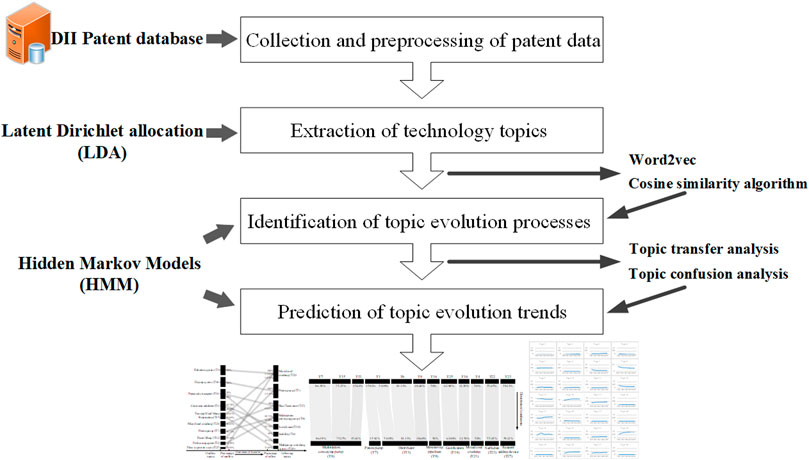
FIGURE 1. Framework for analyzing and forecasting technology trends.
After collecting patent data from Derwent Innovations Index (DII) database and preprocessing them, we first extract technology topics by the LDA. This step involves determining topic numbers to obtain valid topic information. Additionally, we obtain the temporal distribution of topics and classify them. In the subsequent analysis step, an HMM is constructed to portray the dual stochastic evolution process of technology topics, which aim to identify technology evolution trends. To portray the technology topic evolution process from the semantic level, the HMM modeling method based on Word2Vec and cosine similarity is proposed. Then, the technology topic evolution trends are analyzed and predicted by the calculation results of the optimal parameters of this HMM. Finally, based on the above results, we systematically analyze the technology trends of coal slurry pipeline transportation technology.
3.2 Collection and preprocessing of patent data
We use Derwent Innovations Index (DII) database as the patent data source. After repeated screening and testing, this paper uses the term “ ((pipeline OR pipe*) AND coal AND (slurry OR slime) AND transport*)” as the retrieval formula to collect patent data. The search was performed in December 2021, and 672 issued patents were retrieved. We further excluded 90 patent records not related to coal slurry pipeline transportation technology.
A patent record consists of many parts, such as a title, abstract, and description. The title and abstract include some key terms that briefly summarize technological innovations. For analysis, we select titles and abstracts from 582 patent records. Then, we remove several meaningless words such as “text”, “easy”, “user”, etc., based on the frequency of each word in the document. In addition, we construct a list of new stop words to remove those words that do not provide useful information for subsequent analysis.
3.3 Extraction of technology topics
This study uses the LDA to extract valid technology topics from acquired patent data. The LDA is a typical bag of words model approach that treats documents as collections of topics and words. This method assumes that each word in the document is drawn from a potential topic. For each document, a topic is drawn from the topic distribution. Then, a word is drawn from the distribution of words corresponding to that topic. Finally, the above process is repeated until all words in the documents are traversed. It generates document-topic distribution and topic-word distribution by sampling regardless of the order that the words appear in. In other words, this process can be understood as extracting multiple sets of words from documents with a certain probability to achieve topic extraction. The number of topics generated by the LDA model needs to be set manually. Here, we can determine the final number of topics based on the perplexity value.
Furthermore, hierarchies can be used for the in-depth analysis of specific technology areas (Li et al., 2019). It can represent the relationship between product components or technical functions in a specific technical field (Choi et al., 2012). Therefore, to analyze the technology trends of coal slurry pipeline transportation technology more systematically and comprehensively, this study is divided into topic categories. We name the topic extraction results and divided the into three categories: “pulping”, “pumping ” and “end-processing”.
3.4 Identification of topic evolution processes
With the rapid development of topic modeling techniques, it is worth considering how to identify technology trends from the extracted results of topics. Actually, the topic evolution process is characterized by double stochasticity, which reflects technology trends. Technical ideas are constantly generating new ideas in the process of updating, and this process is unobservable. This process is observable where these innovative ideas may be documented as patents or literature. Thus, patents can be mined to extract topics to identify technology trends.
Therefore, we construct a discrete HMM to portray the topic evolution process to quantitatively analyze coal slurry pipeline transportation technology trends. The HMM is an observation model with a dual stochastic process, containing a stochastic transfer process of hidden states and a process of hidden states to generate observable sequences. In the HMM, the stochastic transfer process of the hidden states is unobservable, and it can be regarded as a historical change in technology research. The process of generating observable sequences from hidden states can reflect the independent degree of technical research content evolution. The observable states are also patent records. With the HMM modeling of the technology topic evolution process, we can identify technology trends, determine technology directions, and discover technology hotspots and difficulties.
Based on the above idea, we need to clarify the parameters that are used to describe the HMM, which are
1)
2)
3)
4)
5)
In this study, the topic stochastic evolution process is used to find the optimal parameters
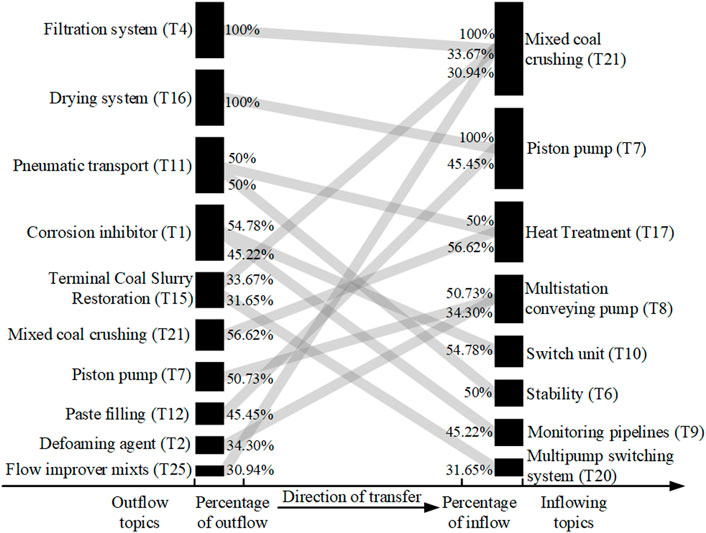
FIGURE 2. The transfer process between technology topics.
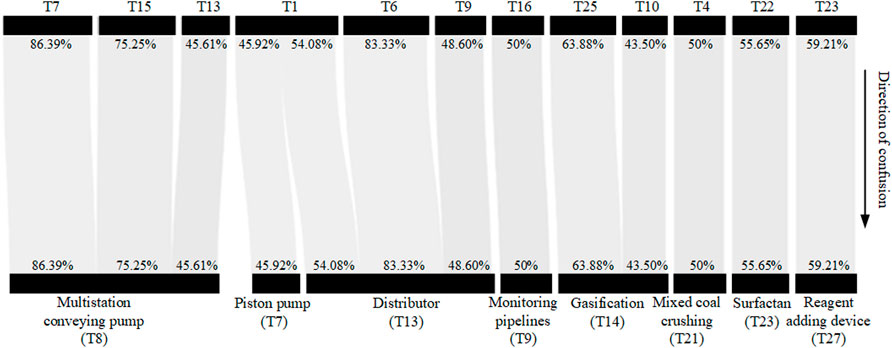
FIGURE 3. The confusion process between technology topics.
In contrast from previous studies, this study considers optimizing the initial parameters of the HMM from a semantic perspective. Some studies have selected the results of word co-occurrence between topics as the initial parameters to obtain the optimal parameters of the HMM. With the rapid development of text mining technology, it is no longer limited to mining the internal relationship between topics from external features, such as word frequency statistics or word co-occurrence. In contrast, it is of great concern to consider mining key information from lexical contexts to measure inter-topic relationships. Higher similarity between topics implies a stronger possible evolutionary relationship between them. Thus, this study uses the semantic similarity results among topics as initial parameters to calculate the optimal parameters of the HMM.
In this case, this study uses the semantic similarity results between topics as the initial parameters of the HMM. The topic semantic similarity is obtained by using Word2vec and cosine similarity. Word2vec is a vector computation tool that includes the Continuous Bag of Words (CBOW) model and the Skip-gram model. The skip-gram learning model can generate word vectors from the context of a word. In other words, it can express words as vectors with real values by training the model. These vectors reflect the contextual semantic information of the target words. For this, we use extracted topic terms as objects and apply the skip-gram learning model in Word2vce to obtain the word vectors of these terms. Then, the cosine similarity algorithm is used to calculate semantic similarity between topics. The calculation formula is as follows:
where
3.5 Prediction of topic evolution trends
In this study, we predict technology topic evolution trends to identify potential technology growth or decline points. It is important for governments and companies to anticipate potential technological development opportunities and conduct R&D activities strategically. From the above analysis, it was found that the key to achieving the goal is to predict the trend of topic changes over the future years. This belongs to the calculation of the backward probability of the observed sequence in the HMM.
Thus, we first provide the HMM. Then,
where, in the step of providing the HMM model
Moreover, in a given HMM step, this study uses the optimal parameters
4 Results
4.1 Results of technology topic identification
We determine that the number of topics is 28 based on the perplexity score of the LDA model, and the results are shown in Table 2. After obtaining the technology topics, we divide the results of the topics into three categories based on the composition of the coal slurry pipeline transportation systems.
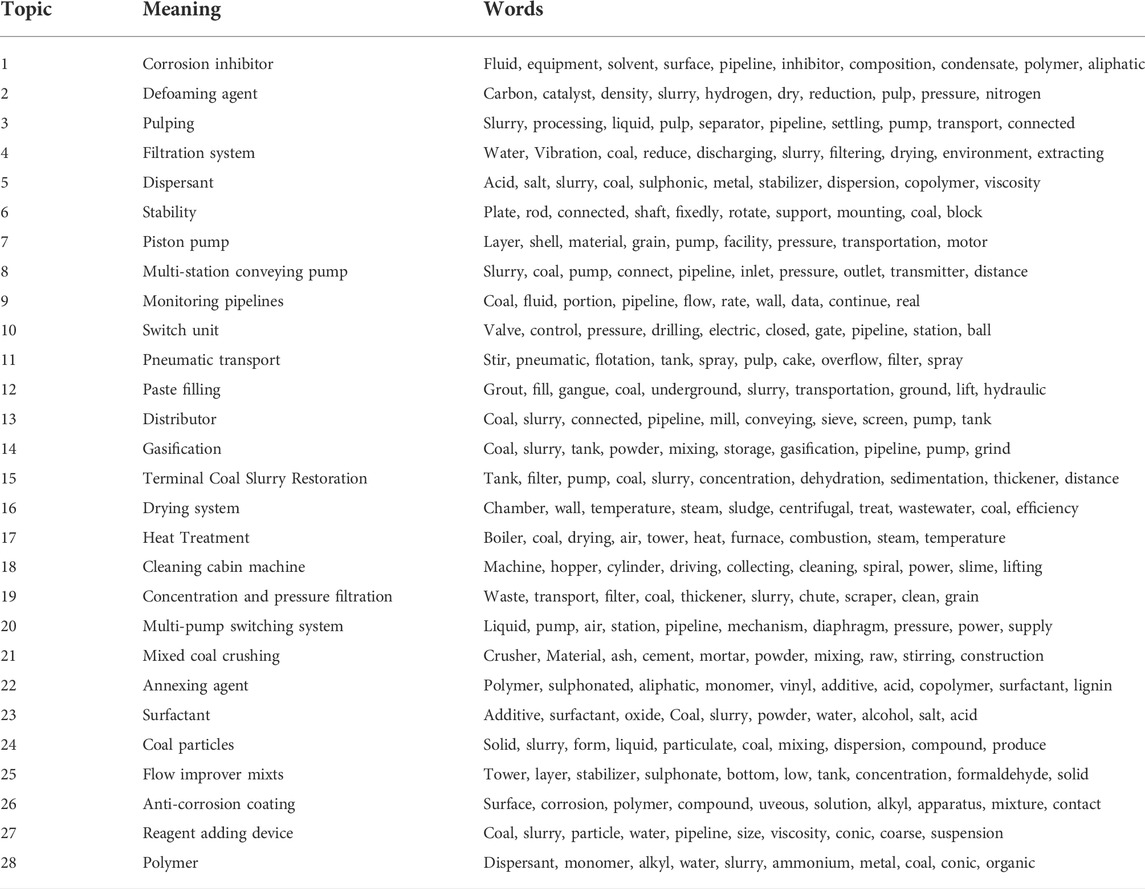
TABLE 2. The results of topic extraction.
The three technology categories are considered as the “pulping”, “pumping” and “end-processing”. The “pulping” category addresses technologies related to the production process of coal-water slurry. The “pumping” category addresses technologies related to the transport of coal slurry along a pipeline to its destination. The “end-processing ” category addresses technologies involved in the reprocessing or utilization of coal slurry after it reaches the end terminal. Identifying technological categories of technology topics is very useful for the systematic analysis of technology trends. Then, we divide all topics into categories with the help of domain experts, and the results are shown in Table 3.

TABLE 3. The classification results of topics.
In addition, we also obtain the annual distribution of technology topics based on the results of category classification; the results are shown in Table 4. In Table 4, the topic number in bold font represents the first appearance of the technical topic.
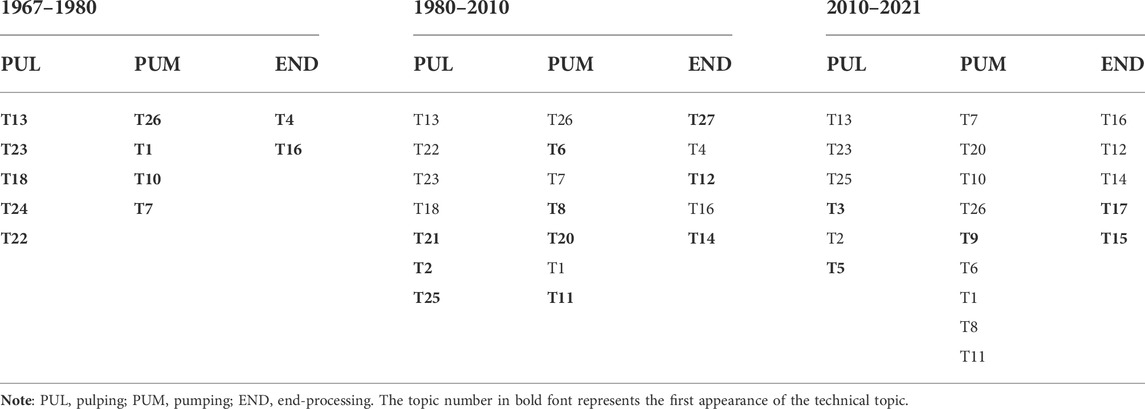
TABLE 4. The annual distribution results of topics based on categories.
4.2 Analysis of the topic evolution processes
After obtaining the results of technology topics, we obtain the word vectors of all topics by Word2vec. Based on this, the semantic similarity between topics is calculated by using the cosine similarity method, and the results are shown in Table 5. Then, we calculate the optimal parameters A and B, which are the transfer process and the confusion process in the optimal state, and the results are shown in Tables 6, 7. They present the stochastic evolution processes of topics in a quantified way. From Tables 6, 7, it was found that the self-transfer rate of most topics is above 40%, and the self-confusion rate is above 50%. These topics are concentrated in the “pulping” category and the “end-processing” category. Furthermore, we use the calculation results from Tables 6, 7 to set thresholds to present the topic evolution process. We draw the relationship chains with the optimal transfer probability above 0.3 and the optimal confusion probability above 0.4 as trend graphs, and the results are shown in Figures 2, 3.
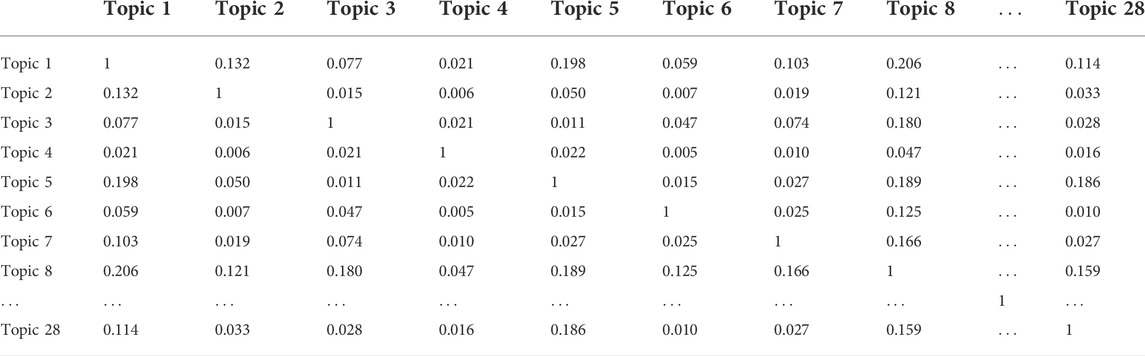
TABLE 5. The semantic similarity results of topics.
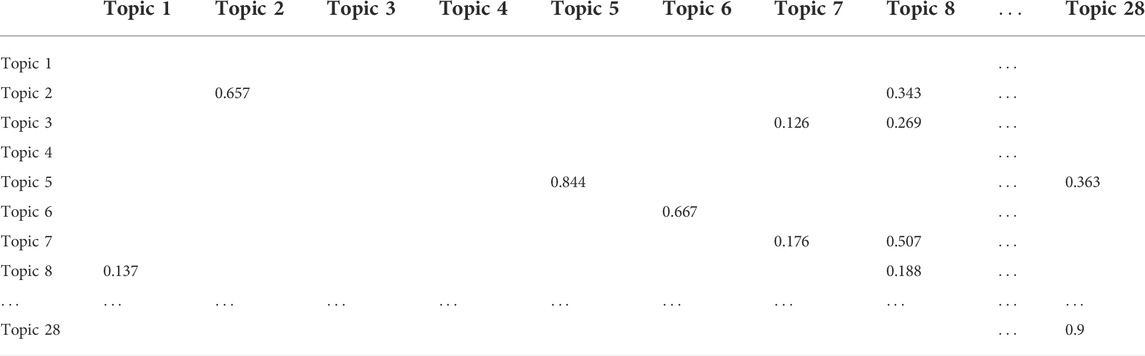
TABLE 6. Matrix of optimal transfer relations between topics.
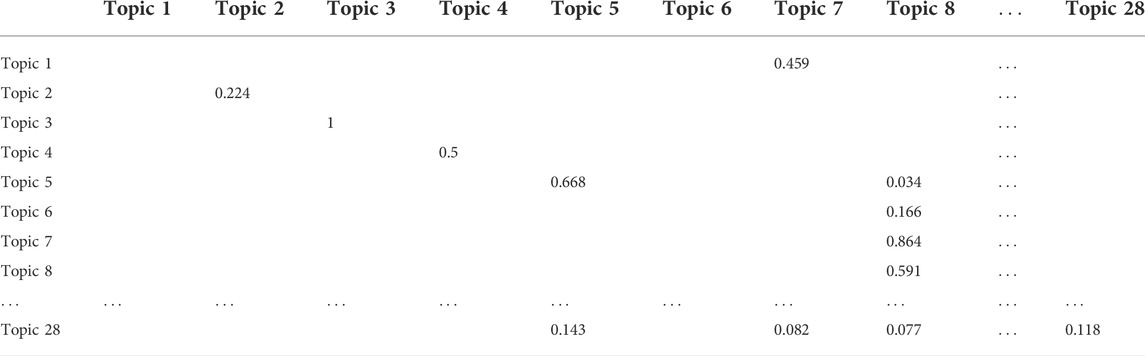
TABLE 7. Matrix of optimal confusion relations between topics.
Figure 2 shows that T1 (corrosion inhibitor) and T11 (pneumatic transport) have the highest outflow rates. T1 moves to T9 (monitoring pipelines) and T10 (switch unit). T11 is transferred to T6 (stability) and T17 (heat treatment). This reflects the growing maturity of corrosion protection and the dense-phase transport technologies, which are the basis for the research in other technologies. Next, T15 (terminal coal slurry restoration) is transferred to T21 (mixed coal crushing) and T20 (multi-pump switching system). Due to the development of terminal coal slurry reprocessing technology, fine grinding technology and multi-pump switching control technology are gradually becoming common research topics. This trend can also be found in the transfer process from T4 (filtration system), T15 (terminal coal slurry restoration), and T25 (flow improver mixts) to T21 (mixed coal crushing), where T21 has the highest inflow percentage. Additionally, with the development of pipeline transportation technology, T7 (piston pump), T8 (multi-station conveying pump), and T17 (heat treatment) have become targets for technology transfer. This means that many studies are gradually turning to the technical research direction of improving the transportation efficiency of coal slurry.
From Figure 3, T8 (multi-station conveying pump), T13 (distributor), T14 (gasification), and T27 (reagent adding device) are the terminals of multiple confusion relationship chains. This shows that the technical research related to these topics is trending and appealing. Among them, T8 has four chains of confusing relationships from T7 (piston pump), T15 (terminal coal slurry restoration), T13 (distributor), and T19 (concentration and pressure filtration). This means that pump-related technology is a popular research direction, with more technical results. The pump is the core equipment in the transportation process, which is directly related to transportation safety and stability. In addition, there are some topics with few or even no confusion relationship chains, but they have a high rate of self-transfer. This means that the technology R&D associated with them is difficult. However, they attract much attention from academics and practitioners. These include T5 (dispersant) and T24 (coal particles). Coal water slurry is a fluid fuel with coarse particle suspension characteristics. Additives, as an effective method to control the properties of coal slurry, such as concentration, stability, and flowability, are highly researched. However, the molecular structure of additives varies with the quality of different coal types, resulting in limited versatility. Consequently, technical research related to these topics has been difficult.
4.3 Prediction of topic evolution trends
The relationship matrix in the optimal state is calculated in the previous step and it is applied to the topic prediction step. We verify the effect of the prediction model. Using topics from 2010 as the prediction base period, the topic share prediction results in 2011–2015 were obtained by the backward algorithm, and the RMSE was calculated as 0.036. The HMM-based prediction model was determined by experts to have effective prediction performance. Then, we chose the patent data from 2020 as the prediction base period. The predicted percentage results of technology topics generated over 2021–2025 are shown in Figure 4.
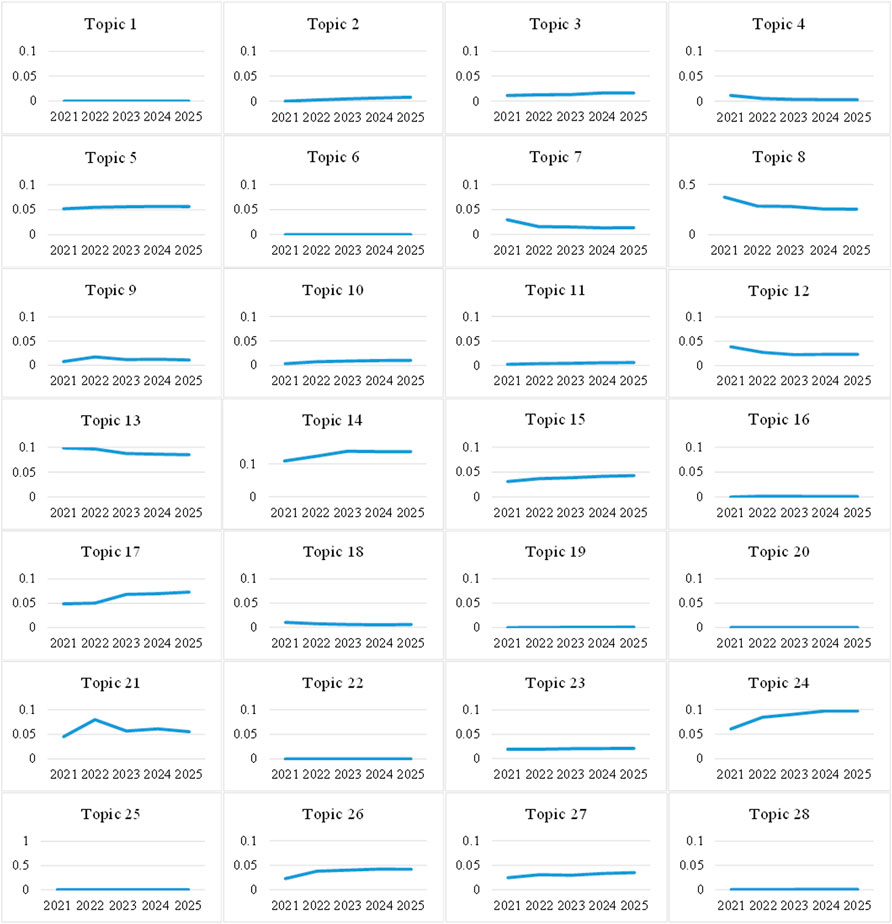
FIGURE 4. The prediction results of the evolutionary trend of technology topics.
In Figure 4, we can see that the trends of some topics trend higher considerably over the prediction period. These topics are T24 (coal particles), T14 (gasification), and T17 (heat treatment). They are related to the industrial application of coal slurries. For example, particle control technology can meet the different requirements of end-users for coal slurry concentration and particle size, which is beneficial to the industrial application of coal slurry. Hence, technical research that facilitates the improvement of industrial applications on coal slurry deserves attention in the future. Additionally, some topics have a slightly increased percentage of growth over the next 5 years. Although the growth is not substantial, it can continue to focus on these technologies. For example, technologies related to T26 (anti-corrosion coating), T15 (terminal coal slurry restoration), and T27 (reagent addition devices). Their research heat is gradually stabilizing and has certain application prospects.
Additionally, T8 (multi-station conveying pump) shows a rapid downward trend over the prediction period, indicating that it will not be a future research focus. Multiple pump operation transport technology has gradually matured in long-distance pipeline transportation. It has the characteristics of a simple structure and easy installation and is already widely used in the mineral industry. Additionally, technology development related to T21 (mixed coal crushing) has moved in other directions as surface coal supply technology has improved. The predicted results show that the development trend of this topic has declined after a short-term rise. The current large-scale production of high-quality coal slurry is no longer a technical challenge. There is also a decreasing trend in T12 (paste filling), T7 (piston pump), and T13 (distributor) over the prediction period. This indicates that the technology development related to it is moving toward specialization and has wide application in other fields. Their research and application in the field of coal slurry pipeline transportation will gradually lose attention.
5 Discussion
We discuss the findings and contributions of this study in more detail below and provide arguments for their practical value.
As the first key finding, the results show that topics in the “pulping” category have a high self-transferability probability. They are the starting of many transfer relationship chains, which can easily be transferred to other categories. This indicates that technologies related to the “pulping” category are the basis for technological development, such as defoamers, flow improvers, and coal blending and crushing. This result responds to Das et al. (2021) call for research on coal pulping technology. The development of pulping technology is the premise of increasing pipeline transport capacity and industrial applications (Hu et al., 2021). With the development of technology, technical research has gradually focused on the direction related to the “pumping”. That development trajectory is also reflected in the transfer results of the topics. Domain experts consider that the transport capacity in coal slurry transport processes has been a long-standing research concern for scholars (Rogovyi et al., 2021). Our data also shows that many topics are diverted to the “pumping” category. Most topics in this category have a low self-transfer probability and are less likely to transfer to other topics, such as plunger pumps, multiple pumping, and stability. It reflects the high degree of independence and stability of technical research in this category.
The second key finding is that the technology hotspots in the field of coal slurry pipeline transportation are concentrated in the “pulping” category. Most topics in this category are confusing targets for other topics, such as separators, coal blending crushing, and surfactants. This indicates that there are numerous theoretical and experimental studies in the “pulping” category, which produce a wealth of patented results (Glushkov et al., 2016). Furthermore, our results show that most technical topics in the “pumping” category have low self-confusion probabilities and are not confusion targets of other topics. This means that the technology in this category is difficult to develop and patent. Interestingly, most of the topics in the “end-processing” category have high self-confusion probability while not being the confusion target of other topics. Topics in this category are mainly related to coal chemical technology. This shows that coal chemical technology has a high technological barrier, although it has high research stability and heat. These findings agree with Xie et al. (2010) who concluded that although coal chemical technology has attracted attention from many countries and scholars, it is very complex and requires multiple inputs with high technical barriers.
The third key finding is that our prediction data shows less potential for technology development in the “pulping” categories, such as mixed coal crushing, separators, and scrubbers. In addition, topics with a rising trend in the future belong to the “pumping” and the “end-processing” categories. This means that technologies in these two categories have promising research and applications. These may also be the frontiers of technologies that need attention, such as technologies related to pipeline corrosion protection and coal gasification. It is worth noting that in our prediction result, only pump-related topics in the “pumping” category have a declining trend in the future and with high rates. This may be due to the limited transport efficiency improvements by the coal slurry quality, the performance of the main pump, and the auxiliary facilities to a large extent (Das et al., 2021). Furthermore, other technologies in the “pumping” category have been developed. Such a trend also confirms the result that many technical topics in the “pumping” category will show an upward trend in the future.
Finally, the innovative HMM-based technology trend research methodology of this study extends the research of Wei et al. (2020). Their research is limited to using co-occurrence features of keywords as a medium to analyze the evolutionary relationships between topics alone, with applications in the fields of 3D printing and marine diesel engines. They emphasize calculating the similarity between topics from the word frequency and the co-occurrence results of topic words. It provides a reference for us to investigate the topic stochastic evolutionary process from the semantic level. Based on the topic results extracted by the LDA, we combine the Word2Vec and the cosine similarity to obtain the semantic similarity results between the topics. The semantic similarity results among the topics are used as the initial variables of the HMM to infer the stochastic evolutionary relationships and the trends among the topics. Therefore, this study can supplement previous studies that analyze technical information from the semantic level of patent texts. Furthermore, in the field of coal slurry pipeline transportation, more insightful information can be identified from patent data via text mining and machine learning methods.
6 Conclusion
This study aims to comprehensively understand the development trend of coal slurry pipeline transportation technology through the mining of patent texts. After extracting technology topics from patents, a dual topic stochastic process modeling approach based on semantic similarity is used to quantitatively analyze and predict technology trends. From a methodological perspective, we consider the influence of the term context on measuring thematic similarity. Moreover, this study is also the first to explore the current state of technological development in this field through patent analysis. It helps decision-makers and researchers comprehensively and systematically understand this field to facilitate scientific R&D management and decision-making.
Our results show that the technological evolution of the “pumping” and the “end-processing” category are the main technological development paths with a substantial impact on the coal slurry pipeline transportation industry. In particular, technologies aimed at improving transport efficiency and the coal chemical industry are major areas of technological development. With the maturity of coal slurry preparation technology, the “pumping” and the “end-processing” categories will become popular for research, and the corresponding patent output will also increase. Their development benefits from the technological development of the “pulping” category. However, limited by distance, equipment, end-users, and other objective reasons, the development of coal pipeline transportation technology is relatively slow. It also reflects the difficulty of developing technology in the categories of the “pumping” and the “end-processing”. For example, pumps, valves, and other equipment design and manufacturing requirements are complex and difficult. This may be due to the strong corrosive influence of coal slurry on pipes and various parts. Moreover, the development of coal slurry dewatering technology is not ideal. Currently, even with the dewatered slurry, it still has a higher moisture content than raw coal. It has serious influences on the subsequent use of coal slurry. There are many other technical difficulties such as this. Thus, scholars and researchers need to focus on technological innovation in these two areas.
Despite the contributions, there are still some limitations in this study. First, this study is only based on the analysis of patent texts to trace the development of coal slurry pipeline transportation technology. But not all technical information exists only in patents. Future studies can extend the data analysis to literature and commercial reports to better analyze the comprehensive technical landscape of pipeline coal transport systems. In addition, future studies can also include the application cases of pipeline transportation technology in other fields in the analysis, such as iron concentrate slurry transportation pipeline, phosphorus concentrate slurry transportation pipeline or nickel-cobalt slurry transportation pipeline, etc. Mutual learning from technology experience can promote the sustainable development of coal pipeline transportation technology. Finally, this study only considers the use of first order HMM to build a technology theme trend analysis model. However, the current state of technology is indirectly related to the past state. Then, the higher order HMM can be adopted for future studies to analyze and predict the evolution of technology trends more accurately.
Data availability statement
The original contributions presented in the study are included in the article/Supplementary Material, further inquiries can be directed to the corresponding author.
Author contributions
Conceptualization, JW and KL; methodology, KL; software, KL; validation, JW and LF; formal analysis, LF; investigation LF; data curation, LF; writing-original draft preparation, KL; writing-review and editing, KL; supervision, LF; funding acquisition, JW.
Funding
This work was supported by Innovation Method Fund of China [grant number 2018IM020300]; Shanghai Science and Technology Program [grant number 20040501300]; Innovation Method Fund of China [grant number 2019IM020200].
Acknowledgments
The authors gratefully acknowledge funding from the Innovation Method Fund of China [grant number 2018IM020300; 2019IM020200], and Shanghai Science and Technology Program [Project No. 20040501300].
Conflict of interest
The authors declare that the research was conducted in the absence of any commercial or financial relationships that could be construed as a potential conflict of interest.
Publisher’s note
All claims expressed in this article are solely those of the authors and do not necessarily represent those of their affiliated organizations, or those of the publisher, the editors and the reviewers. Any product that may be evaluated in this article, or claim that may be made by its manufacturer, is not guaranteed or endorsed by the publisher.
References
Aaldering, L. J., Leker, J., and Song, C. H. (2019a). Analysis of technological knowledge stock and prediction of its future development potential: The case of lithium-ion batteries. J. Clean. Prod. 223, 301–311. doi:10.1016/j.jclepro.2019.03.174
Aaldering, L. J., Leker, J., and Song, C. H. (2019b). Competition or collaboration? – analysis of technological knowledge ecosystem within the field of alternative powertrain systems: A patent-based approach. J. Clean. Prod. 212, 362–371. doi:10.1016/j.jclepro.2018.12.047
Bao, Q., Nie, W., Liu, C., Zhang, H., Wang, H., Jin, H., et al. (2020). The preparation of a novel hydrogel based on crosslinked polymers for suppressing coal dusts. J. Clean. Prod. 249, 119343. doi:10.1016/j.jclepro.2019.119343
Blei, D. M., Ng, A. Y., and Jordan, M. I. (2003). Latent Dirichlet allocation. J. Mach. Learn. Res. 3, 993–1022.
Chehal, D., Gupta, P., and Gulati, P. (2021). Retracted article: Implementation and comparison of topic modeling techniques based on user reviews in e-commerce recommendations. J. Ambient. Intell. Humaniz. Comput. 12 (5), 5055–5070. doi:10.1007/s12652-020-01956-6
Chen, Y., and Lin, B. (2020). Decomposition analysis of patenting in renewable energy technologies: From an extended LMDI approach perspective based on three Five-Year Plan periods in China. J. Clean. Prod. 269, 122402. doi:10.1016/j.jclepro.2020.122402
Choi, S., Park, H., Kang, D., Lee, J. Y., and Kim, K. (2012). An SAO-based text mining approach to building a technology tree for technology planning. Expert Syst. Appl. 39 (13), 11443–11455. doi:10.1016/j.eswa.2012.04.014
Cowper, N. T., and Thomas, A. D. (2009). Slurry pipelines: Past, present and future. Aust. J. Multi-disciplinary Eng. 7 (2), 189–196. doi:10.1080/14488388.2009.11464813
Das, D., Das, S. K., Parhi, P. K., Dan, A. K., Mishra, S., and Misra, P. K. (2021). Green strategies in formulating, stabilizing and pipeline transportation of coal water slurry in the framework of WATER-ENERGY nexus: A state of the art review. Energy Nexus 4, 100025. doi:10.1016/j.nexus.2021.100025
Das, D., Mohapatra, R. K., Belbsir, H., Routray, A., Parhi, P. K., and El-Hami, K. (2020). Combined effect of natural dispersant and a stabilizer in formulation of high concentration coal water slurry: Experimental and rheological modeling. J. Mol. Liq. 320, 114441. doi:10.1016/j.molliq.2020.114441
Davis, J. P., Eisenhardt, K. M., and Bingham, C. B. (2007). Developing theory through simulation methods. Acad. Manage. Rev. 32 (2), 480–499. doi:10.5465/amr.2007.24351453
Feng, J., Zhang, Y. Q., and Zhang, H. (2017). Improving the co-word analysis method based on semantic distance. Scientometrics 111 (3), 1521–1531. doi:10.1007/s11192-017-2286-1
Frenken, K. (2006). Technological innovation and complexity theory. Econ. Innovation New Technol. 15 (2), 137–155. doi:10.1080/10438590500141453
Glushkov, D., Strizhak, P., and Chernetskii, M. Y. (2016). Organic coal-water fuel: Problems and advances (Review). Therm. Eng. 63 (10), 707–717. doi:10.1134/S0040601516100037
Hu, S., Jiang, F., Zhao, B., Chen, Y., Wu, C., Li, J., et al. (2021). The enhancement on rheology, flowability, and stability of coal water slurry prepared by multipeak gradation technology. Energy fuels. 35 (3), 2006–2015. doi:10.1021/acs.energyfuels.0c03032
Jati, H. A., Monei, N., Barakos, G., Tost, M., and Hitch, M. (2021). Coal slurry pipelines: A coal transportation method in kalimantan, Indonesia. Int. J. Min. Reclam. Environ. 35, 638–655. doi:10.1080/17480930.2021.1949857
Kania, J. J. (1984). Economics of coal transport by slurry pipeline versus unit train: A case study. Energy Econ. 6 (2), 131–138. doi:10.1016/0140-9883(84)90028-8
Khan, N., Dilshad, S., Khalid, R., Kalair, A. R., and Abas, N. (2019). Review of energy storage and transportation of energy. Energy Storage 1 (3), e49. doi:10.1002/est2.49
Kim, D., Seo, D., Cho, S., and Kang, P. (2019). Multi-co-training for document classification using various document representations: TF–IDF, LDA, and Doc2Vec. Inf. Sci. 477, 15–29. doi:10.1016/j.ins.2018.10.006
Kumar, S., Gandhi, B. K., and Mohapatra, S. (2014). Performance characteristics of centrifugal slurry pump with multi-sized particulate bottom and fly ash mixtures. Part. Sci. Technol. 32 (5), 466–476. doi:10.1080/02726351.2014.894163
Lahiri, S., and Ghanta, K. (2008). Development of an artificial neural network correlation for prediction of hold-up of slurry transport in pipelines. Chem. Eng. Sci. 63 (6), 1497–1509. doi:10.1016/j.ces.2007.11.030
Lai, C., Xu, L., and Shang, J. (2020). Optimal planning of technology roadmap under uncertainty. J. Operational Res. Soc. 71 (4), 673–686. doi:10.1080/01605682.2019.1581406
Li, A., Chen, Y., and Wang, D. (2020). An empirical study of the factors influencing the willingness to implement green coal logistics in China. J. Clean. Prod. 245, 118932. doi:10.1016/j.jclepro.2019.118932
Li, C., Lu, Y., Wu, J., Zhang, Y., Xia, Z., Wang, T., et al. “(2018). "LDA meets Word2Vec: A novel model for academic abstract clustering,” in Companion proceedings of the the web conference 2018), 1699–1706.
Li, P., Yu, H., Zhang, J., Du, M., and Xiong, J. (2021). Coal supply sustainability in China: A new comprehensive evaluation methodology. Front. Energy Res. 9. doi:10.3389/fenrg.2021.701719
Li, X., Xie, Q., Daim, T., and Huang, L. (2019). Forecasting technology trends using text mining of the gaps between science and technology: The case of perovskite solar cell technology. Technol. Forecast. Soc. Change 146, 432–449. doi:10.1016/j.techfore.2019.01.012
Liu, H., Chen, Z., Tang, J., Zhou, Y., and Liu, S. (2020). Mapping the technology evolution path: A novel model for dynamic topic detection and tracking. Scientometrics 125 (3), 2043–2090. doi:10.1007/s11192-020-03700-5
Markard, J. (2020). The life cycle of technological innovation systems. Technol. Forecast. Soc. Change 153, 119407. doi:10.1016/j.techfore.2018.07.045
Mikolov, T., Chen, K., Corrado, G., and Dean, J. (2013). Efficient estimation of word representations in vector space. arXiv preprint arXiv 1301, 3781. doi:10.48550/arXiv.1301.3781
Mishra, R., Ghanta, K., Mullick, A. N., and Sinha, S. L. (2019). Experimental and numerical prediction of slurry flow in pipe: A review. Inter. J. Fluid Mech. Res. 46 (2), 167–185. doi:10.1615/InterJFluidMechRes.2018021915
Nunes, L. J. (2020). Potential of coal–water slurries as an alternative fuel source during the transition period for the decarbonization of energy production: A review. Appl. Sci. 10 (7), 2470. doi:10.3390/app10072470
Oberschelp, C., Pfister, S., Raptis, C. E., and Hellweg, S. (2019). Global emission hotspots of coal power generation. Nat. Sustain. 2 (2), 113–121. doi:10.1038/s41893-019-0221-6
Pan, J., Jiang, X., Wan, X., and Ding, W. (2017). A filtering based multi-innovation extended stochastic gradient algorithm for multivariable control systems. Int. J. Control Autom. Syst. 15 (3), 1189–1197. doi:10.1007/s12555-016-0081-z
Park, S., Kim, J., Lee, H., Jang, D., and Jun, S. (2016). Methodology of technological evolution for three-dimensional printing. Industrial Manag. Data Syst. 116 (1), 122–146. doi:10.1108/imds-05-2015-0206
Prasad, V., Thareja, P., and Mehrotra, S. P. (2020). Role of rheology on the hydraulic transportation of lignite coal and coal ash slurries in the pipeline. Int. J. Coal Prep. Util. 42, 1263–1277. doi:10.1080/19392699.2020.1721482
Rao, K. U., and Kishore, V. (2010). A review of technology diffusion models with special reference to renewable energy technologies. Renew. Sustain. energy Rev. 14 (3), 1070–1078. doi:10.1016/j.rser.2009.11.007
Rao, N. D., Thatoi, D. N., and Biswal, S. K. (2020). Rheological study and numerical analysis of high concentration iron ore slurry pipeline transportation. Mater. Today Proc. 22, 3197–3202. doi:10.1016/j.matpr.2020.03.457
Renaldi, R., Miranda, N. D., Khosla, R., and McCulloch, M. D. (2021). Patent landscape of not-in-kind active cooling technologies between 1998 and 2017. J. Clean. Prod. 296, 126507. doi:10.1016/j.jclepro.2021.126507
Rogovyi, A., Korohodskyi, V., and Medvediev, Y. (2021). Influence of Bingham fluid viscosity on energy performances of a vortex chamber pump. Energy 218, 119432. doi:10.1016/j.energy.2020.119432
Singh, J., Kumar, S., and Mohapatra, S. (2018). Optimization of erosion wear influencing parameters of HVOF sprayed pumping material for coal-water slurry. Mater. Today Proc. 5 (11), 23789–23795. doi:10.1016/j.matpr.2018.10.170
Singh, M. K., Kumar, S., and Ratha, D. (2020). Computational analysis on disposal of coal slurry at high solid concentrations through slurry pipeline. Int. J. Coal Prep. Util. 40 (2), 116–130. doi:10.1080/19392699.2017.1346632
Singh, M. K., Kumar, S., Ratha, D., and Kaur, H. (2017). Design of slurry transportation pipeline for the flow of muti-particulate coal ash suspension. Int. J. hydrogen energy 42 (30), 19135–19138. doi:10.1016/j.ijhydene.2017.04.259
Singh, M. K., Rathore, S. S., Kumar, S., and Sandhu, H. (2022). Taguchi approach for optimization of pressure drop characteristics for fly ash with bottom ash addition in slurry pipeline. Mater. Today Proc. 48 (5), 1305–1309. doi:10.1016/j.matpr.2021.09.002
Sinha, S. L., Dewangan, S. K., and Sharma, A. (2017). A review on particulate slurry erosive wear of industrial materials: In context with pipeline transportation of mineral− slurry. Part. Sci. Technol. 35 (1), 103–118. doi:10.1080/02726351.2015.1131792
Strogen, B., Bell, K., Breunig, H., and Zilberman, D. (2016). Environmental, public health, and safety assessment of fuel pipelines and other freight transportation modes. Appl. Energy 171, 266–276. doi:10.1016/j.apenergy.2016.02.059
Tabrizian, S. (2019). Technological innovation to achieve sustainable development—renewable energy technologies diffusion in developing countries. Sustain. Dev. 27 (3), 537–544. doi:10.1002/sd.1918
Wang, Z.-Y., Li, G., Li, C.-Y., and Li, A. (2012). Research on the semantic-based co-word analysis. Scientometrics 90 (3), 855–875. doi:10.1007/s11192-011-0563-y
Wei, C., Chaoran, L., Chuanyun, L., Lingkai, K., and Zaoli, Y. (2020). Tracing the evolution of 3-D printing technology in China using LDA-based patent abstract mining. IEEE Trans. Eng. Manag. 69, 1135–1145. doi:10.1109/tem.2020.2975988
Wei, C., Chaoran, L., and Jinqiu, L. (2018). Analysis of the evolutionary trend of technical topics in patents based on LDA and HMM—taking marine diesel engine technology as an example. J. China Soc. Sci. Tech. Inf. 37 (7), 732–741. doi:10.3772/j.issn.1000-0135.2018.07.009
Wu, Q., Zhang, C., Hong, Q., and Chen, L. (2014). Topic evolution based on LDA and HMM and its application in stem cell research. J. Inf. Sci. 40 (5), 611–620. doi:10.1177/0165551514540565
Xie, K., Li, W., and Zhao, W. (2010). Coal chemical industry and its sustainable development in China. Energy 35 (11), 4349–4355. doi:10.1016/j.energy.2009.05.029
Xining, Z., Wei, L., and Yuwei, Y. (2018). Adaptive genetic particle swarm algorithm for optimization hidden Markov models with applications. J. Xi'an Jiaot. Univ. 52 (8), 1–8. doi:10.7652/xjtuxb201808001
Yang, J., Yang, B., and Yu, M. (2019). Pressure study on pipe transportation associated with cemented coal gangue fly-ash backfill slurry. Appl. Sci. 9 (3), 512. doi:10.3390/app9030512
Yin, J., Wang, J., You, J., Chen, H., and Shi, W. (2021). Integrated energy system optimal operation in coal district with hydrogen heavy trucks. Front. Energy Res. 9. doi:10.3389/fenrg.2021.748673
Yoon, B., and Song, B. (2014). A systematic approach of partner selection for open innovation. Industrial Manag. Data Syst. 114 (7), 1068–1093. doi:10.1108/imds-03-2014-0086
Yoon, J., Seo, W., Coh, B.-Y., Song, I., and Lee, J.-M. (2017). Identifying product opportunities using collaborative filtering-based patent analysis. Comput. Industrial Eng. 107, 376–387. doi:10.1016/j.cie.2016.04.009
Yuan, X., and Cai, Y. (2021). Forecasting the development trend of low emission vehicle technologies: Based on patent data. Technol. Forecast. Soc. Change 166, 120651. doi:10.1016/j.techfore.2021.120651
Zahed, S. E., Shahandashti, S., and Najafi, M. (2018). Lifecycle benefit-cost analysis of underground freight transportation systems. J. Pipeline Syst. Eng. Pract. 9 (2), 04018003. doi:10.1061/(ASCE)PS.1949-1204.0000313
Zaman, D., Tiwari, M. K., Gupta, A. K., and Sen, D. (2020). A review of leakage detection strategies for pressurised pipeline in steady-state. Eng. Fail. Anal. 109, 104264. doi:10.1016/j.engfailanal.2019.104264
Zhang, J., Cheng, L., Yuan, H., Mei, N., and Yan, Z. (2019). Identification of viscosity and solid fraction in slurry pipeline transportation based on the inverse heat transfer theory. Appl. Therm. Eng. 163, 114328. doi:10.1016/j.applthermaleng.2019.114328
Keywords: coal slurry, pipeline transportation, trend analysis, patent analysis, topic modeling
Citation: Wang J, Li K and Feng L (2022) Tracing the technological trajectory of coal slurry pipeline transportation technology: An HMM-based topic modeling approach. Front. Energy Res. 10:974747. doi: 10.3389/fenrg.2022.974747
Received: 21 June 2022; Accepted: 29 July 2022;
Published: 23 August 2022.
Edited by:
Massimo Gastaldi, University of L'Aquila, ItalyReviewed by:
Brenno Menezes, Hamad bin Khalifa University, QatarIdiano D'Adamo, Sapienza University of Rome, Italy
Copyright © 2022 Wang, Li and Feng. This is an open-access article distributed under the terms of the Creative Commons Attribution License (CC BY). The use, distribution or reproduction in other forums is permitted, provided the original author(s) and the copyright owner(s) are credited and that the original publication in this journal is cited, in accordance with accepted academic practice. No use, distribution or reproduction is permitted which does not comply with these terms.
*Correspondence: Lijie Feng, bGpmZW5nQHNobXR1LmVkdS5jbg==