 Lei Zhao
 Xingduan Du2
- 1School of Economics, Sichuan Agricultural University, Chengdu, China
- 2Agricultural Information and Rural Economy Institute, Sichuan Academy of Agricultural Sciences, Chengdu, China
Based on the research perspective of hydropower migration, the energy consumption structure of farmers in western China was analyzed. The OLS, Probit, and propensity score matching models are used to empirically analyze the impact of the relocation of hydropower immigrants on the household energy consumption structure. The results show that: 1) Although the relocation of hydropower immigrants increases the energy consumption burden of farmers to a certain extent, it has a significant inhibitory effect on the quantity of energy consumption and can promote the improvement of the quality of energy consumption. 2) The age structure of the head of household is different in the impact of the relocation of hydropower immigrants on the energy consumption choices of the households. This difference has different effects on different groups and energy consumption structure, especially in the impact on the energy consumption quality of the households with duality. 3) For low-income households, the economic burden of improving the quality of energy consumption is still large, and income is still an important factor affecting the transformation and upgrading of the energy consumption structure of households. 4) Mechanism analysis shows that the relocation of hydropower immigrants can reduce the dependence of households on the quantity of energy consumption by affecting the increase of non-agricultural income and the decrease of agricultural income, but it cannot affect the quality of households’ energy consumption. 5) The moderating effect shows that the relocation of hydropower immigrants can enrich the information types and information elements of farmers, and coordinate the household energy consumption decisions affecting farmers from both digital information and traditional information, thus promoting the transformation and upgrading of the household energy consumption structure of farmers.
1 Introduction
The 19th National Congress of China proposed to promote the revolution in energy production and consumption and to build a clean, low-carbon, safe and efficient energy system. The 14th Five-Year Plan again proposed to promote the clean and efficient use of clean energy and fossil energy such as coal, indicating that China’s rural energy consumption structure will shift to low-carbon consumption. However, the issue of rural energy consumption has not been paid attention to by the government and relevant departments for a long time (Wu, 2020), and rural households’ energy consumption is diversified, independent and scattered, which results in the government unable to regulate rural energy consumption through effective regulatory policies (Hori et al., 2013). The selective neglect of rural energy consumption has caused many negative impacts on the regional ecological environment and farmers’ health (Liu et al., 2008). According to the fourth data of the third agricultural census report of the National Bureau of Statistics of China (shown in Table 1), 58.6% of the domestic energy used by farmers for cooking and heating is electricity; The use of gas, natural gas, liquefied petroleum gas accounted for 49.3%; The percentage of using firewood is 44.2%. The use of coal accounted for 23.9%; The use of biogas accounted for 0.7%; 0.5% used other energy; Solar energy accounts for 0.2%. On the whole, there is an imbalance in the rural energy use structure, and traditional energy use still accounts for a large proportion. At the same time, as can be seen from Table 1, the composition of the main domestic energy sources in the rural areas of the western and northeast regions is seriously unreasonable, the use of traditional energy sources such as firewood and coal is relatively high, and the consumption pattern of farmers’ over-reliance on traditional energy sources will lead to the problem of high carbon and high emissions (Li et al., 2014).
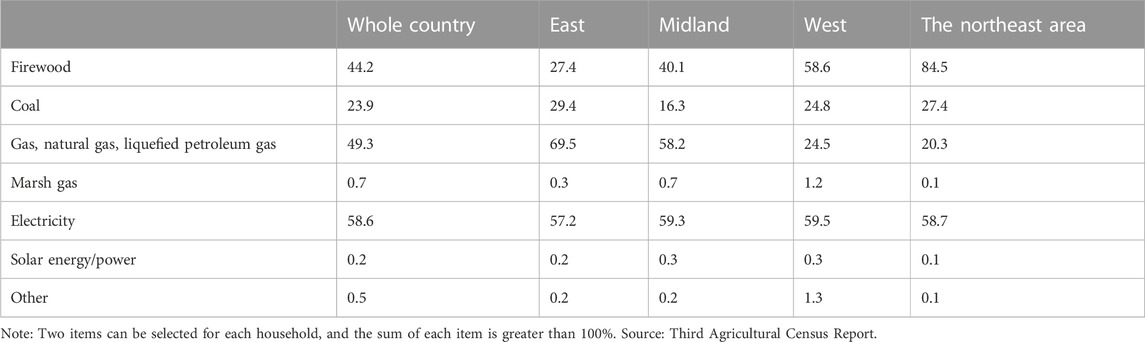
TABLE 1. Main living energy components in rural areas:%.
As a clean energy supply, hydropower provided nearly 16.3% of the world’s electricity in20171. The stability, reliability, and flexibility of its energy supply are not available in other forms of electricity supply2. However, it is still necessary to point out that the construction of hydropower projects will undoubtedly bring about some social problems, among which the most pressing ones are the displacement of immigrants and livelihood issues (Cernea, 1997). Scudder. (2012) found in the study of dam construction and social problems that the resettled residents have a significant decline in living standards, which is manifested by the decrease in the livelihood capital of residents (Sayatham and Suhardiman, 2015) and the change of livelihood model (Wilmsen et al., 2011; Randell, 2016) and the breakdown of social networks (Webber and McDonald, 2004; Bui et al., 2013). Although the change of livelihood capital restricts the production and living of resettled residents, resettlement also provides external conditions and internal support for residents to improve their wellbeing (Sayatham and Suhardiman, 2015). Therefore, the concern for this group and resettlement areas should focus on overall sustainable development. The problem of household energy consumption of farmers in resettlement areas is of great strategic significance to promote environmental protection and improve the quality of life in the area. However, the focus of previous studies on the relocation of hydropower migrants is mainly on the sustainability of their livelihoods and related post-support policies (Zhou et al., 2021; Olwig and Sørensen, 2002; Zhu et al., 2021), and lack of attention to the issue of household energy consumption of farmers in resettlement areas. At the same time, in the existing research on the energy transformation of hydropower resettlement areas, scholars pay more attention to the impact of macro hydropower energy infrastructure construction on the overall carbon emission reduction of the country (Hennig et al., 2023), but pay less attention to the energy of individuals in resettlement areas, especially in the face of the basic policy of national energy green and sustainable development. The convergence of individual energy consumption is the result of the directionality of relevant policies and systems (Cretan and Vesalon, 2017), which makes hydropower immigrants in a state of relative structural power deprivation (Rye and Andrzejewska, 2010), and the energy consumption “bargaining” of immigrant families is at a low level, but on the other hand, the welfare upgrade brought about by the transformation of energy consumption is also the active pursuit of a better life after the immigrants move. Therefore, even in some related hydropower resettlement projects, more attention is paid to the change of residents’ livelihood dependence after relocation, and then relevant policy subsidies are implemented, but there is no doubt that after relocation, residents will face a better external environment and realize the consumption upgrade of the whole family, including the transformation and upgrading of household energy consumption (Durin et al., 2022). China, as a big country where immigrants move, includes not only poverty alleviation, but also hydropower relocation, reservoir relocation, project construction relocation, etc. The study on energy consumption of this group is conducive to the transformation and upgrading of energy consumption to avoid the phenomenon of energy poverty, and also to the realization of China’s strategic goal of double carbon.
In the research on the influencing factors of rural energy consumption, the existing literature mainly shows the following aspects: First, in the economic aspect, income is an important factor that affects household energy consumption, which directly relates to the total amount and structure of household energy consumption (Liu et al., 2013). The specific performance is that high-income households are more inclined to purchase energy from the market, such as electric energy and liquefied gas, while the consumption demand for traditional energy is gradually declining (Damette et al., 2018). Second, family characteristics are also the main factors that affect family energy consumption behavior. For example, Yang et al. (2018) found in the study that the larger the family population, the more significant the increase in family energy consumption. Niu et al. (2014) found that the level of education per capita in a household has an impact on the choice of household energy consumption types, which is mainly manifested by the differences in environmental protection concepts and consumption concepts (Jiang and Xue, 2020). Third, the external environment is also a key factor affecting household energy consumption. Research on the impact of the external environment on household energy consumption mainly focuses on energy availability, energy prices, energy policies, and other aspects. For example, Foley. (1995) pointed out in his research that by-products from agricultural production, such as firewood, straw, wood, and dung, are the main sources of energy for traditional small farmers; Zhang and Yang. (2009) found that the difference in household energy use level depends on the availability of regional energy resources; Luis Lopes (2005) believes that energy price is the main factor that affects residents’ energy consumption. Raising energy prices can restrain the growth of American households’ energy consumption (Cole and Neumayer, 2004); Research by Zhang et al. (2017) found that the government’s energy policy is the indicator to guide the transformation of household energy consumption structure in rural areas and has a guiding role in the use of domestic energy. In addition, research has also explored the impact on rural energy consumption from the aspects of internet use (He et al., 2022), farmers’ digital literacy (Zhao et al., 2022), and non-farm employment (Zhou, et al., 2022).
Although the reserves of hydropower resources in China are among the highest in the world, there is still a big gap between the developed countries and the developed countries, and the remaining hydropower to be developed is concentrated in the southwest. Among them, Sichuan, Yunnan and Tibet are the regions with the richest water resources in China, with theoretical reserves accounting for 2/3 of the national total, and technical exploitable amounts accounting for 71% of the national total. The exploitable amount of hydropower technology in Sichuan ranks first among all provinces in China, of which nearly 50% is located in the western part of Sichuan. The world-class high earth-rock dam, China’s highest million-kilowatt hydropower station, the first leading hydropower station put into operation in six hydropower bases in southwest China, and the Yalong River Lianghekou hydropower station with the largest storage capacity in Sichuan Province are located in the western part of Sichuan. According to the 14th Five-Year Plan for Resettlement of Large and Medium-sized Water Conservancy and Hydropower Projects in Ganzi Prefecture, the land acquisition for its construction involves 1,455 households with 7,160 people and the relocation of many temples. Most hydropower bases in western Sichuan are located in high mountains and valleys, and their natural conditions and social and cultural background are quite different from those in other regions. Tibetans account for more than 95% of the population, and almost all people are religious, and their religious beliefs are different (including the five major sects of Gru, Nyima, Gaju, Bobo and Sakya), with different living customs and unique ways of livelihood. For example, in some places, even the language cannot communicate with each other, and the undergrowth economy such as picking up cordyceps and matsutake is the main source of income for many local farmers and herdsmen. Western Sichuan is the second largest Tibetan-inhabited area in China, and it is also an ecologically fragile area and the original deep poverty area. It is also a key assistance area for rural revitalization of the country and Sichuan Province. The follow-up development of hydropower immigrants faces multiple constraints such as ecology, economy and culture, and the ecological environment, ethnic religion and economic geography have far-reaching impacts on the sustainable development of immigrants. It is complex and special to promote the sustainable development of hydropower immigrants. Although targeted assistance measures have been taken in the follow-up assistance policies for hydropower immigrants through resettlement methods and subsidy models, it is difficult to change the living and consumption habits of hydropower immigrants. For example, in terms of energy consumption, the transformation of traditional energy consumption will directly increase the living and consumption burden of hydropower immigrants, which may cause this group to fall into the trap of energy poverty and reduce their quality of life. Therefore, under the background of multi-time and multi-batch hydropower projects, it is of great practical significance to analyze the transformation of farmers’ energy consumption in resettlement areas based on the characteristics of household consumption habits and constraints.
To sum up, kinds of literature have analyzed the influencing factors of rural energy consumption, but these factors are mainly concentrated on the economy, family, and external environment. Few studies focus on the impact of non-energy policies on residents’ energy consumption structure from the perspective of migration. The construction of hydropower projects in China is booming. Resettlement brought about by the resettlement of hydropower project immigrants has brought about great changes in the production and lifestyle of a large number of residents. Changes in economic and environmental factors will imperceptibly affect the residents’ original consumption habits. It is relatively scarce to study the impact of hydropower migration on households’ energy consumption structure from a micro perspective. Therefore, this study uses the survey data of 382 households in the Sichuan Province of China in 2021 and uses the OLS model and Tobit model to analyze the impact of hydropower migration on households’ energy consumption structure. In addition, we performed heterogeneity analysis and robustness analysis and corrected the estimation error that may be caused by the self-selection problem by constructing the counterfactual model PSM.
The rest of the paper is structured as follows: “Theoretical Analysis and Research Assumptions” section provide the impact mechanism of hydropower migration on the energy consumption structure of households. The “Data Sources and Modeling” section describes the data sources and the modeling methods. The “Results” section introduces the results of the empirical analysis. The “Conclusions and policy implications” section describes the conclusions, discussions and policy implications.
2 Theoretical analysis and research assumptions
The energy ladder theory (Hosier and Dowd, 1987) emphasizes that with the continuous development of the economy and society, the residents’ choice of energy will change accordingly, the energy consumption will change from low-end energy to high-end energy, and the energy consumption structure will also present a ladder-shaped optimization transformation. Ca and Jiang (2008) confirmed the upgrading process of energy consumption structure predicted by the energy ladder model through the energy consumption assessment study of urban and rural households in China, i.e., income is an important factor affecting the upgrading and transformation of household energy consumption structure. However, in further study of energy consumption in developing countries, it is found that the energy consumption structure is not single, and various combinations of household energy consumption are the realistic choices to maximize the utility of household energy consumption (Masera and Navia, 1997). This phenomenon is well explained by the energy accumulation theory put forward by Hosier (1993), which holds that the stable supply of modern energy is the premise of realizing the transformation of energy consumption structure, but the modern energy supply system cannot meet this premise. Therefore, the alternative choice of household energy is inevitable, which will lead to both modern commercial energy and traditional biomass energy in the process of household energy consumption. In the real life of rural areas in China, it is very common for households to use a variety of energy sources. The main reason is that in rural areas is easier to obtain traditional biomass energy, so farmers are more likely to increase the stacking of biomass energy such as fuelwood and straw, which are by-products of agricultural production (Filey, 1995). Based on the energy ladder theory and the energy accumulation theory, it can be found that the growth of farmers’ economic income and the availability of energy are the main factors affecting the energy consumption structure of farmers’ households. The socio-economic environment and ecological changes brought about by the relocation of hydropower immigrants will have a far-reaching impact on the household’s decision-making on domestic energy consumption, which is manifested in the following two aspects:
First, the economic effects of relocation of hydropower immigrants. From the perspective of individual farmers, the income level will directly affect the decision-making of household energy consumption (Qing et al., 2022), and the steady growth of income has a positive and positive impact on the consumption of commodity energy, especially the consumption of clean energy (Tian and Chang, 2020). Migration can improve the production and living conditions, the availability of public resources, and the risk transfer (Agnes et al., 2009; Sayatham and Suhardiman, 2015; Scott et al., 2011) and others, the most important of which is the transformation of production and lifestyle and employment (Randell, 2016). The economic radiation effect brought by the construction of hydropower projects has improved the regional infrastructure, promoted the establishment of industrial parks, and provided a large number of non-agricultural jobs for farmers in the region, thus greatly increasing the non-agricultural income of farmers and increasing the total household income of farmers. At the same time, due to the impact of the external environment brought by the relocation of hydropower immigrants, the farmers have to change the traditional livelihood mode of “relying on water to eat mountains and rely on water to draft”. Facing the new social structure, interpersonal relationship network, and production factors, the weakness of livelihood capital also limits the farmers’ agricultural income to a certain extent. Faced with the non-agricultural transformation of livelihood patterns and the loss of natural capital, farmers reduce the scale of crop cultivation based on rational choice, thus reducing the biomass energy available to farmers. This means that farmers’ access to biomass energy is narrowed. To meet their basic living needs, they may increase the consumption of commodity energy such as clean energy.
Second, the information effect of hydropower migration. Under the background of the rapid development of the digital economy in China, information asymmetry is an important factor limiting the upgrading of farmers’ consumption structure. The farmers’ choice and preference for energy consumption depend on their cognition of energy itself, and the non-circulation of information elements results in the information receiver being unable to make the optimal choice, which makes it difficult for farmers to realize the transformation and upgrading of household energy consumption. Although there is still a big gap in the construction of rural digital infrastructure compared with urban areas, digital information has gradually become an important information source for farmers’ production and life decisions (Jiang et al., 2021), and the application of digital information is conducive to breaking the barriers of farmers’ access to information and reducing information asymmetry (Deng et al., 2019). For farmers who often use digital technologies such as the Internet to obtain information, by browsing and watching pictures, videos, and related publicity of the impact of the use of traditional energy, such as straw burning, on the agro-ecological environment system, farmers can be more intuitively aware of the damage to the ecological environment and the adverse impact on health caused by the use of traditional energy, and farmers can also clearly understand that the use of clean energy can effectively reduce carbon emissions, mitigate the greenhouse effect and optimize the agro-ecological system (He et al., 2022), thus changing the concept of household energy consumption and promoting the optimization and upgrading of household energy consumption structure. The traditional rural society belongs to the local society and the human society. The information sources are mainly limited between villages and towns, and the unicity and reliability of information are the key factors for farmers to make homogeneous decisions (Zhao, 2003). Therefore, the energy consumption status of others in social networks will also affect the household energy consumption structure (He et al., 2022; Qing et al., 2022). The relocation of water and electricity migrants has provided an opportunity for farmers to break through the information constraint. The improvement of digital infrastructure not only breaks through the restriction of essential factors in production but also provides more convenience in life. In particular, the increase in the number of signal base stations and broadband coverage in the destination has made the use of modern communication technologies such as “WeChat” more common (Wang, 2022), thus narrowing the digital divide of farmers. On the other hand, the concentration of resettlement places and the shortening of the distance to cities and towns provide opportunities for farmers to expand the quantity and quality of social networks. The specific performance is that the concentration of living space increases the social frequency and breadth among farmers, and has more interweaving in production and life. The shortening of the distance between cities and towns enables farmers to have more contact with their relatives in cities, thus extending access to information. Therefore, the improvement of access to information during the relocation of hydropower migrants will effectively adjust the energy consumption structure of households.
To sum up, the following research assumptions are put forward in this study:
H1:. The relocation of hydropower immigrants can significantly promote the quality of household energy consumption and inhibit the number of household consumption, thus promoting the transformation and upgrading of household energy consumption structure;
H2a:. The relocation of hydropower immigrants suppresses the number of households’ energy consumption by increasing non-agricultural income and reducing agricultural income;
H2b:. The relocation of hydropower immigrants improves the quality of household energy consumption by increasing non-agricultural income and reducing agricultural income;
H3:. The relocation of hydropower immigrants adjusts the energy consumption structure of households through the acquisition of digital information and traditional information.
3 Data source and model setting
3.1 Data source
From December 2020 to March 2021, a survey on hydropower migration was conducted in the western region of China. The region is mainly composed of Aba Tibetan and Qiang Autonomous Prefecture and Ganzi Tibetan Autonomous Prefecture. The terrain is dominated by plateaus, mountains, and canyons, and the geographical and spatial systems are complex. Due to the extremely scattered hydropower immigrants in Tibet-related areas, to obtain relevant data, the researchers of the research group selected mainly the students living in rural areas such as Ganzi Aba to conduct interviews with farmers by means of questionnaires. Considering the randomicity of the resettlement places, the data of Tibet-related areas were collected by a combination of simple random sampling and key interviews. A total of 480 questionnaires were distributed and 382 were valid, with an effective rate of 79.58%. The sample covers Han, Tibetan, and a small number of other ethnic groups, and is mainly made up of Tibetan farmers, accounting for 79.47% of the survey sample. The questionnaire survey information relates to the individual, family, village, and other aspects, and can describe the overall situation of farmers more comprehensively. The sample area is shown in Figure 1, and Figure 2.
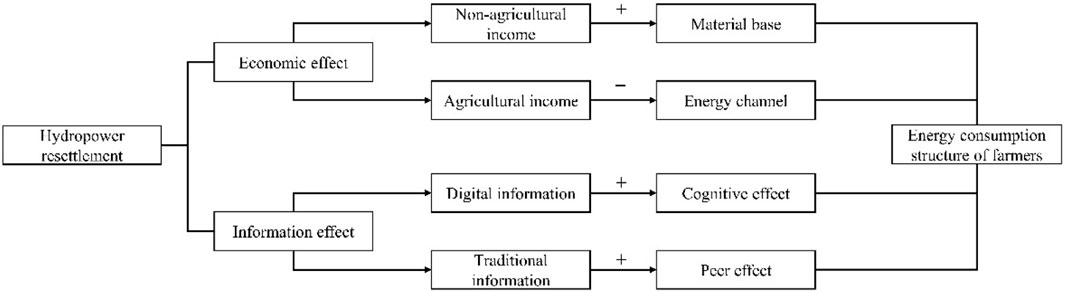
FIGURE 1. Impact mechanism of hydropower resettlement on transformation of farmers’ energy consumption structure.
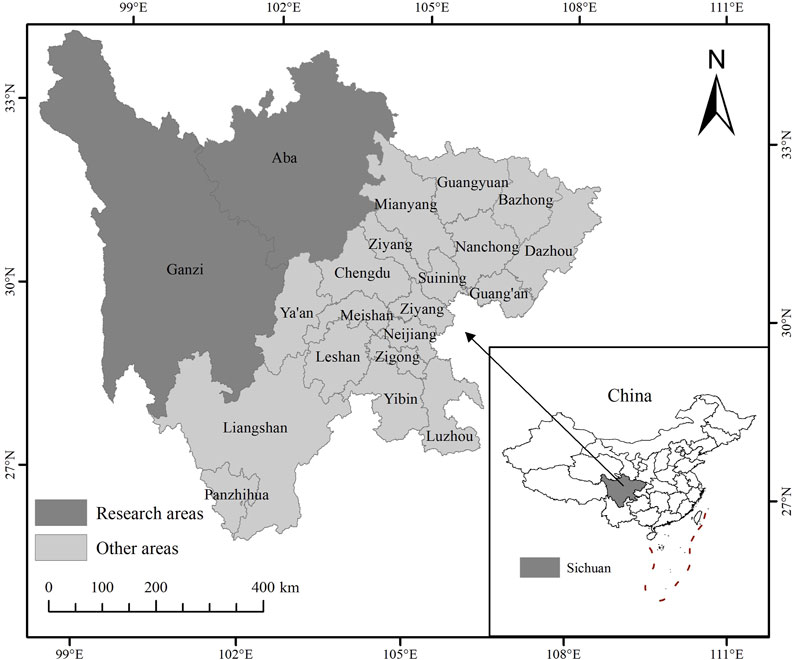
FIGURE 2. Survey area map.
3.2 Model setting
In this study, farmers have different choices for living energy consumption, which results in the rural energy consumption structure in the sample showing some incomplete data with an energy consumption of 0. If OLS is used for analysis, it will lead to an estimation error, which cannot accurately measure the impact of immigration impact on the energy consumption structure of farmers. The Tobit model can effectively estimate the missing data. Therefore, this paper uses the Tobit model to study the impact of migration on the quantity and quality of energy consumption. As the total energy consumption is continuous data and there is no zero value, OLS is used for analysis. The specific model expression is as follows:
In Formula 1,
Due to the impact of natural resources and the external environment, non-immigrants have more factors of production and sources of income, and immigrants may be weak in this respect. Ordinary regression can only observe the household energy consumption of households with relocation experience, while for households without relocation experience, it cannot observe the impact of relocation on their household energy consumption structure. Therefore, there is a “self-selection bias”. This paper uses the propensity score matching method to solve this problem, and obtains the average treatment effect (ATT) by comparing with the observed farmers with immigration experience. The specific calculation formula of ATT is as follows:
Where
3.3 Variable selection and description
3.3.1 Dependent variable
Dependent variables are total household energy consumption, energy consumption quality, and energy consumption quantity. The proportion of farmers’ energy expenditure structure can better measure the rural energy consumption structure. Therefore, this paper uses the proportion of farmers’ clean energy consumption to the total household energy consumption to measure the quality of energy consumption; The traditional energy consumption of farmers accounts for the proportion of total household energy consumption to measure the amount of energy consumption. Among them, clean energy mainly refers to commercial energy such as electricity, natural gas, and liquefied gas, while traditional energy mainly refers to biomass energy such as firewood, wood, and cow dung.
3.3.2 Independent variables
The independent variable is the relocation of hydropower immigrants. According to the question “Is the hydropower immigrant relocated?” If the answer is yes, the value is 1; otherwise, it is 0. The purpose of this paper is to explore the impact of the relocation of hydropower immigrants on the energy consumption structure of farmers. The relocation of hydropower immigrants has a great impact on the natural environment, economic environment, and social environment of farmers, which can well measure the impact and impact of “environmental” changes on the actual production and life of farmers.
3.3.3 Control variables
Based on the research foundation of He et al. (2022) and Qing et al. (2022), 12 control variables are selected from 3 categories, including individual characteristics, economic characteristics of the family population, and environmental characteristics of villages. Among them, individual characteristics include age, gender, education level, political status, and health status; The economic characteristics of the family population include the size of the family population (permanent population), the size of the family elderly population, the family cycle, and the human participation; Village environmental characteristics, road conditions, and traffic conditions.
The description and descriptive statistics of all variables involved in the model are shown in Table 2, in which it can be known that the quality of energy consumption of farmers is far better than the quantity of energy consumption, indicating that clean energy is the main energy consumption choice in the energy consumption structure of farmers.
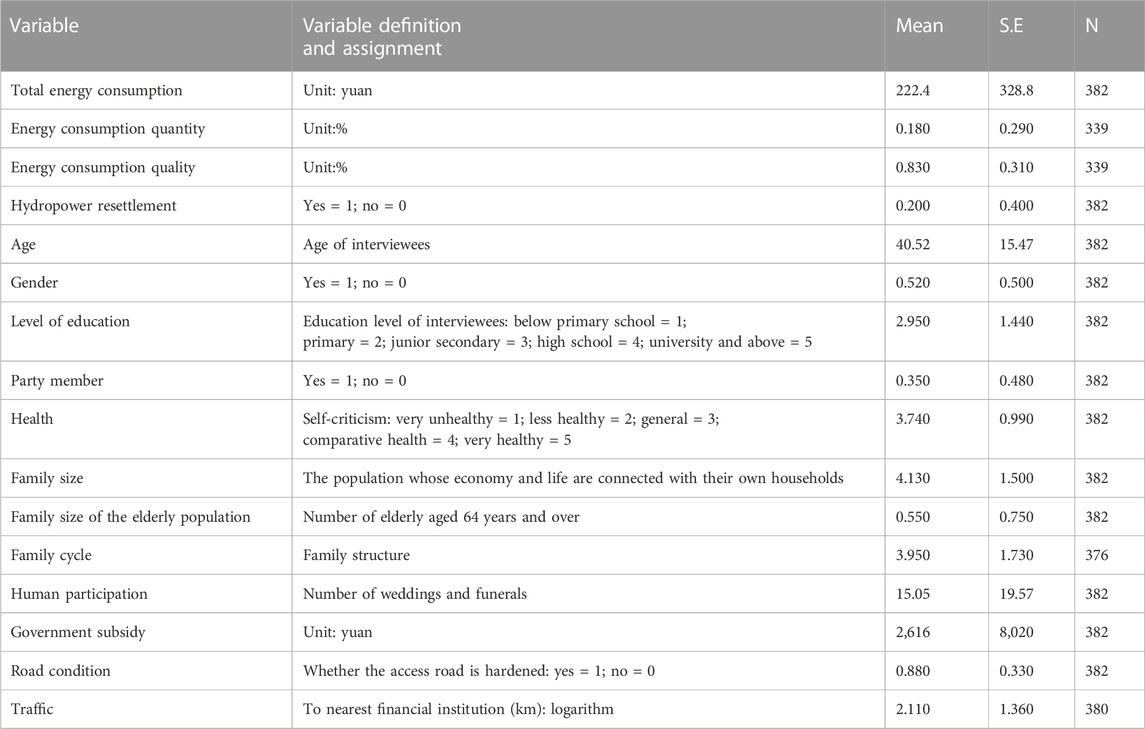
TABLE 2. Variable definition and descriptive statistics.
4 Results
4.1 Benchmark regression analysis
In this paper, the OLS model is used for regression analysis of total energy consumption, and the Tobit model is used for regression estimation of energy consumption quantity and energy consumption quality. Columns (1)-(3) in Table 3 are the regression results obtained by taking the relocation of hydropower immigrants as the core explanatory variable and adding individual characteristics, family characteristics, and village-level characteristics for regression.
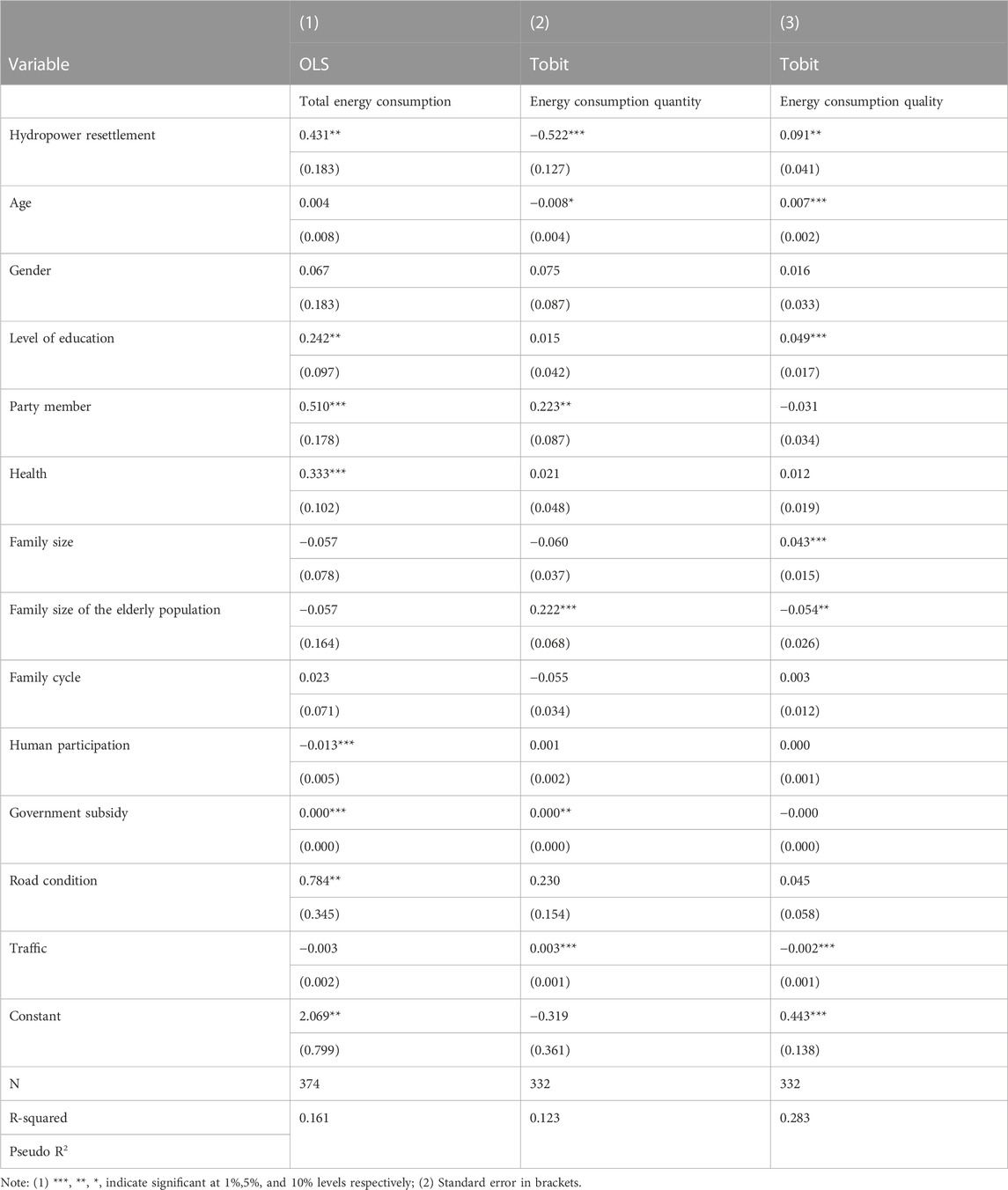
TABLE 3. Benchmark regression results.
From the regression results in column (1), it can be seen that the impact of the relocation of hydropower immigrants on total energy consumption is significantly negative. The change in the external environment caused by the relocation of hydropower immigrants aggravates the overall energy burden of families, which increased by nearly 43.1% compared with the energy consumption of families before the relocation. The main reason is that after the relocation, farmers have better material basis and conditions to improve their quality of life, such as adding household appliances. Looking at the regression results in column (2), we can see that the relocation of hydropower immigrants has a significant negative impact on the quantity of energy consumption. After the relocation of hydropower immigrants, farmers’ consumption of traditional energy has decreased significantly. The main reasons are the narrowing and inconvenience of traditional energy access and the assimilation of village collective energy consumption patterns. The regression result in column (3) indicates that the relocation of hydropower immigrants has a significant positive impact on the quality of energy consumption, indicating that the farmers have increased their consumption of clean energy after the relocation of hydropower immigrants, the energy infrastructure in the areas where the farmers have relocated hydropower immigrants is improved, and the accessibility of clean energy is greatly improved, which provides external support for improving the quality of energy consumption of farmers.
To sum up, the relocation of hydropower immigrants has led to an increase in the energy burden of the farmers themselves. At the same time, it has significantly reduced the quantity of energy consumption of the farmers and improved the quality of energy consumption. To a certain extent, it has improved the energy consumption structure of the farmers and promoted the dominant position of green energy consumption in western China, which has a positive impact on the ecological environment construction in western China. Therefore, the H1 hypothesis is proved.
From the perspective of control variables, age in individual characteristics has significant negative and positive effects on the quantity and quality of energy consumption, which indicates that age can change the energy consumption preferences of households in household energy consumption. To further analyze the impact of age on household energy consumption, this study conducted a more detailed discussion in the heterogeneity analysis. The education level of farmers has a significant positive impact on the total energy consumption and the quality of energy consumption, indicating that the higher the education level, the greater the possibility of increasing the total energy consumption and the quality of energy consumption, which is consistent with the existing research (Israel, 2002; Sun et al., 2014). The size of the family population and the size of the family elderly population in the family characteristics have significant opposite effects on the quality of energy consumption, among which the family with a large proportion of the elderly population has significant negative effects on the quality of energy consumption. Human participation has a significant negative impact on total energy consumption, indicating that the more developed the social relationship network, the more favorable it is to reducing the energy burden of households. In the village-level characteristics, the road conditions have a significant positive impact on the total energy consumption, indicating that the better the road conditions, the more farmers will increase the total energy consumption. Traffic conditions have significant positive and negative effects on the quantity and quality of energy consumption. Better traffic conditions will increase the consumption of traditional energy and reduce the consumption of clean energy. The possible reason is that the energy consumption habits of farmers and convenient transportation form a prefecture-level market for the purchase and sale of traditional energy after the relocation of immigrants. Under the influence of supply and demand, the energy consumption structure in immigrant areas presents certain distortions.
4.2 Endogenous discussion
This study focuses on the impact of the relocation of hydropower migrants on the energy consumption structure of households. Due to the limitations of cross-sectional data, the estimation results can only be obtained by comparing migrants with non-migrants. There is an endogeneity problem caused by sample self-selection when using benchmark regression. However, propensity score matching (PSM) deals with the possible sample self-selection problem of immigrants by constructing a “counterfactual inference model” to select non-immigrants with similar immigration characteristics. In the process of propensity score matching, the control variables mentioned above are selected as covariates, and immigrants and non-immigrants are selected to match. Table 4 shows the average treatment effect (ATT) of the three matching methods of neighbor matching, kernel matching, and caliper matching, which all indicate that the relocation of hydropower immigrants has significant negative and positive effects on the quantity and quality of energy consumption of households.
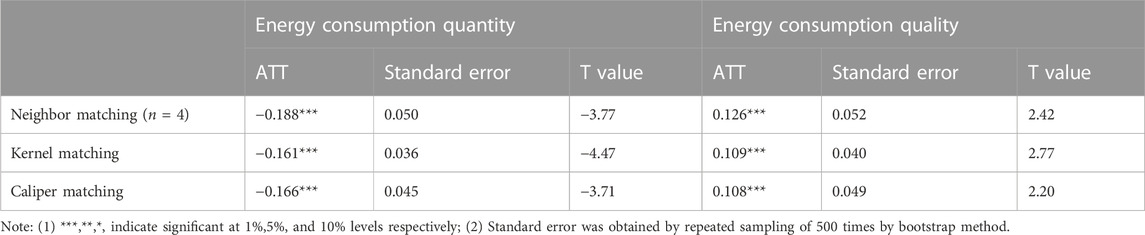
TABLE 4. PSM estimation results of the impact of hydropower resettlement on household energy consumption structure.
4.3 Robustness test
Although the error of regression results caused by sample self-selection is solved by the PSM model, further robustness test is still needed to ensure the reliability of regression results. In the above-mentioned benchmark regression, this study regards the quantity of energy consumption and the quality of energy consumption as two equations, but these two decisions are not independent, and the disturbance terms of the two are correlated. Therefore, this paper uses seemingly unrelated regression (SUR) to further demonstrate. The results in Table 5 show that the relocation of hydropower immigrants still negatively affects the quantity of energy consumption at the level of 1% and positively affects the quality of energy consumption at the level of 5%, again verifying the robustness of the benchmark regression results.
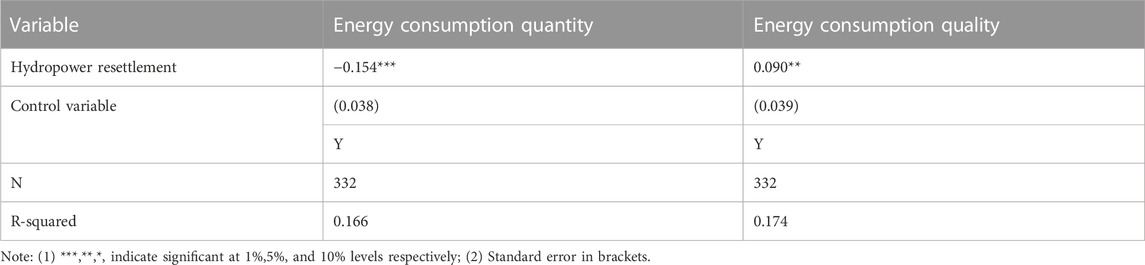
TABLE 5. SUR robustness test.
4.4 Heterogeneity analysis
In the aforementioned benchmark regression analysis, it can be found that the age of the head of household has a significant impact on the quantity and quality of energy consumption, and previous studies have also revealed that the energy consumption tendencies of different age groups are different (Chen et al., 2016). To explore the specific action mechanism of age on household energy consumption decision-making in the relocation of hydropower immigrants, according to the age distribution of the sample, this paper defines the age of the interviewees as the dividing line, families older than 45 years old are defined as middle-aged and elderly families, and families younger than 45 years old are defined as middle-aged and young families. Table 6 reports the results of the age-based heterogeneity analysis. From Model 1 and Model 2, it can be seen that the relocation of hydropower immigrants has a significant negative impact on the quantity of energy consumption in both middle-aged elderly and middle-aged young families, indicating that the relocation of hydropower immigrants can effectively reduce the dependence of households on the energy consumption in any group. From model 3 and model 4, it can be found that the relocation of hydropower immigrants in middle-aged and young families can significantly improve the energy consumption quality of peasant households, while the relocation of hydropower immigrants in elderly families does not have a significant impact on the energy consumption quality.
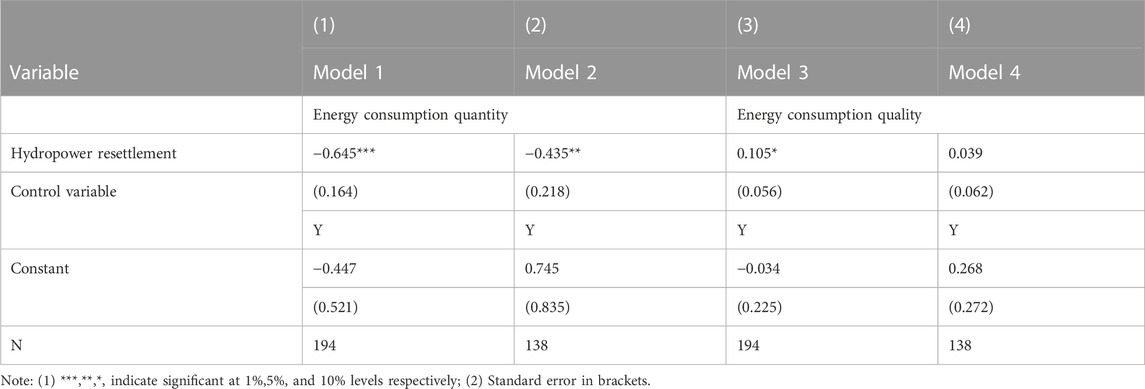
TABLE 6. Heterogeneity analysis based on age.
Based on the energy ladder theory, which emphasizes the decisive role of income in the transformation of household energy consumption structure, this study divides the income of the total household sample into three levels: low, medium, and high, and explores how farmers make their own energy consumption decisions under different income levels. The first three columns of the regression results in Table 7 show that the relocation of hydropower immigrants has a significant negative impact on the quantity of energy consumption of low-income families, middle-income families, and high-income families. Compared with low-income families, middle-income and high-income families are more likely to curb energy consumption, indicating that the increase in income is beneficial to weakening the dependence on the quantity of energy consumption (Tian and Chang, 2020). The regression results in the last three columns in Table 7 show that the relocation of hydropower immigrants in low-income households has no significant impact on the quality of energy consumption, which may be due to the fact that the price of clean energy still imposes a heavy economic burden on low-income households. As for the middle-income and high-income families, the relocation of hydropower immigrants has an obvious effect on improving the quality of energy consumption, which further indicates that the improvement of income is beneficial to strengthening the improvement of the energy consumption quality of farmers (Liu et al., 2013). To sum up, the improvement of household income is beneficial to the optimization of household energy consumption structure.
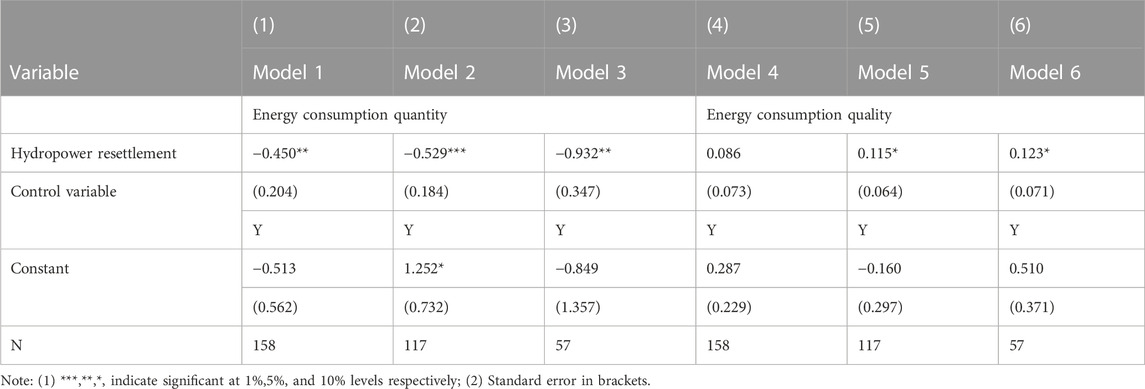
TABLE 7. Heterogeneity analysis based on income levels.
4.5 Analysis of impact mechanism
The impact of the relocation of hydropower immigrants on the income of farmers is shown in Table 8. The results in columns (1) and (2) show that the relocation of hydropower immigrants has a significant positive impact on the non-agricultural income of households, that is, the relocation of hydropower immigrants improves the non-agricultural income of households. However, the relocation of hydropower immigrants has a significant negative impact on agricultural income, indicating that the relocation of immigrants reduces the agricultural income of farmers. On the whole, the increase in non-agricultural income from the relocation of hydropower immigrants is far greater than the decrease in agricultural income, which on the one hand provides a material basis for farmers to improve the quality of energy consumption; On the other hand, it also reduces the access to traditional energy sources to a certain extent and reduces the demand for energy consumption by farmers. The regression results in columns (3) and (4) show that the coefficients of non-agricultural income and water and electricity migration are significantly negative and the coefficient of agricultural income is significantly positive, indicating that the relocation of hydropower immigrants can reduce the dependence of farmers on the quantity of household energy consumption by increasing farmers’ non-agricultural income and reducing agricultural income. Therefore, the H2a hypothesis is proved. However, in columns (5) and (6), the coefficients of non-agricultural income and agricultural income are not significant, indicating that they do not have a positive impact on the improvement of the energy consumption quality of households. Therefore, the H2b hypothesis is falsified. Although this conclusion is different from the existing research results, considering the periodicity and timeliness of energy consumption structure upgrading, the promotion effect of income on energy consumption quality may not have a significant impact in the short term.
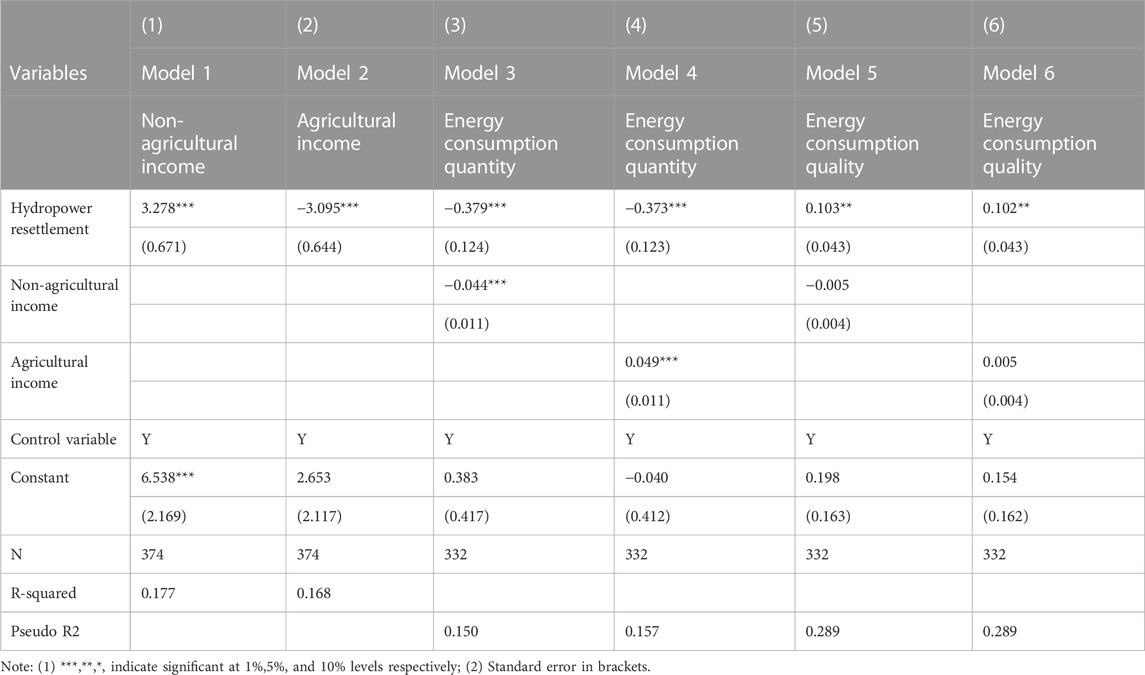
TABLE 8. Mechanism test based on economic effects.
The biggest impact of the relocation of hydropower immigrants on the farmers is the change in the external environment, especially for the farmers who move from the closed areas to relatively open areas, the information elements have changed from scarce to rich, and the diversification and convenience of information access have had a huge impact on the farmers’ family decision-making. The change in the information environment has reduced the current situation of farmers’ information asymmetry to a certain extent.
To identify how digital information regulates the moderating effect of the energy consumption structure of the households relocated by hydropower immigrants, this paper adds the cross-term between the relocation of hydropower immigrants and the use of the Internet on the basis of the benchmark regression model. The results are shown in Table 9. For the quality and quantity of energy consumption, the cross-items between the relocation of hydropower immigrants and the use of the Internet passed the significance test, which showed that the quantity of energy consumption was suppressed and the quality of energy consumption was improved. This means that digital information can effectively adjust the energy consumption structure affected by the relocation of hydropower immigrants.
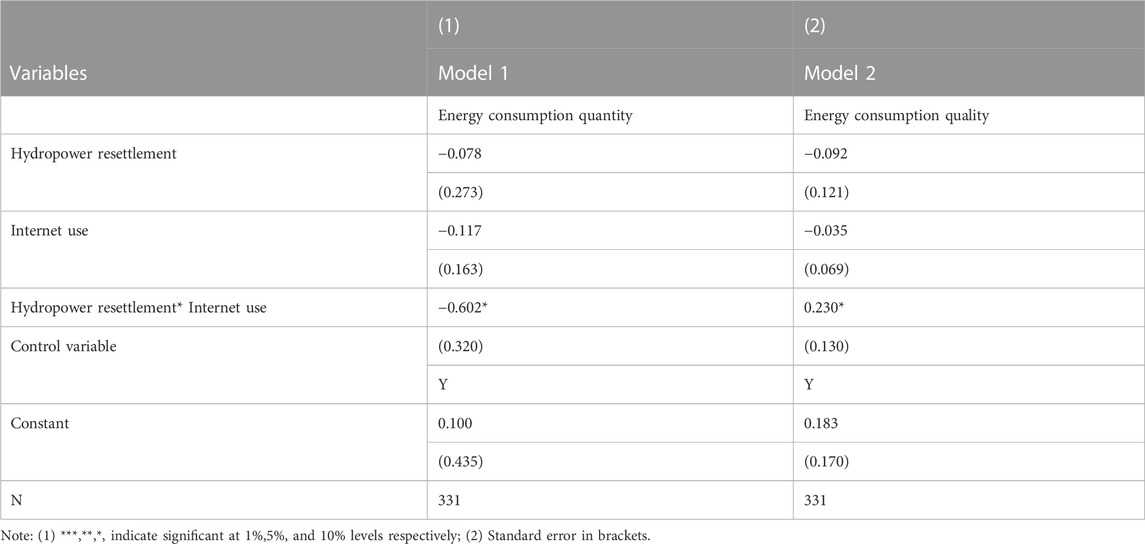
TABLE 9. Regulatory effects of digital information on energy consumption.
This study uses the communication cost of individual farmers as an embodiment of their traditional information acquisition. In the existing literature, communication cost is used to measure the general situation of household social capital, and the impact on household energy consumption decisions is studied. To further verify the impact of traditional information on the energy consumption structure, this paper introduces the interaction term between the relocation of hydropower immigrants and communication costs into the benchmark model. From the regression results in columns (1) and (2) of Table 10, it can be seen that the interaction term has a significant negative and positive impact on the quantity and quality of energy consumption at the level of 10%, respectively. From this, it can be seen that traditional information plays a certain role in the energy consumption structure. Under the influence of the peer effect, farmers are more inclined to increase the consumption of clean energy, thus improving the quality of energy consumption.
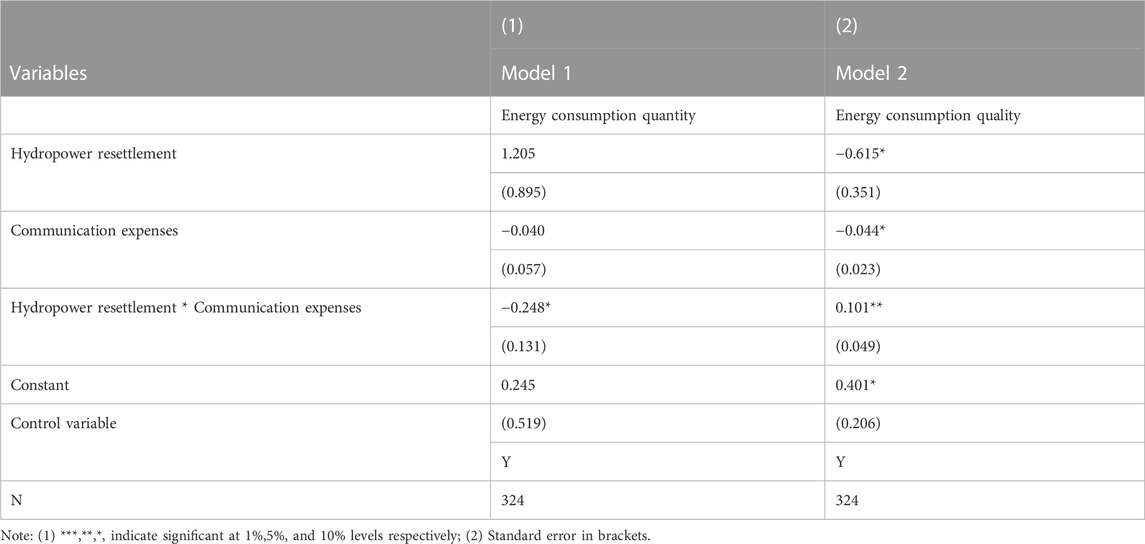
TABLE 10. Interactive effects of traditional information literacy on energy consumption.
5 Conclusion and policy implications
5.1 Conclusion
This study analyzed and discussed the energy consumption structure of rural households in western China from the perspective of the sudden change in rural households’ external environment caused by the relocation of hydropower immigrants. The OLS, Probit, and PSM models are used to empirically analyze the impact of hydropower migration on the energy consumption structure of farmers. The following conclusions are drawn: (1) The external environment change caused by hydropower migration significantly increases the energy consumption burden of farmers themselves, but has a significant negative impact on the energy consumption quantity and a significant positive impact on the energy consumption quality. (2) The age structure of the head of household is different in the impact of the relocation of hydropower immigrants on the energy consumption choices of the households. The specific performance is that the age structure of the relocation of hydropower immigrants does not have an obvious heterogeneous effect in the impact on the energy consumption quantity, but has significant heterogeneity in the impact on the energy consumption quality. For example, the relocation of hydropower immigrants in young and middle-aged households can significantly improve the energy consumption quality of the households, while the relocation of hydropower immigrants in elderly households does not have a significant impact on the energy consumption quality. (3) In the study of income heterogeneity, it is found that for low-income families, the economic burden of improving the quality of energy consumption is still large. In the analysis of the impact on the quantity of energy consumption, it can be found that no matter which income class they are in, the relocation of hydropower immigrants can significantly reduce the dependence of farmers on the quantity of energy consumption. (5) Mechanism analysis shows that the relocation of hydropower immigrants increases the non-agricultural income of households and decreases the agricultural income, which provides a material basis for farmers to improve the quality of energy consumption and reduce the quantity of energy consumption; The moderating effect shows that the diversity of information elements in resettlement areas, especially the abundance of digital information, has a significant impact on the optimization of energy consumption structure of farmers. Based on the upgrading and transformation of the community network, traditional information can give full play to peer effect, thus promoting the quality of household energy consumption and inhibiting the amount of household energy consumption.
5.2 Discussions
Based on theoretical analysis and empirical test, this study finds that the relocation of hydropower immigrants has positive significance for the transformation of energy consumption of farmers in resettlement areas, which supplements the relevant materials and research certificates on the upgrading of energy consumption of micro-farmers in the existing hydropower project research. Although there are many difficulties in the process of energy transformation, such as changing the original energy consumption habits and increasing the clean burden of energy consumption (Montañés et al., 2023), there is no doubt that the clean energy transformation of farmers in resettlement areas has positive feedback for the long-term wellbeing of farmers, such as reducing the incidence of respiratory diseases, enhancing farmers’ own health and achieving stable growth of human capital (Li et al., 2023; Verma and Imelda, 2023). Based on the perspective of hydropower resettlement, this paper analyzes the transformation of energy consumption of farmers in resettlement areas, but there are inevitably some shortcomings, especially the transformation of household energy consumption is a long-term process. The data used in this paper are cross-sectional data, which can only reveal the current situation of energy consumption transformation of farmers in resettlement areas in the short term, and the explanation of long-term effects may not be sufficient. Therefore, in the later research, we will use panel data as much as possible to make corresponding discussions, improve the conclusions of this paper, and supplement a new research perspective for the research of hydropower resettlement projects in the international community.
In view of the above conclusions, this paper puts forward the following policy recommendations: (1) Increase the resettlement guidance for the ecologically fragile areas, increase related energy consumption subsidies, and prevent farmers from falling into poverty due to the energy burden problem, thus forming a vicious circle; (2) To strengthen the publicity of clean energy use in areas with serious aging, so as to make them fully realize the necessity and urgency of choosing clean energy and gradually change the energy consumption habits of aging farmers; (3) Improve the infrastructure, expand the local industrial chain, build related industries relying on local characteristic resources, provide diversified channels for local farmers to increase household income, and provide a solid material foundation for farmers to realize the transformation and upgrading of household energy; (4) To improve farmers’ ability to access information, and to regularly carry out activities such as digital network technology training, we should not only strengthen the stability of traditional information access channels, but also further strengthen farmers’ digital literacy, expand farmers’ ability to access digital information and their ability to apply it, so as to guide consumption upgrading with information and help the transformation and upgrading of rural domestic energy.
Data availability statement
The raw data supporting the conclusion of this article will be made available by the authors, without undue reservation.
Ethics statement
Ethical review and approval was not required for the study on human participants in accordance with the local legislation and institutional requirements. Written informed consent from the (patients/ participants OR patients/participants legal guardian/next of kin) was not required to participate in this study in accordance with the national legislation and the institutional requirements.
Author contributions
LZ: Conceptualization, Methodology, Software, Visualization, Writing–original draft. XD: Writing–review and editing. HZ: Conceptualization, Funding acquisition, Methodology, Project administration, Resources, Writing–review and editing.
Funding
The author(s) declare financial support was received for the research, authorship, and/or publication of this article. This research was funded by the National Social Science Fund of China (No. 17CMZ035) and the National Social Science Fund of China (No. 23BSH035).
Conflict of interest
The authors declare that the research was conducted in the absence of any commercial or financial relationships that could be construed as a potential conflict of interest.
Publisher’s note
All claims expressed in this article are solely those of the authors and do not necessarily represent those of their affiliated organizations, or those of the publisher, the editors and the reviewers. Any product that may be evaluated in this article, or claim that may be made by its manufacturer, is not guaranteed or endorsed by the publisher.
Footnotes
1International Energy Agency, Electricity information: Overview (2019 edition), IEA, Paris, 2019. Released on 3 September 2019. Available for download at: https://webstore.iea.org/electricity-information-2019.
2International Hydropower Association, Fast facts about hydropower. 2019. Last updated on 18 June 2019. Available from: https://www.hydropower.org/facts.
References
Agnes, R. D., Solle, M. S., Said, A., and Fujikura, R. (2009). Effects of construction of the Bili-Bili Dam (Indonesia) on living conditions of former residents and their patterns of resettlement and return. Int. J. Water Resour. Dev. 25 (3), 467–477. doi:10.1080/07900620902965186
Bui, T. M. H., Schreinemachers, P., and Berger, T. (2013). Hydropower development in Vietnam: involuntary resettlement and factors enabling rehabilitation. Land use policy 31, 536–544. doi:10.1016/j.landusepol.2012.08.015
Cai, J., and Jiang, Z. (2008). Changing of energy consumption patterns from rural households to urban households in China: an example from Shaanxi Province, China. Renew. Sustain. Energy Rev. 12 (6), 1667–1680. doi:10.1016/j.rser.2007.03.002
Cernea, M. (1997). The risks and reconstruction model for resettling displaced populations. World Dev. 25 (10), 1569–1587. doi:10.1016/S0305-750X(97)00054-5
Chen, Q., Yang, H., Liu, T., and Zhang, L. (2016). Household biomass energy choice and its policy implications on improving rural livelihoods in Sichuan, China. Energy Policy 93, 291–302. doi:10.1016/j.enpol.2016.03.016
Cole, M. A., and Neumayer, E. (2004). Examining the impact of demographic factors on air pollution. Popul. Environ. 26 (1), 5–21. doi:10.1023/B:POEN.0000039950.85422.eb
Cretan, R., and Vesalon, L. (2017). The political economy of hydropower in the communist space: iron Gates revisited. Tijdschr. Econ. Soc. Geogr. 108 (5), 688–701. doi:10.1111/tesg.12247
Damette, O., Delacote, P., and Lo, G. D. (2018). Households energy consumption and transition toward cleaner energy sources. Energy Policy 113, 751–764. doi:10.1016/j.enpol.2017.10.060
Deng, X., Xu, D., Zeng, M., and Qi, Y. (2019). Does Internet use help reduce rural cropland abandonment? Evidence from China. Land use policy 89, 104243. doi:10.1016/j.landusepol.2019.104243
Durin, X. O., Ming, B. M. X., Karunakaran, P. P., Sin, L. L. W., Nabipour Afrouzi, H., and Mehranzamir, K. (2022). A comprehensive review of the environmental impacts of hydropower projects in Sarawak, Malaysia. Future Energy 1(3), 1–10. doi:10.55670/fpll.fuen.1.3.1
Foley, G. (1995). Photovoltaic applications in rural area of the developing world, 3. Washington, DC: World Bank Publications, 32–35. doi:10.1596/0-8213-3461-1
He, J., Qing, C., Guo, S., Zhou, W., Deng, X., and Xu, D. (2022). Promoting rural households' energy use for cooking: using Internet. Technol. Forecast. Soc. Change 184, 121971. doi:10.1016/j.techfore.2022.121971
Hennig, T., Wang, W., Feng, Y., Ou, X., and He, D. (2013). Review of Yunnan's hydropower development. Comparing small and large hydropower projects regarding their environmental implications and socio-economic consequences. Renew. Sustain. Energy Rev. 27, 585–595. doi:10.1016/j.rser.2013.07.023
Hori, S., Kondo, K., Nogata, D., and Ben, H. (2013). The determinants of household energy-saving behavior: survey and comparison in five major Asian cities. Energy Policy 52, 354–362. doi:10.1016/j.enpol.2012.09.043
Hosier, R. H., and Dowd, J. (1987). Household fuel choice in Zimbabwe: an empirical test of the energy ladder hypothesis. Resour. energy 9 (4), 347–361. doi:10.1016/0165-0572(87)90003-X
Hosier, R. H., and Kipondya, W. (1993). Urban household energy use in Tanzania: prices, substitutes and poverty. Energy Policy 21 (5), 454–473. doi:10.1016/0301-4215(93)90035-E
Israel, D. (2002). Fuel choice in developing countries:evidence from Bolivia. Econ. Dev. Cult. Change 50 (4), 865–890. doi:10.1086/342846
Jiang, Lu, Xue, B., Xing, R., Chen, X., Song, L., Wang, Y., et al. (2020). Rural household energy consumption of farmers and herders in the Qinghai-Tibet Plateau. Energy 192, 116649. doi:10.1016/j.energy.2019.116649
Jiang, W., Yan, T., and Chen, B. (2021). Impact of media channels and social interactions on the adoption of straw return by Chinese farmers. Sci. Total Environ. 756, 144078. doi:10.1016/j.scitotenv.2020.144078
Li, C., He, L., Cao, Y., Xiao, G., Zhang, W., Liu, X., et al. (2014). Carbon emission reduction potential of rural energy in China. Renew. Sustain. Energy Rev. 29, 254–262. doi:10.1016/j.rser.2013.08.073
Li, W., Yu, Y., He, Q., Xu, D., Qi, Y., and Deng, X. (2023). Impact of clean energy use on the subjective health of household members: empirical evidence from rural China. Energy 263, 126006. doi:10.1016/j.energy.2022.126006
Liu, G., Lucas, M., and Shen, L. (2008). Rural household energy consumption and its impacts on eco-environment in Tibet: taking Taktse county as an example. Renew. Sustain. energy Rev. 12 (7), 1890–1908. doi:10.1016/j.rser.2007.03.008
Liu, W., Spaargaren, G., Heerink, N., Mol, A. P., and Wang, C. (2013). Energy consumption practices of rural households in north China: basic characteristics and potential for low carbon development. Energy Policy 55, 128–138. doi:10.1016/j.enpol.2012.11.031
Lopes, L., Hokoi, S., Miura, H., and Shuhei, K. (2005). Energy efficiency and energy savings in Japanese residential buildings—research methodology and surveyed results. Energy Build. 37 (7), 698–706. doi:10.1016/j.enbuild.2004.09.019
Masera, O. R., and Navia, J. (1997). Fuel switching or multiple cooking fuels? Understanding inter-fuel substitution patterns in rural Mexican households. Biomass Bioenergy 12, 347–361. doi:10.1016/S0961-9534(96)00075-X
Montañés, C. C., O’Shaughnessy, E., Bednar, D., Nock, D., Carley, S., Kammen, D. M., et al. (2023). Enabling and centering equity and justice in clean energy transition research. Joule 7 (3), 437–441. doi:10.1016/j.joule.2023.02.005
Niu, H., He, Y., Desideri, U., Zhang, P., Qin, H., and Wang, S. (2014). Rural household energy consumption and its implications for eco-environments in NW China: a case study. Renew. Energy 65, 137–145. doi:10.1016/j.renene.2013.07.045
Olwig, K. F., and Sørensen, N. N. (2002). “Mobile livelihoods. Making a living in the world. Work and Migration,” in Life and livelihoods in a globalizing world. Editors Sørensen, and Olwig, 1–19. doi:10.4324/9780203166239
Qing, C., He, J., Guo, S., Zhou, W., Deng, X., and Xu, D. (2022). Peer effects on the adoption of biogas in rural households of Sichuan Province, China. Environ. Sci. Pollut. Res. 29, 61488–61501. doi:10.1007/s11356-022-20232-y
Randell, H. (2016). The short-term impacts of development-induced displacement on wealth and subjective well-being in the Brazilian Amazon. World Dev. 87, 385–400. doi:10.1016/j.worlddev.2016.07.005
Rye, J. F., and Andrzejewska, J. (2010). The structural disempowerment of Eastern European migrant farm workers in Norwegian agriculture. J. rural Stud. 26 (1), 41–51. doi:10.1016/j.jrurstud.2009.06.003
Sayatham, M., and Suhardiman, D. (2015). Hydropower resettlement and livelihood adaptation: the Nam Mang 3 project in Laos. Water Resour. rural Dev. 5, 17–30. doi:10.1016/j.wrr.2015.01.001
Scott, C. A., Pierce, S. A., Pasqualetti, M. J., Jones, A. L., Montz, B. E., and Hoover, J. H. (2011). Policy and institutional dimensions of the water–energy nexus. Energy Policy 39 (10), 6622–6630. doi:10.1016/j.enpol.2011.08.013
Scudder, T. T. (2012). The future of large dams: dealing with social, environmental, institutional and political costs. Taylor & Francis. doi:10.4324/9781849773904
Sun, D., Bai, J., Qiu, H., and Cai, Y. (2014). Impact of government subsidies on household biogas use in rural China, Energy Policy 73, 748–756. doi:10.1016/j.enpol.2014.06.009
Tian, S., and Chang, S. (2020). An agent-based model of household energy consumption. J. Clean. Prod. 242, 118378. doi:10.1016/j.jclepro.2019.118378
Verma, A. P., and Imelda, (2023). Clean energy access: gender disparity, health and labour supply. Econ. J. 133 (650), 845–871. doi:10.1093/ej/ueac057
Wang, B. (2022). Infrastructures in migration: mobile foreign academics in China and the ‘everyday’,‘agency’and ‘arrival’focus. Geoforum 129, 141–150. doi:10.1016/j.geoforum.2022.01.013
Webber, M., and McDonald, B. (2004). Involuntary resettlement, production and income: evidence from Xiaolangdi, PRC. World Dev. 32 (4), 673–690. doi:10.1016/j.worlddev.2003.10.010
Wilmsen, B., Webber, M., and Yuefang, D. (2011). Development for whom? Rural to urban resettlement at the three gorges dam. Asian Stud. Rev. 35 (1), 21–42. doi:10.1080/10357823.2011.552707
Wu, S. (2020). The evolution of rural energy policies in China: a review. Renew. Sustain. Energy Rev. 119, 109584. doi:10.1016/j.rser.2019.109584
Yang, R., He, J., Li, S., Su, W., Ren, Y., and Li, X. (2018). Different effects of main influence factors on household energy consumption in three typical rural villages of China. Energy Rep. 4, 603–618. doi:10.1016/j.egyr.2018.09.006
Zhang, L. X., Yang, Z. F., Chen, B., Chen, G., and Zhang, Y. (2009). Temporal and spatial variations of energy consumption in rural China. Commun. Nonlinear Sci. Numer. Simul. 14 (11), 4022–4031. doi:10.1016/j.cnsns.2008.04.019
Zhang, Z., Zinda, J. A., and Li, W. (2017). Forest transitions in Chinese villages: explaining community-level variation under the returning forest to farmland program. Land Use Policy 64, 245–257. doi:10.1016/j.landusepol.2017.02.016
Zhao, L., Zhang, Y., and Zhang, H. (2022). Research on the impact of digital literacy on farmer households’ green cooking energy consumption: evidence from rural China. Int. J. Environ. Res. Public Health 19 (20), 13464. doi:10.3390/ijerph192013464
Zhao, Y. (2003). The role of migrant networks in labor migration: the case of China. Contemp. Econ. Policy 21 (4), 500–511. doi:10.1093/cep/byg028
Zhou, W., Ma, Z., Guo, S., Deng, X., and Xu, D. (2021). Livelihood capital, evacuation and relocation willingness of residents in earthquake-stricken areas of rural China. Saf. Sci. 141, 105350. doi:10.1016/j.ssci.2021.105350
Zhou, W., Qing, C., Guo, S., He, J., Deng, X., Song, J., et al. (2022). Labor off-farm employment and farmers’ cooking clean energy use: evidence from rural China. Agriculture 12 (7), 972. doi:10.3390/agriculture12070972
Keywords: relocation of hydropower immigrants, energy consumption structure, energy consumption quantity, energy consumption quality, farmer
Citation: Zhao L, Du X and Zhang H (2023) Relocation of hydropower immigrants and transformation of farmers’ energy consumption structure: an empirical study from western China. Front. Energy Res. 11:1268523. doi: 10.3389/fenrg.2023.1268523
Received: 28 July 2023; Accepted: 02 November 2023;
Published: 22 November 2023.
Edited by:
Rui Long, Huazhong University of Science and Technology, ChinaReviewed by:
Remus Cretan, West University of Timișoara, RomaniaLunyu Xie, Renmin University of China, China
Copyright © 2023 Zhao, Du and Zhang. This is an open-access article distributed under the terms of the Creative Commons Attribution License (CC BY). The use, distribution or reproduction in other forums is permitted, provided the original author(s) and the copyright owner(s) are credited and that the original publication in this journal is cited, in accordance with accepted academic practice. No use, distribution or reproduction is permitted which does not comply with these terms.
*Correspondence: Haixia Zhang, c3F6bGNqckAxNjMuY29t