 HongYu Pan1
 Adel Pourghader Chobar
- 1School of Economics and Management, Sichuan Post and Telecommunication College, Chengdu, Sichuan, China
- 2Department of Management, Faculty of Technology and Industrial Management, Islamic Azad University, Tehran, Iran
- 3Department of Industrial Engineering, Islamic Azad University, Lahijan, Iran
- 4Department of Industrial Engineering, Faculty of Industrial and Mechanical Engineering, Islamic Azad University, Qazvin, Iran
In a world where renewable energy solutions are in high demand, solar photovoltaic (PV) systems are at the forefront, emphasizing the need for efficient and eco-friendly logistics. This coincides with the rise of blockchain technology as a game-changer in PV system management. Additionally, cloud computing is playing a pivotal role in transforming the IT landscape, providing seamless access to shared computing resources via the Internet. This research introduces a novel framework that utilizes cloud computing to enhance blockchain-based PV logistics. It employs a sophisticated mathematical model to optimize logistics components such as transportation, storage, inventory management, and supply chain coordination, with the goal of minimizing costs and improving overall efficiency. At the heart of this transformative paradigm lies a visionary cloud-based system, endowing PV logistic planners with the power of real-time access to mission-critical data. This infusion of data-driven decision-making capabilities fosters a seamless symphony of communication and enriches collaboration among stakeholders, setting the stage for monumental shifts in efficiency and management, ushering in a new era of sustainability and scalability within the photovoltaic industry. This technological synergy is not just about immediate gains. It is a testament to our commitment to improved energy sustainability and a testament to our shared vision of a greener future. In lockstep with the global pursuit of renewable energy solutions, this research lights the way toward a brighter, more sustainable tomorrow.
1 Introduction
Cloud Computing (CP) represents an architectural and economic model that harnesses the potential of information technology and its infrastructures. Concurrently, the widespread adoption of “on-demand” practices in supply chain software has spurred a surge in demand for web-based approaches among logistics experts (Abduaziz et al., 2015). This has led to the emergence of CP, facilitating the sharing and accessibility of software and information on the web for users. Notably, this innovative approach offers distinct advantages, including reduced implementation time, lowered investments, and optimized resource utilization in business administration (Hajipour and Rahbarjou, 2019).
Although the concept of CP was initially defined when its application scope was limited (Nettsträter et al.), current projections suggest a promising trajectory for the future of cloud computing. As management services and resource provisioning become increasingly prevalent in forthcoming systems, the Cloud approach is poised for continued growth (Nettsträter et al.). This expansion holds the potential to revolutionize logistic systems and supply chains, enabling efficient, flexible, and real-time solutions to tackle the complexities of photovoltaic (PV) logistic planning and optimization.
Despite the awareness of the capabilities and importance of Cloud Computing (CP), many companies and organizations have shown reluctance in adopting this transformative technology. One contributing factor to this hesitancy is their apprehension about the potential changes that may arise in the realm of the Internet of Things (IoT) and overall operations in the near future (Molano et al., 2022). Consequently, fostering a deeper understanding of information technology’s evolving landscape and its business applications becomes imperative for managers and researchers, especially those in the marine sector.
As industries across the globe undergo rapid digital transformation, the adoption of CP presents an opportunity for organizations to streamline operations, optimize resource utilization, and enhance overall efficiency. However, it is understandable that the uncertainty surrounding technological advancements, particularly in the IoT domain, may deter decision-makers from fully embracing this cutting-edge solution.
To bridge this knowledge gap and facilitate informed decision-making, further exploration into the potential synergies between CP and IoT is vital. By conducting comprehensive studies and diligently monitoring developments in the information technology sector, managers and researchers can gain valuable insights into the evolving landscape and identify opportunities for strategic integration. Emphasizing the significance of this endeavor is crucial, particularly for maritime industry leaders, as CP’s application in the marine sector has the potential to revolutionize logistics, improve supply chain management, and optimize fleet operations (Jia et al., 2019).
In the dynamic landscape of renewable energy, the efficient management of photovoltaic (PV) logistic systems plays a pivotal role in connecting producers and distributors to customers while minimizing costs and optimizing supply chains. The primary goal of logistics is to create time and place advantages for goods, thus creating a competitive edge for organizations by increasing productivity and reducing overall logistics costs. To achieve these objectives, various logistics theories and methods, including lean logistics, outsourcing, virtual logistics, reverse logistics, integrated logistics, and supply chain management, are employed, with a particular emphasis on logistics problem-solving (Jian and Weng, 2020).
The significance of the logistics sector is underscored by its potential to yield substantial cost reductions for countries’ gross national products, with some nations having witnessed cost reductions equivalent to 5% of their GDP through the development and practical application of logistics science in supply chain management (Kreft et al., 2021). In this context, investments in logistics have become instrumental in promoting sustainable economic growth and fostering a competitive advantage in the global energy market.
To address the intricate challenges of PV logistics, businesses can rely on logistics management software, which empowers them to make optimal transportation decisions while safeguarding capital and avoiding unnecessary expenditures. Moreover, such software offers streamlined processes, including automated selection, printing of shipping labels, recording transactions, managing inventory, and arranging pickup trucks, facilitating seamless tracking of goods throughout the supply chain (Jian and Weng, 2020).
This research focuses on the integration of cloud computing with blockchain-based PV logistic systems to enhance efficiency, real-time tracking, and decision-making capabilities. Cloud-based technologies are leveraged to provide a novel framework that enables seamless collaboration among stakeholders, supply chain coordination improvements, and optimization of PV logistic operations. The transformative potential of cloud-based solutions in cost reduction, productivity enhancement, and fostering a more sustainable and competitive photovoltaic industry is aimed to be demonstrated through the formulation of a mathematical model. A greener future is envisioned, where logistics are seamlessly aligned with renewable energy objectives, ultimately contributing to global efforts in mitigating climate change and advancing towards a more sustainable energy ecosystem. Accordingly, our research questions can be summarized as follows:
• What mathematical models and optimization techniques can be applied within the cloud-based system to minimize costs and improve the efficiency of PV logistic operations?
• How does real-time access to critical data through cloud-based solutions influence decision-making and collaboration among stakeholders in the PV industry?
• How does the proposed technological synergy contribute to the overall sustainability and scalability of the photovoltaic industry?
• What implications does this research have for the broader adoption of renewable energy solutions and the global pursuit of sustainability goals?
The rest of the paper is organized as follows. Section 2 provides the research background. The methodology is presented in Section 3. The implementation results and discussion are provided in Section 4 and Section 5, respectively. Finally, the paper is concluded in Section 6.
2 Research background
The concept of cloud computing dates back to the era of large computers in 1960, when MIT scientists proposed the idea of utility computing. These features include elastic procurement, onlineness, and the illusion of access to unlimited supply, along with comparisons with the electricity industry and public, private, government, and community forms of consumption (Chow et al., 2007; Kreft et al., 2021).
The word “cloud” is derived from technology in telecommunication companies. By switching traffic to balance productivity, companies were able to use network bandwidth much more efficiently. The cloud was used to indicate a point between the service provider’s responsibilities and the user’s duties (Daniluk and Holtkamp, 2015).
The first scientific use of the term cloud computing was in an article in 1997. In 2006, Amazon launched a new product to provide cloud computing to foreign customers and launched its system through a web service based on utility computing. Amazon played a key role in the development of cloud computing through the modernization of data centers (David et al., 2015).
In 2007, Google, IBM, and a number of universities started a large-scale cloud computing research project (Mohammad et al., 2021). In early 2008, Eucalyptus was developed as the first API-compatible open-source platform, Amazon’s Software as a Service1, for expanding private clouds (Uganya et al., 2022).
In mid-2008, Gartner began studying cloud computing to shape the relationship between consumers of Information Technology (IT) services and the categories that provide them. He observed that organizations are moving from hardware and software aspects of companies to service-based models for each use, so the project moved towards cloud computing, and the result was significant growth in information technology products (Ravikumar and Kavitha, 2021).
Today, 84% of managers in developed countries reduce the costs of their applications by using cloud computing (Abduaziz et al., 2015; Holtkamp, 2015; Hajipour and Rahbarjou, 2019). According to (Holtkamp, 2015), the average amount of savings obtained from the use of cloud computing is 21%. Moreover, this issue justifies the estimated value of the cloud computing market at 180 billion dollars by 2015.
2.1 Cloud computing in blockchain-based PV systems
Cloud computing plays a crucial role in streamlining maritime transport by minimizing the physical exchange of documents between custodian organizations (Bays, 1977). The implementation of cloud computing offers significant benefits, including enhanced information flow management and more efficient monitoring of the document cycle (Jian and Weng, 2020). This innovative approach enables effective management of skills, capacity, and financial/cash flow, crucial factors in optimizing organizational resources (Subramanian et al., 2014).
With the growing emphasis on demand-based order management, customer relationship management has become increasingly important. Cloud computing provides the means to achieve the goals of this new approach (Goli et al., 2022), facilitating supply chain flows and reducing sea transportation costs (Goli et al., 2021).
Another compelling reason for adopting cloud computing is the opportunity to outsource information and communication technology services, leading to increased business benefits (Uganya et al., 2022). Additionally, cloud processing lowers barriers for new service providers entering the market (Ravikumar and Kavitha, 2021), allowing them to focus on their core activities and provide better services without worrying about significant initial investments (Holtkamp, 2015). The minimal cost and infrastructure requirements associated with entering the market through cloud computing empower service companies to operate efficiently and compete effectively in their respective domains.
2.2 Weaknesses of cloud computing
In addition to the advantages of CP, the utilization of cloud computing technology presents various challenges. These concerns highlight the significant risks involved for companies that previously had full control over their data and operations. Consequently, transitioning to a cloud computing environment can be perceived as highly risky. The paramount importance of ensuring people’s privacy, data security, integrity, and intellectual property management has always been a major concern for experts in the field of information technology (Nettsträter et al.; Chow et al., 2007).
Furthermore, several obstacles hinder the implementation of cloud computing technology. These include uncertainty among investors, limitations in internet speed, and resistance from operating systems and hardware manufacturers (Goli et al., 2020a).
Comparing ready-made software packages and web-based software, the decision on which one to choose can be influenced by the program’s size and its intended use. For example, if a company relies on organizational systems such as “organizational resource planning,” migrating these intricate systems to the cloud environment could prove challenging (David et al., 2015; Goli et al., 2020a; Kreft et al., 2021).
2.3 Cloud service models and organizational requirements
The requirements of organizations and companies are the primary basis for choosing and using one or more cloud computing service strategies (Goli et al., 2020b). Currently, cloud computing services are provided in three different ways. These three groups are described below:
2.3.1 Software as a service
In this service provided to the customer, the applications provided run on the cloud infrastructure. Client devices make these applications available through a low-level client interface such as a web browser. The client does not manage or control the cloud infrastructure, network, servers, operating systems, underlying storage, or application software. Of course, settings limited to program configurations can be managed and controlled at the user level (Nettsträter et al.).
2.3.2 Platform as a service
In this type of service, the customer can place the applications built or purchased by him on a cloud infrastructure. These programs are built using programming languages and tools supported by the provider. In this case, the customer does not manage or control the underlying cloud infrastructure, network, servers, or storage space. However, it controls the placed applications and possibly the configuration of the application hosting environment. In this case, instead of buying expensive dedicated servers to run their programs at the network level, organizations become customers of platform services as a service (Nettsträter et al., 2015).
2.3.3 Infrastructure as a service 3
This form of service provision provides a possibility for the customer that includes processing power, storage space, networks, and other fundamental computing resources, in such a way that the customer can install and run his desired software, which can include operating systems and applications. The customer does not manage or control the underlying infrastructure but has control over the operating systems, storage space, deployed applications, and possibly limited control over the selection of networking components such as firewalls. Another name for this type of service is “everything as a service.” It means that a virtual server on the cloud is completely provided to the customer, and there is more control over the infrastructure compared to the previous services (Holtkamp, 2015). The cloud service models and the relation between them are depicted in Figure 1.
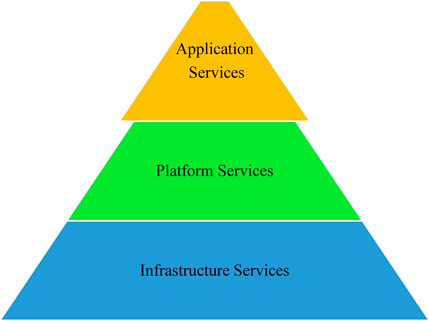
FIGURE 1. Cloud service models.
2.4 Cloud computing and transportation industry
Recent research, as highlighted by a survey conducted by Supply Chain Insight, indicates that a significant 41% of companies engaged in goods transportation within the PV logistic systems domain encounter notable challenges when it comes to analyzing the wealth of information available (Goli et al., 2020a; Goli et al., 2020b). Furthermore, an additional 34% of respondents express their struggle with a deficit in essential information and capabilities required to effectively address the complexities posed by big data challenges (Goli and Mohammadi, 2021).
In the broader context of international trade and its profound impact on both national and local economies, the optimization of data archiving emerges as a matter of paramount importance within PV logistic systems. Improving accessibility to well-maintained document archives for organizations engaged in PV logistics has the potential to catalyze more efficient supply chains and streamline maritime transportation (Goli et al., 2020a; Goli and Mohammadi, 2021; Khanchehzarrin et al., 2021; Ghasemi et al., 2022a; Ahmadi and Ghasemi, 2022; Ghasemi et al., 2022b). These enhancements in the performance of ports and customs operations are poised to yield a positive ripple effect, ultimately bolstering the national economy and facilitating the seamless flow of global trade.
Upon comprehensive examination of related research, this paper makes significant contributions in several key areas. A newly proposed framework is introduced to optimize the delivery process within supply chains, thereby reducing associated costs. The research continues to explore the following essential aspects:
1. Analyzing diverse facets of cloud computing (CP) for supply chains, understanding its implications and potential benefits.
2. Presenting a novel and tailored framework that effectively implements cloud computing in supply chain management.
3. Formulating a mathematical model specifically designed for PV logistic planning using cloud computing techniques.
4. Conducting a comparative analysis to evaluate the performance of PV logistic systems, considering the pivotal role of cloud computing in this context.
Through these contributions, this research aims to shed light on the efficiency and effectiveness of leveraging cloud computing in optimizing supply chain operations and enhancing the overall performance of PV logistic systems.
3 Research methodology
The integration of cloud computing in the administration of ports and customs offers a promising avenue to streamline and cost-effectively manage blockchain-based PV logistic systems. Transportation costs, which constitute a significant portion of overall product expenses (Jian and Weng, 2020), can be substantially reduced through the strategic adoption of cloud computing solutions.
In certain scenarios, shipping companies find themselves compelled to embrace cloud computing technology. For instance, when a transport company requires an ever-available online data center, it faces the choice of investing in installing and commissioning the relevant IT infrastructure or opting for the cloud environment, thus realizing significant cost savings. The subsequent subsections elaborate on the proposed CP approaches in blockchain-based PV systems and supply chains.
3.1 Cloud supply chain in service industries
Now that we are familiar with the role of sea transportation in facilitating supply chains, we should know that using the concept of the supply chain in the form of cloud processing is considered an innovation. The definition of the supply chain can be summarized as: A supply chain consists of two or more businesses that are connected by the physical flow of goods, information flow, and financial flow (Goli et al., 2020b; Jian and Weng, 2020; Goli and Mohammadi, 2021). This definition is the foundation of the cloud supply chain definition. The cloud supply chain is two or more businesses linked by providing related cloud, information, and financial services (Holtkamp, 2015).
3.2 Cloud supply chain components in the service environment
In order to operate the supply chain in a cloud environment, information and liquidity must be managed and coordinated along the chain. This management includes providing infrastructure services, monitoring the provided services, and managing the information flow process.
Cloud supply chain components are divided into three groups of main actors, supply chain products and information and different flows. This performance is fully explained in Figure 2.
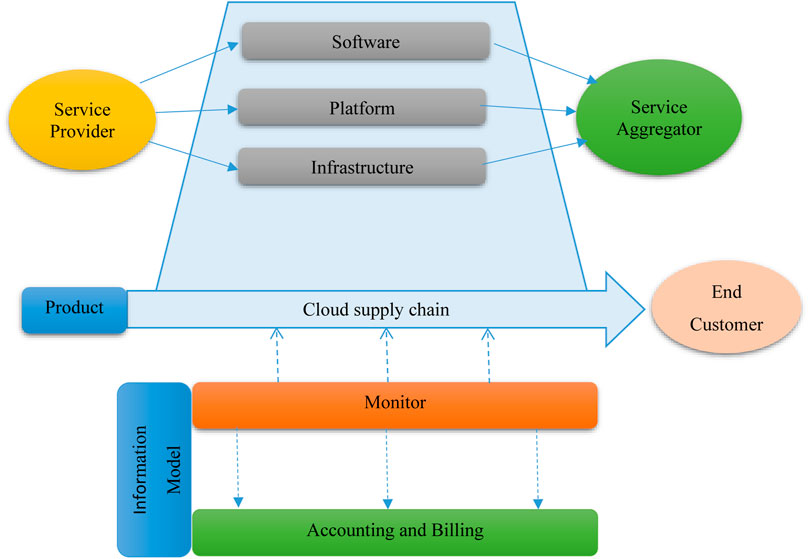
FIGURE 2. Cloud supply chain components (Hajipour and Rahbarjou, 2019).
In this research, the communication module transmits the operational data to the calculation module, inspired form (Benotmane et al., 2017), which retrieves the passive data through the SW_passive_Data service and starts calculations using Eq. 1
We consider
The operational cost related to the delivery process is calculated as Eq. 2 (Goli and Mohammadi, 2021).
where
In addition, the employee receives a salary for doing the work. Multiple employees can perform the same process. Finally, the total cost for a given PV logistic system during a time period is calculated by Eq. 3 (Goli and Mohammadi, 2021).
Where
4 Implementation results
The fundamental objective of supply chain management is to accomplish the delivery of “the right product with the right amount to the right place at the right time and at the lowest cost.” To achieve this principle, companies must adopt an effective blockchain-based PV management policy that aims to enhance overall profitability by maximizing revenues and minimizing costs, encompassing production, trading, transportation, and storage expenses.
In implementing a new strategy to optimize costs, decision-makers must carefully consider the consequences of their choices. Our approach offers a simulation of a new policy, enabling decision-makers to thoroughly evaluate the associated costs before implementation.
This paper introduces a CP approach for blockchain-based PV systems, utilizing a multi-stage framework comprising a series of web services that interconnect applications using diverse technologies. This seamless connectivity facilitates the exchange of data through universally understood protocols (Goli and Mohammadi, 2021). Additionally, our cloud environment is private, ensuring that the provider adheres to rigorous security measures, deeply verified in accordance with the specified requirements in the Service Level Agreement (SLA). The illustrative structure of our proposed approach is depicted in Figure 3.
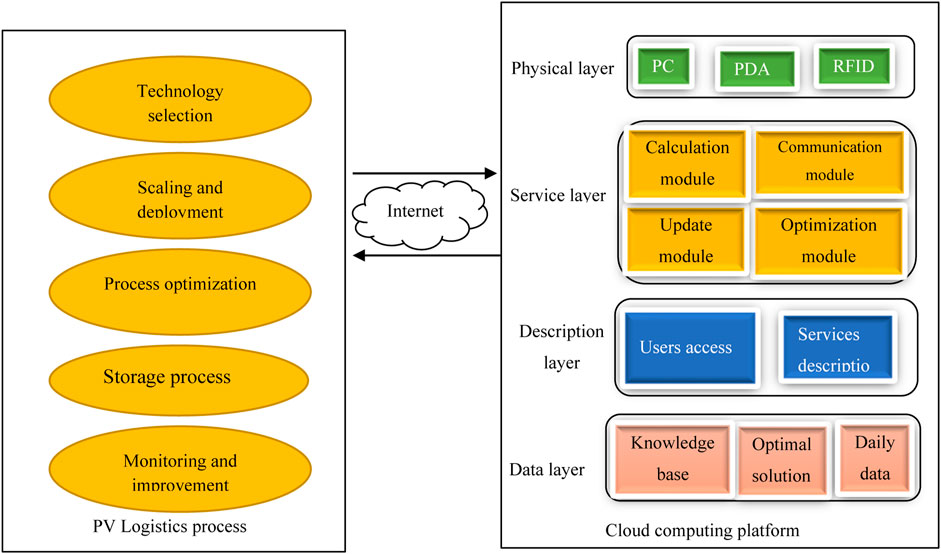
FIGURE 3. Cloud computing platform for blockchain-based PV logistics process.
Based on the insights presented in Figure 3, the user platform serves as a pivotal component of the blockchain-based PV logistic system, providing users with access to a multitude of services tailored to their specific needs. Each user is equipped with the capability to monitor and gauge the progress of ongoing processes, enabling interventions in the database and the addition of crucial information. Subsequently, the platform efficiently transfers information via the internet, culminating in the database update. Employing a series of modules, the cloud computing system accurately computes the total costs associated with the PV logistic system. The successful implementation of this cloud computing system significantly streamlines complex PV logistic operations, rendering them easily manageable and enhancing overall system efficiency.
Table 1 presents an array of diverse web services that can be seamlessly implemented within the PV logistic system’s cloud computing environment. Each web service caters to specific functionalities, further enhancing the system’s capabilities and fostering a more robust logistics management process.
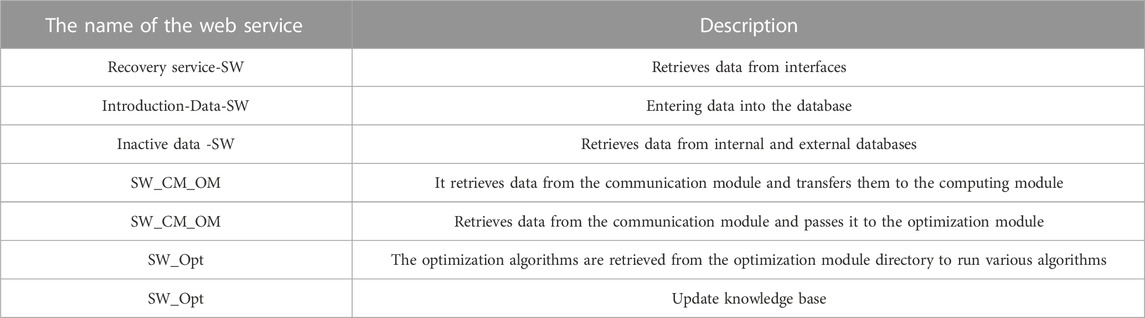
TABLE 1. List of web services.
Given that each logistic system operates as a process-oriented business (Goli and Mohammadi, 2021), our approach focuses on the comprehensive evaluation, improvement, and optimization of PV logistics processes. The underlying principle is that by effectively managing the smallest entities within the system (i.e., individual processes), we can efficiently control the entire supply chain. To illustrate this concept, Figure 4 presents a data flow diagram that delineates the various actions and flows involved in the PV logistic system.
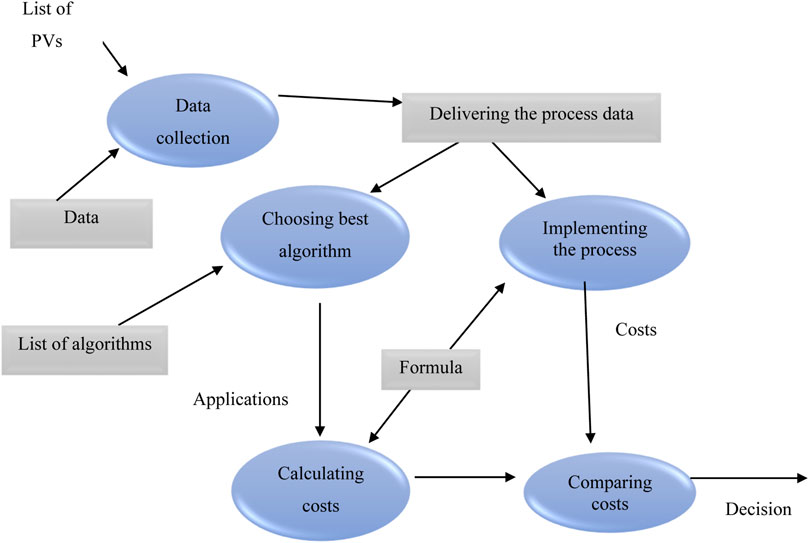
FIGURE 4. Data flow diagram of the proposed approach.
Through this approach, we aim to attain a granular understanding of each process’s dynamics, enabling us to identify potential bottlenecks, inefficiencies, and areas for enhancement. By addressing these aspects at the process level, we ensure a streamlined and optimized supply chain, ultimately enhancing overall logistic performance and cost-effectiveness. The data flow diagram visually depicts the seamless interaction of data and activities within the PV logistic system, facilitating informed decision-making and driving continuous improvements in logistics management.
Figure 4 depicts a cost comparison, which informs the selection of optimal decisions within the proposed framework. Notably, the primary decisions within this framework revolve around determining the inventory levels in each warehouse, the quantity of products to distribute, and the number of transportation vehicles to utilize.
4.1 Model validation
To further illustrate the application of this framework and validate the proposed model, Table 2 and Figure 5 provide a concrete example.
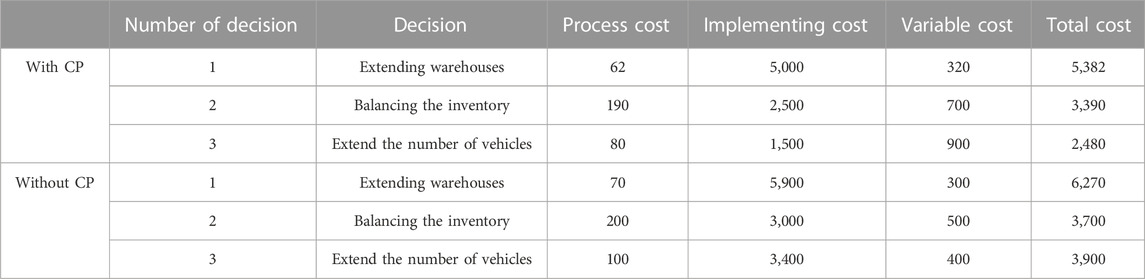
TABLE 2. The cost-related information of different decisions considering CP.
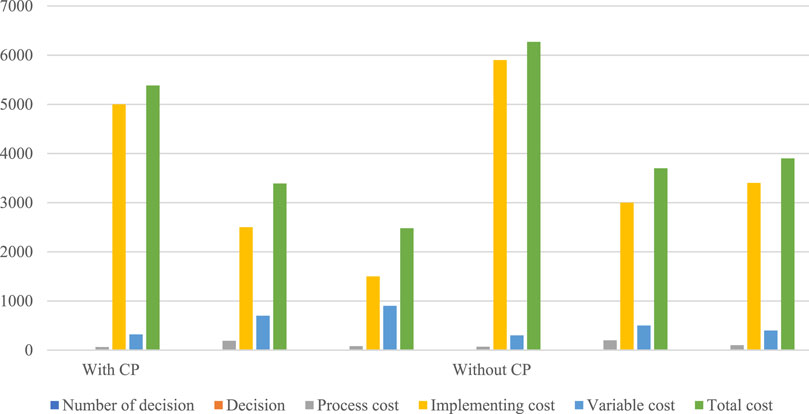
FIGURE 5. Comparing the costs of different decisions in the proposed framework.
Table 2 presents a comprehensive analysis of three critical decisions, each evaluated under two distinct conditions: with CP and without CP. For each decision, various costs are meticulously calculated, leading to the determination of the total cost associated with each scenario. Remarkably, as depicted in Figure 5, the implementation of CP yields significantly lower total costs compared to the non-CP scenario.
In addition, the sensitivity analysis is applied to explore how a parameter impacts the objective function’s value. In this particular analysis, we have selected the Nbr parameter, and it is varied within a range of −50% to +50%. Additionally, we conduct a comparative evaluation between the “Without CE” model and the “With CE” model to discern their differences. The outcomes of these analyses are succinctly presented in Table 3 and Figure 6 for easy reference and interpretation.
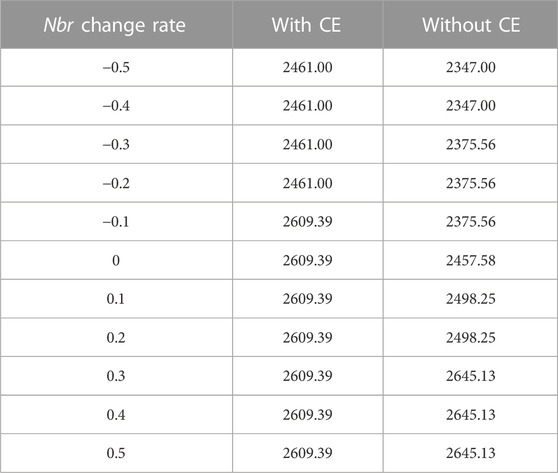
TABLE 3. The results of sensitivity analysis.
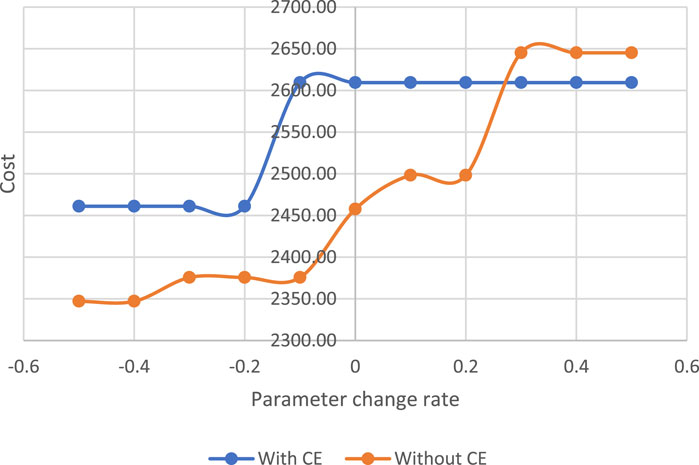
FIGURE 6. The trend of total costs in the proposed models.
An examination of the findings depicted in Figure 6 reveals a consistent trend in both the “With CE” and “Without CE” models. As the
This section’s results underscore the critical importance of diligently considering demand levels in PV planning. Notably, even a modest 20% change in demand can lead to a substantial increase in total system costs. This highlights the sensitivity of PV logistics to fluctuations in demand and underscores the necessity of precise demand forecasting and management.
Furthermore, when comparing the “With CE” model to the “Without CE” model, it becomes apparent that the latter tends to impose lower costs on decision-makers. However, it is essential to note that the “With CE” model more accurately reflects real-world conditions and dynamics within the PV logistics domain. It captures the intricate interplay of cloud-enabled technologies and blockchain-based systems, which are increasingly relevant in today’s PV industry landscape. Consequently, while the “Without CE” model may appear cost-effective, it may fall short in representing the complexities and efficiencies achievable through cloud-enabled solutions in real-world scenarios.
5 Discussion
A meticulous analysis of the cost structure reveals a profound impact when Cloud-Enabled Blockchain Technology (CP) is absent. In such instances, the cost reductions are primarily confined to variable costs, while other cost components experience significant increments. This critical observation underscores the undeniable value of CP in the optimization of PV logistic systems, as it triggers a substantial improvement in the overall cost landscape.
Our findings unequivocally demonstrate that the integration of CP into blockchain-based PV logistic systems yields substantial, tangible benefits, resulting in a notable reduction in the total costs incurred by organizations. By leveraging the capabilities of cloud-based solutions, organizations can attain heightened operational efficiency, cost-effectiveness, and overall performance. This positions them advantageously in the fiercely competitive landscape of the renewable energy sector, where the efficient utilization of resources and cost-effectiveness are pivotal determinants of success.
A deeper exploration of the cost breakdown exposes a noteworthy trend. In scenarios devoid of CP, cost reductions are predominantly confined to variable costs, while other facets experience marked cost escalations. This observation underscores the pivotal role of CP in achieving comprehensive cost optimization within PV logistic systems. While reducing variable costs is unquestionably advantageous, it is paramount to consider the broader spectrum of cost elements. CP not only addresses variable costs but also exerts a positive influence on fixed costs, transportation expenditures, storage overheads, and inventory management outlays.
Our research leaves no room for uncertainty: the assimilation of CP into blockchain-based PV logistic systems furnishes substantial advantages, manifesting as a tangible reduction in the overall costs borne by organizations. This reduction seamlessly translates into cost-effectiveness, heightened operational efficiency, and an enhanced performance profile for the entire system. These advantages assume heightened significance within the competitive realm of the renewable energy sector, where operational efficiency and cost-effectiveness are pivotal determinants of triumph.
By harnessing the capabilities of cloud-based solutions, organizations operating in the renewable energy sector can strategically position themselves. The synergy that unfolds between cloud computing and blockchain technology, as underscored in our research, not only curtails costs but also confers PV logistic planners with real-time access to indispensable data. This, in turn, fosters data-driven decision-making, streamlines communication, and enriches collaboration among stakeholders.
6 Conclusion
The research highlights the significant improvements that world-class commercial supply chain management standards have experienced today, with cloud computing playing a pivotal role in transforming logistics operations. By leveraging cloud computing, organizations can streamline their structures, outsource logistics sub-activities to specialized service providers, and create added value by optimizing asset utilization, reducing costs, and focusing on core competencies.
This study introduced a novel framework for implementing cloud computing in blockchain-based photovoltaic logistic systems and supply chains, recognizing the importance of integrating cloud-based solutions in the renewable energy sector. Effective business management demands sufficient control over operations, but it is acknowledged that certain environmental changes lie beyond an organization’s control. In such instances, rapid recovery and data restoration become crucial for seamless business continuity.
A key managerial insight from this research emphasizes the advantage of cloud computing in data protection and risk mitigation. While traditional hardware infrastructure concentrates all company data and programs in one place, it exposes organizations to heightened risks of data loss due to human errors, unforeseen incidents, and power fluctuations. On the contrary, cloud computing ensures data redundancy by storing information across multiple server locations, thereby effectively eliminating the risk of data loss during various incidents.
Despite the valuable contributions of this research, it is important to acknowledge its limitations. The study focused on a specific context of blockchain-based PV logistic systems, and the findings may not be directly applicable to other logistics domains. Additionally, the research primarily explored the benefits of cloud computing, but certain potential challenges and costs associated with cloud adoption were not extensively addressed.
In conclusion, the proposed framework and insights presented in this research pave the way for more resilient, cost-effective, and competitive PV logistic systems. With continued advancements in cloud computing and supply chain technologies, the potential for even greater optimization and value creation in the renewable energy sector remains promising.
Data availability statement
The original contributions presented in the study are included in the article/Supplementary Material, further inquiries can be directed to the corresponding author.
Author contributions
HP: Data curation, Formal Analysis, Methodology, Software, Writing–review and editing. MB: Conceptualization, Investigation, Project administration, Supervision, Validation, Writing–review and editing. MV: Resources, Validation, Visualization, Writing–original draft. AC: Writing–review and editing. Writing–original draft.
Funding
The authors declare that no financial support was received for the research, authorship, and/or publication of this article.
Conflict of interest
The authors declare that the research was conducted in the absence of any commercial or financial relationships that could be construed as a potential conflict of interest.
Publisher’s note
All claims expressed in this article are solely those of the authors and do not necessarily represent those of their affiliated organizations, or those of the publisher, the editors and the reviewers. Any product that may be evaluated in this article, or claim that may be made by its manufacturer, is not guaranteed or endorsed by the publisher.
References
Abduaziz, O., Cheng, J. K., Tahar, R. M., and Varma, R. (2015). A hybrid simulation model for green logistics assessment in automotive industry. Procedia Eng. 100, 960–969. doi:10.1016/j.proeng.2015.01.455
Ahmadi, S. A., and Ghasemi, P. (2022). Pricing strategies for online hotel searching: a fuzzy inference system procedure. Kybernetes. (ahead-of-print). doi:10.1108/k-03-2022-0427
Bays, C. (1977). A comparison of next-fit, first-fit, and best-fit. Commun. ACM 20 (3), 191–192. doi:10.1145/359436.359453
Benotmane, Z., Belalem, G., and Neki, A. (2017). A cloud computing model for optimization of transport logistics process. Transp. Telecommun. 18 (3), 194–206. doi:10.1515/ttj-2017-0017
Chow, H. K., Choy, K. L., and Lee, W. B. (2007). A dynamic logistics process knowledge-based system–An RFID multi-agent approach. Knowledge-Based Syst. 20 (4), 357–372. doi:10.1016/j.knosys.2006.08.004
Daniluk, D., and Holtkamp, B. (2015). “Logistics mall—a cloud platform for logistics,” in Cloud computing for logistics (Cham: Springer), 13–27.
David, R., Gnimpieba, Z., Nait-Sidi-Moh, A., Durand, D., and Fortin, J. (2015). Vehicle routing problem with time-windows for perishable food delivery. Journal of Food Engineering. 80. 465-475. doi:10.1016/j.jfoodeng.2006.05.029
Ghasemi, P., Goodarzian, F., Abraham, A., and Khanchehzarrin, S. (2022a). A possibilistic-robust-fuzzy programming model for designing a game theory based blood supply chain network. Appl. Math. Model. 112, 282–303. doi:10.1016/j.apm.2022.08.003
Ghasemi, P., Goodarzian, F., Muñuzuri, J., and Abraham, A. (2022b). A cooperative game theory approach for location-routing-inventory decisions in humanitarian relief chain incorporating stochastic planning. Appl. Math. Model. 104, 750–781. doi:10.1016/j.apm.2021.12.023
Goli, A., Golmohammadi, A. M., and Verdegay, J. L. (2022). Two-echelon electric vehicle routing problem with a developed moth-flame meta-heuristic algorithm. Operations Manag. Res. 15, 891–912. doi:10.1007/s12063-022-00298-0
Goli, A., Khademi-Zare, H., Tavakkoli-Moghaddam, R., Sadeghieh, A., Sasanian, M., and Malekalipour Kordestanizadeh, R. (2020b). An integrated approach based on artificial intelligence and novel meta-heuristic algorithms to predict demand for dairy products: a case study. Netw. Comput. Neural Syst. 32, 1–35. doi:10.1080/0954898x.2020.1849841
Goli, A., and Mohammadi, H. (2021). Developing a sustainable operational management system using hybrid Shapley value and Multimoora method: case study petrochemical supply chain. Environ. Dev. Sustain. 24, 10540–10569. doi:10.1007/s10668-021-01844-9
Goli, A., Tirkolaee, E. B., and Aydin, N. S. (2021). Fuzzy integrated cell formation and production scheduling considering automated guided vehicles and human factors. IEEE Trans. Fuzzy Syst. 29, 3686–3695. doi:10.1109/tfuzz.2021.3053838
Goli, A., Tirkolaee, E. B., and Weber, G. W. (2020a). “A perishable product sustainable supply chain network design problem with lead time and customer satisfaction using a hybrid whale-genetic algorithm,” in Logistics operations and management for recycling and reuse (Berlin, Heidelberg: Springer), 99–124.
Hajipour, V., and Rahbarjou, M. (2019). Cloud computing-based supply chain network design. J. Industrial Eng. Res. Prod. Syst. 7 (14), 127–145. doi:10.22084/ier.2019.16231.1763
Holtkamp, B. (2015). “The logistics mall—an IT-architecture for logistics-as-a-product,” in Cloud computing for logistics (Cham: Springer), 45–62.
Jia, F., Luo, L., Gao, S., and Ye, J. (2019). Logistic regression based arc fault detection in photovoltaic systems under different conditions. J. Shanghai Jiaot. Univ. Sci. 24, 459–470. doi:10.1007/s12204-019-2095-1
Jian, X., and Weng, Z. (2020). A logistic chaotic JAYA algorithm for parameters identification of photovoltaic cell and module models. Optik 203, 164041. doi:10.1016/j.ijleo.2019.164041
Khanchehzarrin, S., Shahmizad, M., Mahdavi, I., Mahdavi-Amiri, N., and Ghasemi, P. (2021). A model for the time dependent vehicle routing problem with time windows under traffic conditions with intelligent travel times. RAIRO--Operations Res. 55, 2203–2222. doi:10.1051/ro/2021098
Kreft, W., Przenzak, E., and Filipowicz, M. (2021). Photovoltaic chain operation analysis in condition of partial shading for systems with and without bypass diodes. Optik 247, 167840. doi:10.1016/j.ijleo.2021.167840
Mohammad, S., Masuri, M. A. A., Salim, S., and Razak, M. A. (2021). “Development of IoT based logistic vehicle maintenance system,” in 2021 IEEE 17th international colloquium on signal processing and its applications (CSPA) (IEEE), 127–132.
Molano, J. C., Xing, K., Majewski, P., and Huang, B. (2022). A holistic reverse logistics planning framework for end-of-life PV panel collection system design. J. Environ. Manag. 317, 115331. doi:10.1016/j.jenvman.2022.115331
Nettsträter, A., Geißen, T., Witthaut, M., Ebel, D., and Schoneboom, J. (2015). Logistics software systems and functions: an overview of ERP, WMS, TMS and SCM systems. Cloud Comput. Logist. 534, 1–3. doi:10.1016/j.scitotenv.2015.06.044
Ravikumar, S., and Kavitha, D. (2021). RETRACTED ARTICLE: ioT based home monitoring system with secure data storage by Keccak–Chaotic sequence in cloud server. J. Ambient Intell. Humaniz. Comput. 12 (7), 7475–7487. doi:10.1007/s12652-020-02424-x
Subramanian, N., Abdulrahman, M. D., and Zhou, X. (2014). Integration of logistics and cloud computing service providers: cost and green benefits in the Chinese context. Transp. Res. Part E Logist. Transp. Rev. 70, 86–98. doi:10.1016/j.tre.2014.06.015
Keywords: cloud computing, blochcian, photovoltaic system, web services, sustainability, optimization
Citation: Pan H, Bayanati M, Vaseei M and Chobar AP (2023) Empowering solar photovoltaic logistic operations through cloud-enabled blockchain technology: a sustainable approach. Front. Energy Res. 11:1293449. doi: 10.3389/fenrg.2023.1293449
Received: 13 September 2023; Accepted: 09 October 2023;
Published: 19 October 2023.
Edited by:
Alireza Goli, University of Isfahan, IranReviewed by:
Erfan Babaee Tirkolaee, University of Istinye, TürkiyeAsra Ahmadi, German University of Technology in Oman, Oman
Copyright © 2023 Pan, Bayanati, Vaseei and Chobar. This is an open-access article distributed under the terms of the Creative Commons Attribution License (CC BY). The use, distribution or reproduction in other forums is permitted, provided the original author(s) and the copyright owner(s) are credited and that the original publication in this journal is cited, in accordance with accepted academic practice. No use, distribution or reproduction is permitted which does not comply with these terms.
*Correspondence: Mahmonir Bayanati, YmF5YW5hdGkubWFobW9uaXJAd3RpYXUuYWMuaXI=