 Mei Li1,2,3†
 Kai Zhang1,2,3†Ji’an He1,2,3Weihao Zhang1,2,3Tianye Lv1,2,3Li Wang1,2,3
 Wenge Xing1,2,3*Haipeng Yu1,2,3*
- 1Department of Interventional Therapy, Tianjin Medical University Cancer Institute & Hospital, National Clinical Research Center for Cancer, Tianjin, China
- 2Tianjin’s Clinical Research Center for Cancer, Tianjin Medical University Cancer Institute & Hospital, Tianjin, China
- 3Key Laboratory of Cancer Prevention and Therapy, Tianjin Medical University Cancer Institute & Hospital, Tianjin, China
Background: In recent years, hepatic arterial infusion chemotherapy (HAIC) has gained popularity in the treatment of hepatocellular carcinoma. Although several studies have been published, no bibliometric analysis have been conducted on this topic.
Objectives: To understand the development status and future trends in the application of HAIC, we conducted bibliometric analysis to examine the cooperation and influence among countries, institutions, authors, and journals.
Methods: All relevant articles and reviews on the use of HAIC in HCC treatment were retrieved from the Web of Science database. A bibliometric analysis of countries, institutions, journals, authors, and keywords related to this field was performed using R and VOSviewer software. The main aspects analyzed were the research status and key fields of HAIC in HCC treatment.
Results: A total of 1026 articles published in 292 journals by 4937 authors from 959 institutions between 1974 and 2021 were retrieved. A rapid increase in articles published after 1990 was observed, which reached the peak in 2021. Japan had the most publications and citations. Yonsei University, Sun Yat-sen University, and Hiroshima University were the three leading institutions in research on this topic. Kwang-Hyub Han and Masatoshi Kudo have the greatest academic influence in this field. Most publications were made in the Hepato-Gastroenterology, whereas cancer had the most citations. The main aspects of HAIC treatment of HCC include HAIC and TACE, chemotherapy drug selection, HAIC and targeted therapy and immunotherapy, HAIC and surgery, and hepatotoxicity. Keywords such as FOLFOX, lenvatinib, hepatic arterial infusion chemotherapy are hot words in this field in recent years.
Conclusion: The research on the use of HAIC in the treatment of HCC has been on the rise. Currently, HAIC combined with targeted therapy or immunotherapy has attracted significant attention.
Introduction
Globally, hepatocellular carcinoma (HCC) is the sixth most common cancer and the third leading cause of cancer-related death (1, 2). For HCC patients, surgery is the most effective treatment. However, most newly diagnosed HCCs are in the middle and late stages and cannot be surgically resected (3, 4). For such patient, the prognosis can only be improved by application of local or systemic therapy. In Asia, hepatic arterial infusion chemotherapy (HAIC) is a common local treatment for unresectable liver cancer (5, 6).
Vascular intervention through an intra-arterial catheter introduces chemotherapeutic drugs used in HAIC to kill tumor cells. As a form of local chemotherapy, HAIC has several advantages over systemic intravenous chemotherapy (7, 8). First, HAIC delivers a high concentration of drugs continuously to the tumor through arteries in it, avoiding the “first-pass effect.” In addition, HAIC can kill tumors while reducing systemic side effects (9–11).
Studies have demonstrated that HAIC can improve the prognosis of patients with middle to advanced liver cancer (12–15). Over the past years, there has been an increase in research on the use of HAIC in the treatment of HCC. However, there is no clear direction in the latest research progress and hotspots in this area. Therefore, there is a need to summarize the global research trends and hotspots in the field. Unfortunately, to the best of our knowledge, no bibliometric analysis has been reported for this area.
Bibliometric analysis summarizes data and publication characteristics in a certain field based on the available qualitative data (16, 17). The data is analyzed to understand the knowledge structure and identify research fronts or hot spots in a given field. It also evaluates global scientific publications and reveal the latest progress and trends over time in a given field (18).
There are several bibliometric articles on hepatocellular carcinoma (19–22). However, there is no bibliometric articles on the use of HAIC for HCC treatment. Herein, we summarize the application and developmental trends in the application of HAIC in HCC treatment through bibliometric analysis of available data. The findings of this research reveal research progress, hotspots, and development trends in the field. This analysis reveals the future research direction in this area.
Methods
Database
Relevant articles were retrieved from the Web of Science Core Collection (WoSCC) database. The WoSCC was selected because it provides comprehensive data for bibliometric software requirements and is one of the most influential databases for this type of study (23–26). Ethical approval was not required for this study since the data were downloaded directly from public databases.
Search criteria
The WoSCC database was searched for all relevant literature on HAIC application in the treatment of HCC up to December 2021. The retrieved papers were exported as “full-text records and references” and saved in “plain text” format. The specific search terms used are listed in Supplementary Figure S1. The downloaded file was filtered using the bibliometrix package in the R 4.1.3 software to retain only articles and reviews in English published from January 1974 to December 2021.
Data analysis and visualization
Automated data analysis and visualization were conducted using bibliometrix. Bibliometrix is an open-source tool that performs comprehensive science mapping analysis of scientific literature (27–29). In this study, it was used to examine the number of publications and collaborations across countries, institutions, authors, and journals (30). The cooperation relationship is mainly shown using a cooperation network diagram. In the cooperative network graph, the size of nodes represents centrality, the line represents co-occurrence relationship, and the same color of nodes represents the same cluster. The Bibliometrix package can evaluate an author’s influence using the h-index, g-index, or m-index. The h-index is a mixed indicator that evaluates the level and quantity of academic output based on the h articles published by an author that have been cited no less than h times (31, 32). The g-index compensates where the h-index cannot reflect highly cited articles well, making it an ideal supplement to the h-index. The m-index is an h-index calculated based on academic age. Furthermore, the number of times an article is cited may reflect how it disseminates information, its influence on the field, and the overall quality and significance. The Bibliometrix package’s trending topics feature reveals trends in abstract words.
VOSviewer is a commonly used visualization and construction software tool for bibliometric papers. Keyword cluster analysis and visualization were conducted using VOSviewer 1.6.18 (33, 34). All keywords occurring more than 10 times from the articles were extracted using the VOSviewer software. Finally, 167 keywords were extracted and divided into five clusters.
The collaborative and cluster analysis graphs from the above software were based on co-authorship and co-occurrence (35, 36).
Results
The trend in publications and citations
A total of 1026 publications, including 952 articles and 84 reviews, were retrieved. The graph shown in Figure 1A illustrates the number of publications over the studied period. Before 1990, only one to three articles were published per year. However, the number of publications has been increasing significantly since 1990 on a yearly time-frame. In the past 10 years, research on HAIC therapy in HCC treatment has increased rapidly. A total of 83 studies were published in 2021, which is the highest number of publications over the years. Figure 1B shows the average number of citations for publications recorded each year, with the highest number of citations obtained in 2018. This peak indicates there may have been breakthrough publications in 2018, which may explain another sharp increase in publications in 2021.
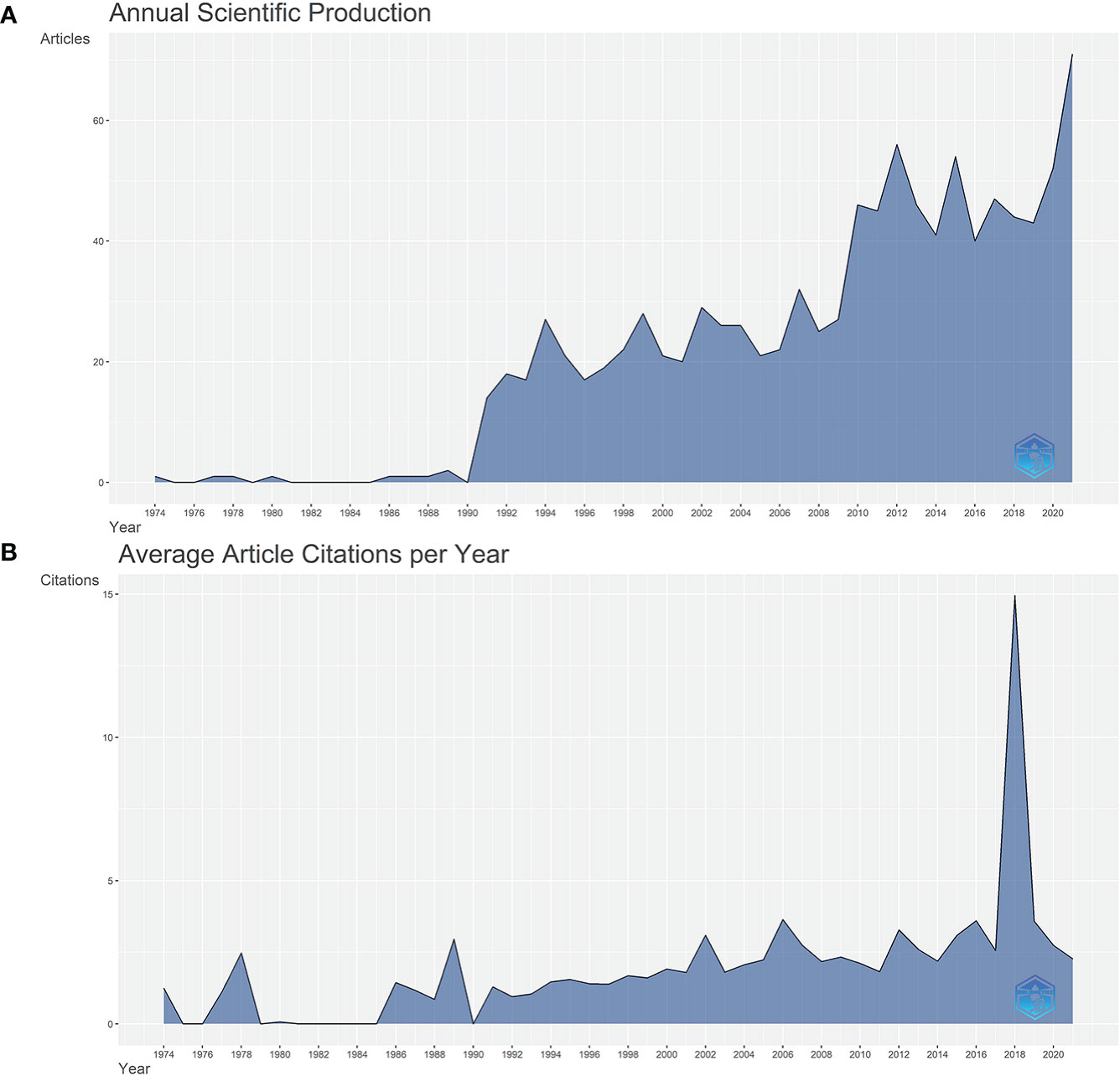
Figure 1 (A) A line chart of the number of publications published each year, 1973-2021, as detailed in Supplementary Figure S3. (B) A line chart showing the average number of citations per article per year. Specific data are in the Supplementary Material Figure S3.
Institutional and country contributions
Thirty-one countries have published articles in this field. Table 1 indicates the top 10 authors based on country, scientific impact, and international collaboration in the application of HAIC in HCC treatment. As shown in Table 1, Japan (456 articles) had the highest number of publications, followed by China (197 articles), South Korea (96 articles), and the United States (US) (83 articles). By December 2021, all publications had been cited 17,686 times, with an average of 28.7 citations per article. Japanese publications were the most cited, followed by the US and Chinese publications.
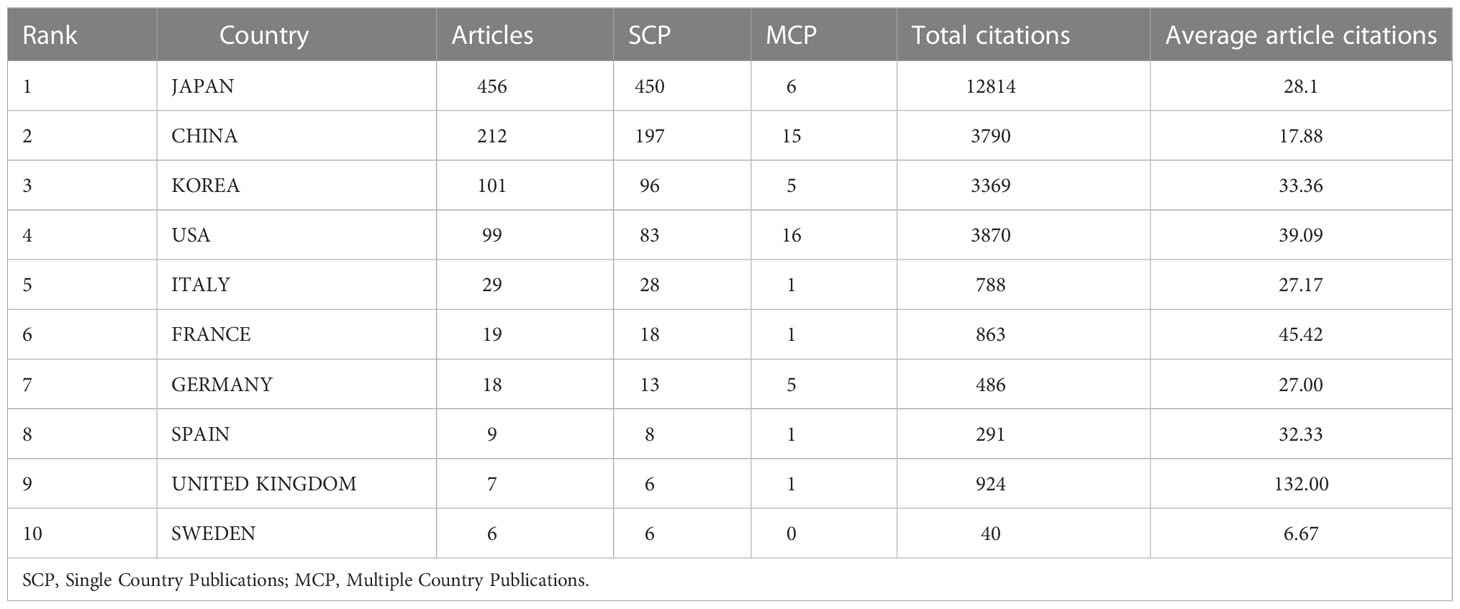
Table 1 The top 10 corresponding authors for country, scientific impact, and international collaboration.
Figure 2A shows the collaboration network between countries. In Figure 2A, the lines between the nodes in the graph represent the degree of cooperation between countries. The thicker the line, the greater the degree of cooperation. Japan is at the center of the network and has the highest centrality. Japan’s most important partners are the US, China, South Korea, and Singapore. A close collaboration was observed between China and the United States.
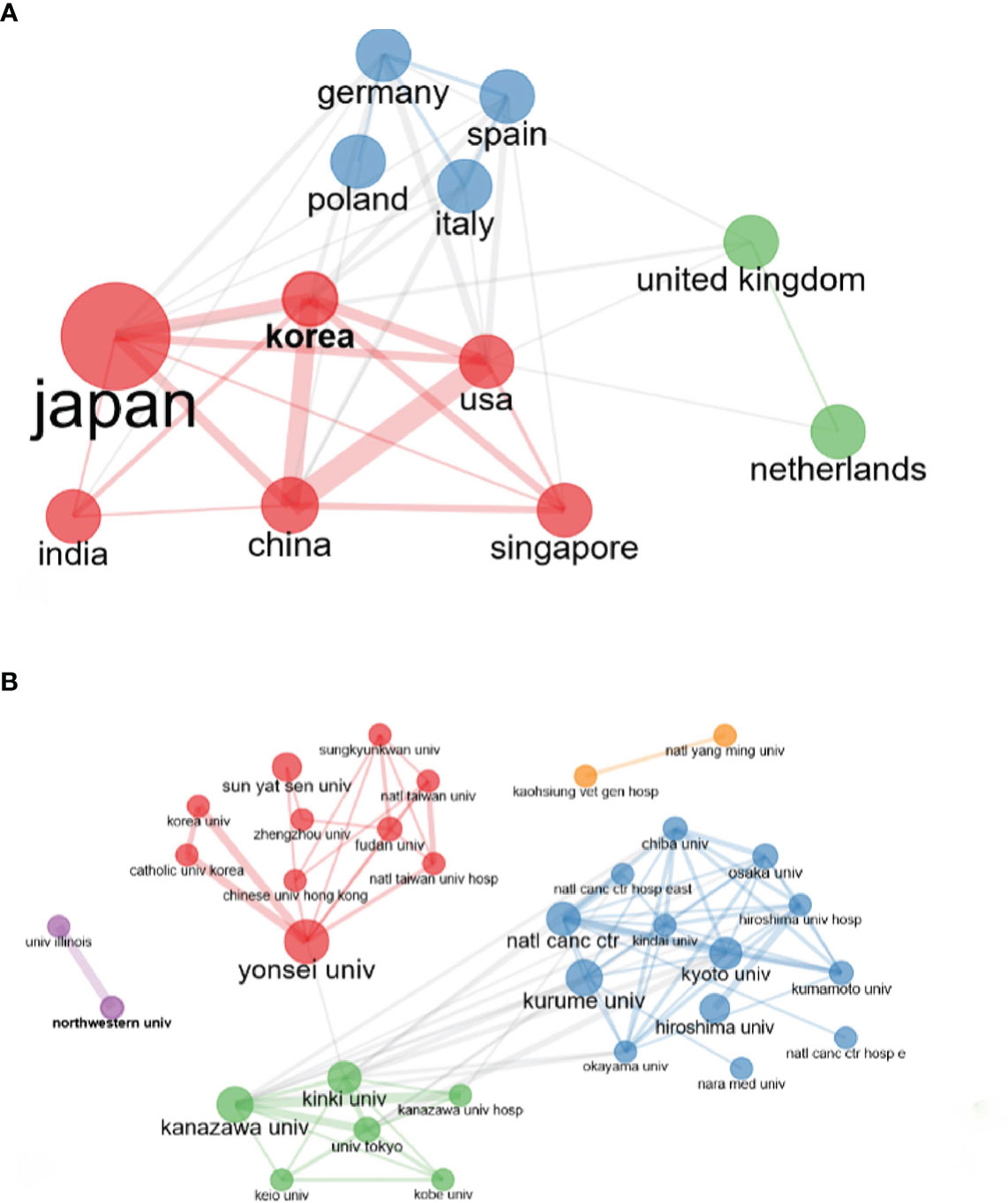
Figure 2 (A) This is a collaboration network diagram between countries. The color of the nodes represents clustering and the size of the nodes represents centrality and lines between nodes represent the strength of collaborations. (B) This is the collaboration network diagram between organizations. The color of nodes represents clustering and the size of nodes represents centrality and lines between nodes represent the strength of collaborations.
Over 959 institutions applied HAIC in HCC treatment. The top 10 institutions with the highest contributions are summarized in Table 2. In terms of the number of articles published, Yonsei University (135 articles), Sun Yat-sen University (85 articles), and Hiroshima University (57 articles) were the three most prolific academic institutions. The majority of the top 10 institutions were from Asian countries, including two from China. Figure 2B shows the collaboration network diagram between organizations. Figure 2B shows a network of cooperative relationships between institutions with different colors representing institutions that have collaborated before. Chinese institutions cooperate more with Korean institutions, while Japanese institutions cooperate more with each other.
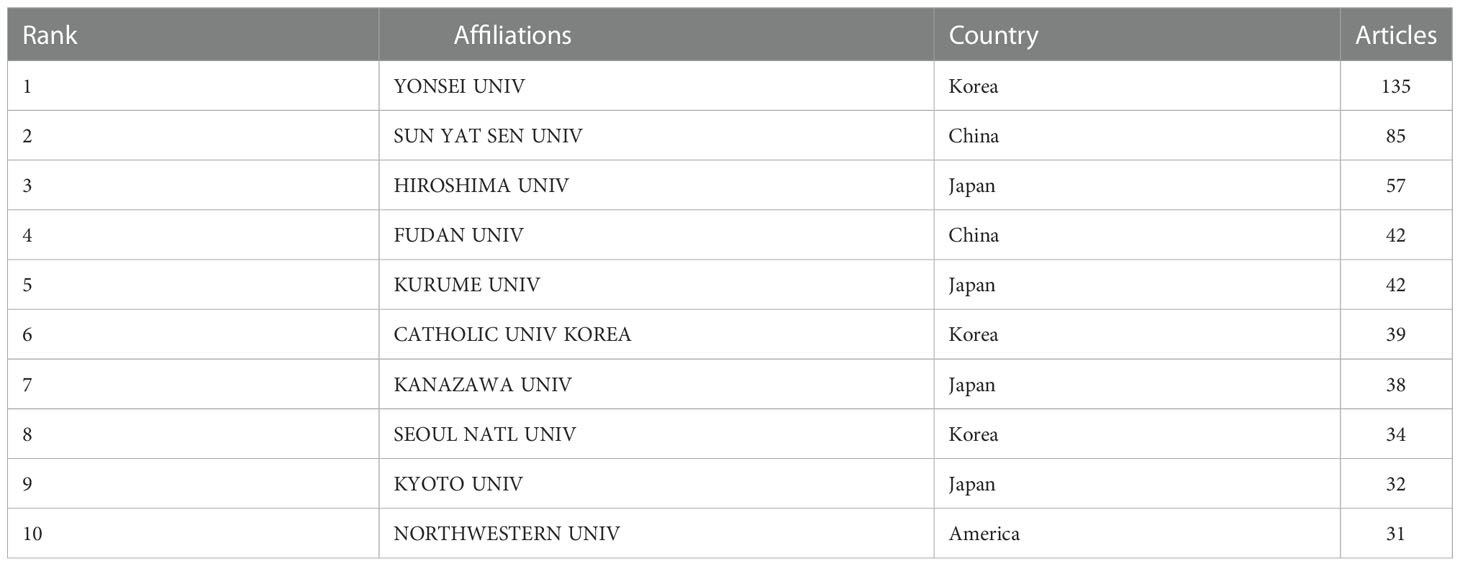
Table 2 Top 10 institutions with the most articles.
Key authors and co-cited authors
The 1026 studies included in the present analysis were published by 4937 authors, 8701 of whom are co-cited. Figure 3A shows the 10 most prolific authors, with the top three being Han KN, Aikata H, and Kudo M. The nodes represent the number of publications published by the author in a given year. The larger the node, the more publications the author has published, and the darker the node color, the more citations the author received in the year. For most authors, the publication rate has increased over the past 10 years. Han KN and Kudo M published important articles in 2018 with annual citations exceeding 300. Table 3 shows the academic influence indicators, such as the h-index, g-index, and m-index, for the top 10 authors with the highest number of publications. Kudo M ranked first in the h-index and total citations and second in the g-index. Meanwhile, Han KN ranked first in the g-index and number of most publications and second in the h-index and total citations, demonstrating that the two authors have made important contributions to the field.
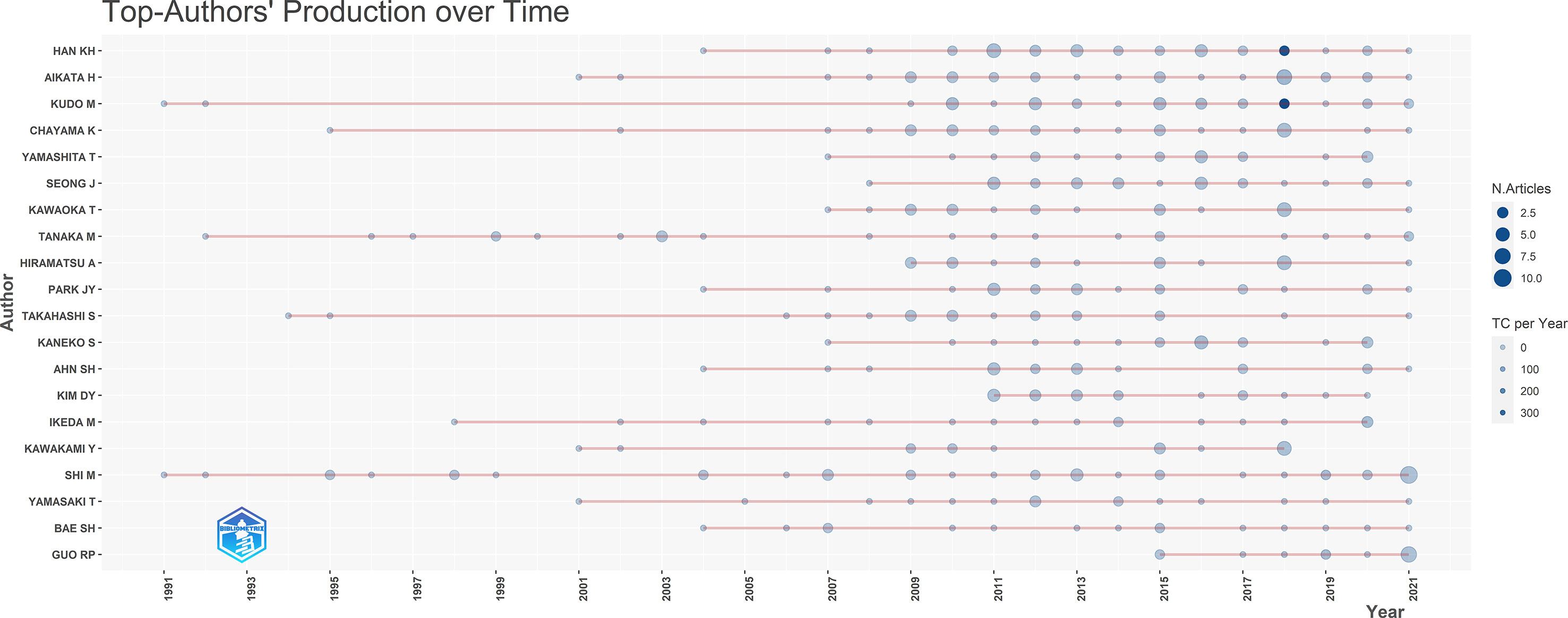
Figure 3 This graph represents top-authors’ production over time, and the node size represents total number of articles. The color of the nodes represents the yearly average number of times each document has been cited.
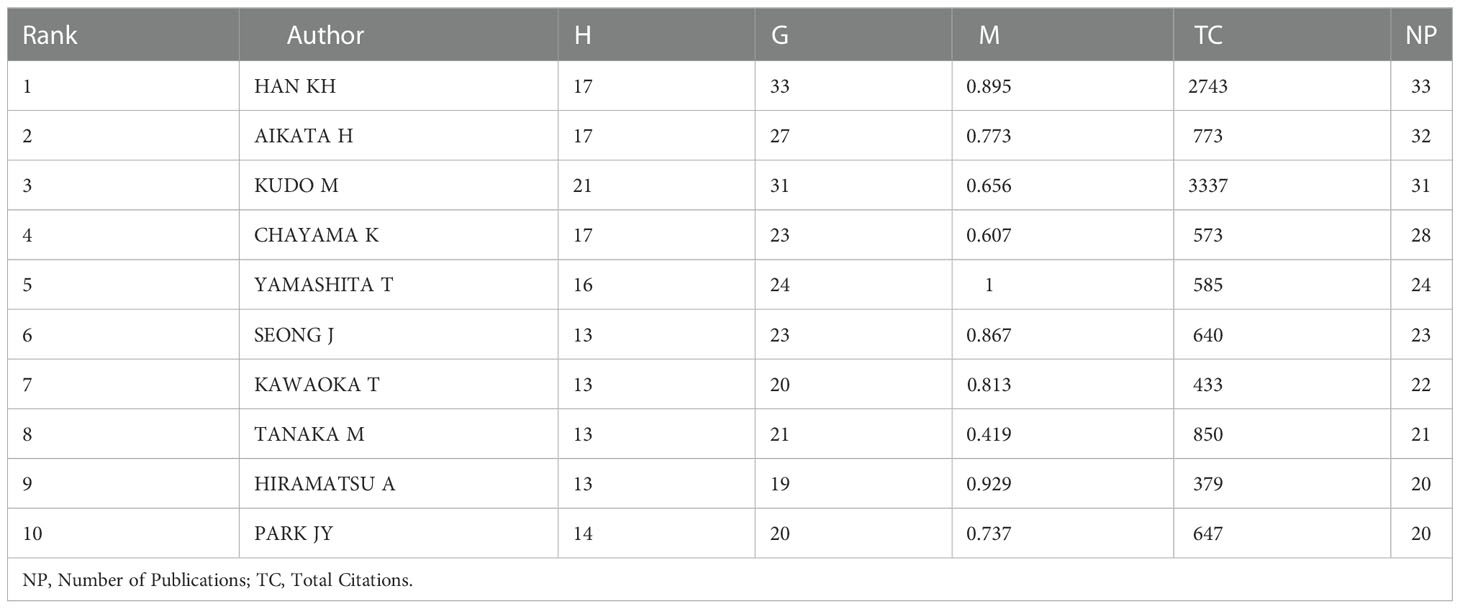
Table 3 The 10 most productive authors and the top 10 co-cited authors with the highest citations.
The studies were published in 292 journals (Figure S5). Hepato-Gastroenterology, Hepatology Research, and Journal of Vascular and Interventional Radiology were among the top 3 most preferred journals. Studies in the CANCER journal were the most cited.
Co-occurrence of keywords
Potential research hotspots were identified by analyzing the co-occurrences of keywords. A total of 3037 keywords were extracted using the VOSviewer software, among which 167 appeared more than ten times. Table 4 shows that the most frequently used keyword was hepatocellular carcinoma, followed by cisplatin and transarterial chemoembolization. The keywords were divided into five clusters based on their link strength (Figure 4A). Each color represents a cluster, while the node’s size represents the keyword’s frequency. The largest cluster (red) had 56 co-occurring words related to HAIC and transcatheter arterial chemoembolization (TACE). They include embolization, chemoembolization, chemotherapy, doxorubicin, hepatocellular carcinoma, infusion, lipiodol, transcatheter arterial embolization, etc. Cluster 2 (green) had 46 terms related to drug research used, including hepatocellular carcinoma, sorafenib, cisplatin, 5-fluorouracil, arterial infusion chemotherapy, interferon-alpha, etc. The articles in cluster 3 (blue) mainly discuss HAIC with targeted therapy or immunotherapy. Among the 34 keywords in the cluster, the most prominent were infusion chemotherapy, immunotherapy, angiogenesis, efficacy, expression, lenvatinib, safety, growth, and inhibition. Cluster 4 (yellow) had 24 co-occurring words related to HAIC and surgery research: survival, ablation, arterial infusion, surgery, resection, curative resection, hepatic resection, recurrence, prognosis, risk factors, etc. Cluster 5 (purple) had seven co-occurring words related to drug hepatotoxicity research: carcinoma, hepatocellular, intra-arterial chemotherapy, intraarterial, cirrhosis, phase-ii, and toxicity.
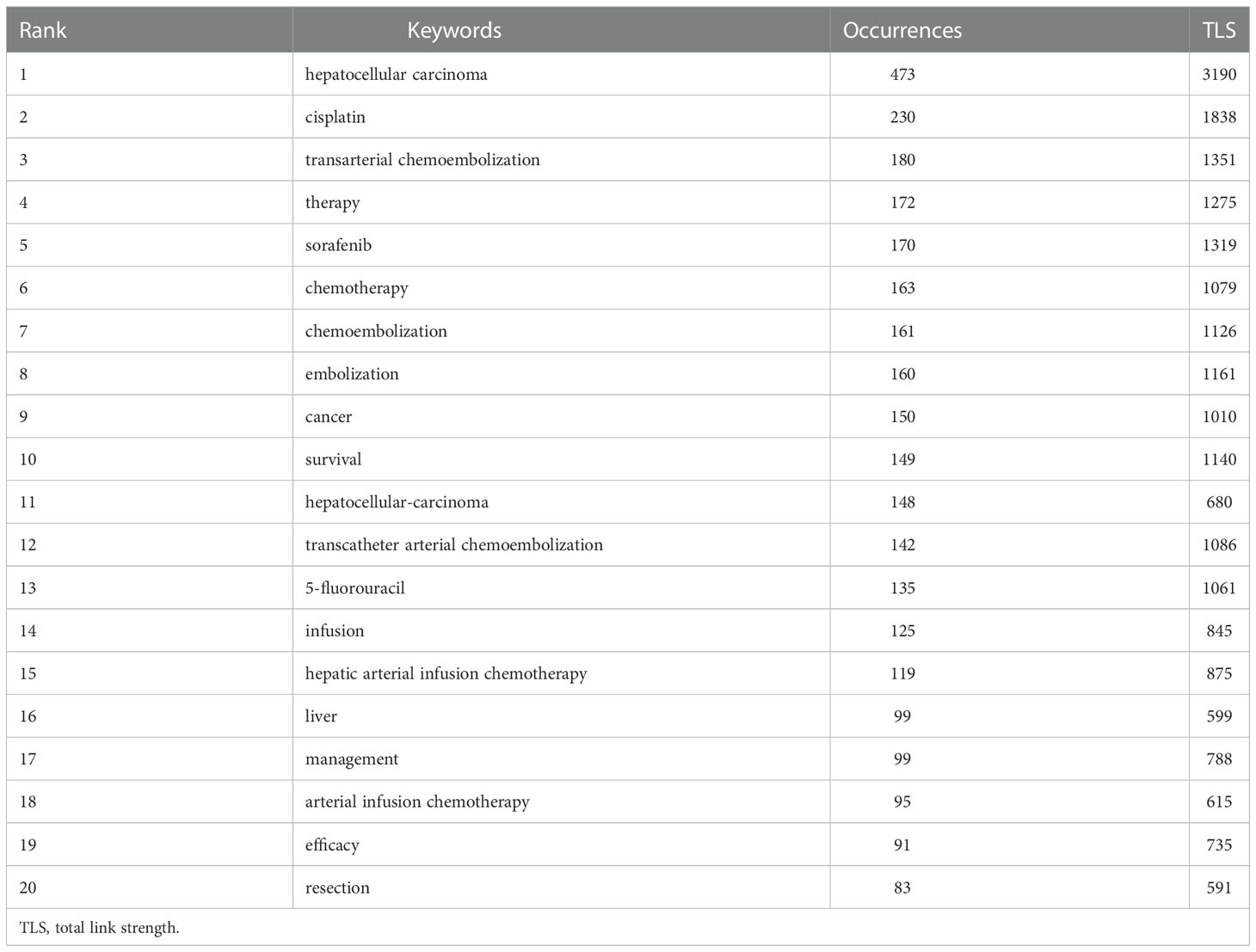
Table 4 The top 20 most frequently used keywords.
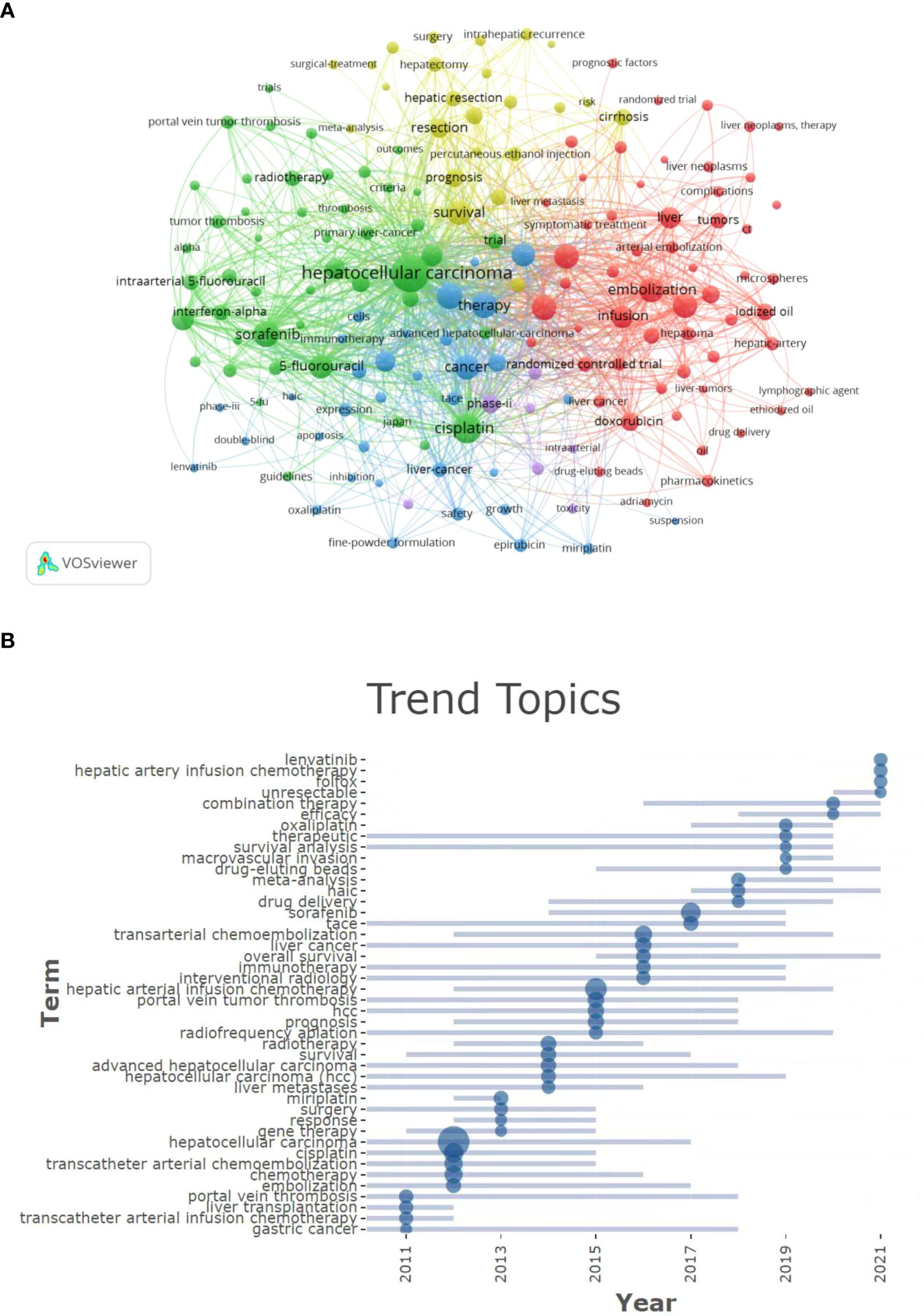
Figure 4 (A) This is a keyword co-occurrence analysis cluster map. Each color represents a cluster. (B) The graph shows the change over time of the most frequent keywords in each year, with the size of the blue nodes representing the frequency of keyword occurrences. A maximum of 5 keywords are displayed per year.The whole picture is in Supplementary Material Figure S4.
Figure 4B illustrates how keywords have changed over time. Blue nodes represent the most common keywords in a given year, and their size indicates their frequency. These keywords are regarded as research hotspots for the given year. FOLFOX, lenvatinib, hepatic arterial infusion chemotherapy, undetectable, curative effects, combined therapies, among others are the research hotspots which have appeared frequently in the past three years and may remain so for a long time.
Discussion
In this age of big data, researchers in a given field aim to understand the development trends of the field. The bibliometric analysis can use several bibliometric software tools to analyze and visualize existing literature comprehensively (37, 38).
Multiple studies have been conducted to investigate the use of HAIC in HCC treatment in the past few decades. The application of HAIC in HCC treatment was first proposed in the 1990s by Japanese scholars, and studies in this area have risen ever since. The number of articles published in the past 10 years has increased rapidly, reaching the peak in 2021.
Japan has made tremendous contributions to HAIC and HCC-related research. Other notable nations with many HAIC and HCC-related studies include South Korea, China, and the US. Asian countries have published more studies on HAIC than European countries because of the high prevalence of viral hepatitis and HCC in this continent (2, 39, 40). Despite starting late, China has become one of the largest contributors in this field, which may be due to China’s economic development and increase in academic research funding. However, China has an average of 17.88 citations per article, which is lower than the average (28.7). Notably, 4 of the top 10 institutions with significant contributions in this field are in Japan, making it the top most influential and advanced countries in the world in this area. According to the institutional cooperation analysis results, international institutions generally do not collaborate in research on HAIC for HCC treatment. We believe that close collaboration among countries will enhance research on this topic.
The indices of Han KN and Kudo were very high, and their findings have contributed immensely to the rapid development of HAIC application. The annual citations of their articles published in 2018 exceeded 300. Two of their most cited articles are “Lenvatinib versus sorafenib in first-line treatment of patients with unresectable hepatocellular carcinoma: a randomized phase 3 non-inferiority trial” and “Sorafenib plus low-dose cisplatin and fluorouracil hepatic arterial infusion chemotherapy versus sorafenib alone in patients with advanced hepatocellular carcinoma (SILIUS): a randomized, open-label, phase 3 trial.” REFLECT showed that the efficacy of lenvatinib in treating HCC was comparable to that of sorafenib. This was the first phase 3 clinical study to show positive results in the first-line treatment of advanced liver cancer, making lenvatinib the first drug identified to have comparable efficacy to sorafenib (41). SILIUS confirmed that sorafenib combined with HAIC had higher ORR and longer TTP than sorafenib alone, but overall survival was similar in both groups (42).
Most articles were published in the “Hepato-Gastroenterology” journal. Despite publishing fewer articles, articles in the Lancet journal were the most cited, making it the most influential journal, as evidenced by its high impact factor of 202.731. The other journals with many publications were “Journal of Vascular and Interventional Radiology,” “Cardiovascular and Interventional Radiology”, and “Cancer”.
The co-occurrence of keywords in bibliometrics can reflect academic hotspots. Based on cluster analysis, five main aspects of HAIC treatment of HCC were identified, including HAIC and TACE, chemotherapy drug selection, HAIC and targeted therapy and immunotherapy, HAIC and surgery, and hepatotoxicity.
HAIC and TACE are the major types of vascular interventional therapy for liver cancer. Transcatheter arterial chemoembolization is the most commonly used method for treating mid-stage HCC (43). However, patients with mid-stage liver cancer are a heterogeneous population, and the efficacy of TACE depends largely on the tumor burden (44). Chemotherapeutic drugs can be continuously delivered locally in the tumor-feeding artery through HAIC without using embolic agents, suggesting that HAIC is a promising therapeutic approach for the treatment of large HCC (45, 46). Researchers have found that HAIC may have even greater outcomes than TACE in treating advanced HCC within a stage suitable for TACE (47, 48).
Currently, there is no standard chemotherapy regimen for HAIC, and the choice of drugs differ in different regions, which may explain the different efficacies reported in the available literature. The most commonly used chemotherapy drugs in Japan are cisplatin and 5-FU. Other commonly used chemotherapy drugs include oxaliplatin, carboplatin, epirubicin, and etoposide. In EACH, a phase III clinical trial, FOLFOX provided better results than doxorubicin in patients with advanced HCC (49). FOLFOX chemotherapy was first proposed by Chinese researchers, and further research has demonstrated that the FOLFOX chemotherapy regimen is an effective treatment for HCC (50–52).
With the advent of targeted and immune drugs, there is need to compare the efficacy of a combination of targeted therapy or immunotherapy with HAIC (53). This is currently a research hotspot in the field of HAIC. Several studies have shown that HAIC is more effective when combined with targeted immunotherapy (54–57)
Surgery is the primary method for treating liver cancer (58, 59). However, surgical resection is no longer recommended for patients with large and multiple tumors or vascular metastases. HAIC is mainly used for treating unresectable liver cancer. In the 2021 ASCO annual meeting, researchers from Sun Yat-Sen University reported that preoperative FOLFOX-HAIC neoadjuvant therapy can improve the outcome of resected HCC patients with ultra-Milan standard BCLC stage A/B (60). Another study showed that patients with initially unresectable HCC have an extremely high surgical conversion rate when treated with targeted therapy plus immunotherapy plus HAIC (61).
Limitations
Regarding limitations, firstly, our study only analyzed articles in the WoSCC published in English. According, important publications could have been omitted. Nevertheless, WoSCC is a commonly used database for bibliometric analysis that captures most of the information. Secondly, since it takes time for an article to be cited, recently published high-quality articles might still be in this window and, thus, left out.
Conclusion
In conclusion, HAIC has increasingly become a popular treatment for HCC. Japan has been and continues to be at the forefront of related research. The main point of this study is that future studies should focus on the efficacy of HAIC in combination with targeted therapy and immunotherapy in patients with HCC.
Data availability statement
Publicly available datasets were analyzed in this study. This data can be found here: Web of Science Core Collection.
Author contributions
ML: data collection and drafting of the manuscript, KZ: drafting and revision, JH: data analysis, WZ: data collection, TL and LW: data collection, WX and HY: design of this work and data analysis. All authors contributed to the article and approved the submitted version.
Funding
This work was supported by the China Health Promotion Foundation (No: XM-2018-011-0006-01), Beijing Health Prevention and Therapy Association (No: IZ 2021-1001), China Health and Medical Development Foundation (No: GQ-KK-2021-001), Tianjin Medical University Cancer Institute and Hospital (No: Pharmacology Spontaneous 2021-02) and Tianjin Key Medical Discipline (Specialty) Construction Project (TJYXZDXK-009A).
Conflict of interest
The authors declare that the research was conducted in the absence of any commercial or financial relationships that could be construed as a potential conflict of interest.
Publisher’s note
All claims expressed in this article are solely those of the authors and do not necessarily represent those of their affiliated organizations, or those of the publisher, the editors and the reviewers. Any product that may be evaluated in this article, or claim that may be made by its manufacturer, is not guaranteed or endorsed by the publisher.
Supplementary material
The Supplementary Material for this article can be found online at: https://www.frontiersin.org/articles/10.3389/fonc.2022.1071860/full#supplementary-material
Abbreviations
HAIC, Hepatic arterial infusion chemotherapy; HCC, hepatocellular carcinoma; WoSCC, Web of Science Core Collection, TACE; transcatheter arterial chemoembolization, PFS; progression-free survival; TTP, time to progression; ORR, objective response rate.
References
1. Forner A, Reig M, Bruix J. Hepatocellular carcinoma. Lancet. (2018) 391(10127):1301–14. doi: 10.1016/S0140-6736(18)30010-2
2. Tang A, Hallouch O, Chernyak V, Kamaya A, Sirlin CB. Epidemiology of hepatocellular carcinoma: target population for surveillance and diagnosis. Abdom Radiol (NY). (2018) 43(1):13–25. doi: 10.1007/s00261-017-1209-1
3. Bi Y, Ren K, Ren J, Ma J, Han X. Oxaliplatin eluting CalliSpheres microspheres for the treatment of unresectable or recurrent hepatocellular carcinoma. Front Pharmacol (2022) 13:923585. doi: 10.3389/fphar.2022.923585
4. Fu Z, Li X, Zhong J, Chen X, Cao K, Ding N, et al. Lenvatinib in combination with transarterial chemoembolization for treatment of unresectable hepatocellular carcinoma (uHCC): a retrospective controlled study. Hepatol Int (2021) 15(3):663–75. doi: 10.1007/s12072-021-10184-9
5. Kokudo N, Takemura N, Hasegawa K, Takayama T, Kubo S, Shimada M, et al. Clinical practice guidelines for hepatocellular carcinoma: The Japan society of hepatology 2017 (4th JSH-HCC guidelines) 2019 update. Hepatol Res (2019) 49(10):1109–13. doi: 10.1111/hepr.13411
6. Xie DY, Ren ZG, Zhou J, Fan J, Gao Q. 2019 Chinese Clinical guidelines for the management of hepatocellular carcinoma: updates and insights. Hepatobiliary Surg Nutr (2020) 9(4):452–63. doi: 10.21037/hbsn-20-480
7. Peng SH, Mbarak HS, Li YH, Ma C, Shang QL, Chen Z, et al. Neoadjuvant intra-arterial versus intravenous chemotherapy in colorectal cancer. Med (Baltimore). (2021) 100(51):e28312. doi: 10.1097/MD.0000000000028312
8. Shi HB, Qiang WG, Zhu WL, Yuan Y, Wang JJ, Zhao JM, et al. Hepatic artery infusion pump combined with systemic chemotherapy for patients with liver metastases from breast carcinoma. Technol Cancer Res Treat (2021) 20:15330338211051552. doi: 10.1177/15330338211051552
9. Chen CT, Liu TH, Shao YY, Liu KL, Liang PC, Lin ZZ. Revisiting hepatic artery infusion chemotherapy in the treatment of advanced hepatocellular carcinoma. Int J Mol Sci (2021) 22(23). doi: 10.3390/ijms222312880
10. Zervoudakis A, Boucher T, Kemeny NE. Treatment options in colorectal liver metastases: Hepatic arterial infusion. Visc Med (2017) 33(1):47–53. doi: 10.1159/000454693
11. Lewandowski RJ, Geschwind JF, Liapi E, Salem R. Transcatheter intraarterial therapies: rationale and overview. Radiology. (2011) 259(3):641–57. doi: 10.1148/radiol.11081489
12. Cai Z, He C, Zhao C, Lin X. Survival comparisons of hepatic arterial infusion chemotherapy with mFOLFOX and transarterial chemoembolization in patients with unresectable intrahepatic cholangiocarcinoma. Front Oncol (2021) 11:611118. doi: 10.3389/fonc.2021.611118
13. Li S, Lyu N, Han X, Li J, Lai J, He M, et al. Hepatic artery infusion chemotherapy using fluorouracil, leucovorin, and oxaliplatin versus transarterial chemoembolization as initial treatment for locally advanced hepatocellular carcinoma: A propensity score-matching analysis. J Vasc Interv Radiol (2021) 32(9):1267–76.e1. doi: 10.1016/j.jvir.2021.06.008
14. Kim B, Won JH, Kim J, Kwon Y, Cho HJ, Huh J, et al. Hepatic arterial infusion chemotherapy for advanced hepatocellular carcinoma: Radiologic and clinical factors predictive of survival. AJR Am J Roentgenol. (2021) 216(6):1566–73. doi: 10.2214/AJR.20.23213
15. Laface C, Laforgia M, Molinari P, Ugenti I, Gadaleta CD, Porta C, et al. Hepatic arterial infusion of chemotherapy for advanced hepatobiliary cancers: State of the art. Cancers (Basel) (2021) 13(12). doi: 10.3390/cancers13123091
16. Shen Z, Wu H, Chen Z, Hu J, Pan J, Kong J, et al. The global research of artificial intelligence on prostate cancer: A 22-year bibliometric analysis. Front Oncol (2022) 12:843735. doi: 10.3389/fonc.2022.843735
17. Ding H, Wu C, Liao N, Zhan Q, Sun W, Huang Y, et al. Radiomics in oncology: A 10-year bibliometric analysis. Front Oncol (2021) 11:689802. doi: 10.3389/fonc.2021.689802
18. Zhang J, Song L, Xu L, Fan Y, Wang T, Tian W, et al. Knowledge domain and emerging trends in ferroptosis research: A bibliometric and knowledge-map analysis. Front Oncol (2021) 11:686726. doi: 10.3389/fonc.2021.686726
19. Shen J, Shen H, Ke L, Chen J, Dang X, Liu B, et al. Knowledge mapping of immunotherapy for hepatocellular carcinoma: A bibliometric study. Front Immunol (2022) 13:815575. doi: 10.3389/fimmu.2022.815575
20. Hwang JW, Kim H, Lee DJ. The 100 most influential manuscripts on hepatocellular carcinoma: a bibliometric analysis. J Int Med Res (2019) 47(4):1467–82. doi: 10.1177/0300060519835974
21. Das JP, Thulasidasan N, Ahmed I, Diamantopoulos A. Transarterial chemoembolization for hepatocellular carcinoma: A bibliometric analysis of the most cited articles. Jpn J Radiol (2020) 38(12):1190–6. doi: 10.1007/s11604-020-01028-x
22. Xu G, Jin B, Xian X, Yang H, Zhao H, Du S, et al. Evolutions in the management of hepatocellular carcinoma over last 4 decades: An analysis from the 100 most influential articles in the field. Liver Cancer. (2021) 10(2):137–50. doi: 10.1159/000513412
23. Ma C, Su H, Li H. Global research trends on prostate diseases and erectile dysfunction: A bibliometric and visualized study. Front Oncol (2020) 10:627891. doi: 10.3389/fonc.2020.627891
24. Ke L, Lu C, Shen R, Lu T, Ma B, Hua Y. Knowledge mapping of drug-induced liver injury: A scientometric investigation (2010-2019). Front Pharmacol (2020) 11:842. doi: 10.3389/fphar.2020.00842
25. Zhang XL, Zheng Y, Xia ML, Wu YN, Liu XJ, Xie SK, et al. Knowledge domain and emerging trends in vinegar research: A bibliometric review of the literature from WoSCC. Foods (2020) 9(2). doi: 10.3390/foods9020166
26. Zhu X, Kong Q, Niu X, Chen L, Ge C. Mapping intellectual structure and research performance for the nanoparticles in pancreatic cancer field. Int J Nanomedicine. (2020) 15:5503–16. doi: 10.2147/IJN.S253599
27. Tao X, Hanif H, Ahmed HH, Ebrahim NA. Bibliometric analysis and visualization of academic procrastination. Front Psychol (2021) 12:722332. doi: 10.3389/fpsyg.2021.722332
28. Kalra G, Kaur R, Ichhpujani P, Chahal R, Kumar S. COVID-19 and ophthalmology: A scientometric analysis. Indian J Ophthalmol (2021) 69(5):1234–40. doi: 10.4103/ijo.IJO_3284_20
29. Islam MM, Poly TN, Alsinglawi B, Lin LF, Chien SC, Liu JC, et al. Application of artificial intelligence in COVID-19 pandemic: Bibliometric analysis. Healthcare (Basel) (2021) 9(4). doi: 10.3390/healthcare9040441
30. Akintunde TY, Musa TH, Musa HH, Muhideen S, Chen S, Ibrahim E. Mapping the global research output on Ebola vaccine from research indexed in web of science and scopus: A comprehensive bibliometric analysis. Hum Vaccin Immunother. (2021) 17(11):4246–58. doi: 10.1080/21645515.2021.1948785
31. Dinis-Oliveira RJ. The h-index in life and health sciences: Advantages, drawbacks and challenging opportunities. Curr Drug Res Rev (2019) 11(2):82–4. doi: 10.2174/258997751102191111141801
32. Ioannidis J, Baas J, Klavans R, Boyack KW. A standardized citation metrics author database annotated for scientific field. PLoS Biol (2019) 17(8):e3000384. doi: 10.1371/journal.pbio.3000384
33. Yu Y, Li Y, Zhang Z, Gu Z, Zhong H, Zha Q, et al. A bibliometric analysis using VOSviewer of publications on COVID-19. Ann Transl Med (2020) 8(13):816. doi: 10.21037/atm-20-4235
34. van Eck NJ, Waltman L. Software survey: VOSviewer, a computer program for bibliometric mapping. Scientometrics. (2010) 84(2):523–38. doi: 10.1007/s11192-009-0146-3
35. Higaki A, Uetani T, Ikeda S, Yamaguchi O. Co-Authorship network analysis in cardiovascular research utilizing machine learning (2009-2019). Int J Med Inform. (2020) 143:104274. doi: 10.1016/j.ijmedinf.2020.104274
36. Trujillo CM, Long TM. Document co-citation analysis to enhance transdisciplinary research. Sci Adv (2018) 4(1):e1701130. doi: 10.1126/sciadv.1701130
37. Abdulqader SB, Almutairi OT, Alhussinan MA, Elarjani T, Albathi A, Alturki AY, et al. A bibliometric analysis of the most-cited articles on craniospinal epidural hematoma. Turk Neurosurg (2022) 32(4):560–70. doi: 10.5137/1019-5149.JTN.31889-20.3
38. Hovis G, Brown NJ, Ton E, Shahrestani S, Reveche H, Maddipatla V, et al. Bibliometric analysis of the 100 most influential hemangioblastoma research articles illustrates progress in clinical management and room for growth in targeted therapies. World Neurosurg (2022) 166:1–14. doi: 10.1016/j.wneu.2022.06.116
39. Singal AG, Lampertico P, Nahon P. Epidemiology and surveillance for hepatocellular carcinoma: New trends. J Hepatol (2020) 72(2):250–61. doi: 10.1016/j.jhep.2019.08.025
41. Kudo M, Finn RS, Qin S, Finn RS, Qin S, Han KH, Ikeda K, Piscaglia F, et al. Lenvatinib versus sorafenib in first-line treatment of patients with unresectable hepatocellular carcinoma: A randomised phase 3 non-inferiority trial. Lancet. (2018) 391(10126):1163–73. doi: 10.1016/S0140-6736(18)30207-1
42. Kudo M, Ueshima K, Yokosuka O, Ogasawara S, Obi S, Izumi N, et al. Sorafenib plus low-dose cisplatin and fluorouracil hepatic arterial infusion chemotherapy versus sorafenib alone in patients with advanced hepatocellular carcinoma (SILIUS): A randomised, open label, phase 3 trial. Lancet Gastroenterol Hepatol (2018) 3(6):424–32. doi: 10.1016/S2468-1253(18)30078-5
43. Reig M, Forner A, Rimola J, Ferrer-Fàbrega J, Burrel M, Garcia-Criado Á, et al. BCLC strategy for prognosis prediction and treatment recommendation: The 2022 update. J Hepatol (2022) 76(3):681–93. doi: 10.1016/j.jhep.2021.11.018
44. He MK, Zou RH, Wei W, Shen JX, Zhao M, Zhang YF, et al. Comparison of stable and unstable ethiodized oil emulsions for transarterial chemoembolization of hepatocellular carcinoma: Results of a single-center double-blind prospective randomized controlled trial. J Vasc Interv Radiol (2018) 29(8):1068–77.e2. doi: 10.1016/j.jvir.2018.03.027
45. Li QJ, He MK, Chen HW, Fang WQ, Zhou YM, Xu L, et al. Hepatic arterial infusion of oxaliplatin, fluorouracil, and leucovorin versus transarterial chemoembolization for Large hepatocellular carcinoma: A randomized phase III trial. J Clin Oncol (2022) 40(2):150–60. doi: 10.1200/JCO.21.00608
46. Chen XL, Yu HC, Fan QG, Yuan Q, Jiang WK, Rui SZ, et al. Comparative effectiveness of interventional therapeutic modalities for unresectable hepatocellular carcinoma: A systematic review and network meta-analysis. Oncol Lett (2022) 24(4):366. doi: 10.3892/ol.2022.13486
47. He MK, Le Y, Li QJ, Yu ZS, Li SH, Wei W, et al. Hepatic artery infusion chemotherapy using mFOLFOX versus transarterial chemoembolization for massive unresectable hepatocellular carcinoma: A prospective non-randomized study. Chin J Cancer. (2017) 36(1):83. doi: 10.1186/s40880-017-0251-2
48. Gourd K, Lai C, Reeves C. ESMO virtual congress 2020. Lancet Oncol (2020) 21(11):1403–4. doi: 10.1016/S1470-2045(20)30585-4
49. Qin S, Bai Y, Lim HY, Thongprasert S, Chao Y, Fan J, et al. Randomized, multicenter, open-label study of oxaliplatin plus fluorouracil/leucovorin versus doxorubicin as palliative chemotherapy in patients with advanced hepatocellular carcinoma from Asia. J Clin Oncol (2013) 31(28):3501–8. doi: 10.1200/JCO.2012.44.5643
50. He M, Li Q, Zou R, Shen J, Fang W, Tan G, et al. Sorafenib plus hepatic arterial infusion of oxaliplatin, fluorouracil, and leucovorin vs sorafenib alone for hepatocellular carcinoma with portal vein invasion: A randomized clinical trial. JAMA Oncol (2019) 5(7):953–60. doi: 10.1001/jamaoncol.2019.0250
51. Lyu N, Lin Y, Kong Y, Zhang Z, Liu L, Zheng L, et al. FOXAI: a phase II trial evaluating the efficacy and safety of hepatic arterial infusion of oxaliplatin plus fluorouracil/leucovorin for advanced hepatocellular carcinoma. Gut. (2018) 67(2):395–6. doi: 10.1136/gutjnl-2017-314138
52. Wang T, Dong J, Zhang Y, Ren Z, Liu Y, Yang X, et al. Efficacy and safety of hepatic artery infusion chemotherapy with mFOLFOX in primary liver cancer patients with hyperbilirubinemia and ineffective drainage: a retrospective cohort study. Ann Transl Med (2022) 10(7):411. doi: 10.21037/atm-22-978
53. Lai Z, He M, Bu X, Xu Y, Huang Y, Wen D, et al. Lenvatinib, toripalimab plus hepatic arterial infusion chemotherapy in patients with high-risk advanced hepatocellular carcinoma: A biomolecular exploratory, phase II trial. Eur J Cancer. (2022) 174:68–77. doi: 10.1016/j.ejca.2022.07.005
54. He MK, Liang RB, Zhao Y, Xu YJ, Chen HW, Zhou YM, et al. Lenvatinib, toripalimab, plus hepatic arterial infusion chemotherapy versus lenvatinib alone for advanced hepatocellular carcinoma. Ther Adv Med Oncol (2021) 13:17588359211002720. doi: 10.1177/17588359211002720
55. Mei J, Tang YH, Wei W, Shi M, Zheng L, Li SH, et al. Hepatic arterial infusion chemotherapy combined with PD-1 inhibitors plus lenvatinib versus PD-1 inhibitors plus lenvatinib for advanced hepatocellular carcinoma. Front Oncol (2021) 11:618206. doi: 10.3389/fonc.2021.618206
56. Lyu N, Kong Y, Mu L, Lin Y, Li J, Liu Y, et al. Hepatic arterial infusion of oxaliplatin plus fluorouracil/leucovorin vs. sorafenib for advanced hepatocellular carcinoma. J Hepatol (2018) 69(1):60–9. doi: 10.1016/j.jhep.2018.02.008
57. Liu BJ, Gao S, Zhu X, Guo JH, Kou FX, Liu SX, et al. Real-world study of hepatic artery infusion chemotherapy combined with anti-PD-1 immunotherapy and tyrosine kinase inhibitors for advanced hepatocellular carcinoma. Immunotherapy. (2021) 13(17):1395–405. doi: 10.2217/imt-2021-0192
58. Hartke J, Johnson M, Ghabril M. The diagnosis and treatment of hepatocellular carcinoma. Semin Diagn Pathol (2017) 34(2):153–9. doi: 10.1053/j.semdp.2016.12.011
59. Rong W, Xia H, Zhang K, Zhang Y, Tao C, Wu F, et al. Serum metabolic effects of corn oligopeptides with 7-day supplementation on early post-surgery primary liver cancer patients: A double-blind randomized controlled trial. Hepatobiliary Surg Nutr (2022) 11:834–47. doi: 110.21037/HBSN-21-11
60. Sun HC, Zhu XD. Downstaging conversion therapy in patients with initially unresectable advanced hepatocellular carcinoma: An overview. Front Oncol (2021) 11:772195. doi: 10.3389/fonc.2021.772195
61. Zhang J, Zhang X, Mu H, Yu G, Xing W, Wang L, et al. Surgical conversion for initially unresectable locally advanced hepatocellular carcinoma using a triple combination of angiogenesis inhibitors, anti-PD-1 antibodies, and hepatic arterial infusion chemotherapy: A retrospective study. Front Oncol (2021) 11:729764. doi: 10.3389/fonc.2021.729764
Keywords: hepatocellular carcinoma, bibliometric, hepatic arterial infusion chemotherapy, data mining, FOLFOX
Citation: Li M, Zhang K, He J, Zhang W, Lv T, Wang L, Xing W and Yu H (2023) Hepatic arterial infusion chemotherapy in hepatocellular carcinoma: A bibliometric and knowledge-map analysis. Front. Oncol. 12:1071860. doi: 10.3389/fonc.2022.1071860
Received: 17 October 2022; Accepted: 09 December 2022;
Published: 04 January 2023.
Edited by:
Francesco Tovoli, University of Bologna, ItalyReviewed by:
Bin-Yan Zhong, The First Affiliated Hospital of Soochow University, ChinaJiang Chen, Zhejiang University, China
Copyright © 2023 Li, Zhang, He, Zhang, Lv, Wang, Xing and Yu. This is an open-access article distributed under the terms of the Creative Commons Attribution License (CC BY). The use, distribution or reproduction in other forums is permitted, provided the original author(s) and the copyright owner(s) are credited and that the original publication in this journal is cited, in accordance with accepted academic practice. No use, distribution or reproduction is permitted which does not comply with these terms.
*Correspondence: Wenge Xing, eGluZ3dlbmdlQHRqbXVjaC5jb20=; Haipeng Yu, amllcnVrZUAxNjMuY29t
†These authors have contributed equally to this work