 Zhihuan Zhou
 Ning Gao
 Yumeng Wang
 Pengcheng Chang2
 Yi Tong
 Shufei Fu
- 1College of Traditional Chinese Medicine, Tianjin University of Traditional Chinese Medicine, Tianjin, China
- 2Graduate School, Tianjin University of Traditional Chinese Medicine, Tianjin, China
- 3Clinical Department, First Teaching Hospital of Tianjin University of Traditional Chinese Medicine, Tianjin, China
Objective: This study aims to analyze the current situation and characteristics of traditional Chinese medicine for treatment of novel coronavirus pneumonia, clarify its clinical advantages and provide a reference for clinical treatment.
Methods: Clinical randomized controlled trials, clinical control trials and case series research involving the use of Chinese medicine for novel coronavirus pneumonia treatment were selected from PubMed, Chinese Journal Service Platform of CNKI, VIP, and WanFang Data Knowledge Service Platform from the establishment of the library to 11:00 AM on April 15, 2020. The published information, research design, intervention measures and research observation index were statistically analyzed.
Results: Twenty studies were included. The research methods were mainly clinical controlled trials. The observation indicators were mostly fever improvement time, cough improvement time, shortness of breath improvement time, chest CT and CRP examination. Maxing Ganshi (Ephedrae Herba, Armeniacae Semen Amarum, Glycyrrhizae Radix Et Rhizoma, and Gypsum Fibrosum) decoction was the core prescription. The most frequently used drugs were Glycyrrhizae Radix Et Rhizoma (Gancao), Ephedrae Herba (Mahuang), Armeniacae Semen Amarum (Kuxingren), Atractylodis Rhizoma (Cangzhu), and Scutellariae Radix (Huangqin). The most frequently used drug combination was Ephedrae Herba (Mahuang)–Armeniacae Semen Amarum (Kuxingren). The most frequently used Chinese patent medicine was Lianhua Qingwen capsule/granule.
Conclusions: Traditional Chinese medicine has widely used for novel coronavirus pneumonia in China. It is worthy of global attention. Also, high-quality randomized controlled clinical trials on the effectiveness and safety of traditional Chinese medicine in the treatment of novel coronavirus pneumonia need to carry out.
Introduction
Recently, new coronary pneumonia (NCP) outbreaks worldwide, according to the daily information released by the Chinese State and Regional Health Committees’ daily information as of 21:31 on April 16, 2020, China has confirmed a total of 83,798 cases and 3,352 cumulative deaths; among the cumulative confirmed cases of 2,019,857 worldwide, 135,165 died and 1,422,853 remained infected (Dingxiangyuan, 2020). The epidemic trend in regions outside of China has greatly erupted, overseas outbreaks have escalated, and more than 20 countries and regions have been infected. Except for Antarctica, all continents have confirmed cases. How to effectively treat NCP remains a key problem. The Office of the State Administration of Traditional Chinese Medicine and the General Office of the National Health And Health Commission have issued seven editions of the “Diagnosis and Treatment Plan of Novel Coronavirus Infection Pneumonia”; each version of the diagnosis and treatment plan has always emphasized the active role of Chinese medicine in the treatment and the strengthening of its combination with Western medicine to promote medical treatment and achieve good results (National Health Commission of the People’s Republic of China, 2020). In an interview, Zhong Nanshan affirmed the role of Chinese medicine in treatment of NCP; Chinese medicine can effectively suppress inflammatory damages and can also be popularized in foreign countries (Tencent News, 2020a). The article aimed to systematically organize clinical research by literature metrology and data mining methods, analyze the current situation of clinical treatment research in Chinese medicine, explore the clinical treatment characteristics of Chinese medicine and provide a reference for global clinical treatment of NCP.
Materials and Methods
Search Strategy
Two reviewers (ZZ and NG) independently isolated the useful information from the database. Studies that used Chinese medicine to treat NCP were selected from PubMed, Chinese Journal Service Platform of CNKI, VIP, and WanFang Data Knowledge Service Platform. Advanced search was conducted using the following terms: “NCP” or “Novel Coronavirus Infection” or “New Coronavirus” “2019-nCoV” “COVID-19” “SARS-CoV-2” containing “Chinese and Western medicine” or “Chinese medicine” or “Traditional Chinese medicine” or “prescription.” The search time was from the establishment of the library to 11:00 on 15 April 2020.
Inclusion and Exclusion Criteria
Inclusion criteria: All studies on clinical treatment of NCP in Chinese medicine that state complete treatment options and processes and are classified as clinical control trials (CCT), randomized controlled trials (RCT), and case series studies (CS) were included.
Exclusion criteria: Studies categorized as review, basic research, regional epidemiological research, experience summary, and syndrome analysis were excluded.
Data Extraction and Analysis
Noteexpress, a document management software program, was used to manage the studies obtained from different databases. An access database was established to extract information on the publication of the literature (author, time of issue, issue journal, type of fund), research design (number of cases, subject gender and age), intervention measures (prescription, traditional Chinese medicine), research observation indicators and other information for statistical analysis. For eligible studies, two review authors (ZZ, and GN) extracted the data independently. Disagreements were resolved through consultation with a third party (FS).The law of the prescription use of Chinese medicine was analyzed statistically through the “Traditional Chinese medicine inheritance auxiliary system.”
Results
Description of Studies
We identified 757 potentially relevant articles. After removal of duplicates, 625 records remained. After going through the titles and abstracts, we exclude 605 papers. By reading the full text of the remaining 46 articles, 26 were exclude because they were case reports. Ultimately, 20 studies were included in present study (Bin et al., 2020; Cheng and Li, 2020; Cheng et al., 2020; Ding et al., 2020; Duan et al., 2020; Fang et al., 2020; Fu et al., 2020; Gong et al., 2020; Hu et al., 2020; Lv et al., 2020; Qv et al., 2020; Shi et al., 2020; Wang Y. et al., 2020; Wang T. et al., 2020; Xia et al., 2020; Xiao et al., 2020; Yang Q. et al., 2020; Yang Z. et al., 2020; Yao et al., 2020; Zhu et al., 2020). Among these studies, 2 RCTs, 10 CCTs and 8 CSs were included, which accounted for 10.00%, 50.00% and 40.00% of the total number of studies, respectively. The specific screening process is shown in Figure 1.
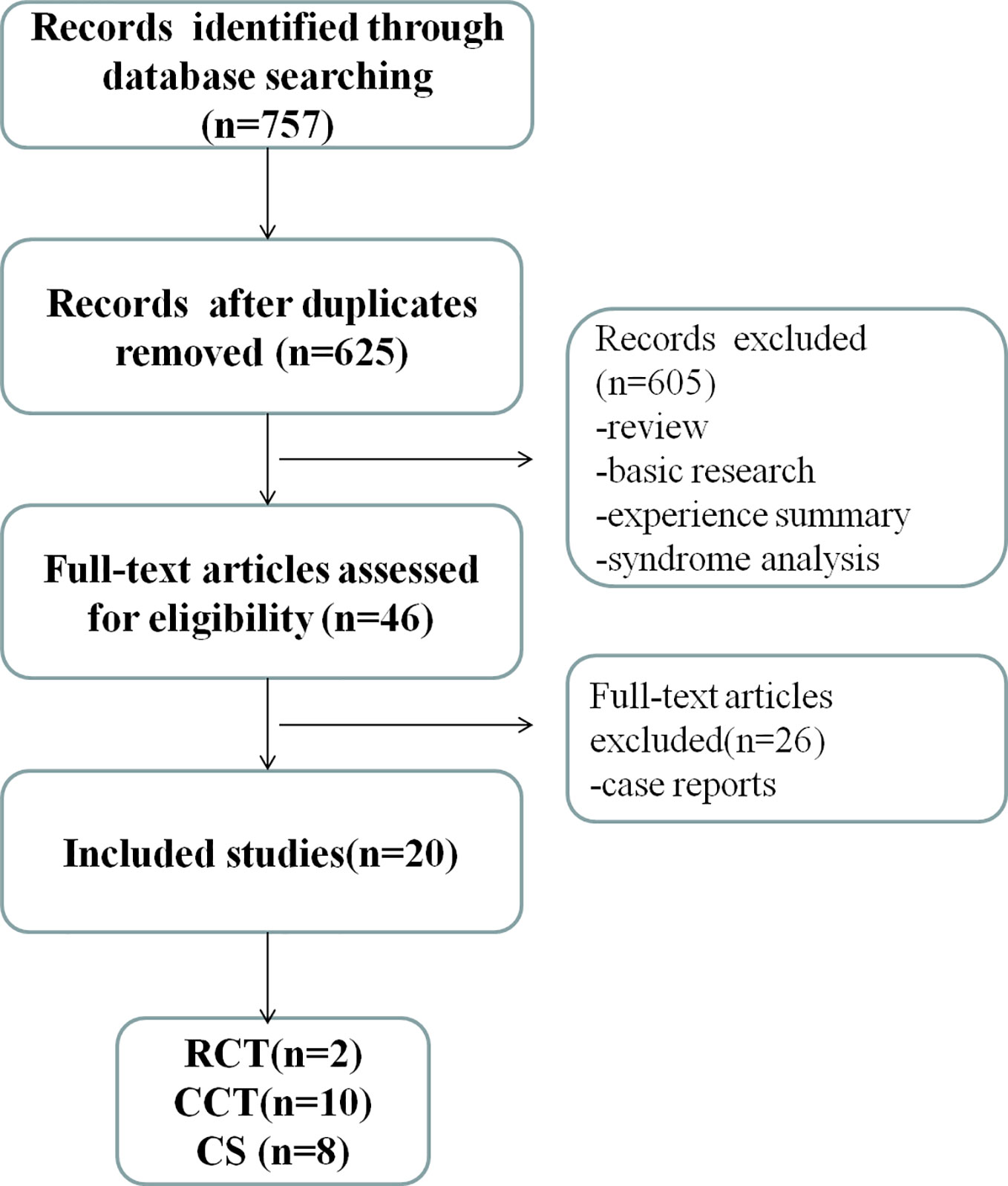
Figure 1 Literature screening process and results.
Basic Characteristics of the Literature
The basic characteristics of the 20 trials are summarized in Tables 1 and 2. The first study on clinical treatment involving Chinese medicine for treatment of NCP was published on February 6, 2020 (Gong et al., 2020). After February 15, the volume of studies published began to increase. By March 25, 19 articles were published. By April 4, the volume of literature published showed a downward trend. The total number of observations was 1,810, of which 1,021 and 789 were males and females, respectively. The age ranged from 0.6 to 95 y. The largest number of subjects in the study was 308 (Wang T. et al., 2020), and the minimum number of study cases was 13 (Cheng and Li, 2020). About the research areas, the worst-affected area, Hubei region, had the largest volume of studies, accounting for more than 50%, followed by Henan and Anhui regions. 12 trails were funded by research projects. All trials adopted decoction or patent medicine of traditional Chinese medicine (TCM) therapy combination with western treatment in the trial group for NCP. While the control group only adopted western treatment. For the severity of included subjects, most RCTs and CCTs included subjects who were the mild or common type, while the subjects in CS were common type and serious type. Three studies mentioned death cases (Bin et al., 2020; Xia et al., 2020; Yang Q. et al., 2020). One study mentioned there were no death cases (Wang T. et al., 2020). The other 16 studies did not mention the death condition. Adverse reactions were reported in eight studies, while no mention in the other studies. Specific research characteristics of RCTs and CCTs are shown in Table 1 and CSs are shown in Table 2.
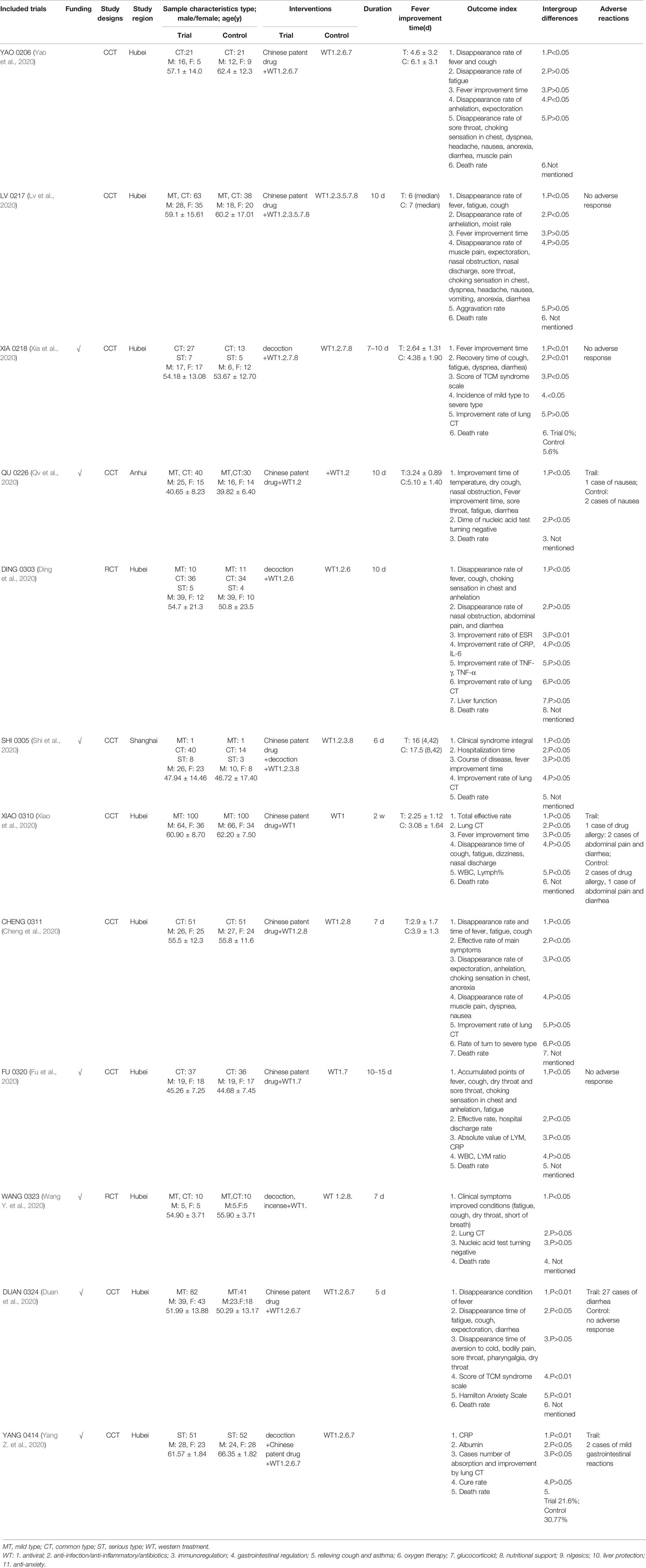
Table 1 Basic characteristics of the included studies (RCT and CCT).
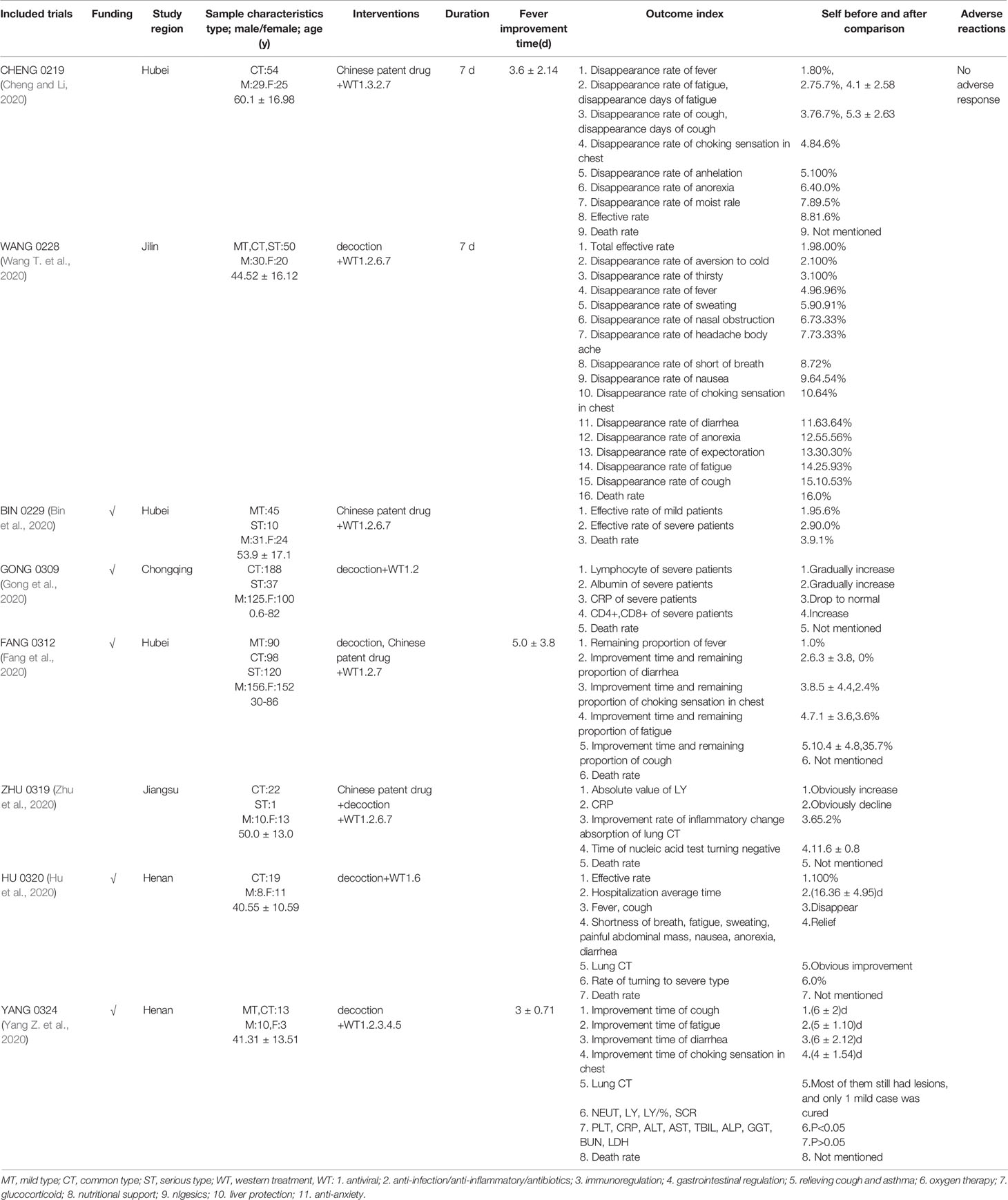
Table 2 Basic characteristics of the included studies (CS).
Analysis of the Law of Prescription Use in TCM
Frequency Analysis of Single Chinese Herbal Medicine
The statistical analysis showed that 34 traditional Chinese medicine prescriptions, involving 106 traditional Chinese medicines, were used in 20 clinical studies. The frequency of traditional Chinese medicine use was sorted. The top three drugs were Glycyrrhizae Radix Et Rhizoma (Gancao), Ephedrae Herba (Mahuang), and Armeniacae Semen Amarum (Kuxingren). Ephedrae Herba (Mahuang) aids in freeing lung, relieving cough and asthma and releasing exterior syndrome; Armeniacae Semen Amarum (Kuxingren) helps to depress qi and relieve cough and asthma; and Glycyrrhizae Radix Et Rhizoma (Gancao) facilitates in relieving cough and reducing sputum and coordinating of drugs. The three drugs are commonly used for cough and sputum and are also the basic components of Maxing Ganshi decoction in traditional Chinese medicine to treat cough and asthma. In the included prescriptions, 24 drugs were found with a frequency of ≥5 (Table 3). According to the traditional Chinese medicine category to sort out the 106 traditional Chinese medicines, the top 3 most frequently used are heat-clearing medicines, exterior syndrome-relieving medicines and phlegm-resolving and cough and asthma-relieving medicines, followed by damp-resolving medicines, tonify medicines, and damp-draining diuretic medicines. The details are presented in Table 4.
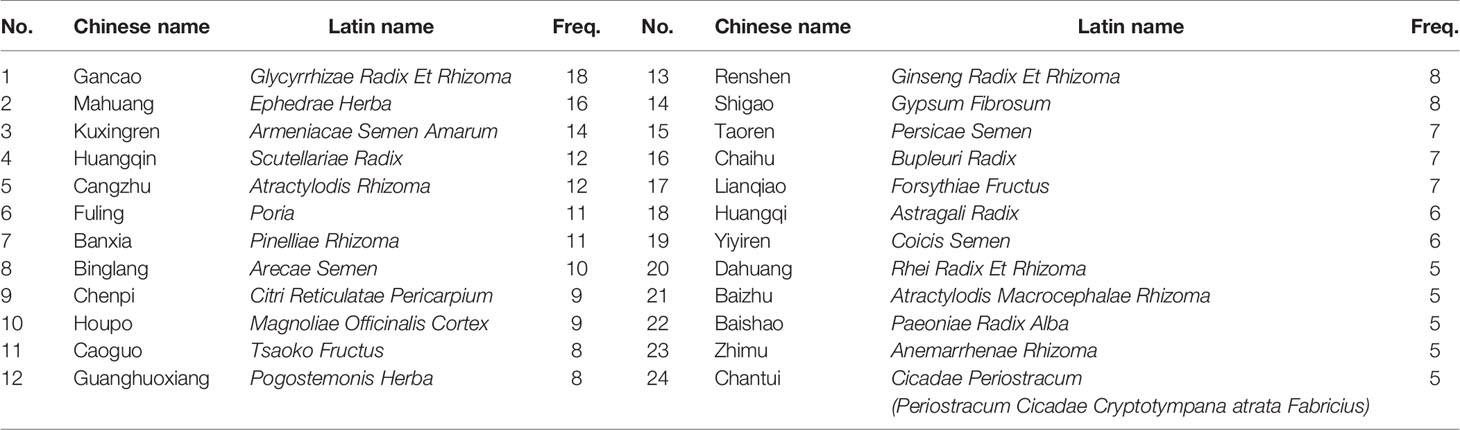
Table 3 Frequency of traditional Chinese herbal medicine (frequency≥5).
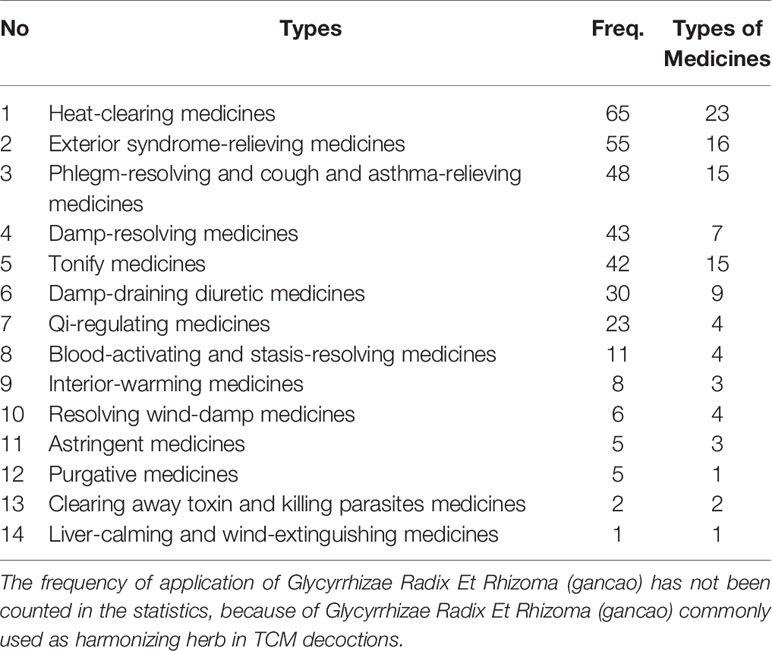
Table 4 Frequency of types of traditional Chinese herbal medicine.
Analysis of the Association Rules of Traditional Chinese Herbal Medicine
The association rules of traditional Chinese medicine for the included prescriptions were analyzed. The support was set to 20%. The results showed 10 associations of traditional Chinese medicine with a confidence of above 0.8. The association of traditional Chinese medicine with a confidence of 1 was Gypsum Fibrosum (Shigao)->Armeniacae Semen Amarum (Kuxingren), Tsaoko Fructus (Caoguo) -> Arecae Semen (Binglang). The association of traditional Chinese medicine with a confidence level of above 0.86 was Gypsum Fibrosum (Shigao) -> Ephedrae Herba (Mahuang), Gypsum Fibrosum (Shigao), Armeniacae Semen Amarum (Kuxingren) -> Ephedrae Herba (Mahuang), Ephedrae Herba (Mahuang), Arecae Semen (Binglang) -> Atractylodis Rhizoma (Cangzhu), Ephedrae Herba (Mahuang), Arecae Semen (Binglang) -> Armeniacae Semen Amarum (Kuxingren), Atractylodis Rhizoma (Cangzhu), Arecae Semen (Binglang) -> Ephedrae Herba (Mahuang). Table 5 presents the analysis of specific association rules.
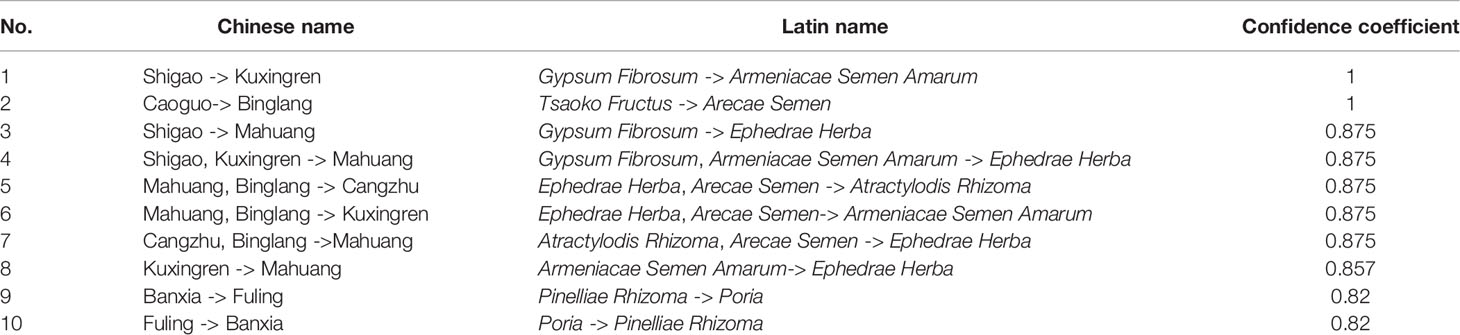
Table 5 Analysis of the association rules of traditional Chinese herbal medicine.
Analysis of Chinese Herbal Medicine Combinations Network
The relationship among different drug combinations was visualized using the network display function of the traditional Chinese medicine inheritance auxiliary system. The results showed that Ephedrae Herba (Mahuang)–Armeniacae Semen Amarum (Kuxingren) had the highest support, as the most common core combination, followed by Pinelliae Rhizoma (Banxia)–Poria (Fuling), Ephedrae Herba (Mahuang)–Glycyrrhizae Radix Et Rhizoma (Gancao) and Ephedrae Herba (Mahuang)–Atractylodis Rhizoma (Cangzhu). This result indicates that commonly used clinical treatments for NCP involve depressing qi, relieving cough, eliminating dampness and eliminating phlegm. The Chinese herbal medicine combinations network is presented in Figure 2.
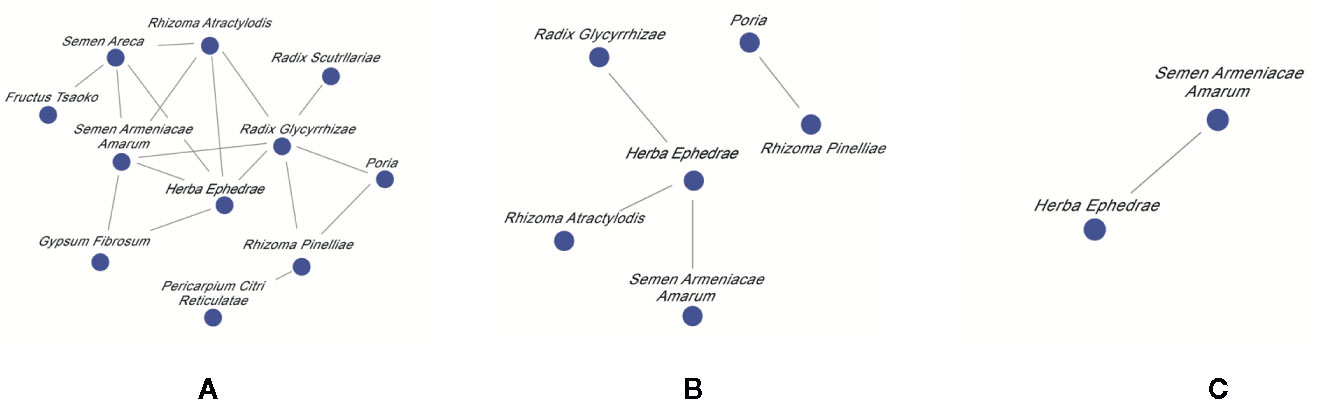
Figure 2 Commonly used Chinese herbal medicine combinations network diagram for NCP with different support rate. Support rate was (A) ≥20%, (B) ≥25%, and (C) ≥30%.
Analysis of Application of Classical Prescriptions of TCM
Studies involving the application of classical prescriptions of TCM were collected and summarized. Six studies were obtained. Among these classical prescriptions, Da Yuan decoction and Ganlu Xiaodu pill were created by doctors Wu Youke (Ming Dynasty and Ye Tianshi (Qing Dynasty) and who studied in epidemic exogenous febrile diseases, while Maxing Ganshi decoction was created by doctor Zhang Zhongjing (Han Dynasty) who researched on exogenous cold induced febrile diseases. Modern prescriptions are mostly added and subtracted by classical prescriptions. For example, the Qingfei Paidu decoction recommended by the State Administration of Traditional Chinese Medicine is based on Maxing Ganshi decoction, Shegan Mahuang decoction, Wuling powder and Xiao Chaihu decoction. The classical prescriptions with a literature frequency of ≥ 2 are presented in Table 6.
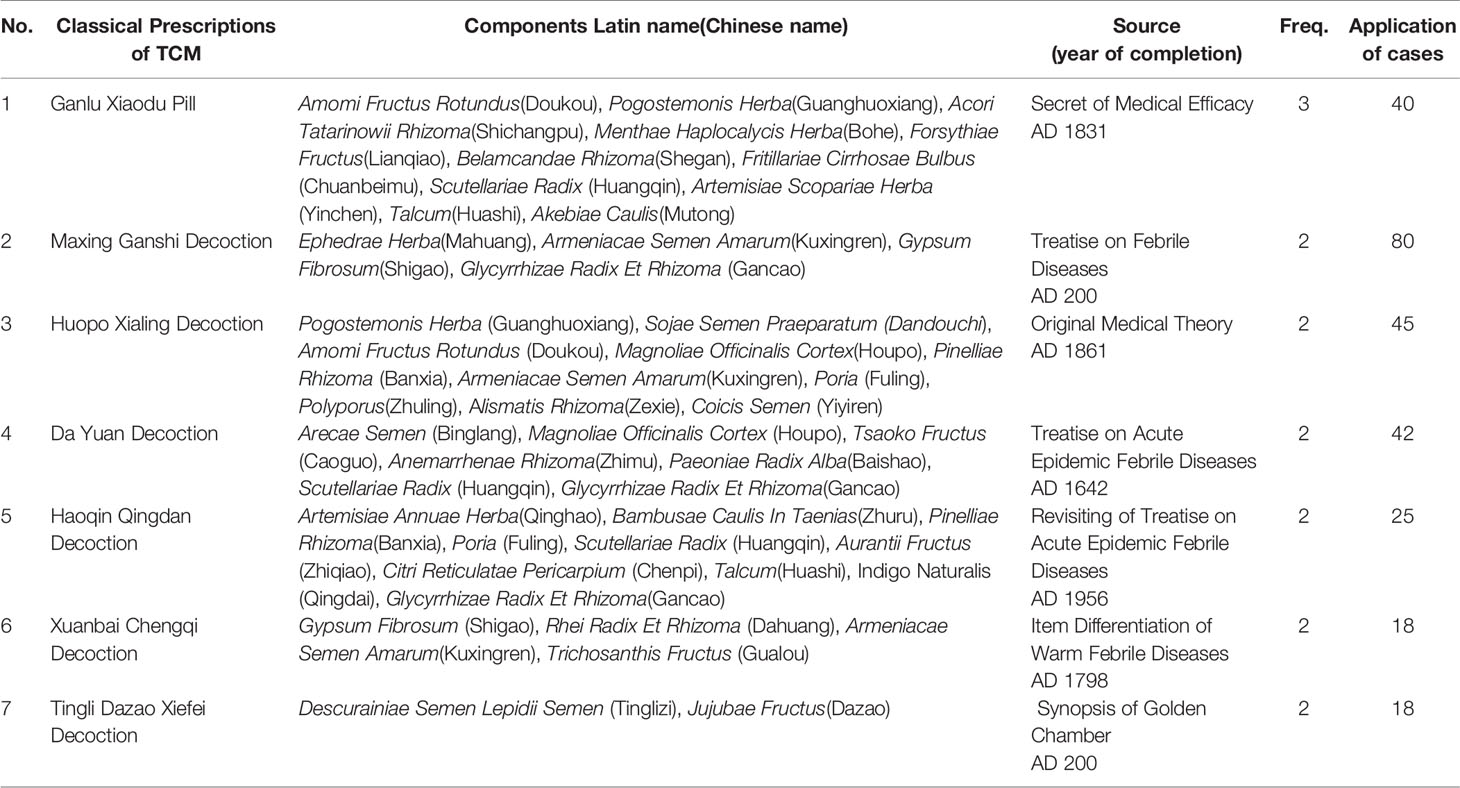
Table 6 The commonly used classical prescriptions of TCM for NCP.
Analysis of Application of Chinese Patent Medicine
Given its convenient application, Chinese patent medicine has gained increasing research attention. An analysis of the use of Chinese patent medicine in 20 clinical studies showed that Lianhua Qingwen capsules/granules are the most widely used. These capsules have been widely studied to verify their clinical efficacy. Lianhua Qingwen can act on coronavirus through multiple components, targets and pathways via their broad-spectrum antiviral, antibacterial and antipyretic; cough relief; sputum reduction and immune regulation effects (Ling et al., 2020). In the treatment of NCP, Xuebijing and other traditional Chinese medicine injections have been used several times. Xuebijing can antagonize endotoxins (Zhang, 2018; Wang, 2019) and inhibit the excessive release of inflammatory mediators, such as interferon and interleukin (Tian et al., 2019), thereby inhibiting inflammation and enhancing immunity (Diao et al., 2015). The academician Zhang Boli emphasized that the early application of traditional Chinese medicine injection can play a vital role in treating critical patients (Tencent news, 2020b). Table 7 presents The commonly used Chinese patent medicine for NCP.
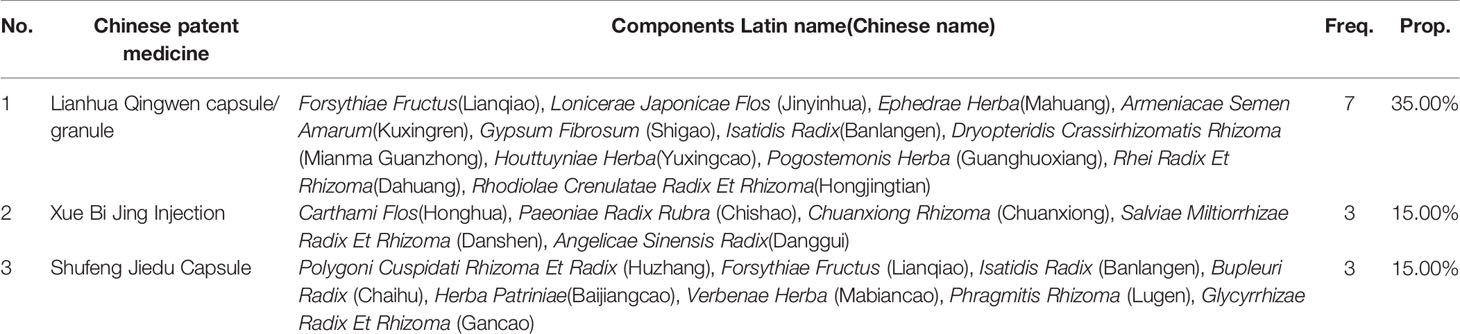
Table 7 The commonly used Chinese patent medicine for NCP.
Investigation of the Observation Indicators
In 20 studies on the treatment of NCP, the most commonly used clinical observation and evaluation indices was fever improvement time, followed by cough improvement time, shortness of breath improvement time, chest CT, and TCM syndrome scale score. Some articles also used the disappearance rate of other accompanying symptoms and CRP examination as observation indices. From Table 1, we can see the fever improvement time in the trial group was significantly shorter than that in the control group. In Table 8, we listed the Chinese name, Latin name in Chinese pharmacopeia, and Name in Medicinal Plant Names Services.
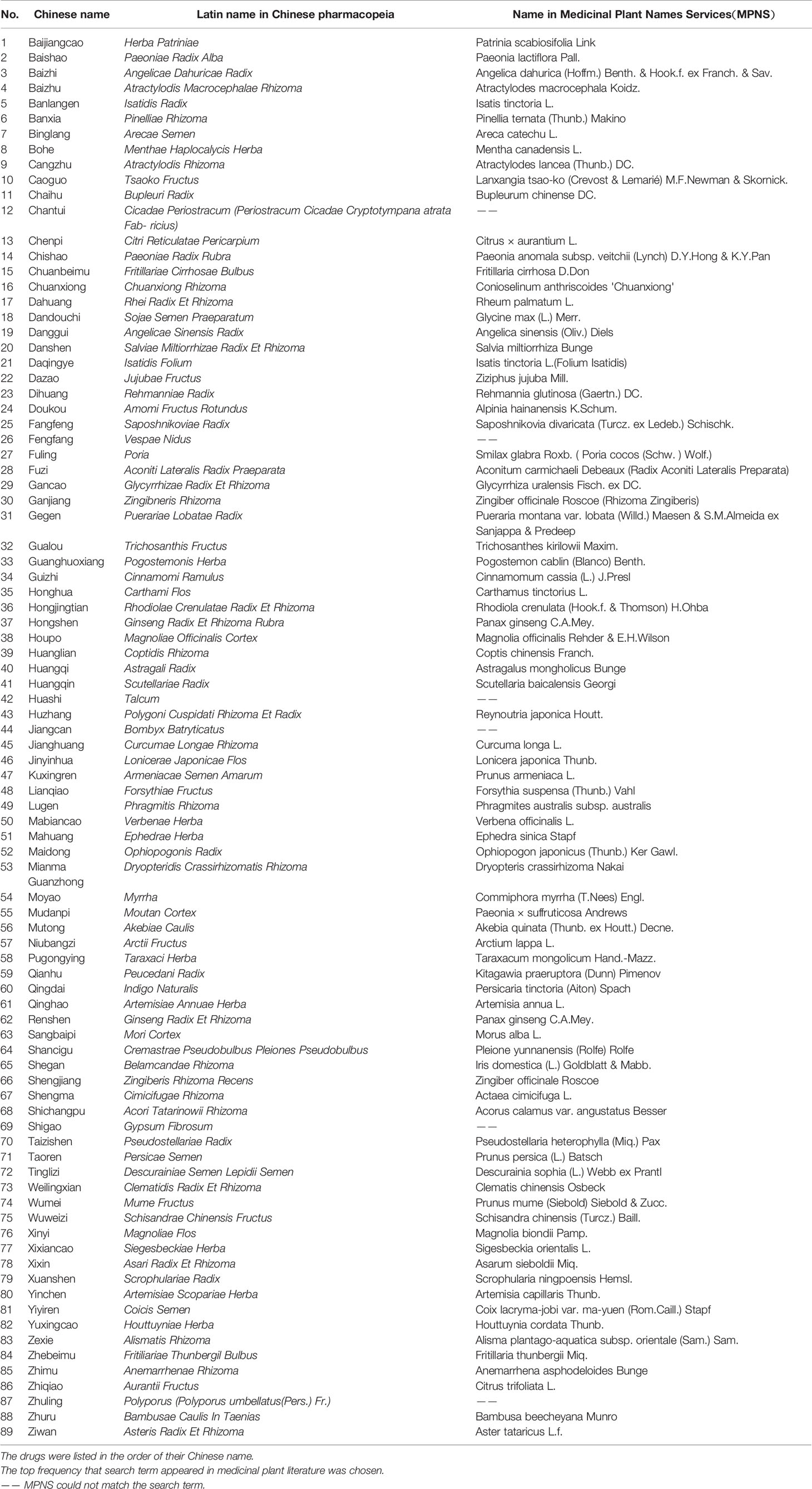
Table 8 Drug name comparison table.
Discussion
On the discussion of epidemic, the ancient Chinese doctor Wu Youke from the Ming Dynasty pointed out it was caused by epidemic pathogenic evils. Given its strong infectivity, disease location and clinical characteristics, NCP can be named “pulmonary epidemic disease” (Guo and Wan, 2020). The main consensus regarding its pathogenesis is that the virus invades the lungs and causes vital qi deficiency. The pathological nature is dampness, heat, toxin, deficiency and stasis.
This study mainly uses bibliometrics and data mining methods to obtain a systematic summary of clinical studies published at this stage and systematically analyses the published information, research design, intervention measures and observation indicators. A summary of the research methods indicates that only 2 RCTs were conducted. Most of the studies were CCTs and CSs. Considering the large number of patients and the rapid spread of the epidemic, the shortage of medical resources has led to the unconditional implementation of RCT research. The treatment of patients is the first priority at this time.
Regarding the time distribution of publications, the time that research on traditional Chinese medicine treatment of NCP was conducted synchronized with the epidemic. Furthermore, the symptom improvement rate and symptom scores in the observation and evaluation indicators fully reflect the characteristics of the judgment standard of clinical efficacy of traditional Chinese medicine. The total number of observation cases also reflects the high participation of traditional Chinese medicine in this anti-epidemic treatment. A clear understanding of Chinese herbal medicines use has been achieved through the data mining and analysis of prescriptions for treatment of NCP. In addition to Glycyrrhizae Radix Et Rhizoma (Gancao), Ephedrae Herba (Mahuang), Armeniacae Semen Amarum (Kuxingren) Atractylodis Rhizoma (Cangzhu) and Scutellariae Radix (Huangqin) are frequently used. An analysis of drug categories showed that heat-clearing medicine, exterior syndrome-relieving medicines, phlegm-resolving and cough and asthma-relieving medicines, and humidifying drugs are frequently used. This finding suggests that dampness and toxin accumulating in the lung are the main pathogenesis of NCP. Ephedrae Herba (Mahuang)-Armeniacae Semen Amarum (Kuxingren) had the highest support and high confidence in the association rules, which reflects the classic compatibility of Maxing Shigan decoction. About the high frequency Chinese herbal medicines, most of it enters the lung meridian or spleen meridian. Chinese medicine recognizes that NCP mainly involves the lung. The spleen is the source of phlegm, and the lung is the sputum storage position, phlegm and dampness caused by lung and spleen disease. The results of clinical application analysis of Chinese patent medicines reflect the participation in clinical treatment. Given their wide range of applications and convenient application, Chinese patent medicines play an important role in clinical treatment of the epidemic in China. Traditional Chinese medicine for treatment of NCP is worthy of global attention.
Our study has several limitations. Randomized controlled trials are the most commonly used to judge the effectiveness of interventions. This review only included two RCTs. And they did not mention blinding method. In addition, the interventions, treatment courses, and observation indicators of each study were quite different, so meta-analysis cannot be done. High-quality RCTs on the effectiveness and safety of traditional Chinese medicine in the treatment of new coronary pneumonia need further study.
Author Contributions
ZZ conceived and wrote the manuscript draft. SF designed the study and revised the manuscript. NG drafted the manuscript. YW was responsible for data collection. PC helped data management. YT was in charge of statistical analysis of data. All authors contributed to the article and approved the submitted version.
Funding
We are very grateful for the financial support from the Special Research Project of Traditional Chinese Medicine Industry (201107006) and the School-level scientific research project of Tianjin University of Traditional Chinese Medicine (XJ201801).
Conflict of Interest
The authors declare that the research was conducted in the absence of any commercial or financial relationships that could be construed as a potential conflict of interest.
Acknowledgments
We gratefully acknowledged the cooperation of all research staff and participants.
Supplementary Material
The Supplementary Material for this article can be found online at: https://www.frontiersin.org/articles/10.3389/fphar.2020.560448/full#supplementary-material
Abbreviations
NCP, new coronary pneumonia; CCT, clinical control trials; RCT, randomized controlled trials; CS, case series studies; TCM, Traditional Chinese medicine.
References
Bin, Y. F., Ji, P., Liang, X. D., Liu, G. N., Zhang, J. F. (2020). Clinical characteristics of 55 hospitalized patients with COVID-19 in Wuhan, China. J. Guangxi Med. Univ. 37 (02), 338–342. doi: 10.16190/j.cnki.45-1211/r.2020.02.034
Cheng, D. Z., Li, Y. (2020). Clinical Effectiveness and Case Analysis in 54 NCP Patients Treated with Lanhuaqingwen Granules. World Chin. Med. 15 (02), 150–154. doi: 10.3969/j.issn.1673-7202.2020.02.006
Cheng, D. Z., Wang, W. J., Li, Y., Wu, X. D., Zhou, B., Song, Q. Y. (2020). Analysis of curative effect of 51 patients with novel coronavirus pneumonia treated with Chinese medicine Lianhua Qingwen: a multicentre retrospective study. Tianjin J. Trad. Chin. Med. 37 (05), 509–516. doi: 10.11656/j.issn.1672-1519.2020.05.06
Diao, Y. F., Sun, L., Cheng, S. X., Tu, Y., Zhang, S. (2015). Effects of Xuebijing injection in treatment of severe pneumonia. China J. Emergency Resuscitation Dis. Med. 10 (4), 337–339. doi: 10.3969/j.issn.1673-6966.2015.04.012
Ding, X. J., Zhang, Y., He, D. C., Zhang, My, Tan, Y. J., Yv, A. R., et al. (2020). Clinical Effect and Mechanism of Qingfei Touxie Fuzheng Recipe in the Treatment of Novel Coronavirus Pneumonia. Herald Med. 39 (05), 640–644. doi: 10.3870/j.issn.1004-0781.2020.05.012
Dingxiangyuan (2020). Real-time dynamics of new coronavirus infection pneumonia. Available at: https://ncov.dxy.cn/ncovh5/view/pneumonia [2020-04-02].
Duan, C., Xia, W. G., Zheng, C. J., Sun, G. B., Li, Z. L., Li, Q. L., et al. (2020). Clinical Observation of Jinhua Qinggan Granule in Treating New Coronavirus Infection Pneumonia. J. Trad. Chin. Med. 1–5.
Fang, L., Zhu, Q. G., Cheng, W., Zhan, C., Fang, X. M., Guo, C. Y., et al. (2020). Retrospective analysis on 308 cases of COVID-19 and clinical application program of Kangyi Qiangshen Gong exercise prescription. Shanghai J. Trad. Chin. Med. 54 (05), 40–45. doi: 10.16305/j.1007-1334.2020.05.095 [2020-04-23].
Fu, X. X., Lin, L. P., Tan, X. H. (2020). Clinical study on 37 case of COVID-19 treated with integrated traditional Chinese and Western Medicine. Trad. Chin. Drug Res. Clin. Pharmacol. 31 (05), 600–604. doi: 10.19378/j.issn.1003-9783.2020.05.016
Gong, X., Mou, F. Z., Wei, D. R., Dou, L., Gong, X. Y., Wang, T., et al. (2020). The clinical characteristics and medication analysis of Corona Virus Disease 2019. World Chin. Med. 15 (06), 819–826. doi: 10.3969/j.issn.1673-7202.2020.06.002
Guo, J. C., Wan, H. T. (2020). Discussion on the etiology, pathogenesis and treatment of new coronavirus pneumonia. J. Trad. Chin. Med. 61 (13), 1118–1123. doi: 10.13288/j.11-2166/r.2020.13.003
Hu, Z. Q., Li, Z. B., Li, S. W., Bie, H. J., Wang, C. H., Zha, J. L. (2020). Observation on Clinical Treatment of 19 Cases of Nanyang COVID-19(Common Type). Forum Trad. Chin. Med. 35 (02), 22–24. doi: 10.13913/j.cnki.41-1110/r.2020.02.011
Ling, X. Y., Tao, J. L., Sun, X., Yuan, B. (2020). Exploring material basis and mechanism of Linhua Qingwen Prescription against coronavirus based on network pharmacology. Chin. Trad. Herbal Drugs 51 (07), 1723–1730. doi: 10.7501/j.issn.0253-2670.2020.07.006
Lv, R. B., Wang, W. J., Li, X. (2020). Clinical Observation on 63 Cases of Suspected New Coronavirus Pneumonia Treated by Lianhuaqingwen. J. Trad. Chin. Med. 61 (8), 655–659. doi: 10.13288/j.11-2166/r.2020.08.003
National Health Commission of the People’s Republic of China (2020). Diagnosis and Treatment Plan of Novel Coronavirus Infection Pneumonia (edition 7). Available at: http://www.nhc.gov.cn/yzygj/s7653p/202003/46c9294a7dfe4cef80dc7f5912eb1989.shtml.
Qv, X. K., Hao, S. L., Ma, J. H., Wei, G. Y., Song, K. Y., Tang, C., et al. (2020). Observation on clinical effect of Shufeng Jiedu Capsule combined with Arbidol Hydrochloride Capsule in treatment of COVID-19. Chin. Trad. Herbal Drugs 51 (05), 1167–1170. doi: 10.7501/j.issn.0253-2670.2020.05.011
Shi, J., Yang, Z. G., Ye, C., Chen, S. S., Lu, Y. F., Lv, Y., et al. (2020). Clinical observation on 49 cases of non-critical COVID-19 in Shanghai treated by integrated traditional Chinese and western medicine. Shanghai J. Trad. Chin. Med. 54 (04), 30–35. doi: 10.16305/j.1007-1334.2020.04.095
Tencent News (2020a). Zhong Nanshan affirmed the effect of Chinese medicine on the treatment of new coronavirus pneumonia: Effective Chinese medicine can be promoted abroad. Available at: http://m.v.qq.com/play/play.html?vid=q0950t2va9i&url_from=share&second_share=0&share_from=copy.
Tencent News (2020b). Making good use of Chinese medicine injections for critically ill patients. Available at: https://xw.qq.com/amphtml/20200302A03TOA00, 2020-03-01.
Tian, J., Yang, S., Song, D. D. (2019). Progress in clinical efficacy of Xuebijing in treatment of severe pneumonia. J. Clin. Pulmon. Med. 24 (05), 96–99+104. doi: 10.3969/j.issn.1009-6663.2019.05.022
Wang, Y. L., Yang, X. D., Liu, Y. P., Zhang, J., Feng, Y. F., Shang, L., et al. (2020). Preliminary clinical effect analysis of the treatment of novel coronavirus pneumonia by internal administration of traditional Chinese medicine plus fumigation and absorption combined with super dose of vitamin C in treating NOVID-19. J. Xi’an Jiaotong Univ. (Med. Sci.) 1–7.
Wang, T., Shi, L., Chen, Y. Y., Fang, Y. K., Yang, W., Duan, X. Z., et al. (2020). Clinical Efficacy Analysis of 50 Cases of Corona Virus Disease 2019 in Traditional Chinese Medicine. Jilin J. Chin. Med. 40 (03), 281–285. doi: 10.13463/j.cnki.jlzyy.2020.03.001
Wang, Y. (2019). Clinical Efficacy of Xuebijing in Patients with Severe Pneumonia and Its Effects on Inflammatory Mediators. China J. Pharm. Economics 7, 98–100. doi: 10.12010/j.issn.1673-5846.2019.07.025
Xia, W. G., An, C. Q., Zheng, C. J., Zhang, J. X., Huang, M., Wang, Y., et al. (2020). Clinical Observation on 34 Patients with Novel Coronavirus Pneumonia (COVID-19) Treated with Intergrated Traditional Chinese and Western Medicine. J. Trad. Chin. Med. 61 (05), 375–382. doi: 10.13288/j.11-2166/r.2020.05.002
Xiao, Q., Jiang, Y. J., Wu, S. S., Wang, Y., An, J., Xu, W. P., et al. (2020). Analysis of the Value of Chinese Medicine Shufeng Jiedu Capsule Combined with Abidor in the Treatment of Mild New Coronavirus Pneumonia. J. Emergency Trad. Chin. Med. 29 (05), 756–758. doi: 10.3969/j.issn.1004-745X.2020.05.002
Yang, Q., Sun, Q. G., Jiang, B., Xv, H. J., Luo, M., Xie, P., et al. (2020). Retrospective clinical study on treatment of COVID-2019 patients with integrated traditional Chinese and Western medicine. Chin. Trad. Herbal Drugs 51 (08), 2050–2054. doi: 10.7501/j.issn.0253-2670.2020.08.009
Yang, Z. J., Ye, L., Chen, L., Miao, M. S., Li, Y. J. (2020). Treatment of COVID-19 with Qi GUI Ling Mixture. China J. Chin. Med. 35 (06), 1151–1153+1176. doi: 10.16368/j.issn.1674-8999.2020.06.257
Yao, K. T., Liu, M. Y., Li, X., Huang, J. H., Cai, H. B. (2020). Retrospective Clinical Analysis on Treatment of Coronavirus Disease 2019 with Traditional Chinese Medicine Lianhua Qingwen. Chin. J. Exp. Trad. Med. Formulae 26 (11), 8–12. doi: 10.13422/j.cnki.syfjx.20201099 [2020-04-22].
Zhang, Q. Z. (2018). Observation on the curative effect of XueBijing on elderly patients with severe pneumonia. Modern Med. Health Res. 2 (9), 43–44.
Zhu, M., Lv, Q. Q., Gu, M. H., Chen, Y. C., Wang, J., Huang, Z. Q., et al. (2020). Clinical diagnosis and integrated treatment of traditional Chinese and western medicine for confirmed patients with coronavirus disease 2019 in Yangzhou area of Jiangsu Province. J. Clin. Med. Pract. 24 (05), 1–5. doi: 10.7619/jcmp.202005001
Keywords: novel coronavirus pneumonia, traditional Chinese medicine, clinical research, Drug application rule, literature analysis
Citation: Zhou Z, Gao N, Wang Y, Chang P, Tong Y and Fu S (2020) Clinical Studies on the Treatment of Novel Coronavirus Pneumonia With Traditional Chinese Medicine—A Literature Analysis. Front. Pharmacol. 11:560448. doi: 10.3389/fphar.2020.560448
Received: 08 May 2020; Accepted: 12 August 2020;
Published: 10 September 2020.
Edited by:
Michael Heinrich, UCL School of Pharmacy, United KingdomReviewed by:
Karl Tsim, Hong Kong University of Science and Technology, Hong KongShailendra Shivaji Gurav, Goa College of Pharmacy, India
Copyright © 2020 Zhou, Gao, Wang, Chang, Tong and Fu. This is an open-access article distributed under the terms of the Creative Commons Attribution License (CC BY). The use, distribution or reproduction in other forums is permitted, provided the original author(s) and the copyright owner(s) are credited and that the original publication in this journal is cited, in accordance with accepted academic practice. No use, distribution or reproduction is permitted which does not comply with these terms.
*Correspondence: Shufei Fu, ZnVzaHVmZWkyMDEyQDE2My5jb20=; Yi Tong, bHl0eTIxNUAxMjYuY29t
†These authors share first authorship