 Wagner Barbosa Da Rocha Santos1
 Juliana Oliveira Guimarães1
 Lícia Tairiny Santos Pina2
 Mairim Russo Serafini1,2
 Adriana Gibara Guimarães1*
- 1Graduate Program in Pharmaceutical Sciences, Department of Pharmacy, Federal University of Sergipe, São Cristóvão, Sergipe, Brazil
- 2Graduate Program in Health Sciences, Federal University of Sergipe, São Cristóvão, Sergipe, Brazil
Chemotherapy-induced peripheral neuropathy (CIPN) is one of the most prevalent and difficult-to-treat symptoms in cancer patients. For this reason, the explore for unused helpful choices able of filling these impediments is essential. Natural products from plants stand out as a valuable source of therapeutic agents, being options for the treatment of this growing public health problem. Therefore, the objective of this study was to report the effects of natural products from plants and the mechanisms of action involved in the reduction of neuropathy caused by chemotherapy. The search was performed in PubMed, Scopus and Web of Science in March/2021. Two reviewers independently selected the articles and extracted data on characteristics, methods, study results and methodological quality (SYRCLE). Twenty-two studies were selected, describing the potential effect of 22 different phytochemicals in the treatment of CIPN, with emphasis on terpenes, flavonoids and alkaloids. The effect of these compounds was demonstrated in different experimental protocols, with several action targets being proposed, such as modulation of inflammatory mediators and reduction of oxidative stress. The studies demonstrated a predominance of the risk of uncertain bias for randomization, baseline characteristics and concealment of the experimental groups. Our findings suggest a potential antinociceptive effect of natural products from plants on CIPN, probably acting in several places of action, being strategic for the development of new therapeutic options for this multifactorial condition.
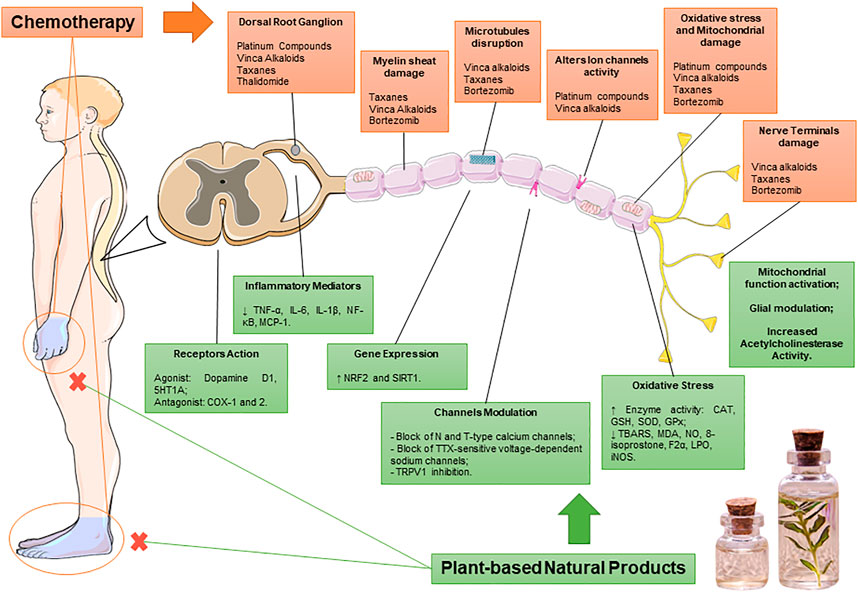
GRAPHICAL ABSTRACT
1 Introduction
Chemotherapy-induced peripheral neuropathy (CIPN) accounts for the most common neurological complication of cancer treatment with reporting rates ranging from 19% to more than 85%, presenting an agent-based prevalence (Zajączkowska et al., 2019). Chemotherapeutic agents such as paclitaxel, oxaliplatin, docetaxel, bortezomib and thalidomide are often involved in a sensory peripheral neuropathy that manifests symptoms as cold and mechanical allodynia, paresthesia, numbness and tingling in the feet and hands (“stocking and glove” distribution) (Hou et al., 2018; Wu et al., 2019).
In this sense, the development of neuropathies is the most recurrent cause for alteration of chemotherapy regimens, leading to a decrease in dose and frequency or choice of a different therapeutic agent, leading to impairments to the treatment and a lower quality of life (Lee et al., 2021). Unfortunately, there are no sufficient options available for the CIPN treatment (Colvin, 2019).
In fact, although being considered as an neuropathic pain, current pharmacological treatments for this condition (tricyclic antidepressants, anticonvulsants, etc.) are slightly effective in CIPN or have undesirable reactions (Hou et al., 2018), such as dizziness, nausea, somnolence and vomiting (Lee et al., 2021). Therefore, identifying alternative classes of analgesics that can effectively manage pain in cancer patients is of great importance (Blake et al., 2017).
In this perspective, natural products still stand out as the most important and valuable source of therapeutic agents, as they present a vast number of bioactive chemical compounds (Lautié et al., 2020; Newman and Cragg, 2020; Singh Aidhen and Thoti, 2021). In fact, about one third of the best-selling drugs in the word are natural products or their derivatives. Besides, it is estimated that more than 35% of medicines used worldwide were originated directly or indirectly from natural products, making them an important resource for global pharmaceutical companies working on the development of new medicines (Calixto, 2019). However, only less than 15% of natural sources have been explored so far; among them, those derived from plants have a wide chemical and structural diversity, representing the most prevailing source for the detection of novel medicinal substances (Thomas et al., 2021).
Therefore, considering the imminent need for new therapeutic options for chemotherapy-induced peripheral neuropathy and the analgesic and anti-inflammatory potential of plant-based natural products, this review aims to report the effect of compounds of this origin, and how they would be acting to reduce CIPN.
2 Methods
2.1 Focused question
The key question to be answered by the development of this review was: Are natural products from plants capable of controlling peripheral neuropathy caused by chemotherapy?
2.2 Protocol and registration
The Preferred Reporting Items for Systematic Reviews and Meta-Analyses (PRISMA) tool was used as a guide for the construction of the review (Page et al., 2021). It was registered in the international database of systematic reviews of PROSPERO obtaining the registration number CRD42021242592 and the protocol is available at https://www.crd.york.ac.uk/PROSPERO/display_record.php?RecordID=242592.
2.3 PICOS strategy
This review was carried out according to the PICOS strategy (Santos et al., 2007), detailing the following information: P (problem): peripheral neuropathy caused by chemotherapeutic drugs; I (intervention): treatment with plant-based natural products; C (control): without treatment or standard drugs; O (outcomes): nociceptive responses in animals with chemotherapy-induced peripheral neuropathy; S (type of study): pre-clinical studies.
2.4 Search strategy and literature search
The research was carried out in March 2021, using PubMed, Web of Science and Scopus databases. The research strategy was carried out using different combinations of the following MESH descriptors, in addition to their synonyms: “chemotherapy-induced peripheral neuropathy, CIPN, (peripheral neuropathy and cancer),” and “plant-based natural products, terpene, flavonoid, coumarin, xanthone, chromone, lignan, neolignan, tannin, saponin, alkaloid, xanthine.” The search strategy is detailed in the Supplementary Table S1.
2.5 Selection of studies and eligibility criteria
To select the studies, two reviewers (W.B.R.S. and L.T.S.P.) independently evaluated the results of the research using an application to aid in the preparation of systematic reviews, Rayyan (Ouzzani et al., 2016). After reading the titles and abstracts, potentially relevant studies were selected to read the full text according to the eligibility criteria and the agreement between these reviewers was measured using the Kappa statistical test (Landis and Koch, 1977). Disagreements were resolved by consensus or by consulting a third reviewer (A.G.G.).
The following eligibility criteria were used: 1) articles with descriptors and/or synonyms in the title, abstract or full text; 2) studies with isolated compounds from medicinal plants evaluating the antinociceptive effect against peripheral neuropathies induced by chemotherapy drugs; 3) preclinical studies. In addition, studies were selected without language and year restriction. Studies using the association of natural products with other substances and modification of the chemical structure of natural products, review articles, duplicates, abstracts, clinical trials and in vitro studies were excluded. The reference lists of the selected articles were searched manually to identify other studies that could meet the inclusion criteria and were not found in the databases searched.
2.6 Data extraction and risk of bias assessment
The following information was extracted from the selected studies: name of the plant-based natural product, means of obtaining, model of induction of peripheral neuropathy, evaluated methods, dosage and route of administration, positive control used or not, the type of animal used and the results obtained by the study. In addition, the authors of the selected studies were contacted when the articles or data were unavailable.
The methodological quality of the studies was assessed using the SYRCLE risk of bias protocol for animal studies. Ten domains were evaluated, which include: selection bias (sequence generation, allocation hiding and random accommodation), performance bias (random accommodation and concealment), detection bias (evaluation and hiding random results), attrition bias (data incomplete results), report bias (selective results report) and other sources of bias, such as inadequate influence from funders. The risk of bias was classified as low, uncertain or high, according to the established criteria (Hooijmans et al., 2014).
3 Results and discussion
The present study carried out a survey of publications on compounds isolated from plant-based natural products and peripheral neuropathy induced by chemotherapy, with 1,473 articles found in the PubMed database, 576 in Scopus and 204 articles in the Web of Science, totalizing 2,253 articles. After excluding duplicate articles (299), 1,954 studies were submitted to the reading of titles and abstracts, based on the established inclusion and exclusion criteria; 1,936 articles were excluded and 18 were selected for the full reading of the text. Only one study was excluded after reading the full text because it did not represent a model of chemotherapy-induced peripheral neuropathy. In addition, after manually searching the list of references for the included studies, five more studies were added, totalizing 22 articles (Figure 1). Kappa agreement between the evaluators was 0.748, considered as substantial (0.6–0.79) (Landis and Koch, 1977).
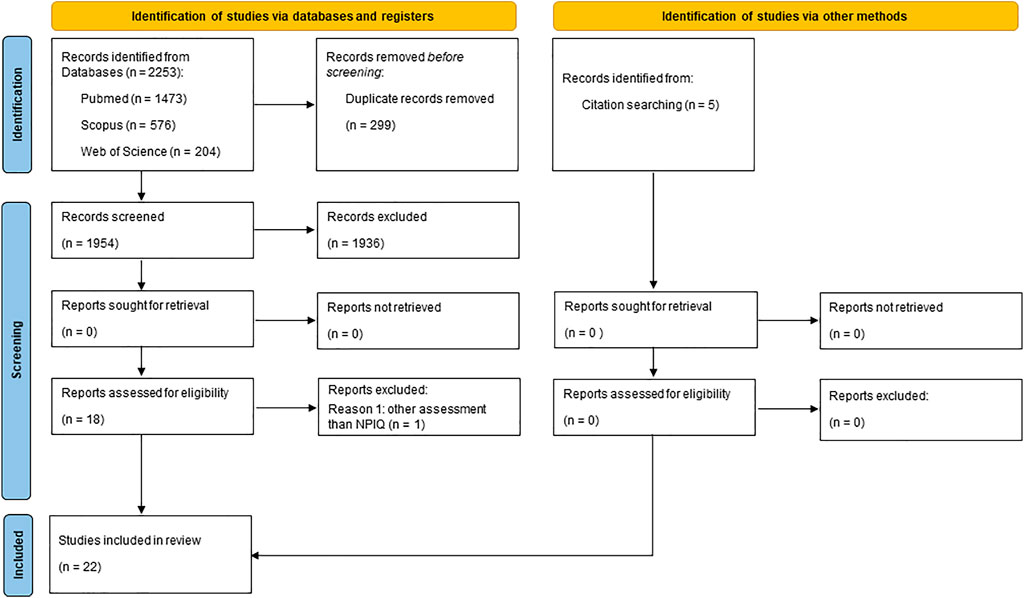
FIGURE 1. Flowchart of included studies.
3.1 Overview of included studies
A summary of each study is presented in Table 1. Different compounds from plants, animals, methods of induction and pain assessment were used by the selected studies. Studies with 22 different compounds were found (Figure 2) and the same compound may be presented in different articles. These compounds can be divided into the following classes of secondary metabolites: Tepernes (n = 7, 31.81%) Alkaloids (n = 5, 22.73%), Flavonoids (n = 5, 22.73%), Cannabinoids (n = 2, 9.09%), Curcuminoids (n = 2, 9.09%), and Xanthines (n = 1, 4.55%). These findings corroborate with Gouveia et al. (2019), who demonstrated that compounds belonging to the class of terpenes, alkaloids, flavonoids and cannabinoids have been the target of recent studies on their effects on cancer pain. In fact, the analgesic properties of compounds belonging to these classes of natural products have been extensively demonstrated in several studies, due to their ability to modulate neurotransmission systems, inflammatory response and redox imbalance (Guimarães et al., 2014; Gouveia et al., 2018; Ferraz et al., 2020; Zhu et al., 2020; Anand et al., 2021).
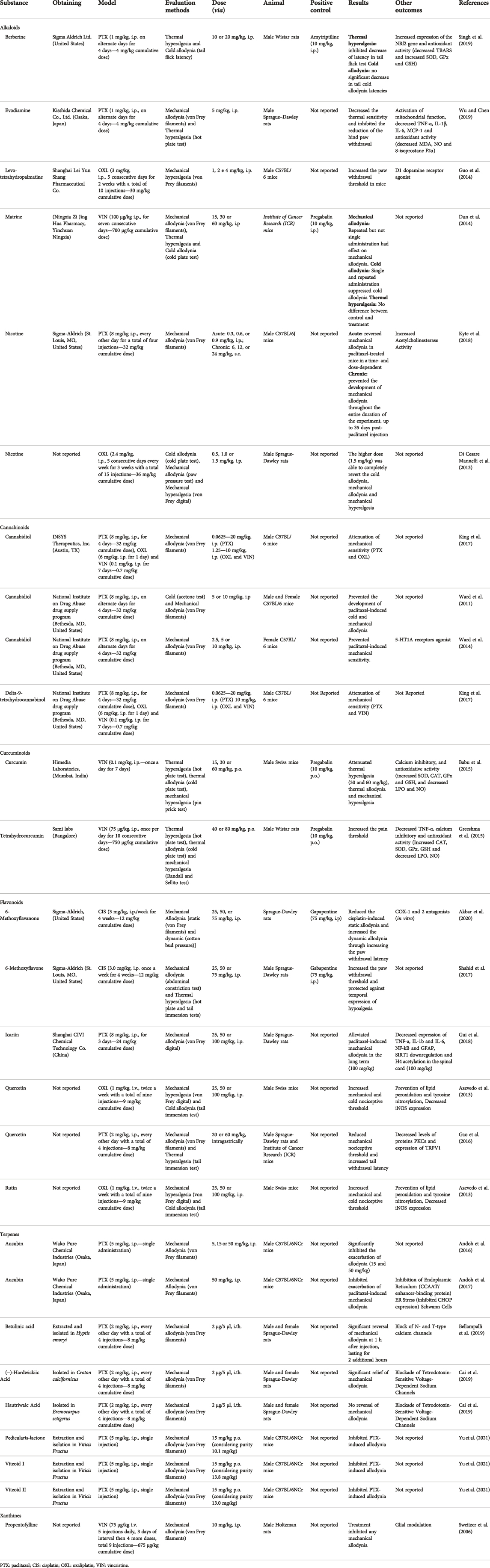
TABLE 1. Description of the chemical and pharmacological aspects of the preclinical studies included in the systematic review.
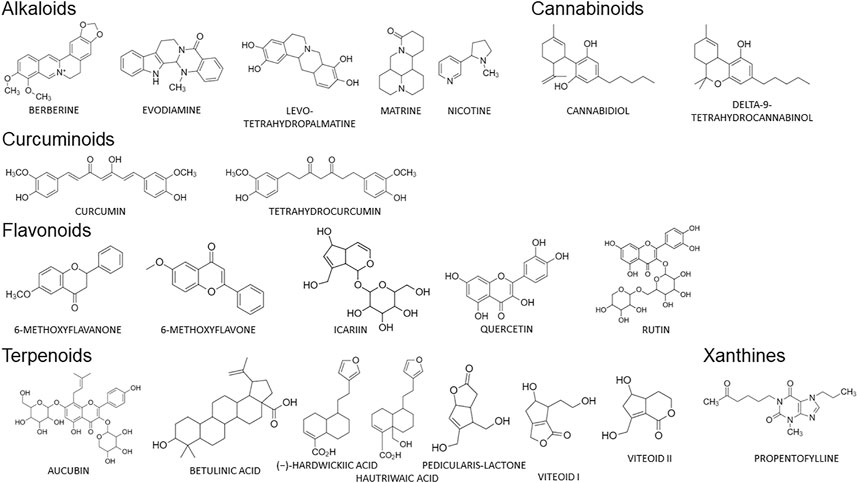
FIGURE 2. Molecular structures classified by secondary metabolites of all substances included in this systematic review.
The compounds used for the studies were obtained mostly by purchase in laboratories and specialized companies (n = 15, 57.70%, Table 1). Other studies extracted and isolated the compound from plant species (n = 6, 23.07%), and some did not report the obtaining methods (n = 5, 19.23%). Although the techniques for isolating and characterizing new compounds from medicinal plants have evolved over the years, some challenges are still encountered. Among them, the following stand out: the need for multiple separation techniques to isolate the target compound, the low yield of purified compounds, the influence of environmental factors on the production of secondary metabolites, in addition to the high cost and time (Sasidharan et al., 2010; Atanasov et al., 2015). Thus, it is believed that this is the reason why pharmacology research groups have opted for the commercial acquisition of the compounds tested.
Preclinical studies found were developed in mice (n = 14, 56.00%), rats (n = 10, 40.00%) or both (n = 1, 4.00%), with variation in the strain and sex of the animal used in each study. For the rats, the strains used were Sprague-Dawley, Wistar and Holtzman, whereas the mouse strains used were C57BL/6, C57BL/6J, C57BL/6NCr, Swiss and Institute of Cancer Research (ICR). Among rodents, mice have in fact been more used in preclinical studies of this nature, as they are easier to handle, cheaper and are required in smaller quantities. However, the results must be evaluated with caution, since the nociceptive response tends to vary between different species and sex (Le Bars et al., 2001; Smith, 2019).
For induction of peripheral neuropathy, four types of chemotherapy were found as inducers: paclitaxel (PTX) (n = 16, 53.33%), vincristine (VIN) (n = 6, 20.00%), oxaliplatin (OXL) (n = 6, 20.00%) and cisplatin (n = 2, 6.67%). The protocols used for induction differ in several aspects, even for the same chemotherapeutic agent, which may vary among themselves in frequency, dose and route of administration, besides cumulative dose (Table 1). In literature, most chemotherapeutic substances that cause peripheral neuropathy in cancer patients have been used to develop CIPN models in rodents. Among the most used are platinum compounds (cisplatin, carboplatin and oxaliplatin), taxanes (paclitaxel, docetaxel), proteasome inhibitors bortezomib, carfilzomib, vinca alkaloids (vincristine) and others, including thalidomide and suramin (Höke and Ray, 2014). These compounds act in several pathways inducing CIPN (Eldridge et al., 2020), as discussed below in this article. However, the lack of standardization of the models regarding the inducing agent and animals used corresponds to an important disparity factor (Höke, 2012; Höke and Ray, 2014) and is still a challenge for this field of research, making it impossible to carry out quantitative analysis in secondary studies that aim to demonstrate evidence of these findings together.
The main methods used by all studies to evaluate the compound for its nociceptive activity were: Mechanical Allodynia (n = 21), Thermal Allodynia (n = 8), Thermal Hyperalgesia (n = 8) and Mechanical Hyperalgesia (n = 5), where each study used one or more simultaneous techniques for evaluation. These nociceptive responses involve different painful conduction pathways and mimic well the symptoms experienced by patients with CIPN. In allodynia, non-noxious stimuli induce nociception due to increased sensitivity of Aβ fibers, unlike hyperalgesia, in which noxious stimuli induce a greater nociceptive response. This mechanism is associated with hypersensitization of Aδ fibers (Sandkühler, 2009).
Besides, some studies have used standard drugs as a positive control, such as Pregabalin (n = 3), Gabapentin (n = 2) and Amitriptyline (n = 1), but most have not used or reported the use of any type of substance as positive control (n = 21). The low use of drugs known as positive control is justified by the lack of suitable pharmacotherapy for the treatment of this painful condition. Thus, antidepressants and anticonvulsants have been used clinical strategies, as they modulate neutral transmission systems, helping to control symptoms associated with CPIN (Hou et al., 2018).
3.2 Description of the plant-based natural products used
3.2.1 Terpenes
Terpenes are the largest class of natural products, having more than 55,000 compounds known and diversified by chemical structure. They are compounds found in several organisms, both animal and plant (Bergman et al., 2019). A range of pharmacological activities are studied and described in the literature involving compounds of this class, in particular, the analgesic effect (Guimarães et al., 2014; Gouveia et al., 2018).
Aucubin (C15H22O9) is one of the main components of Plantaginis semen, a plant that makes up traditional Chinese medicine Goshajinkigan (Samuelsen, 2000), which is known to attenuate the progression of peripheral neuropathy induced by treatment with docetaxel and PTX/carboplatin in cancer patients (Andoh et al., 2016). In this same study, Andoh et al. (2016), used a model of peripheral neuropathy induced by PTX in mice, and aucubin, in the highest tested doses (15 and 50 mg/kg, i.p.), significantly inhibited the exacerbation of mechanical allodynia. Another study used this compound in the largest dose (50 mg/kg, i.p.) and found a similar antiallodynic effect, showing that aucubin inhibits the endoplasmic reticulum resulting in the inhibition of the oxidative stress marker (CHOP) and decreasing damage to Schwann cells (Andoh et al., 2017).
Pedicularis-lactone is a glycosidic iridoid belonging to the class of monoterpenes extracted and isolated from the Viticis rotundifolia L. plant (Chaudhry et al., 2020). In a test of mechanical allodynia in the model of peripheral neuropathy induced by PTX, it was reported that the compound in the dose used (15 mg/kg p.o.) inhibited allodynia caused by the chemotherapy in mice (Yu et al., 2021).
Viteoid I (C9H12O4), belonging to the monoterperne class because it is a glycosidic iridoid, isolated and extracted from the Viticis Fructus plant, presented an antiallodynamic effect in a model of peripheral neuropathy induced by PTX in mice, using a dose of 15 mg/kg (p.o.) (Yu et al., 2021).
Viteoid II (C9H12O4) is a glycosidic iridoid, monoterpene, isolated and extracted from the Vicitis Fructus plant (Ono et al., 1997). It was tested in a chemotherapeutic-induced peripheral neuropathy (PTX) model, with the effect of reversing the mechanical allodynia felt by the animals at the dose tested (15 mg/kg, p.o.) (Yu et al., 2021).
(−)-Hardwickiic acid (C20H28O3) is a diterpene isolated and extracted from the Croton calcifornicus plant with potential analgesic effect (Crentsil et al., 2020). The compound was effective in significantly relieving the mechanical allodynia of rats induced to peripheral neuropathy with PTX at the dose tested (2 µg/5 µl, i.th.). In fact, it may be linked to the fact that the compound blocks voltage-dependent sodium channels sensitive to tetrodotoxin (Cai et al., 2019).
Hautriwaic acid (C20H28O4) is a diterpene isolated from the plant Eremocarpus setigerus with anti-inflammatory activity already described in the literature (Jolad et al., 1982; Salinas-Sánchez et al., 2012). It was tested in a model of PTX-induced peripheral neuropathy for its antiallodynic effect in rats. In contrast, at the dose used (2 µg/5 µl, i.th.), the substance was not able to reverse the mechanical sensitivity of the animals, despite having the same ability to block voltage-sensitive sodium channels dependent on tetrodotoxin from the previous compound (Cai et al., 2019).
Betulinic acid (C30H48O3) is a triterpene isolated from the plant Hyptis emoryi. A number of biological effects are described by this compound, including antitumor, anti-inflammatory and antiviral (Ríos and Máñez, 2018). Evaluating its effect in a model of PTX-induced peripheral neuropathy, betulinic acid was able to significantly reverse mechanical allodynia at the dose tested (2 µg/5 µl, i.th.), highlighting the ability to block calcium-type channels N and T (Bellampalli et al., 2019).
3.2.2 Alkaloids
Identified predominantly in plants, the alkaloids form a large group of secondary metabolites, presenting more than 12,000 different structures and a high diversity, with the biological effects on mammals being explored since remote times (Schläger and Dräger, 2016).
Berberine (C20H18NO4+) is a quaternary benzoisoquinolic alkaloid, derived from the Berberis species and used in Ayurvedic and Chinese medicines for the treatment of various diseases (Mokhber-Dezfuli et al., 2014). The administration of PTX developed neuropathy in the treated rats that was shown by the significant reduction of the animals’ latency time in the tail flick test for thermal hyperalgesia and in the cold allodynia test. Also, the treatment with berberine in the doses of 10 and 20 mg/kg i.p. indicated a neuroprotective effect in both tests, inhibiting the decrease in latency caused by PTX, an effect similar to the positive control used (amitriptyline 10 mg/kg, i.p.). The study demonstrated an increase in the expression of the Nrf2 gene, responsible for antioxidant defense enzymes, in addition to the antioxidant activity of the compound by decreasing TBARS levels and raising SOD, GPx, and GSH levels, all markers of oxidative stress (Singh et al., 2019).
Evodiamine (C19H17N3O) is the major compound isolated from Evodia ruaecarpa, characterized as a quinolone alkaloid. It has been used in traditional Chinese medicine for the treatment of headaches, postpartum hemorrhage and gastrointestinal disorders (Jiang and Hu, 2009). The injection of PTX significantly reduced the withdrawal threshold of the rat’s paw, indicating that neuropathy was induced in the animals, being inhibited by the administration of evodiamine at a dose of 5 mg/kg i.p. both in the mechanical allodynia test by von Frey filaments and in the hot plate test, which assesses thermal hyperalgesia. Treatment with evodiamine also reduced the number of suppressed intraepidermal nerve fibers, one of the mechanisms of PTX to cause peripheral neuropathy, in addition to inhibiting the increase in inflammatory cytokines (IL-1β, IL-6, TNF-α, and MCP-1), inhibition of oxidative stress (MDA, NO, and 8-isoprostane F2α) and maintenance of mitochondrial function (inhibition of MMP reduction and expression of PGC-1α, UCP2, and SOD2 proteins) (Wu and Chen, 2019).
Levo-tetrahydropalmatine (C21H25NO4) is one of the major components of Corydalis yanhusuo, an herb used for more than 40 years in traditional Chinese medicine as an analgesic with sedative and hypnotic properties, and the isolated substance used to treat headaches and other moderate pains (Ma et al., 2008; Lee et al., 2014; Zhou et al., 2016). Chronic treatment with oxaliplatin induced mechanical hyperalgesia in the mice, indicated by the decrease in the paw withdrawal threshold by the animals, a behavior that was inhibited by the administration of levo-tetrahydropalmatine in a dose-dependent manner, where the highest dose used (4 mg/kg; i.p.) managed to increase threshold of paw withdrawal to levels prior to the induction of neuropathy. In order to try to understand the mechanism involved in the effect of the compound, a dopaminergic D1 receptors antagonist was used, significantly attenuating the anti-hyperalgesic effect of levo-tetrahydropalmatine (Guo et al., 2014).
Matrine (C15H24N2O) is a quaternary quinolizidine alkaloid extracted from the traditional Chinese herb Sophora flavecens Ait. (Kushen), being used commonly as antiviral, anti-fibrotic, anti-inflammatory, anti-arrhythmic, anti-anaphylactic, and immunosuppressive (Liu et al., 2003; Huang and Xu, 2016; You et al., 2020; Li et al., 2021). In this study, matrine was evaluated for the antinociceptive effect caused by the peripheral neuropathy induced by VIN. In the evaluation of mechanical allodynia, a single dose of matrine (60 mg/kg, i.p.) was not able to mitigate the effects of allodynia caused by VIN. Nonetheless, the daily administration at all doses (15, 30, and 60 mg/kg) significantly reversed the mechanical and thermal allodynia caused by the chemotherapy, an effect similar to the positive control used (pregabalin 10 mg/kg, i.p.). However, the compound showed no difference for the control in the hot plate test that evaluates thermal hyperalgesia (Dun et al., 2014).
Nicotine (C10H14N2) is a polycyclic alkaloid present in the leaves of the species Nicotiana tabacum. It has been demonstrating a potential utility as an analgesic, antinociceptive and anti-inflammatory in preclinical and clinical studies (Kyte et al., 2018), being justified by growing interest in nicotinic receptors for pain relief (Di Cesare Mannelli et al., 2013). The effect of nicotine was evaluated for its activity against cold allodynia, mechanical allodynia and mechanical hyperalgesia in a model of peripheral neuropathy induced by OXL in rats, where the highest dose (1.5 mg/kg, ip) was able to completely reverse all effects caused by chemotherapy (Di Cesare Mannelli et al., 2013). This compound was also tested in a PTX-induced peripheral neuropathy model in mice, where both acute and chronic mechanical allodynia were investigated. Nicotine reduced acute allodynia at all doses tested (0.3, 0.6, and 0.9 mg/kg, ip) and prevented chronic allodynia (6, 12, and 24 mg/kg, s.c.) for 35 days after the PTX injection. It has also been suggested that nicotine is acting through nicotinic acetylcholine receptors, so that the effect of nicotine has been effectively blocked by an antagonist of these channels (Kyte et al., 2018).
3.2.3 Flavonoids
Flavonoids belong to a group of natural substances with variable phenolic structure and are found in different parts of plants. They are known for their beneficial health effects. More than 4,000 varieties of flavonoids have been identified and these can be divided into several classes based on their molecular structure (Nijveldt et al., 2001).
6-Methoxyflavanone (C16H14O3) is a positive allosteric modulator of GABA responses in recombinant human GABAA receptors, becoming a target of studies for clinical conditions involving this type of action (Hall et al., 2014). In a CIS-induced peripheral neuropathy model, this compound was able to reduce static allodynia, in addition to increasing the paw withdrawal latency time in the dynamic allodynia test caused by chemotherapy (50, 75 mg/kg, i.p.). Also, the highest dose (75 mg/kg) obtained similar results when compared to gabapentin (75 mg/kg, i.p.), the positive control used. It was also seen that 6-methoxyflavanone has a strong antagonistic tendency to both COX-1 and COX-2 enzymes, in order to help elucidate its mechanisms of action (Akbar et al., 2020).
6-Methoxyflavone (C16H12O3) also acts as a positive modulator of GABA responses in recombinant human GABAA receptors, in addition to having immunomodulatory activities, being the focus of study for its antinociceptive activity (Hall et al., 2014). At all doses tested (25, 50, and 75 mg/kg, i.p.), this compound was able to increase the paw withdrawal threshold in a model of mechanical allodynia and thermal hyperalgesia induced by CIS in rats, having an effect similar to the positive control used (gabapentin 75 mg/kg, i.p.) (Shahid et al., 2017).
Icariin (C33H40O15) is a flavonoid extracted from Epidemium brevicornum Maxim, with activities already known in the literature as anti-inflammatory and anticancer (Zhang et al., 2008; He et al., 2020). Using a model of peripheral neuropathy caused by PTX in rats, it was seen that this compound was able to relieve mechanical allodynia caused by chemotherapy in the long term, when using the highest dose (100 mg/kg, i.p.). It has been suggested that icariin exerts its antinociceptive effects by decreasing the expression of inflammatory mediators (TNF-α, IL-1β, and IL-6), by the negative regulation of oxidative stress markers (NF-κB, GFAP, and SIRT1), in addition to performing H4 acetylation in the spinal cord (Gui et al., 2018).
Quercetin (C15H10O7) is a polyphenolic flavonoid found in several plants. It has activities well described in the literature as antioxidant (Song et al., 2020), anti-inflammatory (Carullo et al., 2017) and anticarcinogenic (Reyes-Farias and Carrasco-Pozo, 2019). There are studies in the literature about its antinociceptive activity in a model of peripheral neuropathy caused by chemotherapy (Azevedo et al., 2013). In an OXL model in mice, quercetin at all doses (25, 50, and 100 mg/kg, i.p.) increased the nociceptive threshold in both mechanical hyperalgesia and thermal allodynia (Azevedo et al., 2013). In a PTX model, evaluating mechanical allodynia and thermal hyperalgesia, this compound (20 and 60 mg/kg, intragastric) provided a reduction in the mechanical nociception threshold and increased tail withdrawal latency (Gao et al., 2016). Some mechanisms have already been proposed to justify the action of quercetin, due to its antioxidant activity (prevention of lipid peroxidation, tyrosine nitrosylation and decreased iNOS expression), and by decreasing the levels of PKCε proteins and TRPV1 expression (Azevedo et al., 2013; Gao et al., 2016).
Rutin (C27H30O16) is a bioflavonoid with pronounced antioxidant activity. It is water-soluble and is converted to quercetin in the bloodstream, with several studies elucidating its anti-inflammatory (Arowoogun et al., 2021), antioxidant (Enogieru et al., 2018; Saleh et al., 2019) and analgesic activities (Alonso-Castro et al., 2017). Evaluating its effect on peripheral neuropathy caused by OXL, it had a significant effect on all doses (25, 50, and 100 mg/kg, i.p.) in the tests of mechanical hyperalgesia. It also increased the nociceptive threshold of thermal allodynia at the two highest doses (50 and 100 mg/kg, i.p.). It has been reported that rutin is capable of preventing lipid peroxidation and tyrosine nitrosylation, in addition to decreasing iNOS expression, strengthening the findings and their antioxidant activity (Azevedo et al., 2013).
3.2.4 Cannabinoids
Term initially used to designate a specific group of compounds present in the Cannabis sativa plant, popularly known for its psychoactive activity, it has been used since ancient times, particularly in traditional Chinese medicine for asthma, malaria and gout, and in India for neuralgia, seizures and migraines. Since the discovery of specific receptors for these compounds, there has been a growing public and clinical interest in using them for the management of diseases and symptoms (Fraguas-Sánchez and Torres-Suárez, 2018).
Cannabidiol (C21H30O2) is a phytocannabinoid that has been gaining attention for the treatment of neuropathic pain due to its high affinity for cannabinoid receptors and consequently its side effects, while exercising anti-inflammatory and analgesic activities (Burstein, 2015; Britch et al., 2021). Studies on the activity of this compound in chemotherapy-induced peripheral neuropathy have already evaluated its antinociceptive effect against the causative agents PTX, OXL, and VIN. In a model of PTX-induced peripheral neuropathy in mice, this substance was able to prevent the development of mechanical and thermal sensitivity in varying doses (2.5, 5, and 10 mg/kg, ip) (Ward et al., 2011; Ward et al., 2014). This characteristic has been completely mitigated by the administration of a 5-HT1A receptor antagonist suggesting that the biological activity of cannabidiol is linked serotonergic receptors (Ward et al., 2014). It was also shown that this compound was able to attenuate the mechanical sensitivity in the peripheral neuropathy model induced by OXL, but not by VIN (King et al., 2017).
Delta-9-tetrahydrocannabinol (C21H30O2) is one of the main exogenous cannabinoid compounds and is found as a major component in most plants of the Cannabis family. It acts as a mixed agonist of both CB1 and CB2 receptors (Pertwee, 2008). It was studied whether delta-9-tetrahydrocannabinol was potent and effective against peripheral neuropathy induced by PTX, OXL and VIN in mice (King et al., 2017). In the test of mechanical allodynia using von Frey filaments, the compound was able to attenuate the dose-related PTX-induced peripheral neuropathy, with significant effect in the doses of 2.5 and 10 mg/kg (i.p.). Using a dose of 10 mg/kg (i.p.), it was seen that this cannabinoid was able to attenuate the mechanical sensitivity of the mice in the VIN induction model, but not by OXL (King et al., 2017).
3.2.5 Curcuminoids
Compounds derived from curcumin, a major component of Curcuma longa L., known in traditional Chinese medicine as turmeric, were first extracted in the 19th century, and in the past two decades they have received great attention due to their biofunctional activities, such as anti-tumor, antioxidant and anti-inflammatory. These activities are attributed to the elements present in the molecular structure of curcuminoids (Tomeh et al., 2019).
Curcumin (C21H20O6) is the main representative of the class. It has been shown to be non-toxic and non-mutagenic, with a wide range of biological activities. Studies of its antinociceptive activity in different animal models of pain have been published (Chen et al., 2015; Xiao et al., 2017). Its effect in a model of VIN-induced neuropathy was evaluated against mechanical and thermal hyperalgesia and thermal allodynia, using doses of 15, 30, and 60 mg/kg (i.p.). It was seen that in the two highest doses, curcumin was able to attenuate the mechanical and thermal sensitivity caused by chemotherapy, an effect similar to that presented by the positive control used (pregabalin 10 mg/kg, i.p.) (Babu et al., 2015).
Tetrahydrocurcumin (C21H24O6) is a metabolite of curcumin, believed to be more bioavailable and potent than its precursor due to its more hydrogen molecules. It has activities already reported in the literature as more potent than curcumin such as anti-inflammatory and antioxidant (Pan et al., 2020). In a model of VIN-induced peripheral neuropathy, this compound (40 and 80 mg/kg, p.o.) was able to increase the nociceptive threshold of rats for thermal and mechanical hyperalgesia, in addition to thermal allodynia, an effect similar to that presented by the positive control employed in tests (pregabalin, 10 mg/kg, p.o.). Some mechanisms may be involved in the effect exerted by tetrahydrocurcumin to attenuate peripheral neuropathy caused by chemotherapy, including its ability to reduce inflammatory cytokine TNF-α, decrease in total calcium levels, and by its antioxidant activity (increased levels of CAT, SOD, GPx, GSH, and decreased LPO and NO) (Greeshma et al., 2015).
3.2.6 Xanthines
Propentophylline (C15H22N4O3) is a methylxanthine that has the ability to modulate microglia cells and inhibit the production of free radicals, with studies that describe its profound neuroprotective, antiproliferative and anti-inflammatory activity (Meiners et al., 2004). In the evaluation of mechanical allodynia induced by VIN, this compound (10 mg/kg; i.p.) was able to inhibit any mechanical allodynia that the rat might present, an effect possibly accomplished by the ability of glial modulation presented by the compound (Sweitzer et al., 2006).
3.3 Mechanism of action
CIPN presents complex pathophysiology, which varies between the different groups of chemotherapy agents (Zajączkowska et al., 2019). Although the mechanisms behind CIPN induction remain uncertain and controversial, it is generally known that neurotoxic chemotherapeutic compounds cause irreversible damage to peripheral nerves, an effect caused by deterioration to microtubules, directly interfering with axonal transport, as well as causing neuronal cell death by DNA cytotoxic effects (Chine et al., 2019). When there is damage to the myelin sheath, there is also CIPN generation; this mechanism is presented by taxanes, vinca alkaloids and proteosome inhibitors. The terpene aucubin showed a decrease in the oxidative stress of the endoplasmic reticulum, leading to a protection of Schwann cells, thus preserving the myelin sheath of the axons, reducing the mechanical allodynia presented by mice (Andoh et al., 2017).
Oxidative stress has been shown to be one of the main pathogenic factors that contribute to damage to peripheral sensory neurons. Several inducing agents lead to oxidative stress and mitochondrial damage, such as platinum compounds, vinca alkaloids, taxanes and proteosome inhibitors, already proven in the literature that reducing oxidative stress is a promising therapy in the treatment of CIPN (Shim et al., 2019). This review showed several natural products from plants that showed antioxidant action, reducing substances that promote oxidative stress, as well as increasing the activity of the antioxidant enzymes CAT, GPx, GSH, and SOD (Azevedo et al., 2013; Babu et al., 2015; Greeshma et al., 2015; Andoh et al., 2017; Gui et al., 2018; Singh et al., 2019; Wu and Chen, 2019), highlighting the potential of these compounds in attenuating CIPN.
Besides, neuroinflammation is involved in several aspects of peripheral neuropathy models in general, and its action on CIPN is evidenced when chemotherapy substances are able to penetrate the blood-brain barrier, binding and accumulating in dorsal root ganglia and peripheral axons. In the activation of immune glial cells, these drugs cause the secretion of mediators that increase neuronal excitability and generate hypersensitivity to pain. Neuro-inflammation occurs in the spinal cord, associated with astrocyte activation, without microglial involvement (Makker et al., 2017). In this context, several natural products cited in this review reported anti-inflammatory action by reducing pro-inflammatory cytokines such as TNF-α, IL-1β, MCP-1, and IL-6, for example, the alkaloid evodiamine (Wu and Chen, 2019), the tetrahydrocurcumin (Babu et al., 2015), the flavonoid icariin (Gui et al., 2018), in addition to showing activity in glial modulation such as the xanthine propentophylline (Sweitzer et al., 2006).
An alteration in the expression and function of ion channels is another mechanism that contributes to the development of CIPN. As shown by Zajączkowska et al. (2019), the decreased expression of potassium channels (K+) leads to a spontaneous activation of nociceptors observed in dorsal root ganglia. Furthermore, the activation of sodium channels (Na+), besides TRPV1 and TRPA1, was observed in root ganglia neurons dorsal in CIPN models, being important components in the pain signaling pathway. The alkaloid (−)-Hardwickiic Acid (Cai et al., 2019) showed the ability to block voltage-dependent sodium channels sensitive to tetrodotoxin, which may be one of the mechanisms responsible for the reduction of mechanical allodynia. Similarly, the flavonoid quercetin was able to reduce the activation of the TRPV1 cationic channels, helping to reduce the mechanical nociception caused by PTX (Gao et al., 2016).
Finally, changes in Ca2+ homeostasis are known to participate in the pathogenesis of CIPN, with an intracellular dysregulation of calcium caused by the chemotherapeutic substance being observed, leading to an increased expression in the activity of calcium channels in experimental animals (Zajączkowska et al., 2019). Some compounds presented in this review such as curcumin (Babu et al., 2015) and tetrahydrocurcumin (Greeshma et al., 2015) showed calcium inhibitory activity, and the terpene betulinic acid was able to block N and T-type calcium channels, already known to directly participate in the control of neuropathies (Bellampalli et al., 2019).
Thus, the compounds tested seem to demonstrate a high potential for the control of CIPN through the modulation of several model targets involved in the genesis and maintenance of this challenging painful condition.
3.4 Toxicity
The concern with determining the safety of drugs approved for use is one of the main themes of several amendments, laws or acts elaborated in recent years, often undergoing adjustments to ensure a positive risk-benefit ratio for users (Alshammari, 2016). The fact that CIPN causes a significant loss of functional abilities and negatively affects quality of life can lead to dose reductions, discontinuation of treatment and, ultimately, affect the overall survival of patients (Hou et al., 2018). That demonstrates the need that compounds for the treatment of these conditions are safe and do not cause further discomfort or obstacles to patients.
Some compounds represented in this review have previous studies that determine the lethal dose 50 (LD50) by acute assessment. Nicotine was shown to have an LD50 of 33.5 mg/kg in rats after subcutaneous administration of the substance (King and Becker, 1966). Evodiamine in an acute toxicity model in rats obtained an LD50 of 77.79 mg/kg, i.v., with no adverse effects being observed, in addition to weight loss (Yang et al., 2006). One study determined the LD50 of delta-9-tetrahydrocannabinol by various routes of administration, reporting an LD50 of 800–1,270 mg/kg intragastrically and 36–40 mg/kg by intravenous and inhaled administration (Rosenkrantz et al., 1974). In turn, cannabidiol presented an LD50 of 212 mg/kg, i.v. in rhesus monkeys for 9 days of administration, where tremors and inhibition of the central nervous system (depression, sedation and prostration) were presented (Rosenkrantz et al., 1981). The administration of rutin in rats and guinea pigs at a dose of 30–50 mg/kg intravenously and intraperitoneally showed no signs of acute or chronic toxicity (Wilson et al., 1947). Matrine presented an LD50 of 157.13 mg/kg, i.p. in Kunming mice, with degenerative changes in nerve cells in brain tissue being observed, suggesting a tolerable dose of 80 mg/kg (Wang et al., 2010).
Besides, previous studies of some other substances, despite not determining the LD50, report aspects about safety or adverse effects presented. It is reported in the literature that compounds such as aucubin (Zeng et al., 2020), betulinic acid (Mullauer et al., 2010), quercetin (Pal and Tripathi, 2020), tetrahydrocurcumin (Majeed et al., 2019) and tetrahydropalmatine (Wang et al., 2017) did not show significant changes or serious adverse reactions when administered to rodents. Highlights for curcumin, which has been shown to be safe for use in six different clinical studies with humans (Chainani-Wu, 2003).
Although some preclinical studies have already addressed the issue of toxicity of various natural products from plants, information about the maximum allowed dose, drug interactions and adverse effects is very scarce, making more studies with this focus necessary.
3.5 Risk of bias and quality of selected studies
Most of the studies selected when evaluated by the SYRCLE tool for methodological quality and risk of bias could not be evaluated in several determined fields due to the lack of information about the methodology used in the study. In contrast, eight studies mentioned that a random allocation of animals was made and that investigators were blinded (n = 8, 36.36%) (Figure 3).
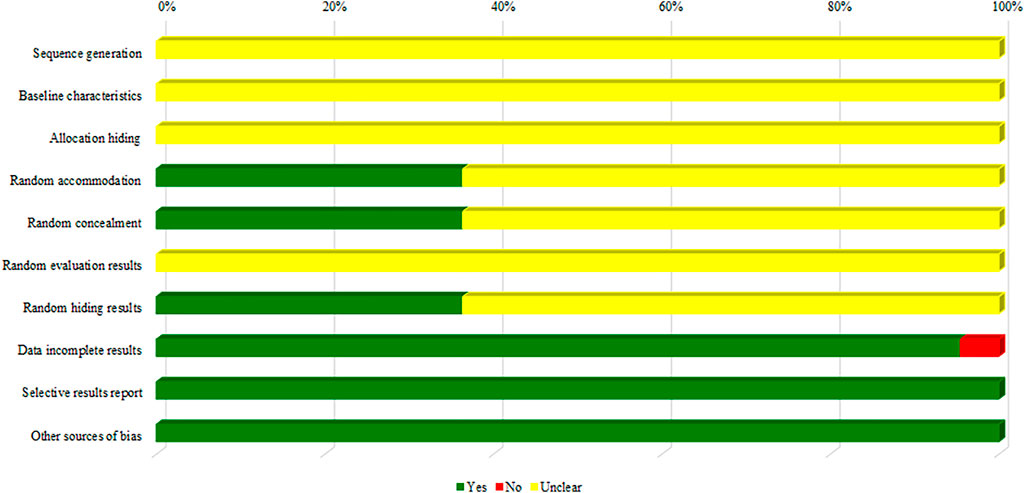
FIGURE 3. Risk-of-bias assessment of the preclinical trials included in this systematic review.
Similar to our results, Toro et al. (2019), Sampaio et al. (2021), and Pina et al. (2021) demonstrated that preclinical studies in animals present insufficient information that implies judgment of domains. In contrast, domains that include allocation and blinding of investigators are reported in most studies included in systematic reviews (Toro et al., 2019; Pina et al., 2021; Sampaio et al., 2021).
Thus, there is a need for adequacy of new pre-clinical studies and reports using the criteria established in the Syrcle tool in order to improve the quality of studies and provide concrete evidence that can be reproduced in future clinical studies (Hooijmans et al., 2014).
3.6 Limitations
This review presented as a major limitation the impossibility of performing meta-analysis due to the high variability of the experimental protocols included in this study.
4 Conclusion
The results of this review suggest an antinociceptive potential of natural products from plants in CIPN, mainly because they are acting in different mechanisms of action (Dopamine D1 agonist, modulation of N and T calcium channels, inhibition of TRPV1), as well as direct action in oxidative stress and inflammatory mediators. We demonstrated that 21 out of 22 different natural products derived from plants found on the study presented a positive effect on reducing CIPN, these substances belong to different classes of secondary metabolites, such as alkaloids (Berberine, Evodiamine, Levo-tetrahydropalmatine, Matrine and Nicotine), cannabinoids (Cannabidiol and Delta-9-tetrahydrocannabinol), curcuminoids (Curcumin and Tetrahydrocurcumin), flavonoids (6-Methoxyflavanone, 6-Methoxyflavone, Icariin, Quercetin and Rutin), terpenes [Aucubin, Betulinic acid, (−)-Hardwickiic acid, Pedicularis-lactone, Viteoid I and Viteoid II] and xanthines (Propentofylline). Thus, being strategic compounds for the development of new therapeutic options for this multifactorial condition. However, more studies on safety and mechanisms of action are necessary.
Author contributions
WS: Conceptualization, methodology, investigation, writing—original draft, writing—review and editing. JG: Investigation, writing—original draft. LP: Methodology, writing—review and editing. MS: Writing—review and editing. AG: Resources, writing—review and editing, supervision, project administration, funding acquisition.
Funding
Federal University of Sergipe for the open access publication fund by the notice number 17 of the year 2022.
Acknowledgments
We thank grants from the Foundation for Fundação de Apoio à Pesquisa e Inovação Tecnológica do Estado de Sergipe (FAPITEC/SE), Conselho Nacional de Desenvolvimento Científico e Tecnológico (CNPq/Brazil) and Coordenação de Aperfeiçoamento de Pessoal de Nível Superior (CAPES/Brazil). We also thank teacher Abilio Borghi for the assistance with the English language review.
Conflict of interest
The authors declare that the research was conducted in the absence of any commercial or financial relationships that could be construed as a potential conflict of interest.
Publisher’s note
All claims expressed in this article are solely those of the authors and do not necessarily represent those of their affiliated organizations, or those of the publisher, the editors and the reviewers. Any product that may be evaluated in this article, or claim that may be made by its manufacturer, is not guaranteed or endorsed by the publisher.
Supplementary material
The Supplementary Material for this article can be found online at: https://www.frontiersin.org/articles/10.3389/fphar.2022.1001276/full#supplementary-material
References
Akbar, S., Subhan, F., Shahid, M., Wadood, A., Shahbaz, N., Farooq, U., et al. (2020). 6-Methoxyflavanone abates cisplatin-induced neuropathic pain apropos anti-inflammatory mechanisms: A behavioral and molecular simulation study. Eur. J. Pharmacol. 872, 172972. doi:10.1016/j.ejphar.2020.172972
Alonso-Castro, A. J., Rangel-Velázquez, J. E., Isiordia-Espinoza, M. A., Villanueva-Solís, L. E., Aragon-Martinez, O. H., and Zapata-Morales, J. R. (2017). Synergism between naproxen and rutin in a mouse model of visceral pain. Drug Dev. Res. 78, 184–188. doi:10.1002/ddr.21391
Alshammari, T. M. (2016). Drug safety: The concept, inception and its importance in patients’ health. Saudi Pharm. J. 24, 405–412. doi:10.1016/j.jsps.2014.04.008
Anand, U., Pacchetti, B., Anand, P., and Sodergren, M. H. (2021). Cannabis-based medicines and pain: A review of potential synergistic and entourage effects. Pain Manag. 11, 395–403. doi:10.2217/pmt-2020-0110
Andoh, T., Kato, M., Kitamura, R., Mizoguchi, S., Uta, D., Toume, K., et al. (2016). Prophylactic administration of an extract from Plantaginis Semen and its major component aucubin inhibits mechanical allodynia caused by paclitaxel in mice. J. Tradit. Complement. Med. 6, 305–308. doi:10.1016/j.jtcme.2015.12.001
Andoh, T., Uta, D., Kato, M., Toume, K., Komatsu, K., and Kuraishi, Y. (2017). Prophylactic administration of aucubin inhibits paclitaxel-induced mechanical allodynia via the inhibition of endoplasmic reticulum stress in peripheral Schwann cells. Biol. Pharm. Bull. 40, 473–478. doi:10.1248/bpb.b16-00899
Arowoogun, J., Akanni, O. O., Adefisan, A. O., Owumi, S. E., Tijani, A. S., and Adaramoye, O. A. (2021). Rutin ameliorates copper sulfate-induced brain damage via antioxidative and anti-inflammatory activities in rats. J. Biochem. Mol. Toxicol. 35, e22623. doi:10.1002/jbt.22623
Atanasov, A. G., Waltenberger, B., Pferschy-Wenzig, E.-M., Linder, T., Wawrosch, C., Uhrin, P., et al. (2015). Discovery and resupply of pharmacologically active plant-derived natural products: A review. Biotechnol. Adv. 33, 1582–1614. doi:10.1016/j.biotechadv.2015.08.001
Azevedo, M. I., Pereira, A. F., Nogueira, R. B., Rolim, F. E., Brito, G. A. C., Wong, D. V. T., et al. (2013). The antioxidant effects of the flavonoids rutin and quercetin inhibit oxaliplatin-induced chronic painful peripheral neuropathy. Mol. Pain 9, 53. doi:10.1186/1744-8069-9-53
Babu, A., Prasanth, K. G., and Balaji, B. (2015). Effect of curcumin in mice model of vincristine-induced neuropathy. Pharm. Biol. 53, 838–848. doi:10.3109/13880209.2014.943247
Bellampalli, S. S., Ji, Y., Moutal, A., Cai, S., Wijeratne, E. M. K., Gandini, M. A., et al. (2019). Betulinic acid, derived from the desert lavender Hyptis emoryi, attenuates paclitaxel-HIV-and nerve injury-associated peripheral sensory neuropathy via block of N- and T-type calcium channels. Pain 160, 117–135. doi:10.1097/j.pain.0000000000001385
Bergman, M. E., Davis, B., and Phillips, M. A. (2019). Medically useful plant terpenoids: Biosynthesis, occurrence, and mechanism of action. Molecules 24, E3961. doi:10.3390/molecules24213961
Blake, A., Wan, B. A., Malek, L., DeAngelis, C., Diaz, P., Lao, N., et al. (2017). A selective review of medical cannabis in cancer pain management. Ann. Palliat. Med. 6, S215–S222. doi:10.21037/apm.2017.08.05
Britch, S. C., Babalonis, S., and Walsh, S. L. (2021). Cannabidiol: Pharmacology and therapeutic targets. Psychopharmacol. (Berl.) 238, 9–28. doi:10.1007/s00213-020-05712-8
Burstein, S. (2015). Cannabidiol (CBD) and its analogs: A review of their effects on inflammation. Bioorg. Med. Chem. 23, 1377–1385. doi:10.1016/j.bmc.2015.01.059
Cai, S., Bellampalli, S. S., Yu, J., Li, W., Ji, Y., Wijeratne, E. M. K., et al. (2019). (-)-Hardwickiic acid and hautriwaic acid induce antinociception via blockade of tetrodotoxin-sensitive voltage-dependent sodium channels. ACS Chem. Neurosci. 10, 1716–1728. doi:10.1021/acschemneuro.8b00617
Calixto, J. B. (2019). The role of natural products in modern drug discovery. An. Acad. Bras. Ciênc. 91, e20190105. doi:10.1590/0001-3765201920190105
Carullo, G., Cappello, A. R., Frattaruolo, L., Badolato, M., Armentano, B., and Aiello, F. (2017). Quercetin and derivatives: Useful tools in inflammation and pain management. Future Med. Chem. 9, 79–93. doi:10.4155/fmc-2016-0186
Chainani-Wu, N. (2003). Safety and anti-inflammatory activity of curcumin: A component of tumeric (Curcuma longa). J. Altern. Complement. Med. 9, 161–168. doi:10.1089/107555303321223035
Chaudhry, G.-S., Zafar, M. N., Sung, Y. Y., and Muhammad, T. S. T. (2020). Phytochemistry and biological activity of vitex rotundifolia L. Res. J. Pharm. Technol. 13, 5534–5538. doi:10.5958/0974-360X.2020.00966.X
Chen, J.-J., Dai, L., Zhao, L.-X., Zhu, X., Cao, S., and Gao, Y.-J. (2015). Intrathecal curcumin attenuates pain hypersensitivity and decreases spinal neuroinflammation in rat model of monoarthritis. Sci. Rep. 5, 10278. doi:10.1038/srep10278
Chine, V. B., Au, N. P. B., Kumar, G., and Ma, C. H. E. (2019). Targeting axon integrity to prevent chemotherapy-induced peripheral neuropathy. Mol. Neurobiol. 56, 3244–3259. doi:10.1007/s12035-018-1301-8
Colvin, L. A. (2019). Chemotherapy-induced peripheral neuropathy (CIPN): Where are we now? Pain 160, S1–S10. doi:10.1097/j.pain.0000000000001540
Crentsil, J. A., Yamthe, L. R. T., Anibea, B. Z., Broni, E., Kwofie, S. K., Tetteh, J. K. A., et al. (2020). Leishmanicidal potential of hardwickiic acid isolated from Croton sylvaticus. Front. Pharmacol. 11, 753. doi:10.3389/fphar.2020.00753
Di Cesare Mannelli, L., Zanardelli, M., and Ghelardini, C. (2013). Nicotine is a pain reliever in trauma- and chemotherapy-induced neuropathy models. Eur. J. Pharmacol. 711, 87–94. doi:10.1016/j.ejphar.2013.04.022
Dun, L., Li, Y., Xu, Y., Zhou, R., Ma, L., Jin, S., et al. (2014). Antinociceptive effect of matrine on vincristine-induced neuropathic pain model in mice. Neurol. Sci. 35, 815–821. doi:10.1007/s10072-013-1603-6
Eldridge, S., Guo, L., and Hamre, J. (2020). A comparative review of chemotherapy-induced peripheral neuropathy in in vivo and in vitro models. Toxicol. Pathol. 48, 190–201. doi:10.1177/0192623319861937
Enogieru, A. B., Haylett, W., Hiss, D. C., Bardien, S., and Ekpo, O. E. (2018). Rutin as a potent antioxidant: Implications for neurodegenerative disorders. Oxid. Med. Cell. Longev. 2018, 6241017. doi:10.1155/2018/6241017
Ferraz, C. R., Carvalho, T. T., Manchope, M. F., Artero, N. A., Rasquel-Oliveira, F. S., Fattori, V., et al. (2020). Therapeutic potential of flavonoids in pain and inflammation: Mechanisms of action, pre-clinical and clinical data, and pharmaceutical development. Molecules 25, 762. doi:10.3390/molecules25030762
Fraguas-Sánchez, A. I., and Torres-Suárez, A. I. (2018). Medical use of cannabinoids. Drugs 78, 1665–1703. doi:10.1007/s40265-018-0996-1
Gao, W., Zan, Y., Wang, Z.-J. J., Hu, X.-Y., and Huang, F. (2016). Quercetin ameliorates paclitaxel-induced neuropathic pain by stabilizing mast cells, and subsequently blocking PKCε-dependent activation of TRPV1. Acta Pharmacol. Sin. 37, 1166–1177. doi:10.1038/aps.2016.58
Gouveia, D. N., Guimarães, A. G., da Rocha Santos, W. B., and Quintans-Júnior, L. J. (2019). Natural products as a perspective for cancer pain management: A systematic review. Phytomedicine 58, 152766. doi:10.1016/j.phymed.2018.11.026
Gouveia, D. N., Pina, L. T. S., Rabelo, T. K., da Rocha Santos, W. B., Quintans, J. S. S., and Guimaraes, A. G. (2018). Monoterpenes as perspective to chronic pain management: A systematic review. Curr. Drug Targets 19, 960–972. doi:10.2174/1389450118666170711145308
Greeshma, N., Prasanth, K. G., and Balaji, B. (2015). Tetrahydrocurcumin exerts protective effect on vincristine induced neuropathy: Behavioral, biochemical, neurophysiological and histological evidence. Chem. Biol. Interact. 238, 118–128. doi:10.1016/j.cbi.2015.06.025
Gui, Y., Zhang, J., Chen, L., Duan, S., Tang, J., Xu, W., et al. (2018). Icariin, a flavonoid with anti-cancer effects, alleviated paclitaxel-induced neuropathic pain in a SIRT1-dependent manner. Mol. Pain 14, 1744806918768970. doi:10.1177/1744806918768970
Guimarães, A. G., Serafini, M. R., and Quintans-Júnior, L. J. (2014). Terpenes and derivatives as a new perspective for pain treatment: A patent review. Expert Opin. Ther. Pat. 24, 243–265. doi:10.1517/13543776.2014.870154
Guo, Z., Man, Y., Wang, X., Jin, H., Sun, X., Su, X., et al. (2014). Levo-tetrahydropalmatine attenuates oxaliplatin-induced mechanical hyperalgesia in mice. Sci. Rep. 4, 3905. doi:10.1038/srep03905
Hall, B. J., Karim, N., Chebib, M., Johnston, G. A. R., and Hanrahan, J. R. (2014). Modulation of ionotropic GABA receptors by 6-methoxyflavanone and 6-methoxyflavone. Neurochem. Res. 39, 1068–1078. doi:10.1007/s11064-013-1157-2
He, C., Wang, Z., and Shi, J. (2020). “Chapter seven - pharmacological effects of icariin,” in Advances in pharmacology pharmacological advances in natural product drug discovery. Editor G. Du (Beijing: Academic Press), 179–203. doi:10.1016/bs.apha.2019.10.004
Höke, A. (2012). Animal models of peripheral neuropathies. Neurotherapeutics 9, 262–269. doi:10.1007/s13311-012-0116-y
Höke, A., and Ray, M. (2014). Rodent models of chemotherapy-induced peripheral neuropathy. ILAR J. 54, 273–281. doi:10.1093/ilar/ilt053
Hooijmans, C. R., Rovers, M. M., de Vries, R. B. M., Leenaars, M., Ritskes-Hoitinga, M., and Langendam, M. W. (2014). SYRCLE’s risk of bias tool for animal studies. BMC Med. Res. Methodol. 14, 43. doi:10.1186/1471-2288-14-43
Hou, S., Huh, B., Kim, H. K., Kim, K.-H., and Abdi, S. (2018). Treatment of chemotherapy-induced peripheral neuropathy: Systematic review and recommendations. Pain. Phys. 21, 571–592. doi:10.36076/ppj.2018.6.571
Huang, J., and Xu, H. (2016). Matrine: Bioactivities and structural modifications. Curr. Top. Med. Chem. 16, 3365–3378. doi:10.2174/1568026616666160506131012
Jiang, J., and Hu, C. (2009). Evodiamine: A novel anti-cancer alkaloid from Evodia rutaecarpa. Molecules 14, 1852–1859. doi:10.3390/molecules14051852
Jolad, S. D., Hoffmann, J. J., Schram, K. H., Cole, J. R., Tempesta, M. S., and Bates, R. B. (1982). Constituents of Eremocarpus setigerus (Euphorbiaceae). A new diterpene, eremone, and hautriwaic acid. J. Org. Chem. 47, 1356–1358. doi:10.1021/jo00346a042
King, J. E., and Becker, R. F. (1966). Studies on nicotine absorption during pregnancy. I. LD-50 for pregnant and nonpregnant rats. Am. J. Obstet. Gynecol. 95, 508–514. doi:10.1016/0002-9378(66)90142-6
King, K. M., Myers, A. M., Soroka-Monzo, A. J., Tuma, R. F., Tallarida, R. J., Walker, E. A., et al. (2017). Single and combined effects of Δ9 -tetrahydrocannabinol and cannabidiol in a mouse model of chemotherapy-induced neuropathic pain. Br. J. Pharmacol. 174, 2832–2841. doi:10.1111/bph.13887
Kyte, S. L., Toma, W., Bagdas, D., Meade, J. A., Schurman, L. D., Lichtman, A. H., et al. (2018). Nicotine prevents and reverses paclitaxel-induced mechanical allodynia in a mouse model of CIPN. J. Pharmacol. Exp. Ther. 364, 110–119. doi:10.1124/jpet.117.243972
Landis, J. R., and Koch, G. G. (1977). The measurement of observer agreement for categorical data. Biometrics 33, 159–174. doi:10.2307/2529310
Lautié, E., Russo, O., Ducrot, P., and Boutin, J. A. (2020). Unraveling plant natural chemical diversity for drug discovery purposes. Front. Pharmacol. 11, 397. doi:10.3389/fphar.2020.00397
Le Bars, D., Gozariu, M., and Cadden, S. W. (2001). Animal models of nociception. Pharmacol. Rev. 53, 597–652.
Lee, B., Sur, B., Yeom, M., Shim, I., Lee, H., and Hahm, D.-H. (2014). L-tetrahydropalmatine ameliorates development of anxiety and depression-related symptoms induced by single prolonged stress in rats. Biomol. Ther. 22, 213–222. doi:10.4062/biomolther.2014.032
Lee, J. H., Kim, N., Park, S., and Kim, S. K. (2021). Analgesic effects of medicinal plants and phytochemicals on chemotherapy‐induced neuropathic pain through glial modulation. Pharmacol. Res. Perspect. 9, e00819. doi:10.1002/prp2.819
Li, X., Tang, Z., Wen, L., Jiang, C., and Feng, Q. (2021). Matrine: A review of its pharmacology, pharmacokinetics, toxicity, clinical application and preparation researches. J. Ethnopharmacol. 269, 113682. doi:10.1016/j.jep.2020.113682
Liu, M., Liu, X., and Cheng, J. (2003). Advance in the pharmacological research on matrine. Zhongguo Zhong Yao Za Zhi. 28, 801–804.
Ma, Z.-Z., Xu, W., Jensen, N. H., Roth, B. L., Liu-Chen, L.-Y., and Lee, D. Y. W. (2008). Isoquinoline alkaloids isolated from Corydalis yanhusuo and their binding affinities at the dopamine D1 receptor. Molecules 13, 2303–2312. doi:10.3390/molecules13092303
Majeed, M., Natarajan, S., Pandey, A., Bani, S., and Mundkur, L. (2019). Subchronic and reproductive/developmental toxicity studies of tetrahydrocurcumin in rats. Toxicol. Res. 35, 65–74. doi:10.5487/TR.2019.35.1.065
Makker, P. G. S., Duffy, S. S., Lees, J. G., Perera, C. J., Tonkin, R. S., Butovsky, O., et al. (2017). Characterisation of immune and neuroinflammatory changes associated with chemotherapy-induced peripheral neuropathy. PloS One 12, e0170814. doi:10.1371/journal.pone.0170814
Meiners, I., Hauschildt, S., Nieber, K., and Münch, G. (2004). Pentoxyphylline and propentophylline are inhibitors of TNF-alpha release in monocytes activated by advanced glycation endproducts. J. Neural Transm. 111, 441–447. doi:10.1007/s00702-003-0066-y
Mokhber-Dezfuli, N., Saeidnia, S., Gohari, A. R., and Kurepaz-Mahmoodabadi, M. (2014). Phytochemistry and pharmacology of Berberis species. Pharmacogn. Rev. 8, 8–15. doi:10.4103/0973-7847.125517
Mullauer, F. B., Kessler, J. H., and Medema, J. P. (2010). Betulinic acid, a natural compound with potent anticancer effects. Anticancer. Drugs 21, 215–227. doi:10.1097/CAD.0b013e3283357c62
Newman, D. J., and Cragg, G. M. (2020). Natural products as sources of new drugs over the nearly four decades from 01/1981 to 09/2019. J. Nat. Prod. 83, 770–803. doi:10.1021/acs.jnatprod.9b01285
Nijveldt, R. J., van Nood, E., van Hoorn, D. E., Boelens, P. G., van Norren, K., and van Leeuwen, P. A. (2001). Flavonoids: A review of probable mechanisms of action and potential applications. Am. J. Clin. Nutr. 74, 418–425. doi:10.1093/ajcn/74.4.418
Ono, M., Ito, Y., Kubo, S., and Nohara, T. (1997). Two new iridoids from Viticis trifoliae Fructus (fruit of Vitex rotundifolia L.). Chem. Pharm. Bull. 45 (6), 1094–1096. doi:10.1248/CPB.45.1094
Ouzzani, M., Hammady, H., Fedorowicz, Z., and Elmagarmid, A. (2016). Rayyan-a web and mobile app for systematic reviews. Syst. Rev. 5, 210. doi:10.1186/s13643-016-0384-4
Page, M. J., McKenzie, J. E., Bossuyt, P. M., Boutron, I., Hoffmann, T. C., Mulrow, C. D., et al. (2021). The PRISMA 2020 statement: An updated guideline for reporting systematic reviews. BMJ 372, n71. doi:10.1136/bmj.n71
Pal, A., and Tripathi, A. (2020). Toxicological and behavioral study of two potential antibacterial agents:4-chloromercuribenzoic acid and quercetin on Swiss-albino mice. Drug Chem. Toxicol. 43, 645–655. doi:10.1080/01480545.2018.1517774
Pan, Y., Zhang, Y., Yuan, J., Ma, X., Zhao, Y., Li, Y., et al. (2020). Tetrahydrocurcumin mitigates acute hypobaric hypoxia-induced cerebral oedema and inflammation through the NF-κB/VEGF/MMP-9 pathway. Phytother. Res. 34, 2963–2977. doi:10.1002/ptr.6724
Pertwee, R. G. (2008). The diverse CB1 and CB2 receptor pharmacology of three plant cannabinoids: delta9-tetrahydrocannabinol, cannabidiol and delta9-tetrahydrocannabivarin. Br. J. Pharmacol. 153, 199–215. doi:10.1038/sj.bjp.0707442
Pina, L. T. S., Guimarães, A. G., da R Santos, W. B., Oliveira, M. A., Rabelo, T. K., and Serafini, M. R. (2021). Monoterpenes as a perspective for the treatment of seizures: A systematic review. Phytomedicine. 81, 153422. doi:10.1016/j.phymed.2020.153422
Reyes-Farias, M., and Carrasco-Pozo, C. (2019). The anti-cancer effect of quercetin: Molecular implications in cancer metabolism. Int. J. Mol. Sci. 20, E3177. doi:10.3390/ijms20133177
Ríos, J., and Máñez, S. (2018). New pharmacological opportunities for betulinic acid. Planta Med. 84, 8–19. doi:10.1055/s-0043-123472
Rosenkrantz, H., Fleischman, R. W., and Grant, R. J. (1981). Toxicity of short-term administration of cannabinoids to rhesus monkeys. Toxicol. Appl. Pharmacol. 58, 118–131. doi:10.1016/0041-008X(81)90122-8
Rosenkrantz, H., Heyman, I. A., and Braude, M. C. (1974). Inhalation, parenteral and oral LD50 values of delta 9-tetrahydrocannabinol in Fischer rats. Toxicol. Appl. Pharmacol. 28, 18–27. doi:10.1016/0041-008x(74)90126-4
Saleh, A., ElFayoumi, H. M., Youns, M., and Barakat, W. (2019). Rutin and orlistat produce antitumor effects via antioxidant and apoptotic actions. Naunyn. Schmiedeb. Arch. Pharmacol. 392, 165–175. doi:10.1007/s00210-018-1579-0
Salinas-Sánchez, D. O., Herrera-Ruiz, M., Pérez, S., Jiménez-Ferrer, E., and Zamilpa, A. (2012). Anti-inflammatory activity of hautriwaic acid isolated from dodonaea viscosa leaves. Molecules 17, 4292–4299. doi:10.3390/molecules17044292
Sampaio, L. A., Pina, L. T. S., Serafini, M. R., Tavares, D. D. S., and Guimarães, A. G. (2021). Antitumor effects of carvacrol and thymol: A systematic review. Front. Pharmacol. 12, 702487. doi:10.3389/fphar.2021.702487
Samuelsen, A. B. (2000). The traditional uses, chemical constituents and biological activities of Plantago major L. A review. J. Ethnopharmacol. 71, 1–21. doi:10.1016/s0378-8741(00)00212-9
Sandkühler, J. (2009). Models and mechanisms of hyperalgesia and allodynia. Physiol. Rev. 89, 707–758. doi:10.1152/physrev.00025.2008
Santos, C. M. D. C., Pimenta, C. A. D. M., and Nobre, M. R. C. (2007). The PICO strategy for the research question construction and evidence search. Rev. Lat. Am. Enferm. 15, 508–511. doi:10.1590/s0104-11692007000300023
Sasidharan, S., Chen, Y., Saravanan, D., Sundram, K. M., and Yoga Latha, L. (2010). Extraction, isolation and characterization of bioactive compounds from plants’ extracts. Afr. J. Tradit. Complement. Altern. Med. 8, 1–10. doi:10.4314/ajtcam.v8i1.60483
Schläger, S., and Dräger, B. (2016). Exploiting plant alkaloids. Curr. Opin. Biotechnol. 37, 155–164. doi:10.1016/j.copbio.2015.12.003
Shahid, M., Subhan, F., Ahmad, N., and Sewell, R. D. E. (2017). The flavonoid 6-methoxyflavone allays cisplatin-induced neuropathic allodynia and hypoalgesia. Biomed. Pharmacother. Biomedecine Pharmacother. 95, 1725–1733. doi:10.1016/j.biopha.2017.09.108
Shim, H. S., Bae, C., Wang, J., Lee, K.-H., Hankerd, K. M., Kim, H. K., et al. (2019). Peripheral and central oxidative stress in chemotherapy-induced neuropathic pain. Mol. Pain 15, 1744806919840098. doi:10.1177/1744806919840098
Singh Aidhen, I., and Thoti, N. (2021). Natural products & bioactivity inspired synthetic pursuits interfacing with carbohydrates: Ongoing journey with C-glycosides. Chem. Rec. 21, 3131–3177. doi:10.1002/tcr.202100216
Singh, J., Saha, L., Singh, N., Kumari, P., Bhatia, A., and Chakrabarti, A. (2019). Study of nuclear factor-2 erythroid related factor-2 activator, berberine, in paclitaxel induced peripheral neuropathy pain model in rats. J. Pharm. Pharmacol. 71, 797–805. doi:10.1111/jphp.13047
Smith, J. C. (2019). A review of strain and sex differences in response to pain and analgesia in mice. Comp. Med. 69, 490–500. doi:10.30802/AALAS-CM-19-000066
Song, X., Wang, Y., and Gao, L. (2020). Mechanism of antioxidant properties of quercetin and quercetin-DNA complex. J. Mol. Model. 26, 133. doi:10.1007/s00894-020-04356-x
Sweitzer, S. M., Pahl, J. L., and DeLeo, J. A. (2006). Propentofylline attenuates vincristine-induced peripheral neuropathy in the rat. Neurosci. Lett. 400, 258–261. doi:10.1016/j.neulet.2006.02.058
Thomas, E., Stewart, L. E., Darley, B. A., Pham, A. M., Esteban, I., and Panda, S. S. (2021). Plant-based natural products and extracts: Potential source to develop new antiviral drug candidates. Molecules 26, 6197. doi:10.3390/molecules26206197
Tomeh, M., Hadianamrei, R., and Zhao, X. (2019). A review of curcumin and its derivatives as anticancer agents. Int. J. Mol. Sci. 20, 1033. doi:10.3390/ijms20051033
Toro, M. D., Nowomiejska, K., Avitabile, T., Rejdak, R., Tripodi, S., Porta, A., et al. (2019). Effect of resveratrol on in vitro and in vivo models of diabetic retinophathy: A systematic review. Int. J. Mol. Sci. 20, E3503. doi:10.3390/ijms20143503
Wang, D., Wang, K., Sui, D., Ouyang, Z., Xu, H., and Wei, Y. (2017). Effects of tetrahydroberberine and tetrahydropalmatine on hepatic cytochrome P450 expression and their toxicity in mice. Chem. Biol. Interact. 268, 47–52. doi:10.1016/j.cbi.2017.02.019
Wang, X., Liang, L., Chang, J., Yang, M., and Li, Z. (2010). Toxicity of matrine in Kunming mice. Nan Fang. Yi Ke Da Xue Xue Bao 30, 2154–2155.
Ward, S. J., McAllister, S. D., Kawamura, R., Murase, R., Neelakantan, H., and Walker, E. A. (2014). Cannabidiol inhibits paclitaxel-induced neuropathic pain through 5-HT(1A) receptors without diminishing nervous system function or chemotherapy efficacy. Br. J. Pharmacol. 171, 636–645. doi:10.1111/bph.12439
Ward, S. J., Ramirez, M. D., Neelakantan, H., and Walker, E. A. (2011). Cannabidiol prevents the development of cold and mechanical allodynia in paclitaxel-treated female C57Bl6 mice. Anesth. Analg. 113, 947–950. doi:10.1213/ANE.0b013e3182283486
Wilson, R. H., Mortarotti, T. G., and Doxtader, E. K. (1947). Toxicity studies on rutin. Proc. Soc. Exp. Biol. Med. 64, 324–327. doi:10.3181/00379727-64-15781
Wu, B.-Y., Liu, C.-T., Su, Y.-L., Chen, S.-Y., Chen, Y.-H., and Tsai, M.-Y. (2019). A review of complementary therapies with medicinal plants for chemotherapy-induced peripheral neuropathy. Complement. Ther. Med. 42, 226–232. doi:10.1016/j.ctim.2018.11.022
Wu, P., and Chen, Y. (2019). Evodiamine ameliorates paclitaxel-induced neuropathic pain by inhibiting inflammation and maintaining mitochondrial anti-oxidant functions. Hum. Cell. 32, 251–259. doi:10.1007/s13577-019-00238-4
Xiao, L., Ding, M., Fernandez, A., Zhao, P., Jin, L., and Li, X. (2017). Curcumin alleviates lumbar radiculopathy by reducing neuroinflammation, oxidative stress and nociceptive factors. Eur. Cell. Mat. 33, 279–293. doi:10.22203/eCM.v033a21
Yang, X.-W., Zhang, H., Li, M., Du, L.-J., Yang, Z., and Xiao, S.-Y. (2006). Studies on the alkaloid constituents of Evodia rutaecarpa (Juss) Benth var. bodinaieri (Dode) Huang and their acute toxicity in mice. J. Asian Nat. Prod. Res. 8, 697–703. doi:10.1080/10286020412331286425
You, L., Yang, C., Du, Y., Wang, W., Sun, M., Liu, J., et al. (2020). A systematic review of the pharmacology, toxicology and pharmacokinetics of matrine. Front. Pharmacol. 11, 01067. doi:10.3389/fphar.2020.01067
Yu, H., Toume, K., Kurokawa, Y., Andoh, T., and Komatsu, K. (2021). Iridoids isolated from Viticis Fructus inhibit paclitaxel-induced mechanical allodynia in mice. J. Nat. Med. 75, 48–55. doi:10.1007/s11418-020-01441-6
Zajączkowska, R., Kocot-Kępska, M., Leppert, W., Wrzosek, A., Mika, J., and Wordliczek, J. (2019). Mechanisms of chemotherapy-induced peripheral neuropathy. Int. J. Mol. Sci. 20, E1451. doi:10.3390/ijms20061451
Zeng, X., Guo, F., and Ouyang, D. (2020). A review of the pharmacology and toxicology of aucubin. Fitoterapia 140, 104443. doi:10.1016/j.fitote.2019.104443
Zhang, H.-F., Yang, T.-S., Li, Z.-Z., and Wang, Y. (2008). Simultaneous extraction of epimedin A, B, C and icariin from Herba Epimedii by ultrasonic technique. Ultrason. Sonochem. 15, 376–385. doi:10.1016/j.ultsonch.2007.09.002
Zhou, H.-H., Wu, D.-L., Gao, L.-Y., Fang, Y., and Ge, W.-H. (2016). L-Tetrahydropalmatine alleviates mechanical hyperalgesia in models of chronic inflammatory and neuropathic pain in mice. NeuroReport 27, 476–480. doi:10.1097/WNR.0000000000000560
Keywords: natural product, plants, pain, antinociceptive, chemotherapy, peripheral neuropathies
Citation: Santos WBDR, Guimarães JO, Pina LTS, Serafini MR and Guimarães AG (2022) Antinociceptive effect of plant-based natural products in chemotherapy-induced peripheral neuropathies: A systematic review. Front. Pharmacol. 13:1001276. doi: 10.3389/fphar.2022.1001276
Received: 23 July 2022; Accepted: 19 August 2022;
Published: 19 September 2022.
Edited by:
Fabio Boylan, Trinity College Dublin, IrelandReviewed by:
Muhammad Shahid, University of the Punjab, PakistanM. Moniruzzaman, International Centre for Diarrhoeal Disease Research (ICDDR), Bangladesh
Copyright © 2022 Santos, Guimarães, Pina, Serafini and Guimarães. This is an open-access article distributed under the terms of the Creative Commons Attribution License (CC BY). The use, distribution or reproduction in other forums is permitted, provided the original author(s) and the copyright owner(s) are credited and that the original publication in this journal is cited, in accordance with accepted academic practice. No use, distribution or reproduction is permitted which does not comply with these terms.
*Correspondence: Adriana Gibara Guimarães, YWRyaWFuYWdpYmFyYUBob3RtYWlsLmNvbQ==