 João V. C. Batista1,2
 Annekathrin Uecker3
 Carla Holandino4
 Fabio Boylan5
 Jakob Maier1
 Jörg Huwyler2
 Stephan Baumgartner1,3,6*
- 1Hiscia Institute, Society for Cancer Research, Arlesheim, Switzerland
- 2Department of Pharmaceutical Sciences, Division of Pharmaceutical Technology, University of Basel, Basel, Switzerland
- 3Institute of Integrative Medicine, University of Witten/Herdecke, Witten, Germany
- 4Departamento de Fármacos e Medicamentos, Faculdade de Farmácia, Universidade Federal do Rio de Janeiro, Rio de Janeiro, Brazil
- 5School of Pharmacy and Pharmaceutical Sciences, Trinity Biomedical Sciences Institute, Trinity College Dublin, Dublin, Ireland
- 6Institute of Complementary and Integrative Medicine, University of Bern, Bern, Switzerland
Malignant ulcerating wounds or neoplastic lesions are a considerable burden for patients suffering from advanced cancer. These wounds have no effective treatment and are very difficult to manage. The present review summarizes evidence in support of a hypothesis put forward in anthroposophic medicine, which suggests a beneficial role of resin from the species Larix decidua Mill. [Pinaceae] for treating such wounds. A systematic search strategy was performed using the databases PubMed, EMBASE and SciFinder. The included publications described the chemical composition of this species, as well as in vitro, in vivo, and ex vivo experiments using plant extracts and isolated compounds. The results show that among the phytochemical classes, terpenoids were the major components of this species, especially in the resin. The summarized biological experiments revealed antimicrobial, antioxidant and anti-inflammatory effects, with promising potential for the extracts and isolated compounds. However, the molecular mechanisms and toxicological effects are as of yet not conclusively evaluated. From the data of our study, we can conclude that L. decidua might indeed have a promising potential for the treatment of malignant wounds, but definitive information that can prove its effectiveness is still lacking. We therefore suggest that future efforts should be dedicated to the evaluation of L. decidua resin's therapeutic use considering its antiseptic action and proposed wound healing properties.
1 Introduction
In advanced cancer patients, palliative care becomes the primary focus, in an attempt to alleviate the pain, treat the symptoms and improve the patient’s comfort (Vardhan et al., 2019). Among the most distressing discomforts that such patients have to endure, malignant fungating wounds account for a prevalence of 5%–14%. Malignant fungating wounds occur due to an aggressive proliferation and infiltration caused by a local tumor or a metastatic spread into the skin, blood and lymph vessels, resulting in tissue damage, hypoxia, necrosis, microbial proliferation and fungating ulceration of the wound. They are commonly present in the following body areas: breast (66%), head and neck (24%), followed by the groin, genital and back (3%), and various tissues (8%) (Tsichlakidou et al., 2019; Vardhan et al., 2019; Tilley et al., 2020). In addition, they are characterised by presenting a malodour, exudates, bleeding, pain, itching, irritation, infection, and necrosis (Adderley and Holt, 2014; Vardhan et al., 2019). The effects of such wounds, also known as ulcerating wounds, malignant wounds or neoplastic lesions, cause physiological and psychological distress to the patients by affecting not only their wellbeing but also their social life. With respect to social life, it is known that due to the repellent malodor and the presence of exudates, patients are ashamed and therefore try to avoid social contact. This self-isolation leads to additional suffering and depression. At the same time, the treatment of these wounds remains a challenge (Regan, 2007; Adderley and Holt, 2014; Vardhan et al., 2019). Currently, options are limited and include the systemic and/or topical application of analgesics, antibiotics, and coagulants (Regan, 2007; Adderley and Holt, 2014).
Ethnobotanical studies in the Balkan region described the use of L. decidua bark, needles and resin for internal and external use, for blood purification, renal, urinary, and gallbladder stones, in addition to wound healing, ulcers, and restlessness treatment (Saric-Kundalic et al., 2011; Jaric et al., 2018). The Committee for Veterinary Medicinal Products from the European Medicines Agency approved L. decidua resin for topical application in animals. The concentration of the resin varies from 10% to 20% for the treatment of skin wounds and promotion of wound healing (EMA, 1998). The German Drugbase lists it as an external application for rheumatic and neuralgic disorders, also for catarrhal illness in humans (Drugbase, 2021). A prospective, randomized and controlled multicenter trial using resin from Picea abies (L.) H.Karst. included 37 patients in the treatment of pressure ulcers and the healing activity was observed in 92% within the treated group (Sipponen et al., 2008). Sipponen et al. (2012) included 23 patients in their study and saw a healing rate of complicated chronic surgical wounds of 100%, within a period of 43 ± 24 days. In addition, Goels et al. (2022) compared the wound healing potential of P. abies, Pinus nigra J.F.Arnold and L. decidua in vitro. The reduction of cell-free area in a keratinocyte wound healing assay was significant for the balm from L. decidua (26%) when compared to the P. abies balm and resin (16.7% and 9.6%, respectively) and to the P. nigra resin (16.2%). It is therefore the aim of the present review article to explore whether L. decidua´s resin (European larch tree), which has been used for wound healing for some time, as proposed in the context of anthroposophic medicine (Krüger, 1969), might offer new therapeutic options and therefore deserves to be investigated in more detail. Gaps in the existing knowledge were identified and addressed with respect to a systematic evaluation of in vitro and in vivo studies to justify the uses of this species, the standardized evaluation of pharmacological effects, limitations of existing studies, and prospects for future research and potential clinical applications.
2 Materials and Methods
Literature search was performed using MEDLINE (PubMed), EMBASE and SciFinder databases. This scoping review aims at identifying the nature and extent of research evidence using systematic, transparent and replicable characteristics for data collection, analysis and interpretation and subsequently providing an overview or map of evidence on the topic (Grant and Booth, 2009; Munn et al., 2018). The phases implemented in this scoping review were: 1) collection of relevant literature; 2) selection of publications based on pre-defined criteria; 3) extraction of relevant data; 4) describing and synthesising the findings. There was no initial period or language restriction for the search. Literature covers a time period up to 26 March 2021. “Larix decidua” was used as a single search keyword. The inclusion criteria comprised articles reporting on investigations of any kind of extracts from L. decidua related to its chemical composition, in vitro, in vivo, ex vivo, and clinical research, and ethnopharmacology. The exclusion criteria comprised: irrelevant outcome (genetic analysis, environmental behaviour, and wood properties), irrelevant sample (wood for construction, wood as furniture, and wood properties), insufficient data (results were not described for this species even though it was declared in the methods).
3 Results
3.1 Identification of Studies
During the first phase of the literature search, n = 1,376 articles in English and n = 5 articles in German were identified. After a screening of the abstracts, 139 articles were assessed in more detail. After exclusion of 49 duplicates, n = 70 were considered to be eligible for a detailed full-text review after exclusion of studies with irrelevant outcome (n = 11), irrelevant sample size (n = 6), wrong species (n = 2), or insufficient data (n = 1). The 70 studies were categorized according to their field of research and/or outcome, such as in vivo, ex vivo, in vitro with biological approach, in vitro with chemical approach, in vitro with biological and chemical approaches, and chemistry. 10 publications were excluded after reading the full text due to technical shortcomings or lack of critical information (Figure 1). A total of 60 publications were finally identified as satisfying the inclusion criteria for full article evaluation. The whole selection process is represented in Figure 1.
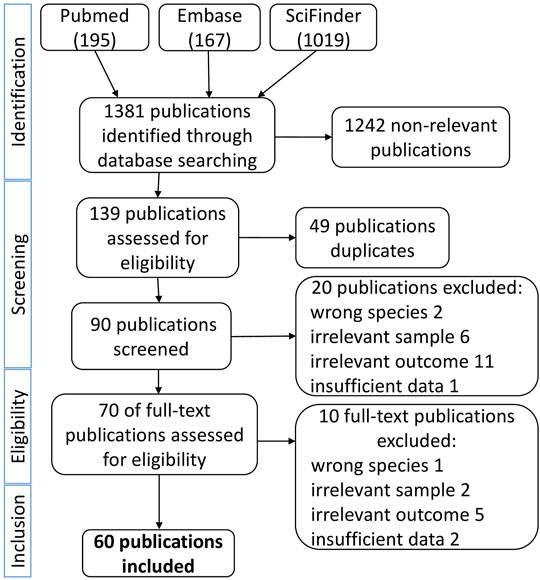
FIGURE 1. Methodological workflow from the databases to the final publications selected to be included in this review based on defined key words and exclusion criteria (see section Materials and Methods).
Included studies were published between 1952 and 2020, with 67% being published from 2001 onwards (Figure 2A). This demonstrates an increasing number of publications in later years and an increasing interest for the biological potential of L. decidua over time and in particular since 2016. Figure 2B illustrates the listing of articles in different databases. Most studies were categorized as “chemistry” (n = 42), followed by “in vitro with biological and chemical approaches” (n = 7), “in vitro with biological approaches” (n = 6), “in vivo” (n = 2), “in vitro with chemical approaches” (n = 2), and “ex vivo” (n = 1). These categories are in accordance to the higher number of publications found on SciFinder, which is a database for chemical literature.
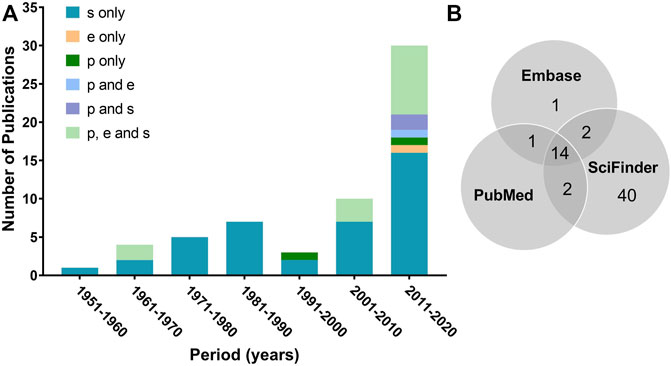
FIGURE 2. Total number of publications by year of publication (A) and by database (B). Abbreviations: s, SciFinder; e, Embase; p, PubMed. Categories are color coded depending on findings in one defined database or entries found in several databases.
3.2 Phytochemistry
The literature review showed that the majority of articles found for L. decidua relates to its chemical composition. Amongst all the publications in this review (n = 60), forty-two dealt with the chemical compounds found in different parts of the tree. Nine extra publications included the chemical analysis besides other in vitro pharmacological investigations. The first study is dated from 1952 and is the oldest publication included in the review (Gripenberg, 1952). The most frequently tree parts used for extract preparation were: wood (n = 19), bark (n = 17), and needles (n = 16), followed by resin (n = 8), sawdust (n = 4), and others (i.e., shoots, cone, branches, buds; n = 7). Twenty-six studies (43%) did not mention the harvesting date, while 34 studies (57%) mentioned the period of harvesting or collection of the tree source. Twenty-six (43%) of 34 studies mentioned both month/season and year, while 8 mentioned only year or season or month. Eight studies (13%) did not mention the extractive solvent or the type of preparation of the used extracts in the study. Eleven studies (18%) did not mention the origin of the sample or its collection place, one sample was from non-European origin, and the remaining came from Europe (Table 1).
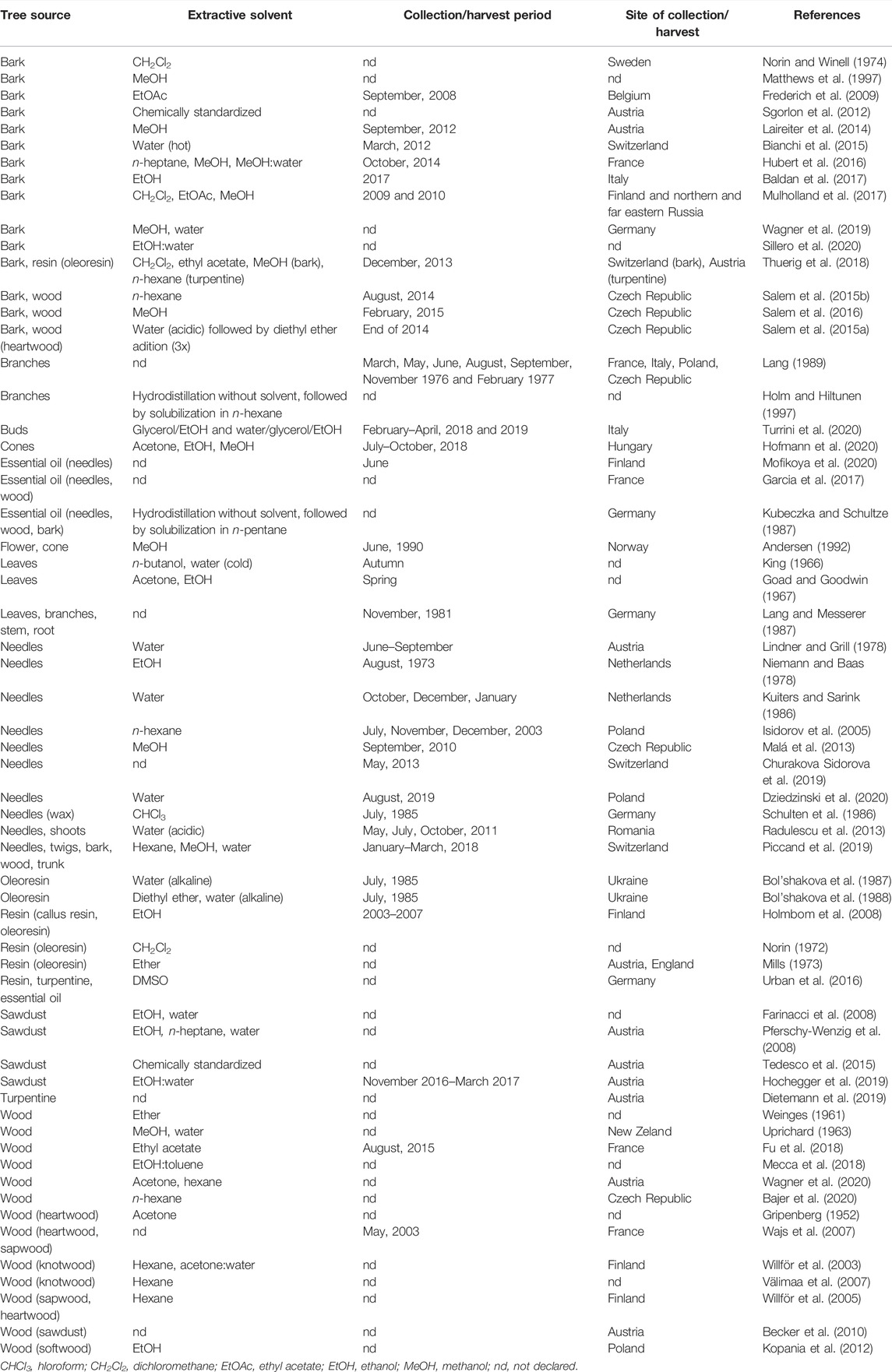
TABLE 1. General overview over the 60 included articles in the review.
Table 2 shows the compounds that were described in at least two publications and/or those found in at least two different parts of the tree. To better show the chemical variety presented in L. decidua, substances were categorized for different parts of the tree, the bark (n = 11), the needles (n = 19), the resin (n = 7) and the wood (n = 19). A total of 478 compounds were described for this tree (Supplementary Material), 118 are shown in Table 2. They were separated into different phytochemical categories, which included hydrocarbonates (1), carbohydrates (2–9), flavonoids (10–18), terpenoids and their derivatives (19–90), fatty acids (91–100), other phenolic compounds (101–112), and others classes (113–118). Terpenoids and their derivatives were among the most common/most important class of compounds described for L. decidua. Terpenoids and their derivatives in L. decidua were composed of volatile terpenoids (mainly mono and sesquiterpenes) and non-volatile terpenoids (diterpenoids), depending on the part of the plant being investigated. The resin contains mainly diterpenoids and phenolic compounds, whilst the wood, needles, and bark present a more varied chemical composition. The most often described compounds in each class were: carbohydrates—galactose (4), glucose (6); flavonoids—kaempferol (14), taxifolin (17); volatile terpenoids and their derivatives—3-carene (21), camphene (24), limonene (31), α/β-pinene (54/62), β-phellandrene (61); non-volatile terpenoids (diterpenoids)—13-epimanool (69), abietic acid (71), dehydroabietic acid (74), larixol (80), larixyl acetate (81); fatty acids—oleic acid (97), palmitic acid (98); phenolic acids—caffeic acid (101), ferulic acid (104), p-coumaric acid (107); others—benzoic acid (114). The chemical structures of the 22 most often described compounds are shown in Figure 3.
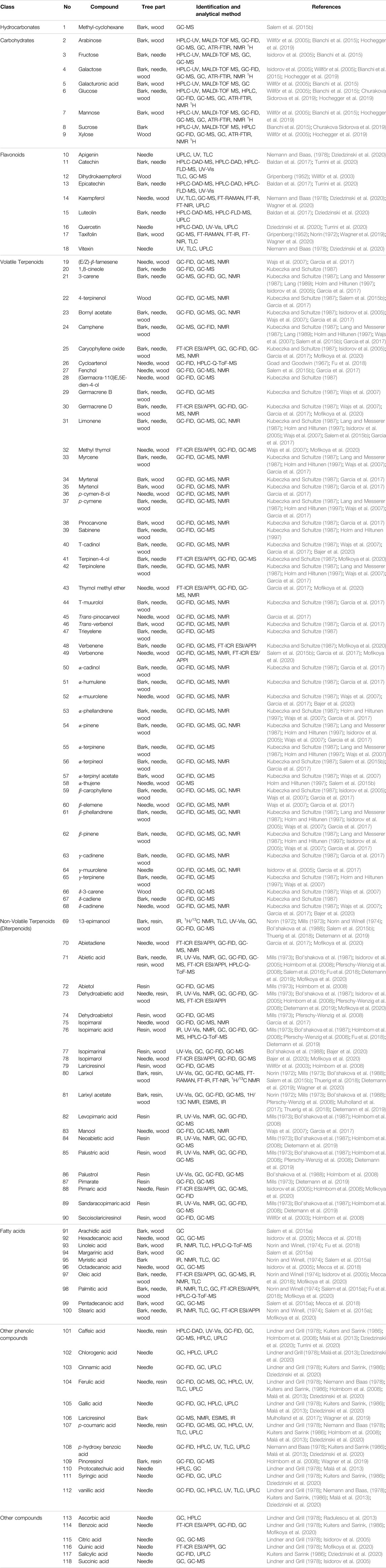
TABLE 2. Chemical data of the 118 most important identified compounds from Larix decidua Mill. [Pinaceae], organized by chemical class, tree part, identification and analytical method. Abbreviations described in Section 3.2.
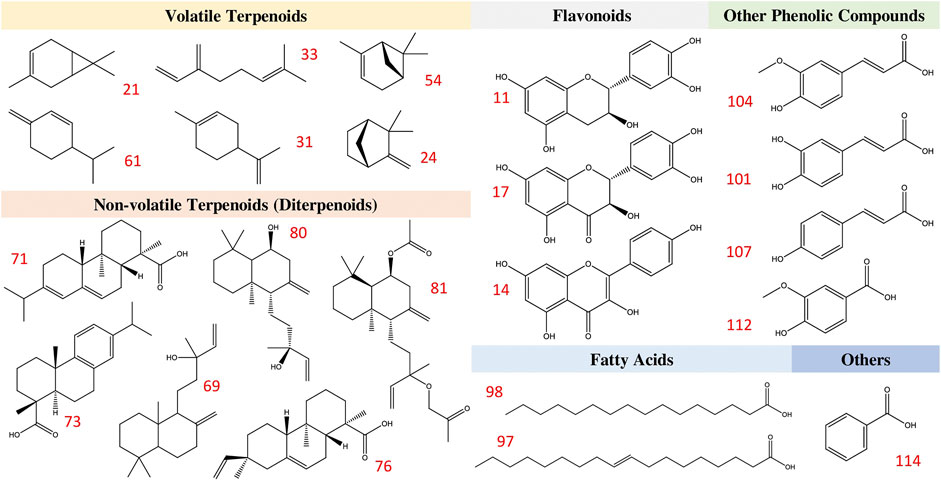
FIGURE 3. Phytochemical classes and their selected compounds identified in L. decidua Mill [Pinaceae].
Different analytical methodologies were used for the separation, isolation, structural elucidation or identification of these compounds, such as TLC (thin layer chromatography), HPLC (high performance liquid chromatography), GC (gas chromatography), NMR (nuclear magnetic resonance), FTIR (Fourier transform infrared spectroscopy), among others. The most often used technique was GC, coupled to a flame ionization (FID) or a mass spectrometer (MS) as detectors, for the identification of terpenoids and their derivatives, fatty acids and phenolic compounds. For the identification of flavonoids, liquid chromatography (LC) techniques were the most often used, such as HPLC and ultra-performance liquid chromatography (UPLC). The identification/structural elucidation of carbohydrates presented a wider variety of techniques, using LC, GC, as well as NMR, matrix-assisted laser desorption/ionization-time of flight (MALDI-TOF) and FTIR—attenuated total reflectance (ATR-FTIR) techniques.
3.3 Biological In Vitro Studies
3.3.1 Antimicrobial Activity
Antibacterial effect of bark and wood discs, as well as their methanol extracts were tested against four different species of bacteria (Table 3) (Laireiter et al., 2014). Larch bark discs inhibited S. aureus growth, whilst the wood discs did not. The wood discs methanol extract did not show any inhibitory effect on S. aureus, in contrast to the bark sawdust methanol extract. The bark discs and extract presented inhibitory effects on S. aureus while wood discs and extracts did not, showing that the tree source is an important factor for biological effects of L. decidua (Laireiter et al., 2014). Välimaa et al. (2007) evaluated the antimicrobial properties against bacteria and fungi (Table 3) of a hexane wood extract, followed by extraction with acetone/water (95:1 v/v), which showed an inhibition against S. infantis (11%), B. cereus (31%), C. albicans (32%) and S. cerevisiae (17%). Bark methanol and aqueous extracts were tested against 4 species of microorganisms (Table 3), by which only the methanol extract affected the growth of S. aureus with an inhibitory zone of 8.2 mm (Wagner et al., 2019). The authors attributed the activity to the presence of the flavonoid kaempferol and the stilbenoid astringin (Wagner et al., 2019). Three different bark extracts (n-heptane, methanol, and methanol/water 50:50 (v/v)) were tested against S. aureus, in which the methanol (++++), methanol/water (+++), and n-heptane (+) presented antibacterial activity in a descending way, respectively (Hubert et al., 2016). The activity was correlated to the presence of phenolic compounds (Hubert et al., 2016). These studies showed that the antimicrobial activity [minimum inhibitory concentration (MIC) and minimum fungicidal concentration (MFC)] depends on the plant part used and the solvent, as shown by the different effects on several microorganisms (Salem et al., 2016). Wood and bark methanol extracts were tested against nine different bacteria and six different fungi (Table 3). The bark extract presented lower MIC (0.11 mg/ml) compared to that of wood (0.13 mg/ml), in addition the minimum bactericidal concentration (MBC) varied from 0.36–0.96 mg/ml and 0.33–1.1 mg/ml, for the bark and wood extracts, respectively (Salem et al., 2016). All cited studies showed a better antimicrobial activity when using bark extracts when compared to wood. Two studies evaluated the activity of different larch extracts and isolated compounds against the fungus Plasmopara viticola. The MIC to completely inhibit zoospore germination and/or activity of P. viticola was 23 μg/ml for a turpentine formulation, 6 and 14 μg/ml for larixyl acetate and larixol, respectively (Thuerig et al., 2018). The authors suggest that both compounds represent valid candidates for use as antifungal substances in organic vineyards thereby reducing the use of copper. Bark CH2Cl2 extract (1 mg/ml) presented high efficacy and the isolated compounds (larixol, larixyl acetate and lariciresinol) at the same concentration (1.0 mg/ml) were very efficient (between 90% and 100%) against grapevine downy mildew, whereby larixyl acetate was the most efficient, showing 70% of efficacy at 0.1 mg/ml. This was the first report concerning the activity of larch extracts against plant pathogenic oomycetes, which counts as a renewable resource at low prices for a sustainable plant protection (Mulholland et al., 2017). Water extract of needles presented antimicrobial activity against microorganisms of Gram-positive and Gram-negative bacteria as well as mold and yeast, with the most prominent result for L. fermentum, S. aureus, C. butyricum and B. coagulans (inhibition zones of 13 ± 2, 11 ± 2, and 10 ± 1, 10 ± 2 mm, respectively), which was correlated with the presence of phenolic compounds (Dziedzinski et al., 2020).
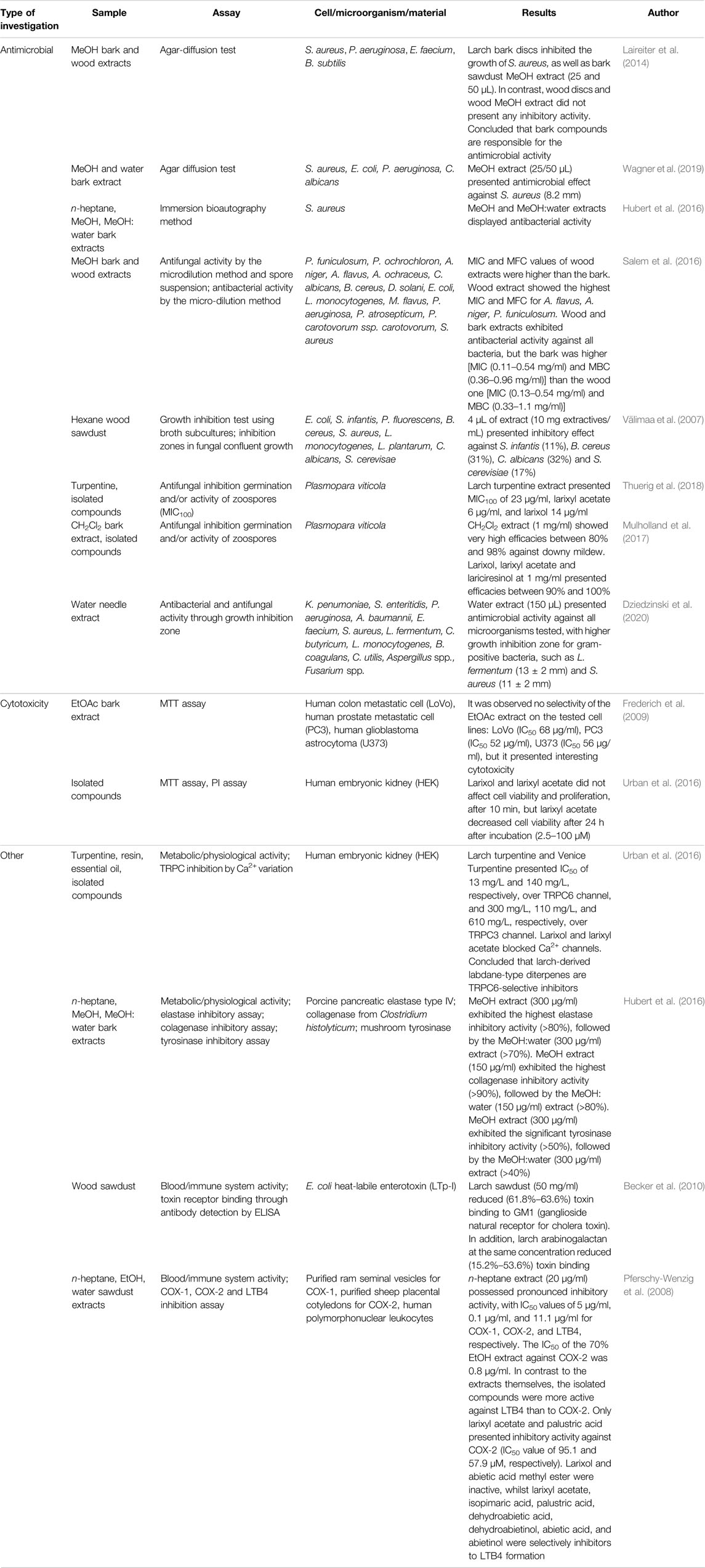
TABLE 3. Biological in vitro studies with Larix decidua Mill. [Pinaceae].
3.3.2 Cytotoxicity
An ethyl acetate macerated bark extract was tested for its anticancer potential in vitro, against three different human cancer cell lines (PC3, U373, LoVo; Table 3). The crude extract was incubated for 72 h and the cell viability was evaluated by 3-[4,5-dimethylthiazol-2-yl]-2,5 diphenyl tetrazolium bromide (MTT). Human prostatic adenocarcinoma (PC3; IC50 52 μg/ml) was slightly more sensitive to the extract than the human glioblastoma (U373; IC50 56 μg/ml), and lastly human colorectal adenocarcinoma (LoVo; IC50 68 μg/ml) was the most resistant (Frederich et al., 2009). However, other tree extracts (C. betulus [LoVo: IC50 85 μg/ml], C. sativa [LoVo: IC50 76 μg/ml; PC3: IC50 96 μg/ml; U373: IC50 86 μg/ml], F. sylvatica [PC3: IC50 70 μg/ml], I. aquifolium [PC3: IC50 76 μg/ml], Q. petrea [PC3: IC50 69 μg/ml], Q. robur [LoVo: IC50 80 μg/ml; PC3: IC50 75 μg/ml], R. pseudoacacia [LoVo: IC50 77 μg/ml; PC3: IC50 69 μg/ml; U373: IC50 94 μg/ml]) presented lower inhibitory activity against these human cancer cells (Frederich et al., 2009). Two isolated compounds from larch, larixol and larixyl acetate, were incubated with human embryonic kidney cells (HEK293). The integrity of the cells using propidium iodide (PI) assay (after 10 min and 24 h of compounds incubation) and their cell viability by MTT (after 24 h of compounds incubation) were evaluated (Urban et al., 2016). Membrane integrity was maintained at the three concentrations tested (2.5, 5, 10 µM) and cell viability and proliferation were also unaffected by the two tested compounds (25 and 50 µM) (Urban et al., 2016).
3.3.3 Other In Vitro Assays
In order to investigate the activity of some natural products that could abrogate pathophysiological responses within pulmonary and renal diseases, Ca2+ measurement was assessed on HEK 293 cell line (Table 3) (Urban et al., 2016). Larch turpentine (IC50 13 mg/L) and Venice Turpentine (IC50 140 mg/L; a mixture of larch turpentine and colophony) blocked Ca2+ entry through TRPC6 channel in a dose dependent manner, whilst the larch essential oil presented no activity. The authors concluded that the biological activity is due to the presence of the non-volatile resiniferous compounds, larixol (IC50 2.04 µM) and larixyl acetate (IC50 0.58 µM) (Urban et al., 2016).
Investigation on different tree species extracts for their potential as dermo-cosmetics assayed the effect of three different extracts from larch bark on three skin enzymes: collagenase, elastase and tyrosinase (Table 3). The incubation period for the collagenase and tyrosinase assays was 10 min and for the elastase 30 min, and the concentration of the tested extracts varied for each assay, in a range of 60–300 μg/ml (Hubert et al., 2016). Methanol extract was the most potent, followed by the methanol:water (50:50 v/v), and the less active was the n-heptane extract, for all assays. Elastase inhibitory activity was higher than 80% and 70% for the methanol and methanol:water extracts (300 μg/ml), respectively. The same profile was observed for collagenase, in which the inhibitory activity was higher than 90% and 80% at 150 μg/ml. Tyrosinase inhibitory activity was lower, but presented 50% and 40% for the methanol and methanol:water extracts (300 μg/ml), respectively. These results showed the potential of the bark extract to keep the skin homeostasis, by avoiding degradation of skin proteins, and to slow down skin pigments production in melanocytes, mainly due to the presence of phenolic substances (Hubert et al., 2016).
Becker et al. (2010) investigated the competitive inhibition of GM1-binding sites for cholera enterotoxins (Table 3). Larch wood sawdust and arabinogalactan (isolated from larch wood) at 0.5, 5 and 50 mg/ml presented a dose-dependent inhibition of toxin binding to GM1. An interesting finding for the wood sawdust (50 mg/ml) was that even when the toxin was already bound to the receptor, it was able to inhibit (62%) the binding at the same proportion as the pre-treatment (64%) or the simultaneous application of extract and toxin (62%). In contrast, arabinogalactan added after the toxin was already bound presented a very low interfering effect (15%) (Becker et al., 2010).
The influence of larch sawdust extracts on arachidonic acid cascade, a pro-inflammatory pathway, was evaluated in order to discover bioactive constituents from food, pharmaceutical and agricultural industries’ waste (Table 3) (Pferschy-Wenzig et al., 2008). Water, ethanol 70% and n-heptane extracts were prepared and then lyophilized. For the experiments, the dried samples were dissolved in absolute ethanol at a final concentration of 20 μg/ml. The n-heptane extract possessed pronounced anti-inflammatory activity, followed by the ethanol 70% extract and the water extract. The IC50 values were 5 μg/ml, 0.1 μg/ml, and 11.1 μg/ml for COX-1, COX-2, and LTB4, respectively, for the n-heptane extract, while for the ethanol 70% extract it was 0.8 μg/ml for COX-2. To discover the active compounds, isolation of different chemicals from the n-heptane extract was carried out. The isolated diterpenes (Table 3) had inhibitory activity for LTB4, but only two presented inhibitory activity for COX-2, and none for COX-1. The authors inferred that other compounds than the isolated diterpenes must be responsible for the crude n-heptane extract inhibitory activity on COX-1 and COX-2, such as fatty acids, and that a series of diterpene acids were selective inhibitors of LTB4 (Pferschy-Wenzig et al., 2008).
3.4 In Vivo Studies
Two studies evaluated standardized larch sawdust as ruminants’ dietary complement in comparison to controls (Table 4) (Sgorlon et al., 2012; Tedesco et al., 2015). Investigation of supplementation in 24 dairy cows in mid-lactation evaluated the effects on blood parameters and milk composition (Tedesco et al., 2015). The manufacturer standardized it by its content in fibre, protein, fat, ash, and lignin, whilst the group evaluated it through HPLC, standardizing it as 0.7% of taxifolin and 0.7% of dihydrokaempferol. It was given at a concentration of 300 g/day/cow, for 20 days, twice a day, and the milk parameters were evaluated at days 0, 7, 14 and 20, while blood parameters were just measured at days 0 and 20. No effect on milk parameters was identified, in contrast to urea, bilirubin, cholesterol, and VLDL concentration, which decreased in the blood, suggesting liver improvement, probably due to the presence of taxifolin, a compound that acts like statins and has antioxidant activity, contributing to hepatoprotection (Tedesco et al., 2015). Taxifolin was described in the bark, wood and the resin, making them sources to obtain this promising compound (Gripenberg, 1952; Norin, 1972; Wagner et al., 2019; Wagner et al., 2020). Sgorlon et al. (2012) evaluated larch sawdust counteraction on gene expression in blood leukocytes after ACTH (adenocorticotropic hormone)-induced cortisol of thirty-six Sarda sheep. The amount of 50 g/head (5% of dry matter intake), which contained larixyl acetate and arabinogalactan as bioactive molecules, was given to the animals 15 days before treatment with ACTH. Cortisol concentration increased 8-fold for 3 and 51 h after ACTH treatment compared to the basal concentration, also increasing the down-regulation of transcripts up to 85.5% after 51 h. Larch sawdust supplementation regulated genes responsive to stress (GPX7, GADD45B, XRCC6, WRN1P1), to cell death pathways (NR4A1, GSK3B, TP53), to immune response (IFNG, MAPK3, NFkBIB) suggesting its use as an anti-inflammatory candidate for gene modulation (Sgorlon et al., 2012). The anti-inflammatory activity of larch sawdust was verified on sheep neutrophils (Farinacci et al., 2008) and against LTB4 and COX-2 formation (Pferschy-Wenzig et al., 2008), both studies in a different area of investigation but focused on biological anti-inflammatory activity.
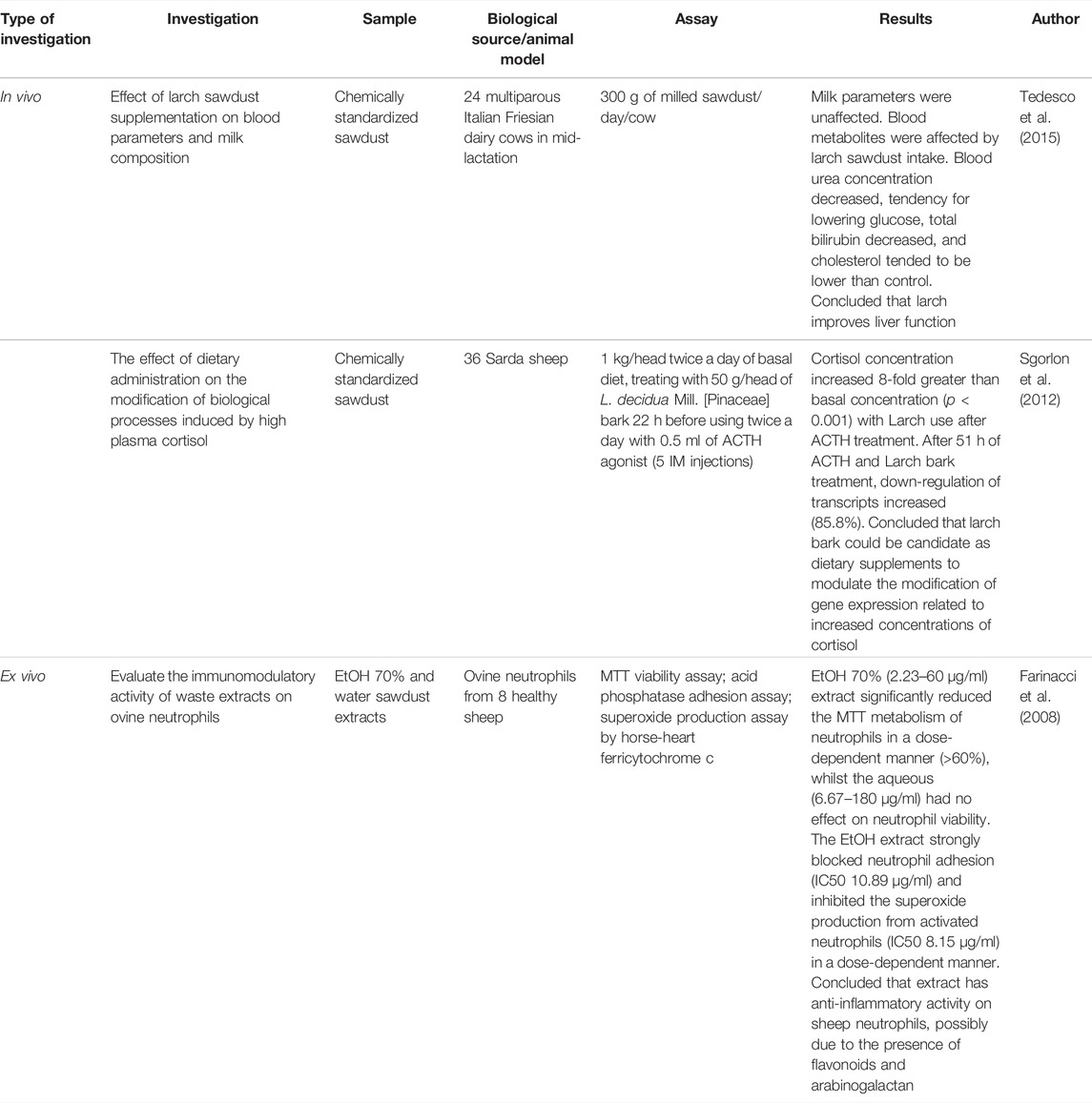
TABLE 4. Studies about in vivo and ex vivo applications of Larix decidua Mill. [Pinaceae] derivatives.
Unfortunately, abietic acid and abietanes are readily oxidized (Scalarone et al., 2002; Osete-Cortina and Domenech-Carbo, 2005). These oxidized products, such as 15-hydroperoxydehydroabietic acid, 15-hydroxyabietic acid methyl ester, 7-oxodehydroabietic acid methyl ester, are reported as responsible for contact allergy and dermatitis (Karlberg and Liden, 1985; Hausen et al., 1993; Downs and Sansom, 1999; Barchino-Ortiz et al., 2008). However, animal experiments could not substantiate this concern. L. decidua seems to be safe and well tolerated. In animal studies, oral intake of larch sawdust did not show any harm to cows or sheep (Tedesco et al., 2015). Each animal received 300 g of milled sawdust daily for 20 days, standardized with 0.7% of taxifolin and 0.7% of dihydrokaempferol. These two compounds are present in the bark (Wagner et al., 2019), resin (Norin, 1972) and wood (Gripenberg, 1952; Willför et al., 2003; Wagner et al., 2020). They have already been described in the literature as promising supplementary sources with anti-inflammatory, anticancer, antioxidant, and hepatoprotective activities (Kashyap et al., 2017; Sunil and Xu, 2019). Thus, larch industrial waste product can be used as animal supplements with no indications of adverse effects on the wellbeing of the exposed animals. It is our impression that topical applications of plant extracts and resin, as needed for the treatment of wounds, should be safe and well tolerated. We understand that mild adverse effects such as contact dermatitis are transient, can be easily detected, and can be controlled by discontinuation of a confined topical exposure.
3.5 Ex Vivo Studies
Farinacci et al. (2008) carried out an ex vivo analysis with sawdust extracts on ovine neutrophils, which aimed to evaluate the immunomodulatory activity by MTT assay (Table 4). 70% ethanol extract [2.23–60 μg/ml] significantly reduced the metabolism of neutrophils in a dose-dependent manner (>60%), whilst the aqueous extract [6.67–180 μg/ml] presented no effect on neutrophil viability. Activated neutrophils chemotactically migrate to the site of infection or inflammation after firm adhesion to endothelial cells followed by transmigration, production of superoxides and respiratory burst, which this study attempted to verify. The 70% ethanol extract strongly blocked neutrophil adhesion (IC50 10.89 μg/ml) and inhibited the superoxide production from activated neutrophils (IC50 8.15 μg/ml), concluding that the extract had anti-inflammatory activity on sheep neutrophils, possible due to the presence of flavonoids and arabinogalactan (Farinacci et al., 2008). However, these effects do not seem to be independent of cytotoxic effects and cannot be perceived as an isolated anti-inflammatory action. As described by Pferschy-Wenzig et al. (2008), the anti-inflammatory activity could be ascribed to diterpene acids, such as larixyl acetate and palustric acid, which possess anti-inflammatory activity against COX-2.
3.6 Antioxidant Potential
Five spectrometric analytical methods were used to evaluate the antioxidant potential of different extracts derived from L. decidua (Table 5). Total phenolic content (TPC) was evaluated through the Folin-Ciocalteu test, which measures the reducing power of phenolic antioxidants, mainly using gallic acid and catechins as reference standards (Munteanu and Apetrei, 2021). The antioxidant activity of plant extracts is commonly assessed by 2,2-diphenyl-1-picryl-hydrazyl-hydrate (DPPH) test, at a low cost, easy to perform and it is based on the transfer of electrons from the antioxidant source to the DPPH reagent and the result is often reported as EC50 (Alam et al., 2013; Munteanu and Apetrei, 2021). The ferric reducing antioxidant power (FRAP) assay evaluates the ability of antioxidants to reduce ferric iron in acid pH conditions, by an increasing of absorbance (Alam et al., 2013; Munteanu and Apetrei, 2021). The trolox equivalent antioxidant capacity measures the total antioxidant capacity to neutralize the 2,2′-azino-bis(3-ethylbenzothiazoline-6-sulfonic acid (ABTS) stable cationic radical, in which antioxidants decreases the absorption intensity (Munteanu and Apetrei, 2021). The last method was the determination of total flavonoid content (TFC) by the aluminium chloride colorimetric assay, which is the most commonly applied assay for flavonoid determination in food and plant derivatives (Pękal and Pyrzynska, 2014).
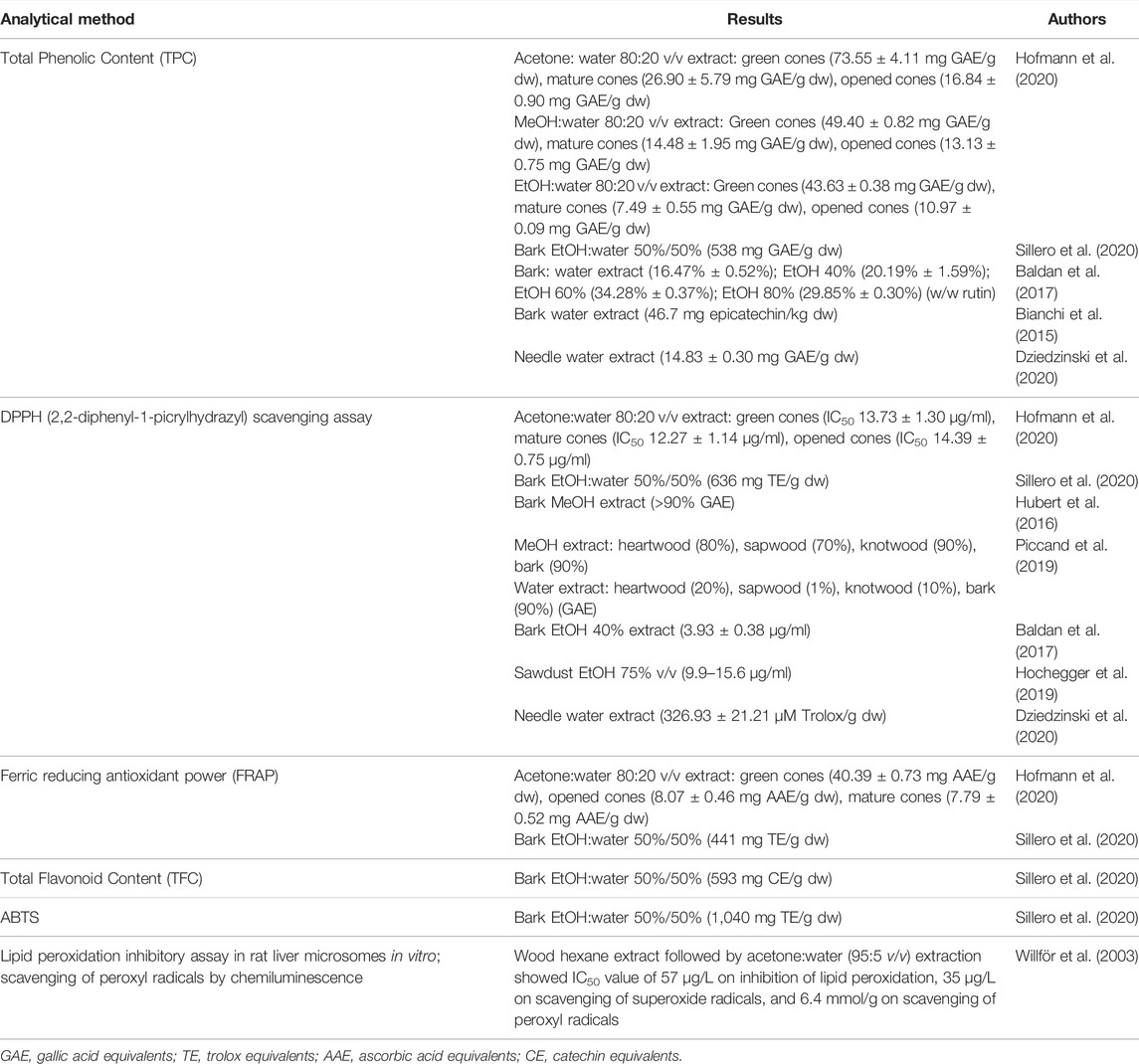
TABLE 5. Antioxidant evaluation of Larix decidua Mill. [Pinaceae] extracts.
Comparison of results was not easy to manage, as the investigations were performed using different tree parts, different extractive solvents and ratios, and different reference standards. It is important to point out that some of the studies themselves performed comparative investigation, either by the tree part or by the extractive solvent (Table 5). The TPC is higher in green cones (73.55 ± 4.11 mg GAE/g dw) when compared to mature (26.90 ± 5.79 mg GAE/g dw) or older ones (16.84 ± 0.90 mg GAE/g dw), and also in more polar extractive solvent, such as acetone:water. After this first finding, the authors followed the DPPH and FRAP assays only with the acetone:water extracts, which demonstrated an average similar pattern for all aged cones to the DPPH assay (green cones: IC50 13.73 ± 1.30; mature cones: IC50 12.27 ± 1.14; and opened cones: IC50 14.39 ± 0.75 μg/ml) but also a higher FRAP to the green cones (40.39 ± 0.73 mg AAE/g dw) compared to the mature (7.79 ± 0.52 mg AAE/g dw) and ripen ones (8.07 ± 0.46 mg AAE/g dw) (Hofmann et al., 2020). This publication demonstrates how important it is to investigate different extractive solvents as well as the tree parts and in different developmental stages, as an organ develops, it changes its composition and its chemical/biological outcomes. Another example is given by the DPPH assay, in which two extractive solvents (MeOH and water) were evaluated for different tree parts (heartwood, sapwood, knotwood, and bark). The MeOH extracts [heartwood (80%), sapwood (70%), knotwood (90%), bark (90%) (GAE)] were mainly more active when compared to the water extracts [heartwood (20%), sapwood (1%), knotwood (10%), bark (90%) (GAE)], and the tree parts resulted in different activities, mostly the bark as the most potent (Piccand et al., 2019).
The anti-oxidative potency of an acetone-water extract (2% v/v) was evaluated using rat liver microsomes in vitro (Table 5) (Willför et al., 2003). It presented IC50 value of 57 μg/L on lipid peroxidation, while the tested control compounds, Trolox and butylated hydroxyanisole (BHA), presented IC50 of 5 and 198 μg/L, respectively. The activity for scavenging of superoxide radicals was lower (IC50 value of 35 μg/L) than the tested control compounds (BHA and Trolox, 2.7 and 6.3 μg/L, respectively). The trapping capacity by scavenging of peroxyl radicals was 6.4 mmol/g, higher than the one of the control Trolox (8 mmol/g). Concluding the potential as a source of natural antioxidant, mainly due to the synergistic effect of phenolic compounds, such as lignans, taxifolin and secoisolariciresinol (Willför et al., 2003).
4 Discussion
This review resulted in a compilation of the main chemical constituents as well as the main pharmacological properties, in vitro and in vivo, described for the species L. decidua. As described before, European Larch resin is an oil resin, composed mainly of monoterpenes and diterpenes, among other classes of chemical compounds. Copaiba oil, an oil resin obtained from plants belonging to the genus Copaifera, is another example of such intricate mixtures of volatile terpenes and non-volatile terpenes (Tobouti et al., 2017; Cicek et al., 2018; Pfeifer Barbosa et al., 2019). It is therefore the aim of the following sections to present potential benefits of larch extracts for therapeutic applications. In particular, we follow up on the hypothesis that larch extracts might have a beneficial effect for the treatment of ulcerating wounds. Our key learnings can be summarized as follows:
4.1 Different Classes of Chemicals Contribute to the Observed Effects
Plant extracts contain a multitude of secondary metabolites. Chemical analysis detected a variety of chemical classes and provided an important piece of information for Larch (L. decidua). The most prevalent phytochemical class for each tree part can be summarized as follows. Bark: flavonoids, volatile terpenoids and fatty acids. Needles: flavonoids, volatile terpenoids and phenolic acids. Wood: volatile terpenoids, diterpenoids and fatty acids. Resin: diterpenoids and phenolic compounds. The class of terpenoids, especially the diterpenoids, has received most attention in studies, which have tested isolated compounds of defined chemical composition (Pferschy-Wenzig et al., 2008; Urban et al., 2016; Mulholland et al., 2017; Thuerig et al., 2018). The origins of the term terpene or terpenoid, the largest and most diverse class of plant metabolic compounds, comes from the German word turpentine—Terpentin—from which the first compounds of this class were isolated and structurally determined (Langenheim, 2003). The term turpentine is unspecific and is used for different types of resins, but it is known that Venice turpentine, also called larch turpentine, is derived from L. decidua (Scalarone et al., 2002; Dietemann et al., 2019), which has a clear and light yellowish appearance (HAB, 2014; Dietemann et al., 2019; Drugbase, 2021). Resins can be described as a lipid-soluble mixture of volatile and non-volatile terpenoid and/or phenolic compounds (Table 2), which are preformed and stored in secretory structures or may be induced at the site of an injury (Langenheim, 2003). Nevertheless, the European medicines agency (EMA, 1998) and the German Drugbase database (Drugbase, 2021) describe the composition of resin with approximately 15% of essential oils (monoterpenoids) and 50%–65% of resin acids (diterpenoids) without mentioning other potential active pharmaceutical ingredients. Thus, while terpenoids may be considered to be marker compounds for chemical standardization, they are most likely not the sole constituents contributing to the observed pharmacological actions.
4.2 Anti-inflammatory Effects of Resin are Often Attributed to the Action of the Diterpene Abietic Acid
Diterpenes in conifer resins are characterized to contain three main structural types, being abietanes (levopimaric acid, abietic acid, neoabietic acid, etc), pimaranes (pimaric acid, sandaracopimaric acid, isopimaric acid, etc) and labdanes (epimanool, larixol, larixyl acetate, etc) (Mills and White, 1987; Scalarone et al., 2002; Langenheim, 2003). Abietic acid is present in all parts of the tree. Recent publications have described its biological potential to be anti-inflammatory (Gao et al., 2016; Kang et al., 2018; Thummuri et al., 2018). Several studies suggest that abietic acid may interfere with signalling pathways and cytokine homeostasis. This includes inhibition of NF-κB and MAPK signalling pathways and inhibition of NFATc1 and c-Fos (Thummuri et al., 2018). This view is supported by the in vivo attenuation of allergic asthma in mouse, which is possibly related to the inhibition of NF-κB activation (Gao et al., 2016). Kang et al. (2018) describe activation of PPAR-γ, suppression of IL-1β, and inhibition of release of TNF-α, NO, and PGE2 by abietic acid. Therefore, abietic acid might be a promising candidate for the treatment of inflammatory disease and, as a consequence, have positive effects on wound healing. This might be cooperative effects with other larch constituents, such as larixyl acetate (see below) or taxifolin (Kolhir et al., 1996).
4.3 Antimicrobial Effects of Resin are Often Attributed to the Action of the Diterpene Larixyl Acetate
Larixyl acetate is one of the most described diterpenoid present in L. decidua in the bark (Mulholland et al., 2017; Thuerig et al., 2018), wood (Pferschy-Wenzig et al., 2008; Thuerig et al., 2018), and resin (Norin, 1972; Mills, 1973; Bol'shakova et al., 1988; Dietemann et al., 2019). Antimicrobial activity of the isolated larixyl acetate was demonstrated against P. viticola, with MIC100 of 6 μg/ml (Thuerig et al., 2018) and an efficacy of 100% at 1 mg/ml (Mulholland et al., 2017). It was therefore suggested to be effective against grapevine downy mildew, the most devastating pathogen of grapevines. It should be noted that larixyl acetate displays as well anti-inflammatory activity. These effects are mediated by inhibition of cyclooxygenase COX-2 and leukotriene LTB4 biosynthesis, with IC50 values of 95.1 and 10.4 µM, respectively (Pferschy-Wenzig et al., 2008). In addition, larixyl acetate and arabinogalactan, supplied as dietary supplementation in the form of larch bark for 22 days, showed modulation of cortisol concentration in sheep (Sgorlon et al., 2012). We therefore propose that the confirmed antimicrobial and proposed anti-inflammatory effects of larixyl acetate might contribute in a positive way to wound healing (Tobouti et al., 2017).
4.4 Larch Arabinogalactan is a Dietary Fibre With Toxin-Binding and Protective Effects on Epithelia of Endodermal Origin
Larch arabinogalactan, a FDA-approved dietary fibre, has been described in the literature to possess several biological activities, such as gastrointestinal mucosal protection, improvement of the gut microflora, stimulation of the immune system, and inhibition of metastatic tumour cells of the liver (Kelly, 1999; Kim et al., 2002; Silvani et al., 2020). Acute and prolonged toxicity tests on rats demonstrated no evidence of toxicity at a single dose of 5,000 mg/kg or with 500 mg/kg daily during 90 days, respectively (Kelly, 1999). A study of particular interest compared different natural compounds and extracts for their preventive activity on cholera or travelers’ diarrhea (Becker et al., 2010). Larch arabinogalactan and L. decidua sawdust showed binding to GM1-binding sites of cholera toxin. Dietary intake led to dose dependent beneficial effects (Becker et al., 2010). We therefore propose that larch arabinogalactan might have the potential to absorb bacterial toxins and to prevent bacterial invasion of wounds.
5 Conclusion
Our review shows that there is an increasing interest in the use of L. decidua and in particular in questions related to the chemical composition of its extracts. Regrettably, there was in many cases missing information, such as collection site or time of harvesting. This is a major shortcoming since this information is required to keep the traceability of the provenance of the material and to describe chemical variability due to seasonal changes and site of collection. Ethnobiological observations and approved veterinary use shows a beneficial effect of topical applications of L. decidua resin on wound healing. Our literature review confirms this notion and provides supportive evidence, since extracts of L. decidua were shown to have anti-inflammatory, anti-infective, and tissue protective effects. However, these pharmacological activities cannot be attributed to the single action of a defined chemical entity but seem to be the result of a complex interplay between different compounds. More research in the field will be necessary for an understanding of the mechanisms by which this oil resin can be used to treat ulcerating wounds. For future work we propose a differentiated pharmacological investigation of the L. decidua’s different components, volatile and non-volatile fractions, separately, to ascertain which chemical compounds of the extracts are responsible for specific effects and to determine if synergistic effects are playing any role. The demonstrated safety and tolerability of L. decidua constituents’ warrants research in this field with the prospect for the implementation of new therapeutic applications.
Author Contributions
JB, CH, JH, JM, and SB contributed to the review conception and design. Material preparation, data collection and analysis were performed by JB. Publications in German were evaluated by AU. FB contributed to the phytochemical part and to the final review of the paper. All the authors read, revised and approved the final article.
Funding
This review was funded from institutional resources only. Open access funding provided by University of Bern.
Conflict of Interest
The authors declare that the research was conducted in the absence of any commercial or financial relationships that could be construed as a potential conflict of interest.
Publisher’s Note
All claims expressed in this article are solely those of the authors and do not necessarily represent those of their affiliated organizations, or those of the publisher, the editors and the reviewers. Any product that may be evaluated in this article, or claim that may be made by its manufacturer, is not guaranteed or endorsed by the publisher.
Acknowledgments
We acknowledge Konrad Urech for critical comments and inputs for this publication.
Supplementary Material
The Supplementary Material for this article can be found online at: https://www.frontiersin.org/articles/10.3389/fphar.2022.895838/full#supplementary-material
References
Adderley, U. J., and Holt, I. G. (2014). Topical Agents and Dressings for Fungating Wounds. Cochrane Database Syst. Rev. 5, CD003948. doi:10.1002/14651858.CD003948.pub3
Alam, M. N., Bristi, N. J., and Rafiquzzaman, M. (2013). Review on In Vivo and In Vitro Methods Evaluation of Antioxidant Activity. Saudi Pharm. J. 21 (2), 143–152. doi:10.1016/j.jsps.2012.05.002
Andersen, Ø. M. (1992). Anthocyanins from Reproductive Structures in Pinaceae. Biochem. Syst. Ecol. 20 (2), 145–148. doi:10.1016/0305-1978(92)90101-i
Bajer, T., Šulc, J., Ventura, K., and Bajerová, P. (2020). Volatile Compounds Fingerprinting of Larch Tree Samples for Siberian and European Larch Distinction. Eur. J. Wood Prod. 78 (2), 393–402. doi:10.1007/s00107-020-01498-w
Baldan, V., Sut, S., Faggian, M., Dalla Gassa, E., Ferrari, S., De Nadai, G., et al. (2017). Larix Decidua Bark as a Source of Phytoconstituents: An LC-MS Study. Molecules 22 (11), 1974. doi:10.3390/molecules22111974
Barchino-Ortiz, L., Cabeza-Martínez, R., Leis-Dosil, V. M., Suárez-Fernández, R. M., and Lázaro-Ochaita, P. (2008). Allergic Contact Hobby Dermatitis from Turpentine. Allergol. Immunopathol. Madr. 36 (2), 117–119. doi:10.1157/13120411
Becker, P. M., Widjaja-Greefkes, H. C., and van Wikselaar, P. G. (2010). Inhibition of Binding of the AB5-type Enterotoxins LT-I and Cholera Toxin to Ganglioside GM1 by Galactose-Rich Dietary Components. Foodborne Pathog. Dis. 7 (3), 225–233. doi:10.1089/fpd.2009.0387
Bianchi, S., Kroslakova, I., Janzon, R., Mayer, I., Saake, B., and Pichelin, F. (2015). Characterization of Condensed Tannins and Carbohydrates in Hot Water Bark Extracts of European Softwood Species. Phytochemistry 120, 53–61. doi:10.1016/j.phytochem.2015.10.006
Bol'shakova, V. I., Demenkova, L. I., Schmidt, N., and Pentegova, V. A. (1987). Resin Acids of the Oleoresins of Conifers Growing in Transcarpathia. Chem. Nat. Compd. 23, 173–175. doi:10.1007/BF00598751
Bol'shakova, V. I., Demenkova, L. I., Shmidt, É. N., and Pentegova, V. A. (1988). Neutral Diterpenoids of Oleoresins of Five Species of Conifers of Transcarpathia. Chem. Nat. Compd. 24 (6), 691–694. doi:10.1007/bf00598185
Churakova Sidorova, O. V., Lehmann, M. M., Siegwolf, R. T. W., Saurer, M., Fonti, M. V., Schmid, L., et al. (2019). Compound-specific Carbon Isotope Patterns in Needles of Conifer Tree Species from the Swiss National Park under Recent Climate Change. Plant Physiol. Biochem. 139, 264–272. doi:10.1016/j.plaphy.2019.03.016
Çiçek, S. S., Pfeifer Barbosa, A. L., and Girreser, U. (2018). Quantification of Diterpene Acids in Copaiba Oleoresin by UHPLC-ELSD and Heteronuclear Two-Dimensional qNMR. J. Pharm. Biomed. Analysis 160, 126–134. doi:10.1016/j.jpba.2018.07.034
Dietemann, P., Miller, K. v., Höpker, C., and Baumer, U. (2019). On the Use and Differentiation of Resins from Pinaceae Species in European Artworks Based on Written Sources, Reconstructions and Analysis. Stud. Conservation 64 (Suppl. 1), S62–S73. doi:10.1080/00393630.2019.1568678
Downs, A. M., and Sansom, J. E. (1999). Colophony Allergy: a Review. Contact Dermat. 41 (6), 305–310. doi:10.1111/j.1600-0536.1999.tb06178.x
Drugbase (2021). Terebinthina Laricina [Online]. Available: https://www.drugbase.de/de/datenbanken/hagers-enzyklopaedie/artikel.html?tx_crondavdbhager_pi%5Buid%5D=55406&cHash=cbe1c3209ad35a33d5c80ad879e52401 (Accessed August 15, 2021).
Dziedzinski, M., Kobus-Cisowska, J., Szymanowska, D., Stuper-Szablewska, K., and Baranowska, M. (2020). Identification of Polyphenols from Coniferous Shoots as Natural Antioxidants and Antimicrobial Compounds. Molecules 25 (15), 3527. doi:10.3390/molecules25153527
EMA (1998). Terebithinae Laricina EMAE/MRL/398/98: Committee for Veterinary Medicinal Products. London: European Medicines Agency.
Farinacci, M., Colitti, M., Sgorlon, S., and Stefanon, B. (2008). Immunomodulatory Activity of Plant Residues on Ovine Neutrophils. Vet. Immunol. Immunopathol. 126 (1-2), 54–63. doi:10.1016/j.vetimm.2008.06.006
Frédérich, M., Marcowycz, A., Cieckiewicz, E., Mégalizzi, V., Angenot, L., and Kiss, R. (2009). In Vitro anticancer Potential of Tree Extracts from the Walloon Region Forest. Planta Med. 75 (15), 1634–1637. doi:10.1055/s-0029-1185867
Fu, T., Elie, N., and Brunelle, A. (2018). Radial Distribution of Wood Extractives in European Larch Larix Decidua by TOF-SIMS Imaging. Phytochemistry 150, 31–39. doi:10.1016/j.phytochem.2018.02.017
Gao, Y., Zhaoyu, L., Xiangming, F., Chunyi, L., Jiayu, P., Lu, S., et al. (2016). Abietic Acid Attenuates Allergic Airway Inflammation in a Mouse Allergic Asthma Model. Int. Immunopharmacol. 38, 261–266. doi:10.1016/j.intimp.2016.05.029
Garcia, G., Garcia, A., Gibernau, M., Bighelli, A., and Tomi, F. (2017). Chemical Compositions of Essential Oils of Five Introduced Conifers in Corsica. Nat. Prod. Res. 31 (14), 1697–1703. doi:10.1080/14786419.2017.1285299
Goad, L. J., and Goodwin, T. W. (1967). Studies on Phytosterol Biosynthesis: the Sterols of Larix Decidua Leaves. Eur. J. Biochem. 1 (3), 357–362. doi:10.1007/978-3-662-25813-2_49
Goels, T., Eichenauer, E., Tahir, A., Prochaska, P., Hoeller, F., Heiss, E. H., et al. (2022). Exudates of Picea Abies, Pinus Nigra, and Larix Decidua: Chromatographic Comparison and Pro-migratory Effects on Keratinocytes In Vitro. Plants 11 (5), 599. doi:10.3390/plants11050599
Grant, M. J., and Booth, A. (2009). A Typology of Reviews: an Analysis of 14 Review Types and Associated Methodologies. Health Info Libr. J. 26 (2), 91–108. doi:10.1111/j.1471-1842.2009.00848.x
Gripenberg, J., Jungner, I., and Nybom, N. (1952). Flavanones from the Heart Wood of Larix Decidua Mill. (L. Europea D C.). Acta Chem. Scand. 6, 1152–1156. doi:10.3891/acta.chem.scand.06-1152
Hausen, B. M., Börries, M., Budianto, E., and Krohn, K. (1993). Contact Allergy Due to Colophony. (IX). Sensitization Studies with Further Products Isolated after Oxidative Degradation of Resin Acids and Colophony. Contact Dermat. 29 (5), 234–240. doi:10.1111/j.1600-0536.1993.tb03556.x
Hochegger, M., Cottyn-Boitte, B., Cézard, L., Schober, S., and Mittelbach, M. (2019). Influence of Ethanol Organosolv Pulping Conditions on Physicochemical Lignin Properties of European Larch. Int. J. Chem. Eng. 2019, 1–10. doi:10.1155/2019/1734507
Hofmann, T., Visi-Rajczi, E., and Albert, L. (2020). Antioxidant Properties Assessment of the Cones of Conifers through the Combined Evaluation of Multiple Antioxidant Assays. Industrial Crops Prod. 145, 111935. doi:10.1016/j.indcrop.2019.111935
Holm, Y., and Hiltunen, R. (1997). Variation and Inheritance of Monoterpenes inLarix Species. Flavour Fragr. J. 12 (5), 335–339. doi:10.1002/(sici)1099-1026(199709/10)12:5<335::Aid-ffj664>3.0.Co;2-i
Holmbom, T., Reunanen, M., and Fardim, P. (2008). Composition of Callus Resin of Norway Spruce, Scots Pine, European Larch and Douglas Fir. Holzforschung 62 (4), 417–422. doi:10.1515/hf.2008.070
Hubert, J., Angelis, A., Aligiannis, N., Rosalia, M., Abedini, A., Bakiri, A., et al. (2016). In Vitro Dermo-Cosmetic Evaluation of Bark Extracts from Common Temperate Trees. Planta Med. 82 (15), 1351–1358. doi:10.1055/s-0042-110180
Isidorov, V., Vinogorova, V., and Rafałowski, K. (2005). Gas Chromatographic Determination of Extractable Compounds Composition and Emission Rate of Volatile Terpenes from Larch Needle Litter. J. Atmos. Chem. 50 (3), 263–278. doi:10.1007/s10874-005-5078-6
Jarić, S., Kostić, O., Mataruga, Z., Pavlović, D., Pavlović, M., Mitrović, M., et al. (2018). Traditional Wound-Healing Plants Used in the Balkan Region (Southeast Europe). J. Ethnopharmacol. 211, 311–328. doi:10.1016/j.jep.2017.09.018
Kang, S., Zhang, J., and Yuan, Y. (2018). Abietic Acid Attenuates IL-1β-induced Inflammation in Human Osteoarthritis Chondrocytes. Int. Immunopharmacol. 64, 110–115. doi:10.1016/j.intimp.2018.07.014
Karlberg, A. T., and Lidén, C. (1985). Clinical Experience and Patch Testing Using Colophony (Rosin) from Different Sources. Br. J. Dermatol 113 (4), 475–481. doi:10.1111/j.1365-2133.1985.tb02363.x
Kashyap, D., Sharma, A., Tuli, H. S., Sak, K., Punia, S., and Mukherjee, T. K. (2017). Kaempferol - A Dietary Anticancer Molecule with Multiple Mechanisms of Action: Recent Trends and Advancements. J. Funct. Foods 30, 203–219. doi:10.1016/j.jff.2017.01.022
Kelly, G. S. (1999). Larch Arabinogalactan: Clinical Relevance of a Novel Immune-Enhancing Polysaccharide. Altern. Med. Rev. 4 (2), 96–103. doi:10.1007/978-1-137-07257-3_23
Kim, L. S., Burkholder, P. M., and Waters, R. F. (2002). Effects of Low-Dose Larch Arabinogalactan from Larix Occidentalis: A Randomized, Double-Blind, Placebo-Controlled Pilot Study. Complement. health Pract. Rev. 7 (3), 221–229. doi:10.1177/153321010200700305
King, H. G. (1966). Leucoanthocyanins from the Leaves of European Larch (Larix Decidua, Mill). Nature 211 (5052), 944–945. doi:10.1038/211944a0
Kolhir, V. K., Bykov, V. A., Baginskaja, A. I., Sokolov, S. Y., Glazova, N. G., Leskova, T. E., et al. (1996). Antioxidant Activity of a Dihydroquercetin Isolated from Larix Gmelinii (Rupr.) Rupr. Wood. Phytother. Res. 10 (6), 478–482. doi:10.1002/(sici)1099-1573(199609)10:6<478::aid-ptr883>3.0.co;2-s
Kopania, E., Milczarek, S., Bloda, A., Wietecha, J., and Wawro, D. (2012). Extracting Galactoglucomannans (GGMs) from Polish Softwood Varieties. Fibres Text. East. Eur. 20, 6B (96), 160–166.
Krüger, H. (1969). “Resina Laricis/Larix Decidua,” in Heilmittelangaben Rudolf Steiners (Dornach: Medizinische Sektion der Freien Hochschule für Geisteswissenschaft am Goetheanum).
Kubeczka, K.-H., and Schultze, W. (1987). Biology and Chemistry of Conifer Oils. Flavour Fragr. J. 2 (4), 137–148. doi:10.1002/ffj.2730020402
Kuiters, A. T., and Sarink, H. M. (1986). Leaching of Phenolic Compounds from Leaf and Needle Litter of Several Deciduous and Coniferous Trees. Soil Biol. Biochem. 18 (5), 475–480. doi:10.1016/0038-0717(86)90003-9
Laireiter, C. M., Schnabel, T., Köck, A., Stalzer, P., Petutschnigg, A., Oostingh, G. J., et al. (2014). Active Anti-microbial Effects of Larch and Pine Wood on Four Bacterial Strains. BioResources 9 (1), 273–281. doi:10.15376/biores.9.1.273-281
Lang, K. J. (1989). Die Zusammensetzung der Monoterpen-Fraktion in Zweigen von Larix decidua und L. kaempferi in Abhängigkeit von Jahreszeit und Provenienz. Phyton 29 (1), 23–32.
Lang, K. J., and Messerer, M. (1987). Die quantitative Verteilung der Monoterpene in verschiedenen Teilen einer 19 jährigen Lärche (Larix decidua MILL.). Phyton 27 (2), 289–298.
Langenheim, J. H. (2003). Plant Resins: Chemistry, Evolution, Ecology, and Ethnobotany. Portland USA: Timber Press.
Malá, J., Cvikrová, M., Hrubcová, M., and Máchová, P. (2013). Influence of Vegetation on Phenolic Acid Contents in Soil. J. For. Sci. 59 (No. 7), 288–294. doi:10.17221/23/2013-jfs
Matthews, S., Mila, I., Scalbert, A., and Donnelly, D. M. X. (1997). Extractable and Non-extractable Proanthocyanidins in Barks. Phytochemistry 45 (2), 405–410. doi:10.1016/s0031-9422(96)00873-4
Mecca, M., Todaro, L., and D'Auria, M. (2018). The Use of a Molybdenum Polyoxometalated Compound to Increase the Amount of Extractives from Wood Wastes. Biomolecules 8 (3), 62. doi:10.3390/biom8030062
Mills, J. S. (1973). Diterpenes of Larix Oleoresins. Phytochemistry 12 (10), 2407–2412. doi:10.1016/0031-9422(73)80447-9
Mills, J. S., and White, R. (1987). “Natural Resins and Lacquers,” in The Organic Chemistry of Museum Objects. London: Butterworth & Co (Publishers) Ltd, 83–110. doi:10.1016/b978-0-408-11810-1.50013-1
Mofikoya, O. O., Mäkinen, M., and Jänis, J. (2020). Chemical Fingerprinting of Conifer Needle Essential Oils and Solvent Extracts by Ultrahigh-Resolution Fourier Transform Ion Cyclotron Resonance Mass Spectrometry. ACS Omega 5 (18), 10543–10552. doi:10.1021/acsomega.0c00901
Mulholland, D. A., Thuerig, B., Langat, M. K., Tamm, L., Nawrot, D. A., James, E. E., et al. (2017). Efficacy of Extracts from Eight Economically Important Forestry Species against Grapevine Downy Mildew (Plasmopara Viticola) and Identification of Active Constituents. Crop Prot. 102, 104–109. doi:10.1016/j.cropro.2017.08.018
Munn, Z., Peters, M. D. J., Stern, C., Tufanaru, C., McArthur, A., and Aromataris, E. (2018). Systematic Review or Scoping Review? Guidance for Authors when Choosing between a Systematic or Scoping Review Approach. BMC Med. Res. Methodol. 18 (1), 143. doi:10.1186/s12874-018-0611-x
Munteanu, I. G., and Apetrei, C. (2021). Analytical Methods Used in Determining Antioxidant Activity: A Review. Ijms 22 (7), 3380. doi:10.3390/ijms22073380
Niemann, G. J., and Baas, W. J. (1978). Notizen: Phenolics from Larix Needles XIV. Flavonoids and Phenolic Glucosides and Ester of L. Decidua. Z. für Naturforsch. C 33 (9-10), 780–782. doi:10.1515/znc-1978-9-1030
Norin, T. (1972). Some Aspects of the Chemistry of the Order Pinales. Phytochemistry 11 (4), 1231–1242. doi:10.1016/s0031-9422(00)90069-4
Norin, T., and Winell, B. (1974). Neutral Constituents of Larix Decidua Bark. Phytochemistry 13 (7), 1290–1292. doi:10.1016/0031-9422(74)80121-4
Osete-Cortina, L., and Doménech-Carbó, M. T. (2005). Analytical Characterization of Diterpenoid Resins Present in Pictorial Varnishes Using Pyrolysis-Gas Chromatography-Mass Spectrometry with on Line Trimethylsilylation. J. Chromatogr. A 1065 (2), 265–278. doi:10.1016/j.chroma.2004.12.078
Pękal, A., and Pyrzynska, K. (2014). Evaluation of Aluminium Complexation Reaction for Flavonoid Content Assay. Food Anal. Methods 7 (9), 1776–1782. doi:10.1007/s12161-014-9814-x
Pfeifer Barbosa, A. L., Wenzel-Storjohann, A., Barbosa, J. D., Zidorn, C., Peifer, C., Tasdemir, D., et al. (2019). Antimicrobial and Cytotoxic Effects of the Copaifera Reticulata Oleoresin and its Main Diterpene Acids. J. Ethnopharmacol. 233, 94–100. doi:10.1016/j.jep.2018.11.029
Pferschy-Wenzig, E. M., Kunert, O., Presser, A., and Bauer, R. (2008). In Vitro anti-inflammatory Activity of Larch (Larix Decidua L.) Sawdust. J. Agric. Food Chem. 56 (24), 11688–11693. doi:10.1021/jf8024002
Piccand, M., Bianchi, S., Halaburt, E. I., and Mayer, I. (2019). Characterization of Extractives from Biomasses of the Alpine Forests and Their Antioxidative Efficacy. Industrial Crops Prod. 142, 111832. doi:10.1016/j.indcrop.2019.111832
Radulescu, V., Ilies, D.-C., Voiculescu, I., Iovu-Adrian, B., and Craciunescu, A. (2013). Determination of Ascorbic Acid in Shoots from Different Coniferous Species by HPLC. Farmacia 61 (6), 1158–1166.
Regan, P. O. (2007). The Impact of Cancer and its Treatment on Wound Healing. Wounds U. K. 3 (2), 87–95.
Salem, M. Z. M., Elansary, H. O., Elkelish, A. A., Zeidler, A., Ali, H. M., El-Hefny, M., et al. (2016). In Vitro Bioactivity and Antimicrobial Activity of Picea Abies and Larix Decidua Wood and Bark Extracts. BioRes 11 (4), 9421–9437. doi:10.15376/biores.11.4.9421-9437
Salem, M. Z. M., Nasser, R. A., Zeidler, A., Elansary, H. O., Aref, I. M., Böhm, M., et al. (2015a). Methylated Fatty Acids from Heartwood and Bark of Pinus Sylvestris, Abies Alba, Picea Abies, and Larix Decidua: Effect of Strong Acid Treatment. BioResources 10 (4), 7715–7724. doi:10.15376/biores.10.4.7715-7724
Salem, M. Z. M., Zeidler, A., Böhm, M., Mohamed, M. E. A., and Ali, H. M. (2015b). GC/MS Analysis of Oil Extractives from Wood and Bark of Pinus Sylvestris, Abies Alba, Picea Abies, and Larix Decidua. BioResources 10 (4), 7725–7737. doi:10.15376/biores.10.4.7725-7737
Šarić-Kundalić, B., Dobeš, C., Klatte-Asselmeyer, V., and Saukel, J. (2011). Ethnobotanical Survey of Traditionally Used Plants in Human Therapy of East, North and North-East Bosnia and Herzegovina. J. Ethnopharmacol. 133 (3), 1051–1076. doi:10.1016/j.jep.2010.11.033
Scalarone, D., Lazzari, M., and Chiantore, O. (2002). Ageing Behaviour and Pyrolytic Characterisation of Diterpenic Resins Used as Art Materials: Colophony and Venice Turpentine. J. Anal. Appl. Pyrolysis 64 (2), 345–361. doi:10.1016/s0165-2370(02)00046-3
Schulten, H. R., Simmleit, N., and Rump, H. H. (1986). Soft Ionization Mass Spectrometry of Epicuticular Waxes Isolated from Coniferous Needles. Chem. Phys. Lipids 41 (3-4), 209–224. doi:10.1016/0009-3084(86)90023-x
Sgorlon, S., Colitti, M., Asquini, E., Ferrarini, A., Pallavicini, A., and Stefanon, B. (2012). Administration of Botanicals with the Diet Regulates Gene Expression in Peripheral Blood Cells of Sarda Sheep during ACTH Challenge. Domest. Anim. Endocrinol. 43 (3), 213–226. doi:10.1016/j.domaniend.2012.03.001
Sillero, L., Prado, R., and Labidi, J. (2020). Simultaneous Microwave-Ultrasound Assisted Extraction of Bioactive Compounds from Bark. Chem. Eng. Process. - Process Intensif. 156, 108100. doi:10.1016/j.cep.2020.108100
Silvani, L., Bedei, A., De Grazia, G., and Remiddi, S. (2020). Arabinogalactan and Hyaluronic Acid in Ophthalmic Solution: Experimental Effect on Xanthine Oxidoreductase Complex as Key Player in Ocular Inflammation (In Vitro Study). Exp. Eye Res. 196, 108058. doi:10.1016/j.exer.2020.108058
Sipponen, A., Jokinen, J. J., Sipponen, P., Papp, A., Sarna, S., and Lohi, J. (2008). Beneficial Effect of Resin Salve in Treatment of Severe Pressure Ulcers: a Prospective, Randomized and Controlled Multicentre Trial. Br. J. Dermatol 158 (5), 1055–1062. doi:10.1111/j.1365-2133.2008.08461.x
Sipponen, A., Kuokkanen, O., Tiihonen, R., Kauppinen, H., and Jokinen, J. J. (2012). Natural Coniferous Resin Salve Used to Treat Complicated Surgical Wounds: Pilot Clinical Trial on Healing and Costs. Int. J. Dermatol 51 (6), 726–732. doi:10.1111/j.1365-4632.2011.05397.x
Sunil, C., and Xu, B. (2019). An Insight into the Health-Promoting Effects of Taxifolin (Dihydroquercetin). Phytochemistry 166, 112066. doi:10.1016/j.phytochem.2019.112066
Tedesco, D., Garavaglia, L., Spagnuolo, M. S., Pferschy-Wenzig, E. M., Bauer, R., and Franz, C. (2015). In Vivo assessment of an Industrial Waste Product as a Feed Additive in Dairy Cows: Effects of Larch (Larix Decidua L.) Sawdust on Blood Parameters and Milk Composition. Vet. J. 206 (3), 322–326. doi:10.1016/j.tvjl.2015.09.019
Thuerig, B., James, E. E., Schärer, H. J., Langat, M. K., Mulholland, D. A., Treutwein, J., et al. (2018). Reducing Copper Use in the Environment: the Use of Larixol and Larixyl Acetate to Treat Downy Mildew Caused by Plasmopara Viticola in Viticulture. Pest Manag. Sci. 74 (2), 477–488. doi:10.1002/ps.4733
Thummuri, D., Guntuku, L., Challa, V. S., Ramavat, R. N., and Naidu, V. G. M. (2018). Abietic Acid Attenuates RANKL Induced Osteoclastogenesis and Inflammation Associated Osteolysis by Inhibiting the NF-KB and MAPK Signaling. J. Cell Physiol. 234 (1), 443–453. doi:10.1002/jcp.26575
Tilley, C. P., Fu, M. R., Van Cleeve, J., Crocilla, B. L., and Comfort, C. P. (2020). Symptoms of Malignant Fungating Wounds and Functional Performance Among Patients with Advanced Cancer: An Integrative Review from 2000 to 2019. J. Palliat. Med. 23 (6), 848–862. doi:10.1089/jpm.2019.0617
Tobouti, P. L., de Andrade Martins, T. C., Pereira, T. J., and Mussi, M. C. M. (2017). Antimicrobial Activity of Copaiba Oil: A Review and a Call for Further Research. Biomed. Pharmacother. 94, 93–99. doi:10.1016/j.biopha.2017.07.092
Tsichlakidou, A., Govina, O., Vasilopoulos, G., Kavga, A., Vastardi, M., and Kalemikerakis, I. (2019). Intervention for Symptom Management in Patients with Malignant Fungating Wounds - a Systematic Review. J. Buon 24 (3), 1301–1308.
Turrini, F., Donno, D., Beccaro, G. L., Pittaluga, A., Grilli, M., Zunin, P., et al. (2020). Bud-Derivatives, a Novel Source of Polyphenols and How Different Extraction Processes Affect Their Composition. Foods 9 (10), 1343. doi:10.3390/foods9101343
Uprichard, J. M. (1963). The Extractives Content of New Zealand Grown Larch Species (Larix Decidua and Larix Leptolepis). Holzforschung 17 (5), 129–134. doi:10.1515/hfsg.1963.17.5.129
Urban, N., Wang, L., Kwiek, S., Rademann, J., Kuebler, W. M., and Schaefer, M. (2016). Identification and Validation of Larixyl Acetate as a Potent TRPC6 Inhibitor. Mol. Pharmacol. 89 (1), 197–213. doi:10.1124/mol.115.100792
Välimaa, A. L., Honkalampi-Hämäläinen, U., Pietarinen, S., Willför, S., Holmbom, B., and von Wright, A. (2007). Antimicrobial and Cytotoxic Knotwood Extracts and Related Pure Compounds and Their Effects on Food-Associated Microorganisms. Int. J. Food Microbiol. 115 (2), 235–243. doi:10.1016/j.ijfoodmicro.2006.10.031
Vardhan, M., Flaminio, Z., Sapru, S., Tilley, C. P., Fu, M. R., Comfort, C., et al. (2019). The Microbiome, Malignant Fungating Wounds, and Palliative Care. Front. Cell Infect. Microbiol. 9, 373. doi:10.3389/fcimb.2019.00373
Wagner, K., Musso, M., Kain, S., Willför, S., Petutschnigg, A., and Schnabel, T. (2020). Larch Wood Residues Valorization through Extraction and Utilization of High Value-Added Products. Polym. (Basel) 12 (2), 359. doi:10.3390/polym12020359
Wagner, K., Roth, C., Willför, S., Musso, M., Petutschnigg, A., Oostingh, G. J., et al. (2019). Identification of Antimicrobial Compounds in Different Hydrophilic Larch Bark Extracts. BioResources 14 (3), 5807–5815. doi:10.15376/biores.14.3.5807-5815
Wajs, A., Pranovich, A., Reunanen, M., Willför, S., and Holmbom, B. (2007). Headspace-SPME Analysis of the Sapwood and Heartwood ofPicea Abies, Pinus SylvestrisandLarix Decidua. J. Essent. Oil Res. 19 (2), 125–133. doi:10.1080/10412905.2007.9699244
Weinges, K. (1961). Zur Kenntnis der Pro‐anthocyanidine. Chem. Ber. 94 (11), 3032–3043. doi:10.1002/cber.19610941132
Willför, S. M., Ahotupa, M. O., Hemming, J. E., Reunanen, M. H., Eklund, P. C., Sjöholm, R. E., et al. (2003). Antioxidant Activity of Knotwood Extractives and Phenolic Compounds of Selected Tree Species. J. Agric. Food Chem. 51 (26), 7600–7606. doi:10.1021/jf030445h
Keywords: Larch resin, Larix decidua Mill. [Pinaceae], phytochemistry, phytotherapy, wound healing
Citation: Batista JVC, Uecker A, Holandino C, Boylan F, Maier J, Huwyler J and Baumgartner S (2022) A Scoping Review on the Therapeutic Potential of Resin From the Species Larix decidua Mill. [Pinaceae] to Treat Ulcerating Wounds. Front. Pharmacol. 13:895838. doi: 10.3389/fphar.2022.895838
Received: 14 March 2022; Accepted: 17 May 2022;
Published: 03 June 2022.
Edited by:
Mansour Sobeh, Mohammed VI Polytechnic University, MoroccoReviewed by:
Widad Ben Bakrim, Mohammed VI Polytechnic University, MoroccoNawal Merghoub, Innovation and Research, Morocco
Sorana D. Bolboaca, Iuliu Hatiegan University of Medicine and Pharmacy, Romania
Copyright © 2022 Batista, Uecker, Holandino, Boylan, Maier, Huwyler and Baumgartner. This is an open-access article distributed under the terms of the Creative Commons Attribution License (CC BY). The use, distribution or reproduction in other forums is permitted, provided the original author(s) and the copyright owner(s) are credited and that the original publication in this journal is cited, in accordance with accepted academic practice. No use, distribution or reproduction is permitted which does not comply with these terms.
*Correspondence: Stephan Baumgartner, c3RlcGhhbi5iYXVtZ2FydG5lckB1bmliZS5jaA==