 Pu Ge1†
 Zi-Wei Zhang2†
 Jin-Zi Zhang3
 Ke Lyu4
 Yu-Yao Niu5
 Yu-Ting Tong6
 Ping Xiong1Rong Ling7
 Qi-Yu Li8
 Wen-Li Yu9
 He-Wei Min2
 Yu-Qian Deng10
 Yu-Jia Wang3
 Xiao-Nan Sun3
 Xin-Ying Sun2
 Lian Yu11*
 Yi-Bo Wu2*
- 1Institute of Chinese Medical Sciences, University of Macau, Macao, China
- 2School of Public Health, Peking University, Beijing, China
- 3School of Humanities and Social Sciences, Harbin Medical University, Harbin, China
- 4China Medical University, Liaoning, China
- 5Department of English, Faculty of Arts and Humanities, University of Macau, Macao, China
- 6School of Public Health, Shandong University, Jinan, China
- 7Jilin University School of Pharmaceutical Sciences, Jilin University, Changchun, China
- 8School of Humanities and management, Jinzhou Medical University, Jinzhou, China
- 9School of Foreign Languages, Weifang University of Science and Technology, Weifang, China
- 10Xiangya School of Nursing, Central South University, Changsha, China
- 11Health Care system Reform and Development Institute, School of Public Health, Xi’an Jiaotong University Health Science Center, Xi’an, China
Background: Over-the-counter (OTC) drugs facilitates residents self-medication. However, inappropriate self-medications have become a serious problem in China and even all over the world.
Objectives: To make an investigation on the current status of Chinese residents’ self-medication behaviors and important considerations, and to explore the factors related to the considerations of drug efficacy and safety.
Design: A quantitative, cross-sectional study.
Methods: Multi-stage sampling was used to conduct a cross-sectional investigation in China 22 provinces, 5 autonomous regions and 4 municipalities directly under the Central Government. State that an interviewer-administrated questionnaire, was used for data collection. The questionnaire that was used in the investigation included demographic sociological characteristics, health literacy scale-short form (HLS-SF), the 10-item Big Five Inventory (BFI-10), the EuroQol-5D visual analogue scale (EQ-5D VAS), self-medication status and important considerations when self-medicating. Descriptive statistics were performed, and the Chi-square test was used for univariate analysis. Log-binomial regression was used for multivariate analysis on whether residents regard drug efficacy or safety as an important consideration.
Results: 9256 respondents were included in the data analysis. The self-medication rate of Chinese adults was as high as 99.1%. Paracetamol and other analgesics were the most common types of OTC medication that respondents purchased, followed by vitamins/minerals. Medical staff recommendations, drug safety and efficacy were the top three important considerations. The residents in the east, central and western regions who consider safety is 63.5%, 61.5%, and 66.8% respectively. The proportion of curative effect was 60.2%, 55.7%, and 61.4% respectively. Log-binomial regression showed that western respondents, retired people, those who mainly used ways including basic medical insurance for employees, commercial medical insurance, free medical treatment to cover their medical cost, respondents with high neuroticism, high health literacy were more likely to consider drug safety as an important factor (p < 0.05). Eastern respondents, employed, main way of medical expenses borne was Out-of-pocket Payment, those with chronic disease were more likely to consider drug efficacy as an important factor (p < 0.05). Female, respondents with high levels of agreeableness, conscientiousness, openness, and self-rated health status were more likely to regard both drug safety and efficacy as important considerations (p < 0.05).
Conclusion: Self-medication is practiced by most Chinese adults. Whether Chinese adults take drug efficacy or safety as an important consideration is related to their demographic and sociological characteristics, Big Five personality characteristics, health literacy and self-assessed health status. There is a need to strengthen the management of OTC drugs and public education about self-medication.
Highlights
What does this paper contribute to the wider global clinical community?
1. Providing a reference for decision-makers to formulate policies.
2. Actively strengthening the management of OTC drugs and public health education on self-medication.
3. The health department needs to establish a system that promotes the partnership between physicians, patients and pharmacists.
4. Mobilizing relevant media to publicize drug-related knowledge and common sense through various forms of media.
5. Encouraging medical staff to provide more guidance on the safety and efficacy of drugs to help patients choose drugs.
1 Introduction
The World Health Organization defined self-medication as the use of drugs to treat self-diagnosed disorders or symptoms, or the intermittent or continuous use of prescribed medication to treat a chronic or recurrent disease or symptoms (World Health Organization, 2000). A large portion of the public uses self-medication as an important way to treat minor illnesses or relieve symptoms A study in Iran found that the self-medication rate was as high as 90% (Fereidouni et al., 2019). In a study in the United States, the majority of the population (87.0%) took at least one OTC drug (Stoehr et al., 1997). Self-medication has become more prevalent as the COVID-19 outbreak has led to fewer people going out and going to the hospital to avoid infection.
The most widely self-medicated substances are OTC drugs, which are used to treat common health issues at home. These drugs do not require a doctor’s prescription and are available in some countries at supermarkets and convenience stores (WORLD SELF-MEDICATION INDUSTRY, 2022). The U.S. Food and Drug Administration (FDA) defines OTC drugs as those that can be purchased without a medical prescription (U.S. Food and drug administration, 2022). In China, there are also categories governing prescription and OTC drugs (Lei et al., 2018).
The growing variety of OTC drugs facilitates residents’ self-medication behavior. The appropriateness of residents’ self-medication behavior has a significant impact on the efficacy and safety of the drugs. Appropriate use of OTC drugs can timely relieve minor symptoms of chronic diseases, such as upper respiratory tract infection, headache, atopic dermatitis and stomach pain, etc., thereby reducing the economic and time cost of patient care and reducing the pressure on medical institutions and the burden on medical insurance (Lei et al., 2018). However, inappropriate self-medication behaviors can delay or obscure the diagnosis of patients’ serious diseases and increase the risk of potential adverse effects in patients. Inappropriate self-medication has caused harm to some residents and is increasingly becoming a serious public problem globally (Tesfamariam et al., 2019). In China, about 2.5 million people are hospitalized each year due to inappropriate self-medication, and about 100,000 people die from adverse drug reactions (Zhao et al., 2017).
Residents purchase OTC drugs based on a variety of factors, such as drug price, efficacy, and safety, as well as advice from medical staff, family, friends, and so on (Shrestha et al., 2022; Tavares et al., 2022). Personality represents a series of personality characteristics, thinking patterns and habitual behaviors within an individual, and influences the individual’s response to external stimuli and interaction with others in society (Getzmann et al., 2021). Health literacy is an individual’s ability to acquire health information and understand disease-related knowledge. Good health literacy is conducive to residents’ accurate judgment and rational use of health information, so as to maintain their own health (DE Wit et al., 2017). It has been found that personality characteristics and health literacy will affect an individual’s health behavior (Zhang et al., 2021).
At present, the research on residents and self-medication in China mostly investigates residents’ knowledge, attitude and behavior of self-medication, and the research on influencing factors mostly involves some surveys on demographic sociology. This study not only investigates the current situation of self-medication among residents in China, but also explores the correlation between factors such as demographic sociology, personality, health literacy and self-assessed health status, etc., and the importance of residents’ perception of drug efficacy and safety. In addition, the previous studies in China are mostly surveys from a small area (such as provinces and cities) and a small sample, and the research results can only represent the residents in this area. The purpose of this study is to carry out a cross-sectional study of large samples covering all provinces of China in China, and the results can represent the overall situation of China. The research results can better support the improvement of rational self-medication behavior of residents in China, make healthy decisions, and provide reference for residents’ health management.
The objective of this study is to investigate the current status of Chinese residents’ self-medication behaviors (including residents’ self-medication rate and the types of drugs they purchase and use), important factors to consider when purchasing OTC drugs (including drug efficacy, drug safety, recommendations from medical staff, family members, friends, etc.) and to explore the relationship between the residents’ demographic and sociological characteristics and their view of drug efficacy and safety as important considerations when purchasing OTC drugs.
2 Methods
2.1 Study design
The study was conducted in mainland China from 10 July 2021 to 15 September 2021, using a multi-stage sampling method. The specific research design is described in our group’s previously published paper (Zhang Z et al., 2022).
2.2 Participants
2.2.1 Calculation of minimum sample size
We used the following formula to calculate the minimum sample size (Samo et al., 2022).
In the above formula, n represents the sample size, p represents the estimated self-medication rate, q = 1-p, α = 0.05, Zα/2 = 1.96 ˜ 2, δ is the allowable error, δ = 0.1*p. According to literature reports, the self-medication rate of people around the world is about 32.5%–81.5% (Kassie et al., 2018), the smaller value is used for sample size calculation, and the minimum sample size calculated by substituting the formula is 831. Considering 20% of invalid questionnaires, the minimum number of questionnaires that should be distributed is 1039.
2.2.2 Inclusion criteria
(1) Age>18; (2) Had the nationality of the People’s Republic of China; (3) China’s permanent resident population with the annual travel time≤1 month; (4) Participate in the study and fill in the informed consent form voluntarily; (5) Participants can complete the network questionnaire survey by themselves or with the help of investigators; (6) Participants can understand the meaning of each item in the questionnaire; (7) Participants who have self-medicated behavior, in other words, the participant must have purchased and used OTC drugs on their own.
2.2.3 Exclusion criteria
(1) Persons with unconsciousness, or mental disorders; (2) Those who are participating in other similar research projects. (3) Medical staff. (Medical staff has relatively specialized knowledge of medicines, and the objective of this study was to study the self-medication behavior of residents, so medical staff was excluded from this study.)
Initially, 11,031 participants from 120 cities in mainland China finished the questionnaire. After excluding questionnaires that do not meet the requirements of the study, 9256 residents were enrolled in this study. Figure 1 shows a detailed flowchart of the enrollment. The effective rate of the investigation reached 83.91%.
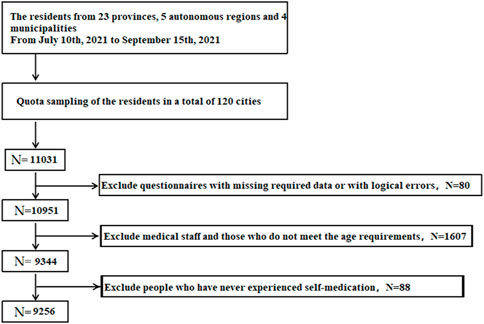
FIGURE 1. Flowchart of participant enrollment.
2.3 Instruments
The questionnaire consists of three parts focusing on the current status of residents’ self-medication behaviors and related influencing factors. The first part investigated the social-demographic characteristics of the residents, such as gender, age, province, place of permanent residence (urban, rural), education level, per capita monthly income of the family, marital status, the current main way of bearing medical expenses, current occupational status (student, on-the-job, no fixed occupation or retired), currently diagnosed chronic diseases, etc. The second part investigates the current status of residents’ self-medication behaviors and important considerations, including 3 questions (1 single-choice question, and 2 multiple-choice questions). The third part is a series of standard scales, including the 10-item short version of the Big Five Inventory (BFI-10), the Short-Form Health Literacy Instrument (HLS-SF12), and the EQ-5D visual analogue scale (EQ-VAS). Permission was obtained from the developers of HLS-SF12, while the other two scales are available for free for non-commercial use (Duong, T. V et al., 2019; EQ-5D-5L Scale, 2021; Rammstedt and John, 2007; Carciofo et al., 2016).
2.3.1 Items for resident self-medication status and important considerations
This section includes three entries (1 single-choice question, and 2 multiple-choice questions). All entries in this section were designed based on the current sales of OTC drugs in the Chinese market, relevant literature and personal practical experience, combined with expert consultation (Brabers et al., 2013; Barrenberg and Garbe, 2015; Hedenrud et al., 2019; YAN et al., 2019; Watanabe, 2020; Sánchez-Sánchez et al., 2021; El-Gamal et al., 2022). The expert group consists of eight pharmacists with bachelor’s degrees or above working in secondary or tertiary hospitals.
The single-choice question is “Have you ever purchased and used OTC medicines on your own?”. Respondents who answered “No” to this question were excluded from the study.
The first multiple-choice question is “What kinds of OTC drugs have you ever purchased and used? “, this question has 10 options, namely, (1) Antipyretic analgesics (e.g.,: paracetamol); (2) Digestive system drugs (e.g.,: ranitidine hydrochloride capsules); (3) Respiratory system drugs (e.g.,: aminocaffeine tablets); (4) Vitamins/minerals (e.g.,: vitamin C tablets); (5) Antibacterial drugs (e.g.,: metronidazole buccal tablets); (6) Drugs for external use (e.g.,: compound beclomethasone camphor cream); (7) Chinese patent drugs (e.g.,: Xiao Chai Hu granules, Xiao Jianzhong granules, Sijunzi pills); (8)Gynecological drugs (e.g.,: miconazole nitrate suppositories); (9) Anti-allergic drugs (e.g.,: loratadine capsules); (10) Others.
The second multiple-choice question is “Which of the following factors are important considerations when purchasing OTC drugs?”. The 16 options for this question are: (1) The price of the drug; (2) The efficacy of the drug; (3) The safety of the drug; (4) The taste of the drug; (5) Brand awareness; (6) Whether the drug can be reimbursed by medical insurance; (7) Advice from medical staff (including doctors, pharmacists, etc.); (8) Advice from family members; (9) Advice from friends; (10) Personal experience; (11) Advertising; (12) After-sales service; (13) Corporate reputation; (14) Ease of taking the drug; (15) Packaging of the drug; (16) Dosage form of the drug. The order in which the options appear in the two multiple-choice questions is random for each respondent.
2.3.2 The 10-item short version of the Big Five Inventory (BFI-10)
The 10-item short version of the Big Five Inventory (BFI-10) was applied to measure the personality characteristics of residents, including Extraversion, Agreeableness, Conscientiousness, Neuroticism, and Openness, on a 5-point Likert-type scale ranging from 1 (totally disagree) to 5 (totally agree) (Rammstedt and John, 2007; Carciofo et al., 2016). The scores of Extraversion were summed of the scores of item 1R and item 6, the scores of Agreeableness were combined with the scores of item 2 and 7R, Conscientiousness as 3R and 8, Neuroticism as 4R + 9, and Openness as 5R + 10 (R = item is reversed-scored). Several studies have shown that BFI-10 has good reliability and validity (Johann et al., 2020; Eichenberg et al., 2021; Nikčević et al., 2021). In a previous study, the reliability levels of the BFI-10 proved satisfactory using Cronbach’s α analysis: Extraversion (α = 0.723), Agreeableness (α = 0.759), Conscientiousness (α = 0.786), Neuroticism (α = 0.753) and Openness to experience (α = 0.714) (Wang et al., 2014). The higher the score of a personality trait of the respondent, the more significant the personality trait of the respondent is. In this study, referring to relevant literature, the five personality characteristics of the respondents were divided into a high group (7–10 points) and a low group (6 points and below) (Heilmann et al., 2021).
2.3.3 The short-form health literacy instrument (HLS-SF12)
The health literacy of the respondents was measured by HLS-SF12 (Duong, T. V et al., 2019). The scale includes 3 dimensions of healthcare, disease prevention, and health promotion, with a total of 12 items, and each item is scored on a 4-point scale (1 = very difficult, 2 = difficult, 3 = easy, 4 = very easy). In the study, the Cronbach’s coefficient of the scale was 0.940, and the Cronbach’s coefficients of the three subscales of healthcare, disease prevention and health promotion were 0.856, 0.860, and 0.868, respectively, with good reliability. The higher the respondent’s score on this scale, the higher the health literacy of the respondent. In this study, referring to relevant literature, the health literacy of the surveyed subjects was divided into a high group (over 33 points) and a low group (33 points and below) (The European Health Literacy Project 2009–2012; Cheong et al., 2021).
2.3.4 The EQ-5D visual analogue scale
The European Five-dimensional Health Scale (EQ-5D-5L) is one of the most widely used health-related quality of life measurement tools to measure the health status of the population (Jiang et al., 2021). EQ-VAS is a part of EQ-5D-5L. Respondents filled in integers between 0 and 100 to indicate their health status. 100 represents the respondent’s best-imagined health status, while 0 represents the respondent’s worst-imagined health status (Ping et al., 2020). In this study, referring to relevant literature, the EQ-VAS scores of the respondents were divided into a high group (81–100 points) and a low group (80 points and below) (Wang et al., 2017).
2.4 Statistical methods
Data entry and analysis were performed using SPSS™ for Windows (version 27.0) (SPSS Inc, Chicago, IL, United States of America). First, the common method bias was tested. Then the quantity and percentage of categorical variables were calculated using descriptive statistics. Scale scores were tested for normality. For normally distributed data, the mean and standard deviation were used for statistical description, and non-normally distributed data, the median and interquartile range were used for statistical description. Regarding the relevant literature, all scale scores were converted into dichotomous variables (high grouping and low grouping). The independent variables in the study include the demographic and sociological characteristics, health literacy, personality, and self-assessed health status of the respondents. There are two dependent variables, which are whether the respondents consider drug efficacy or safety as an important factor when purchasing OTC drugs. The Chi-square test was used for univariate analysis. In the study, the percentage of respondents who cited drug efficacy or safety as an important consideration in purchasing OTC drugs both exceeded fifty percent. In this case, using traditional logistic regression for multifactor analysis may overestimate the association between the independent and dependent variables; therefore, multilevel log-bionmial regression was used for multifactor analysis to overcome the level effects (Barros and Hirakata, 2003; Deddens and Petersen, 2008; Knol et al., 2012; Marschner and Gillett, 2012), and conduct stratified analysis according to different locations (Eastern part of China, Central part of China and Western part of China). Unless otherwise stated, the test level of statistical tests was α = 0.05. A supplementary subgroup analysis of demographic characteristics was performed, and subgroups were divided according to gender (male, female), age (35 years old and below, above 35 years old), permanent residence (urban, rural) in the proportion of residents considering efficacy or safety in different regions of China are highlighted in the paper.
2.5 Quality control
The study conducted two rounds of pre-investigation and two rounds of expert consultation before the formal survey. Trained investigators distributed questionnaires to respondents and registered their codes one-on-one and face-to-face. Every Sunday evening during the investigation process, members of the research group communicated with the investigators to summarize, evaluate, and give feedback on the questionnaires they collected. After the questionnaires were collected, two people conducted back-to-back logic checks and data screening. If singular values are found during data analysis, the original questionnaire must be found and checked with the investigator before proceeding to the next step of the analysis.
3 Results
3.1 Common method bias test
Harman’s single-factor method showed five factors with eigenvalues greater than 1, and the variance contribution rate of the first main factor was 34.98%, which did not exceed 40%, indicating that there was no common method bias (Podsakoff et al., 2003).
3.2 Demographic and sociological characteristics of the respondents
The investigation showed that 99.06% (9256 of 9344) of Chinese people aged 18 years or older had self-medication behaviors.
Among respondents 9256 who had self-medication behaviors, there were 4289 males (46.3%) and 4967 females (53.7%) among the respondents; 4722 (51.0%) were located in eastern China, 2391 (25.8%) were located in central China, and 2143 (23.2%) were located in western China; 6674 (72.1%) were urban residents, 2582 (27.9%) were rural; 4246 (45.9%) were 19–35 years old, and 3935 (42.5%) were 36–59 years old, 1075 (11.6%) were aged 60 and above. The demographic and sociological characteristics of the survey respondents are shown in Table 1.
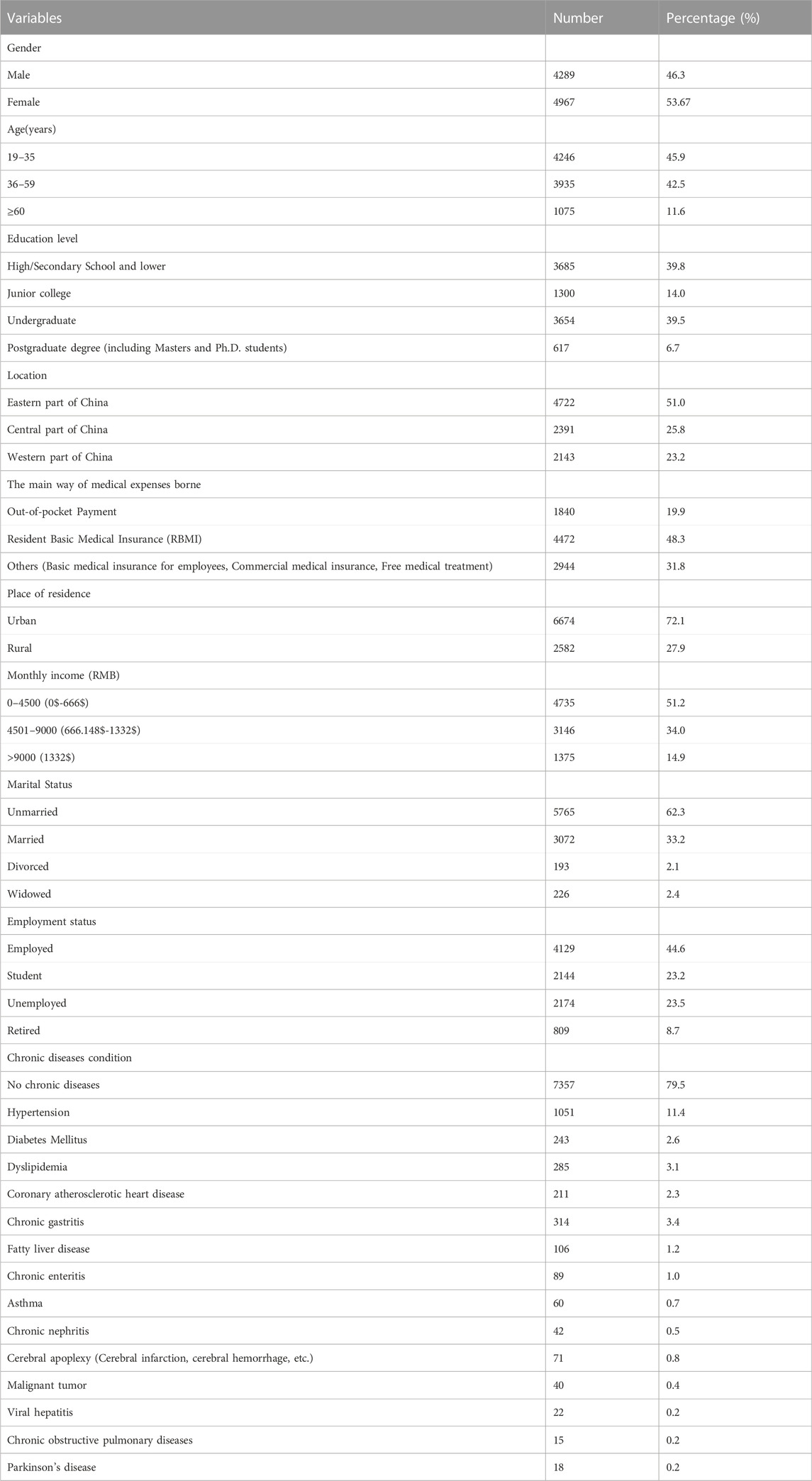
TABLE 1. Demographic and sociological characteristics of respondents.
3.3 Status of self-medication of the respondents
Among respondents 9256 who had self-medication behaviors, the investigation showed that 99.1% (9256 of 9344) of Chinese people aged 18 years or older had self-medication behaviors. The types of drugs used by the respondents during self-medication are shown in Figure 2. Antipyretic analgesics (5421, 58.6%) and vitamins/minerals (4851, 52.4%) ranked the top two among all types of drugs. In addition to the “other” option, the number of users of gynecological drugs (1057, 11.4%) and anti-allergy drugs (1322, 14.3%) ranked the bottom two.
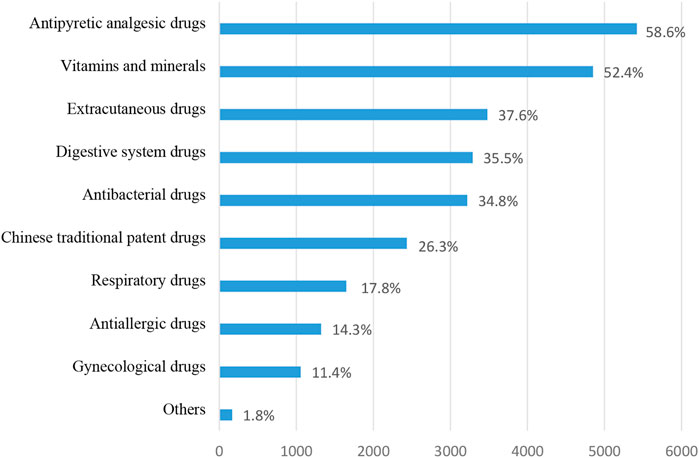
FIGURE 2. Types of OTC drugs purchased by respondents.
3.4 Important considerations for respondents when purchasing OTC drugs
Among the 16 factors to be considered, the top three selected are medical staff advice (7979, 86.2%), drug safety (5901, 63.7%) and drug efficacy (5492, 59.3%), the last three choices were exquisiteness of medicine packaging (445 people, 4.8%), the taste of medicines (871 people, 9.4%) and advertising (878 people, 9.5%) (Figure 3).
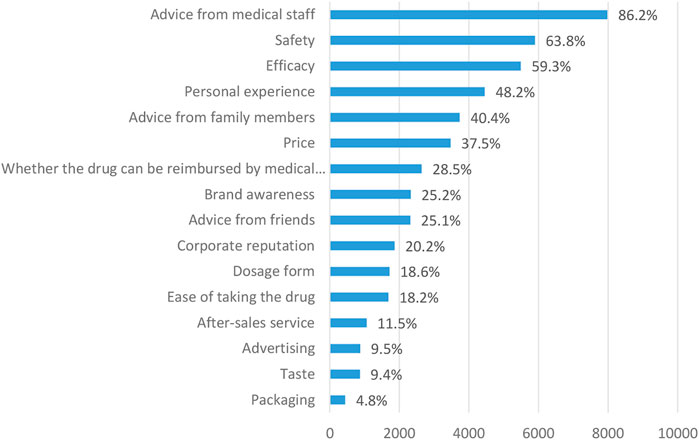
FIGURE 3. Important considerations when respondents purchase OTC drugs.
3.5 The scores of each scale of the respondents
The scores of the respondents on each scale are shown in Table 2. Since the scores on each scale do not satisfy the normal distribution, the median and upper and lower quartiles were used to describe the central tendency and dispersion of the scores of each scale. 5942 respondents (64.2%) had high health literacy; There are 3349 people (36.2%) with high extroversion, 5182 people (56.0%) with high agreeableness, 4757 people (51.4%) with high conscientiousness, 2257 people (24.4%)with high neuroticism, 3565 people (38.5%)with high openness; and 5460 people (59.0%) with high self-rated health status.
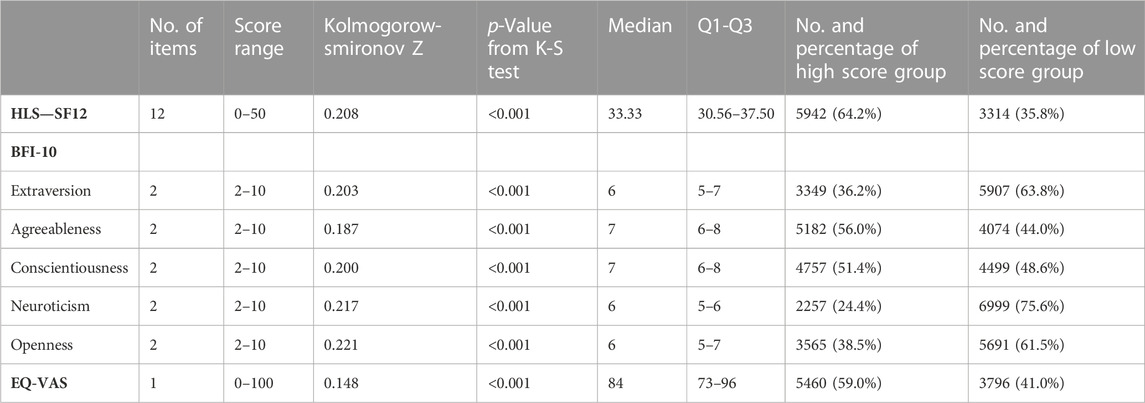
TABLE 2. Respondents’ scores on HLS-SF12, BFI-10 and EQ-VAS.
3.6 Chi-square test results of two factors of drug efficacy and safety
Univariate analysis was performed using the chi-square test for the likelihood that respondents considered drug efficacy or safety as an important consideration. The possibility of respondents taking drug safety as an important consideration varies in gender, age, region, mode of paying medical expenses, chronic disease, extraversion, agreeableness, conscientiousness, neuroticism, openness, health literacy and self-assessed health status (p < 0.05). The possibility of respondents taking drug efficacy as an important consideration varies in gender, age, region, marital status, occupational status, chronic disease, extraversion, agreeableness, conscientiousness, openness, health literacy, and self-assessed health status (p < 0.05). The results of the chi-square test are shown in Supplementary Tables S1, S2.
3.7 Differences in the percentage of residents who focus on safety or efficacy of self-medication in different regions of China
A chi-square test was used to conduct a single factor analysis of differences in the percentage of residents who focused on safety or efficacy when self-medicating. The results of the chi-square test are shown in Supplementary Tables S1, S2. The results showed that the distribution of residents who focused on safety o refficacy differed across different regions of China (east, central, and west) (Safety:p = 0.001; Efficacy: p < 0.001). Multiple comparisons were further performed by the Bonferroni method, and it is shown that a significantly higher percentage of residents in the west (66.8%) focus on safety than those in the east (63.5%) and central (61.5%) regions. As for efficacy, the proportion of residents in the central region (55.7%) who focused on efficacy was significantly lower than those in the eastern (60.2%) and western regions (61.4%) (See Figure 4 for details).
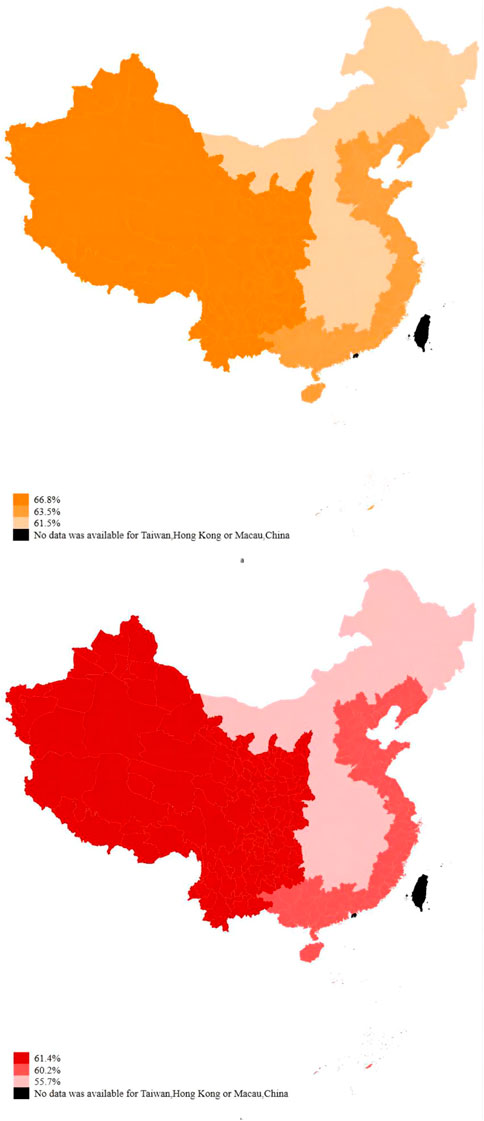
FIGURE 4. Distribution of residents focusing on safety or efficacy in different regions of China (a:safety; b:efficacy).
3.8 Multivariate regression analysis of two factors of drug efficacy and safety
3.8.1 Drug safety
Multilevel log-binomial regression analysis was carried out with the possibility of the respondents considering drug safety as an important factor as the dependent variable, the demographic and sociological characteristics of the respondents and the grading of each scale score as the independent variables. Three regression models were developed, the first regression model with respondents’ demographic and sociological characteristics as independent variables, the second regression model with respondents’ scale score grading as independent variables, and the third regression model with respondents’ demographic and sociological characteristics and scale score grading as independent variables. Using the third model as the main result of this study, the multilevel regression results showed that model 3 was robust.
The Omnibus test result of the model 3 is p < 0.001, the log-likelihood value is −5515.351, indicating that the model is of good quality. Log-binomial regression analysis showed that gender, location, employment status, the main way of medical expenses borne, agreeableness, conscientiousness, neuroticism, openness, health literacy, and self-rated health status were related to whether respondents considered drug safety as an important consideration when purchasing OTC drugs. Compared with men, women were more likely to take drug safety as an important consideration (PRR < Percentage rate ratio ≥1.052, 95%CI 1.021–1.085, p = 0.001).
Compared with the respondents in the east, the respondents in western parts were more likely to consider drug safety as an important factor (PRR = 1.044, 95%CI 1.007–1.082, p = 0.020); Compared with the respondents who were employed, retired people were more likely to consider drug safety as an important factor (PRR = 1.090, 95%CI 1.020–1.166, p = 0.012); Compared with the respondents whose main way of medical expenses borne was Out-of-pocket Payment, those who mainly used ways including basic medical insurance for employees, commercial medical insurance, free medical treatment to cover their medical cost were more likely to consider drug safety as an important factor (PRR = 1.053, 95%CI 1.002–1.106, p = 0.040). Compared with high agreeableness respondents, low agreeableness respondents were less likely to consider drug safety as an important consideration (PRR = 0.896, 95%CI 0.865–0.927, p < 0.001); Compared with high conscientiousness respondents, low conscientiousness respondents were less likely to consider drug safety as an important consideration (PRR = 0.931, 95%CI 0.900–0.963, p < 0.001); Compared with those with high neuroticism, respondents with low neuroticism were less likely to consider drug safety as an important consideration (PRR = 0.959, 95%CI 0.928–0.992, p = 0.014); Compared with those with high openness, those with low openness were less likely to consider drug safety as an important consideration (PRR = 0.941, 95%CI 0.911–0.972, p < 0.001); Compared with respondents with high health literacy, respondents with low health literacy were less likely to consider drug safety as an important factor (PRR = 0.960, 95%CI 0.927–0.993, p = 0.018); Compared with respondents with better self-rated health status, respondents with poorer self-rated health status were less likely to consider drug safety as an important consideration (PRR = 0.915, 95%CI 0.885–0.945, p < 0.001) (See Table 3 for details). Subgroup analysis was carried out according to gender, age, and place of permanent residence, and a total of six models were established. The independent variables and model parameters of the six subgroup analysis models were similar to the model built by all respondents. (See Supplementary Tables S3–S8 for details.
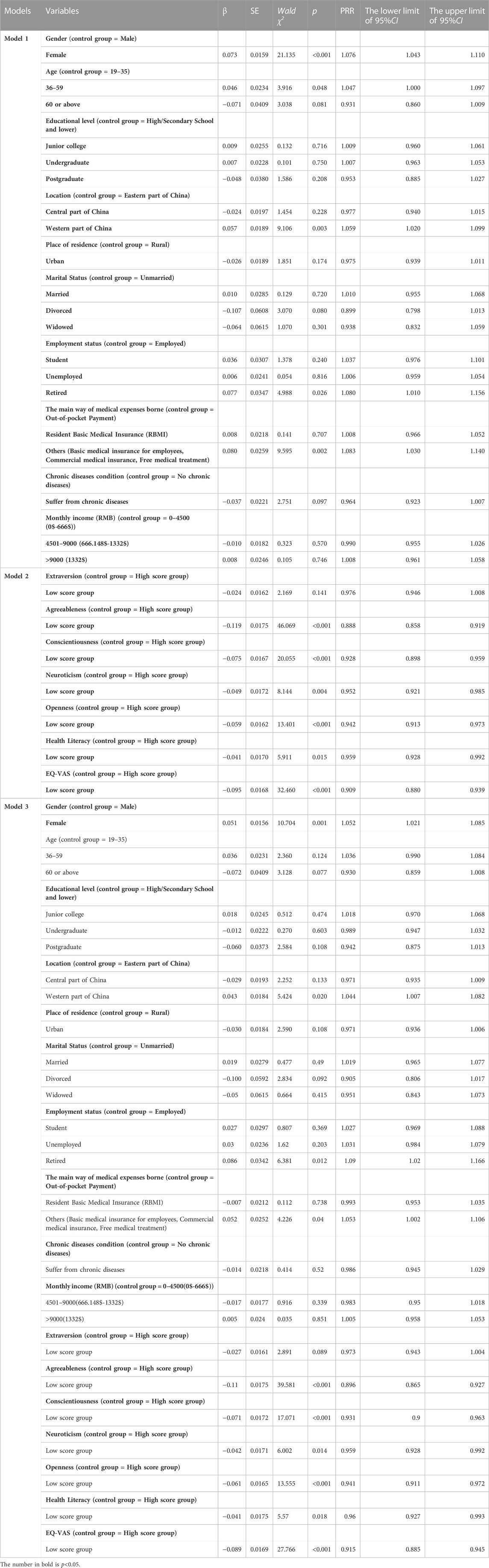
TABLE 3. Multilevel log-binomial regression results with drug safety as the dependent variable
3.8.2 Drug efficacy
Multilevel log-binomial regression analysis was carried out with the possibility of the respondents taking drug efficacy as an important consideration factor as the dependent variable, and the demographic and sociological characteristics of the respondents and the grading of each scale score as the independent variables. Three regression models were developed, the model 4 with respondents’ demographic and sociological characteristics as independent variables, the model 5 with respondents’ scale score grading as independent variables, and the model 6 with respondents’ demographic and sociological characteristics and scale score grading as independent variables. Using the third model as the main result of this study, the multilevel regression results showed that model six was robust.
The Ominbus test result of the model six is p < 0.001, the log-likelihood value is −5689.403, indicating that the model is of good quality. Log-binomial regression analysis showed that gender, location, employment status, the main way of medical expenses borne, chronic disease, agreeableness, conscientiousness, openness, and self-rated health status were related to whether respondents considered drug efficacy as an important consideration when purchasing OTC drugs. Compared with men, women were more likely to consider drug efficacy as an important factor (PRR = 1.056, 95%CI 1.021–1.092, p = 0.001); Compared with eastern respondents, midlands respondents were less likely to consider drug efficacy as an important factor (PRR = 0.916, 95%CI 0.878–0.956, p < 0.001); Compared with the respondents who were employed, unemployed people were less likely to consider drug efficacy as an important factor (PRR = 0.939, 95%CI 0.890–0.990, p = 0.019); Compared with the respondents whose main way of medical expenses borne was Out-of-pocket Payment, those who mainly used Resident Basic Medical Insurance to cover their medical cost were less likely to consider drug efficacy as an important factor (PRR = 0.946, 95%CI 0.904–0.989, p = 0.015). Compared with those without chronic disease, those with chronic disease were more likely to consider drug efficacy as an important factor (PRR = 1.069, 95%CI 1.022–1.118, p = 0.004); Compared with high agreeableness respondents, low agreeableness respondents were less likely to consider drug efficacy as an important factor (PRR = 0.900, 95%CI 0.867–0.935, p < 0.001); Compared with high conscientiousness respondents, low conscientiousness respondents were less likely to consider drug efficacy as an important factor (PRR = 0.881, 95%CI 0.848–0.915, p < 0.001); Compared with high openness respondents, low openness respondents were less likely to consider drug efficacy as an important factor (PRR = 0.953, 95%CI 0.920–0.988, p = 0.009); Compared with respondents with better self-rated health status, respondents with poor self-rated health status were less likely to consider drug efficacy as an important consideration (PRR = 0.916 95%CI 0.883–0.950, p < 0.001) (See Table 4 for details). Subgroup analysis was carried out according to gender, age and place of permanent residence, and a total of six models were established. The independent variables and model parameters of the six subgroup analysis models were similar to the model built by all respondents. (See Supplementary Tables S9–S14 for details).
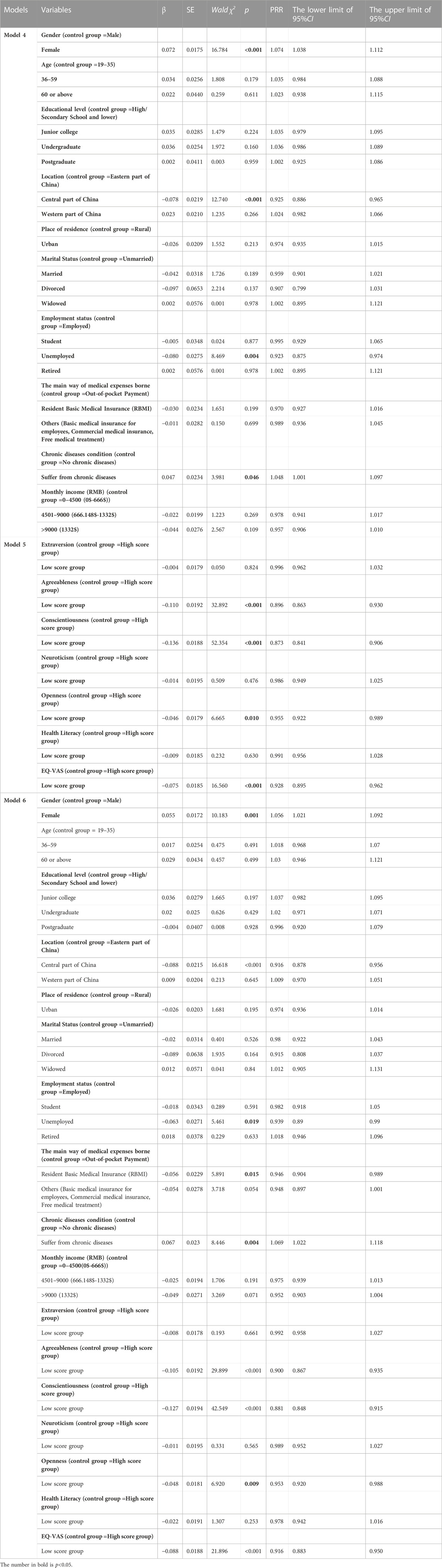
TABLE 4. Multilevel log-binomial regression results with drug efficacy as the dependent variable.
3.8.3 Results of subgroup analysis in different regions
In addition to the above subgroup analysis, we also conducted subgroup analysis by region (eastern China, central China, and western China), adjust factors gender, age, education level, the main way of medical expenses borne, place of residence, monthly income, marital Status, employment status, chronic diseases condition, mainly analyze the influence of the Big Five Inventory (BFI-10) Health Life (HLS-SF12) health-related quality of life (EQ-5D-5L) on the safety and effectiveness of self-medication, and the results are shown in Tables 5, 6. The correlates of the dependent variable vary among residents of different regions.
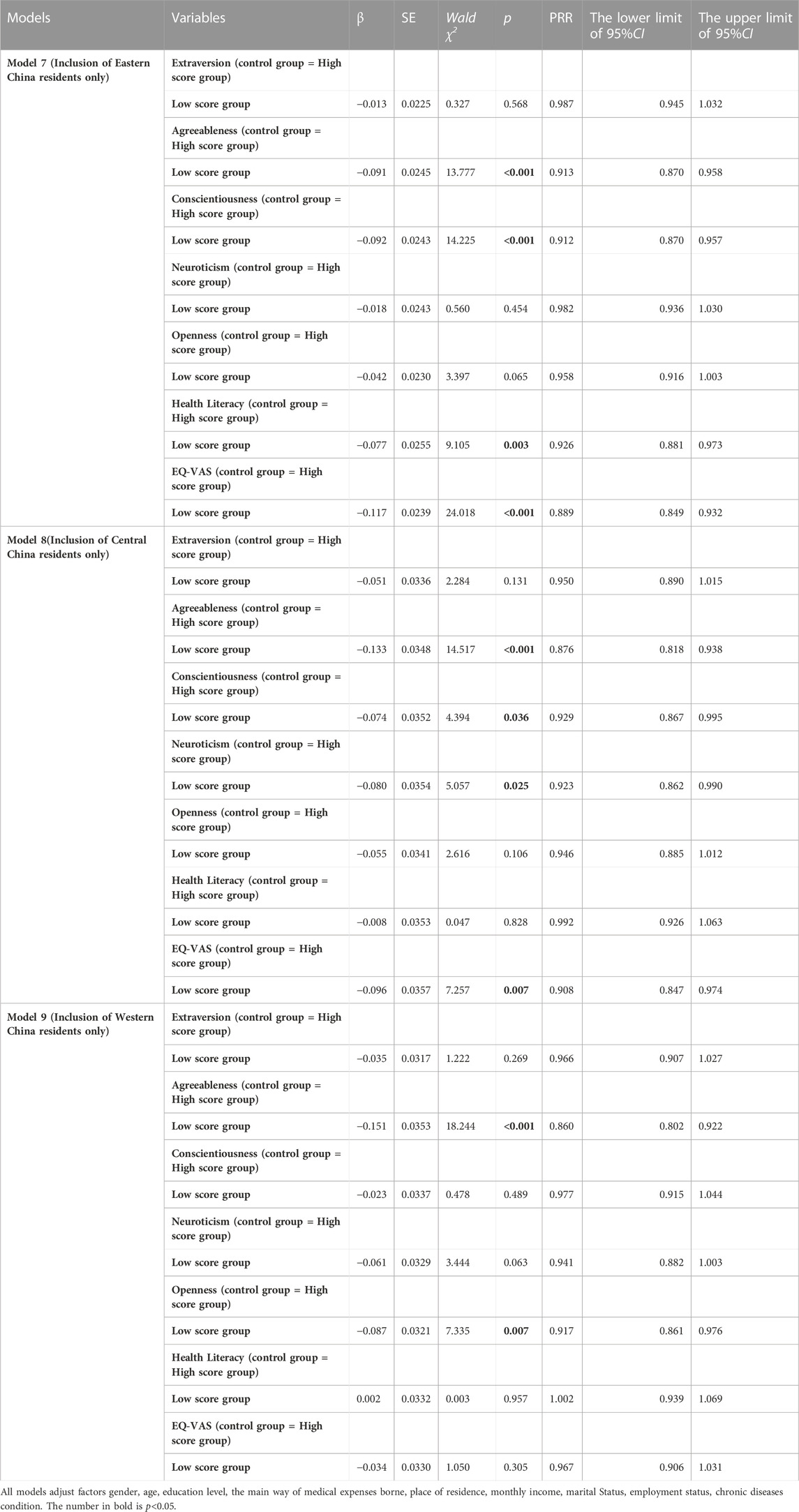
TABLE 5. Results of analysis of subgroups by region (dependent variable: likelihood of residents focusing on safety).
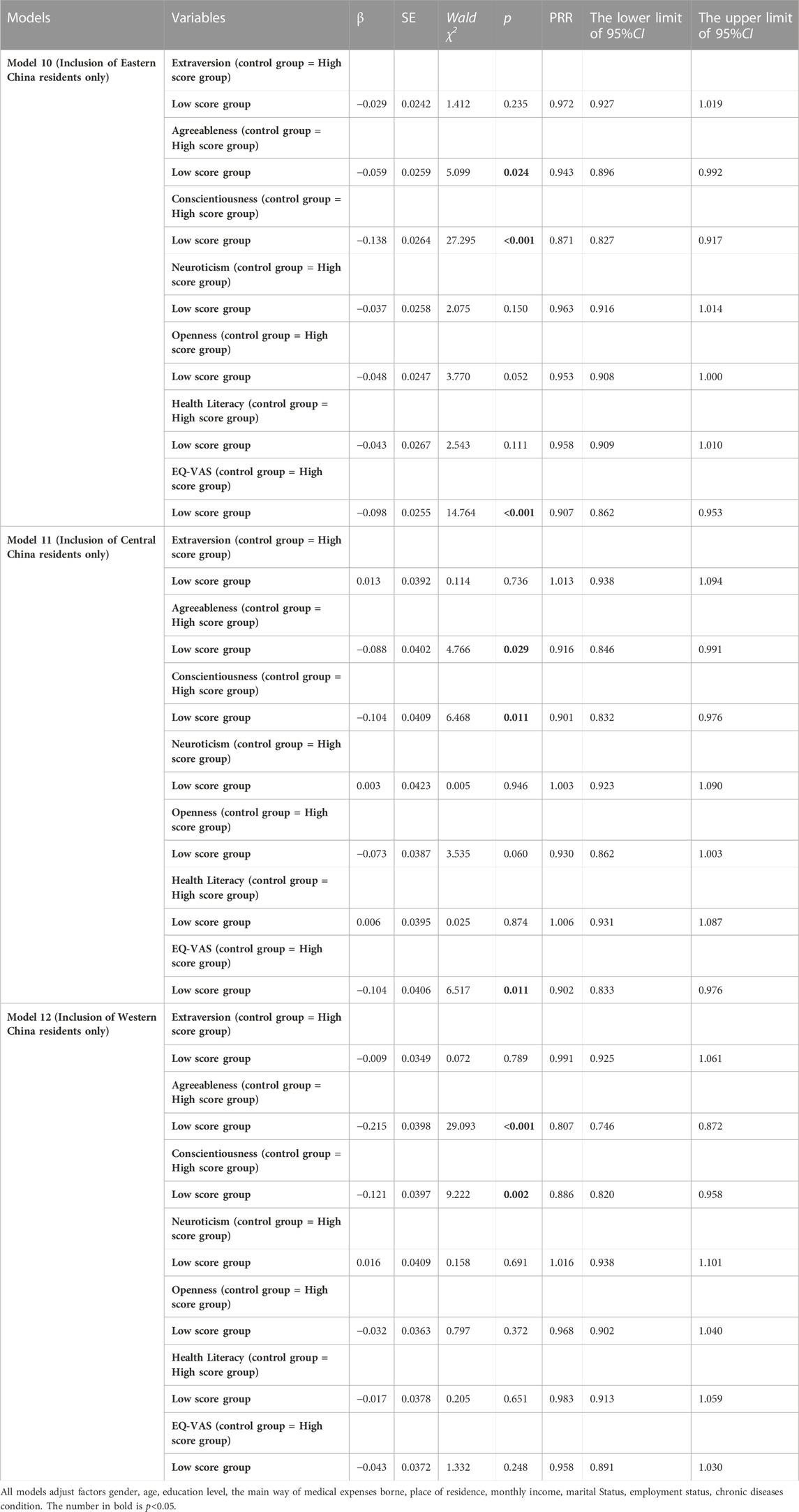
TABLE 6. Results of analysis of subgroups by region (dependent variable: likelihood of residents focusing on efficacy).
In terms of whether to focus on safety, the influencing factors of personal character, health literacy and health status for eastern residents were agreeableness, conscientiousness, health literacy, and self-rated quality of life; for the central region, the relevant factors were agreeableness, conscientiousness, neuroticism, and self-rated quality of life; for the western region, the relevant factors were agreeableness, and openness.
In terms of whether to focus on efficacy, the influencing factors of personal character, health literacy and health status for eastern residents were agreeableness, conscientiousness, self-rated quality of life; for the central region, the relevant factors were agreeableness, conscientiousness and self-rated quality of life; and for the western region, the relevant factors were agreeableness, and conscientiousness.
4 Discussion
4.1 Current situation of self-medication in mainland China residents
Self-medication is becoming an increasingly common behavior, and people are becoming more independent in making decisions about their health management. Self-medication can help reduce the cost of producing, selling, and administering prescription drugs. However, people may suffer from misdiagnosis, prolonged or insufficient medication, neglect of drug interactions, and overdose due to their improper self-medication behaviors, which can delay their recovery process and even have serious, life-threatening consequences (Hughes et al., 2001).
Self-medication is a common practice around the world. The prevalence of self medication in Thailand reached 88.2% (Chautrakarn et al., 2021). The prevalence of self medication in the Indian population ranges from 8.3% to 93% (Rashid et al., 2020). 67.3% of people in Syria take drugs by themselves (Abdelwahed et al., 2022). In a study involving several European countries, self-medication rates among residents ranged from 33% in Turkey to 92% in the Czech Republic and 97% in Cyprus (Kamekis et al., 2018). This indicates that in many countries and regions, a large number of residents purchase and use OTC medicines by themselves as an important means of treating their diseases. Self-medication is also prevalent in China. The self-medication rate among the respondents in this study was 99.1%. The two most common types of OTC drugs purchased and used by the respondents were antipyretic and analgesics (5421 people, 58.6%) and vitamins/minerals (4851 people, 52.4%). Long et al. found that the self-medication rate of urban residents in China was 73.5%. A 2017 study by Chang J et al. showed that in China, 32.7% of people aged 45 and older used OTC for self-treatment within 4 weeks before the survey (Chang et al., 2017). Many studies have shown that self medication is related to sociodemographic characteristics and economic conditions (Subashini and Udayanga, 2020; Zeid et al., 2020).
4.2 Analysis of influencing factors of residents taking drug safety or efficacy as important considerations
The safety and efficacy of drugs are important considerations for most residents purchasing OTC drugs (Hanna and Hughes, 2011). A global study covering 51 countries reported similar findings that consumers value safety (“I know it is safe”) and effectiveness (“I know it works”) as the most important considerations while buying OTC drugs 42. This study showed that the number of respondents who purchased OTC medicines mainly considered drug safety as an important factor reached 5901, accounting for 63.7%, and the number of people who took drug efficacy as an important consideration reached 5492, accounting for 59.3%. An investigation of Australian consumers’ considerations for purchasing OTC drugs also showed that most consumers cite efficacy (1420/1627, 87%) and safety (1348/1625, 83%) as important considerations for purchasing OTC drugs (Bevan et al., 2019). In Japan, a developed region in Asia, information about self medication can be obtained from the Internet and government publicity. People with high quality of life can manage their symptoms according to their knowledge (Ohta et al., 2022). German research also shows that providing more OTC information for patients may improve patient safety (Eickhoff C,. et al., 2012). Self medication is associated with more severe disease grade and lower economic level of quality of life (Parvinroo et al., 2022).
We used log-binomial regression to analyze the associated factors of the dependent variables. In the log-binomial regression analysis of safety, gender, location, employment status, the main way of medical expenses borne, agreeableness, conscientiousness, neuroticism, openness, health literacy, and self-rated health status were significantly associated with the likelihood of drug safety being a consideration when purchasing OTC drugs.
Self-medication behaviors carry potential risks, so safety should be an important consideration when engaging in self-medication, and safety awareness should be an important part of how patients can manage their health. In this study, females were more likely to consider drug safety as an important consideration. This finding is in line with a previous study on drug safety awareness, in which males were more willing to accept risks, while females were more likely to seek information about drugs and place greater importance on safety (See et al., 2020).
Respondents who were retired were more likely to pay great attention to drug safety. Because retired people were elder and pays attention to safety, and has a certain level of knowledge and social experience, so that can make decisions on drug safety. Respondents those who mainly used ways including basic medical insurance for employees, commercial medical insurance, free medical treatment to cover their medical cost were more likely to consider drug safety as an important factor. People who participate in these types of insurance have a stronger risk awareness, and will pay more attention to safety when reimbursement funds are available.
Personality largely determines patients’ health behaviors, and when purchasing OTC drugs, personality may influence how much importance patients place on them. In this study, we found that people with high agreeableness, high conscientiousness, high neuroticism, and high openness were more likely to regard drug safety as an important consideration. High conscientiousness is a state of caution or vigilance that shows a desire to do something well (Vlieland et al., 2019). Therefore, people with high conscientiousness will pay more attention to the potential risks of OTC drugs to their health and are sensitive to safety. A higher level of neuroticism predicts anxiety due to worry-related problems (Beyer et al., 2015). This group is more worried about the adverse consequences when buying OTC drugs and thinks that drug safety is extremely important. People with high agreeableness and high openness will consider the advice of professionals more and make choices about their safety. Health beliefs are closely related to self-medication (Ting et al., 2018). People with high health literacy and self-assessed health levels have stronger health beliefs and safety awareness and are more likely to pay attention to drug safety when purchasing OTC drugs.
Another important factor in purchasing OTC drugs is the efficacy of the drug. In the log-binomial regression analysis of efficacy, we found that gender, location, employment status, the main way of medical expenses borne, chronic disease, agreeableness, conscientiousness, openness, and self-rated health status were all related to drug efficacy when respondents purchased OTC drugs. Many studies have shown that efficacy (usually determined by personal experience or advice from health professionals) is one of the factors most valued by consumers when considering safety (Hanna and Hughes, 2011). Compared with males, females cited drug efficacy as an important consideration when purchasing OTC medications (p < 0.05). Females visit pharmacies more frequently and may receive more information about drugs. A previous study in Sweden showed that females paid more attention to drug efficacy (Håkonsen et al., 2020). Compared to people without chronic diseases, people with chronic diseases pay more attention to drug efficacy due to the need for frequent medication, and they need cost-effective and effective medicines to treat diseases and relieve symptoms. Respondents who were unemployed were less likely to consider drug efficacy as an important factor. The knowledge level and social experience of unemployed are low, and their understanding of the practicality of drugs is insufficient (Chiappini et al., 2022). Respondents whose main way of medical expenses borne was Out-of-pocket Payment, were more likely to consider drug efficacy as an important factor, and this was because this group pays more attention to the cost-effectiveness (Lai et al., 2021).
4.3 Consideration of safety and efficacy in self-medication in eastern, central, and western regions
When residents self-medicate, the proportion of residents in the east, central and western regions who consider safety is 63.5%, 61.5%, and 66.8% respectively. The proportion of curative effect was 60.2%, 55.7%, and 61.4% respectively. The results of multifactor analysis showed that the residents in the west considered the safety of medication more than those in the east, while the residents in the middle considered the efficacy less than those in the east.
Stratified analysis of individual personality, health literacy, and the impact of self-assessment of health status on safety effectiveness in the eastern, central and western regions shows that in the eastern region, residents who are more agreeableness, more conscientiousness, and have higher health literacy, and who have higher self-rated quality of life pay more attention to safety. In the central region, residents with agreeableness, more conscientiousness, more neurotic and higher self-rated quality of life pay more attention to safety. In the western region, more agreeableness, and openness residents pay more attention to safety. In terms of curative effect, in the east, residents with more agreeableness, conscientious and self-rated quality of life pay more attention to drug effect. In the central region, residents with more agreeableness, conscientious and higher self-rated quality pay more attention to drug effect. For the western region, residents with more agreeableness and conscientious pay more attention to effect.
With the expansion of China’s regional economic development gap, the supply of medical and health services is unbalanced in the east, central and western regions, and the supply level of medical and health services in the eastern region is the highest (Cavaco et al., 2018). There is inequality in the distribution of economic and medical resources among different regions in China, and there are significant differences in the practice and guarantee of drug safety among regions. The study found that the drug safety practice of pharmacists in regions with high per capita GDP and rich medical resources is better than that in regions with low per capita GDP and relatively scarce medical resources (Tang L, 2012). Because the safety practice of drug use in the western region is lower than that in the central region, they are more likely to be unable to receive timely treatment due to the fear of adverse drug use events and when they experience adverse drug events such as anaphylactic shock. This is why western respondents tend to take drug safety as an important consideration compared with eastern respondents.
The research shows that in China, the score of openness in the western region is higher than that in other regions and provinces, and the openness of the central and western residents of the Big Five personality is more obvious (Xu L et al., 2022). The results of this study show that when self-medication, the openness characteristics of the Big Five personality of Chinese residents also appear in the western region, and the western residents with high openness are more concerned about the safety of self-medication. The agreeableness and conscientious personality traits significantly predict drug compliance (Abu EK L et al., 2022), suggesting that agreeableness and conscientious traits can significantly affect residents’ ability to make healthy choices. A sense of responsibility can enhance healthy behaviors, and a high sense of responsibility is related to beneficial self-care behaviors (Skinner et al., 2014). Therefore, both eastern and western regions show that the more pleasant and responsible they are, the more attention they pay to safety and effectiveness in self-medication.
People in the eastern region are changing their living habits and improving their health management ability. The overall health literacy in the central and western regions is not high. We should pay attention to strengthening health education and popularizing health knowledge. Therefore, residents with different levels of health literacy only show differences in the eastern region when considering the safety of self-medication behavior (Wang F et al., 2022). Both the multifactor analysis of safety and effectiveness and the subgroup analysis of the region showed that the patient compliance EQ-VAS was positively correlated with the health compliance medication behavior. Social determinants are closely related to health and play an important role in health-related quality of life. The eastern provinces of China are better than the central and western provinces in terms of population density, culture, economic status, and social infrastructure, affecting the significant differences in health-related quality of life between the eastern provinces and the central and western provinces. The EQ-VAS of residents in the east is higher, which significantly affects the consideration of the safety and effectiveness of self-medication.
High agreeableness, high conscientiousness, high openness, and high self-rated health status group were more likely to consider drug efficacy as an important factor. People with high conscientiousness pay more attention to whether OTC drugs would achieve a beneficial effect on the body. When purchasing OTC medicines, people with high agreeableness and high openness will listen more to the explanations of professionals and pay more attention to drugs when communicating with medical staff. People with high-level of self-assessed health status are in better health and therefore will pay more attention to their health and consider whether the drug can restore and maintain their health quickly and effectively when taking medication.
4.4 Advantages and limitations of the study
This study has several advantages. First, we obtained extensive and representative data using cross-sectional survey data across mainland China in 2021. In addition, this study combined the Big Five personality, health literacy, and health-related quality of life theories to analyze residents’ purchase behavior of OTC drugs. Theories such as the Big Five have made empirical contributions and expanded the value of new theoretical applications of self-medication health behaviors. At the same time, it makes targeted suggestions for the future practice of self-medication supervision and health education. It makes further practical contributions.
The study also has several limitations. First, the data were based exclusively on self-report questionnaires, which may be influenced by social expectations, self-report errors, and poor memory. Second, this study used a cross-sectional design, and the results were only used to explore the correlates of the dependent variables. Third, the participants in this study were all located in China, and the sample was homogeneous and cannot be generalized to other countries. We used the most recent data available to us (2021), however, the behavioral characteristics of residents and the important factors considered in OTC drug purchases are likely to change further in the ensuing years. Also, Due to the limited length of the paper, only two important properties of the drugs themself, namely, drug efficacy and safety, are discussed in this paper. Other considerations for purchasing OTC drugs will be further investigated in follow-up studies.
5 Relevance to clinical practice
Self-medication plays an important role in disease prevention, health promotion, and the treatment of mild illnesses. Consumers can obtain OTC drugs without a prescription, which allows them to access treatment more quickly and can reduce the burden on the healthcare system. However, there are certain potential risks associated with self-medication. For example, when residents take drugs by themselves, they are prone to overdose, underdose, and wrong medication.
For China, with a large population and great differences in health literacy, it is necessary to strengthen the management of OTC drugs and health education on public self-medication. We make the following recommendations for the health sector, pharmaceutical manufacturers and distributors, the media, medical personnel and the general public. The health sector needs to build a regulatory system, a partnership between doctors, patients and pharmacists, strengthen behavioral supervision and education medical staff. Drug manufacturers and distributors should recognize that drugs are a special commodity, and ensure that the drugs produced and sold are safe, effective, stable, and controllable in quality. Relevant media should publicize drug knowledge and common sense, and increase public opinion supervision on violations. Medical staff should improve their professional ability, strengthen training and professional experience and always play an important role in imparting knowledge to consumers. Pharmacy staff should provide more guidance on drug safety and efficacy to assist patients in choosing drugs. Residents should improve their health literacy, reserve drug-related knowledge and common sense, read the instruction of the drugs before using them, understand the indications and adverse reactions of commonly used OTC medications and take self-medication behaviors cautiously.
6 Conclusions
Self-medication is widespread among Chinese adults. The two most common OTC drugs that people buy and use on their own are antipyretic analgesics and vitamins/minerals. When Chinese adults buy OTC drugs, the safety and efficacy of the drug and the doctor’s recommendations are important considerations. The likelihood that people consider drug efficacy and safety as important considerations when purchasing OTC drugs is influenced by their demographic sociological characteristics, health literacy, self-assessed health status, and personality characteristics. The health sector should take measures to strengthen the management of OTC drugs, Pharmacy staff should provide more guidance on drug safety and efficacy to assist patients in choosing drugs. Improve residents’ drug-related health literacy, and enhance their attention to drug efficacy and safety, thereby reducing inappropriate self-medication behaviors and injuries and deaths caused by these inappropriate behaviors.
Data availability statement
The raw data supporting the conclusions of this article will be made available by the authors, without undue reservation.
Ethics statement
The studies involving human participants were reviewed and approved by the Institutional Review Committee of Ji’nan University, Guangzhou, China. The patients/participants provided their written informed consent to participate in this study.
Author contributions
Conception and design:PG, X-YS, and Y-BW; Acquisition of data: W-LY; Analysis and interpretaion of data: PG and KL; Drafting of the manuscript: PG, Z-WZ, J-ZZ, and RL; Critical revision of the manuscript for important intellectual content: PX, Q-YL, H-WM, Y-QD, Y-JW, X-YS, Y-TT, LY, and Y-BW; Statistical analysis: PG and KL; Obtaining funding: LY and Y-BW; Administrative, technical, or material support: Y-BW; Supervision: LY and Y-BW; Others: language polish: YN.
Funding
This project is supported by the Annual Project of Shaanxi Provincial Social Science Foundation in 2022 (Grand: 2022M090).
Acknowledgments
We are very grateful to all the investigators and respondents who participated in the survey.
Conflict of interest
The authors declare that the research was conducted in the absence of any commercial or financial relationships that could be construed as a potential conflict of interest.
Publisher’s note
All claims expressed in this article are solely those of the authors and do not necessarily represent those of their affiliated organizations, or those of the publisher, the editors and the reviewers. Any product that may be evaluated in this article, or claim that may be made by its manufacturer, is not guaranteed or endorsed by the publisher.
Supplementary material
The Supplementary Material for this article can be found online at: https://www.frontiersin.org/articles/10.3389/fphar.2023.1072917/full#supplementary-material
Abbreviations
OTC, Over-the-counter; HLS-SF, The health literacy scale-short form; BFI-10, The 10-item Big Five Inventory; FDA, The U.S. Food and Drug Administration; EQ-VAS, The EQ-5D visual analogue scale; RBMI, Resident Basic Medical Insurance
References
Abdelwahed, R. N. K., Jassem, M., and Alyousbashi, A. (2022). Self-medication practices, prevalence, and associated factors among Syrian adult patients: A cross-sectional study. J. Environ. Public Health 28, 20229274610. doi:10.1155/2022/9274610
Abu, E. K., Antiri, E. O., Ocansey, S., Ntodie, M., Abokyi, S., and Abraham, C. H. (2022). Associations between personality traits and adherence to treatment in patients with primary open-angle glaucoma in an African population. Clin. Exp. Optom. 29, 1–7. doi:10.1080/08164622.2022.2075253
Barrenberg, E., and Garbe, E. (2015). Use of over-the-counter (OTC) drugs and perceptions of OTC drug safety among German adults. Eur. J. Clin. Pharmacol. 71 (11), 1389–1396. doi:10.1007/s00228-015-1929-5
Barros, A. J. D., and Hirakata, V. N. (2003). Alternatives for logistic regression in cross-sectional studies: An empirical comparison of models that directly estimate the prevalence ratio. BMC Med. Res. Methodol. 3, 21. doi:10.1186/1471-2288-3-21
Bevan, M., Ng, Y. C., Cooper, J., Robertson, J., Walkom, E., Chiu, S., et al. (2019). The role of evidence in consumer choice of non-prescription medicines. Int. J. Pharm. Pract. 27 (6), 501–509. doi:10.1111/ijpp.12546
Beyer, A. R., Fasolo, B., de Graeff, P. A., and Hillege, H. L. (2015). Risk attitudes and personality traits predict perceptions of benefits and risks for medicinal products: A field study of European medical assessors. Value health J. Int. Soc. Pharmacoeconomics Outcomes Res. 18 (1), 91–99. doi:10.1016/j.jval.2014.10.011
Brabers, A. E., Van Dijk, L., Bouvy, M. L., and De Jong, J. D. (2013). Where to buy OTC medications? A cross-sectional survey investigating consumers' confidence in over-the-counter (OTC) skills and their attitudes towards the availability of OTC painkillers. BMJ open 3 (9), e003455. doi:10.1136/bmjopen-2013-003455
Bulletin of the Seventh National Census (2021). Bulletin of the seventh national census. Beijing, China: National Bureau of Statistics. http://www.stats.gov.cn/search/s?qt=%E7%AC%AC%E4%B8%83%E6%AC%A1%E4%BA%BA%E5%8F%A3%E6%99%AE%E6%9F%A5 (Accessed July 1, 2021).
Carciofo, R., Yang, J., Song, N., Du, F., and Zhang, K. (2016). Psychometric evaluation of Chinese-language 44-item and 10-item Big five personality inventories, including correlations with chronotype, mindfulness and mind wandering. PloS one 11 (2), e0149963. doi:10.1371/journal.pone.0149963
Cavaco, A. M., Sozen-Sahne, B., Ulutas-Deniz, E., and Yegenoglu, S. (2018). Self-medication and non-prescription drug counseling: Illustrating profession uncertainty within Turkish pharmacy practice. Res. Soc. Adm. Pharm. RSAP 14 (8), 718–726. doi:10.1016/j.sapharm.2017.09.006
Chang, J., Wang, Q., and Fang, Y. (2017). Socioeconomic differences in self-medication among middle-aged and older people: Data from the China health and retirement longitudinal study. BMJ open 7 (12), e017306. doi:10.1136/bmjopen-2017-017306
Chautrakarn, S., Khumros, W., and Phutrakool, P. (2021). Self-medication with over-the-counter medicines among the working age population in metropolitan areas of Thailand. Front. Pharmacol. 11 (12), 726643. doi:10.3389/fphar.2021.726643
Chen, B., and Jin, F. (2022). Spatial distribution, regional differences, and dynamic evolution of the medical and health services supply in China. Front. Public Health 23 (10), 1020402. doi:10.3389/fpubh.2022.1020402
Cheong, P. L., Wang, H., Cheong, W., and Lam, M. I. (2021). Health literacy among Filipino domestic workers in Macao. Healthc. (Basel, Switz. 9 (11), 1449. doi:10.3390/healthcare9111449
Chiappini, S., Ceci, F., Mosca, A., Carlo, F. D., Burkauskas, J., Pettorruso, M., et al. (2022). Knowledge and use of over-the-counter drugs in Italy: An exploratory survey-based study in the general population. Curr. Neuropharmacol. 14. doi:10.2174/1570159X20666220714104231
De Wit, L., Fenenga, C., Giammarchi, C., di Furia, L., Hutter, I., de Winter, A., et al. (2017). Community-based initiatives improving critical health literacy: A systematic review and meta-synthesis of qualitative evidence:a systematic review and meta-synthesis of qualitative evidence. BMC Public Health 18 (1), 40–45. doi:10.1186/s12889-017-4570-7
Deddens, J. A., and Petersen, M. R. (2008). Approaches for estimating prevalence ratios. Occup. Environ. Med. 65 (7), 481, 501-6–506. doi:10.1136/oem.2007.034777
Duong, T. V., Aringazina, A., Kayupova, G., NurjanahPham, T. V., Pham, K. M., Truong, T. Q., et al. (2019). Development and validation of a new short-form health literacy instrument (HLS-SF12) for the general public in six asian countries. Health Lit. Res. Pract. 3 (2), e91–e102. doi:10.3928/24748307-20190225-01
Eichenberg, C., Schott, M., and Schroiff, A. (2021). Problematic smartphone use-comparison of students with and without problematic smartphone use in light of personality. Front. psychiatry 11, 599241. doi:10.3389/fpsyt.2020.599241
Eickhoff, C., Hämmerlein, A., Griese, N., and Schulz, M. (2012). Nature and frequency of drug-related problems in self-medication (over-the-counter drugs) in daily community pharmacy practice in Germany. Pharmacoepidemiol Drug Saf. 21 (3), 254–260. doi:10.1002/pds.2241
El-Gamal, F., Alsahafi, B., Alsammak, I., Buraymah, A., Tahawi, F. A., and Khairurllah, F. (2022). Knowledge, attitude and perceptions of the population towards vitamin D in jeddah, Saudi Arabia. Middle East J. Fam. Med. 20 (6). doi:10.5742/mewfm.2022.95251364
EQ-5D-5L Scale (2021). Retrieved January 24, 2023, from : https://euroqol.org/eq-5d-instruments/eq-5d-5l-about/.
Fereidouni, Z., Kameli Morandini, M., and Najafi Kalyani, M. (2019). Experiences of self-medication among people: a qualitative meta-synthesis. Daru 27 (1), 83–89. doi:10.1007/s40199-019-00244-9
Getzmann, S., Digutsch, J., and Kleinsorge, T. (2021). COVID-19 pandemic and personality: Agreeable people are more stressed by the feeling of missing. Int. J. Environ. Res. Public Health 18, 10759. doi:10.3390/ijerph182010759
Håkonsen, H., Wängberg, M., Alani, D., and Hedenrud, T. (2020). Generic versus brand-name over-the-counter analgesics: Knowledge and attitudes among Swedish pharmacy customers. J. Pharm. policy Pract. 13, 60. doi:10.1186/s40545-020-00269-5
Hanna, L. A., and Hughes, C. M. (2011). Public's views on making decisions about over-the-counter medication and their attitudes towards evidence of effectiveness: A cross-sectional questionnaire study. Patient Educ. Couns. 83 (3), 345–351. doi:10.1016/j.pec.2011.02.016
Hedenrud, T., Andersson Sundell, K., Martinsson, J., and Håkonsen, H. (2019). Attitudes towards sales and use of over-the-counter drugs in Sweden in a reregulated pharmacy market: A population-based study. Int. J. Pharm. Pract. 27 (1), 17–24. doi:10.1111/ijpp.12457
Heilmann, K., Hinrichs, R., Herke, M., Richter, M., and Rathmann, K. (2021). Die Bedeutung der „Big Five“-Persönlichkeitsmerkmale für die subjektive Gesundheit und Lebenszufriedenheit im Jugendalter: Ergebnisse des Nationalen Bildungspanels (NEPS) [The Importance of the "Big Five" Personality Traits for Subjective Health and Life Satisfaction in Adolescence: Results of the National Educational Panel Study (NEPS)]. Gesundheitswes. Bundesverb. Arzte Offentlichen Gesundheitsd. Ger. 83 (1), 8–16. doi:10.1055/a-1068-2280
Hughes, C. M., McElnay, J. C., and Fleming, G. F. (2001). Benefits and risks of self medication. Drug Saf. 24 (14), 1027–1037. doi:10.2165/00002018-200124140-00002
Jiang, J., Hong, Y., Zhang, T., Yang, Z., Lin, T., Liang, Z., et al. (2021). Comparing the measurement properties of the EQ-5D-5L and the EQ-5D-3L in hypertensive patients living in rural China. Qual. life Res. Int. J. Qual. life aspects Treat. care rehabilitation 30 (7), 2045–2060. doi:10.1007/s11136-021-02786-5
Johann, D., Steinbrecher, M., and Thomas, K. (2020). Channels of participation: Political participant types and personality. PloS one 15 (10), e0240671. doi:10.1371/journal.pone.0240671
Kamekis, A., Bertsias, A., Moschandreas, J., Petelos, E., Papadakaki, M., Tsiantou, V., et al. (2018). Patients' intention to consume prescribed and non-prescribed medicines: A study based on the theory of planned behaviour in selected European countries. J. Clin. Pharm. Ther. 43 (1), 26–35. doi:10.1111/jcpt.12601
Kassie, A. D., Bifftu, B. B., and Mekonnen, H. S. (2018). Self-medication practice and associated factors among adult household members in Meket district, Northeast Ethiopia, 2017. BMC Pharmacol. Toxicol. 19 (1), 15. doi:10.1186/s40360-018-0205-6
Kaufman, D. W., Kelly, J. P., Battista, D. R., Malone, M. K., Weinstein, R. B., and Shiffman, S. (2016). Relation of health literacy to exceeding the labeled maximum daily dose of acetaminophen. Am. J. Prev. Med. 50 (6), e183–e190. doi:10.1016/j.amepre.2015.11.005
Knol, M. J., Le Cessie, S., Algra, A., Vandenbroucke, J. P., and Groenwold, R. H. H. (2012). Overestimation of risk ratios by odds ratios in trials and cohort studies: Alternatives to logistic regression. CMAJ 184 (8), 895–899. doi:10.1503/cmaj.101715
Kohli, E., and Buller, A. (2013). Factors influencing consumer purchasing patterns of generic versus brand name over-the-counter drugs. South. Med. J. 106 (2), 155–160. doi:10.1097/SMJ.0b013e3182804c58
Lai, X., Rong, H., Ma, X., Hou, Z., Li, S., Jing, R., et al. (2021). The economic burden of influenza-like illness among children, chronic disease patients, and the elderly in China: A national cross-sectional survey. Int. J. Environ. Res. Public Health 1018 (12), 6277. doi:10.3390/ijerph18126277
Lei, X., Jiang, H., Liu, C., Ferrier, A., and Mugavin, J. (2018). Self-medication practice and associated factors among residents in wuhan, China. Int. J. Environ. Res. public health 15 (1), 68. doi:10.3390/ijerph15010068
Marschner, I. C., and Gillett, A. C. (2012). Relative risk regression: Reliable and flexible methods for log-binomial models. Biostatistics 13 (1), 179–192. doi:10.1093/biostatistics/kxr030
Nikčević, A. V., Marino, C., Kolubinski, D. C., Leach, D., and Spada, M. M. (2021). Modelling the contribution of the Big Five personality traits, health anxiety, and COVID-19 psychological distress to generalised anxiety and depressive symptoms during the COVID-19 pandemic. J. Affect. Disord. 279, 578–584. doi:10.1016/j.jad.2020.10.053
Ohta, R., Ryu, Y., and Sano, C. (2022). Association between self-medication for mild symptoms and quality of life among older adults in rural Japan: A cross-sectional study. Med. Kaunas. 58 (6), 701. doi:10.3390/medicina58060701
Paddison, A., and Olsen, K. (2008). Painkiller purchasing in the UK: An exploratory study of information search and product evaluation. Int. J. Pharm. Healthc. Mark. 2 (4), 284–306. doi:10.1108/17506120810922330
Page, M. J., Moher, D., Bossuyt, P. M., Boutron, I., Hoffmann, T. C., Mulrow, C. D., et al. (2021). PRISMA 2020 explanation and elaboration: Updated guidance and exemplars for reporting systematic reviews. BMJ Clin. Res. ed.) 372, n160. doi:10.1136/bmj.n160
Parvinroo, S., Rouhi Khalkhali Pargam, H., Hosseinzadeh Asli, R., Rafiei, E., and Nemati, S. (2022). Frequency and causes of self-medication in patients with chronic rhinosinusitis, North of Iran, 2018-2019. Eur. Arch. Otorhinolaryngol. 279 (8), 3973–3980. doi:10.1007/s00405-021-07224-3
Ping, W., Zheng, J., Niu, X., Guo, C., Zhang, J., Yang, H., et al. (2020). Evaluation of health-related quality of life using EQ-5D in China during the COVID-19 pandemic. PloS one 15 (6), e0234850. doi:10.1371/journal.pone.0234850
Podsakoff, P. M., MacKenzie, S. B., Lee, J. Y., and Podsakoff, N. P. (2003). Common method biases in behavioral research: A critical review of the literature and recommended remedies. J. Appl. Psychol. 88 (5), 879–903. doi:10.1037/0021-9010.88.5.879
Proprietary Association of Great Britain(PAGB) (2008). How to drive growth in self care: A multi-country study undertaken for AESGP. Available at:https://www.pagb.co.uk/information/research.html (Accessed May 4, 2009).
Rammstedt, B., and John, O. (2007). Measuring personality in one minute or less: A 10-item short version of the Big five inventory in English and German. J. Res. Pers., 41(1): 203–212.203–212. doi: doi:doi:10.1016/j.jrp.2006.02.001
Rashid, M., Chhabra, M., Kashyap, A., Undela, K., and Gudi, S. K. (2020). Prevalence and predictors of self-medication practices in India: A systematic literature review and meta-analysis. Curr. Clin. Pharmacol. 15 (2), 90–101. doi:10.2174/1574884714666191122103953
Samo, A. A., Sayed, R. B., Valecha, J., Baig, N. M., and Laghari, Z. A. (2022). Demographic factors associated with acceptance, hesitancy, and refusal of COVID-19 vaccine among residents of sukkur during lockdown: A cross sectional study from Pakistan. Hum. vaccines Immunother. 18 (1), 2026137. doi:10.1080/21645515.2022.2026137
Sánchez-Sánchez, E., Fernández-Cerezo, F. L., Díaz-Jimenez, J., Rosety-Rodriguez, M., Díaz, A. J., Ordonez, F. J., et al. (2021). Consumption of over-the-Counter drugs: Prevalence and type of drugs. Int. J. Environ. Res. public health 18 (11), 5530. doi:10.3390/ijerph18115530
See, M., Butcher, B. E., and Banh, A. (2020). Patient literacy and awareness of medicine safety. Int. J. Pharm. Pract. 28 (6), 552–560. doi:10.1111/ijpp.12671
Shrestha, A. B., Aryal, M., Magar, J. R., Shrestha, S., Hossainy, L., and Rimti, F. H. (2022). The scenario of self-medication practices during the Covid-19 pandemic; a systematic review. Ann. Med. Surg. 82, 104482. doi:10.1016/j.amsu.2022.104482
Skinner, T. C., Bruce, D. G., Davis, T. M., and Davis, W. A. (2014). Personality traits, self-care behaviours and glycaemic control in type 2 diabetes: The fremantle diabetes study phase II. Diabet. Med. 31 (4), 487–492. doi:10.1111/dme.12339
Stoehr, G. P., Ganguli, M., Seaberg, E. C., Echement, D. A., and Belle, S. (1997). Over-the-counter medication use in an older rural community: The MoVIES project. J. Am. Geriatrics Soc. 45 (2), 158–165. doi:10.1111/j.1532-5415.1997.tb04501.x
Subashini, N., and Udayanga, L. (2020). Demographic, socio-economic and other associated risk factors for self-medication behaviour among university students of Sri Lanka: A cross sectional study. BMC Public Health 20, 613. doi:10.1186/s12889-020-08622-8
Sørensen, K., Pelikan, J. M., Röthlin, F., Ganahl, K., Slonska, Z., Doyle, G., et al. (2015). Health literacy in Europe: comparative results of the European health literacy survey (HLS-EU). Eur. J. Public Health 25 (6), 1053.
Tang, L. (2012). China's regional inequity in pharmacist's drug safety practice. Int. J. Equity Health 6 (11), 38. doi:10.1186/1475-9276-11-38
Tavares, A. I., Ferreira, P. L., and Cavadas, V. (2022). Factors contributing to self-medication and consumption of non-prescribed drugs in Portugal. Int. J. public health 67, 1604852. doi:10.3389/ijph.2022.1604852
Tesfamariam, S., Anand, I. S., Kaleab, G., Berhane, S., Woldai, B., Habte, E., et al. (2019). Self-medication with over the counter drugs, prevalence of risky practice and its associated factors in pharmacy outlets of Asmara, Eritrea. BMC public health 19 (1), 159. doi:10.1186/s12889-019-6470-5
U.S. Food and drug administration (2022). Understanding Over-the-Counter Medicines. U.S. Food and drug administration. Available at:https://www.fda.gov/drugs/buying-using-medicine-safely/understanding-over-counter-medicines (Accessed May 1612, 2018).
Vlieland, N. D., van den Bemt, B., Wouters, H., Egberts, A., Bouvy, M., and Gardarsdottir, H. (2019). Associations between personality traits and adequate home storage of drugs in older patients. Psychol. health and Med. 24 (10), 1255–1266. doi:10.1080/13548506.2019.1634822
Wang, F., Wang, W., Yin, P., Liu, Y., Liu, J., Wang, L., et al. (2022). Mortality and years of life lost in diabetes mellitus and its subcategories in China and its provinces, 2005-2020. J. Diabetes Res. 22, 20221609267. doi:10.1155/2022/1609267
Wang, L., Xu, A., and Jiang, L. (2017). An analysis on the relationship between health self-evaluation and healthcare seeking decision for the patients with hypertension. Chin. J. Health Policy 10 (12), 59–65. doi:10.3969/j.issn.1674-2982.2017.12.011
Wang, Y., Yao, L., Liu, L., Yang, X., Wu, H., Wang, J., et al. (2014). The mediating role of self-efficacy in the relationship between Big five personality and depressive symptoms among Chinese unemployed population: A cross-sectional study. BMC psychiatry 14, 61. doi:10.1186/1471-244X-14-61
Watanabe, K. (2020). Recent social background and consumer views on over-the-counter drugs and self-medication. Yakugaku zasshi J. Pharm. Soc. Jpn. 140 (3), 423–434. doi:10.1248/yakushi.19-00117
World Health Organization. (2000). Guidelines for the regulatory assessment of medicinal products for use in self-medication. World Health Organization. Available at: https://apps.who.int/iris/handle/10665/66154.
WORLD SELF-MEDICATION INDUSTRY (2022). "What is self-Medication". Available at:https://www.wsmi.org/what-is-self-care (Accessed May 25, 2022).
Xu, L., Luo, Y., Wen, X., Sun, Z., Chao, C., Xia, T., et al. (2022). Human personality is associated with geographical environment in mainland China. Int. J. Environ. Res. Public Health 30 (1917), 10819. doi:10.3390/ijerph191710819
Yan, J., Ge, Q., and Zhu, Z. (2019). Study on the management system of OTC drug in taiwan area of China based on consumer guidance perspective. China Pharm. 30 (16), 2161–2165. doi:10.6039/j.issn.1001-0408.2019.16.01
Zeid, W., Hamed, M., Mansour, N., and Diab, R. (2020). Prevalence and associated risk factors of self-medication among patients attending El-Mahsama family practice center, Ismailia, Egypt. Natl. Res. Cent. 44, 92. doi:10.1186/s42269-020-00351-7
Zhang, Z., Ge, P., Yan, M., Niu, Y., Liu, D., Xiong, P., et al. (2022). Self-medication behaviors of Chinese residents and consideration related to drug prices and medical insurance reimbursement when self-medicating: A cross-sectional study. Int. J. Environ. Res. Public Health 19 (21), 13754. doi:10.3390/ijerph192113754
Zhao, D., Lu, Q., and Han, L. (2017). Investigation of education about safe use of drugs under "Health China. Chin. J. Bone Jt. Surg. 10 (6), 3. doi:10.3969/j.issn.2095-9958.2017.06-16
Keywords: self-medication, drug efficacy, drug safety, over-the-counter drugs, China, cross-sectional study
Citation: Ge P, Zhang Z-W, Zhang J-Z, Lyu K, Niu Y-Y, Tong Y-T, Xiong P, Ling R, Li Q-Y, Yu W-L, Min H-W, Deng Y-Q, Wang Y-J, Sun X-N, Sun X-Y, Yu L and Wu Y-B (2023) The self-medication behaviors of residents and the factors related to the consideration of drug efficacy and safety—A cross-sectional study in China. Front. Pharmacol. 14:1072917. doi: 10.3389/fphar.2023.1072917
Received: 18 October 2022; Accepted: 17 February 2023;
Published: 28 February 2023.
Edited by:
Mohammed S. Salahudeen, University of Tasmania, AustraliaReviewed by:
Luca Soraci, IRCCS INRCA, ItalyFred Ssempijja, Mbarara University of Science and Technology, Uganda
Lahiru Udayanga, Wayamba University of Sri Lanka, Sri Lanka
Md. Ashraful Islam, Imam Abdulrahman Bin Faisal University, Saudi Arabia
Copyright © 2023 Ge, Zhang, Zhang, Lyu, Niu, Tong, Xiong, Ling, Li, Yu, Min, Deng, Wang, Sun, Sun, Yu and Wu. This is an open-access article distributed under the terms of the Creative Commons Attribution License (CC BY). The use, distribution or reproduction in other forums is permitted, provided the original author(s) and the copyright owner(s) are credited and that the original publication in this journal is cited, in accordance with accepted academic practice. No use, distribution or reproduction is permitted which does not comply with these terms.
*Correspondence: Lian Yu, eXVsaWFuNzMxQHhqdHUuZWR1LmNu; Yi-Bo Wu, YmptdXd1eWlib0BvdXRsb29rLmNvbQ==
†These authors have contributed equally to this work