 Qiuyue Wang
 Zhihua Yang
 Liuli Guo
 Zhenzhen Li2
 Yangxi Liu
- 1Graduate School, Tianjin University of Traditional Chinese Medicine, Tianjin, China
- 2Institute of Traditional Chinese Medicine, Tianjin University of Traditional Chinese Medicine, Tianjin, China
- 3National Clinical Research Center for Chinese Medicine Acupuncture and Moxibustion, First Teaching Hospital of Tianjin University of Traditional Chinese Medicine, Tianjin, China
- 4Tianjin Beichen Traditional Chinese Medicine Hospital, Tianjin, China
GuHong injection is composed of safflower and N-acetyl-L-glutamine. It is widely used in clinical for cerebrovascular diseases, such as ischemic stroke and related diseases. The objective of this review is to comprehensively summarize the most recent information related to GuHong in the treatment of stroke, including chemical composition, clinical studies, potential pharmacological mechanisms and pharmacokinetics. Additionally, it examines possible scientific gaps in current study and aims to provide a reliable reference for future GuHong studies. The systematic review reveals that the chemical composition of safflower in GuHong is more than 300 chemical components in five categories. GuHong injection is primarily used in clinical applications for acute ischemic stroke and related diseases. Pharmacological investigations have indicated that GuHong acts in the early and recovery stages of ischemic stroke by anti-inflammatory, anti-oxidative stress, anti-coagulation, neuroprotective and anti-apoptotic mechanisms simultaneously. Pharmacokinetic studies found that the main exposed substances in rat plasma after GuHong administration are hydroxysafflor yellow A and N-acetyl-L-glutamine, and N-acetyl-L-glutamine could exert its pharmacological effect across the blood-brain barrier. As a combination of Chinese herb and chemical drug, GuHong injection has great value in drug research and clinical treatment, especially for ischemic stroke disease. This article represents a comprehensive and systematic review of existing studies on GuHong injection, including chemical composition, pharmacological mechanism, and pharmacokinetics, which provides reference significance for the clinical treatment of ischemic stroke with GuHong, as well as provides guidance for further study.
1 Introduction
Stroke is the second highest cause of death globally and a leading cause of disability, with an increasing incidence in China. Stroke can be broadly classified into two categories: ischemic stroke and hemorrhagic stroke. Ischemic stroke is characterized by the occurrence of infarction in the brain, spinal cord, or retina, and it accounts for approximately 71% of all strokes worldwide (Campbell et al., 2019; Wu et al., 2019), which causes neuronal cell death and neurological deficits, such as learning/memory and locomotor deficiencies (Lee et al., 2018). According to TOAST (Trial of Org 10172 in Acute Stroke Treatment) criteria, ischaemic stroke was categorized into large-artery atherosclerosis, cardioembolism, small-vessel occlusion, stroke of other determined and undetermined etiology, of which arterial occlusion is responsible for the majority of strokes (Adams et al., 1993; Donnan et al., 2008). The classification of time post-stroke was based on the review of participants’ time post-stroke, and four categories regarding time post-stroke emerged: acute, subacute, post-acute, and chronic stroke (Esposito et al., 2021). The development mechanisms are complex and diverse among all possible pathological processes occurring after ischemic stroke, which includes energy failure, excitotoxicity, neuroinflammation, apoptosis and oxidative stress as shown in Figure 1 (Moskowitz et al., 2010; Campbell et al., 2019). Clinically, ischemic stroke has high mortality and disability rate. Rapid restoration of blood flow to blocked cerebral vessels is the main goal of ischemic stroke treatment and a prerequisite for neuroprotective therapy.
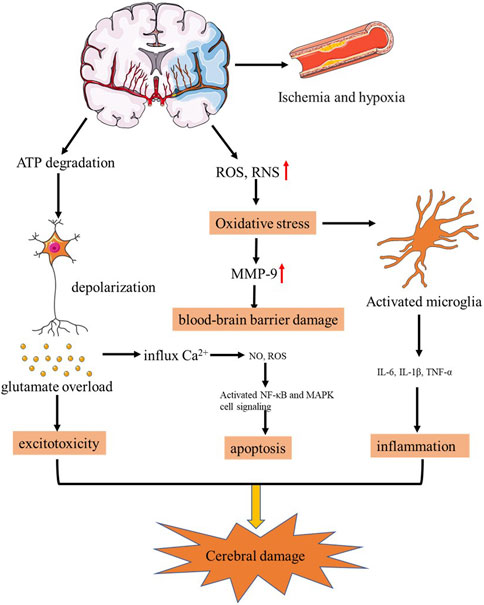
FIGURE 1. Pathogenesis of strok.
GuHong, a sterile, non-pyrogenic injection for intravenous administration, is prepared from Carthamus tinctorius flowers (Honghua in Chinese) and N-acetyl-L-glutamine (NAG), and approved by the Chinese National Medical Products Administration (NMPA) as an add-on therapy in the treatment of acute ischaemic stroke. Several clinical meta-analyses and clinical efficacy analyses have demonstrated the effectiveness of adding GuHong to the conventional management of acute ischemic stroke in the first week post-stroke (He et al., 2014; Liu et al., 2020). Carthamus tinctorius L. (C. tinctorius) or safflower, commonly called Honghua in Chinese, is an annual or biennial herbal plant in the family of Compositae. With the increasing extensiveness of studies on chemical constituents of Chinese Material Medica, investigations concerning phytochemistry have also been conducted on safflower. The dried florets of Carthamus tinctorius have mainly been used as injections in clinical practice. Modern pharmacological experiments have shown that Carthamus tinctorius, with its active compounds, possesses wide-reaching biological activities, including dilating coronary artery, improving ischemia, anti-coagulation, anti-thrombosis, anti-oxidation, and anti-inflammation, etc (Zhou et al., 2014).
Glutamine, which has traditionally been considered as a non-essential amino acid in healthy individuals, is now known to be ‘conditionally essential’ in states of serious illness or injury (Bollhalder et al., 2013; Tao et al., 2014). States of critical illness lead to significant decreases in plasma levels of glutamine and when this decrease is severe, it is correlated with increasing mortality (Oudemans van Straaten et al., 2001; Kelly and Wischmeyer, 2003; Wischmeyer, 2008). Glutamine has multiple physiological roles and functions: a precursor of nucleic acids, amino sugars, and proteins; an important nitrogen transporter; and a carrier of ammonia (Snowden et al., 2002). Glutamine acts not only as a precursor for protein synthesis and glutathione but also as a preferred fuel for the immune system and other cells involved in wound repair (Wang et al., 2010). Therefore, glutamine supplementation can protect the brain from oxidative stress during ischemic stroke (Luo et al., 2019). However, glutamine is not adequately stable in aqueous solution and is also unstable in heat treatment of liquid nutritional products (Snowden et al., 2002). NAG is a glutamine acetyl derivative which is a liquid-stable source of glutamine. As a neuropeptide, it exhibits the ability to enhance nerve cell metabolism, preserve nerve stress function, and reduce blood ammonia levels. These actions contribute to the improvement of brain function and nerve activity. (López Pedrosa et al., 2007; Zhang et al., 2015; Deng et al., 2018).
GuHong injection is composed of safflower extract and NAG. Each milliliter of the injection contains 0.5 g Carthamus tinctorius flowers (Honghua) and 30 mg NAG. GuHong injection has multi-substance and multi-target characteristics in the treatment of ischemic stroke. Pharmacological studies have shown that GuHong injection has multiple pharmacological activities, such as anti-inflammatory, antioxidant, neuroprotective, and anti-apoptotic. However, to date, there are no published comprehensive and systematic reviews on GuHong injection. In this review, studies on phytochemistry, pharmacology, pharmacokinetics and clinical application of GuHong are presented to provide comprehensive and updated information on research on GuHong in the past few decades and to investigate the therapeutic potential and safety of its components in clinical application.
2 Phytochemistry
GuHong injection is formulated with a combination of safflower extract and NAG. NAG is a monomer compound, whereas safflower contains a complex chemical composition. More than 300 compounds such as flavonoids, organic acids, alkaloids, and polyacetylenes have been isolated from safflower, among which flavonoid is the main active component. Given the widespread clinical usage of GuHong injection, acquiring a comprehensive understanding of its chemical composition would greatly facilitate more effective treatment of ischemic stroke and related symptoms. There are three literature references which provide the most comprehensive information on the chemical constituents present in Honghua (Zhou et al., 2014; Zhang et al., 2016; Lu et al., 2019; Xian et al., 2022). Currently, there are few studies on the composition of GuHong injection. It was found that researchers used UPLC-Q-TOF-MS/M to identify a total of 26 components in GuHong as listed in Table 1. Among these components, the majority originate from safflower, with only a small quantity of pharmaceutical excipients derived from the preparation process. It is crucial to emphasize that these excipients are generally not exhibit biological activity. Hence, apart from NAG, the main active ingredients in GuHong are predominantly from safflower.
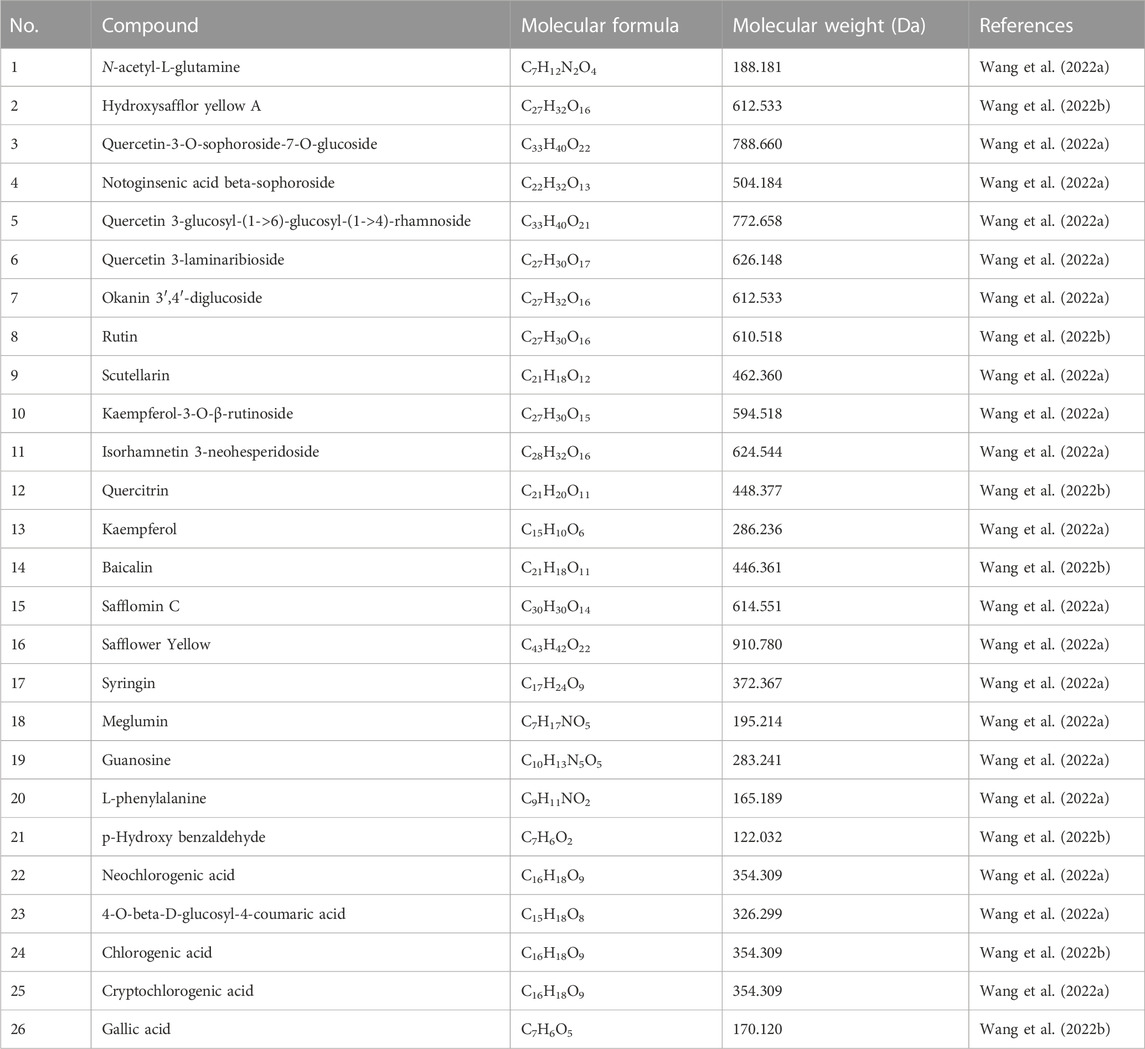
TABLE 1. Chemical composition in GuHong injection.
2.1 Flavonoids
The flavonoids found in safflower are an important class of pharmacologically active ingredients and the most reported class of major compounds, which can be classified as quinonechalcones, flavonols, flavonoids and dihydroflavonoids according to their chemical structure. Its structure is distinguished by the oxidation of the A ring of the parent nucleus of the flavonoid (Figure 2), in the form of quinone or quinone analogues, and all of them are C- glycosides (Yue et al., 2013). The specific ingredients are as follow: hydroxysafflor yellow A, hydroxysafflor yellow B, hydroxysafflor yellow C (Feng et al., 2013; Yue et al., 2014), safflor yellow A, safflor yellow B (Zhou et al., 2014), saffloquinoside A, saffloquinoside B, saffloquinoside C, saffloquinoside D, saffloquinoside E (Jiang et al., 2013; Yue et al., 2014), cartormin, isocartormin (Li F. et al., 2017), safflomin A, safflomin C (Zhao et al., 2022), etc. The most representative of flavonoids is hydroxysafflor yellow A, which is considered as a quality marker in the Pharmacopoeia of the People’s Republic of China (2020). In addition, another major class of flavonoid components in safflower is flavonols with quercetin and kaempferol as the parent structure (Jin et al., 2008; Xie et al., 2016), mostly in the form of O-glucosides. They are usually substituted by monosaccharide (mainly including glucose, rhamnose, glucuronide) or disaccharide (mainly including rutinose, sophorose) at the 3, 6, and 7 positions of their original nucleus (Jin et al., 2008), such as quercetin-3-O-β-D-glucoside, quercetin-7-O-β-D-glucoside, kaempferol-3-O-β-D-glucoside, kaempferol-3-O-β-rutinoside, kaempferol-3-O-β-sophoroside, 6-hydroxykaempferol, 6-hydroxykaempferol-3-O-β-D-glucoside, 6-hydroxykaempferol-7-O-β-D-glucoside (Hattori et al., 1992; Kazuma et al., 2000; Hu et al., 2013; Lu et al., 2019). Apart from the above compounds, there are flavonoids and dihydroflavonoids in safflower.
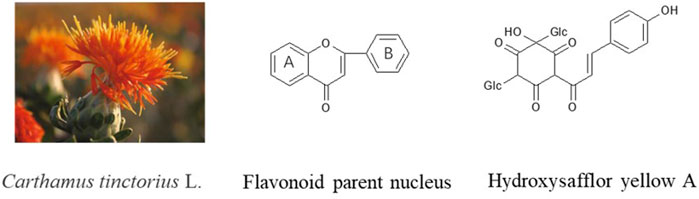
FIGURE 2. Chemical structure of flavonoids from Safflower.
2.2 Organic acids
As a class of acidic organic compounds containing carboxyl groups, organic acids are also one of the pharmacologically active components in safflower. Currently, the organic acids isolated from safflower mainly include p-coumaric acid, coumaric acid glycosides (Zhou et al., 2008), chlorogenic acid, butyric acid, p-hydroxybenzoic acid, ferulic acid, gallic acid and caffeic acid (Jiang et al., 2008b; Lu et al., 2019).
2.3 Alkaloids
The alkaloids extracted and isolated from safflower contain indole rings and p-hydroxycinnamamide groups in their molecules, which are 5-hydroxytryptamine derivatives of indole alkaloids and have anti-oxidant pharmacological activities. Such alkaloids include N-feruloyl-5-hydroxytryptamine,N-(p-coumaroyl)-5-hydroxytryptamine, N-feruloyltryptamine, 4,4″-bis(N-p-coumaroyl)5-hydroxytryptamine, 4,4″-bis(N-p-coumaroyl)-5-hydroxytryptamine (Jiang et al., 2008b; Zhou et al., 2014).
2.4 Polyacetylenes
The polyacetylene compounds in safflower are mainly ten-, thirteen- and fourteen-carbon compounds with unsaturated double bonds mainly in trans configuration (Li et al., 2021). These components are unstable, prone to decomposition and conformational transformation when exposed to light, and have relatively weak anti-inflammatory effects (Xian et al., 2022), such as (2E, 8Z)-decadiene-4,6-diyne-1-ol-1-O-β-D-glucopyranoside, (2E,8E, 10E)-tridecatriene-4,6-diyne-1,12,13-triol-1-O-β-D-glucopyranoside, (2E)-tetradecaene-4,6-diyne-1,10,14-triol-1-O-β-D-glucopyranoside, (2E, 8E)-tetradecadiene-4,6-diyne-1,12,14-triol-1-O-β-D-Glucopyranoside, (2Z, 8Z)-tetradecadiene-4,6-diyne-1,12,14-triol-1-O-β-D-glucopyranoside, (2Z, 8E)-tetradecadiene-4,6-diyne-1,12,14-triol-1-O-β-D-Glucopyranoside, (2E, 8Z)-tetradecadiene-4,6-diyne-1,12,14-triol-1-O-β-D-glucopyranoside (Liu et al., 2017), etc.
2.5 Spermidines
Spermidines are low molecular weight aliphatic carbons containing three amine groups (Li et al., 2013), and the main spermidine compounds isolated from safflower are safflospermidine A, safflospermidine B, N1,N5,N10-(Z)-tri-p-coumaroyl spermidine, N1,N5,N10-(E)-tri-p-coumaroyl spermidine, N1,N5-(Z)-N10-(E)-tri-p-coumaroyl spermidine (Jiang et al., 2008a; Zhao et al., 2009; Li et al., 2016).
3 Pharmacological mechanisms of GuHong injection for ischemic stroke treatment
Pharmacological investigations have observed that GuHong exhibits brain protective effects on ischemic by reducing thrombosis, anti-oxidation, inhibiting inflammation and apoptosis, maintaining mitochondrial integrity, and improving microvasculature and microcirculation. GuHong is comprised of safflower and NAG, which is a glutamine acetyl derivative and a stable form of glutamine. When GuHong is introduced into the body, NAG is mainly metabolized into glutamine to play its drug effect. This section focuses on a review of pharmacological mechanisms of GuHong, safflower and its chemical composition, NAG and its metabolites, which are shown in Table 2.
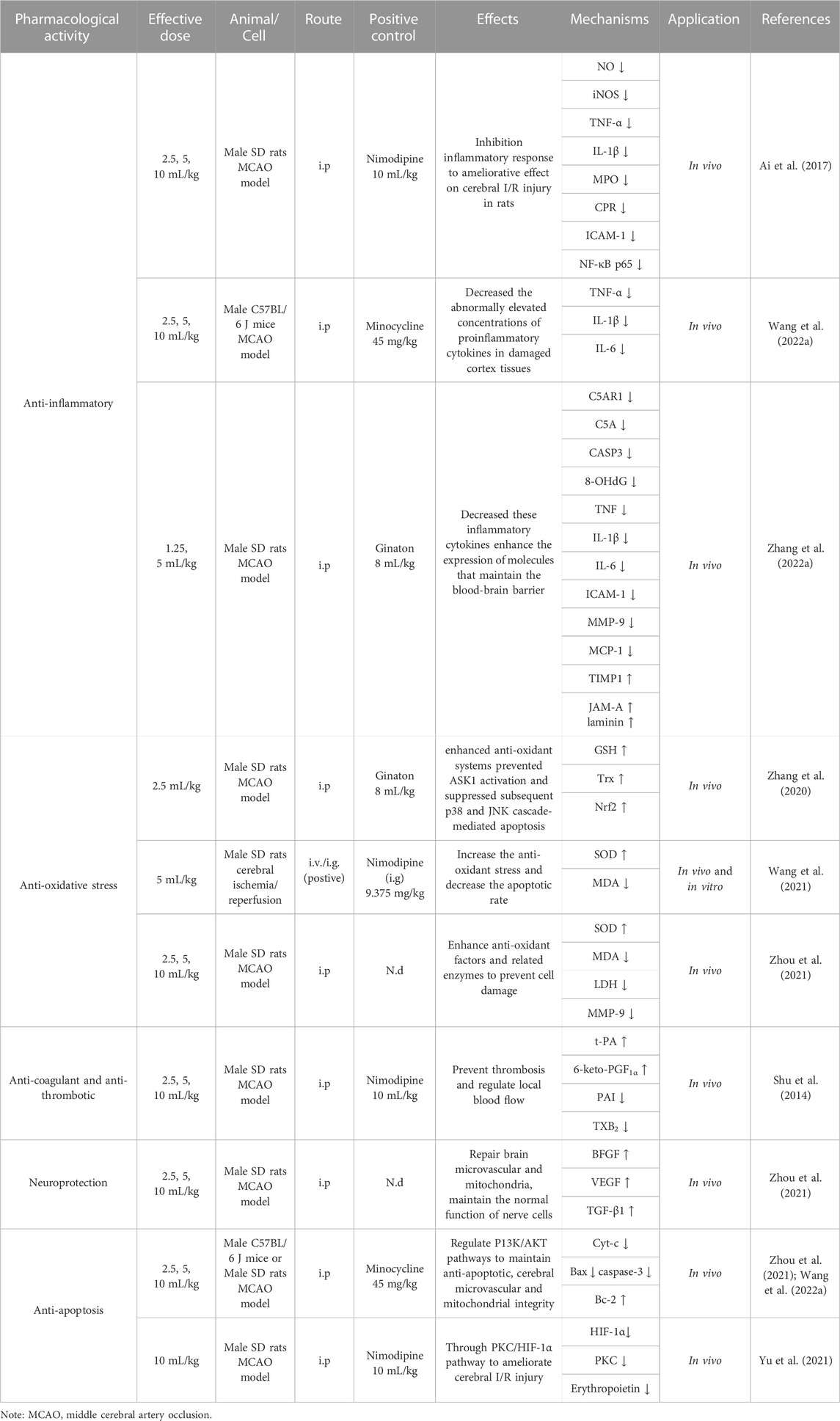
TABLE 2. Pharmacological effects of GuHong injection.
Safflower is one of the commonly used drugs in the treatment of ischemic cardiovascular and cerebrovascular diseases, which has the effect on activating blood and removing stasis (Yu et al., 2019). It is mainly used in traditional medicine for amenorrhea, dysmenorrhea and lochia. Recent studies have showed that flavonoids are the main bioactive components in safflower, which have anti-inflammatory, anti-oxidant, anti-apoptosis, anti-cerebral ischemic reperfusion injury and protection of cardiovascular and cerebrovascular effects (Asgarpanah and Kazemivash, 2013). However, there are relatively few reports on the pharmacodynamics of NAG. Since NAG is a derivative of glutamine, it acts primarily as glutamine after introducing into the body. Clinically, glutamine plays a versatile role in cellular metabolism. It acts as a crucial nitrogen source for cells, serving as an essential precursor for the synthesis of proteins and nucleic acids. Additionally, it enhances immunity by promoting replication of immune cells and maintaining their functionality. Glutamine also aids in reducing muscle catabolism and improving nitrogen balance. (Andrews and Griffiths, 2002; Cruzat et al., 2018). Furthermore, it exhibits antioxidant effects by promoting the synthesis of glutathione, reducing oxygen free radicals, and alleviating inflammatory responses. (Amores Sanchez and Medina, 1999); Lastly, glutamine serves as a cellular energy source by acting as a substrate for the tricarboxylic acid (TCA) cycle, (Xiao et al., 2016), generating adenosine triphosphate (ATP) to support cellular functions and safeguard intercellular material metabolism. (Yoo et al., 2020). Its pharmacological mechanisms are shown in Figure 3.
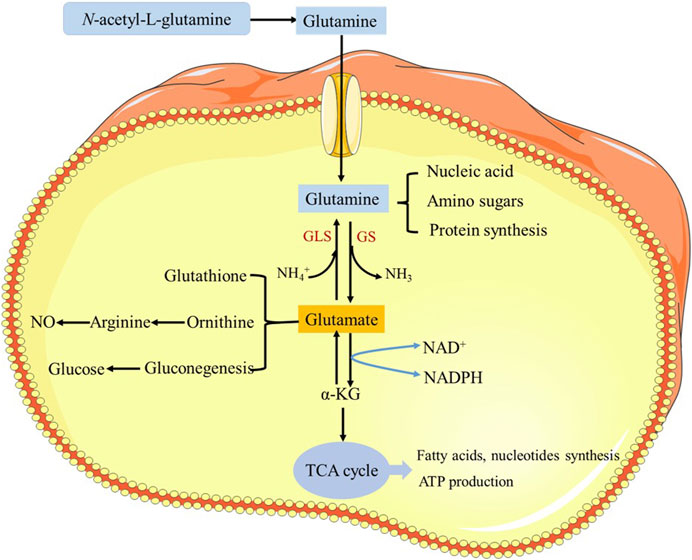
FIGURE 3. Pharmacological mechanism of N-acetyl-L-glutamine.
3.1 Anti-inflammatory
After ischemic stroke occurs, the accumulation of reactive oxygen species (ROS), inflammatory factors, and necrotic cells will trigger an inflammatory response (Khoshnam et al., 2017). The main pathological mechanism of ischaemic stroke is the excessive release of inflammatory factors. Many studies have shown that post-stroke neuroinflammation is an important factor affecting long-term ischemic prognosis. Thus, neuroinflammation has been regarded as a vital pathological process following cerebral ischemia-reperfusion injury (Yu et al., 2022).
Research finding indicate that the administration of GuHong can significantly decrease the levels of nitric oxide (NO), inducible NO synthase (iNOS), myeloperoxidase (MPO), interleukin-1β (IL-1β), TNF-α (tumor necrosis factor-α) and C reactive protein (CRP) in serum induced by ischemia reperfusion injury in rats. Further, histological examination by H&E staining revealed that after the intervention of GuHong in rats, the cell outlines appeared distinct and a substantial number of neurons were survived. The immunohistochemical staining revealed that GuHong administration significantly attenuated expressions of intercellular cell adhesion molecule-1 (ICAM-1) and nuclear factor-κB p65 (NF-κB p65) in rat brain tissues to exert anti-inflammatory effects (Ai et al., 2017). Besides, the interaction between the active components of GuHong and NF-κB p65 was determined by molecular docking. GuHong and its active substances partially prevent thrombosis and ischemic stroke by regulating NF-κB mediated inflammatory responses (Wang et al., 2022b). According to the results of immunofluorescence and ELISA, the administration of GuHong (10 mL/kg) to mice with ischemic stroke decreased NF-κB p65 nuclear translocation and regulated the content of pro-inflammatory factors including TNF-α, IL-6, and IL-1β in the damaged cortical tissue of mice with subacute stroke (Wang et al., 2022a). Moreover, C5ar1 (CD88) is considered to be an important potential therapeutic target for the regulation of inflammation in ischemic stroke. Experiments demonstrated that the administration of GuHong could lead to a decrease of C5AR1, C5A, CASP3, 8-OHdG, as well as inflammatory factors covering IL-1β, TNF, IL6, ICAM-1, MMP9, MCP-1 in MCAO rat model. Additionally, GuHong also enhanced the expression of tissue inhibitor of metalloproteinases 1 (TIMP1), junctional adhesion molecule 1 (JAM-A) and laminin to regulated cell growth and differentiation (Zhang J. J. et al., 2022).
The content of safflower in GuHong injection is equivalent to 0.5 g raw drug, in which hydroxylsafflower yellow A (HSYA) is used as the quality control component (0.410–0.437 mg/mL). Experimental data have demonstrated that safflower extract also has anti-inflammatory effects on brain infarct areas by reducing free radical levels in the blood and inhibiting the expression of TNF-α and IL-1β (Fu et al., 2016). Different extraction methods of safflower can affect the type and content of chemical components, resulting in different drug effects. Safflower aqueous and methanol extracts were shown to inhibit inducible iNOS and cyclooxygenase-2 (COX-2) protein expression and to diminish LPS-induced release of NO, prostaglandin E2 (PGE2) and IL-1β as well as to translocated nuclear factor (red-like derivative 2)-like 2 (Nrf2) from the cytoplasm to the nucleus and significantly reduced NF-κB binding and NF-κB luciferase activity. In addition, safflower methanol extract also significantly attenuated tumor necrosis factor (TNF-α)-mediated vascular cell adhesion protein 1 (VCAM-1) expression in endothelial cells, thus, regardless of the extraction method, safflower exhibited significant anti-inflammatory effects (Jun et al., 2011; Wang et al., 2011). HSYA is the main representative component of safflower in GuHong injection. In the literature, HSYA has been reported to decrease brain infarct volume in ischemia-reperfused rats, increase GSK-3β phosphorylation levels, downregulate the expression of several key pro-inflammatory cytokines, and inhibit the activation of iNOS, NF-κB and caspase-3, These actions collectively contribute to its anti-inflammatory and anti-apoptotic effects (Ye and Gao, 2008; Yang et al., 2020). In addition, HSYA inhibits LPS-induced reduction in pro-inflammatory factor levels and suppress VSMC proliferation and migration by inhibiting the TLR-/Rac1/Akt pathway (Yang et al., 2015). Under the condition of pathological injury, oral supplementation with glutamine can significantly reduce TNF-α and IL-1β (Cruzat et al., 2014).
3.2 Anti-oxidative stress
Due to high oxygen demand and limited anti-oxidant capacity, the brain is quite sensitive to hypoxia and susceptible to oxidative damage. Ischemia-reperfusion leads to the production of highly harmful ROS, and then trigger oxidative stress (OS), which is responsible for most of the ischemia-reperfusion-induced brain damage. In addition, OS can lead to apoptosis, autophagy, and necrosis of brain cells (Rodrigo et al., 2013; Orellana Urzúa et al., 2020).
The triple anti-oxidant system of Nrf2, glutathione (GSH) and thioredoxin (Trx) could be enhanced by GuHong, which were more effective than its two combinations in ameliorating oxidative damage after brain I/R. Moreover, GuHong enhanced the triple anti-oxidant system while blocked the activation of ASK1 and subsequently inhibited the activation of p38 and JNK signaling cascades, preventing oxidative damage and apoptosis (Zhang et al., 2020). Glutathione-s-transferase (GST) is a detoxification enzyme that exerts cellular detoxification by catalyzing the reaction of reduced glutathione (GSH) with electrophilic reagents substance (Ji et al., 2019). GuHong can increase the expression levels of GST P mRNA and protein, and regulate oxidative stress (Chen et al., 2023). GuHong injection increases SOD (superoxide dismutase) levels and reduces MDA (malondialdehyde) levels in patients with ischemia-reperfusion to prevent oxidative damage (Wang et al., 2021; Zhou et al., 2021).
Under pathological conditions, brain tissue experiences ischemia and hypoxia, leading to the excessive production of reactive oxygen species and an accumulation of free radicals. This process results in brain lipid peroxidation and exacerbates injury to the brain tissue. Flavonoids are the main components of safflower extracts in GuHong and are active in scavenging radicals including O2-, –OH, and DPPH in a dose-dependent manner (Han et al., 2010). HSYA, as one of the main quinonechalcones in GuHong, can inhibit Ca2+ and H2O2 induced swelling of rat brain mitochondria and decreased the production of ROS. HSYA treatment can significantly reduce the MDA content in the ipsilateral hemisphere and serum, and increase the activity of SOD and total anti-oxidant capacity (Wei et al., 2005; Tian et al., 2008). The tripeptide GSH is the most important intracellular anti-oxidant. Glutamine is an important precursor compound for glutamate, and the synthesis of GSH depends on the supply of glutamine to glutamate. Glutamine, as a precursor for glutathione synthesis, is clinically added to patients against oxidative stress (Amores Sanchez and Medina, 1999). NAG can also enhance the anti-oxidant system and effectively improve the oxidative damage of ischemia reperfusion, although less effective than combined safflower extract (Zhang et al., 2020).
3.3 Anti-coagulant and anti-thrombotic effect
Platelet activating factor (PAF), the most potent platelet activator known, has a wide range of biological activities and can be synthesized by a variety of cells including platelets, leukocytes and endothelial cells. It was found that GuHong could significantly increase the contents of tissue-type plasminogen activator (t-PA) and 6-keto prostaglandin F1α (6-keto-PGF1α), and decrease the contents of plasminogen activator inhibitor (PAI) and thromboxane B2 (TXB2) in serum of rats with ischemia reperfusion. The dynamic balance between TXB2/6-keto-PGF1α are important factor in regulating vascular wall tension, platelet function, preventing thrombosis and regulating local blood flow. These results showed that GuHong had good anti-thrombotic effects in the treatment of stroke (Shu et al., 2014). Safflower yellow, the main active ingredient in safflower, is extracted from the aqueous extract of safflower and has anti-coagulant pharmacological activity. Safflower yellow could inhibit PAF induced platelet activation and suppress platelet aggregation, release reaction, and increase intracellular free calcium (Zang et al., 2002; Jin et al., 2004; Huang et al., 2012). Experimental data in the literature showed that safflower yellow could significantly prolong plasma prothrombin time (PT), thromboplastin time (TT) and activated partial thromboplastin time (APTT), reduce plasma fibrinogen content and inhibit ADP-induced platelet aggregation in rats. Moreover, it significantly reduced whole blood viscosity, plasma viscosity and erythrocyte aggregation index in rats with blood stasis models (Li et al., 2009). Coagulation factors F7 and F2 were recognized as crucial factors in the extrinsic coagulation pathway. Studies have revealed that GuHong can significantly decrease the mRNA expression of coagulation factors F7 and F2. This suggests that the coagulation cascade regulated by these factors may serve as targets for GuHong’s anti-thrombotic effect (Wang et al., 2022b).
3.4 Neuroprotection effect
Neuroprotective therapy is aimed at the main pathological mechanism of ischemic stroke and the biochemical and metabolic disorders of ischemic brain injury through drugs or other means to block cell necrosis, increase cell survival ability, and promote the recovery of neurological function. Neuroprotective agents play a vital role in reducing cell damage following ischemia. Their primary objective are to extend the time window for cerebral perfusion therapy, delay nerve cell death, and alleviate brain dysfunction. (Tuo et al., 2022). Neuroprotection and neurorestoration therapy are the two main drug intervention strategies for ischemic stroke. Neuroprotective therapy can significantly prolong the time window of thrombolytic therapy and reduce cerebral ischemic injury (Zhu et al., 2022). Immunohistochemical staining of rat cerebral tissues revealed a significant increase in the expression of BFGF, VEGF, and TGF-β1 following the administration of GuHong (Zhou et al., 2021). GuHong injection promotes the expression of vascular endothelial growth factor (VEGF-B), nerve growth factor (NGF) and glial cell line-derived neurotrophic factor (GDNF) to reduce nerve damage caused by diabetic peripheral neuropathy (Martel et al., 2017). Studies have revealed that stroke disrupts glycolysis, the TCA cycle, the malate-aspartate cycle, the glutamate-glutamine cycle, nucleic acid metabolism, and phospholipid metabolism in the affected regions of the ischemic hemisphere in rats. However, administration of GuHong injection has been found to regulate the levels of these metabolites, leading to significant improvements in cerebral infarction rate, neurological deficits, cerebral blood flow, and neuronal damage. (Wang et al., 2023).
Excitotoxicity is one of the molecular mechanisms of post-ischaemic stroke injury. During cerebral ischemia and hypoxia, the brain experiences an elevation in the release of excitatory neurotransmitters and a disruption in their reuptake due to metabolic abnormalities. This results in the levels of excitatory neurotransmitters escalate rapidly within the ischemic regions of the brain. When the brain is in a state of ischemia and hypoxia, increased excitatory neurotransmitter release and impaired reuptake due to metabolic disorders result in rapidly increasing levels of excitatory neurotransmitters in ischaemic areas of the brain. Ischemic neuronal injury causes a massive release of glutamate, leading to excessive activation of NMDA receptors and a massive influx of Ca2+ into cells, resulting in excitotoxic cell death (Orrenius et al., 2003; Maida et al., 2020). According to the literature, Except for NAG, HSYA is the most abundant chemical ingredient in GuHong and is also the quality control ingredient in safflower (Li X. et al., 2017). HSYA protects the hippocampal neurons from excitatory toxic damage by inhibiting NMDARs and regulating the Bcl-2 family as the main component of GuHong (Yang et al., 2010; Wang et al., 2016). HSYA treatment can also significantly attenuate the neurological defects caused by ischemic stroke and reduce the volume of cerebral infarction. To protect the nerves from damage, it has been observed that decreased hippocampal expression levels of LC3, HIF-1, BNIP3, and Notch1 are effective. (Zhang Y. L. et al., 2022). As a neuroprotective agent, NAG has been proved to improve behavioral functions, reduce infarct volume and elevate the number of TH-positive neurons in the substantia nigra (SN) (Zhang et al., 2015). Safflower and NAG in GuHong injection can synergistically play a neuroprotective role, and the specific mechanism is shown in Figure 4.
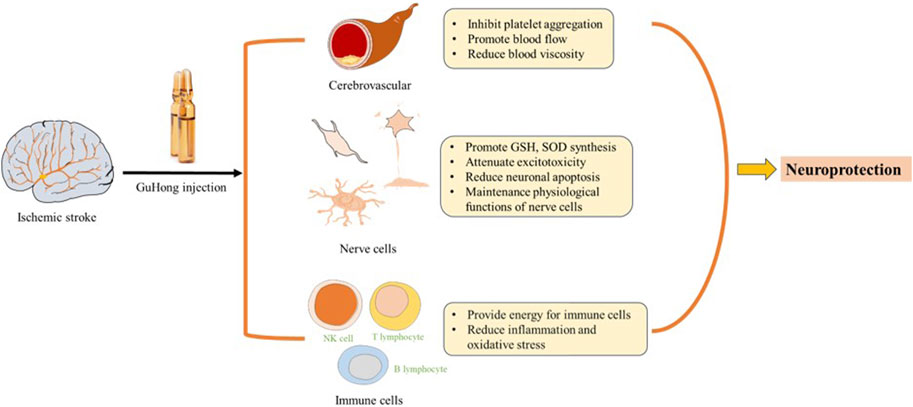
FIGURE 4. Neuroprotective mechanism of GuHong injection3.5 Anti-apoptosis.
Apoptosis is a normal physiological phenomenon of genetically controlled cell death to maintain the homeostasis of the internal environment. When cerebral ischemia and reperfusion occur, excessive apoptosis of neurons in brain tissue can largely exacerbate brain injury and cause a series of normal physiological dysfunctions in the body (Radak et al., 2017).
It has been found that a decrease in Bcl-2 or overexpression of Bax causes neuronal apoptosis after cerebral ischemia. (Love, 2003). GuHong injection was effective to upregulate Bax, Caspase-3 and Cleaved-Caspase-3 while increasing Bcl-2 protein expression after continuous administration to acute ischemic stroke rats significantly (Zhou et al., 2021; Wang et al., 2022a). GuHong alleviated brain I/R injury in MCAO rats by decreasing plasma EPO (erythropoietin), HIF-1α (hypoxia-inducible factor-1α), PKC (protein kinase C), upregulating prolyl hydroxylase structural domain 2 (PHD2) protein, downregulating HIF-1α and iNOS protein, and decreasing nicotinamide adenine dinucleotide phosphate oxidase 4 (NOX4) and HIF-1α mRNA, which can regulate apoptosis (Yu et al., 2021).
GuHong injection effectively inhibits the expression of ASK1, JNK, and p38 mRNA. It also decreases the expression of Bax while elevating the expression of Bcl-2, resulting in a reduction in caspase-3 expression and exerting anti-apoptotic effect (Chen et al., 2023). HSYA could inhibit apoptosis in I/R-injured rat penumbra cortical cells by increasing Bcl-2/Bax ratio and this neuroprotective effect may be related to the activation of PI3K/Akt/GSK3β signaling pathway (Yang et al., 2010; Chen et al., 2013). NAG also reduces apoptosis in nigrostriatal neurons by inhibiting the apoptosis-related factor tumor necrosis factor receptor-associated factor 1 (TRAF1) and by upregulating the P-Akt and Bcl-2 signaling pathways, which can increase the number of Th-positive nigrostriatal neurons and reduce neuronal apoptosis (Zhang et al., 2015). Apart from HSYA and NAG, GuHong contains other active substances that contribute to stroke management. These include baicalin, scutellarin, gallic acid, chlorogenic acid, kaempferol, kaempferol-3-O-β-rutinoside, and rutin. These substances work synergistically to target central pathways involved in inflammation and apoptosis, such as NF-κB p65, TNF-α, IL-6, IL-1β, Bax, Bcl-2, and Caspase-3 (Wang et al., 2022a).
4 Pharmacokinetics
Pharmacokinetics is the quantitative study of drug absorption, distribution, metabolism and excretion in the body, which is regulated by many factors (such as dose, administration mode, species and drug interactions). Pharmacokinetic studies are also effective way to discover active ingredients and determine quality markers in Chinese medicine. The specific pharmacokinetic parameters of GuHong injection and its components are summarized in Table 3.
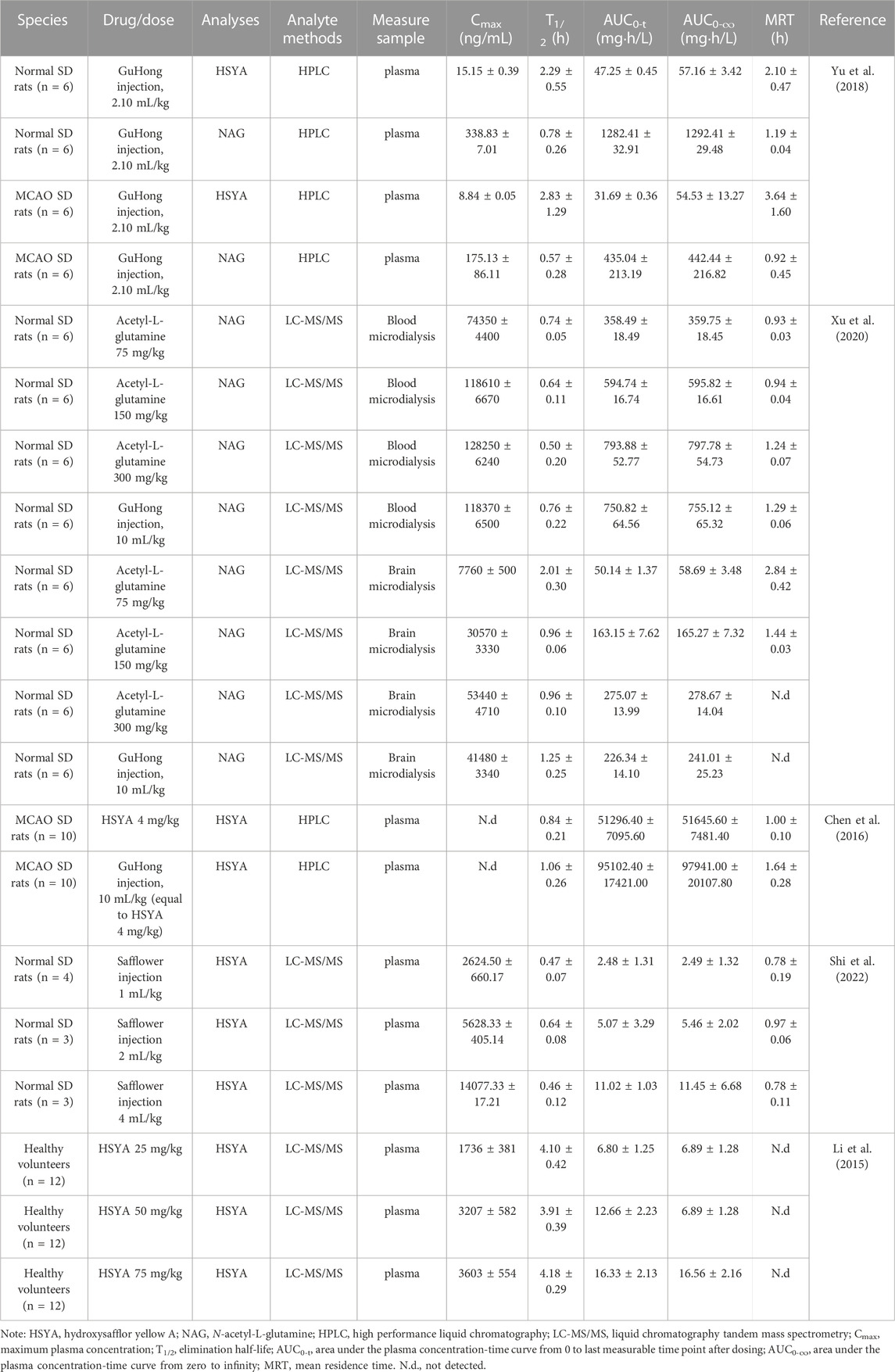
TABLE 3. Pharmacokinetic parameters of GuHong injection and its components.
According to current literature reports, after the administration of GuHong, most scholars mainly studied the pharmacokinetic characteristics of target compounds, NAG and HSYA in safflower. Yu et al. studied the pharmacokinetics of intravenous glutamine injection (2.1 mg/kg) in healthy and MCAO pathological rats using HPLC analysis method (Yu et al., 2018). The results showed that the main exposed substances in plasma were NAG and HSYA after intravenous glutamine injection. The Cmax, t1/2, AUC0-∞ and MRT of HSYA in healthy rats and MCAO model rats were 15.15 ± 0.39 vs. 8.84 ± 0.05 μg/L, 137.47 ± 32.91 vs. 169.76 ± 77.50 min, 952.89 ± 57.00 vs. 909.84 ± 221.11 μg/L*min, 125.81 ± 28.01 vs. 218.51 ± 95.87min, respectively. The Cmax, t1/2, AUC0-∞ and MRT of NAG in healthy rats and MCAO model rats were 338.83 ± 7.01 vs. 175.13 ± 86.11 μg/L, 46.91 ± 15.87 vs. 34.48 ± 16.96 min, 21373.54 ± 548.58 vs. 7250.72 ± 3553.22 μg/L*min, 71.61 ± 2.59 vs. 55.39 ± 27.15 min, respectively. In the rats of MCAO group, the Cmax and AUC0-∞ of HSYA and NAG were significantly higher than those of the healthy group. This results indicate that under the pathological condition of MCAO, compounds of GuHong may enter the brain and be utilized due to the disruption of the blood-brain barrier, thereby reducing their exposure in the plasma. Healthy rats were treated with low (75 mg/kg), medium (150 mg/kg) and high (300 mg/kg) doses of NAG and GuHong injection (10 mL/kg, equivalent to 150 mg/kg containing NAG), and the dialysate of blood and brain was collected by LC-MS/MS combined with microdialysis sampling technique. According to the AUC0-∞, brain/AUC0-∞, blood results (Liu and Li, 2010), NAG can cross the blood-brain barrier and act on the central nervous system. Comparing its half-life in blood and brain, NAG is eliminated faster in blood than in brain (Xu et al., 2020). Besides, according to the administration of NAG at low, medium and high doses, the dose-exposure relationship of Cmax and AUC0-∞ in blood and brain was not proportional (Smith et al., 2000). Healthy volunteers were given 25, 50 and 75 mg/kg HSYA respectively, and the dose-exposure relationship of AUC0-∞ was linear (Li et al., 2015). According to the results of the literature, rats were given 4 mg/kg HSYA and 10 mL/kg GuHong injection (equal to HSYA 4 mg/kg), and the t1/2 and AUC0-∞ were 50.11 ± 12.62 vs. 63.53 ± 15.84 min, 860.76 ± 124.69 vs. 1632.35 ± 335.13 respectively. GuHong injection contains both safflower and NAG, which may have pharmacokinetic matrix effect in the body and affect the pharmacokinetic characteristics of HSYA (Chen et al., 2016).
5 Clinical application of GuHong injection
GuHong injection was approved for marketing in 2003 and has been in clinical use for about 20 years. The main ingredients are NAG and safflower extract, which complement each other. NAG can improve nerve cell metabolism and brain function; Carthamus tinctorius L. is included in the Chinese Pharmacopoeia from the 1963 to 2020 editions and it is a commonly utilized Chinese herb with the effect of promoting blood circulation to remove blood stasis. GuHong has been extensively employed in clinical for the treatment of diverse cardiovascular and cerebrovascular diseases. It exhibits several beneficial pharmacological effects such as enhancing coagulation function, suppressing inflammation, exerting antioxidant properties, preventing neuronal damage, and mitigating ischemia-reperfusion injury. These effects are illustrated in Figure 5. GuHong injection is recommended by the “Expert Consensus on Integrated Chinese and Western Medicine Treatment of Chronic Cerebral Ischemia” (Gao, 2018) and used as intravenous preparation in clinical practice (Liu et al., 2020). According to the results of the meta-analysis of clinical application of GuHong injection, it is mainly used in acute ischemic stroke and vascular cognitive impairment caused by cerebrovascular disease. The summary results of meta-analysis literature on the clinical application of GuHong are shown in Table 4.
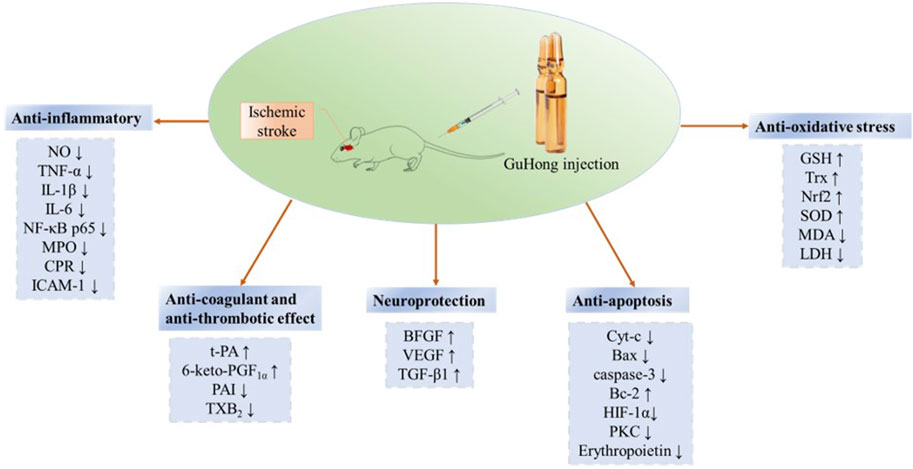
FIGURE 5. Pharmacological mechanism of GuHong Injection.
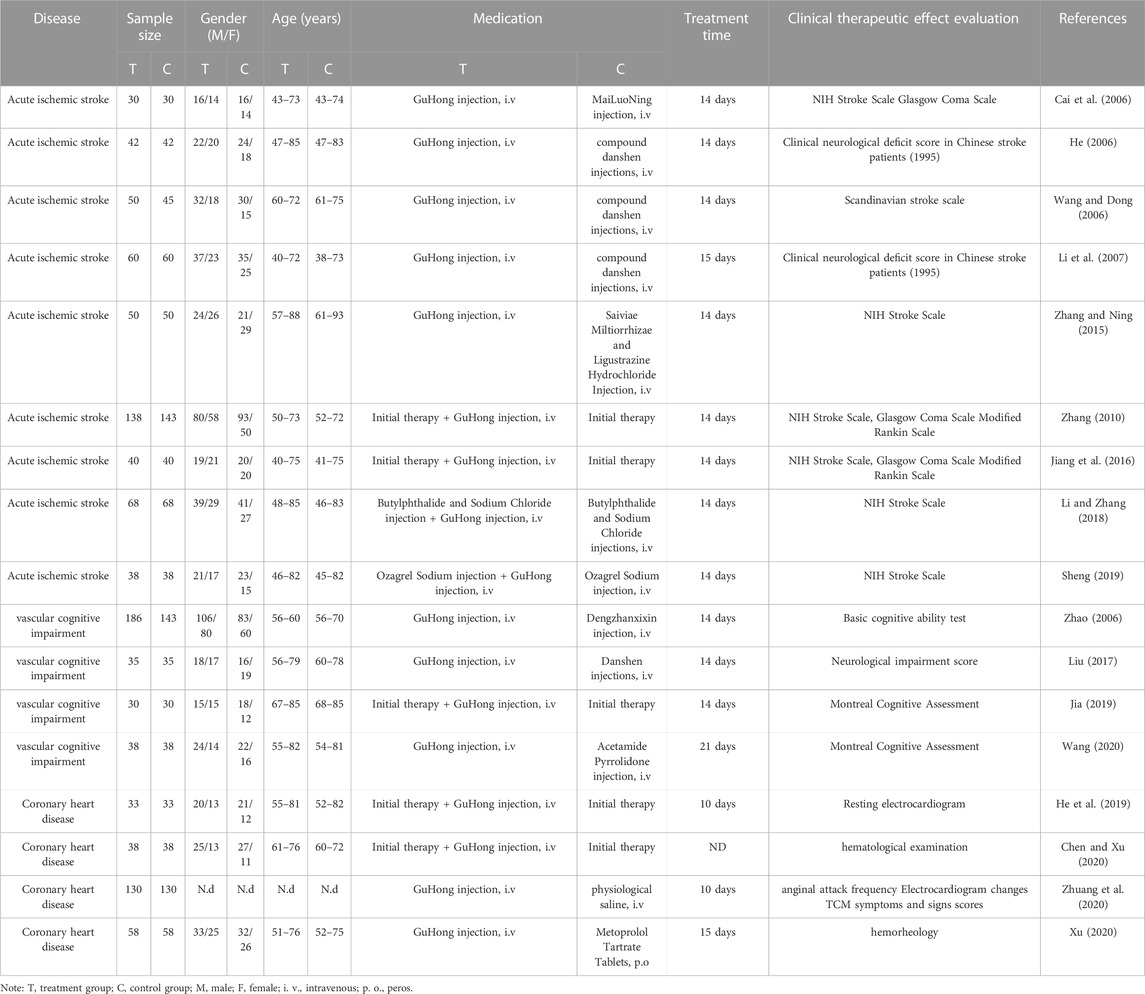
TABLE 4. The clinical application of GuHong injection.
6 Discussion and conclusion
In the present review, we systematically summarized the informations about GuHong injection, including the phytochemistry, pharmacokinetics, pharmacological effects and clinical studies. Ischemic stroke is mainly caused by thrombosis, embolism and focal hypoperfusion, which can result in cerebral ischemia and hypoxia. The pathophysiology is complex and can cause a range of responses including energy depletion, excitotoxicity, oxidative stress, blood-brain barrier disruption (BBB), inflammation, necrosis or apoptosis (Campbell et al., 2019). Previous studies have shown that GuHong is a multi-component, multi-target and multi-pathway agent with anti-inflammatory, anti-oxidant, anti-apoptotic and neuroprotective effects. It is mainly used clinically for the treatment of cardiovascular and cerebrovascular diseases. The pharmacokinetics-based identification of these exposure compounds, together with metabolites after dosing GuHong injection, will facilitate uncovering active constituents responsible for the injection’s therapeutic action. GuHong injection has significant advantages in the treatment of ischemic stroke through multi-substance, multi-pathway mechanism of action.
Moreover, although GuHong has shown some efficacy in the treatment of ischemic stroke, there are still many problems and challenges. First of all, there are few literatures available that report the composition spectrum of GuHong, and it is unclear about how many chemical compositions are contained in GuHong injection from safflower. Secondly, there is a lack of overall pharmacodynamic studies on NAG, and it is not possible to state whether it is the original form or the metabolite that exerts the pharmacological effect. Thirdly, Pharmacokinetics of the bioactive components of GuHong are absent in experimental animals, healthy volunteers and patients with ischemic stroke. The available pharmacokinetic studies are insufficient of distribution, metabolism and excretion. Fourthly, multicentre, large-scale, methodologically reliable trials are still needed to verify the efficacy of GuHong in the treatment of ischemic stroke. Finally, more high-quality designed experiments and literature are needed to provide more credible evidence for the effectiveness and safety of GuHong.
In short, it is the first time to systematically summarize the basic information about GuHong, which might provide relatively comprehensive basic data for the related research of GuHong. Although GuHong has shown some efficacy in the treatment of ischemic stroke, there are some scientific gaps that need to be filled currently. More research concerning pharmacokinetics, interactions with other drugs, clinical efficacy and safety, pharmacological mechanisms of bioactive components, and large-scale clinical trials should be conducted in the future.
Author contributions
QW: Writing–original draft, Writing–review and editing. ZY: Writing–original draft. LG: Investigation, Visualization, Writing–review and editing. ZL: Software, Writing–review and editing. YL: Data curation, Visualization, Writing–review and editing. SF: Supervision, Writing–original draft. YW: Funding acquisition, Investigation, Writing–review and editing.
Funding
The author(s) declare that no financial support was received for the research, authorship, and of this article.
Conflict of interest
The authors declare that the research was conducted in the absence of any commercial or financial relationships that could be construed as a potential conflict of interest.
Publisher’s note
All claims expressed in this article are solely those of the authors and do not necessarily represent those of their affiliated organizations, or those of the publisher, the editors and the reviewers. Any product that may be evaluated in this article, or claim that may be made by its manufacturer, is not guaranteed or endorsed by the publisher.
References
Adams, H. P., Bendixen, B. H., Kappelle, L. J., Biller, J., Love, B. B., Gordon, D. L., et al. (1993). Classification of subtype of acute ischemic stroke. Definitions for us e in a multicenter clinical trial. TOAST. Trial of Org 10172 in Acute Stroke Treatment. Stroke 24, 35–41. doi:10.1161/01.str.24.1.35
Ai, J. C., Wan, H. T., Shu, M. C., Zhou, H. F., Zhao, T., Fu, W., et al. (2017). Guhong injection protects against focal cerebral ischemia-reperfusion injury via anti-inflammatory effects in rats. Archives Pharmacal Res. 40, 610–622. doi:10.1007/s12272-016-0835-4
Amores Sanchez, M. I., and Medina, M. A. (1999). Glutamine, as a precursor of glutathione, and oxidative stress. Mol. Genet. Metabolism 67, 100–105. doi:10.1006/mgme.1999.2857
Andrews, F. J., and Griffiths, R. D. (2002). Glutamine: Essential for immune nutrition in the critically ill. Br. J. Nutr. 87, S3–S8. doi:10.1079/bjn2001451
Asgarpanah, J., and Kazemivash, N. (2013). Phytochemistry, pharmacology and medicinal properties of Carthamus tin ctorius L. Chin. J. Integr. Med. 19, 153–159. doi:10.1007/s11655-013-1354-5
Bollhalder, L., Pfeil, A. M., Tomonaga, Y., and Schwenkglenks, M. (2013). A systematic literature review and meta-analysis of randomized clinica l trials of parenteral glutamine supplementation. Clin. Nutr. Edinb. Scotl. 32, 213–223. doi:10.1016/j.clnu.2012.11.003
Cai, Y., Lu, G. L., Che, J. M., and Wu, H. R. (2006). Clinical study of Guhong injection in the treatment of acute cerebral infarction in 30 cases. Pract. J. Cardiac Cereb. Pneumal Vasc. Dis. 2006, 724–725. doi:10.3969/j.issn.1673-5110.2007.02.011
Campbell, B. C. V., De Silva, D. A., Macleod, M. R., Coutts, S. B., Schwamm, L. H., Davis, S. M., et al. (2019). Ischaemic stroke. Nat. Rev. Dis. Prim. 5, 70. doi:10.1038/s41572-019-0118-8
Chen, H. Y., Zhou, H. F., Yang, J. H., Wan, H. T., and He, Y. (2023). Guhong injection mitigates myocardial ischemia/reperfusion injury by activating GST P to inhibit ASK1-JNK/p38 pathway. Phytomedicine 109, 154603. doi:10.1016/j.phymed.2022.154603
Chen, J., and Xu, H. (2020). Clinical observation of guhong injection in treatment of stable coronary heart disease. Clin. Observation Guhong Inject. Treat. Stable Coron. Heart Dis. 47, 137–139. doi:10.13192/j.issn.1000-1719.2020.03.042
Chen, L., Xiang, Y., Kong, L., Zhang, X., Sun, B., Wei, X., et al. (2013). Hydroxysafflor yellow A protects against cerebral ischemia-reperfusion injury by anti-apoptotic effect through PI3K/Akt/GSK3β pathway in rat. Neurochem. Res. 38, 2268–2275. doi:10.1007/s11064-013-1135-8
Chen, J. K., Wan, H. J., Zhou, H. F., Peng, X. Q., Zhao, T., Fu, W., et al. (2016). Correlation study on in vivo pharmacokinetics and anti-oxidation of Guhong Injection in cerebral ischemia reperfusion injury model of rats. Chin. Traditional Herb. Drugs 47, 447–453. doi:10.7501/j.issn.0253-2670.2016.03.016
Cruzat, V. F., Pantaleão, L. C., Donato, J., De Bittencourt, P. I. H., and Tirapegui, J. (2014). Oral supplementations with free and dipeptide forms of L-glutamine in endotoxemic mice: Effects on muscle glutamine-glutathione axis and hea t shock proteins. J. Nutr. Biochem. 25, 345–352. doi:10.1016/j.jnutbio.2013.11.009
Cruzat, V., Rogero, M. M., Keane, K. N., Curi, R., and Newsholme, P. (2018). Glutamine: Metabolism and immune function, supplementation and clinical translation. Nutrients 10, 31. doi:10.3390/nu10111564
Deng, L., Wan, H. T., Yu, L., Zhou, H. F., Chen, J. Z., and He, Y. (2018). Analysis on blood and brain microdialysis probes recovery of N-acetyl-L-glutamine,Glutamic acid and γ aminobutyric acid in vitro using LC-MS/MS. Chin. Pharm. J. 53, 719–724. doi:10.11669/cpj.2018.09.012
Donnan, G. A., Fisher, M., Macleod, M., and Davis, S. M. (2008). Stroke. Lancet (London, Engl. 371, 1612–1623. doi:10.1016/S0140-6736(08)60694-7
Esposito, E., Shekhtman, G., and Chen, P. (2021). Prevalence of spatial neglect post-stroke: A systematic review. Ann. Phys. rehabilitation Med. 64, 101459. doi:10.1016/j.rehab.2020.10.010
Feng, Z. M., He, J., Jiang, J. S., Chen, Z., Yang, Y. N., and Zhang, P. C. (2013). NMR solution structure study of the representative component hydroxysa fflor yellow A and other quinochalcone C-glycosides from Carthamus tin ctorius. J. Nat. Prod. 76, 270–274. doi:10.1021/np300814k
Fu, P. K., Pan, T. L., Yang, C. Y., Jeng, K. C., Tang, N. Y., and Hsieh, C. L. (2016). Carthamus tinctorius L. ameliorates brain injury followed by cerebral ischemia-reperfusion in rats by antioxidative and anti-inflammatory mechanisms. Iran. J. Basic Med. Sci. 19, 1368–1375. doi:10.22038/ijbms.2016.7925
Gao, L. (2018). Expert consensus on the diagnosis and treatment of chronic cerebral ischemia by integrated Chinese and Western medicine. Chin. J. Integr. Traditional West. Med. 38, 1161–1167. doi:10.7661/j.cjim.20180908.258
Han, S., Li, H., Bai, C., Wang, L., and Tu, P. (2010). Component analysis and free radical-scavenging potential of Panax noto ginseng and Carthamus tinctorius extracts. Chem. Biodivers. 7, 383–391. doi:10.1002/cbdv.200800313
Hattori, M., Huang, X. L., Che, Q. M., Kawata, Y., Tezuka, Y., Kikuchi, T., et al. (1992). 6-hydroxykaempferol and its glycosides from Carthamus tinctorius petals. Phytochemistry 31, 4001–4004. doi:10.1016/s0031-9422(00)97572-1
He, Q. D., Huang, M. S., Zhang, L. B., Shen, J. C., Lian, L. Y., Zhang, Y., et al. (2019). Effect of moxibustion on intestinal microbiome in acute gastric ulcer rats. Evidence-Based Complementary Altern. Med. 2019, 6184205. doi:10.1155/2019/6184205
He, T. W. (2006). Clinical investigation of guhong injection in the treatment of acute cerebral infarction. Mod. J. Integr. Tradit. Chin. west. med. 15, 2654.
He, X. W., Fan, X. P., Zhong, T., Yao, B., and He, Y. (2014). Meta-analysis of guhong injection on acute cerebral infarction. Chin. Archives Traditional Chin. Med. 32, 2602–2605. doi:10.13193/j.issn.1673-7717.2014.11.012
Hu, X. J., Yin, S., Yuan, T. T., Wang, Y. J., Huang, Z. R., and Lu, Y. (2013). Chemical constituents and pharmacological activities of Carthamus tinctorius L. J. Pharm. Pract. 31, 161–168+197. doi:10.3969/j.issn.1006-0111.2013.03.001
Huang, D. M., Lu, Y. M., Luo, X. H., Shi, L. X., Zhang, J. C., Shen, J. X., et al. (2012). Effect of safflower yellow on platelet activating factor mediated platelet activation in patients with coronary heart disease. Bangladesh J. Pharmacol. 7, 140–144. doi:10.3329/bjp.v7i2.11094
Ji, Y., Dai, F., Yan, S., Shi, J. Y., and Zhou, B. (2019). Identification of catechol-type diphenylbutadiene as a tyrosinase-activated pro-oxidative chemosensitizer against melanoma A375 cells via glutathione S-transferase inhibition. J. Agric. Food Chem. 67, 9060–9069. doi:10.1021/acs.jafc.9b02875
Jia, J. (2019). Effect of Guhong Injection on senile patients with vascular mild cognitive impairment. World Latest Med. Inf. 19, 97+106. doi:10.19613/j.cnki.1671-3141.2019.49.060
Jiang, J. S., Chen, Z., Yang, Y. N., Feng, Z. M., and Zhang, P. C. (2013). Two new glycosides from the florets of Carthamus tinctorius. J. Asian Nat. Prod. Res. 15, 427–432. doi:10.1080/10286020.2013.780046
Jiang, J. S., Lu, L., Yang, Y. J., Zhang, J. L., and Zhang, P. C. (2008a). New spermidines from the florets of Carthamus tinctorius. J. Asian Nat. Prod. Res. 10, 447–451. doi:10.1080/10286020801948540
Jiang, J. S., Xia, P. F., Feng, Z. M., and Zhang, P. C. (2008b). Chemical constituents from flowers of Carthamus tinctorius. China J. Chin. Materia Medica 33, 2911–2913.
Jiang, S. D., Zou, Y. B., Xiao, J., Tang, M. S., and Pan, C. D. (2016). Guhong injection for treating acute cerebral infarction in 40 cases. China Pharm. 25, 40–42.
Jin, Y., Xiao, Y. S., Zhang, F. F., Xue, X. Y., Xu, Q., and Liang, X. M. (2008). Systematic screening and characterization of flavonoid glycosides in C arthamus tinctorius L. by liquid chromatography/UV diode-array detecti on/electrospray ionization tandem mass spectrometry. J. Pharm. Biomed. analysis 46, 418–430. doi:10.1016/j.jpba.2007.10.036
Jin, M., Gao, Z. C., and Wang, J. F. (2004). Research on the inhibitory effects of hydroxysafflor yellow A on the rabbit platelet activation induced by platelet activating factor. J. Beijing Univ. Traditional Chin. Med. 2004, 32–35.
Jun, M. S., Ha, Y. M., Kim, H. S., Jang, H. J., Kim, Y. M., Lee, Y. S., et al. (2011). Anti-inflammatory action of methanol extract of Carthamus tinctorius involves in heme oxygenase-1 induction. J. Ethnopharmacol. 133, 524–530. doi:10.1016/j.jep.2010.10.029
Kazuma, K., Takahashi, T., Sato, K., Takeuchi, H., Matsumoto, T., and Okuno, T. (2000). Quinochalcones and flavonoids from fresh florets in different cultivar s of Carthamus tinctorius L. Biosci. Biotechnol. Biochem. 64, 1588–1599. doi:10.1271/bbb.64.1588
Kelly, D., and Wischmeyer, P. E. (2003). Role of L-glutamine in critical illness: New insights. Curr. Opin. Clin. Nutr. metabolic care 6, 217–222. doi:10.1097/00075197-200303000-00011
Khoshnam, S. E., Winlow, W., Farzaneh, M., Farbood, Y., and Moghaddam, H. F. (2017). Pathogenic mechanisms following ischemic stroke. Neurol. Sci. 38, 1167–1186. doi:10.1007/s10072-017-2938-1
Lee, R. H. C., Lee, M. H. H., Wu, C. Y. C., Couto E Silva, A., Possoit, H. E., Hsieh, T.-H., et al. (2018). Cerebral ischemia and neuroregeneration. Neural Regen. Res. 13, 373–385. doi:10.4103/1673-5374.228711
Li, C. Y., Yin, J. G., Zhang, J., Wang, X. X., Xu, M. J., Liu, F., et al. (2015). Pharmacokinetic profiles of hydroxysafflor yellow A following intraven ous administration of its pure preparations in healthy Chinese volunte ers. J. Ethnopharmacol. 162, 225–230. doi:10.1016/j.jep.2014.12.068
Li, F., He, Z., and Ye, Y. (2017a). Isocartormin, a novel quinochalcone C-glycoside from Carthamus tinctorius. Acta Pharm. Sin. B 7, 527–531. doi:10.1016/j.apsb.2017.04.005
Li, H. X., Han, S. Y., Wang, X. W., Ma, X., Zhang, K., Wang, L., et al. (2009). Effect of the carthamins yellow from Carthamus tinctorius L. on hemorh eological disorders of blood stasis in rats. Food Chem. Toxicol. Int. J. Publ. Br. Industrial Biol. Res. Assoc. 47, 1797–1802. doi:10.1016/j.fct.2009.04.026
Li, S. F., Yuan, M. Y., and Zhang, L. W. (2016). Simultaneous determination of four coumaroylspermidine constituents in Carthamus tinctorius by HPLC-DAD. China J. Chin. Materia Medica 41, 1480–1484. doi:10.4268/cjcmm20160819
Li, W. C., Wang, X. Y., Lin, P. C., Hu, N., Zhang, Q. L., Suo, Y. R., et al. (2013). Preparative separation and purification of four cis-trans isomers of coumaroylspermidine analogs from safflower by high-speed counter-current chromatography. J. Chromatogr. B-Analytical Technol. Biomed. Life Sci. 938, 75–79. doi:10.1016/j.jchromb.2013.08.012
Li, X. R., Liu, J., Peng, C., Zhou, Q. M., Liu, F., Guo, L., et al. (2021). Polyacetylene glucosides from the florets of Carthamus tinctorius and their anti-inflammatory activity. Phytochemistry 187, 112770. doi:10.1016/j.phytochem.2021.112770
Li, X., Wang, J. P., Liu, C. L., Li, N., and Bai, H. Y. (2007). Clinical study of Guhong injection in the treatment of acute cerebral infarction. Chin. J. Pract. Nerv. Dis. 2007, 19–21.
Li, X., Wu, Y., Zhi, X. R., Li, Q., Li, Y., Wang, Q. M., et al. (2017b). Simultaneous determination of seven active components in guhong injection. Chin. J. Exp. Traditional Med. Formulae 23, 64–69. doi:10.13422/j.cnki.syfjx.2017210064
Li, Y. P., and Zhang, Q. S. (2018). Clinical study on Guhong Injection combined with butylphthalide in treatment of acute cerebral infarction. Drugs & Clin. 33, 41–45. doi:10.7501/j.issn.1674-5515.2018.01.010
Liu, L. T., Fu, C. G., and Wang, S. Z. (2020). Chinese expert consensus on the clinical application of guhong injection. Chin. J. Integr. Med. Cardio-Cerebrovascular Dis. 18, 1665–1670. doi:10.12102/ji.ssn.1672-1349.2020.11.001
Liu, S. J., Tang, Z. S., Cui, C. L., Liu, H. B., Liang, Y. N., Zhang, Y., et al. (2017). Research progress of the chemical components of Chinese herb Honghua (flos carthami). Henan Tradit. Chin. Med. 37, 168–171. doi:10.16367/j.issn.1003-5028.2017.01.0059
Liu, X. Y. (2017). Effect of Guhong Injection on improving nerve function in cerebral infarction. J. Pract. Traditional Chin. Med. 33, 51–52.
Liu, Y. P., and Li, H. D. (2010). Pharmacokinetic parameters and its significances in central nervous system. Chin. J. Clin. Pharmacol. 26, 154–156. doi:10.13699/j.cnki.1001-6821.2010.02.022
López Pedrosa, J. M., Manzano, M., Baxter, J. H., and Rueda, R. (2007). N-acetyl-L-glutamine, a liquid-stable source of glutamine, partially p revents changes in body weight and on intestinal immunity induced by p rotein energy malnutrition in pigs. Dig. Dis. Sci. 52, 650–658. doi:10.1007/s10620-006-9500-y
Love, S. (2003). Apoptosis and brain ischaemia. Prog. Neuro-Psychopharmacology Biol. Psychiatry 27, 267–282. doi:10.1016/S0278-5846(03)00022-8
Lu, J. X., Zhang, C. X., Hu, Y., Zhang, M. H., Wang, Y. N., Qian, Y. X., et al. (2019). Application of multiple chemical and biological approaches for quality assessment of Carthamus tinctorius L. (safflower) by determining both the primary and secondary metabolites. Phytomedicine Int. J. phytotherapy Phytopharm. ology 58, 152826. doi:10.1016/j.phymed.2019.152826
Luo, L. L., Li, Y. F., Shan, H. M., Wang, L. P., Yuan, F., Ma, Y. Y., et al. (2019). L-glutamine protects mouse brain from ischemic injury via up-regulatin g heat shock protein 70. CNS Neurosci. Ther. 25, 1030–1041. doi:10.1111/cns.13184
Maida, C. D., Norrito, R. L., Daidone, M., Tuttolomondo, A., and Pinto, A. (2020). Neuroinflammatory mechanisms in ischemic stroke: Focus on cardioemboli c stroke, background, and therapeutic approaches. Int. J. Mol. Sci. 21, 6454. doi:10.3390/ijms21186454
Martel, J., Ko, Y. F., Ojcius, D. M., Lu, C. C., Chang, C. J., Lin, C. S., et al. (2017). Immunomodulatory properties of plants and mushrooms. Trends Pharmacol. Sci. 38, 967–981. doi:10.1016/j.tips.2017.07.006
Moskowitz, M. A., Lo, E. H., and Iadecola, C. (2010). The science of stroke: Mechanisms in search of treatments. Neuron 67, 181–198. doi:10.1016/j.neuron.2010.07.002
Orellana Urzúa, S., Rojas, I., Líbano, L., and Rodrigo, R. (2020). Pathophysiology of ischemic stroke: Role of oxidative stress. Curr. Pharm. Des. 26, 4246–4260. doi:10.2174/1381612826666200708133912
Orrenius, S., Zhivotovsky, B., and Nicotera, P. (2003). Regulation of cell death: The calcium-apoptosis link. Nat. Rev. Mol. Cell Biol. 4, 552–565. doi:10.1038/nrm1150
Oudemans Van Straaten, H. M., Bosman, R. J., Treskes, M., Van Der Spoel, H. J., and Zandstra, D. F. (2001). Plasma glutamine depletion and patient outcome in acute ICU admissions. Intensive care Med. 27, 84–90. doi:10.1007/s001340000703
Radak, D., Katsiki, N., Resanovic, I., Jovanovic, A., Sudar-Milovanovic, E., Zafirovic, S., et al. (2017). Apoptosis and acute brain ischemia in ischemic stroke. Curr. Vasc. Pharmacol. 15, 115–122. doi:10.2174/1570161115666161104095522
Rodrigo, R., Fernández Gajardo, R., Gutiérrez, R., Matamala, J. M., Carrasco, R., Miranda-Merchak, A., et al. (2013). Oxidative stress and pathophysiology of ischemic stroke: Novel therape utic opportunities. CNS neurological Disord. drug targets 12, 698–714. doi:10.2174/1871527311312050015
Sheng, F. (2019). Effect of guhong injection combined with ozagrel sodium on NIHSS score and hemorheology of acute cerebral infarction. Chin. Foreign Med. Res. 17, 11–13. doi:10.14033/j.cnki.cfmr.2019.10.005
Shi, P., Ruan, Y., Zhong, C., Teng, L., Ke, L., and Yao, H. (2022). Identification of pharmacokinetic markers for safflower injection usin g a combination of system pharmacology, multicomponent pharmacokinetic s, and quantitative proteomics study. Front. Pharmacol. 13, 1062026. doi:10.3389/fphar.2022.1062026
Shu, M. C., Wan, H. T., Zhou, H. F., Yang, J. H., Zhao, T., Fu, W., et al. (2014). Effect and mechanism of Guhong injection against cerebral ischemia reperfusion injury. China J. Chin. Materia Medica 39, 4829–4833. doi:10.4268/cjcmm20142425
Smith, B. P., Vandenhende, F. R., Desante, K. A., Farid, N. A., Welch, P. A., Callaghan, J. T., et al. (2000). Confidence interval criteria for assessment of dose proportionality. Pharm. Res. 17, 1278–1283. doi:10.1023/a:1026451721686
Snowden, M. K., Baxter, J. H., Bergana, M. M., Reyzer, I., and Pound, V. (2002). Stability of N-acetylglutamine and glutamine inAqueous solution and in a liquid NutritionalProduct by an improved HPLC method. J. food sicence 67, 384–389. doi:10.1111/j.1365-2621.2002.tb11415.x
Tao, K. M., Li, X. Q., Yang, L. Q., Yu, W. F., Lu, Z. J., Sun, Y. M., et al. (2014). Glutamine supplementation for critically ill adults. Cochrane database Syst. Rev. 2014, CD010050. doi:10.1002/14651858.CD010050.pub2
Tian, J., Li, G., Liu, Z., and Fu, F. (2008). Hydroxysafflor yellow A inhibits rat brain mitochondrial permeability transition pores by a free radical scavenging action. Pharmacology 82, 121–126. doi:10.1159/000141653
Tuo, Q. Z., Zhang, S. T., and Lei, P. (2022). Mechanisms of neuronal cell death in ischemic stroke and their therape utic implications. Med. Res. Rev. 42, 259–305. doi:10.1002/med.21817
Wang, C. C., Choy, C. S., Liu, Y. H., Cheah, K. P., Li, J. S., Wang, J. T. J., et al. (2011). Protective effect of dried safflower petal aqueous extract and its main constituent, carthamus yellow, against lipopolysaccharide-induced inflammation in RAW264.7 macrophages. J. Sci. Food Agric. 91, 218–225. doi:10.1002/jsfa.4172
Wang, H. H., Li, Z. K., Cao, G. Z., Tang, L. Y., Zhou, R., Li, C. F., et al. (2023). Targeted energy metabolomics combined with spatial metabolomics study on the efficacy of guhong injection against cerebral ischemia reperfusion. Mol. Neurobiol. 2023. doi:10.1007/s12035-023-03403-x
Wang, H. T., and Dong, Y. (2006). Observation of therapeutic effects of Guhong injection on acute cerebral infraction. Pract. J. Cardiac Cereb. Pneumal Vasc. Dis. 2006, 641–642.
Wang, H. Y., Zhou, H. F., He, Y., Yu, L., Li, C., Yang, J. H., et al. (2021). Protective effect of naoxintong capsule combined with guhong inject ion on rat brain microvascular endothelial cells during cerebral is chemia-reperfusion injury. Chin. J. Integr. Med. 27, 744–751. doi:10.1007/s11655-020-3215-3
Wang, S. L. (2020). Effect analysis of Guhong Injection on vascular dementia patients. J. Med. Theory Pract. 33, 1269–1271. doi:10.19381/j.issn.1001-7585.2020.08.028
Wang, X., Ma, Z., Fu, Z., Gao, S., Yang, L., Jin, Y., et al. (2016). Hydroxysafflor yellow A protects neurons from excitotoxic death throug h inhibition of NMDARs. ASN neuro 8, 1759091416642345. doi:10.1177/1759091416642345
Wang, Y., Jiang, Z., Nolan, M. T., Jiang, H., Han, H., Yu, K., et al. (2010). The impact of glutamine dipeptide-supplemented parenteral nutrition on outcomes of surgical patients: A meta-analysis of randomized clinical trials. JPEN. J. Parenter. Enter. Nutr. 34, 521–529. doi:10.1177/0148607110362587
Wang, Y. L., Wu, H. M., Han, Z., Sheng, H. D., Wu, Y. H., Wang, Y. C., et al. (2022a). Guhong injection promotes post-stroke functional recovery via attenuating cortical inflammation and apoptosis in subacute stage of ischemic stroke. Phytomedicine 99, 154034. doi:10.1016/j.phymed.2022.154034
Wang, Y. L., Wu, H. M., Sheng, H. D., Wang, Y. C., Li, X. C., Wang, Y., et al. (2022b). Discovery of anti-stroke active substances in Guhong injection based on multi-phenotypic screening of zebrafish. Biomed. Pharmacother. 155, 113744. doi:10.1016/j.biopha.2022.113744
Wei, X., Liu, H., Sun, X., Fu, F., Zhang, X., Wang, J., et al. (2005). Hydroxysafflor yellow A protects rat brains against ischemia-reperfusi on injury by antioxidant action. Neurosci. Lett. 386, 58–62. doi:10.1016/j.neulet.2005.05.069
Wischmeyer, P. E. (2008). Glutamine: Role in critical illness and ongoing clinical trials. Curr. Opin. gastroenterology 24, 190–197. doi:10.1097/MOG.0b013e3282f4db94
Wu, S., Wu, B., Liu, M., Chen, Z., Wang, W., Anderson, C. S., et al. (2019). Stroke in China: Advances and challenges in epidemiology, prevention, and management. Lancet. Neurology 18, 394–401. doi:10.5582/bst.2019.01186
Xian, B., Wang, R., Jiang, H., Zhou, Y., Yan, J., Huang, X., et al. (2022). Comprehensive review of two groups of flavonoids in Carthamus tinctori us L. Biomed. Pharmacother. = Biomedecine Pharmacother. 153, 113462. doi:10.1016/j.biopha.2022.113462
Xiao, D. F., Zeng, L. M., Yao, K., Kong, X. F., Wu, G. Y., and Yin, Y. L. (2016). The glutamine-alpha-ketoglutarate (AKG) metabolism and its nutritional implications. Amino Acids 48, 2067–2080. doi:10.1007/s00726-016-2254-8
Xie, X., Zhou, J., Sun, L., Zhang, H., Zhao, Y., Song, Y., et al. (2016). A new flavonol glycoside from the florets of Carthamus tinctorius L. Nat. Prod. Res. 30, 150–156. doi:10.1080/14786419.2015.1045905
Xu, J. Z. (2020). Effect of Guhong Injection on angina pectoris of coronary heart disease and blood flow. China Rural. Health 12, 17.
Xu, S., Li, C., Zhou, H., Yu, L., Deng, L., Zhu, J., et al. (2020). A study on acetylglutamine pharmacokinetics in rat blood and brain bas ed on liquid chromatography-tandem mass spectrometry and microdialysis technique. Front. Pharmacol. 11, 508. doi:10.3389/fphar.2020.00508
Yang, G., Zhou, X., Chen, T., Deng, Y., Yu, D., Pan, S., et al. (2015). Hydroxysafflor yellow A inhibits lipopolysaccharide-induced proliferat ion and migration of vascular smooth muscle cells via Toll-like recept or-4 pathway. Int. J. Clin. Exp. Med. 8, 5295–5302.
Yang, Q., Yang, Z. F., Liu, S. B., Zhang, X. N., Hou, Y., Li, X. Q., et al. (2010). Neuroprotective effects of hydroxysafflor yellow A against excitotoxic neuronal death partially through down-regulation of NR2B-containing N MDA receptors. Neurochem. Res. 35, 1353–1360. doi:10.1007/s11064-010-0191-6
Yang, X., Chen, L., Li, Y., Gao, F., Yan, Z., Zhang, P., et al. (2020). Protective effect of Hydroxysafflor Yellow A on cerebral ischemia reperfusion-injury by regulating GSK3𝛽-mediated pathways. Neurosci. Lett. 736, 135258. doi:10.1016/j.neulet.2020.135258
Ye, S. Y., and Gao, W. Y. (2008). Hydroxysafflor yellow A protects neuron against hypoxia injury and sup presses inflammatory responses following focal ischemia reperfusion in rats. Archives pharmacal Res. 31, 1010–1015. doi:10.1007/s12272-001-1261-y
Yoo, H. C., Yu, Y. C., Sung, Y., and Han, J. M. (2020). Glutamine reliance in cell metabolism. Exp. Mol. Med. 52, 1496–1516. doi:10.1038/s12276-020-00504-8
Yu, G. H., Luo, Z. Q., Zhou, Y. T., Zhang, L., Wu, Y., Ding, L., et al. (2019). Uncovering the pharmacological mechanism of Carthamus tinctorius L. on cardiovascular disease by a systems pharmacology approach. Biomed. Pharmacother. = Biomedecine Pharmacother. 117, 109094. doi:10.1016/j.biopha.2019.109094
Yu, L., Jin, Z., Li, M. C., Liu, H. F., Tao, J., Xu, C., et al. (2022). Protective potential of hydroxysafflor yellow A in cerebral ischemia and reperfusion injury: An overview of evidence from experimental studies. Front. Pharmacol. 13, 1063035. doi:10.3389/fphar.2022.1063035
Yu, L., Wan, H. F., Li, C., Yang, J. H., Zhou, H. F., Wan, H. T., et al. (2018). Pharmacokinetics of active components from guhong injection in normal and pathological rat models of cerebral ischemia: A comparative study. Front. Pharmacol. 9, 493. doi:10.3389/fphar.2018.00493
Yu, L., Zhang, Y. Y., Zhao, X., Wan, H. T., He, Y., and Jin, W. F. (2021). Guhong injection alleviates cerebral ischemia-reperfusion injury via t he PKC/HIF-1α pathway in rats. Front. Pharmacol. 12, 716121. doi:10.3389/fphar.2021.716121
Yue, S. J., Tang, Y. P., Li, S. J., and Duan, J. A. (2013). Chemical and biological properties of quinochalcone C-glycosides from the florets of Carthamus tinctorius. Mol. (Basel, Switz. 18, 15220–15254. doi:10.3390/molecules181215220
Yue, S. J., Tang, Y. P., Xu, C. M., Li, S. J., Zhu, Y., and Duan, J. A. (2014). Two new quinochalcone C-glycosides from the florets of Carthamus tinct orius. Int. J. Mol. Sci. 15, 16760–16771. doi:10.3390/ijms150916760
Zang, B. X., Jin, M., Si, N., Zhang, Y., Wu, W., and Piao, Y. Z. (2002). Antagonistic effect of hydroxysafflor yellow A on the platelet activat ing factor receptor. Acta Pharm. Sin. 37, 696–699.
Zhang, B., and Ning, Y. (2015). Clinical efficacy and safety of guhong injection in the treatment of acute cerebral in farction. Pract. Pharm. Clin. Remedies 18, 1129–1132. doi:10.14053/j.cnki.ppcr.201509033
Zhang, J. J., Zhou, R., Cao, G. Z., Zhang, Y., Xu, H., and Yang, H. J. (2022a). Guhong injection prevents ischemic stroke-induced neuro-inflammation and neuron loss through regulation of C5ar1. Front. Pharmacol. 13, 818245. doi:10.3389/fphar.2022.818245
Zhang, J. J., Zhou, R., Xiang, C. P., Fan, F. F., Gao, J. H., Zhang, Y., et al. (2020). Enhanced thioredoxin, glutathione and Nrf2 antioxidant systems by saff lower extract and aceglutamide attenuate cerebral ischaemia/reperfusio n injury. J. Cell. Mol. Med. 24, 4967–4980. doi:10.1111/jcmm.15099
Zhang, L. L., Tian, K., Tang, Z. H., Chen, X. J., Bian, Z. X., Wang, Y. T., et al. (2016). Phytochemistry and pharmacology of Carthamus tinctorius L. Am. J. Chin. Med. 44, 197–226. doi:10.1142/S0192415X16500130
Zhang, R., Yang, N., Ji, C., Zheng, J., Liang, Z., Hou, C. Y., et al. (2015). Neuroprotective effects of Aceglutamide on motor function in a rat mod el of cerebral ischemia and reperfusion. Restor. neurology Neurosci. 33, 741–759. doi:10.3233/RNN-150509
Zhang, Y. L., Liu, Y., Cui, Q., Fu, Z. T., Yu, H. Y., Liu, A., et al. (2022b). Hydroxysafflor yellow A alleviates ischemic stroke in rats via HIF-1[F ormula: See text], BNIP3, and notch1-mediated inhibition of autophagy. Am. J. Chin. Med. 50, 799–815. doi:10.1142/S0192415X22500331
Zhang, Z. (2010). multi-center, randomized and open clinical study on the efficacy and safety of GuHong injection in patients with acute cerebral infraction. Mod. Prev. Med. 37, 4382–4383+4385.
Zhao, G., Gai, Y., Chu, W. J., Qin, G. W., and Guo, L. H. (2009). A novel compound N(1),N(5)-(Z)-N(10)-(E)-tri-p-coumaroylspermidine iso lated from Carthamus tinctorius L. and acting by serotonin transporter inhibition. Eur. Neuropsychopharmacol. J. Eur. Coll. Neuropsychopharmacol. 19, 749–758. doi:10.1016/j.euroneuro.2009.06.009
Zhao, L. W., Ren, C. J., Xue, X. F., Lu, H. X., Wang, K., and Wu, L. M. (2022). Safflomin A: A novel chemical marker for Carthamus tinctorius L. (saff lower) monofloral honey. Food Chem. 366, 130584. doi:10.1016/j.foodchem.2021.130584
Zhao, S. J. (2006). Analysis of curative effect of Guhong Injection on 186 cases of cognitive impairment after cerebral infarction. Pract. J. Cardiac Cereb. Pneumal Vasc. Dis. 893.
Zhou, H. F., He, Y., Zhu, J. Q., Lin, X. J., Chen, J., Shao, C. Y., et al. (2021). Guhong injection protects against apoptosis in cerebral ischemia by ma intaining cerebral microvasculature and mitochondrial integrity throug h the PI3K/AKT pathway. Front. Pharmacol. 12, 650983. doi:10.3389/fphar.2021.650983
Zhou, X. D., Tang, L. Y., Xu, Y. L., Zhou, G. H., and Wang, Z. J. (2014). Towards a better understanding of medicinal uses of carthamus tinctori us L. In traditional Chinese medicine: A phytochemical and pharmacolog ical review. J. Ethnopharmacol. 151, 27–43. doi:10.1016/j.jep.2013.10.050
Zhou, Y. Z., Chen, H., Qiao, L., Xu, N., Cao, J. Q., and Pei, Y. H. (2008). Two new compounds from Carthamus tinctorius. J. Asian Nat. Prod. Res. 10, 429–433. doi:10.1080/10286020801892425
Zhu, T., Wang, L., Wang, L. P., and Wan, Q. (2022). Therapeutic targets of neuroprotection and neurorestoration in ischemic stroke: Applications for natural compounds from medicinal herbs. Biomed. Pharmacother. 148, 112719. doi:10.1016/j.biopha.2022.112719
Zhuang, J. Q., Liu, S. L., Cai, H. R., Dai, X. Z., Chen, Y. H., Jin, Z. L., et al. (2020). Efficacy and safety of guhong injection for treating coronary microvas cular disease: Study protocol for a randomized controlled trial. Trials 21, 75. doi:10.1186/s13063-019-3990-3
Glossary
Keywords: GuHong injection, ischemic stroke, phytochemistry, pharmacology, pharmacokinetics
Citation: Wang Q, Yang Z, Guo L, Li Z, Liu Y, Feng S and Wang Y (2023) Chemical composition, pharmacology and pharmacokinetic studies of GuHong injection in the treatment of ischemic stroke. Front. Pharmacol. 14:1261326. doi: 10.3389/fphar.2023.1261326
Received: 19 July 2023; Accepted: 28 August 2023;
Published: 07 September 2023.
Edited by:
Viola B. Morris, Emory University, United StatesReviewed by:
Manju Saraswathy, Sree Chitra Tirunal Institute for Medical Sciences and Technology (SCTIMST), IndiaYule Wang, Zhejiang University, China
Copyright © 2023 Wang, Yang, Guo, Li, Liu, Feng and Wang. This is an open-access article distributed under the terms of the Creative Commons Attribution License (CC BY). The use, distribution or reproduction in other forums is permitted, provided the original author(s) and the copyright owner(s) are credited and that the original publication in this journal is cited, in accordance with accepted academic practice. No use, distribution or reproduction is permitted which does not comply with these terms.
*Correspondence: Yanxia Wang, Mzk0MDE5NzA3QHFxLmNvbQ==
†These authors have contributed equally to this work