 Hyea Bin Im1,2
 Ricardo Ghelman3,4
 Caio Fábio Schlechta Portella3,4Jung Hye Hwang1,2,5
 Dain Choi1,2Sangita Karki Kunwor1,2Sandra Dircinha Teixeira de Araújo Moraes6
 Dongwoon Han1,2,7*
- 1Department of Global Health and Development, Graduate School, Hanyang University, Seoul, Republic of Korea
- 2Institute of Health Services Management, Hanyang University, Seoul, Republic of Korea
- 3Brazilian Academic Consortium for Integrative Health, São Paulo, Brazil
- 4School of Medicine, University of São Paulo, São Paulo, Brazil
- 5Department of Obstetrics and Gynecology, College of Medicine, Hanyang University, Seoul, Republic of Korea
- 6Hospital e Maternidade Amador Aguiar, São Paulo, Brazil
- 7Department of Preventive Medicine, College of Medicine, Hanyang University, Seoul, Republic of Korea
Background: Despite the lack of evidence supporting the safety and clinical efficacy of herbal medicine (HM), its use among pregnant women continues to increase. Given the high prevalence of contraindicated herbs among the pregnant population in Brazil, it is crucial to examine the use of HM and evaluate its safety based on the current scientific literature to ensure that women are using HM appropriately.
Methods: A cross-sectional study was conducted from October 2022 to January 2023 at a public teaching hospital in São Paulo, Brazil. A total of 333 postpartum women in the postnatal wards and postnatal clinic were interviewed using a semi-structured questionnaire. The survey instrument consisted of 51 items covering the use of HM during pregnancy, sociodemographic and health-related characteristics, COVID-19 experiences, and pregnancy outcomes. For data analysis, chi-square and multivariate logistic regression were conducted using SPSS ver. 26.0.
Results: Approximately 20% of respondents reported using HM during their most recent pregnancy, with a higher use observed among women from ethnic minority groups and those with prior HM experience. Among the 20 medicinal herbs identified, 40% were found to be contraindicated or recommended for use with caution during pregnancy. However, only half of the women discussed their HM use with obstetric care providers.
Conclusion: This study emphasizes the continued public health concern regarding the use of contraindicated or potentially harmful HM among pregnant women in Brazil, highlighting the need for sustained efforts to reduce the risk of inappropriate HM use. By updating antenatal care guidelines based on the latest scientific evidence, healthcare providers can make informed clinical decisions and effectively monitor pregnant women’s HM use, ultimately promoting safer and more effective healthcare practices.
1 Introduction
Globally, complementary and alternative medicine (CAM) has become an integral part of healthcare practices for several decades, influenced by cultural traditions, historical values, and the growing demand for holistic approaches to healthcare (Hasan et al., 2009; Islahudin et al., 2017; James et al., 2018b). Recognizing the significance of CAM in promoting patient autonomy and patient-centered care, Brazil officially integrated CAM into its Unified Health System (SUS) through a national ordinance in 2006 (Series, 2008; Boccolini et al., 2022). According to the National Health Survey (PNS), approximately 5% of Brazilian adults use CAM, with a greater prevalence among women (Boccolini et al., 2022). Furthermore, 13%–30% of pregnant women in Brazil reported using medicinal herbs, indicating a significantly higher prevalence compared to the general population (Araújo et al., 2016; da Matta et al., 2021).
Interest in the use of herbal medicine (HM) among pregnant women persists (Abdollahi and Chareti, 2019; El Hajj and Holst, 2020; Jahan et al., 2022), as pregnant women seek ways to manage various health conditions during pregnancy while avoiding potential risks associated with synthetic medications (Nyeko et al., 2016; Ahmed et al., 2018; James et al., 2018a). However, despite their belief in HM as a safer alternative to conventional drugs, concerns have been raised regarding the safety and effectiveness of HM use during pregnancy (Marcus and Snodgrass, 2005; Kennedy et al., 2016; Ahmed et al., 2017; El Hajj and Holst, 2020). The use of HM is predominantly supported by anecdotal evidence, and many herbs lack scientific research to determine their safety during pregnancy (Frawley et al., 2014; Smeriglio et al., 2014). Moreover, even for the herbs that have been studied extensively, conflicting clinical recommendations exist due to varying opinions on consumption limits (Ahmed et al., 2017; Sarecka-Hujar and Szulc-Musioł, 2022). As a result, the discrepancies in available evidence and its application in healthcare pose health risks to pregnant women and the developing fetus, highlighting the need to address the knowledge gaps and promote evidence-based guidelines.
Similar concerns have emerged in Brazil, where certain herbs commonly used by Brazilian women have been identified as potentially harmful during pregnancy (Moreira et al., 2014; Araújo et al., 2016). For example, Brazilian women frequently consume Peumus boldus Mol., Foeniculum vulgare Mill., and Cymbopogon citratus Stapf., despite the teratogenic and abortifacient properties of these herbs (Araújo et al., 2016; Casagrande et al., 2023; Souza et al., 2023). Many women persist in using these contraindicated herbs, inadvertently endangering themselves and their babies due to simple ignorance (da Matta et al., 2021). Furthermore, previous safety evaluations of Brazilian herbs are primarily based on Resolution SES/RJ No. 1757, which was published in 2002 (Saúde, 2002; Araújo et al., 2016; da Matta et al., 2021). Considering the growing popularity of HM use among pregnant women in Brazil, it is crucial to investigate the use of HM in different regions of Brazil and assess the safety of commonly used herbs based on current scientific evidence. Therefore, this study aims to explore the use of HM among pregnant women in São Paulo, the most populous city in Brazil, and evaluate the safety profile of the identified herbs.
2 Materials and methods
2.1 Study setting and participants
A descriptive cross-sectional study was conducted to examine HM use during pregnancy in São Paulo, Brazil. The eligible participants included postpartum women between the ages of 18 and 49 years who were admitted to the postnatal wards or visited the postnatal clinic at Hospital e Maternidade Amador Aguiar, a public teaching hospital in São Paulo, Brazil. In addition, only those who had given birth within the last 6 weeks were invited to participate in the survey to minimize recall bias. Women with any type of disabilities, currently receiving treatment for a severe condition in a high dependency or intensive care unit, or those who did not consent to participate in the study were excluded from participation.
2.2 Study size
The required sample size was calculated using a formula based on the confidence interval (CI). In this equation, n represents the required sample size, Zα/2 is set at 1.96 for a confidence interval of 95%, d denotes the margin of error fixed at 0.05, p stands for the expected proportion of pregnant women’s HM use, as determined from previous literature (22.3%) (Kennedy et al., 2013; Araújo et al., 2016), and q signifies the proportion of women not using HM during pregnancy (1-p). To achieve adequate statistical power, a sample size of 266 was determined, and assuming a 30% non-response rate, a total of 340 survey questionnaires were distributed.
2.3 Survey instrument
The semi-structured questionnaire was first developed in English based on previous studies investigating HM use among pregnant women (Al-Ramahi et al., 2013; Araújo et al., 2016; Hwang et al., 2016; Ahmed et al., 2018; da Matta et al., 2021). In order to measure the content and face validity of the survey instrument, the questionnaire was reviewed by four experts (two maternal and child health experts in Korea, one pediatrician, and one gynecologist from Brazil) for clarity, relevance, appropriateness, adequacy, and organization of the questions. The questionnaire was then translated into Portuguese and subsequently back-translated into English to ensure linguistic validity. The questionnaire was pilot-tested on a sample of 10 participants to examine the length, clarity, and difficulty of the questions, and based on the results, a few items were modified into the final version.
The final version of the questionnaire consisted of four sections with 51 items with a combination of multiple-choice and open-ended questions. The first section included 19 questions on the health-related characteristics of participants, such as current health status measured by a 5-point Likert scale, smoking status, morbidities, medication history, number of antenatal care visits, satisfaction with the conventional medical care, perceived patient-doctor relationship, type of delivery, obstetric history, complications experienced during pregnancy, labor, and after birth, and experiences during the COVID-19 pandemic.
The second part of the survey contained 18 questions regarding HM use during pregnancy (i.e., history of HM use before pregnancy, use of HM during pregnancy, types of modalities used, indications for use, the reason for use and non-use, frequency of HM use, level of satisfaction, the experience of adverse effects, source of information, and physician-patient communication on HM use during antenatal consultations). To investigate the types of HM used, a list of frequently used herbs was presented to women for selection, and to account for any herbs not covered in the list, the interviewers explicitly asked participants to mention any additional herbs they might have used during pregnancy. Additionally, since certain herbal modalities are also frequently ingested as part of dietary habits, women were specifically instructed to select only those modalities used for medicinal purposes to ensure the selection of herbs with medicinal applications.
The third section included six questions on characteristics of the newborn baby (i.e., gestational age at birth, gender, weight, general health status, congenital malformations, and neonatal symptoms experienced such as breathing problems, newborn jaundice, tender abdomen, temperature problems, bowel problems, lethargy, cardiac symptoms, and convulsions). Lastly, the final section consisted of eight questions on respondents’ sociodemographic characteristics, such as age, area of residence, education level, employment status, ethnicity, household income, homeownership, and travel time to the nearest health facility.
2.4 Data collection
The study was approved by the Human Research Ethics Committee at Hospital e Maternidade Amador Aguiar in Brazil (CEP-HMAA No. 24/22). The interviewer-administered survey was conducted from October 2022 to January 2023, and one supervisor and two data collectors were recruited for data collection. All participation was voluntary, and before conducting the survey, informed consent approved by the institutional review board (IRB) was obtained. In addition, information on complications during labor and after childbirth, as well as the characteristics of the newborn baby were obtained with the help of hospital staff. A total of 340 women were invited to participate in the study, and 333 completed the survey (response rate: 97.9%).
2.5 Statistical analysis
In this study, the collected data from 333 participants were analyzed using Statistical Package for Social Sciences (SPSS) version 26.0. The descriptive statistics were used to examine the sociodemographic and HM use-related characteristics of the respondents. Pearson’s Chi-square test was performed to identify differences in sociodemographic and health-related characteristics between HM users and non-users. Furthermore, variables that were statistically significant in the Chi-square test were included in the regression for further analysis. The multivariate logistic regression analysis was conducted to determine factors associated with HM use during pregnancy, and a p-value of less than 0.05 was considered statistically significant for all analyses.
2.6 Safety classification of identified herbs
Following previous studies that determined the safety classifications of HM used among pregnant women, the HM identified in this study were also categorized into four groups: safe to use, should be used with caution, contraindicated, or insufficient evidence (Table 1) (Kennedy et al., 2016; Ahmed et al., 2017).
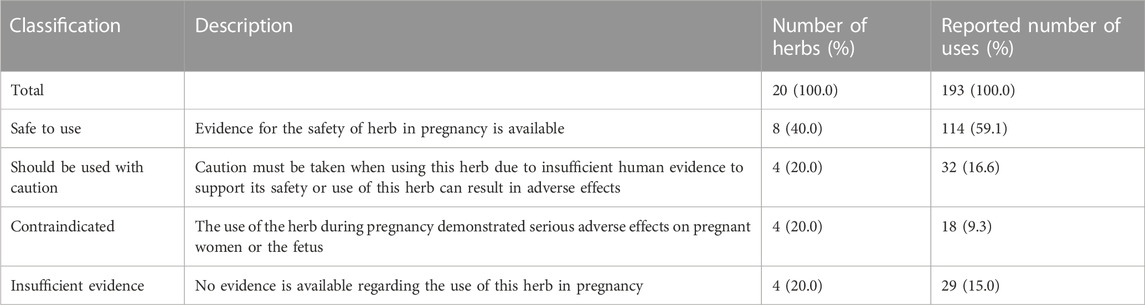
TABLE 1. Number of herbal medicines and users by safety categories.
In order to evaluate the safety of each herb, a comprehensive review of the current scientific literature and relevant textbooks was conducted. The previous classification of HM used among pregnant women served as the primary reference source to determine the safety status, and the Botanical Safety Handbook (McGuffin, 1997) and Natural Standard Herb and Supplement Handbook (Basch and Ulbricht, 2005) were also reviewed to retrieve any relevant information regarding the safety of herbs. Furthermore, if an herb was not listed in the aforementioned sources, a Google Scholar search was performed using the following combination of search terms to identify the most recent evidence concerning its safety for pregnant women: ‘common herb name’ + ‘pregnancy’ or ‘formal scientific herb name’ + ‘pregnancy.’
3 Results
3.1 Sociodemographic characteristics of study participants
The sociodemographic characteristics of study respondents are shown in Table 2. The majority of respondents were aged between 21 and 30 years, had attained a high school education or above, and were currently unemployed. Approximately 19% of respondents used one or more types of HM during their most recent pregnancy. Significant differences between the HM users and non-users were observed in ethnicity (p = 0.017), home ownership status (p = 0.036), and travel time to the nearest health facility (p = 0.009).
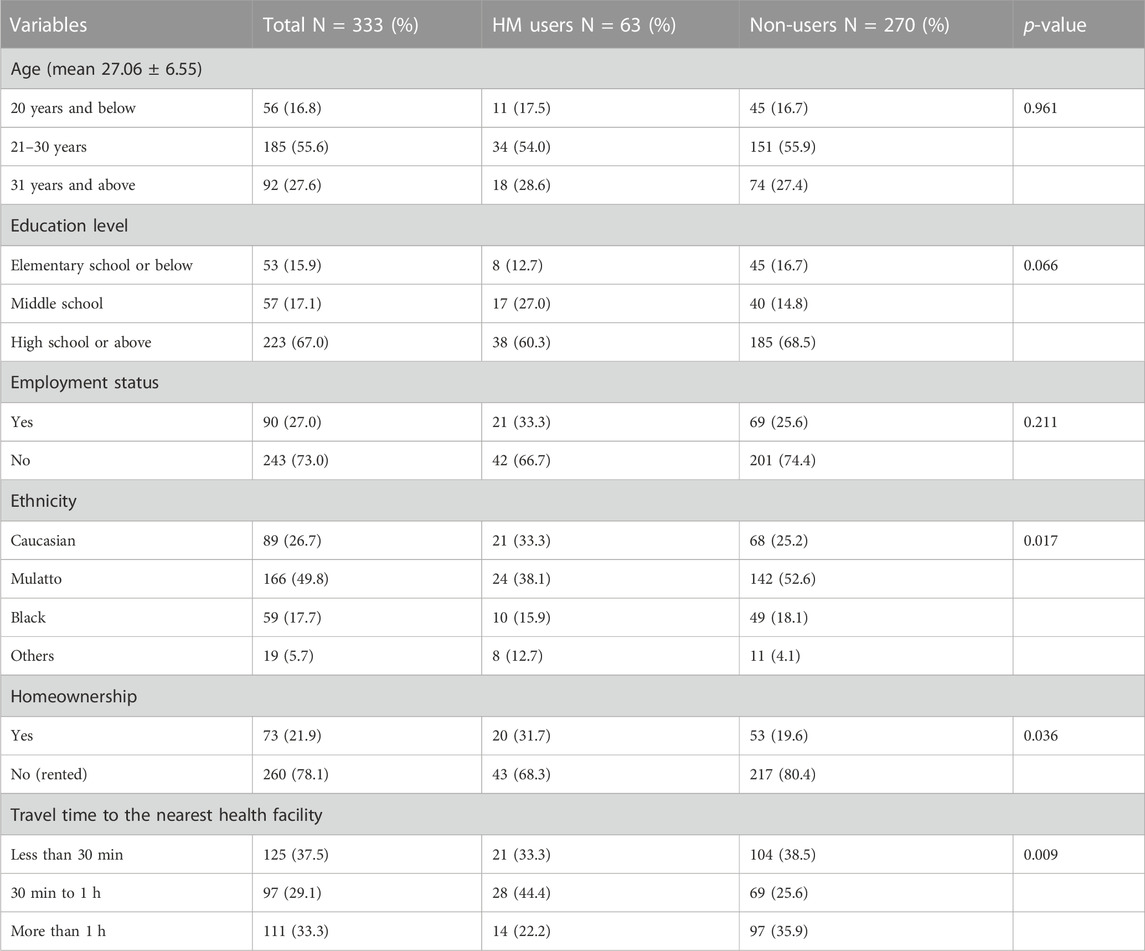
TABLE 2. Socio-demographic characteristics of participants.
3.2 Medical characteristics of study participants
As shown in Table 3, most respondents had no prior history of gynecological conditions (80.5%) or complications during pregnancy (78.4%). However, a greater percentage of HM users encountered complications during or after delivery (p = 0.003). Furthermore, HM users had a higher prevalence of taking pain medications (p < 0.001), vitamins (p < 0.001), and other types of medications (p = 0.042) during their pregnancy compared to non-users.
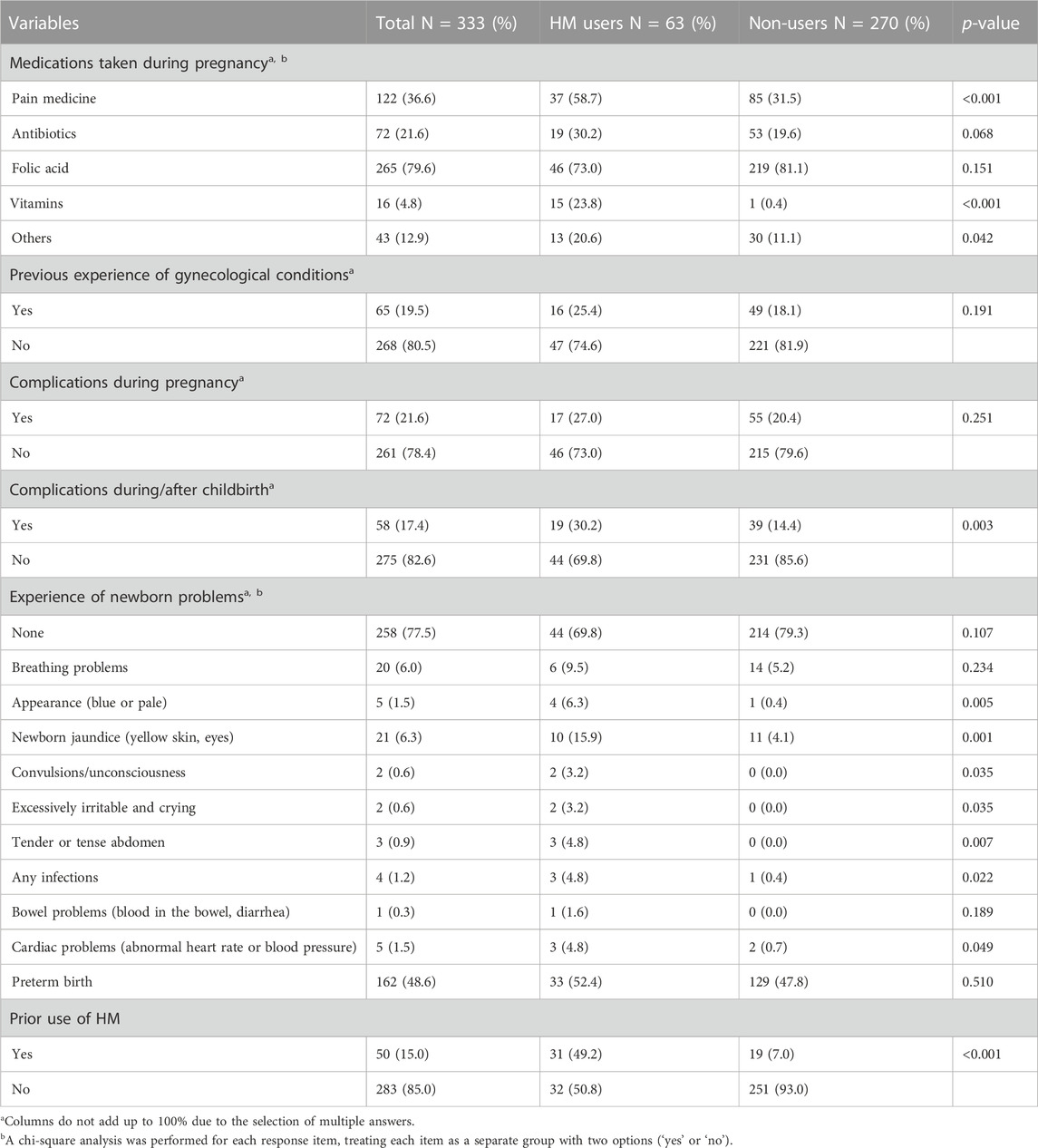
TABLE 3. Medical characteristics of study participants.
Approximately 23% of respondents reported experiencing problems with their newborns after birth. A significantly higher proportion of newborns with blue or pale appearance (p = 0.005), newborn jaundice (p = 0.001), convulsions (p = 0.035), excessive irritability or crying (p = 0.035), tender or tense abdomen (p = 0.007), any type of infections (p = 0.022), and cardiac problems (p = 0.049) were found in Herbal Medicine user group than the non-users. Lastly, a larger proportion of HM users had previous experience with HM use compared to non-users (Table 3).
3.3 Experiences during the COVID-19 pandemic
Table 4 presents respondents’ experiences during the COVID-19 pandemic. HM users reported significantly higher incidences of emotional and physical challenges compared to non-users during the COVID-19 pandemic. These challenges include fear of the infection (p = 0.019), emotional distress (p = 0.012), difficulty visiting health facilities or services (p = 0.006), feeling confined at home (p = 0.028), financial difficulties or job loss (p = 0.040), maintaining relationships with family and friends (p = 0.003), and experiencing loneliness (p = 0.003). Furthermore, a greater proportion of HM users perceived their health status to be worse during the COVID-19 pandemic (p < 0.001) and were diagnosed with COVID-19 during their pregnancy (p = 0.010).
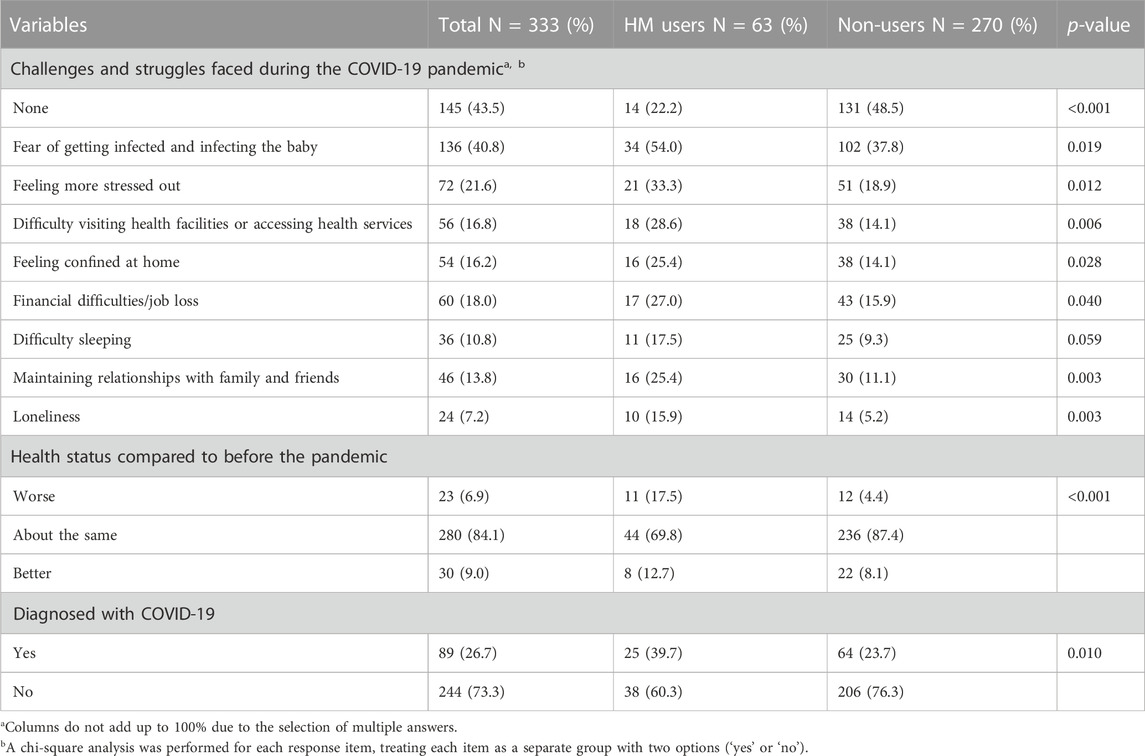
TABLE 4. Experiences during the COVID-19 pandemic.
3.4 Types of HM used by its safety classification
Among pregnant women in Brazil, the use of 20 different herbs was identified (Table 5). Eight out of 20 herbs were found to be contraindicated or recommended for use with caution during pregnancy. However, the majority of HM users consumed HM that was considered safe during pregnancy, such as Matricaria recutita L. (52.4%) and Allium sativum L. (39.7%). Among potentially harmful HM, the prevalence of Citrus aurantifolia Swingle consumption was the highest (41.3%).
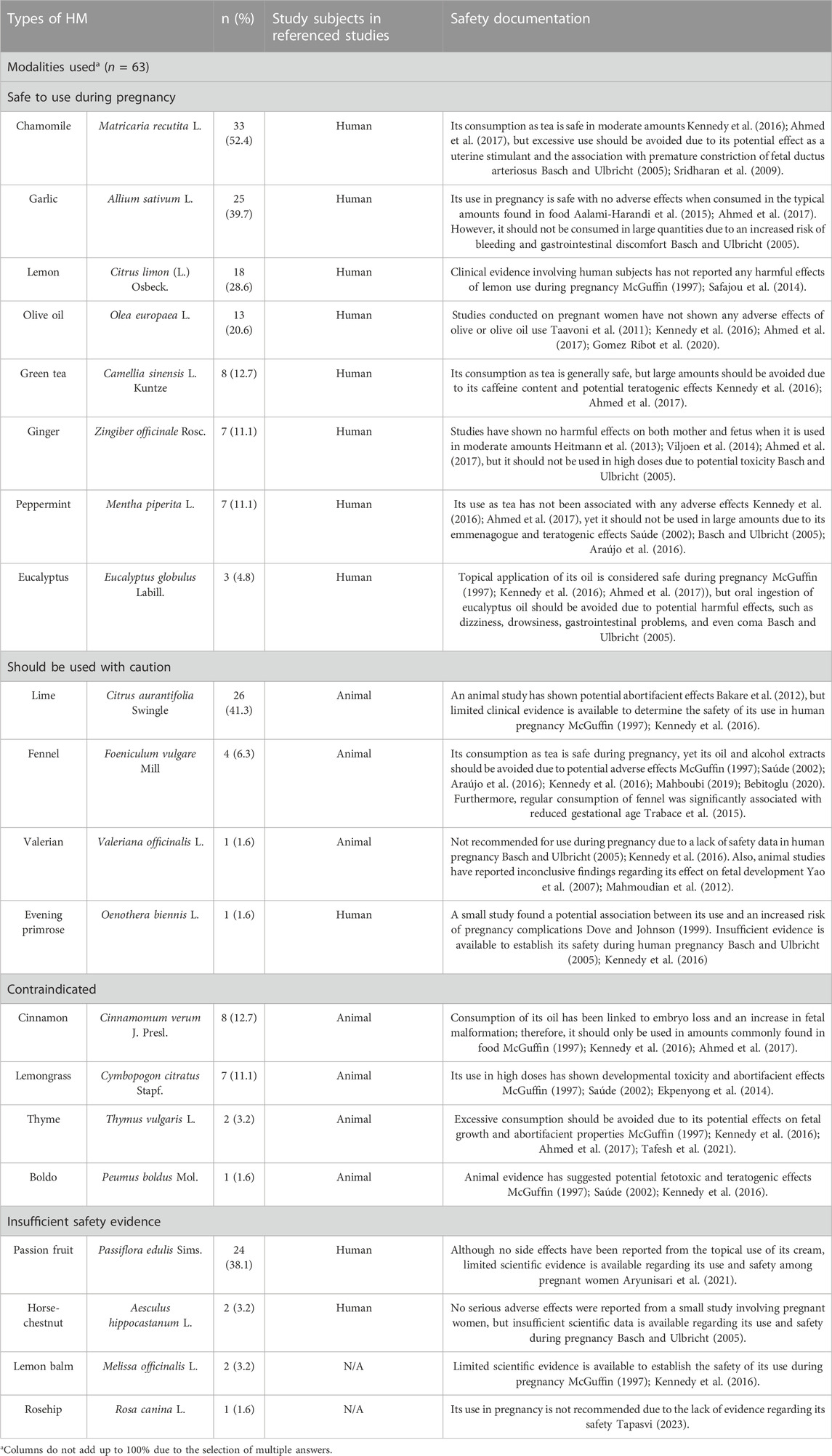
TABLE 5. Types of HM used during pregnancy and indication for use.
3.5 Patterns of HM use during pregnancy
While women turned to HM for various reasons, the most reported indications for HM use during pregnancy were nausea and vomiting (58.7%), followed by heartburn and indigestion (47.6%), as well as anxiety and stress (31.7%). The most commonly reported source of information on HM were family and friends (61.9%), and 49.2% of women did not disclose their HM use to the healthcare providers, primarily due to the lack of physician inquiry and no specific reason. The main reasons for HM use were beliefs in its effectiveness (58.7%) and safety (20.6%), along with family traditions and cultural influences (20.6%). However, the majority of non-users decided not to use HM because they were satisfied with conventional medicine (Table 6).
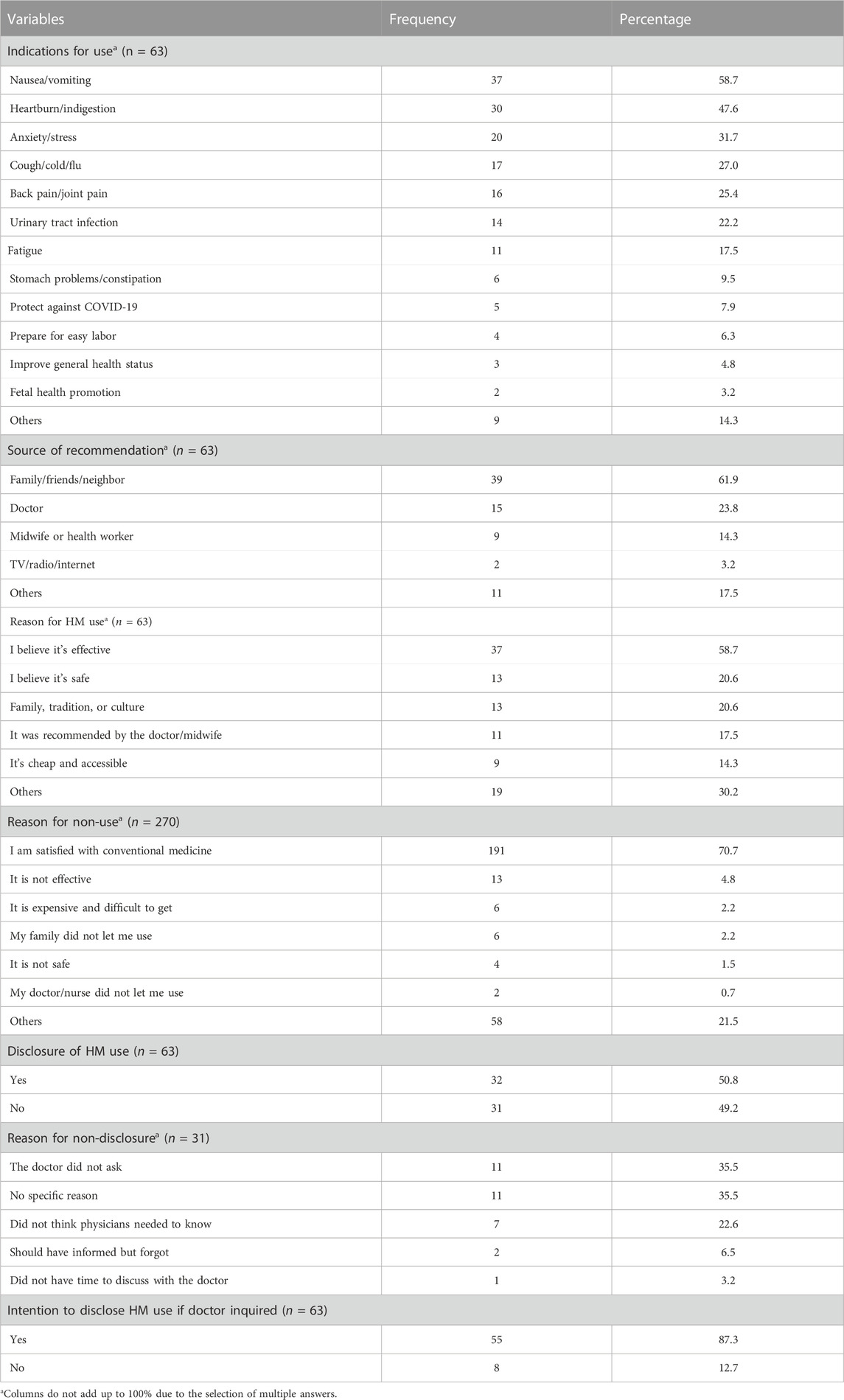
TABLE 6. Patterns of HM use during pregnancy.
3.6 Potential predictors of HM use during pregnancy
The results of the multivariate logistic regression analysis revealed that belonging to a minor ethnicity (OR: 5.536; CI: 1.402–21.862) and having previous experience with HM use (OR: 16.216; CI: 7.244–36.300) were identified as potential predictors of HM use during pregnancy (Table 7).

TABLE 7. Potential predictors of HM use during pregnancy.
4 Discussion
This cross-sectional study investigated the use of HM among pregnant women in São Paulo, Brazil, and our findings revealed that approximately 20% of Brazilian women used HM during pregnancy. The observed prevalence was lower than the findings reported in a previous study conducted in the northeastern part of Brazil, and this discrepancy can be attributed to variations in sample sizes of the studies and cultural diversity in the studied regions (Araújo et al., 2016). However, when comparing the prevalence with that of Brazilian adults, as reported in the National Health Survey, pregnant women demonstrated a higher prevalence of complementary medicine use (de Moraes Mello Boccolini and Siqueira Boccolini, 2020; Boccolini et al., 2022). This suggests that pregnant women are more likely to explore natural treatment options for alleviating physical discomforts, as the women are trying to protect their developing fetus from any teratogenic and fetotoxic effects of conventional medications (John and Shantakumari, 2015; Illamola et al., 2020). Similarly, a significant number of women in our study reported using HM during pregnancy based on their perceived effectiveness and safety (Borrelli et al., 2007). These findings provide insights into the beliefs and perceptions of Brazilian pregnant women regarding HM as a safe and viable treatment option.
In line with previous findings, minor ethnicity and previous experience of HM use were found as potential predictors of HM use during pregnancy (Kalder et al., 2011; Hall and Jolly, 2014; Pallivalappila et al., 2014; El Hajj et al., 2020). Many minor ethnic groups have a longstanding history of traditional medicine use, and the use of HM is often rooted in traditional health practices (Ray et al., 2018; Agu et al., 2019). Consequently, individuals who belong to minor ethnic groups and have a cultural background in the use of HM may have a greater tendency to use such remedies. Furthermore, having prior experience of HM use and being familiar with HM could influence the women to be more comfortable using HM; therefore, women who have previously used HM are more likely to continue its use during pregnancy (Pallivalappila et al., 2014; El Hajj et al., 2020; Ahmed et al., 2022).
Our study identified the use of 20 different types of HM during pregnancy, and 40% of these herbs were found to be contraindicated or recommended with caution. Among the herbs that should be used with caution, the prevalence of C. aurantifolia intake was most prevalent. C. aurantifolia is commonly used as both a food product and a phytomedicine, due to its diverse range of beneficial properties, such as antibacterial, anticancer, and anti-inflammatory effects (Narang and Jiraungkoorskul, 2016; Lee et al., 2018; Shafreen et al., 2018; Indriyani et al., 2023). Also, it is a popular home remedy among pregnant women for the treatment of morning sickness and urinary tract infections (Rahmawati, 2018; Ramadhani et al., 2020). However, an animal study found an abortifacient effect of lime juice, raising concerns about its safety during pregnancy (Bakare et al., 2012). Furthermore, excessive consumption of citrus fruits can lead to heartburn and indigestion, posing additional risks (Nundy, 2016; Hoffmann, 2017). Furthermore, using its essential oil at high concentration may result in necrosis and trigger an inflammatory response (Brah et al., 2023). Previous reviews have also advised against the use of C. aurantifolia due to the lack of sufficient clinical evidence regarding its safety (Kennedy et al., 2016; Ramadhani et al., 2020). Therefore, despite its widespread use and perceived safety, the current scientific evidence suggests that the therapeutic use of C. aurantifolia during pregnancy should be approached with caution.
Moreover, even herbs that are considered safe can have adverse effects if it is consumed in amounts more than typically found in food. For example, M. recutita is commonly used among pregnant women for flu, gastrointestinal irritation, and anxiety management (Ahmed et al., 2017; Bebitoglu, 2020; El Mihyaoui et al., 2022). Despite being considered safe for pregnancy (Kennedy et al., 2016; Ahmed et al., 2017; Al-Snafi and Hasham, 2023), prolonged administration of M. recutita was associated with a greater risk of preterm labor or miscarriage (Cuzzolin et al., 2010; Ahmed et al., 2017; Balbontín et al., 2019; Bebitoglu, 2020). Moreover, the Brazilian Resolution - SES/RJ No. 1757 categorizes M. recutita as contraindicated due to its emmenagogue properties (Saúde, 2002; Araújo et al., 2016). Similarly, A. sativum, another widely used HM among pregnant women in Brazil, has been identified as safe during pregnancy with no major adverse effects (Kennedy et al., 2016; Ahmed et al., 2017; Sarecka-Hujar and Szulc-Musioł, 2022; Sahidur et al., 2023). Nevertheless, consuming excessive amounts of A. sativum can result in gastrointestinal discomfort, and when used concomitantly with anticoagulants or antiretroviral drugs, it may cause drug-drug interactions (Borrelli et al., 2007; Kaur et al., 2013; Okoro et al., 2023). Considering that many herbs still lack comprehensive scientific investigations to definitively establish their safety, further clinical research is necessary to evaluate their potential toxicity during pregnancy. Moreover, maintaining active pharmacovigilance reporting is crucial to systematically record any adverse events that may arise.
In addition to the concerns regarding the lack of sufficient clinical evidence supporting the safety of HM, there are concerns related to the quality control of herbal products available in the market (Zhang et al., 2012; Okem et al., 2014). Even though some HM possess potent pharmacological properties, they are often classified as food or food additives and are not strictly regulated as pharmaceutical products (Heinrich, 2015). Consequently, there are potential risks associated with the quality of herbal products in the market, such as heavy metal contamination, inadequate supply chain management, and difficulties in controlling the potency of HM (Fong, 2002; Zhang et al., 2012; Okem et al., 2014; Luo et al., 2020). Consumption of contaminated or adulterated HM can have detrimental effects on health (Ezeabara et al., 2014). Therefore, it is crucial for pregnant women to exercise caution when using HM and consult their obstetric care providers before use.
Nevertheless, consistent with previous research, a significant number of pregnant women in our study obtained information about HM from family and friends, rather than healthcare professionals (Araújo et al., 2016; Ahmed et al., 2020; Eid and Jaradat, 2020; Ahmed et al., 2022). In addition, almost half of the women chose not to disclose their HM use to the obstetric care providers, either due to a lack of inquiry from the healthcare providers or for no specific reason. Such reliance on informal sources of information and the hesitancy to disclose HM use highlight the need for improved communication between pregnant women and obstetric care providers regarding HM. Furthermore, considering most women were willing to discuss HM use if the doctors initiated the conversation, obstetric care providers should play a proactive role in providing appropriate guidance and feedback regarding the use of HM during antenatal care consultations. Through these efforts, healthcare providers can effectively contribute to preventing potential health risks associated with the inappropriate use of HM during pregnancy by helping pregnant women make informed decisions and safer healthcare choices (Ahmed et al., 2020).
The current study has several limitations that should be considered when interpreting the results. Firstly, the generalizability of the study findings may be limited as the survey was conducted retrospectively at a single hospital in São Paulo. However, the data was collected from one of the public teaching hospitals that handle a substantial number of deliveries annually (>4,000 deliveries). In addition, to minimize the potential recall bias of the survey data, information was collected from postpartum women admitted to the maternal wards before discharge and those who had given birth within the last 6 weeks. Furthermore, due to the low frequency of delivery complications and congenital anomalies within our sample of 333 participants, we were unable to establish a significant association between HM use and pregnancy outcomes. This warrants further study with a more extensive and diverse sample size to draw more conclusive findings. Lastly, due to the cross-sectional study design, we could only establish associations between the variables and could not determine causality. Despite these limitations, our study provides valuable insights into HM use among pregnant women in Brazil based on current available evidence. In addition, our findings highlight the importance of developing reliable and evidence-based clinical guidelines to manage inappropriate HM use during pregnancy.
5 Conclusion
This study revealed that driven by misconceptions about the safety and effectiveness of HM, pregnant women in Brazil unknowingly jeopardize their own health and that of the newborns by using herbs that are contraindicated or potentially harmful during pregnancy. Updating antenatal care guidelines based on the latest scientific evidence and fostering transparent communication on HM use during consultations can help obstetric care providers make better clinical decisions and effectively monitor the health of both pregnant women and their babies. Lastly, sustained efforts must be taken to generate scientific evidence concerning the safety and clinical efficacy of commonly used HM, providing the foundation for informed medical practices and ultimately contributing to improved maternal and neonatal outcomes.
Data availability statement
The raw data supporting the conclusion of this article will be made available by the authors, without undue reservation.
Ethics statement
The studies involving humans were approved by the Human Research Ethics Committee at Hospital e Maternidade Amador Aguiar in Brazil (CEP-HMAA No. 24/22). The studies were conducted in accordance with the local legislation and institutional requirements. The participants provided their written informed consent to participate in this study.
Author contributions
HI: Conceptualization, Methodology, Formal Analysis, Writing–original draft, Writing–review and editing. RG: Conceptualization, Data curation, Writing–review and editing. CP: Conceptualization, Data curation, Writing–review and editing. JH: Conceptualization, Writing–review and editing. DC: Conceptualization, Writing–review and editing. SK: Conceptualization, Writing–review and editing. SM: Data curation, Writing–review and editing. DH: Conceptualization, Methodology, Formal Analysis, Writing–original draft, Writing–review and editing, Supervision.
Funding
The author(s) declare that no financial support was received for the research, authorship, and/or publication of this article.
Acknowledgments
The authors would like to thank all the participants for their cooperation and willingness to share their experiences.
Conflict of interest
The authors declare that the research was conducted in the absence of any commercial or financial relationships that could be construed as a potential conflict of interest.
Publisher’s note
All claims expressed in this article are solely those of the authors and do not necessarily represent those of their affiliated organizations, or those of the publisher, the editors and the reviewers. Any product that may be evaluated in this article, or claim that may be made by its manufacturer, is not guaranteed or endorsed by the publisher.
Abbreviations
HM, herbal medicine.
References
Aalami-Harandi, R., Karamali, M., and Asemi, Z. (2015). The favorable effects of garlic intake on metabolic profiles, hs-CRP, biomarkers of oxidative stress and pregnancy outcomes in pregnant women at risk for pre-eclampsia: randomized, double-blind, placebo-controlled trial. J. Matern. -Fetal Neonatal Med. 28, 2020–2027. doi:10.3109/14767058.2014.977248
Abdollahi, F., and Chareti, J. Y. (2019). The relationship between women's characteristics and herbal medicines use during pregnancy. Women Health 59, 579–590. doi:10.1080/03630242.2017.1421285
Agu, J. C., Hee-Jeon, Y., Steel, A., and Adams, J. (2019). A systematic review of traditional, complementary and alternative medicine use amongst ethnic minority populations: a focus upon prevalence, drivers, integrative use, health outcomes, referrals and use of information sources. J. Immigr. Minor. Health. 21, 1137–1156. doi:10.1007/s10903-018-0832-4
Ahmed, M., Hwang, J. H., Ali, M. N., Al-Ahnoumy, S., and Han, D. (2022). Irrational use of selected herbal medicines during pregnancy: a pharmacoepidemiological evidence from Yemen. Front. Pharmacol. 13, 926449. doi:10.3389/fphar.2022.926449
Ahmed, M., Hwang, J. H., Choi, S., and Han, D. (2017). Safety classification of herbal medicines used among pregnant women in asian countries: a systematic review. BMC Complement. Altern. Med. 17, 489. doi:10.1186/s12906-017-1995-6
Ahmed, M., Hwang, J. H., Hasan, M. A., and Han, D. (2018). Herbal medicine use by pregnant women in Bangladesh: a cross-sectional study. BMC Complement. Altern. Med. 18, 333. doi:10.1186/s12906-018-2399-y
Ahmed, M., Im, H. B., Hwang, J. H., and Han, D. (2020). Disclosure of herbal medicine use to health care providers among pregnant women in Nepal: a cross-sectional study. BMC Complement. Med. Ther. 20, 339. doi:10.1186/s12906-020-03142-9
Al-Ramahi, R., Jaradat, N., and Adawi, D. (2013). Use of herbal medicines during pregnancy in a group of Palestinian women. J. Ethnopharmacol. 150, 79–84. doi:10.1016/j.jep.2013.07.041
Al-Snafi, A. E., and Hasham, L. F. (2023). Bioactive constituents and pharmacological importance of matricaria chamomilla: a recent review. GSC Biol. Pharm. Sci. 22, 079–098. doi:10.30574/gscbps.2023.22.2.0477
Araújo, C. R. F. D., Santiago, F. G., Peixoto, M. I., Oliveira, J. O. D. D., and Coutinho, M. D. S. (2016). Use of medicinal plants with teratogenic and abortive effects by pregnant women in a city in northeastern Brazil. Rev. Bras. Ginecol. Obstet. 38, 127–131. doi:10.1055/s-0036-1580714
Aryunisari, C. G., Putra, I. B., and Jusuf, N. K. (2021). Effect of purple passion fruit extract cream (Passiflora edulis Sims var. Edulis) 6% against striae distensae. Open Access Maced. J. Med. Sci. 9, 720–725. doi:10.3889/oamjms.2021.6424
Bakare, A. A., Bassey, R. B., Onyeka, C. A., and Duru, F. I. (2012). Lime juice (Citrus aurantifolia): effect on fetal parameters of pregnant sprague-dawley rats. Int. J. Med. Med. Sci. 2, 1–4.
Balbontín, Y. M., Stewart, D., Shetty, A., Fitton, C. A., and Mclay, J. S. (2019). Herbal medicinal product use during pregnancy and the postnatal period: a systematic review. Obstet. Gynecol. 133, 920–932. doi:10.1097/AOG.0000000000003217
Basch, E. M., and Ulbricht, C. E. (2005). Natural standard herb and supplement handbook. Amsterdam, Netherlands: Elsevier Mosby.
Bebitoglu, B. T. (2020). Frequently used herbal teas during pregnancy-short update. Medeni. Med. J. 35, 55–61. doi:10.5222/MMJ.2020.69851
Boccolini, P. D. M. M., De Lima Sírio Boclin, K., De Sousa, I. M. C., and Boccolini, C. S. (2022). Prevalence of complementary and alternative medicine use in Brazil: results of the national health survey, 2019. BMC Complement. Med. Ther. 22, 205–211. doi:10.1186/s12906-022-03687-x
Borrelli, F., Capasso, R., and Izzo, A. A. (2007). Garlic (Allium sativum L.): adverse effects and drug interactions in humans. Mol. Nutr. Food Res. 51, 1386–1397. doi:10.1002/mnfr.200700072
Brah, A. S., Armah, F. A., Obuah, C., Akwetey, S. A., and Adokoh, C. K. (2023). Toxicity and therapeutic applications of citrus essential oils (CEOs): A review. Int. J. Food Prop. 26, 301–326. doi:10.1080/10942912.2022.2158864
Casagrande, A., Ritter, M. R., and Kubo, R. R. (2023). Traditional knowledge in medicinal plants and intermedicality in urban environments: a case study in a popular community in southern Brazil. Ethnobot. Res. Appl. 25, 1–34. doi:10.32859/era.25.35.1-34
Cuzzolin, L., Francini-Pesenti, F., Verlato, G., Joppi, M., Baldelli, P., and Benoni, G. (2010). Use of herbal products among 392 Italian pregnant women: Focus on pregnancy outcome. Pharmacoepidemiol Drug Saf. 19, 1151–1158. doi:10.1002/pds.2040
Da Matta, R., Borges, J. L., Landi, U. N., Barbosa, L. N., Lara, A., Otutumi, L. K., et al. (2021). Ethno-epidemiological study of medicinal products and medicinal plants use among pregnant women. Bol. Latinoam. Caribe Plantas Med. 20 (1), 71–80. doi:10.37360/blacpma.21.20.1.6
De Moraes Mello Boccolini, P., and Siqueira Boccolini, C. (2020). Prevalence of complementary and alternative medicine (CAM) use in Brazil. BMC Complement. Med. Ther. 20, 51–10. doi:10.1186/s12906-020-2842-8
Dove, D., and Johnson, P. (1999). Oral evening primrose oil: Its effect on length of pregnancy and selected intrapartum outcomes in low-risk nulliparous women. J. Nurse Midwifery 44, 320–324. doi:10.1016/s0091-2182(99)00055-5
Eid, A. M., and Jaradat, N. (2020). Public knowledge, attitude, and practice on herbal remedies used during pregnancy and lactation in West Bank Palestine. Front. Pharmacol. 11, 46. doi:10.3389/fphar.2020.00046
Ekpenyong, C. E., Akpan, E. E., and Daniel, N. E. (2014). Phytochemical constituents, therapeutic applications and toxicological profile of Cymbopogon citratus Stapf (DC) leaf extract. J. Pharmacogn. Phytochem. 3, 133–141.
El Hajj, M., and Holst, L. (2020). Herbal medicine use during pregnancy: a review of the literature with a special focus on sub-saharan africa. Front. Pharmacol. 11, 866. doi:10.3389/fphar.2020.00866
El Hajj, M., Sitali, D. C., Vwalika, B., and Holst, L. (2020). Herbal medicine use among pregnant women attending antenatal clinics in lusaka province, Zambia: a cross-sectional, multicentre study. Complement. Ther. Clin. Pract. 40, 101218. doi:10.1016/j.ctcp.2020.101218
El Mihyaoui, A., Esteves Da Silva, J. C., Charfi, S., Candela Castillo, M. E., Lamarti, A., and Arnao, M. B. (2022). Chamomile (Matricaria chamomilla L.): a review of ethnomedicinal use, phytochemistry and pharmacological uses. Life 12, 479. doi:10.3390/life12040479
Ezeabara, C. A., Okanume, O. E., Emeka, A. N., Okeke, C., and Mbaekwe, E. (2014). Heavy metal contamination of herbal drugs: Implication for human health-a review. Int. J. Trop. Dis. Health 4, 1044–1058. doi:10.9734/ijtdh/2014/11481
Fong, H. H. (2002). Integration of herbal medicine into modern medical practices: Issues and prospects. Integr. Cancer Ther. 1, 287–293. doi:10.1177/153473540200100313
Frawley, J., Adams, J., Broom, A., Steel, A., Gallois, C., and Sibbritt, D. (2014). Majority of women are influenced by nonprofessional information sources when deciding to consult a complementary and alternative medicine practitioner during pregnancy. J. Altern. Complement. Med. 20, 571–577. doi:10.1089/acm.2014.0028
Gomez Ribot, D., Diaz, E., Fazio, M. V., Gómez, H. L., Fornes, D., Macchi, S. B., et al. (2020). An extra virgin olive oil-enriched diet improves maternal, placental, and cord blood parameters in GDM pregnancies. Diabetes Metab. Res. Rev. 36, e3349. doi:10.1002/dmrr.3349
Hall, H. R., and Jolly, K. (2014). Women's use of complementary and alternative medicines during pregnancy: a cross-sectional study. Midwifery 30, 499–505. doi:10.1016/j.midw.2013.06.001
Hasan, S. S., Ahmed, S. I., Bukhari, N. I., and Loon, W. C. W. (2009). Use of complementary and alternative medicine among patients with chronic diseases at outpatient clinics. Complement. Ther. Clin. Pract. 15, 152–157. doi:10.1016/j.ctcp.2009.02.003
Heinrich, M. (2015). Quality and safety of herbal medical products: regulation and the need for quality assurance along the value chains. Br. J. Clin. Pharmacol. 80, 62–66. doi:10.1111/bcp.12586
Heitmann, K., Nordeng, H., and Holst, L. (2013). Safety of ginger use in pregnancy: results from a large population-based cohort study. Eur. J. Clin. Pharmacol. 69, 269–277. doi:10.1007/s00228-012-1331-5
Hoffmann, D. (2017). Healthy digestion: A natural approach to relieving indigestion, gas, heartburn, constipation, colitis, and more. UK: Hachette.
Hwang, J. H., Kim, Y. R., Ahmed, M., Choi, S., Al-Hammadi, N. Q., Widad, N. M., et al. (2016). Use of complementary and alternative medicine in pregnancy: a cross-sectional survey on Iraqi women. BMC Complement. Altern. Med. 16 (1), 191. doi:10.1186/s12906-016-1167-0
Illamola, S. M., Amaeze, O. U., Krepkova, L. V., Birnbaum, A. K., Karanam, A., Job, K. M., et al. (2020). Use of herbal medicine by pregnant women: What physicians need to know. Front. Pharmacol. 10, 1483. doi:10.3389/fphar.2019.01483
Indriyani, N. N., Anshori, J. A., Permadi, N., Nurjanah, S., and Julaeha, E. (2023). Bioactive components and their activities from different parts of Citrus aurantifolia (christm.) Swingle for food development. Foods 12, 2036. doi:10.3390/foods12102036
Islahudin, F., Shahdan, I. A., and Mohamad-Samuri, S. (2017). Association between belief and attitude toward preference of complementary alternative medicine use. Patient prefer. Adherence 11, 913–918. doi:10.2147/PPA.S132282
Jahan, S., Mozumder, Z. M., and Shill, D. K. (2022). Use of herbal medicines during pregnancy in a group of Bangladeshi women. Heliyon 8, e08854. doi:10.1016/j.heliyon.2022.e08854
James, P. B., Bah, A. J., Tommy, M. S., Wardle, J., and Steel, A. (2018a). Herbal medicines use during pregnancy in Sierra Leone: an exploratory cross-sectional study. Women Birth 31, e302–e309. doi:10.1016/j.wombi.2017.12.006
James, P. B., Wardle, J., Steel, A., and Adams, J. (2018b). Traditional, complementary and alternative medicine use in sub-saharan africa: a systematic review. BMJ Glob. Health 3, e000895. doi:10.1136/bmjgh-2018-000895
John, L. J., and Shantakumari, N. (2015). Herbal medicines use during pregnancy: a review from the Middle East. Oman Med. J. 30, 229–236. doi:10.5001/omj.2015.48
Kalder, M., Knoblauch, K., Hrgovic, I., and Münstedt, K. (2011). Use of complementary and alternative medicine during pregnancy and delivery. Arch. Gynecol. Obstet. 283, 475–482. doi:10.1007/s00404-010-1388-2
Kaur, J., Kaur, S., and Mahajan, A. (2013). Herbal medicines: Possible risks and benefits. Am. J. Phtyomedicine Clin. Ther. 1, 226–239.
Kennedy, D. A., Lupattelli, A., Koren, G., and Nordeng, H. (2013). Herbal medicine use in pregnancy: results of a multinational study. BMC Complement. Altern. Med. 13, 355. doi:10.1186/1472-6882-13-355
Kennedy, D. A., Lupattelli, A., Koren, G., and Nordeng, H. (2016). Safety classification of herbal medicines used in pregnancy in a multinational study. BMC Complement. Altern. Med. 16 (1), 102. doi:10.1186/s12906-016-1079-z
Lee, S. M., Park, S. Y., Kim, M. J., Cho, E., Jun, C. H., Park, C. H., et al. (2018). Key lime (Citrus aurantifolia) inhibits the growth of triple drug resistant Helicobacter pylori. Gut Pathog. 10, 16–18. doi:10.1186/s13099-018-0244-y
Luo, L., Wang, B., Jiang, J., Fitzgerald, M., Huang, Q., Yu, Z., et al. (2020). Heavy metal contaminations in herbal medicines: Determination, comprehensive risk assessments, and solutions. Front. Pharmacol. 11, 595335. doi:10.3389/fphar.2020.595335
Mahboubi, M. (2019). Foeniculum vulgare as valuable plant in management of women's health. J. Menopausal Med. 25, 1–14. doi:10.6118/jmm.2019.25.1.1
Mahmoudian, A., Rajaei, Z., Haghir, H., Banihashemian, S., and Hami, J. (2012). Effects of valerian consumption during pregnancy on cortical volume and the levels of zinc and copper in the brain tissue of mouse fetus. Zhong Xi Yi Jie He Xue Bao 10, 424–429. doi:10.3736/jcim20120411
Marcus, D. M., and Snodgrass, W. R. (2005). Do no harm: avoidance of herbal medicines during pregnancy. Obstet. Gynecol. 105, 1119–1122. doi:10.1097/01.AOG.0000158858.79134.ea
Moreira, R. R. D., Camargo, F. R., Quílez, A. M., Salgueiro, L., and Cavaleiro, C. (2014). Medicinal plants in pregnancy and lactation: Perception of the health risk and practical educational group in araraquara, São Paulo state, Brazil. J. Gen. Pract., 1–6. doi:10.4172/2329-9126.1000190
Narang, N., and Jiraungkoorskul, W. (2016). Anticancer activity of key lime, Citrus aurantifolia. Pharmacogn. Rev. 10, 118–122. doi:10.4103/0973-7847.194043
Nundy, S. (2016). Sir ganga ram hospital health series: Heartburn and reflux oesophagitis-e-book. Amsterdam, Netherlands: Elsevier Health Sciences.
Nyeko, R., Tumwesigye, N. M., and Halage, A. A. (2016). Prevalence and factors associated with use of herbal medicines during pregnancy among women attending postnatal clinics in Gulu district, Northern Uganda. BMC Pregnancy Childbirth 16, 296. doi:10.1186/s12884-016-1095-5
Okem, A., Southway, C., Stirk, W., Street, R., Finnie, J., and Van Staden, J. (2014). Heavy metal contamination in South African medicinal plants: a cause for concern. S. Afr. J. Bot. 93, 125–130. doi:10.1016/j.sajb.2014.04.001
Okoro, B. C., Dokunmu, T. M., Okafor, E., Sokoya, I. A., Israel, E. N., Olusegun, D. O., et al. (2023). The ethnobotanical, bioactive compounds, pharmacological activities and toxicological evaluation of garlic (Allium sativum): A review. Pharmacol. Res. - Mod. Chin. 8, 100273. doi:10.1016/j.prmcm.2023.100273
Pallivalappila, A. R., Stewart, D., Shetty, A., Pande, B., Singh, R., and Mclay, J. S. (2014). Complementary and alternative medicine use during early pregnancy. Eur. J. Obstet. Gynecol. Reprod. Biol. 181, 251–255. doi:10.1016/j.ejogrb.2014.08.017
Rahmawati, R. S. N. (2018). The effect of giving hot ginger drink and hot lime drink toward emesis gravidae. J. IDAMAN (Induk Pemberdaya. Masy. Pedesaan) 2, 92–105.
Ramadhani, Z. N., Rochmanti, M., and Mulawardhana, P. (2020). The safety of herbal used for health complaints during pregnancy-a systematic review. Syst. Rev. Pharm. 11 (11), 1930–1939.
Ray, J., Chakrabarty, D., Paul, R., and Som, K. (2018). Prevalence of the use of complementary and alternative medicine in an eastern Indian population with emphasis on tribal/ethnic minority groups. J. Taibah Univ. Med. Sci. 13, 384–389. doi:10.1016/j.jtumed.2018.04.001
Sahidur, M., Islam, I., and Jahurul, M. (2023). Garlic (Allium sativum) as a natural antidote or a protective agent against diseases and toxicities: a critical review. Food Chem. Adv., 100353. doi:10.1016/j.focha.2023.100353
Safajou, F., Shahnazi, M., and Nazemiyeh, H. (2014). The effect of lemon inhalation aromatherapy on nausea and vomiting of pregnancy: a double-blinded, randomized, controlled clinical trial. Iran. Red. Crescent. Med. J. 16, e14360. doi:10.5812/ircmj.14360
Sarecka-Hujar, B., and Szulc-Musioł, B. (2022). Herbal medicines—Are they effective and safe during pregnancy? Pharmaceutics 14, 171. doi:10.3390/pharmaceutics14010171
Saúde, S. D. E. D. (2002). in Resolução - SES/RJ Nº 1757 de 18/02/2002. Editor E. D. Saúde (Rio de Janeiro: Legislação e Políticas Públicas).
Series, B. (2008). National policy on integrative and complementary practices of the SUS (Brasília: Ministry of Health of Brazil).
Shafreen, R. B., Lubinska-Szczygeł, M., Różańska, A., Dymerski, T., Namieśnik, J., Katrich, E., et al. (2018). Human serum interactions with phenolic and aroma substances of Kaffir (Citrus hystrix) and Key lime (Citrus aurantifolia) juices. J. Lumin. 201, 115–122. doi:10.1016/j.jlumin.2018.04.010
Smeriglio, A., Tomaino, A., and Trombetta, D. (2014). Herbal products in pregnancy: experimental studies and clinical reports. Phytother. Res. 28, 1107–1116. doi:10.1002/ptr.5106
Souza, C. D. S. M., Camargo, E. B., Riera, R., Lima, R. V., De Oliveira Andrade, E., Betrán, A. P., et al. (2023). Use of medicinal herbs in natura by pregnant women in the Amazon region. J. Herb. Med. 41, 100691. doi:10.1016/j.hermed.2023.100691
Sridharan, S., Archer, N., and Manning, N. (2009). Premature constriction of the fetal ductus arteriosus following the maternal consumption of camomile herbal tea. Ultrasound Obstet. Gynecol. 34, 358–359. doi:10.1002/uog.6453
Taavoni, S., Soltanipour, F., Haghani, H., Ansarian, H., and Kheirkhah, M. (2011). Effects of olive oil on striae gravidarum in the second trimester of pregnancy. Complement. Ther. Clin. Pract. 17, 167–169. doi:10.1016/j.ctcp.2010.10.003
Tafesh, Z. Q., Mansoor, K. A., Qinna, N. A., El-Hajji, F. D., Arafat, T. A., Abu-Qatouseh, L. F., et al. (2021). Reproductive safety assessment of Thymus vulgaris L. extract and quantification of thymol sulfate in pregnant rats and fetuses using a validated LC/MS method of analysis. J. Appl. Pharm. Sci. 11, 144–151. doi:10.7324/japs.2021.110117
Tapasvi, S. (2023). Role of rosehip, devil’s claw, and Boswellia serrata in osteoarthritis: Molecular and clinical perspectives. Int. J. Orthop. 9, 587–593. doi:10.22271/ortho.2023.v9.i1h.3346
Trabace, L., Tucci, P., Ciuffreda, L., Matteo, M., Fortunato, F., Campolongo, P., et al. (2015). “Natural” relief of pregnancy-related symptoms and neonatal outcomes: above all do no harm. J. Ethnopharmacol. 174, 396–402. doi:10.1016/j.jep.2015.08.046
Viljoen, E., Visser, J., Koen, N., and Musekiwa, A. (2014). A systematic review and meta-analysis of the effect and safety of ginger in the treatment of pregnancy-associated nausea and vomiting. Nutr. J. 13, 20. doi:10.1186/1475-2891-13-20
Yao, M., Ritchie, H. E., and Brown-Woodman, P. D. (2007). A developmental toxicity-screening test of valerian. J. Ethnopharmacol. 113, 204–209. doi:10.1016/j.jep.2007.05.028
Keywords: herbal medicine, safety classification, pregnant women, cross-sectional study, Brazil
Citation: Im HB, Ghelman R, Portella CFS, Hwang JH, Choi D, Kunwor SK, Moraes SDTdA and Han D (2023) Assessing the safety and use of medicinal herbs during pregnancy: a cross-sectional study in São Paulo, Brazil. Front. Pharmacol. 14:1268185. doi: 10.3389/fphar.2023.1268185
Received: 27 July 2023; Accepted: 08 September 2023;
Published: 19 September 2023.
Edited by:
Adolfo Andrade-Cetto, National Autonomous University of Mexico, MexicoCopyright © 2023 Im, Ghelman, Portella, Hwang, Choi, Kunwor, Moraes and Han. This is an open-access article distributed under the terms of the Creative Commons Attribution License (CC BY). The use, distribution or reproduction in other forums is permitted, provided the original author(s) and the copyright owner(s) are credited and that the original publication in this journal is cited, in accordance with accepted academic practice. No use, distribution or reproduction is permitted which does not comply with these terms.
*Correspondence: Dongwoon Han, ZHdoYW5AaGFueWFuZy5hYy5rcg==