 Yu-Xia Cao
 Peng Ji
 Fan-Lin Wu
 Yan-Ming Wei
 Yong-Li Hua
- College of Veterinary Medicine, Gansu Agricultural University, Lanzhou, Gansu, China
Lonicerae Japonicae Caulis is the aboveground stem part of the Lonicera Japonica Thunb, which belongs to the medicine food homology species in China. It has the effects of clearing away heat, toxic material, dredging wind and unblocking collaterals. Modern research shows that it contains various active metabolites and a wide range of pharmacological effects, which is of great research and clinical application value. It mainly contains organic acids, volatile oils, flavonoids, triterpenes, triterpene saponins and other active metabolites. Its pharmacological effects mainly include anti-inflammatory, antibacterial, antitumor, antioxidant, and repairing bone and soft tissue. Based on the literature reports in recent years, the active metabolites, pharmacological effects and mechanisms of Lonicerae Japonicae Caulis were sorted out and summarized. It lays a foundation for explaining the efficacy material basis and application value of Lonicerae Japonicae Caulis. It aims to provide a reference for the in-depth research, development and utilization of Lonicerae Japonicae Caulis.
1 Introduction
Lonicerae Japonicae Caulis is also known as Laowengxu, Salicylus vine, Psychic grass, Qianjin vine, etc. It is a medicinal and food homologous Chinese medicinal material. Traditional Chinese medicine theory believes that its nature is sweet flavor and cold. It has been mainly treated for warm-disease fever, sore carbuncle and swollen toxin, heat toxin and blood dysentery, beriberi pyretic arthralgia, arthralgia and myalgia, etc. It was initially published in the Famous Doctors and recorded in the Compendium of Materia Medica. The Chinese (veterinary) medical theory believed that Lonicerae Japonicae Caulis had effects of clearing away heat, toxic material, dredging wind and unblocking collaterals. Traditional Chinese medicine health cultivation known as Medicine comes from food, food has medicinal properties, and medicine has food habits. With the change in lifestyle and diet structure, it has entered the public’s field of vision and attracted widespread attention. Lonicerae Japonicae Caulis, a medicinal and edible dual-use Chinese medicinal material, has significant advantages in anti-inflammatory, antioxidant, antitumor and inhibition of pathogenic microorganisms and other aspects. In clinical practice, it can to treat acute fever, headache, sore throat, respiratory infections and arthritis (Li and Mu, 2017). Lonicerae Japonicae Caulis contains organic acids, volatile oils, flavonoids, triterpenes, triterpene saponins and other active metabolites, of which chlorogenic acid (CGA) is one of the characteristic active metabolites of Lonicerae Japonicae Caulis. By reviewing the literature on Lonicerae Japonicae Caulis in recent years, this paper reviews and analyzes the active metabolites, pharmacological effects and mechanisms of Lonicerae Japonicae Caulis. It aims to provide a reference for the subsequent research, development and utilization of Lonicerae Japonicae Caulis and to look forward to its research prospects.
2 Main active metabolites of Lonicerae Japonicae Caulis
The main active metabolites of Lonicerae Japonicae Caulis include organic acids, volatile oils, flavonoids and triterpenes, triterpene saponins, etc.
2.1 Organic acids
Lonicerae Japonicae Caulis is rich in organic acid metabolites, mainly including chlorogenic acid derivatives and cinnamic acid derivatives. Chlorogenic acid derivatives mainly include chlorogenic acid (CGA) and neochlorogenic acid, etc. (Lee et al., 2009; Lu, 2012; Seo et al., 2012; Yang et al., 2015; Li et al., 2019; Liu et al., 2020; Wang et al., 2020; Qiu et al., 2021). Cinnamic acid derivatives mainly include caffeic acid (CA), 1-caffeoylquinic acid (cryptochlorogenic acid), trans-cinnamic acid, trans-ferulic acid, and methyl caffeate (Li et al., 2019; Yang et al., 2015; Choi et al., 2007; Jeong et al., 2015). In terms of the inhibitory effect on human platelet aggregation, caffeic acid methyl ester, 3,4-di-O-caffeoyl quinic acid and 3,4-di-O-caffeoyl quinic acid methyl ester have strong effects. In addition, the protective effect of various phenolic acids on hydrogen peroxide-induced cell damage suggests that polyphenol metabolites may play a role in maintaining vascular homeostasis. Among them, chlorogenic acid and caffeic acid are the phenolic acids that are more studied at present, which belong to the essential active metabolites in Lonicerae Japonicae Caulis, and have anti-inflammatory and antioxidant effects at the same time (Hsu et al., 2016; Hou et al., 2017; Li N. et al., 2020). In addition, chlorogenic acid also has significant antitumor and hepatoprotective effects and is one of the most abundant organic acids in Lonicerae Japonicae (Caulis) (Li et al., 2019; Zhang et al., 2016; Yu et al., 2013; Tzeng et al., 2014; Chen et al., 2017). There is a high correlation between total phenolic content and antioxidant activity and phenolic metabolites have a significant contribution to the antioxidant capacity of traditional Chinese medicine. The organic acid content in Lonicerae Japonicae Caulis can be analyzed and determined with the Waters Symmetry C18 column (Tian et al., 2018). However, when establishing quantitative analysis of multi-metabolites by single marker (QAMS), there are differences in the mixing method, mixing position, and accuracy of mobile phases among different liquid chromatography systems, which may lead to differences in peak positioning. Therefore, when establishing QAMS, it is necessary to explore a more efficient and accurate approach. The specific information is shown in Table 1 and the structures of the main organic acid metabolites are shown in Figure 1.
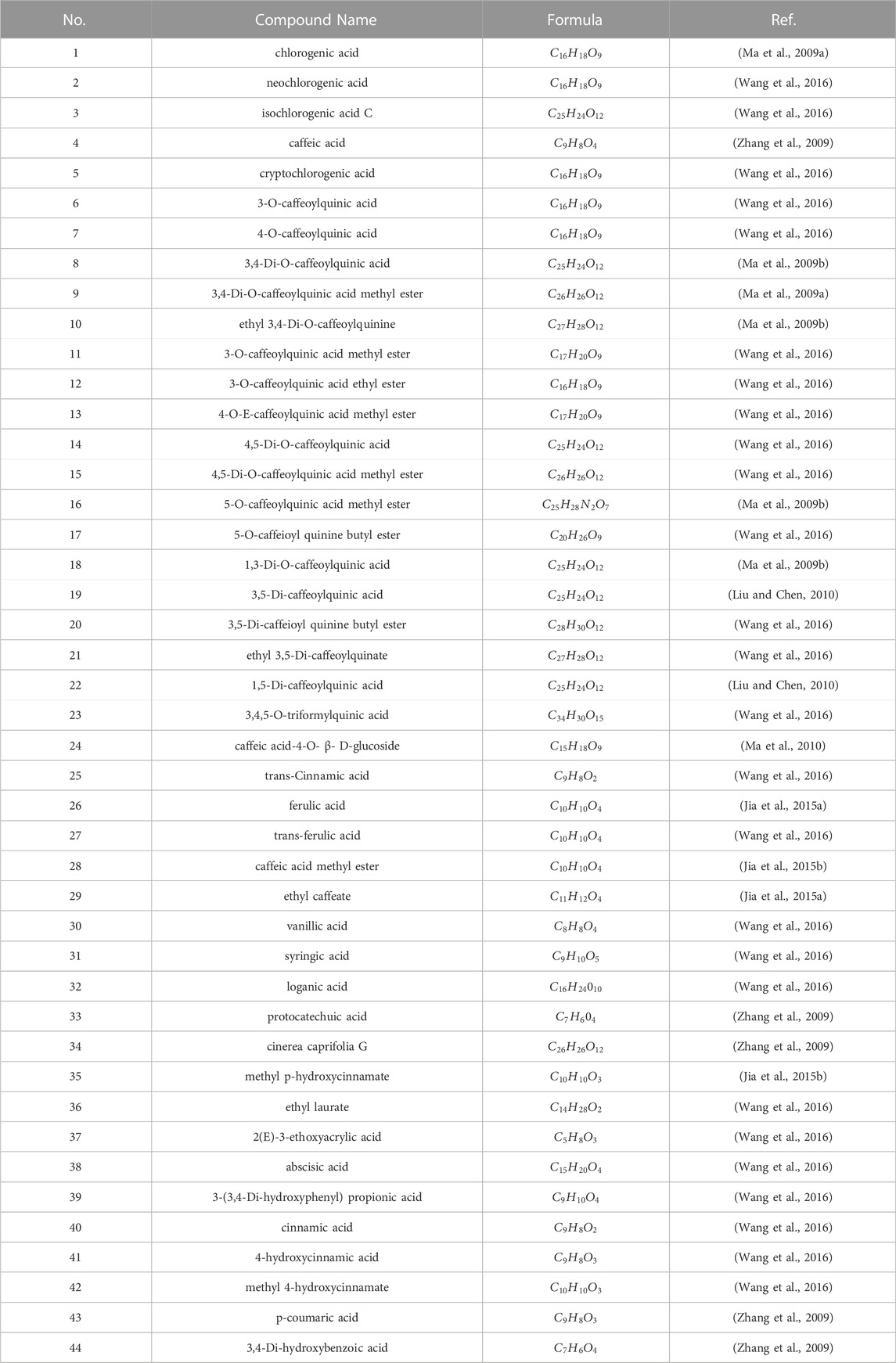
TABLE 1. Composition of organic acid compounds in Lonicerae Japonicae (Caulis).
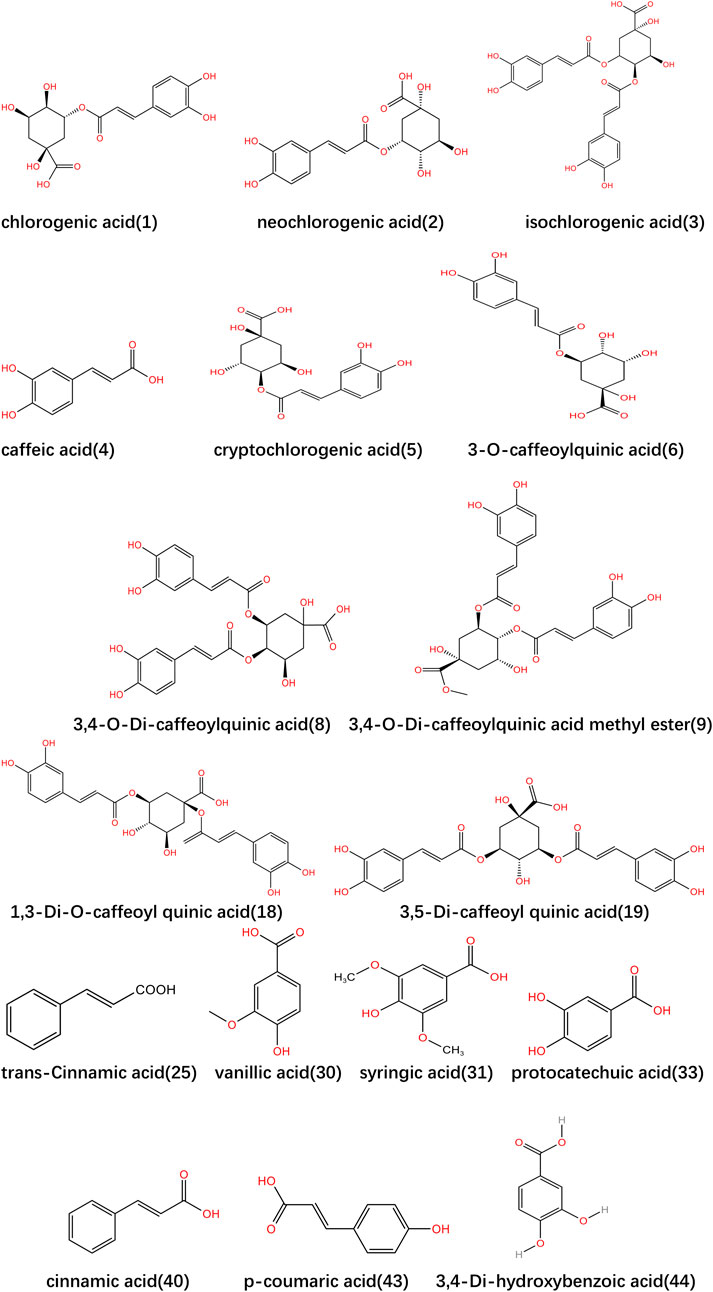
FIGURE 1. Structural formula of major organic compounds in Lonicerae Japonicae (Caulis).
2.2 Volatile oils
The volatile oils are the main active metabolites of Lonicerae Japonicae, mainly including acids, aldehydes, alcohols, ketones and their esters, which are present in the flowers, leaves and stems of Lonicerae Japonicae. In addition, it should be noted that different parts contain different volatile oil metabolites (Shang et al., 2011). Li Huijun isolated and identified the volatile oil metabolites in Lonicerae Japonicae Caulis, and confirmed that palmitic and linoleic acid had the highest content (Li et al., 2002). Wang Shuyan found that esters are the highest content of Lonicerae Japonicae Caulis volatile oil (Wang et al., 2011). Nenad Vukovic prepared essential oils from different parts of Lonicerae Japonicae and then carried out metabolite identification research with gas chromatography and mass spectrometry to. As a result, the researcher found that linalool was the primary volatile oil metabolite in honeysuckle flower buds, palmitic acid and linalool in honeysuckle leaves were the main volatile oil metabolites and palmitic acid in the stem was the primary volatile oil metabolite (Vukovic et al., 2012). However, there are also differences in the types and metabolites of volatile oils contained in Lonicerae Japonicae (Caulis) from different regions (Du et al., 2015). At present, qualitative and quantitative analysis among various studies shows that the metabolite composition of plants is greatly influenced by the environment and sample state. Therefore, when determining the content of metabolites in plants, it is necessary to consider the conditions of origin and the state of plant samples. The volatile oil in Lonicerae Japonicae (Caulis) is an edible natural flavour, which is currently mainly used in cosmetics, cigarettes, spices and food industries (Seo et al., 2012; Fang et al., 2020; Zhang et al., 2020). The volatile oils have certain activities in antibacterial, anti-inflammatory, and anti-tumor aspects. The main metabolites in the volatile oils, such as linolenic acid, palmitic acid and oleic acid, can affect the inflammatory factors nitric oxide (NO) and tumor necrosis factor (TNF)-α. And then inhibit the proliferation of breast cancer MCF-7 cells. In addition, it can effectively alleviate the occurrence of breast cancer and the inflammatory response in the early and late stages (Yang et al., 2018). Guo Fengyu et al. found that linalool accumulated on the cell membrane due to hydrophobic interactions. This phenomenon will cause the surface of the cell membrane to shrink, cause the formation of pores in the cell membrane and wall and lead to the leakage of small molecules. Therefore, it interferes with the regular operation of the ATP generation system inside bacteria and inhibits cell functional characteristics. And as the action time prolongs, the degree of damage increases with the increase in drug concentration (Guo et al., 2020). The specific information is shown in Table 2 and the structures of the main volatile oils metabolites are shown in Figure 2.
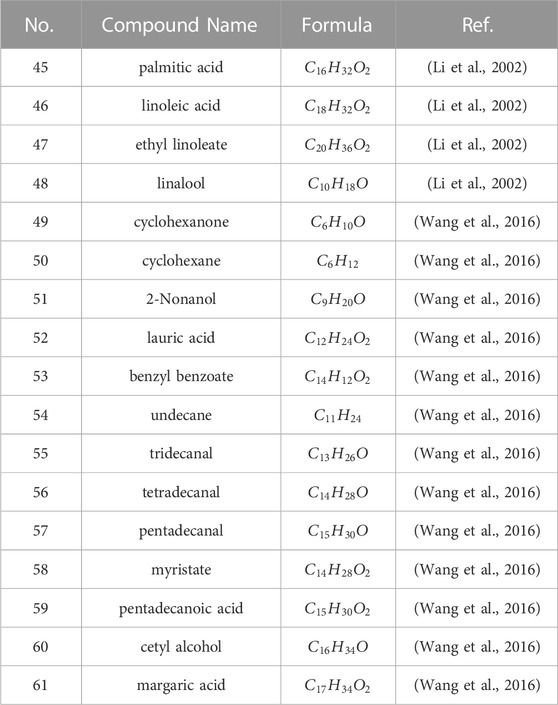
TABLE 2. Volatile oil compound components in Lonicerae Japonicae (Caulis).
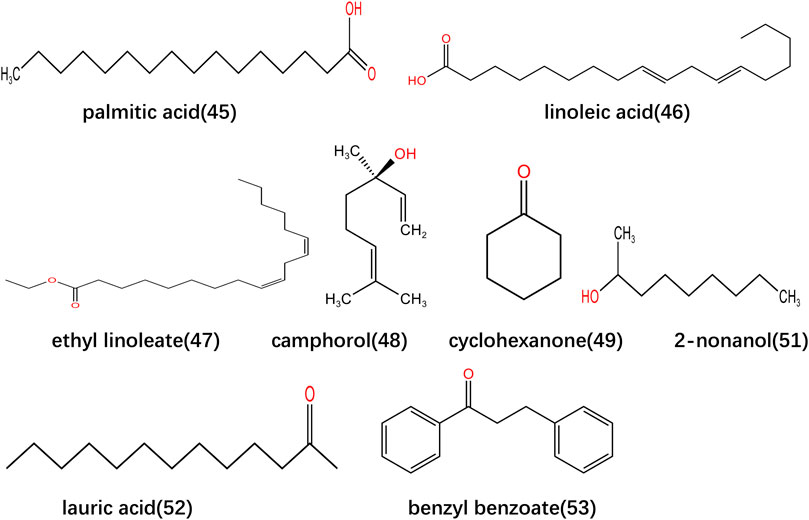
FIGURE 2. Structure of the main volatile oil compounds in Lonicerae Japonicae (Caulis).
2.3 Flavonoids
The flavonoids are the secondary metabolites prevalent in many natural plants (Han et al., 2016; Li N. et al., 2020; Liu et al., 2020). The structure is diversified, which include the circular matrix structure and O-and-C-glycosylated derivatives (Rauter et al., 2018). Currently, the flavonoids isolated from Lonicerae Japonicae can be divided into two categories: flavonoids and flavonols (Li et al., 2019). Among them, flavonoids include cinaroside, luteolin, witch hazel 7-O-neohesperidin, witch hazel 7-O-glucoside, cloxacillin and traxine, etc. (Choi et al., 2007; Lee et al., 2009; Fang et al., 2020). Flavonols mainly include rutin, quercetin, isoquercetin, baicalein and quercetin 3-O-hexosideetc (Lee et al., 2009; Seo et al., 2012). The specific information is shown in Table 3. The main pharmacological effects include antioxidant, bacteriostatic and antitumor activities. The flavonoids not only have an excellent preventive effect on cancer, but also have a certain effect on chronic diseases such as diabetes, cardiovascular and cerebrovascular diseases and liver diseases, etc. Among them, luteolin has anti-angiogenic effects on retinal microvessels, positive effects on inhibiting retinopathy in premature infants, and anti-inflammatory activity. With its ability to inhibit the oxidation of low-density lipoprotein, flavonoids exhibit unique cardioprotective effects and have a certain role in the prevention of cardiovascular diseases (Bagli et al., 2004; Ramassamy, 2006; Scalbert et al., 2007; Park et al., 2012; Han et al., 2016; Hsu et al., 2016; Hou et al., 2017; Ge L. L. et al., 2018; Wan et al., 2019; Li R. J. et al., 2020). The main metabolite types are shown in Table 3; The metabolites structures are shown in Figure 3.
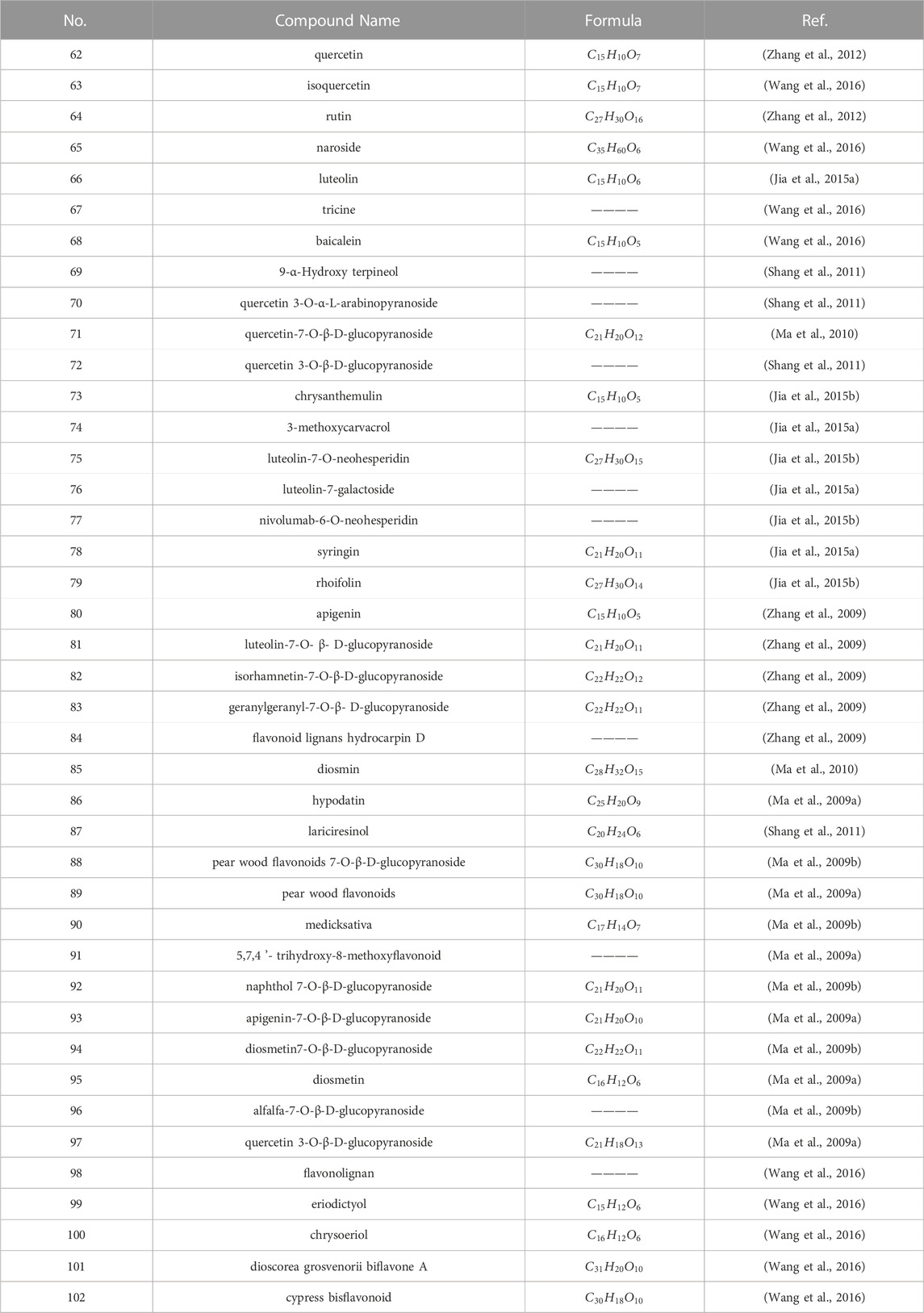
TABLE 3. Flavonoid compound components in Lonicerae Japonicae (Caulis).
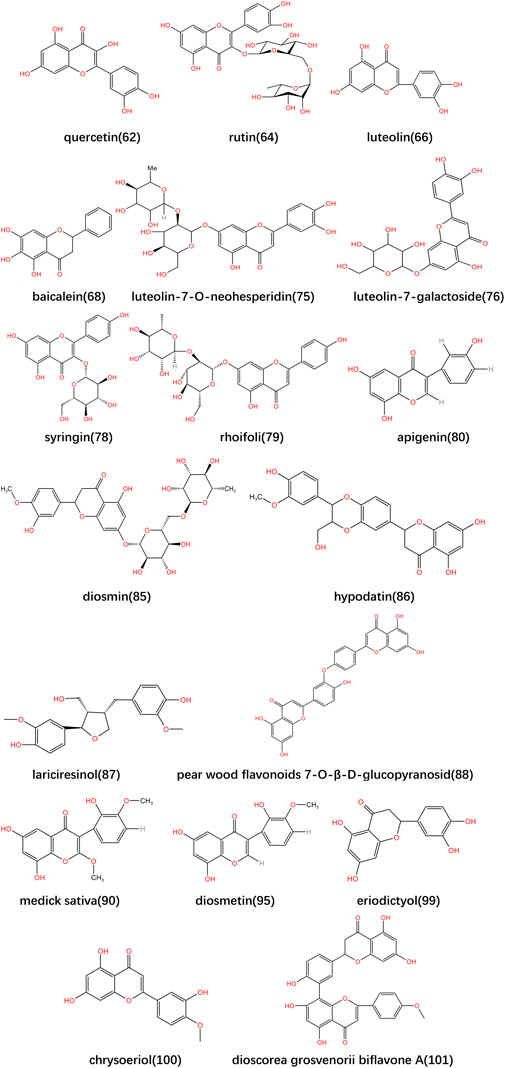
FIGURE 3. Structural formula of major flavonoids in Lonicerae Japonicae (Caulis).
2.4 Triterpenoids and triterpene saponins
Lonicerae Japonicae Caulis contains many terpene metabolites, including triterpenoids, triterpene saponins, etc. A large number of studies have shown that the terpenoids contained in Lonicerae Japonicae (Caulis) have anti-inflammatory and antitumor activities (Kwak et al., 2003; Li and Mu et al., 2017; Ge W. et al., 2018; Mei et al., 2019). As an essential triterpene saponin, aescin can significantly inhibits lung cancer cell proliferation by downregulating protein kinases such as AKT, mTOR, MEK, and ERK. It also can induce cytotoxic autophagy-mediated cell apoptosis withthe downregulation of AKT mTOR. In addition, aescin downregulates the expression of the HIF-1α and VEGF gene to reduce the migration and invasion ability of cells. Based on this, further research and exploration can be considered on the interaction between aescin and macromolecular compounds with migration ability in the future. In addition, the preclinical DEN-induced lung cancer model successfully monitored the expression of EGFR gene, improved the lung histology, and regulated the biochemical parameters. However, the above findings have not been further validated so far. So it is necessary to conduct the studies in vivo on xenograft or genetic animal models (Singh et al., 2023). Sweroside isolated from Lonicera japonica can regulate the expression of MAP kinase and melanogenesis enzyme, which may be an effective skin-whitening agent, which can be used as raw materials for cosmetics and fragrances (Jeong et al., 2015). The specific metabolite information is shown in Table 4, and the main metabolites structures are shown in Figure 4.
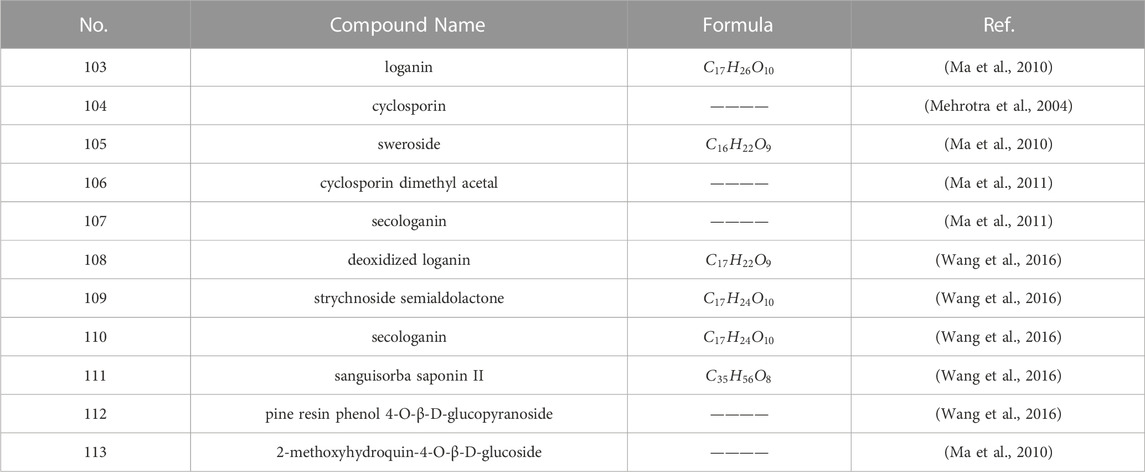
TABLE 4. Triterpenoids and triterpene saponins in Lonicerae Japonicae (Caulis).
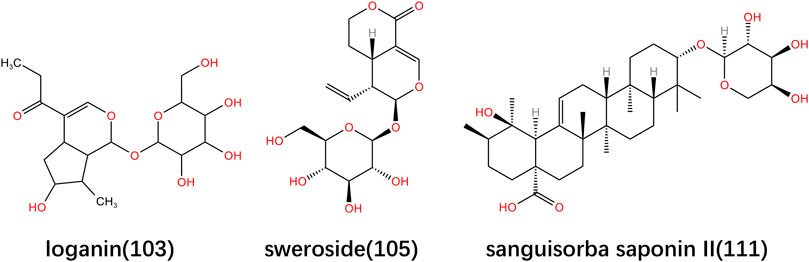
FIGURE 4. Structural formula of major triterpenoids and triterpene saponins in Lonicerae Japonicae (Caulis).
2.5 Other metabolites
The chemical metabolites of Lonicerae Japonicae Caulis are complex, diverse, and have multiple effects. In addition to the four main chemical substances mentioned above, it includes numerous other metabolites. Chen Ling et al. isolated inositol, uracil nucleoside, 2-methoxyhydroquinone 4-O- β- D-glucoside, and (+) turpentin-4-O- β- D-glucoside from Lonicera japonica vine (Chen et al., 2015). Expect the above active metabolites, Lonicerae Japonicae (Caulis) also contains some amino acids, such as Alanine (Ala), Serine (Ser), Proline (Pro), Valine (Val), Threonine (Thr), Isoleucine (Lle), Leucine (Leu), Aspartic acid (Asn), Glutamic acid (Gln), Lysine (Lys), Histidine (His), Phenylalanine (Phe), and Arginine (Arg), as well as trace elements such as Iron (Fe), Magnesium (Mg), Copper (Cu), Chromium (Cr), Manganese (Mn), Zinc (Zn), Nickel (Ni), Arsenic (Se), Molybdenum (Mu), Selenium (Xi), Cadmium (Cd), Mercury (Hg) and Lead (Pb) (Yu et al., 2013; Zhao et al., 2018; Cai et al., 2019). In addition, it contains four nucleosides, Cytidine, Uridine, Adenosine, and Inosine. The specific composition information is shown in Table 5, and the main metabolites structures are shown in Figure 5.
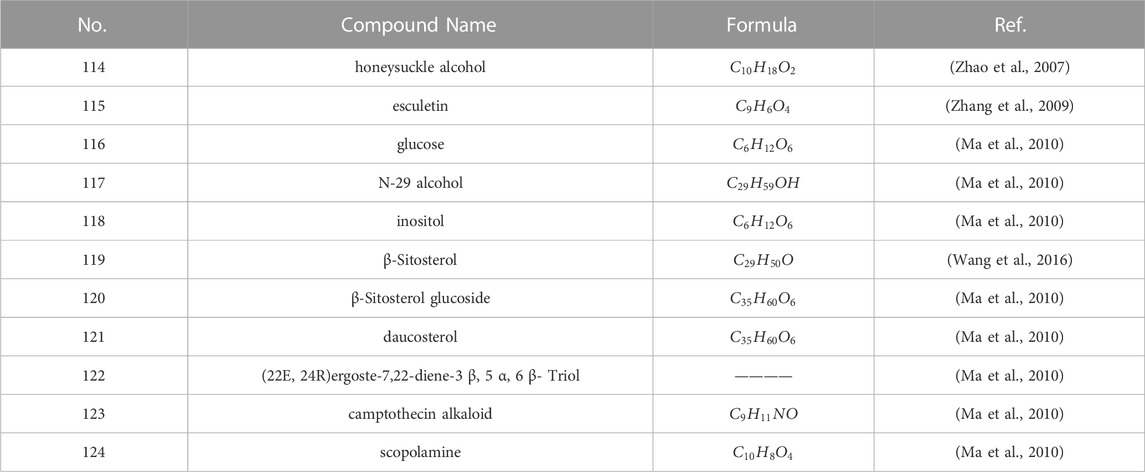
TABLE 5. The other active ingredients in Lonicerae Japonicae (Caulis).
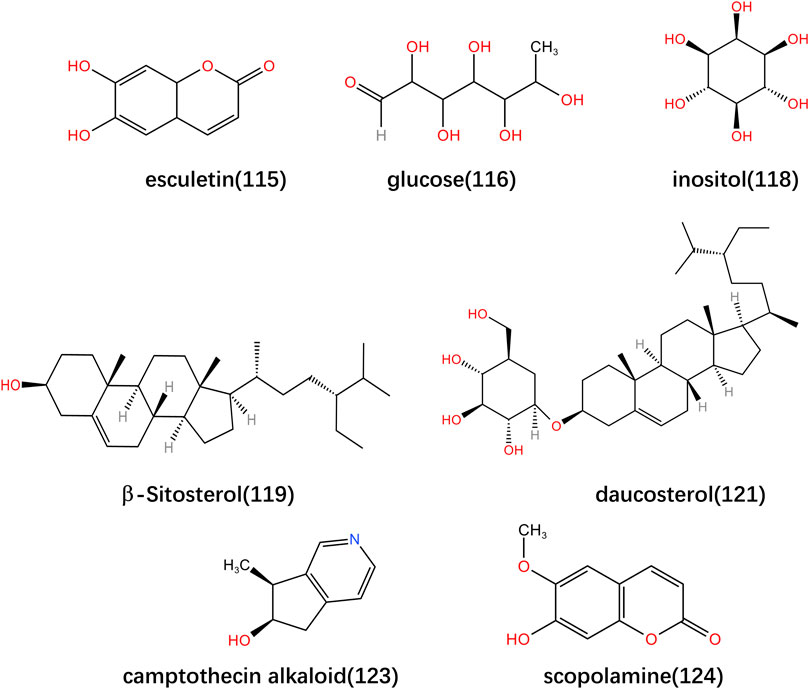
FIGURE 5. Structural formula of other main active ingredients in Lonicerae Japonicae (Caulis).
3 Pharmacological action and mechanism of Lonicerae Japonicae Caulis
The crude extract and the monomer metabolites contained in Lonicerae Japonicae Caulis have pharmacological effects such as the inhibition of pathogenic microorganisms, anti-rheumatism, anti-inflammatory, bone and soft tissue repair, antitumor, anti-oxidation, anti-allergic reaction, and immune regulation function.
3.1 Anti-pathogenic microbial effect
The main bacteriostatic active metabolites in Lonicerae Japonicae Caulis are chlorogenic acid and flavonoids, and the bacteriostatic effect of flavonoids is more significant than that of chlorogenic acid (Xiong et al., 2013; Yang et al., 2016; Minami and Makino, 2020; Yan et al., 2020). Lonicerae Japonicae Flos is superior to Lonicerae Japonicae Caulis in the prevention and treatment of respiratory diseases, and Lonicerae Japonicae Caulis is better than Lonicerae Japonicae Flos in the treatment of infectious hepatitis and infectious mumps (Zhao et al., 2016). 214 cases of chronic hepatitis B patients were collected, and the dialectical treatment with Lonicerae Japonicae Caulis powder was carried. The results showed that the level of endothelin (ET) in the treated patients decreased significantly, confirmed that Lonicerae Japonicae Caulis had the effect of repairing endothelial cells and had a specific effect on the chronic hepatitis B cases caused by hepatitis B virus (Zhou and Yu, 2002). Luo Mingjing found that Lonicerae Japonicae Caulis injection could reduce the expression level of α-hemolysin and its related regulatory genes, reduce the secretion of α-hemolysin, reduce the damage of Staphylococcus aureus to lung epithelial cells and reduce the fatality rate of Staphylococcus aureus pneumonia, suggesting that Lonicerae Japonicae Caulis injection has an inhibitory effect on Staphylococcus aureus (Figure 6) (Luo, 2012). This experiment analyzed the secretion of α-hemolysin and the mechanism of Lonicerae Japonicae Caulis’s anti-staphylococcus aureus pneumonia effect from the perspective of virulence factors. It laid the foundation for further exploring the complex mechanism of action of Lonicerae Japonicae Caulis in staphylococcus aureus pneumonia. Although the research has shown that Lonicera japonica injection has a significant therapeutic effect on pneumonia caused by staphylococcus aureus, relevant data has not yet been obtained in the clinical practice, and further research results on the clinical application need to be followed up. Zuo Huifen et al. compared the specific effects of Lonicerae Japonicae Caulis, Plum and Lonicerae Japonicae Flos on Steurophila maltophila by Mueller-Hinton Agar dilution method, and the results showed that they all had different degrees of bacteriostatic effects on this bacterium (Zuo et al., 2020). The specific antibacterial metabolites of the three traditional Chinese medicines against Stenotrophomonas maltohilia have not been identified here. This can be considered as the next research content. Chen Weiyan prepared the four kinds of extracts from the traditional Chinese Medicine of Hemibranch, Mutong, Lonicerae Japonicae Caulis and Forsythia by microwave, and analyzed their inhibitory effects on Citrus anthracnose, Cotton wilt and Wheat Total Eclipsing Bacteria (Chen, 2022). The results showed that Lonicerae Japonicae Caulis had a strong bacteriostatic effect under the extraction of ethanol, acetone and ethyl acetate, and the bacteriostatic effect could reach 100% under the condition of acetone solvent, which confirmed the excellent effect of Lonicerae Japonicae Caulis in inhibiting pathogenic microorganisms. Some studies have shown that Lonicerae Japonicae can significantly promotes the colonization of beneficial bacteria and inhibits the reproduction of harmful bacteria (Wang et al., 2014; Minami and Makino, 2020). The defense mechanisms against bacteria, such as the activation of neutrophils, lymphocytes and complement systems, require further research.
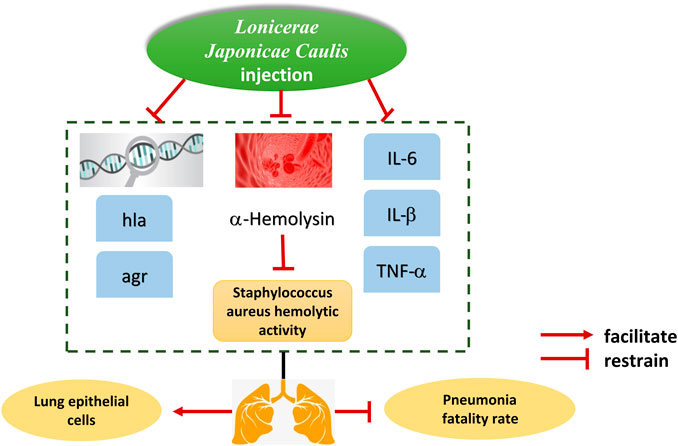
FIGURE 6. Protective mechanism of Lonicerae Japonicae Caulis lung epiphyteal cells in mice with Staphylococcus aureus pneumonia.
3.2 Anti-inflammatory effect
Inflammation refers to a normal protective response when the body is damaged and infected. In the research and response of traditional Chinese Medicine, Lonicerae Japonicae (Caulis) is often combined with other traditional Chinese Medicines to treat inflammation and has significant anti-inflammatory effects in vivo and in vitro (Jiang M. et al., 2014; Li N. et al., 2020; Zhou et al., 2021). Gout is an inflammatory joint disease, and studies have found that the use of fire-needle therapy for bloodletting and the oral Lonicerae Japonicae Caulis soup for the treatment of gout patients can improve the level of inflammatory factors, promote inflammatory absorption, and relieve pain (Zhao and Chen, 2019). Another study found that using Lonicerae Japonicae Caulis granules to intervene in gouty arthritis rats, the results showed that the blood uric acid (BUA) level, liver xanthine oxidase (XO) activity, interleukin-1β (IL-1β), matrix metallo proteinase-3 (MMP-3), lipoprotein phospholipase A2 (LP-PLA2) and tumor necrosis factor-α (TNF-α) levels in gouty arthritis rats were significantly reduced, confirming that Lonicerae Japonicae Caulis has anti-inflammatory and analgesic effects (Wang, 2016). The specific action mechanism is shown in Figure 7. For the sake of comparability of experimental data, male rats were used in this study. Considering the gender differences in clinical practice, this study lacks a certain degree of objectivity. Although the mechanism in treating gout is becoming clear increasingly, due to the complex metabolites contained in traditional Chinese medicine. It is difficult to observe a single variable and locate precise targets. Therefore, further exploration is needed for the deeper mechanism study. Lonicerae Japonicae Caulis decoction was used to treat patients with humid heat and the connotation of uric acid nephropathy. The observation symptoms showed that the symptoms of joint burning pain and lower limb edema were significantly reduced. Renal function was improved, and blood uric acid and blood β2 microglobulins were significantly reduced, indicating that Lonicerae Japonicae Caulis has anti-inflammatory activity and a specific effect on the humid heat connotation of uric acid nephropathy (Li R. J. et al., 2020). Chen Hening et al. used the water-extracted of Astragalus, Angelica and Lonicerae Japonicae Caulis freeze-dried powderon the rat synovial cells, observed and monitored the morphological changes and apoptosis rate of synovial cells, as well as the expression levels of criticalproteins in NF-κB and JAK/STAT pathways. The results showed that the extract might increase the apoptosis rate of synovial cells by inhibiting NF-κB and JAK/STAT signaling pathways, in the end ultimately inhibit the synovial cell proliferation and alleviate the inflammatory symptoms (Chen et al., 2020). The water decoction of Astragalus, Angelica and Lonicerae Japonicae Caulis dry powder were prepared respectively to intervene in inflammatory injury model rats by Meng Xiaoying. The results showed that the content of T-cells increased, the mobility decreased and the chemokine-2 (CCL2) increased. The mechanism was related to the inhibition of synovial cell inflammatory proliferation in rats, which positively affected the prevention and treatment of rheumatoid arthritis (Meng, 2021). Lan Huangqi et al. used Litsea pungens Hemsl and Lonicerae Japonicae Caulis extracts on asthma model mice and found that its mechanism of action was reducing the levels of IgE, IL-4, IL-5, and IL-10 contained in the serum, increase the level of IFN-γ, and weaken the expression of GATA-3 protein, confirming that Lonicerae Japonicae Caulis can be used to improve airdoritis in the asthmatic mice (Lan et al., 2020a). Dou Yuyu et al. used Litsea pungens Hemsl and Lonicerae Japonicae Caulis in asthma model mice based on the experimental research of Lan huangqi, and found that the drug could reduce the levels of IGF-β1, IL-4, IL-13, VEGF, PDGF and the expression levels of related proteins Cyclin D1 and ERK1/2, thereby inhibiting the proliferation of airway smooth muscle cells and achieving anti-inflammatory effects (Dou et al., 2021). Another study has shown that Lonicera japonica can exert anti-inflammatory effects on the LPS-induced lung inflammation, improve lung morphology, and reduce pulmonary edema. Lonicerae Japonicae Caulis increases the nuclear Sp1 binding activity through incremental phosphorylation of ERK, thereby enhancing IL-10 expression. Simultaneously, it can reduce nuclear NF-κB binding activity by suppressing the phosphorylation of IκB, p38, and JNK, thereby inhibiting the expression of TNF-α, IL-1β and IL-6 in the lungs (Kao et al., 2015). The above studies have shown that Lonicerae Japonicae Caulis can play a good role in treating inflammatory diseases. However, further research is needed to confirm the specific effects of natural metabolites contained in Lonicerae Japonicae Caulis on macrophages under in vitro conditions.
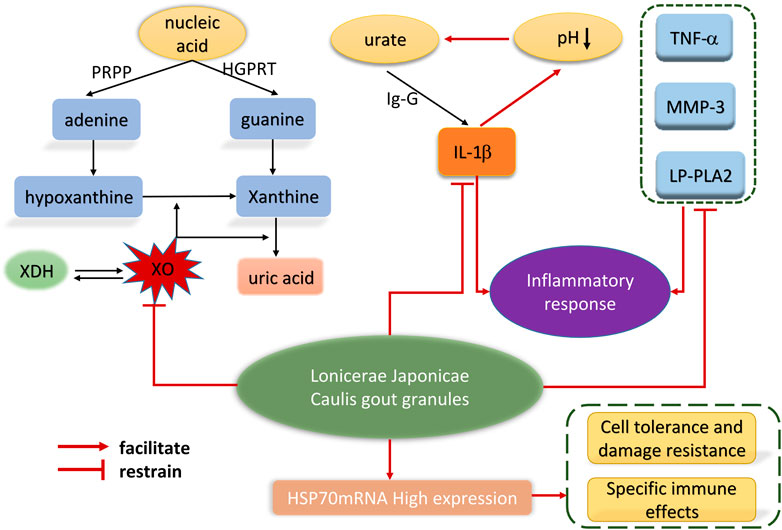
FIGURE 7. Mechanism of Lonicerae Japonicae Caulis granules in the treatment of gouty arthritis.
3.3 Repair bone and soft tissue
Modern research has shown that Lonicerae Japonicae Caulis has a definite role in the repairing of the bone and soft tissue. Jia Haiyan found that Lonicerae Japonicae Caulis had a significant effect on the content of calcium and alkaline phosphatase in the serum of fractured rabbits, and had a positive effect on the repair of fractures (Jia et al., 2017). The specific mechanism of action is shown in Figure 8. Huang Xin used a self-formulated prescription including Rhubarb (30 g), Bitter ginseng (30 g), Lonicerae Japonicae Caulis (30 g), and Bai Zhi (20 g) to treat soft tissue sprain patients (Huang, 1995), and the results showed that the total effective rate was as high as 97% in 200 patients, which proved that Lonicerae Japonicae Caulis had a good effect on dissipating local bruising and repairing soft tissues. In addition, Lonicerae Japonicae Caulis is effective in treating chronic osteomyelitis (COM). In summary, Lonicerae Japonicae Caulis positively can positively indeed promote the repair of bone and soft tissue.

FIGURE 8. Mechanism of effects of Mixed Caulis Lonicerae Japonicae Extracts on Fracture Healing and Anti-inflammation.
3.4 Antitumor effect
The flavonoids and saponins in Lonicerae Japonicae Caulis also have certain antitumor pharmacological effects. Shan Yu et al. found that macranthoside B (MB), a saponin metabolite, could block the proliferation of human ovarian cancer A2780 cells and induce apoptosis and autophagy (Shan et al., 2016). Yan Baofei et al. found that Lonicerae Japonicae Caulis could achieve the purpose of apoptosis of human osteosarcoma cells (HOS) through mitochondrial apoptosis (Yan et al., 2021). Lonicerae Japonicae Caulis extract can reduce the mitochondrial membrane potential and Bcl-2 protein expression levels of HOS, and increase the expression level of Bax and cleaved Caspase-9 protein, thereby inhibiting the survival rate of HOS and 143B cells. The specific mechanism were shown in Figure 9. This study conduct a comprehensive and rapid qualitative analysis of the chemical metabolites of Lonicerae Japonicae Caulis based on UPLC-Q-TOF/MS. In the later study, it can be considered to start further elucidating the anti-tumor mechanism of Lonicerae Japonicae Caulis with the interaction between specific metabolites. There are also studies using the rough alcohol extraction of Lonicerae Japonicae Caulis extraction to carry out tumor suppression experiments in vivo and tumor-killing experiments in vitro. Its tumor inhibition rate is 30% higher, which confirms the antitumor effect of Lonicerae Japonicae Caulis (Li et al., 2000). Chen Ling et al. used the Lonicerae Japonicae Caulis extract on the colon cancer cells. Some Researchers detected the proliferation of colon cancer cells after medication and tested the change of mitochondrial membrane potential of cancer cells. Besides, the expression level of cell-related proteins was measured. Some researchers detected the effects of Lonicerae Japonicae Caulis extract and a kind of p53 inhibitor (PFT-α) on the apoptosis of cancer cells. The results showed that Lonicerae Japonicae Caulis extract could induce apoptosis in p53-dependent mitochondria and had the anti-colon cancer effects (Chen et al., 2022). Researchers isolated and identified four flavonoids from Lonicerae Japonicae, all of which exhibited anti-liver cancer activity in vitro experiments and had a protective effect on the liver. At present, in the clinical treatment of liver cancer, the common chemotherapy drugs doxorubicin (Dox), lipiodol, and cisplatin all have serious adverse reactions (Ge L. L. et al., 2018). The protective effects of flavonoids from the flowers, leaves, and stems of Lonicera japonica on liver cancer may indicate the potentiality of Lonicerae Japonicae Caulis as being a health food resource during chemotherapy for liver cancer.
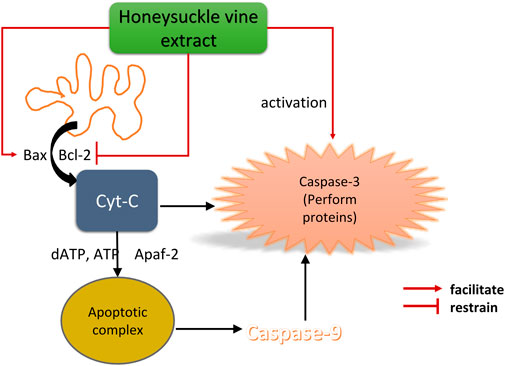
FIGURE 9. Mechanism of Lonicerae Japonicae Caulis Rattan extract inducing apoptosis of osteosarcoma cells.
3.5 Antioxidant effect
The antioxidant effect is one of the important biological activities of Lonicerae Japonicae (Caulis) (Hus et al., 2016; Lee et al., 2019; Wan et al., 2019; Zhang et al., 2020). Guo et al. (2014) found that Lonicerae Japonicae Caulis had antioxidant activity in vivo and in vitro. Its antioxidant activity is closely related to the polyphenols and polysaccharides rich in Lonicerae Japonicae, including various phenolic acids and flavonoid metabolites (Guo et al., 2014; Fan et al., 2019). Xiang Jiqian et al. used 3 micro-models of 1,1-diphenyl-2-picrylhydrazyl (DPPH), 2,2'-azino-bis (3-ethylbenzothiazoline-6-sulfonic acid) diammonium salt (ABTS) and ferric reducing antioxidant power (FRAP) as indicators to detect the effects of different flavonoid extraction processes on the extraction of total flavonoids in Lonicerae Japonicae Caulis and their antioxidant effect in vitro (Xiang et al., 2017). The results showed that total flavonoids of Lonicerae Japonicae Caulis had high antioxidant capacity in vitro. Chlorogenic acid (CGA) and caffeic acid (CA), which belong to phenolic acids, have significant antioxidant activity in vitro and in vivo and are potent antioxidants (Wang et al., 2009; Li and Wang, 2012; Jiang P. et al., 2014). Chen Liangmian et al. used DPPH, ABTS and FRAP to determine that Lonicerae Japonicae Caulis, Lonicerae Japonicae Flos and Folium Lonicerae all had different degrees of antioxidant effects (Chen et al., 2021). In addition, the anthocyanins rich in Lonicerae Japonicae Caulis have significant anti-inflammatory and antioxidant activities. Denis Golubev et al. studied the antioxidant and anti-aging activities of Lonicerae Japonicae extract with the model of drosophila melanogaster. The results showed that for male and female fruit flies, supplementation with 100 uM concentration of Lonicerae Japonicae extract (LE) and anthocyanins could better improve the life span of fruit flies (Golubev et al., 2022).
3.6 Immunomodulatory effect
Lonicerae Japonicae Caulis also has a regulatory effect on the body’s immune function. Meng Xiaoying used Lonicerae Japonicae Caulis, Astragalus and Angelica to regulate the T-cell immune system, thereby inhibiting the expression of CCL2 and further reducing the inflammatory response of the rat synovial cells (Meng et al., 2019). Lan Huangqi et al. applied the ethanol extract of Litsea pungens Hemsl and Lonicerae Japonicae Caulis to treat the asthma model mice. It was found that the levels of IgE, IL-4, IL-5, and IL-10 in mice were significantly reduced, while IFN- γ level significantly increased and the expression level of GATA-3 protein was also improved. The above results suggest that Lonicerae Japonicae Caulis has a regulatory effect on the immune function in the body. But there is currently no specific explanation for its upstream mechanism of regulating GATA-3 expression (Lan et al., 2020b). In addition, the flavonoid substances in Lonicerae Japonicae Flos can enhance immunity by removing superoxide ion free radicals in the body (Yang et al., 2017). Lonicerae Japonicae Caulis is widely used in clinical applications. Lonicerae Japonicae Caulis decoction affects immune infertility caused by anti-sperm antibody (AsAb) positive (Ma et al., 2003). And Lonicerae Japonicae Caulis can be combined with Caulis spatholobi to treat the autoimmune diseases, such as systemic lupus erythematosus, allergic purpura, and thrombocytopenic purpura, etc. Besides, it has achieved good clinical efficacy, and the addition of Lonicerae Japonicae Caulis to broiler feed can improve the conversion rate of broiler feed, increase the phagocytosis of broiler thymus, spleen index, and macrophages (Wu et al., 2007; Sun et al., 2010). It is also suggested that Lonicerae Japonicae Caulis can enhance the immune function of the animal body.
4 Summary and research prospect
Lonicerae Japonicae Caulis has the effect of clearing away heat, toxic material, dredging wind and unblocking collaterals in the theory of traditional Chinese Medicine. It is mainly used clinically for the prevention and treatment of warm fever. Its various traditional uses have now been confirmed by modern pharmacology, and its various active metabolites have been confirmed by some researches. Due to the abundant content and pharmacological effects of the active metabolite CGA, it has been used as a marker to characterize the chemical properties of Lonicerae Japonicae Caulis, and Lonicerae Japonicae Flos. Still, CGA is not specific, and further research is needed to determine whether the quality of the drug is entirely appropriate when used to determine whether the quality is entirely appropriate.
It is precisely because of the various pharmacological activities of Lonicerae Japonicae Caulis that it plays an increasingly important role in treating various a variety of diseases. At the same time, because Lonicerae Japonicae Caulis belongs to the homologous resources of medicine and food, and it has the characteristics of medicine and food. It has natural advantages in safety and tonics, so the public loves it. In addition, the research and exploration of the pharmacological activity of Lonicerae Japonicae Caulis can also help develop and prepare new drugs from Lonicerae Japonicae Caulis. In recent years, many studies have been on the chemical metabolites and pharmacological activities of Lonicerae Japonicae Caulis. However, it is unclear whether there are interactions between the various chemical metabolites. In addition, the impact of environmental factors on the types and contents of chemical metabolites that Lonicerae Japonicae Caulis contains is currently not fully understood. The differences in the effect mechanisms of various single metabolites and metabolites groups on the various diseases have not been fully explored and studied. It is possible to explore the pharmacological effects of classic prescriptions. Although many studies have confirmed the various pharmacological activities of Lonicera japonica vine, there is still a lack of research on its clinical application. Therefore, in future research and exploration, the scope of material foundation research and the depth of pharmacological activity research should be expanded, and clinical practice research should be emphasized.
In summary, the active metabolites contained in Lonicerae Japonicae Caulis are complex, the pharmacological effects are diverse. It has a positive effect in the prevention and treatment of respiratory diseases, cancer, cardiovascular and cerebrovascular diseases, liver diseases, etc., which confirms that the potential application value of Lonicerae Japonicae Caulis is outstanding, which is worthy of follow-up in-depth research.
Author contributions
Y-XC: Writing–original draft. PJ: Writing–review and editing. F-LW: Supervision, Writing–review and editing. J-QD: Supervision, Writing–review and editing. C-CL: Supervision, Writing–review and editing. TM: Supervision, Writing–review and editing. H-CY: Supervision, Writing–review and editing. Y-MW: Project administration, Writing–review and editing. Y-LH: Project administration, Writing–review and editing.
Funding
The author(s) declare financial support was received for the research, authorship, and/or publication of this article. This work was supported by Key R&D Projects of Ningxia Science and Technology Department (2023BCF01039), the National Nature Science Foundation of China (No. 32260899, U21A20262), A University-level Fuxi Talent Project (No. Gaufx-02Y05), China's Modern Agricultural Industrial Technology System (No. CARS-37), the Lanzhou Talent Innovation and Entrepreneurship Project (No. 2021-RC-57).
Acknowledgments
The authors would like to express our gratitude and appreciation to those who helped with this study at the College of Veterinary Medicine, Gansu Agricultural University, and appreciation to the experimental platform provided by Gansu Agricultural University.
Conflict of interest
The authors declare that the research was conducted in the absence of any commercial or financial relationships that could be construed as a potential conflict of interest.
Publisher’s note
All claims expressed in this article are solely those of the authors and do not necessarily represent those of their affiliated organizations, or those of the publisher, the editors and the reviewers. Any product that may be evaluated in this article, or claim that may be made by its manufacturer, is not guaranteed or endorsed by the publisher.
Abbreviations
AsAb, Anti-sperm Antibody; BUA, Blood Uric Acid; CCL2, Chemokine-2; COM, Chronic osteomyelitis; CA, Caffeic Acid; CGA, Chlorogenic Acid; ET, Endothelin; HOS, Human osteosarcoma cell; IL-1β, Interleukin-1β; LE, Lonicerae Japonicae Caulis extract; LP-PLA2, Lipoprotein Phospholipase A2; LPS, Limpopolysaccharide; MMP-3, Matrix Metalloproteinase-3; MB, Macranthoside B; TNF-α, Tumor Necrosis Factor-α; XO, Xanthine oxidase.
References
Bagli, E., Stefaniotou, M., Morbidelli, L., Ziche, M., Psillas, K., Murphy, C., et al. (2004). Luteolin inhibits vascular endothelial growth factor-induced angiogenesis; inhibition of endothelial cell survival and proliferation by targeting phosphatidylinositol 3'-kinase activity. Cancer. Res. 64 (21), 7936–7946. doi:10.1158/0008-5472.CAN-03-3104
Cai, Z. C., Wang, C. C., Zou, L. S., Liu, X. H., Chen, J. L., Tan, M. X., et al. (2019). Comparison of multiple bioactive constituents in the flower and the caulis of Lonicera japonica based on UFLC-QTRAP-MS/MS combined with multivariate statistical analysis. Molecules 24 (10), 1936. doi:10.3390/molecules24101936
Chen, H. N., Wang, C. Z., Meng, X. Y., Huandlke, M., Zhang, H. J., Li, X., et al. (2020). Effect and mechanism of Milkvetch Root, Chinese Angelica and Honeysuckle Stem water-extracted lyophilized powder on proliferation and apoptosis of rats synoviocytes based on NF-κB and JAK/STAT signaling pathway. Mod. J. Integr. Tradit. Chin. West Med. 29 (1), 20–24. doi:10.3969/j.issn.1008-8849.2020.01.005
Chen, L., Jiang, W. J., Yao, C., Li, Y. L., and Fang, M. M. (2022). Effect of Lonicera Japonica extract on colon cancer. Chin. J. Surg. Oncol. 14 (4), 394–399. doi:10.3969/j.issn.1674-4136.2022.04.016
Chen, L., Liu, C. S., Chen, Q. Z., Wang, S., Xiong, Y. A., Jing, J., et al. (2017). Characterization, pharmacokinetics and tissue distribution of chlorogenic acid-loaded self-microemulsifying drug delivery system. Eur. J. Pharm. Sci. 100, 102–108. doi:10.1016/j.ejps.2017.01.011
Chen, L. M., Zou, F. Y., Liu, X. Q., Gao, H. M., Zhang, Y. X., Fen, W. H., et al. (2021). Comparison of antioxidant activities between the medicinal parts and non-medicinal parts of Lonicera japonica by three test methods. World Chin. Med. 16 (17), 2513–2519. doi:10.3969/j.issn.1673-7202.2021.17001
Chen, L., Zhang, H. Y., Li, X., Dong, J. J., and Zhao, T. Z. (2015). Research progress on chemical constituents of Lonicera japonica. Drugs. & Clin. 30 (1), 108–114. doi:10.7501/j.issn.1674-5515.2015.01.024
Chen, W. Y. (2022). Preparation of microwave extracts from four Chinese herbal medicines and their antifungal and rooting activities. J. Qingdao Univ. Sci. Technol. Natur. Sci. 43 (4), 20–26. doi:10.16351/j.1672-6987.2022.04.003
Choi, C. W., Jung, H. A., Kang, S. S., and Choi, J. S. (2007). Antioxidant constituents and a new triterpenoid glycoside from Flos Lonicerae. Arch. Pharm. Res. 30, 1–7. doi:10.1007/BF02977770
Dou, Y. Y., Lan, H. Q., Guo, J. H., Huang, B. L., Li, K. M., Tang, H. Q., et al. (2021). Effect of ethanol extracts of Litsea and Lonicera japonica Thunb on ASMC proliferation and airway remodeling in mice with asthma. J. Youjiang Med. Univ. Nati. 43 (3), 310–313+343. doi:10.3969/j.issn.1002-5817.2021.03.004
Du, C. Z., Feng, X., Wang, H., Wu, L., and Li, P. (2015). Analysis of volatile constituents in Lonicera japonica Thunb. from different origins by GC-MS. Agricul. Sci. Technol. 16 (5), 1083. doi:10.16175/j.cnki.1009-4229.2015.05.051
Fan, Z. L., Li, L., Bai, X. L., Zhang, H., Liu, Q. R., Zhang, H., et al. (2019). Extraction optimization, antioxidant activity, and tyrosinase inhibitory capacity of polyphenols from Lonicera japonica. Food. Sci. nurt. 7 (5), 1786–1794. doi:10.1002/fsn3.1021
Fang, H. L., Qi, X. W., Li, Y. M., Yu, X., Xiu, D. B., Liang, C. Y., et al. (2020). De novo transcriptomic analysis of light-induced flavonoid pathway, transcription factors in the flower buds of Lonicera japonica, 34. Berlin, GermanCy : West: Trees, 267–283. doi:10.1007/s00468-019-01916-4
Ge, L. L., Li, J. M., Wan, H. Q., Zhang, K. D., Wu, W. G., Zou, X. T., et al. (2018). Novel flavonoids from Lonicera japonica flower buds and validation of their anti-hepatoma and hepatoprotective activity in vitro studies. Ind. Crop. Prod. 125, 114–122. doi:10.1016/j.indcrop.2018.08.073
Ge, W., Li, H. B., Fang, H., Yang, B., Huang, W. Z., Xiao, W., et al. (2018). A new dimeric secoiridoids derivative, japonicaside E, from the flower buds of Lonicera japonica. Nat. Prod. Res. 33 (1), 53–58. doi:10.1080/14786419.2018.1431641
Golubev, D., Zemskaya, N., Shevchenko, O., Shaposhnikov, M., Kukuman, D., Patov, S., et al. (2022). Honeysuckle extract (Lonicera pallasii L.) exerts antioxidant properties and extends the lifespan and healthspan of Drosophila melanogaster. Biogerontology 23, 215–235. doi:10.1007/S10522-022-09954-1
Guo, A. L., Chen, L. M., Wang, Y. M., Liu, X. Q., Zhang, Q. W., Gao, H. M., et al. (2014). Influence of sulfur fumigation on the chemical constituents and antioxidant activity of buds of Lonicera japonica. Molecules 19 (10), 16640–16655. doi:10.3390/molecules191016640
Guo, F. Y., Chen, W. X., Chen, H. M., Yun, Y. H., Chen, W. J., and Zhong, Q. P. (2020). Antibacterial mechanism of linalool against Escherichia coli. Mod. Food Sci. Technol. 36 (04), 113–118. doi:10.13982/j.mfst.1673-9078.2020.4.015
Han, M. H., Lee, W. S., Nagappan, A., Hong, S. H., Jung, J. H., Park, C., et al. (2016). Flavonoids isolated from flowers of Lonicera japonica Thunb. Inhibit inflammatory responses in BV2 microglial cells by suppressing TNF-alpha and IL-beta through PI3K/Akt/NF-kb signaling pathways. Phytother. Res. 30 (11), 1824–1832. doi:10.1002/ptr.5688
Hou, N., Liu, N., Han, J., Yan, Y., and Li, J. (2017). Chlorogenic acid induces reactive oxygen species generation and inhibits the viability of human colon cancer cells. Anti-Cancer Drug 28, 59–65. doi:10.1097/CAD.0000000000000430
Hsu, H. F., Hsiao, P. C., Kuo, T. C., Chiang, S. T., Chen, S. L., Chiou, S. J., et al. (2016). Antioxidant and anti-inflammatory activities of Lonicera japonica Thunb. var. sempervillosa Hayata flower bud extracts prepared by water, ethanol and supercritical fluid extraction techniques. Ind. Crop. Prod. 89, 543–549. doi:10.1016/j.indcrop.2016.05.010
Huang, X. (1995). Four-substance external washing prescription for soft tissue sprains. Shenzhen J. Integr. Tradit. Chin. West Med. (3), 12. doi:10.16458/j.cnki.1007-0893.1995.03.012
Hus, H. F., Hsiao, P. C., Kuo, T. C., Chiang, S. T., Chen, S. L., Chiou, S. J., et al. (2016). Antioxidant and anti-inflammatory activities of Lonicera japonica Thunb. var. sempervillosa Hayata flower bud extracts prepared by water, ethanol and supercritical fluid extraction techniques. Ind. Crop. Prod. 89, 543–549. doi:10.1016/j.indcrop.2016.05.010
Jeong, Y. T., Jeong, S. C., Hwang, J. S., and Kim, J. H. (2015). Modulation effects of sweroside isolated from the Lonicera japonica on melanin synthesis. Chem-Biol. Interact. 238, 33–39. doi:10.1016/j.cbi.2015.05.022
Jia, H. Y., Teng, X. D., Wang, H., and Zhang, H. Z. (2017). Effects of mixed Caulis Lonicerae japonicae extracts on fracture healing and anti-inflammation. Chin. Animal. Hus Veteri. Med. 44 (1), 275–281. doi:10.16431/j.cnki.1671-7236.2017.01.039
Jia, X. H., Li, J., and Zhang, Y. Q. (2015a). Research progress on chemical composition of Lonicera japonica. Shandong. J. Tradit. Chin. Med. 34 (8), 641–643. doi:10.16295/j.cnki.0257-358x.2015.08.038
Jia, X. H., Wang, X., and Zhang, Y. Q. (2015b). Phenolic acids of Lonicerae japonicae caulis. Chin. J. Exper. Trad. Med. Formulae. 21 (5), 69–71. doi:10.13422/j.cnki.syfjx.2015050069
Jiang, M., Han, Y. Q., Zhou, M. G., Zhao, H. Z., Xiao, X., Hou, Y. Y., et al. (2014). The screening research of anti-inflammatory bioactive markers from different flowering phases of Flos Lonicerae Japonicae. Plos. One. 9 (5), e96214. doi:10.1371/journal.pone.0096214
Jiang, P., Sheng, Y. C., Chen, Y. H., Ji, L. L., and Wang, Z. T. (2014). Protection of Flos Lonicerae against acetaminophen-induced liver injury and its mechanism. Environ. Toxicol. Phar. 38 (3), 991–999. doi:10.1016/j.etap.2014.10.019
Kao, S. T., Liu, C. J., and Yeh, C. C. (2015). Protective and immunomodulatory effect of flos Lonicerae japonicae by augmenting IL-10 expression in a murine model of acute lung inflammation. Chem-Biol. Interact. 168, 108–115. doi:10.1016/j.jep.2015.03.012
Kwak, W. J., Han, C. K., Chang, H. W., Kim, H. P., Kang, S. S., Sam, S. K., et al. (2003). Loniceroside C, an antiinflammatory saponin from Lonicera japonica. Chem. Pharm. Bull. 51 (3), 333–335. doi:10.1248/cpb.51.333
Lan, H. Q., Lao, C. J., Tang, H. Q., Li, K. M., Zhao, Y. F., and Liu, Y. P. (2020a). From the lung and kidney correlation, the effect of wood ginger and honeysuckle vine with Wu alcohol extract on asthma immune function. Lishizhen Med. Mat. Meduca. Res. 31 (7), 1565–1568. doi:10.3969/j.issn.1008-0805.2020.07.009
Lan, H. Q., Zhang, S. T., Tang, H. Q., Huang, X. S., Li, K. M., and Lin, Q. Q. (2020b). Effects of ethanol extracts of litsea combined with Lonicera japonica Thunb on inflammation in mice with asthma. Chin. J. Gerontol. 40 (14), 3057–3061. doi:10.3969/j.issn.1005-9202.2020.14.046
Lee, E. J., Kim, J. S., Kim, H. P., Lee, J. H., and Kang, S. S. (2009). Phenolic constituents from the flower buds of Lonicera japonica and their 5-lipoxygenase inhibitory activities. Food. Chem. 120 (1), 134–139. doi:10.1016/j.foodchem.2009.09.088
Lee, J. G., Park, G. H., and Chang, Y. H. (2019). Nutraceuticals and antioxidant properties of Lonicera japonica Thunb. as affected by heating time. Int. J. Food. Prop. 22 (1), 630–645. doi:10.1080/10942912.2019.1599389
Li, B. C., and Mu, W. D. (2017). <i>Caulis Lonicerae</i> Japonicae extract shows protective effect on osteoporosis in rats. Trop. J. Pharm. Res. 16 (8), 1881–1886. doi:10.4314/tjpr.v16i8.18
Li, H. B., Yu, Y., Mei, Y. D., Meng, Z. Q., Wang, Z. Z., Huang, W. Z., et al. (2017). A new hetero dimeric terpenoid derivative, japonicaside C, from the flower buds of Lonicera japonica. Nat. Prod. Res. 31 (2), 143–148. doi:10.1080/14786419.2016.1219859
Li, H. J., Zhang, C. Y., and Li, P. (2002). Comparative study on volatile oils in flower and stem of Lonicera japonica. J. Chin. Med. Mat. 25 (7), 476–477. doi:10.13863/j.issn1001-4454.2002.07.010
Li, L. P., Wang, H. J., and Tong, J. Y. (2000). Antineoplastic effect of cortex moutan radicis, caulis Lonicerae and herba lycopi. Tradit. Chin. Drug. Res. Clin. Pharm. 2000 (05), 274–276+319. doi:10.19378/j.issn.1003-9783.2000.05.006
Li, N., Wang, K., Li, Q., Wu, X., Tong, J., and Hua, Y. (2020). Cerebrovascular reactivity in young and old patients with obstructive sleep apnea. J. Sichuan. Tradit. Chin. Med. 38 (9), 125–129. doi:10.1016/j.sleep.2020.04.029
Li, R. G., and Wang, C. J. (2012). Extraction of chlorogenic acid from different organs of honeysuckle and bacteriostatic effect. Lishizhen Med. Mat. Meduca Res. 23 (5), 1196–1197. doi:10.3969/j.issn.1008-0805.2012.05.067
Li, R. J., Kuang, X. P., Wang, W. J., Wan, C. P., and Li, W. X. (2020). Comparison of chemical constitution and bioactivity among different parts of Lonicera japonica Thunb. J. Sci. Food. Agr. 100 (2), 614–622. doi:10.1002/jsfa.10056
Li, Y. K., Li, W., Fu, C. M., Song, Y., and Fu, Q. (2019). Lonicerae japonicae flos and Lonicerae flos: a systematic review of ethnopharmacology, phytochemistry and pharmacology. Phy. Rev. Proc. Phyt. Soc. Eur. 19, 1–61. doi:10.1007/s11101-019-09655-7
Liu, C. J., and Chen, S. P. (2010). Studies on chemical constituents of leaves of Lonicera japonica. Chin. J. Exper. Tradit. Med. Formul. 16 (17), 90–92. doi:10.13422/j.cnki.syfjx.2010.17.034
Liu, T. R., Yang, J., Liu, S., Zhao, Y. Y., Zhou, J. H., Jin, Y., et al. (2020). Regulation of chlorogenic acid, flavonoid, and iridoid biosynthesis by histone H3K4 and H3K9 methylation in Lonicera japonica. Mol. Biol. Rep. 47, 9301–9311. doi:10.1007/s11033-020-05990-7
Lu, S. A. (2012). The chemical composition of the Caulis Lonicerae and pharmacological application research progress. J. LinYi Univ. 34 (03), 132–134. https://kns.cnki.net/kcms2/article/abstract?v=MwumK-qo9ADyGfdVtDw7nyrow7-yg0jHypBMEtVqZGeWI7G_fhsNLocR0c5XrXKou7rALK-DJGpQMwmGyPftWUZGyMjLKV55X6wGS4zF-m2f8VOPUbLee6I7U4ze3n0G&uniplatform=NZKPT.
Luo, M. J. (2012). Caulis lonicerae injection alleviates lung injury cased by Staphylococcus aureus pneumonia. Jilin Univ. https://kns.cnki.net/kcms2/article/abstract?v=3uoqIhG8C475KOm_zrgu4lQARvep2SAkVR3-_UaYGQCi3Eil_xtLb7ynFfGGpVjUUfkywNaARnyVftMnUfjv1uDk_NWofkmO&uniplatform=NZKPT.
Ma, C. L., Cheng, L. M., and Zhang, H. (2003). Honeysuckle vine decoction treated 47 cases of immune infertility caused by antisperm antibodies. Shandong J. Tradit. Chin. Med. 2003 (7), 407–408. doi:10.16295/j.cnki.0257-358x.2003.07.014
Ma, J. L., Li, N., and Li, X. (2009b). Caffeoylquinic acid derivatives from leaves of Lonicera japonica. Chin. J. Chin. Mat. Med. 34 (18), 2346–2348. https://kns.cnki.net/kcms2/article/abstract?v=3uoqIhG8C44YLTlOAiTRKgchrJ08w1e75TZJapvoLK0CXB7bHiWenPEKBbQhzvXnE7FWb45kVZg_w0CtpJ6TsthGRlj-uOnE&uniplatform=NZKPT.
Ma, J. L., Li, N., and Li, X. (2009a). Chemical constituents from the leaves of Lonicera japonica Thunb. J. Shenyang Pharm. Univ. 26 (11), 868–870. https://kns.cnki.net/kcms2/article/abstract?v=3uoqIhG8C44YLTlOAiTRKgchrJ08w1e75TZJapvoLK02Ioywe2hiYDMlcCt2C6bYtHO4eUEnwCUwoW4CC5L3P3j_59c9ribH&uniplatform=NZKPT.
Ma, J. L., Xiao, N., and Song, K. (2011). Studies on iridoid glycosides from leaves of Lonicera japonica. Chin. J. Exper. Tradit. Med. Formul. 17 (9), 121–123. doi:10.13422/j.cnki.syfjx.2011.09.049
Ma, R., Yin, Z. Q., Zhang, C., and Ye, W. C. (2010). Chemical constituents from n-butanol extract of the stems of Lonicera japonica. J. Chin. Pharm. Univ. 41 (4), 333–336. https://kns.cnki.net/kcms2/article/abstract?v=3uoqIhG8C44YLTlOAiTRKgchrJ08w1e7_IFawAif0mwjP2oEJlarK2odMvx-UNECX9eIUvnpinS-MTykpWKJqmIZSAMn5a3U&uniplatform=NZKPT.
Mei, Y. D., Zhang, N., Zhang, W. Y., Tang, J. S., Zhou, H., Yu, Y., et al. (2019). Two new ursane-type nortriterpenes from Lonicera macranthoides and their iNOS-inhibitory activities. Chin. J. Nat. Med. 17 (1), 27–32. doi:10.1016/S1875-5364(19)30006-8
Meng, X. Y., Chai, L. M., Wang, C. Z., Chen, H. N., Deng, P. Y., Li, X., et al. (2019). Effects of combination of Radix Astragali seu Hedysar、Radix Angelicae Sinensis and Caulis Lonicerae water extract lyophilized powder on the proliferation and differentiation of rat T cell subsets induced by IL-1β. Glob. Tradi. Chin. Med. 12 (8), 1154–1159. doi:10.3969/j.issn.1674-1749.2019.08.004
Meng, X. Y. (2021). Mechanism of action of astragalus, angelica, honeysuckle vine water extract in intervention of T lymphocyte migration and synovial cell inflammatory proliferation. BeiJing Univ. Chin. Med. doi:10.26973/d.cnki.gbjzu.2021.000682
Minami, M., and Makino, T. (2020). Effects of Lonicera japonica flower bud extract on citrobacter rodentium-induced digestive tract infection. Med 7 (9), 52. doi:10.3390/medicines7090052
Park, S. W., Cho, C. S., Jun, H. O., Ryu, N. H., Kim, J. H., Yu, Y. S., et al. (2012). Anti-angiogenic effect of luteolin on retinal neovascularization via blockade of reactive oxygen species production. Invest. ophth. Vis. Sci. 53, 7718–7726. doi:10.1167/iovs.11-8790
Qiu, S., Bai, M., Zhao, P., Liu, Z. X., Huang, X. X., and Song, S. J. (2021). Phytochemical and network-based chemotaxonomic study of Lonicera japonica Thunb. Biochem. Syst. Ecol. 94, 104210. doi:10.1016/J.BSE.2020.104210
Ramassamy, C. (2006). Emerging role of polyphenolic compounds in the treatment of neurodegenerative diseases: a review of their intracellular targets. Eur. J. Pharmacol. 545 (1), 51–64. doi:10.1016/j.ejphar.2006.06.025
Rauter, A. P., Ennis, M., Hellwich, K. H., Herold, B. J., Horton, D., Moss, G. P., et al. (2018). Nomenclature of flavonoids (IUPAC recommendations 2017). Pure. Appl. Chem. 90 (9), 1429–1486. doi:10.1515/pac-2013-0919
Scalbert, A., Manach, C., Morand, C., Remesy, C., and Jimenez, L. (2007). Dietary polyphenols and the prevention of diseases. Bull. De. Loiv. 45 (4), 287–306. doi:10.1080/1040869059096
Seo, O. N., Kim, G. S., Park, S., Lee, J. H., Kim, Y. H., Lee, W. S., et al. (2012). Determination of polyphenol components of Lonicera japonica Thunb. using liquid chromatography–tandem mass spectrometry: contribution to the overall antioxidant activity. Food. Chem. 134 (1), 572–577. doi:10.1016/j.foodchem.2012.02.124
Shan, Y., Guan, F. Q., Zhao, X. Z., Wang, M., Chen, Y., Wang, Q. Z., et al. (2016). Macranthoside B induces apoptosis and autophagy via reactive oxygen species accumulation in human ovarian cancer A2780 cells. Nutr. Cancer. 68 (2), 280–289. doi:10.1080/01635581.2016.1142587
Shang, X. F., Pan, H., Li, M. X., Miao, X. L., and Ding, H. (2011). Lonicera japonica Thunb.: ethnopharmacology, phytochemistry and pharmacology of an important traditional Chinese medicine. J. Ethnopharmacol. 138 (1), 1–21. doi:10.1016/j.jep.2011.08.016
Singh, J., Hussain, Y., Meena, A., Luqman, S., and Sinha, R. A. (2023). Molecular regulation of autophagy and suppression of protein kinases by aescin, a triterpenoid saponin impedes lung cancer progression. Int. J. Biol. Macromol. 252, 126328. doi:10.1016/J.IJBIOMAC.2023.126328
Sun, Z. P., Ma, N. N., Ding, Y., and Huang, Y. J. (2010). Professor Ding Ying is equipped with the experience of applying chicken blood vine and honeysuckle vine. Chin. Pediatr. Integ. Tradit. West. Med. 2 (6), 503–504. doi:10.3969/j.issn.1674-3865.2010.06.011
Tian, W., Zhen, Y. X., Wang, X. G., Tian, Y. R., Li, J. S., and Niu, L. Y. (2018). Applicability study on QAMS for multi-component content determination of Lonicerae Japonicae Caulis. Cji. Tcm. 25 (11), 77–82. doi:10.3969/j.issn.1005-5304.2018.11.017
Tzeng, T. F., Liou, S. S., Chang, C., and Liu, I. M. (2014). The ethanol extract of Lonicera japonica (Japanese honeysuckle) attenuates diabetic nephropathy by inhibiting p-38 MAPK activity in streptozotocin-induced diabetic rats. Planta. Med. 80, 121–129. doi:10.1055/s-0033-1360196
Vukovic, N., Kacaniova, M., Hleba, L., and Sukdolak, S. (2012). Chemical composition of the essential oils from the flower, leaf and stem of Lonicera japonica. Nat. Prod. Commun. 7 (5), 1934578X1200700–644. doi:10.1177/1934578X1200700525
Wan, H. Q., Ge, L. L., Li, J. M., Zhang, K. D., Wu, W. G., Peng, S. S., et al. (2019). Effects of a novel biflavonoid of Lonicera japonica flower buds on modulating apoptosis under different oxidative conditions in hepatoma cells. Phytomedicine 57, 282–291. doi:10.1016/j.phymed.2018.12.044
Wang, C. L. (2016). Experimental study on the releated mechanisms of Gout Honeysuckle Granules in the treatment of gouty arthritis. Gansu Univ. Chin. Med. https://kns.cnki.net/kcms2/article/abstract?v=3uoqIhG8C475KOm_zrgu4lQARvep2SAkfRP2_0Pu6EiJ0xua_6bqBoTsnfVv5nWq6TmrVeO5QxYVWya7km_H4m53A7vJPTQE&uniplatform=NZKPT.
Wang, G. F., Shi, L. P., Ren, Y. D., Liu, Q. F., Liu, H. F., Zhang, R. J., et al. (2009). Anti-hepatitis B virus activity of chlorogenic acid, quinic acid and caffeic acid in vivo and in vitro. Antiver. Res. 83 (2), 186–190. doi:10.1016/j.antiviral.2009.05.002
Wang, H. L., Li, Y. Q., Wang, S. B., Kong, D. X., Sahu, S. K., Bai, M., et al. (2020). Comparative transcriptomic analyses of chlorogenic acid and luteolosides biosynthesis pathways at different flowering stages of diploid and tetraploid Lonicera japonica. Peerj 8, 8690. doi:10.7717/peerj.8690
Wang, J. H., Bose, S., Kim, G. C., Hong, S. U., Kim, J. H., Kim, J. E., et al. (2014). Flos Lonicera ameliorates obesity and associated endotoxemia in rats through modulation of gut permeability and intestinal microbiota. Plos. One. 9 (1), e86117. doi:10.1371/journal.pone.0086117
Wang, L. N., Jiang, Q., Hu, J. H., Zhang, Y. Q., and Li, J. (2016). Research progress on chemical constituents of Lonicerae japonicae flos. Biomed. Res. Int. 2016 (3), 8968940–8969018. doi:10.1155/2016/8968940
Wang, S. Y., Wen, H., Zhang, L., Bao, Y. M., and Zhao, C. M. (2011). GC-MS analysis of volatile oil components from Caulis Lonicerae Japonicae. J. Inn. Mong. Univ. Natl. 26 (1), 18–20. doi:10.14045/j.cnki.15-1220.2011.01.005
Wu, D. F., Wang, L. H., Huang, Y. S., Wen, S. T., Zhang, M. X., and He, Y. F. (2007). Studies on enhancing immunity and raising productivity of meat chicks by feed additive of honeysuckle rattan. Acta. Ecol. Anim. domastici. 2007 (3), 23–28. https://kns.cnki.net/kcms2/article/abstract?v=3uoqIhG8C44YLTlOAiTRKgchrJ08w1e7aLpFYbsPrqamf71gcwJmuU3upBz5tMWNJHw4EjSy6i5ARSez1QihwIEh4CKDgnl&uniplatform=NZKPT.
Xiang, J. Q., Wang, Y. L., Liu, X. P., Jiang, N., Yan, H. Q., and Wang, Q. S. (2017). Ultrasound assisted extraction and antioxidant activities in vitro of total flavonoids from Caulis Lonicerae. Sci. Technol. Food. Ind. 38 (2), 251–256. doi:10.13386/j.issn1002-0306.2017.02.040
Xiong, J. H., Li, S. C., Wang, W. J., Hong, Y. P., Tang, K. J., and Luo, Q. S. (2013). Screening and identification of the antibacterial bioactive compounds from Lonicera japonica Thunb. leaves. Food. Chem. 138 (1), 327–333. doi:10.1016/j.foodchem.2012.10.127
Yan, B. F., Duan, J. A., Zhang, J. Z., Liu, S. J., Liu, J., Mao, Y. B., et al. (2021). Mechanism of apoptosis induced by Lonicera japonica extract on osteosarcoma cells. Chin. Tradit. Herb. Drugs. 52 (13), 3923–3932. doi:10.7501/j.issn.0253-2670.2021.13.016
Yan, L. Y., Xie, Y. L., Wang, Y. Y., Zhu, J. H., Li, M. J., Liu, X. H., et al. (2020). Variation in contents of active components and antibacterial activity in different parts of Lonicera japonica Thunb. Asian. Biomed. 14 (1), 19–26. doi:10.1515/abm-2020-0004
Yang, C., Yan, Q. Z., Tang, J., Xia, B. H., Lin, L. M., He, Q. Z., et al. (2018). Study on chemical composition of volatile oil from Taraxaci Herba and its anti-inflammatory and anti-tumor activit. Cjtcmp 33 (07), 3106–3111. https://kns.cnki.net/kcms2/article/abstract?v=XvFfKg0MvvVvlg17YrVCSGLmtWdWksuphVSdiBti375smJHobdHrY6KlrQd6CHjur2G0rW_whhSN4ieNHSZPgDrfE9ocyF2_BejfF0ulztL57MwnTxpqeorbnx7-C0OXrbNolw39FVs=&uniplatform=NZKPT.
Yang, L., Aguilar, Z. P., Qu, F., Xu, H., Xu, H. Y., and Wei, H. (2016). Enhanced antimicrobial activity of silver nanoparticles-Lonicera Japonica Thunb combo. Iet. Nanobiotechnol. 10 (1), 28–32. doi:10.1049/iet-nbt.2015.0027
Yang, X. Y., Liu, Y. L., Hou, A. J., Yang, Y., Tian, X., and He, L. Y. (2017). Systematic review for geo-authentic Lonicerae japonicae flos. Front. Med-Prc. 11 (2), 203–213. doi:10.1007/s11684-017-0504-0
Yang, Y., Jiang, Z. B., Song, W. X., Yang, Y. C., Li, Y. H., Jiang, J. D., et al. (2015). Glucosylated caffeoylquinic acid derivatives from the flower buds of Lonicera japonica. Acta. Pharm. Sin. B 5 (3), 210–214. doi:10.1016/j.apsb.2015.01.012
Yu, Y., Zhu, C. G., Wang, S. J., Song, W. X., Yang, Y. C., and Shi, J. G. (2013). Homosecoiridoid alkaloids with amino acid units from the flower buds of Lonicera japonica. J. Nat. Prod. 76 (12), 2226–2233. doi:10.1021/np4005773
Zhang, C., Yin, Z. Q., Ye, W. C., Guan, Y. Z., Guo, L., Zhang, J., et al. (2009). Chemical constituents from stems of Lonicera japonica. Chin. J. Chin. Mat. Med. 34 (23), 3051–3053. https://kns.cnki.net/kcms2/article/abstract?v=3uoqIhG8C44YLTlOAiTRKgchrJ08w1e75TZJapvoLK0CXB7bHiWenBgQIxyW0vFv0PhYffK4Rr6mnKlA0HYVtReAC1wm8zqd&uniplatform=NZKPT.
Zhang, L. Y., Li, Y. B., Li, L. X., Wang, Y. M., and Jin, J. (2012). Chemical constituents of Lonicera japonica Thunb. By RRLC-Q-TOF/MS. Centr. South. Pharm. 10 (3), 204–208. doi:10.3969/j.issn.1672-2981.2012.03.014
Zhang, S. H., Hu, X., Shi, S. Y., Huang, L. Q., Chen, W., Chen, L., et al. (2016). Typical ultraviolet spectra in combination with diagnostic mass fragmentation analysis for the rapid and comprehensive profiling of chlorogenic acids in the buds of Lonicera macranthoides. Anal. Bioanal. Chem. 408, 3659–3672. doi:10.1007/s00216-016-9450-y
Zhang, T., Liu, H. P., Bai, X. Y., Liu, P., Yang, Y., Huang, J., et al. (2020). Fractionation and antioxidant activities of the water-soluble polysaccharides from Lonicera japonica Thunb. Int. J. Biol. Macromol. 151, 1058–1066. doi:10.1016/j.ijbiomac.2019.10.147
Zhao, J., and Chen, J. S. (2019). Study on the application effect of fire acupuncture bloodletting combined with oral honeysuckle vine decoction in the treatment of gout. Heilongjiang J. Tradit. Chin. Med. 48 (2), 219–220. https://kns.cnki.net/kcms2/article/abstract?v=3uoqIhG8C44YLTlOAiTRKibYlV5Vjs7iLik5jEcCI09uHa3oBxtWoJACCK-pHbwklnFvUEOF8tWejDKGLZNdlLE_5Cka4xey&uniplatform=NZKPT.
Zhao, N. X., Han, Y. M., and Fu, X. L. (2007). Chemical constituents in stem of Lonicera japonica. Chin. Tradit. Herb. Drugs. 2007 (12), 1774–1776. https://kns.cnki.net/kcms2/article/abstract?v=3uoqIhG8C44YLTlOAiTRKgchrJ08w1e7aLpFYbsPrqHHlyPfMh1J4HsxQaQtybomgdiQTbjJPdDsaNqgT9AeFaaWhATbeG2L&uniplatform=NZKPT.
Zhao, Y. R., Dou, D. Q., Guo, Y. Q., Qi, Y., Li, J., and Jia, D. (2018). Comparison of the trace elements and active components of Lonicera japonica flos and Lonicera flos using ICP-MS and HPLC-PDA. Biol. Trace. Elem. Res. 183, 379–388. doi:10.1007/s12011-017-1138-4
Zhao, Y. Y., Yang, Q. R., Hao, J. B., and Li, W. D. (2016). Research progress on pharmacological effects and their differences among the flowers, stems and leaves of Lonicera japonica. Chin. J. Nat. Med. 41 (13), 2422–2427. doi:10.4268/cjcmm20161309
Zhou, H., and Yu, Q. F. (2002). The treatment rendongteng in patients with CVH and the change of plasma ET. Clin. J. Med. Off. (6), 25–26. https://kns.cnki.net/kcms2/article/abstract?v=3uoqIhG8C44YLTlOAiTRKgchrJ08w1e7lwLRIsgSA9-puj91Yc99uZoC0SmOBRzkiZpgZOv0Th879MnjfghDuudeL56pMNvF&uniplatform=NZKPT.
Zhou, X. N., Lu, Q. Q., Kang, X. Z., Tian, G., and Yang, J. L. (2021). Protective role of a new polysaccharide extracted from Lonicera japonica Thunb in mice with ulcerative colitis induced by dextran sulphate sodium. Biomed. Res. Int. 2021 (3), 8878633–8878639. doi:10.1155/2021/8878633
Keywords: Lonicerae Japonicae Caulis, active metabolites, pharmacological effects, mechanism of action, research progress
Citation: Cao Y-X, Ji P, Wu F-L, Dong J-Q, Li C-C, Ma T, Yang H-C, Wei Y-M and Hua Y-L (2023) Lonicerae Japonicae Caulis: a review of its research progress of active metabolites and pharmacological effects. Front. Pharmacol. 14:1277283. doi: 10.3389/fphar.2023.1277283
Received: 14 August 2023; Accepted: 10 October 2023;
Published: 25 October 2023.
Edited by:
Yi Wu, Nanjing Agricultural University, ChinaCopyright © 2023 Cao, Ji, Wu, Dong, Li, Ma, Yang, Wei and Hua. This is an open-access article distributed under the terms of the Creative Commons Attribution License (CC BY). The use, distribution or reproduction in other forums is permitted, provided the original author(s) and the copyright owner(s) are credited and that the original publication in this journal is cited, in accordance with accepted academic practice. No use, distribution or reproduction is permitted which does not comply with these terms.
*Correspondence: Peng Ji, amlwQGdzYXUuZWR1LmNu; Yan-Ming Wei, d2VpeW1AZ3NhdS5lZHUuY24=