 Yam B. Limbu
 Bruce A. Huhmann
- 1Department of Marketing, Montclair State University, Montclair, NJ, United States
- 2Department of Marketing, Virginia Commonwealth University, Richmond, VA, United States
Objective: Consumers increasingly buy pharmaceuticals online. No scoping review has been carried out to summarize and synthesize the studies that have identified drivers of consumers’ purchase intention and behavior from online pharmacies. Thus, we conducted a scoping review to explore the extent to which prior research has studied consumer purchase intentions and behavior related to online pharmacies, the drivers previously identified to explain consumers’ online pharmacy purchase intentions and behavior, and how these antecedents differ between OTC and prescription medications. Then, we identified gaps in the published literature to form a comprehensive theory-based agenda for future research.
Methods: We searched PubMed, Web of Science, and Scopus to retrieve relevant studies published in English in peer-reviewed journals. The search strategy identified forty-eight eligible studies.
Results: We identified twelve types of factors influencing purchase intentions and behaviors from online pharmacies: demographics, convenience, availability, price, evaluations of the purchase environment, information sources, internet usage, prior experience, perceived risk, health insurance, privacy, and product. Our analysis also revealed differences between OTC and prescription medications in drivers of purchase intentions and behaviors.
Conclusion: While demographic factors tended to be the most often measured influences on intentions and behavior, their role was generally inconsistent, with many contradictory results. However, other factors (e.g., convenience, availability, lower prices, and favorable evaluations toward the purchase environment) more consistently enhanced online medication purchase intentions and behavior. An extensive agenda for future research is advanced.
1 Introduction
Consumers increasingly purchase products online; for example, rising from 53% of consumers in the United Kingdom (UK) in 2008 to 87% in 2020 (Office for National Statistics, 2020). Many consumers now prefer to purchase online, including 61.4% in the United States, 57.4% in the UK, 51.6% in Spain, 49.2% in France and Poland, and 47.8% in Australia and Germany (Klarna, 2023). In some countries, many consumers purchase drugs or health products online each year, for example, 43% in Germany, 39% in Mexico, 36% in the UK, 33% in the United States, and 27% in France (Statista Consumer Insights, 2023). Thus, many consumers are turning to online pharmacies to purchase medications.
A survey by the Alliance for Safe Online Pharmacies (2020) found that 35% of American consumers have purchased medication for themselves or someone in their care from an online pharmacy (also known as an e-pharmacy, internet pharmacy, or cyber pharmacy). Online pharmacies sell or dispense pharmaceutical drugs or other government-regulated medical treatments through the internet or electronic media (e.g., websites, social media, or mobile apps). Consumer purchases from online pharmacies continue to grow rapidly due to the convenience, accessibility, and cost savings that they provide (Limbu and Huhmann, 2023b). For example, purchases by Hungarian consumers from online pharmacies increased over tenfold between 2018 and 2020 (Fittler et al., 2022a). Online pharmacies have become a major healthcare resource for consumers, with global sales of US$98.8 billion in 2022, which is expected to reach US$353.9 billion annually by 2032, with a compound annual growth rate (CAGR) of 13.6%. In North America, consumer purchases from online pharmacies are projected to grow from US$39.4 in 2022 to US$138.9 in 2032, with a CAGR of 13.4% (Global Market Insights, 2023).
Online pharmacies include major corporations (e.g., Express Scripts Pharmacy, Walgreens, Amazon Pharmacy, and CVS), smaller independent pharmacies, and even illicit online pharmacies. Illicit online pharmacies violate regulations by selling counterfeit, adulterated, or unapproved drugs or dispensing prescription drugs without a valid prescription (Limbu and Huhmann, 2023a)
Research on online pharmacies has been growing. Reviews of online pharmacies show how the literature documents online pharmacy types and characteristics, the therapeutic classes and quality of drugs available, and risks to patients and public health (Orizio et al., 2011; Mackey and Nayyar, 2016; Long et al., 2022; Limbu and Huhmann, 2023a).
Despite a growing literature stream, a review has yet to be carried out to summarize and synthesize the studies that have examined factors predicting consumers’ online medicine purchase intentions and behavior. Only one review touches on consumer purchases (Almomani et al., 2023b). This narrative review of 17 studies identifies the prevalence of and reasons for prescription medicine purchases using any internet platform, including search engines, social media, and encrypted messaging applications; however, half the qualitative studies reviewed sampled pregnant women, which limits generalizability. Further, it solely focused on studies of prescription medication purchases published between 2012 and 2021. Although Almomani et al.’s (2023b) review included any internet purchases of prescription medications, its narrow search terms missed many studies of online pharmacy purchases. In addition, it included no studies published prior to 2012 or after 2021. Our study reviews almost three times as many studies on online pharmacy purchases alone.
Thus, to better understand why consumers increasingly purchase from online pharmacies, including illicit online pharmacies, the current scoping review rigorously examines all qualitative and quantitative studies of consumers’ online medication purchase intentions and behavior. Unlike earlier reviews, we included studies of consumer purchases of both prescription and over-the-counter (OTC) medications to determine if the need for a prescription alters why consumers want to acquire medication online. Also, we did not constrain our review to studies published within a limited date range. This allowed us to show how research into this topic has changed over time. Thus, this scoping review provides a comprehensive understanding of the nature of research into consumers’ online medication purchases.
Moreover, our review makes an important distinction between influences on consumer purchase intentions and influences on actual purchase behavior. Although some assume purchase intentions predict actual purchase behavior, prior research in many disciplines has found that they are not the same. In fact, meta-analyses have found that intentions account for only 28% of the variance in behavior and that a moderate-to-large change in intentions only results in a small-to-moderate change in behavior (Sheeran, 2002; Webb and Sheeran, 2006). Variables that increase or reduce the relationship between purchase intentions and behavior include unexpected situations, social influence, type of product, intervening time, environmental context, consumers’ self-efficacy, and the receipt of new information (Cote et al., 1985; Morwitz et al., 2007; Sheeran, 2002; Webb and Sheeran, 2006). For example, a consumer may intend to purchase from an online pharmacy, but time or social influence may shift that purchase to a brick-and-mortar pharmacy. Alternatively, a consumer may not intend to purchase from an online pharmacy, but an unexpected situation (e.g., a web search for information on a drug revealing a lower price at an online pharmacy) may encourage online medication purchase behavior.
The current review addresses three key research questions: (1) to what extent have consumer purchase intentions and behavior been investigated as they relate to online pharmacies? (2) how do the antecedents of consumers’ online purchases differ between OTC and prescription medications? and (3) what factors have been identified in the published literature that help explain consumers’ online pharmacy purchase intentions and behavior?
Hence, our investigation aims to fill a research gap by systematically scoping a body of literature on this topic of growing interest to researchers in healthcare and public policy. In addition, we provide guidance for the direction of future research and the areas that remain uninvestigated or unstudied, as well as those that represent emerging topics that warrant greater investigation.
2 Materials and methods
We carried out a scoping review, which is useful to map the literature on evolving or emerging fields or topics (Munn et al., 2018), such as the topic covered in the present study. This scoping review was coducted following the guidelines recommended by the Preferred Reporting Items for Systematic Reviews and Meta-Analyses (PRISMA), a commonly used reporting guidance for systematic reviews (Liberati et al., 2009). As such, this scoping review applies (Arksey and O’Malley, 2005) five-step framework: (1) research question identification, (2) relevant study identification, (3) study selection via inclusion and exclusion criteria, (4) data charting and investigation, and (5) result presentation.
2.1 Study identification
We searched PubMed, Web of Science, and Scopus to locate relevant articles. PubMed, one of the most commonly used search tools, is a leading database that covers biomedical and life sciences literature. Web of Science and Scopus are the two largest and most widely used bibliographic databases for searching multidisciplinary literature, as covered in our review.
To improve the retrieval of relevant articles, we used a wide range of search terms, such as online, internet, social media, pharmac*, buy or purchas*, and drug or medic* for either medication or medicine. To locate more records from this interdisciplinary literature, we also used relevant synonyms and variants of search terms. As presented in Table 1, we generated various search strings to execute exhaustive queries in each database by combining two or more search terms with the Boolean operators “AND” and “OR".

TABLE 1. Search stratetegy
2.2 Inclusion and exclusion criteria
We limited the search criteria to exclude all literature irrelevant to our study, such as conference proceedings, grey literature, reviews, books, dissertations, and non-English articles. We included qualitative and quantitative studies of the determinants of medication purchase intentions and behavior over the Internet. Restrictions on the publication year and study population were not applied. The PRISMA flow diagram (see Figure 1) shows the article selection process, which consists of four steps (i.e., identification, screening, eligibility, and selection). It summarizes the number of records identified, screened, and excluded, the reasons for exclusion, and the number of studies included in this review (Liberati et al., 2009).
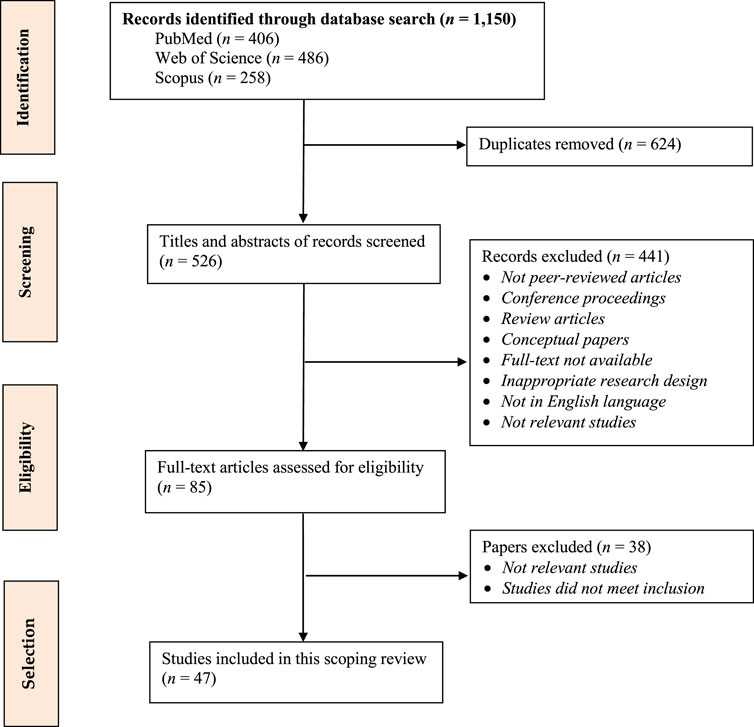
FIGURE 1. PRISMA flow diagram showing inclusion and exclusion of studies.
We retrieved 1,150 records from electronic databases, which consisted of 406 records from PubMed, 486 from Web of Science, and 258 from Scopus. After removing duplicates, 526 records were retained. Next, titles and abstracts were screened by two researchers independently. After screening titles and abstracts, 441 records that did not meet the inclusion criteria were eliminated. Finally, we assessed the remaining 85 full-text articles. Of these, 38 articles did not meet the eligibility criteria. Forty-seven studies were included in this scoping review.
2.3 Data extraction and analysis
All abstracts and full texts were screened and reviewed independently by two trained coders, who extracted data including authors, publication year, country, journal, population, sample size, research design, drug type, study objective, determinants of purchase intention and behavior, and key findings. Following Arksey and O’Malley (2005), the authors used an iterative method to synthesize the data by sorting prior research findings into key types of factors (i.e., data charting and investigation). IBM SPSS Statistics 27 was used to analyze the data.
3 Results
3.1 Description of included studies
This study included forty-seven studies from twenty-nine countries, including nine studies conducted in the United States, five studies in Saudi Arabia, and three studies each in Australia, China, India, and the United Kindom (see Table 2). Twenty-one studies were carried out in Asia, eighteen studies in Europe, eleven studies in North America, three studies in Australia, and two studies in Africa. Interestingly, no research was carried out in South America.
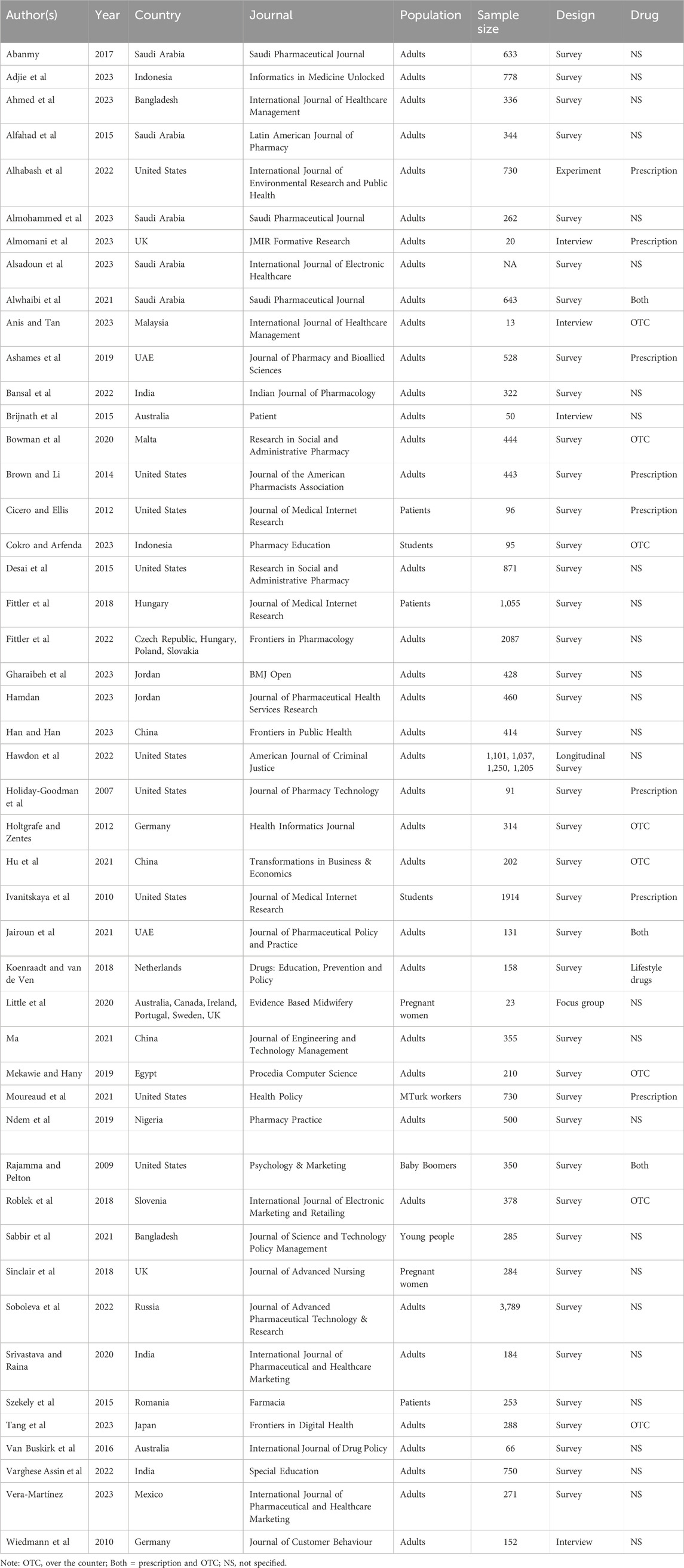
TABLE 2. Characteristics of studies included in this review.
All studies, except a longitudinal study by Hawdon et al. (2022), were cross-sectional. Forty-two studies employed survey methodology, four interviewed adult individuals, one used a focus group, and another conducted an experiment Three studies were published in the Journal of Medical Internet Research, and three appeared in the Saudi Pharmaceutical Journal. The included studies recruited 27,323 respondents, with an average sample size of 581.34 (standard deviation = 651.23), ranging from 13 to 3,789. Thirty-seven studies focused on the general adult population, three on patients, two on women, two on students, and three on other populations. Eight studies focused on prescription drugs, eight studies on OTC medication, and the remainder either included both or did not specify.
Figure 2 shows consistently few studies conducted on the topic until 2014. Four studies were published in 2015, then the publications sharply fell in 2016 and 2017. Beginning in 2018, we see a growing wave of publications peaking in 2023, with twelve studies.
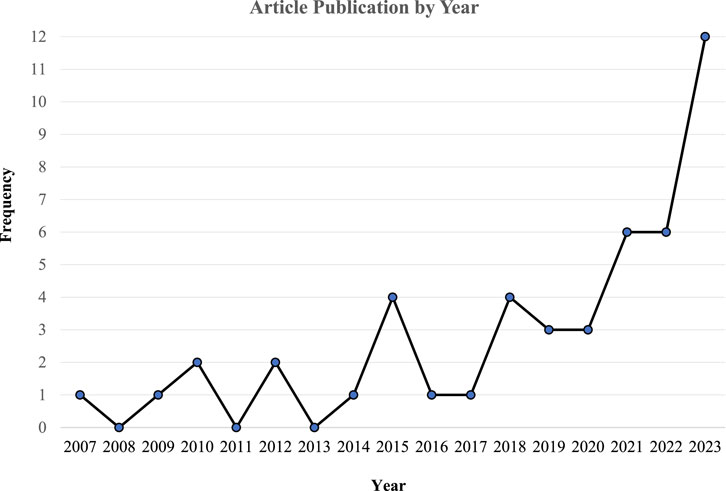
FIGURE 2. Number of studies by year.
3.2 Differences in influences between OTC and prescription drugs
Our analysis of prior studies revealed some differences between OTC and prescription medication in factors influencing online purchase intentions and behaviors. Intentions toward online purchases of prescription medications were primarily motivated by price, availability, convenience, and education. Prescription drug online purchase behavior was adversely affected by perceived risk. Purchase behavior was positively related to health insurance coverage, information sources, and convenience.
Most studies involving OTC medication studied purchase behavior. The major driving forces of consumer purchases of OTC medication online were information sources, availability, internet usage, and convenience. Evaluation of the purchase environment, information sources, and prior experience primarily influenced purchase intentions toward OTC medication online.
3.3 Factors influencing purchase intention and behavior from online pharmacies
3.3.1 Demographics
As shown in Table 3, education, gender, and income were the most frequent demographic predictors of purchase intentions toward online pharmacies. However, the scoping review reveals some contradictory findings. Higher education was at times associated with increased purchase intentions (Holiday-Goodman et al., 2007; Sinclair et al., 2018; Hu et al., 2021). In contrast, another study indicated that individuals with lower education levels had greater intentions to purchase from an online pharmacy (Ivanitskaya et al., 2010). Holiday-Goodman et al. (2007) found that American males had greater intentions toward online pharmacy purchases than females. In contrast, Hu et al. (2021) showed that Chinese females had greater online purchase intentions for OTC medications online than did males. Higher incomes increased consumers’ online medicine purchase intentions (Holiday-Goodman et al., 2007; Hu et al., 2021). Online pharmacy purchase intentions also were greater among young, White, and married consumers (Holiday-Goodman et al., 2007).
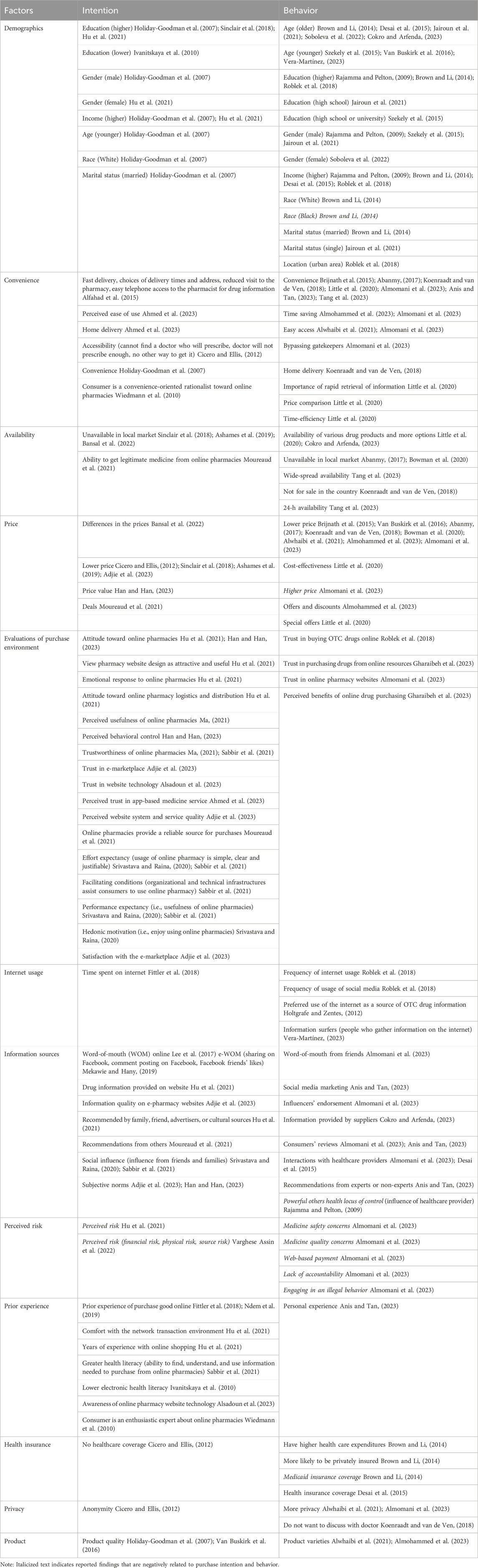
TABLE 3. Factors influencing purchase intention and behavior from online pharmacies.
The most frequent demographic predictors of purchase behavior included age, education, gender, and income. Again, the evidence is contradictory. Five studies reported that more older consumers purchased from online pharmacies (Brown and Li, 2014; Cokro and Arfenda, 2023; Desai et al., 2015; Jairoun et al., 2021; Soboleva et al., 2022), whereas three studies found the opposite (Szekely et al., 2015; Van Buskirk et al., 2016; Vera-Martínez, 2023). In many studies, higher education was associated with increased purchase (e.g., Rajamma and Pelton, 2009; Brown and Li, 2014; Szekely et al., 2015; Roblek et al., 2018); however, Jairoun et al. (2021) found that consumers with less education were more likely to purchase medicine online. Three studies showed that males purchased medications online more frequently than females (Rajamma and Pelton, 2009; Szekely et al., 2015; Jairoun et al., 2021), whereas another study reported females as more likely to purchase online than males (Soboleva et al., 2022). Higher income was positively associated with increased medication purchases online (Rajamma and Pelton, 2009; Brown and Li, 2014; Desai et al., 2015; Roblek et al., 2018). Brown and Li (2014) found that black patients were associated with 53% lower odds of online pharmacy purchases than white patients. Brown and Li (2014) also reported that online pharmacy users were more likely to be married; however, Jairoun et al. (2021) found that single consumers purchased medication online more often than married consumers during the COVID-19 pandemic. OTC medicine was most often purchased online by young consumers living in urban areas than smaller settlements (Roblek et al., 2018).
3.3.2 Convenience
Convenience was a frequently demonstrated predictor of purchase intentions (Holiday-Goodman et al., 2007). Convenience-related factors, such as fast delivery, choices of delivery times and addresses, reduced visits to the pharmacy, and easy telephone access to the pharmacist for drug information were common reasons supporting intentions to purchase medications from online pharmacies (Alfahad et al., 2015). Other convenience-related factors that enhanced consumers’ willingness to buy medicine online were perceived ease of use of app-based medical services (Ahmed et al., 2023), home delivery (Ahmed et al., 2023), and accessibility of prescription medications (e.g., cannot find a physician who will prescribe, the physician will not prescribe enough, or no other way to get it) (Cicero and Ellis, 2012).
Convenience was also a dominant motivation for purchasing behavior. Consumers who bought medications online indicated that buying drugs online was more convenient (Brijnath et al., 2015; Abanmy, 2017; Koenraadt and van de Ven, 2018; Little et al., 2020; Almomani et al., 2023; Anis and Tan, 2023; Tang et al., 2023) and saved time (Almohammed et al., 2023; Almomani et al., 2023). Other convenience-related motivations included easy access (Alwhaibi et al., 2021; Almomani et al., 2023), bypassing gatekeepers (Almomani et al., 2023), home delivery (Koenraadt and van de Ven, 2018), the importance of rapid retrieval of information (Little et al., 2020), price comparison (Little et al., 2020), and time efficiency (Little et al., 2020).
3.3.3 Availability
Three studies reported that medication unavailability in the local market increased consumers’ intention to purchase over the Internet (Sinclair et al., 2018; Ashames et al., 2019; Bansal et al., 2022). Moureaud et al. (2021) found that getting legitimate medication was the most common reason that consumers intended to purchase medicine online.
The studies included in this review reveal that the availability of various drug products and more options (Little et al., 2020; Cokro and Arfenda, 2023), wide-spread availability (Tang et al., 2023), and 24-h availability (Tang et al., 2023) were primary motivators for purchasing medication online. Unavailability in the local market (Abanmy, 2017; Bowman et al., 2020) and drugs not for sale in a country (Koenraadt and van de Ven, 2018) were also positively related to increased purchase behavior.
3.3.4 Price
Pricing factors enhancing consumers’ purchase intentions toward drugs online included lower prices (Cicero and Ellis, 2012; Sinclair et al., 2018; Ashames et al., 2019; Adjie et al., 2023), differences in the prices (Bansal et al., 2022), and price value, which is the perceived benefits given the cost (Han and Han, 2023).
Several studies indicated that price significantly promoted medication purchases online. Nine studies found that lower prices were positively associated with increased purchase behavior (Brijnath et al., 2015; Van Buskirk et al., 2016; Abanmy, 2017; Koenraadt and van de Ven, 2018; Bowman et al., 2020; Little et al., 2020; Alwhaibi et al., 2021; Almohammed et al., 2023; Almomani et al., 2023). Similarly, another study found that higher prices were associated with decreased purchase behavior (Almomani et al., 2023).
In addition, some studies explored the effects of sales promotions, which reduced prices. Sales promotions such as deals, discounts, and special offers were common facilitators of intentions to purchase medicine online (Little et al., 2020; Moureaud et al., 2021; Almohammed et al., 2023).
3.3.5 Evaluations of purchase environment
Several studies examined the effects of consumers’ evaluations of the online medication purchase environment. Some purchase environment evaluations that enhanced consumers’ intentions to buy online included attitudes toward online pharmacies (Hu et al., 2021; Han and Han, 2023), emotional response to online pharmacies (Hu et al., 2021), attitude toward online pharmacy logistics and distribution (Hu et al., 2021), perceived usefulness of online pharmacies (Ma, 2021), perceived behavioral control (Han and Han, 2023), trustworthiness of online pharmacies (Ma, 2021; Sabbir et al., 2021), trust in the e-marketplace (Adjie et al., 2023), trust in website technology (Alsadoun et al., 2023), perceived trust in app-based medicine services (Ahmed et al., 2023), perception of pharmacy website design (Hu et al., 2021), perception of website system and service quality (Adjie et al., 2023), perception of online pharmacies as a reliable source for purchases (Moureaud et al., 2021), effort expectancy (i.e., online pharmacy is simple, clear and justifiable to use) (Srivastava and Raina, 2020; Sabbir et al., 2021), facilitating conditions (i.e., organizational and technical infrastructures assist consumers to use online pharmacy) (Sabbir et al., 2021), performance expectancy (i.e., usefulness of online pharmacies in achieving desired outcome) (Srivastava and Raina, 2020; Sabbir et al., 2021), hedonic motivation (i.e., enjoy using online pharmacies) (Srivastava and Raina, 2020), and satisfaction with the e-marketplace (Adjie et al., 2023).
Few studies explored purchase environment evaluations as determinants of purchase behavior. Consumers’ trust in buying OTC drugs online (Roblek et al., 2018), trust in purchasing drugs from online resources (Gharaibeh et al., 2023), trust in online pharmacy websites (Almomani et al., 2023), and perceived benefits of online drug purchasing (Gharaibeh et al., 2023) were positively associated with increased medication purchases online.
3.3.6 Internet usage
One study showed that people who spent more time online were more willing to purchase medication online (Fittler et al., 2018). Purchase behavior was influenced by frequency of internet usage (Roblek et al., 2018) and information-seeking behavior on the internet (Vera-Martínez, 2023) as well as frequency of social media usage (Roblek et al., 2018) and use of the internet as a source of OTC drug information (Holtgrafe and Zentes, 2012).
3.3.7 Information sources
Consumers’ intention to purchase medication online was enhanced by several information sources, including online word-of-mouth (Lee et al., 2017); social media word-of-mouth, such as sharing on Facebook and comments posted on Facebook (Mekawie and Hany, 2019); drug information provided on the website (Hu et al., 2021); information quality on e-pharmacy websites (Adjie et al., 2023); recommendations from family, friends, advertisers, or cultural sources (Hu et al., 2021); recommendations from others (Moureaud et al., 2021); social influence, such as interactions with or persuasion by friends and families (Srivastava and Raina, 2020; Sabbir et al., 2021); and subjective norms, which is the perceived social pressure or expectations regarding a behavior (Adjie et al., 2023; Han and Han, 2023).
Some information source-related factors enhancing purchase behavior included word-of-mouth from friends (Almomani et al., 2023), social media marketing (Anis and Tan, 2023), influencers’ endorsements (Almomani et al., 2023), information provided by suppliers (Cokro and Arfenda, 2023), reviews from other consumers (Almomani et al., 2023; Anis and Tan, 2023), and interactions with healthcare providers (Desai et al., 2015; Almomani et al., 2023).
3.3.8 Perceived risk
Perceived risk associated with the online purchase of drugs, such as privacy concern and uncertainty of drug quality, negatively impacts consumers’ purchase intentions (Hu et al., 2021). Three dimensions of perceived risk -- that is financial, physical, and source risks (i.e., concern about the credibility and reliability of online pharmacies) -- adversely affected consumers’ purchase intentions towards online pharmacies (Varghese Assin et al., 2022).
Consumers’ purchase behavior was negatively influenced by medicine safety concerns (Almomani et al., 2023), medicine quality concerns (Almomani et al., 2023), web-based payment (Almomani et al., 2023), lack of accountability (Almomani et al., 2023), and concerns that online purchases constitute engagement in illegal behavior (Almomani et al., 2023).
3.3.9 Prior experience
Research shows that prior experience of purchasing goods online (Fittler et al., 2018; Ndem et al., 2019); online shopping experience (Hu et al., 2021); comfort with the network transaction environment (Hu et al., 2021); greater health literacy, that is ability to find, understand, and use information needed to purchase from online pharmacies (Sabbir et al., 2021); lower electronic health literacy (Ivanitskaya et al., 2010); awareness of online pharmacy website technology (Alsadoun et al., 2023); and consumers’ expertise regarding online pharmacies (Wiedmann et al., 2010) were positively associated with purchase intentions. Personal experience also influenced OTC medication purchase behavior (Anis and Tan, 2023).
3.3.10 Health insurance
Research showed that people without health insurance coverage were more likely to demonstrate purchase intentions toward online pharmacies (Cicero and Ellis, 2012). Similarly, another study reported an inverse association between Medicaid insurance coverage and purchase behavior (Brown and Li, 2014). However, two other studies found that health insurance coverage motivated consumers to engage in online medication purchase behavior (Brown and Li, 2014; Desai et al., 2015).
3.3.11 Privacy
Cicero and Ellis (2012) showed that perceived anonymity could be a primary reason that consumers intended to purchase from online pharmacies that dispensed Tramadol, a prescription medication, without a prescription. In terms of behavior, Alwhaibi et al. (2021) indicated that consumers are motivated to purchase online as it provides greater assurance of confidentiality and access to medicine. Similarly, consumers’ perceptions of privacy can influence their decision to buy some prescription medicines online (Almomani et al., 2023) as they may avoid embarrassment by obtaining their medicines without the need for face-to-face interactions or to state their illness when the shame of admitting a condition acts as a barrier to seeking care (e.g., disclosing sexual dysfunction or seeking slimming pills for weight loss). For example, many consumers bought sexual enhancers online because they did not want to discuss their condition with their physician (Koenraadt and van de Ven, 2018).
3.3.12 Product
As shown in Table 3, two studies reported a positive association between product quality and behavioral intentions (Holiday-Goodman et al., 2007; Van Buskirk et al., 2016). In two other studies, product variety motivated purchase behavior from online pharmacies (Alwhaibi et al., 2021; Almohammed et al., 2023).
4 Discussion and implications
This scoping review sought to understand the current landscape of empirical research on the drivers of consumer purchase intentions and usage behavior of online pharmacies. Scholarly interest in this topic has been growing exponentially over the last few years. Using rigorous scoping review methods, forty-eight articles published to date met the inclusion criteria, including 12 published in 2023.
Although we sought qualitative and quantitative studies that applied various methodological approaches, the existing literature was mostly limited to surveys. In terms of sample populations, however, the existing literature exhibits greater diversity in both population types (e.g., adults, patients, pregnant women) and geographic areas, such as Europe (e.g., Germany, Hungary, Ireland, Malta, Netherlands, Portugal, Romania, Russia, Slovenia, Sweden, and the UK), Asia (e.g., Bangladesh, India, China, and Taiwan), North America (Canada and the United States), the Arabian Peninsula (e.g., Saudi Arabia and the United Arab Emirates), Africa (e.g., Egypt and Nigeria), and Australia. However, Latin America has been ignored in the existing literature, including the major markets of Mexico, Brazil, Chile, Colombia, and Argentina.
This scoping review identified twelve general factors, which include many individual facilitators and inhibitors of consumer purchase intentions and behavior that have been studied so far (Table 3). Of these, the greatest amount of research has investigated the demographics of consumers who purchase or intend to purchase from online pharmacies. Due to the conflicting results, few implications can be gleaned from the prior research related to demographics or the role of health insurance coverage. However, higher-income consumers, White American consumers, and more educated consumers (in nine of ten studies) had higher online medication purchase intentions and behavior. The implication for researchers and practitioners from the income and education findings seems to be that greater financial and cognitive resources help consumers navigate the online environment to find medications for purchase. Policymakers seeking to dissuade purchases from rogue or illegitimate online pharmacies should target messages and campaigns to these demographic groups.
Convenience and availability factors more consistently influenced online medication purchase intentions and behavior. Consumers intended or chose to purchase from online pharmacies due to faster and more convenient delivery, ease of use and gathering information, accessibility, the ability to bypass healthcare providers or regulatory gatekeepers, availability outside of store hours, and access to medications unavailable locally. A practical implication for brick-and-mortar pharmacies is that enhancing their convenience (e.g., same day delivery, faster service at the pharmacy counter, or longer hours of operation) should help them better compete with online pharmacies.
Price was also a consistent influence on online medication purchase intentions and behavior. Factors that lowered prices or increased price savings and value received from online medicine purchases tended to attract consumers. Thus, a practical implication is that online pharmacies should emphasize price savings to continue to grow their share of consumers’ drug purchases. To better challenge online pharmacies, brick-and-mortar pharmacies should become more price competitive. A policy implication is that public policymakers and regulators attempting to control the illicit dispensing of medicine online should consider regulation reductions, subsidies, or other ways to lower prices through legitimate pharmacies.
Favorable evaluations of the purchase environment also consistently benefitted purchase intentions and behavior across many types of evaluations, such as attitudes, trust, emotional response, aesthetically pleasing and functional design evaluations, enjoyment, and satisfaction. Thus, it appears that many consumers who purchase from or intend to purchase from online pharmacies do so because they hold positive evaluations of those pharmacies. An important implication of this finding is that policymakers, regulators, and brick-and-mortar pharmacies interested in discouraging online medication purchases must engage in attitude change campaigns before expecting consumers who purchase online to alter their intentions or behavior. Attitude change can take time as it requires learning new information and responses through repeated exposure to counterinformation or social influence from family, friends, or trusted others, such as experts or celebrities.
This scoping review summarized prior research findings in which social influence and other information sources motivate online medication purchase intentions and behavior. Intentions and behavior were influenced by information and recommendations from expert sources, such as healthcare providers and websites with drug information; personal sources, such as friends and family; independent sources, such as social media influencers and reviews by other consumers; and non-personal sources, such as social media marketing. One implication is that pharmacists, healthcare providers, policymakers, and regulators should be able to indirectly influence consumer behavior toward online medicine purchases if they tap into the social and normative influence of one or more of these information sources.
Perceived financial, physical, or source risks inhibit online medicine purchase intentions and behavior, whereas greater health literacy and experience with online pharmacies, online shopping in general, and the internet or social media encourage online medicine purchasing. The benefits of online pharmacies (e.g., greater perceptions of anonymity or privacy, better perceived product quality, and more product variety) also encourage online medicine purchase intentions and behavior. An implication is that brick-and-mortar competitors or public policymakers should heighten consumer awareness of these risks if they wish to discourage consumer online medicine purchases. Further, legitimate online sellers can highlight risks to differentiate their verified online pharmacies from illicit or rogue online pharmacies.
Finally, this scoping review documented other factors that had been investigated sparingly (see Appendix A). For example, some studies have begun to investigate how consumer personality predisposes some consumers toward (e.g., greater purchase involvement, variety seeking, and openness) or against (e.g., objectivism) online medicine purchasing. Other studies have begun to investigate situational influences on consumer online medication purchase intentions and behavior (e.g., the COVID-19 pandemic). Individually, these other factors have been studied so rarely that it is difficult to confidently predict the general effect on purchase intentions and behavior without future research. These other influences are listed in the Appendix A.
5 Directions for future research
The analyzed literature indicates several gaps in the literature and future research directions that could be addressed. First, although this scoping review covers the vast majority of the literature published in English to date on consumers’ online medication purchase intentions and behavior, research interest in this topic is growing exponentially, with several new studies published each year. Thus, a systematic review or meta-analysis that incorporates the post-2023 studies will likely be able to be conducted within the next decade once sufficient research has been published. This should further our understanding of the factors that facilitate and inhibit online medication purchasing as well as help determine the relative strength of different influences.
Second, this scoping review found that the current state of research into the drivers of consumers’ online medication purchase intentions and behavior is methodologically limited. Most studies (87.5%) use a survey design. The remainder includes a handful of qualitative studies and a single experiment. Future research employing methods other than surveys (e.g., experiments, observational methods, and data analytics) can investigate research topics that are difficult to study via self-report methods. Similarly, future research should advance the understanding of online purchase drivers by using more generalizable and diverse samples, patient rather than general adult samples, and samples that permit cross-cultural comparisons. Future research could also investigate more complex models of potential drivers’ relationships with purchase intentions and/or behavior, such as mediation or moderation models that could resolve the conflicting evidence in prior research that this scoping review has uncovered and identify important boundary conditions on these effects.
Third, this scoping review finds that a vast majority of the prior research did not specify whether online purchases of OTC or prescription medication or both were being studied. Future research should specify this because the current review shows differences in the drivers of online OTC and prescription drug purchase intentions and behavior. In fact, due to the paucity of literature on this issue, future research is needed to more confidently delineate the drivers of consumers’ online purchase intentions and behavior for OTC versus prescription drugs.
Fourth, demographics (e.g., consumers’ age, gender, or educational attainment) are easy to measure but appear to be poor predictors of purchase intentions or behavior, given the large number of conflicting results related to demographic variables in the studies reviewed. As noted in previous reviews (Tugwell et al., 2008; Schmid et al., 2017; Limbu and Huhmann, 2023c), demographic variables are carrier variables that are not mechanisms causing changes in intentions or behavior but are instead associated to some degree with the prior experiences, predispositions, beliefs, attitudes, or characteristics that affect consumer response. Thus, rather than relying on demographics, future research should attempt to identify the underlying explanatory determinants to better predict purchase intentions and behavior from online pharmacies. Studies, including moderation or mediation tests, could also help better understand the mechanisms at work. Once the underlying explanatory determinants associated with a demographic variable such as age or gender have been identified, the indirectly related demographic variables can serve to identify likely target audiences for public health campaigns and patient education materials regarding online pharmacies.
Fifth, although this scoping review documents many influences that increase or decrease consumers’ purchase intentions and/or behavior, it also underscores the need for future research into uninvestigated and understudied influences. For example, psychographic variables, such as personality, perceptions, attitudes, beliefs, lifestyle, interests, and values, can offer the potential to identify deeper motivations and could better identify why some consumers buy medications online whereas others do not. To direct future research into other uninvestigated or underinvestigated areas, Table 4 lists some research questions that warrant exploration to better understand the driving influences on consumer purchase intentions and behavior.

TABLE 4. Future research agenda and research questions.
Finally, the prior literature uncovered by this scoping review tends to be atheoretical and exhibits a general lack of definitions for key constructs posited as factors influencing consumer purchase intentions or behavior. To aid pharmacology researchers and investigators from other fields, the research questions in Table 4 are linked to theories and well-defined constructs in the literature from psychology, consumer research, advertising, health communication, and marketing. For example, Fittler et al. (2022b) showed that unlicensed drug distributors use search engine results to redirect site visitors to illegal online pharmacies. Using the constructs from the marketing literature of search engine optimization and search engine marketing, how can legal sellers take action against these rogue sites and use search engine results to promote medication purchases from legitimate online and brick-and-mortar pharmacies? Future research should define the constructs studied and use these theories to establish consistent terminology that will ease comparison across studies to advance understanding of the underlying drivers of consumers’ online medication purchase intentions and behavior.
6 Conclusion
This scoping review examined studies of consumers’ online pharmacy purchase intentions and behavior. While demographic factors tended to be the most often measured influences on intentions and behavior, their role was generally inconsistent, with many contradictory results. However, other factors (e.g., convenience, availability, lower prices, favorable evaluations of the purchase environment, and supportive recommendations from others) more consistently enhanced online medication purchase intentions and behavior. These findings of our scoping review should aid verified online pharmacies and brick-and-mortar stores in understanding ways to encourage consumer medication purchases.
Further, our scoping review revealed a general lack of definitions for constructs studied and a paucity of theoretical justification as to why certain factors or individual influences should affect purchase intentions or behavior. This, combined with gaps in the existing literature, led us to develop an extensive agenda for future research to advance our understanding of the drivers of consumers’ intentions and behavior toward online pharmacy purchases. This research agenda should help future studies in this area move beyond descriptive analysis to theory-testing and discovering the underlying explanations of how specific influences affect online medication purchase intentions and behaviors. To accomplish this, these future research directions are based on theories and concepts developed in other areas focused on stimulating intentions or prompting behaviors (e.g., psychology, consumer research, advertising, health communication, and marketing). Investigating research questions based on this agenda should help healthcare providers, public policymakers, and regulators design more effective interventions to promote more positive individual patient and public health outcomes as well as benefit researchers interested in this topic of increasing interest and economic importance.
Author contributions
YL: Conceptualization, Data curation, Formal Analysis, Investigation, Methodology, Visualization, Writing–original draft, Writing–review and editing. BH: Conceptualization, Data curation, Investigation, Methodology, Validation, Writing–original draft, Writing–review and editing.
Funding
The author(s) declare that no financial support was received for the research, authorship, and/or publication of this article.
Conflict of interest
The authors declare that the research was conducted in the absence of any commercial or financial relationships that could be construed as a potential conflict of interest.
Publisher’s note
All claims expressed in this article are solely those of the authors and do not necessarily represent those of their affiliated organizations, or those of the publisher, the editors and the reviewers. Any product that may be evaluated in this article, or claim that may be made by its manufacturer, is not guaranteed or endorsed by the publisher.
References
Abanmy, N. (2017). The extent of use of online pharmacies in Saudi Arabia. Saudi Pharm. J. 25 (6), 891–899. doi:10.1016/j.jsps.2017.02.001
Adjie, E. A., Calista, N., Muhtadiin, R. R., Handayani, P. W., and Larasati, P. D. (2023). User switching intention from E-marketplace to E-pharmacy: the Influence of push, pull, and mooring factors. Inf. Med. Unlocked 43, 101404. doi:10.1016/j.imu.2023.101404
Ahmed, S., Alqasmi, I., Ashrafi, D. M., Choudhury, M. M., Rahman, M. K., and Mohiuddin, M. (2023). Determining the intention to use app-based medicine service in an emerging economy. Int. J. Healthc. Manag. 1, 1–15. doi:10.1080/20479700.2023.2198186
Alfahad, N. F., Albelali, M. T., Khurshid, F., Al-Arifi, M. N., Al-Dhawailie, A. A., and abd Alsultam, M. (2015). Perception and knowledge to online pharmacy services among consumers in Riyadh, Saudi Arabia: a pilot survey. Lat. Am. J. Pharm. 34 (6), 1113–1118.
Alhabash, S., Dong, Y., Moureaud, C., Muraro, I. S., and Hertig, J. B. (2022). Effects of fear and humor appeals in public service announcements (PSAs) on intentions to purchase medications via social media. Int. J. Environ. Res. Public Health 19 (19), 12340. doi:10.3390/ijerph191912340
Almohammed, O. A., Alnogaidan, R. A., Ghannam, F. O., Alqahtani, R. S., Aloraini, S. K., and Abanmy, N. O. (2023). Public awareness of online pharmacies, consumers’ motivating factors, experience and satisfaction with online pharmacy services, and current barriers and motivators for non-consumers: the case of Saudi Arabia. Saudi Pharm. J. 31 (8), 101676. doi:10.1016/j.jsps.2023.06.009
Almomani, H., Patel, N., and Donyai, P. (2023). Reasons that lead people to end up buying fake medicines on the internet: qualitative interview study. JMIR Form. Res. 7 (1), e42887. doi:10.2196/42887
Almomani, H., Raza, A., Patel, N., and Donyai, P. (2023b). Reasons that lead people to buy prescription medicines on the internet: a systematic review. Front. Pharmacol. 14, 1239507. doi:10.3389/fphar.2023.1239507
Alsadoun, A. A., Tangiisuran, B., and Iskandar, Y. H. P. (2023). The effect of perceived risk, technology trust, and technology awareness on the consumer's behavioural intention to adopt online pharmacy. Int. J. Electron. Healthc. 13 (1), 33–56. doi:10.1504/IJEH.2023.128606
Alwhaibi, M., Asser, W. M., Al Aloola, N. A., Alsalem, N., Almomen, A., and Alhawassi, T. M. (2021). Evaluating the frequency, consumers’ motivation and perception of online medicinal, herbal, and health products purchase safety in Saudi Arabia. Saudi Pharm. J. 29 (2), 166–172. doi:10.1016/j.jsps.2020.12.017
Anis, M. S., and Tan, M. L. (2023). Exploring OTC drug consumers’ perception towards online shopping and digital marketing through qualitative interviews: a sample from Malaysia. Int. J. Healthc. Manag. 1, 1–9. doi:10.1080/20479700.2022.2163865
Arksey, H., and O’Malley, L. (2005). Scoping studies: towards a methodological framework. Int. J. Soc. Res. Methodol. 8 (1), 19–32. doi:10.1080/1364557032000119616
Ashames, A., Bhandare, R., AlAbdin, S. Z., Alhalabi, T., and Jassem, F. (2019). Public perception toward e-commerce of medicines and comparative pharmaceutical quality assessment study of two different products of furosemide tablets from community and illicit online pharmacies. J. Pharm. Bioallied Sci. 11 (3), 284–291. doi:10.4103/jpbs.JPBS_66_19
Bansal, S., Kaur, H., Mahendiratta, S., Sarma, P., Kumar, S., Sharma, A. R., et al. (2022). A preliminary study to evaluate the behavior of Indian population toward E-pharmacy. Indian J. Pharmacol. 54 (2), 131–137. doi:10.4103/ijp.ijp_836_21
Bowman, C., Family, H., Agius-Muscat, H., Cordina, M., and Sutton, J. (2020). Consumer internet purchasing of medicines using a population sample: a mixed methodology approach. Res. Soc. Adm. Pharm. 16 (6), 819–827. doi:10.1016/j.sapharm.2019.09.056
Brijnath, B., Antoniades, J., and Adams, J. (2015). Investigating patient perspectives on medical returns and buying medicines online in two communities in Melbourne, Australia: results from a qualitative study. Patient Patient-Centered Outcomes Res. 8 (2), 229–238. doi:10.1007/s40271-014-0082-z
Brown, J., and Li, C. (2014). Characteristics of online pharmacy users in a nationally representative sample. J. Am. Pharm. Assoc. 54 (3), 289–294. doi:10.1331/JAPhA.2014.13169
Cicero, T. J., and Ellis, M. S. (2012). Health outcomes in patients using no-prescription online pharmacies to purchase prescription drugs. J. Med. Internet Res. 14 (6), e174. doi:10.2196/jmir.2236
Cokro, F., Arfenda, L. B., and Hadiyanto, (2023). Profile of online drug purchasing in marketplace by students at a faculty of medicine and health sciences in jakarta, Indonesia. Pharm. Educ. 23 (2), 144–148. doi:10.46542/pe.2023.232.144148
Cote, J. A., McCullough, J., and Reilly, M. (1985). Effects of unexpected situations on behavior-intention differences: a garbology analysis. J. Consumer Res. 12 (2), 188–194. doi:10.1086/208507
Desai, K., Chewning, B., and Mott, D. (2015). Health care use amongst online buyers of medications and vitamins. Res. Soc. Adm. Pharm. 11 (6), 844–858. doi:10.1016/j.sapharm.2015.01.001
Fittler, A., Ambrus, T., Serefko, A., Smejkalová, L., Kijewska, A., Szopa, A., et al. (2022a). Attitudes and behaviors regarding online pharmacies in the aftermath of COVID-19 pandemic: at the tipping point towards the new normal. Front. Pharmacol. 13, 1070473. doi:10.3389/fphar.2022.1070473
Fittler, A., Paczolai, P., Ashraf, A. R., Pourhashemi, A., and Iványi, P. (2022b). Prevalence of poisoned Google search results of erectile dysfunction medications redirecting to illegal internet pharmacies: data analysis study. J. Med. Internet Res. 24 (11), e38957. doi:10.2196/38957
Fittler, A., Vida, R. G., Káplár, M., and Botz, L. (2018). Consumers turning to the internet pharmacy market: cross-sectional study on the frequency and attitudes of Hungarian patients purchasing medications online. J. Med. Internet Res. 20 (8), e11115. doi:10.2196/11115
Gharaibeh, L., Alameri, M. A., Al-Kabariti, A. Y., Alsa'd, A. A., Abed, A., Karameh, N., et al. (2023). Practices, perceptions and trust of the public regarding online drug purchasing: a web-based survey from Jordan. BMJ open 13 (10), e077555. doi:10.1136/bmjopen-2023-077555
Global Market Insights (2023). E-Pharmacy market - by product (OTC products, prescription medicine), by region, growth potential, competitive market share and global forecast, 2023 – 2032. Available at: https://www.gminsights.com/industry-analysis/e-pharmacy-market (accessed on November 19, 2023).
Hamdan, I. M. (2023). The perceived influence of COVID-19 lockdown on the circulation of counterfeit drugs and medical supplies through the electronic market. J. Pharm. Health Serv. Res. 14 (1), 14–19. doi:10.1093/jphsr/rmac053
Han, L., and Han, X. (2023). The influence of price value on purchase intention among patients with chronic diseases in medical e-commerce during the COVID-19 pandemic in China. Front. Public Health 11, 1081196. doi:10.3389/fpubh.2023.1081196
Hawdon, J., Parti, K., and Dearden, T. (2022). Changes in online illegal drug buying during COVID-19: assessing effects due to a changing market or changes in strain using a longitudinal sample design. Am. J. Crim. Justice 47 (4), 712–734. doi:10.1007/s12103-022-09698-1
Holiday-Goodman, M., Darley, W. K., Lively, B. T., Siganga, W., and Deshmukh-Estoll, H. C. (2007). Investigation of consumer choice of community, mail order, or internet pharmacies. J. Pharm. Technol. 23 (1), 16–22. doi:10.1177/875512250702300104
Holtgrafe, C., and Zentes, J. (2012). Multifaceted determinants of online non-prescription drug information seeking and the impact on consumers’ use of purchase channels. Health Inf. J. 18 (2), 95–110. doi:10.1177/1460458212439487
Hu, J., Zhang, C., and Yang, H. (2021). Analysing consumers’ online purchase intention of over-the-counter drugs and its influencing factors: evidence from China. Transformations Bus. Econ. 20 (3), 117–131.
Ivanitskaya, L., Brookins-Fisher, J., O’Boyle, I., Vibbert, D., Erofeev, D., and Fulton, L. (2010). Dirt cheap and without prescription: how susceptible are young US consumers to purchasing drugs from rogue internet pharmacies? J. Med. Internet Res. 12 (2), e11. doi:10.2196/jmir.1520
Jairoun, A. A., Al-Hemyari, S. S., Abdulla, N. M., El-Dahiyat, F., Jairoun, M., Al-Tamimi, S. K., et al. (2021). Online medication purchasing during the Covid-19 pandemic: potential risks to patient safety and the urgent need to develop more rigorous controls for purchasing online medications, a pilot study from the United Arab Emirates. J. Pharm. Policy Pract. 14 (1), 38. doi:10.1186/s40545-021-00320-z
Klarna (2023). Share of consumers that would prefer to shop mostly online or mostly in-store worldwide in 2023, by country. Statista. Hamburg, Germany. Available at: https://www-statista-com./statistics/1384193/mostly-online-vs-offline-shopping-worldwide/.
Koenraadt, R., and van de Ven, K. (2018). The Internet and lifestyle drugs: an analysis of demographic characteristics, methods, and motives of online purchasers of illicit lifestyle drugs in The Netherlands. Drugs Educ. Prev. Policy 25 (4), 345–355. doi:10.1080/09687637.2017.1369936
Lee, W. I., Cheng, S. Y., and Shih, Y. T. (2017). Effects among product attributes, involvement, word-of-mouth, and purchase intention in online shopping. Asia Pac. Manag. Rev. 22 (4), 223–229. doi:10.1016/j.apmrv.2017.07.007
Liberati, A., Altman, D. G., Tetzlaff, J., Mulrow, C., Gøtzsche, P. C., Ioannidis, J. P., et al. (2009). The PRISMA statement for reporting systematic reviews and meta-analyses of studies that evaluate health care interventions: explanation and elaboration. Ann. Intern. Med. 151 (4), b2700–b2794. doi:10.1136/bmj.b2700
Limbu, Y. B., and Huhmann, B. A. (2023a). Illicit online pharmacies: a scoping review. Int. J. Environ. Res. Public Health 20, 5748. doi:10.3390/ijerph20095748
Limbu, Y. B., and Huhmann, B. A. (2023b). Online but unlawful sales of unapproved and misbranded prescription drugs: internet pharmacy compliance with Food and Drug Administration warning letters. J. Consumer Aff. 57 (3), 1015–1038. doi:10.1111/joca.12515
Limbu, Y. B., and Huhmann, B. A. (2023c). Why some people are hesitant to receive COVID-19 boosters: a systematic review. Trop. Med. Infect. Dis. 8 (3), 159. doi:10.3390/tropicalmed8030159
Little, A., Sinclair, M., Zheng, H., and Mackin (now Gillen), P. (2020). Factors that influence online medication purchasing behaviour in pregnancy: a qualitative study. Evid. Based Midwifery 30 (2), 159–171.
Long, C. S., Kumaran, H., Goh, K. W., Bakrin, F. S., Ming, L. C., Rehman, I. U., et al. (2022). Online pharmacies selling prescription drugs: systematic review. Pharmacy 10, 42. doi:10.3390/pharmacy10020042
Ma, L. (2021). Understanding non-adopters’ intention to use internet pharmacy: revisiting the roles of trustworthiness, perceived risk and consumer traits. J. Eng. Technol. Manag. 59, 101613. doi:10.1016/j.jengtecman.2021.101613
Mackey, T. K., and Nayyar, G. (2016). Digital danger: a review of the global public health, patient safety and cybersecurity threats posed by illicit online pharmacies. Br. Med. Bull. 118, 110–126. doi:10.1093/bmb/ldw016
Mekawie, N., and Hany, A. (2019). Understanding the factors driving consumers’ purchase intention of over the counter medications using social media advertising in Egypt: (A Facebook advertising application for cold and Flu products). Procedia Comput. Sci. 164, 698–705. doi:10.1016/j.procs.2019.12.238
Moureaud, C., Hertig, J., Dong, Y., Muraro, I. S., and Alhabash, S. (2021). Purchase of prescription medicines via social media: a survey-based study of prevalence, risk perceptions, and motivations. Health Policy 125 (11), 1421–1429. doi:10.1016/j.healthpol.2021.09.007
Morwitz, V. G., Steckel, J. H., and Gupta, A. (2007). When do purchase intentions predict sales?. Int. J. Forecast. 23 (3), 347–364. doi:10.1016/j.ijforecast.2007.05.015
Munn, Z., Peters, M. D., Stern, C., Tufanaru, C., McArthur, A., and Aromataris, E. (2018). Systematic review or scoping review? Guidance for authors when choosing between a systematic or scoping review approach. BMC Med. Res. Methodol. 18 (1), 143. doi:10.1186/s12874-018-0611-x
Ndem, E., Udoh, A., Awofisayo, O., and Bafor, E. (2019). Consumer and community pharmacists’ perceptions of online pharmacy services in uyo metropolis, Nigeria. INNOVATIONS Pharm. 10 (3), 18. doi:10.24926/iip.v10i3.1774
Office for National Statistics (2020). Internet access – households and individuals. Great Britain: Newport, U.K. Available at: https://www.ons.gov.uk/peoplepopulationandcommunity/householdcharacteristics/homeinternetandsocialmediausage/bulletins/internetaccesshouseholdsandindividuals/2020.
Orizio, G., Merla, A., Schulz, P. J., and Gelatti, U. (2011). Quality of online pharmacies and websites selling prescription drugs: a systematic review. J. Med. Internet Res. 13 (3), e74. doi:10.2196/jmir.1795
Rajamma, R. K., and Pelton, L. E. (2009). An empirical investigation of consumers' procurement of pharmaceutical products via online retail channels. Psychol. Mark. 26 (10), 865–887. doi:10.1002/mar.20303
Roblek, V., Bach, M. P., Meško, M., and Bertoncelj, A. (2018). To click or to buy over the counter drugs: exploring the behaviour of Slovenian customers. Int. J. Electron. Mark. Retail. 9 (2), 145–166. doi:10.1504/IJEMR.2018.090890
Sabbir, M. M., Islam, M., and Das, S. (2021). Understanding the determinants of online pharmacy adoption: a two-staged SEM-neural network analysis approach. J. Sci. Technol. Policy Manag. 12 (4), 666–687. doi:10.1108/JSTPM-07-2020-0108
Schmid, P., Rauber, D., Betsch, C., Lidolt, G., and Denker, M. L. (2017). Barriers of influenza vaccination intention and behavior – a systematic review of influenza vaccine hesitancy, 2005–2016. PLoS ONE 12, e0170550. doi:10.1371/journal.pone.0170550
Sheeran, P. (2002). Intention-behavior relations: a conceptual and empirical review. Eur. Rev. Soc. Psychol. 12 (1), 1–36. doi:10.1080/14792772143000003
Sinclair, M., Lagan, B. M., Dolk, H., and McCullough, J. E. (2018). An assessment of pregnant women's knowledge and use of the Internet for medication safety information and purchase. J. Adv. Nurs. 74 (1), 137–147. doi:10.1111/jan.13387
Soboleva, M. S., Loskutova, E. E., and Kosova, I. V. (2022). Problems of purchasing pharmacy products through online orders. J. Adv. Pharm. Technol. Res. 13 (4), 286–290. doi:10.4103/japtr.japtr_454_22
Srivastava, M., and Raina, M. (2020). Consumers’ usage and adoption of e-pharmacy in India. Int. J. Pharm. Healthc. Mark. 15 (2), 235–250. doi:10.1108/IJPHM-01-2020-0006
Statista Consumer Insights (2023). Consumer Insights E-commerce. Hamburg, Germany: Statista. Available at: https://www-statista-com.
Szekely, P., Kelemen, L., Fittler, A., Hancu, G., Hajnal, F., Ciurba, A., et al. (2015). Attitude of patients and customers regarding purchasing drugs online. Farmacia 63 (1), 93–98.
Tang, G., Izumi, K., Izumisawa, M., and Koyama, S. (2023). Analysis of Japanese consumers' attitudes toward the digital transformation of OTC medicine purchase behavior and eHealth literacy: an online survey for digital experience design. Front. Digital Health 5, 1173229. doi:10.3389/fdgth.2023.1173229
Tugwell, P., Maxwell, L., Welch, V., Kristjansson, E., Petticrew, M., Wells, G., et al. (2008). Is health equity considered in systematic reviews of the cochrane musculoskeletal group? Arthritis and Rheumatism 59, 1603–1610. doi:10.1002/art.24206
Van Buskirk, J., Roxburgh, A., Bruno, R., Naicker, S., Lenton, S., Sutherland, R., et al. (2016). Characterising dark net marketplace purchasers in a sample of regular psychostimulant users. Int. J. Drug Policy 35, 32–37. doi:10.1016/j.drugpo.2016.01.010
Varghese Assin, T. J., George, N. A., and Sivakumar, P. (2022). Perceived risk and online purchase intention of E-pharmacy: examining the moderating role of online trust in the Indian context. Spec. Educ. 1 (43), 9663–9685.
Vera-Martínez, J. (2023). From purely physical to purely online pharmacies: exploring different shopper profiles and discussing some widespread beliefs. Int. J. Pharm. Healthc. Mark. 17 (2), 169–181. doi:10.1108/IJPHM-08-2021-0088
Webb, T. L., and Sheeran, P. (2006). Does Changing behavioral intentions engender behavior change? A meta-analysis of the experimental evidence. Psychol. Bull. 132 (2), 249–268. doi:10.1037/0033-2909.132.2.249
Wiedmann, K. P., Hennigs, N., Pankalla, L., Kassubek, M., Seegebarth, B., and Reeh, M. O. (2010). Online distribution of pharmaceuticals: investigating relations of consumers' value perception, online shopping attitudes and behaviour in an e-pharmacy context. J. Cust. Behav. 9 (2), 175–199. doi:10.1362/147539210X511362
Appendix A
Other influences on purchase intentions and behavior identified in prior research.
Influences on purchase intentions.
Openness to online medical purchase options (Hu et al., 2021)
Switching costs (Adjie et al., 2023)
Variety-seeking behavior (Adjie et al., 2023)
Fear appeal (Alhabash et al., 2022)
Involvement with online medical products (Lee et al., 2017)
Influences on purchase behavior.
Objectivism (Rajamma and Pelton, 2009)
Variety seekers (Vera-Martínez, 2023)
General barriers and website-specific barriers (Almomani et al., 2023)
Higher number of prescriptions (Brown and Li, 2014)
Have higher Charlson comorbidity index scores (Brown and Li, 2014)
Use of erectile dysfunction drugs (Brown and Li, 2014)
Use of narcotic medications (Brown and Li, 2014)
Satisfaction with pharmacists and physician (Roblek et al., 2018)
COVID-19 pandemic (Fittler et al., 2022a; Hawdon et al., 2022; Anis and Tan, 2023; Hamdan, 2023)
Pandemic-induced strain (Hawdon et al., 2022)
Note: Italicized text indicates reported findings that are negatively related to purchase intentions or behavior.
Keywords: online pharmacy, scoping review, over-the-counter (OTC) medication, prescription drug, purchase intention, purchase behavior
Citation: Limbu YB and Huhmann BA (2024) What influences consumers’ online medication purchase intentions and behavior? A scoping review. Front. Pharmacol. 15:1356059. doi: 10.3389/fphar.2024.1356059
Received: 15 December 2023; Accepted: 01 February 2024;
Published: 13 February 2024.
Edited by:
András Fittler, University of Pécs, HungaryReviewed by:
Bernard Naughton, Trinity College Dublin, IrelandMátyás Káplár, University of Pécs, Hungary
Copyright © 2024 Limbu and Huhmann. This is an open-access article distributed under the terms of the Creative Commons Attribution License (CC BY). The use, distribution or reproduction in other forums is permitted, provided the original author(s) and the copyright owner(s) are credited and that the original publication in this journal is cited, in accordance with accepted academic practice. No use, distribution or reproduction is permitted which does not comply with these terms.
*Correspondence: Yam B. Limbu, bGltYnV5QG1vbnRjbGFpci5lZHU=