 Xiaoping Tian1‡
 Jingwen Wei2‡Yijia Zhuang2Xiaoding Lin1Liu Liu1
 Jun Xia1Wenying Huai1Ying Xiong2*†
 Yunhui Chen1*†
- 1CDUTCM-KEELE Health and Medical Sciences Institute, School of Basic Medical Sciences, School of Acupuncture, Moxibustion, and Tuina, Chengdu University of Traditional Chinese Medicine, Chengdu, China
- 2West China Hospital, West China School of Medicine, Sichuan University, Chengdu, China
Objectives: To evaluate the effectiveness and safety of Chinese herbal footbaths (CHF) as an adjunctive therapy in managing dysmenorrhea.
Methods: Ten electronic databases were searched to identify eligible randomized clinical trials (RCTs) from inception until June 2023. Outcome measurements encompassed the total effective rate, visual analog scale (VAS) score of pain intensity, Cox menstrual symptom scale (CMSS) score, symptom score, Traditional Chinese Medicine (TCM) syndrome scale, and any reported adverse events. The methodological quality of the included studies was assessed with the Cochrane collaboration tool. Review Manager 5.3 software was employed for quantitative synthesis, and funnel plots were utilized to evaluate potential reporting bias.
Results: Eighteen RCTs with 1,484 dysmenorrhea patients were included. The aggregated results suggested that the adjunctive CHF could significantly ameliorate dysmenorrhea, as evident from the improved total effective rate [risk ratio (RR) 1.18, 95% confidence interval (CI): 1.12 to 1.23, P < 0.00001], VAS (MD 0.88, 95% CI: 0.68 to 1.09, P < 0.00001), CMSS (MD 3.61, 95% CI: 2.73 to 4.49, P < 0.00001), symptom score (SMD 1.09, 95% CI: 0.64 to 1.53, P < 0.00001), and TCM syndrome scale (MD 3.76, 95% CI: 2.53 to 4.99, P < 0.0001). In addition, CHF presented fewer adverse events with a better long-term effect (RR 1.34, 95% CI: 1.11 to 1.63, P < 0.01) and diminished recurrence rate (RR 0.19, 95% CI: 0.09 to 0.39, P < 0.0001).
Conclusion: Current evidence implies that CHF may be an effective and safe adjunctive therapy for patients with dysmenorrhea. However, the methodological quality of the studies included was undesirable, necessitating further verification with more well-designed and high-quality multicenter RCTs.
Systematic Review Registration:: https://www.crd.york.ac.uk/PROSPERO/display_record.php?RecordID=188256, identifier registration number.
Introduction
Dysmenorrhea, marked by cramping and pain in the lower abdomen during or before menstruation, remains a prevalent but disregarded, underdiagnosed, and inadequately treated gynecological issue (Itani et al., 2022; MacGregor et al., 2023). It affects up to 93% of adolescents and an estimated 16%–91% of women of childbearing age (Ju et al., 2014; De Sanctis et al., 2015; Campbell, 2019). This ailment, primary or secondary, may severely impact patients’ daily activities, leading to reduced academic achievements among teenagers and reduced productivity and work performance for adults (Tu et al., 2024). In the United States, dysmenorrhea is responsible for approximately 600 million hours of work lost with two billion dollars of financial cost annually (Iacovides et al., 2015). The primary pharmacological remedies include non-steroidal-anti-inflammatory drugs and hormonal contraceptives, yet about 15% of patients find no relief with these interventions. Moreover, prolonged use may cause adverse events affecting the gastrointestinal, neurological, and cardiovascular systems (Oladosu et al., 2018; Lopes Dias et al., 2019). This situation highlights the necesseity for an increased medical attention and alternative treatment strategies (Tu and Hellman, 2021).
Given these challenges, there has been a growing interest in complementary and alternative therapy over recent years, and a substantial number of patients with dysmenorrhea turning to traditional Chinese medicine (TCM) for solution (Sosorburam et al., 2019; Zhang et al., 2024). Chinese herbal footbaths (CHF), an ancient TCM modality dating back over three millennia, has been utilized in China to address a broad spectrum of health issues, including menstrual symptoms. In the CHF treament, individuals soak their feet and lower legs in a warm herbal concoction for 20–30 min, benefiting from more than just relaxation. This external therapeutic approach cooperates the soothing heat and reflective effects with the healing properties of specific Chinese herbs, prescribed in accordance with individual-oriented TCM pattern differentiations (Chen et al., 2019; Xiao et al., 2021). Despite its longstanding usage, the scientific community recently has conducted an increasing body of randomized controlled trials (RCTs) investigating the effectiveness and safety of CHF for dysmenorrhea management, yet a thorough systematic review and meta-analysis consolidating these findings on the subject remains unreported. Hence, this study aimed to methodically assess the available evidence on the effectiveness and safety of CFH in alleviating dysmenorrhea, yielding potentially valuable information for patients, healthcare providers, and researchers concerned.
Methods
This meta-analysis were implemented following the guidelines of Cochrane Handbook for Systematic Reviews of Interventions and the Preferred Reporting Items for Systematic Reviews and Meta-Analyses (PRISMA) and using the RevMan software (Version 5.3; the Cochrane Collaboration, NCC, CPH, Denmark). Additionally, the protocol was registered and published on PROSPERO (PROSPERO CRD 42020188256) (Xiao et al., 2021).
Data source and search strategy
Two independent reviewers (JWW and YX) systematically searched ten electronic databases, including the Web of Science, CIHAHL, PubMed, EMBASE, Cochrane Library, China Biomedical Literature Database (CBM), China National Knowledge Infrastructure (CNKI), Chinese Scientific Journals Database (VIP), Wanfang Database, and the Chinese Biomedical Literature Service System (SinoMed), up to June 2023 without any language restriction to identify eligible studies. Search terms were used in a combination as follows: dysmenorrhea, menstrual pain, painful menstruation, period pain, painful period, menstrual cramps, menstrual disorder, pelvic pain, menstrual cramps, painful menstrual periods, Chinese herbal footbaths, bath, hydrotherapy, herbal bathing, lavipeditum, randomized controlled trial, randomized, randomly, trials, and RCT. Manual searches of reference from retrieved articles were also performed. Discrepancies between reviewers were resolved through consultation with a third reviewer. The search strategy used for PubMed is detailed in Table 1 and underwent necessary adjustments to accommodate the requirements of other databases.
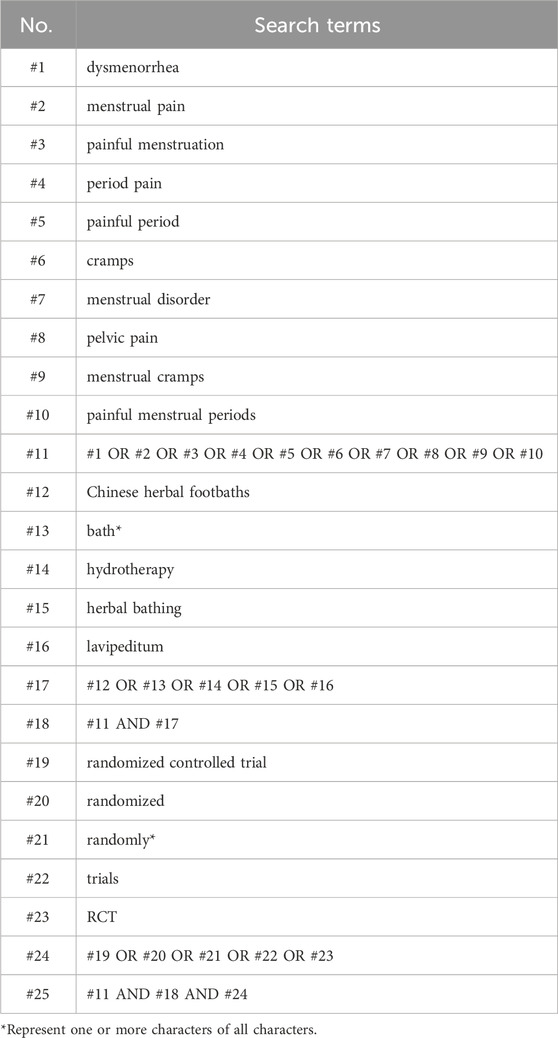
Table 1. Search strategy for the PubMed.
Eliginility criteria
The inclusion criteria, based on the PICOS (patients, intervention, comparator, outcomes, and study design) framework, were pre-specified as: 1) Participants: patients diagnosed with dysmenorrhea of any age, case source, and disease duration and severity; 2) Intervention: CHF, alone or with other treatments; 3) Comparators: basic or conventional medications, other TCM modalities, placebos, or non-intervention; 4) Outcome measurements: primary outcomes of pain relief measured by total effective rate, and secondary outcomes included pain intensity evaluated by validated scales, such as the visual analog scale (VAS) pain intensity score and the Cox menstrual symptom scale (CMSS) score symptom score, TCM syndrome scale, and adverse events; and 5) Types of study: only RCTs published in a peer-reviewed journal were included.
Exclusion criteria filtered out studies were: 1) of non-RCT, animal studies, case reports, conference proceedings, or literature reviews; 2) with ambiguous diagnostics; 3) of incomplete data or unavailable full-text; or 4) of duplicates.
Study selection and data extraction
Two independent reviewers (YX and JWW) extracted following data, such as the first author’s name, year of publication, study design, participants characteristics, specifics of CHF and control intervention, and outcomes metrics. Disputes were resolved by a third reviewer (YHC). All data underwent cross-checking before input into the RevMan software (V.5.3).
Methodological quality assessment
Methodological quality of the included studies was rated by two reviewers independently (YX and YHC) with the Cochrane collaboration risk assessment tool. The risk of bias was evaluated across the following domains and classified as high, unclear, or low: 1) random sequence generation; 2) allocation concealment; 3) blinding of participants and personnel; 4) blinding of outcome assessors; 5) incomplete outcome data; 6) selective reporting; and 7) other bias. Any inconsistency was addressed by consulting a third reviewer (YHC).
Data analysis
The quantitative synthesis was performed using RevMan software (v5.3). Risk ratio (RR) was used for dichotomous data and standard mean difference (SMD) or mean difference (MD) for continuous outcomes, each with 95% confidence intervals (CIs). Heterogeneity was measured using the Q-test and I2 statistic, with a random-effects model applied for substantially heterogeneity (I2 ≥ 50%) and a fixed-effects model otherwise. Publication bias was examined using funnel plots, and the robustness and reliability of the findings was tested with the sensitivity analysis by removing individual studies from the pooled data. A P-value less than 0.05 was considered statistically significant.
Results
Eligible studies
Initially, 240 studies investigating CHF’s effectiveness and safety in dysmenorrhea treatment were retrieved. After eliminating 64 duplicated entries, the abstract and titles of remaining studies were screened to remove another 138 studies. A thorough review of the full text of the remaining 38 documents led to a further exclusion of 20 research due to the following reasons: one study with unrelated objective, 18 lack of control groups, and one duplication. Ultimately, 18 RCTs were included in the meta-analysis (Zhang, 2003; Qu, 2012; Qu and Li, 2012; Lei and Liu, 2013; Lei and Liu, 2014; Ye and Xing, 2017a; Ye and Xing, 2017b; Zhang, 2017; Liu et al., 2018; Yang, 2018; Yu and Lu, 2018; Yuan et al., 2018; Zhang, 2018; Zheng et al., 2019; Zheng and Li, 2019; Zheng, 2020a; Zheng, 2020b; Zheng, 2021). The PRISMA flowchart of the selection process is depicted in Figure 1.
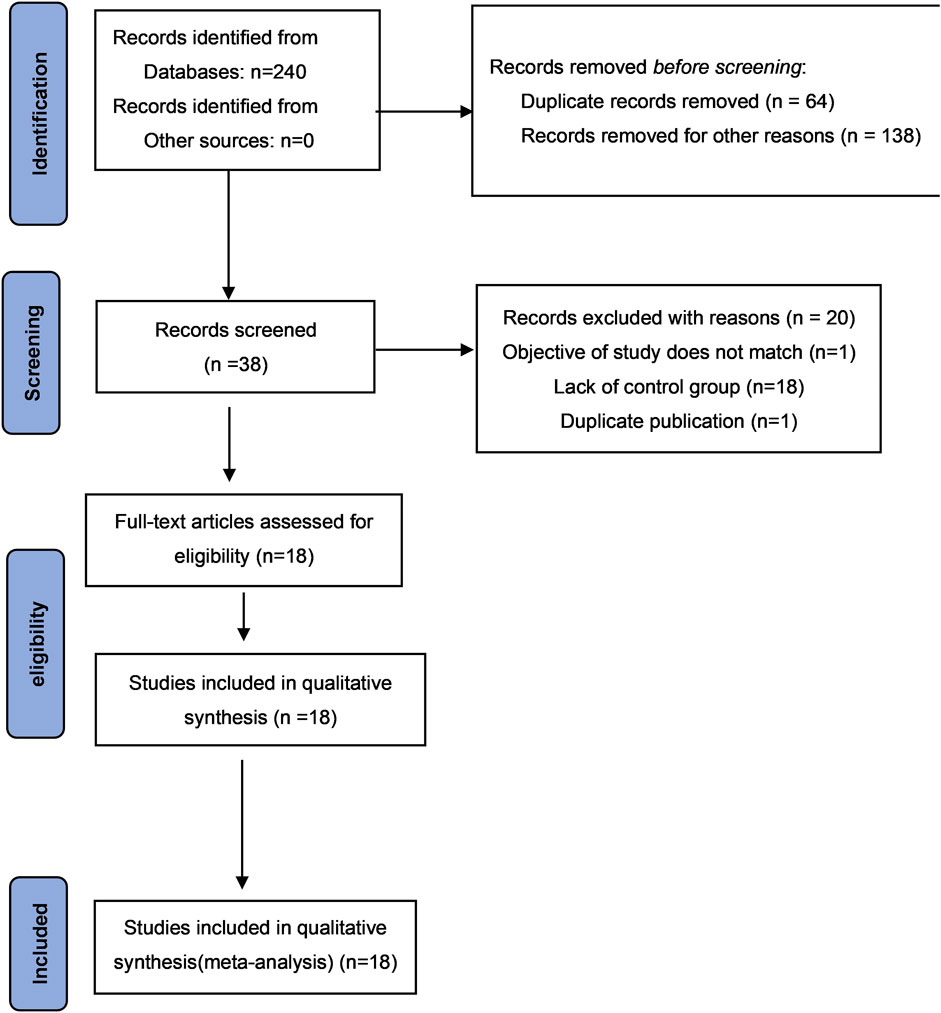
Figure 1. PRISMA flowchart for eligible study selection process.
Study characteristics
This meta-analysis encompassed 18 RCTs with sample sizes ranging from 57 to 150 were fulfilled the pre-specified inclusion criteria, involving 1,484 dysmenorrhea patients. All trials were implemented in China and published in Chinese from 2003 to 2021. Dysmenorrhea type was distinctly identified in all studies, including primary dysmenorrhea in 12 studies (Zhang, 2003; Qu, 2012; Qu and Li, 2012; Ye and Xing, 2017a; Zhang, 2017; Liu et al., 2018; Yang, 2018; Yu and Lu, 2018; Yuan et al., 2018; Zhang, 2018; Zheng, 2020a; Zheng, 2021), secondary dysmenorrhea due to adenomyosis in four studies (Ye and Xing, 2017b; Zheng et al., 2019; Zheng and Li, 2019; Zheng, 2020b), and both primary and secondary dysmenorrhea in two studies (Lei and Liu, 2013; Lei and Liu, 2014). All control groups received oral medication, namely, Chinese patent medicine in four studies (Zhang, 2003; Yang, 2018; Zheng, 2020a; Zheng, 2021), Chinese herbal decoction in 13 studies (Qu, 2012; Qu and Li, 2012; Lei and Liu, 2013; Lei and Liu, 2014; Ye and Xing, 2017a; Ye and Xing, 2017b; Zhang, 2017; Liu et al., 2018; Yu and Lu, 2018; Yuan et al., 2018; Zhang, 2018; Zheng and Li, 2019; Zheng, 2020a), and conventional medicine (gestrinone) in one study (Zheng et al., 2019).
The patients in the trial groups were treated by CHF in combination with the same oral medications as the control group in 16 studies (Zhang, 2003; Qu, 2012; Qu and Li, 2012; Lei and Liu, 2013; Lei and Liu, 2014; Ye and Xing, 2017a; Ye and Xing, 2017b; Zhang, 2017; Liu et al., 2018; Yu and Lu, 2018; Yuan et al., 2018; Zhang, 2018; Zheng and Li, 2019; Zheng, 2020a; Zheng, 2020b; Zheng, 2021), with medication different from the control group in one study (Yang, 2018), and alone in one study (Zheng et al., 2019). Regarding outcome measurements, 15 studies reported the total effective rate (Zhang, 2003; Qu, 2012; Qu and Li, 2012; Lei and Liu, 2013; Lei and Liu, 2014; Ye and Xing, 2017a; Zhang, 2017; Liu et al., 2018; Yang, 2018; Yu and Lu, 2018; Yuan et al., 2018; Zhang, 2018; Zheng et al., 2019; Zheng, 2021), two studies exhibited the VAS (Zhang, 2018; Zheng et al., 2019), one study presented the CMSS (Zheng and Li, 2019), five studies noted symptom score (Lei and Liu, 2013; Yuan et al., 2018; Zhang, 2018; Zheng et al., 2019; Zheng, 2021), and four trials provided TCM syndrome scale (Qu, 2012; Zhang, 2018; Zheng, 2020a; Zheng, 2020b). The basic characteristics of the included trials are summarized in Table 2, the information of CHF formulas, preparation, and interventional details is presented in Table 3, and the detailed information of those highly-frequent used Chinese herbs (n > 5) is presented in Table 4.
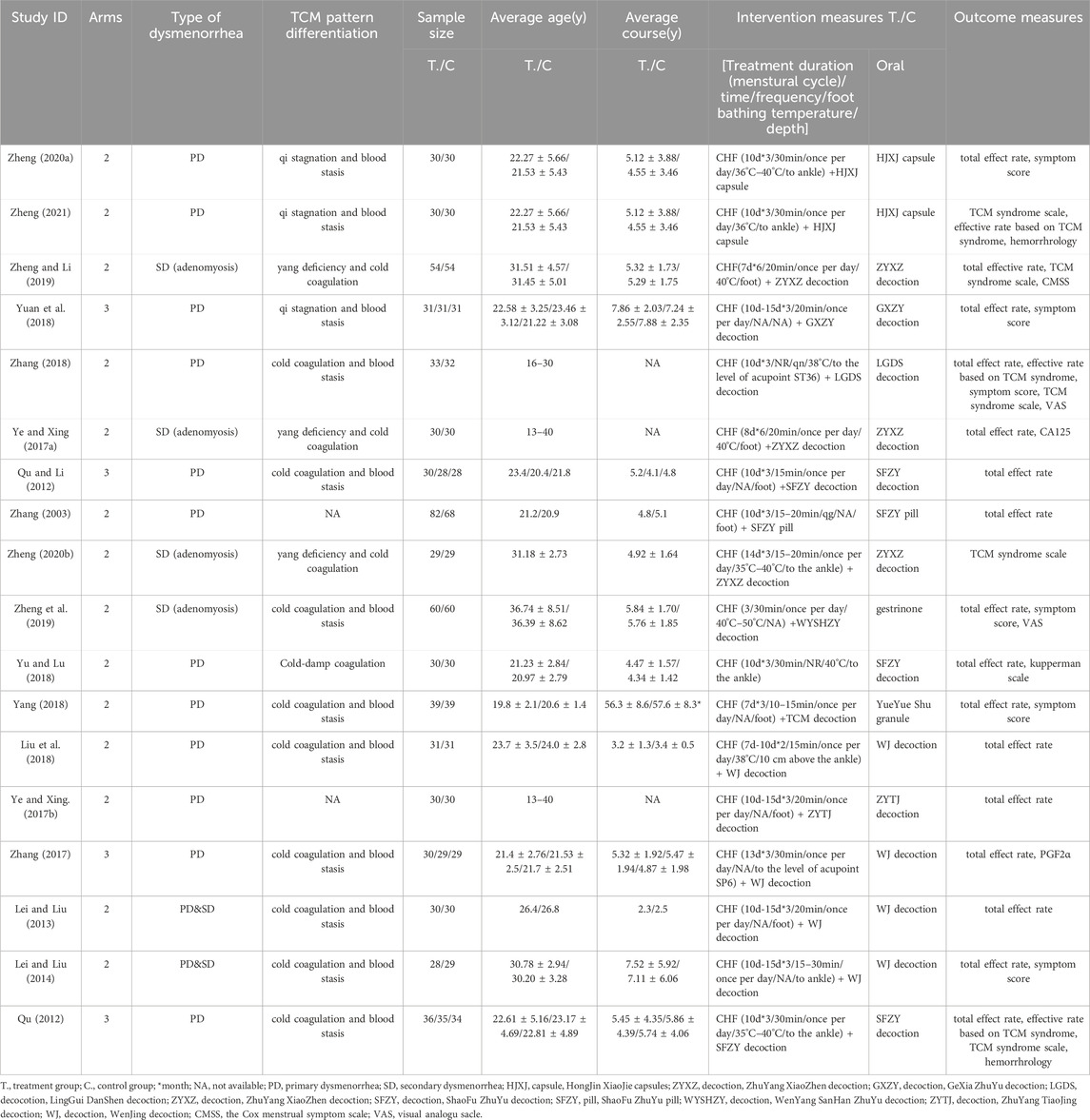
Table 2. Characteristics of the included RCTs in this study.
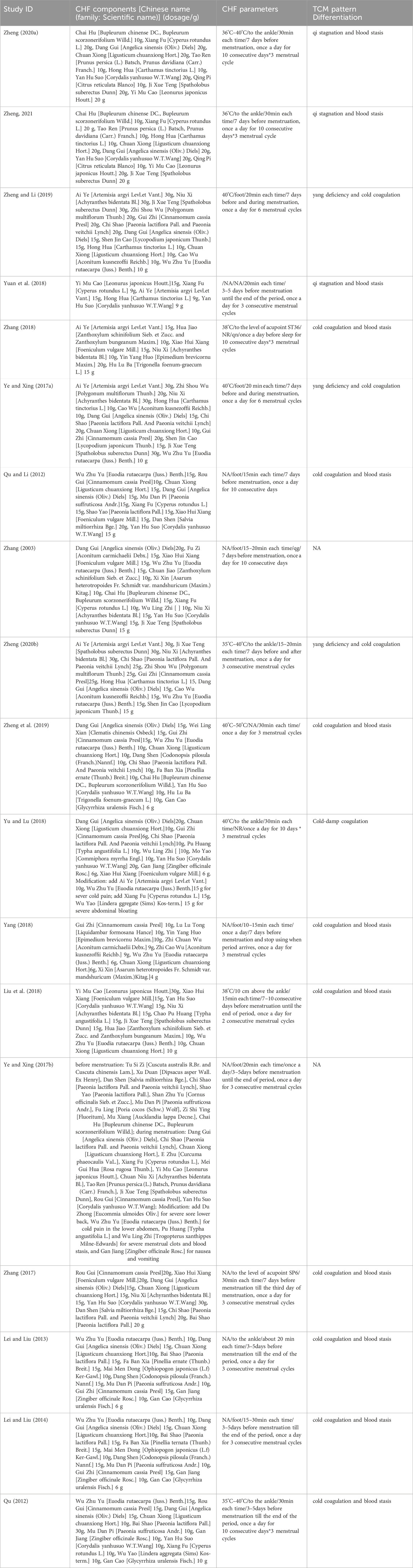
Table 3. Information of CHF formulas(g), intervention parameters, and TCM pattern differentiation.
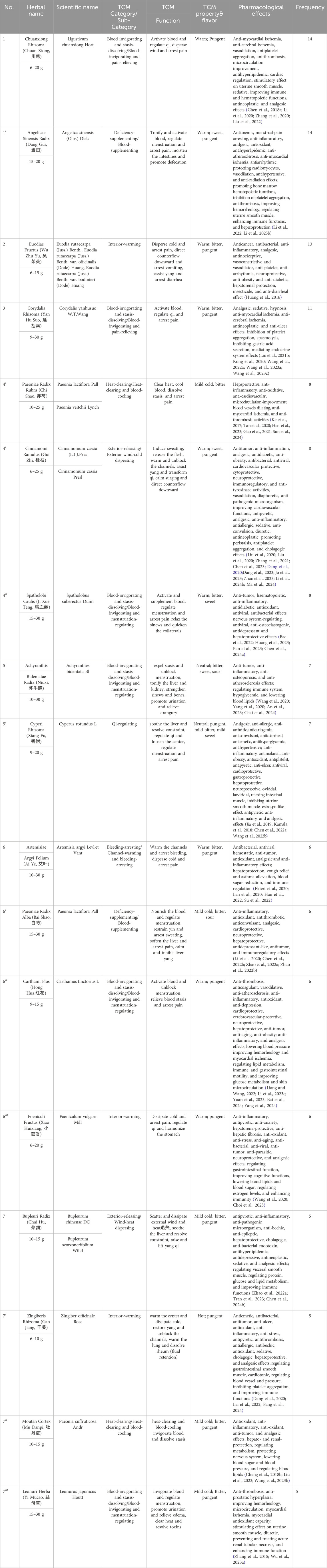
Table 4. Information of Chinese herbs that highly-frequent used to relieve dysmenorrhea in the 18 CHF prescriptions included by this study (n ≥ 5 times).
Risk of bias assessment
As shown in Figure 2, the methodological quality of the included studies was relatively low. All included studies claimed to be randomized, and one described the randomization method (Zheng, 2020a). Due to the inherent nature of the interventions, participant blinding was unfeasible in these studies, and none of them clarified their blinding procedures. All the studies mentioned but did not detail the process of allocation concealment or outcome assessment. Each study presented complete data. The risks of selective reporting and other biases were remained unclear due to insufficient information. The detailed results are presented in Figure 2.
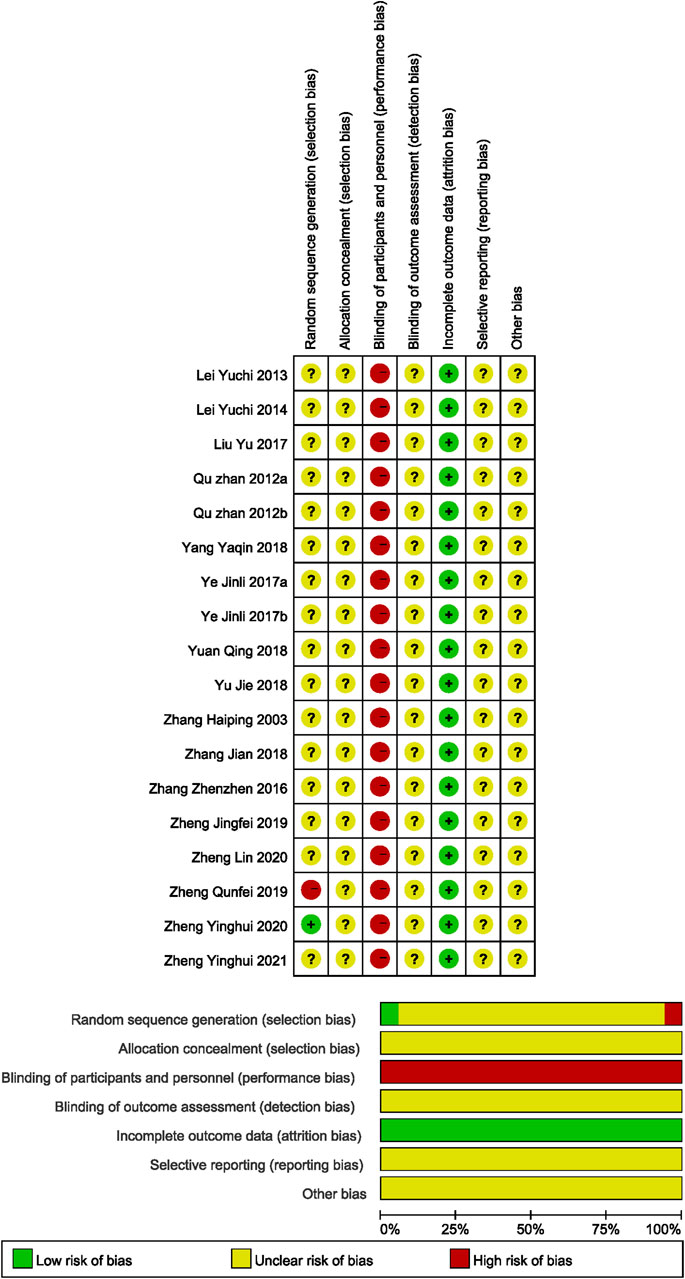
Figure 2. Assessment of methodological quality by the Cochrane risk-of-bias tool.
Effectiveness and safety of CHF therapy
Total effective rate
Sixteen studies (Zhang, 2003; Qu, 2012; Qu and Li, 2012; Lei and Liu, 2013; Lei and Liu, 2014; Ye and Xing, 2017a; Ye and Xing, 2017b; Zhang, 2017; Liu et al., 2018; Yang, 2018; Yu and Lu, 2018; Yuan et al., 2018; Zhang, 2018; Zheng et al., 2019; Zheng and Li, 2019; Zheng, 2020b) reported the total effective rate, and a fixed-effect model was utilized due to mild heterogeneity across studies (I2 = 0%). The meta-analysis of the pooled data demonstrated that CHF as an adjuvant therapy yielded a statistically significant improvement in the total effective rate (RR 1.18, 95% CI: 1.12 to 1.23, P < 0.00001) (Figure 3).
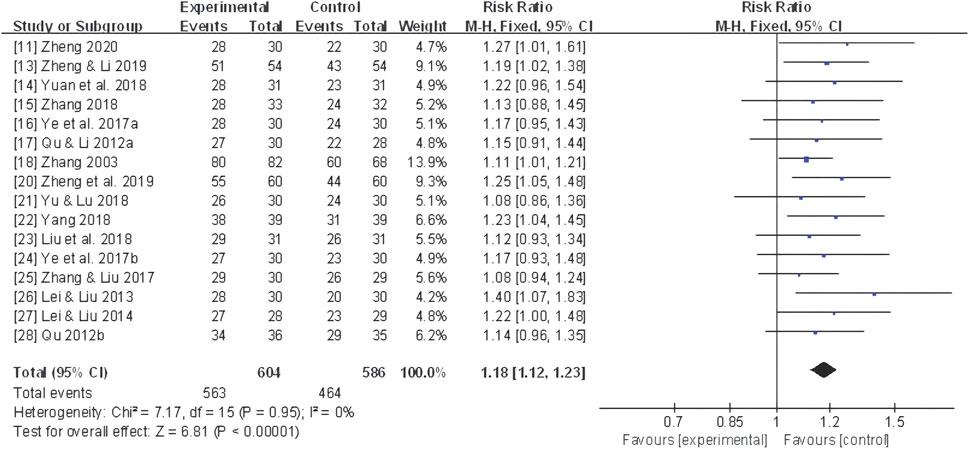
Figure 3. Forest plot for the total effective rate of adjunctive CHF therapy versus control group. CHF, Chinese herbal footbaths.
Further subgroup analyses were conducted based on different dysmenorrhea types and TCM patterns, revealing a significant improvement in the total effective rates in 11 trials (Zhang, 2003; Qu, 2012; Qu and Li, 2012; Ye and Xing, 2017b; Zhang, 2017; Liu et al., 2018; Yang, 2018; Yu and Lu, 2018; Yuan et al., 2018; Zhang, 2018; Zheng, 2020a) of primary dysmenorrhea (RR 1.15, 95% CI: 1.09 to 1.21, P < 0.00001), three trials (Ye and Xing, 2017a; Zheng et al., 2019; Zheng and Li, 2019) of secondary dysmenorrhea (RR 1.21, 95% CI: 1.09 to 1.33, P < 0.00001) (Figure 4), as well as two trials (Yuan et al., 2018; Zheng, 2020b) of TCM patterns of qi stagnation and blood stasis (RR 1.24, 95% CI: 1.05 to 1.47, P < 0.01), two trials (Ye and Xing, 2017b; Zheng and Li, 2019) of yang deficiency and cold coagulation (RR 1.18, 95% CI: 1.05 to 1.33, P < 0.01), and eight trials (Qu, 2012; Qu and Li, 2012; Lei and Liu, 2013; Lei and Liu, 2014; Zhang, 2017; Liu et al., 2018; Yang, 2018; Zhang, 2018; Zheng et al., 2019) of cold coagulation and blood stasis (RR 1.19, 95% CI: 1.11 to 1.27, P < 0.00001). A moderate improvement was also noted for cold-dampness coagulation pattern, but without statistical significance (RR 1.08, 95% CI: 0.86 to 1.36, P = 0.49, I2 = Not applicable) (Figure 5).
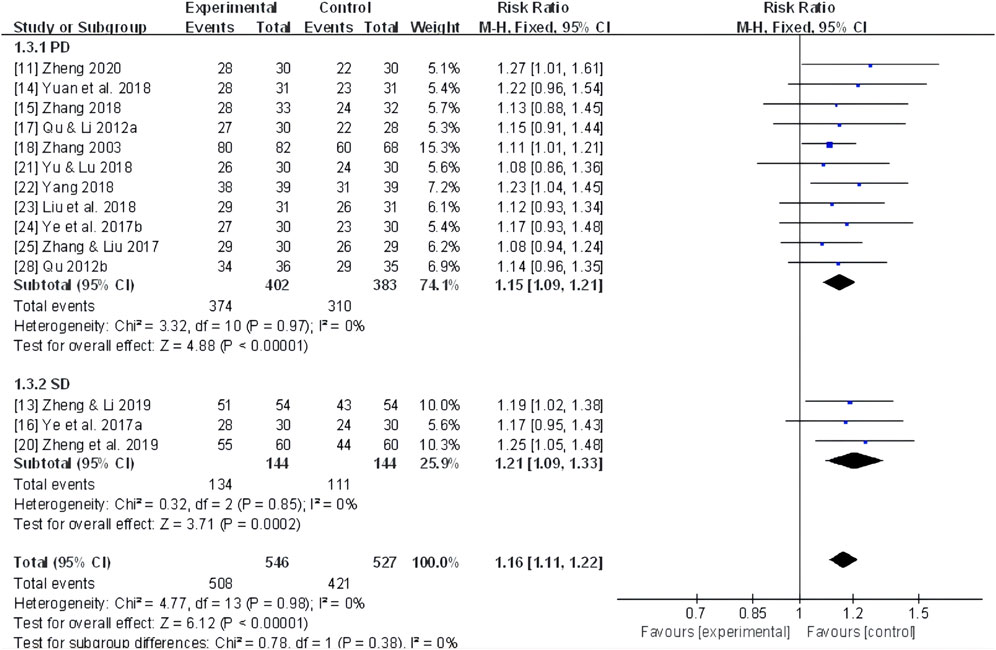
Figure 4. Forest plot for the total effective rate of adjunctive CHF therapy versus control group in terms of PD and SD. PD, Primary dysmenorrhea. SD, Secondary dysmenorrhea.
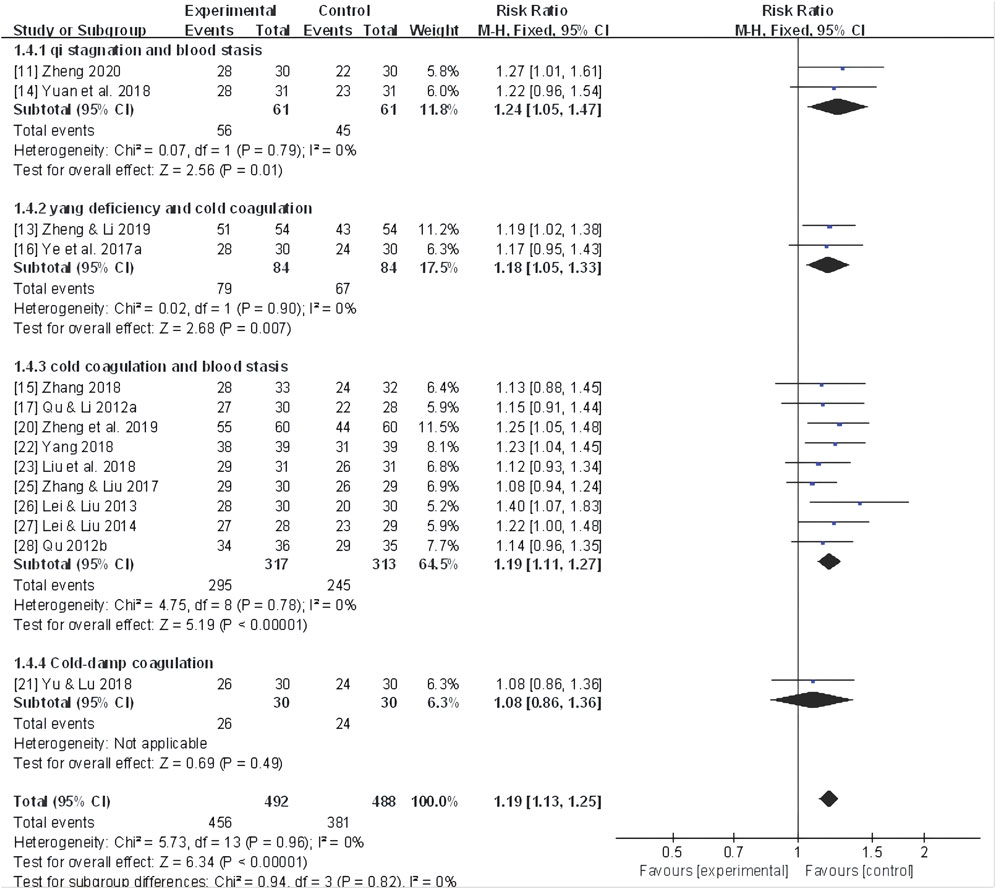
Figure 5. Forest plot for the total effective rate of adjunctive CHF therapy versus control group in terms of different TCM Patterns.
VAS and CMSS
Two studies (Zhang, 2018; Zheng et al., 2019) reported the VAS, and a fixed-effect model was adopted due to the mild heterogeneity (I2 = 1%). The aggravated effect of meta-analysis showed that CHF adjunctive intervention led to a significant decline in the VAS (MD 0.88, 95% CI: 0.68 to 1.09, P < 0.00001) (Supplementary Figure S1). Another study (Zheng and Li, 2019) reported a substantial reduction in the CMSS (MD 3.61, 95% CI: 2.73 to 4.49, P < 0.00001) in the CHF trial group as compared to the control group (Supplementary Figure S2).
Symptom score
Five studies (Lei and Liu, 2014; Yuan et al., 2018; Zhang, 2018; Zheng et al., 2019; Zheng, 2020a) assessed the symptom score, and a random-effect model was applied due to the significant heterogeneity (I2 = 74%). The meta-analysis of pooled data demonstrated that compared to the control group, CHF as an adjunctive intervention markedly reduced the symptom score (SMD 1.09, 95% CI: 0.64 to 1.53, P < 0.00001) (Figure 6).
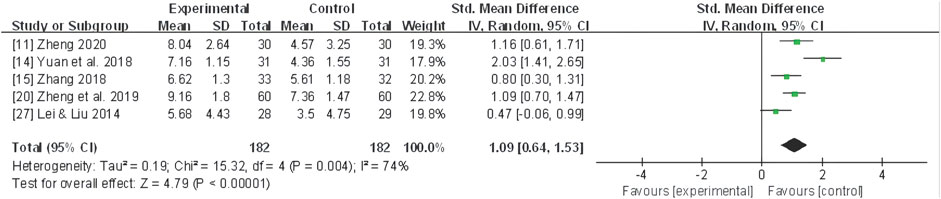
Figure 6. Forest plot for symptom score of adjunctive CHF therapy versus control group.
Further subgroup analyses based on different dysmenorrhea types demonstrated that a significant reduction in the symptom score in three trials (Yuan et al., 2018; Zhang, 2018; Zheng, 2020b) with primary dysmenorrhea (SMD 1.31, 95% CI: 0.62 to 2.00, P< 0.001) and one trial (Zheng et al., 2019) with secondary dysmenorrhea due to adenomyopathy (SMD 1.09, 95% CI: 0.70 to 1.47, P < 0.00001) (Figure 7).
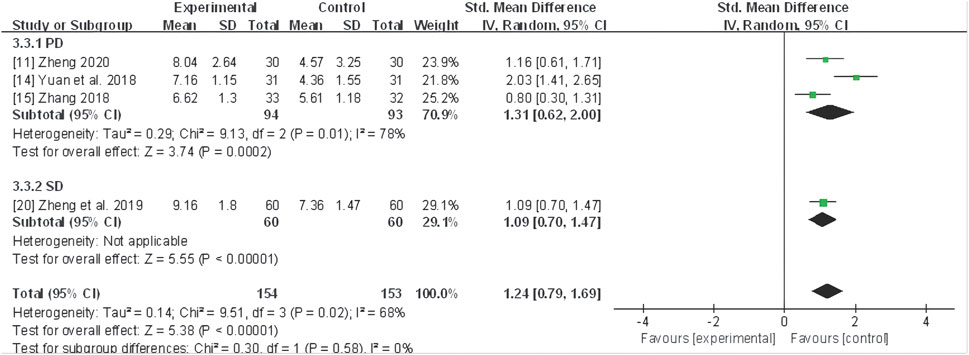
Figure 7. Forest plot for symptom score of CHF subgroup analysis on primary and secondary dysmenorrhea. CHF, Chinese herbal footbaths.
TCM syndrome scale
Five studies (Qu, 2012; Zhang, 2018; Zheng and Li, 2019; Zheng, 2020a; Zheng, 2021) evaluated the TCM syndrome scale, and a random-effect model was utilized due to pronounced heterogeneity (I2 = 88%). The meta-analysis unveiled that CHF application substantially improved the TCM syndrome scale compared to the control group (MD 3.76, 95% CI: 2.53 to 4.99, P < 0.0001) (Figure 8).
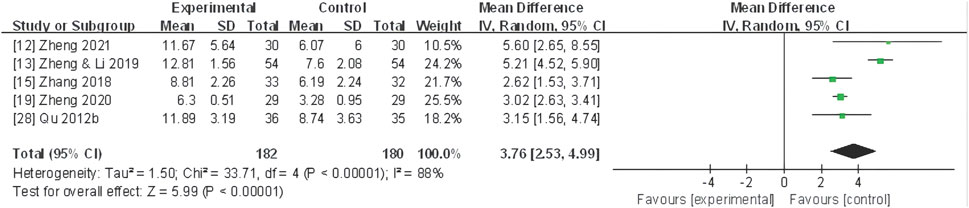
Figure 8. Forest plot for TCM syndrome scale of adjunctive CHF therapy versus control group. TCM, traditional Chinese medicine; CHF, Chinese herbal footbaths.
Further subgroup analyses based on different dysmenorrhea types and TCM patterns demonstrated that a significant decrease in the TCM syndrome score in four trials (Qu, 2012; Zhang, 2018; Zheng, 2020b; Zheng, 2021) of primary dysmenorrhea (MD 3.02, 95% CI: 2.66 to 3.38, P< 0.00001), one trial (Zheng and Li, 2019) of secondary dysmenorrhea (MD 5.21, 95% CI: 4.52 to 5.90, P < 0.00001) (Figure 9), as well as one trial (Zheng, 2021) of TCM pattern of qi stagnation and blood stasis in (SMD 0.95, 95% CI: 0.41 to 1.48, P < 0.001), two trials (Zheng and Li, 2019; Zheng, 2020a) of yang deficiency and cold coagulation (SMD 3.10, 95% CI: 2.64 to 3.56, P < 0.00001), and two trials (Qu, 2012; Zhang, 2018) of cold coagulation and blood stasis (SMD 1.02, 95% CI: 0.66 to 1.38, P < 0.00001) (Figure 10).

Figure 9. Forest plot for TCM syndrome scale of CHF subgroup analysis on primary and secondary dysmenorrhea.
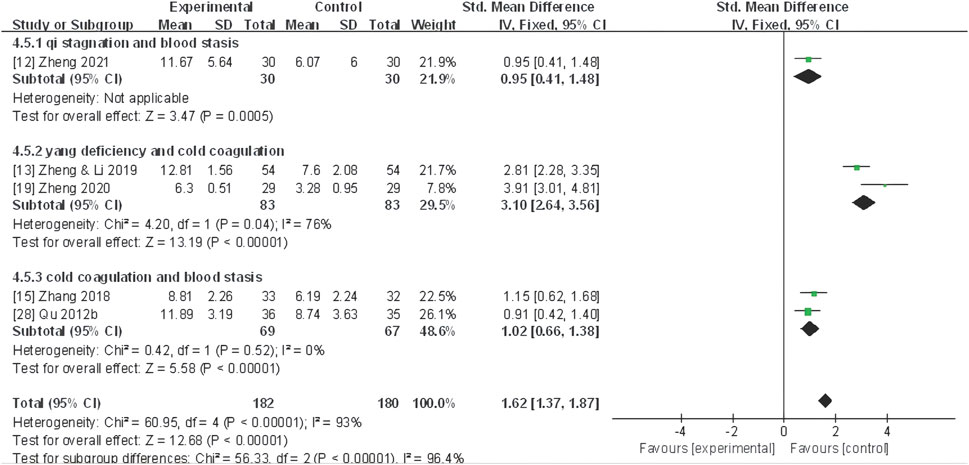
Figure 10. Forest plot for TCM syndrome scale of CHF subgroup analysis on different TCM patterns.
Adverse events
Four studies (Qu and Li, 2012; Lei and Liu, 2013; Ye and Xing, 2017a; Ye and Xing, 2017b) addressed the concern of adverse events, and two of which (Lei and Liu, 2013; Ye and Xing, 2017a) assessed the safety with blood, urine, and stool routine tests, as well as hepatic and renal function assessments. No adverse events were recorded in the CHF adjunctive treatment group.
Follow-up assessment
Five studies (Qu, 2012; Liu et al., 2018; Yang, 2018; Yuan et al., 2018; Zheng, 2020b) reported follow-up data over a 3-month span. Narratively, the CHF adjunctive treatment presented an optimal sustainable therapeutic benefit, as evident by the enhanced total effective rate (RR 1.34, 95% CI: 1.11 to 1.63, P< 0.01) in two trials (Yuan et al., 2018; Zheng, 2020a) and a diminished recurrence rate (RR 0.19, 95% CI: 0.09 to 0.39, P< 0.0001) in three trials (Qu, 2012; Liu et al., 2018; Yang, 2018) when compared with the control group (Supplementary Figures S3, S4).
Publication bias assessment
Funnel plots were employed to evaluate the potential publication bias. The resultant plots for the total effective rate demonstrated an asymmetric distribution, suggesting a possibility of publication bias (Supplementary Figure S5). However, this potentiality was offset by the value of Egger’s test (P > 0.05), indicating the likelihood of publication bias was not evident.
Sensitivity analysis
Sensitivity analyses were conducted for the total effective rate, VAS, and TCM syndrome scale. The results revealed that excluding any individual study from each outcome did not significantly alter the aggravated effect, indicating the stability and robustness of the pooled results.
Discussion
Dysmenorrhea remains a predominant public health concern that impairs women’s quality of life, academic performance, and work productivity. Despite considerable research efforts, its complex pathomechanisms underlying are not yet fully deciphered. Beyond conventional pharmacological solutions, the medical community has gradually well-recognized the importance and promise of complementary and alternative interventions (Sosorburam et al., 2019; Su et al., 2021). Previous studies indicate the potential benefits of CHF in mitigating dysmenorrhea, yet comprehensive evidence remains limited. To the best of our knowledge, this is the first systematical review and meta-analysis to evaluate the effectiveness and safety of CHF as an adjunctive therapy for the management of dysmenorrhea.
The findings of the present meta-analysis suggested that CHF therapy could significantly enhance the total effective rate and reduce the VAS, CMSS, symptom score and TCM syndrome scale, consolidating its potential as an effective adjunctive intervention for patients suffered from dysmenorrhea. Furthermore, it displayed fewer adverse events and optimal sustainable long-term therapeutic benefits. The desirable clinical outcomes of CHF on dysmenorrhea are attributable to multi-factors. In the TCM paradigm, the feet are corresponded to different internal organs and regions of human body via specific channels and acupuncture points, and the absorption of Chinese herbs through skin and mucosa may act on these channels and acupuncture points, potentially alleviating visceral pain (Matos et al., 2021). Moreover, the thermal effect of footbaths may improve microcirculation and skin permeability, facilitating the assimilation of the active ingredients in the herbal concoctions (Zheng et al., 2019; Fu et al., 2020).
Moreover, the results of subgroup analysis based on different dysmenorrhea types and TCM patterns showed that CHF yielded a significant improvement in the total effective rate, symptom scores, and TCM syndrome scale for patients with either primary or secondary dysmenorrhea associated with qi stagnation and blood stasis, yang deficiency and cold coagulation, or cold coagulation and blood stasis. In the therapeutic framework of TCM, pattern differentiation serves as the foundation for the therapeutic interventions (Zheng, 2020b; Li X. et al., 2023). Dysmenorrhea is generally divided into two pathological categories, namely, Excesses of “pain due to obstruction” and Deficiency of “pain due to lack of nourishment.” The former is primarily arising from the blockage of qi and blood circulation due to internal and external pathogenic factors, such as cold, dampness, and heat, with cold-induced blockage being most notably prevalent. For relief, patients with “cold womb” are advised to expel cold and remove qi stagnation and blood stasis to relieve pain. While the latter is often caused by deficiency of Qi, blood, yin or yang, necessitating a focus on tonification and replenishment to address the deficiencies and nourish the “withered womb” (Sosorburam et al., 2019; Dong et al., 2022; Wu L.-J. et al., 2023). This meta-analysis incorporating 1,484 dysmenorrhea patients, either primary or secondary, identified cold coagulation, blood stasis, qi stagnation, and yang deficiency as prevalent etiopathogenesis. Accordingly, such well-recognized Chinese herbal prescriptions as WenJing Tang and Shaofu Zhuyu Tang are recommended for CHF to ensure the optimal clinical outcomes, as specified in Tables 2, 3. This also underscores the critical role of accurate pattern differentiation for CHF to achieve significant improvements in managing dysmenorrhea.
In addition, current insight into dysmenorrhea underscores its complex etiopathogenesis involving multiple factors, such as vasopressin, oxytocin, calcium, oxidative stress, inflammation, and nitric oxide, with prostaglandins (PGs), synthesized from arachidonic acid via the cyclooxygenase (COX) pathway, playing a pivotal role (Jabbour et al., 2006; Tu and Hellman, 2021; Snipe et al., 2024; Xiao et al., 2024). A further analysis demonstrates that 51 different Chinese herbs were employed in the 18 CHF prescriptions for dysmenorrhea in this meta-analysis, and 17 of which were identified as frequently used ingredients (frequency≥5 times), such as Chuanxiong Rhizoma (Ligusticum chuanxiong Hort) (n = 14), Angelicae Sinensis Radix [Dang Gui (Angelica sinensis (Oliv.) Diels) (n = 14), Euodiae Fructus [Euodia rutaecarpa (Juss.) Benth] (n = 13), Corydalis Rhizoma (Corydalis yanhusuo W.T. Wang) (n = 11), Paeoniae Radix Rubra (Paeonia lactiflora Pall.) (n = 8), Cinnamomi Ramulus [Cinnamomum cassia (L.) J. Presl] (n = 8), and Spatholobi Caulis (Spatholobus suberectus Dunn) (n = 8). These herbs are well-recognized for their pharmacologic effects of analgesia, spasmolysis, microcirculation, anti-inflammation, vasodilatation, and neuroprotection, as documented in Table 4. Experiments have also indicated the mechanism underlying their therapeutic effects on dysmenorrhea may attribute to modulate oestradiol, arginine vasopression, oxytocin and its receptor, PGE2 and PGF2α expression; inhibit calcium channel, nuclear factor-κB(NF-κB), NF-κB/p38, mitogenactivated protein kinase, and COX-2; elevate nitric oxide and its synthetase; downregulate oxytocin, vasopressin, endothelin-1, malondialdehyde, superoxide, interleukin-6 (IL-6), IL-1β, monocyte chemotactic protein 1, inducible nitric oxide synthase, tumor necrosis factor-2α, whole blood viscosity, and plasma viscosity (Zhang et al., 2016; Sosorburam et al., 2019; Shao et al., 2020; Tan et al., 2020; Liu et al., 2021a; Dong et al., 2022; Mo et al., 2022; Wu T. et al., 2023; Cai and Feng, 2023; Li M. et al., 2024).
Although this meta-analysis assessed the effectiveness and safety of CHF as a supplementary treatment for dysmenorrhea, there are several limitations: 1) the small sample size of some studies might overrate the perceived effectiveness and undermine outcome reliability; 2) the inherent characteristics of CHF made blinding and allocation concealment unfeasible, potentially resulting in overestimated therapeutic benefits; 3) notable heterogeneity was presented in the aggravated results of symptom score and TCM syndrome scale, which might attribute to diverse efficacy criteria, differences in CHF formulation, and inconsistencies in treatment durations, temperatures, and immersion depths across studies. However, subgroup analysis was infeasible due to the limited number of studies, potentially compromising result accuracy and applicability; 4) the methodological quality of some studies was suboptimal and might cause an overestimated therapeutic effect; and 5) despite no language limitation for inclusion, all sourced publication were in Chinese, and the funnel plot implied the slight possibility of publication bias. Given these limitations, more well-designed, high-quality, large-sample sized RCTs are warranted to consolidate confidence in the therapeutic benefits of CHF for dysmenorrhea. Future research should also aim to evaluate the holistic impact of CHF on dysmenorrhea patients in such variables as over-all quality of life and sleep quantity and quality.
Conclusion
In conclusion, this study suggests that Chinese herbal footbaths may serve as a promising and safe adjuvant therapy for dysmenorrhea management. However, the limited data and variable methodological quality of the included studies necessitate a cautious interpretation of these findings. Further verification with more well-designed high-quality multicenter RCTs of large sample size are warranted.
Data availability statement
The original contributions presented in the study are included in the article/Supplementary Material, further inquiries can be directed to the corresponding authors.
Author contributions
XT: Funding acquisition, Investigation, Project administration, Writing–original draft. JW: Data curation, Formal Analysis, Investigation, Methodology, Writing–original draft. YZ: Validation, Writing–review and editing. XL: Data curation, Writing–review and editing. LL: Validation, Writing–review and editing. JX: Formal Analysis, Validation, Writing–review and editing. WH: Data curation, Validation, Writing–review and editing. YX: Conceptualization, Data curation, Formal Analysis, Investigation, Methodology, Supervision, Writing–original draft, Writing–review and editing. YC: Conceptualization, Formal Analysis, Funding acquisition, Investigation, Methodology, Project administration, Supervision, Writing–original draft, Writing–review and editing.
Funding
The author(s) declare that financial support was received for the research, authorship, and/or publication of this article. This study was supported by the International Cooperation and Exchange Project of Science and Technology Department of Sichuan Province (Grant Nos 2023YFH0100 and 2017HH0004), the National Natural Science Foundation of China (Grant No. 81603537), the Sichuan Provincial Administration of Traditional Chinese Medicine (Grant No. 2021M464), the Youth Scholarship of Chengdu University of Traditional Chinese Medicine (Grant Nos QJRC2022004 and QNXZ2019043). The funders had no role in study design, data collection and analysis, decision to publish, or preparation of the manuscript.
Conflict of interest
The authors declare that the research was conducted in the absence of any commercial or financial relationships that could be construed as a potential conflict of interest.
Publisher’s note
All claims expressed in this article are solely those of the authors and do not necessarily represent those of their affiliated organizations, or those of the publisher, the editors and the reviewers. Any product that may be evaluated in this article, or claim that may be made by its manufacturer, is not guaranteed or endorsed by the publisher.
Supplementary material
The Supplementary Material for this article can be found online at: https://www.frontiersin.org/articles/10.3389/fphar.2024.1397359/full#supplementary-material
Supplementary Figure S1 | Forest plot for VAS score of adjunctive CHF therapy versus control group. CHF, Chinese herbal footbaths; VAS, visual analogue scale.
Supplementary Figure S2 | Forest plot for CMSS score of adjunctive CHF therapy versus control group. CHF, Chinese herbal footbaths; CMSS, the Cox Menstrual Symptom Scale.
Supplementary Figure S3 | Forest plot for the total effective rate of follow-up.
Supplementary Figure S4 | Forest plot for the recurrence rate of follow-up.
Supplementary Figure S5 | Funnel plots assessing publication bias for the total effective rate.
References
An, X., Wang, J., Xu, K., Zhao, R. C., and Su, J. (2023). Perspectives on osteoarthritis treatment with mesenchymal stem cells and Radix achyranthis bidentatae. Aging Dis 15, 1029. doi:10.14336/AD.12023.10817
Bae, S.-J., Bak, S. B., and Kim, Y. W. (2022). Coordination of AMPK and YAP by Spatholobi caulis and procyanidin B2 pcrovides antioxidant effects in vitro and in vivo. Int. J. Mol. Sci. 23, 13730. doi:10.3390/ijms232213730
Bai, Q., Guo, J., and Wu, J. (2024). Research progress on chemical constitutents and pharmacological effects of safflower. J. Xinxiang Med. Univ. 41, 88–94+100.
Cai, S.-J., and Fang, J.-Z. (2023). Research progress of Ligusticum and its drug pairs. Chin. Archives Traditional Chin. Med. 1-8.
Campbell, A.-J. (2019). The prevalence and impact of dysmenorrhea in young women within the United States. Doctor of Psychology (PsyD), 433
Chai, J.-H., He, T.-T., Jiang, S.-L., Zhu, X.-H., Zhang, Q.-Y., Ji, M.-C., et al. (2024). Oligo/polysaccharides from Cyathula officinalis and Achyranthes bidentata: a review of structures and bioactivities. J. Pharm. Pharmacol. 76 (rgae007), 307–326. doi:10.1093/jpp/rgae007
Chen, H., Guo, J., Cai, Y., Zhang, C., Wei, F., Sun, H., et al. (2024a). Elucidation of the anti-β-cell dedifferentiation mechanism of a modified Da Chaihu Decoction by an integrative approach of network pharmacology and experimental verification. J. Ethnopharmacol. 321, 117481. doi:10.1016/j.jep.2023.117481
Chen, J., Li, T., Qin, X., Du, G., and Zhou, Y. (2022a). Integration of non-targeted metabolomics and targeted quantitative analysis to elucidate the synergistic antidepressant effect of bupleurum chinense DC paeonia lactiflora Pall herb pair by regulating purine metabolism. Front. Pharmacol. 13, 900459. doi:10.3389/fphar.2022.900459
Chen, J., Li, Y., and Su, M. (2019). Progress and prospects on the development of liposomes for dermal and transdermal delivery application in the field of traditional Chinese medicine. J. Nanjing Univ. Traditional Chin. Med. 35, 623–630. doi:10.14148/j.issn.1672-0482.2019.0623
Chen, X., Sun, B., Zeng, J., Yu, Z., Liu, J., Tan, Z., et al. (2024b). Molecular mechanism of Spatholobi Caulis treatment for cholangiocarcinoma based on network pharmacology, molecular docking, and molecular dynamics simulation. Naunyn-Schmiedebergs Archives Pharmacol. doi:10.1007/s00210-024-02985-0
Chen, Y., Li, N., Wang, D., Fan, J., Chu, R., and Li, S. (2022b). Analysis of raw and processed cyperi rhizoma samples using liquid chromatography-tandem mass spectrometry in rats with primary dysmenorrhea. Jove-Journal Vis. Exp. doi:10.3791/64691
Chen, Y., Xue, Y., Wang, X., Jiang, D., Xu, Q., Wang, L., et al. (2023). Molecular mechanisms of the Guizhi decoction on osteoarthritis based on an integrated network pharmacology and RNA sequencing approach with experimental validation. Front. Genet. 14, 1079631. doi:10.3389/fgene.2023.1079631
Chen, Z., Zhang, C., Gao, F., Fu, Q., Fu, C., He, Y., et al. (2018a). A systematic review on the rhizome of Ligusticum chuanxiong Hort. (Chuanxiong). Food Chem. Toxicol. 119, 309–325. doi:10.1016/j.fct.2018.02.050
Cheng, Y., Chu, Y., Su, X., Zhang, K., Zhang, Y., Wang, Z., et al. (2018b). Pharmacokinetic-pharmacodynamic modeling to study the anti-dysmenorrhea effect of Guizhi Fuling capsule on primary dysmenorrhea rats. Phytomedicine 48, 141–151. doi:10.1016/j.phymed.2018.04.041
Choi, N.-R., Jung, D., Kim, S.-C., Park, J.-W., Choi, W.-G., and Kim, B.-J. (2023). Analysis of network pharmacological efficacy and therapeutic effectiveness in animal models for functional dyspepsia of foeniculi fructus. Nutrients 15, 2644. doi:10.3390/nu15122644
Dang, M., Zhao, X., Cao, Y., Guan, X., and Liu, Y. (2023). Huangqi Guizhi Wuwu decoction improves hemorheology and inhibits inflammatory response after PCI for acute myocardial infarction. Am. J. Transl. Res. 15, 3686–3696.
Dang, Y., Xu, J., Zhu, M., Zhou, W., Zhang, L., and Ji, G. (2020). Gan-Jiang-Ling-Zhu decoction alleviates hepatic steatosis in rats by the miR-138-5p/CPT1B axis. Biomed. Pharmacother. 127, 110127. doi:10.1016/j.biopha.2020.110127
De Sanctis, V., Soliman, A., Bernasconi, S., Bianchin, L., Bona, G., Bozzola, M., et al. (2015). Primary dysmenorrhea in adolescents: prevalence, impact and recent knowledge. Pediatr. Endocrinol. Rev. PER 13 (2), 512–520.
Dong, Y., Jiang, Y., Liu, Y., Chen, J., Wang, W., Gai, X., et al. (2022). Research progress on traditional Chinese medicine in treatment of dysmenorrhea. Chin. Traditional Herb. Drugs 53 (12), 3842–3851.
Ekiert, H., Pajor, J., Klin, P., Rzepiela, A., Slesak, H., and Szopa, A. (2020). Significance of artemisia vulgaris L. (Common mugwort) in the history of medicine and its possible contemporary applications substantiated by phytochemical and pharmacological studies. Molecules 25, 4415. doi:10.3390/molecules25194415
Fang, H.-B., Si, Y.-Y., Niu, H.-Y., Yan, Y.-M., Feng, W.-S., Cheng, Y.-X., et al. (2024). Dimeric diarylheptanoids with anti-inflammatory activity from Zingiber officinale. Phytochemistry 219, 113975. doi:10.1016/j.phytochem.2024.113975
Fu, Q., Yang, H., Zhang, L., Liu, Y., Li, X., Dai, M., et al. (2020). Traditional Chinese medicine foot bath combined with acupoint massage for the treatment of diabetic peripheral neuropathy: a systematic review and meta-analysis of 31 RCTs. Diabetes-Metabolism Res. Rev. 36, e3218. doi:10.1002/dmrr.3218
Gao, J., Wang, N., Song, W., Yuan, Y., Teng, Y., and Liu, Z. (2024). Mechanisms underlying the synergistic effects of chuanxiong combined with Chishao on treating acute lung injury based on network pharmacology and molecular docking combined with preclinical evaluation. J. Ethnopharmacol. 325, 117862. doi:10.1016/j.jep.2024.117862
Han, S.-Y., Lim, S.-K., and Kim, H. (2023). Effect of Paeoniae Radix Rubra (Paeonia lactiflora Pall.) extract on mucin secretion, gene expression in human airway epithelial cells. J. Ethnopharmacol. 303, 115959. doi:10.1016/j.jep.2022.115959
Han, Y., Park, H.-J., Hong, M.-K., Shin, M.-R., Roh, S.-S., and Kwon, E.-Y. (2022). Artemisiae argyi water extract alleviates obesity-induced metabolic disorder. Curr. Issues Mol. Biol. 44, 6158–6171. doi:10.3390/cimb44120420
Huang, X., Fei, Q., Yu, S., Liu, S., Zhang, L., Chen, X., et al. (2023). A comprehensive review: botany, phytochemistry, traditional uses, pharmacology, and toxicology of Spatholobus suberectus vine stems. J. Ethnopharmacol. 312, 116500. doi:10.1016/j.jep.2023.116500
Huang, X., Su, S., Duan, J.-A., Sha, X., Zhu, K. Y., Guo, J., et al. (2016). Effects and mechanisms of Shaofu-Zhuyu decoction and its major bioactive component for Cold - stagnation and Blood - stasis primary dysmenorrhea rats. J. Ethnopharmacol. 186, 234–243. doi:10.1016/j.jep.2016.03.067
Iacovides, S., Avidon, I., and Baker, F. C. (2015). What we know about primary dysmenorrhea today: a critical review. Hum. Reprod. Update 21, 762–778. doi:10.1093/humupd/dmv039
Itani, R., Soubra, L., Karout, S., Rahme, D., Karout, L., and Khojah, H. M. J. (2022). Primary dysmenorrhea: pathophysiology, diagnosis, and treatment updates. Korean J. Fam. Med. 43, 101–108. doi:10.4082/kjfm.21.0103
Jabbour, H. N., Sales, K. J., Smith, O. P. M., Battersby, S., and Boddy, S. C. (2006). Prostaglandin receptors are mediators of vascular function in endometrial pathologies. Mol. Cell. Endocrinol. 252, 191–200. doi:10.1016/j.mce.2006.03.025
Jia, H., Liu, Y., Yu, M., Shang, H., Zhang, H., Ma, L., et al. (2019). Neuroprotective effect of cyperi rhizome against corticosterone-induced PC12 cell injury via suppression of Ca2+ overloading. Metabolites 9, 244. doi:10.3390/metabo9110244
Jo, H.-G., Baek, E., and Lee, D. (2023). Comparative efficacy of east asian herbal formulae containing astragali radix-cinnamomi ramulus herb-pair against diabetic peripheral neuropathy and mechanism prediction: a bayesian network meta-analysis integrated with network pharmacology. Pharmaceutics 15, 1361. doi:10.3390/pharmaceutics15051361
Ju, H., Jones, M., and Mishra, G. (2014). The prevalence and risk factors of dysmenorrhea. Epidemiol. Rev. 36, 104–113. doi:10.1093/epirev/mxt009
Kamala, A., Middha, S. K., and Karigar, C. S. (2018). Plants in Traditional Medicine with Special Reference to Cyperus rotundus L. A. Review. 8 (7), 1–11.
Ke, Z., Wang, G., Yang, L., Qiu, H., Wu, H., Du, M., et al. (2017). Crude terpene glycoside component from Radix paeoniae rubra protects against isoproterenol-induced myocardial ischemic injury via activation of the PI3K/AKT/mTOR signaling pathway. J. Ethnopharmacol. 206, 160–169. doi:10.1016/j.jep.2017.05.028
Kong, X., Chen, Z., Xia, Y., Liu, E. Y. L., Ren, H., Wang, C., et al. (2020). Dehydrocorydaline accounts the majority of anti-inflammatory property of Corydalis rhizoma in cultured macrophage. Evidence-Based Complementary Altern. Med. 2020, 4181696. doi:10.1155/2020/4181696
Lai, W., Yang, S., Lin, X., Zhang, X., Huang, Y., Zhou, J., et al. (2022). Zingiber officinale: a systematic review of botany, phytochemistry and pharmacology of gut microbiota-related gastrointestinal benefits. Am. J. Chin. Med. 50, 1007–1042. doi:10.1142/S0192415X22500410
Lan, X., Zhang, Y., Zhu, L., Liu, D., Huang, X., Zhou, L., et al. (2020). Research progress on chemical constituents from Artemisiae Argyi Folium and their pharmacological activities and quality control. China J. Chin. Materia Medica 45, 4017–4030. doi:10.19540/j.cnki.cjcmm.20200714.201
Lei, Y., and Liu, W. (2013). Clinical observation on 30 cases of dysmenorrhea treated with wenjing Decoction and foot bath. Yunnan J. Traditional Chin. Med. Material Medica 34, 46–47.
Lei, Y., and Liu, W. (2014). Clinical observation on 30 cases of dysmenorrhea (cold coagulation and blood stasis syndrome) treated with wenjing Decoction and foot bath.
Li, D., Guo, H., Niu, L., Yin, Q., Zhang, Y., and Zhuang, P. (2023c). Clinical value-oriented research paradigm about inheritance and innovation development of TCM dominant diseases. Chin. Herb. Med. 15 (4), 476–484. doi:10.1016/j.chmed.2023.09.002
Li, J., Jiang, H.-J., He, Y., Shi, J.-F., Chen, Y., Luo, Y.-Y., et al. (2020). Prescription compatibility connotation and action mechanism of Siwu Decoction in treating primary dysmenorrhea. Zhongguo Zhong Yao Za Zhi 45, 2947–2953. doi:10.19540/j.cnki.cjcmm.20200102.401
Li, M., Song, S., Rong, Y., Wu, D., and Yin, Y. (2024a). Zhishi Xiebai Guizhi Decoction for coronary heart disease: a systematic review and meta-analysis. Medicine 103, e36588. doi:10.1097/MD.0000000000036588
Li, N., Cui, X., Ma, C., Yu, Y., Li, Z., Zhao, L., et al. (2022). Uncovering the effects and mechanism of Danggui Shaoyao San intervention on primary dysmenorrhea by serum metabolomics approach. J. Chromatogr. B-Analytical Technol. Biomed. Life Sci. 1209, 123434. doi:10.1016/j.jchromb.2022.123434
Li, X., Li, S., Liu, X., Song, J., Wu, M., Wei, Y., et al. (2024b). Research progress on chemical constituents, pharmacological effects and clinical applications of Angelicae Sinensis Radix and Chuanxiong Rhizoma drug pairs. Chin. Traditional Herb. Drugs 55 (04), 1415–1426.
Li, X., Miao, F., Xin, R., Tai, Z., Pan, H., Huang, H., et al. (2023a). Combining network pharmacology, molecular docking, molecular dynamics simulation, and experimental verification to examine the efficacy and immunoregulation mechanism of FHB granules on vitiligo. Front. Immunol. 14, 1194823. doi:10.3389/fimmu.2023.1194823
Li, Z., Xiong, H., Li, N., Zhao, L., Liu, Z., Yu, Y., et al. (2023b). Integrated UPLC-Q-TOF-MS and network pharmacology approach-driven quality marker discovery of Danggui Shaoyao San for primary dysmenorrhea. Biomed. Chromatogr. 37, e5608. doi:10.1002/bmc.5608
Liang, Y., and Wang, L. (2022). Carthamus tinctorius L. a natural neuroprotective source for anti-Alzheimer's disease drugs. J. Ethnopharmacol. 298, 115656. doi:10.1016/j.jep.2022.115656
Liu, J., Feng, R., Dai, O., Ni, H., Liu, L.-S., Shu, H.-Z., et al. (2022). Isoindolines and phthalides from the rhizomes of Ligusticum chuanxiong and their relaxant effects on the uterine smooth muscle. Phytochemistry 198, 113159. doi:10.1016/j.phytochem.2022.113159
Liu, J., Li, X., Bai, H., Yang, X., Mu, J., Yan, R., et al. (2023). Traditional uses, phytochemistry, pharmacology, and pharmacokinetics of the root bark of Paeonia x suffruticosa andrews: a comprehensive review. J. Ethnopharmacol. 308, 116279. doi:10.1016/j.jep.2023.116279
Liu, J., Zhang, Q., Li, R.-L., Wei, S.-J., Huang, C.-Y., Gao, Y.-X., et al. (2020). The traditional uses, phytochemistry, pharmacology and toxicology of Cinnamomi ramulus: a review. J. Pharm. Pharmacol. 72, 319–342. doi:10.1111/jphp.13189
Liu, T., Li, T., Chen, X., Zhang, K., Li, M., Yao, W., et al. (2021a). A network-based analysis and experimental validation of traditional Chinese medicine Yuanhu Zhitong Formula in treating neuropathic pain. J. Ethnopharmacol. 274, 114037. doi:10.1016/j.jep.2021.114037
Liu, Y., Gao, X., and Q, L. (2018). Clinical observation on the primary dysmenorrhea with cold coagulation and blood stasis treated with Internal and external therapy of Chinese herbal. J. Pract. Traditional Chin. Med. 34, 657–658.
Liu, Y., Li, H., Gong, S., Ou, Y., Ren, W., and Long, H. (2021b). Comparative study on the analgesic effects of Euodiae Fructus before and after wine-processing and its therapeutic material basis. Chin. Tradit. Pat. Med. 43 (12), 3484–3489. doi:10.3969/j.issn.1001-1528.2021.12.044
Lopes Dias, S. F., Alves Pereira, L. C., de Oliveira, A. P., dos Santos, R. F., and Cunha Nunes, L. C. (2019). Scientific and technological prospection on transdermal formulations and complementary therapies for the treatment of primary dysmenorrhea. Expert Opin. Ther. Pat. 29, 115–126. doi:10.1080/13543776.2019.1562547
Ma, Q., Chen, F., Liu, Y., Wu, K., Bu, Z., Qiu, C., et al. (2024). Integrated transcriptomic and proteomic analysis reveals Guizhi-Fuling Wan inhibiting STAT3-EMT in ovarian cancer progression. Biomed. Pharmacother. 170, 116016. doi:10.1016/j.biopha.2023.116016
MacGregor, B., Allaire, C., Bedaiwy, M. A., Yong, P. J., and Bougie, O. (2023). Disease burden of dysmenorrhea: impact on life course potential. Int. J. Womens Health 15, 499–509. doi:10.2147/IJWH.S380006
Matos, L. C., Machado, J. P., Monteiro, F. J., and Greten, H. J. (2021). Understanding traditional Chinese medicine therapeutics: an overview of the basics and clinical applications. Healthcare 9, 257. doi:10.3390/healthcare9030257
Mo, Y., Huang, J., and Huang, S. (2022). Study on the mechanism of fennel extract in treatment of primary dysmenorrha in mice. Maternal Child Health Care China 37 (16), 3057–3060.
Oladosu, F. A., Tu, F. F., and Hellman, K. M. (2018). Nonsteroidal antiinflammatory drug resistance in dysmenorrhea: epidemiology, causes, and treatment. Am. J. Obstetrics Gynecol. 218, 390–400. doi:10.1016/j.ajog.2017.08.108
Pan, Y., Luo, X., and Gong, P. (2023). Spatholobi caulis: a systematic review of its traditional uses, chemical constituents, biological activities and clinical applications. J. Ethnopharmacol. 317, 116854. doi:10.1016/j.jep.2023.116854
Qu, Z. (2012). Clinical observation on the primary dysmenorrhea of congealing cold and blood stasis with foot bath method combined with the oral ShaoFu ZhuYu granule. Heilongjiang: Heilongjiang University of Chinese Medicine.
Qu, Z., and Li, H. (2012). 86 cases of primary.dysmenorrhea with cold coagulation and blood stasis treated with Chinese medicine foot bath and Shaofu Zhuyu granule. Chin. J. Traditional Med. Sci. Technol. 9, 40–41. doi:10.3969/j.issn.1674-4985.2012.05.025
Shao, T., Qian, Y., Lyu, P., Ke, Y., and Wang, P. (2020). Scafflower Injection has effect on No, Ca 2+, MDA and SOD in serum in model mice with dysmenorrhea. New Chin. Med. 52 (12), 1–4.
Snipe, R. M. J., Brelis, B., Kappas, C., Young, J. K., Eishold, L., Chui, J. M. M., et al. (2024). Omega-3 long chain polyunsaturated fatty acids as a potential treatment for reducing dysmenorrhoea pain: systematic literature review and meta-analysis. Nutr. Dietetics 81, 94–106. doi:10.1111/1747-0080.12835
Sosorburam, D., Wu, Z.-g., Zhang, S.-c., Hu, P., Zhang, H.-y., Jiang, T., et al. (2019). Therapeutic effects of traditional Chinese herbal prescriptions for primary dysmenorrhea. Chin. Herb. Med. 11, 10–19. doi:10.1016/j.chmed.2018.11.001
Su, K. H., Su, S. Y., Ko, C. Y., Cheng, Y. C., Huang, S. S., and Chao, J. (2021). Ethnopharmacological survey of traditional Chinese medicine pharmacy prescriptions for dysmenorrhea. Front. Pharmacol. 12, 746777. doi:10.3389/fphar.2021.746777
Su, S.-H., Sundhar, N., Kuo, W.-W., Lai, S.-C., Kuo, C.-H., Ho, T.-J., et al. (2022). Artemisia argyi extract induces apoptosis in human gemcitabine-resistant lung cancer cells via the PI3K/MAPK signaling pathway. J. Ethnopharmacol. 299, 115658. doi:10.1016/j.jep.2022.115658
Sun, X., Fang, J., and Fang, N. (2024). Chishao (Paeoniae Radix Rubra) alleviates intra-hepatic cholestasis by modulating NTCP in rats. Front. Pharmacol. 15, 1341651. doi:10.3389/fphar.2024.1341651
Tan, Y.-Q., Chen, H.-W., Li, J., and Wu, Q.-J. (2020). Efficacy, chemical constituents, and pharmacological actions of Radix paeoniae rubra and Radix paeoniae alba. Front. Pharmacol. 11, 1054. doi:10.3389/fphar.2020.01054
Tran, N. K. S., Lee, J. H., Lee, M. J., Park, J. Y., and Kang, K. S. (2023). Multitargeted herbal prescription so shiho Tang: a scoping review on biomarkers for the evaluation of therapeutic effects. Pharmaceuticals 16, 1371. doi:10.3390/ph16101371
Tu, F., and Hellman, K. (2021). Primary dysmenorrhea: diagnosis and therapy. Obstetrics Gynecol. 137, 752. doi:10.1097/AOG.0000000000004341
Tu, F. F., Hellman, K. M., Darnell, S. E., Harber, K. A., Bohnert, A. M., Singh, L., et al. (2024). A multidimensional appraisal of early menstrual pain experience. Am. J. obstetrics Gynecol. 230, 550.e1–550.e10. doi:10.1016/j.ajog.2024.01.017
Wang, C., Qiu, Z., Wang, Y., Li, J., Meng, J., Wang, Z., et al. (2023a). Modern research progress and quality marker prediction analysis of Moutan Cortex. J. Chin. Med. Mater., 2361–2369.
Wang, F., Zhang, S., Zhang, J., and Yuan, F. (2022a). Systematic review of ethnomedicine, phytochemistry, and pharmacology of Cyperi Rhizoma. Front. Pharmacol. 13, 965902. doi:10.3389/fphar.2022.965902
Wang, J., Wu, Q., Shi, B., Zhou, N., Li, K., and Zhang, Z. (2020). Progress of historical evolution of processing, chemical compositions and pharmacological effects of foeniculi fructus. Chin. J. Exp. Traditional Med. Formulae 26, 178–190. doi:10.13422/j.cnki.syfjx.20201072
Wang, X., Wang, S., Hou, A., Yu, H., Zhang, J., Zheng, S., et al. (2022b). The effect of anti-alcoholic gastric ulcer before and after vinegar-processed Yuanhu Zhitong prescription based on spectral-effect relationship. Biomed. Chromatogr. 36, e5410. doi:10.1002/bmc.5410
Wang, X.-B., Zhang, Z.-W., Ma, R.-L., Zhang, Y., and Wang, R. (2023b). Effects of the active ingredients composition.
Wang, Y., Jiang, Y., Guo, W., Tang, K., Fu, Y., Liu, R., et al. (2023c). dl-THP recovered the decreased NKp44 expression level on CD56dim CD16+natural killer cells partially in choriocarcinoma microenvironment. Immunobiology 228, 152363. doi:10.1016/j.imbio.2023.152363
Wu, L.-J., Chen, Y., Lin, Z.-W., Sun, C., Xiong, L., Xie, X.-F., et al. (2023a). Therapeutic effect of Leonuri Herba aqueous decoction on primary dysmenorrhea in rats and its metabolomic analysis. Zhongguo Zhong Yao Za Zhi 48, 6093–6106. doi:10.19540/j.cnki.cjcmm.20230803.401
Wu, T., Doyle, C., Ito, J., Ramesh, N., Ernest, D. K., Crespo, N. C., et al. (2023b). Cold exposures in relation to dysmenorrhea among asian and white women. Int. J. Environ. Res. public health 21, 56. doi:10.3390/ijerph21010056
Xiao, M., Liu, L., Tumilty, S., Liu, D., You, Y., Chen, Y., et al. (2021). Efficacy and safety of Chinese herbal footbaths for the treatment of dysmenorrhea: protocol for a systematic review and meta-analysis. Plos One 16, e0250685. doi:10.1371/journal.pone.0250685
Xiao, N., Qian, Y., and Chai, C. (2024). Regulating effect of Gegen Decoction on hypothalamic-pituitary-ovarian axis in mice with primary dysmenorrhea. China J. Chin. Materia Medica 1-9. doi:10.19540/j.cnki.cjcmm.20240126.401
Yang, J., Li, Y., Fan, Z., Zheng, S., Liu, Y., Zhu, Q., et al. (2020). Series of recent research situation of genuine regional drug(9) recent research situation of genuine regional drug Achyranthes bidentata. Guangming J. Chin. Med. 35, 786–789.
Yang, Q. (2018). Clinical observation on Chinese medicine combined with foot bath treating primary dysmenorrhea with cold coagulation and blood stasis. Shanxi J. Traditional Chin. Med. 13, 18–10.
Yang, X., Yang, W., He, S., Ye, H., and Lei, S. (2024). Danhong formula alleviates endothelial dysfunction and reduces blood pressure in hypertension by regulating MicroRNA 24-Phosphatidylinositol 3-Kinase-Serine/Threonine Kinase- Endothelial Nitric Oxide Synthase axis. J. Ethnopharmacol. 323, 117615. doi:10.1016/j.jep.2023.117615
Ye, J., and Xing, T. (2017a). Clinical observation of ZhuYang XiaoZheng decoction combined with footbaths in the treatment dysmenorrhea of adenomyosis with yang deficiency and cold coagulation. Chin. J. Traditional Med. Sci. Technol. 24, 63–65.
Ye, J., and Xing, T. (2017b). Clinical observation on the treatment of primary dysmenorrhea with foot bath by Helping Yang and regulating menstruation. China Health Care Nutr.
Yu, J., and Lu, Q. (2018). Clinical observation on the treatment of primary dysmenorrhea with Shaowu Zhuyu Decoction modified combined with footbaths. J. Pract. Traditional Chin. Med. 34, 1531.
Yuan, Q., Wu, D., and Ni, J. (2018). 93 cases of primary dysmenorrhea treated by the combination of GeXia ZhuYu decoction and foot bath. World J. Integr. Traditional West. Med. 13, 1022–1025. doi:10.13935/j.cnki.sjzx.180735
Yuan, Y., Liu, H., and Meng, Q. (2023). The cardioprotective effects and mechanisms of astragalus-safflower herb pairs on coronary heart disease identified by network pharmacology and experimental verification. Front. Bioscience-Landmark 28, 94. doi:10.31083/j.fbl2805094
Zhang, D.-W., Wang, S.-L., Wang, P.-L., Du, J.-P., Gao, Z.-Y., Wang, C.-L., et al. (2020). The efficacy of Chinese herbal medicines on acute coronary syndrome with renal insufficiency after percutaneous coronary intervention. J. Ethnopharmacol. 248, 112354. doi:10.1016/j.jep.2019.112354
Zhang, H. (2003). 82 cases of primary dysmenorrhea treated by Chinese medicine foot bath. Chin. J. Inf. Traditional Chin. Med. 10, 10. doi:10.3969/j.issn.1005-5304.2003.04.028
Zhang, L., You, J., Huang, Y., Jing, R., He, Y., Wen, Y., et al. (2024). Construction and application of a traditional Chinese medicine syndrome differentiation model for dysmenorrhea based on machine learning. Comb. Chem. high throughput Screen. 27. doi:10.2174/0113862073293191240212091028
Zhang, T., Xu, J., Shen, X., Han, Y., Hu, J., Zhang, H., et al. (2016). Relation of “property-response-component” and action mechanism of Yuanhu Zhitong Dropping Pills based on quality marker (Q-Marker). Chin. Traditional Herb. Drugs 47 (13), 2199–2211.
Zhang, X., Song, Y., Yang, Y., Xiong, L., Peng, C., and Xie, X. (2015). Research progress on chemical components of Leonurus japonicus and their pharmacological effects of activating blood and resolving stasis. Drug Eval. Res. 38, 214–217. doi:10.7501/j.issn.1674-6376.2014.02.021
Zhang, Y., Su, N., Liu, W., Wang, Q., Sun, J., and Peng, Y. (2021). Metabolomics study of guizhi fuling capsules in rats with cold coagulation dysmenorrhea. Front. Pharmacol. 12, 764904. doi:10.3389/fphar.2021.764904
Zhang, Z. (2017). Observation on the clinical efficacy and PGF2α of the oral Wenjing decoction addition and subtraction with the foot bath method on primary dysmenorrhea (cold coagulation and blood stasis syndrome).
Zhang, Z. (2018). Clinical observation of LingGui DanShen decoction modified combined with foot bath in the treatment primary dysmenorrhea of cold coagulation and blood stasis type. Changchun: Changchun University of Chinese Medicine.
Zhao, D., Zhang, J., Zhu, Y., He, C., Fei, W., Yue, N., et al. (2022a). Study of antidepressant-like effects of albiflorin and paeoniflorin through metabolomics from the perspective of cancer-related depression. Front. Neurology 13, 828612. doi:10.3389/fneur.2022.828612
Zhao, Q., Bai, J., Chen, Y., Liu, X., Zhao, S., Ling, G., et al. (2022b). An optimized herbal combination for the treatment of liver fibrosis: hub genes, bioactive ingredients, and molecular mechanisms. J. Ethnopharmacol. 297, 115567. doi:10.1016/j.jep.2022.115567
Zhao, S., Li, H., Jing, X., Zhang, X., Li, R., Li, Y., et al. (2023). Identifying subgroups of patients with type 2 diabetes based on real-world traditional Chinese medicine electronic medical records. Front. Pharmacol. 14, 1210667. doi:10.3389/fphar.2023.1210667
Zheng, J., and Li, J. (2019). 54 cases of a11denomyosis dysmenorrhea with Yang deficiency and cold coagulation treated by footbaths combination of ZhuYang XiaoZheng Decoction. Zhejiang J. Traditional Chin. Med. 54, 526.
Zheng, L. (2020a). Clinical effect of zhuyang Xiaozheng Decoction combined with foot bath in treating dysmenorrhea of adenomyosis with Yang deficiency and cold coagulation. Chin. Baby. 18, 102.
Zheng, Q., Zhang, L., and Ji, C. (2019). Treatment of 60 cases of uterine adenomyoma pain with cold and coagulation stasis syndrome by wen yang san han zhu Yu Tang combined with foot bath. Zhejiang J. Traditional Chin. Med. 54, 596.
Zheng, Y. (2020b). Clinical efficacy of Traditional Chinese medicine foot bath combined with HongJin XiaoJie Capsule in the Treatment of primary dysmenorrhea with qi stagnation and blood stasis. China Mod. Med. 14, 220–222. doi:10.14164/j.cnki.cn11-5581/r.2020.21.099
Keywords: Chinese herbal footbaths, dysmenorrhea, randomized controlled trials, therapeutic efficacy and safety, meta-analysis
Citation: Tian X, Wei J, Zhuang Y, Lin X, Liu L, Xia J, Huai W, Xiong Y and Chen Y (2024) Effectiveness and safety of Chinese herbal footbaths as an adjuvant therapy for dysmenorrhea: a systematic review and meta-analysis. Front. Pharmacol. 15:1397359. doi: 10.3389/fphar.2024.1397359
Received: 07 March 2024; Accepted: 16 July 2024;
Published: 05 August 2024.
Edited by:
Yong Wang, Fudan University, ChinaReviewed by:
James David Adams, Independent Researcher, Benicia, CA, United StatesXiaoYi Bao, Zhejiang University, China
Copyright © 2024 Tian, Wei, Zhuang, Lin, Liu, Xia, Huai, Xiong and Chen. This is an open-access article distributed under the terms of the Creative Commons Attribution License (CC BY). The use, distribution or reproduction in other forums is permitted, provided the original author(s) and the copyright owner(s) are credited and that the original publication in this journal is cited, in accordance with accepted academic practice. No use, distribution or reproduction is permitted which does not comply with these terms.
*Correspondence: Ying Xiong, eGlvbmd5aW5nQHdjaHNjdS5jbg==; Yunhui Chen, Y2hlbnl1bmh1aUBjZHV0Y20uZWR1LmNu, eXVuaHVpLmNoZW5Aa2VlbGUuY2R1dGNtLmVkdS5jbg==
†ORCID: Yunhui Chen, https://orcid.org/0000-0002-3555-8018; Ying Xiong, https://orcid.org/000-0002-2917-5782
‡These authors have contributed equally to this work