 Anna Krzyżewska
 Monika Kloza†
- Department of Experimental Physiology and Pathophysiology, Medical University of Białystok, Białystok, Poland
Backgrounds: Cannabigerol (CBG) is a non-psychoactive phytocannabinoid with a broad spectrum of biological effects. However, there is still too little research on its safety especially its effects on the cardiovascular system. Due to its agonist effects on alpha-2-adrenergic receptors (α2AR), it is speculated that it may have applications in the pharmacotherapy of metabolic syndrome, particularly hypertension. Thus, the aim of our review was to analyse the therapeutic potential of CBG in cardiovascular diseases.
Methods: The review was based on searches of the PubMed and Web of Science databases. Keywords were used to identify literature containing therapeutic and mechanistic information on CBG and its potential effects on the cardiovascular system.
Results: A review of the literature shows that CBG exhibits hypotensive effects in mice probably through α2AR agonism. Other numerous in vitro and in vivo studies show that CBG has anti-inflammatory, antioxidant effects and also regulates cell apoptosis. Cannabigerol improved tissue sensitivity to insulin, and also showed efficacy in inhibiting platelet aggregation. However, there are reports of adverse effects of high doses of CBG on liver architecture and function, which calls into question its usefulness and safety profile.
Conclusion: Above mentioned beneficial properties of CBG suggest that it may be useful in treating hypertension and metabolic syndrome. However, there is still a lack of studies on the chronic administration of CBG and its effects on cardiovascular parameters in hypertension condition, which may be necessary to determine its safety and the need for future studies on other indications.
1 Introduction
Cannabinoids are chemical compounds that modulate a number of processes in the human body, mainly by interacting with cannabinoid receptors (CB-Rs). The current classification includes a) endocannabinoids [e.g., 2-arachidonoylglycerol (2-AG), N-arachidonoylethanolamine (anandamide; AEA)], b) phytocannabinoids isolated from Cannabis [cannabidiol (CBD), cannabigerol (CBG), Δ9-tetrahydrocannabinol (Δ9-THC)] and c) synthetic cannabinoids (e.g., WIN 55,212-2), Figure 1 (Kicman and Toczek, 2020; Krzyżewska et al., 2021; Maccarrone et al., 2023). The endocannabinoid system (ECS) have been shown to be widely distributed in the nervous, respiratory and cardiovascular systems, among others, and is involved in regulating its functions (Kicman et al., 2021; Remiszewski and Malinowska, 2022; Maccarrone et al., 2023).
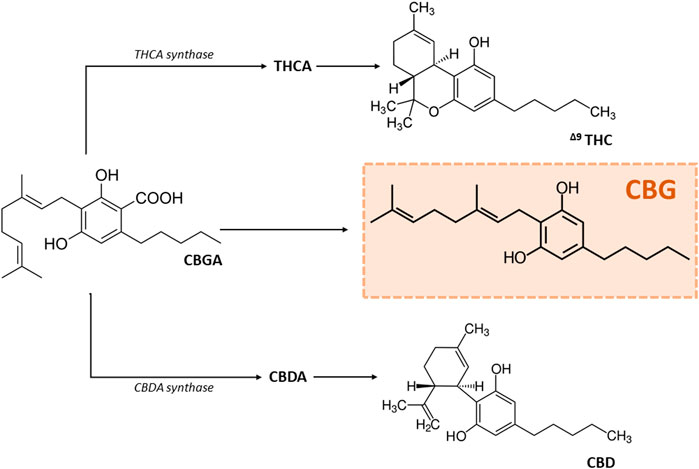
Figure 1. Scheme of the synthesis of the most popular phytocannabinoids. Abbreviations: CBD, cannabidiol; CBDA, cannabidiolic acid; CBG, cannabigerol; CBGA, cannabigerolic acid; Δ9-THC, Δ9-tetrahydrocannabinol; THCA, tetrahydrocannabidiolic acid.
In the past years there has been an intense increase in interest in hemp products including the commercial use of CBG (Wilson-Poe et al., 2023). Cannabigerol is a non-psychoactive compound which exhibits unique properties not yet described for other cannabinoids, among them a potent alpha 2 adrenoceptor (α2AR) agonism (Cascio et al., 2010; Nachnani et al., 2021). However, unlike other well-studied phytocannabinoids (e.g.,: CBD or Δ9-THC) too little research has still been conducted on the therapeutic potential of CBG, and in particular on its effects on the cardiovascular system (Nachnani et al., 2021; Jastrząb et al., 2022). It has been reported that CBG exerts strong effects: a) antioxidant comparable to vitamin E, b) anti-inflammatory by reducing the activity of the central regulator of pro-inflammatory genes nuclear factor kappa-light-chain-enhancer of activated B cells (NF-κB), c) neuroprotective and neuromodulatory, d) antibacterial, and even e) anticancer potential (Valdeolivas et al., 2015; García et al., 2018; Dawidowicz et al., 2021; Jastrząb et al., 2022; Calapai et al., 2022; Aqawi et al., 2023; Li et al., 2024). Moreover, because CBG is a) an agonist of the α2AR, b) an agonist of the peroxisome proliferator-activated receptor gamma (PPARγ), and c) an antagonist of the serotonin receptor type 1A (5-HT1A), it has been speculated that it may have applications in the pharmacotherapy of the metabolic syndrome and its components, particularly hypertension and diabetes (Cascio et al., 2010; Nachnani et al., 2021; Jastrząb et al., 2022), see Figure 2.
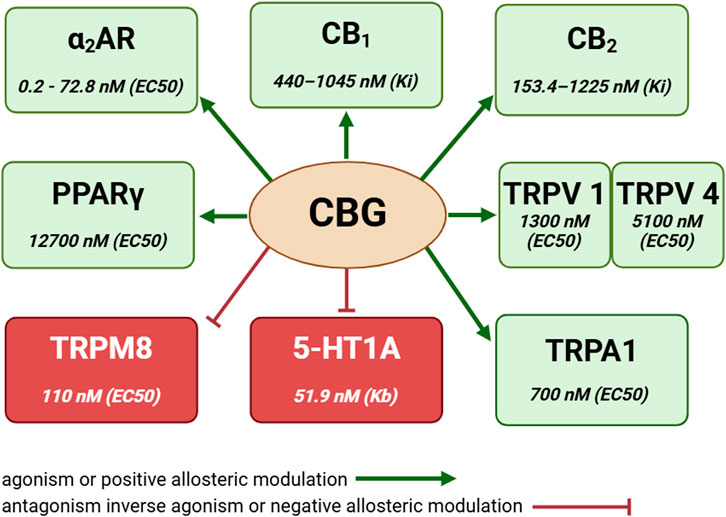
Figure 2. Cannabigerol and its receptor activity. Based on: Ryberg et al. (2007), Cascio et al. (2010), De Petrocellis et al. (2011), Granja et al. (2012), Borrelli et al. (2014), Navarro et al. (2018), Muller et al. (2019). Abbreviations: 5-HT1A, serotonin receptor type 1A; α2AR, alpha 2-adrenergic receptor; CB1,2, cannabinoid receptor type 1, 2; CBG, cannabigerol; EC50, half maximal effective concentration; Kb, equilibrium dissociation constant; Ki, inhibition constant; PPARγ, peroxisome proliferator-activated receptor gamma; TRPM8, transient receptor potential melastatin subfamily member 8; TRPA1, transient receptor potential ankyrin subfamily member 1; TRPV1,4, transient receptor potential vanilloid subfamily members 1, 4. Created with BioRender.
In experiments on brain membranes, CBG has been shown to be the only currently known cannabinoid that is a potent α2AR agonist (EC50 = 0.2 nM; Cascio et al., 2010) and has the potential to reduce noradrenaline (NA) release from sympathetic nerve fibers, thereby alleviating vasoconstriction and lowering blood pressure (BP). This suggests that uncontrolled intake of CBG may result in unpredictable changes in BP, and may also interact with other cardiovascular drugs (Nachnani et al., 2021). Vernail et al. (2022) showed that a single intraperitoneal (i.p.) injection of CBG (3.3 and 10 mg/kg) to normotensive mice reduces mean blood pressure (MBP) in the manner sensitive to the α2AR antagonist - atipamezole. The same authors showed that CBG at a dose of 10 mg/kg in normotensive mice reduced BP and heart rate (HR) (Vernail et al., 2022). However, currently, there are no studies on how chronic CBG administration affects other cardiovascular parameters in hypertensive conditions, and the proposed mechanisms mediating the potential effect are only speculations.
Cardiovascular diseases, including hypertension, have been a leading cause of death worldwide for many years, and consistently elevated BP puts people at risk for serious cardiovascular incidents (stroke, heart attack). It is believed that primary hypertension, which accounts for 90% of cases, develops under the influence of a number of genetic and environmental factors (Mancia et al., 2023). According to the modified Page’s Mosaic Theory of Hypertension, overactivity of the sympathetic nervous system along with concomitant inflammation, increased oxidative stress and vascular endothelial dysfunction and many other (genetic factors, anatomical, environmental, endocrine, hemodynamic factors) are responsible for the progression of hypertension and many organ complications (Harrison et al., 2021; Remiszewski and Malinowska, 2022; McEvoy et al., 2024). Taking into account the previously mentioned beneficial effects of CBG, the purpose of our review was to analyse the therapeutic potential of CBG in cardiovascular diseases.
2 Materials and methods
To find articles on the potential cardiovascular effects of cannabigerol, PubMed and Web of Science (WoS) databases were searched. The time frame used was 1964-February 2025. To find precise information, each phrase was added to the term “cannabigerol,” respectively: “antioxidant,” “inflammation,” “cardiovascular,” “hypotensive,” “receptor affinity,” “adrenergic receptor,” “cannabinoid receptor,” “PPAR,” “clinical trials,” “TRPA1,” “insulin resistance,” “hemostasis,” “animal studies,” and “fibrosis.” During the search, the phrase “cannabigerol” was combined with only one keyword. Titles were analyzed first, followed by abstracts and full texts of articles. Exclusion criteria included articles in a language other than English, articles without full access, duplicates, articles where cannabigerol was only marginally mentioned, studies not addressing the main issue, and studies measuring other indicators like the antibacterial effect of cannabigerol. The types of articles considered were full-text research articles. Review papers were used as a general summary but not as the main source of data. Editorial comments, letters to the editor, articles without scientific review, and conference abstracts were not included in the review.
3 Results
Table 1 shows the results of the search described in the materials and methods section. After applying the exclusion criteria described in the methods, 34 papers were used to prepare the section on cannabigerol. The other papers were used as a general background to the topic. One exception was made for the conference abstract - Vernail et al. (2023). Chronic cannabigerol administration lowers blood pressure in phenotypically normal mice. Physiology. 38. https://doi.org/10.1152/physiol.2023.38.S1.5726031, which we considered relevant in the context of our review.
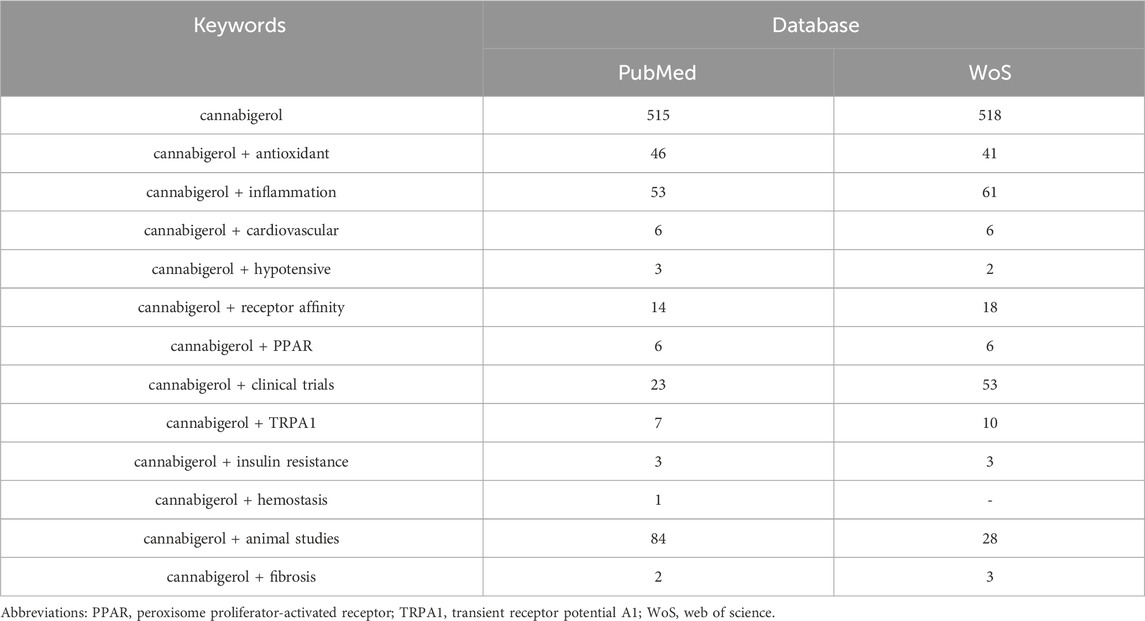
Table 1. Records identified from databases.
4 Discussion
4.1 Cannabis in cardiovascular diseases
The use of Cannabis sativa for recreational purposes and all kinds of ailments such as pain or digestive disorders dates back thousands of years. The growing interest in cannabis products and medical marijuana has resulted in many scientific publications on the therapeutic potential of cannabinoids and has contributed to the introduction of several well-known cannabis-based drugs to the pharmaceutical market e.g., Sativex, Epidiolex and others (Legare et al., 2022; Wechsler et al., 2024). Cannabis sativa L. var. Indica plant includes about 700 compounds, more than 100 of which are cannabinoids, such as Δ9-THC, CBD, CBG and many others (Di, 2006; Remiszewski and Malinowska, 2022; Weresa et al., 2022; Oriola et al., 2024). Expression of ECS components was found in the cardiovascular system, suggesting that they may be involved in regulating its function (Remiszewski and Malinowska, 2022; Weresa et al., 2022). Some cannabinoids (e.g., CBD, AEA, 2-AG) exhibit remarkable pulmonary and systemic vasorelaxant properties, antioxidant and anti-inflammatory effects (e.g., CBD, CBG), which may make them attractive therapeutic targets for treating systemic and pulmonary hypertension (PH) (Baranowska-Kuczko et al., 2020; Krzyżewska et al., 2021). However, despite emerging reports that acute intravenously (i.v.) administration of certain cannabinoids (AEA, methanandamide (MethAEA) and HU210) lowers BP in spontaneously hypertensive rats (SHRs) (stronger than in normotensive Wistar Kyoto (WKY) rats) (Li et al., 2003; Bátkai et al., 2004; Godlewski et al., 2010; Malinowska et al., 2019), studies involving chronic administration of cannabinoids to hypertensive rats confirmed that only endocannabinoid-like molecule - palmitoylethanolamide (PEA) lowered BP in SHRs after 5 weeks of subcutaneous (s.c.) administration (Mattace Raso et al., 2015; Remiszewski and Malinowska, 2022). However, despite that chronic CBD administration does not show hypotensive effects in rats with primary and secondary hypertension (Remiszewski et al., 2020), the same dose of CBD (10 mg/kg) has been shown to attenuate monocrotaline-induced PH in the rat and Sugen hypoxia-induced PH in mice by lowering right ventricular systolic blood pressure (Sadowska et al., 2020; Lu et al., 2021).
4.2 The role of α2AR in hypertension
Cannabigerol is a highly potent α2AR agonist. Cascio et al. (2010) showed that CBG inhibits the electrically induced contractions of the vas deferens in the manner sensitive to the α2AR antagonist (yohimbine). Importantly, CBG produces this effect with the potency which is similar to the potency of the well-known α2AR agonists clonidine and dexmedetomidine in the same bioassay (Cascio et al., 2010). α2-adrenergic receptors (consisting of α2A, α2B and α2C subtypes) are Gi-coupled G-protein coupled receptors (GPCRs) and are located in the cardiovascular system, kidneys (which affects BP regulation), as well as in platelets and the brain (Proudman et al., 2022). Antihypertensive drugs, which are α2AR agonists, are designed to activate these receptors to reduce BP (Proudman et al., 2022). Activation of presynaptic α2AR leads to inhibition of NA release thereby reducing activity of sympathetic neurons innervating the heart and blood vessels (Proudman et al., 2022). One of the most popular hypotensive drug belonging to the α2AR and imidazole receptor agonist group is clonidine (National Institute of Diabetes and Digestive and Kidney Diseases, 2017; Srivastava et al., 2020). Clonidine interacts with the α2ARs at both peripheral, central, presynaptic and postsynaptic levels. Probably due to this fact clonidine can cause side effects, and currently, when considering agonists of the α2AR, drugs or therapies targeted at one subtype of the α2AR are sought, which will limit side effects and use the maximum receptor potential. That is why it is so important to determine the exact mechanisms of action of the new α2AR agonists (Manzon et al., 2023).
The sympathetic nerve activity is increased in hypertensive patients which leads to enlarged NA release. Presynaptic α2ARs (acting as autoreceptors) control sympathetic neurotransmission in through a negative feedback mechanism (Figure 3) (Hering et al., 2020a). Pharmacological blockade or genetic deletion of α2ARs accelerates hypertension and kidney damage through multiple mechanisms, including the impaired negative feedback, resulting in an increased amount of NA in the end-organs (Schmieder, 2010; Hering et al., 2020b).
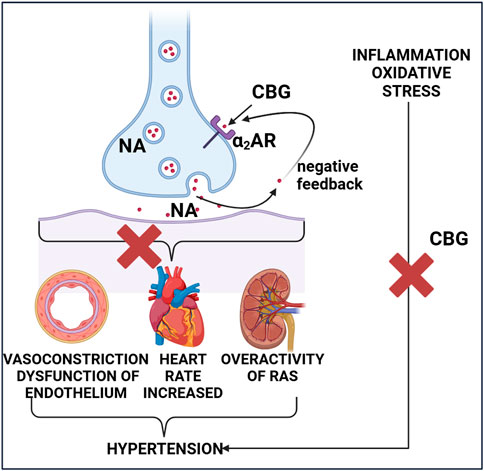
Figure 3. The potential antihypertensive effect of cannabigerol. Abbreviations, α2AR, alpha 2 adrenoceptor; CBG, cannabigerol; NA, noradrenaline; RAS, renin-angiotensin system. Created with BioRender.
Vernail et al. (2022) showed that a single administration of CBG at doses of 3.3 mg/kg and 10 mg/kg (i.p.) reduces MBP in normotensive mice by −22 ± 2 and −28 ± 2 mmHg from baseline values, respectively. This effect is probably mediated by α2ARs because the use of the antagonist - atipamezole (3 mg/kg, i. p.) abolished the depressant effect of CBG. In addition, CBG showed a lower hypotensive effect than guanfacine (1 mg/kg, i. p.), which is a selective central α2AAR subtype agonist. Therefore, the authors speculate that this effect may be due to the fact that CBG: is a weaker α2AR agonist than guanfacine and/or involves a different α2AR subtype, and/or its potential cardiovascular effects may result from peripheral and central effects on α2ARs (Vernail et al., 2022). The same group of researchers showed that chronic administration of CBG for 14 days at a dose of 10 mg/kg lowers systolic blood pressure (SBP) and HR but the mechanism of action remains unclear (Vernail et al., 2023). As mentioned, there are three subtypes of α2ARs. It is hypothesized that the α2AARs subtypes are predominantly located presynaptically and act as autoreceptors for NA, thereby causing BP lowering, while the α2BARs predominate on the postsynaptic membranes and may be responsible for the transient initial hypertensive effect and for vasoconstriction of oral α2AR agonists (Philipp et al., 2002; Maaliki et al., 2019). The same authors observed no changes in the HR parameter after CBG (10 mg/kg) administration in mice (Vernail et al., 2022). It is worth noting that mice have a higher resting HR than rats, thus it cannot be ruled out that CBG may cause an effect on HR in species with lower resting HR (Weresa et al., 2022). In the context of hypertension, it is also worth mentioning that Fleisher-Berkovich et al. (2023) showed that telmisartan (a known antihypertensive drug), exhibited an additive effect with CBG, resulting in inhibition of nitric oxide (NO) production in lipopolysaccharide (LPS)-stimulated microglia. However, it is known that reducing NO in the cardiovascular system can induce vasoconstriction and increase BP (Bryan, 2022) so it is lucrative to determine the precise mechanism of action of this interaction.
4.3 Influence of cannabigerol on oxidative stress
A number of studies indicate a link between oxidative mechanisms and the overproduction of reactive oxygen species (ROS) and the development of hypertension (Araujo and Wilcox, 2014; Lopes et al., 2015; Camargo et al., 2018; Vaka et al., 2020; Franco et al., 2022). It is known that redox imbalance accelerates vascular aging and reduces the bioavailability of NO (Bachschmid et al., 2013; Tracy et al., 2021). The consequence of the above changes is increased vascular stiffness, impaired vascular relaxation and vascular endothelial dysfunction, which can exacerbate the progression of hypertension (Korsager Larsen and Matchkov, 2016; Guzik and Touyz, 2017).
Studies show that CBG may be a promising agent for the adjunctive treatment of oxidative stress-related diseases (Giacoppo et al., 2017; Calapai et al., 2022; Fleisher-Berkovich et al., 2023) and its antioxidant effect is comparable to that of vitamin E (Dawidowicz et al., 2021). Giacoppo et al. (2017) showed that CBG reduces oxidative stress in hydrogen peroxide (H2O2)-stimulated macrophages, and this effect was attenuated after administration of a cannabinoid type 2 receptor (CB2-R) antagonist (AM630), suggesting that CBG regulates oxidative stress through interaction with these receptors. This is consistent with reports that CB2-R activation exhibits antioxidant and anti-inflammatory effects (Kumawat and Kaur, 2019). The beneficial antioxidant properties of CBG include inhibition of inducible nitric oxide synthase (iNOS), nitrotyrosine and Poly (ADP-ribose) polymerase (PARP-1), modulation of mitogen-activated protein kinase, and reduction of NF-κB transcriptional activity. In addition, by regulating the expression of superoxide dismutase-1 (SOD-1), CBG enhances cellular antioxidant defence capabilities and inhibits apoptosis (Giacoppo et al., 2017; Fleisher-Berkovich et al., 2023) (Table 2).
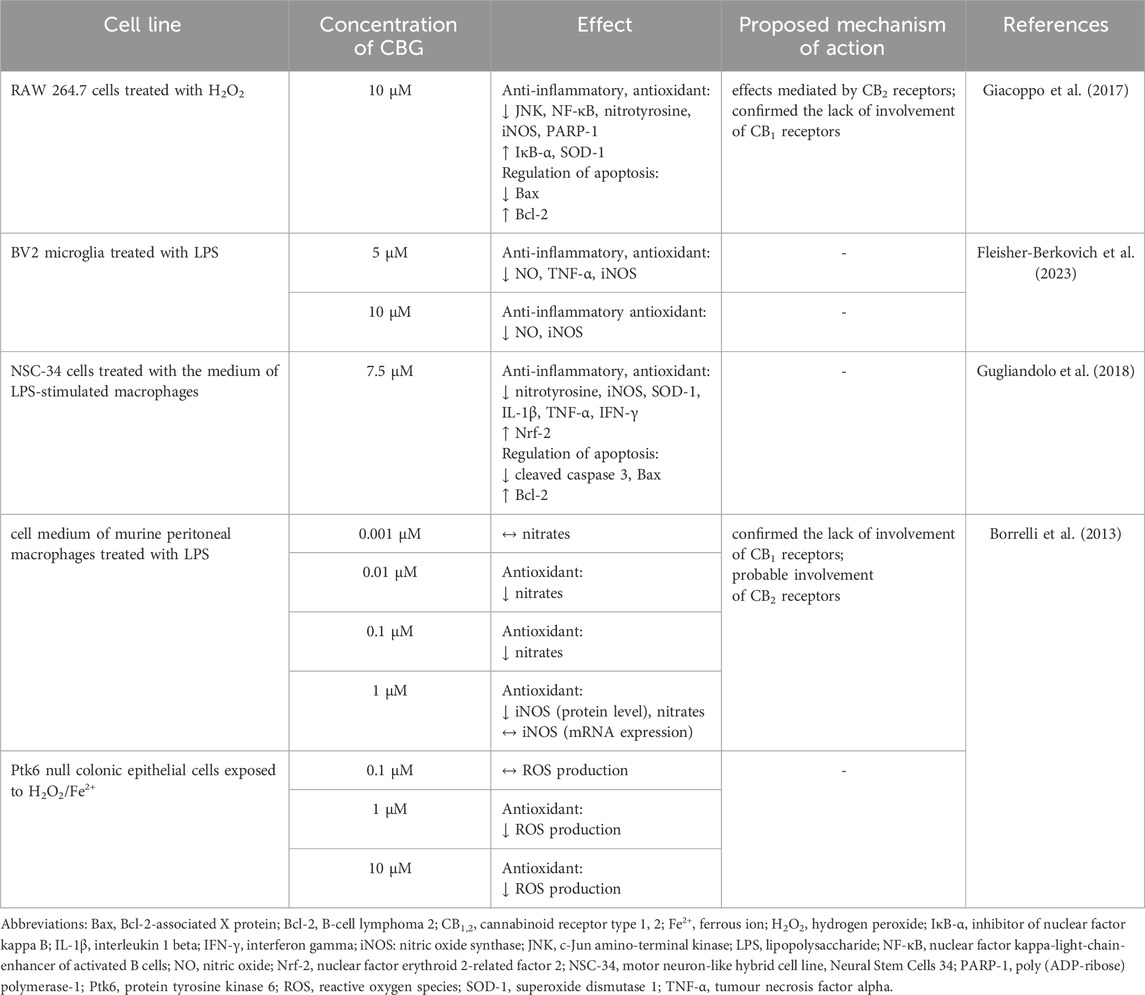
Table 2. A summary of the so far known properties of cannabigerol in vitro studies on cell lines.
Although CBG is generally considered to be a compound with beneficial antioxidant effects, a recent study showed that CBG administration (1.33 mg/kg/day) to rats for 90 days resulted in increased concentrations of malondialdehyde (MDA), which is a product of lipid peroxidation, carbonylated proteins, and led to an increase in total oxidative stress and a decrease in total antioxidant activity in the plasma and/or liver of rats (Table 3) (Polanska et al., 2023). However, it should also be kept in mind that a similar trend was also observed with CBD, which is considered to be generally safe and well tolerated where chronic administration of CBD (10 mg/kg/day) for 2 weeks increased levels of plasma lipid peroxidation markers MDA, 4-hydroxynonenal (4-HNE) and 4-hydroxyhexenal (4-HHE) in healthy rats, but this was not observed in hypertensive rats (SHR) (Remiszewski et al., 2020). Given the growing interest in the use of cannabis products in pharmacotherapy, these discrepancies require further extended research, especially attempts to explain the reasons for such different effects of cannabinoids. One potential explanation for this phenomenon could be the biphasic effects of cannabinoids, which means that their effects can be different or even opposite depending on the dose. Among other things, the biphasic effects of cannabinoids affect the modulation of motor activity, anxiety reactions or motivational processes (Shustorovich et al., 2024). Christie et al. (2020) showed that low doses (1–10 nM) of methanandamide decreased the stretch responses of the afferent fibers of the gastric vagus nerve, while high doses (30–100 nM) increased this response. Another study found that 0,1 mg/kg of Δ9-THC induced hyperactivity, while 1 mg/kg induced hypoactivity in rats (Katsidoni et al., 2013). Interestingly, Δ9-THC at a concentration of 0.08 μM improved the survival of zebrafish (Danio rerio), but higher concentrations of THC (2 μM) prevented this effect. Low concentrations of THC (0.08 μM), as opposed to higher concentrations (2 μM), improved fertility, and reduced the expression of pro-inflammatory cytokines including tumor necrosis factor alpha (TNF-α), interleukin 6 (IL-6) and interleukin 1 beta (IL-1β) in the liver (Pandelides et al., 2020). It is speculated that activation of cannabinoid receptors, as well as regulation of the gamma-aminobutyric acid (GABA)/glutamate neurotransmitter balance by cannabinoids may be responsible for their biphasic effects, however, further molecular studies are needed for precise dosing that achieves the desired therapeutic effect while minimizing side effects (Rey et al., 2012).
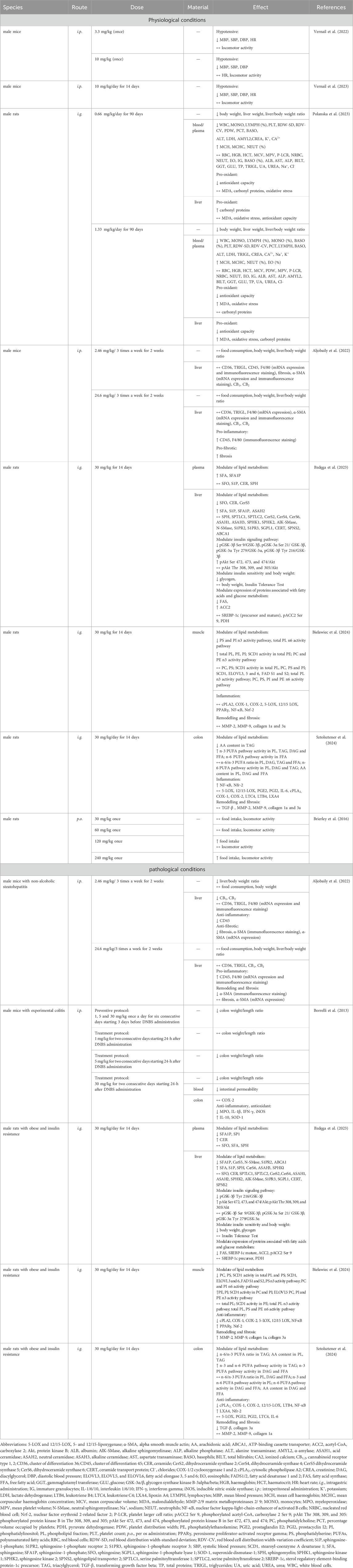
Table 3. A summary of the so far known properties of cannabigerol in in vivo experimental studies under physiological and pathological conditions.
4.4 Influence of cannabigerol on inflammation
A systemic inflammatory response accompanies the development of hypertension, and promotes dysfunction of blood vessels, kidneys, and other end-organs which further exacerbates the increase in BP acting as a positive feedback loop (Xiao and Harrison, 2020). Studies show that hypertensive patients have increased levels of inflammatory markers such as C-reactive protein, TNF-α, IL-6, IL-1β, interleukin 18 (IL-18) and also monocyte chemoattractant protein 1 (MCP-1) (Dalekos et al., 1997; Madej et al., 2005; Rabkin, 2009; Schnabel et al., 2008; Thomas et al., 2021). Numerous experiments on animal models show that targeting the aforementioned points and many other immune pathways has beneficial effects such as: lowering BP, reducing vascular inflammation, inhibiting kidney damage or inhibiting cardiac hypertrophy and dysfunction (Murray et al., 2021; Veiras et al., 2021; Thomas et al., 2021; Veiras et al., 2022; Zhang et al., 2023).
Currently, data on CBG’s effects on inflammation in the cardiovascular system are lacking, but there are indications that CBG has anti-inflammatory potential. Aljobaily et al. (2022) showed that a low dose of CBG (2.46 mg/kg/day) reduced leukocyte infiltration, particularly of macrophages in the liver of mice with non-alcoholic steatohepatitis, while a high dose (24.6 mg/kg/day) was not effective. Pre-treatment with CBG (7.5 µM) reduced levels of the pro-inflammatory cytokines IL-1β, TNF-α and interferon gamma (IFN-γ) in motor neuron-like hybrid cell line (Neural Stem Cells 34 -NSC-34) treated with LPS-stimulated macrophage medium (Gugliandolo et al., 2018) confirming that CBG is able to modulate important inflammatory pathways involved in the pathogenesis of cardiovascular disease (Table 2). Other authors showed that in a mouse model of bowel disease, treatment with CBG (30 mg/kg/day) reduced levels of pro-inflammatory cytokines: IL-1β and IFN-γ, and increased levels of anti-inflammatory interleukin 10 (IL-10) in the colon, suggesting the usefulness of CBG in the treatment of typically inflammatory diseases (Borrelli et al., 2013) (Table 3). Other potentially beneficial anti-inflammatory effects of CBG include decreasing NF-κβ inhibitor alpha (Iκβ-α) phosphorylation, which inhibits the major regulator of pro-inflammatory genes-NF-κB, as well as decreasing cyclooxygenase 1 and 2 (COX-1 and COX-2) activity (Ruhaak et al., 2011; Shah et al., 2013; Giacoppo et al., 2017; Jastrząb et al., 2022). Moreover, CBG was effective in inhibiting TNF-α-induced production of IL-6 and interleukin 8 (IL-8) by rheumatoid synovial fibroblasts (Lowin et al., 2023).
When considering the potential anti-inflammatory mechanism of action of CBG, it should be mentioned that it is a PPARγ receptor agonist, and these have the ability to reduce inflammation (Atalay et al., 2019). Rosiglitazone and pioglitazone, which act as potent PPARγ agonists, are among a group of effective and used antidiabetic drugs (Han et al., 2017). Given that diabetes and hypertension are elements of the metabolic syndrome and are often comorbid conditions, it seems that CBG, due to its unique receptor mechanism of action, could even find application in the multidirectional therapy of the metabolic syndrome (Nachnani et al., 2021). Recent studies indicate that CBG therapy (30 mg/kg for 14 days) affects sphingolipid metabolism in the liver and plasma of rats subjected to high-fat and high-saccharose diet, which may promote liver protection against the development of insulin resistance (Bzdęga et al., 2023) (Table 3). In addition, CBG treatment at the same dose and duration showed beneficial effects on intramuscular phospholipid composition, altering the content of specific phospholipid subclasses and the fatty acid profile. These changes reduced the inflammatory response in the skeletal muscles of insulin-resistant rats fed a diet rich in fat and sucrose (Bielawiec et al., 2024) (Table 3). Similarly, Sztolsztener et al. (2024) showed that administration of CBG (30 mg/kg for 14 days) inhibited inflammation in the colon in rats which may be a potential protection against cancer development (Table 3).
4.5 Influence of cannabigerol on parameters in blood and body weight
There is a strong, complex and still not fully understood relationship between hypertension and metabolic syndrome. In the course of hypertension and in patients with cardiovascular risk, it is recommended to monitor and maintain appropriate parameters of lipid and carbohydrate metabolism (Mancia et al., 2023). To our knowledge, there are few data describing the effects of CBG on basic parameters of blood count, hemostasis, lipid profile or carbohydrate metabolism.
Studies have shown that ECS exerts control over many processes in the body, such as appetite regulation, energy balance and metabolism (Jager and Witkamp, 2014; van Eenige et al., 2018; Kurtov et al., 2024). Interactions between phytocannabinoids and the ECS can affect the metabolism of endogenous ligands (Bielawiec et al., 2020), so there is a reasonable suspicion that cannabinoids including CBG can affect the basal lipid or carbohydrate profile. Recent studies have shown that CBG at a dose of 1.33 mg/kg/day administered to rats for 90 days reduced body weight and triglycerides level (Polanska et al., 2023), while high doses of CBG 120–240 mg/kg stimulated food intake in rats (Brierley et al., 2016) (Table 3). In addition, CBG at doses of 0.66 and 1.33 mg/kg/day reduced platelet counts (Polanska et al., 2023), and in another study CBG inhibited platelet aggregation in rabbits, as well as in humans (Ki = 2.7 × 10⁻⁴ M), induced by adenosine diphosphate which may be important in preventing dangerous cardiovascular incidents associated with elevated BP (Formukong et al., 1989). Moreover, it is also worth mentioning that CBG was effective in reducing inflammation and thus protecting blood brain barrier cells subjected to oxygen-glucose deprivation, suggesting, the usefulness of CBG in ischemic stroke therapy (Stone et al., 2021).
4.6 Influence of cannabigerol on organs - Potential limitations
It is known that end-organ function/architecture is altered and deteriorated in the course of hypertension (Oparil et al., 2018). In opposition to the known beneficial anti-inflammatory, antioxidant properties of CBG, there are reports that prolonged exposure to CBG can cause changes in the liver. Hepatocytes after chronic (90 days), oral administration of CBG at doses of 0.66 and 1.33 mg/kg showed regressive changes - cytoplasmic granular changes with dispersed apoptotic cells, no changes were observed after CBG in the gastrointestinal tract (Polanska et al., 2023). Aljobaily et al. (2022) observed that low doses of CBG (2.46 mg/kg) are able to alleviate the symptoms of non-alcoholic fatty liver in mice while high doses (24.6 mg/day) can worsen liver damage (Table 3). Conversely, other authors have postulated that CBG (30 mg/kg for 14 days), by enhancing ceramide transport into the plasma, may prevent the development of hepatic steatosis in rats on high-fat and high-saccharose diet (Bzdęga et al., 2023). Interestingly, a recent study by Gao et al. (2024) found that cannabinol (CBN), cannabichromene (CBC) and CBD, but not CBG, can impair important liver detoxification mechanisms by inhibiting the pregnane X receptor (PXR) and constitutive androstane receptor (CAR) pathways. According to other reports, CBG at a dose of 15 mg/kg reduced plasma aspartate aminotransferase (AST) levels, but did not reduce hepatic steatosis in mice on a high-fat diet (Kogan et al., 2021). Sztolsztener et al. (2023) showed that CBG at low concentrations (5 µM) in hepatocytes exposed to palmitate and fructose reduces the concentration of transforming growth factor beta 1 (TGF-β1), which can accelerate regression of liver fibrosis and improve liver regeneration while high concentrations (30 µM) showed the opposite effect. Currently, to our knowledge, there are reports of various, often opposing dose-dependent effects of CBG on the liver, however, there is a lack of any data on the effects of CBG on the kidneys, blood vessels and heart.
4.7 Clinical studies
There are currently 10 studies registered on the ClinicalTrials.gov website for the phrase “cannabigerol”, 6 of which involve the administration of pure CBG (i.e., without any additives etc.). The purpose of the NCT05257044 study was to evaluate the effects of CBG (20 mg of CBG tincture) on stress, anxiety and cognitive function in general, while assessing possible side effects. Recently, the first results of the aforementioned study appeared Cuttler et al. (2024) showed that CBG reduced feelings of stress and anxiety, as well as had a beneficial effect on memory. The NCT05088018 study will determine the effects of CBG (orally 25 mg daily for 2 weeks, followed by 50 mg daily orally also for 2 weeks) on sleep and quality of life in war veterans. The NCT06115603 study will assess the usefulness of CBG (orally 80 mg daily for 2 weeks) in alleviating symptoms in patients with attention-deficit hyperactivity disorder (ADHD). The NCT05743985 study will evaluate the effects of taking CBG (orally 50 mg daily for 8 weeks) on the mental, physical and emotional wellbeing of healthy subjects, as well as on inflammation, while assessing side effects. The NCT06513507 study will evaluate the effects of CBG (50 mg daily for 8 weeks) on patients’ quality of life and rheumatoid arthritis symptoms, as well as inflammatory parameters. And participants in the study with the identifier NCT06638996 will undergo a series of examinations and tests to evaluate the effects of a single dose of CBG (50 mg) on stress anxiety, memory, salivary cortisol, electrodermal activity, HR, BP, pain tolerance and potential side effects.
The aforementioned studies mainly focus on CBG’s effects on nervous system function and cognitive function. The use of CBG in clinical trials for the aforementioned purposes, the growing interest in CBG-containing dietary supplements, coupled with studies showing that CBG can modify BP demonstrate the urgent need to comprehensively study the effects of CBG on the cardiovascular system and determine its safety and therapeutic potential.
5 Conclusion
In conclusion, the effects of CBG described above, including BP lowering, anti-inflammatory and antioxidant effects, suggest that CBG may have a role in the treatment of diseases with elevated BP, including hypertension. However, there is still a lack of studies on the chronic administration of CBG and its effects on cardiovascular parameters in hypertension condition, which may be necessary to determine its safety and future studies on other indications. In addition, CBG, due to its specific receptor potential and reports of its potential action to improve tissue sensitivity to insulin, may find application in the treatment of metabolic syndrome. On the other hand, given reports of adverse effects of high doses of CBG on liver architecture and function, further studies are required to establish the safety profile of CBG. Figure 4 summarizes the likely effects of CBG, which could be useful in combating hypertension.
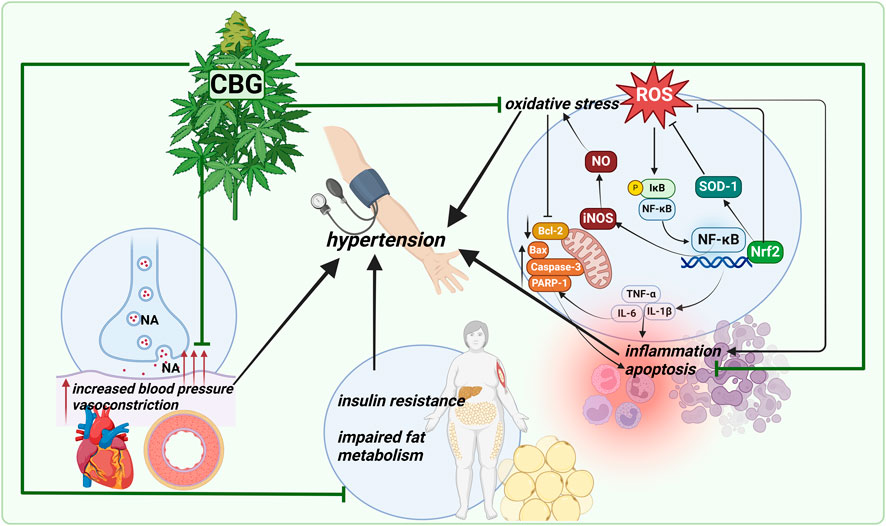
Figure 4. A summary of the likely effects of cannabigerol, which could be useful in the combating against hypertension. Abbreviations: Bax, Bcl-2-associated X protein; Bcl-2, B-cell lymphoma 2; CBG, cannabigerol; IκB, inhibitor of nuclear factor kappa B; IL-1β, interleukin 1 beta; IL-6, interleukin 6; iNOS, nitric oxide synthase; NA, noradrenaline; NF-κB, nuclear factor kappa-light-chain-enhancer of activated B cells; NO, nitric oxide; Nrf-2, nuclear factor erythroid 2-related factor 2; PARP-1, poly (ADP-ribose) polymerase-1; ROS, reactive oxygen species; SOD-1, superoxide dismutase 1; TNF-α, tumour necrosis factor alpha. Created with BioRender.
Author contributions
AK: Conceptualization, Data curation, Funding acquisition, Investigation, Project administration, Visualization, Writing–original draft, Writing–review and editing. MK: Writing–original draft, Writing–review and editing. HK: Conceptualization, Funding acquisition, Supervision, Writing–original draft, Writing–review and editing.
Funding
The author(s) declare that financial support was received for the research and/or publication of this article. This work was supported by the Medical University of Białystok.
Conflict of interest
The authors declare that the research was conducted in the absence of any commercial or financial relationships that could be construed as a potential conflict of interest.
Generative AI statement
The author(s) declare that no Generative AI was used in the creation of this manuscript.
Publisher’s note
All claims expressed in this article are solely those of the authors and do not necessarily represent those of their affiliated organizations, or those of the publisher, the editors and the reviewers. Any product that may be evaluated in this article, or claim that may be made by its manufacturer, is not guaranteed or endorsed by the publisher.
References
Aljobaily, N., Krutsinger, K., Viereckl, M. J., Joly, R., Menlove, B., Cone, B., et al. (2022). Low-dose administration of cannabigerol attenuates inflammation and fibrosis associated with methionine/choline deficient diet-induced NASH model via modulation of cannabinoid receptor. Nutrients 15, 178. doi:10.3390/nu15010178
Aqawi, M., Sionov, R. V., Friedman, M., and Steinberg, D. (2023). The antibacterial effect of cannabigerol toward Streptococcus mutans is influenced by the autoinducers 21-CSP and AI-2. Biomedicines 11, 668. doi:10.3390/biomedicines11030668
Araujo, M., and Wilcox, C. S. (2014). Oxidative stress in hypertension: role of the kidney. Antioxid. Redox Signal 20, 74–101. doi:10.1089/ars.2013.5259
Atalay, S., Jarocka-Karpowicz, I., and Skrzydlewska, E. (2019). Antioxidative and anti-inflammatory properties of cannabidiol. Antioxidants 9, 21. doi:10.3390/antiox9010021
Bachschmid, M. M., Schildknecht, S., Matsui, R., Zee, R., Haeussler, D., Cohen, R. A., et al. (2013). Vascular aging: chronic oxidative stress and impairment of redox signaling-consequences for vascular homeostasis and disease. Ann. Med. 45, 17–36. doi:10.3109/07853890.2011.645498
Baranowska-Kuczko, M., Kozłowska, H., Kloza, M., Sadowska, O., Kozłowski, M., Kusaczuk, M., et al. (2020). Vasodilatory effects of cannabidiol in human pulmonary and rat small mesenteric arteries: modification by hypertension and the potential pharmacological opportunities. J. Hypertens. 38, 896–911. doi:10.1097/HJH.0000000000002333
Bátkai, S., Pacher, P., Osei-Hyiaman, D., Radaeva, S., Liu, J., Harvey-White, J., et al. (2004). Endocannabinoids acting at cannabinoid-1 receptors regulate cardiovascular function in hypertension. Circulation 110, 1996–2002. doi:10.1161/01.CIR.0000143230.23252.D2
Bielawiec, P., Dziemitko, S., Konstantynowicz-Nowicka, K., Sztolsztener, K., Chabowski, A., and Harasim-Symbor, E. (2024). Cannabigerol-A useful agent restoring the muscular phospholipids milieu in obese and insulin-resistant Wistar rats? Front. Mol. Biosci. 11, 1401558. doi:10.3389/fmolb.2024.1401558
Bielawiec, P., Harasim-Symbor, E., and Chabowski, A. (2020). Phytocannabinoids: useful drugs for the treatment of obesity? Special focus on cannabidiol. Front. Endocrinol. 11, 114. doi:10.3389/fendo.2020.00114
Borrelli, F., Fasolino, I., Romano, B., Capasso, R., Maiello, F., Coppola, D., et al. (2013). Beneficial effect of the non-psychotropic plant cannabinoid cannabigerol on experimental inflammatory bowel disease. Biochem. Pharmacol. 85, 1306–1316. doi:10.1016/j.bcp.2013.01.017
Borrelli, F., Pagano, E., Romano, B., Panzera, S., Maiello, F., Coppola, D., et al. (2014). Colon carcinogenesis is inhibited by the TRPM8 antagonist cannabigerol, a Cannabis-derived non-psychotropic cannabinoid. Carcinogenesis 35, 2787–2797. doi:10.1093/carcin/bgu205
Brierley, D. I., Samuels, J., Duncan, M., Whalley, B. J., and Williams, C. M. (2016). Cannabigerol is a novel, well-tolerated appetite stimulant in pre-satiated rats. Psychopharmacology 233, 3603–3613. doi:10.1007/s00213-016-4397-4
Bryan, N. S. (2022). Nitric oxide deficiency is a primary driver of hypertension. Biochem. Pharmacol. 206, 115325. doi:10.1016/j.bcp.2022.115325
Bzdęga, W., Kurzyna, P. F., Harasim-Symbor, E., Hołownia, A., Chabowski, A., and Konstantynowicz-Nowicka, K. (2023). How does CBG administration affect sphingolipid deposition in the liver of insulin-resistant rats? Nutrients 15, 4350. doi:10.3390/nu15204350
Calapai, F., Cardia, L., Esposito, E., Ammendolia, I., Mondello, C., Lo Giudice, R., et al. (2022). Pharmacological aspects and biological effects of cannabigerol and its synthetic derivatives. Evid. Based Complement. Altern. Med. 2022, 3336516. doi:10.1155/2022/3336516
Camargo, L. L., Harvey, A. P., Rios, F. J., Tsiropoulou, S., Da Silva, R. N. O., Cao, Z., et al. (2018). Vascular nox (NADPH oxidase) compartmentalization, protein hyperoxidation, and endoplasmic reticulum stress response in hypertension. Hypertension 72, 235–246. doi:10.1161/HYPERTENSIONAHA.118.10824
Cascio, M. G., Gauson, L. A., Stevenson, L. A., Ross, R. A., and Pertwee, R. G. (2010). Evidence that the plant cannabinoid cannabigerol is a highly potent alpha2-adrenoceptor agonist and moderately potent 5HT1A receptor antagonist. Br. J. Pharmacol. 159, 129–141. doi:10.1111/j.1476-5381.2009.00515.x
Christie, S., O’Rielly, R., Li, H., Wittert, G. A., and Page, A. J. (2020). Biphasic effects of methanandamide on murine gastric vagal afferent mechanosensitivity. J. Physiol. 598, 139–150. doi:10.1113/JP278696
Cuttler, C., Stueber, A., Cooper, Z. D., and Russo, E. (2024). Acute effects of cannabigerol on anxiety, stress, and mood: a double-blind, placebo-controlled, crossover, field trial. Sci. Rep. 14, 16163. doi:10.1038/s41598-024-66879-0
Dalekos, G. N., Elisaf, M., Bairaktari, E., Tsolas, O., and Siamopoulos, K. C. (1997). Increased serum levels of interleukin-1beta in the systemic circulation of patients with essential hypertension: additional risk factor for atherogenesis in hypertensive patients? J. Lab. Clin. Med. 129, 300–308. doi:10.1016/s0022-2143(97)90178-5
Dawidowicz, A. L., Olszowy-Tomczyk, M., and Typek, R. (2021). CBG, CBD, Δ9-THC, CBN, CBGA, CBDA and Δ9-THCA as antioxidant agents and their intervention abilities in antioxidant action. Fitoterapia 152, 104915. doi:10.1016/j.fitote.2021.104915
De Petrocellis, L., Ligresti, A., Moriello, A. S., Allarà, M., Bisogno, T., Petrosino, S., et al. (2011). Effects of cannabinoids and cannabinoid-enriched Cannabis extracts on TRP channels and endocannabinoid metabolic enzymes. Br. J. Pharmacol. 163, 1479–1494. doi:10.1111/j.1476-5381.2010.01166.x
Di, M. V. (2006). A brief history of cannabinoid and endocannabinoid pharmacology as inspired by the work of British scientists. Trends Pharmacol. Sci. 27, 134–140. doi:10.1016/j.tips.2006.01.010
Fleisher-Berkovich, S., Ventura, Y., Amoyal, M., Dahan, A., Feinshtein, V., Alfahel, L., et al. (2023). Therapeutic potential of phytocannabinoid cannabigerol for multiple sclerosis: modulation of microglial activation in vitro and in vivo. Biomolecules 13, 376. doi:10.3390/biom13020376
Formukong, E. A., Evans, A. T., and Evans, F. J. (1989). The inhibitory effects of cannabinoids, the active constituents of Cannabis sativa L. on human and rabbit platelet aggregation. J. Pharm. Pharmacol. 41, 705–709. doi:10.1111/j.2042-7158.1989.tb06345.x
Franco, C., Sciatti, E., Favero, G., Bonomini, F., Vizzardi, E., and Rezzani, R. (2022). Essential hypertension and oxidative stress: novel future perspectives. Int. J. Mol. Sci. 23, 14489. doi:10.3390/ijms232214489
Gao, X., Campasino, K., Yourick, M. R., Zhao, Y., Sepehr, E., Vaught, C., et al. (2024). Comparison on the mechanism and potency of hepatotoxicity among hemp extract and its four major constituent cannabinoids. Toxicology 506, 153885. doi:10.1016/j.tox.2024.153885
García, C., Gómez-Cañas, M., Burgaz, S., Palomares, B., Gómez-Gálvez, Y., Palomo-Garo, C., et al. (2018). Benefits of VCE-003.2, a cannabigerol quinone derivative, against inflammation-driven neuronal deterioration in experimental Parkinson’s disease: possible involvement of different binding sites at the PPARγ receptor. J. Neuroinflammation 15, 19. doi:10.1186/s12974-018-1060-5
Giacoppo, S., Gugliandolo, A., Trubiani, O., Pollastro, F., Grassi, G., Bramanti, P., et al. (2017). Cannabinoid CB2 receptors are involved in the protection of RAW264.7 macrophages against the oxidative stress: an in vitro study. Eur. J. Histochem 61, 2749. doi:10.4081/ejh.2017.2749
Godlewski, G., Alapafuja, S. O., Bátkai, S., Nikas, S. P., Cinar, R., Offertáler, L., et al. (2010). Inhibitor of fatty acid amide hydrolase normalizes cardiovascular function in hypertension without adverse metabolic effects. Chem. Biol. 17, 1256–1266. doi:10.1016/j.chembiol.2010.08.013
Granja, A. G., Carrillo-Salinas, F., Pagani, A., Gómez-Cañas, M., Negri, R., Navarrete, C., et al. (2012). A cannabigerol quinone alleviates neuroinflammation in a chronic model of multiple sclerosis. J. Neuroimmune Pharmacol. 7, 1002–1016. doi:10.1007/s11481-012-9399-3
Gugliandolo, A., Pollastro, F., Grassi, G., Bramanti, P., and Mazzon, E. (2018). In vitro model of neuroinflammation: efficacy of cannabigerol, a non-psychoactive cannabinoid. Int. J. Mol. Sci. 19, 1992. doi:10.3390/ijms19071992
Guzik, T. J., and Touyz, R. M. (2017). Oxidative stress, inflammation, and vascular aging in hypertension. Hypertension 70, 660–667. doi:10.1161/HYPERTENSIONAHA.117.07802
Han, L., Shen, W. J., Bittner, S., Kraemer, F. B., and Azhar, S. (2017). PPARs: regulators of metabolism and as therapeutic targets in cardiovascular disease. Part II: PPAR-β/δ and PPAR-γ. Future Cardiol. 13, 279–296. doi:10.2217/fca-2017-0019
Harrison, D. G., Coffman, T. M., and Wilcox, C. S. (2021). Pathophysiology of hypertension: the mosaic theory and beyond. Circ. Res. 128, 847–863. doi:10.1161/CIRCRESAHA.121.318082
Hering, L., Rahman, M., Hoch, H., Markó, L., Yang, G., Reil, A., et al. (2020a). α2A-Adrenoceptors modulate renal sympathetic neurotransmission and protect against hypertensive kidney disease. J. Am. Soc. Nephrol. 31, 783–798. doi:10.1681/ASN.2019060599
Hering, L., Rahman, M., Potthoff, S. A., Rump, L. C., and Stegbauer, J. (2020b). Role of α2-adrenoceptors in hypertension: focus on renal sympathetic neurotransmitter release, inflammation, and sodium homeostasis. Front. Physiol. 11, 566871. doi:10.3389/fphys.2020.566871
Jager, G., and Witkamp, R. F. (2014). The endocannabinoid system and appetite: relevance for food reward. Nutr. Res. Rev. 27, 172–185. doi:10.1017/S0954422414000080
Jastrząb, A., Jarocka-Karpowicz, I., and Skrzydlewska, E. (2022). The origin and biomedical relevance of cannabigerol. Int. J. Mol. Sci. 23, 7929. doi:10.3390/ijms23147929
Katsidoni, V., Kastellakis, A., and Panagis, G. (2013). Biphasic effects of Δ9-tetrahydrocannabinol on brain stimulation reward and motor activity. Int. J. Neuropsychopharmacol. 16, 2273–2284. doi:10.1017/S1461145713000709
Kicman, A., Pędzińska-Betiuk, A., and Kozłowska, H. (2021). The potential of cannabinoids and inhibitors of endocannabinoid degradation in respiratory diseases. Eur. J. Pharmacol. 911, 174560. doi:10.1016/j.ejphar.2021.174560
Kicman, A., and Toczek, M. (2020). The effects of cannabidiol, a non-intoxicating compound of cannabis, on the cardiovascular system in health and disease. Int. J. Mol. Sci. 21, 6740. doi:10.3390/ijms21186740
Kogan, N. M., Lavi, Y., Topping, L. M., Williams, R. O., McCann, F. E., Yekhtin, Z., et al. (2021). Novel CBG derivatives can reduce inflammation, pain and obesity. Molecules 26, 5601. doi:10.3390/molecules26185601
Korsager Larsen, M., and Matchkov, V. V. (2016). Hypertension and physical exercise: the role of oxidative stress. Medicina 52, 19–27. doi:10.1016/j.medici.2016.01.005
Krzyżewska, A., Baranowska-Kuczko, M., Mińczuk, K., and Kozłowska, H. (2021). Cannabinoids-A new perspective in adjuvant therapy for pulmonary hypertension. Int. J. Mol. Sci. 22, 10048. doi:10.3390/ijms221810048
Kumawat, V. S., and Kaur, G. (2019). Therapeutic potential of cannabinoid receptor 2 in the treatment of diabetes mellitus and its complications. Eur. J. Pharmacol. 862, 172628. doi:10.1016/j.ejphar.2019.172628
Kurtov, M., Rubinić, I., and Likić, R. (2024). The endocannabinoid system in appetite regulation and treatment of obesity. Pharmacol. Res. Perspect. 12, e70009. doi:10.1002/prp2.70009
Legare, C. A., Raup-Konsavage, W. M., and Vrana, K. E. (2022). Therapeutic potential of cannabis, cannabidiol, and cannabinoid-based pharmaceuticals. Pharmacology 107, 131–149. doi:10.1159/000521683
Li, J., Kaminski, N. E., and Wang, D. H. (2003). Anandamide-induced depressor effect in spontaneously hypertensive rats: role of the vanilloid receptor. Hypertension 41, 757–762. doi:10.1161/01.HYP.0000051641.58674.F7
Li, S., Li, W., Malhi, N. K., Huang, J., Li, Q., Zhou, Z., et al. (2024). Cannabigerol (CBG): a comprehensive review of its molecular mechanisms and therapeutic potential. Molecules 29, 5471. doi:10.3390/molecules29225471
Lopes, R. A., Neves, K. B., Tostes, R. C., Montezano, A. C., and Touyz, R. M. (2015). Downregulation of nuclear factor erythroid 2-related factor and associated antioxidant genes contributes to redox-sensitive vascular dysfunction in hypertension. Hypertension 66, 1240–1250. doi:10.1161/HYPERTENSIONAHA.115.06163
Lowin, T., Tigges-Perez, M. S., Constant, E., and Pongratz, G. (2023). Anti-inflammatory effects of cannabigerol in rheumatoid arthritis synovial fibroblasts and peripheral blood mononuclear cell cultures are partly mediated by TRPA1. Int. J. Mol. Sci. 24, 855. doi:10.3390/ijms24010855
Lu, X., Zhang, J., Liu, H., Ma, W., Yu, L., Tan, X., et al. (2021). Cannabidiol attenuates pulmonary arterial hypertension by improving vascular smooth muscle cells mitochondrial function. Theranostics 11, 5267–5278. doi:10.7150/thno.55571
Maaliki, D., Issa, K., Al Shehabi, T., El-Yazbi, A., and Eid, A. H. (2019). The role of α2-adrenergic receptors in hypertensive preeclampsia: a hypothesis. Microcirculation 26, e12511. doi:10.1111/micc.12511
Maccarrone, M., Di Marzo, V., Gertsch, J., Grether, U., Howlett, A. C., Hua, T., et al. (2023). Goods and bads of the endocannabinoid system as a therapeutic target: lessons learned after 30 years. Pharmacol. Rev. 75, 885–958. doi:10.1124/pharmrev.122.000600
Madej, A., Okopień, B., Kowalski, J., Haberka, M., and Herman, Z. S. (2005). Plasma concentrations of adhesion molecules and chemokines in patients with essential hypertension. Pharmacol. Rep. 57, 878–881.
Malinowska, B., Toczek, M., Pędzińska-Betiuk, A., and Schlicker, E. (2019). Cannabinoids in arterial, pulmonary and portal hypertension - mechanisms of action and potential therapeutic significance. Br. J. Pharmacol. 176, 1395–1411. doi:10.1111/bph.14168
Mancia, G., Kreutz, R., Brunström, M., Burnier, M., Grassi, G., Januszewicz, A., et al. (2023). 2023 ESH guidelines for the management of arterial hypertension the task force for the management of arterial hypertension of the European society of hypertension: endorsed by the international society of hypertension (ISH) and the European renal association (ERA). J. Hypertens. 41, 1874–2071. doi:10.1097/HJH.0000000000003480
Manzon, L., Nappe, T. M., DelMaestro, C., and Maguire, N. J. (2023). “Clonidine toxicity,” in StatPearls (FL: StatPearls Publishing).
Mattace Raso, G., Pirozzi, C., d’Emmanuele di Villa Bianca, R., Simeoli, R., Santoro, A., Lama, A., et al. (2015). Palmitoylethanolamide treatment reduces blood pressure in spontaneously hypertensive rats: involvement of cytochrome p450-derived eicosanoids and renin angiotensin system. PLoS One 10, e0123602. doi:10.1371/journal.pone.0123602
McEvoy, J. W., McCarthy, C. P., Bruno, R. M., Brouwers, S., Canavan, M. D., Ceconi, C., et al. (2024). 2024 ESC guidelines for the management of elevated blood pressure and hypertension. Eur. Heart J. 45, 3912–4018. doi:10.1093/eurheartj/ehae178
Muller, C., Morales, P., and Reggio, P. H. (2019). Cannabinoid ligands targeting TRP channels. Front. Mol. Neurosci. 11, 487. doi:10.3389/fnmol.2018.00487
Murray, E. C., Nosalski, R., MacRitchie, N., Tomaszewski, M., Maffia, P., Harrison, D. G., et al. (2021). Therapeutic targeting of inflammation in hypertension: from novel mechanisms to translational perspective. Cardiovasc Res. 117, 2589–2609. doi:10.1093/cvr/cvab330
Nachnani, R., Raup-Konsavage, W. M., and Vrana, K. E. (2021). The pharmacological case for cannabigerol. J. Pharmacol. Exp. Ther. 376, 204–212. doi:10.1124/jpet.120.000340
National Institute of Diabetes and Digestive and Kidney Diseases (2017). LiverTox: clinical and research information on drug-induced liver injury. Clonidine. Available online at: https://www.ncbi.nlm.nih.gov/books/NBK548329/ (Accessed October 10, 2019).
Navarro, G., Varani, K., Reyes-Resina, I., Sánchez de Medina, V., Rivas-Santisteban, R., Sánchez-Carnerero Callado, C., et al. (2018). Cannabigerol action at cannabinoid CB1 and CB2 receptors and at CB1-CB2 heteroreceptor complexes. Front. Pharmacol. 9, 632. doi:10.3389/fphar.2018.00632
Oparil, S., Acelajado, M. C., Bakris, G. L., Berlowitz, D. R., Cífková, R., Dominiczak, A. F., et al. (2018). Hypertension. Nat. Rev. Dis. Prim. 4, 18014. doi:10.1038/nrdp.2018.14
Oriola, A. O., Kar, P., and Oyedeji, A. O. (2024). Cannabis sativa as an herbal ingredient: problems and prospects. Molecules 29, 3605. doi:10.3390/molecules29153605
Pandelides, Z., Thornton, C., Lovitt, K. G., Faruque, A. S., Whitehead, A. P., Willett, K. L., et al. (2020). Developmental exposure to Δ9-tetrahydrocannabinol (THC) causes biphasic effects on longevity, inflammation, and reproduction in aged zebrafish (Danio rerio). Geroscience 42, 923–936. doi:10.1007/s11357-020-00175-3
Philipp, M., Brede, M., and Hein, L. (2002). Physiological significance of alpha(2)-adrenergic receptor subtype diversity: one receptor is not enough. Am. J. Physiol. Regul. Integr. Comp. Physiol. 283, R287–R295. doi:10.1152/ajpregu.00123.2002
Polanska, H. H., Petrlakova, K., Papouskova, B., Hendrych, M., Samadian, A., Storch, J., et al. (2023). Safety assessment and redox status in rats after chronic exposure to cannabidiol and cannabigerol. Toxicology 488, 153460. doi:10.1016/j.tox.2023.153460
Proudman, R. G. W., Akinaga, J., and Baker, J. G. (2022). The signaling and selectivity of α-adrenoceptor agonists for the human α2A, α2B and α2C-adrenoceptors and comparison with human α1 and β-adrenoceptors. Pharmacol. Res. Perspect. 10, e01003. doi:10.1002/prp2.1003
Rabkin, S. W. (2009). The role of interleukin 18 in the pathogenesis of hypertension-induced vascular disease. Nat. Clin. Pract. Cardiovasc Med. 6, 192–199. doi:10.1038/ncpcardio1453
Remiszewski, P., Jarocka-Karpowicz, I., Biernacki, M., Jastrząb, A., Schlicker, E., Toczek, M., et al. (2020). Chronic cannabidiol administration fails to diminish blood pressure in rats with primary and secondary hypertension despite its effects on cardiac and plasma endocannabinoid system, oxidative stress and lipid metabolism. Int. J. Mol. Sci. 21, 1295. doi:10.3390/ijms21041295
Remiszewski, P., and Malinowska, B. (2022). Why multitarget vasodilatory (Endo)cannabinoids are not effective as antihypertensive compounds after chronic administration: comparison of their effects on systemic and pulmonary hypertension. Pharmaceuticals 15, 1119. doi:10.3390/ph15091119
Rey, A. A., Purrio, M., Viveros, M. P., and Lutz, B. (2012). Biphasic effects of cannabinoids in anxiety responses: CB1 and GABA(B) receptors in the balance of GABAergic and glutamatergic neurotransmission. Neuropsychopharmacology 37, 2624–2634. doi:10.1038/npp.2012.123
Ruhaak, L. R., Felth, J., Karlsson, P. C., Rafter, J. J., Verpoorte, R., and Bohlin, L. (2011). Evaluation of the cyclooxygenase inhibiting effects of six major cannabinoids isolated from Cannabis sativa. Biol. Pharm. Bull. 34, 774–778. doi:10.1248/bpb.34.774
Ryberg, E., Larsson, N., Sjögren, S., Hjorth, S., Hermansson, N. O., Leonova, J., et al. (2007). The orphan receptor GPR55 is a novel cannabinoid receptor. Br. J. Pharmacol. 152, 1092–1101. doi:10.1038/sj.bjp.0707460
Sadowska, O., Baranowska-Kuczko, M., Gromotowicz-Popławska, A., Biernacki, M., Kicman, A., Malinowska, B., et al. (2020). Cannabidiol ameliorates monocrotaline-induced pulmonary hypertension in rats. Int. J. Mol. Sci. 21, 7077. doi:10.3390/ijms21197077
Schmieder, R. E. (2010). End organ damage in hypertension. Dtsch. Arztebl Int. 107, 866–873. doi:10.3238/arztebl.2010.0866
Schnabel, R., Larson, M. G., Dupuis, J., Lunetta, K. L., Lipinska, I., Meigs, J. B., et al. (2008). Relations of inflammatory biomarkers and common genetic variants with arterial stiffness and wave reflection. Hypertension 5, 1651–1657. doi:10.1161/HYPERTENSIONAHA.107.105668
Shah, M. A., Abdullah, S. M., Khan, M. A., Amin, H., and Roohullah, (2013). In silico molecular mechanism of cannabigerol as a cyclooxygenase-2 inhibitor. Bangladesh J. Pharmacol. 8, 410–413. doi:10.3329/bjp.v8i4.16617
Shustorovich, A., Corroon, J., Wallace, M. S., and Sexton, M. (2024). Biphasic effects of cannabis and cannabinoid therapy on pain severity, anxiety, and sleep disturbance: a scoping review. Pain medicine (Malden, Mass.), 25 (6), 387–399. doi:10.1093/pm/pnae004
Srivastava, A. B., Mariani, J. J., and Levin, F. R. (2020). New directions in the treatment of opioid withdrawal. Lancet (London, Engl.) 395, 1938–1948. doi:10.1016/S0140-6736(20)30852-7
Stone, N. L., England, T. J., and O’Sullivan, S. E. (2021). Protective effects of cannabidivarin and cannabigerol on cells of the blood-brain barrier under ischemic conditions. Cannabis Cannabinoid Res. 6, 315–326. doi:10.1089/can.2020.0159
Sztolsztener, K., Harasim-Symbor, E., Chabowski, A., and Konstantynowicz-Nowicka, K. (2024). Cannabigerol as an anti-inflammatory agent altering the level of arachidonic acid derivatives in the colon tissue of rats subjected to a high-fat high-sucrose diet. Biomed. Pharmacother. 178, 117286. doi:10.1016/j.biopha.2024.117286
Sztolsztener, K., Konstantynowicz-Nowicka, K., Pędzińska-Betiuk, A., and Chabowski, A. (2023). Concentration-dependent attenuation of pro-fibrotic responses after cannabigerol exposure in primary rat hepatocytes cultured in palmitate and fructose media. Cells 12, 2243. doi:10.3390/cells12182243
Thomas, J. M., Ling, Y. H., Huuskes, B., Jelinic, M., Sharma, P., Saini, N., et al. (2021). IL-18 (Interleukin-18) produced by renal tubular epithelial cells promotes renal inflammation and injury during deoxycorticosterone/salt-induced hypertension in mice. Hypertension 78, 1296–1309. doi:10.1161/HYPERTENSIONAHA.120.16437
Tracy, E. P., Hughes, W., Beare, J. E., Rowe, G., Beyer, A., and LeBlanc, A. J. (2021). Aging-induced impairment of vascular function: mitochondrial redox contributions and physiological/clinical implications. Antioxid. Redox Signal 35, 974–1015. doi:10.1089/ars.2021.0031
Vaka, V. R., Cunningham, M. W., Deer, E., Franks, M., Ibrahim, T., Amaral, L. M., et al. (2020). Blockade of endogenous angiotensin II type I receptor agonistic autoantibody activity improves mitochondrial reactive oxygen species and hypertension in a rat model of preeclampsia. Am. J. Physiol. Regul. Integr. Comp. Physiol. 318, R256–R262. doi:10.1152/ajpregu.00179.2019
Valdeolivas, S., Navarrete, C., Cantarero, I., Bellido, M. L., Muñoz, E., and Sagredo, O. (2015). Neuroprotective properties of cannabigerol in Huntington’s disease: studies in R6/2 mice and 3-nitropropionate-lesioned mice. Neurotherapeutics 12, 185–199. doi:10.1007/s13311-014-0304-z
van Eenige, R., van der Stelt, M., Rensen, P. C. N., and Kooijman, S. (2018). Regulation of adipose tissue metabolism by the endocannabinoid system. Trends Endocrinol. Metab. 29, 326–337. doi:10.1016/j.tem.2018.03.001
Veiras, L. C., Bernstein, E. A., Cao, D., Okwan-Duodu, D., Khan, Z., Gibb, D. R., et al. (2022). Tubular IL-1β induces salt sensitivity in diabetes by activating renal macrophages. Circ. Res. 131, 59–73. doi:10.1161/CIRCRESAHA.121.320239
Veiras, L. C., Shen, J. Z. Y., Bernstein, E. A., Regis, G. C., Cao, D., Okwan-Duodu, D., et al. (2021). Renal inflammation induces salt sensitivity in male db/db mice through dysregulation of ENaC. J. Am. Soc. Nephrol. 32, 1131–1149. doi:10.1681/ASN.2020081112
Vernail, V., Bingaman, S., Raup-Konsavage, W., Vrana, K., and Arnold, A. (2023). Chronic cannabigerol administration lowers blood pressure in phenotypically normal mice. Physiology 38. doi:10.1152/physiol.2023.38.S1.5726031
Vernail, V. L., Bingaman, S. S., Silberman, Y., Raup-Konsavage, W. M., Vrana, K. E., and Arnold, A. C. (2022). Acute cannabigerol administration lowers blood pressure in mice. Front. Physiol. 13, 871962. doi:10.3389/fphys.2022.871962
Wechsler, R. T., Burdette, D. E., Gidal, B. E., Hyslop, A., McGoldrick, P. E., Thiele, E. A., et al. (2024). Consensus panel recommendations for the optimization of EPIDIOLEX® treatment for seizures associated with Lennox-Gastaut syndrome, Dravet syndrome, and tuberous sclerosis complex. Epilepsia Open 9, 1632–1642. doi:10.1002/epi4.12956
Weresa, J., Pędzińska-Betiuk, A., Mińczuk, K., Malinowska, B., and Schlicker, E. (2022). Why do marijuana and synthetic cannabimimetics induce acute myocardial infarction in healthy young people? Cells 11, 1142. doi:10.3390/cells11071142
Wilson-Poe, A. R., Smith, T., Elliott, M. R., Kruger, D. J., and Boehnke, K. F. (2023). Past-year use prevalence of cannabidiol, cannabigerol, cannabinol, and δ8-tetrahydrocannabinol among US adults. JAMA Netw. Open 6, e2347373. doi:10.1001/jamanetworkopen.2023.47373
Xiao, L., and Harrison, D. G. (2020). Inflammation in hypertension. Can. J. Cardiol. 36, 635–647. doi:10.1016/j.cjca.2020.01.013
Zhang, Z., Zhao, L., Zhou, X., Meng, X., and Zhou, X. (2023). Role of inflammation, immunity, and oxidative stress in hypertension: new insights and potential therapeutic targets. Front. Immunol. 13, 1098725. doi:10.3389/fimmu.2022.1098725
Glossary
α2AR alpha 2 adrenoceptor
2-AG 2-arachidonoylglycerol
4-HHE 4-hydroxyhexenal
4-HNE 4-hydroxynonenal
5-HT1A serotonin receptor type 1A
ADHD attention-deficit hyperactivity disorder
AEA N-arachidonoylethanolamine
AST aspartate aminotransferase
BP blood pressure
CAR constitutive androstane receptor
CB-Rs cannabinoid receptors
CB2-R cannabinoid type 2 receptor
CBC cannabichromene
CBD cannabidiol
CBG cannabigerol
CBN cannabinol
COX-1/2 cyclooxygenase 1 and 2
ECS endocannabinoid system
GPCRs Gi-coupled G-protein coupled receptors
H2O2 hydrogen peroxide
HR heart rate
IFN-γ interferon gamma
IL interleukin
i.p. intraperitoneal
INOS inducible nitric oxide synthase
i.v. intravenous
LPS lipopolysaccharide
MBP mean blood pressure
MCP-1 monocyte chemoattractant protein 1
MDA malondialdehyde
MethAEA methanandamide
NA noradrenaline
NF-κB nuclear factor kappa-light-chain-enhancer of activated B cells
NO nitric oxide
PARP-1 nitrotyrosine and Poly (ADP-ribose) polymerase
PEA palmitoylethanolamide
PH pulmonary hypertension
PPARγ peroxisome proliferator-activated receptor gamma
PXR pregnane X receptor
ROS reactive oxygen species
s.c. subcutaneous
SBP systolic blood pressure
SHR spontaneously hypertensive rat
SOD-1 superoxide dismutase-1
Δ9-THC Δ9-tetrahydrocannabinol
TGF-β transforming growth factor beta
TNF-α tumor necrosis factor alpha
WKY Wistar Kyoto
Keywords: hypertension, phytocannabinoids, animal models, oxidative stress, inflammation, alpha-2-adrenergic receptors
Citation: Krzyżewska A, Kloza M and Kozłowska H (2025) Comprehensive mini-review: therapeutic potential of cannabigerol – focus on the cardiovascular system. Front. Pharmacol. 16:1561385. doi: 10.3389/fphar.2025.1561385
Received: 15 January 2025; Accepted: 10 March 2025;
Published: 26 March 2025.
Edited by:
Roselei Fachinetto, Federal University of Santa Maria, BrazilReviewed by:
Stefania Schiavone, University of Foggia, ItalyRodrigo Zamith Cunha, University of Teramo, Italy
Copyright © 2025 Krzyżewska, Kloza and Kozłowska. This is an open-access article distributed under the terms of the Creative Commons Attribution License (CC BY). The use, distribution or reproduction in other forums is permitted, provided the original author(s) and the copyright owner(s) are credited and that the original publication in this journal is cited, in accordance with accepted academic practice. No use, distribution or reproduction is permitted which does not comply with these terms.
*Correspondence: Anna Krzyżewska, YW5uYS5rcnp5emV3c2thQHVtYi5lZHUucGw=
†ORCID: Anna Krzyżewska, orcid.org/0000-0001-5986-3757; Monika Kloza, orcid.org/0000-0001-7374-0999; Hanna Kozłowska, orcid.org/0000-0002-2105-3350