 Silvia Bussone
 Cristina Trentini
 Renata Tambelli
 Valeria Carola
- 1Department of Dynamic and Clinical Psychology, Sapienza University of Rome, Rome, Italy
- 2Department of Experimental Neuroscience, Santa Lucia Foundation (IRCCS), Rome, Italy
Internet gaming is among the most popular entertainment options, worldwide; however, a considerable proportion of gamers show symptoms of pathological gaming. Internet gaming disorder (IGD) has been proposed to describe a behavioral addiction, which shares many similarities, both physical and psychological, with substance use disorder. Environmental factors, such as interpersonal and relationship dynamics during childhood and adolescence, have been suggested to modulate the onset and trajectories of IGD. However, studies exploring the contributions of dysfunctional family environments to the development of IGD remain limited. This minireview aims to offer an overview of the current knowledge regarding the impacts of early-life interpersonal and relationship dynamics on the development of IGD and to provide a snapshot of the current state of the literature in this field. Specifically, it underlines the modulatory role of early-life relational factors such as a) family function, b) parent-child relationships, c) childhood maltreatment, and d) bullying and cyberbullying on the development of IGD. Consistent with this evidence, therapeutic interventions that aim to “restructure” the emotional ties and familiar dynamics that are known to be associated with dysfunctional behaviors and feelings, and likely promote pathological gaming, are recognized as the most successful clinical therapeutic approaches for IGD.
Introduction
The video game sector is among the most popular entertainment options worldwide (1). In a healthy context, gaming can have many positive impacts, including educational, social, and therapeutic functions (2), and most gamers are recreational game players, who do not experience cravings or other symptoms that are typical of addiction (3).
However, the detrimental effects of gaming have been described for a minority of gamers (4). Between 0.7% and 15% of gamers show symptoms of problematic gaming, with the highest rates identified in males (5). The harmful consequences of video game use include physical and psychological disorders, social deficits, and/or poor academic performance (6).
Pathological Gaming
Historically, the concept of pathological gaming as an addictive disorder falls within the field of pathological gambling and substance use disorder (7). The first reports evaluating gaming problems employed assessment instruments that were adapted from questionnaires commonly used during pathological gambling research (8).
The latest edition of the Diagnostic and Statistical Manual of Mental Disorders (9) included diagnostic criteria for internet gaming disorder (IGD) in the appendix but also described IGD as a condition that warrants further investigation (10). IGD is a new behavioral addiction, defined as the “recurrent and persistent use of internet games leading to significant psychosocial functional impairment” (9). The DSM-5 diagnostic criteria included: preoccupation or obsession, withdrawal, tolerance, loss of control, loss of interest, continued overuse, deceiving, escape of negative feelings, and functional impairment. At least five of these nine criteria must be met for a period of at least 12 months to qualify an individual for an IGD diagnosis (9). IGD was also included in the latest revision of the International Classification of Diseases (ICD-11, 11), as “gaming disorder” (11), defined as a “recurrent gaming behavior pattern that includes both online and offline gaming” (11).
Although observable differences exist between the ICD and DSM systems for the clinical description of IGD, both systems have established that IGD shares common characteristics with other addictive disorders, such as drug abuse (12) and pathological gambling (e.g., the prioritization of gaming over other activities, loss of control, and functional impairment) (13), and both define IGD as a pattern of repetitive or persistent (pervasive) gaming behavior (9, 11). Controversies continue to exist regarding the IGD definition, and whether IGD should be classified as a compulsion, an impulse control disorder, or a behavioral addiction remains unclear (14). However, the formal inclusion of pathological gaming as a behavioral addiction has received strong support from the fields of clinical psychology and psychiatry and the public health system (15).
Psychological and Behavioral Changes Observed During IGD and the Neural Correlates Associated With Those Changes
A series of studies investigating the addictive potentials of gaming tools identified several factors that may modulate IGD susceptibility during adolescence (16), among which achievement, socializing, and immersion have been identified as being the most significant (17). Game advancement, through leveling up, and earning the admiration of the gaming community can enhance the sense of achievement experienced by gamers and encourage gamers to dedicate more effort to gameplay (14, 17). A further incentive for pathological gamers, especially those who experience loneliness in the real world, is game-based socializing, which presents the abilities to chat, work in teams, and make new friends through the game (14). Finally, when gamers experience negative moods or thoughts, including fear, anxiety, and depression (18), game players may be incentivized to escape real life and experience immersion in the gaming world (14).
Several studies have reported an association between IGD and low self-esteem, which suggested that players may depend on gaming to acquire self-esteem, to compensate for weak self-images by displaying game mastery, to escaping reality, to overcome social tribulations, or to fulfil the needs of social reinforcement (19). Moreover, evidence has suggested a negative association between self-efficacy (the absolute trust in one’s abilities to produce outcomes) and IGD, which suggested that addicted gamers may harbor impaired self-concepts (20).
Alterations in several brain functions have been detected in IGD, including alterations in reward and motivational processes (21, 22), executive function, and cognitive control (21). The impacts of gaming on reward and motivational systems are supported by evidence showing the increased sensitivity to rewards among IGD individuals (23), which results in increased functional brain responses to gaming (23, 24). Moreover, recent neuroimaging studies that have examined IGD have confirmed the presence of dysfunctions in the motivational and reward system, demonstrating altered functional connectivity in both the ventral tegmental area-nucleus accumbens pathway and the ventral tegmental area-medial orbitofrontal cortex pathway (which are relevant for dopamine reward signals and salience attribution respectively) (22).
The evidence that the motivational and reward systems are involved in behavioral addictions (e.g., IGD) as well as in substance use disorder has inspired several theories suggesting that these clinical manifestations may result from the same underlying vulnerability, associated with several neurobiological, genetic, psychological, and social risk factors (25), rather than a consequence of exposure to a specific substance or behavior (26). In light of these theories, attempts have been recently made to identify individual’s profiles, combining family environment, personality, and mental health factors, associated with vulnerability to addictions. The seven identified profiles are differentially associated with behavioral addictions and substance use disorder, with some profiles that are linked to both behavioral addictions and substance use disorder, whereas others that are characterized by more specificity for only one addiction typology (27).
Moreover, investigations have documented significant alterations in executive brain functions among IGD individuals, characterized by low executive control (e.g., response inhibition failure, impaired error monitoring, and high impulsivity), low cognitive flexibility, and enhanced disadvantageous decision-making (23, 28). Functional and structural neuroimaging studies performed in IGD individuals have detected abnormalities in brain regions relevant to brain executive and cognitive control, such as the superior temporal gyrus, anterior cingulate cortex, dorsolateral prefrontal cortex, and orbitofrontal cortex (29, 30).
Early-Life Interpersonal and Affective Risk Factors for Pathological Gaming
Understanding the risk factors associated with IGD is necessary to correctly predict, diagnose, and treat this emerging disorder. Environmental factors, such as cultural, socioeconomic, parental, and external stressors (31), have been suggested to act as modulators of the onset and trajectory of IGD. Interpersonal dynamics and relationships have been shown to be pivotal for the development of behavioral addictions [(32), see Figure 1]. Early-life family-related variables have been reported as significantly affecting the likelihood of an adolescent becoming a problem gamer. Among them parental influence on gaming modalities (e.g., supervision of gaming), family environment and functioning (e.g., domestic composition), parent–child interactions (e.g., attachment relationships and conflict), and parent status (e.g., socioeconomic status and psychological health) seem to play relevant role (33). Poor family relationships and family relational trauma may lead an adolescent to seek out social engagement in gaming activities and use online activities as a coping mechanism (34). Notably, pathological and excessive gaming in adolescents can worse family functioning and may displace opportunities for family interaction (35). However, despite a wide range of studies has examined and described the relationship between early-life dysfunctional socio-familiar dynamics and IGD development, this association needs to be further investigated.
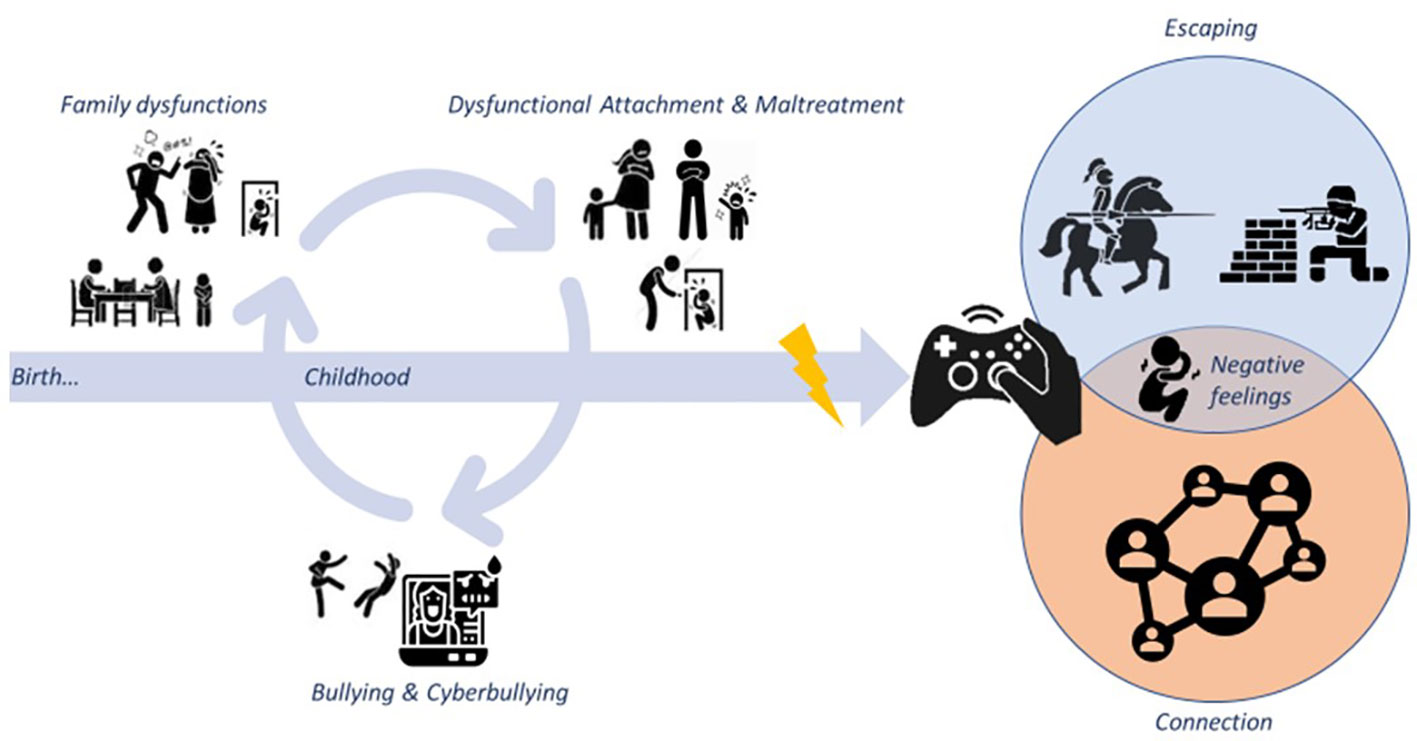
Figure 1 Interpersonal and relationship dynamics during childhood and adolescence have been suggested to modulate the onset and trajectories of IGD. Among social risk factors, family malfunction, dysfunctional parent-child relationship, maltreatment, bullying and cyberbullying have a relevant role in the etiopathogenesis of IGD. Those factors could prompt teenagers to “escape” the real world by fleeing into the cybernetic world, and gaming could represent a coping strategy that is implemented by the child/adolescent to escape from unpleasant feelings raised in family and social contexts. IGD, Internet gaming disorder.
This minireview aims to offer an overview of early-life interpersonal factors that are relevant for the development of IGD, by specifically focusing on direct and indirect influences of a) family functioning, b) parent-child relationships, c) childhood maltreatment, and d) bullying and cyberbullying. It collects evidence that demonstrates the decisive role played by the early-life family and social environment in the development and maintenance of IGD. A critical examination of this literature may help psychologists and psychiatrists to pay greater attention to early-life socio-relational dysfunctions, targeting these dysfunctions in therapeutic contexts, with a consequent increase in the success rate of IGD clinical treatment.
Methodology
The authors conducted a literature search of available sources describing the issue of IGD, with specific focus on interpersonal issues. Research studies were selected on the basis of research topics (such as the definition of internet gaming, gaming and familiar functioning, gaming and attachment styles, gaming and childhood maltreatment, gaming and bullying and cyberbullying) found in the world’s acknowledged databases, such PubMed and Google Scholar, from the period of 2000 up to date. As narrative minireview, research reports, case reports, systematic reviews and meta-analyses were considered for retrieving data. These articles were classified according to their relevance to the minireview topic and included if they substantially contribute to the narrative.
Results
Family Functioning
Among social risk factors, the family environment appears to play a relevant role in the promotion of pathological gaming (36). Although research on the role of family functioning in IGD development is currently ongoing, global family functioning appears to affect the developmental trajectories of IGD (33, 36). Evidence suggests that the regulation and monitoring of gaming among children represents an effective strategy for preventing the onset of IGD (37). Families that regulate gaming may be more likely to direct an adolescent’s attention toward other recreational activities, rather than video games (38). Good parental monitoring is also associated with active parental participation in childcare (37). Additionally, psychosocial factors, such as low parental education levels (39), parental divorce or separation (40), and single-parent families (41), have emerged as predictors of IGD symptoms, which may develop as a result of reduced child social competencies.
Problematic gamers have been reported to experience significantly more family conflicts, more negative perceptions of the family environment, and worse family relationships than non-pathological gamers, whereas non-pathological gamers have significantly better family cohesion than pathological gamers (36). Moreover, children in families that are characterized by high levels of conflict or discord appear to exhibit more frequent problematic gaming, as do children from single-parent families (41).
Research on addictive behaviors and family functioning during adolescence has also found that a low level of family adaptability (reflecting a family’s ability to adapt its power structure, role relationships, and rules to respond to situational or developmental needs) is a relevant factor that can predict addictive behaviors, whereas low cohesion (reflecting the emotional bonds that exist between the members of a family) appears to predict only the hedonistic dimensions associated with addictive behaviors (42). Pathological gaming can activate a vicious circle, in which gaming has the potential to worsen already poor family functioning, which, in turn, can worsen pathological gaming (43). IGD can also disrupt family functioning, causing problems in daily life and disrupting the relationships between gamers and other family members. In parallel, family “dysfunctionality” could prompt teenagers to “escape” the real world by fleeing into the cybernetic world (43), and gaming could represent a coping strategy that is implemented by the child/adolescent to escape from unpleasant family conditions (33) or to avoid feelings, such as sadness or anger, that are induced by adverse family functioning [(33); Table 1].
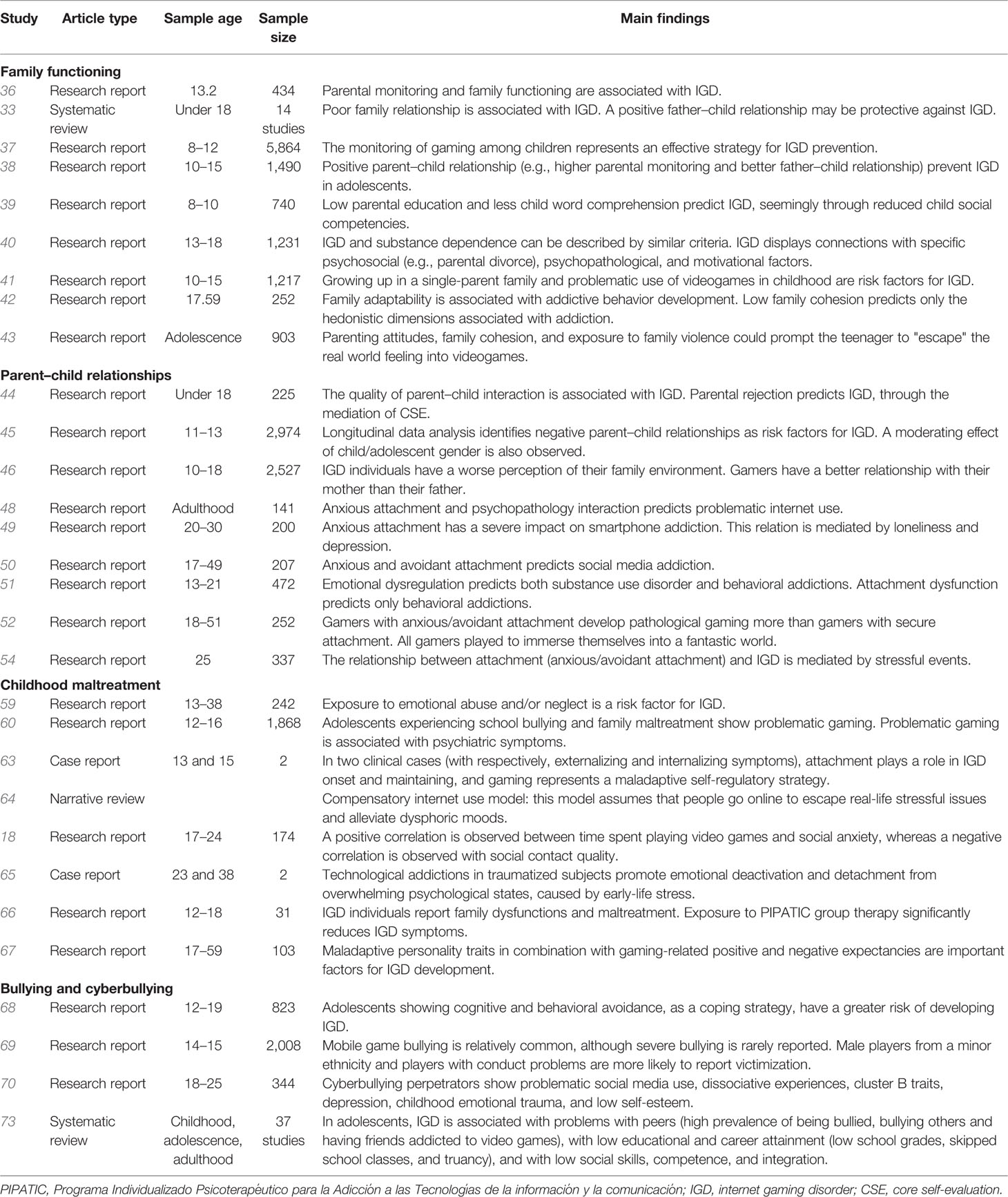
Table 1 Studies of early-life interpersonal and affective risk factors for IGD.
Parent-Child Relationships
Instability and/or dysfunction associated with parent-child interactions may contribute to the development of IGD (44). Longitudinal studies have reported that positive parent-child relationships contribute to the prevention of IGD development and reduce existing symptoms associated with problematic gaming (45). Problematic gamers appear to have worse relationships with their parents than normal gamers but often report better relationships with their mothers than with their fathers (46).
A link between early-life attachment relationships and the susceptibility to substance use disorder has been consistently reported (47), and recently, a similar link has been described between attachment and technological addictions, such as smartphone, internet, and social media addictions (48–50).
Although studies exploring the contributions made by “dysfunctional” attachments to IGD development remain limited (51), evidence suggests that gamers who are characterized by insecure attachment (those who are anxious and avoidant) display more problematic gaming behaviors than those with a secure attachment style (52). Anxiously attached individuals exhibit an exaggerated need for interpersonal closeness and support, due to their perceived inability to handle stress autonomously (53). Among these individuals, pathological gaming may be driven by the potential of games to quell their distress and to fulfil their closeness needs (19). In contrast, avoidant individuals suppress their needs for interpersonal intimacy, to prevent frustrations associated with social rejection (53). Among these individuals, pathological gaming may be driven by the potential of games to suppress their negative emotions and to deactivate their needs for attachment relationships (54).
The direct and indirect impacts of childhood parental acceptance and rejection [PAR, (55)] on IGD development have been investigated. PAR does not appear to be directly associated with addictive gaming behaviors; instead, the relationship between PAR and IGD is mediated by PAR-induced changes in core self-evaluations (CSEs), which are personality constructs that represent the fundamental appraisals/judgments that individuals apply to themselves, other people, and the world (56). The more rejection an individual experiences at an early age, the more likely that individual is to develop low CSEs (i.e., low self-esteem and self-efficacy), which may result in the individual becoming more prone to the development of pathological gaming behavior (see Pathological Gaming). New technologies may offer environments for adolescents to develop their self-esteem and identity (51), and non-substance-related addictions may be viewed as being associated with the need for relationship satisfaction [(51), Table 1].
Childhood Maltreatment
Family dysfunction is often associated with child maltreatment, which can describe sexual, emotional, or physical abuse and emotional and physical neglect (57). Childhood maltreatment is known to produce dramatic negative consequences, such as feelings of shame and guilt, poor social relationships and psychological functioning, reduced self-esteem, and increased engagement in risky and impulsive behaviors (58). Maltreatment can be considered to represent the failure of caregivers to meet the basic needs of children (i.e., love, belonging, nurturing, and support (59). Experiences of victimization, such as family maltreatment, are frequently reported to be associated with IGD susceptibility in children and adolescents (60). Exposure to emotionally traumatic events during childhood has been demonstrated to play a pivotal role in the onset and maintenance of addictive disorders, especially the addictive use of the internet and online games (59, 61). Additionally, parental physical abuse has been reported to be associated with problematic gaming in adolescents (60). Children who are exposed to abusive nurturing practices are likely to develop both internalizing and externalizing (62) symptoms which, in turn, have been demonstrated to be susceptibility factors for IGD (63).
In accordance with “the Compensatory Internet Use (CIU) model” (64), the addictive use of the internet and online games appears to be used to functionally compensate for unmet social and emotional needs (e.g., achievement and social affiliation) or to cope with psychological suffering, such as depression and anxiety (18), among early-life-traumatized individuals (64). The CIU model conceptualizes IGD as a dysfunctional coping strategy, used to counteract emotional distress and psychopathological symptoms consequent to adverse early-life events (59, 61, 64).
Excessive video game playing in traumatized subjects appears to play a functional role that promotes emotional deactivation and detachment from overwhelming psychological states, caused by early-life-traumatic experiences (65). In a chaotic, rejecting, or threatening family environment, gaming may be the only viable coping strategy (33). In support of this hypothesis, many individuals who have experienced stressful life events have developed IGD (66). Gamers who are prone to experiencing psychological stress or discomfort during everyday life, due to maladaptive personality traits, are the most likely to develop problematic gaming behaviors [(67) Table 1].
Bullying and Cyberbullying
Psychological distress that is associated with victimization, due to maltreatment, has been positively correlated with problematic gaming, through the mediating effects of gaming drivers, such as escape and competition (68). Thus, adolescents who experience bullying at school, mistreatment at home, and/or who experience anxious or depressed feelings, due to their living situations, may view video/online gaming as a method for escaping or coping with the real world (60).
Online/video games provide necessary opportunities for competitive and social play and potentially promote the building of new social relationships. However, games may also provide an avenue for negative social experiences, such as bullying or trolling behaviors (69).
Bullying in online games appears to be a relatively common phenomenon, and those adolescents who already struggle with psychosocial difficulties in the real world are the most likely to either report victimization (69) or to perpetrate bullying in virtual contexts (70). Children who experience parental maltreatment are considered to be more likely to reproduce victimization and violence in extrafamilial relationships (71). Under dysfunctional family conditions, children internalize aggressive and abusive experiences as relationship patterns that must be endured or reproduced in all other relationships (72).
Adolescents with problematic gaming behaviors who are victimized by bullying and cyberbullying often present with concomitant school problems and worse social competencies than peers with non-problematic gaming behaviors [(73), Table 1].
Discussion
Overall, the studies presented here indicate how pathological gaming is often conceptualized as a method for escaping or coping with the real world when low self-esteem and low self-efficacy are pervasive in an adolescent’s life (74). Pathological gaming has been considered to be a strategy that individuals use to compensate for weak self-images because games facilitate the display of mastery (75) and allow individuals to acquire more confidence in their own abilities (76).
Research has extensively investigated the factors that modulate susceptibility to pathological gaming, including achievement, socializing, and immersion (17), which fulfil the needs of individuals to receive admiration from others (14, 17), to experience a sense of companionship (14), and to cope with feelings of stress, anxiety, and depression (14, 18, 77), respectively. These aspects of gaming are particularly relevant when we consider the complex developmental tasks that individuals experience during adolescence, especially developing a sense of identity (78) and engaging in peer relationships (79). To overcome these developmental demands, adolescents must experience high levels of support and intimacy within their families (80). Moreover, family functioning, the quality of the parent-child relationships (e.g., attachment), and early traumatic experiences appear to be critical risk factors for the development of pathological gaming behaviors (36, 44, 60).
Recently an association between IGD and Hikikomori (81), a phenomenon featured of prolonged social withdrawal, has been described in adolescents (82). Interestingly, several studies investigating early-life interpersonal factors relevant for Hikikomori development (82, 83), reported factors similar to the ones described for IGD in this minireview. Hikikomori individuals indeed report family profiles characterized by single-parenthood and failure to fulfill the individual’s needs for affection. Nevertheless, to verify if IGD and Hikikomori share similarities in the psychosocial functional impairment and its origin, further studies are absolutely needed.
Among the clinical therapeutic approaches that are currently used to treat IGD, the most successful approaches apply protocols that combine an intrapersonal approach with an interpersonal approach (66). The first approach [usually a cognitive behavioral therapeutic (CBT) approach, (13)] aims to achieve the cognitive restructuring of CSEs, which results in improved self-esteem and social skills. The goal of CBT, here, is the regulation of aspects that IGD shares with substance use disorder, such as stimulus control, self-monitoring strategies, problem-solving related to addiction, and withdrawal regulation techniques with exposure (84). The implementation of an intrapersonal clinical approach has been shown to be effective when combined with an interpersonal approach (usually a systemic orientation approach), in which proximal psychosocial relationships (e.g., family and parent-child relationships) and familiar dynamics are “restructured,” to reduce the dysfunctional behaviors and feelings that promote pathological gaming (85).
Similar to other psychological domains, research on the effectiveness of psychodynamic treatments for IGD in adolescents is scanty when compared with research examining the thorough application of the CBT approach. This general disparity in research focus may be due to the specificity of the therapist-patient relationship during psychodynamic treatment, which includes specific dimensions (such as transference and counter-transference) and psychodynamic phenomena (e.g., ego and defense mechanisms) that are difficult to operationalize into psychological variables for experimental testing (86). However, a single-case study has reported that psychodynamic treatment was effective for treating pathological gaming, improving self-esteem, and reducing problematic relationships with peers and aggressive tendencies towards family (87).
This review has limitations that warrant acknowledgment. Due to its narrative rather than systematic nature, this minireview may not include several recent reports and articles that were not considered contributing to its narrative. For a more detailed and broader analysis of the recent literature on this topic, it would be adequate to refer to reviews that have used a systematic approach [e.g., (33)]. The long-term relevance of early-life interpersonal and affective factors on IGD has never been assessed because of the lack of longitudinal studies investigating this issue.
Despite the reported constraints, this minireview can be relevant for prevention and clinical practice. The interpersonal factors associated with IGD here described may help educators and psychologists in recognizing adolescents at risk for developing this disorder. Preventive and educational programs should be then aimed at informing the adolescent at risk and his family about the harmful consequences that excessive use of video game may have on the individual’s emotional and behavioral functioning.
The findings summarized in this review seem to support the utility of a clinical approach that includes the entire “IGD family” (adolescent with his parents) in the therapeutic process with the aim of improving communicative competences and cohesion in the family.
Conclusion
Taken together, the current research indicates the need to focus on socio-relational dimensions—particularly those referred to the family environment—that have been proven to have a crucial role in the development as well as maintenance of IGD in adolescence. To obtain positive outcomes, both prevention programs and therapeutic treatments cannot avoid addressing these specific dimensions. The results summarized this review may provide a useful guide for further empirical research that, beyond addressing early interpersonal risk factors for IGD, could investigate the intra- and interpersonal protective factors that mitigate the risk for the development of IGD during adolescence.
Author Contributions
SB, CT, RT, and VC wrote the manuscript. SB designed the figure.
Conflict of Interest
The authors declare that the research was conducted in the absence of any commercial or financial relationships that could be construed as a potential conflict of interest.
The reviewer GK declared a shared affiliation, with no collaboration, with the authors to the handling editor at the time of the review.
Acknowledgments
The authors thank Dr. Lo Iacono and Ms. Rita Chiara Morra for helping in scientific literature collection and interpretation. The professional editorial work of Blue Pencil Science is also acknowledged. This work was supported by Sapienza University, 2019-Research Grant (number: RG11916B50652E41), to VC.
References
1. Global Games Market Report from newzoo.com. Retrieved January 19, 2018, from https://newzoo.com/products/reports/global-games-market-report/.
2. Nuyens FM, Kuss DJ, Lopez-Fernandez O, Griffiths MD. The Empirical Analysis of Non-problematic Video Gaming and Cognitive Skills: A Systematic Review. Int J Ment Health Addict (2018) 17:389–414. doi: 10.1007/s11469-018-9946-0
3. Kuss DJ, Griffiths MD. Internet and gaming addiction: a systematic literature review of neuroimaging studies. Brain Sci (2012) 2:347–74. doi: 10.3390/brainsci2030347
4. Przybylski AK, Weinstein N, Murayama K. Internet Gaming Disorder: Investigating the Clinical Relevance of a New Phenomenon. Am J Psychiatry (2017) 174:230–6. doi: 10.1176/appi.ajp.2016.16020224
5. Ferguson CJ, Coulson M, Barnett J. A meta-analysis of pathological gaming prevalence and comorbidity with mental health, academic and social problems. J Psychiatr Res (2011) 45:1573–8. doi: 10.1016/j.jpsychires.2011.09.005
6. King DL, Delfabbro PH. The concept of “harm” in Internet gaming disorder. J Behav Addict (2018) 7:562–4. doi: 10.1556/2006.7.2018.24
7. Kardefelt-Winther D. Assessing the diagnostic contribution of internet gaming disorder criteria requires improved content, construct and face validity-a response to Rehbein and colleagues (2015). Addiction (2015) 110:1359–60. doi: 10.1111/add.12987
8. Fisher S. Identifying video game addiction in children and adolescents. Addict Behav (1994) 19:545–53. doi: 10.1016/0306-4603(94)90010-8
9. American Psychiatric Association. Diagnostic and statistical manual of mental disorders (DSM-5). Arlington, VA: American Psychiatric Association (2013).
10. Kuss DJ, Griffiths MD, Pontes HM. Chaos and confusion in DSM-5 diagnosis of Internet Gaming Disorder: Issues, concerns, and recommendations for clarity in the field. J Behav Addict (2017) 6:103–9. doi: 10.1556/2006.5.2016.062
11. World Health Organization. The ICD-11 Classification of Mental and Behavioral Disorders: Diagnostic Criteria for Research. Geneva, Switzerland: World Health Organization (2018).
12. Weinstein A, Lejoyeux M. New developments on the neurobiological and pharmaco-genetic mechanisms underlying internet and videogame addiction. Am J Addict (2015) 24:117–25. doi: 10.1111/ajad.12110
13. Stevens MWR, King DL, Dorstyn D, Delfabbro PH. Cognitive-behavioral therapy for Internet gaming disorder: A systematic review and meta-analysis. Clin Psychol Psychother (2019) 26:191–203. doi: 10.1002/cpp.2341
14. Kuss DJ. Internet gaming addiction: current perspectives. Psychol Res Behav Manag. (2013) 6:125–37. doi: 10.2147/PRBM.S39476
15. Rumpf HJ, Achab S, Billieux J, Bowden-Jones H, Carragher N, Demetrovics Z, et al. Including gaming disorder in the ICD-11: The need to do so from a clinical and public health perspective. J Behav Addict (2018) 7:556–61. doi: 10.1556/2006.7.2018.59
16. Kuss DJ, Louws J, Wiers RW. Online gaming addiction? Motives predict addictive play behavior in massively multiplayer online role-playing games. Cyberpsychol. Behav Soc Netw. (2012) 15:480–5. doi: 10.1089/cyber.2012.0034
17. Yee N. Motivations for play in online games. Cyberpsychol. Behav (2006) 9:772–5. doi: 10.1089/cpb.2006.9.772
18. Lo SK, Wang CC, Fang W. Physical interpersonal relationships and social anxiety among online game players. Cyberpsychol. Behav (2005) 8:15–20. doi: 10.1089/cpb.2005.8.15
19. Scerri M, Anderson A, Stavropoulos V, Hu E. Need fulfilment and internet gaming disorder: A preliminary integrative model. Addict Behav Rep (2019) 9:100144. doi: 10.1016/j.abrep.2018.100144
20. Jeong EJ, Kim DH. Social activities, self-efficacy, game attitudes, and game addiction. Cyberpsychol. Behav Soc Netw. (2011) 14:213–21. doi: 10.1089/cyber.2009.0289
21. Fauth-Buhler M, Mann K. Neurobiological correlates of internet gaming disorder: Similarities to pathological gambling. Addict Behav (2017) 64:349–56. doi: 10.1016/j.addbeh.2015.11.004
22. Park CH, Chun JW, Cho H, Kim DJ. Alterations in the connection topology of brain structural networks in Internet gaming addiction. Sci Rep (2018) 8:15117. doi: 10.1038/s41598-018-33324-y
23. Dong G, Wang L, Du X, Potenza MN. Gender-related differences in neural responses to gaming cues before and after gaming: implications for gender-specific vulnerabilities to Internet gaming disorder. Soc Cognit Affect Neurosci (2018) 13:1203–14. doi: 10.1093/scan/nsy084
24. Liu GC, Yen JY, Chen CY, Yen CF, Chen CS, Lin WC, et al. Brain activation for response inhibition under gaming cue distraction in internet gaming disorder. Kaohsiung J Med Sci (2014) 30:43–51. doi: 10.1016/j.kjms.2013.08.005
25. Shaffer HJ, LaPlante DA, LaBrie RA, Kidman RC, Donato AN, Stanton MV. Toward a syndrome model of addiction: multiple expressions, common etiology. Harv. Rev Psychiatry (2004) 12:367–74. doi: 10.1080/10673220490905705
26. Blum K, Febo M, McLaughlin T, Cronjé FJ, Han D, Gold MS. Hatching the behavioral addiction egg: reward Deficiency Solution System (RDSS)TM as a function of dopaminergic neurogenetics and brain functional connectivity linking all addictions under a common rubric. J Behav Addict (2014) 3:149–56. doi: 10.1556/JBA.3.2014.019
27. Marmet S, Studer J, Rougemont-Bücking A, Gmel G. Latent profiles of family background, personality and mental health factors and their association with behavioural addictions and substance use disorders in young Swiss men. Eur Psychiatry (2018) 52:76–84. doi: 10.1016/j.eurpsy.2018.04.003
28. Wang Y, Wu L, Wang L, Zhang Y, Du X, Dong G. Impaired decision-making and impulse control in Internet gaming addicts: evidence from the comparison with recreational Internet game users. Addict Biol (2017) 22:1610–21. doi: 10.1111/adb.12458
29. Lee D, Namkoong K, Lee J, Jung YC. Abnormal gray matter volume and impulsivity in young adults with Internet gaming disorder. Addict Biol (2018) 23:1160–7. doi: 10.1111/adb.12552
30. Zhou F, Montag C, Sariyska R, Lachmann B, Reuter M, Weber B, et al. Orbitofrontal gray matter deficits as marker of Internet gaming disorder: converging evidence from a cross-sectional and prospective longitudinal design. Addict Biol (2019) 24:100–9. doi: 10.1111/adb.12570
31. Park HS, Kwon YH, Park KM. [Factors on internet game addiction among adolescents]. Taehan Kanho Hakhoe Chi. (2007) 37:754–61. doi: 10.4040/jkan.2007.37.5.754
32. King DL, Delfabbro PH. Features of Parent-Child Relationships in Adolescents with Internet Gaming Disorder. Int J Ment Health Addict (2017) 15:1270–83. doi: 10.1007/s11469-016-9699-6
33. Schneider LA, King DL, Delfabbro PH. Family factors in adolescent problematic Internet gaming: A systematic review. J Behav Addict (2017a) 6:321–33. doi: 10.1556/2006.6.2017.035
34. Schimmenti A, Passanisi A, Gervasi AM, Manzella S, Famà FI. Insecure Attachment Attitudes in the Onset of Problematic Internet Use Among Late Adolescents. Child Psychiatry Hum Dev (2014) 45:588–95. doi: 10.1007/s10578-013-0428-0
35. Wang ES, Wang MC. Social support and social interaction ties on internet addiction: integrating online and offline contexts. Cyberpsychol. Behav Soc Netw. (2013) 16:843–9. doi: 10.1089/cyber.2012.0557
36. Bonnaire C, Phan O. Relationships between parental attitudes, family functioning and Internet gaming disorder in adolescents attending school. Psychiatry Res (2017) 255:104–10. doi: 10.1016/j.psychres.2017.05.030
37. Krossbakken E, Torsheim T, Mentzoni RA, King DL, Bjorvatn B, Lorvik IM, et al. The effectiveness of a parental guide for prevention of problematic video gaming in children: A public health randomized controlled intervention study. J Behav Addict (2018) 7:52–61. doi: 10.1556/2006.6.2017.087
38. Su B, Yu C, Zhang W, Su Q, Zhu J, Jiang Y. Father-Child Longitudinal Relationship: Parental Monitoring and Internet Gaming Disorder in Chinese Adolescents. Front Psychol (2018) 6:9–95. doi: 10.3389/fpsyg.2018.00095
39. Wichstrom L, Stenseng F, Belsky J, Von Soest T, Hygen BW. Symptoms of Internet Gaming Disorder in Youth: Predictors and Comorbidity. J Abnorm Child Psychol (2019) 47:71–83. doi: 10.1007/s10802-018-0422-x
40. Batthyany D, Muller KW, Benker F, Wolfling K. [Computer game playing: clinical characteristics of dependence and abuse among adolescents]. Wien Klin. Wochenschr. (2009) 121:502–9. doi: 10.1007/s00508-009-1198-3
41. Rehbein F, Baier D. Family-, Media-, and School-Related Risk Factors of Video Game Addiction: A 5-Year Longitudinal Study. J Media Psychol (2013) 25:118–28. doi: 10.1027/1864-1105/a000093
42. Tafà M, Baiocco R. Addictive Behavior and Family Functioning During Adolescence. Am J Family Ther (2009) 37:388–95. doi: 10.1080/01926180902754745
43. Park SK, Kim JY, Cho CB. Prevalence of Internet addiction and correlations with family factors among South Korean adolescents. Adolescence (2008) 43:895–909.
44. Throuvala MA, Griffiths MD, Rennoldson M, Kuss DJ. The role of family and personality traits in Internet gaming disorder: A mediation model combining cognitive and attachment perspectives. J Behav Addict (2019) 8:48–62. doi: 10.1556/2006.8.2019.05
45. Choo H, Sim T, Liau AKF, Gentile DA, Khoo A. Parental Influences on Pathological Symptoms of Video-Gaming Among Children and Adolescents: A Prospective Study. J Child Fam. Stud (2014) 24:1429–41. doi: 10.1007/s10826-014-9949-9
46. Da Charlie CW, Hyekyung C, Khoo A. Role of Parental Relationships in Pathological Gaming. Proc Soc Behav Sci (2011) 30:1230–6. doi: 10.1016/j.sbspro.2011.10.238
47. Solati K, Hasanpour-Dehkordi A. Study of Association of Substance Use Disorders with Family Members’ Psychological Disorders. J Clin Diagn Res (2017) 11:VC12–5. doi: 10.7860/JCDR/2017/24547.10021
48. Shin SE, Kim NS, Jang EY. Comparison of problematic internet and alcohol use and attachment styles among industrial workers in Korea. Cyberpsychol. Behav Soc Netw. (2011) 14:665–72. doi: 10.1089/cyber.2010.0470
49. Kim E, Cho I, Kim EJ. Structural Equation Model of Smartphone Addiction Based on Adult Attachment Theory: Mediating Effects of Loneliness and Depression. Asian Nurs Res (Korean Soc Nurs Sci.) (2017) 11:92–7. doi: 10.1016/j.anr.2017.05.002
50. Blackwell D, Leaman C, Tramposch R, Osborne C, Liss M. Extraversion, neuroticism, attachment style and fear of missing out as predictors of social media use and addiction. Pers Individ. (2017) 116:69–72. doi: 10.1016/j.paid.2017.04.039
51. Estevez A, Jauregui P, Sanchez-Marcos I, Lopez-Gonzalez H, Griffiths MD. Attachment and emotion regulation in substance addictions and behavioral addictions. J Behav Addict (2017) 6:534–44. doi: 10.1556/2006.6.2017.086
52. Suárez L, Thio CFW, Singh S. Why People Play Massively Multiplayer Online Games? Int J E-Educ. E-Business E-Management E-Learn. (2013) 3:7–12. doi: 10.7763/IJEEEE.2013.V3.184
53. Mikulincer MS, Phillip R. The Attachment Behavioral System in Adulthood: Activation, Psychodynamics, and Interpersonal Processes. Adv Exp Soc Psychol (2003) 35:53–152. doi: 10.1016/S0065-2601(03)01002-5
54. Sung Y, Nam TH, Hwang MH. Attachment style, stressful events, and Internet gaming addiction in Korean university students. Pers Individ. (2020) 154:109724. doi: 10.1016/j.paid.2019.109724
55. Rohner RP, Khaleque A. Testing Central Postulates of Parental Acceptance-Rejection Theory (PARTheory): A Meta-Analysis of Cross-Cultural Studies. J Family Theory Rev (2010) 2:73–87. doi: 10.1111/j.1756-2589.2010.00040.x
56. Judge TA, Locke EA, Durham CC, Kluger AN. Dispositional effects on job and life satisfaction: the role of core evaluations. J Appl Psychol (1998) 83:17–34. doi: 10.1037/0021-9010.83.1.17
57. Dalbudak E, Evren C, Aldemir S, Evren B. The severity of Internet addiction risk and its relationship with the severity of borderline personality features, childhood traumas, dissociative experiences, depression and anxiety symptoms among Turkish university students. Psychiatry Res (2014) 219:577–82. doi: 10.1016/j.psychres.2014.02.032
58. Runyan D, Wattam C, Ikeda R, Hassan F, Ramiro L, Child Abuse and Neglect by Parents and Other Caregivers. From World Report on Violence and Health, et al. (2002). eds. – See NCJ-197425.
59. Kircaburun K, Griffiths MD, Billieux J. Childhood Emotional Maltreatment and Problematic Social Media Use Among Adolescents: The Mediating Role of Body Image Dissatisfaction. Int J Ment Health Addict (2019a). doi: 10.1007/s11469-019-0054-6
60. Vadlin S, Aslund C, Hellstrom C, Nilsson KW. Associations between problematic gaming and psychiatric symptoms among adolescents in two samples. Addict Behav (2016) 61:8–15. doi: 10.1016/j.addbeh.2016.05.001
61. Kircaburun K, Griffiths MD, Billieux J. Psychosocial factors mediating the relationship between childhood emotional trauma and internet gaming disorder: a pilot study. Eur J Psychotraumatol. (2019b) 10:1565031. doi: 10.1080/20008198.2018.1565031
62. Heleniak C, Jenness JL, Stoep AV, Mccauley E, Mclaughlin KA. Childhood Maltreatment Exposure and Disruptions in Emotion Regulation: A Transdiagnostic Pathway to Adolescent Internalizing and Externalizing Psychopathology. Cognit Ther Res (2016) 40:394–415. doi: 10.1007/s10608-015-9735-z
63. Benarous X, Morales P, Mayer H, Iancu C, Edel Y, Cohen D. Internet Gaming Disorder in Adolescents With Psychiatric Disorder: Two Case Reports Using a Developmental Framework. Front Psychiatry (2019) 10:336. doi: 10.3389/fpsyt.2019.00336
64. Kardefelt-Winther D. A conceptual and methodological critique of internet addiction research: towards a model of compensatory internet use. Comput Hum Behav (2014) 31:351–4. doi: 10.1016/j.chb.2013.10.059
65. Schimmenti A, Caretti V. Psychic retreats or psychic pits?: Unbearable states of mind and technological addiction. Psychoanalyt. Psychol (2010) 27:115–32. doi: 10.1037/a0019414
66. Torres-Rodriguez A, Griffiths MD, Carbonell X, Oberst U. Treatment efficacy of a specialized psychotherapy program for Internet Gaming Disorder. J Behav Addict (2018) 7:939–52. doi: 10.1556/2006.7.2018.111
67. Laier C, Wegmann E, Brand M. Personality and Cognition in Gamers: Avoidance Expectancies Mediate the Relationship Between Maladaptive Personality Traits and Symptoms of Internet-Gaming Disorder. Front Psychiatry (2018) 9:304. doi: 10.3389/fpsyt.2018.00304
68. Schneider LA, King DL, Delfabbro PH. Maladaptive Coping Styles in Adolescents with Internet Gaming Disorder Symptoms. Int J Ment Health Addict (2017b) 16:905–16. doi: 10.1007/s11469-017-9756-9
69. Przybylski AK. Exploring Adolescent Cyber Victimization in Mobile Games: Preliminary Evidence from a British Cohort. Cyberpsychol. Behav Soc Netw. (2019) 22:227–31. doi: 10.1089/cyber.2018.0318
70. Kircaburun K, Demetrovics Z, Király O, Griffiths MD. Childhood Emotional Trauma and Cyberbullying Perpetration Among Emerging Adults: A Multiple Mediation Model of the Role of Problematic Social Media Use and Psychopathology. Int J Ment Health Addict (2018). doi: 10.1007/s11469-018-9941-5
71. Shields A, Cicchetti D. Parental maltreatment and emotion dysregulation as risk factors for bullying and victimization in middle childhood. J Clin Child Psychol (2001) 30:349–63. doi: 10.1207/S15374424JCCP3003_7
72. Cicchetti D, Lynch M. Failures in the expectable environment and their impact on individual development: The case of child maltreatment. In: Cicchetti D, Cohen DJ, editors. Wiley Series on Personality Processes. Developmental Psychopathology, Vol. 2. Risk, Disorder, and adaptation. John Wiley & Sons (1995). p. 32–71.
73. Mihara S, Higuchi S. Cross-sectional and longitudinal epidemiological studies of Internet gaming disorder: A systematic review of the literature. Psychiatry Clin Neurosci (2017) 71:425–44. doi: 10.1111/pcn.12532
74. Von Der Heiden JM, Braun B, Muller KW, Egloff B. The Association Between Video Gaming and Psychological Functioning. Front Psychol (2019) 10:1731. doi: 10.3389/fpsyg.2019.01731
75. Klimmt C, Blake C, Hefner D, Vorderer P, Roth C. (2009). Player performance, satisfaction, and video game enjoyment. In: Natkin S, Dupire J. editors. Entertainment Computing – ICEC 2009. ICEC 2009. Lecture Notes in Computer Science. Springer, Berlin, Heidelberg. vol. 5709. doi: 10.1007/978-3-642-04052-8_1.
76. Allison SE, Von Wahlde L, Shockley T, Gabbard GO. The development of the self in the era of the internet and role-playing fantasy games. Am J Psychiatry (2006) 163:381–5. doi: 10.1176/appi.ajp.163.3.381
77. Ha JH, Kim SY, Bae SC, Bae S, Kim H, Sim M, et al. Depression and Internet addiction in adolescents. Psychopathology (2007) 40:424–30. doi: 10.1159/000107426
78. Ammaniti M, Sergi G. Clinical Dynamics During Adolescence: Psychoanalytic and Attachment Perspectives. Psychoanalyt. Inq (2008) 23:54–80. doi: 10.1080/07351692309349026
79. Hazan C, Shaver PR. Attachment as an Organizational Framework for Research on Close Relationships. psychol Inq (2009) 5:1–22. doi: 10.1207/s15327965pli0501_1
80. Rageliene T. Links of Adolescents Identity Development and Relationship with Peers: A Systematic Literature Review. J Can Acad Child Adolesc Psychiatry (2016) 25:97–105.
81. Saito K. Guidelines for assessment and support of hikikomori. Tokyo, Japan: Ministry of Health, Labour and Welfare (2010).
82. Stavropoulos V, Anderson EE, Beard C, Latifi MQ, Kuss D, Griffiths M. A preliminary cross-cultural study of Hikikomori and Internet Gaming Disorder: The moderating effects of game-playing time and living with parents. Addict Behav Rep (2018) 26:001–1. doi: 10.1016/j.abrep.2018.10.001
83. Nonaka S, Shimada H, Sakai M. Family Behavioral Repertoires and Family Interaction Influence the Adaptive Behaviors of Individuals With Hikikomori. Front Psychiatry (2020) 10:977. doi: 10.3389/fpsyt.2019.00977
84. Griffiths MD, Meredith A. Videogame Addiction and its Treatment. J Contemp. Psychother (2009) 39:247–53. doi: 10.1007/s10879-009-9118-4
85. Han DH, Kim SM, Lee YS, Renshaw PF. The effect of family therapy on the changes in the severity of on-line game play and brain activity in adolescents with on-line game addiction. Psychiatry Res (2012) 202:126–31. doi: 10.1016/j.pscychresns.2012.02.011
86. Boeker H, Richter A, Himmighoffen H, Ernst J, Bohleber L, Hofmann E, et al. Essentials of psychoanalytic process and change: how can we investigate the neural effects of psychodynamic psychotherapy in individualized neuro-imaging? Front Hum Neurosci (2013) 7:355. doi: 10.3389/fnhum.2013.00355
Keywords: internet gaming disorder, early-life stress, family functioning, attachment, childhood maltreatment, bullying
Citation: Bussone S, Trentini C, Tambelli R and Carola V (2020) Early-Life Interpersonal and Affective Risk Factors for Pathological Gaming. Front. Psychiatry 11:423. doi: 10.3389/fpsyt.2020.00423
Received: 31 March 2020; Accepted: 24 April 2020;
Published: 15 May 2020.
Edited by:
Fabrizio Schifano, University of Hertfordshire, United KingdomReviewed by:
Georgios Demetrios Kotzalidis, Sapienza University of Rome, ItalyStefania Chiappini, University of Hertfordshire, United Kingdom
Copyright © 2020 Bussone, Trentini, Tambelli and Carola. This is an open-access article distributed under the terms of the Creative Commons Attribution License (CC BY). The use, distribution or reproduction in other forums is permitted, provided the original author(s) and the copyright owner(s) are credited and that the original publication in this journal is cited, in accordance with accepted academic practice. No use, distribution or reproduction is permitted which does not comply with these terms.
*Correspondence: Valeria Carola, dmFsZXJpYS5jYXJvbGFAdW5pcm9tYTEuaXQ=