 Mengyu Lim
 Alessandro Carollo
 S. H. Annabel Chen
 Gianluca Esposito
- 1Psychology Program, School of Social Sciences, Nanyang Technological University, Singapore, Singapore
- 2Department of Psychology and Cognitive Science, University of Trento, Rovereto, Italy
- 3Centre for Research and Development in Learning (CRADLE), Nanyang Technological University, Singapore, Singapore
- 4Lee Kong Chian School of Medicine, Nanyang Technological University, Singapore, Singapore
- 5Office of Educational Research, National Institute of Education, Singapore, Singapore
Almost a century after Jacob Levy Moreno pioneered the group practice of psychodrama, research in this area has flourished to include different sub-fields of study and psychodramatic intervention for various psychological conditions. By making use of scientometric analysis, particularly document citation analysis and keyword analysis, this study maps out dominant research domains in psychodrama since its inception. From these findings, projections of future research trends and an evaluation of psychodrama research are discussed. Generally, there has been an increased adoption of technology to facilitate psychodrama practice, along with an increasing integration of psychodramatic principles with other psychotherapies. To improve research in this area, this paper recommends greater transparency in the reporting of materials, processes and data used in publications. Finally, we encourage embracing new technological methods such as neuroimaging to provide greater insight into mechanisms of change in psychodrama. The field of psychodrama remains full of potential and innovations to be developed.
Introduction
Developed almost a century ago by Romanian-born psychiatrist Moreno (1), psychodrama is a form of psychotherapy that utilizes elements of theater, role-play and group dynamics (2). Psychodrama, along with the larger methodological study of interpersonal connections known as sociometry (3), was formally conceptualized by Moreno at the turn of the 1920s in the aftermath of World War I (4, 5). At its inception, psychodrama was the first instance of group psychotherapy, built upon the ideal of an “action method” (4) that allowed participants to act out their problems rather than merely talking about them in traditional “talk therapy” that was popularized by Sigmund Freud's psychoanalysis in the nineteenth century (6). Despite the global backdrop of war and conflict of that time, the nature of psychodrama in psychotherapy has always been that of a positive, humanistic perspective (5). Psychodrama was innovative for its time, especially as the “acting out” of maladaptive tendencies and neuroses was thought to be harmful to the patients in traditional psychotherapy (4).
There are two factors that Moreno proposed that distinguish psychodrama from other forms of psychotherapy: spontaneity and creativity (2). Spontaneity refers to the ability to express oneself freely and adequately in novel situations and catalyzes the process of creativity, creating art and “cultural conserves” in the process (2). According to Gershoni et al. (7), cultural conserves are formed from the interaction between spontaneity and creativity, serving as the basis of creativity and shaping creative expression within the individual. By nurturing spontaneity and creativity in the individual during group psychodrama, Moreno argues that a surplus reality can be created: a version of reality that is the externalization of an individual's subjective reality (2, 4). The dramatic re-creation of the subjective reality enables the individual in question to role-play other types of behavioral patterns, thereby resulting in therapeutic change. There are several different techniques of role-play employed in psychodrama, the most prominent of which being role reversal where an individual (A) takes the role of another (B) and vice versa (1, 8). Role reversal has been seen as the most effective technique in psychodrama (9, 10). Holmes et al. (11) propose three phases in achieving role reversal: firstly, the cognitive process of empathic role taking; secondly, the behavioral process of reproducing the role in one's actions; thirdly, the social cognitive process of role feedback where role-players' subsequent responses are based on a bi-directional, interactive perception of each other. Other role-playing techniques include mirroring, where A takes the role of B while B observes, and doubling, where A takes the role of B alongside B (12). Finally, it has been suggested that other roles may be replaced by inanimate objects, such as in the “empty chair” technique (13).
Since the peak of the psychodrama movement in the 1950s, multiple studies have demonstrated the effectiveness of psychodrama and role-playing in producing therapeutic outcomes (14–16) by changing role expectations (17), as well as through improving interpersonal skills (18) and role expansion (4, 19). Currently, psychodrama has since been adapted and practiced in more than a hundred countries across the globe (5). The importance of psychodrama to this day cannot be understated, as its inherent focus on interpersonal relationships is more relevant than ever in today's age of social isolation, driven in part by technological advancement (20) and the COVID-19 pandemic in recent years (21). Given the close relationship between psychodrama and contemporary humanistic approaches in psychotherapy (22, 23), as well as the increasing prominence of research on attachment and interpersonal phenomena (24), it can be seen that psychodrama has massive potential in modern psychotherapy as well as interdisciplinary studies of human relationships and interactions. To date, however, few studies have investigated the effectiveness of psychodrama in relation to the two tenets: spontaneity and creativity (25). Other studies have also made use of psychodramatic role-play techniques as a means of measuring role behaviors as a dependent variable, but such use of psychodrama remains unsubstantiated by validated research (26, 27).
The above identified research gaps notwithstanding, the long history of psychodrama warrants a broad overview of the progress made in this field. Some existing literature has attempted to review psychodramatic research. For example, a recent study by Orkibi and Feniger-Schaal (25) is an integrative systematic review on the state of psychodramatic intervention over a decade, involving systematic searches across four databases and a hand search across both quantitative and qualitative studies. While illuminating and providing important insights to modern psychodramatic practices, the paper was not able to survey the history of psychodrama and research trends over its many decades. Recent meta-analyses such as López-González et al. (28) and Wang et al. (29) are also limited in terms of their focus on only controlled clinical trials and the application of psychodrama within the Chinese culture, respectively, without consideration of other methodologies or theoretical papers and a broader cultural context. On the other hand, older systematic reviews have similarly only captured approximately three decades' worth of psychodramatic research (14, 30, 31). Additionally, the meta-analysis performed by Kipper and Ritchie (14) was lacking in details that assured replicability and allowed for contextual understanding, such as search terms and the names of databases. Taken together, while such reviews are able to evaluate the state of psychodrama research, they were not able to reveal landmark studies as well as key publications that have shaped the field of research and influenced the development of new research trends in the whole of the psychodrama research field. Therefore, scientometric methods are adopted in this paper in an attempt to survey the major research trends in psychodramatic research since its inception, taking a whole-of-domain approach with no restrictions in the time period, geographical area or type of publication.
Scientometry has surfaced as a quantitative methodology to evaluate scientific production in a specific field of study (32), and has been used in the scientific community to examine research trends from the evolution of psychological constructs [e.g., (33)], advances in research methods and techniques [e.g., (34)], as well as content advancement in biology, medicine, physics and many more [e.g., (34–36)]. By using quantitative data such as citation metrics, scientometry offers an objective view of widely used citation pathways within specific domains of study, therefore informing the development of research and research impact of the literature (37). Additionally, scientometric reviews are more useful in capturing more sources than manual reviews (38), particularly as the aim of the present study is to obtain a broad overview of research trends in psychodrama.
At the end of nearly a century of research on psychodrama pioneered by Moreno, this paper aims to use scientometric methods to 1) survey major research trends in this field since its inception, 2) provide insight to future potential directions of research in this area, and 3) evaluate research methods pertaining to psychodrama in current prominent studies to date.
Methodology
The dataset of publications used for this study was obtained from Scopus, an abstract and citation database run by Elsevier. Only one database was selected in alignment with the recommendation by Chen (39). This is because of several reasons, including 1) the differences in bibliography indexing between databases and 2) the high likelihood of duplicate entries between databases. The bibliographic search was conducted on 10 August 2021. Bibliographic search was conducted with the string of keywords: “TITLE-ABS-KEY (psychodrama*),” therefore selecting articles that contain psychodrama and its derivatives in their title, abstract, or keywords. Language was not restricted in this study, as the aim was to include as many relevant papers as possible. Additionally, it was revealed that many studies of psychodrama interventions were conducted in countries where the main language is not English (25). More specifically, by noting the non-English articles excluded in Orkibi and Feniger-Schaal (25), the countries' main language ranges from Persian, Croatian, Turkish, Polish, Portuguese, German, and French. For example, as will be seen later in section 4.1, the article with the largest coverage in the largest cluster originates from Paris, France (40). The final dataset generated by Scopus consisted of 2056 records published between 1943 (precise date unknown) and 21 July 2021. This range of dates was not artificially restricted by the authors, but depended on the earliest and latest available documents indexed by Scopus at the time of the search. CiteSpace software (version 5.8.R1) was used for scientometric analysis. When importing the publication dataset, a total of 2048 records were converted successfully into the Web of Science format used by Citespace, and with them 28,848 out of 30,983 references (93% success conversion rate). According to Chen (41), typical data loss due to irregularity in the original cited references ranges from 1 to 5%. As this dataset had 7% data loss in the references, it may be concluded that psychodrama literature tended to contain more irregular references than an average field of scientific literature. After the initial screening conducted by Scopus based on the keywords, the dataset was not further examined for relevance to psychodrama. This is so that the dataset will not be biased in a systematic way upon manual removal of articles deemed to be irrelevant, similar to the practice in Gaggero et al. (33), Aryadoust and Tan Hah (42), and Lim and Aryadoust (43). Additionally, Chen (39) recommends to defer the screening for relevance to the analysis stage, for the similar reason that ambiguous terms may or may not be relevant to the search query. In fact, as later discussed in section 4.1, the retaining of articles in the original dataset may inform researchers of existing disagreements on how the field of research is constructed and defined.
Document Co-Citation Analysis (DCA) on CiteSpace was conducted to uncover main trends in psychodrama literature. DCA is an analysis of the frequency of co-citation of two or more documents or articles (44), and is based on the hypothesis that high frequencies of co-citations reflect prominent trends and common clusters of research within the examined field of literature (45). Therefore, by operating on this hypothesis, DCA visualization on CiteSpace generates a network of documents that are frequently co-cited, as well as the documents that cite them.
Several DCA networks had to be generated and compared to create a visually balanced network. These networks were generated using three distinct node selection criteria: g-index, Top N and Top N% [as in Carollo et al. (35)]. G-index was initially designed to improve upon the older h-index by taking more heavily into account the citation metrics of an author's most cited publications (46, 47). In Chen (41)'s words, the g-index indicates the “largest number that equals the average number of citations of the most highly cited g publications”. On the other hand, Top N and Top N% are criteria that select the top N or N% cited documents within a time slice as network nodes (48). For the purposes of this study, the time slice was always maintained at 1 year per slice. In this study, g-index with the scaling factor k set at 25, 30, 50, 100, 150 and 200, Top N with N at 25, 30, and 50, and Top N% with N at 1, 5, and 10 were tested. The overall effects of these settings on the generated networks' structural metrics and number of nodes and clusters identified were evaluated by the authors for the final decision on the node selection criteria for DCA analysis.
After the comparison of selection criteria, it emerged that there were a very limited number of links between nodes that were spaced temporally further apart, resulting in clusters that were restricted to the span of a few years (e.g., only clusters from 2000 to 2003 were identified in a sample that ranged from 1943 to 2021). Therefore, the “Look back years” parameter was modified at this stage to a value of –1, implying that all the references cited in a citing paper were considered in the construction of the network, independently from their temporal distance from the source paper. At the same time, the “Maximum links per node” parameter was also set as unlimited, thus allowing CiteSpace to explore all possible links between nodes. Eventually, the best criteria determined by the authors was g-index with scaling factor k at 100 with unlimited lookback years. Therefore, this set of criteria was used to generate the final DCA network of documents.
A preliminary visual analysis of the resulting network revealed that several nodes represented the same article due to irregularities in referencing style. Therefore, 4 nodes (2 each representing the same 2 publications) were merged manually using the CiteSpace alias function, with the primary node designated as the node belonging to the earlier dated cluster.
The process of obtaining the final dataset and network visualization is represented in Figure 1.
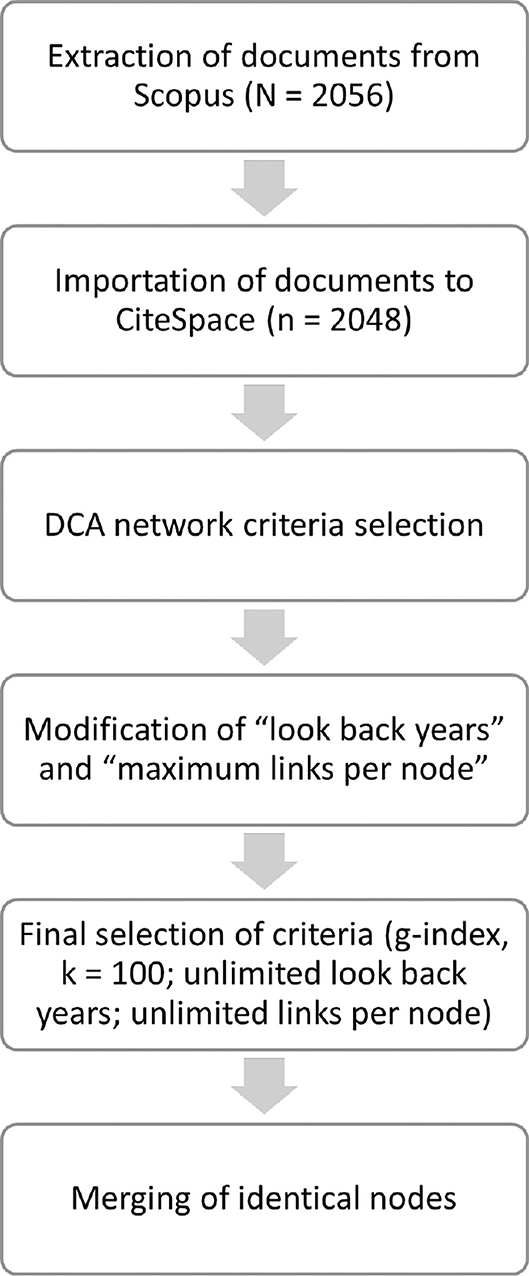
Figure 1. Flowchart of study procedure.
CiteSpace-generated networks and resulting nodes can be evaluated by using two types of parameters: structural and temporal metrics. Structural metrics include modularity Q, silhouette score and betweenness centrality. Modularity Q has values ranging from 0 to 1, indicating the degree to which the network can be divided into distinct groups of nodes, also called modules or clusters (49). High modularity Q values imply a network with good structure (45). Secondly, silhouette score measures inner consistency (i.e., cohesion and separation) of the clusters (50). Values of silhouette score can range from -1 to 1, with higher values representing a cluster's high separation from other clusters as well as internal consistency within the cluster (51). Lastly, betweenness centrality indicates the degree to which a node functions as a connection between an arbitrary pair of nodes in the network (48, 52). Its values range from 0 to 1, where the highest values are typically obtained by groundbreaking and revolutionary works in the scientific literature (42). The second type of parameters is known as temporal metrics. They include citation burstness and sigma. Calculated with Kleinberg (53)'s algorithm, citation burstness measures the sudden increase in citations a document received within a given period of time (39). Next, the sigma metric is calculated by (centrality+1)burstness, and provides quantitative insight into the document's novelty and its influence on the overall network (54). Influential publications have higher citation burstness and sigma. In this study, structural metrics, specifically modularity Q and silhouette score, were used to evaluate overall structural configuration of the network and clusters. Additionally, properties of single nodes were examined using citation burstness.
To provide a complementary perspective to the metrics provided by DCA analysis, a brief keyword analysis was also conducted to understand the common topics, the relationships between them, and trends within the field of psychodrama. In the keyword analysis, the same parameters were used (i.e., g-index with scaling factor k at 100 and unlimited lookback years). Prominent keywords with significant burstness are subsequently reported.
Results
DCA Analysis
The final DCA network visualization comprised 5,025 nodes and 15,327 links, where each node represents either a document that has been cited or a document that has cited references. Thus, on average, each node showed 3.05 links with other nodes in the network. A modularity Q score of 0.9794 suggests that the network is highly divisible into distinct clusters. An average silhouette score of 0.9796 suggests that on average, each cluster is highly internally consistent. Taken together, the DCA network yielded a good structure with clusters of research within the psychodrama literature that are distinct from each other, yet are consistent within themselves.
Thirteen major clusters were identified within the network (see details in Figure 2 and Table 1), the five largest of which will be further discussed in the next section. The five largest clusters were chosen for further examination as they were identified by CiteSpace's Narrative Summary function. This approach of partial reporting has been adapted by numerous other works (35, 55–57), and is particularly suitable for large numbers of clusters [e.g., (58)]. As seen in Figure 2, different colors correspond to different clusters, with a progression from warmer colors (e.g., red) to cooler colors (e.g., blue) as the clusters decrease in size. Considering the average years of publication, major clusters began appearing around the 1980s, and have persisted to more recently. Generally, as indicated by the high silhouette values, all clusters are highly internally homogeneous. As for the size of the clusters, cluster #0 is the largest within the network, consisting of 192 documents with a silhouette score of 0.966, thereby also the least internally homogeneous of all major clusters. Clusters are automatically labeled by the log-likelihood ratio (LLR) algorithm of CiteSpace. Previous research shows that LLR provides the most accurate labeling of clusters among other available methods in CiteSpace in terms of its coverage of documents within the cluster and its uniqueness across clusters (33, 48), although they may still be imprecise when compared to manual cluster labeling (34). Therefore, while the LLR labels are retained in the subsequent discussion of the clusters, an alternative label is suggested where the LLR label may be deemed inadequate by a closer look at the contributing articles of the cluster.
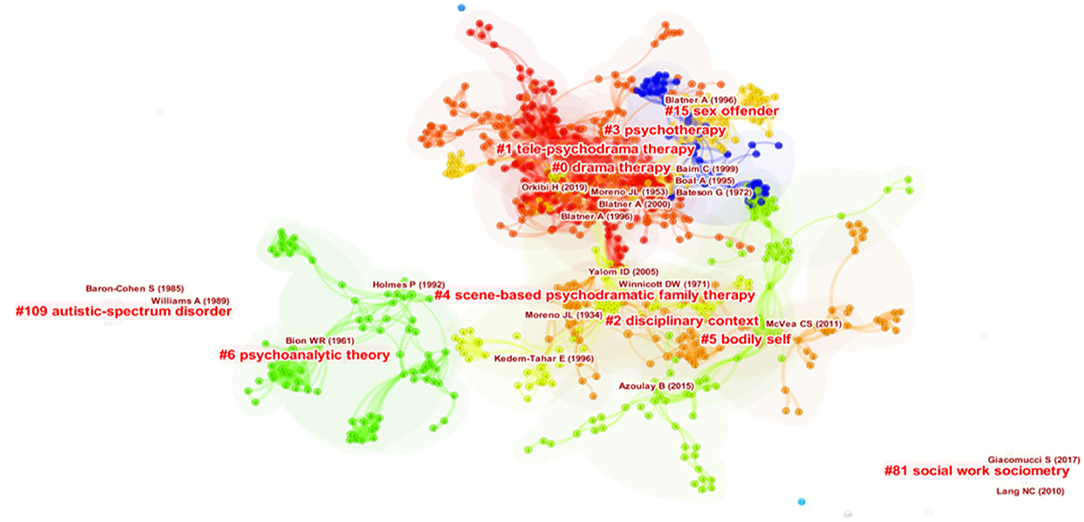
Figure 2. Final Visualization of DCA Network. Smaller clusters such as #38 “User-Friendliness”, as they are located further from the main network, are not included in this visualization.
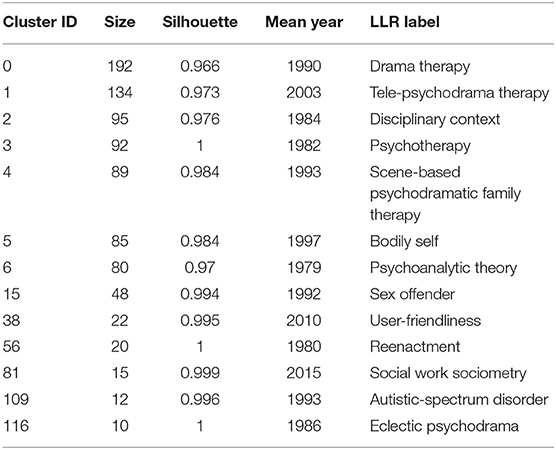
Table 1. Metrics of major clusters identified by document co-citation analysis.
Two documents showed a citation burst in the network, which gives a measure of the papers' relevance to the psychodrama landscape (see details in Table 2). Specifically, from cluster #1, Moreno (1)'s 2nd edition book titled “Who shall survive? Foundations of sociometry, group psychotherapy and socio-drama” has the strongest citation burst of 12.4349 lasting from 2008 to 2021, an entire half century after its year of publication. The second document with a significant citation burst is the 4th edition of Blatner (59)'s book titled “Foundations of Psychodrama: History, theory and practice.” This document belonged to cluster #0, and has a citation burst of 11.228 lasting from 2013 to 2021.

Table 2. Documents with high citation burstness generated by document Co-citation analysis.
Keyword Analysis
The final keyword analysis comprised a network of 2830 nodes and 27106 links, where each node represents a keyword. Thus, on average, each node showed 9.58 links with other nodes in the network. This network showed a modularity Q score of 0.4216 and an average silhouette score of 0.745. 151 keywords showed a citation burst in the network. The top ten keywords with the strongest burst are: therapy (burst = 85.0283), central nervous system (burst = 73.4538), role playing (burst = 69.3624), psychological aspect (burst = 46.7224), article (burst = 42.8839), methodology (burst = 41.0485), english abstract (28.048), priority journal (burst = 27.2888), teaching (burst = 25.4252), education (burst = 25.3455). The top ten keywords with the earliest burst beginnings are article (beginning = 1946), psychotherapy (beginning = 1946), neurotic disorder (beginning = 1946), neurosis (beginning = 1946), hospital (beginning = 1948), mental hospital (beginning = 1948), personality test (beginning = 1951), projective technique (beginning = 1951), group therapy (beginning = 1951), mlown (beginning = 1954). The top ten keywords with the latest burst beginnings are review (beginning = 2019), follow up (beginning = 2019), adult (beginning = 2018), pretest posttest design (beginning = 2018), interview (beginning = 2017), student (beginning = 2017), human experiment (beginning = 2017), aged (beginning = 2015), cognitive behavioral therapy (beginning = 2015), mental health (beginning = 2014). The top ten keywords with the longest duration of bursts are clinical article (duration = 35 years), hospital (duration = 32 years), mental hospital (duration = 32 years), art therapy (duration = 28 years), transference (duration = 27 years), article (duration = 26 years), neurotic disorder (duration = 26 years), neurosis (duration = 26 years), adaptive behavior (duration = 26 years), psychotherapy (duration = 25 years). As the number of significant keywords are large (n = 151), partial findings are reported in Table 3, representing only the top-25 keywords with the highest citation burstness and bottom-10 keywords with the lowest citation burstness, in accordance with Gaggero et al. (33).
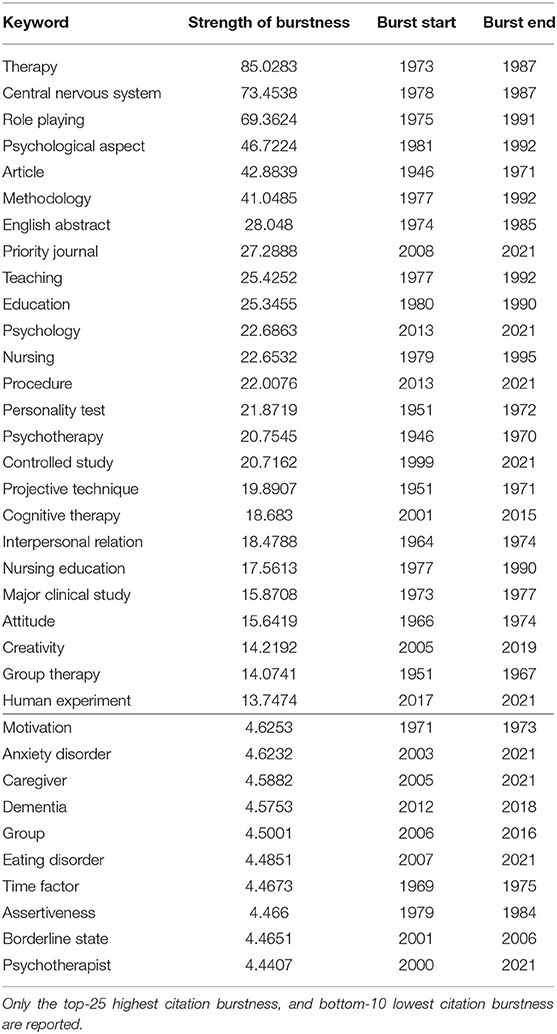
Table 3. Keywords with significant citation burstness generated by keyword analysis.
Discussion
Based on the DCA network, the five largest clusters will now be discussed in greater detail. Labels of these clusters are generated using Citespace's LLR algorithm. Citing papers contributing to the cluster are reported in terms of their global citing score (GCS; total number of citations of the paper as reported by Scopus) and coverage (number of references in the cluster that are cited by the paper). A third metric, local citing score (LCS; total number of citations of the paper within the dataset of this study), was not included as the citing papers in the following five largest clusters all have a LCS of 0.
Cluster #0: Drama Therapy
The largest cluster was named “drama therapy” and consisted of 192 references. The citing papers belonging to this cluster are represented in Table 4. As can be seen in Table 4, the most popular avenue of publication for articles belonging to this cluster is Arts in Psychotherapy (Impact Factor 1.404), an international peer-reviewed journal on mental health and creative arts therapy. This finding is also true for the later Cluster #1.
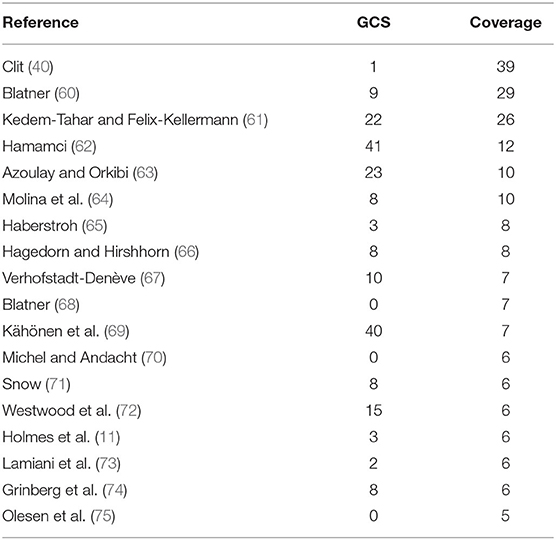
Table 4. Citing papers belonging to cluster #0.
A survey of the citing papers in this cluster reveals that research in this cluster focuses heavily on the manualization and implementation of psychodrama in clinical settings (e.g., (11, 60, 63, 68)), as well as theoretical discussions of psychodrama in relation to other psychotherapeutic constructs (e.g., (67, 70)). Most papers in this cluster made use of qualitative clinical reports and interviews, although a minority used quantitative analysis and clinical vignettes. The earlier papers of this cluster (e.g., (61, 71)) are primarily interested in the definition of psychodrama and its characteristics, in order to fulfill a clinical niche that is distinct from drama therapy. According to Kedem-Tahar and Felix-Kellermann (61), while psychodrama focuses on therapeutic self-awareness, drama therapy prioritizes aesthetic expression, thereby also producing different outcomes. According to them, psychodrama has its roots in Moreno's philosophy, while roots of drama therapy are decidedly murkier. On the other hand, drama therapist (71) refutes the distinction between the origins of psychodrama and drama therapy, arguing instead that theater and drama have roots in human instinct that pre-date formalization. In contemporary literature, while psychodrama refers to a more specific practice, both psychodrama and drama therapy are now recognized to have therapeutic potential, even if drama therapy belongs to a separate family of creative arts therapy including music, dance, and art therapy. Principles of psychodrama have also become flexible enough to be incorporated into drama therapy and other psychotherapeutic modalities (60). The later dated manuals of psychodrama written by Blatner (59) and Karp et al. (2) then form the basis of the psychodrama practice to this day. Taken together, the proposed label for the cluster may be “Formalization of Psychodrama.”
Cluster #1: Telepsychodrama Therapy
The second largest cluster was named “telepsychodrama therapy” and consisted of 134 references. The citing papers belonging to this cluster are represented in Table 5. It can be seen that most citing papers of this cluster are fairly recent, with most published within the last 5 years of this study. The label of this cluster originated from Biancalani et al. (76)'s work on adapting psychodrama to an online format during the COVID-19 pandemic, but is also more broadly indicative of research advances in psychodrama in recent years, such as application to themes such as sexuality and gender (82, 94), abuse and trauma (81, 84), in addition to various physical and mental health conditions (77, 80, 93). Furthermore, there is also an increasing focus on preventive work (e.g., (78, 79, 85)), revealing the broader movement of psychological interventions toward a more positivist and humanistic approach. There has also been a trend of integrating elements of psychodrama, or even more loosely, role-playing and theater elements, with other forms of psychotherapy. Unfortunately, while there are indications of an evolution of psychodrama and applications toward broader fields of research, psychodrama intervention techniques seem to have remained fairly unchanged, save for the online adaptation in Biancalani et al. (76)'s paper. Finally, this cluster also showed an increasing focus toward rigorous research and an increased variation in research methodologies, as evidenced by Orkibi and Feniger-Schaal (25)'s integrative review, López-González et al. (28)'s systematic review, and Wang et al. (29)'s meta-analysis in this cluster, among others (e.g., (77, 87)). An interesting opinion on research methodology comes from Yaniv (86)'s paper on spontaneity in psychodrama and its relationship with current neurocognitive theories. Taken together, a more appropriate label for this cluster may be “Recent Developments of Psychodrama."
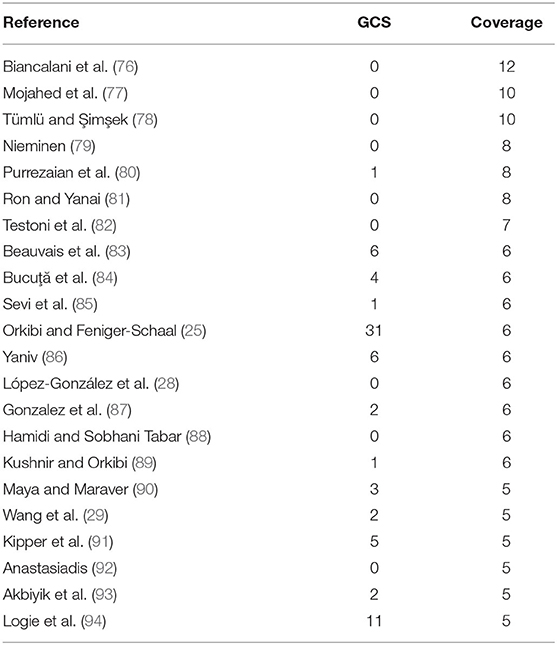
Table 5. Citing papers belonging to cluster #1.
Cluster #2: Disciplinary Context
The third largest cluster was named “disciplinary context” and consisted of 95 references. The citing papers belonging to this cluster are represented in Table 6. This cluster contains some publications that are included in the book “Psychodrama: Advances in Theory and Practice” edited by Baim et al. (107). As the book is split into two large sections focusing on psychodramatic theory and innovations in practice and research, respectively, this cluster likewise represents more theoretical works as compared to papers representing other clusters. An interesting entry among the other papers is Davelaar et al. (97)'s series of three studies on the construct validity of the Revised Spontaneity Assessment Inventory (SAI-R). First developed by Kipper and Hundal (108) and subsequently revised by Kipper and Shemer (109), the SAI-R is a measure of spontaneity as a core tenet of Moreno's psychodrama, and a means of standardizing spontaneity since the introduction of an action-based spontaneity test by Moreno (110). The SAI was initially developed alongside a Spontaneity Deficit Inventory as two separate continuums rather than opposites of each other (108). To the authors' knowledge, the SAI-R and SDI remain the only psychometric assessments related to psychodrama currently. Taken together, the proposed label for this cluster may be “Theoretical Construction and Measurement of Psychodrama.”
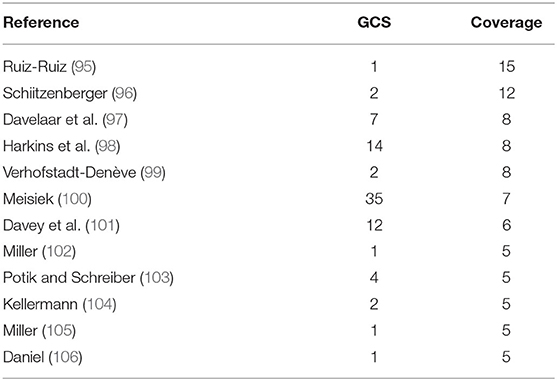
Table 6. Citing papers belonging to cluster #2.
Cluster #3: Psychotherapy
The fourth largest cluster was named “psychotherapy” and consisted of 92 references. The citing papers belonging to this cluster are represented in Table 7, and are the oldest papers when compared to Clusters #0, 1, 2, and 4. In the two papers, there is a focus on action methods, and application of theater to psychotherapy. It can be deduced that this cluster is also a reflection of the growing focus on actionable strategies when implementing psychotherapy, as opposed to the traditional “talk therapy”. Specifically, Chasin et al. (112) described a case study of role-playing various scenarios, both real and fictional, within the context of a couples therapy. The action methods described are similar to those espoused by psychodrama, involving a look into the individual's past issues and role-playing multiple characters in order to gain fresh insight into potential solutions. On the other hand, MacCormack (111) argued that there is a close relationship between elements of theater and psychotherapy, an insight similarly gleaned by Moreno decades ago. Through an integration of theater mechanics and other psychotherapies extending beyond psychodrama and drama therapy, it was argued that the therapeutic process can be made more creative, improvisational and more relatable to the client's social world (111). Again, these are also core principles of psychodrama that show tremendous potential in transforming modern psychotherapy. Taken together, a potential label for this cluster may be “Applications of Psychodrama in Psychotherapy.”
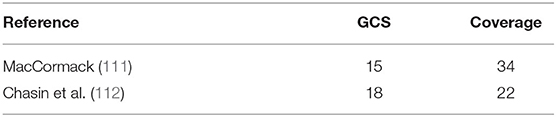
Table 7. Citing papers belonging to cluster #3.
Cluster #4: Scene-Based Psychodramatic Family Therapy
The fifth largest cluster was named “scene-based psychodramatic family therapy” and consisted of 89 references. The citing papers belonging to this cluster are represented in Table 8. While the representative label of “scene-based psychodramatic family therapy (SB-PFT)” came from Maya et al. (116)'s and Maya et al. (113)'s papers, all documents in this cluster shared a common feature of employing psychodrama in family or group settings, and seemed to focus on group elements such as collaboration and interpersonal dynamics. Firstly, to elaborate on SB-PFT, it is a form of eclectic therapy bringing together psychodrama, family therapy and group psychotherapy (116). In the initial study, SB-PFT was introduced to adolescents with behavioral issues, alongside their families. Participants cited role-play and mirror techniques as the most helpful in the intervention, while pre- and post-intervention tests showed that participants displayed an increase in emotional intelligence and attachment to their parents. The application of psychodramatic techniques in family therapy was earlier conceived of by Perrott (114), who illustrated examples of how certain techniques can be implemented. In more general group settings, other papers in this cluster focused similarly on adolescents and the youth (117, 118). This cluster may reflect the growing popularity of eclectic therapy in modern clinical psychology, as well as a potential direction of psychodrama in its application in family systems and young people. Taken together, a proposed label for this cluster may be “Psychodrama in Group Contexts.”
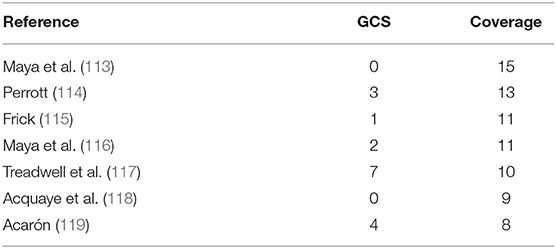
Table 8. Citing papers belonging to cluster #4.
Keyword Analysis
The keyword analysis has largely supported the findings of the DCA clusters, although it must be noted that some keywords are general to all scientific publications and not specific to psychodrama (e.g., “article,” “English abstract,” and “methodology”). Nonetheless, it can be observed that the earliest trends in psychodrama research align with the understanding of neuroses at that time, while the later trends reflect a growing rigor in the scientific method through the inclusion of reviews, pre- and post-test design, longitudinal follow-up, as well as qualitative interviews. Additionally, later research trends have broadened in their inclusion of various demographics, such as adults, students, and the aged. The most prominent keywords in the field are intuitively broad in their scope (e.g., “therapy” and “role playing”), although the inclusion of the term “central nervous system” is unexpected, given the lack of research investigating the neurological aspect of psychodrama. This may have to do with the study of neurosis in relation to the central nervous system in older literature.
Limitations
Despite the relatively robust findings, the study is not without limitations. Firstly, there are limitations to using Scopus as the only database for document search, as Scopus does not have records of all publications. For example, the earliest writings on psychodrama from the 1920s to early 1940s are not found on Scopus. Inclusion of other landmark works from the early days of psychodrama could have changed the final visualised network in significant ways. Additionally, CiteSpace operates on mainly Web of Science bibliographic formatting guidelines and other database records would need to be converted into the Web of Science format prior to analysis. Of the global databases that allow for automatic conversion on CiteSpace, there are three options: Scopus, Web of Science, and PubMed. Therefore, we opted for the database that had the most number of results based on the search terms adopted in order to provide the largest coverage possible of the research field while navigating these constraints. While Scopus produced 2056 records, Web of Science produced 1,788 records and PubMed produced 1,221 records. Future studies may consider making use of other or multiple databases to capture more documents. Alternative databases that may be considered include the aforementioned Web of Science and PubMed that are more compatible with CiteSpace. On the other hand, other databases such as PsycINFO can also be considered in conjunction with other visualization software such as HistCite, Sci2, SciMAT, and VOSViewer. Secondly, depending on the keywords used, the results reflected on any database will vary. While the keyword chosen for this study (“psychodrama*” appearing in either title, abstract, or keywords) is relatively simple and straightforward, relevant articles that did not mention psychodrama in these fields would have been unintentionally excluded from this study. Finally, at a methodological level, there are limitations with the scientometric method itself. This is because strong citation relationships between articles are not indicative of the quality of the papers, as well as the relationship between them [whether the citing paper is in agreement with, or has disproved, the cited paper; Carollo et al. (35)]. The recent Leiden Manifesto (120) published by prominent scientometricians cautions against the misapplication of citation metrics and recommends the use of quantitative evidence to support findings derived from qualitative literature reviews. Therefore, this study has attempted to provide qualitative summaries of prominent research clusters, and recommends an interpretation of DCA metrics obtained in this study within the context of other similar research fields and not against unrelated research domains.
In spite of the limitations described above, this paper holds research value in having conducted the first scientometric analysis of psychodrama research to the best of the authors' knowledge, thereby providing a broad survey of psychodrama and its advances in theory and practice since its inception.
Recommendations and Future Studies
Based on the discussion summarizing major research developments in the area of psychodrama, we have found a steadily increasing rigor and variety of research methods and topics in this area. Based on these findings, several methodological issues and difficulties as well as potential future developments in this area of research are described below.
We echo Orkibi and Feniger-Schaal (25)'s sentiment that more transparency in data collection, analysis and reporting is needed. Additionally, there are also additional considerations when implementing a psychodrama intervention. Currently, when entering any form of role-play, theoretical conceptualizations of what constitutes a “role” will have an impact on how clients and therapists construe and act out their roles. Whether the theoretical emphasis of the role lies in internal (121) or external (122) processes, or whether the role evolves based on others' feedback and interaction (123), will have a significant impact on the nature of the prompt issued to the individual. For example, instructions from therapists may be given in terms of behaviors that should be exhibited without heed to the internal state of the individual inhabiting the role, or in terms of personality or cognitive factors that are then extrapolated to behaviors up to interpretation by the individual. Unfortunately, prompts or instructions are often undisclosed in many published papers, with the prevailing assumption being that the participants were instructed to role-play as naturally as possible with minimal instructions. While this approach is useful for ethnographic and clinical studies of how psychodrama is typically conducted, it is unhelpful for systematic design of psychodramatic role-play activities in laboratory-based research. Given the increasing focus on systematic study of psychodrama research, the disclosure of all materials, instructions and prompts would be helpful in ensuring consistency and reproducibility of such research. A simple and immediate recommendation to address this issue is to report all details of prompts given to participants during an experimental session, capturing the nature and mode of delivery of these prompts to the individuals. With enough data, future studies may then consider embarking on a meta-analysis or systematic empirical study to understand if these differences indeed produce different behaviors from participants during a psychodrama session, independent of other experimental conditions.
Furthermore, according to Moreno's psychodramatic theory, there are several techniques of role-playing, including role reversal, mirroring, doubling, as well as dyadic and non-dyadic (group) role-plays (12). The different techniques and their associated processes of change have not received much attention in psychodrama research, which has predominantly focused on clinical studies of the efficacy of whole-of-intervention and integrative psychotherapies. The group modality of psychodrama also opens avenues of research into interpersonal dynamics and interaction. Together with the advancement of neuroimaging techniques, one such method that has become popular in studying social interaction is known as synchrony or dyadic synchrony (124), or a quality of mutual responsiveness between two individuals. There have been many approaches to studying synchrony, ranging from the behavioral (125), to affect matching (126, 127), and even to the synchrony of biological signals such as heart rate (128) and brain activation (129). To date, no study has embarked on synchrony studies in the context of psychodrama. The inclusion of alternative physiological measurements such as heart rate or skin conductance may also be considered in the clinical setting as part of the new movement on biofeedback in psychotherapy (130). Additionally, to build upon Yaniv (86)'s work theorizing the relationship between psychodrama and neurocognition, the utilization of neuroimaging tools would prove powerful in providing evidence in this area.
The last methodological issue is that of measuring the experience of psychodrama. As seen in the rising popularity of pre- post-test designs in the evaluation of psychodramatic interventions, the tools of measurement also have to be considered. As with most clinical interventions, therapists rely mainly on client's reported data, qualitative interviews and their own clinical field notes as an indicator of intervention efficacy. Clinically, Carter (131) proposes a role test, which measures the effectiveness of the psychodramatic intervention by how well the client undergoing psychodramatic role-play can function under duress. If quantitative data is preferred, post-hoc questionnaires may be used, but there are currently no psychodrama-specific questionnaires that measure psychodramatic experiences that exist to date. Incidentally, several questionnaire studies have been published that measure attitudes toward role-playing and particularly role-playing games (132, 133), but the questionnaire measures used have not been rigorously validated. With the advent of technology, the possibility of using functional neurophysiological tools to obtain real-time data of the progression of a psychodrama session seems higher than ever, and opens up exciting new avenues of clinical research. Complemented with other modes of data collection (such as post-hoc questionnaires, or video recordings), data triangulation can be achieved to glean a comprehensive insight into the entirety of the psychodramatic process.
The future therapeutic applications of psychodrama remain bright, particularly when examined in the context of recent breakthroughs in psychotherapeutic technologies and inter-personal communication, as well as growing interest in community-based avenues of mental health support. For example, as is popular in general medicine, telehealth is an increasingly prominent branch of treatment and consultation (134) that can be similarly applied to psychodrama, as seen in Biancalani et al. (76). The incorporation of online tools allow for more frequent points of contact between clinician and client, opening up avenues for ecologically valid interventions out of the clinic and consistent monitoring, although the ethical issues of constant monitoring and online data collection may need further consideration from both clinicians and researchers. Additionally, exciting developments in virtual reality (VR) technology can be combined with psychodramatic techniques to offer more realistic role-playing experiences (135). Such technology has already been implemented in the performing arts to encourage immersive dramatic experiences (136), and holds potential for similar applications in clinical contexts. Finally, the increasing popularity of role-playing games (RPG), from tabletop RPGs such as Dungeons and Dragons to video game RPGs and massively multiplayer online RPGs (MMORPGs), holds potential in its integration with psychodramatic techniques within already established gaming communities. The relationship between RPGs and psychodrama elements such as creativity is explored in Corrêa (137) and may see future work in attempts to integrate elements of RPGs with psychotherapy and psychodrama (138, 139).
Conclusion
In sum, the present paper set out with three main aims: (1) to survey the major research trends in psychodrama, (2) to provide insight to potential future research directions, and (3) to evaluate psychodramatic research methods. Based on the scientometric visualization and findings, it is evident that psychodrama has had a rich, yet complex, history in research. From the past century of related research, each domain has adopted psychodrama and its related techniques for their own field of application. In order to enable a unifying view of psychodrama, there is a strong need for more transparency in the implementation of psychodramatic programmes that various studies and researchers take. Researchers in psychodrama are also encouraged to embrace advances in methodological tools and technologies, and incorporate them into related research in order to achieve a more comprehensive and rigorous understanding of the processes of psychodrama.
Data Availability Statement
The original contributions presented in the study are included in the article, further inquiries can be directed to the corresponding author.
Author Contributions
ML and GE: conceptualization. ML: methodology, investigation, data curation, and writing—original draft preparation. ML and AC: formal analysis and visualization. ML, AC, SC, and GE: writing—review and editing. SC and GE: supervision. GE: funding acquisition. All authors have read and agreed to the published version of the manuscript.
Funding
This research was supported by grants from the NAP SUG to GE (M4081597 and 2015-2021) and Ministry of Education, Singapore, under its Academic Research Fund Tier 1 (RG55/18) to GE.
Conflict of Interest
The authors declare that the research was conducted in the absence of any commercial or financial relationships that could be construed as a potential conflict of interest.
Publisher's Note
All claims expressed in this article are solely those of the authors and do not necessarily represent those of their affiliated organizations, or those of the publisher, the editors and the reviewers. Any product that may be evaluated in this article, or claim that may be made by its manufacturer, is not guaranteed or endorsed by the publisher.
References
1. Moreno JL. Who Shall Survive? Foundations of Sociometry, Group Psychotherapy and Socio-Drama. Boston, MA: Beacon House (1953).
4. von Ameln F, Becker-Ebel J. Therapeutic factors in psychodrama. In: Fundamentals of Psychodrama. Singapore: Springer (2020). p. 307–25.
6. Thompson C. Psychoanalysis: Evolution and Development. Vol. 67. New Jersey: Transaction Publishers (1957).
7. Gershoni J, Lipman L. The Link between Creativity and Work with Diverse Groups: A Psychodramatic Perspective (2006). Available online at: https://www.counseling.org/resources/library/vistas/vistas06_online-only/Gershoni.pdf.
8. Moreno JL. Psychodrama and sociodrama. In: Moreno, JL, editor. The Essential Moreno: Writings on Psychodrama, Group Method, and Spontaneity by JL Moreno. New York, NY: Springer Publishing Company (1946). p. 13–9.
11. Holmes P, Karp M, Watson M. Psychodrama Since Moreno: Innovations in Theory and Practice. London: Routledge (2005).
12. Moreno JL. The role concept, a bridge between psychiatry and sociology. Am J Psychiatry. (1961) 118:518–23. doi: 10.1176/ajp.118.6.518
13. Kellermann PF. Focus on Psychodrama: The Therapeutic Aspects of Psychodrama. London: Jessica Kingsley Publishers (1992).
14. Kipper DA, Ritchie TD. The effectiveness of psychodramatic techniques: a meta-analysis. Group Dyn. (2003) 7:13. doi: 10.1037/1089-2699.7.1.13
15. Blumer C, McNamara JR. The adequacy of a role play of a previous event as affected by high and low social anxiety and rehearsal. J Behav Assess. (1982) 4:27–37. doi: 10.1007/BF01321380
16. Miller MJ. Role-playing as a therapeutic strategy: a research review. Sch Couns. (1980) 27:217–26.
17. Janis IL, Mann L. Effectiveness of emotional role-playing in modifying smoking habits and attitudes. J Exp. Res. Person. (1965).
18. Bohart AC. Role playing and interpersonal-conflict reduction. J Couns Psychol. (1977) 24:15. doi: 10.1037/0022-0167.24.1.15
19. Schneider-Düker M. Rollenwahl und Gruppenentwicklung im Psychodrama. Eine empirische Untersuchung an Therapie-und Selbsterfahrungsgruppen. Gruppendynamik. (1989) 20:259–72.
20. Twenge JM. Does online social media lead to social connection or social disconnection? J Coll Character. (2013) 14:11–20. doi: 10.1515/jcc-2013-0003
21. Hwang TJ, Rabheru K, Peisah C, Reichman W, Ikeda M. Loneliness and social isolation during the COVID-19 pandemic. Int Psychogeriatr. (2020) 32:1217–20. doi: 10.1017/S1041610220000988
22. Angus L, Watson JC, Elliott R, Schneider K, Timulak L. Humanistic psychotherapy research 1990-2015: from methodological innovation to evidence-supported treatment outcomes and beyond. Psychother Res. (2015) 25:330–47. doi: 10.1080/10503307.2014.989290
23. Schneider KJ, Längle A. The renewal of humanism in psychotherapy: a roundtable discussion. Psychotherapy. (2012) 49:427. doi: 10.1037/a0027111
24. Berscheid E. Interpersonal relationships. Annu Rev Psychol. (1994) 45:79–129. doi: 10.1146/annurev.ps.45.020194.000455
25. Orkibi H, Feniger-Schaal R. Integrative systematic review of psychodrama psychotherapy research: trends and methodological implications. PLoS ONE. (2019) 14:e0212575. doi: 10.1371/journal.pone.0212575
26. Greenwood JD. Role-playing as an experimental strategy in social psychology. Eur J Soc Psychol. (1983) 13:235–54. doi: 10.1002/ejsp.2420130304
27. Yardley KM. On distinguishing role plays from conventional methodologies 1. J Theory Soc Behav. (1982) 12:125–39. doi: 10.1111/j.1468-5914.1982.tb00442.x
28. López-González M, Morales-Landazábal P, Topa G. Psychodrama group therapy for social issues: a systematic review of controlled clinical trials. Int J Environ Res Public Health. (2021) 18:4442. doi: 10.3390/ijerph18094442
29. Wang Q, Ding F, Chen D, Zhang X, Shen K, Fan Y, et al. Intervention effect of psychodrama on depression and anxiety: a meta-analysis based on Chinese samples. Arts Psychother. (2020) 69:101661. doi: 10.1016/j.aip.2020.101661
30. Wieser M. Studies on treatment effects of psychodrama psychotherapy. In: Psychodrama. Routledge (2013). p. 295–316.
31. Kellermann PF. Outcome research in classical psychodrama. Small Group Behavior. (1987) 18:459–69. doi: 10.1177/104649648701800402
32. Mulchenko Z. Measurement of science. Study of the development of science as an information process. In: USAF Foreign Tcchnology Division Translation AD735634. (1969). Retrieved from: https://eric.ed.gov/?id=ED065286 (accessed October 14, 2021).
33. Gaggero G, Bonassi A, Dellantonio S, Pastore L, Aryadoust V, Esposito G. A scientometric review of alexithymia: mapping thematic and disciplinary shifts in half a century of research. Front Psychiatry. (2020) 11:1405. doi: 10.3389/fpsyt.2020.611489
34. Carollo A, Lim M, Aryadoust V, Esposito G. Interpersonal synchrony in the context of caregiver-child interactions: a document co-citation analysis. Front Psychol. (2021) 12:701824. doi: 10.3389/fpsyg.2021.701824
35. Carollo A, Balagtas JPM, Neoh MJY, Esposito G. A Scientometric approach to review the role of the medial preoptic area (MPOA) in parental behavior. Brain Sci. (2021) 11:393. doi: 10.3390/brainsci11030393
36. Junior OF. The legacy of david bohm in physics–an essay in scientometry. In: David Bohm. Switzerland: Springer (2019). p. 223–40.
37. Börner K, Chen C, Boyack KW. Visualizing knowledge domains. Ann Rev Inf Sci Technol. (2003) 37:179–255. doi: 10.1002/aris.1440370106
38. Su HN, Lee PC. Mapping knowledge structure by keyword co-occurrence: a first look at journal papers in Technology Foresight. Scientometrics. (2010) 85:65–79. doi: 10.1007/s11192-010-0259-8
39. Chen C. Science mapping: a systematic review of the literature. J Data Inf Sci. (2017) 2:1–40. doi: 10.1515/jdis-2017-0006
41. Chen C. CiteSpace: A Practical Guide for Mapping Scientific Literature. Hauppauge, NY: Nova Science Publishers (2016).
42. Aryadoust V, Tan HAH, Ng LY. A scientometric review of rasch measurement: the rise and progress of a specialty. Front Psychol. (2019) 10:2197. doi: 10.3389/fpsyg.2019.02197
43. Lim MH, Aryadoust V. A scientometric review of research trends in computer-assisted language learning (1977-2020). Comput Assist Lang Learn. (2021) 34:1–26. doi: 10.1080/09588221.2021.1892768
44. Small H. Co-citation context analysis and the structure of paradigms. J Document. (1980) 36:183–96. doi: 10.1108/eb026695
45. Chen C, Ibekwe-SanJuan F, Hou J. The structure and dynamics of cocitation clusters: a multiple-perspective cocitation analysis. J Am Soc Inf Sci Technol. (2010) 61:1386–409. doi: 10.1002/asi.21309
46. Egghe L. Theory and practise of the g-index. Scientometrics. (2006) 69:131–52. doi: 10.1007/s11192-006-0144-7
47. Alonso S, Cabrerizo FJ, Herrera-Viedma E, Herrera F. h-Index: a review focused in its variants, computation and standardization for different scientific fields. J Informetr. (2009) 3:273–89. doi: 10.1016/j.joi.2009.04.001
48. Chen C. The citespace manual. Coll Comput Inf. (2014) 1:1–84. Retrieved from: https://cluster.ischool.drexel.edu/~cchen/citespace/CiteSpaceManual.pdf (accessed October 13, 2021).
49. Newman ME. Modularity and community structure in networks. Proc Natl Acad Sci USA. (2006) 103:8577–82. doi: 10.1073/pnas.0601602103
50. Rousseeuw PJ. Silhouettes: a graphical aid to the interpretation and validation of cluster analysis. J Comput Appl Math. (1987) 20:53–65. doi: 10.1016/0377-0427(87)90125-7
51. Aryadoust V, Ang BH. Exploring the frontiers of eye tracking research in language studies: a novel co-citation scientometric review. Comput Assist Lang Learn. (2019) 32:1–36. doi: 10.1080/09588221.2019.1647251
52. Freeman LC. A set of measures of centrality based on betweenness. Sociometry. (1977) 40:35–41. doi: 10.2307/3033543
53. Kleinberg J. Bursty and hierarchical structure in streams. Data Min Knowl Discov. (2003) 7:373–97. doi: 10.1023/A:1024940629314
54. Chen C, Chen Y, Horowitz M, Hou H, Liu Z, Pellegrino D. Towards an explanatory and computational theory of scientific discovery. J Informetr. (2009) 3:191–209. doi: 10.1016/j.joi.2009.03.004
55. Gao C, Yuan Y, Zhang C. Literature review of corporate social responsibility from the perspective of stakeholder theory. In: 2021 5th International Seminar on Education, Management and Social Sciences (ISEMSS 2021). Basingstoke: Atlantis Press (2021). p. 1036–50.
56. Liu J, Fan L, Yin H. A bibliometric analysis on cognitive processing of emotional words. Digit Sch Humanit. (2020) 35:353–65. doi: 10.1093/llc/fqz025
57. Rajendran DSS, Naik D, Arunachalam M, et al. A psychosocial wellbeing of breast cancer survivors-an overview of evidence base nursing research. Eur J Mol Clin Med. (2020) 7:4834–4841.
58. Chen C, Song M. Visualizing a field of research: a methodology of systematic scientometric reviews. PLoS ONE. (2019) 14:e0223994. doi: 10.1371/journal.pone.0223994
59. Blatner A. Foundations of Psychodrama: History, Theory, and Practice, 4th Edn. New York, NY: Springer Publishing Co. (2000).
60. Blatner A. Psychodrama: the state of the art. Arts Psychother. (1997) 24:23–30. doi: 10.1016/S0197-4556(96)00057-3
61. Kedem-Tahar E, Felix-Kellermann P. Psychodrama and drama therapy: a comparison. Arts Psychother. (1996) 23:27–36. doi: 10.1016/0197-4556(95)00059-3
62. Hamamci Z. Integrating psychodrama and cognitive behavioral therapy to treat moderate depression. Arts Psychother. (2006) 33:199–207. doi: 10.1016/j.aip.2006.02.001
63. Azoulay B, Orkibi H. The four-phase CBN psychodrama model: a manualized approach for practice and research. Arts Psychother. (2015) 42:10–18. doi: 10.1016/j.aip.2014.12.012
64. Molina B, Monteiro-Leitner J, Garrett MT, Gladding ST. Making the connection: interweaving multicultural creative arts through the power of group counseling interventions. J Creat Ment Health. (2005) 1:5–15. doi: 10.1300/J456v01n02_02
65. Haberstroh S. Facing the music: creative and experiential group strategies for working with addiction related grief and loss. J Creat Ment Health. (2005) 1:41–55. doi: 10.1300/J456v01n03_03
66. Hagedorn WB, Hirshhorn MA. When talking won't work: implementing experiential group activities with addicted clients. J Spec Group Work. (2009) 34:43–67. doi: 10.1080/01933920802600832
67. Verhofstadt-denève LM. The psychodramatical “social atom method”: dialogical self in dialectical action. J Construct Psychol. (2003). 16:183–212. doi: 10.1080/10720530390117939
68. Blatner A. Perspectives on Moreno, psychodrama, and creativity. J Creat Ment Health. (2005) 1:111–21. doi: 10.1300/J456v01n02_13
69. Kähönen K, Näätänen P, Tolvanen A, SALMELA-ARO K. Development of sense of coherence during two group interventions. Scand J Psychol. (2012) 53:523–7. doi: 10.1111/sjop.12020
70. Michel M, Andacht F. Towards a convergence of dialogical self theory and semiotic self theory through triadic phenomenology. Theory Psychol. (2015) 25:814–32. doi: 10.1177/0959354315613168
71. Snow S. Fruit of the same tree: a response to Kedem-Tahar and Kellermann's comparison of psychodrama and drama therapy. Arts Psychother. (1996) 23:199–205. doi: 10.1016/0197-4556(96)00029-9
72. Westwood MJ, Keats PA, Wilensky P. Therapeutic enactment: integrating individual and group counseling models for change. J Spec Group Work. (2003) 28:122–38. doi: 10.1177/0193392203028002004
73. Lamiani G, Fossati I, Vegni E. Between life and death: clinical study on the psychodramatic theraphy of two oncological patients. Ricerche DI Psicologia. (2016) 4:611–34. doi: 10.3280/RIP2016-004008
74. Grinberg Z, Pendzik S, Kowalsky R, et al. Drama therapy role theory as a context for understanding medical clowning. Arts Psychother. (2012) 39:42–51. doi: 10.1016/j.aip.2011.11.006
75. Olesen J, Campbell J, Gross M. Using action methods to counter social isolation and shame among gay men. J Gay Lesbian Soc Serv. (2017) 29:91–108. doi: 10.1080/10538720.2017.1294518
76. Biancalani G, Franco C, Guglielmin MS, Moretto L, Orkibi H, Keisari S, et al. Tele-psychodrama therapy during the COVID-19 pandemic: participants' experiences. Arts Psychother. (2021) 75:101836. doi: 10.1016/j.aip.2021.101836
77. Mojahed A, Zaheri Y, Moqaddam MF. Effectiveness of group psychodrama on aggression and social anxiety of children with attention-deficit/hyperactivity disorder: a randomized clinical trial. Arts Psychother. (2021) 73:101756. doi: 10.1016/j.aip.2021.101756
78. Tümlü GÜ, Şimşek BK. The effects of psychodrama groups on feelings of inferiority, flourishing, and self-compassion in research assistants. Arts Psychother. (2021) 73:101763. doi: 10.1016/j.aip.2021.101763
79. Nieminen S. Using psychodramatic techniques as a means of preventive mental health work in Finland. Sch Psychol Int. (1986) 7:94–97. doi: 10.1177/0143034386072006
80. Purrezaian H, Besharat MA, Koochakzadeh L, Farahani H. Psycho-art-drama: development and testing a new integrated complementary method of psychiatric treatments for hospitalised children with cancer (a case study). Int J Psychiatry Clin Pract. (2020) 24:183–92. doi: 10.1080/13651501.2019.1711426
81. Ron Y, Yanai L. Empowering through psychodrama: a qualitative study at domestic violence shelters. Front Psychol. (2021) 12:1017. doi: 10.3389/fpsyg.2021.600335
82. Testoni I, Pedot M, Arbien M, Keisari S, Cataldo E, Ubaldi C, et al. A gender-sensitive intervention in jail: a study of Italian men convicted of assaulting women or femicide. Arts Psychother. (2020) 71:101704. doi: 10.1016/j.aip.2020.101704
83. Beauvais AM, Özbaş AA, Wheeler K. End-of-life psychodrama: influencing nursing students' communication skills, attitudes, emotional intelligence and self-reflection. J Psychiatr Nurs. (2019) 10:103–110. doi: 10.14744/phd.2019.96636
84. Bucuţă MD, Dima G, Testoni I. “When you thought that there is no one and nothing”: the value of psychodrama in working with abused women. Front Psychol. (2018). 9:1518. doi: 10.3389/fpsyg.2018.01518
85. Sevi OM, Ger M, Kaya F, Maşalı B. The effect of psychodrama sessions on psychotic symptoms, depression, quality of life, and sociometric measures in patients with chronic schizophrenia. Arts Psychother. (2020) 71:101719. doi: 10.1016/j.aip.2020.101719
86. Yaniv D. Trust the process: a new scientific outlook on psychodramatic spontaneity training. Front Psychol. (2018) 9:2083. doi: 10.3389/fpsyg.2018.02083
87. Gonzalez AJ, Martins P, Lima MPd. Studying the efficacy of psychodrama with the hermeneutic single case efficacy design: results from a longitudinal study. Front Psychol. (2018). 9:1662. doi: 10.3389/fpsyg.2018.01662
88. Hamidi F, Sobhani Tabar S. Effect of psychodrama on post-traumatic stress disorder symptoms in primary school students living in earthquake-stricken areas. Iran J Psychiatry Clin Psychol. (2021) 26:400–17. doi: 10.32598/ijpcp.26.3.3190.2
89. Kushnir A, Orkibi H. Concretization as a mechanism of change in psychodrama: procedures and benefits. Front Psychol. (2021) 12:176. doi: 10.3389/fpsyg.2021.633069
90. Maya J, Maraver J. Teaching-learning processes: application of educational psychodrama in the university setting. Int J Environ Res Public Health. (2020) 17:3922. doi: 10.3390/ijerph17113922
91. Kipper DA, Davelaar PS, Herst S. The relationship between spontaneity and inhibition. Arts Psychother. (2009) 36:329–34. doi: 10.1016/j.aip.2009.09.005
92. Anastasiadis N. When words fail - a role specific perspective on the treatment of youths. In: Trejos-Castillo E, editor. Youth: Practices, Perspectives and Challenges. Hauppauge, NY: Nova Science Publishers (2013). 11.
93. Akbiyik DI, Arapaslan B, Yardimci Y. The effect of psychodrama groups on self-compassion and distress in breast cancer patients/Meme kanseri hastalarinda psikodrama gruplarinin ozsefkat ve distres uzerine etkisi. Anadolu Psikiyatri Dergisi. (2020) 21:173–80.
94. Logie CH, Dias LV, Jenkinson J, Newman PA, MacKenzie RK, Mothopeng T, et al. Exploring the potential of participatory theatre to reduce stigma and promote health equity for lesbian, gay, bisexual, and transgender (LGBT) people in Swaziland and Lesotho. Health Educ Behav. (2019) 46:146–56. doi: 10.1177/1090198118760682
95. Ruiz-Ruiz F. Fundamentos de la psicoterapia de grupo en la práctica médica (II): sobre el método psicodramático. An Psiquiatr. (2004). 46–51.
96. Schiitzenberger AA. Transgenerational analysis and psychodrama: applying and extending moreno's concepts of the co-unconscious and the social atom to transgenerational links. In: Baim C, Burmeister J, Maciel M, editors. Psychodrama: Advances in Theory and Practice. London, UK: Routledge (2007). p. 155–74.
97. Davelaar PM, Araujo FS, Kipper DA. The revised Spontaneity assessment inventory (SAI-R): relationship to goal orientation, motivation, perceived self-efficacy, and self-esteem. Arts Psychother. (2008) 35:117–28. doi: 10.1016/j.aip.2008.01.003
98. Harkins L, Pritchard C, Haskayne D, Watson A, Beech AR. Evaluation of Geese Theatre's re-connect program: addressing resettlement issues in prison. Int J Offender Ther Comp Criminol. (2011) 55:546–66. doi: 10.1177/0306624X10370452
99. Verhofstadt-Denève L. Existential-dialectic psychodrama: the theory behind practice. In: Psychodrama. London: Routledge (2013). p. 135–50.
100. Meisiek S. Which catharsis do they mean? Aristotle, Moreno, Boal and organization theatre. Organ Stud. (2004) 25:797–816. doi: 10.1177/0170840604042415
101. Davey L, Day A, Balfour M. Performing desistance: how might theories of desistance from crime help us understand the possibilities of prison theatre? Int J Offender Ther Comp Criminol. (2015) 59:798–809. doi: 10.1177/0306624X14529728
102. Miller C. Integrating two models for the treatment of addictions: souldrama and 12-step recovery in action. J Groups Addict Recovery. (2013) 8:81–111. doi: 10.1080/1556035X.2011.614525
103. Potik D, Schreiber S. Carrying body and soul and embracing the one: qigong group in a day-care psychiatric department. Body Mov Dance Psychother. (2013) 8:108–20. doi: 10.1080/17432979.2013.772074
104. Kellermann PF. Let's face it: mirroring in psychodrama. In: Psychodrama. London: Routledge (2013). p. 107–20.
105. Miller C. Psychodrama, spirituality and Souldrama. In: Psychodrama. Routledge (2013). p. 213–24. doi: 10.4324/9780203961100-20
106. Daniel S. Psychodrama, role theory and the cultural atom: New developments in role theory. In: Psychodrama. London: Routledge (2013). p. 91–106.
107. Baim C, Burmeister J, Maciel M. Psychodrama: Advances in Theory and Practice. London: Routledge (2013).
108. Kipper DA, Hundal J. The spontaneity assessment inventory: the relationship between spontaneity and nonspontaneity. J Group Psychother Psychodrama Soiometry. (2005) 58:119–30. doi: 10.3200/JGPP.58.3.119-129
109. Kipper DA, Shemer H. The revised spontaneity assessment inventory (SAI-R): spontaneity, well-being, and stress. J Group Psychother Psychodrama Soiometry. (2006) 59:127–37. doi: 10.3200/JGPP.59.3.127-136
110. Moreno JL. Psychodrama and therapeutic motion pictures. Sociometry. (1944) 7:230–44. doi: 10.2307/2785414
111. MacCormack T. Believing in make-believe: looking at theater as a metaphor for psychotherapy. Fam Process. (1997) 36:151–69. doi: 10.1111/j.1545-5300.1997.00151.x
112. Chasin R, Roth S, Bograd M. Action methods in systemic therapy: dramatizing ideal futures and reformed pasts with couples. Fam Process. (1989) 28:121–36. doi: 10.1111/j.1545-5300.1989.00121.x
113. Maya J, Hidalgo V, Jiménez L, Lorence B. Effectiveness of Scene-based psychodramatic family therapy (SB-PFT) in adolescents with behavioural problems. Health Soc Care Commun. (2020) 28:555–67. doi: 10.1111/hsc.12888
114. Perrott LA. Using psychodramatic techniques in structural family therapy. Contemp Fam Ther. (1986) 8:279–90. doi: 10.1007/BF00902929
115. Frick E. The dream theatre in the process of psychodrama. Gruppenpsychotherapie und Gruppendynamik. (2002) 38:174–90.
116. Maya J, Jiménez L, Lorence B, Del Moral G, Hidalgo V. Scene-based psychodramatic family therapy with troubled adolescents and parents: a pilot study. Fam Process. (2020) 59:111–26. doi: 10.1111/famp.12401
117. Treadwell TW, Reisch EE, Travaglini LE, Kumar V. The effectiveness of collaborative story building and telling in facilitating group cohesion in a college classroom setting. Int J Group Psychother. (2011) 61:502–17. doi: 10.1521/ijgp.2011.61.4.502
118. Acquaye HE, John CM, Bloomquist LA, Milne NM. Using the post-traumatic growth model to explore trauma narratives in group work with african refugee youth. J Spec Group Work. (2020) 45:185–99. doi: 10.1080/01933922.2020.1789791
119. Acarón T. Traversing distance and proximity: the integration of psychodrama and dance movement therapy techniques in supervision. Body Move Ment Dance Psychotherapy. (2016) 11:4–18. doi: 10.1080/17432979.2015.1109550
120. Hicks D, Wouters P, Waltman L, De Rijcke S, Rafols I. Bibliometrics: the Leiden Manifesto for research metrics. Nat News. (2015) 520:429. doi: 10.1038/520429a
121. Newcomb TM. Role behaviors in the study of individual personality and of groups. J Pers. (1950) 18:273–89. doi: 10.1111/j.1467-6494.1950.tb01247.x
123. Cattell RB. Personality, role, mood, and situation-perception: a unifying theory of modulators. Psychol Rev. (1963) 70:1. doi: 10.1037/h0042006
124. Harrist AW, Waugh RM. Dyadic synchrony: Its structure and function in children's development. Dev Rev. (2002) 22:555–92. doi: 10.1016/S0273-2297(02)00500-2
125. Cohen EE, Ejsmond-Frey R, Knight N, Dunbar RI. Rowers' high: behavioural synchrony is correlated with elevated pain thresholds. Biol Lett. (2010) 6:106–8. doi: 10.1098/rsbl.2009.0670
126. Feldman R, Greenbaum CW, Yirmiya N. Mother-infant affect synchrony as an antecedent of the emergence of self-control. Dev Psychol. (1999) 35:223. doi: 10.1037/0012-1649.35.1.223
127. Feldman R, Greenbaum CW. Affect regulation and synchrony in mother–infant play as precursors to the development of symbolic competence. Infant Ment Health J. (1997) 18:4–23. doi: 10.1002/(SICI)1097-0355(199721)18:1<4::AID-IMHJ2>3.0.CO;2-R
128. Mitkidis P, McGraw JJ, Roepstorff A, Wallot S. Building trust: heart rate synchrony and arousal during joint action increased by public goods game. Physiol Behav. (2015) 149:101–6. doi: 10.1016/j.physbeh.2015.05.033
129. Dikker S, Wan L, Davidesco I, Kaggen L, Oostrik M, McClintock J, et al. Brain-to-brain synchrony tracks real-world dynamic group interactions in the classroom. Curr Biol. (2017) 27:1375–80. doi: 10.1016/j.cub.2017.04.002
130. Newman MG. Technology in psychotherapy: an introduction. J Clin Psychol. (2004) 60:141–5. doi: 10.1002/jclp.10240
131. Carter PD. The psychodramatic role test: an examination of the science. Arts Psychother. (2014) 41:250–6. doi: 10.1016/j.aip.2014.03.003
132. Ben-Ezra M, Lis E, Błachnio A, Ring L, Lavenda O, Mahat-Shamir M. Social workers' perceptions of the association between role playing games and psychopathology. Psychiatr Q. (2018) 89:213–8. doi: 10.1007/s11126-017-9526-7
133. Lis E, Chiniara C, Biskin R, Montoro R. Psychiatrists' perceptions of role-playing games. Psychiatr Q. (2015) 86:381–4. doi: 10.1007/s11126-015-9339-5
134. Bauer S, Moessner M. Technology-enhanced monitoring in psychotherapy and e-mental health. J Ment Health. (2012) 21:355–63. doi: 10.3109/09638237.2012.667886
135. Riva G, Vincelli F. Virtual reality as an advanced imaginal system: a new experiential approach for counseling and therapy. Int J Action Methods. (2001) 54:51–64.
136. Anstey J, Pape D, Shapiro SC, Telhan O, Nayak TD. Psycho-drama in VR. In: Proceedings of The Fourth Conference on Computation Semiotics (COSIGN 2004). Pennsylvania, PA: Citeseer (2004). p. 5–13.
137. Corrêa ARM. Video-games, psychodrama and imagination. Rev Brasileira De Psicodr. (2013) 21:93–103. Retrieved from: https://revbraspsicodrama.org.br/rbp/article/view/338 (accessed October 13, 2021).
138. Hawkes-Robinson WA. Role-Playing Games Used as Educational and Therapeutic Tools for Youth and Adults. Tratto da Academia (2011). Available online at: https://wwwacademiaedu/3668971/Roleplaying_Games_Used_as_Educational_and_Therapeutic_Tool_for_Youth_and_Adults.
Keywords: psychodrama, Moreno, scientometry, systematic review, document co-citation, psychotherapy, keyword analysis
Citation: Lim M, Carollo A, Chen SHA and Esposito G (2021) Surveying 80 Years of Psychodrama Research: A Scientometric Review. Front. Psychiatry 12:780542. doi: 10.3389/fpsyt.2021.780542
Received: 21 September 2021; Accepted: 13 October 2021;
Published: 15 November 2021.
Edited by:
Takeshi Terao, Oita University, JapanCopyright © 2021 Lim, Carollo, Chen and Esposito. This is an open-access article distributed under the terms of the Creative Commons Attribution License (CC BY). The use, distribution or reproduction in other forums is permitted, provided the original author(s) and the copyright owner(s) are credited and that the original publication in this journal is cited, in accordance with accepted academic practice. No use, distribution or reproduction is permitted which does not comply with these terms.
*Correspondence: Gianluca Esposito, Z2lhbmx1Y2EuZXNwb3NpdG9AbnR1LmVkdS5zZw==; Z2lhbmx1Y2EuZXNwb3NpdG9AdW5pdG4uaXQ=