 Gonçalo Rodrigues Brás1,2,3,4,5*
 Margarita Robaina1,6
- 1DEGEIT, University of Aveiro, Aveiro, Portugal
- 2DINÂMIA’CET-Iscte, Centre for the Study of Socioeconomic Change and the Territory, Lisbon, Portugal
- 3CESAM, University of Aveiro, Aveiro, Portugal
- 4Centre for Business and Economics Research, Faculty of Economics, University of Coimbra, Coimbra, Portugal
- 5IN+, LARSyS, Center for Innovation, Technology and Policy Research, Instituto Superior Técnico, Universidade de Lisboa, Lisbon, Portugal
- 6GOVCOPP, University of Aveiro, Aveiro, Portugal
What are the market priorities driving public funding for innovation? Do they reflect the priorities/interests of wider society or the sustainable development agenda? The market’s failure to deliver desirable innovation outcomes aligned with sustainable development must be addressed by public policy in the scope of responsible (and research) innovation principles. Public funding for innovation must support sustainable development to the benefit of society as a whole. Given the urgent need for action, the article proposes some innovative instruments with a view to achieving sound sustainable development.
1 Introduction
Entrepreneurship, start-ups and business ventures are among the emergent hot topics. They are often associated to private initiative success so it is usually the successful entrepreneurs we see in the media. However, another side of the coin is often overlooked; more specifically, the public policies that strengthen the innovation system so that favourable conditions can be created which allow businesses to flourish and new projects to be set up.
Innovation policy involves great uncertainty and its impact on growth remains ambiguous (Bogers et al., 2018). Although Vickers et al. (2017) argue that public policies supporting innovation are shaped by logics of the state, market and civil society, it is relevant to confirm whether the priorities of the market driving these policies reflect the interests of wider society. What should the role of public policy be if “an innovation system is the evolving set of actors, activities, and artefacts, and the institutions and relations, including complementary and substitute relations, that are important for the innovative performance of an actor or a population of actors” (Granstrand and Holgersson, 2020, p. 3)?
2 Policy challenges
2.1 Current context
The effects of the 2007–2008 financial crisis and, the recent COVID-19 pandemic, as well as the military conflict between Russia and Ukraine and the ongoing military action in the Middle East have provided a new and complex geopolitical landscape. In light of this scenario, it seems reasonable to draw attention to the increase in public funding for defense (Hoeffler et al., 2024); indeed, “in many OECD countries, expenditures for defence-related R&D represent by far the most important form of public subsidies for innovation” (Moretti et al., 2023, p. 1). In the past, some authors advocated public investment in innovation for long-term growth as a strategic response to both financial and pandemic crises (Mazzucato and Dibb, 2020), but today the constraints posed by the defence budget may be an obstacle to this strategy. The huge numbers of war casualties represent a failure for society today, but we are also failing future generations because the wars have a negative impact on our progress towards the Sustainable Development Goals (SDGs) (Novelli, 2023). Not only have global defence budgets risen, but they are diverting resources away from crucial sustainability efforts (Nguyen et al., 2023) and delaying progress on environmental initiatives and humanitarian aid. Geopolitical tensions have disrupted international cooperation on climate policies, sustainable trade, and development projects, making it harder to meet global sustainability goals (Bashir et al., 2023). Moreover, the social and environmental consequences of war and conflict, such as displacement, ecological damage, and resource depletion, further hinder sustainability efforts (Schillinger et al., 2022).
The 2007–2008 financial crisis has had profound socio-economic consequences (Mohseni-Cheraghlou, 2016), with heightened levels of poverty (Antoniades et al., 2020), rising inequality, wage stagnation (Wisman, 2013), and a lack of social protection (McCord, 2010) leading to a decline in human and social wellbeing. This has been compounded by rising unemployment and job destruction (Carneiro et al., 2014) and even the deterioration of health promotion policies and public health care (Ifanti et al., 2013), further exacerbating the challenges to economic stability and human welfare.
Stiglitz (2009) provided the timely warning against underestimating the potential job-destruction caused by the financial crisis and called for global stimulus, revised economic policies, support for developing countries, and stronger social protection. Guellec and Wunsch-Vincent (2009) also called for public investment in innovation following the onset of the financial crisis. Critics argue that the lack of immediate action has led to prolonged economic stagnation and increased inequality, suggesting that timely intervention could have mitigated these adverse effects (Kiendrebeogo et al., 2017). Contrasting sharply with the measures taken during the 2007–2008 financial crisis, COVID-19 pandemic involved unprecedented economic stimulus packages and public investments, with authors highlighting the importance of public investment in green innovation (Barbier, 2020; Martin et al., 2020).
Public policies supporting innovation should be seen as a holistic process that uses new technology and improved processes to empower citizens and communities (Borins, 2001), and also as the pathway to development (Ciaffi et al., 2024). However, caution should be taken when considering this desirable equilibrium in public policies as the innovation system in the public interest opposes more traditional technopolis, triple-helix, and cluster initiatives (Oh et al., 2016), all of which are related to market criteria. In fact, if innovation is only mediated and valued by the market, it “is an inducer of production and consumption, real or virtual, but both resource consumers” (Nunes et al., 2021, 94) and therefore potentially harmful to environmental sustainability. Adding to this, Schomberg (2019) and van den Hove et al. (2012) point out the market’s failure to deliver sound innovation outcomes. While innovation can be highly beneficial in many circumstances, it is important to recognise that it is not the sole solution to the planet’s sustainability challenges; on the contrary, some successive innovations introduced by the markets may also be seen as contributing factors to the very sustainability challenges we face today (Nunes et al., 2021). More specifically, some innovations may be harmful for environmental sustainability (Taormina et al., 2018; Lin and Zhu, 2019; Vuong et al., 2024) and the inappropriate spatial distribution of innovations may foster inequalities with negative impacts on economic and social sustainability (Oehler and Vega, 2021).
2.2 Public policy
Public policy plays a key role in supporting and monitoring a balance whereby economic growth does not come at the expense of environmental and social sustainability or of introducing programmes that prioritise sustainable development in business strategies; this is the case, regardless of whether markets are also engaged in innovation processes. It is necessary to mitigate private (or market) and public tensions in innovation processes for sustainable development, and to make an in-depth evaluation of the consensus around some sustainable measures. For instance, the beneficial change from a linear to a circular economy (Brás and Moniz, 2021) should be implemented with caution given that the resulting benefits are largely offset by economic growth, the so called rebound effect (Zink and Geyer, 2017). Whether addressed through innovative policies (Stahel, 2010; Zink and Geyer, 2017) or an innovative policy mix with a multidisciplinary approach (Santarius et al., 2018), public policy is critical to minimise this rebound effect and to ensure other sustainable objectives are met in light of the known conflict between innovation and sustainability within mainstream economics (Courvisanos, 2005). In addition to the benefits of the circular economy through reuse, recycling, and waste-reduction, the transition to a circular economy needs robust public governance to address cultural and psychological barriers, among others (Kirchherr et al., 2018). Given that the circular economy is known to be at a nascent stage for most developing countries (Wikurendra et al., 2022), it is urgent to reinforce public policies as major enablers for this transition.
On one hand, “Corporate sustainability is paradoxical in nature, as corporates and managers have to achieve economic, social, and environmental goals, simultaneously” (Luo et al., 2020, p. 1) but, on the other, public policy is able to induce corporate innovations for sustainable development through regulation and programme guidance/stimulus (Ashford and Hall, 2011). In fact, different policy frameworks (e.g., Rational Choice Theory [RCT], Policy Transfer [PT], and Learning Frameworks [LF]) impact innovation outcomes differently: (i) RCT promotes efficient, cost-effective innovation but may constrain more ambitious, high-risk innovations due to a preference for safer and predictable outcomes (Chan et al., 2024); (ii) PT accelerates the adoption of innovations by adapting policies from other contexts, but its success hinges on how well these policies are tailored to the new environment (Ockwell and Byrne, 2016); and (iii) LF foster continuous improvement and dynamic innovation through adaptation and knowledge exchange, but they require a flexible and open policy environment to be effective (Borrás, 2011).
The contemporary theories of public policy are able to influence behaviours “by examining how policymakers and pressure participants adapt to their policy environment by, for example, interpreting socioeconomic shifts in a specific way to set the policy agenda” (Cairney, 2019, p. 11).
Public policy also plays a role in shaping corporate behaviour through corporate welfare, which has evolved into an institutionalised tool that delegates public good functions to private actors via privatisations, procurement, and public-private partnerships (Bulfone et al., 2022). This “de-risking” approach mobilises private investment for development and sustainability projects by minimising investor risks (Busemeyer and Thelen, 2020; Gabor, 2021). To ensure these investments benefit society as a whole, the state must be able to condition public assistance and ensure that private firms adhere to government guidelines (Bulfone et al., 2022). This conditionality ensures that the social and economic spillovers of public investment are shared broadly, rather than appropriated by private actors (Maggor, 2020). Moreover, the political dynamics between innovation agencies and key social actors play a critical role in shaping and developing these institutional capacities (Mazzucato, 2015), particularly with the aim of meeting SDGs.
Public policy’s vital role could be underpinned by new voices from civil society collectively engaged in the search for integrated solutions in innovation systems aimed at meeting the SDGs. In addition to allowing innovation systems to create conditions that favour new businesses, this inclusive process would also benefit the public sector and positively impact people’s lives (Ansell and Torfing, 2014) as it would promote social sustainability through smart sustainable cities (Bouzguenda et al., 2019). Hippel (2006) went further by arguing that democratic innovation, i.e., one that encompasses the expertise of the broader public, is also more effective.
2.3 Responsible innovation
Responsible innovation (RI) is a process that assures innovation outcomes are socially desirable and undertaken in the public interest (Schomberg and Blok, 2021). Innovation is seen in a broader social context that meets the needs of society as a whole and is aligned with sustainable dimensions (environmental, economic, and social) (Burget et al., 2017). RI involves different levels of sustainability, e.g., ranging from the personal or project level to international and global. Both academics and project teams can use RI to steer research towards social needs and global challenges (Hartley et al., 2019). By implementing a mix of soft and hard law regulations through global governance, firms can be better supported in their RI efforts (Voegtlin and Scherer, 2017).
“Regulation (EU) No 1291/2013” marked the first appearance of the Responsible Research and Innovation (RRI) concept under the umbrella of RI and in light of widespread new technologies and the need for a research agenda on the ethics of science and technological advances. RRI centred the RI framework on research into science and technology through democratic governance with a view to achieving a beneficial collective impact in the future (Stilgoe et al., 2013). RRI is based on a collective and participative approach of the innovation process that is ethical, acceptable, sustainable and socially desirable so as to attain appropriate scientific and technological advances in society. Hence, RRI is a flexible concept, consisting of a set of principles, methods, and approaches that can be tailored and applied to various specific contexts (Buchmann et al., 2023).
Although both RI and RRI bring obvious advantages, societies may choose to base their decisions on their own interests rather than global societal interests even though this is both unethical and unacceptable (Weckert et al., 2016). It is therefore essential to embed RI in public policy (Schomberg, 2019), although this does not automatically guarantee alignment with global societal interests. According to this author, embedding RI in public policy could help address key issues, such as the exclusive focus on risk and safety as state responsibilities, the absence of public governance over the outcomes of research and innovation, and the misalignment of public values with innovation policies that overemphasise macroeconomic benefits. In other words, we must ensure that countries cannot become hostages of their own public funding for innovation as happened, for example, in the case of COVID-19 vaccines commercialised by the Pharmaceutic Sector. It is easier to foster collaboration between countries and work towards achieving global SDGs if RI is embedded within public policy (Voegtlin and Scherer, 2017).
2.4 Innovation systems for sustainable development: a transformative view
Anchored on the four RI dimensions proposed by Stilgoe et al. (2013), namely anticipation, reflexivity, inclusion, and responsiveness, public policy might be the key to legitimating public interests and to addressing global societal issues. Anticipation is related with foresight, scenarios, and horizon scanning; Reflexivity has to do with multidisciplinary collaboration and training, the assessment of ethical technology, and codes of conduct; Inclusion, consists of citizens’ juries and panels, focus groups, deliberative mapping and polling or open innovation; lastly, Responsiveness involves regulation, standards, open access and other mechanisms of transparency, that is, the response to new knowledge as it emerges and to emerging perspectives, views and norms. Public policy supporting innovation should be more proactive and based on shaping and creating value, not passive or focused on market and system failures (Mazzucato and Semieniuk, 2017). Therefore, public funding for innovation should take into account issues of directionality (what future do we want?), legitimacy (why do we want this future, who defines it?) and responsibility (transformation by and for whom?) to accommodate more transformative views in the public interest (Uyarra et al., 2019). An ecosystem in which responsibility innovation is embedded in public policy can thus enable a knowledge and technology transfer system to support such transformative views in the public interest. The proposed ecosystem, illustrated in Figure 1, can be particularly relevant given the current global challenges, notably: climate change, sustainable and inclusive development, the green transition, the digital transition, carbon neutrality, circular economy and the interplay between technology and humanity.
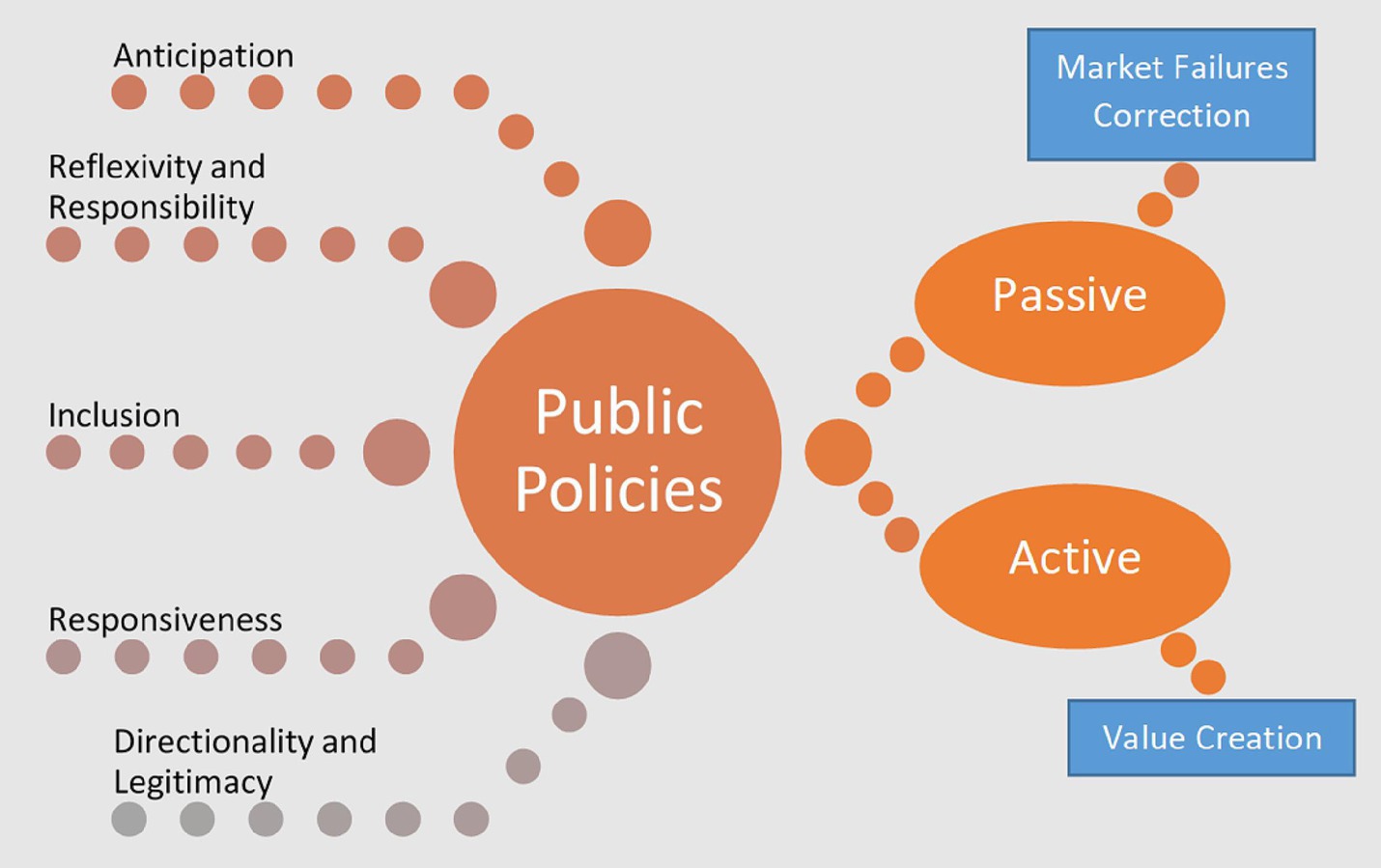
Figure 1. Ecosystem of public policy’s role in facilitating knowledge and technology transfer to address current global challenges.
Are we doing enough to face these challenges? Are we doing enough to save our planet? Collectively, our behaviour undoubtedly changed during the COVID-19 pandemic even though its consequences were unknown, so why do we not act collectively when we are fully aware of the irreversible damage we are causing to our planet? Should countries pursue economic growth using the same (damaged) framework or should they replace this framework with a holistic process in pursuit of sustainable development?
This complexity can only be addressed through, an interdisciplinary approach. From the economic perspective, it is important to understand how markets, resource allocation, and incentives can foster or hinder sustainable development. Political science can further explore governance structures and stakeholder dynamics that influence policy implementation. Finally, environmental studies emphasise the long-term impacts of policy measures on ecosystems and biodiversity, and provide an ecological framework for sustainability. By integrating these dimensions, we can develop more holistic strategies that balance economic growth with social equity and environmental conservation. Based on this approach, we propose several actionable measures for policymakers that aim to align innovation-driven policies with the SDGs. We believe these measures provide a richer context for assessing the synergies and trade-offs in public policy, making the recommendations more robust and globally applicable.
3 Actionable recommendations
The question we should be asking is: how can countries move into mandatory sustainable development and improve living standards across all regions? A public policy for innovation obviously plays a major role here turning Adam Smith’s invisible hand into a visible one to achieve sustainable development. When this desirable shift is made, public policy supporting innovation that funds both public and private institutions is beneficial if it strives to benefit society as a whole and not only business and commerce. Innovation is thus vital to fostering sustainable development (Silvestre and Ţîrcă, 2019) and public policy must adopt innovative instruments in several domains that impact SDGs. Building on this foundation, we propose several innovative measures (Table 1), that ensure each initiative aligns with its potential impact on the SDGs (Figure 2). These complementary measures allow innovation-driven policies to be effectively geared towards holistic sustainable development.
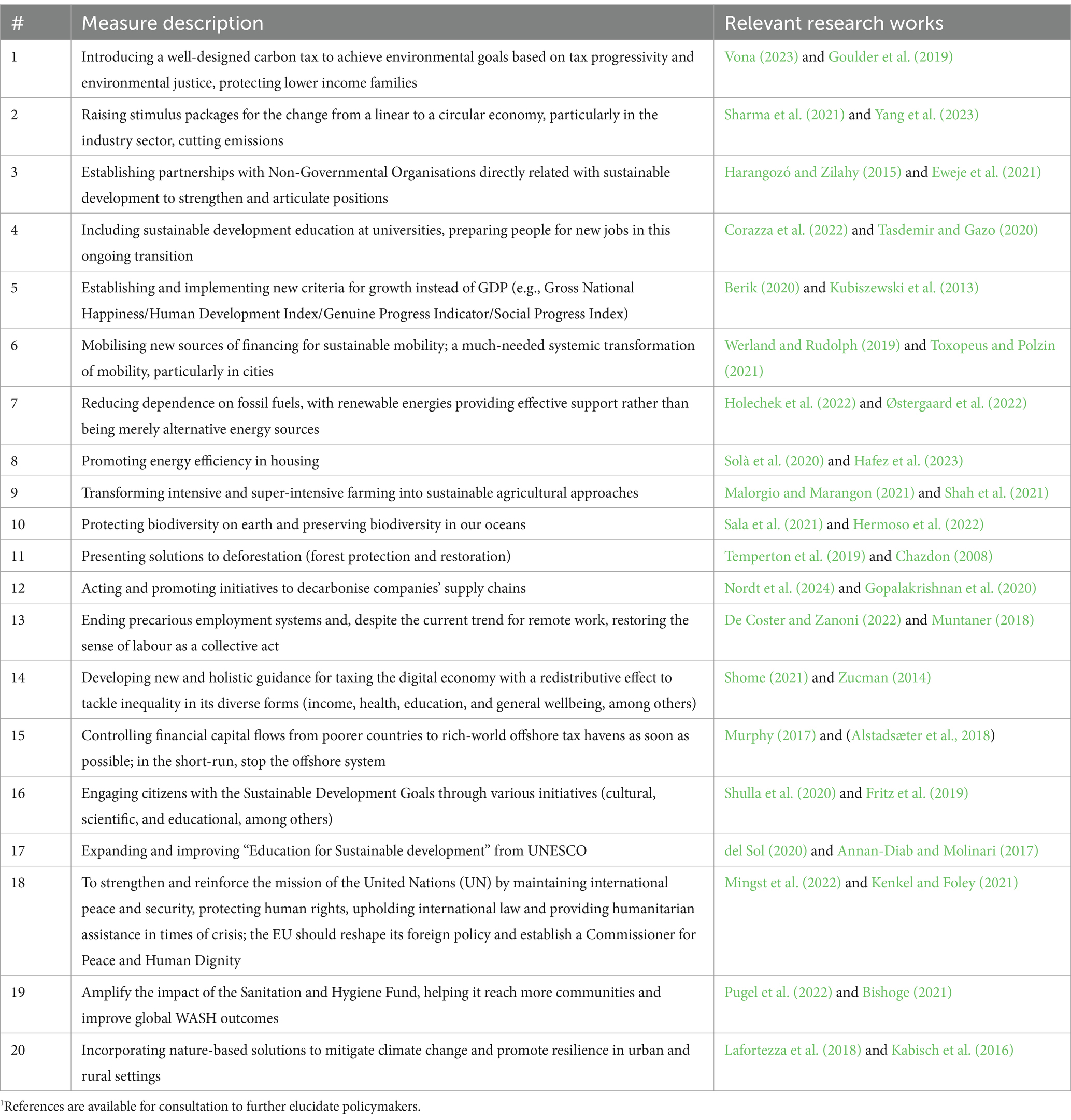
Table 1. Description of proposed innovative measures.1
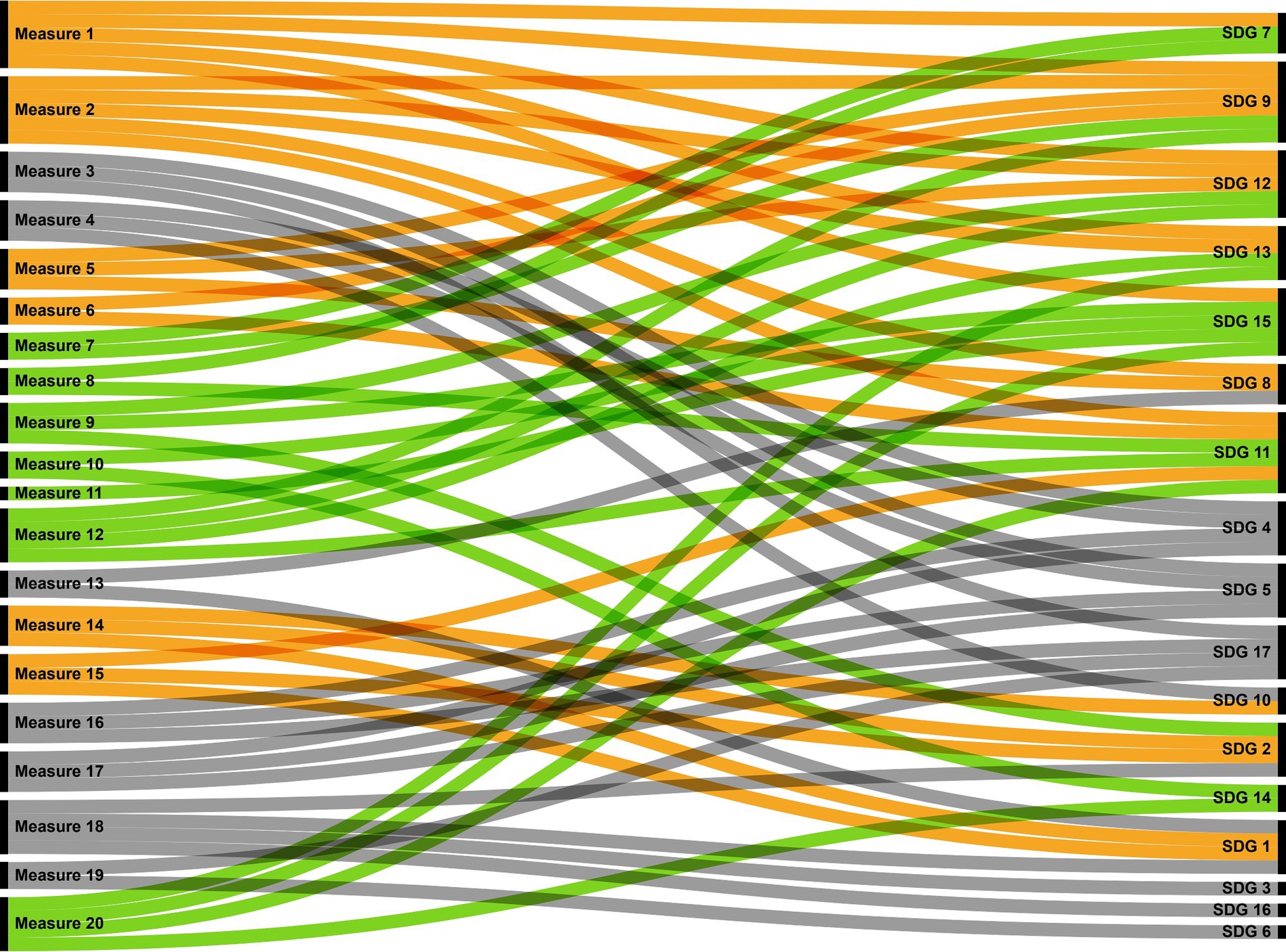
Figure 2. Alluvial diagram illustrating the impacts of the proposed innovative measures (1–20) on each SDG.  Economic measures,
  Policy measures,
  Environmental measures.
Regardless of the merits of the abovementioned innovative measures, their implementation and impact on SDGs depend on the typology of public policy adopted (from RCT to PT and LF). The following are examples of public policies that successfully incorporated innovation to achieve SDGs: the implementation of sustainable palm oil certification under the RCT framework (Rizal et al., 2021), the advance towards sustainable urban transport within the PT framework (May, 2013), and the promotion of sustainable consumption through the LF framework (Quist and Tukker, 2013). However, as noted by Borrás and Edquist (2019) there is no one-size-fits-all solution.
Public policy and perception is dependent upon the country\region. The COVID-19 measures clearly demonstrate the differences in people’s reactions to uniformised public policies across European countries (Sabat et al., 2020). In addition, stakeholders’ perceptions of public policy even differ within the same country; a deeper understanding of context leads to more informed decision making and thus more effective public policies (Ramirez and Belcher, 2019). Moreover, as measures might need to be adapted to address geographical differences, notably between developed and developing countries, as this would improve their global applicability (Xu et al., 2020). Whereas developed countries should prioritise environmental and social sustainable development in their policies, developing countries should concentrate on economic and social sustainable development, recognising the interconnectedness of these dimensions (Swain, 2018). Despite the variations between and within nations, public policies that foster innovation for sustainable development can always be enhanced.
In addition to this intricate global landscape, it is important to highlight the tensions between RI and the political and economic realities faced by policymakers. For example, aligning long-term sustainability goals with short-term political agendas and economic pressures is often challenging (Bornemann and Weiland, 2021). Moreover, implementing RI in less developed or politically unstable regions may be difficult due to limited resources and governance issues (Hartley et al., 2019). When devising public policies for sustainable development, policymakers must thoroughly evaluate the synergies and trade-offs between them and take the unique circumstances of each country into account (Lyytimäki et al., 2021). Country-specific assessments are fundamental for effective public policies that advance global sustainable development (Murphy et al., 2023). Figure 3 provides a dynamic framework for evaluating how the proposed innovative measures might contribute to sustainable development in different countries. This approach promotes tailored solutions, ensures equitable outcomes, and strengthens international cooperation.
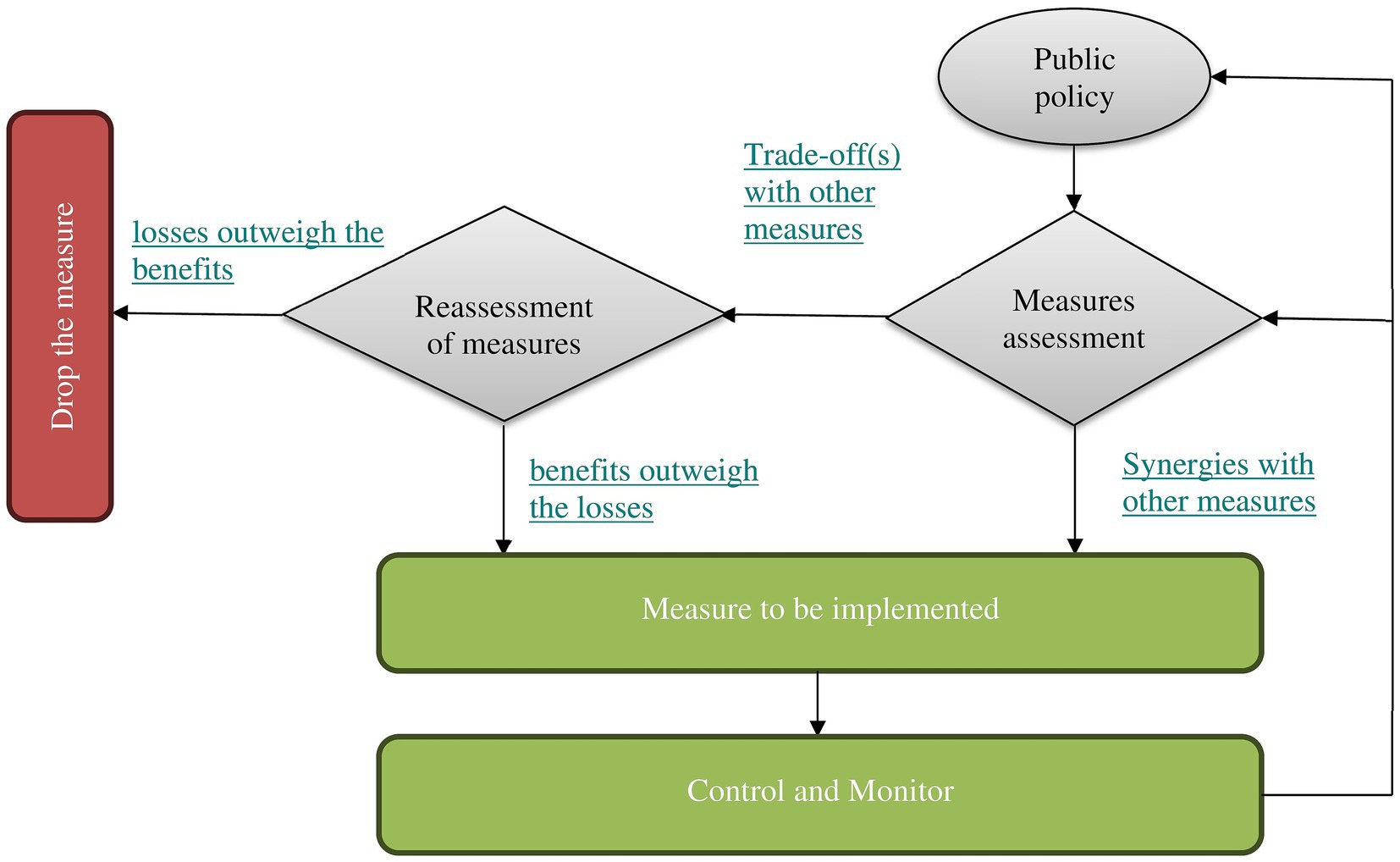
Figure 3. Framework for assessing the impact of innovative measures on sustainable development across diverse national contexts.
4 Conclusion
It is essential to recognise that policy makers are not doing enough to promote the 2030 and post-2030 Agendas for sustainable development and should take immediate action to correct this (Pradhan, 2023). Hence, we propose innovative instruments aimed at promoting sustainable development within the public policy framework. These instruments focus on creating an ecosystem where public policy actively facilitates knowledge and technology transfer (see Figure 1), alongside a holistic approach that supports the implementation of the proposed measures to address the SDGs (see Table 1). Acknowledging that there is no single solution to today’s complex and dynamic global challenges, our approach emphasises inclusive public policies that encourage responsible innovation for greater societal benefit in the realm of sustainable development, avoiding a “de-risking” approach.
Adjustments should be made to public policies supporting innovation for sustainable development in line with the idiosyncrasies of each country. In addition, there should be supranational guidance to foster support and solidarity in sustainable domains from developed to developing countries; this should not be merely through the transfer of money (COP27 Summit in Egypt) but by enhancing knowledge sharing, collaboration and exchanging programmes such as UNESCO’s Education for Sustainable Development.
The future is now, and the policy makers’ inertia is causing huge and potentially irreversible damage to our planet and to all of us; the United Nations (UN) Secretary-General, António Guterres, recognised this in June 2023 at the start of a two-day international meeting titled “Stockholm+50: A healthy planet for the prosperity of all—our responsibility, our opportunity.”
Finally, military activities exacerbate climate change and biodiversity loss and are often overshadowed by national security concerns, hampering global environmental efforts and international cooperation (Idachaba, 2023). To address these challenges, policymakers must prioritise stronger international frameworks that ensure continued progress on sustainability even during periods of geopolitical instability (Vogler, 2024). The UN’s role as a champion of global peace and security through conflict resolution and collective action should therefore be strengthened. “Promoting peace is the humanistic and planetary conscience” (Vuong et al., 2024, p. 1089). If this conscience were sharpened, it would serve as a starting point for implementing and advancing public policies for innovation aimed at achieving sustainable development that benefits citizens worldwide.
Author contributions
GB: Conceptualization, Formal analysis, Investigation, Methodology, Resources, Writing – original draft. MR: Project administration, Supervision, Validation, Writing – review & editing.
Funding
The author(s) declare that no financial support was received for the research, authorship, and/or publication of this article.
Acknowledgments
The authors wish to thank the editor of the Frontiers in Sustainability and the three reviewers for suggesting revisions that significantly improved the paper.
Conflict of interest
The authors declare that the research was conducted in the absence of any commercial or financial relationships that could be construed as a potential conflict of interest.
Publisher’s note
All claims expressed in this article are solely those of the authors and do not necessarily represent those of their affiliated organizations, or those of the publisher, the editors and the reviewers. Any product that may be evaluated in this article, or claim that may be made by its manufacturer, is not guaranteed or endorsed by the publisher.
References
Alstadsæter, A., Johannesen, N., and Zucman, G. (2018). Who owns the wealth in tax havens? Macro evidence and implications for global inequality. J. Public Econ. 162, 89–100. doi: 10.1016/j.jpubeco.2018.01.008
Annan-Diab, F., and Molinari, C. (2017). Interdisciplinarity: practical approach to advancing education for sustainability and for the sustainable development goals. Int. J. Manag. Educ. 15, 73–83. doi: 10.1016/j.ijme.2017.03.006
Ansell, C., and Torfing, J. (2014). Public innovation through collaboration and design. Oxford: Taylor & Francis.
Antoniades, A., Widiarto, I., and Antonarakis, A. S. (2020). Financial crises and the attainment of the SDGs: an adjusted multidimensional poverty approach. Sustain. Sci. 15, 1683–1698. doi: 10.1007/s11625-019-00771-z
Ashford, N. A., and Hall, R. P. (2011). The importance of regulation-induced innovation for sustainable development. Sustain. For. 3, 270–292. doi: 10.3390/su3010270
Barbier, E. B. (2020). Greening the post-pandemic recovery in the G20. Environ. Resour. Econ. 76, 685–703. doi: 10.1007/s10640-020-00437-w
Bashir, M. F., Shahbaz, M., Malik, M. N., Ma, B., and Wang, J. (2023). Energy transition, natural resource consumption and environmental degradation: the role of geopolitical risk in sustainable development. Resour. Policy 85, 103985–103910. doi: 10.1016/j.resourpol.2023.103985
Berik, G. (2020). Measuring what matters and guiding policy: an evaluation of the genuine progress indicator. Int. Labour Rev. 159, 71–94. doi: 10.1111/ilr.12153
Bishoge, O. K. (2021). Challenges facing sustainable water supply, sanitation and hygiene achievement in urban areas in sub-Saharan Africa. Local Environ. 26, 893–907. doi: 10.1080/13549839.2021.1931074
Bogers, M., Chesbrough, H., and Moedas, C. (2018). Open innovation: Research, practices, and policies. California management review. 60, 5–16. doi: 10.1177/0008125617745086
Borins, S. (2001). Public management innovation: toward a global perspective. Am. Rev. Public Adm. 31, 5–21. doi: 10.1177/02750740122064802
Bornemann, B., and Weiland, S. (2021). The UN 2030 agenda and the quest for policy integration: a literature review. Polit. Govern. 9, 96–107. doi: 10.17645/pag.v9i1.3654
Borrás, S. (2011). Policy learning and organizational capacities in innovation policies. Sci. Public Policy 38, 725–734. doi: 10.3152/030234211X13070021633323
Borrás, S., and Edquist, C. (2019). Holistic innovation policy: theoretical foundations, policy problems, and instrument choices. New York: Oxford University Press.
Bouzguenda, I., Alalouch, C., and Fava, N. (2019). Towards smart sustainable cities: a review of the role digital citizen participation could play in advancing social sustainability. Sustain. Cities Soc. 50, 101627–101615. doi: 10.1016/j.scs.2019.101627
Brás, G. R., and Moniz, A. B. (2021). EU’s 7-year budget and pandemic recovery package: last call for a new entrepreneurship paradigm? World Futures 77, 591–612. doi: 10.1080/02604027.2021.1984156
Buchmann, T., Dreyer, M., Müller, M., and Pyka, A. (2023). Editorial: responsible research and innovation as a toolkit: indicators, application, and context. Front. Res. Met. Anal. 8, 1–3. doi: 10.3389/frma.2023.1267951
Bulfone, F., Ergen, T., and Kalaitzake, M. (2022). No strings attached: corporate welfare, state intervention, and the issue of conditionality. Compet. Change 27, 253–276. doi: 10.1177/10245294221101145
Burget, M., Bardone, E., and Pedaste, M. (2017). Definitions and conceptual dimensions of responsible research and innovation: a literature review. Sci. Eng. Ethics 23, 1–19. doi: 10.1007/s11948-016-9782-1
Busemeyer, M. R., and Thelen, K. (2020). Institutional sources of business power. World Polit. 72, 448–480. doi: 10.1017/S004388712000009X
Cairney, P. (2019). Understanding public policy: theories and issues. New York: Bloomsbury Publishing.
Carneiro, A., Portugal, P., and Varejão, J. (2014). Catastrophic job destruction during the Portuguese economic crisis. J. Macroecon. 39, 444–457. doi: 10.1016/j.jmacro.2013.09.018
Chan, D. Y. L., Lee, S. W. H., and Teh, P.-L. (2024). “Bringing rational choice theory back to reality: understanding low-income older adults’ intention to use mobility apps” in Emerging technologies in business: innovation strategies for competitive advantage. eds. A. O. J. Kwok and P.-L. Teh (Singapore: Springer Nature Singapore), 95–128.
Chazdon, R. L. (2008). Beyond deforestation: restoring forests and ecosystem services on degraded lands. Science 320, 1458–1460. doi: 10.1126/science.1155365
Ciaffi, G., Deleidi, M., and Mazzucato, M. (2024). Measuring the macroeconomic responses to public investment in innovation: evidence from OECD countries. Ind. Corp. Chang. 33, 363–382. doi: 10.1093/icc/dtae005
Corazza, L., Cottafava, D., and Torchia, D. (2022). Education for sustainable development: a critical reflexive discourse on a transformative learning activity for business students. Environ. Dev. Sustain. 1–21. doi: 10.1007/s10668-022-02335-1
Courvisanos, J. (2005). A post-Keynesian innovation policy for sustainable development. Int. J. Environ. Workplace Employ. 1, 187–202. doi: 10.1504/IJEWE.2005.006384
De Coster, M., and Zanoni, P. (2022). More than Prefigurative politics? Redefining institutional frames to reduce precarity under neoliberal capitalism. Organ. Stud. 44, 939–960. doi: 10.1177/01708406221113110
del Sol, P. A. E. (2020). “Education for sustainable development: strategies and key issues” in Quality education. eds. W. Leal Filho, A. M. Azul, L. Brandli, P. G. Özuyar, and T. Wall (Cham: Springer International Publishing), 258–272.
Eweje, G., Sajjad, A., Nath, S. D., and Kobayashi, K. (2021). Multi-stakeholder partnerships: a catalyst to achieve sustainable development goals. Mark. Intell. Plan. 39, 186–212. doi: 10.1108/MIP-04-2020-0135
Fritz, S., See, L., Carlson, T., Haklay, M., Oliver, J. L., Fraisl, D., et al. (2019). Citizen science and the United Nations sustainable development goals. Nat. Sustain. 2, 922–930. doi: 10.1038/s41893-019-0390-3
Gopalakrishnan, S., Granot, D., Granot, F., Sošić, G., and Cui, H. (2020). Incentives and emission responsibility allocation in supply chains. Manag. Sci. 67, 4172–4190. doi: 10.1287/mnsc.2020.3724
Goulder, L. H., Hafstead, M. A. C., Kim, G., and Long, X. (2019). Impacts of a carbon tax across US household income groups: what are the equity-efficiency trade-offs? J. Public Econ. 175, 44–64. doi: 10.1016/j.jpubeco.2019.04.002
Granstrand, O., and Holgersson, M. (2020). Innovation ecosystems: a conceptual review and a new definition. Technovation 90-91, 102098–102012. doi: 10.1016/j.technovation.2019.102098
Guellec, D., and Wunsch-Vincent, S. (2009). “Policy responses to the economic crisis: Investing in innovation for long-term growth”, in OECD digital economy papers, no. 159. Paris: OECD Publishing.
Hafez, F. S., Sa'di, B., Safa-Gamal, M., Taufiq-Yap, Y. H., Alrifaey, M., Seyedmahmoudian, M., et al. (2023). Energy efficiency in sustainable buildings: a systematic review with taxonomy, challenges, motivations, methodological aspects, recommendations, and pathways for future research. Energ. Strat. Rev. 45, 101013–101030. doi: 10.1016/j.esr.2022.101013
Harangozó, G., and Zilahy, G. (2015). Cooperation between business and non-governmental organizations to promote sustainable development. J. Clean. Prod. 89, 18–31. doi: 10.1016/j.jclepro.2014.10.092
Hartley, S., McLeod, C., Clifford, M., Jewitt, S., and Ray, C. (2019). A retrospective analysis of responsible innovation for low-technology innovation in the global south. J. Respons. Innov. 6, 143–162. doi: 10.1080/23299460.2019.1575682
Hermoso, V., Carvalho, S. B., Giakoumi, S., Goldsborough, D., Katsanevakis, S., Leontiou, S., et al. (2022). The EU biodiversity strategy for 2030: opportunities and challenges on the path towards biodiversity recovery. Environ. Sci. Pol. 127, 263–271. doi: 10.1016/j.envsci.2021.10.028
Hoeffler, C., Hofmann, S. C., and Mérand, F. (2024). The polycrisis and EU security and defence competences. J. Eur. Publ. Policy 31, 3224–3248. doi: 10.1080/13501763.2024.2362762
Holechek, J. L., Geli, H. M. E., Sawalhah, M. N., and Valdez, R. (2022). A global assessment: can renewable energy replace fossil fuels by 2050? Sustain. For. 14, 1–22. doi: 10.3390/su14084792
Idachaba, E. U. (2023). “Military-focused security” in The Palgrave encyclopedia of global security studies. eds. S. N. Romaniuk and P. N. Marton (Cham: Springer International Publishing), 959–971.
Ifanti, A. A., Argyriou, A. A., Kalofonou, F. H., and Kalofonos, H. P. (2013). Financial crisis and austerity measures in Greece: their impact on health promotion policies and public health care. Health Policy 113, 8–12. doi: 10.1016/j.healthpol.2013.05.017
Kabisch, N., Frantzeskaki, N., Pauleit, S., Naumann, S., Davis, M., Artmann, M., et al. (2016). Nature-based solutions to climate change mitigation and adaptation in urban areas: perspectives on indicators, knowledge gaps, barriers, and opportunities for action. Ecol. Soc. 21, 1–15. doi: 10.5751/ES-08373-210239
Kenkel, K. M., and Foley, C. (2021). Responding to the crisis in United Nations peace operations. Contemp. Secur. Policy 42, 189–196. doi: 10.1080/13523260.2021.1899543
Kiendrebeogo, Y., Assimaidou, K., and Tall, A. (2017). Social protection for poverty reduction in times of crisis. J. Policy Model 39, 1163–1183. doi: 10.1016/j.jpolmod.2017.09.003
Kirchherr, J., Piscicelli, L., Bour, R., Kostense-Smit, E., Muller, J., Huibrechtse-Truijens, A., et al. (2018). Barriers to the circular economy: evidence from the European Union (EU). Ecol. Econ. 150, 264–272. doi: 10.1016/j.ecolecon.2018.04.028
Kubiszewski, I., Costanza, R., Franco, C., Lawn, P., Talberth, J., Jackson, T., et al. (2013). Beyond GDP: measuring and achieving global genuine progress. Ecol. Econ. 93, 57–68. doi: 10.1016/j.ecolecon.2013.04.019
Lafortezza, R., Chen, J., van den Bosch, C. K., and Randrup, T. B. (2018). Nature-based solutions for resilient landscapes and cities. Environ. Res. 165, 431–441. doi: 10.1016/j.envres.2017.11.038
Lin, B., and Zhu, J. (2019). Determinants of renewable energy technological innovation in China under CO2 emissions constraint. J. Environ. Manag. 247, 662–671. doi: 10.1016/j.jenvman.2019.06.121
Luo, B. N., Tang, Y., Chen, E. W., Li, S., and Luo, D. (2020). Corporate sustainability paradox management: a systematic review and future agenda. Front. Psychol. 11, 1–15. doi: 10.3389/fpsyg.2020.579272
Lyytimäki, J., Lonkila, K.-M., Furman, E., Korhonen-Kurki, K., and Lähteenoja, S. (2021). Untangling the interactions of sustainability targets: synergies and trade-offs in the northern European context. Environ. Dev. Sustain. 23, 3458–3473. doi: 10.1007/s10668-020-00726-w
Maggor, E. (2020). The politics of innovation policy: building Israel’s “neo-developmental” state. Polit. Soc. 49, 451–487. doi: 10.1177/0032329220945527
Malorgio, G., and Marangon, F. (2021). Agricultural business economics: the challenge of sustainability. Agric. Food Econ. 9, 1–4. doi: 10.1186/s40100-021-00179-3
Martin, R., Unsworth, S., Valero, A., and Verhoeven, D. (2020). “Innovation for a strong and sustainable recovery” in Centre for economic performance (London: London School of Economics and Political Sciences).
May, A. D. (2013). Urban transport and sustainability: the key challenges. Int. J. Sustain. Transp. 7, 170–185. doi: 10.1080/15568318.2013.710136
Mazzucato, M. (2015). The entrepreneurial state: debunking public vs. private sector myths. New York: PublicAffairs.
Mazzucato, M., and Dibb, G. (2020). “Innovation policy and industrial strategy for post-Covid economic recovery” in Policy brief series (London: UCL Institute for Innovation Public Purpose).
Mazzucato, M., and Semieniuk, G. (2017). Public financing of innovation: new questions. Oxf. Rev. Econ. Policy 33, 24–48. doi: 10.1093/oxrep/grw036
McCord, A. (2010). The impact of the global financial crisis on social protection in developing countries. Int. Soc. Secur. Rev. 63, 31–45. doi: 10.1111/j.1468-246X.2010.01360.x
Mingst, K. A., Karns, M. P., and Lyon, A. J. (2022). The United Nations in the 21st century. New York: Routledge.
Mohseni-Cheraghlou, A. (2016). The aftermath of financial crises: a look on human and social wellbeing. World Dev. 87, 88–106. doi: 10.1016/j.worlddev.2016.06.001
Moretti, E., Steinwender, C., and Van Reenen, J. (2023). The intellectual spoils of war? Defense R&D, productivity, and international spillovers. Rev. Econ. Stat., 1–46. doi: 10.1162/rest_a_01293
Muntaner, C. (2018). Digital platforms, gig economy, precarious employment, and the invisible hand of social class. Int. J. Health Serv. 48, 597–600. doi: 10.1177/0020731418801413
Murphy, E., Walsh, P. P., and Murphy, E. (2023). Nation-based peer assessment of Europe’s sustainable development goal performance. PLoS One 18, e0287771–e0287718. doi: 10.1371/journal.pone.0287771
Nguyen, D. T., Le, T. H., Do, D. D., and Nguyen, H. N. (2023). Does geopolitical risk hinder sustainable development goals? Evidence from a panel analysis. J. Environ. Manag. 347, 119204–119214. doi: 10.1016/j.jenvman.2023.119204
Nordt, A., Raven, R., Malekpour, S., and Sharp, D. (2024). Decarbonising industry supply chains: incumbent-oriented transition intermediation for industry energy transition. Environ. Innov. Soc. Trans. 51, 100843–100814. doi: 10.1016/j.eist.2024.100843
Novelli, M. (2023). Historicising the geopolitics of education and the SDGs: from Western hegemony to a multi-polar world? Int. J. Educ. Dev. 103, 102925–102923. doi: 10.1016/j.ijedudev.2023.102925
Nunes, S., Cooke, P., and Grilo, H. (2021). “Green-sphere circular experiences and well-being along the road: Portugal from north to south” in Tourism innovation in Spain and Portugal. eds. V. Ratten, J. Leitão, and V. Braga (Cham: Springer), 89–111.
Ockwell, D., and Byrne, R. (2016). Improving technology transfer through national systems of innovation: climate relevant innovation-system builders (CRIBs). Clim. Pol. 16, 836–854. doi: 10.1080/14693062.2015.1052958
Oehler, R. L., and Vega, V. R. (2021). Conquering COVID: how global vaccine inequality risks prolonging the pandemic. Open Forum Infect. Dis. 8, 1–3. doi: 10.1093/ofid/ofab443
Oh, D.-S., Phillips, F., Park, S., and Lee, E. (2016). Innovation ecosystems: a critical examination. Technovation 54, 1–6. doi: 10.1016/j.technovation.2016.02.004
Østergaard, P. A., Duic, N., Noorollahi, Y., and Kalogirou, S. (2022). Renewable energy for sustainable development. Renew. Energy 199, 1145–1152. doi: 10.1016/j.renene.2022.09.065
Pradhan, P. (2023). A threefold approach to rescue the 2030 agenda from failing. Natl. Sci. Rev. 10, 1–3. doi: 10.1093/nsr/nwad015
Pugel, K., Javernick-Will, A., Peabody, S., Nyaga, C., Mussa, M., Mekonta, L., et al. (2022). Pathways for collaboratively strengthening water and sanitation systems. Sci. Total Environ. 802, 149854–149815. doi: 10.1016/j.scitotenv.2021.149854
Quist, J., and Tukker, A. (2013). Knowledge collaboration and learning for sustainable innovation and consumption: introduction to the ERSCP portion of this special volume. J. Clean. Prod. 48, 167–175. doi: 10.1016/j.jclepro.2013.03.051
Ramirez, L. F., and Belcher, B. M. (2019). Stakeholder perceptions of scientific knowledge in policy processes: a Peruvian case-study of forestry policy development. Sci. Public Policy 46, 504–517. doi: 10.1093/scipol/scz003
Rizal, A. R. A., Nordin, S. M., Hussin, S. H., and Hussin, S. R. (2021). Beyond rational choice theory: Multifaceted determinants of participation in palm oil sustainable certification amongst smallholders in Malaysia. Front. Sustain. Food Syst. 5, 1–9. doi: 10.3389/fsufs.2021.638296
Sabat, I., Neuman-Böhme, S., Varghese, N. E., Barros, P. P., Brouwer, W., van Exel, J., et al. (2020). United but divided: policy responses and people's perceptions in the EU during the COVID-19 outbreak. Health Policy 124, 909–918. doi: 10.1016/j.healthpol.2020.06.009
Sala, E., Mayorga, J., Bradley, D., Cabral, R. B., Atwood, T. B., Auber, A., et al. (2021). Protecting the global ocean for biodiversity, food and climate. Nature 592, 397–402. doi: 10.1038/s41586-021-03371-z
Santarius, T., Walnum, H. J., and Aall, C. (2018). From unidisciplinary to multidisciplinary rebound research: lessons learned for comprehensive climate and energy policies. Front. Energy Res. 6, 1–10. doi: 10.3389/fenrg.2018.00104
Schillinger, J., Özerol, G., and Heldeweg, M. (2022). A social-ecological systems perspective on the impacts of armed conflict on water resources management: case studies from the Middle East. Geoforum 133, 101–116. doi: 10.1016/j.geoforum.2022.05.001
Schomberg, L. V., and Blok, V. (2021). Technology in the age of innovation: responsible innovation as a new subdomain within the philosophy of technology. Philos. Technol. 34, 309–323. doi: 10.1007/s13347-019-00386-3
Schomberg, R. V. (2019). “International handbook on responsible innovation” in Why responsible innovation? eds. R. V. Schomberg and J. Hankins (Cheltenham, UK: Edward Elgar Publishing), 12–32.
Shah, K. K., Modi, B., Pandey, H. P., Subedi, A., Aryal, G., Pandey, M., et al. (2021). Diversified crop rotation: an approach for sustainable agriculture production. Adv. Agric. 2021, 1–9. doi: 10.1155/2021/8924087
Sharma, H. B., Vanapalli, K. R., Samal, B., Cheela, V. R. S., Dubey, B. K., and Bhattacharya, J. (2021). Circular economy approach in solid waste management system to achieve UN-SDGs: solutions for post-COVID recovery. Sci. Total Environ. 800, 149605–149619. doi: 10.1016/j.scitotenv.2021.149605
Shome, P. (2021). “Taxation of digital economy” in Taxation history, theory, law and administration. ed. P. Shome (Cham: Springer International Publishing), 387–404.
Shulla, K., Leal Filho, W., Sommer, J. H., Lange Salvia, A., and Borgemeister, C. (2020). Channels of collaboration for citizen science and the sustainable development goals. J. Clean. Prod. 264:121735. doi: 10.1016/j.jclepro.2020.121735
Silvestre, B. S., and Ţîrcă, D. M. (2019). Innovations for sustainable development: moving toward a sustainable future. J. Clean. Prod. 208, 325–332. doi: 10.1016/j.jclepro.2018.09.244
Solà, M., de, A., Galarraga, I., and Escapa, M. (2020). Promoting energy efficiency at household level: a literature review. Energ. Effic. 14:6. doi: 10.1007/s12053-020-09918-9
Stiglitz, J. (2009). The global crisis, social protection and jobs. Int. Labour Rev. 148, 1–13. doi: 10.1111/j.1564-913X.2009.00046.x
Stilgoe, J., Owen, R., and Macnaghten, P. (2013). Developing a framework for responsible innovation. Res. Policy 42, 1568–1580. doi: 10.1016/j.respol.2013.05.008
Swain, R. B. (2018). “A critical analysis of the sustainable development goals” in Handbook of sustainability science and research. ed. W. Leal Filho (Cham: Springer International Publishing), 341–355.
Taormina, B., Bald, J., Want, A., Thouzeau, G., Lejart, M., Desroy, N., et al. (2018). A review of potential impacts of submarine power cables on the marine environment: knowledge gaps, recommendations and future directions. Renew. Sust. Energ. Rev. 96, 380–391. doi: 10.1016/j.rser.2018.07.026
Tasdemir, C., and Gazo, R. (2020). Integrating sustainability into higher education curriculum through a transdisciplinary perspective. J. Clean. Prod. 265, 121759–121714. doi: 10.1016/j.jclepro.2020.121759
Temperton, V. M., Buchmann, N., Buisson, E., Durigan, G., Kazmierczak, Ł., Perring, M. P., et al. (2019). Step back from the forest and step up to the Bonn challenge: how a broad ecological perspective can promote successful landscape restoration. Restor. Ecol. 27, 705–719. doi: 10.1111/rec.12989
Toxopeus, H., and Polzin, F. (2021). Reviewing financing barriers and strategies for urban nature-based solutions. J. Environ. Manag. 289, 112371–112311. doi: 10.1016/j.jenvman.2021.112371
Uyarra, E., Ribeiro, B., and Dale-Clough, L. (2019). Exploring the normative turn in regional innovation policy: responsibility and the quest for public value. Eur. Plan. Stud. 27, 2359–2375. doi: 10.1080/09654313.2019.1609425
van den Hove, S., McGlade, J., Mottet, P., and Depledge, M. H. (2012). The innovation union: a perfect means to confused ends? Environ. Sci. Pol. 16, 73–80. doi: 10.1016/j.envsci.2011.11.006
Voegtlin, C., and Scherer, A. G. (2017). Responsible innovation and the innovation of responsibility: governing sustainable development in a globalized world. J. Bus. Ethics 143, 227–243. doi: 10.1007/s10551-015-2769-z
Vogler, A. (2024). On (in-)secure grounds: how military forces interact with global environmental change. J. Glob. Secur. Stud. 9, 1–19. doi: 10.1093/jogss/ogad026
Vickers, I., Lyon, F., Sepulveda, L., and McMullin, C. (2017). Public service innovation and multiple institutional logics: The case of hybrid social enterprise providers of health and wellbeing. Research Policy. 46, 1755–1768. doi: 10.1016/j.respol.2017.08.003
Vona, F. (2023). Managing the distributional effects of climate policies: a narrow path to a just transition. Ecol. Econ. 205, 107689–107611. doi: 10.1016/j.ecolecon.2022.107689
Vuong, Q.-H., Nguyen, M.-H., and La, V.-P. (2024). The overlooked contributors to climate and biodiversity crises: military operations and wars. Environ. Manag. 73, 1089–1093. doi: 10.1007/s00267-024-01976-4
Weckert, J., Valdes, H. R., and Soltanzadeh, S. (2016). A problem with societal desirability as a component of responsible research and innovation: the “if we don’t somebody else will” argument. NanoEthics 10, 215–225. doi: 10.1007/s11569-016-0258-1
Werland, S., and Rudolph, F. (2019). Funding and financing of sustainable urban mobility measures: topic guide. Brussels: European Commision.
Wikurendra, E. A., Ferto, I., Nagy, I., and Nurika, G. (2022). Strengths, weaknesses, opportunities, and threats of waste management with circular economy principles in developing countries: a systematic review. Environ. Qual. Manag. 32, 87–94. doi: 10.1002/tqem.21846
Wisman, J. D. (2013). Wage stagnation, rising inequality and the financial crisis of 2008. Camb. J. Econ. 37, 921–945. doi: 10.1093/cje/bes085
Xu, Z., Li, Y., Chau, S. N., Dietz, T., Li, C., Wan, L., et al. (2020). Impacts of international trade on global sustainable development. Nat. Sustain. 3, 964–971. doi: 10.1038/s41893-020-0572-z
Yang, M., Chen, L., Wang, J., Msigwa, G., Osman, A. I., Fawzy, S., et al. (2023). Circular economy strategies for combating climate change and other environmental issues. Environ. Chem. Lett. 21, 55–80. doi: 10.1007/s10311-022-01499-6
Zink, T., and Geyer, R. (2017). Circular economy rebound. J. Ind. Ecol. 21, 593–602. doi: 10.1111/jiec.12545
Keywords: policy-level, responsible innovation, sustainable development, environmental sustainability, innovation-driven policies, public funding, 2030 Agenda, post-2030 Agenda
Citation: Brás GR and Robaina M (2025) Public policy supporting innovation for sustainable development. Front. Sustain. 5:1465493. doi: 10.3389/frsus.2024.1465493
Edited by:
Hamid Mattiello, Fachhochschule des Mittelstands, GermanyReviewed by:
Cristina Zurbriggen, South American Institute for Resilience and Sustainability Studies (SARAS), UruguayBruna A. Branchi, Pontifical Catholic University of Campinas, Brazil
Copyright © 2025 Brás and Robaina. This is an open-access article distributed under the terms of the Creative Commons Attribution License (CC BY). The use, distribution or reproduction in other forums is permitted, provided the original author(s) and the copyright owner(s) are credited and that the original publication in this journal is cited, in accordance with accepted academic practice. No use, distribution or reproduction is permitted which does not comply with these terms.
*Correspondence: Gonçalo Rodrigues Brás, Z29uY2Fsby5icmFzQHVhLnB0