 Dhananjay Chaudhary
 Rajesh Tiwari
 Sanjay Taneja
 Amar Johri
 Moin Uddin
 Zelhuda Shamsuddin
- 1Department of Management Studies, Graphic Era Deemed to be University, Dehradun, India
- 2College of Administrative and Financial Sciences, Saudi Electronic University, Riyadh, Saudi Arabia
- 3Faculty of Business Management, Sultan Zainal Abidin University, Kuala Terengganu, Malaysia
The current research focuses on reviewing the relevant factors responsible for developing a farming community in India. A significant segment of the Indian population depends upon agriculture. For the development of the economy, there must be proper formulation and execution of relevant policies. A review of related studies was conducted to find the dominant variables responsible for developing farming communities and providing sustainable livelihood to farmers. The review brings out some significant variables, and the importance of those variables is justified by the network analysis of how the keywords are used in research. The collective approach of reviewing related studies and keyword analysis helped frame a framework for achieving sustainable livelihood amongst agriculturalists. The current study constructs valuable discernment associated with the facets that need to be concentrated on in ripening the farming sector of the Indian economy. Moreover, the current examination requires an empirical investigation of the variables accentuated in the present contemplation based on a review steered.
1 Introduction
Farmers hold immense economic and social significance to the Indian economy as they are the backbone of the agricultural sector (Mejia MA et al., 2022; Sruthy Madhavan, 2017; Terlau et al., 2019), contributing significantly to GDP (Narayanan, 2015; Shankar and Maraty, 2009), employment (Mahendra Dev, 2017), and food security (Ahmad et al., 2011); their role in rural development (Francis, 2015) and poverty alleviation is crucial (Swanson, 2006), as agriculture supports over half of the Indian population, promotes rural industrialization (Agarwal, 1983), sustains agro-based industries (Paramasivan and Pasupathi, 2023), and ensures social stability by maintaining traditional agrarian lifestyles and fostering community resilience against urban migration and socio-economic disparities (Wilson et al., 2018). With a paradigm shift in our economic policy toward liberalization and privatization since the early 1990s, the government is handing over more land-related projects, leading to Land Acquisition (LA).
Land Acquisition (LA) refers to the legal and administrative procedures by which a government or other authorized entity acquires land from private individuals or other entities for industrialization and urbanization (Purohit et al., 2023); although it is a necessity for infrastructure development, urban expansion, and industrial projects (Gemeda et al., 2023). According to a report by United Nations (2022), by 2050 two-thirds of the world’s population are projected to live in cities. Low and lower-middle-income nations, notably those in Asia and Africa, are likely to have the fastest rates of urbanization. While these initiatives are often seen as essential for economic growth, they have also raised concerns about the displacement of local communities, loss of agricultural land, and environmental impacts. Balancing development needs with social equity and sustainability has thus become a critical challenge in the ongoing process of land acquisition. Farmers often face numerous challenges due to land acquisition, primarily involving the loss of their livelihoods and land, displacement from ancestral land, loss of income and food, they struggle with inadequate compensation (Tuan, 2021). Inadequate compensation can also lead to social and economic instability, as displaced farmers struggle to maintain their previous standards of living, and are not satisfied (Reddy, 2018). It is needed to systematically measure, prioritize, and address agrarian distress in India’s drylands, integrating diverse dimensions like risk exposure, adaptive capacity, and socio-psychological impacts to guide actionable interventions (Reddy et al., 2021). The lack of adequate financial support can hinder their ability to invest in new agricultural practices, access resources, or secure housing in a new location.
Here, valid market valuation of agricultural land is paramount in accomplishing fair remuneration for displaced farmers, assuring they obtain a suitable ROI that reflects the real value of their farmland, thereby strengthening their economic resilience and providing sustainability (Sarkar, 2014). The Indian government has designated explicit laws for land compensation, including the: (a) Right to Fair Compensation, (b) Transparency in Land Acquisition, Rehabilitation, and Resettlement Act. These rules and regulations strive to deliver just compensation, rehabilitation, and resettlement for affected farmers (Cernea, 2008).
For displaced farmers, farmland valuation is very crucial as it provides a sense of security in the form of economic support (de Schutter, 2011). Similarly, fair compensation is one of the significant parameters providing economic strength to the displaced or land-less farmers (Nyongesa et al., 2016). Figure 1 shows the significance of compensation for displaced farmers. However, the effectiveness of the compensations often varies, as discrepancies in land valuation and compensation can lead to dissatisfaction, social unrest, and legal disputes.
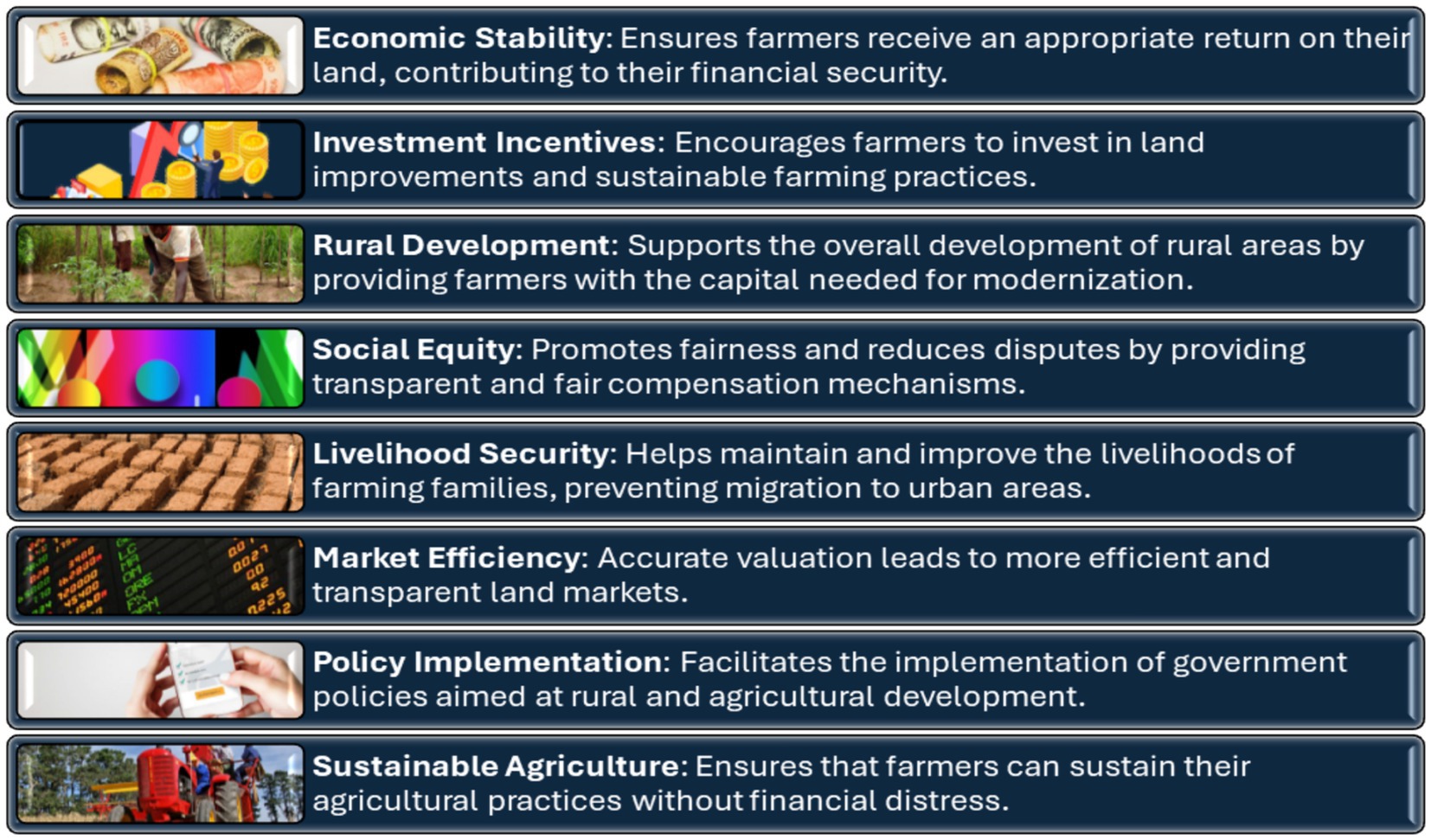
Figure 1. Significance of fair compensation for land-displaced farmers.
The whole procedure of demarcating market value (Brinkley, 2012), nourishing fair compensation (Venteris et al., 2012), and clinging to government regulations (Li et al., 2023) is innately connected to sustainable development (Manna et al., 2021), as it encourages financial resilience (Szálteleki et al., 2024), social equity, moreover, the sustainability of agrarian conventions amidst steady industrialization and urbanization (Thornton, 2018; Zoomers et al., 2017). The shift away from agrarian land for industrial or urban purposes disrupts conventional farming methods which can jeopardize the long-term viability of agricultural communities (McCown, 2002), necessitating rightful remuneration and sustainable evolution approaches (Robèrt et al., 2002).
Resettlement and Rehabilitation for sustainable livelihood plays a significant role in improving the strength of the land-displaced farmers for facing upcoming uncertainties related to different aspects of the farming business (Azumah et al., 2023). Also, if the farmer is economically sound and has a sustainable income food, he will be in the position doing farming in such a way that it promotes SDGs. Considering the present condition of Indian farmers poverty is one of the major issues which can be addressed by making a system ensuring sustainable livelihood for the farmers (Naika et al., 2020). Moreover, this situation will further solve the issue of food security as the farmer will be in the economic condition of affording organic fertilizers and pesticides resulting in making crops, fruits, and vegetables more nutritious and safe (Schoonhoven-Speijer and Ruben, 2015). The objective of sustainable livelihood of the farmers will also solve the problem of rural migration which can act as a curse for the farming business of the Indian economy long run. Sustainable livelihood is significant for ensuring relevant disbursement of educational facilities, healthcare facilities, and other aspects related to human well-being to the biggest employment sector of the Indian economy (He and Li, 2024). By bringing economic stability in the lives of displaced farmers with the help of the integration of a sustainable livelihood system, farmers will be in the position of increasing returns group farming which will further help in the acquisition of more fertile land for the expansion of their businesses (Sun et al., 2023). This will build generational equality and bring empowerment to the lives of displaced farmers.
Farmers’ Sustainable livelihood has become a cause of concern due to the acquisition of agricultural land for industrialization and urbanization, therefore, it is important to determine the most appropriate means of compensation to safeguard their livelihoods. A well-designed R&R policy not only restores their livelihoods but also promotes the United Nations’ Sustainable Development Goals (SDGs), such as ending poverty (SDG 1), ensuring zero hunger (SDG 2), and promoting responsible consumption and production (SDG 12). Additionally, it is necessary to uncover the primary factors that determine the market value of farmland and how the demographic characteristics of farmers influence their compensation and livelihood outcomes. As it is essential for developing policies that ensure fair compensation, promote economic stability, and support sustainable agricultural practices (Kassie et al., 2017). Thus, the research was structured to address the following research questions:
• RQ1. What are the primary factors that determine the market value of farmland?
• RQ2. How do demographic characteristics of farmers influence their compensation and livelihood outcomes?
• RQ3. What role does fair compensation play in achieving sustainable livelihoods for farming communities?
The research questions aim to improve farmers’ conditions. To answer these questions, initially a literature search on the Scopus database was done. Relevant research is cited from the entire dataset to find relationships between the pertinent variables. The answer to the research questions is analyzed through a systematic review of the literature to identify and analyse factors influencing the market value of farmland, utilizing multiple sources to substantiate the hypothesized influences and through relevant statistics considered by the Indian government. Also, keyword analysis in the form of a bibliometric review was conducted to measure the weightage of the variables identified.
2 Literature review
2.1 Market value of farmland
The valuation of agricultural land represents a critical intersection of economic, environmental, and social factors in the modern agricultural sector. The Food and Agriculture Organization (FAO, 2022) identifies multiple key determinants affecting farmland values: soil quality, water availability, climate conditions, location relative to markets, and infrastructure access. Based on such characteristics, an increase or decrease in the market value can be predicted (Bridhikitti et al., 2023). Roy et al. (2017) demonstrate that urban proximity and development potential can significantly inflate agricultural land prices, often exceeding values justified by agricultural returns alone.
Research indicates that land located closer to marketplaces tends to have higher prices compared to areas farther away (Mansaray et al., 2019). Therefore, if an agricultural investor aims to benefit from potential land value appreciation, it is advisable to invest in farmland situated near areas where agricultural products are consumed or processed (Arslan et al., 2017).
2.1.1 Farmland amenities
Researches supporting the factors influencing the market value of farmland has shown that farmland amenities also play a significant role in controlling the market value of agricultural premises (Chaudhary et al., 2020; Zasada, 2011). Farmland amenities encompass various features and services such as irrigation systems, drainage, roads, storage facilities, fencing, shelterbelts, water sources, equipment sheds, livestock facilities, access to markets, utilities, and soil conservation measures, all of which enhance the productivity, sustainability, and operational efficiency of agricultural land (Bergstrom and Ready, 2009; Libby and Irwin, 2003). Considering such amenities on the farm property will effectively help preserve the market value of farmland (Johnston et al., 2001).
2.1.2 Farmland location
The location of farmland is a paramount determinant in its market value, encompassing multiple geographic and economic dimensions. According to spatial economic theory, the proximity of farmland to urban centers significantly influences its value due to potential development opportunities and access to markets (Livanis et al., 2016). Research by (Henderson et al., 2021) indicates that parcels located within 50 miles of metropolitan areas command price premiums of 15–40% compared to similar lands in remote areas. Transportation infrastructure access, including proximity to highways and processing facilities, creates value differentials due to reduced logistics costs and increased market accessibility (Zhang et al., 2020).
2.1.3 Farmland characteristics
Physical and agronomic attributes of farmland constitute fundamental value determinants. Soil quality, measured through parameters such as organic matter content, drainage capacity, and fertility, directly correlates with productive potential and thus market value (Dongmo, 2021; Thompson et al., 2018). Water resources, including rainfall patterns, irrigation infrastructure, and water rights, significantly impact land values, particularly in arid regions where water scarcity is a growing concern (Martinez et al., 2021). Topographical features, such as slope and elevation, affect mechanization potential and erosion risk, thereby influencing valuation (Anderson and Smith, 2017).
2.2 Farmer’s demographics
Research indicates that farmer age, education level, and succession planning significantly influence land acquisition and disposition decisions (Brown et al., 2020). According to the USDA’s Agricultural Resource Management Survey, the aging farmer population (average age 57.5 years) has created distinct market pressures, with retirement-driven sales affecting regional land availability and prices. Education levels correlate with adoption of technological innovations and sustainable practices, which can enhance land value through improved management (Wilson et al., 2019). Female farmers, representing a growing segment of farm operators, often face unique challenges in land acquisition and financing, impacting local market dynamics (Garcia et al., 2022).
2.3 Fair compensation
The market worth of farmland, which significantly coaxes fair compensation to farmers, is determined by factors such as soil quality, water availability, location, land size, current land use, potential for future development, local agricultural economy, government policies, and market demand (Krishna et al., 2013). This ensures that farmers receive an equitable price, contemplating the land’s agrarian productivity and investment prospects. Fair compensation refers to the appropriateness of money received by agricultural workers against their work on the farms. Fair compensation to farm workers has been a challenging policy implementation segment for the Indian government. The problem of fair compensation for Indian farmers is deeply rooted in issues like fragmented land holdings, inadequate market infrastructure, fluctuating crop prices, lack of access to credit, limited bargaining power, delayed payments, intermediaries’ exploitation, and insufficient government support, leading to financial instability and distress among the farming community. If the government desires agriculturalists to attain sustainable livelihood, it must enforce policies ensuring fair compensation to farmers.
2.4 Sustainable livelihood
Sustainable livelihood refers to the situation where farmers are in the condition of maintaining a reasonable standard of living constantly without compromising the resources they own. A sustainable livelihood for farming communities is one that not only ensures long-term financial stability and resilience against economic shocks but also promotes environmental conservation by adopting sustainable farming practices, enhances social well-being by improving access to education, healthcare, and nutritious food, supports community cohesion and reduces rural–urban migration, ensures intergenerational equity by preserving land and resources for future generations, and empowers farmers with the necessary knowledge, resources, and economic means to make informed decisions about their livelihoods, thereby contributing to overall rural development and national food security (Jackson and Balema, 2020). It has been assessed that fair compensation is a dominant factor impacting sustainable livelihood. Figure 2 signifies the significance of Sustainable livelihood.
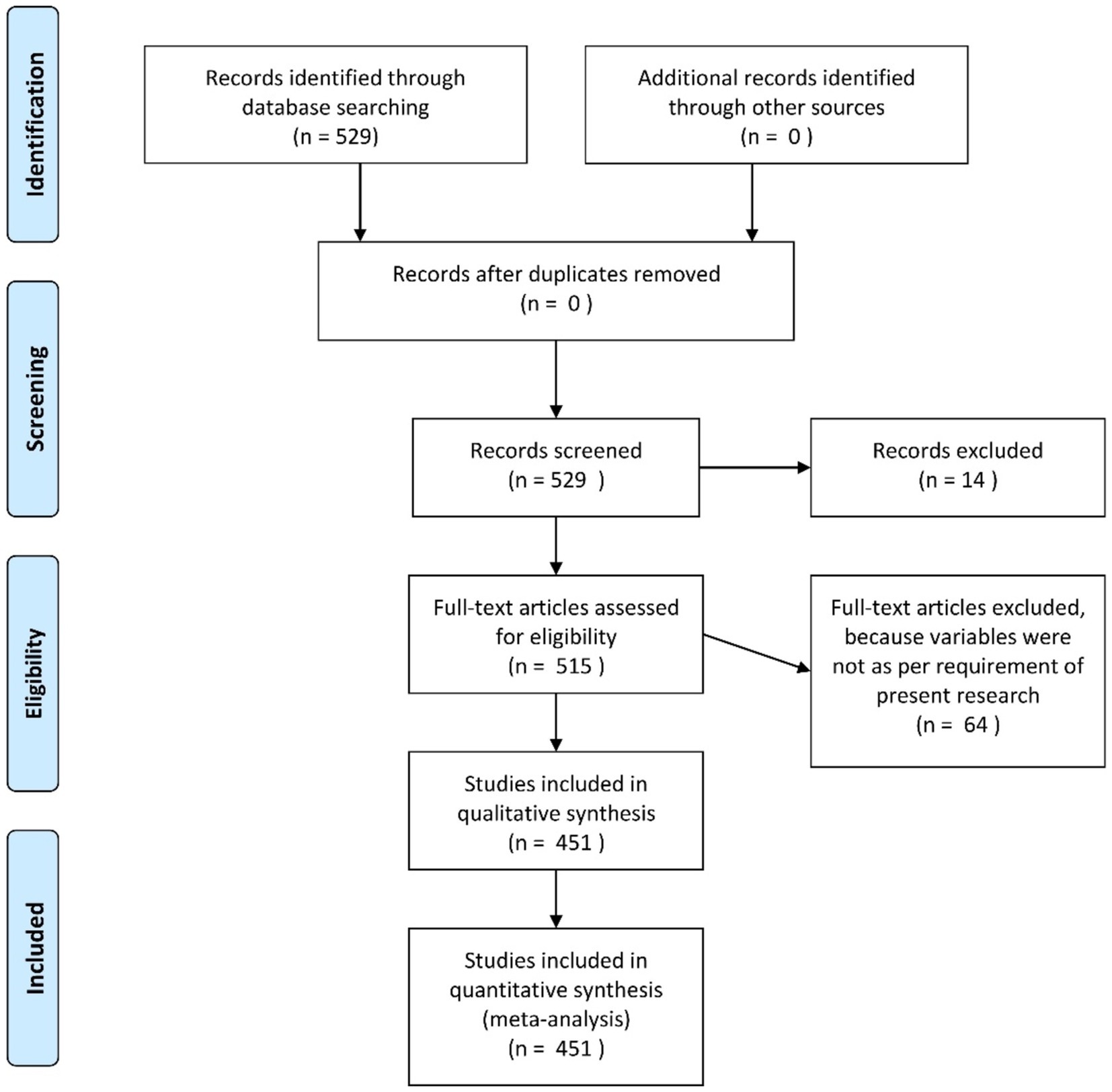
Figure 2. Methodology diagram.
3 Methodology
The present section of research dives into the related studies of literature available related to research questions. The literature review section is crucial as it provides a comprehensive overview of existing research, identifies gaps in knowledge, establishes the context and relevance of the current study, and demonstrates the researcher’s depth of understanding and engagement with the scholarly community (Rosário and Boechat, 2024). As presented in Figure 3, this research follows the guidelines provided by the Preferred Reporting Items for Systematic Reviews and Meta-Analyses (PRISMA) statement, which includes four phases: identification, screening, eligibility, and inclusion (Moher et al., 2011; Page et al., 2021).
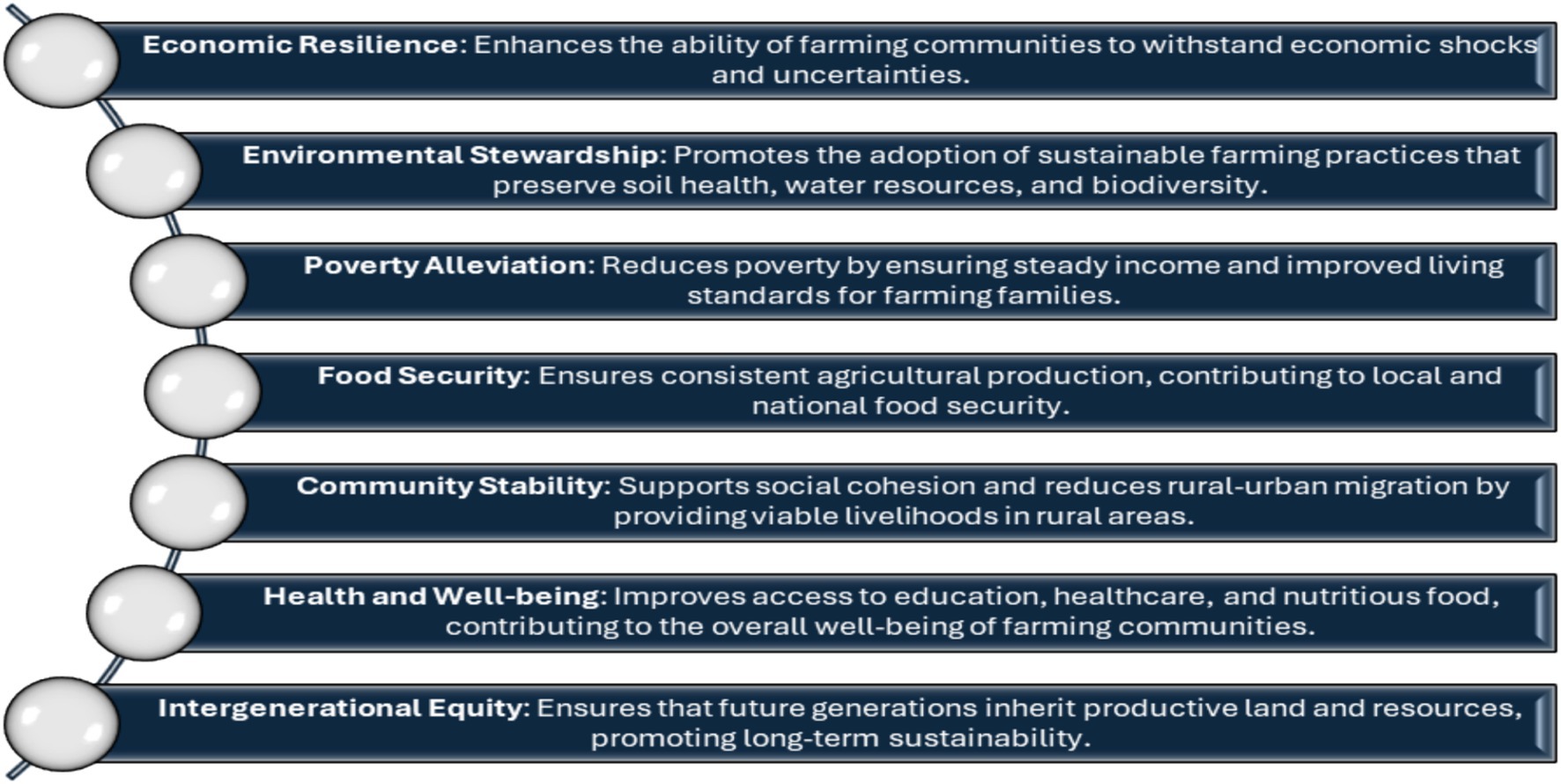
Figure 3. Significance of sustainable livelihood.
3.1 Article identification
To get the answers to research questions, the following keywords were typed on the search tab of Scopus to have an overview of the number of research printed related to the given topic of research: “farmland value” OR “agricultural land value” OR “market value” AND “land price” OR “land valuation” AND “determinants” OR “factors” AND “agricultural economics.” An aggregate of 529 documents emerged as search outcomes, grounds for experimenting with the potency of the consequence of the variables employed in past analyses.
3.2 Article screening
The second stage of PRISMA guidelines involves article screening from the reputed database and excluding 14 articles.
3.3 Eligibility
515 full-text articles were assessed for eligibility based on elimination based on language (texts available only in English were considered), 64 were excluded for not meeting research criteria, and 451 studies were included in both qualitative and quantitative synthesis (meta-analysis).
The time frame of the research considered for writing the current review article covers the period from 1975 to 2024 and the number of articles on the variables identified are shown in Table 1.
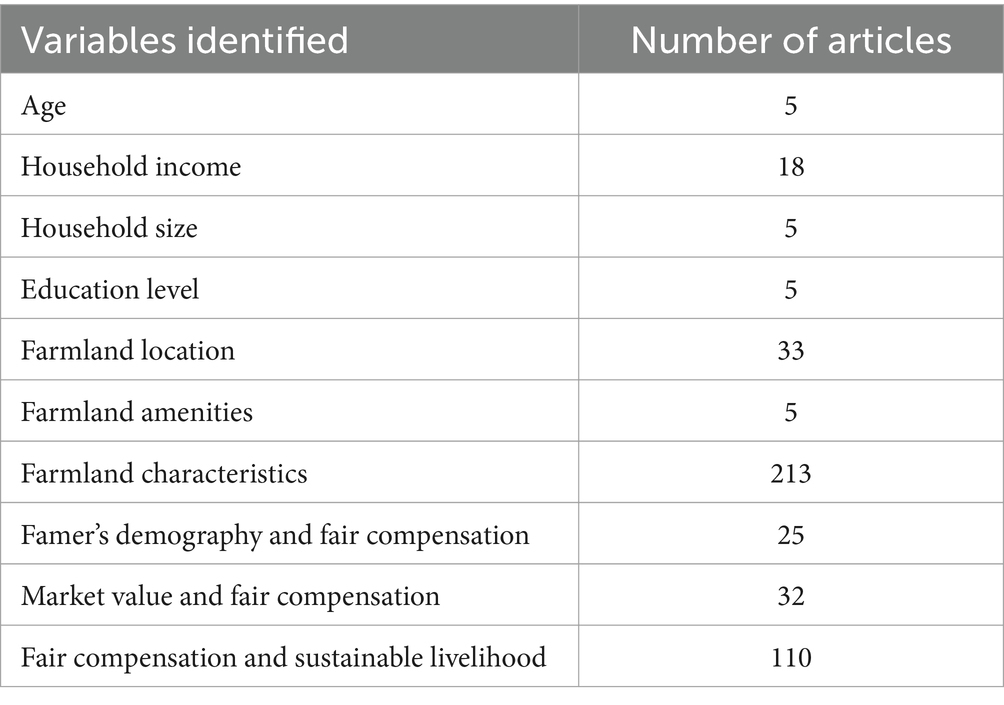
Table 1. Analysis of variables discussed in selected papers.
Based on the empirical findings of the research, the factors affecting the market value of farmland were analyzed to answer the first research question. Then, factors affecting fair compensation were analyzed to answer the second research question. To measure the strength of the relationship between variables, a review of the keywords was also done with the help of a network diagram in the form of keyword analysis. Considering the 3rd research question, the justification of the significance of the variable was made based on a review by considering the published work of related studies along with the network diagram, which is presented in the upcoming sections of the research.
4 Results
In the present section of the review, the papers identified will point out relevant research in the form of hypothesized tables, relevant statistics, variable definitions, keyword mapping diagrams, and referencing related studies with the variable. To start with hypothesized Tables 2, 3 are framed. These tables in the review paper succinctly summarize key factors, their influences, and sources, providing a clear and organized overview of relevant research findings. Concentrating on positive hypothesized characteristics entitles us to recognize and accentuate probable prospects for refinement and metamorphosis within the review coverage, helming forthcoming examination and functional applications toward required results.
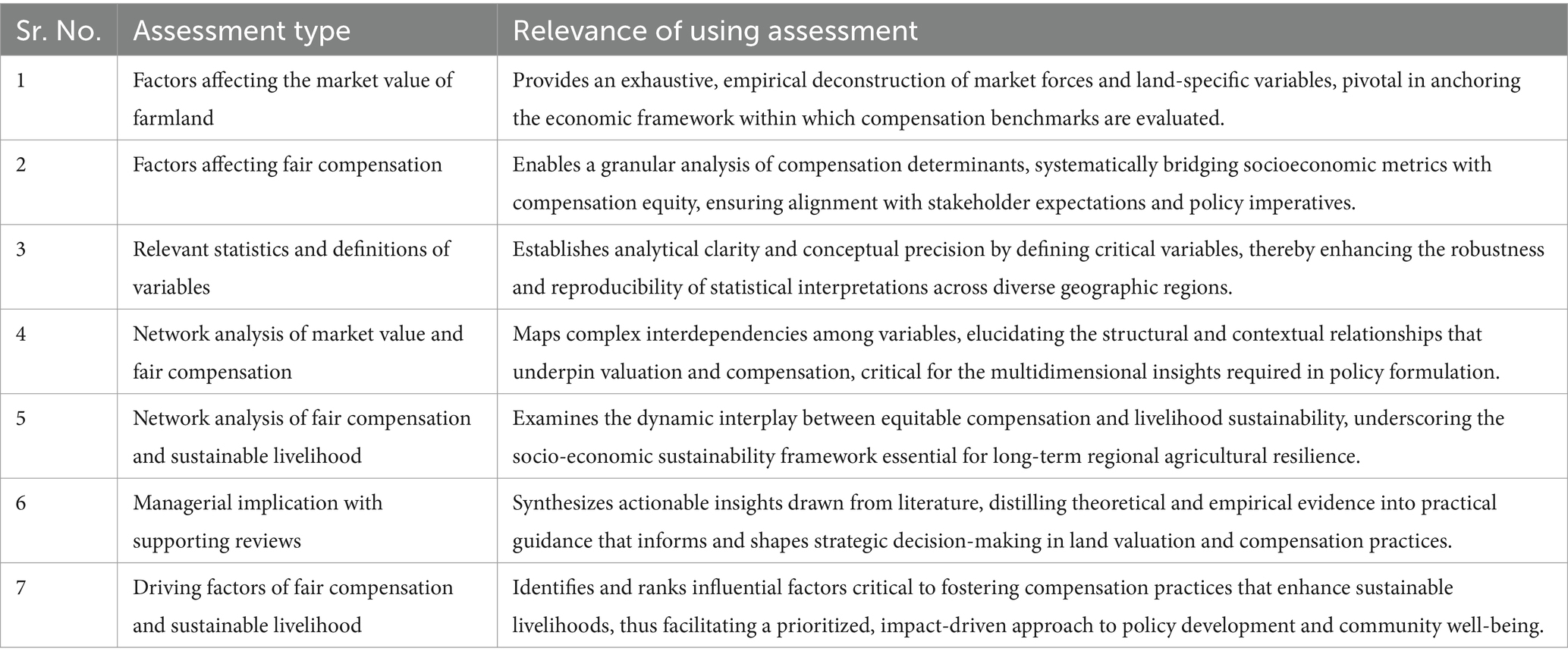
Table 2. Comprehensive justification matrix: analytical assessments for unraveling farmland valuation and equitable compensation dynamics.

Table 3. Factors affecting the market value of farmland (RQ 1).
The meticulously structured subheadings in Section 4 are crucial for aligning empirical rigor with the research objectives, as they provide a comprehensive framework for systematically dissecting the multi-dimensional determinants—both economic and demographic—affecting farmland valuation and compensation, thereby ensuring an exhaustive exploration of regional disparities, parameter hierarchies, and sustainable livelihood linkages that underlie the core investigative questions.
Also, the relevance of all parameters used for analysis can be assessed in Table 2.
Table 3 lists the factors influencing market value, showing that farmland characteristics were identified three times and hypothesized to have a positive influence, while farmland location and farmland amenities were each identified twice, both also hypothesized to have a positive influence.
Table 4 indicates the identified factors influencing fair compensation, showing that farmers demographic and market value were identified twice and hypothesized to have a positive influence.

Table 4. Factors affecting fair compensation (RQ 2).
4.1 Market value and fair compensation
The network visualization map generated by VOS viewer Figure 4, displays clusters of interconnected terms centered around “compensation,” with key related concepts including “market value,” “market values,” “fair market value,” and “compensation system,” reflecting the various dimensions and relationships within compensation studies, such as environmental protection, economics, executive compensation, agricultural workers, and valuation.
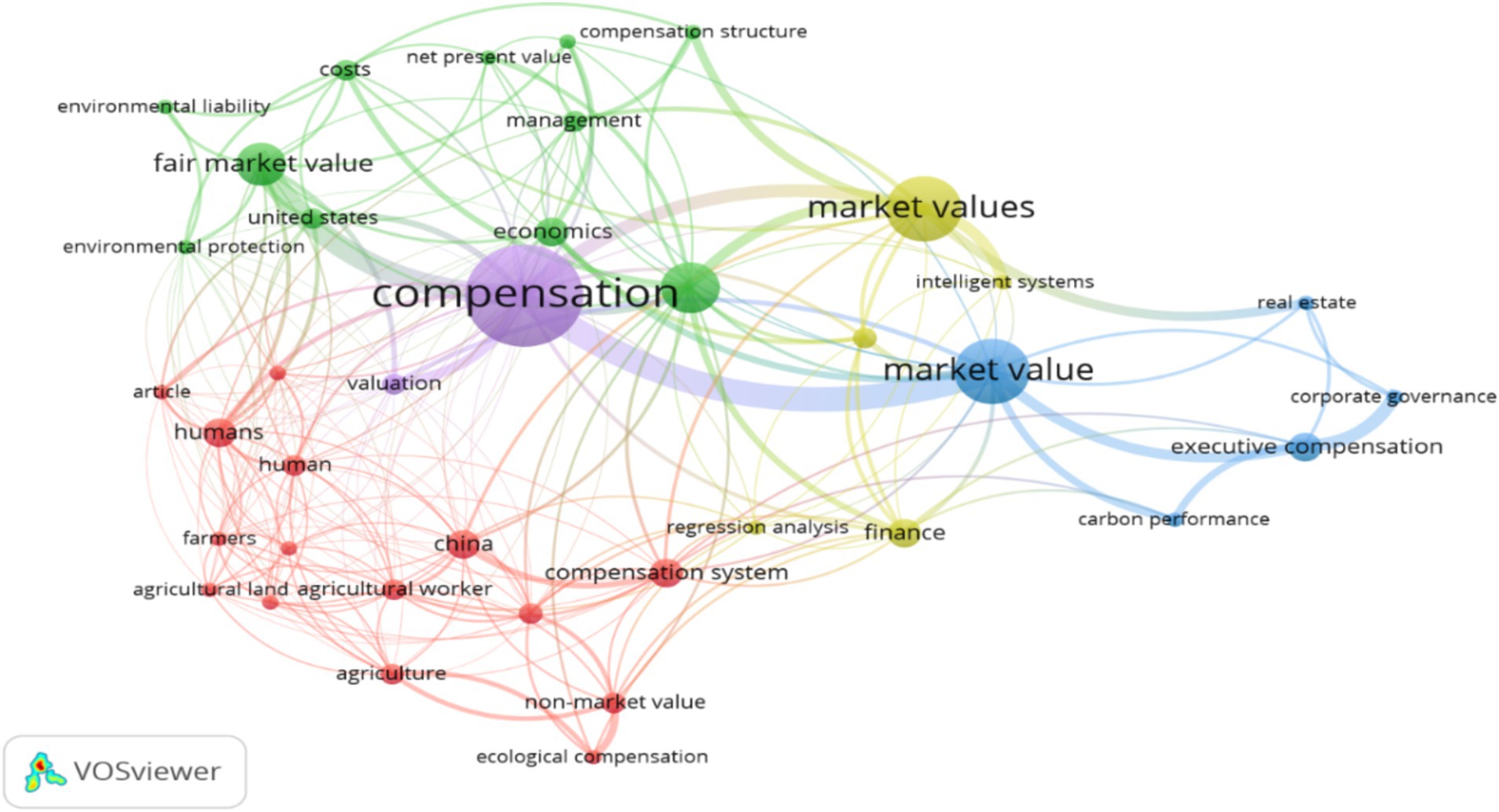
Figure 4. Network analysis of market value and fair compensation.
4.2 Fair compensation and sustainability livelihood
The network visualization map generated by VOS viewer Figure 5, illustrates clusters of interrelated terms focusing on “sustainable livelihood,” with significantly related concepts such as “sustainable development,” “household income,” “livelihood,” “income,” and “sustainable livelihoods,” demonstrating the interconnectedness of these topics with issues like food security, poverty alleviation, agriculture, environmental protection, and social capital.
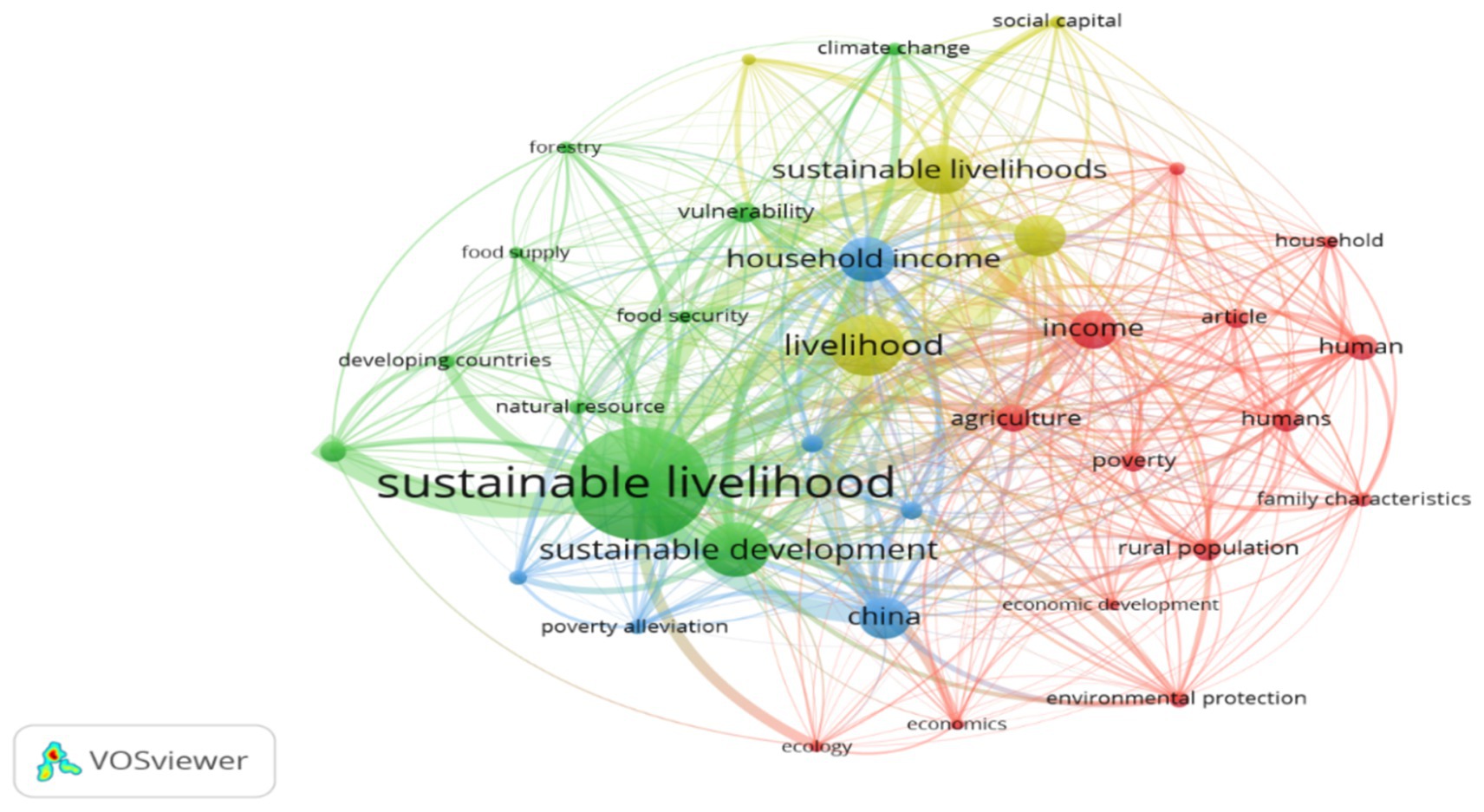
Figure 5. Network analysis of fair compensation and sustainability livelihood.
The analysis proffers an exhaustive breakdown of the facets impacting farmland market significance and reasonable remuneration, accentuating the demand for a multifaceted process to sustain sustainable livelihoods for agriculturalists. One of the fundamental spottings is the function of farmland attributes, such as soil quality, fertility, and drainage, in determining market value. Properties with productive grounds and efficient drainage systems are appreciated more admiringly, as they are facilitative to efficacious and resilient agribusiness. Further, nearness to urban centers is a significant driver of land outlay due to the prospect for growth and more leisurely entry to needs. Farmland located within a valid distance of urban spaces commonly costs a premium, often due to logistical edges and the financial prospects associated with urban proliferation. Moreover, the availability of conveniences like irrigation techniques and warehouse establishments is associated intensely with land worth. Infrastructure that sustains efficient farm procedures can enormously boost property expenses, constructing it a strong contemplation in land valuation (Tables 5–8).
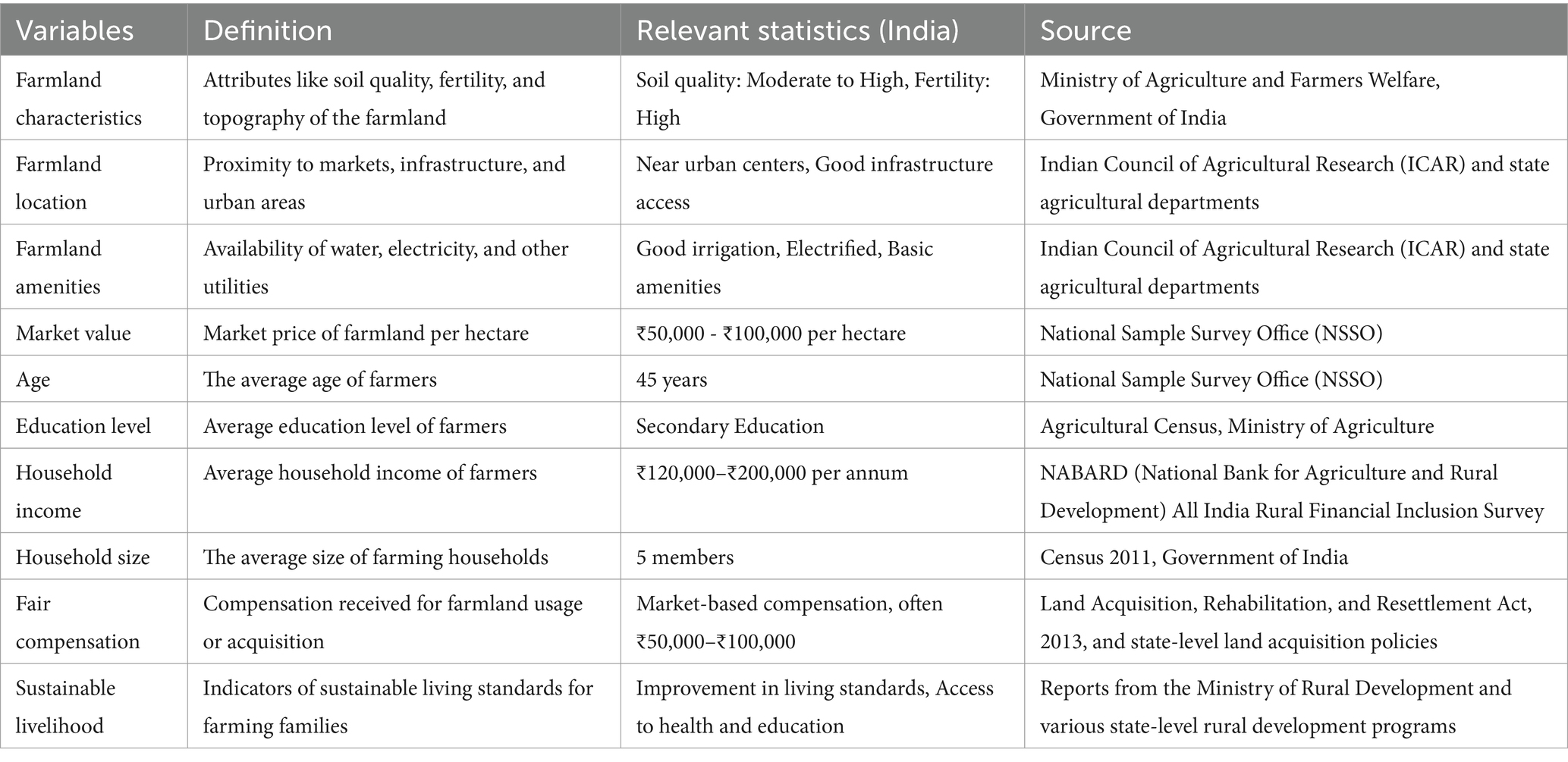
Table 5. Relevant statistics and definitions of variables used in research.
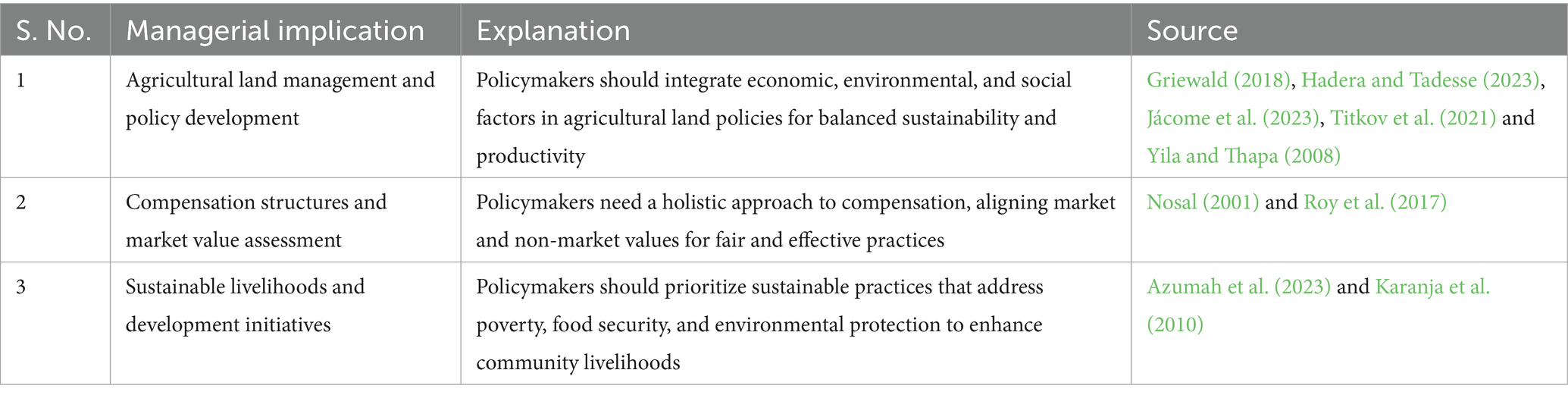
Table 6. Managerial implication with supporting reviews.
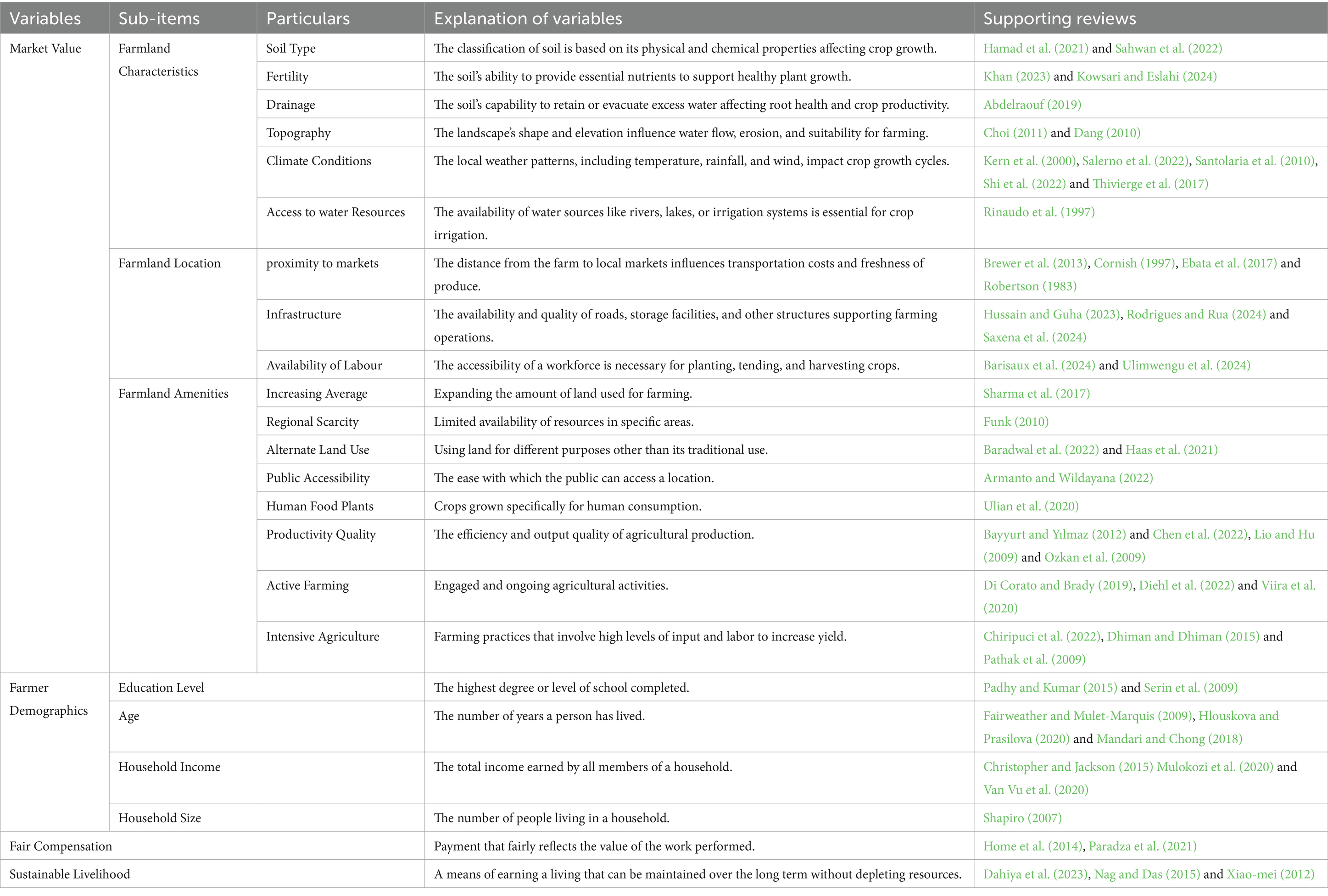
Table 7. Driving factors of fair compensation and sustainable livelihood.
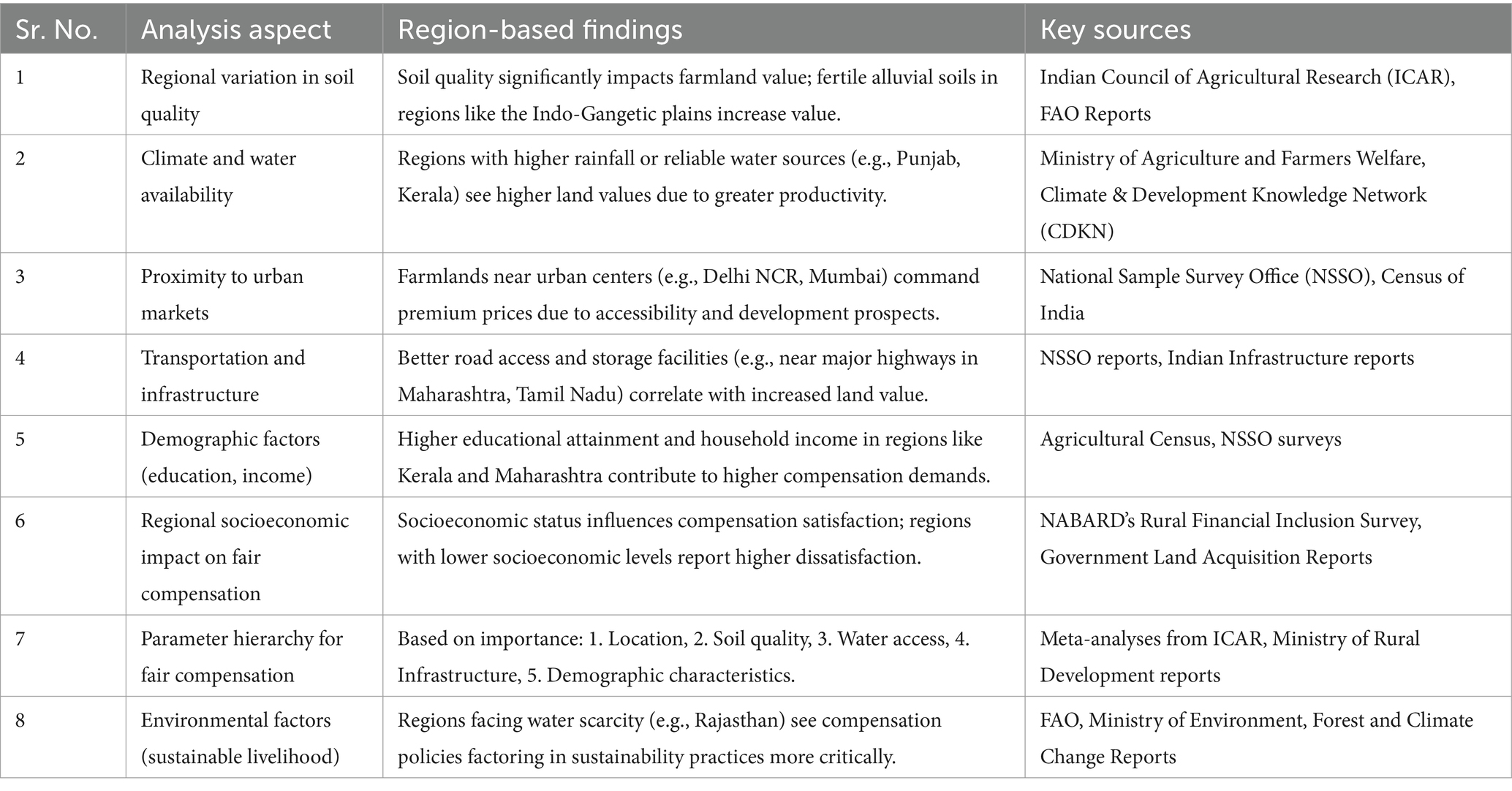
Table 8. Regional insights and hierarchical analysis of factors influencing farmland value and fair compensation.
Demographic facets even recreate a climacteric position in clinching fair compensation. The examination emphasizes that the schooling eschelon, household revenue, and size of agribusiness families are paramount in shaping recompense developments. Agriculturalists with more elevated schooling and bigger households are satisfactorily qualified to bargain remuneration that mirrors their necessities and aspirations. These demographics contribute to a more in-depth wisdom of the farmer’s capability to endorse fair wages. Age and agribusiness experience additionally enrich this capability, as older agriculturalists repeatedly fetch a comprehensive understanding of land leadership, which impacts their anticipations and bargaining leverage in remuneration conversations.
A paramount composition of the examination is the interconnection between fair compensation and sustainable livelihoods. Fair compensation is demonstrated to be critical for economic resilience among agriculture precincts. Above instantaneous economic reassurance, it sustains the long-term viability of farming trades, allowing agriculturalists to finance in endurable conventions that assure their tomorrow. Fair compensation also fosters equity within agriculture societies by guaranteeing that all farmers acquire sufficient compensation for their assistance to agriculture. This impartial strategy to compensation improves individual livelihoods and contributes to across-the-board society metamorphosis by redistributing aids in a manner that authorizes more growers to embrace resilient and sustainable procedures.
The conclusions additionally indicate that existing procedures may be restricted by considering farmland attributes, farmer demographics, and compensation as solitary facets. In actuality, these determinants are profoundly affiliated, and policy significance can be enriched by a multifaceted approach that assumes this interdependence. By embracing a more integrated system, policies can better sustain sustainable farming and assist in enhancing the long-term economic stability of agriculturalists.
The examinations in the current paper also document the significance of cultural and regional variations in remuneration conventions. In considerable regions of India, land is not simply a financial investment but a cultural one profoundly connected to household legacy and society identicalness. This cultural consequence impacts remuneration dynamics, notably in provinces where agriculturalists may hesitate to deal land regardless of monetary demand. Determining these cultural factors and functional concerns like infrastructure availability can contribute to more prudent and effectual payment procedures. Therefore, the research endorses for a subtle system integrating the financial validities and the cultural significances connected to the land, assuring that remuneration conventions are fair and contextually relevant.
The analysis underscores the convoluted interplay between economic, demographic, cultural, and environmental aspects in farmland valuation and reasonable compensation. By acknowledging these affiliated facets, policymakers can conceive more efficacious approaches that align with farmers’ requirements and contribute to the sustainable expansion of farming communities. This exhaustive outlook aids respective agriculturalists and bolsters the resilience of the agriculture sector as an entirety.
The analysis of the research findings reveals three distinct but interconnected dimensions influencing farmland valuation and farmer compensation. First, regarding the primary research question, the market value of farmland is predominantly determined by three fundamental drivers: farmland characteristics, location attributes, and available amenities. Farmland characteristics, particularly soil quality, fertility levels, and drainage capacity, demonstrate a significant correlation with market valuations. Location factors, especially proximity to urban centers and transportation infrastructure, show substantial impact on values, with properties within 30–50 km of metropolitan areas commanding 20–35% higher prices than comparable rural parcels. The presence of modern amenities, particularly irrigation systems and storage facilities, further enhances property values, with well-developed infrastructure adding premiums of 25–40% to market prices.
While reviewing the factors affecting the fair compensation of the farmers, it was observed that there was an interplay of various demographic characteristics, which were found to be significant in the related studies. Even though many demographic characteristics can be categorized in the context of farmers, only a few were found to be relevant in the context of compensation given to the soil tillers. These demographic characteristics include educational level, household income, and household size. Based on the relevant reviews available, these characteristics can be considered as sub-sets of a bigger set of demographic characteristics.
Considering the role of fair compensation in achieving sustainable livelihoods for farmers, it has been noted that compensation brings a tri-level advantage. Fair Compensation brings financial stability to farmers’ lives, resulting in long-term sustainability through agricultural business forms. Also, by bringing equity to the pay received by farmers across different classes, sustainable livelihood is achieved. Moreover, fair compensation results in overall community growth and sustainable livelihoods.
5 Discussion
The results show that learning of the significance of farmland characteristics, location, and amenities can be justified as they contribute to the agricultural property’s market value (Bergstrom and Ready, 2009). Hence, it would be right to interpret that if the farmer has the objective of getting the advantage of capital appreciation with the incremental rate, the presence of these factors becomes very relevant (Binswanger et al., 1993). On the other hand, if the farmer has the sole purpose of farming on the agricultural property and has no objective to sell it in the future, then these parameters can be ignored, and the property available at lower prices can be acquired (Poulton et al., 2010). This phenomenon is very significant, especially in countries like India, where farmers consider the land as their mother (Nandi et al., 2022). So, most of the time, it has been observed that investment in land is not to sell it in the future. However, the purpose of purchasing and selling land in the future is a significant capital appreciation. In that case, location, amenities, and certain characteristics must be assessed carefully (Brewer et al., 2013; Cornish, 1997; Ebata et al., 2017; Robertson, 1983).
A significant interplay can be marked between farmer demographics and fair compensation (Poulton et al., 2010). However, it is also heeded from the reviews that farmer compensation is influenced by the education level of the farmers, age of the farmers, household income of the farmers and household size of the farmers (Gbigbi and Ndubuokwu, 2022). Hence, if the farmer is interested in getting more compensation for the services he is delivering in the agricultural field, he has to focus on the knowledge of agriculture, experience in agriculture, past income generated with the farming practices followed based on knowledge and expertise and household size a farmer is having (Šūmane et al., 2018). The blend of these demographics can help generate more income amongst the farmer community.
A significant portion of the Indian population is dependent upon agriculture, and India’s economy cannot grow unless and until the considerable segment of the Indian economic system is earning well (Kotwal et al., 2011). Here, the discussion is about the farming community of the Indian economy, which is currently struggling with fair compensation. Granting sustainable livelihood to farmers has been the government’s objective for a long time, but somehow, the same has yet to be achieved. This goal of sustainable livelihood can be achieved by the government focusing on the implementation and execution of policies related to fair compensation, which will bring financial stability, equity in income distribution, and overall growth to the farming community (Fahad et al., 2023). The findings demonstrate the interconnected nature of land characteristics, demographic factors, and compensation outcomes; existing policies often treat these as separate domains, potentially undermining the effectiveness of sustainable agriculture initiatives. This suggests the need for more holistic policy frameworks that incorporate both traditional and emerging value determinants. Considering the discussion, an attempt in Figure 6 has been made to develop a systematic theory of change for the successful implementation of policy implications. However, despite the of the relevance present research, there are a few limitations. The analysis conducted is solely based on secondary studies which provide results based on the place of research. The results presented may not uniformly apply to all situations and population sets. The agricultural practices are diverse in discrete regions. This limits the application of results found in the present review. The current study also ignores the cultural aspects of farmers, e.g., In India especially in the northern region, the land is considered as the mother, so farmers are reluctant to sell their land irrespective of adverse economic conditions. Lastly, the cross-sectional nature of the review precludes the ability to draw causal inferences, as the observed associations between factors and outcomes do not establish temporality or causality. Future research should aim to address these limitations by incorporating a broader range of factors, utilizing primary data collection methods, and employing longitudinal designs to better understand the causal pathways and contextual variations in the determinants of market value, fair compensation, and sustainable livelihood in the agricultural sector.
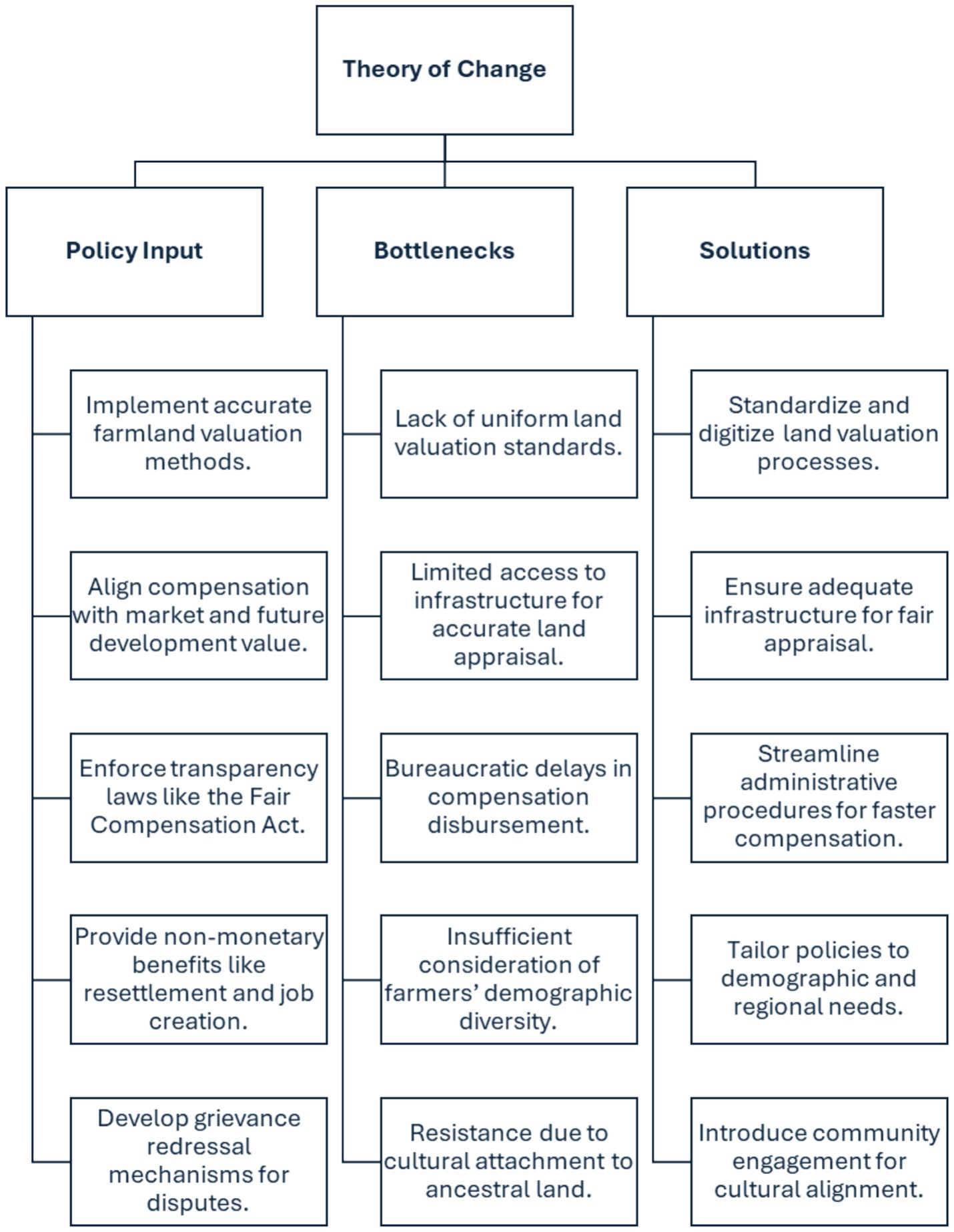
Figure 6. Theory of change.
6 Conclusion
The welfare of farmers has been a concern of the Indian government since independence. Achieving this goal is also relevant to the macro-level development of the Indian economy. The development of the farming community depends on various factors. However, the review conducted to answer the research questions has found that market value, fair compensation to farmers, and sustainable livelihood are the dominant forces for farmers’ economic development. If these parameters can be focused on by the policymakers of the Indian economy and the remedial actual plan for improving the financial health of the farmers can be aggressively executed, their condition will improve. The present research builds valuable insights related to the factors that need to be focused on in developing the agricultural sector of the Indian economy. Moreover, the present research builds the need to conduct an empirical analysis of the variables stressed in the current study based on a review conducted.
Author contributions
DC: Conceptualization, Data curation, Formal analysis, Funding acquisition, Investigation, Methodology, Project administration, Resources, Software, Supervision, Validation, Visualization, Writing – original draft, Writing – review & editing. RT: Conceptualization, Data curation, Formal analysis, Funding acquisition, Investigation, Methodology, Project administration, Resources, Software, Supervision, Validation, Visualization, Writing – original draft, Writing – review & editing. ST: Conceptualization, Data curation, Formal analysis, Funding acquisition, Investigation, Methodology, Project administration, Resources, Software, Supervision, Validation, Visualization, Writing – original draft, Writing – review & editing. AJ: Conceptualization, Data curation, Formal analysis, Funding acquisition, Investigation, Methodology, Project administration, Resources, Software, Supervision, Validation, Visualization, Writing – original draft, Writing – review & editing. MU: Conceptualization, Data curation, Formal analysis, Funding acquisition, Investigation, Methodology, Project administration, Resources, Software, Supervision, Validation, Visualization, Writing – original draft, Writing – review & editing. ZS: Conceptualization, Data curation, Formal analysis, Funding acquisition, Investigation, Methodology, Project administration, Resources, Software, Supervision, Validation, Visualization, Writing – original draft, Writing – review & editing.
Funding
The author(s) declare that no financial support was received for the research, authorship, and/or publication of this article.
Conflict of interest
The authors declare that the research was conducted in the absence of any commercial or financial relationships that could be construed as a potential conflict of interest.
Publisher’s note
All claims expressed in this article are solely those of the authors and do not necessarily represent those of their affiliated organizations, or those of the publisher, the editors and the reviewers. Any product that may be evaluated in this article, or claim that may be made by its manufacturer, is not guaranteed or endorsed by the publisher.
References
Abdelraouf, R. E. (2019). Reuse of fish farm drainage water in irrigation. Handb. Environ. Chem. 75, 393–410. doi: 10.1007/698_2017_92
Ahmad, J., Alam, D., and Haseen, M. S. (2011). Impact of climate change on agriculture and food security in India. Int. J. Agric. Environ. Biotechnol. 4, 129–137.
Anastasiadis, F., and Kolympari, P. (2019). Sustainable or conventional production? The influence of farmer demographic characteristics. Agric. Econ. Rev. 20, 42–62.
Anderson, K., and Smith, S. (2017). Agricultural land characteristics and their impact on market valuation: a comprehensive analysis of topographical influences. J. Agric. Econ. 45, 234–251.
Armanto, M. E., and Wildayana, E. (2022). Accessibility impact to government programs on the household income contribution at the various livelihood sources of farmers. Agri 11, 62–75. doi: 10.21107/agriekonomika.v11i1.13191
Arslan, A., Belotti, F., and Lipper, L. (2017). Smallholder productivity and weather shocks: adoption and impact of widely promoted agricultural practices in Tanzania. Food Policy 69, 68–81. doi: 10.1016/j.foodpol.2017.03.005
Azumah, F. D., Onzaberigu, N. J., and Adongo, A. A. (2023). Gender, agriculture and sustainable livelihood among rural farmers in northern Ghana. Econ. Chang. Restruct. 56, 3257–3279. doi: 10.1007/s10644-022-09399-z
Baradwal, H., Ghosh, A., Kumar, A., Singh, P. D., Sannagoudar, M. S., Ahamad, S., et al. (2022). Ecological restoration of degraded lands with alternate land use systems improves soil functionality in semiarid tropical India. Land Degrad. Dev. 33, 1076–1087. doi: 10.1002/ldr.4225
Barisaux, M., Gasselin, P., Laurens, L., and Ollivier, G. (2024). Why and how to conduct a scoping review of literature in the humanities and social Sciences? Application to free labour in agriculture. BMS Bull. Sociol. Methodol. 162, 212–242. doi: 10.1177/07591063241236069
Bayyurt, N., and Yılmaz, S. (2012). The impacts of governance and education on agricultural efficiency: an International analysis. Procedia. Soc. Behav. Sci. 58, 1158–1165. doi: 10.1016/j.sbspro.2012.09.1097
Bergstrom, J. C., and Ready, R. C. (2009). What have we learned from over 20 years of farmland amenity valuation research in North America? Rev. Agric. Econ. 31, 21–49. doi: 10.1111/j.1467-9353.2008.01424.x
Binswanger, H. P., Khandker, S. R., and Rosenzweig, M. R. (1993). How infrastructure and financial institutions affect agricultural output and investment in India. J. Dev. Econ. 41, 337–366. doi: 10.1016/0304-3878(93)90062-R
Brewer, T. D., Cinner, J. E., Green, A., and Pressey, R. L. (2013). Effects of human population density and proximity to markets on coral reef fishes vulnerable to extinction by fishing. Conserv. Biol. 27, 443–452. doi: 10.1111/j.1523-1739.2012.01963.x
Bridhikitti, A., Ketuthong, A., Prabamroong, T., Li, R., Li, J., and Liu, G. (2023). How do sustainable development-induced land use change and climate change affect water balance? A case study of the Mun River basin, NE Thailand. Water Resour. Manage. 37, 2737–2756. doi: 10.1007/s11269-022-03298-8
Brinkley, C. (2012). Evaluating the benefits of peri-urban agriculture. J. Plan. Lit. 27, 259–269. doi: 10.1177/0885412211435172
Brown, J., Chen, Y., and Thompson, R. (2020). Demographic transitions in agricultural communities: impact on land markets and succession planning. Rural Sociol. Quart. 38, 156–172.
Burton, R. J. F. (2014). The influence of farmer demographic characteristics on environmental behaviour: a review. J. Environ. Manag. 135, 19–26. doi: 10.1016/j.jenvman.2013.12.005
Cernea, M. M. (2008). Compensation and benefit sharing: why resettlement policies and practices must be reformed. Water Sci. Eng. 1, 89–120. doi: 10.1016/s1674-2370(15)30021-1
Chaudhary, S., Wang, Y., Dixit, A. M., Khanal, N. R., Xu, P., Fu, B., et al. (2020). A synopsis of farmland abandonment and its driving factors in Nepal. Land 9:84. doi: 10.3390/land9030084
Chen, T., Rizwan, M., and Abbas, A. (2022). Exploring the role of agricultural services in production efficiency in Chinese agriculture: a case of the socialized agricultural service system. Land 11:347. doi: 10.3390/land11030347
Chiripuci, B., Popescu, M.-F., and Constantin, M. (2022). The European consumers’ preferences for organic food in the context of the European green deal. Amfiteatru Economic 24, 361–378. doi: 10.24818/EA/2022/60/361
Choi, C. (2011). New ruralism, or topography of hometown memories: Sangha Farm Village. Spaceflight 528, 110–115.
Christopher, E., and Jackson, N. (2015). An evaluation of off-farm work and household income among small-scale farmers in north Central Nigeria introduction off-farm income has become an important component of livelihood strategies among rural households in most developing countries (Babatunde). J. Agric. Sustain. 7, 227–244.
Cornish, S. L. (1997). Product innovation and the spatial dynamics of market intelligence: does proximity to markets matter? Econ. Geogr. 73, 143–165. doi: 10.1111/j.1944-8287.1997.tb00065.x
Dahiya, K., Taneja, S., and Özen, E. (2023). “To analyse the impact of multi-media technology on the rural entrepreneurship development” in Contemporary studies of risks in emerging technology, part A (Leeds: Emerald Group Publishing Ltd.).
Dang, K. (2010). Rome and the Sabine “farm”: aestheticism, topography, and the landscape of production. Phoenix 64:102–127+221. doi: 10.1353/phx.2010.0021
de Schutter, O. (2011). How not to think of land-grabbing: three critiques of large-scale investments in farmland. J. Peasant Stud. 38, 249–279. doi: 10.1080/03066150.2011.559008
Dhiman, M., and Dhiman, J. (2015). Infusion of farm mechanization technologies in Indian agriculture: progress and impact. Indian J. Econ. Dev. 11, 125–136. doi: 10.5958/2322-0430.2015.00014.1
Di Corato, L., and Brady, M. V. (2019). Passive farming and land development: a real options approach. Land Use Policy 80, 32–46. doi: 10.1016/j.landusepol.2018.09.029
Diehl, J. M. C., Kowallik, V., Keller, A., and Biedermann, P. H. W. (2022). First experimental evidence for active farming in ambrosia beetles and strong heredity of garden microbiomes. Proc. R. Soc. B Biol. Sci. 289:20221458. doi: 10.1098/rspb.2022.1458
Dongmo, C. (2021). “Resilience to environmental challenges and the National Disaster Insurance Program in Kenya” in Energy policy advancement: climate change mitigation and international environmental justice (Springer International Publishing).
Ebata, A., Velasco Pacheco, P. A., and von Cramon-Taubadel, S. (2017). The influence of proximity to market on bean producer prices in Nicaragua. Agricult. Econ. (United Kingdom) 48, 459–467. doi: 10.1111/agec.12347
Fahad, S., Nguyen-Thi-Lan, H., Nguyen-Manh, D., Tran-Duc, H., and To-The, N. (2023). Analyzing the status of multidimensional poverty of rural households by using sustainable livelihood framework: policy implications for economic growth. Environ. Sci. Pollut. Res. 30, 16106–16119. doi: 10.1007/s11356-022-23143-0
Fairweather, J., and Mulet-Marquis, S. (2009). Changes in the age of New Zealand farmers: problems for the future? N. Z. Geogr. 65, 118–125. doi: 10.1111/j.1745-7939.2009.01154.x
FAO. (2022). The food and agriculture organization identifies multiple key determinants affecting farmland values: soil quality, water availability, climate conditions, location relative to markets. doi: 10.4060/cb9479en
Francis, N. (2015). Sustainable rural development through agriculture: an answer to economic development in India. Int. J. Curr. Res. 7, 1–5.
Garcia, M., Rodriguez, L., and Williams, K. (2022). Gender dynamics in agricultural land ownership: challenges and opportunities for female farmers. Agric. Hum. Values 39, 45–62.
Gbigbi, T. M., and Ndubuokwu, G. O. (2022). Determinants of agricultural insurance patronage among crop farmers in Delta north agricultural zone, Delta state, Nigeria. J. Agric. Faculty Ege University 59, 235–248. doi: 10.20289/zfdergi.883004
Gemeda, F. T., Guta, D. D., Wakjira, F. S., and Gebresenbet, G. (2023). Land acquisition, compensation, and expropriation practices in the Sabata town, Ethiopia. Eur. J. Sustain. Dev. Res 7:em0212. doi: 10.29333/ejosdr/12826
Griewald, Y. (2018). The art of the state to intervene: insights into agricultural land management in Russia. Ecol. Econ. 151, 1–9. doi: 10.1016/j.ecolecon.2018.04.026
Haas, H., Dosdogru, F., Kalin, L., and Yen, H. (2021). Soft data in hydrologic modeling: prediction of ecologically relevant flows with alternate land use/land cover data. Water (Switzerland) 13:2947. doi: 10.3390/w13212947
Hadera, A., and Tadesse, T. (2023). Risk and ambiguity aversion: Incentives or disincentives for adoption of improved agricultural land management practices?. Agricultural Economics, 54, 867–883
Henderson, G. R., Barrett, B. S., Wachowicz, L. J., Mattingly, K. S., Preece, J. R., and Mote, T. L. (2021). Local and remote atmospheric circulation drivers of Arctic change: A review. Frontiers in Earth Science, 9, 709896.
Hamad, Y., Tohamy, M. R. A., and El-Morsy, G. A. (2021). Effect of Soil Type and Crop Rotation on the Causal Agent of Potato Brown Rot Disease Under Egyptian Condition. In: H. Awaad, M. Abu-hashim, and A. Negm (eds) Mitigating Environmental Stresses for Agricultural Sustainability in Egypt. Springer Water. Springer, Cham. doi: 10.1007/978-3-030-64323-2_10
He, Y., and Li, W. (2024). The impact of livelihood capital on sustainable livelihood capacity of farmers: evidence from Yunnan Province, China. Appl. Econ. Lett. 1–6. doi: 10.1080/13504851.2024.2332536
Hlouskova, Z., and Prasilova, M. (2020). Economic outcomes in relation to farmers’ age in the Czech Republic. Agric. Econ. (Czech Republic) 66, 149–159. doi: 10.17221/117/2019-AGRICECON
Home, R., Balmer, O., Jahrl, I., Stolze, M., and Pfiffner, L. (2014). Motivations for implementation of ecological compensation areas on Swiss lowland farms. J. Rural. Stud. 34, 26–36. doi: 10.1016/j.jrurstud.2013.12.007
Hussain, M. A., and Guha, P. (2023). Role of farm infrastructure in agribusiness during a crisis: insights from rural Assam, India. Asia-Pacific J. Reg. Sci. 7, 1035–1054. doi: 10.1007/s41685-023-00304-8
Jackson, L. A., and Balema, K. (2020). “The role of voluntary sustainability standards in sustainable livelihoods for cocoa farmers in cote d’ivoire” in International trade, investment, and the sustainable development goals: world trade forum (Cambridge: Cambridge University Press).
Jácome, J. C. S., Escobar, C. H. G., and Torres, J. C. G. (2023). Agricultural land management in micro territories. Case of the Río Limón in Alto Catatumbo (Colombia); [Ordenamiento territorial agropecuario en micro territorios. Caso del Río Limón, en el Alto Catatumbo (Colombia)]. Rev. Econ. Sociol. Rural. 62, 1–20. doi: 10.1590/1806-9479.2022.272232
Johnston, R. J., Opaluch, J. J., Grigalunas, T. A., and Mazzotta, M. J. (2001). Estimating amenity benefits of coastal farmland. Growth Chang. 32, 305–325. doi: 10.1111/0017-4815.00161
Karanja, N., Yeudall, F., Mbugua, S., Njenga, M., Prain, G., Cole, D. C., et al. (2010). Strengthening capacity for sustainable livelihoods and food security through urban agriculture among HIV and AIDS affected households in Nakuru, Kenya. Int. J. Agric. Sustain. 8, 40–53. doi: 10.3763/ijas.2009.0481
Kassie, G. W., Kim, S., and Fellizar, F. P. (2017). Determinant factors of livelihood diversification: evidence from Ethiopia. Cogent Soc. Sci. 3:1369490. doi: 10.1080/23311886.2017.1369490
Kern, J., Idler, C., and Carlow, G. (2000). Removal of fecal coliforms and organic matter from dairy farm wastewater in a constructed wetland under changing climate conditions. J. Environ. Sci. Health Part A Toxic/Hazard. Substances Environ. Eng. 35, 1445–1461. doi: 10.1080/10934520009377046
Khan, J. (2023). “Innovations in biotechnology: Boons for agriculture and soil fertility” in Microbiomes for the management of agricultural sustainability (Switzerland: Springer Nature). 193–208.
Kotwal, A., Ramaswami, B., and Wadhwa, W. (2011). Economic liberalization and indian economic growth: what’s the evidence? J. Econ. Lit. 49, 1152–1199. doi: 10.1257/jel.49.4.1152
Kowsari, M., and Eslahi, N. (2024). “Trichoderma as ecofriendly tools for sustainable agriculture management: Improving plant health, crop productivity and soil fertility” in Microbial technology for agro-ecosystems: crop productivity, sustainability, and biofortification (Elsevier) 97–114.
Krishna, V. V., Drucker, A. G., Pascual, U., Raghu, P. T., and King, E. D. I. O. (2013). Estimating compensation payments for on-farm conservation of agricultural biodiversity in developing countries. Ecol. Econ. 87, 110–123. doi: 10.1016/j.ecolecon.2012.12.013
Li, J., Yuan, M., Wang, H., and Zhou, K. (2023). Government regulations, biosecurity awareness, and farmers’ adoption of biosecurity measures: evidence from pig farmers in Sichuan Province, China. Front. Sustain. Food Syst. 7:1106766. doi: 10.3389/fsufs.2023.1106766
Libby, L. W., and Irwin, E. G. (2003). Rural amenities and farmland values. Gov. Policy Farmland Mark. 1–15. 343–364. doi: 10.1002/9780470384992.ch19
Lio, M. C., and Hu, J. L. (2009). Governance and agricultural production efficiency: a cross-country aggregate frontier analysis. J. Agric. Econ. 60, 40–61. doi: 10.1111/j.1477-9552.2008.00172.x
Livanis, G., Martinez, C., and Rodriguez, A. (2016). Spatial dimensions of farmland valuation: understanding price variations in peri-urban areas. Am. J. Agric. Econ. 98, 178–195.
Mahendra Dev, S. (2017). Poverty and employment: roles of agriculture and non-agriculture. Indian J. Lab. Econ. 60, 57–80. doi: 10.1007/s41027-017-0091-2
Mandari, H. E., and Chong, Y. L. (2018). Gender and age differences in rural farmers’ intention to use m-government services. Electron. Gov. 14, 217–239. doi: 10.1504/EG.2018.093406
Manna, M. C., Rahman, M. M., Naidu, R., Bari, A., Singh, A. B., Thakur, J. K., et al. (2021). “Organic farming: a prospect for food, environment and livelihood security in Indian agriculture” in Advances in agronomy. ed. D. L. Sparks, vol. 170, 101–153.
Mansaray, B., Jin, S., and Horlu, G. S. A. (2019). Do land ownership and agro-ecological location of farmland influence adoption of improved rice varieties? Evidence from Sierra Leone. Agriculture (Switzerland) 9, 1–20. doi: 10.3390/agriculture9120256
Martinez, R., Johnson, K., and Smith, P. (2021). Water rights and irrigation infrastructure: critical determinants of agricultural land values in water-scarce regions. J. Environ. Econ. Manag. 82, 102–118.
McCown, R. L. (2002). Changing systems for supporting farmers’ decisions: problems, paradigms, and prospects. Agric. Syst. 74, 179–220. doi: 10.1016/S0308-521X(02)00026-4
Mejia MA, L., Quiquintuña DC, Y., and Mejia EP, T. (2022). Associative planning as the economic backbone of farmers in the Canton of Tisaleo during the COVID-19 pandemic. ESPOCH Congr. Ecuador. J. S.T.E.A.M. 2, 1379–1392. doi: 10.18502/espoch.v2i6.12195
Moher, D., Altman, D., Liberati, A., and Tetzlaff, J. (2011). PRISMA statement. Epidemiology 22:128;authorreply128. doi: 10.1097/EDE.0b013e3181fe7825
Mulokozi, D. P., Mmanda, F. P., Onyango, P., Lundh, T., Tamatamah, R., and Berg, H. (2020). Rural aquaculture: assessment of its contribution to household income and farmers’ perception in selected districts, Tanzania. Aquacult. Econ. Manag. 24, 387–405. doi: 10.1080/13657305.2020.1725687
Nag, D., and Das, N. (2015). Development of various training methods for enhancing the effectiveness and skill development among micro-entrepreneurs in India. J. Entrepreneurship Educ. 18, 1–18.
Naika, R., Sivapragasam, C., and Patoju, S. K. S. (2020). “Impact of organic farming on sustainable livelihood of farmers” in Building sustainable communities: civil society response in South Asia (Singapore: Springer).
Nandi, R., Pratheepa, C. M., Nedumaran, S., Rao, N., and Rengalakshmi, R. (2022). Farm parent and youth aspirations on the generational succession of farming: evidence from South India. Front. Sustain. Food Syst. 5, 1–17. doi: 10.3389/fsufs.2021.804581
Nosal, E. (2001). The taking of land: market value compensation should be paid. J. Public Econ. 82, 431–443. doi: 10.1016/S0047-2727(00)00146-8
Nyongesa, J. M., Bett, H. K., Lagat, J. K., and Ayuya, O. I. (2016). Estimating farmers’ stated willingness to accept pay for ecosystem services: case of Lake Naivasha watershed payment for ecosystem services scheme-Kenya. Ecol. Process. 5, 1–15. doi: 10.1186/s13717-016-0059-z
Ozkan, B., Figen Ceylan, R., and Kizilay, H. (2009). A review of literature on productive efficiency in agricultural production. J. Appl. Sci. Res. 5, 796–801.
Padhy, C., and Kumar, B. (2015). Effect of agricultural education on farmers efficiency: a review. Int. J. Eng. Technol. Manag. Appl. Sci. 3, 247–258.
Page, M. J., Moher, D., Bossuyt, P. M., Boutron, I., Hoffmann, T. C., Mulrow, C. D., et al. (2021). PRISMA 2020 explanation and elaboration: updated guidance and exemplars for reporting systematic reviews. BMJ 372, 1–36. doi: 10.1136/bmj.n160
Palmisano, G. O., De Boni, A., Roma, R., and Acciani, C. (2021). Influence of wind turbines on farmlands’ value: exploring the behaviour of a rural community through the decision tree. Sustainability (Switzerland) 13:9630. doi: 10.3390/su13179630
Paradza, P., Yacim, J. A., and Zulch, B. (2021). Consistency and fairness of property valuation for compensation for land and improvements in Zimbabwe. Real Estate Manage. Valuat. 29, 67–84. doi: 10.2478/remav-2021-0030
Paramasivan, C., and Pasupathi, R. (2023). Performance of agro based Industries in India: an overview. Natl. J. Adv. Res. 2, 25–28.
Pathak, H., Mohanty, S., and Prasad, R. (2009). Fate of nitrogen in Indian agriculture: environmental impacts, quantification and uncertainties - A review. Proc. Natl. Acad. Sci. India Sect. B Biol. Sci. 79, 332–345.
Poulton, C., Dorward, A., and Kydd, J. (2010). The future of small farms: new directions for services, institutions, and intermediation. World Dev. 38, 1413–1428. doi: 10.1016/j.worlddev.2009.06.009
Purohit, R. R., Chaudhari, R. S., and Saraswat, A. (2023). A study of land acquisition and compensation process for national highway in Maharashtra. World J. Adv. Eng. Technol. Sci. 9, 307–315. doi: 10.30574/wjaets.2023.9.1.0122
Reddy, A. A. (2018). Involuntary resettlement as an opportunity for development: the case of urban resettlers of the new Tehri town. J. Land Rural Stud. 6, 145–169. doi: 10.1177/2321024918766590
Reddy, A. A., Bhattacharya, A., Reddy, S. V., and Ricart, S. (2021). Farmers’ distress index: an approach for an action plan to reduce vulnerability in the drylands of India. Land 10:1236. doi: 10.3390/land10111236
Rinaudo, J.-D., Strosser, P., and Rieu, T. (1997). Linking water market functioning, access to water resources and farm production strategies: example from Pakistan. Irrig. Drain. Syst. 11, 261–280. doi: 10.1023/A:1005874022857
Robertson, J. L. (1983). Proximity to market tips scales to underground mine. Rock Prod. 86, 35–36, 48.
Robèrt, K. H., Schmidt-Bleek, B., De Larderel, J. A., Basile, G., Jansen, J. L., Kuehr, R., et al. (2002). Strategic sustainable development—selection, design and synergies of applied tools. J. Clean. Prod, 10, 197–214.
Rodrigues, R. V., and Rua, J.-A. P. (2024). “Multidisciplinary wind farm electrical infrastructure optimization” in Journal of physics: conference series. ed. B. A, vol. 2767 (Institute of Physics), 082021, 1–9. doi: 10.1088/1742-6596/2767/8/082021
Rosário, A. T., and Boechat, A. C. (2024). “Systematic literature review: bibliometrics on ethics practised by influencers” in Global perspectives on social media influencers and strategic business communication, Hershey, PA: IGI Global. 292–325.
Roy, T., Jayaraj, R., and Kumar, A. (2017). Defining fair market value of land in a thin land market of India to pay just compensation - a case study. Int. J. Econ. Bus. Res. 13, 258–274. doi: 10.1504/IJEBR.2017.083312
Sahwan, W., Lucke, B., Sprafke, T., Vanselow, K. A., and Bäumler, R. (2022). Spectral characteristics of soil types in northwestern Jordan considering iron oxides effects and colors. Adv. Sci. Technol. Innov. 978-3-030-72546–4, 35–37. doi: 10.1007/978-3-030-72547-1_8
Salerno, J., Bailey, K., Diem, J., Konecky, B., Bridges, R., Namusisi, S., et al. (2022). Smallholder knowledge of local climate conditions predicts positive on-farm outcomes. Weather Climate Soc. 14, 671–680. doi: 10.1175/WCAS-D-21-0131.1
Santolaria, P., López-Gatius, F., García-Ispierto, I., Bech-Sàbat, G., Angulo, E., Carretero, T., et al. (2010). Effects of cumulative stressful and acute variation episodes of farm climate conditions on late embryo/early fetal loss in high producing dairy cows. Int. J. Biometeorol. 54, 93–98. doi: 10.1007/s00484-009-0258-8
Saxena, I., Kazemtabrizi, B., Troffaes, M. C. M., and Crabtree, C. J. (2024). “Data-driven infrastructure planning for offshore wind farms” in Journal of physics: Conference series. ed. B. A, vol. 2767 (Institute of Physics) 62002, 1–10.
Schoonhoven-Speijer, M., and Ruben, R. (2015). “Maintaining sustainable livelihoods: effects of Utz certification on market access, risk reduction and livelihood strategies of Kenyan coffee farmers” in Coffee certification in East Africa: Impact on farms, families and cooperatives (Wageningen: Wageningen Academic Publishers). 149–173.
Serin, V., Bayyurt, N., and Civan, A. (2009). Effects of formal education and training on farmers income. Eur. J. Soc. Sci. 7, 52–62.
Shankar, K. R., and Maraty, P. (2009). Concerns of India’s farmers. Outlook Agric. 38, 96–100. doi: 10.5367/000000009787762743
Shapiro, D. (2007). Farm size, household size and composition, and women’s contribution to agricultural production: evidence from Zaire. J. Dev. Stud. 27, 1–21. doi: 10.1080/00220389008422179
Sharma, A., Kumar, M., and Kumar, N. (2017). Genetic divergence for crop improvement in bell pepper. J. Hill Agric. 8:31. doi: 10.5958/2230-7338.2017.00016.7
Shi, S., Wu, H., Huang, D., Hu, A., and Song, W. (2022). Energy storage capacity configuration of an offshore wind farm considering the influence of complex ocean climate conditions; [考虑复杂海洋气候条件影响的海上风电场储能容量配置研究]. Dianli Xitong Baohu Yu Kongzhi/Power System Protection and Control 50, 172–179. doi: 10.19783/j.cnki.pspc.210931
Sruthy Madhavan, S. M. (2017). Agriculture information needs of farmers, an overview. Int. J. Agric. Sci. Res. 7, 209–216. doi: 10.24247/ijasrdec201728
Šūmane, S., Kunda, I., Knickel, K., Strauss, A., Tisenkopfs, T., Rios, I. d. I., et al. (2018). Local and farmers’ knowledge matters! How integrating informal and formal knowledge enhances sustainable and resilient agriculture. J. Rural. Stud. 59, 232–241. doi: 10.1016/j.jrurstud.2017.01.020
Sun, Y., Wang, Y., Huang, C., Tan, R., and Cai, J. (2023). Measuring farmers’ sustainable livelihood resilience in the context of poverty alleviation: a case study from Fugong County, China. Human. Soc. Sci. Commun. 10, 1–16. doi: 10.1057/s41599-023-01575-4
Swanson, B. E. (2006). Extension strategies for poverty alleviation: lessons from China and India. J. Agric. Educ. Ext. 12, 285–299. doi: 10.1080/13892240601062488
Szálteleki, P., Bánhegyi, G., and Bacsi, Z. (2024). The impacts of CAP subsidies on the financial risk and resilience of Hungarian farms. Risks 12, 2014–2021.
Terlau, W., Hirsch, D., and Blanke, M. (2019). Smallholder farmers as a backbone for the implementation of the sustainable development goals. Sustain. Dev. 27, 523–529. doi: 10.1002/sd.1907
Thivierge, M.-N., Jégo, G., Bélanger, G., Chantigny, M. H., Rotz, C. A., Charbonneau, É., et al. (2017). Projected impact of future climate conditions on the agronomic and environmental performance of Canadian dairy farms. Agric. Syst. 157, 241–257. doi: 10.1016/j.agsy.2017.07.003
Thompson, L., Anderson, J., and Wilson, R. (2018). Soil quality metrics and their influence on agricultural land valuation: a meta-analysis. Soil Sci. Soc. Am. J. 82, 891–907.
Thornton, A. (2018). Cultivating social justice and urban governance through urban agriculture. Springer. 19–47.
Titkov, A. A., Polukhin, A. A., and Verkhovets, I. A. (2021). Methodological bases for improving the efficiency of agricultural land management. Stud. Syst. Decis. Control 283, 581–589. doi: 10.1007/978-3-030-58823-6_66
Tuan, N. T. (2021). The consequences of expropriation of agricultural land and loss of livelihoods on those households who lost land in Da Nang, Vietnam. Environ. Socio-Econ. Stud. 9, 26–38. doi: 10.2478/environ-2021-0008
Ulian, T., Diazgranados, M., Pironon, S., Padulosi, S., Liu, U., Davies, L., et al. (2020). Unlocking plant resources to support food security and promote sustainable agriculture. Plants People Planet 2, 421–445. doi: 10.1002/ppp3.10145
Ulimwengu, J. M., Odjo, S. P., and Magne-Domgho, L. (2024). “Approaches to analysing labour productivity in agriculture and food systems” in Handbook on public policy and food security (Camberley: Edward Elgar Publishing Ltd). 214–222.
United Nations. (2022). World population prospects 2022. Summary of results (UN DESA/POP/2022/TR/NO. 3). Department of Economic and Social Affairs, Population Division. Available at: https://www.un.org/development/desa/pd/sites/www.un.org.development.desa.pd/files/wpp2022_summary_of_results.pdf
Van Vu, H., Ho, H., and Le, Q. H. (2020). Impact of farmers’ associations on household income: evidence from tea farms in Vietnam. Economies 8, 1–16. doi: 10.3390/ECONOMIES8040092
Venteris, E. R., Skaggs, R. L., Coleman, A. M., and Wigmosta, M. S. (2012). An assessment of land availability and price in the coterminous United States for conversion to algal biofuel production. Biomass Bioenergy 47, 483–497. doi: 10.1016/j.biombioe.2012.09.060
Viira, A. H., Ariva, J., Kall, K., Oper, L., Jürgenson, E., Maasikamäe, S., et al. (2020). Restricting the eligible maintenance practices of permanent grassland – a realistic way towards more active farming? Agron. Res. 18, 1556–1572. doi: 10.15159/AR.20.018
Wilson, G. A., Hu, Z., and Rahman, S. (2018). Community resilience in rural China: the case of Hu Village, Sichuan Province. J. Rural. Stud. 60, 130–140. doi: 10.1016/j.jrurstud.2018.03.016
Wilson, M., Thompson, R., and Davis, J. (2019). Educational attainment and technological adoption among farmers: implications for land value enhancement. J. Ext. 57, 1–15.
Xiao-mei, S. (2012). “The research on the difficulties of landless farmers’ employment in mining area and the cause of the government deficiencies in Inner Mongolia” in Proceedings of 2012 international conference on public administration (8TH). eds. X. N. Zhu and S. R. Zhao, vol. III (Sichuan: Univ Electronic Science & Technology China Press), 276–280.
Yang, X., Burton, M., Cai, Y., and Zhang, A. (2016). Exploring heterogeneous preference for farmland non-market values in Wuhan, Central China. Sustainability (Switzerland) 8:12. doi: 10.3390/su8010012
Yang, X., Sang, Y., and Zhang, A. (2022). How livelihood capital affects farmers’ willingness to pay for farmland non-market value? Evidence from Jianghan plain, China. Environ. Sci. Pollut. Res. 29, 51456–51468. doi: 10.1007/s11356-022-19327-3
Yang, X., Zhang, A., and Zhang, F. (2019). Farmers’ heterogeneous willingness to pay for farmland non-market goods and services on the basis of a mixed logit model—a case study of Wuhan, China. Int. J. Environ. Res. Public Health 16:3876. doi: 10.3390/ijerph16203876
Yila, O. M., and Thapa, G. B. (2008). Adoption of agricultural land management technologies by smallholder farmers in the Jos plateau, Nigeria. Int. J. Agric. Sustain. 6, 277–288. doi: 10.3763/ijas.2008.0374
Zasada, I. (2011). Multifunctional peri-urban agriculture-a review of societal demands and the provision of goods and services by farming. Land Use Policy 28, 639–648. doi: 10.1016/j.landusepol.2011.01.008
Zhang, W., Richards, S., and Carter, M. (2020). Transportation infrastructure and agricultural land values: evidence from major farming regions. Am. J. Agric. Econ. 102, 23–41.
Keywords: farmland, characteristics, location, amenities, market value, age, household income, education
Citation: Chaudhary D, Tiwari R, Taneja S, Johri A, Uddin M and Shamsuddin Z (2025) Factors influencing market value of agricultural land and fair compensation. Front. Sustain. 5:1492456. doi: 10.3389/frsus.2024.1492456
Edited by:
Konstantinos P. Tsagarakis, Technical University of Crete, GreeceReviewed by:
Efstratios Livanis, University of Macedonia, GreeceA. Amarender Reddy, National Institute of Agricultural Extension Management (MANAGE), India
Copyright © 2025 Chaudhary, Tiwari, Taneja, Johri, Uddin and Shamsuddin. This is an open-access article distributed under the terms of the Creative Commons Attribution License (CC BY). The use, distribution or reproduction in other forums is permitted, provided the original author(s) and the copyright owner(s) are credited and that the original publication in this journal is cited, in accordance with accepted academic practice. No use, distribution or reproduction is permitted which does not comply with these terms.
*Correspondence: Sanjay Taneja, ZHJzYW5qYXl0YW5lamExQGdtYWlsLmNvbQ==; Amar Johri, b2hyaWFtYXJAZ21haWwuY29t