 Hanna Weber1,2,3*
 Arnim Wiek2,3,4
- 1Faculty of Sustainability, Leuphana University of Lüneburg, Lüneburg, Germany
- 2Center for Global Sustainability and Cultural Transformation, Arizona State University, Tempe, AZ, United States
- 3Center for Global Sustainability and Cultural Transformation, Leuphana University of Lüneburg, Lüneburg, Germany
- 4School of Sustainability, Arizona State University, Tempe, AZ, United States
Despite improvements, international food supply in general and coffee supply in particular continue to cause significant greenhouse gas emissions, economic inequities, and negative impacts on human well-being. There is agreement that dominant economic paradigms need to change to comply with the sustainability principles of environmental integrity, economic resilience, and social equity. However, so far, little empirical evidence has been generated to what extent and under which conditions sustainable international coffee supply could be realized through small intermediary businesses such as roasteries, breweries, and/or retailers. This case study reports on a collaborative project between a small coffee brewery and its customers in the U.S. and a small coffee roastery and its suppliers in Mexico that demonstrates how sustainable coffee supply could look like and explores under which conditions it can be realized. A research team facilitated the cooperation using a transdisciplinary research approach, including field visits and stakeholder workshops. The project (i) assessed the sustainability challenges of the current supply and value chains; (ii) developed a vision of a joint sustainable coffee supply chain; (iii) build a strategy to achieve this vision, and (iv) piloted the implementation of the strategy. We discuss the project results against the conditions for sustainable international coffee supply offered in the literature (why they were fulfilled, or not). Overall, the study suggests that small intermediary coffee businesses might have the potential to infuse sustainability across their supply chain if cooperating with “open cards.” The findings confirm some and add some conditions, including economic resilience through cooperation, problem recognition, transparency, trust, and solidarity across the supply chain. The study concludes with reflections on study limitations and future research needs.
Introduction
Globally, 60 million people are involved in the annual production of 8.5 million tons of green coffee (Eakin et al., 2017), with the large majority being exported to the U.S. and Europe (International Coffee Organization, 2019). While coffee sales amount to tens of billions of dollars (e.g., 19 billion USD in 2017; United Nations Statistical Division, 2020), there are significant imbalances in the financial flows, e.g., only a small percentage of the purchase price for green coffee remains in the countries of production (Jaffee, 2007; Beshah et al., 2013). Low incomes for coffee farmers are often linked to low access to health services and schools as well as to migration to cities (Samper and Quiñones-Ruiz, 2017). Economic constraints also drive coffee rust epidemics (Villarreyna et al., 2020), a major economic and ecological challenge for coffee production, in particular in South America (Avelino et al., 2015). In addition, intensification of coffee production contributes to biodiversity loss due to deforestation (Philpott et al., 2008), as well as climate change due to greenhouse gas emissions (van Rikxoort et al., 2014).
Over the past decade, the coffee sector has seen the rise of voluntary sustainability standards, e.g., Fairtrade, 4C, UTZ, or Rainforest Alliance, among others (Pierrot et al., 2010). Some of these practices offer incremental improvements to the sustainability performance of coffee production (Zerbe, 2014; Winter et al., 2020). However, while about 25% of coffee traded globally is certified in one way or the other (Lernoud et al., 2018), this often does not improve smallholder farmers' livelihoods (Chiputwa et al., 2015), but rather benefits roasters or retailers (Valkila et al., 2010; Kolk, 2013; Dragusanu and Nunn, 2018). While there is evidence that some certificates perform well under specific circumstances (e.g., Parrish et al., 2005), there are often trade-offs between economic and environmental outcomes (Vanderhaegen et al., 2018). In short, certifications do not result in the “fundamental transformation of the global food system” (Zerbe, 2014) necessary to align with the sustainability principles of environmental integrity, economic resilience, and social equity (FAO, 2014; Levy et al., 2016).
Approaches that pursue sustainable coffee supply, other than certifications, are alternative trade arrangements (Rathgens et al., 2020), e.g., direct trade of coffee and relationship coffee models (Jaffe and Bacon, 2008; Edelmann et al., 2020). Key players in these arrangements are intermediary coffee businesses between producers and consumers, i.e., roasteries, breweries, and retailers. Direct trade of coffee relies on a connection between a coffee producer on the one hand, and a roaster, brewer, and/or a retailer, on the other, who “seek to build a sustainable, long-term and mutually beneficial relationship to grow, process and market outstanding coffee” (Borrella et al., 2015, p. 34). This study intentionally focused on small intermediary businesses as an under-researched supply-chain actor group as studies on alternative trade arrangements in international food supply mostly focus on producers or consumers (Rathgens et al., 2020). While alternative trade arrangements might infuse sustainable practices across the coffee supply chain, they mostly focus on the pursuit of economic fairness and resilience (Gerard et al., 2019). Conditions that enable alternative trade arrangements include, among others, direct contacts, trust, transparency, accountability, and commitment (Gerard et al., 2019; Edelmann et al., 2020; Weber et al., 2020), all indicative of cooperating with “open cards” as a summative condition to advance sustainability across the supply chain.
Against this background, two objectives were derived:
- First, to explore the extent to which small intermediary coffee businesses can induce sustainable practices across their supply and value chains.
- And second, to explore the conditions conducive to such efforts.
These objectives were pursued through a study on a transdisciplinary project between a research team and two small intermediary coffee businesses, a brewery from the U.S. and a roastery from Mexico. The project (i) assessed the sustainability challenges of the current supply and value chains; (ii) developed a vision of a joint sustainable coffee supply chain; (iii) built a strategy to achieve this vision, and (iv) piloted the implementation of the strategy. We discuss the project results against the conditions for sustainable international coffee supply offered in the literature (why they were fulfilled, or not). Thereby, we explore the extent to which small intermediary coffee businesses, through cooperation, can induce sustainable practices across their supply and value chains.
While limited in generalizability due to the case-study nature, the results from this study could inform intermediary coffee businesses and policy makers interested in advancing sustainable international coffee supply. We would also hope that this study stimulates more research and theory building on the role of small intermediary businesses in creating sustainable supply chains. The project finally could inform researchers how to conduct transdisciplinary research to advance positive change in international food supply.
Research Design
The project was conducted between September 2018 and November 2019 as a transdisciplinary collaboration between the Sustainable Food Economy Lab at Arizona State University and two coffee businesses, Considerate Coffee Company and Catando Ando Coffee Rosters. Considerate Coffee was a processing company for bottled cold-brew coffee in Phoenix, Arizona. Founded in 2017 and run by two co-owners, the company brewed coffee sourced from Ethiopia and roasted in Phoenix and distributed the bottled coffee drink mostly to restaurants and hotels. The company closed in 2020 due to private reasons. Catando Ando is a local coffee business with a roaster and coffee shop in Xalapa, Veracruz, Mexico. Founded in 2014 and run by two co-owners and four employees, the company roasts green coffee sourced from local farmers and distributes it in Mexico.
The selection of suitable project partners was informed by previous research on sustainable practices of intermediary businesses in international food supply (Weber et al., 2020). For this case study, the researchers were looking for businesses that were (i) small intermediary businesses in international food supply; (ii) committed to sustainable business practices and models; and (iii) interested in piloting some of the practices not adopted yet. The researchers conducted semi-structured interviews with eight potential businesses – and eventually selected Considerate Coffee and Catando Ando. Both businesses were active as intermediary businesses, showed high commitment to sustainability, and were willing to experiment with new sustainable practices. In addition, we considered (iv) spatial proximity (Phoenix and Mexico) for feasible site visits and direct exchange; (v) existing contacts (to both businesses) for productive collaboration; and (vi) available expertise (coffee trade expertise) for accelerated project results. The main motivations of the businesses for participating in this collaboration was to advance sustainability and transparency across the supply and value chains; to broaden market access and livelihood opportunities for coffee farmers; and to cooperate with like-minded people and to learn from each other. The businesses did not receive any compensation for the collaboration. The project team consisted of the two co-owners and one employee from Catando Ando, the two co-owners of Considerate Coffee, and two researchers from the Sustainable Food Economy Lab (the authors).
The research team used an established transdisciplinary approach that guides researchers and practitioners in developing evidence-based solutions to sustainability problems (Lang et al., 2012; Wiek and Lang, 2016). The researchers developed relationships to both businesses through conversations and by personally visiting the businesses in Phoenix and in Xalapa. They then established the contact between the two businesses and facilitated the collaborative process, described below. Similar to participatory action research projects with smallholder farmers in coffee supply chains (e.g., Jaffe and Bacon, 2008; Méndez et al., 2017) the researchers and the coffee businesses collaborated closely in (1) understanding the current challenges in the coffee supply chains (assessment); (2) developing a vision for a joint sustainable international coffee supply chain; (3) building a strategy for achieving this vision; and finally (4) testing vision and strategy through a demonstration project (Table 1). Thereby, the researchers adopted different roles, namely, as process facilitator, knowledge generator, and knowledge broker (Wittmayer and Schäpke, 2014).
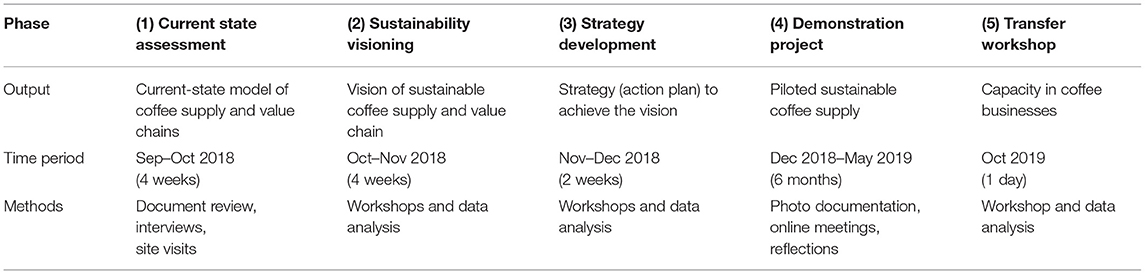
Table 1. Phases of the project.
In the first phase, the current coffee supply and value chains of the two coffee businesses were mapped out and analyzed (cf. Castello Branco and dos Santos, 2018). Additional information about the current business practices was compiled and assessed against a comprehensive set of sustainability principles (cf. Weber et al., 2020), based on the Sustainability Assessment of Food and Agriculture (SAFA) framework of the United Nations Food and Agriculture Organization (FAO, 2014). Data was collected through document reviews, two semi-structured interviews (one per businesses) and five individual working sessions with the business owners (two with Catando Ando, three with Considerate Coffee), as well as two site visits (one at each business site). Details on the price calculations for the value chains can be found in the Supplementary Material. In the second phase, a vision for a sustainable joint coffee supply chain was developed and refined based on a set of quality criteria, including coherence and plausibility (Iwaniec and Wiek, 2014). The vision process also included that participants shared their motivations and expected benefits of the collaboration to build trust and ownership for the process (Ostrom, 2003; Luederitz et al., 2017). In the third phase, a strategy (action plan) was developed on how to achieve the vision (Kay et al., 2014). Data for vison and strategy was collected through two 3-h all-hands working sessions, in which all seven team members joined, two individual meetings (one with each businesses), frequent email exchange, literature review, and reflections by the researchers (documented after each meeting). Some of the information was obtained by the intermediary businesses, who—due to short supply chain structures—had direct contact with farmers and consumers, respectively. For example, all upstream prices of the envisioned value chain were informed by Catando Ando's conversations with the coffee farmers. Catando Ando participated online in the working sessions. Main working language was English, with one of the researchers translating between English and Spanish as needed. In the fourth phase, based on the action plan, Considerate Coffee and Catando Ando piloted the joint supply and value chain. The process was documented with pictures and notes taken by the businesses. The researchers facilitated bi-monthly online meetings to share recent developments and address emerging issues. After the pilot project had ended (October 2019), the researchers facilitated a transfer workshop for coffee businesses in Phoenix (Weber and Wiek, 2020).
Design Principles for Sustainable International Coffee Supply
Incremental improvements do not suffice to address current sustainability challenges in international coffee supply (Zerbe, 2014). Approaches are needed that restructure international coffee supply in ways that align with a comprehensive set of sustainability principles (Samper and Quiñones-Ruiz, 2017; Castello Branco and dos Santos, 2018). The SAFA framework (FAO, 2014) provides a robust sustainability assessment framework for food systems. We made a few adaptations to fully reflect the nature of an international coffee supply chain with its variety of participating actors and entities. In addition, such principles are best formulated as design principles with clear direction of what to aspire to and applicable to what small intermediary businesses can do. The set of principles is most convincing (plausible) when grounded in existing pioneering practices (cf. Weber et al., 2020). We therefore indicate an exemplary coffee business that complies with the respective principle. The ten design principles used in this study are summarized in Table 2, below. They are adapted from previous research (Weber et al., 2020), which provides the supporting literature.
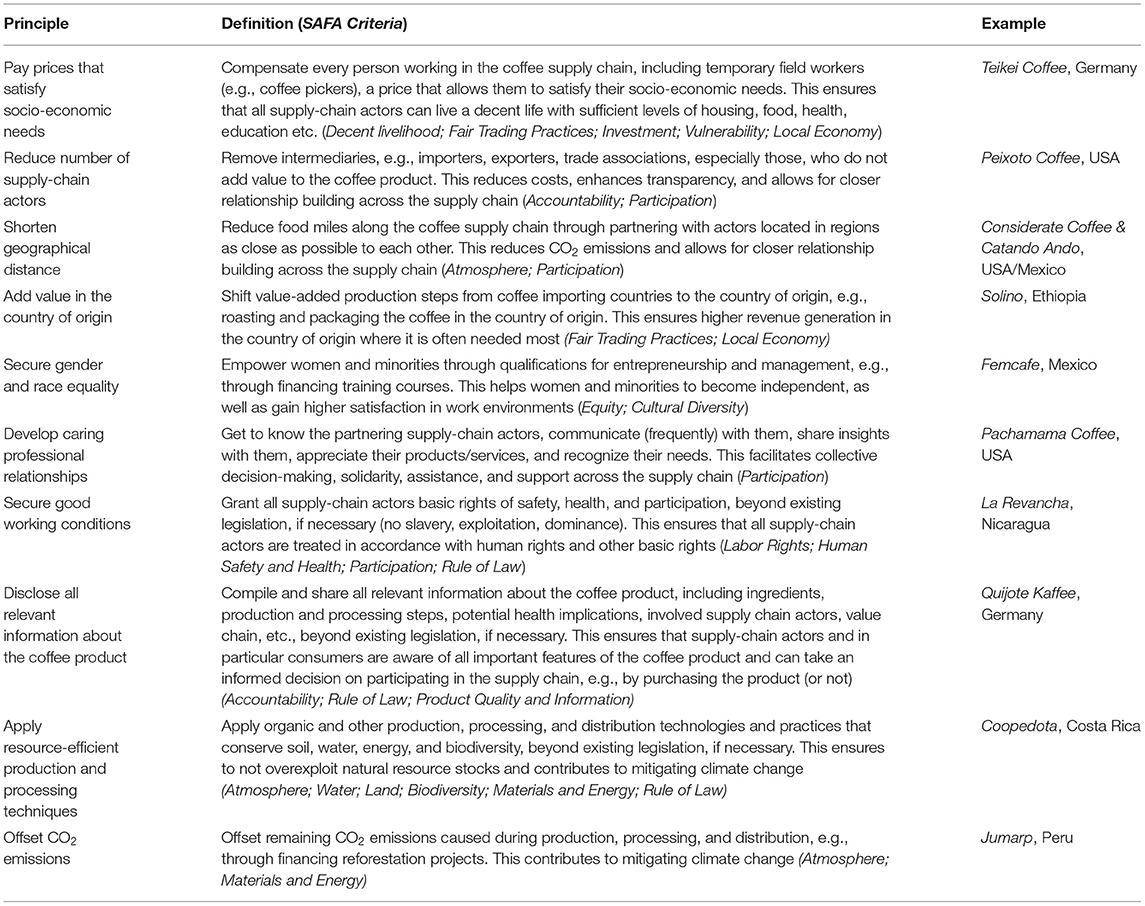
Table 2. Design principles for small intermediary businesses for sustainable international coffee supply, adapted from Weber et al. (2020), with correspondence to SAFA criteria and exemplary coffee businesses that have implemented the respective principle.
Results
Sustainability Problems Along the Current Coffee Supply Chains
The assessment exposed a number of sustainability challenges along the supply chains of Considerate Coffee and Catando Ando (Table 4-A).
Considerate Coffee's annual production volume was around 8,706 liters (or kg) cold brewed coffee, brewed from around 544 kg roasted coffee. Their customers, mostly restaurants and hotels, were located in Phoenix. Considerate Coffee's supply and value chain is illustrated in Figure 1. The coffee was transported more than 14,500 km from Ethiopia to Arizona with associated emissions (Long distance/high CO2 emissions). There was a large number of actors (n = 13) involved in the supply chain (Long complex supply chain). The coffee was roasted in Arizona, not in the country of origin (Value extracted from the country of origin). Prices were unknown for most of the upper part of the value chain. Considerate Coffee was able to identify only a few prices, based on the closest business relationships and common knowledge, e.g., for exported Fairtrade certified green coffee. Based on current studies (Valkila et al., 2010; e.g., Chiputwa et al., 2015), we assumed that even Fairtrade prices could have been unfair (too low), at least for some supply chain actors (Prices do not meet socio-economic needs). Similarly, one has to assume—considering common practices—that coffee farming and processing were not based on organic, energy-efficient, and water-efficient technologies and practices (Resource-intense production and processing techniques); nor might they have supported equity efforts (Lack of empowering women and minorities). Finally, there were major gaps in information across the supply chain. Considerate Coffee only knew the two actors based in Arizona personally (retailer, roaster) and the names of two others (larger importer, farm site); yet, did not know any specifics about the life and work circumstances of any supply chain actors upstream. This translated into gaps in product information provided (Insufficient product information). With little/no knowledge, supply chain actors also displayed little/no support, assistance, and solidarity for each other (Lack of caring professional relationships). However, Considerate Coffee also displayed some positive sustainability features, for example, they purchased Fairtrade-certified coffee which might have secured workers' health and safety (Good working conditions), and they produced coffee bio-char from coffee grounds and used only recycled material for their brewing equipment (Resource-efficient processing techniques).
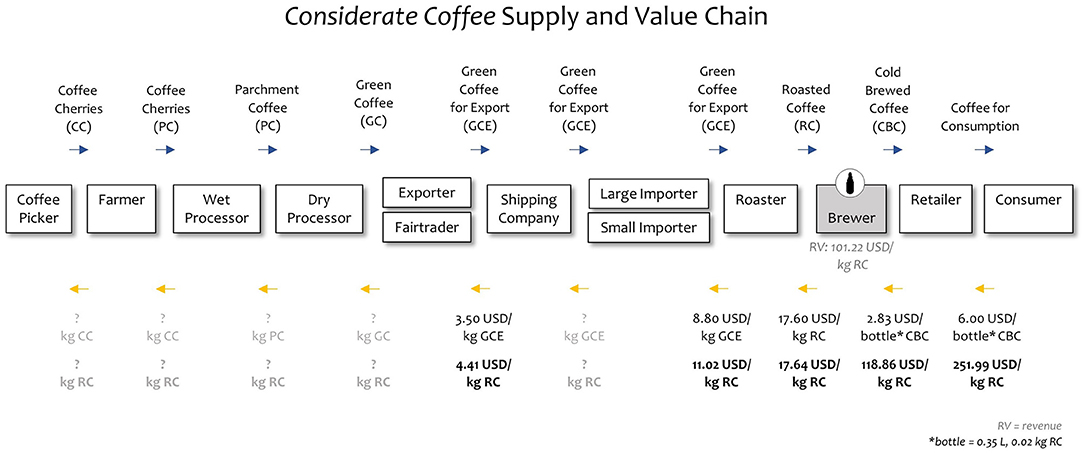
Figure 1. Prior supply and value chain of Considerate Coffee.
There were fewer sustainability challenges related to Catando Ando's supply and value chain (Figure 2). Catando Ando operates and distributes in Mexico (Short distance/low CO2 emissions), in direct contact to all six supply-chain actors, and with knowledge about prices associated with each element of the value chain. Knowing the farmers' life and work conditions and being in regular contact with them (Caring professional relationships/Good working conditions), Catando Ando indicates as a sustainability challenge that farmers and coffee pickers do not receive a fair price, at least 20% too low (Prices do not meet socio-economic needs): “Farmers get 3 pesos per kg [coffee cherries] as an average price. We pay [at least] 3.5 to 4 pesos per kg [coffee cherries]. This should be increased to 5 pesos to be fair.” (Catando Ando, Visioning Workshop, 2018/11/08, for green coffee equivalents see Figures 2–4). Catando Ando is often not able to pay higher prices because its specialty coffee does not achieve adequate prices in Mexico. At the time of the project, Catando Ando was therefore exploring export markets, e.g., to Vietnam – with the implications of significantly higher food miles (Long distance/high CO2 emissions) and more supply-chain actors involved (Long complex supply chain). While Catando Ando collaborates with coffee farmers on improving production and processing techniques in order to increase the quality of coffee cherries and green beans, most contracted farmers still use conventional coffee farming practices, e.g., using chemical pesticides against the fungus that causes coffee leave rust (Unsustainable production and processing techniques). Catando Ando uses a packaging that displays the famer's name, the coffee bean variety and the exact location of the coffee farm (Relevant product information).
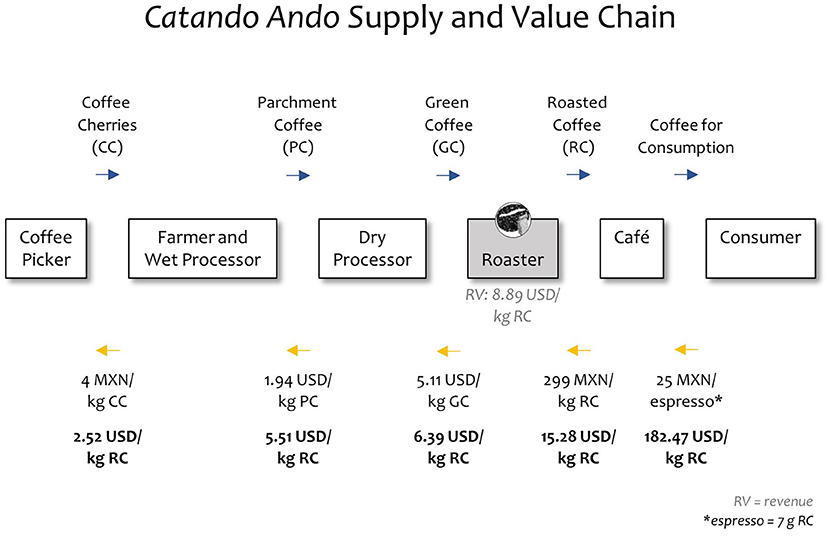
Figure 2. Prior supply and value chain of Catando Ando.
The vision for a joint sustainable coffee supply chain
The vision reflects the desire to address the sustainability problems revealed in the assessment, starting with merging the two coffee supply chains of Considerate Coffee and Catando Ando. While this leverages their complementarities (Table 4-A), both companies were willing to explore additional efforts to enhance the sustainability performance of the joint supply chain. The vison was therefore crafted to comply with the full suite of design principles for sustainable international coffee supply (Table 4-B).
The joint sustainable supply chain between Considerate Coffee and Catando Ando (Figure 3) envisions: Prices are truly fair and transparent to all supply-chain actors, who know and care for each other. This is facilitated by a reasonable number of supply chain actors (n = 8) with Catando Ando and Considerate Coffee being exporter and importer, respectively. All supply-chain actors are located in reasonable proximity from each other (Arizona, USA & Mexico) and stay in regular contact. Short transportation, organic farming practices, resource-efficient processing equipment, and offsetting remaining CO2 emissions through reforestation projects in the regional mountain forest protect the environment.
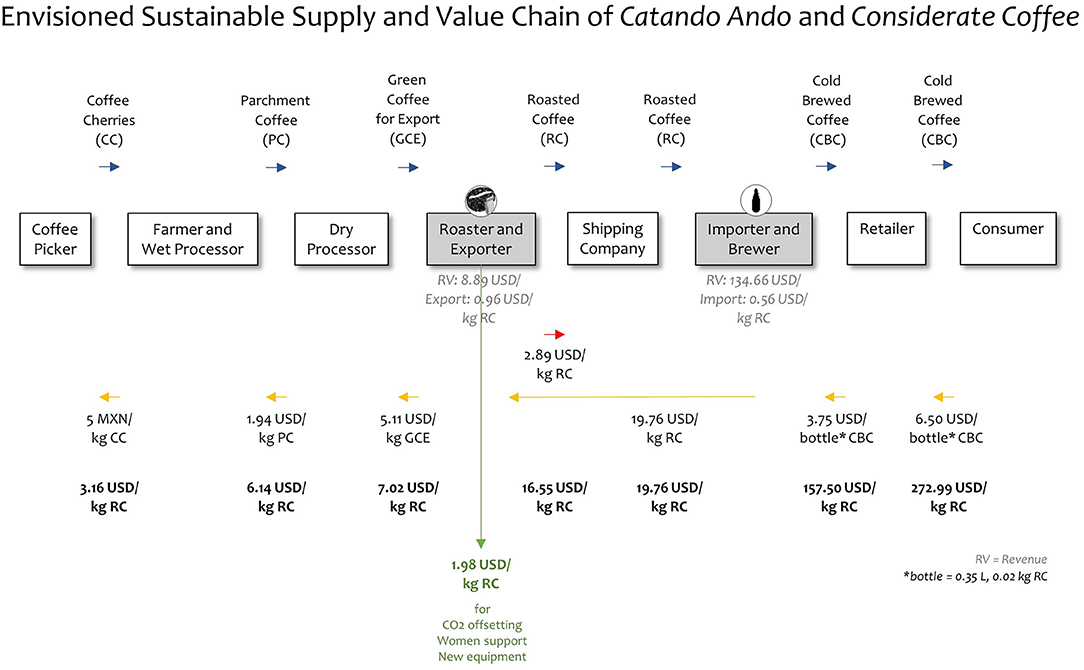
Figure 3. Envisioned sustainable coffee supply chain between Considerate Coffee and Catando Ando.
The first core element of the vision are truly fair prices paid to all supply-chain actors, that means, that all supply-chain actors “are paid in such a way that they can cover their needs and live a decent life far away from poverty” (Sotiropoulou, 2012). The project partners co-defined “living far away from poverty” as follows: all supply-chain actors (i) have sufficient food, clothing, and shelter, as well as access to education, health, and other social services; (ii) are empowered to participate in decision-making processes; and (iii) feel hopeful about the future (cf. UN-SDG2). Fair prices for all elements and actors of the value chain reflect differences in needs and decent-life costs across the regions and countries where supply chain actors reside. For example, the higher payments would allow coffee pickers to afford healthcare and education for their families; or coffee farmers would be incentivized to continue farming as opposed to abandon their land and migrate to the city. The prices are significantly higher compared to Considerate Coffee's current value chain; for example, as compared to the envisioned 6.14 USD/kg roasted coffee for the individual farmer, currently, a farmers cooperative receives the standard Fairtrade price of 4.41 USD/kg, with individual farmers likely receiving even less (Chiputwa et al., 2015). This is indicative of the fact that Fairtrade prices often do not keep up with increased cost of living, as suggested in other studies (Bacon, 2010).
The second core element of the vision is the short supply-chain structure with Catando Ando operating as the exporter, Considerate Coffee as the importer, a customs broker taking care of the paperwork, and a shipping company transporting the coffee (annual exporter/importer certification fees and shipping costs are included in the value chain). This facilitates close and caring professional relationships across the entire supply chain with regular (online) contact and occasional visits, as well as achieving transparency and securing good working conditions across all stages of production, processing, and distribution. Striving for full transparency includes disclosing all relevant information on the product, e.g., coffee variety, locations, people, and payments, to all supply chain actors, including consumers, through personal communication, product packaging, and company websites.
Sourcing roasted coffee from Mexico to Arizona instead of green beans from Ethiopia significantly reduces food miles (from 14,500 to 2,600 km) and CO2 emissions, while adding value in the country of origin. Both businesses agreed on investing up to 10% of the sales price between both companies into supporting gender equality, resource-efficient production and processing techniques, as well as offsetting CO2 emissions. Catando Ando's women employees would receive training to become certified as specialty coffee barista; coffee farmers would be 100% organically certified; and the wet processer would operate with a new, water-efficient wet processing machine, which would reduce water input by a factor of 10; and remaining CO2 emissions would be offset through reforestation projects by a local NGO in the mountain forest within the coffee-growing region (Cofre de Perote). An annual volume of 720 kg supplied coffee would allow to finance 1 ha of planted trees per year (Catando Ando, Strategy-Building Workshop, 2018/12/05).
The Strategy (Action Plan) for Achieving Sustainable International Coffee Supply
The strategy to achieve the vision of a sustainable supply chain between Catando Ando and Considerate Coffee is structured into three main phases (Table 3), namely, initiation, acceleration, and consolidation, following the standard order of key components of transition strategies (Rotmans et al., 2001; Kay et al., 2014).
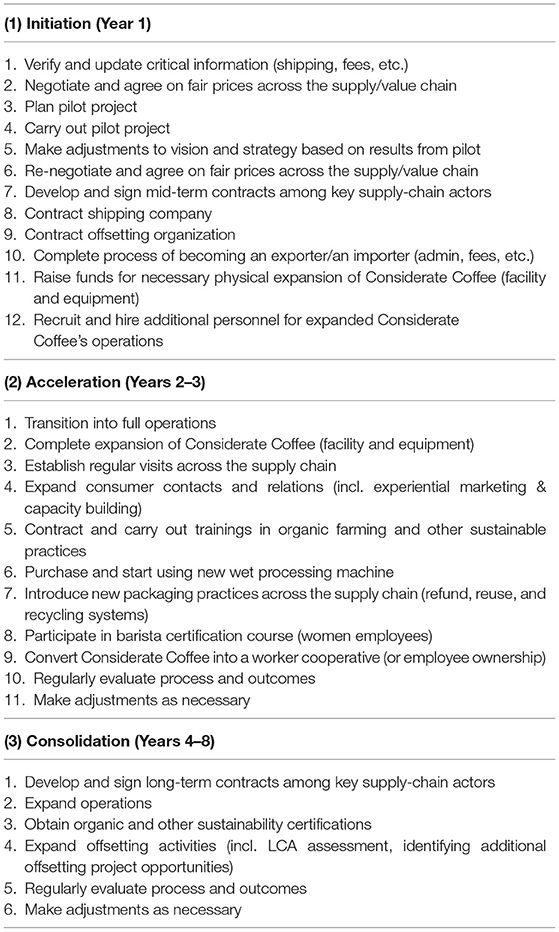
Table 3. Strategy (action plan) for the new supply chain between Considerate Coffee and Catando Ando.
The first phase (initiation) is about piloting the strategy and setting up the cooperation. Key activities are negotiating and agreeing on fair prices across the supply/value chain, and then conducting a pilot project on this base to test as many cooperation elements as possible (see next section, below). Using the insights from the pilot project, final adjustments can be made, contracts need to be issued among all supply-chain actors (incl. for shipping and for offsetting), and additional core cooperation elements, e.g., exporter/importer application, need to be completed. Finally, necessary expansion of Considerate Coffee (facility, equipment, staff) need to be initiated (fundraising, etc.).
In the second phase (acceleration), the cooperation becomes fully operational. Acceleration activities advance the cooperation, with focus on completing Considerate Coffee's expansion, broadening caring professional relationships, adding new infrastructure at Catando Ando (wet processing machine, packaging system), establishing trainings (organic farming, barista). Regular evaluation and adjustments secure continuous improvement of the cooperation.
The third phase (consolidation) allows for expanding the cooperation based on long-term contracts among all key supply-chain actors and for standardizing processes through certifications (e.g., organic), new business model (worker cooperative), and advanced professional procedures (monitoring, identification of new opportunities). Regular evaluation and adjustments continue to improve the cooperation.
Piloting Sustainable International Coffee Supply
The first phase of the action plan included execution of steps 1–5 (Table 3) with a focus on carrying out a pilot or demonstration project on the new supply and value chain (Figure 4). Catando Ando roasted green coffee (received from the dry processor after the last coffee harvest in 2017/2018), and shortly thereafter, on December 26, 2018, sent 20 kg with UPS to Considerate Coffee in Phoenix, where it arrived on January 8, 2019. The sales price was 447 USD. Considerate Coffee cold-brewed 4.5 kg of Catando Ando's roasted coffee and filled 28 1 L-bottles of cold brew coffee. These bottles were sold at a tasting event to their main clients on February 14, 2019. The event offered an opportunity to explore their clients' satisfaction with the new product and their willingness-to-pay (price range). The marketing approach of the event was communicating the achievements of the new supply chain, including increased payments for coffee pickers, reduced CO2 emissions, offsetting remaining emission caused by transport, and building caring professional relationships to the roaster in Mexico, among others.
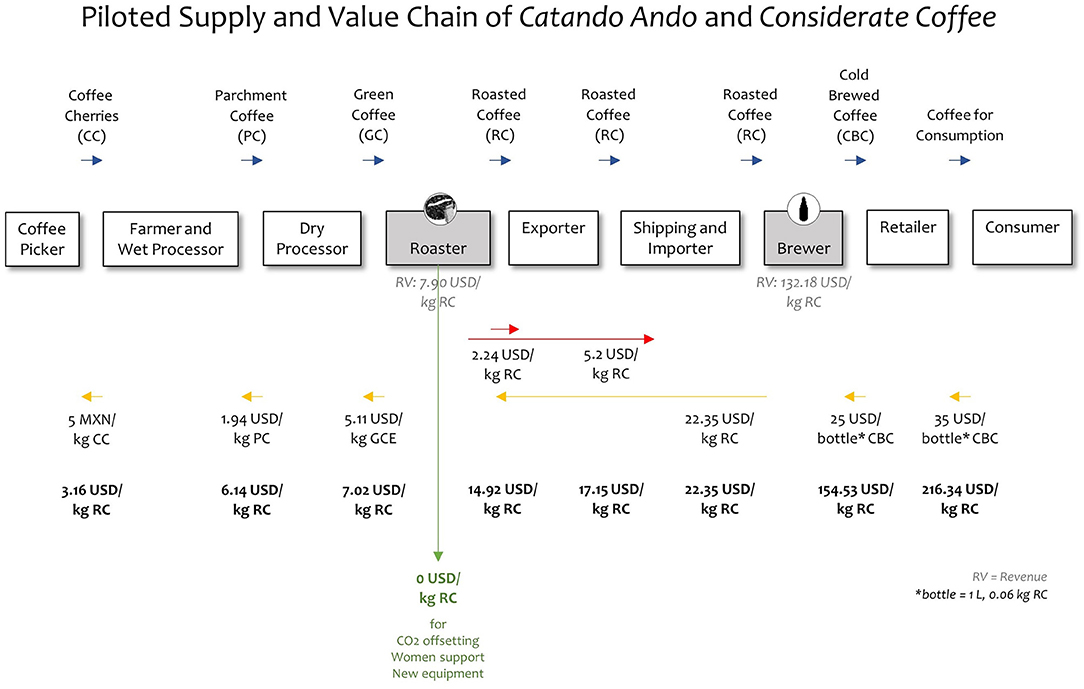
Figure 4. Piloted coffee supply and value chain of Considerate Coffee and Catando Ando.
The demonstration project yielded a number of positive results (Table 4-C): Considerate Coffee was able to significantly reduce food miles and CO2 emissions by importing coffee from Mexico instead of Ethiopia. Importing roasted coffee from Catando Ando instead of green coffee beans added value in the country of origin (Mexico). Through regular (online) meetings between Considerate Coffee and Catando Ando caring professional relationships started to develop. Other vision elements were at least partly achieved. The pilot project reduced the number of supply-chain actors to 9 (from 13, for Considerate Coffee). As indicated in Figure 4, higher prices were paid and they made a difference for the most vulnerable supply-chain actors (i.e., the coffee pickers). Information on the product and the mission behind it was disclosed to the majority of supply-chain actors (from producers to consumers).
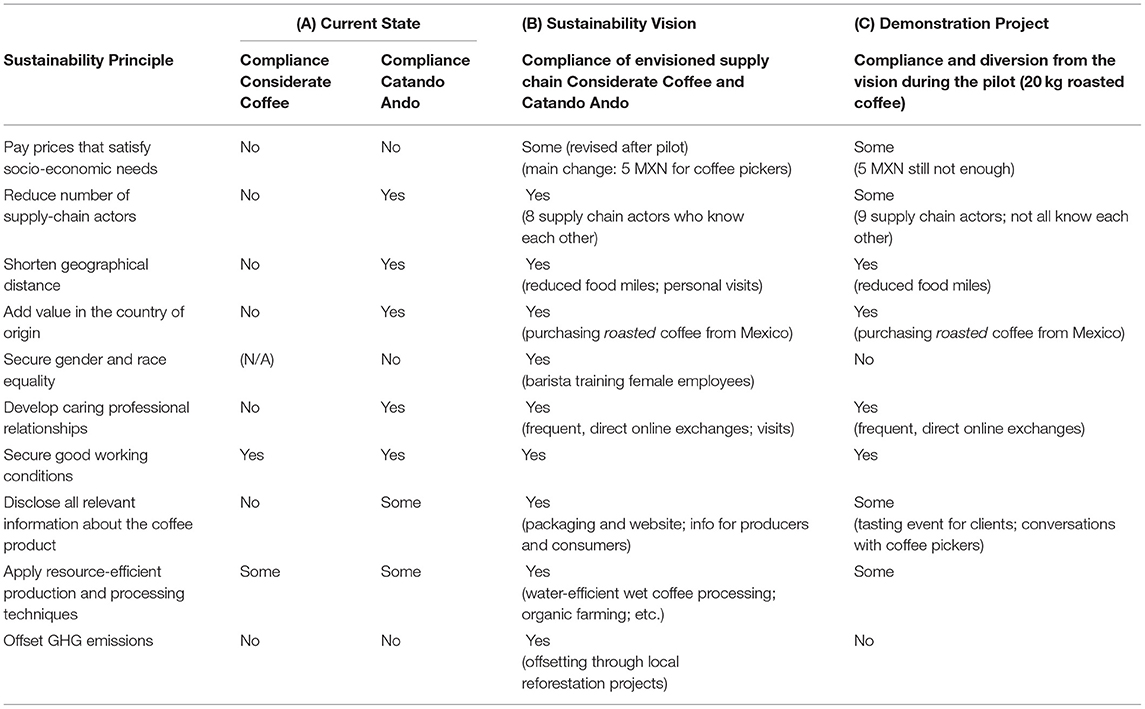
Table 4. Compliance of current state, vision, and demonstration project with sustainability principles.
However, during the project, partners also encountered several obstacles that resulted in diversions from the vision (Table 4-C) and yielded important insights for the strategy implementation. First, the export and import activities had to be provided by external services due to the short timeframe of the pilot vs. the long approval process for exporters and importers. As soon as there approval processes are completed, supply-chain complexity can be further reduced and efforts can begin to familiarize all supply-chain actors with each other. Second, the pilot shipment of a small amount of coffee (20 kg) incurred relatively high costs for shipment and import (5.2 USD/kg roasted coffee) that resulted in compromising other vision elements (e.g., offsetting CO2 emissions; barista training for women employees). An annual volume of at least 720 kg supplied coffee would be needed to realize the vision elements omitted in the pilot. However, 720 kg roasted coffee is still a little amount compared to the more than 165,000 tons of green coffee produced in Mexico in 2019 (FAO, 2020). This higher minimum volume of 720 kg (compared to 544 kg Considerate Coffee had processed previously) and aspired additional expansion contracts would require securing a larger brewing facility and additional (or new) brewing equipment for Considerate Coffee. This aligned with aspirations to convert from a microbrewery (2 owners) to a small brewery (~10 employees). An alternative (partnership with a brewery in California that produces shelf-stable kegs of cooled-down hot-brewed coffee using liquid nitrogen instead of bottling cold-brewed coffee) was considered but rejected due to the additional CO2 emissions from transportation and packaging (kegs from California vs. bottles from Phoenix) as well as a more energy intense cooling process. Third, despite the increased premium, conversations with coffee pickers revealed that even these higher prices did not allow them to sufficiently satisfy their socio-economic needs. Fully accounting for their needs would require to further increase the premium (>5 MXN/kg coffee cherries). The main reason for arriving at a sub-sustainable price level was that commodity prices still served (even if indirectly) as reference point for price negotiations (see also Sotiropoulou, 2012). A way out is to engage “honest brokers” and decouple price negotiations from commodity prices and focus on socio-economic needs. While conceptually reasonable, the pilot indicated that this is a major paradigm shift that has to go through major “growing pains.” Fourth, the timeframe of the demonstration project was too limited to go through the change from conventional to organic farming practices. This requires extensive re-training and, at least in part, new material and/or equipment. As indicated in Table 3, related actions are planned for the acceleration phase, with full conversion in the consolidation phase. Finally, the tasting event at Considerate Coffee yielded the insight that some of Considerate Coffee's clients still demanded the previous product brewed from the Ethiopian coffee. Potential solution to this challenge include: convincing the clients of Considerate Coffee's new vision/mission (more compelling story); recruiting new clients open to the new vision/mission of Considerate Coffee; or exploring and securing other coffee varieties from Mexico that satisfy the demand of Considerate Coffee's existing clients.
Discussion
The project assessed the current state of two small intermediary coffee businesses' individual supply and value chains; generated a vision and a strategy for a joint sustainable supply and value chain between the two businesses; as well as piloted the joint supply and value chain through a demonstration project. The results of each project stage are summarized in Table 4 regarding the extent to which they comply with the sustainability principles presented in section Design Principles for Sustainable International Coffee Supply, above.
Comparing the vision to the current state assessment, the results show that a cooperation between small intermediary coffee businesses has the potential to infuse sustainability into their supply and value chain to a much larger extent than currently done operating independently: there is a potential change from at least partly complying with 2 and 7 principles, respectively, to full compliance with all 10 sustainability principles. The demonstration project showed that this can actually be implemented to a large extent: at least partly complying with 8 of the 10 principles. However, the demonstration project revealed that compliance with some sustainability principles is difficult to achieve despite good intentions. The demonstration project also showed that at least one of the vision elements (“Pay prices that satisfy socio-economic needs”) was insufficiently developed and needed revision.
In the following, we discuss the presented project results against the conditions that enable small intermediary coffee businesses to infuse sustainability into their supply and value chains through cooperation, namely by explaining how these conditions have worked out (or not) in the project. Key factors seem to be economic resilience through cooperation, problem recognition, transparency, trust, and solidarity across supply-chain actors – in short, cooperating with “open cards.”
Small Intermediary Businesses Are Willing to Enhance Their Economic Resilience Through Cooperation
Infusing sustainable practices into the supply chain primarily depends on the small intermediary companies staying in business. While small businesses demonstrate some advantages in pursuing sustainability compared to large companies (Burch et al., 2016), they are also vulnerable due to their small size. Changes in business partnerships, new career aspirations, personal crises, sickness, accidents, and other human (resources) factors can quickly turn into an existential threat to the business (Cooper and Burke, 2011). In this project, both businesses were run by entrepreneurs and staff of <5 people. And indeed, a major personal disturbance led to the closure of Considerate Coffee and, by extension, to the dissolution of the cooperation described. Economic resilience cannot be achieved through a cooperation, as the one demonstrated in this project, alone. Potential solutions, apart from growing the individual businesses in size, might be offered by advanced forms of cooperation and collaboration (Nidumolu et al., 2014), including support structures of alternative food networks, or different forms of cooperative businesses, including multi-stakeholder cooperatives, or peer-learning networks (Jaffee, 2007; Burch et al., 2016; Weber and Wiek, 2020). To avoid negative side-effects, such advanced forms of cooperation still need to adhere to the other sustainability principles, including short supply chain structures (participation, accountability).
Supply-Chain Actors Are Willing to Recognize Sustainability Challenges and Take Action
Awareness and readiness to act are key conditions to address sustainability challenges along the coffee supply chain. In this project, the collaborative sustainability assessment of the current supply and value chains helped facilitate collective problem recognition by identifying tangible sustainability strengths and weaknesses. The conversations among the entrepreneurs revealed that personal experiences with issues of unsustainability motivates to take action toward sustainability, as indicated in other studies (e.g., Handy et al., 2002), too. Nguyen and Sarker (2018) report that coffee farmers who experienced negative effects such as soil erosion and water shortages are more willing to participate in sustainability programs. Raynolds (2009) suggests that intermediary coffee businesses adopt fair trade practices to counteract global socio-ecological problems caused by externalizing socio-ecological costs (cf. Clapp, 2015). Yet, problem awareness alone is often not sufficient for taking action. Limited time, capital, workforce, and expertise are factors that can hinder small businesses to take action despite problem recognition (Burch et al., 2016). This indicates the necessary interplay of the conditions discussed here.
Supply-Chain Actors Are Willing to Openly Share Value Chain Information
Openly sharing value chain information challenges the still prevalent “value chain secrecy” in favor of broad transparency and empowerment of all supply-chain actors (Mol, 2015). Transparency is widely considered a key principle of direct trade arrangements (MacGregor et al., 2017) and relationship coffee models (Vicol et al., 2018). In this project, disclosing all relevant value chain information, after some hesitation, enabled the entrepreneurs to collectively identify insufficient payments along the entire supply chain, and eventually move toward paying fair prices to all supply chain actors. However, Gardner et al. (2019) point out that transparency should be considered a means toward sustainable supply chains, not an end in itself. It is a necessary, yet, not a sufficient condition for ensuring fair prices are being paid along the entire value chain. But even if transparency meets willingness to pay higher prices, it might just not be enough. The demonstration project points to the importance of validating adjusted prices with all supply chain actors, which might reveal the need for additional adjustments (as was the case in this project – see comment about prices paid to coffee pickers). Transparency is often facilitated by trust, as disclosing value chain information might reveal unsustainable business practices and affect business image. Thus, alternative trade arrangements for coffee build trust in pursuit of transparency (Vicol et al., 2018; Edelmann et al., 2020) – see next condition.
Supply-Chain Actors Trust and Commit to Each Other
In supply-chain relationships trust is a special quality that facilitates reciprocity and accountability in following through with obligations and granting benefits (Castello Branco and dos Santos, 2018). It has been identified as a key factor in successful (sustainable) coffee supply chains (Cuong, 2019). There is agreement in the literature that trust and commitment are key conditions for successful alternative trade arrangements (Edelmann et al., 2020), even more important than contracts, in some cases (Borrella et al., 2015). In this project, trust enabled the development of caring relationships and was initially built through continuous constructive conversations that revealed similar values and commitment toward sustainability, as well as mutual cultural sensitivity. Indicative of the latter was, for example, that both businesses showed an honest interest in learning about the cultural context in which the other business operated as well as undertook efforts of learning to communicate in both languages (English and Spanish). Trust was further built through the demonstration project, which was considered successful by both cooperating partners.
Supply-chain actors Are willing to Act in solidarity across the supply chain
This condition refers to an attitude that places “more importance on people than on capital and profit” (Sahakian and Dunand, 2015, p. 3). Applied to sustainable supply chains, this condition has four dimensions. First, consumers are willing to pay adequate prices. Mission-driven coffee businesses (Raynolds, 2009) seem to attract mission-driven consumers. And Weber et al. (2021) show that if consumers understand the sustainability mission of a coffee business, they are willing to pay a higher price for the product. However, convenience or routines might still get in the way of sustainable consumption choices (Rathgens et al., 2021). The demonstration project yielded some insights into retailers' or consumers' willingness to pay higher prices, namely, that they were not willing to pay significantly more, only 2% and 8%, respectively, more per bottle cold brewed coffee. As a consequence, additional investments for CO2 offsetting, women support, or new equipment, which had been envisioned earlier, could not be realized (Figure 4). Second, supply-chain actors are willing to pass on profit. This is a condition for fair payment of all supply-chain actors, including temporary field workers and other vulnerable supply-chain actors, which is the main objective of alternative trade arrangements (Bacon et al., 2008; Vicol et al., 2018). Intermediary coffee businesses play a critical role in demonstrating this solidarity with the upstream coffee producers (Borrella et al., 2015). In this project, trustful relationships facilitated open conversations about prices and confirmed the commitment to adequate distribution of benefits, as demonstrated in the iterative increase of payments for the coffee pickers. Third, supply-chain actors' are willing to use profit for enhancing the environmental performance of the supply chain. Current global food supply chains externalize environmental costs (Clapp, 2015). Sustainable supply chains, on the contrary, seek to internalize such costs, e.g., through offsetting and compensation mechanisms, if negative environmental effects are not directly being avoided (Weber et al., 2020). In this project, using or even producing solar energy instead of burning gas in the roastery seemed cost-prohibitive (and there were some other considerations about taste); instead, paying for projects that reforest the surrounding mountain forest was considered an economically viable option and thus was included into the vision. Yet, it was not practiced in the demonstration project after all due to reemerging economic concerns (willingness not sufficient, maybe). This points to the need for policies and financial incentives that ensure internalizing of environmental cost across the supply chain (Ding et al., 2016). However, research calls for a more proactive approach, namely, to adopt sustainable practices that avoid environmental costs from the beginning and thus make compensation schemes obsolete (Montabon et al., 2016). Fourth, supply-chain actors are willing to compensate for negative systems effects. Changing supply chain structures might have negative effects on previously involved supply chain actors. In this project, substituting coffee produced by Ethiopian farmers with coffee produced by Mexican farmers could negatively affect livelihoods in Ethiopia. Hence, the sustainability assessment ought to adopt a systems perspective that accounts for distal socio-environmental feedbacks or telecoupling (Eakin et al., 2017). Mitigation strategies could include diversifying cooperation networks without significantly enlarging the supply chains. While this solidarity facet was briefly discussed in this project, it was not pursued due to the complex nature of such a system-wide compensation endeavor (willingness not sufficient, maybe).
Limitations
Despite the achievements, the presented study has limitations, too. First, transferability of practices and insights depend on specific contexts. Some of the sustainability principles might be easier to adopt than others depending on the specifics of a given supply and value chain, as well as the preferences of the supply-chain actors. In any case, the proposed iterative process from assessment to piloting should allow for context-specific re-design of coffee supply chains to enhance their sustainability through cooperation. Second, some findings of the study are not conclusive, for instance, if the multiple-adjusted prices across the value chain indeed allow for a decent life for all supply-chain actors. Additional evaluative research is needed to verify those numbers over the mid-term. Third, some information was provided by the intermediary businesses as the researchers were unable to interview coffee farmers working with Catando Ando (although the researchers had conversations with other coffee farmers in the region). Primary data collection would be needed for full verification. Fourth, this demonstration project was realized with a very small quantity of coffee (20 kg), which by itself had no impact on larger issues such as poverty alleviation. Additional research would be needed to demonstrate the scale that would be required to succeed on such issues. Fifth, findings are based on a demonstration project with small intermediary food businesses in a short supply chain, which might have less validity for conventional supply chain structures. For that, rigorous certification continues to be a promising approach, despite pitfalls and setbacks. However, the conversion of small supply chains, as demonstrated in this study, is equally viable – as a different approach to amplify the positive impact of sustainable practices (Lam et al., 2020). Such efforts, however, call for significant changes in consumer behavior, business education, and governmental incentives; and as such, they need many coordinated efforts over long periods of time. Sixth, the tasks of the research team consisted of designing the project, identifying potential partners, forming the partnership, facilitating the project (collecting technical information preparing and facilitating workshops, etc.), collecting and analyzing research data, and reflecting on the processes. While researchers can and often need to take various roles in transdisciplinary sustainability projects (Wittmayer and Schäpke, 2014), this comes with benefits and costs. Being deeply involved in all facets of the cooperative project provided in-depth insights into sustainability challenges and opportunities that small intermediary food businesses face. Yet, it also affected the accompanying research, which needed to be organized pragmatically, and, at times, was deemphasized in favor of the cooperative partnership.
Conclusions
This study explored extent and conditions under which sustainable international coffee supply could be realized through small intermediary businesses such as roasteries, breweries, and/or retailers. Using the case of a cooperation between two intermediary coffee businesses the study shows that there is great potential of infusing sustainability across the supply chain, including paying prices that meet socio-economic needs, simplifying the supply chain, and reducing food miles, amongst others. Based on these findings, the study identified conditions for infusing these practices into the supply chain including economic resilience through cooperation, problem recognition, transparency, trust, and solidarity across supply-chain actors. Some of these factors have been detailed in the literature and are confirmed here; others are nuanced or added through this study. For example, while transparency and trust are widely discussed as key factors in sustainability-oriented direct trade and coffee relationship models, solidarity has been less nuanced in the literature (focusing on the willingness to pass on profit). Also, problem recognition has been recognized as a motivational condition for producers, which is here confirmed for intermediary businesses, too. All of these confirmed, nuanced, and added conditions seem to point to the importance of cooperating with “open cards” as the summative condition to advance sustainability across the supply chain. Further research is needed on effective political and financial support for small intermediary food business to infuse sustainability into the supply chain; cooperative arrangements that help small intermediary food businesses to increase their economic resilience; and how to account and compensate for systems-wide negative effects of redesigning supply chains.
Data Availability Statement
The original contributions presented in the study are included in the article/Supplementary Material, further inquiries can be directed to the corresponding author/s.
Ethics Statement
The studies involving human participants were reviewed and approved by Office of Research Integrity & Assurance, Arizona State University. The patients/participants provided their written informed consent to participate in this study. Written informed consent was obtained from the individual(s) for the publication of any potentially identifiable images or data included in this article.
Author Contributions
HW and AW designed the research project together and structured the paper and wrote the manuscript together. HW did the field visits, data collection and analyses. All authors contributed to the article and approved the submitted version.
Funding
HW and AW acknowledge financial support from the Robert Bosch Stiftung (12.5.F082.0021.0). AW also acknowledges financial support from the Social Sciences and Humanities Research Council of Canada (TRANSFORM: Accelerating Sustainability Entrepreneurship Experiments at the Local Scale, 50658-10029), as well as from the Belmont Forum and the Joint Programming Initiative Urban Europe [Globally and Locally-Sustainable Food-Water-Energy Innovation in Urban Living Labs (GLOCULL), 730254].
Conflict of Interest
The authors declare that the research was conducted in the absence of any commercial or financial relationships that could be construed as a potential conflict of interest.
Acknowledgments
We would like to thank Considerate Coffee Company and Catando Ando Coffee Roasters for their commitment to this collaboration. This research was made possible within the graduate school Processes of Sustainability Transformation which is a cooperation between Leuphana University of Lüneburg and the Robert Bosch Stiftung.
Supplementary Material
The Supplementary Material for this article can be found online at: https://www.frontiersin.org/articles/10.3389/fsufs.2021.663716/full#supplementary-material
References
Avelino, J., Cristancho, M., Georgiou, S., Imbach, P., Aguilar, L., Bornemann, G., et al. (2015). The coffee rust crises in Colombia and Central America (2008–2013): impacts, plausible causes and proposed solutions. Food Secur. 7, 303–321. doi: 10.1007/s12571-015-0446-9
Bacon, C. M. (2010). Who decides what is fair in fair trade?: the agri-environmental governance of standards, access, and price. J. Peasant Stud. 37, 111–147. doi: 10.1080/03066150903498796
Bacon, C. M., Ernesto Méndez, V., Gómez, M. E. F., Stuart, D., and Flores, S. R. D. (2008). Are sustainable coffee certifications enough to secure farmer livelihoods? The millenium development goals and Nicaragua's fair trade cooperatives. Globalizations 5, 259–274. doi: 10.1080/14747730802057688
Beshah, B., Kitaw, D., and Dejene, T. (2013). Quality and value chain analyses of Ethiopian coffee. J. Agricul. Soc. Res. 13, 35–41.
Borrella, I., Mataix, C., and Carrasco-Gallego, R. (2015). Smallholder farmers in the speciality coffee industry: opportunities, constraints and the businesses that are making it possible. IDS Bull. 46, 29–44. doi: 10.1111/1759-5436.12142
Burch, S., Andrachuk, M., Carey, D., Frantzeskaki, N., Schroeder, H., Mischkowski, N., et al. (2016). Governing and accelerating transformative entrepreneurship: exploring the potential for small business innovation on urban sustainability transitions. Curr. Opin. Environ. Sustain. 22, 26–32. doi: 10.1016/j.cosust.2017.04.002
Castello Branco, I. G., and dos Santos, A. C. (2018). Design for sustainable supply chain: the case of specialty coffees production. Product 16, 122–133. doi: 10.4322/pmd.2018.012
Chiputwa, B., Spielman, D. J., and Qaim, M. (2015). Food Standards, certification, and poverty among coffee farmers in Uganda. World Dev. 66, 400–412. doi: 10.1016/j.worlddev.2014.09.006
Clapp, J. (2015). Distant agricultural landscapes. Sustain Sci. 10, 305–316. doi: 10.1007/s11625-014-0278-0
Cooper, C. L., and Burke, R. J. (2011). Human Resource Management in Small Business: Achieving Peak Performance. Cheltenham; Northampton, MK: Edward Elgar Publishing.
Cuong, H. L. (2019). Relational Capital, Supply Chain Integration and Firm Performance in the Vietnamese Coffee Industry. Newcastle, NSW: The University of Newcastle Australia.
Ding, H., Zhao, Q., An, Z., and Tang, O. (2016). Collaborative mechanism of a sustainable supply chain with environmental constraints and carbon caps. Int. J. Prod. Econ. 181, 191–207. doi: 10.1016/j.ijpe.2016.03.004
Dragusanu, R., and Nunn, N. (2018). The Effects of Fair Trade Certification: Evidence from Coffee Producers in Costa Rica. Cambridge, MA: National Bureau of Economic Research.
Eakin, H., Rueda, X., and Mahanti, A. (2017). Transforming governance in telecoupled food systems. E&S 22:32. doi: 10.5751/ES-09831-220432
Edelmann, H., Quiñones-Ruiz, X. F., and Penker, M. (2020). Analytic framework to determine proximity in relationship coffee models. Sociol. Ruralis 60, 458–481. doi: 10.1111/soru.12278
FAO (2014). Sustainability Assessment of Food and Agriculture Systems: SAFA, Guidelines, Version 3.0. Rome: Food and Agriculture Organization of the United Nations.
FAO (2020). FAOSTAT Statistical Database. Rome: Food and Agriculture Organization of the United Nations. Available online at: http://www.fao.org/faostat/en/#data/QC (accessed May 10, 2021).
Gardner, T. A., Benzie, M., Börner, J., Dawkins, E., Fick, S., Garrett, R., et al. (2019). Transparency and sustainability in global commodity supply chains. World Dev. 121, 163–177. doi: 10.1016/j.worlddev.2018.05.025
Gerard, A., Lopez, M. C., and McCright, A. M. (2019). Coffee Roasters' sustainable sourcing decisions and use of the direct trade label. Sustainability 11:5437. doi: 10.3390/su11195437
Handy, F., Kassam, M., and Renade, S. (2002). Factors influencing women entrepreneurs of NGOs in India. Nonprofit Manage. Leader. 13, 139–154. doi: 10.1002/nml.13203
International Coffee Organization (2019). World Coffee Consumption. Available online at: http://www.ico.org/trade_statistics.asp (accessed June 20, 2021).
Iwaniec, D., and Wiek, A. (2014). Advancing sustainability visioning practice in planning—the general plan update in Phoenix, Arizona. Planning Pract. Res. 29, 543–568. doi: 10.1080/02697459.2014.977004
Jaffe, R., and Bacon, C. M. (2008). “From differentiated coffee markets toward alternative trade and knowledge networks,” in Confronting the Coffee Crisis: Fair Trade, Sustainable Livelihoods and Ecosystems in Mexico and Central America, ed. C. M. Bacon (Cambridge, Mass: MIT Press), 311–336.
Jaffee, D. (2007). Brewing Justice: Fair Trade Coffee, Sustainability, and Survival. Berkeley, CA: Univ. of California Press.
Kay, B., Wiek, A., and Loorbach, D. (2014). Building Transition Strategies Towards Sustainability – Concept and Application: Working Paper. Tempe, AZ: School of Sustainability, Arizona State University.
Lam, D. P. M., Martín-López, B., Wiek, A., Bennett, E. M., Frantzeskaki, N., Horcea-Milcu, A. I., et al. (2020). Scaling the impact of sustainability initiatives – a typology of amplification processes. Urban Transform. 2:3. doi: 10.1186/s42854-020-00007-9
Lang, D. J., Wiek, A., Bergmann, M., Stauffacher, M., Martens, P., Moll, P., et al. (2012). Transdisciplinary research in sustainability science: practice, principles, and challenges. Sustain. Sci. 7, 25–43. doi: 10.1007/s11625-011-0149-x
Lernoud, J., Potts, J., Sampson, G., Schlatter, B., Huppe, G., Voora, V., et al. (2018). The State of Sustainable Markets - Statistics and Emerging Trends 2018. Geneva: International Trade Centre (ITC).
Levy, D., Reinecke, J., and Manning, S. (2016). The political dynamics of sustainable coffee: contested value regimes and the transformation of sustainability. J. Manage. Stud. 53, 364–401. doi: 10.1111/joms.12144
Luederitz, C., Schäpke, N., Wiek, A., Lang, D. J., Bergmann, M., Bos, J. J., et al. (2017). Learning through evaluation – A tentative evaluative scheme for sustainability transition experiments. J. Clean. Prod. 169(Supplement C), 61–76. doi: 10.1016/j.jclepro.2016.09.005
MacGregor, F., Ramasar, V., and Nicholas, K. A. (2017). Problems with firm-led voluntary sustainability schemes: the case of direct trade coffee. Sustainability 9:651. doi: 10.3390/su9040651
Méndez, V., Caswell, M., Gliessman, S., and Cohen, R. (2017). Integrating agroecology and participatory action research (PAR): lessons from Central America. Sustainability 9:705. doi: 10.3390/su9050705
Mol, A. P. J. (2015). Transparency and value chain sustainability. J. Clean. Prod. 107, 154–161. doi: 10.1016/j.jclepro.2013.11.012
Montabon, F., Pagell, M., and Wu, Z. (2016). Making sustainability sustainable. J. Supply Chain Manage. 52, 11–27. doi: 10.1111/jscm.12103
Nguyen, G. N. T., and Sarker, T. (2018). Sustainable coffee supply chain management: a case study in Buon Me Thuot City, Daklak, Vietnam. Int. J. Corp. Soc. Responsibil. 3:424. doi: 10.1186/s40991-017-0024-x
Nidumolu, R., Ellison, J., Whalen, J., and Billman, E. (2014). The collaboration imperative. Harv. Bus. Rev. 92, 76–84.
Ostrom, E. (2003). “Toward a behavioral theory linking trust, reciprocity, and reputation,” in Trust and Reciprocity: Interdisciplinary Lessons for Experimental Research, eds E. Ostrom and J. Walker (Russell Sage Foundation), 19–79.
Parrish, B. D., Luzadis, V. A., and Bentley, W. R. (2005). What Tanzania's coffee farmers can teach the world: a performance-based look at the fair trade-free trade debate. Sustain. Dev. 13, 177–189. doi: 10.1002/sd.276
Philpott, S. M., Arendt, W. J., Armbrecht, I., Bichier, P., Diestch, T. V., Gordon, C., et al. (2008). Biodiversity loss in Latin American coffee landscapes: review of the evidence on ants, birds, and trees. Conserv. Biol. 22, 1093–1105. doi: 10.1111/j.1523-1739.2008.01029.x
Pierrot, J., Giovannucci, D., and Kasterine, A. (2010). Trends in the Trade of Certified Coffees. Geneva: International Trade Centre.
Rathgens, J., Engler, J. O., and von Wehrden, H. (2021). Broadening the perspective on the Knowledge-Doing Gap: Analyzing a German consumer survey [Mansucript submitted for publication], Faculty of Sustainability, Leuphana University of Lüneburg, Germany.
Rathgens, J., Gröschner, S., Wehrden, H., and von (2020). Going beyond certificates: a systematic review of alternative trade arrangements in the global food sector. J. Clean. Prod. 276:123208. doi: 10.1016/j.jclepro.2020.123208
Raynolds, L. T. (2009). Mainstreaming fair trade coffee: from partnership to traceability. World Dev. 37, 1083–1093. doi: 10.1016/j.worlddev.2008.10.001
Rotmans, J., Kemp, R., and van Asselt, M. (2001). More evolution than revolution: transition management in public policy. Foresight 3, 15–31. doi: 10.1108/14636680110803003
Sahakian, M. D., and Dunand, C. (2015). The social and solidarity economy towards greater ‘sustainability': learning across contexts and cultures, from Geneva to Manila. Community Dev. J. 50, 403–417. doi: 10.1093/cdj/bsu054
Samper, L., and Quiñones-Ruiz, X. (2017). Towards a balanced sustainability vision for the coffee industry. Resources 6:17. doi: 10.3390/resources6020017
Sotiropoulou, I. (2012). “Is there a fair and just price in solidarity economy? Valencia and Castellon de la Plana, Spain,” in VII Congress of the Network RULESCOOP.
United Nations Statistical Division (2020). UN Comtrade. Available online at: http://comtrade.un.org/ (accessed January 03, 2020).
Valkila, J., Haaparanta, P., and Niemi, N. (2010). Empowering coffee traders? The coffee value chain from Nicaraguan fair trade farmers to finnish consumers. J. Bus. Ethics 97, 257–270. doi: 10.1007/s10551-010-0508-z
van Rikxoort, H., Schroth, G., Läderach, P., and Rodríguez-Sánchez, B. (2014). Carbon footprints and carbon stocks reveal climate-friendly coffee production. Agron. Sustain. Dev. 34, 887–897. doi: 10.1007/s13593-014-0223-8
Vanderhaegen, K., Akoyi, K. T., Dekoninck, W., Jocqu,é, R., Muys, B., Verbist, B., et al. (2018). Do private coffee standards ‘walk the talk' in improving socio-economic and environmental sustainability? Glob. Environ. Change 51, 1–9. doi: 10.1016/j.gloenvcha.2018.04.014
Vicol, M., Neilson, J., Hartatri, D. F. S., and Cooper, P. (2018). Upgrading for whom? Relationship coffee, value chain interventions and rural development in Indonesia. World Dev. 110, 26–37. doi: 10.1016/j.worlddev.2018.05.020
Villarreyna, R., Barrios, M., Vílchez, S., Cerda, R., Vignola, R., and Avelino, J. (2020). Economic constraints as drivers of coffee rust epidemics in Nicaragua. Crop Protect. 127:104980. doi: 10.1016/j.cropro.2019.104980
Weber, H., Loschelder, D. D., Lang, D. J., and Wiek, A. (2021). Connecting Consumers to producers to foster sustainable consumption in international coffee supply – a marketing intervention study. J. Mark. Manage. 61, 1–20. doi: 10.1080/0267257X.2021.1897650
Weber, H., and Wiek, A. (2020). Sustainable Coffee Sourcing: A Workshop for Small Coffee Businesses in Arizona. Tempe, AZ: School of Sustainability, Arizona State University.
Weber, H., Wiek, A., and Lang, D. J. (2020). Sustainability entrepreneurship to address large distances in international food supply. Bus. Strat Dev. 3, 318–331. doi: 10.1002/bsd2.97
Wiek, A., and Lang, D. J. (2016). “Transformational sustainability research methodology,” in Sustainability Science: An Introduction, eds H. Heinrichs, P. Martens, G. Michelsen, and A. Wiek (Dordrecht: s.l. Springer Netherlands), 31–41.
Winter, E., Marton, S. M. R. R., Baumgart, L., Curran, M., Stolze, M., and Schader, C. (2020). Evaluating the sustainability performance of typical conventional and certified coffee production systems in Brazil and Ethiopia based on expert judgements. Front. Sustain. Food Syst. 4:246. doi: 10.3389/fsufs.2020.00049
Wittmayer, J. M., and Schäpke, N. (2014). Action, research and participation: Roles of researchers in sustainability transitions. Sustain Sci. 9, 483–496. doi: 10.1007/s11625-014-0258-4
Zerbe, N. (2014). “Exploring the limits of fair trade: the local food movement in the context of late capitalism,” in Globalization and Food Sovereignty: Global and Local Change in the New Politics of Food, eds J. M. Ayres, M.-J. Massicotte, M. J. Bosia, and P. Andrée (Toronto, Canada: University of Toronto Press), 85–110.
Keywords: global food supply, value chains, small businesses, fair prices, transformation, transdisciplinarity
Citation: Weber H and Wiek A (2021) Cooperating With “Open Cards”—The Role of Small Intermediary Businesses in Realizing Sustainable International Coffee Supply. Front. Sustain. Food Syst. 5:663716. doi: 10.3389/fsufs.2021.663716
Received: 03 February 2021; Accepted: 09 June 2021;
Published: 15 July 2021.
Edited by:
Albie Miles, University of Hawaii–West Oahu, United StatesReviewed by:
Huan Yang, Huazhong Agricultural University, ChinaAngela Hilmi, Coventry University, United Kingdom
Christopher Bacon, Santa Clara University, United States
Copyright © 2021 Weber and Wiek. This is an open-access article distributed under the terms of the Creative Commons Attribution License (CC BY). The use, distribution or reproduction in other forums is permitted, provided the original author(s) and the copyright owner(s) are credited and that the original publication in this journal is cited, in accordance with accepted academic practice. No use, distribution or reproduction is permitted which does not comply with these terms.
*Correspondence: Hanna Weber, aGFubmEud2ViZXJAbGV1cGhhbmEuZGU=