 Abdul-Rahim Abdulai
- Department of Geography, Environment and Geomatics, University of Guelph, Guelph, ON, Canada
This paper contributes to the digitalization of rural agriculture literature by proposing a social practice approach. Digitalization (practices) is conceived as an unfolding constellation of everyday farming activities manifested by practically conscious people meaningfully leveraging competences to integrate materials elements of life. Thirty-one expert key informants' interviews were conducted on experiences and pathways for the future of digital agriculture in Africa. Thematic analysis of the interviews revealed that materials (access to digital tools, enabling digital infrastructure, supporting social infrastructure), competencies (digital literacy among farmers and extension officers, IT and data education among populaces), and meanings (connecting digitization with local customs and norms and aligning digital tools with the values/perceptions of what farming is) are critical elements to establishing and embedding digital tools and services in everyday agriculture in Africa. Thus, I propose adopting a social practice approach (which focus on establishing and integrating materials, competencies, and meanings) to understanding, researching, and guiding processes of rural smallholder digitalization. The proposed approach, the first application of the social practice lens to smallholder digitalization, would allow for interventions that focus on establishing holistic and all-encompassing building blocks that bring digitalization practices to life. Specifically, the social practice proposal provides an outlook to move beyond the technologies –tools and services– of digitalization, to equally value the competencies required and meanings engendered in smallholder digital futures.
Introduction
Digitalization of agriculture—leveraging digital tools to enhance agricultural processes—is suggested as a pathway to transformational futures in smallholder farming and livelihoods in Africa (Tsan et al., 2019; Duncan et al., 2021). Specifically, digital services are anticipated to affect smallholders' outlook and everyday practices by, for example, bridging information asymmetry that hinders agricultural activities across the value chain (Babcock, 2015; Evans, 2018; Technical Centre for Agricultural and Rural Cooperation, 2019). Meanwhile, challenges such as farmers' resistance to change, low willingness to pay for services (Hidrobo et al., 2021), low digital literacies, and poor rural infrastructures continue to impede digitalization penetration (Tsan et al., 2019). Yet, despite the hope for a digital transformation in Africa (Babcock, 2015; Atanga, 2020; Farayola et al., 2020), the literature is limited in directionality or its ability to guide the future formation of digitalization in smallholder farming systems in Africa and beyond. Likewise, current studies ignore the potential to consider the digitalization of agriculture as an unfolding social phenomenon situated in people's everyday lives. Meanwhile, farmers' digital technologies will be strongly embedded in their daily practices (cf Røpke and Christensen, 2013), including how they use space and time to accomplish their goals. These gaps leave lingering questions on the future of digitalization in Africa, including, for example, what are elements needed for the formation and embedment of digitalization in smallholder farming systems? This paper aims to answer this question and (re)shape how we think, discuss and act about smallholder and rural digitalization, from one that considers its process entirely technical to one that emphasizes its (re)formation as an unfolding social practice of agriculture that requires conscious attention to the foundational building blocks for digital futures.
Here I employ social practices theory—an approach that focuses on everyday acts' saying and doings (Reckwitz, 2002; Shove et al., 2012)—to highlight the essential building block required, as deduced from the sayings and doings of actors in the African digital agriculture space. Specifically, I interviewed agricultural development practitioners and technology service providers (n = 31) actively designing, implementing, monitoring, and evaluating digital agriculture programs, innovations, tools and services across Africa. The shared experiences of these actors offer valuable insights into the practical workings of the digital agriculture ecosystem, including the use cases of digital tools and services, successful interventions, challenges, and, more importantly, how to achieve robust, sustainable, and inclusive integration into smallholder systems.
I draw on the experiences to argue that the emergence and persistence of digitalization in African agriculture partly hinge on paying attention to its formation as a social practice, defined as the routinized (Reckwitz, 2002) doings and saying of everyday life (Schatzki, 2001) that connected by elements (Shove et al., 2012). Paying attention to creating and integrating the needed components for embedding digitalization practices into smallholder and rural farming systems is critical. In what follows, I first provide an overview of early efforts to digitalize smallholder agriculture in Africa and then describe social practices theory, which forms the theoretical lens through which data are interpreted. Critically and as described below, social practice theory involves three key concepts: materials, competencies, and meanings. Next, I present the findings that show how understanding these three key elements are integral to any successful digital agriculture future in Africa. The discussion applies the three elements to highlight what social practice of digital agriculture could re-shape interpretation, thinking and acting on digitalization, and draw practical implications for that approach. The conclusion reflects the approach's value and how it can influence the digital agriculture practice space.
Background
Smallholder agricultural digitalization in Africa
In Africa, smallholder agriculture is increasingly positioned within the conversations of the digital economy. Mobile phones, radio, computers, drones, satellites, artificial intelligence, cloud computing, the internet, and big data have become a part of the fiber of agricultural systems in Africa and across smallholder systems (Feldman and Worline, 2016). Actors deploy these tools to create new and novel services that are anticipated to change the everyday practices that form the crust of agriculture, such as preparation of land, crop management, seeking inputs, harvesting, post-harvest management, and marketing produce. Digitalization services range from simple advisory to smallholder farmers through mobile phones to high-end use of drones and satellites for precision soil and nutrient management on farms (see FAO, 2019; Tsan et al., 2019; Deutsche Gesellschaft für Internationale Zusammenarbeit, 2021). These technologies are generally thought to improve livelihood conditions in rural areas through their efficiency-enhancing capabilities by providing access to critical information and services (Etwire et al., 2017). Notably, digitalization is proclaimed a transformative and disruptive innovation in agriculture (Tsan et al., 2019; Kim et al., 2020).
However, despite the transformative potential, scholars from science and technology studies caution that technologies inevitably must interact with people, culture and social practices, and it is out of the mixture between the functional and the social dynamic of technology that transformations may occur (Rose and Chilvers, 2018; Klerkx et al., 2019; Rotz et al., 2019; Carolan, 2020). For example, according to Carolan, digital technologies may amplify certain elements in rural communities while undermining others. Accordingly, scholars from responsible innovations have called for careful consideration of the ethical issues around the development and deployment of these technologies (Eastwood et al., 2017; Bronson, 2018; Rose and Chilvers, 2018; Klerkx and Rose, 2020). These discussions open space for engagement in the future directions of digitalization, and it is from this pretext, I situate this paper. Mainly, the paper contributes to the futuristic-focused arrangements with emerging digital innovations by exploring what it may take for digitalization to truly manifest within the social context of rural Africa. This paper, therefore, extends the literature in this direction by introducing a practice theory approach to building the core blocks for agricultural digitalization.
Theoretical underpinning: The constitution of social practices
As just discussed, digitalization is increasingly embedded in African agriculture. And social practices theory could offer essential guidance for the future directions of the phenomenon. “…social practice theory is a distinct approach that focuses on the dynamic unfolding of constellations of everyday activities or practices to other practices both within the same time and space and across time and space (Feldman and Worline, 2016, p. 304).” The approach focuses on understanding practices, their constitution, and dynamics (Shove et al., 2012; McMillan, 2017; Nicolini, 2017). For Reckwitz (2002), practices are the “…routinized way in which bodies are moved, objects are handled, subjects are treated, things are described, and the world is understood (p. 256).” Hence, practices are the unfolding constellations of everyday activities (Feldman and Worline, 2016) manifested as practically conscious people meaningfully integrating material stuff of life. Though there are different strands of explaining social practices, one of the most familiar and simplified approaches to understanding and study practices is the proposals by Shove et al. (Shove and Pantzar, 2005; Shove et al., 2012; Shove and Walker, 2014), where practice emerge and change from the integration of materials, capabilities, and meanings (Figure 1).
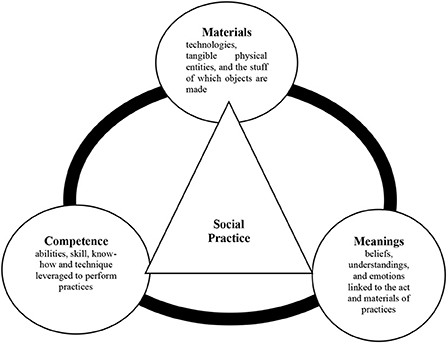
Figure 1. Elements of social practices. Source: Adapted from Shove et al. (2012).
Materials are the things and stuff used to accomplish practices. Specifically, materials include the items, technologies, tangible physical entities, and the stuff of which objects are made and used in everyday practices (Shove, 2010; Shove et al., 2012). The notion of material as integral to practices is discussed widely among practiced theorists (see Hand et al., 2005; Schatzki, 2010; Shove, 2010). In the many works of Latours (see Latour, 2007, 2009), he emphasized the role of “non-human things” in constructing social life. Likewise, Reckwitz argues that “artifacts” or “things” necessarily participate in social practices just as human beings do' (2002, p. 208). Undertaking practices require “using particular things in a certain way (Ibid., p. 252).” Morley (2016) used technologies, specifically automated “machines,” to move forward the discourse on materiality in practice. With central heating and fully automatic factories, they argue that materials—technologies—are not just constituents of practices but move practices beyond the direct relationship of human performance. Hence, material, artifacts, things, and non-humans can no longer be ignored in discussions of social life in our highly technology dependent social world (Maller, 2015). Examples of materials commonly discussed in the practice literature include walking sticks, roads, planes, cars, refrigerators, and bathrooms. As evident in the examples, materials describe any tangible thing that can be utilized by people to undertake activities. Hence, in the case of digital agriculture, materials could include, among other things, phones, computers, drones, roads, and telecommunication networks.
As simplified by Shove et al. the second element of practice is the competencies needed to undertake everyday activities. Competencies describe the abilities, skills, know-how and technique to undertake routines (Shove and Pantzar, 2005; Shove, 2010; Shove et al., 2012). It involves the background knowledge of human beings in undertaking specific tasks and judging the quality of such tasks when others partake in them. Like materiality, competencies are extensively rooted in the works of practice theorization (Reckwitz, 2002). As Shove et al. (2012) put it, “knowledge and understanding are taken to be crucial whether in the form of what Giddens (1984) describes as practical consciousness, deliberately cultivated skill, or more abstractly, as shared understandings of good or appropriate performance in terms of which specific enactments are judged (p. 22).” And though knowledge of performance may vary from evaluating the performance (Warde, 2005), both know-hows come together to form practices. Therefore, they are lumped to describe Shove et al. to represent the broader element of competence. Hence, competence is all general know-how related to the performance and enactment of practice at both the individual and the societal levels. Examples of competence may include the knowledge of kicking a football, scoring a goal, and what makes for a good football play. Likewise, for agriculture, the skill to sow a plant or drive a tractor, plow a field, read soil maps, and so on are integral to what may make an individual a good farmer or otherwise.
Finally, the last element in Shove's model is meanings. These meanings refer to symbolic meanings, ideas and aspirations associated with specific everyday practices (2012, p. 8). Meanings are the beliefs, understandings, and emotions linked to the materials of practices. For example, as Holtz (2014) shows, the meanings of one's mode of transport could be price, environmental effect, social status, and/or flexibility. Hence, an individual may choose a specific mode, for example, bus, due to low cost or free time for socializing (ibid). For every human action, individuals and society have generally associated understanding. This understanding could be true for farming, as farmers partaking in different farming activities, such as organic farming and agroecology, may have a particular knowledge of their practices. These shared or distinct insights and values are equally valid for the kind of technologies individual farmers may leverage.
The three-element model provides a practical framework for interpreting real-world research and a foundation for understanding some of the social implications of digital changes for farming in Africa. This model helped advance everyday life's dynamics by showing how practices “emerge, persist, shift, and disappear when connections between elements are made, sustained or broken” (Shove et al., 2012, p. 8). This sketch of practice and change has been applied to understand, among many others, energy consumption changes, Nordic walking, food behaviors, and cleaning behaviors. Hence, in this paper, I loosely and somewhat imprecisely apply the three-elements model of practices as a heuristic framework to explain what it may take for digital agriculture to take hold in African agriculture. I do so by conceiving digital agriculture as an emerging social practice emanating from interactions of digital tools with the social rubrics of African agriculture (Cf Røpke and Christensen, 2013).
Materials and methods
As common with practice theory methods (Shove and Pantzar, 2005), this paper is a qualitative exploration of Africa's digital agriculture ecosystem. This study aims to understand the African digital agriculture ecosystem and determine what is needed for the new phenomenon to fit into the African agricultural system and work for the collective good of smallholders and rural people. Hence, the specific themes of the research that emerged from the data allowed data collection based on this broad objective without necessarily having pre-determined theoretical anticipations (Charmaz and Belgrave, 2007; Birks and Mills, 2015).
The data is an outcome of 31 semi-structured interviews with African digital agriculture experts between October 2022 and February 2021. The number of respondents was determined by saturation as common in qualitative methods (Hay, 2016). These experts included officers of NGOs funding and working on the subject, technology hub operators, development practitioners, and technology service providers across Africa. Participants included officials from inside and outside Africa with expertise on the subject; the majority of respondents were, however, working in the digital spaces in Ghana, Kenya, Ethiopia, Kenya, Tanzania, Zambia, and Nigeria—which are among the hubs of agricultural digitalization in Africa (GSM Association, 2020). Others, such as officials of international donor organizations, were stationed outside Africa but actively worked with entities in the digital agricultural ecosystem. Experts were sourced online through advertisements of the research on LinkedIn, FAO e-agriculture community, and emails to officials found on websites of known digitalization services, NGOs, and development actors. Participation was open, and inclusion was based on availability and willingness to engage in the research. The interviews were conducted online between December 2020 and March 2021. All participants were asked a series of questions, including, using your experiences, what has helped digitalization in Africa so far? What structural elements have supported/hindered digital services and solutions for smallholders in Africa? How do we move digitalization to an established system within African agriculture? What measures are needed for a successful digital future for smallholder agriculture? Each participant was asked varied iterations of these broad questions in interviews that lasted between 45 min and 1 h 15 min, with an average of 50 min. All interviews were recorded and transcribed with Express Scribe for onward analysis. Participants were assigned pseudo-names in the transcription process, which were later used in the research and writing of this paper.
The transcripts were analyzed through thematic analysis (Nowell et al., 2017; Braun et al., 2019), where the focus was on drawing out the key themes from the conversations. First, the transcripts were printed and read to draw more prominent themes using an inductive approach-where the themes are derived from the data rather than pre-determined. From the first review, I identified three key themes: (I) the material elements that could make digital services and solutions come to life; (II) competencies required to use and turn materials into practical activities; and (III) Shared meanings and understandings that will drive stakeholders to accept and act on digitalization. These themes led me to use practice theory as a framework to present and interpret the results in the next section. Secondly, the transcripts were uploaded into Nvivo 12 software, where further thematic analysis was applied through a deductive approach of identifying extracts that expanded on the themes identified in the first stage. To ensure transparency and minimize the researcher's theoretical propositions or biases in the coding, a colleague undertook a second coding and developed themes (from a neutralist's viewpoint)—a strategy proposed by Emerson et al. (2011). The specific themes and supporting ideas were extracted to present the results in this paper. This approach allowed extracting direct quotations to echo the voices of the interviewees—and to ensure that contents stay close to respondents' words, a situation which adds more validity to qualitative research (Assarroudi et al., 2018; Flick, 2018).
Results: The three elements essential for digitalization of agriculture practice
The interviews with key informants revealed that Shove's three elements for forming and performing practices could be a valuable framework for organizing African digitalization (Table 1). In what follows, I highlight experts' narratives that bring these elements to bear.
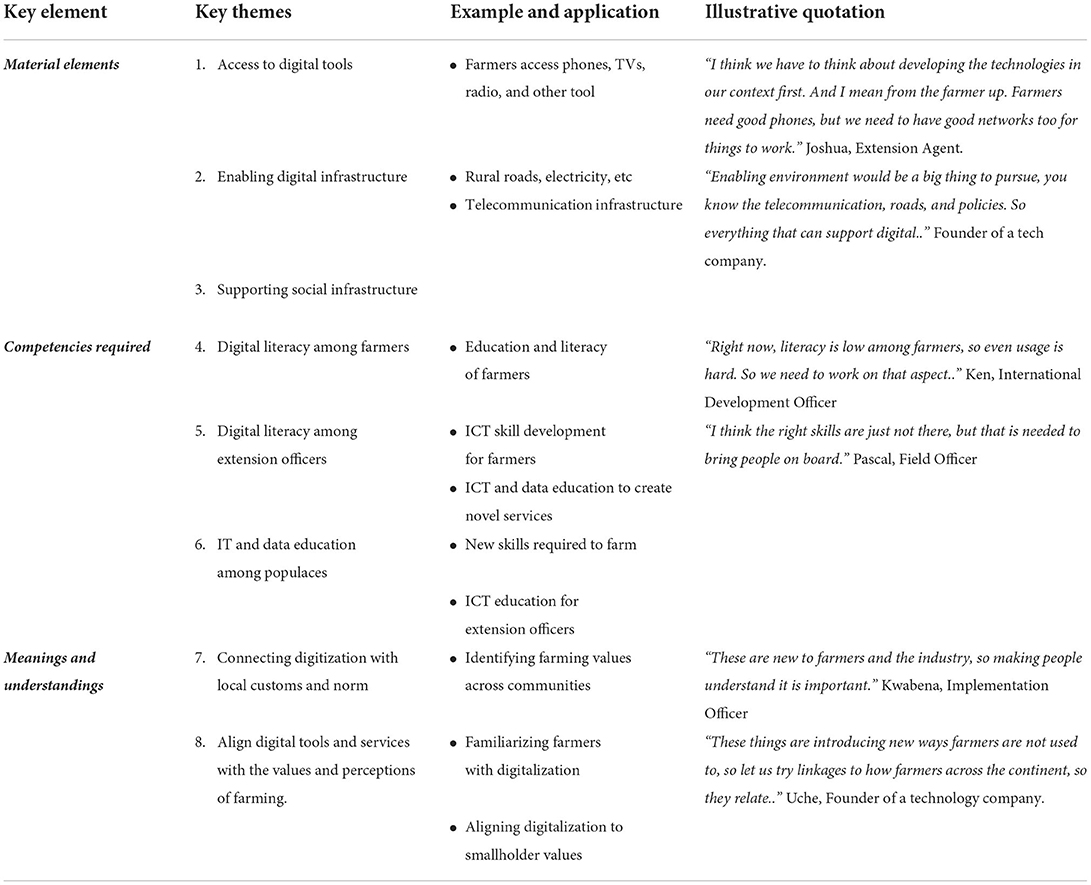
Table 1. Summary of key Issues noted by respondents.
The material elements that could make digital services and solutions come to life
The centrality of material elements or materiality was ever-present in our discussions of the digitalization of agriculture in Africa. Respondents consistently referred to how important it was to provide infrastructures, tools, and technologies to drive digitalization. Specifically, the need for rural farmers to have phones and internet access was consistently stressed. In a conversation with Uche, he noted the essence of the availability of technologies and tools in the digital space:
Interviewer: Having worked with implementing digital solutions as part of your work, what key elements must be present for digitalization for smallholders?
Uche: I will say a phone is an essential tool at the local level and for smallholders to have any meaningful digital service.
Interviewer: That is interesting. So, when you say phone, can you elaborate on why it is crucial, and how that applies in your activities?
Uche: Sure… let me put it this way. The ideal situation for us is for the farmers to have a smartphone and have internet access; that's the ideal to support digital service. The next ideal situation for us is for the farmer to have a feature phone and a phone network so that the farmer can make a phone call. So, in terms of material support, we could say that providing smartphones for farmers is the support that makes our services possible, but it doesn't also make sense because farmers do not have internet access for now. But then, providing feature phones for farmers would also make sense, but there is also the possibility that some farmers in areas with no phone network. So that could be a challenge (Uche is a founder of a digital agriculture solution in Nigeria).
This conversation with Uche, who has extensively engaged with earlier efforts to digitalize smallholder agriculture in Nigeria, puts forward materiality by explicitly talking about tools- phones- for digitalization. To put it simply, Daniel (extension agent for a service provider in Ghana) stated, “you see, we cannot talk of digitalization without the digital…and of course, the digital in essence is built on the tools that make them possible.” Here, the emphasis is that mobile phones are critical to making the digital possible and are, therefore, one of the first elements to consider in the digitalization future. Mobile phones are the medium for delivering information to smallholders through SMS, phone calls, Interactive Voice Responses, and even smartphone apps for many digital solutions in Africa. Respondents pointed to many examples of digitalization initiatives that require these material tools. For instance, Esoko, a climate and market advisory service solution that works across many African countries, delivers information to smallholders via text on mobile phones. The same medium is leveraged by Arifu in Kenya, Digital Green in East Africa and Farmerline in Ghana. Likewise, the call centers—a common digitalization medium in many countries like Ethiopia's 8028 Hotline—require phones' material presence for smallholders. So, without the material elements of the phone, smallholder digitalization would be severely hampered. Though materials support, including phones and internet infrastructure, have increased drastically in many African countries, respondents believe enormous room for improvement exists if the phenomenon's actual value is realized.
Furthermore, respondents emphasized the need for material support for digitalization at different levels, from the individual (phones) to organizational to national/regional (rural internet infrastructure). I refer to this as “scaler materiality,” defined as the multi-scaler interlinking of “things” that brings practices to life. Since practices may not always be within the space of the individual but also defined by broader societal structures, materials for digital agriculture must consider current structural inadequacies, say internet infrastructure and electricity:
Pascal: Let me say some specific areas OR countries that the benefit has not been captured because mostly in African countries, farmers don't even have smartphones. They are facing a lot of challenges, not just smartphones. Even if they have a feature phone, they face many challenges like electricity problems. So even though they have, in many cases, feature phones or smartphones, cheap smartphones in the countries in Africa, they are not reaping the benefit of digitization for an extension due to a lack of many things like support infrastructure (Pascal, a field officer of mobile-based digital solution in Ethiopia).
Judith: If they have a mobile phone and don't have electricity, it [digitalization] won't work. However, even though we don't have to wait to electrify the entire Africa, […] developing alternatives, e.g., a solar system, is suitable for agriculture. We need to ensure that the farmer will be, for example, able to charge their phones to benefit from digital services (Judith, a monitoring and evaluation officer for an international NGO currently implementing digital solutions in Africa).
Respondents alluded to diverse materials, but these elements cut across scales more importantly. While emphasis could be on the immediate digital tools for farmers, respondents found structural materials equally important. Structural materials are materials whose availability, at levels beyond the individual (farmer), makes it possible to establish a practice. For instance, for digitalization to work, the regional electricity, roads, telecommunication, and internet infrastructure are as essential as the availability of phones at the individual level. Specifically, almost all digital solutions are built on telecommunication and internet systems and thus require these in rural areas for farmers to fully take advantage of the services provided. A farmer seeking agronomic advice cannot place a call into a call center without a good network. Neither can they use a smartphone application to source information without good internet. Likewise, mobile advisories are also functional if farmers can keep their phones powered to keep up with up-to-date alerts. As Paul (a field extension officer in Rwanda) notes, “when we don't have the roads for people to access our communities, or when there is no electricity, then we cannot be talking about digital,” The absence of critical infrastructure—materials—thus plays into the challenge for establishing the digital futures in Africa.
Competencies required to use and turn materials into practical activities
Another vital element in Shove et al.'s framework is competence, which describes the abilities, knowledge, skillsets, and capabilities to undertake everyday activities. Among many others, respondents noted the newness of digital tools to smallholders and rural farming; therefore, new capabilities are required to operate such tools and facilitate their operationalization. For example, when asked what it will take for farmers to benefit from the digital revolution fully, Joshua, a field operator with a digital technology service provider in Tanzania, spoke extensively about digital literacy:
Joshua: maybe some of these policies should be targeting existing opportunities or challenges that I was talking about within this field of digital agriculture. So, let's say, for example, this challenge of digital literacy: that's also a challenge that maybe I didn't mention before, but you might have the right technology in place, right? Perhaps digital infrastructure is in place, but as long as farmers don't have the ability to use these technologies, that's what we call digital literacy issues, that will be an issue. So, an intervention could be implemented to train the farmers on using the technology itself. Maybe use or introduce some of the leaders, as the cooperative leaders, to ensure that we have this technology, but it must benefit farmers. They must know how to use it- so that's one thing.
Digital literacy in this context describes the ability to understand and operate the tools and services presented by digitalization. Among all respondents who talked about smallholders, the theme of knowledge and skills to understand and use digital information, thereby practicing digital farming, was an ever-present issue. The emergence of this theme speaks to the centrality of knowledge in the smallholders' digital futures. At the basic scale, digital literacy is critical for rural farmers to fully immerse themselves in the power of information on their mobile phones. For instance, delivering agronomic and weather advice through mobile technologies to farmers, the commonest form of digitalization, is heavily hampered when smallholders cannot operate a mobile phone or even read. A farmer who cannot read is unlikely to utilize SMS-based advisory systems. Likewise, the farmer who cannot place a phone call may not reach the helpline or follow IVR. Furthermore, precision agriculture advisories and livestock and farm management software require some language and digital skills for successful adoption and utilization in Africa.
Also, the results indicated the knowledge required for digitalization goes beyond the smallholder farmer; the capabilities that create diverse digital solutions are equally important. As John (a field officer in Ghana) noted in his remarks, “you see, we need people to go into IT and develop the solutions for farmers. We need to develop that knowledge to help us solve the challenges in smallholder farming”. John emphasizes the high-level digital literacy needed to create services for smallholders. One respondent pointed out, “the growth of digital solutions referred to the CTA 2019 report that showed that about 60% of the reported 390 solutions were created in the three years prior, indicating why the skillsets are needed.” This assertion reinforces the need for skill force development, which many agreed was a collective responsibility stakeholders must accept, especially governments, to make digital futures possible. Others shared their view of skill force development as they pointed to how increasing interest in the area has led to the springing up of start-up service providers driven by the youth. With the development of digital skills across scales in agriculture, Ken (A project officer in Kenya) asserts that “digital farming will surely become what we know of smallholder farming in the future.” The anticipations of what digitalization could become heavily reflect the development and proliferation of knowledge, skills, and capabilities that bring digital tools to life and translate them into valuable and practical solutions that alter smallholder practices in diverse forms.
Shared meanings and understandings that will drive stakeholders to accept and act on digitalization
The final element of Shove et al.'s framework is the meanings and understanding associated with practices. Respondents often highlighted the essence of meanings and creating some sense of digital tools and solutions. For example, when speaking to an official of a service provider that has proven highly successful so far, she noted, after being asked what has made their services acceptable and successful thus far, that:
[…] you know, I think where we found the most success is when you can partner technology with existing organizations and individuals on the ground, in the villages, so that the digital part can be connected to the real-world aspect of the physical nature that is agriculture. I mean, fundamentally, agriculture is a very physical kind of thing…(yeah)…you have a farm, and you are producing actual things, harvest a commodity. And so, you need to have a bridge between the technology or virtual world and the real world to create meaning for what you are doing. And when service providers only approach it from the virtual, farmers can't relate to it (Musonda, implementation Officer for a digital service provider in East Africa).
From this extract, two key highlights emerge. First, digitalization may resort to new meanings that differ from traditional agricultural understandings in rural Africa. As digitalization takes hold in farming, perhaps the definition of a farmer, a tractor, and owning equipment could change. For example, the emergence of uber-like tractor services like Trotro Tractor in Ghana and Hello Tractor in Nigeria could potentially change the very essence of owning such equipment in rural African settings. Second, the extract emphasizes connecting digital services to existing structures on the ground to create shared meanings. By this connection, the linkages referred relate to what farming means to rural smallholders and what digital tools may offer. For instance, connecting digital to existing physical, social and institutional structures like peer-to-peer learning and extension systems may be critical for creating shared local meanings and understandings of emerging digital practices. Hence, integrating emerging digital tools and services, such as digital climate advisories and information solutions, into established and trusted systems farmers rely upon could align and create shared values and understanding relatable to rural folks, ultimately acceptance and adoption. As pointed out by some participants:
[…] the farmers you know don't believe it (i.e., digital services). And that's also why, in our case, even when we are doing the videos, why we find it important to feature local farmers in the various communities we work. Because the first question that farmers ask when they watch these videos is not about the economic sort of return on investment of the practice; instead, what the farmer's name in the video and which village they are from. By knowing that they can identify with the service as well as understand the values—(Judith, an implementation Officer for a digital service provider in East Africa)
[……] I think I mentioned earlier that you must know where you introduce a digital service. For example, introducing a digital service in the northern part of Ghana is easier than introducing it in the southern part of Ghana. But going down to farmer specific, one I can say that is difficult for them to embrace it immediately because of, you know, beliefs and misconceptions about those things. So that is one thing that one needs to know. So, what we do because of these things we usually come up with and typically develop a strategy to ensure or a campaign to address….. you know this cultural belief. I don't want to go into specific. Still, I am looking at it from a bigger perspective. So the campaign at the end picks out or collect in a specific area the myth and misconception on the type of service or on the digital service that we want to introduce in that particular area, then we factor those myths and misconception in our design, so we look at it from four different perspectives—(Kwabena, an Implementation Officer for digital services in Ghana).
The notion of trust was noted as critical in farmers' acceptance and adoption of any form of innovation, and digital solutions are no exception. And leveraging the understandings and values of farmers to attain trust is essential. Using a farmer known to others, as Judith stated, speaks to aligning the innovations to the shared values of a place, which further requires building meanings relevant to each socio-cultural context of target groups. The extract also subtly reflects the importance of place in defining and expressing meanings, understandings, and values. Understandings vary from place to place and person to person; hence, as the interviewee refers to farmers inquiring about the identity of persons in videos, they are subtly speaking to the need to build placed-based meanings of digitalization. When farmers know that their peers relate to innovation, it (in)directly provides meaning to them, and they are more likely to try them.
Likewise, Kwabena's description of experiences of introducing new technologies in Ghana reveals some essential considerations for digitalization, including the importance of place-defining and creating shared understandings that align with existing beliefs and overcoming misconceptions that stand in the way of the emergent meanings of digitalization. For example, some farmers may resist accepting digital advisories when the information provided is contradictory rather than complementary to their traditional ways of doing things. Likewise, farmers may conceive market-connection digital services as innovations that contradict traditional market channels built on trust and intimate relationships between actors. Hence, Variations in thoughts, primarily place-based and influenced by various socio-cultural, economic, and institutional factors, inform people's willingness to accept, adopt and propagate innovations, including digital solutions. Hence, Kwabena refers to the collection of misconceptions related to innovations as a first step to targeting interventions to subdue them. Thus, understanding digital services' emergent meanings and experiences and how they differ from existing ones would be crucial to establishing any form of digitalization in any context. Such endeavors would allow for effective solutions targeting and overcoming misconceptions around potential changes to practices engendered by digitalization.
Discussion: The emergence and stabilization of agriculture digitalization (practice) futures
In the preceding section, the extracts from key informants showed that the formation and emergence of digitalization in agriculture in Africa would require careful attention to materials, competencies, and meanings sensitive to digital futures. The finding that these three elements are critical building blocks for digitalization means that the phenomenon is conceivable as a social practice. For practices, when new materials are introduced (for example, a feature or smartphone for mobile advisory or drone for precision farming), or capabilities altered (example, farming now requiring knowledge on using a phone or reading text on the phone, or using a drone to analyze soil), or the meaning shifts (example, from food provision to economic activity or digital farmer), then new practice of digital farming is set to emerge to replace older methods. Given the critical elements noted in the interviews, I argue that digitalization is the dawn of new agriculture practices in smallholder systems. Its constitution requires novel materials, competencies, and meanings (See Figure 2). Hence, the success or otherwise of the phenomenon may hinge on how the material elements of digital agriculture relate to competencies and meanings across scales. To better understand the argument, I expand how each element is situated in changing farming and potentially establishing digitalization futures.
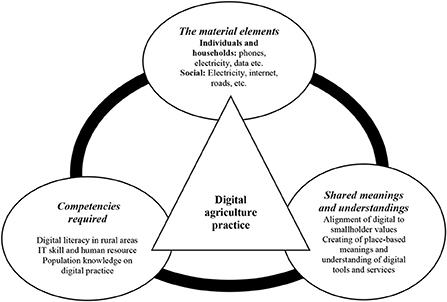
Figure 2. Elements of digital agriculture practice(s).
As noted in the literature and established in the results, digitalization requires the introduction of new materials and tools, including phones, computers, robotics, and drones, into the agricultural space (Bergvinson, 2017; Carolan, 2017; Wolfert et al., 2017; Kim et al., 2020). Likewise, it may involve leveraging digital systems such as the internet, AI, big data and cloud computing to create novel solutions and services to farmer challenges, such as linkage to input distribution and wholesalers, online input marketplaces, shared economy for mechanization, pay-as-you-go irrigation, and digital connection to both inputs and markets (Technical Centre for Agricultural and Rural Cooperation, 2019). The introduction of new tools and services would engender changes in farming futures. For example, mobile-based price alerts may mean farmers change when and where they sell their produce. The introduction of digital marketplaces and connections may mean smallholders do not physically transport produce to the market but instead rely on platforms systems that connect and purchase outputs from communities. Likewise, the emergence of digitally-enabled input connections and hiring services may mean farmers can access mechanization with their phones (a new material introduced into the farming space) without owning such equipment (Daum et al., 2021). Likewise, digital payment systems like mobile money allow rural farmers to conduct transactions digitally and alter the basic material ways of interacting with buyers (Babcock, 2015). Hence, whether focusing on the technologies or the latest solutions and services, digitalization requires new material components in. The architecture of agriculture and everyday farming practices. These emerging material rearrangements are needed to ultimately reconfigure the time and space dynamics of how farming is done toward digitalization. But more importantly, as the results indicated, introducing such services requires the availability and access to the tools that bring the services to life, including digital and social infrastructures.
Furthermore, the results showed that digitalization requires new competencies, including digital literacy and IT skills, to create services. Particularly, farmers need skills and knowledge to operate in the digital future. As reconfigurations of farming practices emerge with new tools and services, there is a need to reorientate competencies and skills toward new “hows.” For example, as digitally enabled marketplaces, connections to markets, and inputs take hold in many African countries, farmers will require new digital skills to utilize such services (Food Agriculture Organization of the United Nations the International Telecommunication Union, 2022). Specifically, as earlier noted, competencies such as placing a call to a call center, following an IVR, browsing the internet for information, and literacy to understand the information provided in advisory and information services would become standard requirements for the practice of agriculture in digitalization futures. Ultimately, as Bergvinson (2017) and Salemink et al. (2017) already emphasized, digital literacy becomes essential in how people farm. Hence, digitalization cannot fully emerge within the African context until farmers have the skillsets, knowledge, and capabilities to access the tools and services and turn information and advisories emanating from them into real-life farming practices.
Finally, the changing practices toward digitalization would require alignment and embedding of emerging meanings and values of farming into smallholder systems. It is established in the literature that digitalization initiatives strive to change the face and outlook of farming as presented through transformations and game-changer claims (Tsan et al., 2019; Abdulai, 2022). And as earlier explained in the results, respondents were explicit about aligning digital farming understandings to specific values in the local context(s) and correcting potential common misconceptions that people may hold about digital services and tools in agriculture. By this finding, and as previously argued by Butler et al. (2012) and Bear and Holloway (2015), technological innovations like intelligent farming (digitalization) force us to redefine basic socially embedded subjectivities such as “what is a (good) farmer?” " what do new equipment ownership arrangements mean?” “how is farming done?”; and “who becomes a farmer?”. For instance, new understandings and perceptions of the rural smallholding farmer could shift from the rudimentary, resource-poor, low-knowledge-intensive endeavor to a high-tech, high-skilled, data, and information-rich practice. Such redefinitions emerge the need to (re)establish and (re)align the new meanings to known values of smallholding within each diverse context(s).
From the preceding discussion, the digitalization of agriculture practices in Africa is emerging from introducing new materials requiring specific skills to embark on everyday farming activities, potentially redefining farming meanings. Hence, just as with the reinvention of Nordic Walking (Shove and Pantzar, 2005), (digital) farming is being re-invented by the linking of the three elements: digital tools and solutions, digital skills to access and utilize emerging technologies, and shifting meaning of farming in the digital age. By this proposition, I argue that the stabilization of the social practices of digitalization hinges on creating and linking these elements across scales and places in Africa.
The arguments and proposal are critical in the digitalization process as it expands the frame of interventions. The materiality of digitalization stands at the forefront of current attention through focus on technologies used in agriculture, such as phones, drones, AI, cloud computing, and big data (FAO, 2019; Deutsche Gesellschaft für Internationale Zusammenarbeit, 2021). For example, The Digitalisation of African Agriculture Report 2018–2019 BY CTA (2019) emphasizes the growing number of technologies and start-ups creating solutions. A similar focus is evident in the World Bank's Scaling Up Disruptive Agricultural Technologies in Africa (Kim et al., 2020). In all these, interest in the emerging technologies and the services made possible through them are prominent—which speaks to the materiality of digitalization. While the process may start with the material tools and accompanying solutions (e.g., marketplace platforms, drones for spraying, mobile advisory, etc.), the transformative potential of the digital age is unattainable if not followed by changing competencies (people need new skills) and aligning values of rural smallholders. With the right combination of the three practice elements, digitalization could become an established practice with high recruitment of performers and agents across regions (Shove and Pantzar, 2005; cf Shove et al., 2012). Thus, the success of digitalization would require the needed material foundations, the capabilities to use, and the social values and meaning for acceptance. Likewise, for a practice like digital farming to persist, it must recruit more practitioners and agents (more farmers) to adopt and utilize tools, services, and solutions.
Practical implications of social practices of digitalization
Digitalization as a practice has practical policy implications for the future of agriculture in Africa. I draw out three critical policy implications and lessons apparent in this approach:
The first policy implication of the practice approach is the multidimensionality of digitalization futures. The three elements and their change mechanisms in shaping the future of farming practices draw attention to digitalization's technical and social dimensions, which I argue are critical for the future. Specifically, the approach emphasizes that as materials of farming change with the introduction of phones, computers, drones, and so on, so too must the approach to capabilities, perceptions, and value re-developed to match the socio-technical context. In this case, the socio-cultural perspectives to adopting newer digital services must be considered a part of interventions (Warren et al., 2016; Tanko, 2020) as much as the creation and deployment of novel technologies and tools. Interventionists can use these elements to identify and emphasize the technical (e.g., broadband, drones, big data, electricity, roads, mobile phones), and social (e.g., digital literacy, cultural value alignments) dimensions required for the digitalization of agriculture to emerge across scales, time, and spaces.
The second implication is the multi-scaler actions required for digitalization. The three elements discussed offer a heuristic (core building blocks) adaptable at multiple levels of interventions, including internationally, nationally, regionally, locally, organizational, and the individual. For instance, digitalization requires the availability of materials from the individual, for example, mobile phones, to national telecommunication infrastructures. Likewise, the formation of practices described in this paper emphasizes activities from the individual to international scales. Hence, the practice approach means that successful digital futures need critical interventions spanning multiple scales.
The third practical policy lesson is the placeness of social practices and agricultural digitalization. As noted in the results and from the literature (Shove et al., 2012), the performance of practices across space and time may vary from place to place, primarily due to variations in understandings and meanings. Due to this critical feature of practices, my research would allow interventions to shift away from a holistic understanding of digitalization to seek place-based dynamics that fit the specific characteristics of diverse African smallholders. Like practices, rural people are not always homogeneous; hence, digitalization practices would allow the identification of the diversity of representations and the development of digital futures that fit each group. For example, when establishing a mobile advisory service, service providers would be able to understand the values of smallholding and their structural limitations to align the procedures, information, and values of services. Likewise, smallholders speak different languages across the continent; hence, digitalization through the practice approach will allow interventions to target diversity in implementing solutions.
Concluding reflections
The article's main aim was (re)shaping the conversations around the digitalization of smallholder farming systems from a purely technical process to one that considers its socio-technical formation a social practice embedded in people's everyday actions and activities. I argue that we must begin to think of the digitalization of agriculture as the emergence of social practice(s), which can be constituted through the suitable combination of the three core building blocks of materials, competencies, and meanings. My argument is situated in the scholarly tradition that social practices are the building blocks of society (Shove et al., 2012; Shove and Walker, 2014). Thus, they can help us understand how innovation such as digitalization emerge, take hold, and disappear over time and space. While I do not present myself as a practice theorist, I find some merit in the approach, thus proposing this it for the future of digital interventions in rural smallholder systems in Africa and other areas. The practicality of practice for investigating “the social” opens opportunities for an alternative re-interpretation of agriculture and change in embedded contexts, especially when digital tools are increasingly interacting and redefining the social composition of farming activities. This social practice proposition opens an area for theoretical and practical engagements that (social) researchers, including political-economist, should further engage in understanding how digital technologies usages (may) emerge, persist, interact, and change everyday agricultural agents' behaviors in Africa (cf Boamah and Rothfuß, 2018). More importantly, it is an avenue for guiding the interactions between structural changes (technological advancements) and social systems in ways that build on the core constitutions of people's lives.
This article provides three critical advancements. First, this is the first application of social practices to explain the process of innovation diffusion for smallholders and rural people in Africa. Second, the paper shifts attention from the many adoption studies that primarily consider the process within the sphere of individual characteristics (Wafula-Kwake and Ocholla, 2007; Alabi, 2016). Third, I open a new space for further empirical and theoretical examination of technology/innovation process, particularly digitalization, where practices become the focus of inquiries. However, while I present a case for the practice approach, I do not profess it as a standard or exclusive method for the future of digitalization. Instead, it must be considered an option available to researchers and practitioners to inform digital agriculture interventions, which have become the mainstay of international development in the last two decades. This proposal is a simple heuristic recommendation that would guide actors to consider digitalization as a change to everyday farming with socio-technical dimensions that require deliberate acts to enact.
Also, my proposal must not be misconstrued as propagation of primacy of technological innovations evident in current food regimes (Anderson et al., 2019) nor a presentation of digitalization as an uncontestable transformative solution to smallholder issues. Further scholarly inputs from diverse theoretical and analytical approaches, including responsible innovations (Klerkx and Rose, 2020; Fielke et al., 2022; Jakku et al., 2022) and the political economy of digitalization (Carolan, 2020; Duncan et al., 2021; Abdulai, 2022) is critical to ensuring the phenomenon does not reinforce existing inequalities. Digital transformations cannot happen without careful analysis of the political and economic implications of the phenomenon, including for rural communities and smallholders (Carolan, 2017; Rotz et al., 2019; Abdulai, 2022). The high cost of services, low digital literacies, and poor rural infrastructure, among other challenges (including lack of readiness due to low limited capacities—McCampbell et al., 2021) noted to undermine smallholders' engagement, and participation with digital services need further explorations (Food Agriculture Organization of the United Nations the International Telecommunication Union, 2022). Broadly, the risks associated with digitalization, such as the potential to create inequities and entrench power imbalances in current food systems, must be explored and measures instituted to minimize them. In essence, further research on the local socio-cultural and political-economic issues (including implications on power, access, benefits, interests, and redistributive impacts) would be essential for any future of digitalization in Africa and across all smallholder systems.
Data availability statement
The datasets presented in this article are not readily available because, the data used for the research may contain identifiable information. The audio and Interview transcripts speak to specific experiences, which could easily be traced to respondents. Hence, only the researcher and the research team have access to the information. Requests to access the datasets should be directed to YWFiZHVsYWlAdW9ndWVscGguY2E=.
Ethics statement
The studies involving human participants were reviewed and approved by University of Guelph Research Ethics Board. Written informed consent for participation was not required for this study in accordance with the national legislation and the institutional requirements.
Author contributions
The author confirms being the sole contributor of this work and has approved it for publication. The author conceptualized the idea, collected the data, conducted the analysis and drafted the paper.
Funding
This research received funding and support from IDRC-Canada, SSHRC-Canada and Canada's First Research Excellence Awards.
Acknowledgments
The author would like to acknowledge the inputs and advice of Evan Fraser (Arrell Food Institute-Canada) on earlier versions of the manuscript.
Conflict of interest
The author declares that the research was conducted in the absence of any commercial or financial relationships that could be construed as a potential conflict of interest.
Publisher's note
All claims expressed in this article are solely those of the authors and do not necessarily represent those of their affiliated organizations, or those of the publisher, the editors and the reviewers. Any product that may be evaluated in this article, or claim that may be made by its manufacturer, is not guaranteed or endorsed by the publisher.
References
Abdulai, A.-R. (2022). A new Green Revolution (GR) or neoliberal entrenchment in agri-food systems? Exploring narratives around Digital Agriculture (DA), food systems, and development in Sub-Sahara Africa. J. Dev. Stud. 58, 1588–1604. doi: 10.1080/00220388.2022.2032673
Alabi, O. (2016). Adoption of Information and Communication Technologies (ICTs) by agricultural science and extension teachers in Abuja, Nigeria. J. Agric. Educ. 57, 137–149. doi: 10.5032/jae.2016.01137
Anderson, M., Nisbett, N., Clément, C., and Harris, J. (2019). Introduction: valuing different perspectives on power in the food system. IDS Bulletin, 50:2. doi: 10.19088/1968-2019.114
Assarroudi, A., Heshmati Nabavi, F., Armat, M. R., Ebadi, A., and Vaismoradi, M. (2018). Directed qualitative content analysis: the description and elaboration of its underpinning methods and data analysis process. J. Res. Nurs. 23, 42–55. doi: 10.1177/1744987117741667
Atanga, S. N. (2020). Digitalization of Agriculture: How Digital Technology is Transforming Small-Scale Farming in Ghana [Masters]. International Institute of Social Studies.
Babcock, L. H. (2015). Mobile Payments: How Digital Finance is Transforming Agriculture. CGIAR Value Chain Series. Available online at: https://hdl.handle.net/10568/75499
Bear, C., and Holloway, L. (2015). Country life: agricultural technologies and the emergence of new rural subjectivities. Geogr. Compass 9, 303–315. doi: 10.1111/gec3.12217
Bergvinson, D. (2017). “Unlocking the power of digital agriculture,” in 2017: Transforming Lives and Livelihoods: The Digital Revolution in Agriculture. doi: 10.22004/ag.econ.266625
Boamah, F., and Rothfuß, E. (2018). From technical innovations towards social practices and socio-technical transition? Re-thinking the transition to decentralised solar PV electrification in Africa. Energy Res. Soc. Sci. 42, 1–10. doi: 10.1016/j.erss.2018.02.019
Braun, V., Clarke, V., Hayfield, N., and Terry, G. (2019). “Thematic analysis,” in Handbook of Research Methods in Health Social Sciences, ed P. Liamputtong (Singapore: Springer), 843–860. doi: 10.1007/978-981-10-5251-4_103
Bronson, K. (2018). Smart farming: including rights holders for responsible agricultural innovation. Technol. Innov. Manage. Rev. 8, 7–14. doi: 10.22215/timreview/1135
Butler, D., Holloway, L., and Bear, C. (2012). The impact of technological change in dairy farming: robotic milking systems and the changing role of the stockperson. J. R. Agric. Soc. Engl. 173, 1–6. Available online at: https://www.rase.org.uk/what-we-do/publications/journal/view.asp?ID=312&LoginName= (accessed August 24, 2022).
Carolan, M. (2017). Publicising food: big data, precision agriculture, and co-experimental techniques of addition. Sociol. Ruralis 57, 135–154. doi: 10.1111/soru.12120
Carolan, M. (2020). Automated agrifood futures: robotics, labor and the distributive politics of digital agriculture. J. Peasant Stud. 47, 184–207. doi: 10.1080/03066150.2019.1584189
Charmaz, K., and Belgrave, L. L. (2007). “Grounded theory,” in The Blackwell Encyclopedia of Sociology. Hoboken, New Jersey: Blackwell Publishing Ltd. doi: 10.1002/9781405165518.wbeosg070
Daum, T., Villalba, R., Anidi, O., Mayienga, S. M., Gupta, S., and Birner, R. (2021). Uber for tractors? Opportunities and challenges of digital tools for tractor hire in India and Nigeria. World Dev. 144:105480. doi: 10.1016/j.worlddev.2021.105480
Deutsche Gesellschaft für Internationale Zusammenarbeit Mercy Corps, and Mercy Corps AgriFin and Dalberg.. (2021). Digital Agriculture Platforms. Blueprints Deep-Dive Report. GIZ.
Duncan, E., Abdulai, A.-R., and Fraser, E. D. G. (2021). “Modernizing agriculture through digital technologies: prospects and challenges,” in Handbook on the Human Impact of Agriculture. Available online at: https://www.elgaronline.com/view/edcoll/9781839101731/9781839101731.00018.xml. doi: 10.4337/9781839101748.00018
Eastwood, C., Klerkx, L., Ayre, M., and Dela Rue, B. (2017). Managing socio-ethical challenges in the development of smart farming: from a fragmented to a comprehensive approach for responsible research and innovation. J. Agric. Environ. Ethics 32, 741–768. doi: 10.1007/s10806-017-9704-5
Emerson, R. M., Fretz, R. I., and Shaw, L. L. (2011). Writing Ethnographic Fieldnotes, 2nd Edn. Chicago: University of Chicago Press. doi: 10.7208/chicago/9780226206868.001.0001
Etwire, P. M., Buah, S., Ouédraogo, M., Zougmoré, R., Partey, S. T., Martey, E., et al. (2017). An assessment of mobile phone-based dissemination of weather and market information in the Upper West Region of Ghana. Agric. Food Secur. 6:8. doi: 10.1186/s40066-016-0088-y
Evans, O. (2018). Digital agriculture: mobile phones, internet and agricultural development in Africa. Actual Probl. Econ. 7–8, 76–90. Available online at: https://mpra.ub.uni-muenchen.de/id/eprint/90359 (accessed August 23, 2022).
FAO. (2019). Digital Technologies in Agriculture and Rural Areas—Status Report. Available online at: http://www.fao.org/3/ca4985en/ca4985en.pdf (accessed August 24, 2022).
Farayola, C. O., Adebisi, L. O., Akilapa, O., and Gbadamosi, F. Y. (2020). Does innovation enhance youth participation in agriculture: a review of digitalization in developing country? Int. J. Res. Agricult. Forest. 7, 7–14.
Feldman, M., and Worline, M. (2016). The practicality of practice theory. Acad. Manag. Learn. Educ. 15, 304–324. doi: 10.5465/amle.2014.0356
Fielke, S., Bronson, K., Carolan, M., Eastwood, C., Higgins, V., Jakku, E., et al. (2022). A call to expand disciplinary boundaries so that social scientific imagination and practice are central to quests for ‘responsible' digital agri-food innovation. Sociol. Ruralis 62, 151–161. doi: 10.1111/soru.12376
Food and Agriculture Organization of the United Nations and the International Telecommunication Union. (2022). Status of Digital Agriculture in 47 Sub-Saharan African countries. FAO; ITU.
Giddens, A. (1984). The Constitution of Society: Outline of the Theory of Structuration. Berkeley, CA: University of California Press.
GSM Association. (2020). Digital Agriculture Maps 2020 State of the Sector in Low and Middle-Income Countries. GSM Association.Available online at: https://www.gsma.com/r/wp-content/uploads/2020/09/GSMA-Agritech-Digital-Agriculture-Maps.pdf (accessed August 24, 2022).
Hand, M., Shove, E., and Southerton, D. (2005). Explaining showering: a discussion of the material, conventional, and temporal dimensions of practice. Sociol. Res. Online 10, 1–13. doi: 10.5153/sro.1100
Hay, I. ed. (2016). Qualitative Research Methods in Human Geography, 4th Edn. Oxford: Oxford University Press.
Hidrobo, M., Palloni, G., Aker, J., Gilligan, D., and Ledlie, N. (2021). Paying for digital information: assessing farmers' willingness to pay for a digital agriculture and nutrition service in Ghana. Econ. Dev. Cult. Change. 70, 1367–1402. doi: 10.2499/p15738coll2.133591
Holtz, G. (2014). Generating social practices. J. Artif. Soc. Soc. Simul. 17:17. doi: 10.18564/jasss.2333
Jakku, E., Fielke, S., Fleming, A., and Stitzlein, C. (2022). Reflecting on opportunities and challenges regarding implementation of responsible digital agri-technology innovation. Sociol. Ruralis 62, 363–388. doi: 10.1111/soru.12366
Kim, J., Shah, P., Gaskell, J. C., Prasann, A., and Luthra, A. (2020). Scaling Up Disruptive Agricultural Technologies in Africa. The World Bank. doi: 10.1596/978-1-4648-1522-5
Klerkx, L., Jakku, E., and Labarthe, P. (2019). A review of social science on digital agriculture, smart farming and agriculture 4.0: new contributions and a future research agenda. NJAS Wageningen J. Life Sci. 90–91:100315. doi: 10.1016/j.njas.2019.100315
Klerkx, L., and Rose, D. (2020). Dealing with the game-changing technologies of agriculture 4.0: How do we manage diversity and responsibility in food system transition pathways? Glob. Food Secur. 24:100347. doi: 10.1016/j.gfs.2019.100347
Latour, B. (2009). “A collective of humans and nonhumans: following,” in Readings in the Philosophy of Technology. Plymouth: Rowman and Littlefield Publishers.
Maller, C. J. (2015). Understanding health through social practices: performance and materiality in everyday life. Sociol. Health Illness 37, 52–66. doi: 10.1111/1467-9566.12178
McCampbell, M., Adewopo, J., Klerkx, L., and Leeuwis, C. (2021). Are farmers ready to use phone-based digital tools for agronomic advice? Ex-ante user readiness assessment using the case of Rwandan banana farmers. J. Agric. Educ. Extension, 1–23. doi: 10.1080/1389224X.2021.1984955
McMillan, K. (2017). The Constitution of Social Practices. London: Routledge. doi: 10.4324/9781315179902
Morley, J. (2016). “Technologies within and beyond practices,” in The Nexus of Practices. Abingdon-on-Thames, Oxfordshire: Routledge.
Nicolini, D. (2017). “Practice theory as a package of theory, method and vocabulary: affordances and limitations,” in Methodological Reflections on Practice Oriented Theories, eds M. Jonas, B. Littig, and A. Wroblewski (New York, NY: Springer), 19–34. doi: 10.1007/978-3-319-52897-7_2
Nowell, L. S., Norris, J. M., White, D. E., and Moules, N. J. (2017). Thematic analysis: striving to meet the trustworthiness criteria. Int. J. Qual. Methods 16:160940691773384. doi: 10.1177/1609406917733847
Reckwitz, A. (2002). Toward a theory of social practices: a development in culturalist theorizing. Eur. J. Soc. Theory 5, 243–263. doi: 10.1177/13684310222225432
Røpke, I., and Christensen, T. H. (2013). “Transitions in the wrong direction? Digital technologies and daily life,” in Sustainable Practices. Abingdon-on-Thames, Oxfordshire: Routledge.
Rose, D. C., and Chilvers, J. (2018). Agriculture 4.0: broadening responsible innovation in an era of smart farming. Front. Sustain. Food Syst. 2:87. doi: 10.3389/fsufs.2018.00087
Rotz, S., Duncan, E., Small, M., Botschner, J., Dara, R., Mosby, I., et al. (2019). The politics of digital agricultural technologies: a preliminary review. Sociol. Ruralis 59, 203–229. doi: 10.1111/soru.12233
Salemink, K., Strijker, D., and Bosworth, G. (2017). Rural development in the digital age: A systematic literature review on unequal ICT availability, adoption, and use in rural areas. J. Rural Stud. 54, 360–371. doi: 10.1007/10/gbz54b
Schatzki, T. (2001). “Introduction: Practice theory,” in The Practice Turn in Contemporary Theory, eds T. R. Schatzki, K. K. Cetina, and E. von Savingny (London; New York, NY: Routkedge), 10–23.
Schatzki, T. (2010). Materiality and social life. Nat. Cult. 5, 123–149. doi: 10.3167/nc.2010.050202
Shove, E. (2010). Beyond the ABC: climate change policy and theories of social change. Environ. Plan. A 42, 1273–1285. doi: 10.1068/a42282
Shove, E., and Pantzar, M. (2005). Consumers, producers and practices: understanding the invention and reinvention of nordic walking. J. Consum. Cult. 5, 43–64. doi: 10.1177/1469540505049846
Shove, E., Pantzar, M., and Watson, M. (2012). The Dynamics of Social Practice: Everyday Life and How it Changes. London: SAGE. doi: 10.4135/9781446250655
Shove, E., and Walker, G. (2014). What is energy for? Social practice and energy demand. Theory Cult. Soc. 31, 41–58. doi: 10.1177/0263276414536746
Tanko, M. (2020). Is farming a belief in Northern Ghana? Exploring the dual-system theory for commerce, culture, religion and technology. Technol. Soc. 63:101339. doi: 10.1016/j.techsoc.2020.101339
Technical Centre for Agricultural and Rural Cooperation. (2019). The Digitalisation of African Agriculture Report 2018–2019. CTA.
Tsan, M., Totapally, S., Hailu, M., and Addom, B. (2019). The Digitalisation of African Agriculture Report 2018-2019: Executive Summary. CTA/Dalberg Advisers. Available online at: https://cgspace.cgiar.org/bitstream/handle/10568/103198/Executive%20Summary%20V4.5%20ONLINE.pdf?sequence=1andisAllowed=y (accessed August 24, 2022).
Wafula-Kwake, A. K., and Ocholla, D. N. (2007). The feasibility of ICT diffusion amongst African rural women: a case study of South Africa and Kenya. Int. Rev. Inf. Ethics 7, 1–20. Available online at: http://www.i-r-i-e.net/inhalt/007/03-wafula-kwake.pdf (accessed August 23, 2022).
Warde, A. (2005). Consumption and theories of practice. J. Consum. Cult. 5, 131–153. doi: 10.1177/1469540505053090
Warren, C. R., Burton, R., Buchanan, O., and Birnie, R. V. (2016). Limited adoption of short rotation coppice: the role of farmers' socio-cultural identity in influencing practice. J. Rural Stud. 45, 175–183. doi: 10.1016/j.jrurstud.2016.03.017
Keywords: digitalization, social practice, smallholders, African agriculture, rural change, digital futures
Citation: Abdulai A-R (2022) Toward digitalization futures in smallholder farming systems in Sub-Sahara Africa: A social practice proposal. Front. Sustain. Food Syst. 6:866331. doi: 10.3389/fsufs.2022.866331
Received: 31 January 2022; Accepted: 16 August 2022;
Published: 08 September 2022.
Edited by:
Lyndon Estes, Clark University, United StatesReviewed by:
Alhassan Yakubu Alhassan, University of Agder, NorwayKamaldeen Mohammed, Western University, Canada
Abdul-Salam Jahanfo Abdulai, Ohio University, United States
Copyright © 2022 Abdulai. This is an open-access article distributed under the terms of the Creative Commons Attribution License (CC BY). The use, distribution or reproduction in other forums is permitted, provided the original author(s) and the copyright owner(s) are credited and that the original publication in this journal is cited, in accordance with accepted academic practice. No use, distribution or reproduction is permitted which does not comply with these terms.
*Correspondence: Abdul-Rahim Abdulai, YWFiZHVsYWlAdW9ndWVscGguY2E=