 Ina Säumel
 Jorge Alvarez
 Leonardo R. Ramírez
 Marcos Barra
- 1Integrative Research Institute THESys Transformation of Human-Environment-Systems, Humboldt-Universität zu Berlin, Berlin, Germany
- 2Departamento de Ciencias Sociales, Facultad de Agronomía, Universidad de la República, Montevideo, Uruguay
- 3Städtisches Klinikum Dessau, Dessau-Roßlau, Germany
South American grasslands, socio-ecological systems used heavily for a long time, are currently experiencing dramatic land-use changes due to implementation of large-scale afforestation and agro-industrial cash crops. Applying the conceptual framework of “Multifunctional and sustainable productive landscapes” to Uruguay, we explored the impacts on rural ecosystems and communities based on a long-term monitoring network by assessing species richness of plant and terrestrial arthropods and socio-economic data from national census. We found that silvi- and agricultural industry established mainly at the expense of extensively grazed grasslands and local family farms with traditional techniques, accompanied by a deregulation of the rural labor market, depopulation and aging of rural society. Governmental nature protection efforts increase the native forest cover and establish nature protection areas focusing mainly on forests. We also discuss pathways of land-use change in recent decades and related discourses of local stakeholders.
1. Introduction
Accelerated land-use change is a major driver of global change, and affects a sustainable use of natural resources, reduces ecosystem resilience and biodiversity, erases traditional landscapes, and jeopardizes regional diversity, coherence and local identity (Middleton, 2013; Amici et al., 2015; Fuller et al., 2017). Due to their sensitivity to biological invasions, changing land-use and climate, grasslands, in particular, are expected to experience greater changes in biodiversity compared to other biomes (Sala et al., 2000; Suttie et al., 2005). Such mainly non-protected and low populated grasslands are also being reclaimed as one of the principal global land reserves suitable for high yield cultivation (Lambin and Meyfroidt, 2011).
The South American grasslands have a long history of human use. European colonialization shaped the originally pristine landscape, making grasslands essential areas of beef and grain production (Soriano, 1991; Caetano, 2010). For Uruguay, these grasslands are the “national landscape”, as they played a principal role in the nation building process at the beginning of twentieth century, and are represented by cultural goods such as the “gaucho” poems of Bartolomé Hidalgo (1788–1822), the plays of Javier de Viana (1868–1926) and the paintings of Juan Manuel Blanes (1830–1901; Vidart, 1967; Giaudrone, 2012, 2018; Figure 1).
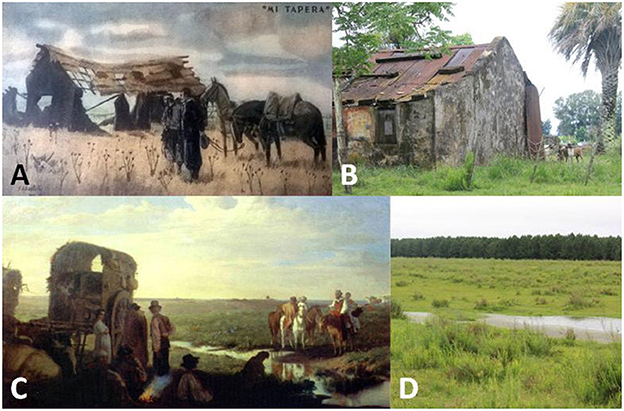
Figure 1. The cultural landscape of the Patria Gaucha is shaped by the European colonialization: “Parecería que la tierra uruguaya fuera una región formada por trozos de diversos países europeos porque aquí tanto el Español como el Italiano, el Francés como el Inglés, el Alemán como el Suizo, se consideran como su propia patria y la aman cual al propio suelo” [aenglish: It seems that the Uruguayan land is formed by pieces of different European countries, here the Spanish and the Italian, the French and the English, the German and the Swiss consider it as their own homeland and love it as their own soil] (Maeso, C. Tierra de promisión 1910:14; cited after Caetano, 2010). Historical narratives, images and field names reflect physical, socio-cultural and individual dimensions of landscape. (A) Mi Tapera (after the popular song of Elias Regules “Entre los pastos tirada, como una prenda perdida, en el silencio escondida, como caricia robada, completamente rodeada por el cardo y la flechilla, que, como larga golilla, van bajando a la ladera, está una triste tapera, descansando en la cuchilla” [benglish: Amongst the grasses, like a lost garment, in the silence, hidden, like a stolen caress, completely surrounded by the thistle and the flechette, which, like a long gossamer, streches down the hillside, is a sad tapera, resting on the blade]. (ca. 1905; J.A. Castelli, 1915); (B) Tapera at Paso Bonilla (2014); (C, D) Escena Campestre (J.M. Blanes - 'El Pintor de la Patria', 1870–1880); (D) Aroyo nearby to Tacuarembo (2014). All sources are CC BY 4.0 or own fotographs.
Vast areas of the Pampas and Campos region (the “Patria Gaucha”, Figure 1) are currently being subjected to expanding afforestation, soybean cultivation and livestock intensification. Governmental policies, incentives and investors' expectations actively support and promote afforestation and soybean cultivation (Geary, 2001; Overbeck et al., 2007; Baldi and Paruelo, 2008; Uruguay, 2010; Redo et al., 2012). A representative example, Uruguay, has the highest afforestation rate in Latin America, with an increase from 2,500 ha yr-1 in the 1975–1988 period to 60,000 ha yr-1 in the 1990s (FAO, 2004). At the same time, soybean monocultures increased by over 200 percent, at the expense of natural grasslands and, at the same time, leading to an intensification of livestock production (Modernel et al., 2016). Sowed grasslands (“artificial pastures”), which have increased by over 600 percent in the last two decades, now cover a million hectares (MGAP, 2013). In addition, to increase farm productivity, previously natural grasslands have been fertilized and a high proportion of legumes and grasses have been introduced (so called “improved pastures”; Beretta et al., 2000). While an overall grassland intensification strategy is being used by local stakeholders to increase economic sustainability (Jaurena et al., 2021), extensive grassland conservation measures are lacking (Veldman et al., 2015), and only about one percent of the Uruguayan territory has a natural protection status (Elbers, 2011). Nowadays, however, nature conservation issues are receiving increasing public awareness, and a new network of protected areas is to be established across Uruguay (MVOTMA, 2017).
The conversion of unforested lands to forests is seen as a tool for sequestering anthropogenic carbon dioxide into plant biomass, potentially generating significant income for developing countries (de Koning et al., 2005). However, the effects of afforestation on regional soil organic carbon are being questioned as, for example, harvest cycles of plantations are very short and depend on the ecological context and forest management (Jackson et al., 2002; Don et al., 2009; Berthrong et al., 2012). Besides, transnational forestry industry and local small-scale forestry are planting mainly monocultures of non-native species, particularly of the genera Eucalyptus and Pinus. As these exotic forest plantations have the highest rates of profit and growth reported for this region (FAO, 2004; Cubbage et al., 2007), they are seen to promise good short time profit compared to native species (Cubbage et al., 2007; Uruguay, 2010).
While these forest plantations are being rapidly established, their effects on local ecosystems are controversial, as they are largely unknown. While trade-offs between economic and ecosystem services modeled for land-use changes in different Argentine eco-regions in the last 50 years (Carreño et al., 2012) find that the economic benefits of Pampa cultivation exceed the loss of ecological services, these are mainly technological profit maximization, and do not take into account the negative environmental impacts. The current afforestation in Uruguay has been hypothesized to lead to a depletion of ecosystem services and to a decreased resilience capacity of local ecosystems (Cespedes-Payret et al., 2009). Review studies from grasslands in Argentina, Uruguay and Southern Brazil highlight the urgent need to develop management strategies for land-use change (Overbeck et al., 2007; Cespedes-Payret et al., 2009), and a review of ecosystem services provided by the Río de la Plata grasslands has revealed the general lack of studies on drivers of land use change (Modernel et al., 2016). Consequently, for land-use optimization approaches toward multifunctional, biodiversity friendly, sustainable and productive landscapes aiming to balance economic development, environmental protection, efficient resource use and social equity deeper understanding of land-use change in the long term is therefore crucial (Memmah et al., 2015).
The human shaped “cultural landscapes” harbor multi-layered imprints of numerous generations and past changes (Bloemers et al., 2010; Palang et al., 2011). Although today's changing landscapes are the interface of different approaches and diverse readings, the human dimension of land-use change has been largely overlooked. Contemporary landscape concepts reconnect geographical spaces to culture, identity and meaning, at the same time as enhancing awareness of local history and sharpen landscape's scholarly value (Cosgrove, 2004). Beyond the economic and ecological functioning of the landscapes, heritage conservation of traditional landscapes, aesthetics, scenery and the overall provisioning of the “cultural ecosystem services” must be key topics for sustainable planning and management for future landscapes (Antrop, 2005). Here, we aim to assess land-use change in Uruguay from this holistic point of view, including economic, environmental and social dimensions of the rural landscape. We apply the conceptual framework of “Multifunctional” and “Sustainable productive landscapes” to agriculturally and silviculturally modified grasslands in Uruguay, and explore the amount and impacts of land-use change on rural ecosystems and communities. We also discuss pathways of land-use change within the cultural landscape of Uruguay, and the underlying mechanisms and perceptions of land-use change by local stakeholders.
2. Materials and methods
In the first step, we applied the conceptual framework of “multifunctional” and “sustainable productive landscapes” (Wiggering et al., 2003; Holmes, 2006; Lovell and Johnston, 2009) to agriculturally and silviculturally modified grasslands in Uruguay, and defined different developmental scenarios that emphasize differently the environmental, economic and/or socio-cultural dimensions of sustainability (Figure 2). We identified relevant land-uses in Uruguay based on the general land use maps and literature (Alvarez et al., 2015), and assigned uses within the triangle of sustainability according to the landscape dimensions and to different developmental scenarios. We used normative scenarios (e.g. Fauré et al., 2017; Pastor et al., 2022) focusing on the economic, environmental or on the socio-cultural functions of the landscape, and the multifunctional scenario balancing between the three different dimensions. The main land-use types are natural (mostly gallery) forests, timber plantations, agroforestry, agriculture, artificial pastures, “improved pastures”, natural grasslands (“Campo natural”), water bodies and others.
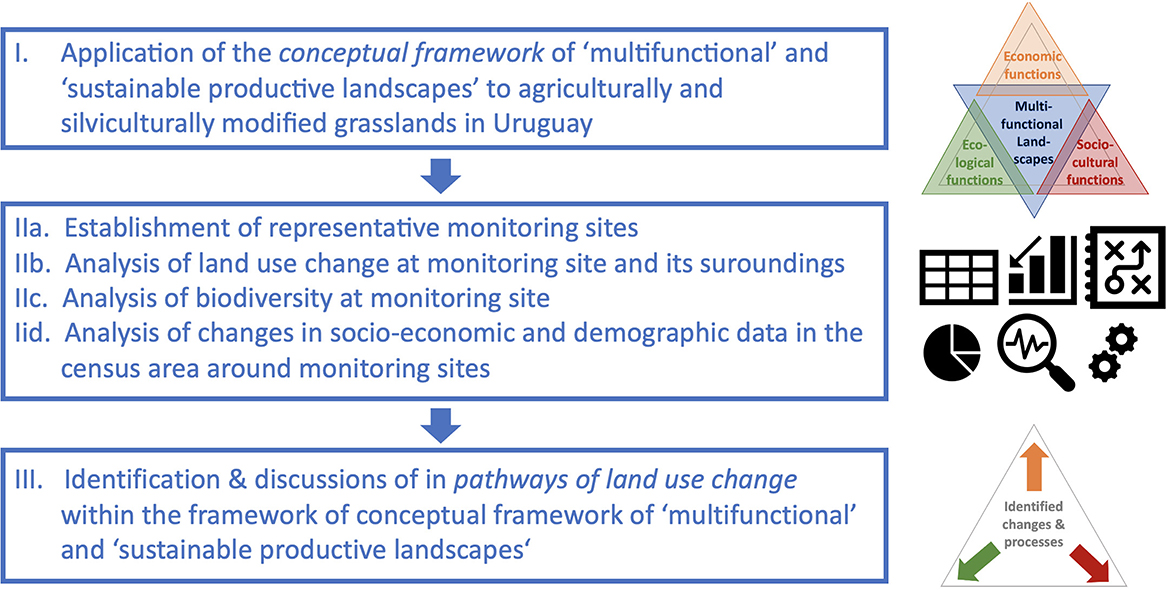
Figure 2. Overview on the methodological approach of the study.
In the second step, to enhance the capability to analyze the present, predict future impacts of land-use changes and significantly advance ecological forecasting, we developed a monitoring system of 163 plots at 44 monitoring sites across Uruguay, with three to five land-use types per site (Figure 3; for a detailed description of sampling design and methodology see Säumel and Ramírez, 2021, 2022; Ramírez and Säumel, 2022a,b). We registered plant species and soil arthropod diversity and regeneration of woody species during the spring-summer season in 2015 and 2016. In addition, we recorded the presence of species by plot to assess the impacts of land-use change on biodiversity using Kruskal-Wallis test and Dunn's pairwise multiple comparison with Bonferroni correction (Dinno and Dinno, 2017) with the software package R version 3.3.2 (R Core Team, 2016). The general plot size was 100 × 100 m for forests and timber plantations and 50 × 50 m for grasslands and crops.

Figure 3. Location of 44 monitoring sites across rural Uruguay (A). The current land-use change in Uruguay consists of expansion of agricultural monocultures [(B); rose: 2000; red: 2011] and afforestation of originally extensively used grasslands (C) with large Eucalyptus plantations (>5ha, gray: 2000; black: 2011, olive colored areas show small scale Eucalyptus plantations (< 5ha established for shelter and shading livestock). The data for the maps are from the Uruguayan geoservice agency (MA, 2022). The photographs provide impressions from natural grasslands near Las Cañas, Cerro Largo (D), agriculture near Pandule, Paysando (E) and Eucaliptus plantations near Tacuarembo (F).
We analyzed land-use change as a percentage of the total surface from 2000 to 2011 (i) for the polygon where the monitoring site was inserted and (ii) for the radius of 5 km around the monitoring site. Land uses were obtained from the General Census of Agriculture and Livestock for the years 2000 and 2011 (MGAP, 2013). The significance of land-use change calculated for the polygon of the monitoring site and for the 5km radius around each monitoring site, was tested using Kruskal-Wallis test and Dunn's pairwise multiple comparison with Bonferroni correction (Dinno and Dinno, 2017). Furthermore, each site with its area and 5km radius was subdivided in three levels based on the variation of “Campo natural” area from 2000 to 2015, as follow: low (% loss ≤ 5% or increasing), medium (% loss between 5 and 13%) and high (% loss > 13%), so evaluating the land use change at each level. We also assessed land-use change related socio-economic parameters (i.e. number of farms, farm size and land tenure, infrastructural access, use and type of technical support, age and educational formation of land owners, nationality of land owners, branch type of and used areas for primary, secondary and third income). We characterized residents of farms (i.e. gender, age, relation to owner and employment within the farm), employees of farms (i.e. gender, age, relation to owner and use of seasonal employees within the farm). To explore impacts on overall rurality, we analyzed the change of the number of houses and households, number of persons per household, structure of households, number, age, mobility, education, employment and unemployment of rural population based on the national population census (INE, 1996, 2004, 2011). To highlight the impacts between rural landscape and local urban centers, we analyzed population dynamics in provincial towns and villages (i.e. age, gender, mobility, and employment of dwellers).
In the next section, we discuss the observed changes in land use, plant and arthropod diversity, socio-economic and demographic parameters with regard to pathways of land use change and different developmental scenarios.
3. Results
We allocated the identified land-uses within the triangle of sustainability according to the economic, environmental and social dimensions of rural landscape and defined different developmental scenarios (Figure 4A). The scenario “Business as usual”, focusing predominantly on the current way of economic development, is related to exotic timber plantations, agro-industrial crops and livestock production mostly for the globalized market. “Uruguay natural” aims at (re-) conservation of natural and semi-natural ecosystems and resources, including expansion of nature conservation areas and overall protection of native forests and grasslands (“Wilderness”). “Uruguay Patria Gaucha” focuses on the socio-cultural dimension of landscape (cultural landscape). The terms “Patria”1 and “Amenity” comprise various land-uses with cultural functions (e.g. sites of rural heritage and scenic beauty, recreation areas or parks), including strengthening local identity and visual quality. “Uruguay multifunctional” combines economic, environmental and social dimensions of the rural landscape, and consists of some established multifunctional land uses such as silvopastoral systems (combining trees, forage, and livestock), organic modes of agriculture or horticultural gardens (combining fruits and vegetables production, habitats for flora and fauna with amenity, beauty and areas for recreation) and those land uses proposed to make forestry more environmentally friendly, such as mixed forests (Pozo and Säumel, 2018). Finally, the term “TradINNOVAtions” comprises innovative land-uses developed by critically revising historical land-use concepts and techniques (see Cannarella and Piccioni, 2011).

Figure 4. (A) Economic, environmental and social dimensions of rural landscape with relevant land-use types and developmental scenarios (i.e. ‘Business as usual', ‘Uruguay natural', ‘Uruguay Patria Gaucha' and ‘Uruguay multifunctional'). (B) Pathways of land-use change during the last decades in Uruguay are driven mainly by increasing economic profits of transnational silvi- and agroindustry, at the expense of local family farms with traditional grassland-use modes and techniques, accompanied by rural depopulation and the aging of rural society. Public nature protection efforts to achieve an increase of native forest cover and the establishment of nature protection areas have mainly focused on forests, but not on natural grasslands.
The ongoing land-use change occurs with different intensities among all regions of Uruguay, mostly at the expense of extensively grazed and natural grasslands (the “Campo natural”). For the whole country, census data revealed two main tendencies: an increase in 60% of timber plantations from 660 to 1070 thousand ha, and an increase of 160% in grain production, from 600 to 1500 thousand ha from 2000 to 2011. However, both changes are modest relative to the proportion of changed land-use calculated as a proportion of the entire territory of Uruguay (176,215 km2; see Figure 5). Based on the census data (MGAP, 2013), the monitoring sites were categorized into sites of high, medium and low change of natural grasslands surface (Figures 5E, F, K, L). Despite the low change, agricultural land-uses increased significantly (Figures 5D, J). In contrast, the average area of timber plantations remained constant from 2000 to 2011 across all sites (Figures 5E, F, K, L). The surface of native forests increased by 13% in this period in sites of high land-use change dynamics (Figures 5F, L).

Figure 5. Land use (%) of total surface in 2000 calculated for the polygon where the monitoring site was inserted (A–F) and 5 km radius (G–L) around the 44 monitoring sites in rural Uruguay (see Figure 3A). The main land-use types are natural (mostly gallery) forests (NF, dark green), timber plantations (TP, black), agroforestry (Citrus and Vitis cultures, AF, orange), agriculture (AC, red); artificial pastures (AG, pink), “improved pastures”: improved by sowing legumes (SG, light green) and by fertilization (FG, gray); natural grasslands (“Campo natural”, NG, olive), water bodies and others (WB, blue). Sites are categorized in sites of low (N = 13), medium (N = 18) and high (N = 13) land-use change. Land use changes to silvi- and agriculture occurs mainly at the expenses of natural grasslands. The different letters above the boxplot show significant differences between land-use types. The H, df and p values are given.
Species richness differed between land-uses (Figures 6A, C). Natural grasslands harbored a significantly higher number of plant species and terrestrial arthropods. Plant species richness was lowest in crops, improved and artificial pastures. Regeneration of native tree species was higher in native forests but also was registered in timber plantations (Figure 6B).

Figure 6. Species richness of different land-uses in rural Uruguay. The main land-use types are natural (mostly gallery) forests (NF, dark green, N = 33), timber plantations (TP, black, N = 37), agroforestry (Citrus and Vitis cultures, AF, orange, N = 3), agriculture (AC, red, N = 12); artificial pastures (AG, pink, N = 5), “improved pastures” by sowing legumes and by fertilization (IG, light green, N = 26); natural grasslands (“Campo natural”, NG, olive, N = 34), water bodies and others (WB, blue, N = 12). Species richness of plant species (A) and of terrestrial arthropods (C). Different letters above the boxplot show significant differences between land-use types. The H, df and p values are given. (B) Number of tree species with adult individuals and number of regenerating species in natural forest versus timber plantations (*** indicate a significance level p < 0.001). (D) Proportion of surface covered by different land-use types in nature reserve areas (MVOTMA, 2017) are plotted against the same proportion of different land-use types in the representative sample regions of the monitoring sites. Land uses above the diagonal line are overrepresented in the national reserves (e.g., water associated ecosystems (blue) and native forests (dark green), whereas natural grasslands (olive) are largely underrepresented or not determined.
The number of inhabitants in rural areas decreased by a third, and the number of houses by 6%. Although the number of households was constant, the number of people per household decreased by a third. Rural households consisted mostly of couples, while the number of children, other family or non-family members decreased. The average age of inhabitants of rural areas increased from 34 to 37 years. Fewer people were born in rural places (-18%), and eight percent came from other parts of Uruguay during the last 5 years. The unemployment rate in the rural population increased by 8%. Farmers (15%) and non-qualified employees (22%) dominated. The educational level in the rural areas increased from having no or primary school education to higher levels of education (Table 1). Fewer children under 14 years and females were resident at farms (Table 2). The number of permanent employees at farms decreased by 27%, while the number of seasonal employees increased by 19%. The number of residents in provincial towns and villages increased by 18%, while gender proportion did not change (Table 1). The medium age increased slightly. The percentage of dwellers born in provincial towns and villages increased by 6%. The percentage of residents who moved to provincial towns and villages increased by 23%. The overall employment rate for residents in provincial towns and villages increased by 8% (Table 1).
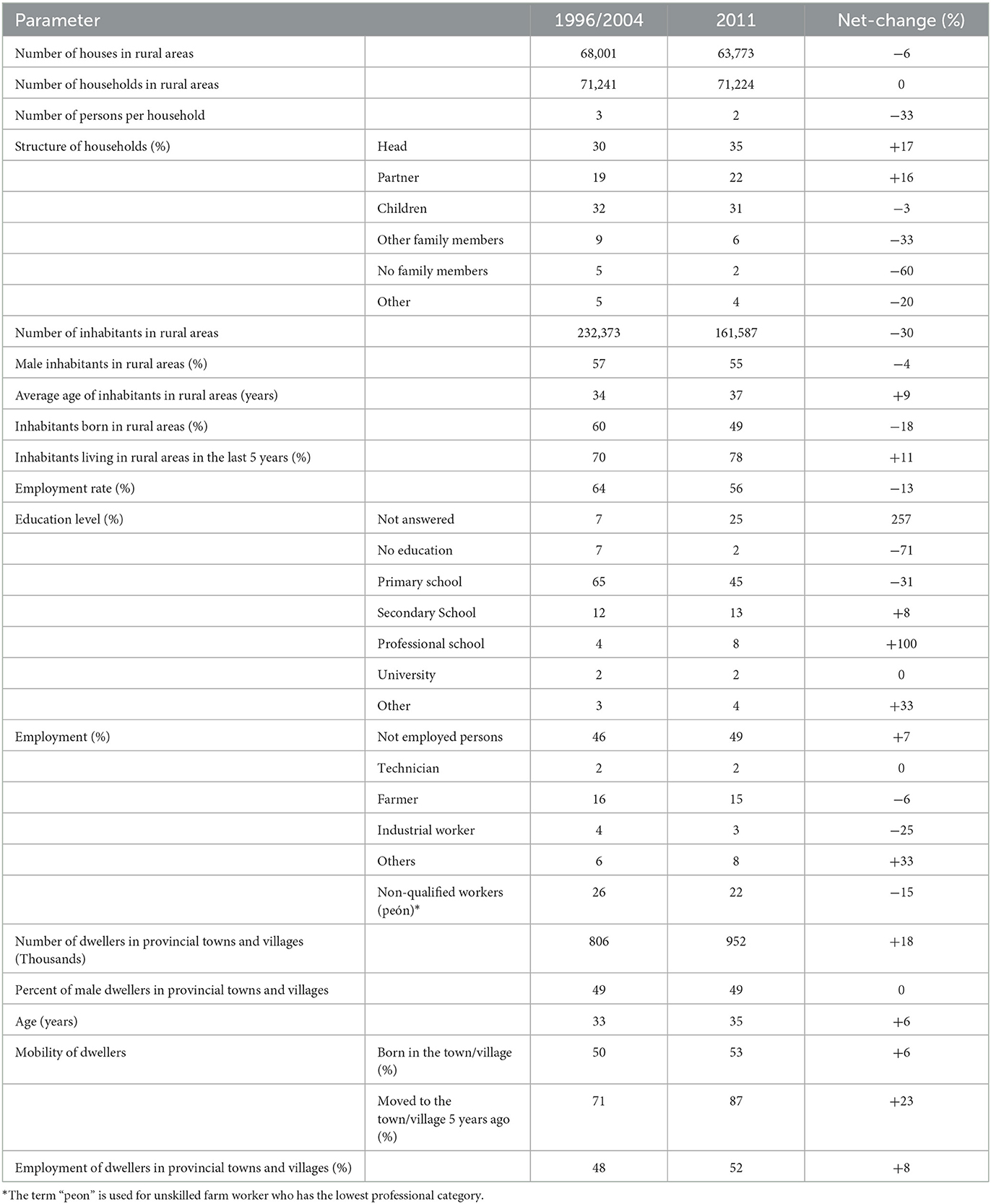
Table 1. Socio-demographic parameters of land-use change in rural Uruguay following the National Population Census (INE 1996, 2004, 2011).

Table 2. Socio-economic parameters of land-use change in rural Uruguay following the General Census of Agriculture and Livestock for the years 2000 and 2011 (MGAP, 2013).
The number of farms decreased by 20%, and the average farm size increased by 28% from 2000 to 2011 (Table 2). Farmers' access to electricity and roads increased, and the proportion of farms using external technical support, e.g. for harvest, sapling planting or veterinary assistant nearly doubled. Landowners' age and educational background increased (Table 2). The number of farms and the farm surface (ha) owned by natural persons from Uruguay, Argentina or Brazil decreased significantly, while the number of farms and the farm area not owned by a physical person increased (e.g. enterprises). Around 8 million hectares of land previously owned by Uruguayans changed to the category of “unknown nationality”, consisting mainly of associations and companies (e.g., Sociedad Anónima S.A.; Table 2). Agri- and silvicultural income of farms increased significantly at the expense of milk and meat production (Table 2). Livestock composition changes from farms with diverse types of animals to cattle farms (increase by 6%), whereas the number of farms with horses and sheep as income decreased by 15% for horses and by 43% for sheep (MGAP, 2013).
4. Discussion
Both intensification of land use by forestry or agroindustry and the abandonment of land can lead to loss of cultural landscapes, related land use techniques, local knowledge and ecosystem services. This biocultural erosion has been reported from many rural, marginalized and/or remote landscapes around the world (e.g. Plieninger et al., 2006 for Europe; Temudo et al., 2015 for Guinea-Bissau, Westafrica; Deb, 2022 for West Bengal, India). Here we highlight a similar process in the South American Campos grasslands, where policy supported land use change contradicts national discourses on the identity-forming cultural landscapes of the “Patria Gaucha”. Our data demonstrate that agroindustrial intensification in rural Uruguay occurs mainly at the expense of natural grasslands (Figures 5D–F, J–L). Intensification consists of extension of agro-industrial crops and timber plantations (Ramírez and Säumel, 2022a), increasing stocking rates, the implementation of artificial or improved pastures to foster grassland productivity and an increasing use of annual forage crops (Figure 4B). This process is expected to result in significant discharges of agrochemical pollutants into local freshwaters (Ramirez and Säumel, 2023) as well as in the gradual disappearance of natural grasslands (Modernel et al., 2016).
As natural grasslands are associated with higher species richness of plants and arthropods than more intensified land-uses or to native forests (Figures 6A, C), so provide crucial habitat services for the regional species pool, we provide evidence for the biodiversity loss. Surprisingly, this is rarely discussed in public and academic debates in Uruguay. Floristic studies on grasslands are often limited to a small number of plots on differently managed grasslands (Altesor et al., 1998, 2005; Lezama et al., 2013), and very few have addressed the ecological impacts of current grassland intensification in Uruguay (Weinert da Silva et al., 2015; Jaurena et al., 2016; Modernel et al., 2016). Though local studies of impacts on arthropods are lacking, studies from other temperate grasslands have demonstrated that land use intensification causes shifts in arthropod abundance, richness and composition (e.g. Heuss et al., 2019; Sohlström et al., 2022). The lack of information on diversity patterns of Uruguayan grasslands might, in turn, influence conservation planning. Despite their biome-shaping role, natural grasslands are largely underrepresented in the national system of protected areas (Figure 6D), although the need to maintain the functions and diversity of the “old growth grasslands” is recognized in academic debates in South America (Overbeck et al., 2015; Veldman et al., 2015). As there is strong evidence that temperate grasslands grazed by mixed livestock harbor higher species richness, the change in livestock composition from mixed pastures with horses, sheep and cattle to farms dominated by cattle (MGAP, 2013) is likely to impact on species composition of grasslands (e.g., Ritchie and Olff, 1999; Loucougaray et al., 2004; Dumont et al., 2012 for Europe). To include this in conservation management of grasslands, local studies on how changing the type of livestock shape grassland biodiversity are therefore needed.
Reduced land availability pressures farmers to livestock intensification (Figure 4B) with higher stocking rates, and increased grazing, mowing or fertilization regimes on remaining grasslands in the region (Jaurena et al., 2021). Visual impacts of land-use change from the extensively used “Campo natural” to intensified modes by agroindustry that maintain open landscapes appear to be limited. Family farmers in Uruguay (< 500ha,2 Coneat 100) and other local stakeholders frequently stated visual impacts of timber plantations but not of also much- expanded soya bean monocultures. Moreover, in the perception of local stakeholders, the (irrigated) green agricultural fields are linked to economically prosperous land-use modes, compared to yellow-brown natural grasslands in dry summers. A controversial, much-debated study on stakeholders' perception of Uruguayan land-use change impacts on the provision of ecosystem services (Vihervaara et al., 2012) demonstrated 1) the need for mainstreaming of scientific knowledge on impacts as a basis for informed decision making and 2) the need for a strong involvement of the wide range of local actors to encourage discussion on local scenarios and developmental policies. Understanding human preferences for landscape is important both from a basic research perspective and from that of practical landscape and environmental management (Kaplan and Kaplan, 1989). From studies in environmental psychology, there is increasing evidence of a universal preference for moderate to high openness predicted by theories in the field and previous empirical research (Hägerhäll et al., 2018).
At the same time, afforestation impacts on local ecosystems are being debated in the public and in the scientific community (Cespedes-Payret et al., 2009; Vihervaara et al., 2012 and the reply by Paruelo, 2012), even though the average area of timber plantations remained constant between 2000 and 2011 (Figures 5E, F, K, L). This may be related to the impact of afforestation on scenic landscape, which remains widely understudied, though the potential use of “visual indicators” for research on landscape change has been recognized (Fry et al., 2009). In general, monocultural timber plantations differ largely from native forests and are laid out in a regular grid pattern for low-cost management and profit maximization. Thus, plantations popularly called “Green Deserts” are at odds with the character of the landscape character in all stages of growth and harvest (Bell, 2007). Although the scenic beauty of the agricultural landscape decreases with the increasing intensity of afforestation (Tahvanainen et al., 1996), forest design approaches optimized landscape integration of plantations and silviculture have become an accepted element of European landscapes (e.g. Tahvanainen et al., 1996; Karjalainen and Komulainen, 1998).
Besides afforestation schemes (e.g. selection of species, planting rate, design), European studies also demonstrate that people's perception of afforestation depends very much on local concepts of traditional landscape and on the time since forestry has been implemented in the local landscape (Kassioumis et al., 2004). As the native forest cover of Uruguay is < 5% of the territory, afforestation there occurs in historically mostly forest-less landscapes (Pozo and Säumel, 2018). In contrast to landscapes where forests are traditional landscape elements, the visual impact of afforestation is more pronounced in natural grasslands. Interestingly, though several narratives in Uruguay reported the legend of forest destruction by European colonizers over previous centuries, based on analysis of historical maps and reports from naturalist travelers, recent studies have raised questioned about these (Gautreau, 2010).
The area covered by native forests has expanded during the last decade across Uruguay (Figures 5E, F, K, L), demonstrating that measures of native forest protection, such as restrictions on logging and cutting native forests, are effective and mainstream. In addition, low grazing intensities in timber plantations foster the expansion of native tree species from adjacent native forests also in the plantation (Figure 4B; Pozo and Säumel, 2018). Awareness of forest protection needs is high among all stakeholders of rural Uruguay, and includes a large set of ecosystem services, soil and water protection, biodiversity and recreation (Normey, 2012). However, compared to the proportion of the Uruguayan territory covered by native forests, native forests are “overrepresented” in the currently established national system of preserved areas (Figure 6D). Native forests are influenced by neighboring land uses, highlighting the need for a holistic assessment of land use change at landscape level (Ramírez and Säumel, 2022b).
Our analysis of the socio-economic dimensions of land-use change demonstrates the main processes changing the face of Patria Gaucha. The reduced number of farms and the overall increase in farm size shows the concentration of land ownership in Uruguay. Small sized family farms are disappearing (Figure 4B), accompanied by a transnationalization3 of the land ownership, for example, the number and surface of farms owned by entities with unknown nationalities such as S.A (Table 2). Governmental policies and incentives are known to drive land-use change, and the socio-economic transformation of Uruguayan ruralities from production in family farms and local consumption toward transnational timber and agroindustrial production for the global market. The key laws that initiated this process are the Forestry Law in 1987, the changes in Rural Leases Law in 1991, the law that facilitates land tenure of non-natural persons (i.e. associations and companies) and the investment law, both in 1999 (Piñeiro, 2012a,b). Subcontracting and outsourcing of farm labor to service companies with newest technologies (e.g., GMO, pesticides, seeding/planting harvesting machines) has also increased substantially, resulting in a high deregulation of rural labor market (e.g., Carámbula, 2009; Carámbula et al., 2012), indicated by a visible decrease of permanent employees in farms, and a nearly 20% increase in the number of seasonal employees per year. This is driven by the depopulation of rural Uruguay and the demographic aging of the rural society (Table 2; Figure 4B).
Besides the pull effects of the capital Montevideo, people also move to provincial towns and villages. While the employment rate in those has increased mainly due to jobs in the tertiary sector (e.g. offices, service provider, trading business), there is no evidence in census data for the myth, often mentioned in public debates, of new jobs for rural areas due to agro- and silvicultural industry (Carámbula, 2009; Carámbula et al., 2012). Besides changes in farm size and ownership, the transition from traditional farm products of the “Patria Gaucha” (meat and milk) to agroindustrial products, leads to a loss of traditional land-use structures and techniques (Table 2), even though national touristic campaigns and the country brand “Uruguay Natural” are based on natural and cultural landscapes of Uruguay (MT, 2022; Uruguay, 2022). The acceptance of landscape changes by individuals is shaped by different discourses of rural development, cultural context, place meanings, variety of associations and childhood memories (Elands et al., 2004; Kaur et al., 2004; Adevi and Grahn, 2012; Ruskule et al., 2012; Anderson et al., 2013). The perception of such changes (i.e. afforestation, agroindustrial intensifications or abandonment of agricultural areas) frequently correlates with socio-economic context within studied areas: changes were perceived as more negative if the area tends to be depopulated and declining economically and, in contrast, as more positive in prosper and diversified rural areas (Elands et al., 2004; Kaur et al., 2004; Ruskule et al., 2012).
5. Conclusions
The current land-use change, from natural grasslands to intensified silvi- and agroindustrial production modes and land-use techniques, has taken place mainly at the expense of extensively grazed grasslands, and has been accompanied by the disappearance of local family farms with traditional techniques, and a deregulation of rural labor market, and depopulation and the aging of rural society. Consequently, land-use change mainly occurred without notice in “El Uruguay Profundo”4. Public debates have concentrated mainly on visual impacts of afforestation, not on the loss of natural grasslands, even though the latter constitutes the “national landscape” of Uruguay. Governmental nature protection efforts have achieved an increase of native forest cover and establishment of nature protection areas mainly on native forests, not on natural grasslands. Adaptive and participatory evaluation, planning and policies making modes provide valuable tools to confront uncertainties and dynamics in our changing world (Daily et al., 2009), and public mapping methods for valuation of cultural landscape services beyond academia, and for analysis of socio-cultural trade-offs on landscape perception (Brown, 2013). Our results highlight the potential of holistic readings of changing landscapes through integrating socio-cultural, economic and ecological data that needs to be explored in greater depth in future studies.
Data availability statement
The original contributions presented in the study are included in the article/supplementary material, further inquiries can be directed to the corresponding author.
Author contributions
IS wrote the first draft of the manuscript and received the funding of the project. IS, LR, and MB performed and supervised the field work to collect the data and analyzed the data. JA and his working group extracted the socio-economic data from the census data bases. All authors reviewed the manuscript. All authors contributed to the article and approved the submitted version.
Funding
This study was funded by the German Federal Ministry of Education and Research (BMBF) under the project Rural Futures—Strategies toward multifunctional, biodiverse, and sustainable productive landscapes in Silvi- and agricultural modified grasslands in Uruguay (01LN1315).
Acknowledgments
We are very grateful to Manuel Garcia, Andres Gonzalez, Alvaro Zuñiga, Nicolas Silvera, and Matias Zarucki for their support in species identification. Many thanks to Juan Barreneche, Ignacio Balbis, Thomas Bollwein, Loreley Castelli, Lucia Gaucher, Florencia Gratarolla, Johann Koch, Pablo Latorre, Gianina Lemus, Sören Miehe, Ignacio Rocha, Meica Valdivia, Barbara Vergara, Jean Marie Terzieff, and Alvaro Zuñiga for being part of the field work team, to Mariana Boscana and Martin Grau for assistance to extract socio-economic data from the census data bases, to Barbara Martins Carneiro and Sarah Tietjen for their support completing the database, to Sergio Lopez-Hidalgo for assistance with land-use mapping, and to Vera Krause, Serafina Bischoff, and Sophia Reitzug for support with data analysis and plots visualization. We also thank all local actors who supported the implementation of the RuralFutures project and all landowners for access permission to establish our monitoring sites on their land, for their hospitality and willingness to discuss the land-use goals concerning all dimensions of sustainability with us. Special thanks go to Amal Chatterjee for improving our English.
Conflict of interest
The authors declare that the research was conducted in the absence of any commercial or financial relationships that could be construed as a potential conflict of interest.
Publisher's note
All claims expressed in this article are solely those of the authors and do not necessarily represent those of their affiliated organizations, or those of the publisher, the editors and the reviewers. Any product that may be evaluated in this article, or claim that may be made by its manufacturer, is not guaranteed or endorsed by the publisher.
Footnotes
1. ^[english: Fatherland, Homeland].
2. ^We follow the definition of MGAP (2008) which includes having not more than two permanent employees, living within a distance of 50km from the farm and obtaining their main income from the farm. The general average farm size in Uruguay was 376ha (Table 2), whereas family farms had an average size of 89ha in 2011.
3. ^We use the term transnationalization to describe the shifts of land owner shifts from ‘national ownerships' by individual or juridical persons within the boundaries of a national state (in our case mostly Uruguay, Argentina or Brazil) to ownerships by transnational actors often organized as “Société Anonyme” (S.A., in Uruguay following the National Law N° 16.060 on commercial companies), where shareholders were originally anonymous. Today shareholders of S.A.s are not anonymous anymore but shares can be held by a holding in order to obscure the final beneficiary. We here adapted the concept of transnationalism used in sociological literature (reviewed in Tedeschi et al., 2022), which refers to the diffusion and extension of social, political, economic processes in between and beyond the sovereign jurisdictional boundaries of nation states. Thus, these processes are increasingly governed by non-state actors and international organizations.
4. ^[English: The Deep Uruguay, which means towns and villages in the country's deepest hinterland].
References
Adevi, A. A., and Grahn, P. (2012). Preferences for landscapes: a matter of cultural determinants or innate reflexes that point to our evolutionary background? Landsc. Res. 37, 27–49. doi: 10.1080/01426397.2011.576884
Altesor, A., Di Landro, E., May, H., and Ezcurra, E. (1998). Long-term species change in a Uruguayan grassland. J. Veg. Sci., 9, 173–180. doi: 10.2307/3237116
Altesor, A., Oesterheld, M., Leoni, E., Lezama, F., and Rodríguez, C. (2005). Effect of grazing on community structure and productivity of a Uruguayan grassland. Plant Ecol., 179, 83–91. doi: 10.1007/s11258-004-5800-5
Alvarez, A., Blum, A., and Gallego, F. (2015). Atlas de cobertura del suelo del Uruguay. Montevideo: DINOT and FAO. p. 52.
Amici, V., Landi, S., Frascaroli, F., Rocchini, D., Santi, E., and Chiarucci, A. (2015). Anthropogenic drivers of plant diversity: perspective on land use change in a dynamic cultural landscape. Biodivers. Conserv. 24, 3185–3199. doi: 10.1007/s10531-015-0949-x
Anderson, N. M., Williams, K. J. H., and Ford, R. M. (2013). Community perceptions of plantation forestry: the association between place meanings and social representations of a contentious rural land use. J. Environ. Psychol. 34, 121–136. doi: 10.1016/j.jenvp.2013.02.001
Antrop, M. (2005). Why landscapes of the past are important for the future. Landsc Urban Plan 70, 21–34. doi: 10.1016/j.landurbplan.2003.10.002
Baldi, G., and Paruelo, J. (2008). Land-use and land cover dynamics in South American temperate grasslands. Ecol. Soc. 13, 6. doi: 10.5751/ES-02481-130206
Bell, S. (2007). The landscape of afforestation: from controversy to acceptance. Halldorsson, G., Oddsdottir, E. S., Eggertsson, O. In: Effects of Afforestation on Ecosystems, Landscape and Rural Development. Copenhagen: Nordic Council of Ministers. p. 47–56.
Beretta, E.J., Risso, D.F., Montossi, F., and Pigurina, G. (2000). Campos in uruguay. in: Lemaire, C., Hodgson, J., Moraes, A., De P.C., Cavalho, C. Nabinger, C., editors. Grassland Ecophysiology and Grazing Ecology. Wallingford: CABI. p. 377–395.
Berthrong, S. T., Piñeiro, G., Jobbágy, E. G., and Jackson, R. B. (2012). Soil C and N changes with afforestation of grasslands across gradients of precipitation and plantation age. Ecol. Appl. 22, 76–86. doi: 10.1890/10-2210.1
Bloemers, T., Kars, H., van der Valk, A., and Wijnen, M. (2010). The Cultural Landscape and Heritage Paradox: Protection and Development of the Dutch Archaeological-historical Landscape and its European Dimension. Amsterdam: Amsterdam University Press.
Brown, G. (2013). The relationship between social values for ecosystem services and global land cover: an empirical analysis. Ecosyst. Serv. 5, 58–68. doi: 10.1016/j.ecoser.2013.06.004
Caetano, G. (2010). Ciudadanía y nación en el Uruguay del Centenario (1910-1930). La forja de una cultura estatista. Iberoamericana 10, 161–175. doi: 10.18441/ibam.10.2010.39.161-175
Cannarella, C., and Piccioni, V. (2011). Traditiovations: Creating innovation from the past and antique techniques for rural areas. Technovation. 31, 689–699. doi: 10.1016/j.technovation.2011.07.005
Carámbula, D., Cardeillac, J., Moreira, B., Gallo, A., Juncal, A., and Piñeiro, D. (2012). Los límites de la ciudadanía: el caso de los trabajadores asalariados rurales. In: Riella, A., editor. El Uruguay desde la Sociología X. 10ª Reunión Anual de Investigadores del Departamento de Sociología. Montevideo: Departamento de Sociología. FCS. p. 351–370.
Carámbula, M. (2009). Tiempos de ausencia. Movilidad espacial y precariedad laboral en los trabajadores rurales temporales: el caso de los Esquiladores de Villa Sara”. Departamento de Ciencias Sociales. Facultad de Agronomía. CSIC. Montevideo: Letra Eñe.
Carreño, L., Frank, F. C., and Viglizzo, E. F. (2012). Tradeoffs between economic and ecosystem services in Argentina during 50 years of land-use change. Agric. Ecosyst. Environ. 154, 68–77. doi: 10.1016/j.agee.2011.05.019
Cespedes-Payret, C., Pineiro, G., Achkar, M., Gutierrez, O., and Panario, D. (2009). The irruption of new agro-industrial technologies in Uruguay and their environmental impacts on soil, water supply and biodiversity: a review. Int. J. Environ. Health 3, 175–197. doi: 10.1504/IJEnvH.2009.024877
Cubbage, F., Mac Donagh, P., Sawinski Júnior, J., Rubilar, R., Donoso, P., Ferreira, A., et al. (2007). Timber investment returns for selected plantations and native forests in South America and the Southern United States. New For. 33, 237–255. doi: 10.1007/s11056-006-9025-4
Daily, G. C., Polasky, S., Goldstein, J., Kareiva, P. M., Mooney, H. A., Pejchar, L., et al. (2009). Ecosystem services in decision making: time to deliver. Front. Ecol. Environ. 7, 21–28. doi: 10.1890/080025
de Koning, F., Olschewski, R., Veldkamp, E., Benítez, P., López-Ulloa, M., Schlichter, T., et al. (2005). The ecological and economic potential of carbon sequestration in forests: examples from South America. Ambio 34, 224–229. Available online at: https://www.jstor.org/stable/4315589
Deb, D. (2022). The Erosion of biodiversity and culture. Ecol. Econ. Soc. 5. doi: 10.37773/ees.v5i1.487
Dinno, A., and Dinno, M. A. (2017). Package ‘dunn.test? [online]. Available online at: https://cran.r-project.or/e/ackage/unn.tes/unn.test.pdf (accessed January 10, 2021).
Don, A., Rebmann, C., Kolle, O., Scherer-Lorenzen, M., and Schulze, E.-D. (2009). Impact of afforestation-associated management changes on the carbon balance of grassland. Glob. Chang. Biol. 15, 1990–2002. doi: 10.1111/j.1365-2486.2009.01873.x
Dumont, B., Rossignol, N., Loucougaray, G., Carrère, P., Chadoeuf, J., Fleurance, G., et al. (2012). When does grazing generate stable vegetation patterns in temperate pastures? Agric. Ecosyst. Environ. 153, 50–56. doi: 10.1016/j.agee.2012.03.003
Elands, B. H. M., O'Leary, T. N., Boerwinkel, H. W. J., and Freerk Wiersum, K. (2004). Forests as a mirror of rural conditions; local views on the role of forests across Europe. For Policy Econ 6, 469–482. doi: 10.1016/j.forpol.2004.01.003
Elbers, J. (2011). Las Areas protegidas de América Latina: situación actual y perspectivas para el futuro - UNESCO Digital Library. Available online at: https://unesdoc.unesco.org/ark:/48223/pf0000234640 (accessed October 17, 2022).
FAO (2004). Estudio de tendencias y perspectivas del sector forestal en América Latina. Roma: Informe Nacional Uruguay.
Fauré, E., Arushanyan, Y., Ekener, E., Miliutenko, S., and Finnveden, G. (2017). Methods for assessing future scenarios from a sustainability perspective. Eur. J. Futures Res. 5, 17. doi: 10.1007/s40309-017-0121-9
Fry, G., Tveit, M. S., Ode, Å., and Velarde, M. D. (2009). The ecology of visual landscapes: Exploring the conceptual common ground of visual and ecological landscape indicators. Ecol. Indic. 9, 933–947. doi: 10.1016/j.ecolind.2008.11.008
Fuller, R. J., Williamson, T., Barnes, G., and Dolman, P. M. (2017). Human activities and biodiversity opportunities in pre-industrial cultural landscapes: relevance to conservation. J. Appl. Ecol. 54, 459–469. doi: 10.1111/1365-2664.12762
Gautreau, P. (2010). Rethinking the dynamics of woody vegetation in Uruguayan campos, 1800–2000. J. Hist. Geogr. 36, 194–204. doi: 10.1016/j.jhg.2009.06.016
Geary, T. F. (2001). Afforestation in Uruguay: study of a changing landscape. J. For. 99, 35–39. doi: 10.1093/jof/99.7.35
Giaudrone, C. (2012). Libro del Centenario del Urugay 1926, Available online at: http://www.1811-2011.edu.uy. (accessed August 9, 2018).
Giaudrone, C. (2018). Mitos y realidades de la inmigraci?n europea en el paisaje rural de la literatura uruguaya (1920-1950). Lat. Am. Lit. Rev. 45, 90, 2–11. doi: 10.26824/lalr.72
Hägerhäll, C. M., Ode Sang, Å., Englund, J.-E., Ahlner, F., Rybka, K., Huber, J., et al. (2018). Do humans really prefer semi-open natural landscapes? A cross-cultural reappraisal. Front. Psychol. 9, 822. doi: 10.3389/fpsyg.2018.00822
Heuss, L., Grev,é, M. E., Schäfer, D., Busch, V., and Feldhaar, H. (2019). Direct and indirect effects of land-use intensification on ant communities in temperate grasslands. Ecol. Evol. 9, 4013–4024. doi: 10.1002/ece3.5030
Holmes, J. (2006). Impulses towards a multifunctional transition in rural Australia: gaps in the research agenda. J. Rural Stud. 22, 142–160. doi: 10.1016/j.jrurstud.2005.08.006
INE, 1996, INE, 2004, INE, 2011. Censos Poblacionales 1996, 2004, 2011 - Instituto Nacional de Estadísticas. Available online at: https://www.ine.gub.uy/ (accessed March 15, 2017).
Jackson, R. B., Banner, J. L., Jobbágy, E. G., Pockman, W. T., and Wall, D. H. (2002). Ecosystem carbon loss with woody plant invasion of grasslands. Nature 418, 623–626. doi: 10.1038/nature00910
Jaurena, M., Lezama, F., Salvo, L., Cardozo, G., Ayala, W., Terra, J., et al. (2016). The dilemma of improving native grasslands by overseeding legumes: production intensification or diversity conservation. Rangel. Ecol. Manag. 69, 35–42. doi: 10.1016/j.rama.2015.10.006
Jaurena, M., Durante, M., Devincenzi, T., Savian, J. V., Bendersky, D., Moojen, F. G., et al. (2021). Native grasslands at the core: a new paradigm of intensification for the campos of Southern South America to increase economic and environmental sustainability. Front. Sustain. Food Syst. 5. doi: 10.3389/fsufs.2021.547834
Kaplan, R., and Kaplan, S. (1989). The Experience of Nature: A Psychological Perspective. Cambridge: Cambridge University Press.
Karjalainen, E., and Komulainen, M. (1998). Field afforestation preferences: a case study in northeastern Finland. Landsc. Urban Plan. 43, 79–90. doi: 10.1016/S0169-2046(98)00076-0
Kassioumis, K., Papageorgiou, K., Christodoulou, A.th., Blioumis, V., Stamou, N., and Karameris, A. (2004). Rural development by afforestation in predominantly agricultural areas: issues and challenges from two areas in Greece. For. Policy Econ. 6, 483–496. doi: 10.1016/S1389-9341(02)00079-5
Kaur, E., Palang, H., and Sooväli, H. (2004). Landscapes in change—opposing attitudes in Saaremaa, Estonia. Landsc. Urban Plan. 67, 109–120. doi: 10.1016/S0169-2046(03)00032-X
Lambin, E. F., and Meyfroidt, P. (2011). Global land use change, economic globalization, and the looming land scarcity. Proc. Natl. Acad. Sci. U.S.A. 108, 3465–3472. doi: 10.1073/pnas.1100480108
Lezama, F., Baeza, S., Altesor, A., Cesa, A., Chaneton, E. J., and Paruelo, J. M. (2013). Variation of grazing- induced vegetation changes across a large-scale productivity gradient. J. Veg. Sci. 25, 8–21. doi: 10.1111/jvs.12053
Loucougaray, G., Bonis, A., and Bouzill,é, J.-B. (2004). Effects of grazing by horses and/or cattle on the diversity of coastal grasslands in western France. Biol. Conserv. 116, 59–71. doi: 10.1016/S0006-3207(03)00177-0
Lovell, S. T., and Johnston, D. M. (2009). Creating multifunctional landscapes: how can the field of ecology inform the design of the landscape? Front. Ecol. Environ. 7, 212–220. doi: 10.1890/070178
MA. (2022). Geoservicios. Available online at: https://www.ambiente.gub.uy/geoservicios/ (accessed June 10, 2022).
Memmah, M.-M., Lescourret, F., Yao, X., and Lavigne, C. (2015). Metaheuristics for agricultural land use optimization. A review. Agron. Sustain. Dev. 35, 975–998. doi: 10.1007/s13593-015-0303-4
MGAP. (2008). Resolución N° 527/008 del MGAP−29/07/2008- Definición de Productor Familiar. Available online at: https://www.gub.uy/ministerio-ganaderia-agricultura-pesca/institucional/normativa/resolucion-n-527008-del-mgap-29072008-definicion-productor-familiar (accessed December 13, 2022).
MGAP. (2013). Censo General Agropecuario 2000 and 2011. Available online at: https://www.gub.uy/ministerio-ganaderia-agricultura-pesca/datos-y-estadisticas (accessed March 15, 2017).
Middleton, B. A. (2013). Rediscovering traditional vegetation management in preserves: trading experiences between cultures and continents. Biol. Conserv. 158, 271–279. doi: 10.1016/j.biocon.2012.10.003
Modernel, P., Rossing, W. A. H., Corbeels, M., Dogliotti, S., Picasso, V., and Tittonell, P. (2016). Land use change and ecosystem service provision in Pampas and Campos grasslands of southern South America. Environ. Res. Lett. 11, 113002. doi: 10.1088/1748-9326/11/11/113002
MT. (2022). Uruguay es. Available online at: https://uruguaynatural.com/index.php/uruguay-es (accessed September 15, 2022).
MVOTMA (2017). Sistema National de Areas Protegidas de Uruguay. Available online at: http://www.mvotma.gub.uy/portal/snap (accessed August 10, 2018).
Normey, A. (2012). Native Forest Conservation Within the Framework of Forest Promotion Policy in Uruguay. p. 196. Available online at: https://stud.epsilon.slu.se/5036/ (accessed October 17, 2022).
Overbeck, G. E., Müller, S. C., Fidelis, A., Pfadenhauer, J., Pillar, V. D., Blanco, C. C., et al. (2007). Brazil's neglected biome: The South Brazilian Campos. Perspect. Plant Ecol. Evol. Syst. 9, 101–116. doi: 10.1016/j.ppees.2007.07.005
Overbeck, G. E., Vélez-Martin, E., Scarano, F. R., Lewinsohn, T. M., Fonseca, C. R., Meyer, S. T., et al. (2015). Conservation in Brazil needs to include non-forest ecosystems. Divers. Distribut. 21, 1455–1460. doi: 10.1111/ddi.12380
Palang, H., Spek, T., and Stenseke, M. (2011). Digging in the past: New conceptual models in landscape history and their relevance in peri-urban landscapes. Landsc. Urban Plan. 100, 344–346. doi: 10.1016/j.landurbplan.2011.01.012
Paruelo, J. M. (2012). Ecosystem services and tree plantations in Uruguay: a reply to Vihervaara et al. (2012). For Policy Econ. 22, 85–88. doi: 10.1016/j.forpol.2012.04.005
Pastor, A. V., Nunes, J. P., Ciampalini, R., Bahri, H., Annabi, M., Chikhaoui, M., et al. (2022). ScenaLand: a simple methodology for developing land use and management scenarios. Mitig. Adapt. Strateg. Glob. Change (2022) 27, 52. doi: 10.1007/s11027-022-10024-7
Piñeiro, D. (2012a). El caso de Uruguay. In: Dinámicas del mercado de la tierra en América Latina y el Caribe: Concentración y extranjerización. Roma: FAO.
Piñeiro, D. (2012b). Land grabbing: concentration and “foreignisation” of land in Uruguay. Canadian Rev. Can. Etudes Dev. 33, 471–489. doi: 10.1080/02255189.2012.746216
Plieninger, T., Höchtl, F., and Spek, T. (2006). Traditional land-use and nature conservation in European rural landscapes. Environ. Sci. Policy 9, 317–321. doi: 10.1016/j.envsci.2006.03.001
Pozo, P., and Säumel, I. (2018). How to bloom the green desert: eucalyptus plantations and native forests in uruguay beyond black and white perspectives. Forests 9, 614. doi: 10.3390/f9100614
R Core Team. (2016). R: A Language and Environment for Statistical Computing. Vienna: R Foundation for Statistical Computing. Available online at: https://www.Rproject.org
Ramirez, L., and Säumel, I. (2023). There is glory in prevention! Regional spatio-temporal agrochemical runoff into aquatic ecosystems and its potential mitigation using multifunctional buffers. J. Hydrol. Reg. Stud. 45, 101283. doi: 10.1016/j.ejrh.2022.101283
Ramírez, L. R., and Säumel, I. (2022a). Native forest metacommunity structures in Uruguay shaped by novel land-use types in their surroundings. Ecol. Evol. 12, e8700. doi: 10.1002/ece3.8700
Ramírez, L. R., and Säumel, I. (2022b). Beyond the boundaries: Do spatio-temporal trajectories of land-use change and cross boundary effects shape the diversity of woody species in Uruguayan native forests? Agric. Ecosyst. Environ. 323, 107646. doi: 10.1016/j.agee.2021.107646
Redo, D. J., Aide, T. M., Clark, M. L., and Andrade-Núñez, M. J. (2012). Impacts of internal and external policies on land change in Uruguay, 2001–2009. Environ. Conserv. 39, 122–131. doi: 10.1017/S0376892911000658
Ritchie, M. E., and Olff, H. (1999). Herbivore diversity and plant dynamics: compensatory and additive effects. In: Olff, H., Brown, V. K., Drent, R. H., editors. Herbivores: Between Plants and Predators, the 38th Symposium of the British Ecological Society. Oxford: Blackwell Science. p. 175–204.
Ruskule, A., Nikodemus, O., Kasparinska, Z., Kasparinskis, R., and Brumelis, G. (2012). Patterns of afforestation on abandoned agriculture land in Latvia. Agroforest Syst 85, 215–231. doi: 10.1007/s10457-012-9495-7
Sala, O. E., Stuart Chapin, F. III., Armesto, J. J., Berlow, E., Bloomfield, J., et al. (2000). Global biodiversity scenarios for the year 2100. Science. 287, 1770–1774. doi: 10.1126/science.287.5459.1770
Säumel, I., and Ramírez, L. R. (2021). Woody species diversity and land-use change legacy: dataset across Uruguay. Data Brief 39, 107545. doi: 10.1016/j.dib.2021.107545
Säumel, I., and Ramírez, L. R. (2022). Novel land uses shape meta-community structures in neighbouring native forests: dataset across Uruguay. Data Brief 42, 108267. doi: 10.1016/j.dib.2022.108267
Sohlström, E. H., Brose, U., van Klink, R., Rall, B. C., Rosenbaum, B., Schädler, M., et al. (2022). Future climate and land-use intensification modify arthropod community structure. Agric. Ecosyst. Environ. 327, 107830. doi: 10.1016/j.agee.2021.107830
Soriano, A. (1991). Río de la Plata grasslands. In: Coupland, R. T., editor. Natural grasslands. Introduction and Western Hemisphere. Amsterdam: Elsevier. p. 367–407.
Suttie, J. M., Reynolds, S. G., and Batello, C. (2005). Grasslands of the World. Rome: Food and Agriculture Organization of the United Nations.
Tahvanainen, L., Tyrväinen, L., and Nousiainen, I. (1996). Effect of afforestation on the scenic value of rural landscape. Scand. J. For. Res. 11, 397–405. doi: 10.1080/02827589609382952
Tedeschi, M., Vorobeva, E., and Jauhiainen, J. S. (2022). Transnationalism: current debates and new perspectives. Geo Journal 87, 603–619. doi: 10.1007/s10708-020-10271-8
Temudo, M. P., Figueira, R., and Abrantes, M. (2015). Landscapes of bio-cultural diversity: shifting cultivation in Guinea-Bissau, West Africa. Agroforest Syst. 89, 175–191. doi: 10.1007/s10457-014-9752-z
Uruguay, X. X. I. (2010). Investment and Export Promotion Agency. Forestry industry: investment opportunities in Uruguay. Montevideo: República Oriental del Uruguay. p. 1¬28.
Uruguay, X. X. I. (2022). Uruguay Natural Country Brand. Available online at: https://www.uruguayxxi.gub.uy/en/country-brand/ (accessed October 10, 2022).
Veldman, J. W., Buisson, E., Durigan, G., Fernandes, G. W., Le Stradic, S., Mahy, G., et al. (2015). Toward an old-growth concept for grasslands, savannas, and woodlands. Front. Ecol. Environ. 13, 154–162. doi: 10.1890/140270
Vidart (1967). El paisaje uruguayo. El medio biofísico y la respuesta cultural de su habitante. Montevideo: Alfa.
Vihervaara, P., Marjokorpi, A., Kumpula, T., Walls, M., and Kamppinen, M. (2012). Ecosystem services of fast-growing tree plantations: a case study on integrating social valuations with land-use changes in Uruguay. For Policy Econ. 14, 58–68. doi: 10.1016/j.forpol.2011.08.008
Keywords: afforestation, agroindustry, biodiversity, cultural landscapes, ecosystem services, land grabbing, landscape sciences, transnationalization
Citation: Säumel I, Alvarez J, Ramírez LR and Barra M (2023) Quo vadis Patria Gaucha? Uruguayan pathways of land use change. Front. Sustain. Food Syst. 7:1083938. doi: 10.3389/fsufs.2023.1083938
Received: 29 October 2022; Accepted: 13 February 2023;
Published: 06 March 2023.
Edited by:
Alejandro Rescia Perazzo, Complutense University of Madrid, SpainReviewed by:
Vinicio J. Sosa, Instituto de Ecología (INECOL), MexicoMauricio Gonzalez-Chang, Universidad Austral de Chile, Chile
Copyright © 2023 Säumel, Alvarez, Ramírez and Barra. This is an open-access article distributed under the terms of the Creative Commons Attribution License (CC BY). The use, distribution or reproduction in other forums is permitted, provided the original author(s) and the copyright owner(s) are credited and that the original publication in this journal is cited, in accordance with accepted academic practice. No use, distribution or reproduction is permitted which does not comply with these terms.
*Correspondence: Ina Säumel, aW5hLnNhZXVtZWxAaHUtYmVybGluLmRl