 D. S. Kori1*
 L. Zhou
- 1Department of Geography, Environmental Management and Energy Studies, University of Johannesburg, Johannesburg, South Africa
- 2Risk and Vulnerability Science Centre, University of Fort Hare, Alice, South Africa
- 3Department of Agriculture, University of Zululand, KwaDlangezwa, South Africa
With the ever-increasing climate change, actions to reduce its negative impact while improving food and nutrition security are critical. This review is a retrospective analysis of climate adaptation strategies and implications for food and nutrition security among small-scale farmers in South Africa. The review used bibliometric analysis and Preferred Reporting Items for Systematic Reviews and Meta-Analysis to track research on implications of adaptation on food and nutrition security, identify adaptation strategies with implications on food and nutrition security and discuss the implications. The analysis shows a steady growth in the research field; however, whether the pace will accelerate the achievement of Sustainable Development Goal 2 by 2030 is unknown. Institutional research collaboration is notable, although weak. The co-occurrence of keywords reflects Climate-Smart Agriculture and food and nutrition linkages, emphasizes the importance of farmers’ perceptions on adopting measures to enhance food and nutrition security and illustrates the risk-vulnerability-resilience nexus. Adaptation measures with implications on food and nutrition security are varied, ranging from individual efforts to government-led initiatives. We recommend strengthening institutional research collaboration to accelerate the pace towards achieving zero hunger, food security and nutrition by 2030. It is also important to have an inclusive policy framework that addresses farmers’ adaptation needs.
1. Introduction
Climate change is a global concern and exerts a heavy toll on crop production with dire implications for food and nutrition security (FNS; Richardson et al., 2018; Ristaino et al., 2021). Climate change has introduced new challenges to food production plagued with uncertain productivity trends (Nelson and Shively, 2014). A declining trend in food production because of climate change (Murray-Tortarolo et al., 2018) and an anticipated global population increase [United Nations (UN), 2019] are key drivers of the threat to FNS. Declining food production and increasing population result in an imbalance in food demand and supply. This situation exerts pressure on food supply systems making discrepancies in FNS inevitable (Lenaerts et al., 2019).
Although the exact consequences of climate change on yields, productivity and food systems are impossible to predict, the general view is that they are all negatively affected (Ortiz-Bobea et al., 2021). Globally, climate change impacts are expected to be negative for key crops such as maize (Lesk et al., 2021), wheat and rice (Wang et al., 2021). This situation puts critical food production systems at risk (Chandio et al., 2021). Despite this, climate change risks to food production systems are not uniform worldwide. In China, for every 1°C temperature increase, maize yield declines by 1.7% (Wu et al., 2021). Floods and tropical cyclones risk rice production systems in Bangladesh, Vietnam and Myanmar (Schneider and Asch, 2020). The worst yield declines are predicted for developing countries (Anderson et al., 2020). This includes countries in Sub-Saharan Africa, and South Africa is not exceptional. Agricultural productivity has been steadily declining in SSA for the past 50 years, with low increases compared to the whole world (Mulungu and Ng’ombe, 2019). It is projected that this situation will worsen with increasing climate change. South Africa is also facing dire consequences. Mangani et al. (2019) projected yield decreases for the far future period of 2051–2080 of 30, 25.9 and 18.3% under extreme weather events in Bloemfontein, Lichtenburg and Nelspruit, respectively.
The narrative above raises concerns about the global status of FNS. Climate change is exacerbating the challenge of meeting the FNS needs. Food and nutrition security is confronted with a “four-fold challenge” (Smith, 2013; Lenaerts et al., 2019). These challenges are: (1) the upward pressure on demand for food, (2) the downward pressure on food supply, (3) the need for resilient food production systems, and (4) ensuring sustainable food systems. With the demand for food outweighing its supply, the number of undernourished people is expected to increase (Lenaerts et al., 2019). This could imply that the little progress in alleviating FNS made so far could be reversed.
Sustainable Development Goal 2 aims to end hunger, achieve food security, improve nutrition and promote sustainable agriculture. The Food and Agricultural Organization, International Fund for Agricultural Development, United Nations Children's Fund, and, W. F. P. and Organization, W. H (2020) considers SDG 2 key to the success of the entire SDG agenda. This consideration is because food and agricultural production are essential to any economy. The SDG 2, although operationalized into eight targets (Veldhuizen et al., 2020), the first five targets (2.1–2.5) are directly related to FNS and agricultural sustainability (Gil et al., 2019). The effects of climate change on FNS may hamper the current global efforts and progress may not be enough to meet the SDG 2 goal by 2030. Africa is in the red zone, with a notable increase in moderate and severe food insecurity from 2014 to 2019. Undernourishment in Africa is projected to rise from 19.1% in 2019 to 25.7% in 2030, and the majority is in sub-Saharan Africa (Food and Agricultural Organization, International Fund for Agricultural Development, United Nations Children's Fund, and, W. F. P. and Organization, W. H, 2020). The number of children with stunting is declining in all regions except Africa (United Nations Children’s Fund (UNICEF), World Health Organization (WHO), International Bank for Reconstruction and Development/The World Bank, 2021). All these consequences result from climate change stressing agriculture and food systems.
South Africa has not been spared from this scenario. Food and nutrition insecurity is a persistent wicked problem experienced at household and individual levels. Although food secure at the national level, the country is still food insecure at the household level. According to Statistics South Africa (2022), almost 23.6% of South Africans were affected by moderate to severe food insecurity in 2020, while nearly 14.9% experienced severe food insecurity. This status, although partly attributed to the impact of Covid 19, climate change is the major contributing factor to limited access to adequate food and nutrition (Statistics South Africa, 2022). The South African National Climate Change Response White Paper notes that under-resourced, small-scale, and subsistence farmers are particularly vulnerable to the impacts of climate change (Government of South Africa, 2011). Therefore, building resilience through investing in education and awareness programs in rural areas and linking these to agricultural extension activities should be prioritized to enable small-scale farmers to understand, respond and adapt to the challenges of climate change.
The two paradigms, “food” and “nutrition” security, are often addressed separately (El Bilali et al., 2019). This disconnect calls for a coherent understanding of the FNS paradigms. In the context of climate change, the predicted impacts will significantly reduce the ability to produce, distribute, access and preserve nutritious food, thus risking the global goal of attaining FNS. As the climate change crisis continues, food systems will be negatively affected in both these paradigms worsening the FNS status of small-scale farmers in developing countries, including South Africa. Nonetheless, it has been shown that small-scale farmers do not remain passive in the face of climate change (Ebhuoma and Simatele, 2017). Still, they invest in adaptation strategies to improve their food and nutrition status. This situation has resulted in the growing recognition that climate change adaptation and food security are closely interconnected.
Although the effects of climate change adaptation are widely researched, with many studies reporting on climate change adaptation outcomes, small-scale farmers’ adaptation to climate change is inconsistent. The implications of FNS remain vague (Samuel and Sylvia, 2019). Kerr et al. (2021) shared the same sentiments and reiterated that concerns had been raised about the implications of agroecology as an adaptation strategy for FNS. There is a gap in conceptualizing the intersection of climate change adaptation and FNS (Lam et al., 2021). To this effect, there is relatively little substantial evidence on how climate change adaptation strategies affect the FNS status of small-scale farmers in South Africa. This suggests that the tradeoffs or the gains and losses of climate adaptation strategies need to be established, and their implications on FNS among these food systems still need further understanding.
This review paper retrospectively analyses climate change adaptation strategies and their implications for FNS among small-scale rural farmers in South Africa. Specifically, the review (1) analyses the trends of research on the implications of adaptation on FNS, (2) identifies the documented climate change adaptation strategies employed by small-scale farmers with implications on FNS, and (3) discusses the implications of climate change adaptation strategies on FNS. This was done by pulling out adaptation practices from research conducted in South Africa to create awareness for small-scale farmers to improve their food and nutrition security status.
2. Materials and methods
2.1. Conceptual framework
Food security is a concept that has been defined in several ways in literature and the definition has been evolving. Nonetheless, there is consensus that food security can be defined as a situation when all people can, at any given time, physically, socially, and economically access adequate, safe and nutritious food that is acceptable to meet their dietary needs and food preferences for a healthy life (Gibson, 2012; Peng and Berry, 2019). Food security generally is categorized into four dimensions or pillars (1) availability, (2) accessibility, (3) utilization, and (4) stability (Clapp et al., 2021). The food availability dimension entails sufficient food production at the national level, including home production, transportation and exchange systems ensuring its availability (Ashby et al., 2016). Accessibility refers to the economic and physical resources to acquire or purchase food and consume a nutritious diet by individuals at the household level, including the knowledge and skills to prepare and make appropriate food choices (Lawlis et al., 2018). Utilization represents the proper use of food relating to sufficient nutrition, including energy, micronutrients, safety and care by individuals (Santuah et al., 2021). Stability relates to the foreseeability of all the other food security dimensions: availability, access, and utilization (El Bilali et al., 2019). Crises and shocks such as political instability, adverse weather conditions, or economic factors impact long-term food security (Vågsholm et al., 2020). The four dimensions or pillars of food security must be satisfied to be truly food secure.
More recent work captures the significance or the inclusion of a “nutrition” dimension—food containing sufficient nutrients as another attribute of food security (Ingram, 2020). Despite having adequate food (deemed food secure), sufficient and necessary nutrient uptake may be compromised. The growing consensus is that nutrition security encompasses food security, addressing issues of nutrient content. Nutrition security can therefore be defined as adequate access to a healthy, safe, balanced diet and proper caregiving practices, including a clean environment conducive to a healthy life and utilizing food and nutrients effectively (Ruel, 2013; Ashby et al., 2016). Figure 1 shows the conceptual framework for the implications of climate change adaptation on FNS among small-scale farmers.
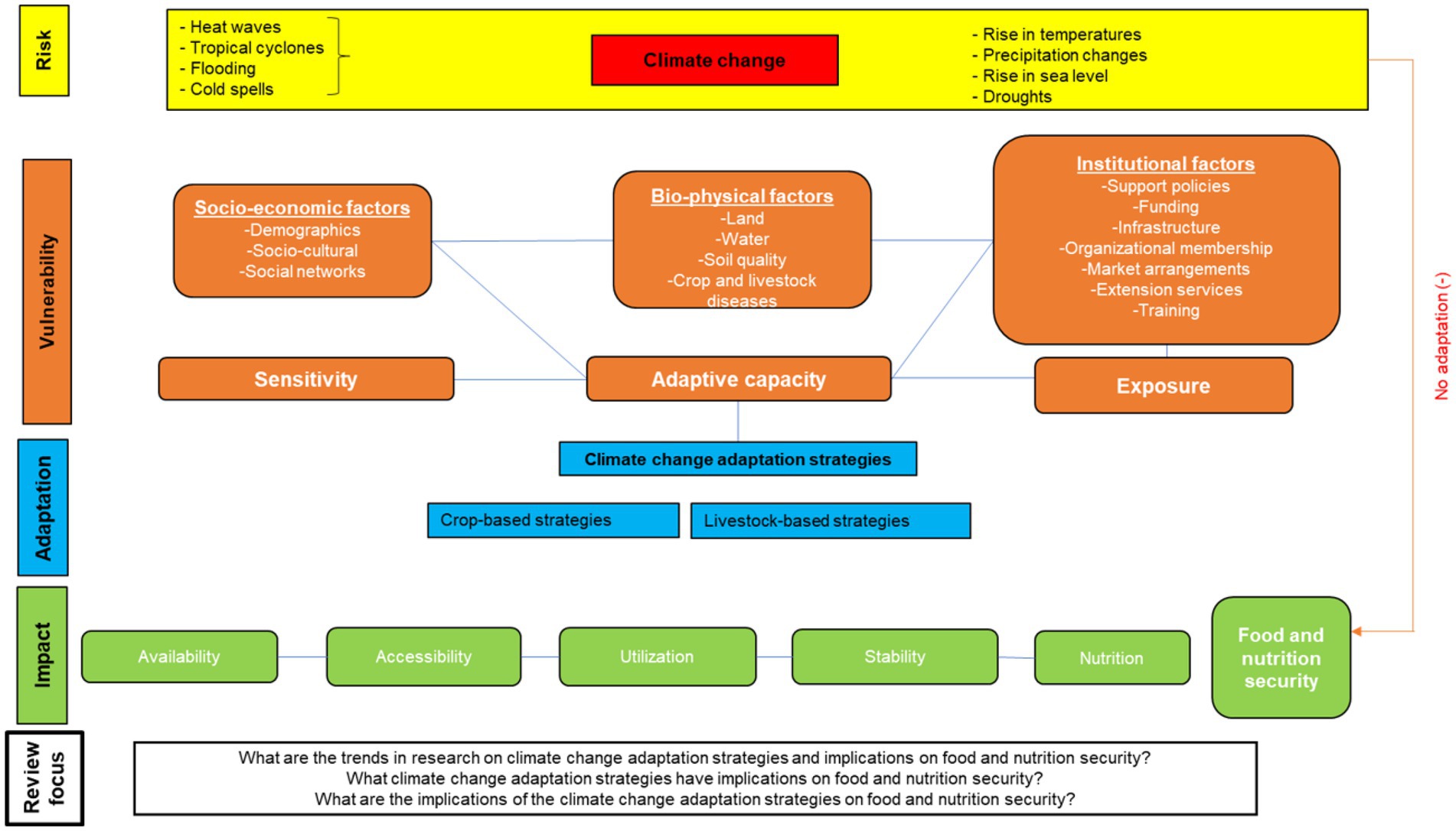
Figure 1. Conceptual framework of a retrospective analysis of climate change adaptation strategies and implications on food and nutrition security among small-scale farmers in South Africa. Authors’ conceptualization.
Climate change-related events that include rises in temperatures, precipitation changes, rise in sea level, drought frequency, heat waves, tropical cyclones, increased frequency of flooding, cold spells and other shocks are risk factors to food production, access, distribution, and affordability. Socioeconomic, biophysical, and institutional factors imply the vulnerability, sensitivity, exposure, and adaptive capacity to respond to climate change impacts on FNS. Socioeconomic factors, including demographics, socio-cultural and social networks, influence the ability to adapt to climate change. Biophysical factors land, availability of water, soil quality, and crop and livestock diseases, are critical concerning the decisions on how to respond to climate change by small-scale farmers. Institutional factors such as support policies, funding, infrastructure, organizational membership, market arrangements, extension services and training influence the likelihood and magnitude of the impacts resulting from climate-related risks. Factors that affect the vulnerability to climate change by small-scale farmers may include social networks, nutritional status, market exchange arrangements, and annual rainfall patterns. Small-scale farmers adapt differently to climatic changes threatening their food and nutrition security status. The purpose of this analysis is to find out the adaptation strategies adopted and how they impact food and nutrition status among small-scale farmers in South Africa.
2.2. Data source/s
The aim was to provide a retrospective analysis of the implications of climate change adaptation strategies on FNS. The Clarivate Analytics WoS was selected as a research tool to come up with credible results to track past and current trends in the field. This is because it is considered one of the main, generally accepted and most comprehensive bibliometric databases (Zhu and Liu, 2020).
2.3. Data extraction
For the initial search, the terms “Adaptation to climate change” AND “Food security” AND “Nutrition security” were used. The search yielded 15,432 results. Since the focus was on the implications of adaptation on FNS among small-scale farmers in South Africa, a search within the preliminary results was conducted using the terms “small-scale farmers” OR “smallholder farmers.” This yielded 908 articles. Since the focus was on South Africa, another search within the results was conducted using the term “South Africa” and 80 articles were retrieved. Search results were exported from Clarivate WoS as plain text and imported into the Visualization of Similarities (VoS) Viewer for analysis. Figure 2 shows a flow diagram of the steps followed during the bibliometric analysis.
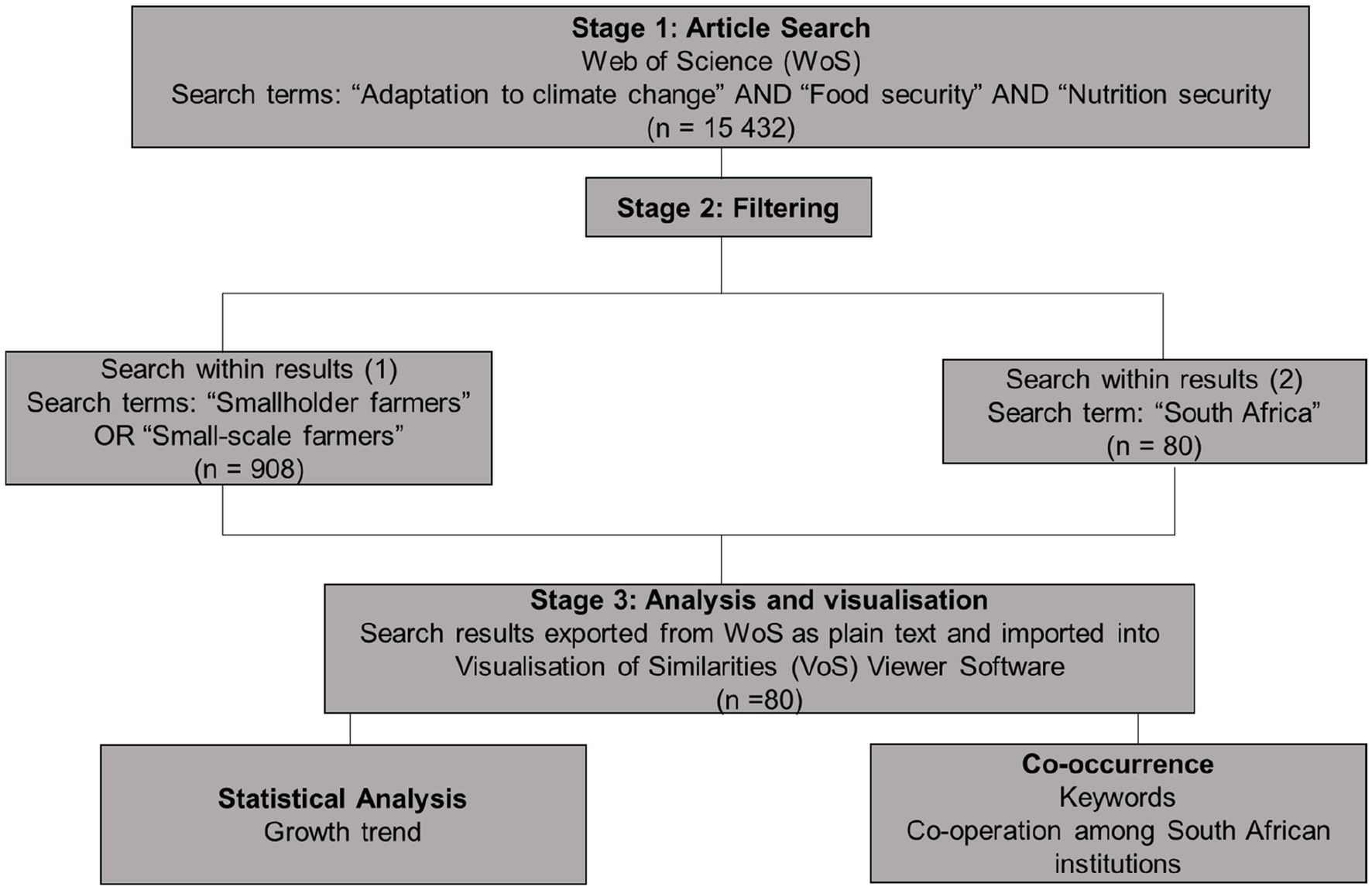
Figure 2. A flowchart of the bibliometric analysis. Authors’ conceptualization.
A statistical analysis was conducted to track the growth of research on the implications of climate change adaptation strategies on food and nutrition security among small-scale farmers. The growth trend was established using the number of articles published per year. Cooperation among institutions was established in VoS Viewer using a co-authorship analysis. Co-authorship between institutions was mapped using a minimum threshold of three collaborated documents. The higher the label and node size on the resultant co-authorship network diagram, the higher the co-operation between institutions. The co-occurrence of keywords was established utilizing a co-occurrence analysis. For the co-occurrence of all keywords analysis, the minimum number of occurrences of a keyword was set on a default mode of 5. Label and node sizes were used to interpret the results. The larger the label and node size, the higher the co-occurrence of a keyword. Table 1 summarizes the statistical analysis as conducted in VoS Viewer.

Table 1. Analysis employed for research on the implications of climate change adaptation strategies on food and nutrition security (FNS) among small-scale farmers in South Africa.
2.4. Preferred Reporting Items for Systematic Reviews and Meta-Analyses (PRISMA)
Other objectives of the review were to identify adaptation strategies employed by small-scale farmers that have repercussions on FNS and discuss the associated implications. The Preferred Reporting Items for Systematic Reviews and Meta-Analyses (PRISMA) guidelines (Moher et al., 2009) were used to achieve these objectives. Figure 3 shows the selection criterion used based on PRISMA guidelines.
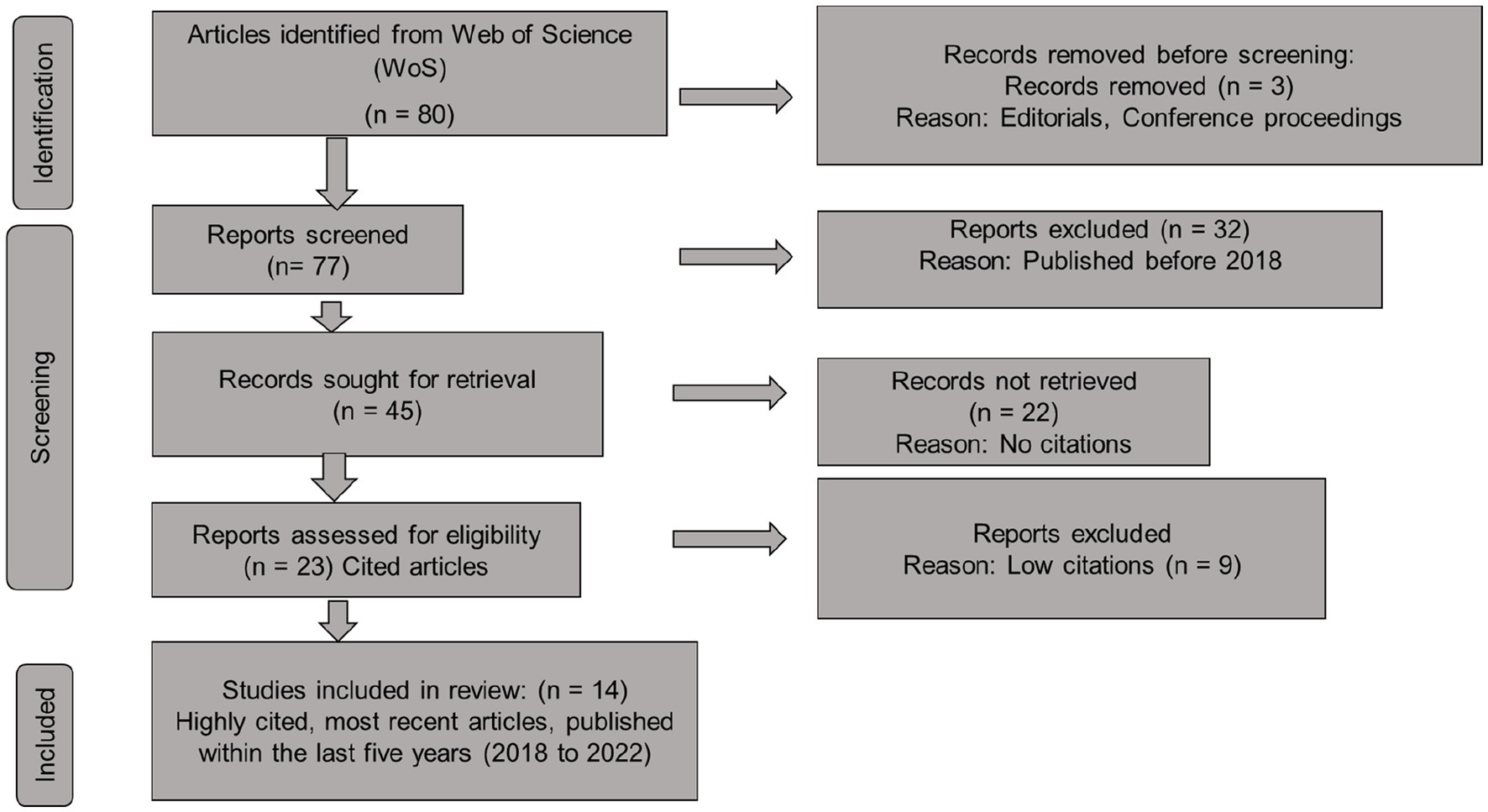
Figure 3. A flowchart of the Preferred Reporting Items for Systematic Reviews and Meta-Analyses (PRISMA) process.
Eighty (80) articles on the implications of adaptation strategies on FNS identified from Clarivate WoS utilized for the bibliometric analysis were used to select relevant articles for PRISMA. To get a comprehensive review, editorials were excluded because they are mere opinions of the editors or publishers. Conference proceedings were also excluded because the abstracts usually lack adequate information, as observed by Scherer and Saldanha (2019). Three editorials and conference proceedings were screened out. Recently published material was sought to provide an up-to-date analysis. Therefore, only research published within the last 5 years (2018–2022) was retrieved and 32 articles were screened out. Only cited material was sought.
Although several factors are considered in determining an article’s research impact, in this review it was assumed that the incidence of an article getting cited has a bearing on the research impact. As such, the probability that an article gets cited, the higher the impact. Twenty-two (22) articles did not have citations and were excluded. Out of the 23 cited articles, only 14 highly cited were included in the analysis.
3. Results and discussion
3.1. Growth trend of research on implications of adaptation on food and nutrition security in South Africa
Figure 4 shows the growth trend of research on the implications of adaptation on FNS among small-scale farmers in South Africa. The bibliometric analysis shows that research on the field was scarce during the early years. The first article was published in 2005 by Bharwani et al. (2005). The authors emphasized the importance of accuracy in seasonal outlooks or forecasts when used by small-scale farmers as a decision tool in implementing adaptation strategies. It was observed that an increase in accuracy to 85% would be beneficial to small-scale farmers as their cropping systems become more resilient, which will ultimately improve food security.
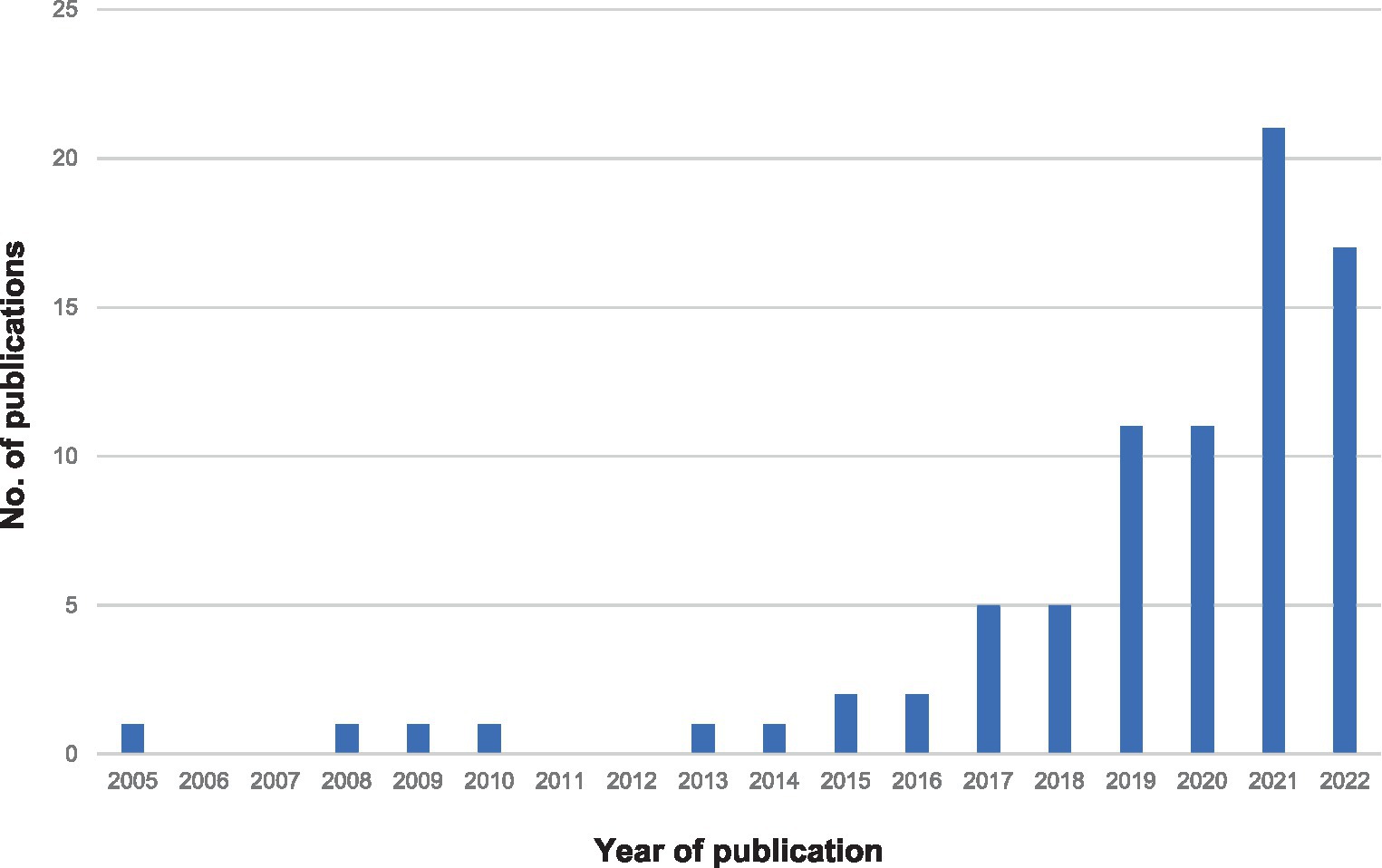
Figure 4. Growth trend of research on implications of adaptation on food and nutrition security (FNS) in South Africa. Authors’ bibliometric analysis.
There is a noticeable increase in research between 2018 and 2019 and between 2020 and 2021. This trend is because of the increased frequency of extreme weather events, such as floods and droughts in the country. South Africa has an 83.3% annual risk of flooding (Zuma et al., 2012). The recent 2019 and 2022 flood events affected most parts of the Eastern Cape Province, KwaZulu Natal, and Limpopo Provinces (Dube et al., 2021). These are the provinces with the highest proportion of households involved in agriculture (Statistics South Africa, 2016). Similarly, South Africa is showing a tendency for multi-year droughts (Mahlalela et al., 2020) in the past and current decades. The most affected regions are Eastern Cape and Limpopo. The extreme events and the Covid 19 pandemic in 2019 threatened the food security status of many vulnerable groups, including small-scale farmers. This situation could have resulted in more research attention on the implications of adaptation on FNS.
3.2. Keywords used in research on implications of adaptation on food and nutrition security in South Africa
Figure 5 shows that the keywords used in research on implications of adaptation on food and nutrition security.
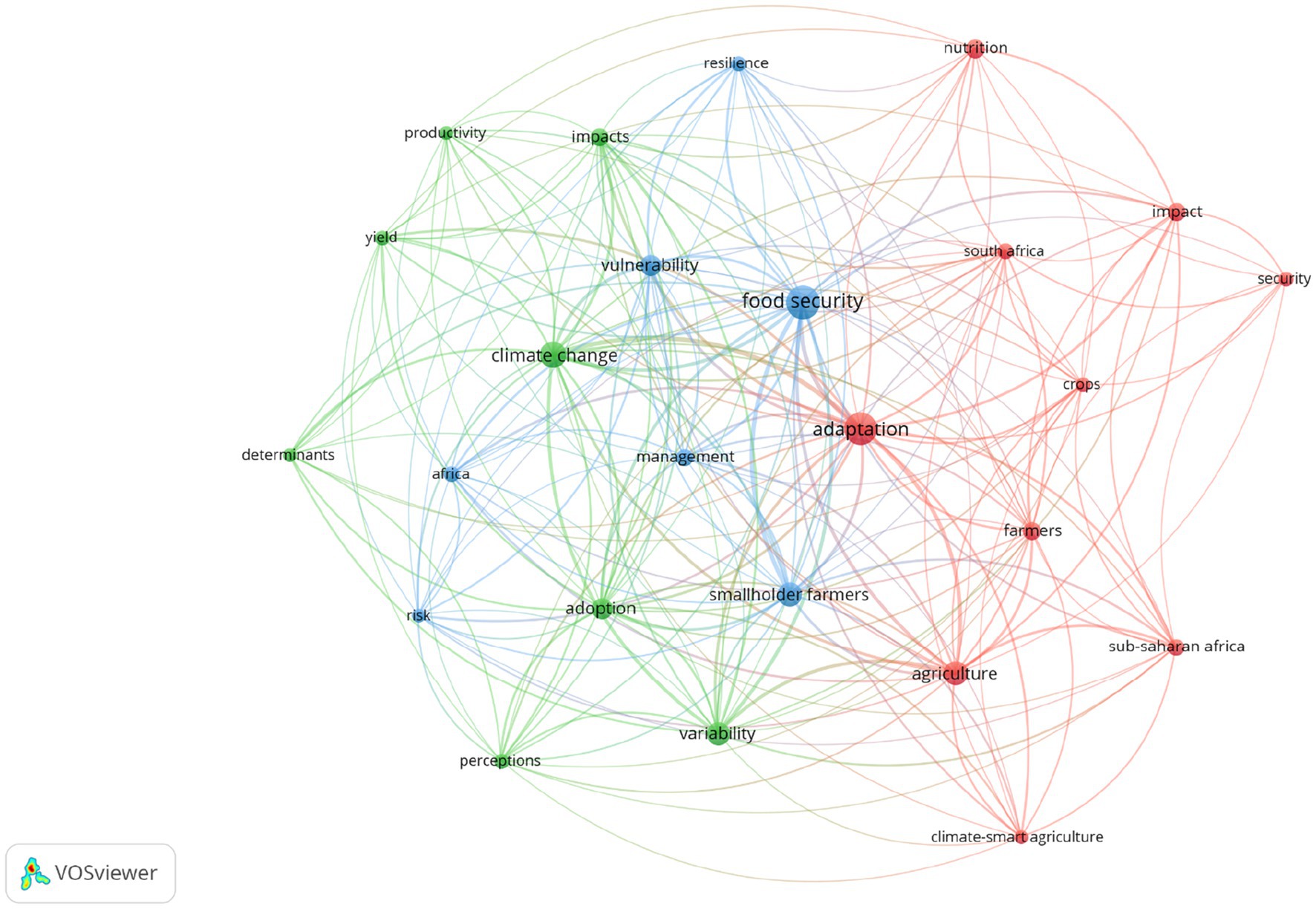
Figure 5. Network visualization of co-occurrence of keywords for research on implications of adaptation on food and nutrition security in South Africa. Authors’ bibliometric analysis.
Out of the 530 keywords in research on the implications of adaptation on FNS in South Africa, only 26 met the threshold. The most common keywords in the research field are “adaptation” and “food security,” as shown in Figure 5 by the largest node sizes. The cluster analysis resulted in three different clusters, as shown by the red, green and blue colors in Figure 5. Table 2 describes how these clusters were identified and interpreted.
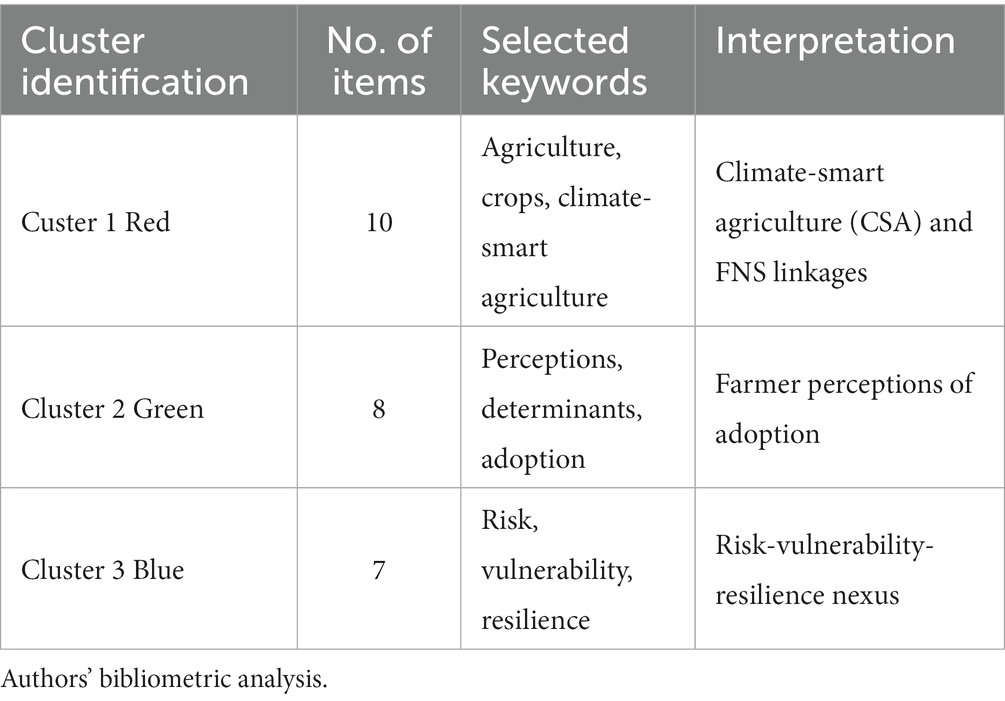
Table 2. Identification and interpretation of clusters.
The red cluster (Cluster 1) grouped 10 keywords. Agriculture, crops and climate-smart agriculture are the keywords in this cluster. The cluster reflects the role of climate-smart agriculture in building agricultural and crop production systems that are resilient to climate change which can sustain food security among small-scale farmers. Agricultural systems are confronted with biophysical and socioeconomic stressors, including climate change (Kakamoukas et al., 2021). These factors threaten food and nutrition security, especially among small-scale farmers with low adaptive capacity. Lipper et al. (2014) posited that CSA identifies synergies and tradeoffs among food security, adaptation and mitigation. Climate-smart agriculture is defined as farming that enhances productivity, improves resilience, reduces greenhouse gases (GHG) and facilitates the achievement of national food security and development goals (Food and Agricultural Organization, International Fund for Agricultural Development, United Nations Children's Fund, and, W. F. P. and Organization, W. H, 2020). The concept has three major pillars: (1) increasing agricultural productivity, (2) increasing adaptive capacity, and (3) reducing greenhouse gas emissions (Bai et al., 2019). Climate-smart agriculture integrates climate change into the planning and implementation of sustainable agricultural strategies. The IPCC’s climate-resilient transformation pathways for agriculture illustrate that CSA pathways result in higher resilience and lower risks to food security (Denton et al., 2014).
The notions discussed in the preceding statements show important linkages between CSA and food security. The opinions also suggest that CSA has the potential to provide a solution to the food and nutrition challenges among small-scale farmers. Despite the important implications of CSA on FNS, South African small-scale farmers are confronted by several constraints that limit adoption. Serote et al. (2021) observed that despite the role of climate-smart irrigation technologies in combating food and nutrition security, its adoption is low among smallholder farmers in arid parts of the Limpopo Province of South Africa. It was highlighted that the smallholder farmers, negative perception and lack of awareness were some factors that hindered the adoption of climate-smart irrigation technologies. Senyolo M. P. et al. (2018) observed that although climate-smart strategies such as Conservation Agriculture (CA), Rainwater Harvesting (RWH) and the use of Drought Tolerant and Early Maturing Varieties are the most appropriate CSA technologies for small-scale farmers in South Africa, adoption is limited by initial investment costs, additional labor requirements and management intensity.
The green cluster (Cluster 2) grouped 8 keywords. Perceptions and adoption are among the keywords grouped in this cluster. The cluster reflects the importance of small-scale farmers’ perceptions in adopting adaptation strategies that have implications on FNS. Adaptation to climate change is a two-step process (Asrat and Simane, 2018). A farmer must first perceive that the climate is changing and that their food and nutrition status is affected and then respond through adaptation. Several studies have shown that small-scale farmers can perceive climate change and in most cases, their perceptions match meteorological data (Jiri et al., 2015; Ayanlade et al., 2017; Asare-Nuamah and Botchway, 2019). In South Africa, Bryan et al. (2009) showed that more than 80% of farmers in Limpopo, Northwest, Mpumalanga, and Gauteng Provinces perceived temperature increases and reduced rainfalls.
Perceptions of climate change linked to the risk posed to agricultural production, for example, the threat of climate change on FNS, drive the adoption of adaptation strategies. Kaltenbrun et al. (2020) analyzed the perceptions of multiple stakeholders, including small-scale farmers on government-initiated programs in Gauteng Province, South Africa. It was established that perceptions of government-initiated programs to improve food and nutrition security were positive. However, it was highlighted that preliminary investigations into the programs considering a South African context would be essential to make the initiatives a success.
The blue cluster (Cluster 3) grouped 7 keywords. Vulnerability and resilience are among the keywords grouped in this cluster. The cluster demonstrates the vulnerability-resilience nexus. The analysis of this nexus is critical for adaptation strategies that have a bearing on food and nutrition security. Vulnerability and resilience are interconnected concepts in climate change research (Kumar et al., 2020). Vulnerability is streamlined into three main dimensions. These are exposure, sensitivity and adaptive capacity. Despite this, it is important to note that vulnerability to climate change is highly differentiated. In this context, vulnerability varies between small-scale farmers located in different places with different farming activities and resources. On the other hand, the IPCC defined resilience as the ability of a system and its components to anticipate, absorb, accommodate, or recover from the effects of a hazardous event in a timely and efficient manner, including ensuring the preservation, restoration, or improvement of its essential basic structures and functions (Field et al., 2012). The UNFCCC proposed six steps crucial for building climate resilience for sectors including smallholder farmers. These are raising awareness, carrying out climate risk assessments, developing and implementing appropriate strategies, mobilizing resources, monitoring and tracking progress and knowledge sharing.
Small-scale farmers in South Africa are highly vulnerable to climate change and their resilience is low. This has implications for food and nutrition security status. Shisanya and Mafongoya (2016) found that 97% of small-scale farmers in the uMzinyathi District in KwaZulu-Natal were severely food insecure, while the remaining 3% were moderately food insecure due to the recurring droughts and floods that made them vulnerable. Hosu et al. (2016) assessed the level of vulnerability of smallholder farmers. They found that smallholder farmers in the Eastern Cape Province are vulnerable to climate variability and also susceptible to food insecurity. Smallholder farmers in the Karoo Zone were the most vulnerable due to factors such as land access issues, non-involvement in farmer’s organizations, limited access to markets, low annual rainfall.
3.3. Institutional research collaboration on implications of adaptation on food and nutrition security in South Africa
Figure 6 illustrates the co-authorship network of collaborating institutions. Out of the 111 collaborating organizations, only 13 met the threshold. The University of KwaZulu Natal collaborated the most with 24 documents, 191 citations and a total link strength of 21. The University of Free State came second with 10 documents, 116 citations and a total link strength of 11. The University of Pretoria had the highest number of citations (590) but with only 8 documents and a low total link strength of 5.
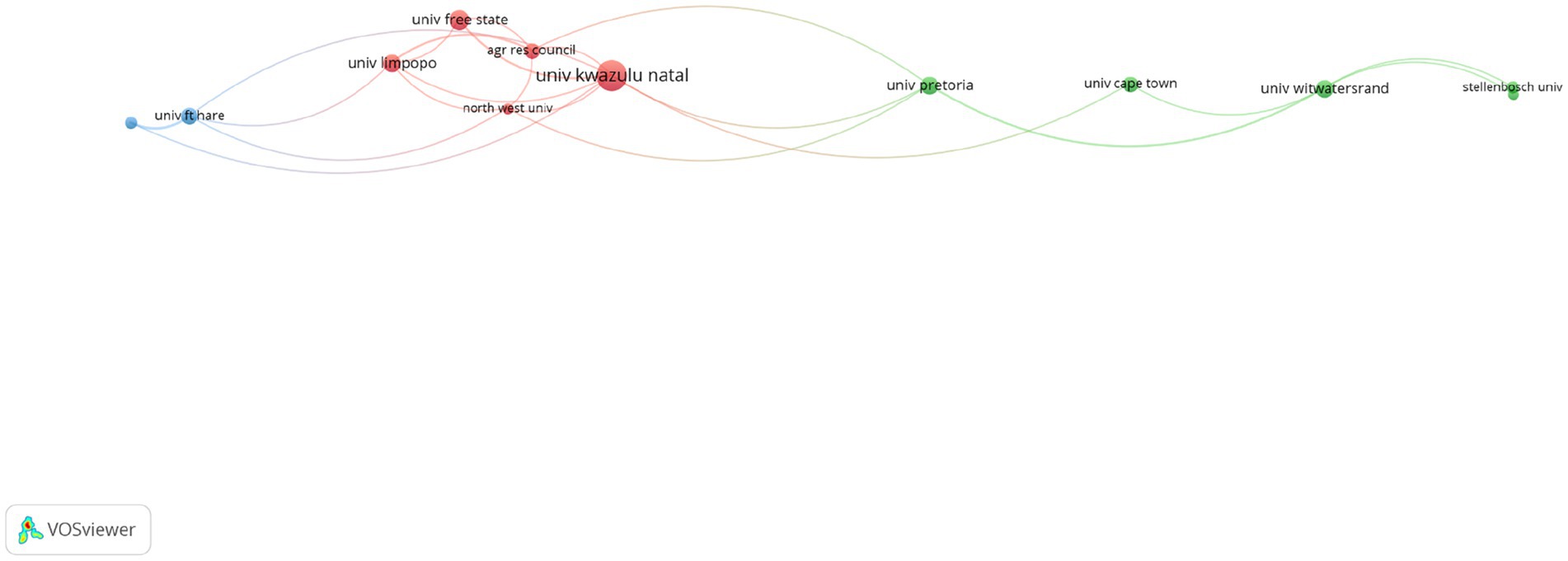
Figure 6. Co-authorship network of collaborating institutions publishing research on implications of adaptation on food and nutrition security. Authors’ bibliometric analysis.
In general, results illustrate a weak research collaboration between institutions, as shown by the thin lines connecting the institutions. This could mean limited local solutions to the food and nutrition challenge in South Africa. The weak collaboration could be due to several factors, including competing responsibilities between teaching and research, lack of funding and cumbersome bureaucracy in establishing research collaborations and partnerships. Lack of funding is considered the major limitation in a research collaboration between South African institutions.
Mamdani (2016) noticed that empirical studies demonstrate that South African institutions are confronted with financial problems because they depend on the state and revenue from students for sustenance. As such, the funds may not be enough to cater for collaborations with other institutions. Horn (2017) perceived that institutions tend to develop and implement rules and regulations to be complied with leading to a growing burden of research administrative bureaucracy resented by researchers while obstructing the research process.
Results show three clusters of institutional collaboration. The University of KwaZulu-Natal collaborated most with the University of Free State, Northwest University, the University of Limpopo and the Agricultural Research Council, forming the red cluster. The University of Fort Hare collaborated most with the University of Zululand creating the blue cluster, while the University of Pretoria, the University of Cape Town, the University of Witwatersrand and Stellenbosch University formed the green cluster.
The red and blue clusters are composed of institutions located in rural areas and are in easy contact with small-scale farmers. Therefore, as part of the institutions’ community engagement programs, conducting research with small-scale farmers in the nearby communities would be manageable. The green cluster is composed of institutions located in urban areas. As such, they may not be in close contact with small-scale farmers; hence collaboration on the research on the implications of adaptation on small-scale farmers is limited.
Results also highlighted the limited collaboration between academic and non-academic institutions. The Agricultural Research Council is the only non-academic institution collaborating with South African universities in research on the implications of adaptation on FNS among small-scale farmers. Although universities are considered the engines of local knowledge development (Martins et al., 2019), partnerships with non-academic institutions are essential to harness all the resources that enhance local economic development in poor communities.
3.4. Adaptation strategies with implications on food and nutrition security for small-scale farmers in South Africa
The review’s findings show several strategies with implications for FNS on small-scale farmers in South Africa. The identified strategies were grouped into six main themes. Table 3 shows the climate change adaptation themes, specific strategies and the associated implications for FNS on small-scale farmers.

Table 3. Adaptation strategies with implications on food and nutrition security for small-scale farmers in South Africa.
3.4.1. Mainstreaming and leveraging underutilized indigenous and traditional crops into the food system
Results of the review suggest that the inclusion of underutilized indigenous and traditional crops into the food system has positive implications on FNS for small-scale farmers. This claim is based on findings by Mabhaudhi et al. (2017) and Amelework et al. (2021), who advocated for mainstreaming underutilized indigenous and traditional crops into the food system as the best way to improve FNS among small-scale farmers. In the same vein, Pereira and Hawkes (2022) and Pereira et al. (2022) support leveraging the potential of underutilized indigenous and traditional crops as an important solution to achieving FNS among small-scale farmers.
Mabhaudhi et al. (2017) found a positive and significant effect of several underutilized indigenous and traditional crops on FNS. Their analysis was based on vegetables such as Chinese cabbage (Brassica rapa), Black nightshade (Solanum nigrum), cowpea leaves (Vigna unguiculata), pumpkin leaves (Cucurbita spp.), among others. Amelework et al. (2021) noted the dual purpose of Cassava on FNS (Manihot esculenta) through a direct and indirect influence. Senyolo G. M. et al. (2018) advocated mainstreaming African Leafy Vegetables (ALVs) by establishing the determinants of small-scale farmers’ decisions to produce ALVs. It was found that the belief that ALVs contribute to food security positively influences production. This postulation follows that a positive influence on production will impact the FNS of the participating small-scale farming households.
The review’s findings also show that leveraging the potential of underutilized indigenous and traditional crops has positive implications on FNS for small-scale farmers. Pereira and Hawkes (2022) established that a successful sorghum (Sorghum bicolor) innovation program could improve small-scale farmers’ livelihoods, including their FNS status. Pereira et al. (2022) showed that if small-scale farmers are given more information about coastal wild food such as sea lettuce (Ulva capensis J.E. Areschoug) and dune spinach (Tetragonia decumbens Mill.), Cape lobster (Homarinus capensis Herbst) local diets will become more diversified, which will improve FNS.
Mabhaudhi et al. (2017) defined underutilized indigenous and traditional crops as plant species that have originated in specific niche environments and have been indigenized over years of production. The same authors assert that these plant species have significant potential as food crops, although research interest has lagged in the scientific field about these crops. With the continuously changing climate in South Africa that has threatened the FNS and livelihoods of small-scale farmers, these crops are receiving increasing recognition. This situation is because they are native to specific locations and are, therefore, better adapted to the environment (Backeberg and Sanewe, 2010). Underutilized indigenous and traditional crops are considered nutrient-dense (Chivenge et al., 2015) with high vitamin and mineral content. Including these foods in daily diets improves dietary diversity (Mabhaudhi et al., 2018).
3.4.2. Profit-oriented approaches
The findings of the review show that improving the production systems’ profit efficiency would have positive implications on the FNS of small-scale farmers. This finding is based on a study by Mdoda et al. (2022), who focused on spinach production under small-scale irrigation in the Eastern Cape, where the vegetable plays an important role in improving the diet of small-scale farmers while it provides an economic incentive through income from sales. It was established that improving spinach production’s profit efficiency significantly increased small-scale farmers’ incomes, consequently leading to improved FNS as these are correlated, as shown by Adeniyi and Dinbabo (2020). Although there are many determinants for profit efficiency, it could be improved by adopting innovative strategies such as using high-quality fertilizer, seeds, and pesticides to increase productivity. Findings of the review tally with Shrestha et al. (2022) who also found that input variables such as seed, fertilizer and pesticides significantly account for variations in profit efficiency.
3.4.3. Land leasing
The review’s findings suggest that land leasing has some implications for small-scale farmers’ FNS status in South Africa. This assertion is based on a study by Mudzielwana et al. (2022), who analyzed the determinants of irrigation farmworkers’ food security status. The analysis shows a statistically significant relationship between irrigation farmworkers’ food security status and the leasing of land from the employer. This finding implies that when irrigation farmworkers can lease land from their employer, they have lower chances of becoming food insecure. The results of the review suggest that there are important linkages between land access and FNS. Muraoka et al. (2018) observed that land access is directly related to its ability to produce food and generate income in Kenya. Land rental was found to be the most common way of accessing land and contributing to food security. Holden and Ghebru (2016) observed that land scarcity and landlessness threaten food security in developing countries like South Africa. Land access is gaining momentum and is a topical issue in South Africa.
3.4.4. Entrepreneurship
The review shows that combining entrepreneurial activities and farming yields positive results for FNS. This notion is demonstrated by Sinyolo and Mudhara (2018), who investigated the impact of entrepreneurial competencies on household food security among small-scale farmers in KwaZulu-Natal. The main recommendation rallied towards developing entrepreneurial competencies among small-scale farmers to ensure improved food security. Entrepreneurship has become a key strategy in addressing the FNS challenge worldwide, especially in developing countries like South Africa. The government of South Africa prioritizes entrepreneurship in the small-scale farming sector (Aliber and Hall, 2012) towards contributing to achieving the SDG-2 targets. This strategy has seen the government setting policies at increasing food production and market participation levels (Hendriks and Olivier, 2015) for small-scale farmers. It is expected that favorable policies could make agricultural entrepreneurship more lucrative for small-scale farmers while enhancing food adequacy and accessibility.
The review results concur with Kankwamba and Kornher (2019), who assessed the distributional impacts of entrepreneurship on household food and nutrition security in Malawi. Their findings indicate that entrepreneurship positively impacts the value, dietary variety and calorific food intake. Bonney et al. (2013) share similar sentiments on collective entrepreneurship among farming households. They reported that collective entrepreneurship increases food security by strengthening food value chains. The fact that entrepreneurship levels remain low in developing countries, including South Africa, could impede efforts towards achieving the SDG-2 targets. The main constraints are the lack of financial and human capital and the cumbersome regulations and bureaucracy imposed by the government (Bhorat et al., 2018).
3.4.5. Government-led initiatives
The review found that the introduction of nutrition-sensitive agricultural interventions could have positive implications on FNS for small-scale farmers in South Africa. This postulation is based on a study by Kaltenbrun et al. (2020), who analyzed the perception of different stakeholders’ taxation of sugar-sweetened beverages (SSBs) on health and nutrition in South Africa. Participants perceived that introducing a sugar tax positively impacts consumers and is likely to produce the intended health benefits, especially those related to obesity. The analysis also shows that government initiatives such as combining and scaling up policies would bring desirable outcomes. For example, the analysis shows that participants favor combining nutrition-sensitive agriculture interventions such as taxation of SSBs and the production of nutrient-dense, local and culturally acceptable crops. However, the impact of government-led initiatives on FNS is not clear. It is also important to note that participants questioned the feasibility of combining policies due to several factors like political will, limited delivery capacity, legislation restrictions and competing government priorities.
Another perspective on government-led initiatives was made by Murugani and Thamaga-Chitja (2019), who showed that women’s empowerment in agriculture improves FNS. The authors proposed a gender lens for government-led initiatives for adaptation to climate change. It is important to consider gender sensitization in climate change policymaking because women and men are affected by climate change in different ways. Habtezion (2012) noticed a causal relationship between climate change and gender and thus encouraged the full and effective participation of women at all levels in policymaking. This approach is one of the many ways to enhance efforts toward achieving development agendas such as the SDGs and MDGs. Women’s empowerment is one of the key ways to surpass gender inequalities and ensure that women are represented in all decision-making processes at all levels.
3.4.6. Climate-smart agriculture
The review’s findings illustrate that CSA practices positively influence FNS among small-scale farmers in South Africa. For example, Abegunde et al. (2022) observed that CSA adaptation would enhance the chances of attaining food security for small-scale farming households in Mthonjaneni and uMhlathuze Municipalities in KwaZulu-Natal. Myeni et al. (2021) showed that Sustainable Agricultural Intensification practices, in particular, intercropping combined with improved seed varieties and good agricultural practices, improve maize-legume productivity, profitability and nutritional benefits through diet diversification. Ogundeji (2022) incorporates some CSA practices, such as soil and water conservation and integrated crop-livestock management, in his analysis of adaptation and impact on small-scale farmers in KwaZulu-Natal, Limpopo, Free State, and Northwest Provinces and found out that adopting at least one practice would improve FNS. Samuel and Sylvia (2019) established the nexus between adaptation and small-scale farmers’ food security status. They found that CSA practices such as minimum tillage and crop rotation were statistically significant and impacted FNS.
Climate-smart agriculture has three pillars: adaptation, mitigation and food security (van Wijk et al., 2020). The review shows various ways small-scale farmers can adapt while keeping GHG emissions at a minimum and sustainably meeting the FNS goals. For example, the Sustainable Agriculture Intensification approach is an essential means of adapting to climate change, resulting in lower emissions per unit of output. Campbell et al. (2014) illustrate that Sustainable Agricultural Intensification and CSA are complementary and crucial for global food and nutritional security. The approach aims to increase food production from existing land while reducing environmental impacts. Integrated crop-livestock management has implications for food and nutrition security. Mixing crops and livestocks has several benefits. Small-scale farmers sell livestock to generate income that can be used to buy food and to purchase inputs such as drought tolerate varieties that can be used to sustain crop production systems under climate change.
4. Conclusion
Food and nutrition insecurity is a persistent challenge in developing countries like South Africa. For small-scale farmers, climate change is a major contributing factor to this challenge. However, small-scale farmers do not remain passive in the face of recurring climate variations and changes. They have adapted in several ways. This retrospective analysis aimed to analyze the trends of research in climate change adaptation strategies with implications on FNS among small-scale farmers in South Africa, identify the adaptation strategies with implications on FNS and discuss the implications. A combination of bibliometric analysis and PRISMA techniques were used to achieve this purpose. The review found that research on climate change adaptation strategies with implications on FNS among small-scale farmers in South Africa is growing. However, it is unclear whether the pace is fast enough to accelerate the achievement of the SDG-2. The co-occurrence of keywords analysis showed that research has made recognizable strides reflecting important links between CSA and food and nutrition, emphasizing the importance of farmers’ perceptions on adopting strategies that improve food and nutrition security and illustrating the risk-vulnerability-resilience nexus. Co-authorship analysis shows that research collaboration among South African institutions is weak, which could have dire consequences for local solutions to the food and nutrition insecurity challenge. Results of the review also show that adaptation strategies with implications on FNS are many. Further studies are required to establish whether the growth in the research field will accelerate the achievement of SDG-2. Research collaboration among academic and non-academic institutions should be strengthened. This will enhance the development and expansion of local solutions to the persisting problem of food and nutrition insecurity. A limitation of this review is the assumption that highly cited research articles have a high research impact which may not be necessarily the case as several factors are considered. It is therefore recommended that the findings of this review be treated with caution. It is also recommended that further analysis be undertaken where other factors that determine the article’s research impact be considered to come up with a comprehensive evaluation. Another limitation is that the review used only scientific articles. This could raise issues of bias. Further studies are therefore recommended where other data sources on the subject such as books, dissertations and theses be included in the analysis.
Author contributions
DSK, LZ, and MS contributed to conceptualization and design. MS designed the conceptual framework. DSK did the literature search and analysis and wrote the first draft. LZ and MS provided inputs into the final draft. All authors contributed to the article and approved the submitted version.
Conflict of interest
The authors declare that the research was conducted in the absence of any commercial or financial relationships that could be construed as a potential conflict of interest.
Publisher’s note
All claims expressed in this article are solely those of the authors and do not necessarily represent those of their affiliated organizations, or those of the publisher, the editors and the reviewers. Any product that may be evaluated in this article, or claim that may be made by its manufacturer, is not guaranteed or endorsed by the publisher.
References
Abegunde, V. O., Sibanda, M., and Obi, A. (2022). Effect of climate-smart agriculture on household food security in small-scale production systems: a micro-level analysis from South Africa. Cogent Soc. Sci. 8:2086343. doi: 10.1080/23311886.2022.2086343
Adeniyi, D. A., and Dinbabo, M. F. (2020). Efficiency, food security and differentiation in small-scale irrigation agriculture: evidence from north West Nigeria. Cogent Soc. Sci. 6:1749508. doi: 10.1080/23311886.2020.1749508
Aliber, M., and Hall, R. (2012). Support for smallholder farmers in South Africa: challenges of scale and strategy. Dev. South. Afr. 29, 548–562. doi: 10.1080/0376835X.2012.715441
Amelework, A. B., Bairu, M. W., Maema, O., Venter, S. L., and Laing, M. (2021). Adoption and promotion of resilient crops for climate risk mitigation and import substitution: a case analysis of cassava for south African agriculture. Front. Sustain. Food Syst. 5:617783. doi: 10.3389/fsufs.2021.617783
Anderson, R., Bayer, P. E., and Edwards, D. (2020). Climate change and the need for agricultural adaptation. Curr. Opin. Plant Biol. 56, 197–202. doi: 10.1016/j.pbi.2019.12.006
Asare-Nuamah, P., and Botchway, E. (2019). Comparing smallholder farmers’ climate change perception with climate data: the case of Adansi North District of Ghana. Heliyon 5:e03065. doi: 10.1016/j.heliyon.2019.e03065
Ashby, S., Kleve, S., Mckechnie, R., and Palermo, C. (2016). Measurement of the dimensions of food insecurity in developed countries: a systematic literature review. Public Health Nutr. 19, 2887–2896. doi: 10.1017/S1368980016001166
Asrat, P., and Simane, B. (2018). Farmers’ perception of climate change and adaptation strategies in the Dabus watershed, north-West Ethiopia. Ecol. Process. 7, 1–13. doi: 10.1186/s13717-018-0118-8
Ayanlade, A., Radeny, M., and Morton, J. F. (2017). Comparing smallholder farmers’ perception of climate change with meteorological data: a case study from southwestern Nigeria. Weather Clim. Extremes 15, 24–33. doi: 10.1016/j.wace.2016.12.001
Backeberg, G., and Sanewe, A., Towards productive water use and household food security in South Africa. 6th Asian Regional Conference of ICID, (2010), pp. 10–16.
Bai, X., Huang, Y., Ren, W., Coyne, M., Jacinthe, P. A., Tao, B., et al. (2019). Responses of soil carbon sequestration to climate-smart agriculture practices: a meta-analysis. Glob. Chang. Biol. 25, 2591–2606. doi: 10.1111/gcb.14658
Bharwani, S., Bithell, M., Downing, T. E., New, M., Washington, R., and Ziervogel, G. (2005). Multi-agent modelling of climate outlooks and food security on a community garden scheme in Limpopo, South Africa. Phil. Trans. R Soc. B Biol. Sci. 360, 2183–2194. doi: 10.1098/rstb.2005.1742
Bhorat, H., Asmal, Z., Lilenstein, K., and Van Der Zee, K. (2018). SMMEs in South Africa: Understanding the constraints on growth and performance. Working Paper 201801, DPRU, University of Cape Town.
Bonney, L., Collins, R., Miles, M. P., and Verreynne, M.-L. (2013). A note on entrepreneurship as an alternative logic to address food security in the developing world. J. Dev. Entrep. 18:1350016. doi: 10.1142/S1084946713500167
Bryan, E., Deressa, T. T., Gbetibouo, G. A., and Ringler, C. (2009). Adaptation to climate change in Ethiopia and South Africa: options and constraints. Environ. Sci. Pol. 12, 413–426. doi: 10.1016/j.envsci.2008.11.002
Campbell, B. M., Thornton, P., Zougmoré, R., Van Asten, P., and Lipper, L. (2014). Sustainable intensification: what is its role in climate smart agriculture? Curr. Opin. Environ. Sustain. 8, 39–43. doi: 10.1016/j.cosust.2014.07.002
Chandio, A. A., Jiang, Y., Akram, W., Adeel, S., Irfan, M., and Jan, I. (2021). Addressing the effect of climate change in the framework of financial and technological development on cereal production in Pakistan. J. Clean. Prod. 288:125637. doi: 10.1016/j.jclepro.2020.125637
Chivenge, P., Mabhaudhi, T., Modi, A. T., and Mafongoya, P. (2015). The potential role of neglected and underutilised crop species as future crops under water scarce conditions in sub-Saharan Africa. Int. J. Environ. Res. Public Health 12, 5685–5711. doi: 10.3390/ijerph120605685
Clapp, J., Moseley, W. G., Burlingame, B., and Termine, P. (2021). The case for a six-dimensional food security framework. Food Policy 106:102164. doi: 10.1016/j.foodpol.2021.102164
Denton, F. T. J., Wilbanks, A. C., Abeysinghe, I., Burton, Q., Gao, M. C., Lemos, T., et al. (2014). “Climate-resilient pathways: adaptation, mitigation, and sustainable development” in Climate Change 2014: Impacts, Adaptation, and Vulnerability. Part A: Global and Sectoral Aspects. Contribution of Working Group II to the Fifth Assessment Report of the Intergovernmental Panel on Climate Change. eds. C. B. Field, V. R. Barros, D. J. Dokken, J. Mach, M. D. Mastrandrea, and T. E. Bilir, et al. (Cambridge, United Kingdom; New York, NY: Cambridge University Press)
Dube, K., Chapungu, L., and Fitchett, J. M. (2021). “Meteorological and climatic aspects of cyclone Idai and Kenneth,” in Cyclones in Southern Africa. Foundational and Fundamental Topics. Vol 2, 19–36.
Ebhuoma, E., and Simatele, D. (2017). Defying the odds: climate variability, asset adaptation and food security nexus in the Delta state of Nigeria. Int. J. Disaster Risk Reduct. 21, 231–242. doi: 10.1016/j.ijdrr.2016.12.017
El Bilali, H., Callenius, C., Strassner, C., and Probst, L. (2019). Food and nutrition security and sustainability transitions in food systems. Food Energy Security 8:e00154. doi: 10.1002/fes3.154
Field, C. B., Barros, V., Stocker, T. F., and Dahe, Q. (2012). Managing the Risks of Extreme Events and Disasters to Advance Climate Change Adaptation: Special Report of the Intergovernmental Panel on Climate Change. England: Cambridge University Press.
Food and Agricultural Organization, International Fund for Agricultural Development, United Nations Children's Fund, and, W. F. P. and Organization, W. H , (2020). The State of Food Security and Nutrition in the World 2020: Transforming Food Systems for Affordable Healthy Diets. Food and Agricultural Organization: Rome.
Gibson, M. (2012). Food security—a commentary: what is it and why is it so complicated? Foods 1, 18–27. doi: 10.3390/foods1010018
Gil, J. D. B., Reidsma, P., Giller, K., Todman, L., Whitmore, A., and van Ittersum, M. (2019). Sustainable development goal 2: Improved targets and indicators for agriculture and food security. Ambio 48, 685–698.
Government of South Africa (2011). National Climate Change Response White Paper Government of South Africa, South Africa.
Habtezion, S. (2012). Gender and climate change: Capacity development series, Africa, Training Module 2. UNDP.
Hendriks, S. L., and Olivier, N. J. (2015). Review of the south African agricultural legislative framework: food security implications. Dev. South. Afr. 32, 555–576. doi: 10.1080/0376835X.2015.1044075
Holden, S. T., and Ghebru, H. (2016). Land tenure reforms, tenure security and food security in poor agrarian economies: causal linkages and research gaps. Glob. Food Sec. 10, 21–28. doi: 10.1016/j.gfs.2016.07.002
Horn, L. (2017). Promoting responsible research conduct: a south African perspective. J. Acad. Ethics 15, 59–72. doi: 10.1007/s10805-016-9272-8
Hosu, S. Y., Cishe, E., and Luswazi, P. (2016). Vulnerability to climate change in the eastern cape province of South Africa: what does the future holds for smallholder crop farmers? Agrekon 55, 133–167. doi: 10.1080/03031853.2016.1157025
Ingram, J. (2020). Nutrition security is more than food security. Nature Food 1:2. doi: 10.1038/s43016-019-0002-4
Jiri, O., Mafongoya, P., and Chivenge, P. (2015). Smallholder farmer perceptions on climate change and variability: a predisposition for their subsequent adaptation strategies. J. Earth Sci. Clim. Change 6, 1–7. doi: 10.4172/2157-7617.1000277
Kakamoukas, G., Sarigiannidis, P., Maropoulos, A., Lagkas, T., Zaralis, K., and Karaiskou, C. (2021). Towards climate smart farming—a reference architecture for integrated farming systems. Telecom 2, 52–74. doi: 10.3390/telecom2010005
Kaltenbrun, T. A., Du Plessis, L. M., and Drimie, S. (2020). A qualitative analysis of perceptions of various stakeholders on nutrition-sensitive agricultural interventions, including the taxation on sugar-sweetened beverages (SSBs), to improve overall health and nutrition in South Africa. BMC Public Health 20, 1–12. doi: 10.1186/s12889-020-09440-8
Kankwamba, H., and Kornher, L., (2019). Entrepreneurship and household food security in Malawi. Paper prepared for presentation at the 2019 Agricultural & Applied Economics Association Annual Meeting, Atlanta, GA, July 21 – July 23.
Kerr, R. B., Madsen, S., Stüber, M., Liebert, J., Enloe, S., Borghino, N., et al. (2021). Can agroecology improve food security and nutrition? A review. Global Food Security 29:100540. doi: 10.1016/j.gfs.2021.100540
Kumar, S., Mishra, A. K., Pramanik, S., Mamidanna, S., and Whitbread, A. (2020). Climate risk, vulnerability and resilience: supporting livelihood of smallholders in semiarid India. Land Use Policy 97:104729. doi: 10.1016/j.landusepol.2020.104729
Lam, S., Dodd, W., Berrang-Ford, L., Ford, J., Skinner, K., Papadopoulos, A., et al. (2021). How are climate actions evaluated? A review of United Nations food security evaluations. Glob. Food Sec. 28:100509. doi: 10.1016/j.gfs.2021.100509
Lawlis, T., Islam, W., and Upton, P. (2018). Achieving the four dimensions of food security for resettled refugees in Australia: a systematic review. Nutr. Diet. 75, 182–192. doi: 10.1111/1747-0080.12402
Lenaerts, B., Collard, B. C., and Demont, M. (2019). Improving global food security through accelerated plant breeding. Plant Sci. 287:110207. doi: 10.1016/j.plantsci.2019.110207
Lesk, C., Coffel, E., Winter, J., Ray, D., Zscheischler, J., Seneviratne, S. I., et al. (2021). Stronger temperature–moisture couplings exacerbate the impact of climate warming on global crop yields. Nature Food 2, 683–691. doi: 10.1038/s43016-021-00341-6
Lipper, L., Thornton, P., Campbell, B. M., Baedeker, T., Braimoh, A., Bwalya, M., et al. (2014). Climate-smart agriculture for food security. Nat. Clim. Chang. 4, 1068–1072. doi: 10.1038/nclimate2437
Mabhaudhi, T., Chibarabada, T. P., Chimonyo, V. G. P., Murugani, V. G., Pereira, L. M., Sobratee, N., et al. (2018). Mainstreaming underutilized indigenous and traditional crops into food systems: a south African perspective. Sustainability 11:172. doi: 10.3390/su11010172
Mabhaudhi, T., Chimonyo, V. G., and Modi, A. T. (2017). Status of underutilised crops in South Africa: opportunities for developing research capacity. Sustainability 9:1569. doi: 10.3390/su9091569
Mahlalela, P., Blamey, R., Hart, N., and Reason, C. (2020). Drought in the eastern cape region of South Africa and trends in rainfall characteristics. Clim. Dyn. 55, 2743–2759. doi: 10.1007/s00382-020-05413-0
Mamdani, M. (2016). Between the public intellectual and the scholar: decolonization and some post-independence initiatives in African higher education. Inter-Asia Cult. Stud. 17, 68–83. doi: 10.1080/14649373.2016.1140260
Mangani, R., Tesfamariam, E. H., Engelbrecht, C. J., Bellocchi, G., Hassen, A., and Mangani, T. (2019). Potential impacts of extreme weather events in main maize (Zea mays L.) producing areas of South Africa under rainfed conditions. Reg. Environ. Chang. 19, 1441–1452. doi: 10.1007/s10113-019-01486-8
Martins, V. W. B., Rampasso, I. S., Anholon, R., Quelhas, O. L. G., and Leal Filho, W. (2019). Knowledge management in the context of sustainability: literature review and opportunities for future research. J. Clean. Prod. 229, 489–500. doi: 10.1016/j.jclepro.2019.04.354
Mdoda, L., Obi, A., Ncoyini-Manciya, Z., Christian, M., and Mayekiso, A. (2022). Assessment of profit efficiency for spinach production under small-scale irrigated agriculture in the eastern Cape Province, South Africa. Sustainability 14:2991. doi: 10.3390/su14052991
Moher, D., Liberati, A., Tetzlaff, J., and Altman, D. G., Group, P (2009). Reprint—preferred reporting items for systematic reviews and meta-analyses: the PRISMA statement. Phys. Ther. 89, 873–880. doi: 10.1093/ptj/89.9.873
Mudzielwana, R., Mafongoya, P., and Mudhara, M. (2022). An analysis of the determinants of irrigation farmworkers’ food security status: a case of Tshiombo irrigation scheme. South Africa Agric. 12:999. doi: 10.3390/agriculture12070999
Mulungu, K., and Ng’ombe, J. (2019). Climate change impacts on sustainable maize production in sub-Saharan Africa: a review. Maize Prod. Use. doi: 10.5772/intechopen.90033
Muraoka, R., Jin, S., and Jayne, T. S. (2018). Land access, land rental and food security: evidence from Kenya. Land Use Policy 70, 611–622. doi: 10.1016/j.landusepol.2017.10.045
Murray-Tortarolo, G. N., Jaramillo, V. J., and Larsen, J. (2018). Food security and climate change: the case of rainfed maize production in Mexico. Agric. For. Meteorol. 253-254, 124–131. doi: 10.1016/j.agrformet.2018.02.011
Murugani, V. G., and Thamaga-Chitja, J. M. (2019). How does women’s empowerment in agriculture affect household food security and dietary diversity? The case of rural irrigation schemes in Limpopo Province, South Africa. Agrekon 58, 308–323. doi: 10.1080/03031853.2019.1610976
Myeni, L., Moeletsi, M. E., Nyagumbo, I., Modiselle, S., Mokoena, L., and Kgakatsi, I. B. (2021). Improving the food and nutritional security of smallholder farmers in South Africa: evidence from the innov Africa project. Sustainability 13:9902. doi: 10.3390/su13179902
Nelson, G. C., and Shively, G. E. (2014). Modeling climate change and agriculture: an introduction to the special issue. Agric. Econ. 45, 1–2. doi: 10.1111/agec.12093
Ogundeji, A. A. (2022). Adaptation to climate change and impact on smallholder farmers’ food security in South Africa. Agriculture 12:589. doi: 10.3390/agriculture12050589
Ortiz-Bobea, A., Ault, T. R., Carrillo, C. M., Chambers, R. G., and Lobell, D. B. (2021). Anthropogenic climate change has slowed global agricultural productivity growth. Nat. Clim. Chang. 11, 306–312. doi: 10.1038/s41558-021-01000-1
Peng, W., and Berry, E. M. (2019). “The concept of food security” in Encyclopedia of Food Security and Sustainability. Elsevier, 1–7.
Pereira, L. M., and Hawkes, C. (2022). Leveraging the potential of Sorghum as a healthy food and resilient crop in the south African food system. Front. Sustain. Food Syst. 6, 1–14. doi: 10.3389/fsufs.2022.786151
Pereira, L. M., Kushitor, S. B., Cramer, C., Drimie, S., Isaacs, M., Malgas, R., et al. (2022). Leveraging the potential of wild food for healthy, sustainable, and equitable local food systems: learning from a transformation lab in the Western cape region. Sustain. Sci. 2022, 1–20. doi: 10.1007/s11625-022-01182-3
Richardson, K. J., Lewis, K. H., Krishnamurthy, P. K., Kent, C., Wiltshire, A. J., and Hanlon, H. M. (2018). Food security outcomes under a changing climate: impacts of mitigation and adaptation on vulnerability to food insecurity. Clim. Chang. 147, 327–341. doi: 10.1007/s10584-018-2137-y
Ristaino, J. B., Anderson, P. K., Bebber, D. P., Brauman, K. A., Cunniffe, N. J., Fedoroff, N. V., et al. (2021). The persistent threat of emerging plant disease pandemics to global food security. Proc. Natl. Acad. Sci. 118:e2022239118. doi: 10.1073/pnas.2022239118
Ruel, M. (2013). “Food security and nutrition: Linkages and complementarities” in The Road to Good Nutrition. eds. M. Eggersdorfer, K. Kraemer, M. Ruel, M. Van Ameringen, H. K. Biesalski, and M. Bloem, et al. (Basel: Karger Publishers).
Samuel, O. O., and Sylvia, T. S. (2019). Establishing the nexus between climate change adaptation strategy and smallholder farmers’ food security status in South Africa: a bi-casual effect using instrumental variable approach. Cogent Soc. Sci. 5:1656402. doi: 10.1080/23311886.2019.1656402
Santuah, N., Abazaami, J., Amikuzuno, J., and Millar, K. N.-D., (2021). Food security, where is thy fifth dimension? A comparative analysis of the four dimensions food security framework from the lens of West African smallholder farmers. [Preprint]. doi: 10.31124/advance.16661446.v2
Scherer, R. W., and Saldanha, I. J. (2019). How should systematic reviewers handle conference abstracts? A view from the trenches. Syst. Rev. 8, 1–6. doi: 10.1186/s13643-019-1188-0
Schneider, P., and Asch, F. (2020). Rice production and food security in Asian mega deltas—a review on characteristics, vulnerabilities and agricultural adaptation options to cope with climate change. J. Agron. Crop Sci. 206, 491–503. doi: 10.1111/jac.12415
Senyolo, M. P., Long, T. B., Blok, V., and Omta, O. (2018). How the characteristics of innovations impact their adoption: an exploration of climate-smart agricultural innovations in South Africa. J. Clean. Prod. 172, 3825–3840. doi: 10.1016/j.jclepro.2017.06.019
Senyolo, G. M., Wale, E. A., and Ortmann, G. F. (2018). The determinants of farmers’ decision to produce African leafy vegetables in the Limpopo province, South Africa. Afr. J. Sci. Technol. Innov. Dev. 10, 771–778. doi: 10.1080/20421338.2018.1513894
Serote, B., Mokgehle, S., Du Plooy, C., Mpandeli, S., Nhamo, L., and Senyolo, G. (2021). Factors influencing the adoption of climate-smart irrigation Technologies for Sustainable Crop Productivity by smallholder farmers in arid areas of South Africa. Agriculture 11:1222. doi: 10.3390/agriculture11121222
Shisanya, S., and Mafongoya, P. (2016). Adaptation to climate change and the impacts on household food security among rural farmers in uMzinyathi district of Kwazulu-Natal, South Africa. Food Security 8, 597–608. doi: 10.1007/s12571-016-0569-7
Shrestha, R. B., Bhandari, H., and Pandey, S. (2022). Profit efficiency of smallholder vegetable farms in Nepal: implications for improving household income. Front. Sustain. Food Syst. 5:691350. doi: 10.3389/fsufs.2021.691350
Sinyolo, S., and Mudhara, M. (2018). The impact of entrepreneurial competencies on household food security among smallholder farmers in KwaZulu Natal, South Africa. Ecol. Food Nutr. 57, 71–93. doi: 10.1080/03670244.2017.1416361
Smith, P. (2013). Delivering food security without increasing pressure on land. Glob. Food Sec. 2, 18–23. doi: 10.1016/j.gfs.2012.11.008
Statistics South Africa , (2016). Community Survey 2016: Agricultural Households Statistics South Africa. Statistics South Africa: Pretoria.
Statistics South Africa , (2022). Measuring Food Security in South Africa: Applying the Food Insecurity Experience Scale. Statistics South Africa: Pretoria.
United Nations (UN) , (2019). World Population Prospects 2019: Highlights. San Francisco, CA: United Nations.
United Nations Children’s Fund (UNICEF), World Health Organization (WHO), International Bank for Reconstruction and Development/The World Bank (2021). Levels and Trends in Child Malnutrition: Key Findings of the 2021 Edition. Geneva: World Health Organization.
Vågsholm, I., Arzoomand, N. S., and Boqvist, S. (2020). Food security, safety, and sustainability—getting the trade-offs right. Front. Sustain. Food Syst. 4:16. doi: 10.3389/fsufs.2020.00016
Van Wijk, M. T., Merbold, L., Hammond, J., and Butterbach-Bahl, K. (2020). Improving assessments of the three pillars of climate smart agriculture: current achievements and ideas for the future. Front. Sustain. Food Syst. 4:558483. doi: 10.3389/fsufs.2020.558483
Veldhuizen, L. J., Giller, K. E., Oosterveer, P., Brouwer, I. D., Janssen, S., van Zanten, H. H., et al. (2020). The missing middle: Connected action on agriculture and nutrition across global, national and local levels to achieve Sustainable Development Goal 2. Glob. Food Sec. 24:100336.
Wang, D., Jenkins, K., Forstenhäusler, N., Lei, T., Price, J., Warren, R., et al. (2021). Economic impacts of climate-induced crop yield changes: evidence from Agri-food industries in six countries. Clim. Chang. 166, 1–19. doi: 10.1007/s10584-021-03062-8
Wu, J.-Z., Zhang, J., Ge, Z.-M., Xing, L.-W., Han, S.-Q., Chen, S., et al. (2021). Impact of climate change on maize yield in China from 1979 to 2016. J. Integr. Agric. 20, 289–299. doi: 10.1016/S2095-3119(20)63244-0
Zhu, J., and Liu, W. (2020). A tale of two databases: the use of web of science and Scopus in academic papers. Scientometrics 123, 321–335. doi: 10.1007/s11192-020-03387-8
Keywords: food access, food availability, food systems, human nutrition, rural households, Sustainable Development Goal 2
Citation: Kori DS, Zhou L and Sibanda M (2023) A retrospective analysis of climate adaptation strategies and implications for food and nutrition security among small-scale farmers in South Africa. Front. Sustain. Food Syst. 7:1139078. doi: 10.3389/fsufs.2023.1139078
Edited by:
Kathleen L. Hefferon, Cornell University, United StatesReviewed by:
Wolfgang Bokelmann, Retired, Berlin, GermanyRavi Kanth Reddy Poonooru, Ministry of Fisheries, Animal Husbandry and Dairying, India
Copyright © 2023 Kori, Zhou and Sibanda. This is an open-access article distributed under the terms of the Creative Commons Attribution License (CC BY). The use, distribution or reproduction in other forums is permitted, provided the original author(s) and the copyright owner(s) are credited and that the original publication in this journal is cited, in accordance with accepted academic practice. No use, distribution or reproduction is permitted which does not comply with these terms.
*Correspondence: D. S. Kori, ZF9zaG9rb0B5YWhvby5jb20=