 Mechthild Donner1*
 Hugo de Vries2
- 1INRAE - French National Research Institute for Agriculture, Food and Environment, UMR MoISA (INRAE, Cirad, Iamm, Institut Agro, IRD, University Montpellier), Montpellier, France
- 2INRAE - French National Research Institute for Agriculture, Food and Environment, UMR IATE (University Montpellier, INRAE, Institut Agro), Montpellier, France
The current state of the agri-food systems calls for more attention to sustainability. This article explores how diverse business models can contribute to sustainability in food systems, and develops a new business model typology in this domain in which the wider business ecosystem is taken into account. A systematic literature review is done and 37 articles are analyzed according to the business model types, their various sustainability dimensions and roles within the food system. Nine different business model types for sustainable food systems are identified: circular business models, place-based social food networks, new logistics or online food distribution business models, disruptive, sufficiency, inclusive, and family business models, the focal company, and regional food hubs. Collaborative approaches, clear sustainability visions, companies' values and continuous innovation are important factors for agri-food business models striving for sustainability. More in-depth single-country but also cross-country comparative and cross-disciplinary research is needed for understanding business models and their transitions toward sustainable outcomes within diverse and complex food systems.
1. Introduction
Since the United Nations Food Summit in 2021 (UN, 2021), and the European Commission Initiative to launch the development of the European Partnership Sustainable Food Systems (EC, 2022) to contribute to the Green Deal and Farm-to-Fork objectives (SAPEA, 2020; EC, 2021a,b), the research attention for Sustainable Food Systems (SFS) has rapidly been growing. For the agri-food domain, sustainability is of particular concern, as the sector significantly contributes to various environmental and socio-economic impacts such as an increase of CO2 emissions, degradation of natural ecosystems, loss of biodiversity, food losses and waste, social inequalities, or food-related health problems. According to Béné et al. (2019), the very first SFS concepts date back several decades and have been broadened by Ericksen (2008) and the European COST-ESF Forward Look Project on European Food Systems in a Changing World (Ingram, 2009). The Strategic Working Group on Food Systems of the Standing Committee on Agricultural Research, involved in the Partnership SFS building, in particular made a plea for elaborating food system approaches (Halberg and Westhoek, 2019). The Food and Agricultural Organization of the United Nations (FAO) provides the following definition of SFS: “A sustainable food system is one that delivers food security and nutrition for all in such a way that the economic, social and environmental bases to generate food security and nutrition for future generation is not compromised”.1 Here, strong references are made to the United Nations Sustainability Development Goals (SDG), especially Zero Hunger (SDG 2), Reduced Inequalities (SDG 10), and Sustainable Production and Consumption (SDG 12). This definition is largely based on the initial definition provided by the Brundtland Committee in 1987. Since then, the literature on ‘sustainability' has shown exponential growth curves as already signaled in 2011 (Bettencourt and Kaur, 2011).
The Brundtland et al. (1987) definition states that “Sustainable development is development that meets the needs of the present without compromising the ability of future generations to meet their own needs”. For food systems, this implies that the outcomes of food systems, namely sufficient and healthy food, should always and everywhere be available for all next generations, without exceeding the environmental carrying capacity of the planet (Rockström et al., 2009); the social dimension has been added by Raworth (2017) resulting in the doughnut model with a social foundation and ecological ceiling. In music, one might explain sustainability by saying ‘music should never die out'. In mathematics, one could describe this as curves—sinusoidal patterns in 2 dimensions—endlessly balancing between upper and lower limits (de Vries et al., 2021); hence for SFS, food patterns that evolve between all sustainability indicators, each with a lower and upper limit; consequently, social, ecological and economic foundations and ceilings. The latter may provide a suggestion to translate the SDG as objectives into sustainability indicators, however all with a lower and upper limit.
Since each food system can be described in terms of a context (playing field), resources (pieces), resources handling (moves), constraints and incentives (rules), time (its evolution characteristics), (un)sustainable outcomes (win or lose), and its food actors (players), the interactions between actors play a fundamental role in the final outcomes of food systems (de Vries et al., 2022). In this context, single business models evolve toward more integrated and collaborative business models depending on various actors and embedded within larger business ecosystems (Donner and de Vries, 2021). This review addresses the current state of the art in the literature on business models related to sustainable food systems, to provide options for firm managers to develop more sustainable business models in the future. Several literature reviews on sustainable business models in general have been published until now (Bocken et al., 2014; Geissdoerfer et al., 2018; Nosratabadi et al., 2019; Preghenella and Battistella, 2021); however, only one review on sustainable business models in the agri-food sector was found (Barth et al., 2017), which focuses on internal business model innovation and does not link business models to the larger food system.
The term “business model” has already been used largely in the 1990s by entrepreneurs proposing their internet business ideas to investors (Magretta, 2002; Zott et al., 2011). Later, it developed into a more analytical and conceptual tool for organizing, implementing and innovating enterprises (Geissdoerfer et al., 2018). A business model explains how an enterprise operates (Casadesus-Masanell and Ricart, 2010). It can be used as a framework for describing all the activities of a firm from its value creation, value proposition, and value delivery to value capture. In their largely recognized Canvas Model, Osterwalder and Pigneur (2010) differentiate between nine business model building blocks: (i) the key activities, partners and resources as the strategic elements, (ii) the customer segments, relationships and channels as the market elements, and (iii) the costs and revenue streams as the financial components. The business model concept can be applied in two ways, either in a static analytical approach, or in a transformational approach for innovation in the organization (Demil and Lecocq, 2010).
Sustainable business models aim at capturing “economic value while maintaining or regenerating natural, social, and economic capital beyond its organizational boundaries” (Schaltegger et al., 2016). Therefore, in their triple-layered business model, Joyce and Paquin (2016) extend the Osterwalder and Pigneur (2010) Canvas model (based on economic value creation with its financial components costs and revenues) by two additional layers: an environmental layer and a social layer. This allows exploring the sustainability outcomes of a firm from a triple bottom line perspective, including economic, environmental and social dimensions. Herein, the benefits created should outweigh the negative impacts. The assessment is proposed to be done via multiple indicators. The environmental layer can be evaluated by means of lifecycle analysis, considering the full life cycle of a product or service from resource extraction, processing, distribution, and usage, to end of life (Svoboda, 1995; Sonesson et al., 2010). It provides an evaluation of the environmental impacts via different types of indicators such as CO2 emissions, energy consumption, resource depletion, water use, etc. The social layer refers to the benefits a company can create for its stakeholders and the larger society. Its assessment is thus based on a larger stakeholder perspective, seeking to balance the interests of different stakeholder groups including employees, shareholders, communities, customers, suppliers, governmental bodies, interest or other societal groups. With regard to a food company, this may imply offering healthy products, inclusion of farmers, transparency in governance and decision-making, well-being for employees, or community engagement (Joyce and Paquin, 2016).
Several classifications of sustainable business models exist in the literature, but they often are more general in nature and not focusing on the agri-food system. For example, Bocken et al. (2014), reviewing different sectoral approaches in literature and practice, propose eight different archetypes of business models for sustainability, grouped into technological, social and organizational innovations. Ulvenblad et al. (2019) build on these archetypes to map sustainable business model innovations in the Swedish agri-food sector. Lüdeke-Freund et al. (2018), based on a Delphi expert survey, identified 45 different sustainable business model patterns belonging to eleven different groups along economic, social and ecological sustainability dimensions. Within the specific German wine sector, Dressler and Paunovi (2020) differentiate between the advanced sustainability model encompassing all three sustainability dimensions, a proactive sustainability model focusing on environmental but also including some social aspects, and a basic sustainability model with a rather narrow ecological focus.
The fact that current food systems are unsustainable requires among others rethinking the functioning of current business models. In addition, the vulnerability of current food systems to shocks like COVID-19, to crises like climate change and loss of biodiversity, imposes further reflections on private sector operations. In particular, attention is asked to (i) business models in which the wider business ecosystem is considered and (ii) an enlarged but reasonable diversity of business models in order to increase the overall resilience of food system actors to shocks and crises. Currently, business models have primarily been evolving in the context of linear value chains, hence relatively narrow ecosystems and individual business model types with standardized suppliers and customers. In case of a disruption of a single resource (e.g., wheat), a full value chain may stop functioning. Consequently, broader food systems approaches are advocated today (Halberg and Westhoek, 2019).
The aim of this article is to reveal which and understand how diverse business models and their business ecosystems, are linked to and can contribute to environmental, social, and economic sustainability in food systems from a practical point of view, and to develop a new business model typology, based on a systematic literature review. The guiding research questions are: What types of business models currently exist for the transition toward sustainable food systems? How do these businesses contribute to sustainability in a food system? How are the business models embedded in and influenced by the larger food system? What are the governance principles and enablers of these business models? What does this imply for extending the frontiers for future research in SFS at the edge of organizational, technological and social innovations?
2. Methods and materials
To explore how business models are linked to and can contribute to sustainable food systems, a systematic literature review was performed, considered as a rigorous method for analyzing the state of the art of a scientific topic (Petticrew and Roberts, 2006), and for identifying and critically evaluating research being relevant for a specific topic and research questions (Snyder, 2019). Two leading academic databases were used for the literature search, Scopus and Web of Science (Zhu and Liu, 2020). Keywords were chosen for the data collection, including business model, food system, sustainable, and case. The last keyword was added as we were looking for empirical cases and evidence reported in the literature. No limitation on the date of publication was defined. The search was conducted in September 2022.
2.1. Selection process of documents
To describe and illustrate the stepwise process of the selection of articles for our study, the PRISMA flowchart was used as a reference (Figure 1).
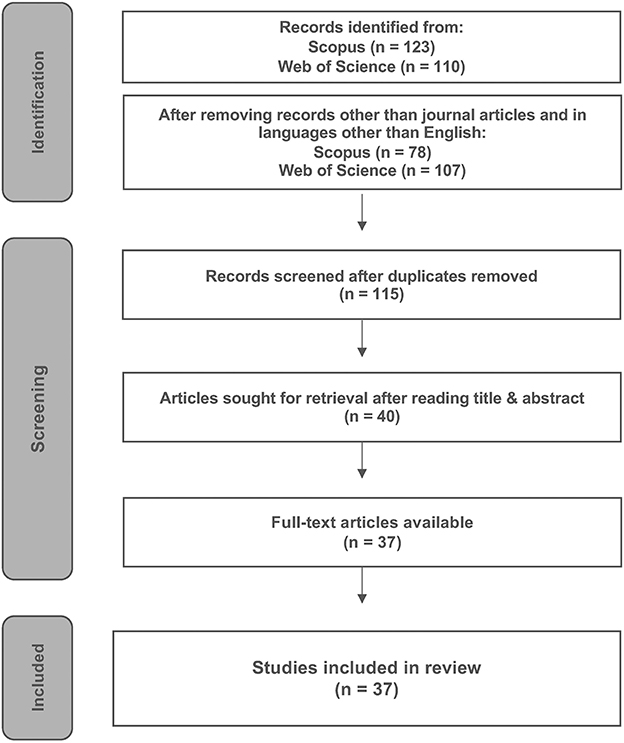
Figure 1. Selection process of documents (Source: adapted from Page et al., 2021).
In total, 123 records were found on Scopus and 110 records on Web of Science. After applying a filter and removing records other than journal articles (reports, book chapters, conference proceedings, etc.) and in languages other than English, 78 records remained on Scopus and 107 on Web of Science.
As a next step, the documents of the two databases were copied and listed in an excel file, including authors, article title, abstract, source title, publication year, and DOI link. Duplicate documents were removed. The remaining number of articles was 115.
Then, all titles and abstracts of each article were read by both authors. The following exclusion criteria were agreed upon and applied: references that did not fit the topic and purpose of our study, articles that were mere literature review articles or theoretical in nature, articles that were not reporting empirical cases, articles without a clear reference to the food system nor to one or more of the sustainability dimensions. After this screening of titles and abstracts, 40 articles were retained.
The following step consisted of trying to retrieve the full articles of the 40 selected documents. The existing institutional access to articles was used, and authors were directly contacted when access was not possible. The three articles that were finally not available were ruled out.
After reading the full texts, the number of articles included in the study was 37. These final articles retained for analysis are listed in the Appendix.
2.2. Overview of the publications
To display the overall nature of the articles studied, a descriptive quantitative analysis of the sample was initially carried out and several graphs were created with Excel.
First, the evolution in time of the published papers on business models for sustainable food systems was analyzed and illustrated in Figure 2. It shows the number of studies published from 2011 until September 2022, with an increase since 2018. Most of the articles appeared in 2021 (12 articles). Another peak was in 2019, with seven published articles. The general development of the number of publications corresponds to a tendency toward increased research on the topic of sustainable business models in the past years (Nosratabadi et al., 2019).
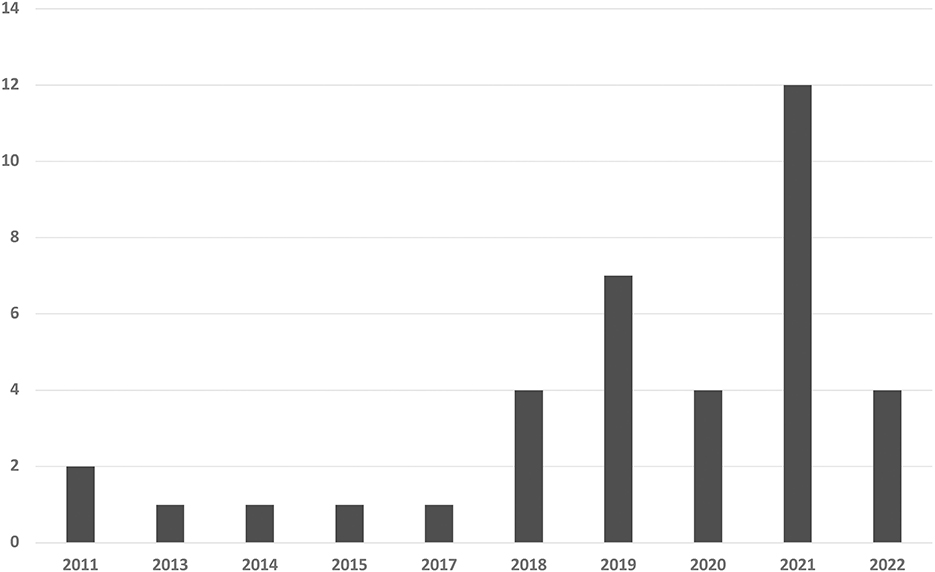
Figure 2. Number of publications on business models for sustainable food systems from 2011 to September 2022 (own illustration).
As shown in Figure 3, the articles were published in journals dedicated to various disciplines such as business, economics, environmental, food or nutrition science, but also in interdisciplinary journals. Most of the articles appeared in Sustainability and the British Food Journal (each four articles), followed by Business Strategy and the Environment and the Journal of Cleaner Production (each three articles).
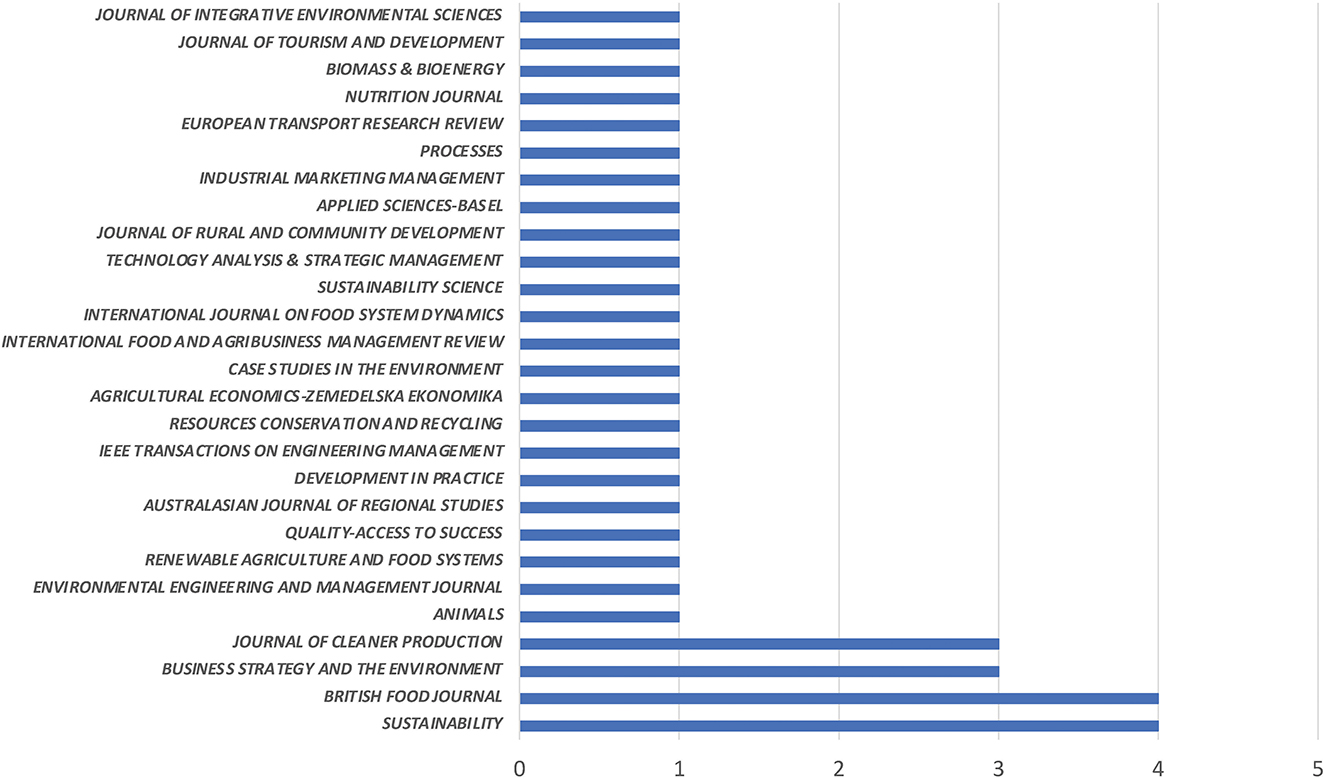
Figure 3. Number of publications per journal (own illustration).
2.3. Criteria for the qualitative content analysis
After the descriptive analysis, a qualitative content analysis of the 37 articles was carried out to answer the research questions. Qualitative content analysis is useful for conducting a literature review in a transparent and systematic way (Seuring and Gold, 2012). The following criteria for the analysis of the articles were defined, according to the main themes to be explored and questions to be answered:
• Objectives and major research topics of the articles.
• Methodology used/unit(s) of analysis/country.
• Results:
- Business model type and elements studied.
- Sustainability dimensions and indicators.
- Role within the food system.
• Main findings.
• Implications for future research or practice.
A matrix table was used to display and analyze all articles, as shown with one example in Table 1.
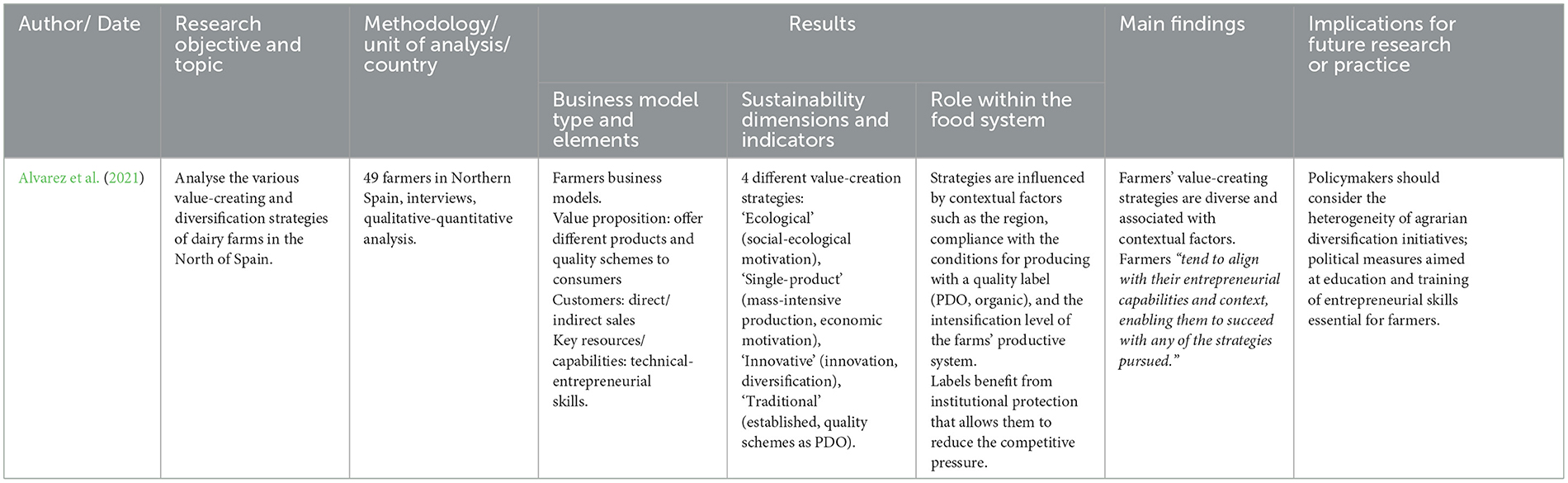
Table 1. Extract of the matrix table including criteria used to display and analyse the articles.
3. Results
3.1. Objectives and major research topics
In general, the objectives of the studied documents are to explore, analyze and/or measure various individual or collective business strategies, models, governance structures, and innovations that contribute to either one or several dimensions of sustainability.
The topics of the articles can be grouped into four main categories.
The first category refers to sustainable business strategies and innovation (article reference numbers 4, 5, 28, 29, 31, 33, 34, 37 of the Appendix). For example, Boccia and Scognamiglio (2019) presented two new and alternative distribution business models from Italy that stimulate more responsible, conscious and ethical consumption: the Ethical Purchasing Group, linking farmers directly to consumers, and EATALY, combining sales, culture and quality in one marketplace. Another example of business model innovation for sustainable consumption is given by Bocken et al. (2020), presenting the Swedish company Oatly which developed a sufficiency strategy combing healthy food with environmental benefits by offering plant-based alternatives to dairy.
The second category of topics deals with the measurement and evaluation of either one or several dimensions of sustainability (references 2, 3, 16, 18, 19, 29, 36). Here, Hamilton (2013) for example assessed some of the outcomes of the Sustainable Food Lab in the USA, a consortium of large-scale food businesses, and public and associative actors. These outcomes were tangible (e.g., positive environmental outcomes) as well as intangible (leadership and cooperation) in nature. Next, Kazancoglu et al. (2021) developed and applied a system dynamics model to a Turkish food supply chain, for evaluating the environmental performance of reverse logistics to minimize food loss and waste.
The third major category of topics is about local, alternative food supply and marketing, contributing to the inclusion of smallholders and to local sustainable development, especially in rural areas (7, 8, 9, 13, 17, 25). For example, Mair and Sumner (2019) studied the 100 Mile Store in Creemore, Canada, as an alternative business model run by women only and selling organic, locally-sourced and fair-trade products, thus contributing to various sustainable development goals.
The fourth category covers numerous articles that are dealing with circular economy business strategies for food waste and agricultural by-product valorization (6, 10, 11, 12, 14, 20, 27, 28, 34). Among those articles, Del Vecchio et al. (2022) analyzed the case of Fiusis, an Italian company valorizing olive by-products for local energy supply and contributing to rural development, enabled by collaborations along the supply chain and multi-stakeholder implication.
3.2. Methodologies, units of analysis, and countries
As the aim was to get insights into empirical cases of business models for sustainable food systems, one of the keywords for the literature search was “case”. Consequently, the methodologies principally used in the sample are different types of business case studies (e.g., single, multiple, comparative, longitudinal case studies), for a better understanding of the business model working mechanisms, or to test or apply analytical or assessment frameworks. The case study methodology in general allows generating relevant knowledge for managers (De Massis and Kotlar, 2014), and has been defined as “an empirical inquiry that investigates a contemporary phenomenon in depth and within its real-life context” (Yin, 2009). In the literature studied, multiple data are collected for analyzing a case, including interviews with farmers, food company managers or various stakeholders, focus group discussions, surveys, secondary data collection, and observations in the field, often combined with literature reviews and reviews of practices.
The units of analysis concern either (groups of) farmers, cooperatives, food processing companies (start-ups, SMEs, large companies), retailers, online food delivery services, food chains, food networks, consortia, food markets, food-tourism linkages, or food-energy nexus. Hence, the main stages of the agri-food chain including production, processing and delivery models are covered: farming (5 cases), processing industry (14 cases), retail/logistics (9 cases), network/hub (4 cases), and diverse cases or food system stages (5 cases).
Next, the number of business cases reported in the articles per continent and country is presented (Figure 4). Most cases originated from Europe (23 cases in total). Here, Italy was the leading country (7 cases), followed by Spain (3 cases), and Sweden, the Netherlands, Finland, Poland and Belgium (each 2 cases). One case was respectively reported from Germany, Denmark, and Portugal. The second continent was Asia-Pacific (5 cases), including Australia, New Zealand, Vietnam, Philippines, and Turkey, followed by Canada (3 cases), and the USA, South America and North Africa / Maghreb (with 2 cases per each continent). Only 5 studies were dealing with cross-country cases.
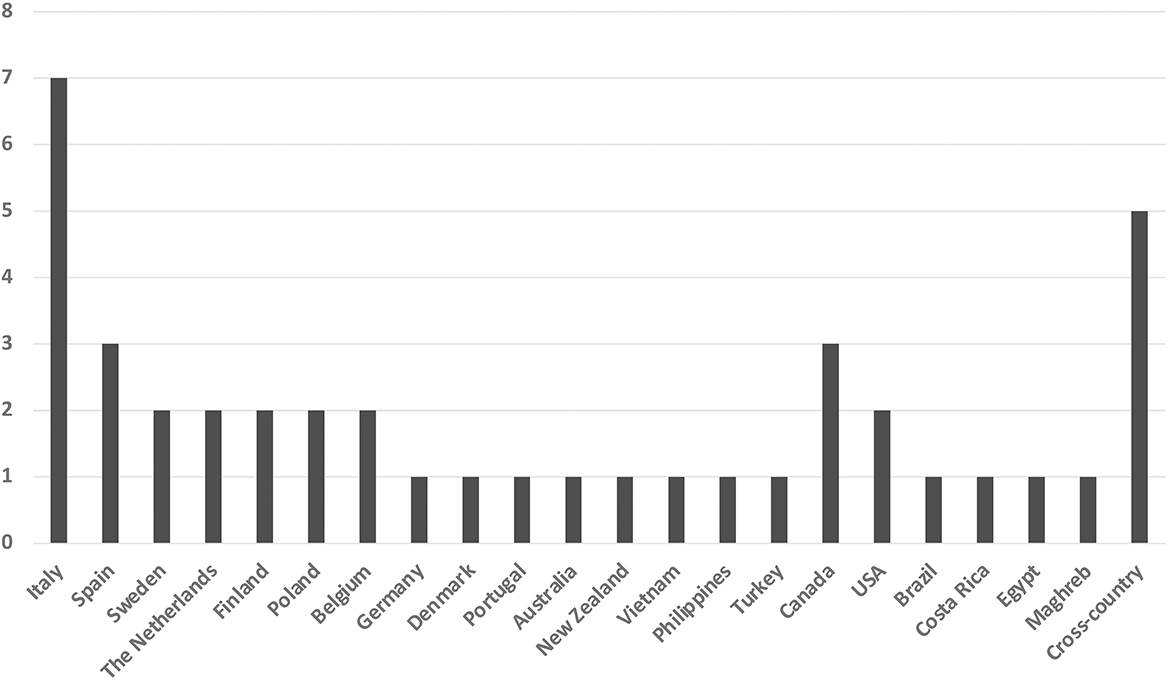
Figure 4. Number of cases studied per country (own illustration).
3.3. Business model types and elements
Nine different types of business models (BM) for sustainable food systems could be identified via the analysis of the 37 articles, visualized in Figure 5.
- Circular BM that reduce and/or valorize food waste or agricultural by-products (references 6, 10, 11, 12, 14, 20, 27, 28, 34 of the Appendix), based on circular economy (recovering, recycling, upcycling, cascading) and bioeconomy principles (waste conversion from higher to lower value) (Donner et al., 2022). These BM mainly deliver economic and environmental benefits.
- Alternative, place-based and social food networks (references 4, 7, 13, 15, 17, 25, 36). This type of BM links (small-scale) producers to consumers via direct sales, promotes and valorizes local agri-food resources and know-how, and aims at farmers' inclusion and local sustainable (economic and social) development.
- Disruptive BM (22, 33, 37) that are characterized as fundamentally new or different from existing BM by changing their way of acting toward increased sustainability. Some examples are community-supported food production (22), virtual food spaces (33), or food companies that adopt a stewardship way of leadership engaging with many stakeholders for health and wellbeing (37).
- Alternative logistics or online food distribution BM (29, 31, 33). This type includes novel logistic concepts for food retail in cities (31), online food delivery services (29) or online food markets that emerged during the COVID pandemic (33), and evaluates their various sustainability impacts.
- Regional food consortia, food labs, or food hubs (21, 16, 26) are BM that are characterized by cooperation between different private and public actors, and therefore can create synergies and joint strategies for increased sustainability in the food system.
- Sufficiency BM (5) are also a new type that is meant to encourage sustainable consumption, for example via plant-based diets.
- An inclusive BM (8) has been defined as a “commercially viable model that benefits low-income communities by including them in a company's value chain on the demand side as clients and consumers, and/or on the supply side as producers, entrepreneurs or employees” (UNDP 2008). In the article by Daburon et al. (2021), the Danone Egypt Ecosystem Project is aiming at dairy smallholders' inclusion.
- Family BM (30). As not only economic but also non-economic factors such as values and emotions normally influence family firms' business decisions, they might be transformed toward sustainable production models.
- The focal company BM (32), which provides leadership in the value chain, can play an exemplary role toward the different actors and therefore contribute to sustainable supply chain management.
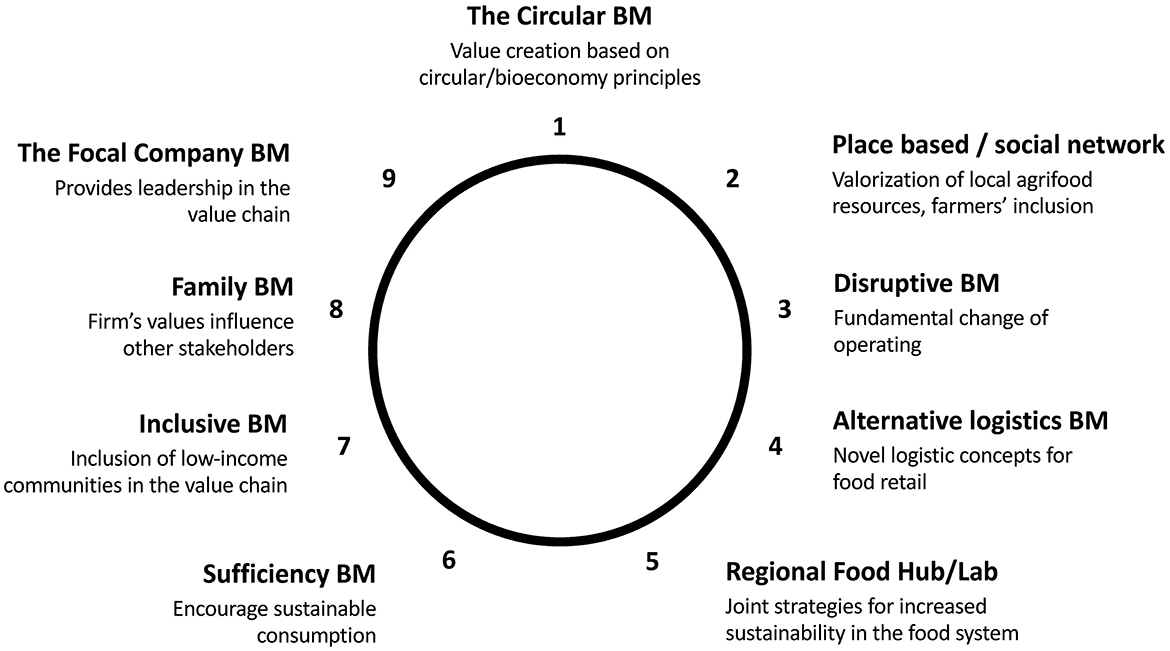
Figure 5. Nine types of business models for sustainable food systems (own illustration).
Regarding single business model elements or business strategies toward sustainability, the following observations are worth mentioning. Among the value propositions, origin-based, organic or plant-based food products, sometimes in combination with new ways of distribution or sustainable consumption were put forward. Alternative or reverse logistics were mentioned as an element for reducing the negative environmental impact and for waste prevention. Next, different types of partnerships, collaboration and shared governance seemed to be important for achieving sustainable BM including more equally distributed value. The business strategies concerned the motives, practices, success and risk factors of sustainable or circular BM, business ethics such as corporate social responsibility, the implementation of environmental management systems, or assessments of the sustainability impact of BM.
3.4. Sustainability dimensions and indicators
Another research question concerned the sustainability dimensions and indicators in the studied literature. Here, results show that some articles explore more in detail one dimension of sustainability (2, 8, 17, 21). Other articles focus on two sustainability dimensions, and then often combine economic with environmental issues, e.g. for circular economy approaches (6, 10, 11, 12, 19, 27, 28, 30); however, the circular economy sometimes is also considered as contributing to all sustainability dimensions (14, 20). A combination of economic and social perspectives is explicitly represented by local food approaches (3, 18). Next, the topic of food and nutritional security tends to be dealt with economic issues (1, 4, 5, 26, 29, 33). Finally, most often, economic, environmental and social dimensions are integrally considered when talking about sustainability.
Although all articles are dealing with sustainable food systems, only some of them define it. For Hingley et al. (2011), “the idea of sustainable food system is normatively oriented albeit methodically loose: there is hardly a prescription for various multi-stakeholder and multi-level measures appropriate for progress toward increased sustainability in terms of food system.” Hubeau et al. (2017) state that “sustainability is a contested and evolving concept with uncertainty about values, interests and methodological approaches” and define it as “a highly innovative initiative to improve the sustainability state of the whole chain through new arrangements of collaborations”.
With regard to the sustainability indicators, the following results were obtained.
Regarding the economic dimension, it is referred to in terms of the economic valorization of by-products, the adding value to waste, a profit and cost optimization based on green principles, or a win-win stakeholders' cooperation.
The environmental dimension shows multiple characteristics. From the production side, it includes e.g., agroecology practices, organic products, the quantities of inputs used in agriculture, the quantities of waste, spillage, or emissions, renewable energy use, and the quantity and quality of recirculated products. From a consumption side, it refers to sustainable consumption, i.e., the use of eco-friendly products, ‘without exceeding the carrying capacity of the planet', anti-consumption practices such as reduce, reuse, recycle, or a reduction of food travel. In more general terms, the environmental dimension also refers to landscape protection and valorization.
The social dimension is indicated as an equal distribution of value, providing healthy nutrition for all, inclusion of smallholders, local cooperation and producer-consumer relations, local direct sales, social responsibility, addressing societal needs and democratic ways. It also refers to the protection of local know-how and of cultural heritage.
The nutrition and health dimension encompasses food security, quality and healthy food products. Surprisingly, the economic dimension of health-related problems is not considered, although the costs for diseases due to obesity are substantially increasing.
3.5. The roles of business models within the food system
To understand how business models are linked and can contribute to sustainable food systems, their roles within the food system were analyzed.
In general, the need for a system-based approach for achieving food systems sustainability was highlighted (e.g., 19, 24). More in detail, five key aspects of the system were identified in the studied documents: (i) the role of the institutional context, (ii) the role of actors and stakeholders, (iii) the role of partnerships and collaborations, (iv) the importance of circular economy principles, (v) the importance of alternative localized food system approaches, including a comparison between local small-scale vs. global large-scale food systems.
(i) The institutional context plays a role in the compliance with but also protection of PDO (Protected Designation of Origin) and organic labels (1); it is important for circular and disruptive sustainable BM via policies, subsidies, investments and research funding (12, 20, 22), as it enables, for example, green energy production via legislation and funding (10). Another example are urban freight policies that influence food retail and logistics in cities (31).
(ii) The role of actors and stakeholders: here, it was mentioned that production and consumption are the twin pillars for sustainable food systems (25), that the engagement of all supply chain actors and stakeholders is needed to promote sustainability at a system level (18, 6) or to get bioeconomy firms accepted (12), and that different actors from the same ecosystem can achieve a collective outcome (27). Particularly, it was highlighted that farmers must act as researchers by acquiring knowledge to maintain a dynamic and resilient system (15), that food companies must adopt a responsible attitude toward their environment to achieve sustainability (2), that an increased engagement of consumers is needed for the transition to a sustainable and circular food system (5).
(iii) Partnerships and collaborations of food and bioeconomy enterprises are diverse (11), partnerships between governments, universities and the private sector play a key role in promoting SDG (32), collaboration with research is important for developing biotechnologies (12), and relationships between suppliers and a company facilitate circular economy and waste management (30).
(iv) The circular economy is presented as an alternative approach to the current linear agri-food system and as a harmonious process of material circulation (14), creating symbiotic networks (21). Food and agricultural waste management are herein very important (28), as it can combine agricultural with bioeconomy systems (34).
(v) Alternative localized food systems are defined by the low number of intermediaries and the reduction of the spatial distance between producers and consumers (3). They can revitalize primary production in communities (7), include smallholders (8), and support a healthier world (9). Cooperation and relations are enabled through geographical proximity (13). The local food system is also considered as a social force for open food supply chain coordination (17), and traditional farmers' markets can contribute to a sustainable local food system (33). Small vs. large-scale food systems: local, alternative and ethical consumption models are often considered more sustainable than large-scale distribution, especially from a social and food quality point of view (4, 7, 8, 9, 13, 15); however, for environmental outcomes, large scale food companies can enable greater positive impacts (16). Moreover, “globalization can foster sustainable food systems and promote collective ecological action through knowledge transfer and shared concern for local environments and communities” (Häger et al., 2021).
Table 2 presents in detail the new business model typology for sustainable food systems. It is based on the main results in terms of characteristics, sustainability dimensions and role in food systems of the nine business model types.
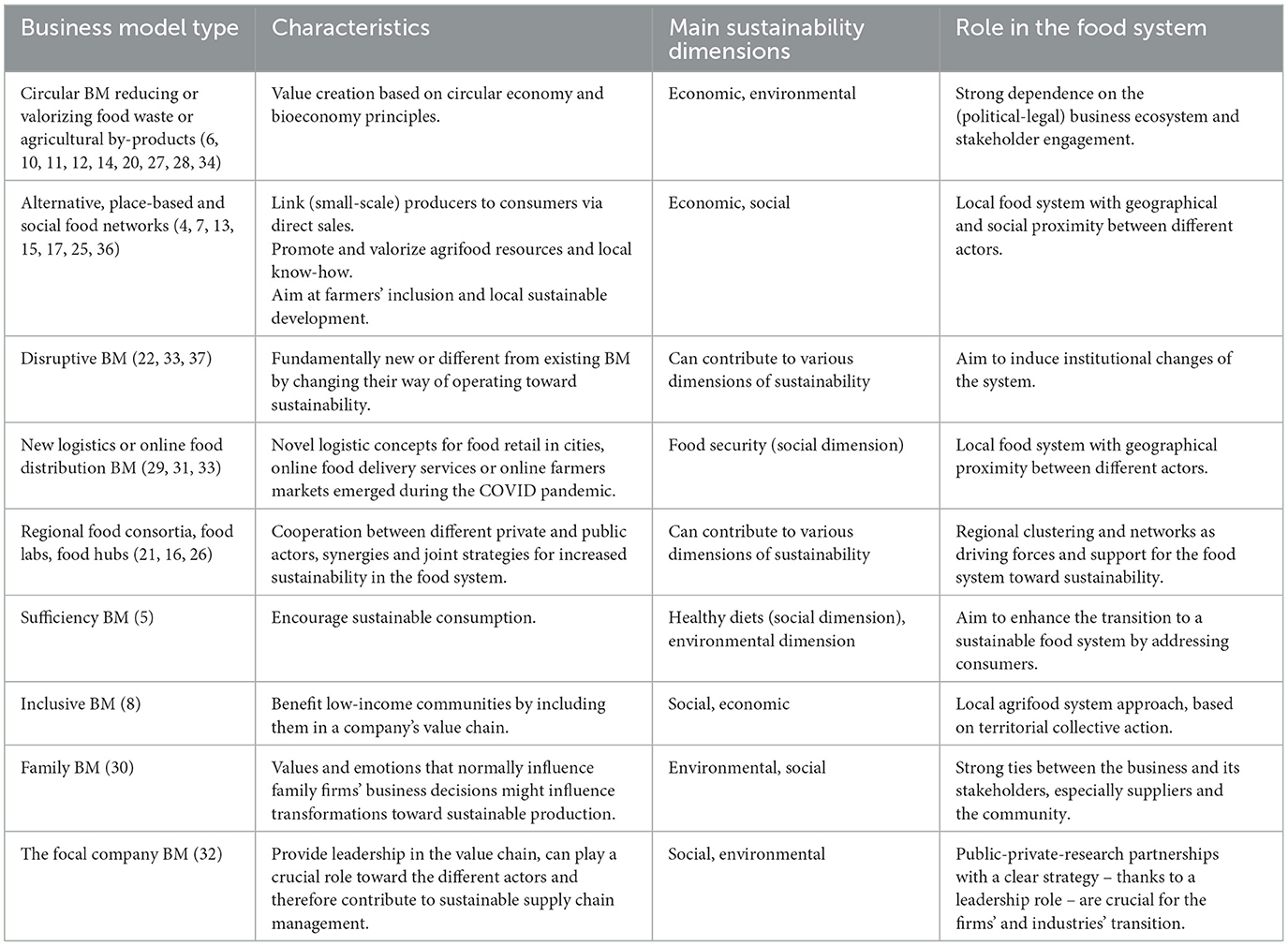
Table 2. A detailed presentation of the new business model typology for sustainable food systems.
4. Discussion
In this section, first, the main findings and implications are summarized and discussed, concerning new business models and governance principles (Section 4.1), the enabling factors for a sustainability transition from a business management and policy perspective (Section 4.2), the connection between business models and food system building blocks (Section 4.3), and future research options (Section 4.4).
4.1. New business models and governance principles
The most dominant types of business models that aim to contribute to sustainability in food systems, are first of all local food networks, as they can boost overall sustainable regional development (7, 13), bring producers and consumers geographically close together for finding new ways of producing, marketing and consuming food (9). Secondly, circular business models for food waste and by-product valorization have become increasingly important. They should be dynamic and integrate actors from different sectors and key stakeholders (12), for example, symbiotic networks or industrial ecology parks sharing knowledge, facilities and closing energy, water and material loops (21, 27). Thirdly, disruptive business models such as focusing on alternative protein-source products, alternative distribution chains, sustainable production and community-oriented food can offer opportunities for combing economic value with social and environmental benefits as well as healthy food (5, 22). While research for local food networks has been ongoing for several decades, although not necessarily under the term business models, the topics of circular economy and disruptive business models for food production, processing, distribution, and recycling are more recent. All these research streams are influenced by institutional agendas and food legislation, such as food origin protection, organic food, novel food, food certifications and labels, or circular economy.
Concerning governance principles, for local food networks, shared ownership for producers with processing and distribution facilities has been proposed as having a positive impact on local economies (3). Other propositions included decreasing power asymmetries between value chain partners via more inclusive business models (8), or retail cooperatives governed by the principle of social responsibility (17). However, Hamilton (2013) cautioned against mere bottom-up governance of food supply chains, as one should ask “to what degree this is practical, under what conditions, and to what degree is this notion utopian beyond the scale and scope of local markets?” Also, some other authors highlighted the importance of leadership (16) and of the focal company (32) for achieving sustainable food systems.
4.2. Enabling factors from a business management and policy perspective
Here, the first question is what farmers and food business managers can do to enable more sustainable business models. In general, collaborative approaches, clear sustainability visions, companies' values such as corporate social responsibility principles and continued innovation are critical factors for the transition of business models to sustainability, as highlighted by several authors (14, 24, 27, 31, 37). Paying attention to the circular economy, such as reverse logistics that can minimize food wastes and losses (19), combined with the engagement of stakeholders and cooperation within the value chain (6), and marketing strategies to increase consumer awareness for biobased or local products (11, 23), are enabling factors. Especially start-ups that disrupt existing and create new institutions (norms, beliefs) are important for a circular economy transition (28). Furthermore, implementing environmental management systems within food companies helps reduce costs and the use of inputs (2). Food origin and quality labeling can correspond to new ways of responsible or ethical consumption, or contribute to ensuring food security, preventing illegal practices (4, 7). Digitalization strategies and new online tools (e.g., virtual food spaces) can support circular economy and sustainability processes (10, 33). For farmers, agroecological practices, bioenergy production and diversification of products, markets and activities can help increase resilience (15, 34).
Another question is how policymakers can support farmers and food businesses toward sustainability. From their study among Spanish farmers and their value creation strategies, Alvarez et al. (2021) concluded that policymakers should promote education and training in entrepreneurial skills to foster value-creating strategies including environmental value. Croft et al. (2019) and Mejía et al. (2021) proposed that regional development agencies should support the transition to new sustainable business models by providing (tax, legal, and financial) incentives. Similarly, several other authors (10, 11, 20, 21) concluded that public incentives, policies and financial support were critical for the success of circular economy business models.
4.3. The connection between business models and food system building blocks
In Table 2, the nine different types of business models, with their characteristics, main targeted sustainability dimensions and their role in food systems are presented. As underlined in the introduction, each food system can be described in terms of a context (playing field), resources (pieces), resources handling (moves), constraints and incentives (rules), time (its evolution characteristics), (un)sustainable outcomes (win or lose), and its food actors (players), i.e., the seven building blocks of a game (de Vries et al., 2022). Therefore, we can pose the question: Which of the seven building blocks is most directly related to a business model type and its main role? This is depicted in Figure 6. The alternative logistics business model type is directly targeting changes in distribution, hence in “moves”. The sufficiency business model is primarily outcome-driven. The disruptive business model strives to overcome existing constraints. The circular business model aims at zero loss in resources. The family-owned, focal company and inclusive business models are strongly actor strategy focused. The regional hubs and place-based social networks strive for lasting embeddedness in their territories.
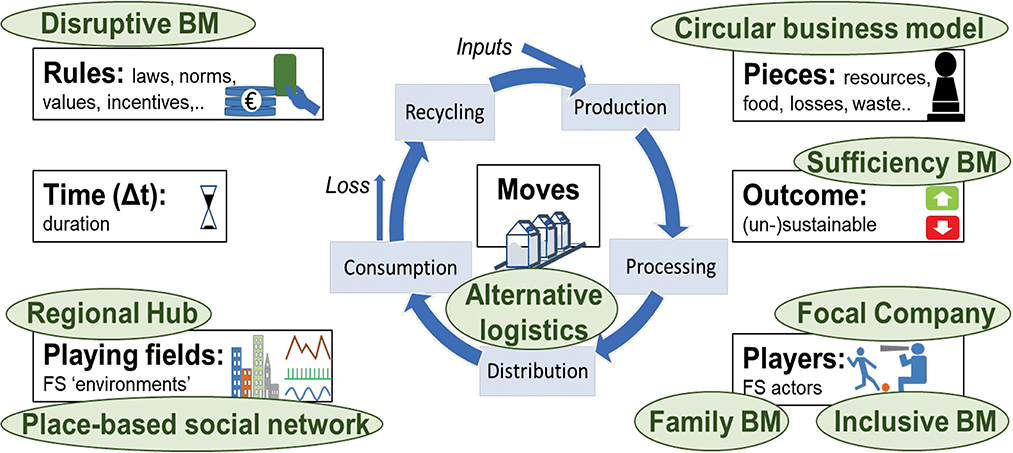
Figure 6. The first entry point of business models for sustainable food systems, according to the seven building blocks of a game (own design).
Since the seven building blocks together allow food systems to evolve “in time”—like playing games, all business models may have a first entry point as shown in Figure 6; however, all types are related to all seven blocks. For example, the circular business model has the ambition to recycle all resources, without any losses; its first entry point is “resources/pieces”. But, for being able to reach zero loss, it may change its processes (moves), its sourcing locations (playing fields), face new regulations and incentives (rules), include other actors (players), change time schemes, and reach multiple outcomes.
4.4. Future research options
The literature review provides a series of options for future research. Major ones are here listed:
- Further explore viable business sufficiency strategies, and joint strategies involving various stakeholders (5, 36); this allows understanding of how diverse internal and external interactions and strategies between actors impact the evolution of food systems.
- Organizational and cultural factors for circular economy adoption require more investigation (6). As Figure 6 reveals, the main focus of the circular economy is currently on the most efficient resource usage for food and bio-based products, with the most appropriate advanced technologies like bioreactors, ultrasound, microwave, pulsed electrical fields or enzyme immobilization-assisted extractions (Sharma et al., 2021; Castro-Muñoz et al., 2022); (moves); this should be extended to understanding the impact of contextual factors (the playing field) and inclusion of other actors (players).
- More cross-country and comparative case research on European Food Assemblies is suggested (9); the diversity of network or cluster configurations is unlimited; however, one should better understand which configurations make the most sense in what food system (which are all different in terms of the seven building blocks).
- Understanding the linkages between concepts such as the circular economy and corporate social responsibility as enablers for sustainable business development (14); this is primordial in interconnecting the three dimensions of sustainability.
- Further exploring alternative food networks and virtual food spaces (33). Since the complexity of food systems is huge, experimenting in the virtual spaces and alternative networks will permit to get insights into the range of options about what works and what does not in which playing field.
- Cross-disciplinary research for understanding complex issues (36). One should note that the evolution of food systems is the sum of all activities by actors, with different business models, in different environments, handling diverse resources, and confronted with boundary conditions in time. Insights into the interaction between actors in food systems thus require knowledge of disciplines and the capacity of systems to learn, adapt and strive for sustainable outcomes.
- Since our findings primarily reveal insights in agri-food-oriented sustainable business models, a future cross-green-blue economy review study would be interesting; this is foreseen in the future Partnership on Sustainable Food Systems (EC, 2022).
5. Conclusion
This article aimed to understand how diverse business models can contribute to sustainability in food systems and to develop a new business model typology in this domain taking into account the wider business ecosystem, based on a systematic literature review.
Insights from the review highlight that from a business management point of view, collaborative approaches, clear sustainability visions, companies' values such as corporate social responsibility principles and continued innovation are important factors for the transition of business models to sustainability. Furthermore, implementing circular economy principles, such as reverse logistics that can minimize food wastes and losses, together with stakeholders' engagement and cooperation within the value chain, and marketing or labeling strategies for increasing consumer awareness of biobased or local products are possible pathways to sustainability.
Results have also led to a development of a new business model typology (Figure 5, Table 2). Nine different business model types for sustainable food systems currently emerged from the literature: circular BM, alternative, place-based and social food networks, new logistics or online food distribution, disruptive BM, sufficiency BM, inclusive BM, family BM, the focal company BM, and regional food hubs. Actually, the three most representative types are alternative place-based and social food networks, striving for lasting embeddedness in their territories, circular business models targeting zero agri-food waste, as well as disruptive business models aiming to overcome existing constraints.
The nine BM can be positioned in a concept for food systems based on the structure of a game with seven building blocks (players, playing field, pieces, moves, rules, time, and outcomes). All business models have a unique entry point, i.e., the building block of a food system game to which it is directly related e.g. for circular BM the “pieces” (resources efficiency). However, all BM also target the other six building blocks (Figure 6); this becomes important when a business model evolves from one type to another as response to external changes. Even more, in a cluster of stakeholders, it may be the combination of BM that accelerate the transition toward sustainable food systems. This makes the food system game concept well suited for presenting the sustainable business model typology, even more since all are familiar with the concept of (playing a) game.
Several questions remain, passing frontiers for future research. Primarily, general questions targeting the diversity of business models are relevant; in case of shocks (e.g., COVID-19 or the war in Ukraine) or crisis (e.g., climate change), which diversity of business models in which business ecosystem context guarantee actors that they are jointly resilient to these? Next, more specific questions principally concern the organizational and cultural factors of business models in the agri-food and bioeconomy domain, and the joint strategies of different private and public actors toward sustainable food systems. Also then, a further exploration is needed of the linkages between different concepts such as the circular economy and corporate social responsibility.
Overall, more in-depth single country [including literature in national languages, as e.g., underlined in the SAPEA report (2020)] but also cross-country comparative business case studies and research passing disciplinary frontiers are to be reviewed and performed for a better understanding of the needed diversity in business models for confronting shocks and crises. New insights contribute to transitions toward sustainability within diverse, complex and inter-connected food systems.
Data availability statement
The original contributions presented in the study are included in the article/supplementary material, further inquiries can be directed to the corresponding author.
Author contributions
Conception of the study and methodology: MD. Data analysis, original draft preparation, and review and editing: MD and HV. Funding acquisition: HV. Both authors have read and agreed to the submitted version of the manuscript.
Funding
The project has partially received funding from the Horizon Europe research and innovation program under grant agreement no. 101059497 - FOODPathS.
Conflict of interest
The authors declare that the research was conducted in the absence of any commercial or financial relationships that could be construed as a potential conflict of interest.
Publisher's note
All claims expressed in this article are solely those of the authors and do not necessarily represent those of their affiliated organizations, or those of the publisher, the editors and the reviewers. Any product that may be evaluated in this article, or claim that may be made by its manufacturer, is not guaranteed or endorsed by the publisher.
Footnotes
References
Alvarez, A., García-Cornejo, B., Pérez-Méndez, J. A., and Roibás, D. (2021). Value-creating strategies in dairy farm entrepreneurship: a case study in northern Spain. Animals. 11, 1396. doi: 10.3390/ani11051396
Atienza-Sahuquillo, C., and Barba-Sánchez, V. (2014). Design of a measurement model for environmental performance: application to the food sector. EEMJ. 13, 6. doi: 10.30638/eemj.2014.162
Barth, H., Ulvenblad, P. O., and Ulvenblad, P. (2017). Towards a conceptual framework of sustainable business model innovation in the agri-food sector: a systematic literature review. Sustainability. 9, 1620. doi: 10.3390/su9091620
Béné, C., Oosterveer, P., Lamotte, L., Brouwer, I. D., de Haan, S., Prager, S. D., et al. (2019). When food systems meet sustainability–current narratives and implications for actions. World Dev. 113, 116–130. doi: 10.1016/j.worlddev.2018.08.011
Bettencourt, L. M. A., and Kaur, J. (2011). Evolution and structure of sustainability science. Proc. National Acad. Sci. 108, 19540–19545. doi: 10.1073/pnas.1102712108
Bloom, J. D., and Hinrichs, C. C. (2011). Moving local food through conventional food system infrastructure: value chain framework comparisons and insights. Renew. Agric. Food Syst. 26, 13–23. doi: 10.1017/S1742170510000384
Boccia, F., and Scognamiglio, G. (2019). Innovation in the food distribution system. Qual.Access Succ. 20, 131–135.
Bocken, N., Morales, L. S., and Lehner, M. (2020). Sufficiency business strategies in the food industry—The case of Oatly. Sustainability. 12, 824. doi: 10.3390/su12030824
Bocken, N. M., Short, S. W., Rana, P., and Evans, S. (2014). A literature and practice review to develop sustainable business model archetypes. J. Cleaner Prod. 65, 42–56. doi: 10.1016/j.jclepro.2013.11.039
Brundtland, G., Khalid, M., Agnelli, S., Al-Athel, S., Chidzero, B., and Fadika, L. (1987). Our common future: Report of the 1987 World Commission on Environment and Development. United Nations, Oslo 1987.
Casadesus-Masanell, R., and Ricart, J. E. (2010). From strategy to business models and onto tactics. Long Range Planning. 43, 195–215. doi: 10.1016/j.lrp.2010.01.004
Castro-Muñoz, R., Díaz-Montes, E., Gontarek-Castro, E., Boczkaj, G., and Galanakis, C. M. (2022). A comprehensive review on current and emerging technologies toward the valorization of bio-based wastes and by products from foods. Compr. Rev. Food Sci. Food Saf 21, 46–105. doi: 10.1111/1541-4337.12894
Cavicchi, C., and Vagnoni, E. (2021). The role of performance measurement in assessing the contribution of circular economy to the sustainability of a wine value chain. Br Food J. 124, 1551–1568. doi: 10.1108/BFJ-08-2021-0920
Croft, F., Voyer, M., Adams, M., Visser, C., Leadbitter, D., Reverly, J., et al. (2019). Does ‘the local' provide a pathway to revitalizing primary production in regional communities? A case study of professional fishing on the NSW South coast. Aust J. Regional Stud. 25, 254–281. Available online at: https://search.informit.org/doi/10.3316/ielapa.895189542508628
Daburon, A., Alary, V., Ali, A., Osman, M. A., Hosni Abdelsabour, T., and Tourrand, J. F. (2021). Toward territorialised dairy inclusive businesses: insights from an Egyptian case study: making dairy businesses inclusive. Dev. Pract.1–16. doi: 10.1080/09614524.2021.1937535
De Bernardi, P., and Tirabeni, L. (2018). Alternative food networks: sustainable business models for anti-consumption food cultures. Br. Food J. 120, 1776–1791. doi: 10.1108/BFJ-12-2017-0731
De Massis, A., and Kotlar, J. (2014). The case study method in family business research: Guidelines for qualitative scholarship. J. Family Bus. Strat. 5, 15–29. doi: 10.1016/j.jfbs.2014.01.007
de Vries, H., Donner, M., and Axelos, M. (2021). A new conceptual ‘cylinder' framework for sustainable bioeconomy systems and their actors. J. Agri. Env. Ethics 34, 11. doi: 10.1007/s10806-021-09850-7
de Vries, H., Donner, M., and Axelos, M. (2022). Sustainable food systems science based on physics principles. Trends Food Sci. Technol. 123, 382–392. doi: 10.1016/j.tifs.2022.03.027
Del Vecchio, P., Urbinati, A., and Kirchherr, J. (2022). Enablers of managerial practices for circular business model design: an empirical investigation of an agro-energy company in a rural area. IEEE Trans. Eng. Manag. 1–15. doi: 10.1109/TEM.2021.3138327
Demil, B., and Lecocq, X. (2010). Business model evolution: in search of dynamic consistency. Long Range Plan. 43, 227–246. doi: 10.1016/j.lrp.2010.02.004
Donner, M., and de Vries, H. (2021). How to innovate business models for a circular bio-economy? Bus Strategy Environ. 30, 1932–1947. doi: 10.1002/bse.2725
Donner, M., and Radić, I. (2021). Innovative circular business models in the olive oil sector for sustainable Mediterranean agrifood systems. Sustainability. 13, 2588. doi: 10.3390/su13052588
Donner, M., Radić, I., Erraach, Y., and El Hadad-Gauthier, F. (2022). Implementation of circular business models for olive oil waste and by-product valorization. Resources. 11, 68. doi: 10.3390/resources11070068
Donner, M., Verniquet, A., Broeze, J., Kayser, K., and de Vries, H. (2021). Critical success and risk factors for circular business models valorising agricultural waste and by-products. Res. Conservat. Recycl. 165, 105236. doi: 10.1016/j.resconrec.2020.105236
Drejerska, N., Bareja-Wawryszuk, O., and Gołebiewski, J. (2019). Marginal, localized and restricted activity: Business models for creation a value of local food products: a case from Poland. Br. Food J. 121, 1368–1381. doi: 10.1108/BFJ-05-2018-0337
Dressler, M., and Paunović, I. (2020). Towards a conceptual framework for sustainable business models in the food and beverage industry: the case of German wineries. Br. Food J. 122, 1421–1435. doi: 10.1108/BFJ-03-2019-0214
EC (2021a). A European Green Deal. Striving to be the First Climate-Neutral Continent. Available online at: https://ec.europa.eu/info/strategy/priorities-2019-2024/european-green-deal_en (accessed January 6, 2022).
EC (2021b). Farm to Fork Strategy for a Fair, Healthy and Environmentally-Friendly Food System. Available online at: https://ec.europa.eu/food/farm2fork_en (accessed January 6, 2022).
EC (2022). European Partnership for Safe and Sustainable Food System for People, Planet and Climate. Available online at: https://ec.europa.eu/info/files/european-partnership-safe-and-sustainable-food-system-people-planet-climate_en (accessed January 6, 2022).
Ericksen, P. (2008). Conceptualizing food systems for global environmental change research. Global Env. Change. 18, 234–245. doi: 10.1016/j.gloenvcha.2007.09.002
Fortunati, S., Morea, D., and Mosconi, E. M. (2020). Circular economy and corporate social responsibility in the agricultural system: Cases study of the Italian agri-food industry. Agricultural Economics – Czech. 66, 489–498. doi: 10.17221/343/2020-AGRICECON
Geissdoerfer, M., Vladimirova, D., and Evans, S. (2018). Sustainable business model innovation: a review. J. Cleaner Product. 198, 401–416. doi: 10.1016/j.jclepro.2018.06.240
Häger, A., Little, M., Amel, E., and Calderón, G. (2021). Transformation toward sustainability on a Costa Rican coffee farm: environmental, socioeconomic, and psychological perspectives. Case Stud. Env. 5, 1227777. doi: 10.1525/cse.2021.1227777
Halberg, N., and Westhoek, H. (2019). SCAR SWG Food systems Policy Brief: The added value of a Food Systems Approach in Research and Innovation? Luxembourg: European Union Publication. ISBN 978-92-76-08794-6.
Hamilton, H. (2013). Sustainable food lab learning systems for inclusive business models worldwide. Int. Food and Agribusiness Manag. Rev. 16, 33–38. doi: 10.22004/ag.econ.155143
Hingley, M., Mikkola, M., Canavari, M., and Asioli, D. (2011). Local and sustainable food supply: The role of European retail consumer co-operatives. Int. J. Food System Dynamics 2, 340–356. doi: 10.22004/ag.econ.121953
Hubeau, M., Marchand, F., and Van Huylenbroeck, G. (2017). Sustainability experiments in the agri-food system: Uncovering the factors of new governance and collaboration success. Sustainability. 9, 1027. doi: 10.3390/su9061027
Ingram, J. (2009). “Food System Concepts,” in ESF/COST Forward Look on European Food Systems in a Changing World. Strasbourg, France: European Science Foundation p. 9–13.
Joyce, A., and Paquin, R. L. (2016). The triple layered business model canvas: a tool to design more sustainable business models. J. Cleaner Product. 135, 1474–1486. doi: 10.1016/j.jclepro.2016.06.067
Kazancoglu, Y., Ekinci, E., Mangla, S. K., Sezer, M. D., and Kayikci, Y. (2021). Performance evaluation of reverse logistics in food supply chains in a circular economy using system dynamics. Business Strat. Env. 30, 71–91. doi: 10.1002/bse.2610
Klein, O., Nier, S., and Tamásy, C. (2022). Circular agri-food economies: business models and practices in the potato industry. Sustainability Sci. 1–16. doi: 10.1007/s11625-022-01106-1
Kowalski, Z., and Makara, A. (2021). The circular economy model used in the polish agro-food consortium: a case study. J. Cleaner Product.284, 124751. doi: 10.1016/j.jclepro.2020.124751
Kuokkanen, A., Uusitalo, V., and Koistinen, K. (2019). A framework of disruptive sustainable innovation: an example of the Finnish food system. Technol Anal Strateg Manag. 31, 749–764. doi: 10.1080/09537325.2018.1550254
Labrecque, J., Dulude, B., and Charlebois, S. (2015). Sustainability and strategic advantages using supply chain-based determinants in pork production. Br. Food J. 117, 2630–2648. doi: 10.1108/BFJ-02-2015-0068
Long, T. B., Looijen, A., and Blok, V. (2018). Critical success factors for the transition to business models for sustainability in the food and beverage industry in the Netherlands. J. Cleaner Product. 175, 82–95. doi: 10.1016/j.jclepro.2017.11.067
Lüdeke-Freund, F., Carroux, S., Joyce, A., Massa, L., and Breuer, H. (2018). The sustainable business model pattern taxonomy-45 patterns to support sustainability-oriented business model innovation. Sustain. Prod. Consum. 15, 145–162. doi: 10.1016/j.spc.2018.06.004
Mair, H., and Sumner, J. (2019). Critical thinking for sustainable development at the Creemore 100 mile store. J. Rural Community Dev. 14, 3.
Mejía, G., Granados-Rivera, D., Jarrín, J. A., Castellanos, A., Mayorquín, N., and Molano, E. (2021). Strategic supply chain planning for food hubs in central colombia: an approach for sustainable food supply and distribution. Appl. Sci. 11, 1792. doi: 10.3390/app11041792
Moggi, S., and Dameri, R. P. (2021). Circular business model evolution: stakeholder matters for a self-sufficient ecosystem. Bus. Strategy Environ. 30, 2830–2842. doi: 10.1002/bse.2716
Närvänen, E., Mattila, M., and Mesiranta, N. (2021). Institutional work in food waste reduction: Start-ups' role in moving towards a circular economy. Industrial Marketing Management 93, 605–616. doi: 10.1016/j.indmarman.2020.08.009
Nguyen, N. B. T., Lin, G. H., and Dang, T. T. (2021). Fuzzy multi-criteria decision-making approach for online food delivery (OFD) companies evaluation And Selection: A case study in Vietnam. Processes. 9, 1274. doi: 10.3390/pr9081274
Nosratabadi, S., Mosavi, A., Shamshirband, S., Zavadskas, E. K., Rakotonirainy, A., and Chau, K. W. (2019). Sustainable business models: a review. Sustainability. 11, 1663. doi: 10.3390/su11061663
Núñez-Cacho, P., Molina-Moreno, V., Corpas-Iglesias, F. A., and Cortés-García, F. J. (2018). Family businesses transitioning to a circular economy model: the case of “Mercadona”. Sustainability. 10, 538. doi: 10.3390/su10020538
Osterwalder, A., and Pigneur, Y. (2010). Business model generation: a handbook for visionaries, game changers, and challengers (Vol. 1). Hoboken, New Jersey: John Wiley and Sons.
Page, M. J., McKenzie, J. E., Bossuyt, P. M., Boutron, I., Hoffmann, T. C., Mulrow, C. D., et al. (2021). The PRISMA 2020 statement: an updated guideline for reporting systematic reviews. Systematic Rev. 10, 1–11. doi: 10.1186/s13643-021-01626-4
Papoutsis, K., Dewulf, W., Vanelslander, T., and Nathanail, E. (2018). Sustainability assessment of retail logistics solutions using external costs analysis: a case-study for the city of Antwerp. Eur. Transport Res. Rev. 10, 1–17. doi: 10.1186/s12544-018-0297-5
Petticrew, M., and Roberts, H. (2006). Systematic Reviews in the Social Sciences: A Practical Guide. Hoboken, New Jersey: Blackwell Publication. doi: 10.1002/9780470754887
Pohlmann, C. R., Scavarda, A. J., Alves, M. B., and Korzenowski, A. L. (2020). The role of the focal company in sustainable development goals: a Brazilian food poultry supply chain case study. J. Cleaner Prod. 245, 118798. doi: 10.1016/j.jclepro.2019.118798
Preghenella, N., and Battistella, C. (2021). Exploring business models for sustainability: a bibliographic investigation of the literature and future research directions. Busi. Strat. Env. 30, 2505–2522. doi: 10.1002/bse.2760
Radcliffe, J., Skinner, K., Spring, A., Picard, L., Benoit, F., and Dodd, W. (2021). Virtual barriers: unpacking the sustainability implications of online food spaces and the Yellowknife Farmers Market's response to COVID-19. Nutr. J. 20, 1–13. doi: 10.1186/s12937-021-00664-x
Raworth, K. (2017). A doughnut for the Anthropocene: humanity's compass in the 21st century. Lancet Planetary Health. 1, e48–e49 doi: 10.1016/S2542-5196(17)30028-1
Rockström, J., Steffen, W., Noone, K., Persson, Å., Chapin, F. S., Lambin, E. F., et al. (2009). A safe operating space for humanity. Nature. 461, 472–475. doi: 10.1038/461472a
Röder, M., Jamieson, C., and Thornley, P. (2020). (Stop) burning for biogas. Enabling positive sustainability trade-offs with business models for biogas from rice straw. Biomass Bioener.138, 105598. doi: 10.1016/j.biombioe.2020.105598
Salvado, J. O., and Joukes, V. (2021). Build sustainable stakeholders' interactions around Wine and Food heritage. Revista Turismo and Desenvolvimento. 36, 93–112. doi: 10.34624/rtd.v1i36.7877
SAPEA (2020). Science Advice for Policy by European Academies (SAPEA): A Sustainable Food System for the European Union. Berlin, Germany: SAPEA.
Schaltegger, S., Hansen, E. G., and Lüdeke-Freund, F. (2016). Business models for sustainability: Origins, present research, and future avenues. Organizat. Envir. 29, 3–10. doi: 10.1177/1086026615599806
Seuring, S., and Gold, S. (2012). Conducting content-analysis based literature reviews in supply chain management. Supply Chain Manag. J. 17, 544–555. doi: 10.1108/13598541211258609
Sharma, P., Gaur, V. K., Sirohi, R., Varjani, S., Kim, S. H., and Wong, J. W. (2021). Sustainable processing of food waste for production of bio-based products for circular bioeconomy. Bioresource Technol. 325, 124684. doi: 10.1016/j.biortech.2021.124684
Snyder, H. (2019). Literature review as a research methodology: an overview and guidelines. J. Busi. Res. 104, 333–339. doi: 10.1016/j.jbusres.2019.07.039
Sonesson, U., Berlin, J., and Ziegler, F. (2010). Environmental Assessment and Management in the Food Industry: Life Cycle Assessment and Related Approaches. Amsterdam, Netherlands: Elsevier. doi: 10.1533/9780857090225
Svoboda, S. (1995). Note on Life Cycle Analysis in Pollution Prevention. In: Corporate Strategy, National Pollution Prevention Center for Higher Education. Michigan: Univ. of Michigan, Report: LCA Note.
Swaffield, S. R., Corry, R. C., Opdam, P., McWilliam, W., and Primdahl, J. (2019). Connecting business with the agricultural landscape: Business strategies for sustainable rural development. Busi. Strategy Env. 28, 1357–1369. doi: 10.1002/bse.2320
Ulvenblad, P. O., Ulvenblad, P., and Tell, J. (2019). An overview of sustainable business models for innovation in Swedish agri-food production. J. Integrative Env. Sci. 16, 1–22. doi: 10.1080/1943815X.2018.1554590
UN (2021). Press release about Food Systems Summit. Available online at: https://www.un.org/en/food-systems-summit/news/food-systems-hold-power-%E2%80%98realise-vision-better-world%E2%80%99-says-un-secretary-general (accessed January 6, 2022).
Yin, R. K. (2009). Case Study Research: Design and Methods (applied social research methods). London and Singapore: Sage.
Zhu, J., and Liu, W. (2020). A tale of two databases: the use of Web of Science and Scopus in academic papers. Scientometrics. 123, 321–335. doi: 10.1007/s11192-020-03387-8
Zott, C., Amit, R., and Massa, L. (2011). The business model: recent developments and future research. J. Manag. 37, 1019–1042. doi: 10.1177/0149206311406265
Appendix
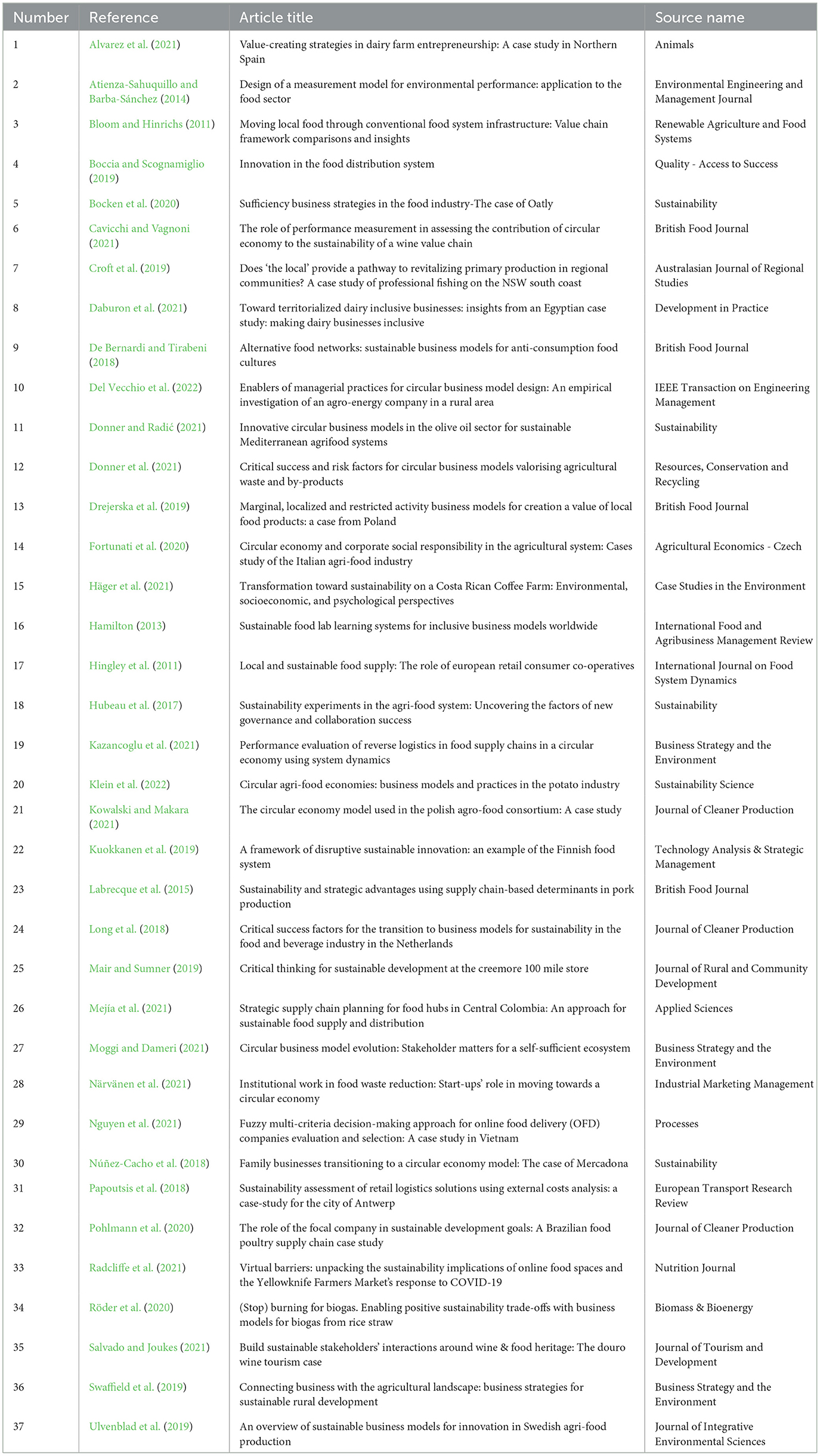
Table A1. Final articles included in the study.
Keywords: business models, food systems, sustainability, circular economy, transition, literature review
Citation: Donner M and de Vries H (2023) Business models for sustainable food systems: a typology based on a literature review. Front. Sustain. Food Syst. 7:1160097. doi: 10.3389/fsufs.2023.1160097
Received: 06 February 2023; Accepted: 28 April 2023;
Published: 17 May 2023.
Edited by:
Weiping Chen, Renmin University of China, ChinaReviewed by:
Jerneja Penca, Scientific Research Center Koper, SloveniaGuobao Song, Dalian University of Technology, China
Copyright © 2023 Donner and de Vries. This is an open-access article distributed under the terms of the Creative Commons Attribution License (CC BY). The use, distribution or reproduction in other forums is permitted, provided the original author(s) and the copyright owner(s) are credited and that the original publication in this journal is cited, in accordance with accepted academic practice. No use, distribution or reproduction is permitted which does not comply with these terms.
*Correspondence: Mechthild Donner, bWVjaHRoaWxkLmRvbm5lckBpbnJhZS5mcg==