 Horia Shaukat1†
 Anwar Ali1†
 Yang Zhang2*
 Arslan Ahmad3Sakhawat Riaz3
 Ahmal Khan4
 Taha Mehany5,6
 Hong Qin1*
- 1Xiangya School of Public Health, Central South University, Changsha, China
- 2College of Physical Education, Hunan First Normal University, Changsha, China
- 3Department of Home Economics, Government College University, Faisalabad, Pakistan
- 4Department of Food Science, Government College University, Faisalabad, Pakistan
- 5Food Technology Department, Arid Lands Cultivation Research Institute, City of Scientific Research and Technological Applications, Alexandria, Egypt
- 6Department of Chemistry, University of La Rioja, Logroño, Spain
Usually, polyphenols help address numerous health issues caused by oxidative stress. Tea is a popular beverage (rich in polyphenols) with abundant health promoting and disease prevention with great health-promoting and disease-prevention attributes, originating from the delicate, dried leaves of the Camellia sinensis plant. Tea has been proven to have health-boosting impacts like anti-inflammatory, anti-cancerous, anti-diabetic, and aids in weight loss. Cognitive impairment, also known as cognitive decline caused by aging or other neurological disorders, has become an emerging health concern. Tea polyphenols, especially phenolic acids, havegained enormous attention due to their link to improved cognitive function by preventing cognitive decline. This review summarizes recent studies on the health benefits of polyphenols in tea. Additionally, effective traditional and modern techniques to extract polyphenols and their effects on various diseases have been described.
1. Introduction
Oxidative stress negatively affects human metabolism, which has a large global influence on direct and indirect health disparities. Among the many treatment modalities, polyphenol-based dietary therapies stand out for their capacity to restore the equilibrium between antioxidants and free radicals, hence lowering the risk of oxidative stress (Manzoor et al., 2022). The four primary polyphenols are phenolic acids, lignans, stilbenes, and flavonoids. Many in-vivo and in-vitro investigations have been conducted to evaluate the health impacts of polyphenols. They play a crucial part in defending the body from external stimuli and getting rid of reactive oxygen species (ROS) are directly linked to numerous diseases. Polyphenols, possessing health-boosting potential, can be found in tea, cocoa, fruits, and vegetables (Rana et al., 2022). Polyphenols are employed in medicine, cosmetics, nutraceuticals, and food because of their antioxidant, anti-inflammatory, anti-apoptotic, anti-carcinogenic, and antibacterial characteristics (Rajha et al., 2022; Noreen et al., 2023). Naturally, polyphenolic compounds are present abundantly in tea and coffee and have antioxidant and neurotoxic properties (Ali et al., 2021a). Additionally, polyphenols have been found to prevent and improve COVID-19 infection. The brain has weak antioxidant activity compared to other body organs, hence containing higher levels of ROS, making it more vulnerable to neurodegenerative diseases, including Alzheimer's and Parkinson's (Ali et al., 2022a; Liczbiński and Bukowska, 2022).
Around the globe, tea is known to be the primary source of flavonoids, accounting for more than half of total consumption (He et al., 2021). Various studies established that tea and its flavonoids might aid cardiovascular health (Adhav and Deore, 2022). Tea consumption has been linked to oxidation, anti-inflammation, cancer prevention (Li et al., 2022), cardiovascular preventative medicine, and other health advantages (Fan et al., 2021; Ali et al., 2022b).
The tea plant leaves, native to China and other Asian countries, are used to make tea (Pan et al., 2022; Rasool et al., 2023). Tea polyphenols (TPPs), caffeine, and other beneficial chemicals are found in almost all forms of tea. Tea is derived from the Southeast Asian plant Camellia. Flavonoids seem to be the most common flavonoid subclass, which may be found in pharmaceutical teabags (Fantoukh et al., 2022; Iqra et al., 2023). Flavan-3-ols and their oligomers, flavonols and their glycosides, phenolic acids and hydrolysable tannins, theaflavins, and thearubigins are only a few of the several types of polyphenols found in tea (Figure 1).
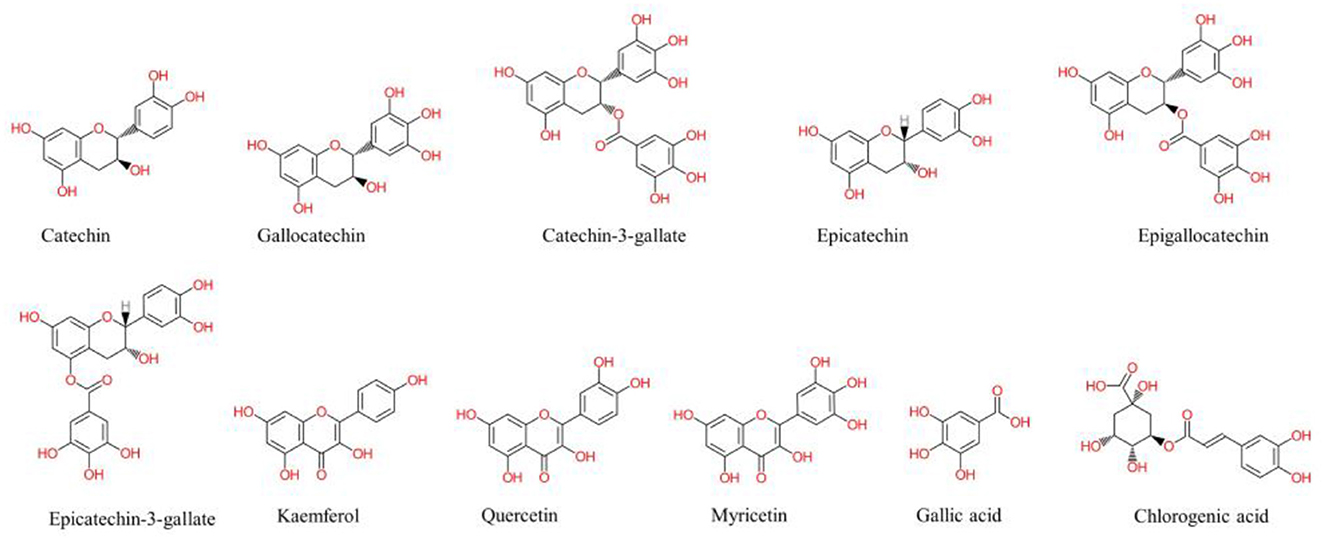
Figure 1. Major tea polyphenols and their chemical structures.
According to previous studies health boosting potential of tea is mainly due to tea polyphenols (Yan et al., 2020; Riaz et al., 2022). TPPs are well-known for their oxidative, anti-cancer, and other therapeutic characteristics (Mukhtar and Ahmad, 2000; Xing et al., 2019), but studies have shown that substantial amounts of tea are required to reap these advantages. Polyphenols are naturally occurring compounds in fruits and vegetables with significant antioxidant properties (Luo et al., 2021). Polyphenols prevent the oxidation of cells hence preventing neurological disorders. Tannin has been shown to protect neuronal cells in a Parkinson's disease model (Ali et al., 2021b; Xu et al., 2023). For decades, many plants have been known for their therapeutic and nutritional properties and are used in several traditional medicinal compositions (Satti et al., 2019). In the average human diet, fruits and veggies are the primary source of bioactive components. Bucciantini explored several polyphenol sources and their therapeutic effects on various human chronic disorders (Bucciantini et al., 2021). Previous studies explored the therapeutic potential of crucial phenolic acids like rutin, carvacrol, and green tea catechins, highlighting the medicinal qualities of polyphenols against Amyotrophic lateral sclerosis (ALS) and Developmental disorders (Novak et al., 2021). Tea polyphenols, active phytochemicals and vitamin C that reduce inflammation, are also found in black tea. Tea polyphenols have strong antioxidant capabilities due to their capacity to absorb electrons and metals (Nobahar et al., 2021; Aziz et al., 2022). This article discusses previous work on the types of polyphenols found in tea, conventional and advanced TPP (tea polyphenols) extraction methods, and their health boosting mechanism against various disorders.
2. Different forms of tea
It is prepared from immature stems of the Camellia sinensis species (Rana et al., 2016; Engelhardt, 2020). Due to geographical variation, different teas express varied colors, flavors, and scents (Wang Z. et al., 2022). Freshly cut delicate tea stem is heated before rolling and dried to prevent lipid oxidation by lipases (phenolic acids oxidase and peroxidases) by implementing various techniques and mechanisms (Wang et al., 2021; Samanta, 2022). CTC black tea (cut/crush, tear, and curl) and traditional black tea are the two types of black tea. CTC black tea is produced using CTC machinery that breaks the stalk into little pieces before crushing and bending the tea granules after drying them (Deka et al., 2021; Ahmed et al., 2022).
Wide tea varieties have originated in China (Liu et al., 2019; Zhang et al., 2020). As mentioned above that, CTC black tea is made by deactivating all lipases (enzymes) and falls somewhere between green and black tea (Li T. et al., 2021).
2.1. Types of teas
Various countries produce diverse types of tea. For instance, China occupies a first place for the country with the most tea plants; additionally, herbal tea exports make around half of Chinese total exports worldwide. Black tea exports accounts for 30% of the total, while other teas account for 20% (Khalid et al., 2022b; Xu et al., 2022). Black tea is typically named by its cultivation area. Various regions are frequently recognized for manufacturing teas with distinctive flavors (Chen et al., 2020).
2.1.1. Black teas
Previous literature has shown several kinds of tea; Lapsang Souchong is a region in Fujian where black tea is cultivated on Mount Wuyi. It's indeed a blend of several black teas, mainly consisting of Assam teas and other black teas. Bengal tea has a flowery, fruity flavor. In India, Dooars is the most famous region for cultivating black tea, upto 32% from West Bengal state. This region is known for Orthodox tea, black teas and CTC (Malakar et al., 2022). Darjeeling tea with a distinct muscatel flavor comes from West Bengal and India. It is known as “champagne of teas” (Lama, 2022; Wang L. et al., 2022). An inexpensive Vietnamese tea with a heavier texture and darker brew than Nepal or Darjeeling teas. To form a beverage, black tea is combined with other plants. Earl Gray is a bergamot-flavored black tea. Tea usually drink with English breakfast is thick, rich, and full of sugar and milk (Rezaeinia et al., 2020; Yun et al., 2021; DeBernardi and Ma, 2022).
2.1.2. The effect of polyphenols in black tea on digestion, assimilation, and consumption
According to recent studies, tannins found in all type of teas but specifically in black tea (which contains more than other teas), aids in digestion by soothing the gastric tract and preventing GI track syndromes (Al-Mahdi et al., 2020). In a study conducted on 60 students between age of 18 to 23 years, mouth rinsing with green and black teas showed a significant increase in saliva pH and its flow rate. This increase in pH and flow rate of saliva improved the digestion of food and maintained oral health by inhibiting microbial infections (Shetty et al., 2020).
Protease coating the surface of lipid rafts is required for the inter-facial process of fat stomach acid. Droplet formation produces an exterior for the lysis buffer adsorbent surface that alters lysozyme mooring and thus influences the hydrolytic cost. In a functional prototype replicating tiny small intestine settings, during a thickener of 0.10 mg dosage of black leaf extracts, the initial particle size altered from 1.4 to 25.9 m (Wojtunik-Kulesza et al., 2020; Ziółkiewicz et al., 2023). The use of black tea extract delayed droplet dispersion and reduced surface area. Fat gastric acid's interface phase necessitates protease's presence on lipid rafts' interface. Droplet production creates a surface for adsorbed species from lysis buffer, influencing the lipase anchoring and hence the price of hydrolytic breakdown, in a functional prototype replicating microscopic small intestine conditions. The preparatory pressure loss of 0.10 mg of black tea during emulsifying agents usually ranges from 1.4 to 25.9 m. A black tea core is used to delay particulate dissolution and reduce area (Kan et al., 2020; Vivarelli et al., 2023). On highly fed obese rats, high-purity project producers were tested for pro and lipid membrane action (Jin et al., 2013; Takemoto et al., 2016). Moreover, other research has revealed that drinking black tea while maintaining a healthy diet can help lose weight (Lin et al., 2021). Black tea polyphenolic compounds can potentially change the lipid content of stools, thereby reducing weight gain caused by a high fat diet (Wu et al., 2016).
2.1.3. Green Tea
Chinese green teas come in various textures, including striped “Meecha,” spherical “Gunpowder,” and flat “Longing.” Oolong Tea: This tea's aroma dates back to the 18th century. Tea with varying degrees of fermentation is known as “Pouchong,” which is mildly fermented, or “Tie-Qian Yin,” which is severely handled. They were famous among men and women due to their low-calorie count and ability to aid in weight loss. The color of such tresses distinguishes white and yellow tea on the ganja and the leafy beneath the earth (Cao et al., 2022; Bhandari et al., 2023).
2.1.4. Tea and tea-based functional beverages
Recently tea has been utilized to develop various kinds of functional beverages. Due to their proven health-boosting potential, such as reduction in weight, anti-oxidant attributes, refreshment purpose and alternative to supplements and energy drinks, tea-based functional beverages gained enormous recognition worldwide (Jayabalan and Waisundara, 2019). Tea-based functional drinks like Kombucha tea, are developed by fermenting tea and sugar by infusion of yeasts and bacteria turning into a “tea fungus” like form.
The fermentation process takes 2 weeks; green or black tea can be used as a base (Sinir et al., 2019). Bioactive constituents, organic acids and tea polyphenols are the basic active compounds that make kombucha a functional beverage. Although consuming functional beverages has been linked to improved immunity, better nervous system function and GI track immunity, more research should be conducted on fermentation procedures' safety and hygiene levels. It is recommended to analyze any toxicity levels in functional beverages due to prolonged fermentation processes to ensure their safety in future (Dini, 2019).
2.1.5. Other by-products of tea
Tea is among the most prevalent drink, mostly as a standalone soft drink and as an element of other beers. Several studies have discussed tea and its constituents' possible medical advantages. White tea, dark tea, yellow tea, and matcha are currently among the most famous green tea in the world. Teas are divided into categories like oxygenation tanks teas, oolong, white, black teas, dark teas, and unfermented teas, such as herbal tea. Pekoe and Bright Red Pekoe are black teas. “Pek-ho” refers to gold Assam teas in Chinese and indicates “white hair.” Peach Pekoe is usually produced from the top leaf of trees in Pakistan or Sri Lanka. Pekoe tea is known in India, Indonesia, and Asia for having even narrower leaves than Peach Pekoe tea (Kłopotek and Dmowski, 2022). Green and black teas are popular in Asian nations, although black tea is common in Western countries (Gunec, 2023).
3. Extraction techniques for tea polyphenols
Extracting TPs has been done in a variety of ways. Maceration extraction is one of the conventional techniques for TP extraction (also known as solvent extraction). Innovative extraction techniques, for example, deep eutectic extraction, high-pressure, pressurized hot water, supercritical fluid, and procedures aided by microwave and ultrasound, have been known for some years now, as shown in Figure 2. The different extraction methods are described in more details in Table 1.
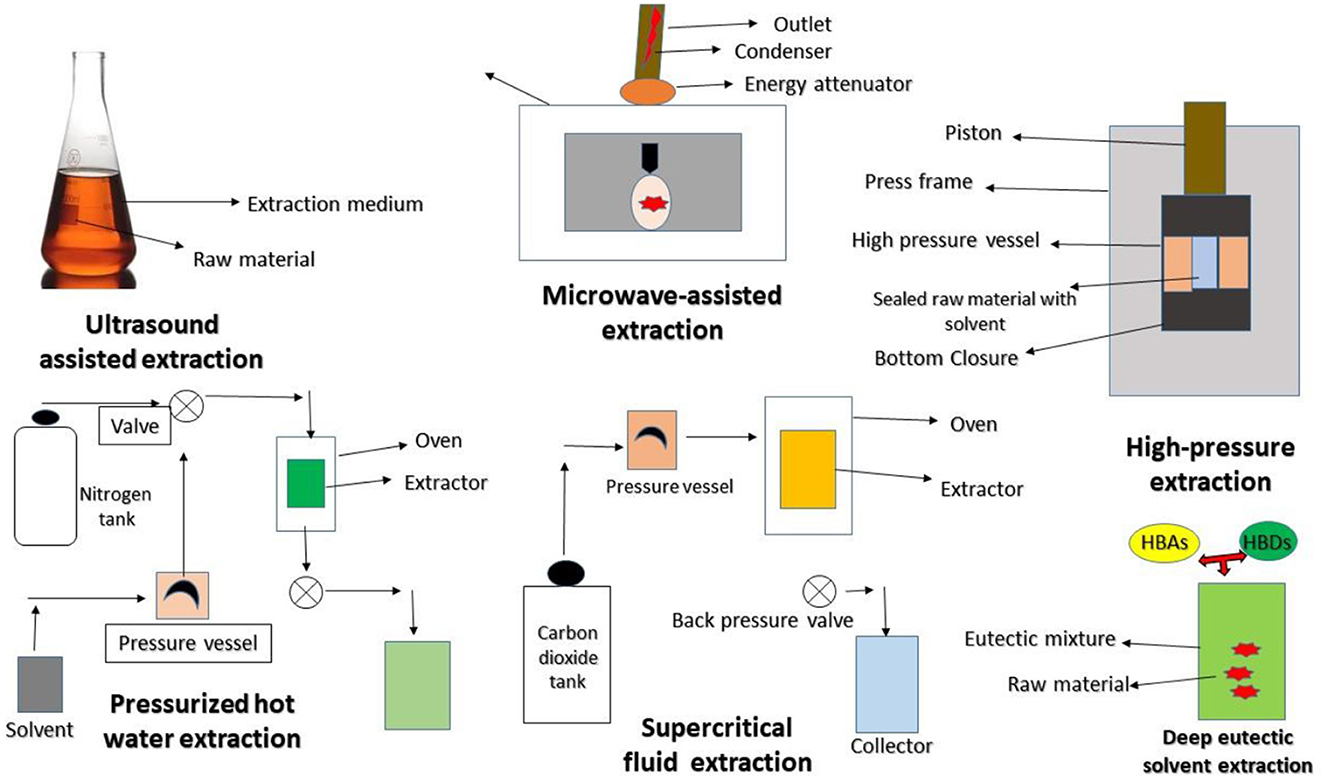
Figure 2. Innovative methods for TP removal. HBAs and HBDs are acronyms for hydrogen-bonding acceptors and distributors, respectively.
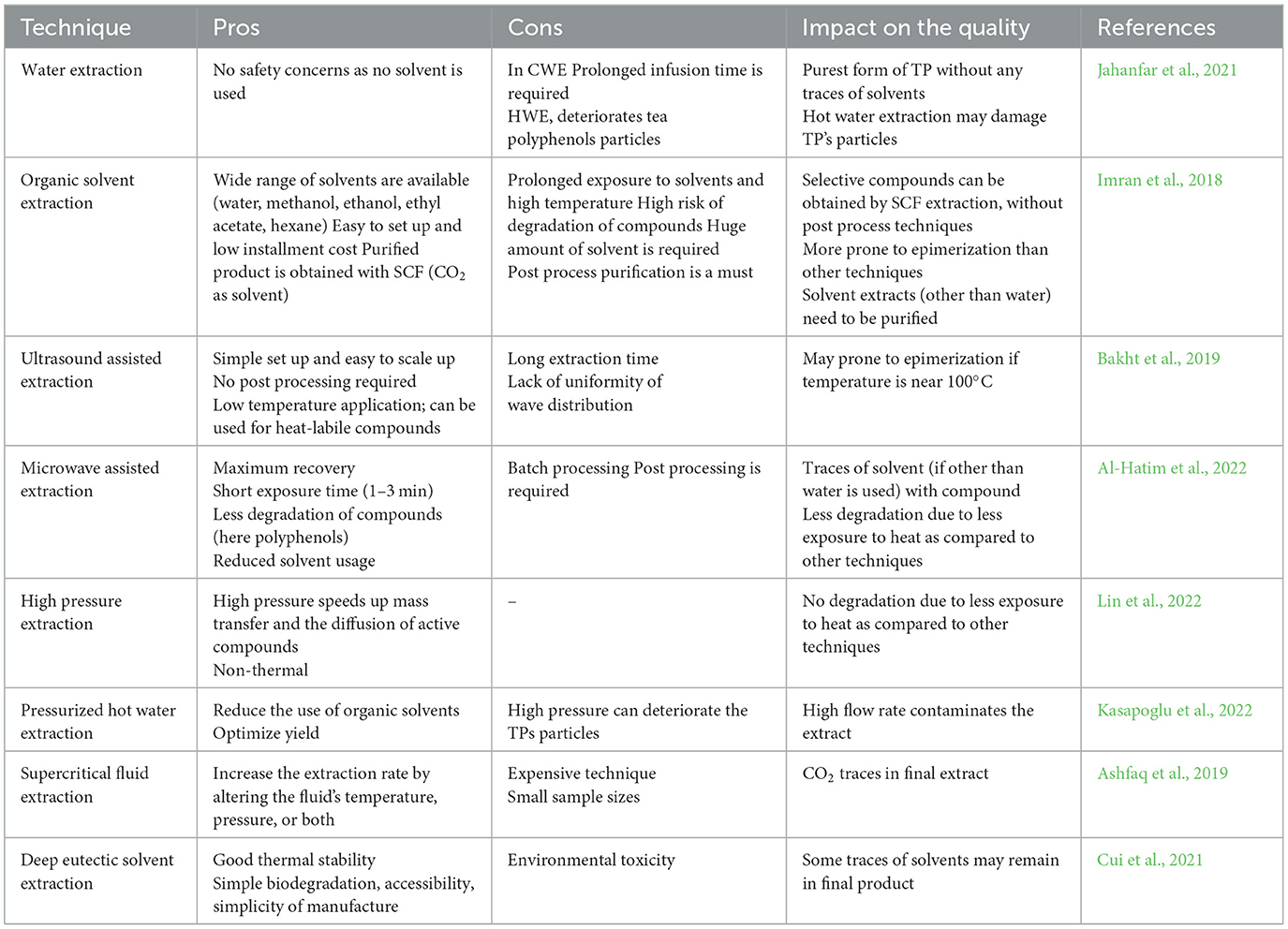
Table 1. Different extraction methods, their impact on quality of TPs, advantages and disadvantages.
3.1. Conventional maceration extraction
3.1.1. Water extraction
For the TP extraction, hot and cold water was utilized. Prior studies examined the phenolic profiles of 30 different tea products using hot water extraction at 98°C, and the findings revealed that some dark and black teas may contain more gallic acid than other types of tea (including white, yellow, black, and dark tea). Green tea is said to have more catechins than other types of tea (Tang et al., 2019). Up to 5 min of infusion time, according to another study (Pérez-Burillo et al., 2018), had minimal effect on the yields of TPs from white tea. However, after that point, TP yields rose with infusion duration. Improved TP yields are associated with longer extraction durations; however, because TPs are thermally destroyed, overly hot water extraction must be avoided. For instance, the total quantity of flavonoids dropped when bagged green tea was extracted with hot water (80°C) for over 15 min (Dai et al., 2022). Cold-water extraction appears to be more efficient than hot-water extraction for the extraction of TPs. It claimed that one reason contributing to this behavior is the phenolic components' breakdown when exposed to heat. The infusion times for cold-water extraction are occasionally significantly longer than for hot-water extraction. The size of the tea particle depends on the mechanism of the extraction process (Jahanfar et al., 2021).
Tea samples and solvents have a large contact area because smaller particle diameters and greater specific areas are correlated. The yield of TPs increased by 14% compared to unbiased tea leaves, which weighed 61% more and had widths ranging from 0.15 to 0.74 mm. Overall, the extraction efficiency is greatly influenced by temperature, infusion time, and particle size. There are no safety concerns with the solvent employed in the water extraction. Both hot water extraction and cold water extraction have their pros and cons. For instance, the cold water extraction requires more processing time, while hot water extraction might cause TP deterioration (Rahaman et al., 2020; Manzoor et al., 2021, 2023; Lomartire and Gonçalves, 2022).
3.1.2. Organic solvent extraction
The TPs must be soluble in the organic solvents to be extracted properly. According to recent research on TP extraction in Australian tea shoots, methanol was a better solvent than water, ethyl acetate, and ethanol. Extended extract times for the first 8 h significantly enhanced TP yields. However, values changed after 8–18 h (Jiajia et al., 2021).
Black tea was previously processed to extract theaflavins and thearubigins using water, ethanol, and methanol. The results showed that ethanol was more effective in extracting these TPs (Imran et al., 2018). In this study, all of the solvents attained their maximal extraction after 60 min, and when the extraction time was extended, the recovery decreased, most likely due to heat degradation (Imran et al., 2018).
3.2. Novel extraction techniques
3.2.1. Ultrasound-assisted extraction
By creating cavitation bubbles, ultrasonic waves may alter the medium's pressure and temperature, upsetting the sample cells and accelerating the movement of bioactive substances (Gao et al., 2022). Ultrasound treatment is a popular alternative to evaluating certain bioactive components (Rahaman et al., 2021; Piasecka et al., 2022). Ultrasound-assisted extraction (UAE) has the power to increase TP yields. UAE might significantly shorten the time it takes to extract green tea without increasing the amount of unwanted caffeine that is eliminated (Kang et al., 2022).
Likewise, compared to hot water extraction, the UAE with ethanol substantially doubled the amount of EGCG in green tea extract (Ayyildiz et al., 2018). According to a prior study, sonication did not affect the antioxidant activity of green tea extracts between 45 and 55°C, as the temperature increased, the antioxidant properties dropped (Xu et al., 2019). When extracting polyphenols from branded black tea products, the ultrasonic sensor at a frequency of 26 kHz was more effective than the ultrasonic bath at a rate of 40 kHz while using less energy (Bakht et al., 2019; Ali et al., 2022c).
3.2.2. Microwave-assisted extraction (MAE)
It has been investigated how to extract phenolic compounds and essential oils using microwave-assisted extraction (MAE) of bioactive substances (Singh et al., 2022). The three stages of the MAE process include the diffusion of the solutes from the sample material into the solvent, the introduction of the solvent into the sample matrix, and the purification of the solutes from the active sites of the matrix (Hudiyanti et al., 2022). A significant amount of polyphenols may be produced fast in microwaved tea products. Twenty hours of room temperature maceration, 90 min of UAE extraction, and 45 min of heat-reflux extraction were needed before MAE could extract 30% (w/w) polyphenols from green tea extracts (Dao et al., 2022). In a previous study, microwave time rather than microwave intensity, tea-to-water ratio, or the number of radiation exposures had the greatest effect on the number of green tea polyphenols (Li H. et al., 2021).
This also demonstrated that a microwave power of 600W, a tea-to-water ratio of 1:10, and a radiation duration of 3 min were the best radiation parameters. According to other research, microwaving the tea for 7.8 min and repeating the extraction three times were the ideal conditions for extracting polyphenols from green tea by MAE. The TPC of the extracts produced under these circumstances was higher than those produced by the UAE under optimal circumstances, coming up at about 96 GAE/g dry weight (Al-Hatim et al., 2022).
3.2.3. High-pressure extraction
High-pressure separation of bioactive components from plant materials has also been a popular non-thermal method (Khan et al., 2019; Manzoor et al., 2020). By allowing solvents to enter cells, high pressure speeds up mass transfer and the diffusion of active compounds (Ahmed et al., 2019; Tang et al., 2019). It seems that the duration of the pressure application has no impact on how much TP is removed. Prior research, for instance, discovered that tea leaf cells entered the solution immediately since the pressure-holding duration (between 1 and 10 min) had no discernible effect on the TPs' extraction yields (Lin et al., 2022). It's anticipated that the High-pressure extraction's (HPE) laboratory scale can be converted into an industrial scale.
3.2.4. Pressurized hot water extraction
As a green extraction method (an advanced technology applied to reduce the use of organic solvents to lower climatic and health-related issues and optimize the yield of required phenolic compounds via selective extrication methods), pressurized hot water extraction (PHWE) is used. Liquid water is used as the solvent in PHWE between 100°C (the boiling point of water at 0.1 MPa) and 374°C (the critical point of water at 22.1 MPa) (Plaza, 2019). The most important elements of the PHWE are temperature and flow rate. On the one hand, high temperatures can hasten polyphenol migration and improve sample wetting. Polyphenols, on the other hand, are delicate and easily harmed by high heat. Because TPs were exposed to higher temperatures over longer extraction times, TP degradation was further accelerated. For instance, the yields of (–)-epicatechin-3-gallate (ECG), epigallocatechin-3-gallate (), and catechin were inversely associated with temperature when the extraction time surpassed 28 min (He et al., 2018). Another crucial element for PHWE is the flow rate. High flow rates can speed up extraction and reduce the number of time analytes must be in the hot water, but if the flow rate is excessively high, it can contaminate extracts and further concentration procedures will be required (Kasapoglu et al., 2022).
3.2.5. Supercritical fluid extraction
Supercritical fluid extraction (SFE) is an extraction technique with little thermal damage, high mass transfer rates, and low temperatures (Jha and Sit, 2022). Since the fluid's density affects solute solubility, SFE can increase the extraction rate by altering the fluid's temperature, pressure, or both. Carbon dioxide (CO2) is the substance that is most frequently employed in supercritical extraction because of its low critical temperature (31.3°C) and pressure (7.39 MPa) (Al Jitan et al., 2018).
But since CO2 is a gas at ambient temperature, it is simple to remove from the extracts. It is possible to extract EGCG effectively using supercritical CO2. EGCG concentration was higher in green tea extract produced with SFE (77.23 mg/g) compared to acetonic extract (65.88 mg/g), which was produced with constant extraction temperature and duration (Ashfaq et al., 2019; Shehzad et al., 2021). Additionally, SFE has disadvantages, including a high price and potentially small sample sizes.
3.2.6. Deep eutectic solvents extraction
In an advanced alternative to conventional organic solvents known as deep eutectic solvents (DESs), the hydrogen bond donors compounds such as urea, lactic acid, citric acid, ethylene glycol, and choline chloride are mixed in a eutectic combination (Santana-Mayor et al., 2021). DESs have some benefits, including good thermal stability, simple biodegradation, accessibility, simplicity of manufacture, and low toxicity (Cunha and Fernandes, 2018). Using ChCl-based DESs, tea polyphenols were extracted depending on the characteristics above. The ability of DESs to extract TPs has been demonstrated. Compared to conventional solvents, DESs have a better extraction efficiency for extracting TPs from green tea (water and ethanol). Numerous HBDs (hydrogen bond donors), including ethylene glycol (EG), glycerol, glucose, oxalic acid, and citric acid, have their extraction efficacies tested. Compared to other solvents, ChCl/EG (1:2 molar ratio) has a much greater extraction efficiency (Cui et al., 2021). More research should be done to test if TPs can be extracted using DESs and other solvents.
4. Pharmacological activities of tea polyphenols constituents
Tea is a popular beverage worldwide because it boosts health potential (Figure 3). Tea drinking has been linked to preventing and postponing several metabolic illnesses. It lowers the risk of heart problems, stroke, and high triglycerides, as well as irritating prevention, allergy prevention, high triglycerides, and irritating prevention of allergy, and other ailments (Shang et al., 2021). Antioxidant compounds are the most prevalent bioactive constituents found in tea, with the ability to scavenge free radicals and transfer those into stable molecules (Sena et al., 2020; Yan et al., 2020). In a recent large scale survey, green and black tea tannins prevent brain tumors by diminishing inhibiting various signaling molecules, including tumor necrosis factor, g-csf colonial power factor, and cox-2 (Bag et al., 2022). Tea, as well as its constituents, have been demonstrated in numerous trials to inhibit cancer in the skin, breast gland, lung, mouth, throat, esophagus, stomach, intestine, colon, liver, prostate, and pancreatic (Xu et al., 2020).
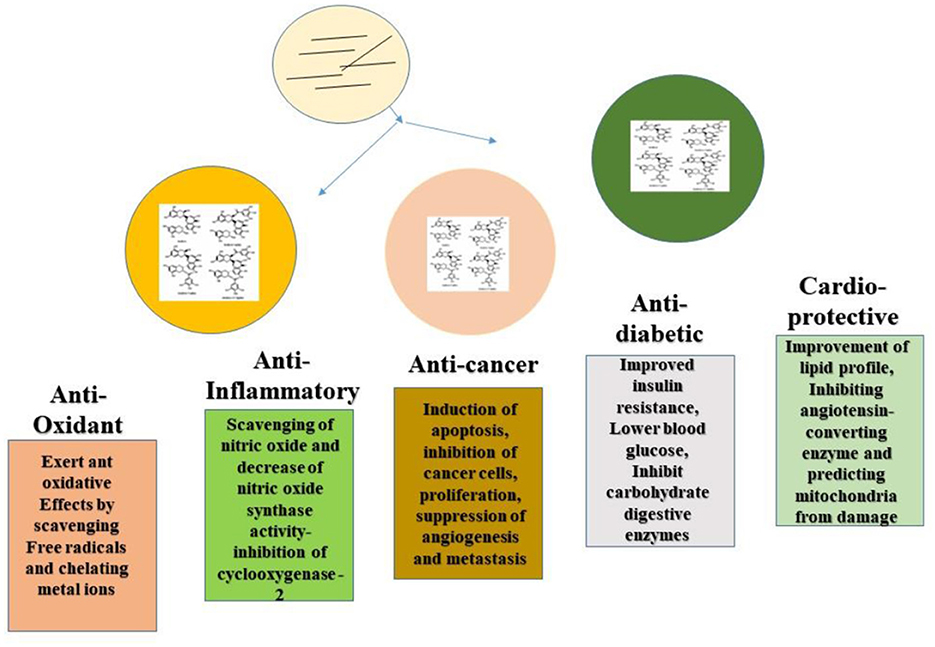
Figure 3. The physicochemical activities of major tea ingredients as an antioxidant, pro, anticancer, hypoglycemic, and neuroprotective effects.
Phenolics in herbal tea have increased glycemic control, insulin sensitivity, and sensations in persons with type 2 diabetes. Tea phenolics are also thought to block carbohydrate digestion enzymes and decrease glucose transport within the GI tract (Sharma et al., 2019). Coffee catechins have been demonstrated to improve blood serum lipids by inhibiting major fat-producing enzymes (Ma et al., 2020). Tea and its flavonoids are gaining appeal as a reliable, powerful antioxidant that can help prevent heart disease (Yan et al., 2020). Several preclinical tests has emphasized tea catechins' therapeutic value in treating different diseases (Baldi et al., 2019; Babar et al., 2021). Tea consumption has been associated with a lower rate of various colon cancer (Zhao et al., 2022). Black and green tea preparations have been demonstrated to affect tumorigenesis translation, implying that they'd be utilized to treat pancreatic cancer. Herbal tea catechins may be utilized to treat brain diseases such as Parkinson's and Alzheimer's (Payne et al., 2022).
Alzheimer's infection is a global mental illness characterized by the formation of the amyloid clump from the -amyloid polypeptide (Lekwuwa et al., 2022; Ahmad et al., 2023). Both black and green polyphenol has antioxidant properties that aid in decreasing blood pressure (Ratnani and Malik, 2022). Flavanols, including flavonoids, exert diverse bioactive impacts, notably tooth decay prevention and anti-carcinogenic properties in the mouth (Xiao, 2022). Tea has been found in trials to enhance bone mass in women aged 65–76 (Biver et al., 2023). Flavonoids have the potential to suppress carcinogenesis via p53-mediated downregulation. Phenolic chemicals may interact with the epithelial lining of the gastrointestinal mucosa (Shehata et al., 2022).
5. Functional and nutraceutical aspects of tea
The predominant phytochemicals of beverage tea are catechins, theaflavins, and thearubigins (Manzoor et al., 2017; Datta et al., 2022). Several scientific studies established tea linkage to various health boosting potentials (Sharma and Rao, 2009; Engelhardt, 2020; Maqbool et al., 2022). Previous studies have discussed tea's disease control and prevention aspects against numerous pathological disorders such as obesity, insulin resistance, hypertension, cholesterol, and cancer (Anwar et al., 2022; Niewiadomska et al., 2022; Rana et al., 2022; Basu et al., 2023). Over the past decades, tea has been consumed globally for nutraceutical and. Due to its numerous health-boosting potential, specifically its free radical scavenging attributes, that suppresses the onset of degenerative ailments, infertility complications, a variety of malignancies, osteoporosis and insulin resistance (Nelson, 2022).
6. Tea polyphenols against various diseases
6.1. Tea polyphenols and kidney stones
According to a large prospective cohort, tea use may protect rather than contribute to the formation of urolithiasis, contrasting with other research findings. Tea is thought to trigger kidney stone formation by interfering with the uptake of oxalate (Demoulin et al., 2022). Tea ingestion was negatively associated with the progression of kidney stones in the Midwives' Health Research, a cohort study of over 81,000 women aged 40–65 years (Salinas-Roca et al., 2022). Furthermore, many systematic evaluations have demonstrated that tea drinking may protect against the development of urolithiasis (Lin et al., 2020; Barghouthy et al., 2021).
6.2. Anticancer properties of tea polyphenols
Tumor divisions have been widely examined in vitro for anticancer effectiveness. Ovarian cancer has the greatest fatality rate of any malignant gynecological condition, and theaflavin-3, 3'-digallate (TF3) helps to reduce it. TF3 causes cell death in the OVCAR-3 cell line, which was derived from ovarian cancer (Gao et al., 2019). In rate-3 treated cells, TF3 significantly boosted the production of protease poly phosphatase 1 and activated several isoforms, including casp-3, casp-7, casp-8, and casp-9 (Gao et al., 2019). Caspase-8 stimulates signaling pathways caspases, which then cleave proteins like PARP-1. The pathways that are activated by TF3 are principally due to the decomposition of PARP-1 (Fujimura et al., 2022). Several scientific findings emphasized antioxidant and anti-inflammatory attributes of EGCG, a functional of green tea. Its role as anticancer agent has been established in various scientific experiments but additional research is being carried out for other kinds. Moreover, another vital green tea compound, catechins, proven to alter several biological pathways involved in mitochondria and enhance the anticancer effect of chemotherapy to lessen toxic compounds. In addition to block the clustering of ROS inside the body to inhibit cancer formation, EGCG also inhibits cancer cells proliferation by preventing DNA without any damage of normal body cells. Various studies emphasized on consuming four cups of tea per day for a month to obtain anticancer effects. In addition to that by taking five cups of tea for 6 months' oral cancer can be prevented by deactivating the bacteria involved in it. Beside this it can also suppress oxidative stress and prevent the chances of prostate cancer (Zhang et al., 2022).
Table 2 represents the tea polyphenols and their health properties. When combined with cisplatin, TF3 did not affect normal ovary cells, but it showed a much larger effect on A2780/CP70 and OVCAR3 ovarian cancer cells.
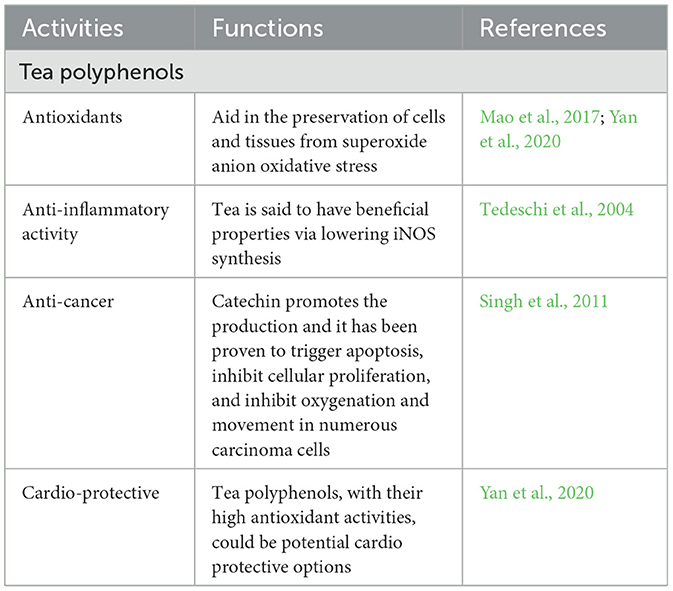
Table 2. Tea polyphenols have therapeutic properties.
6.3. Antioxidant effects of tea polyphenols
Previous studies discussed the interaction of -epigallocatechin-3-gallate (EGCG) and epicatechin-3-gallate (ECG) during the transesterification reaction produces TF3 (theaflavin-3,3′-digallate), a prominent and abundant component of black tea. As a result, TF3 has been shown to have a variety of therapeutic qualities, like antioxidant capacity and free radical scavenging activity (Qian et al., 2021). As per a recent survey, women who drink much black tea have a lower risk of getting older (Oka et al., 2012). ROS is required for the onset of osteoclasts and also the bone turnover mechanism (Wang et al., 2020). TF3 inhibits osteoclast formation by increasing Nrf2/Keap1 (factors to regulate the homeostasis that controls genes involved in detoxification), signaling along the pathway while decreasing Signaling. A study discovered that oolong tea increased innate efficacy in neonatal heart cells and H9c2 cells by activating Nrf2-regulated mechanisms against JNK-induced hypertrophy (Shibu et al., 2018). Free radical scavenging activity in oolong tea blends was also substantial, with increased antioxidant properties (Cianciosi et al., 2022).
Over the past few decades, scientists have discovered 500 chemical constituents, more than 70 polyphenols with proven antioxidant and beneficial health-boosting potentials. Studies showed that tea with a significant proportion of flavonols has an enhanced antioxidant capacity by stabilizing ROS. Although polyphenols in tea exert antioxidant and anticancer properties, chemotherapy treatment cannot be neglected totally. In synergy, both have proven to be anticancerous (Truong and Jeong, 2022).
6.4. Tea polyphenols and anti-metabolic syndrome
Diabetes mellitus is mostly caused by obesity, and adiposity disorders such as fatty liver, hypertension, and hyperlipidemia are becoming increasingly prevalent. As a result, diabetes and arteriosclerosis may develop. Tea and its phytochemicals may aid in weight loss by hindering fat accumulation (Aloo et al., 2023). On the other side, researchers discovered that drinking black tea polyphenols decreases bad cholesterol levels (LDL, low-density lipoprotein), preventing cardiovascular disease (Ma et al., 2022). It was also discovered that black tea negatively correlated with BMI (Vernarelli and Lambert, 2013). In recent times, significant research has indicated that Tea and its constituents, when consumed daily, may aid in preventing and treating conditions such as hyperglycemia, adiposity, high blood pressure, arteriosclerosis, and carcinoma. Tea is an inexpensive and efficient source of all of these vital phytochemicals. Hence, it is the need of the hour to address concerns like tea ingredient stability, efficacy, and accessibility (Ali et al., 2022d). Several studies showed that functional beverages treat people suffering from hyper cholesterol and hyperglycemia. A recent study revealed that taking green tea after meals three times daily has therapeutic effects in diabetic patients. Other studies revealed that the mechanism involved in countering diabetes by increasing glucose uptake through adipose tissues validates their insulin resistance ability, activating glycogen production in the liver, altering the main enzymes responsible for glucose, and improving insulin emission. A recent study investigated on rats fed with 500 mg/kg of polyphenols extracted from green tea resulted in ameliorated glucose resistance in 1 h. Several studies established tea polyphenols improves lipogenesis and glycolysis (Wang S. et al., 2022).
6.5. Cytotoxic properties of tea polyphenols
Tea polyphenols, like catechins, provide several medical benefits, including preventive medicine and cancer prevention. Women in southern China consume Black tea, particularly green and black tea, and oolong tea, which has reduced the risk of malignant tumors in the southern hemisphere (Lee et al., 2013). In addition, oolong tea phenolic formulations inhibited cell proliferation, DNA breakage, the creation of oligonucleosomal-sized pieces, and the initiation of mediated toxicity in KATO III gastric epithelial carcinoma cells (Das et al., 2021). Additionally, a recent analysis discovered that oolong tea carbohydrates and polyphenols work synergistically to inhibit cancer growth in a sarcoma model while improving antioxidant and immunologic defenses during experimental animals (Fernandes et al., 2020). Anti-proliferative drugs work through signal transduction, and pro-actions in vitro activity. The project generated from black tea is commonly regarded as effective for carcinogenesis prevention. Melanoma cells were treated with theaflavin, which caused serious cell death via p53-mediated Proapoptotic, while also molecular markers sheath adhesion and tumor tissue death (Sarma et al., 2020). Likewise, the ROS virtuous cycle predicated on p53 (gene to inhibit tumor development) that tends to increase p53 activity via the p38MARK (p38 mitogen-activated protein kinases) inhibits the Nuclear factor and Transcription factor-dependent rising star enzyme-based Making laws and MMP-9 (Liczbiński and Bukowska, 2022).
6.6. Weight reduction
Overweight is the second most common dietary disease worldwide. According to the Leading Medical Institution's 2010 global survey on diabetes complications, severe obesity claims 2.8 lives each year (Li et al., 2020). The World Health Organization defines obesity as a BMI of 30 kg/m or higher. Obesity has been linked to various medical illnesses, including heart disease, type 2 diabetes, and cancer (Kannel et al., 1991; Knowler et al., 2002; Marmot et al., 2007). This condition is defined by a physiological mismatch between metabolic rate and food intake in a particular body's tissues, which results in excessive fat storage in adipose tissue.
For millennia, black tea flavonoids have been studied for their pro potential. Numerous studies found that black tea polyphenolic compounds can aid in weight loss (Kobayashi et al., 2009; Jin et al., 2013; Wu et al., 2016; Khalid et al., 2023). Tea tannins are shown to affect rat gut bacteria (Chen et al., 2021), which may contribute to green tea catechins' pro effect (Zhong et al., 2006). The hypothesis that black tea influences intestinal flora has only been tested in patients, so no link has been established between black tea's anti-obesity benefits and its effect on gut flora. Polyphenols have been intensively studied for their effects on food intake through neuro-regulatory mechanisms, brain signaling pathways, and external feedback streams (Brindha et al., 2021). According to another study, in obese rats, green tea phenolic acids can reverse the effects of excitatory genes (Truong and Jeong, 2022).
Previous studies showed that a fat diet directly influences gut bacteria physiology resulting in weight gain and GI tract inflammation. In contrast, green tea polyphenols supplements have been proven to prevent dysbiosis and obesity. GTPs work by a principle of strengthening gut bacteria physiology by suppressing the TLR4 signaling pathway and stimulating pro-inflammatory cytokine proteins. Green tea polyphenols strengthen GI track disease resistance and prevent the onset of inflammatory diseases like intestinal bowel syndrome (Li et al., 2020).
6.7. Neuroprotective effect of tea polyphenols
In the average human diet, fruits and veggies are the main sources of phenolic compounds. Bucciantini explored several polyphenol compounds and their therapeutic effects on various human chronic disorders (Bucciantini et al., 2021). This study refers to conventional therapy for ALS and Developmental disorders by using crucial phenolic acids like rutin, carvacrol, and green tea catechins, highlighting the medicinal qualities of polyphenols (Novak et al., 2021). Resveratrol (RSV) may also affect young entry peptide-42 authorization, as per research (Ye et al., 2022) (A42), which has been connected to Alzheimer's disease neurotoxicity, by regulating a leptin enzyme that is still fully biodegradable A4. In vivo study, a vital pre-clinical stage, reveals considerable cognitive and memory performance improvement in neurodegenerative models (Zhang et al., 2021). Phenolic in the diet has now been linked to improved cognitive function, as per a comprehensive assessment of the data, and their administration may help avoid cognitive deterioration (Khalatbary and Khademi, 2020). The potential of these chemicals in preventing and fighting neuronal illnesses has recently been addressed (Spencer, 2009a,b; Zhao, 2009). Similarly, Phenolic is shown to slow the progression of several neurodegenerative disorders associated with cognitive impairment, including Alzheimer's disease, Parkinson's disease, dementia, and musculoskeletal problems (Hamaguchi et al., 2009; Ardah et al., 2014; Freyssin et al., 2018).
6.8. Polyphenols and neurodegeneration
Neurodegeneration refers to the gradual deterioration of neural functioning, particularly neuronal loss. High blood pressure, Parkinson's, Prion ailments, nerve diseases, Huntington's disease, corticospinal ataxia, and neuroinflammation disorders are all examples of insanity (Ahmad et al., 2017). Alzheimer's disease is the most common form of dementia, and it is associated with a decrease in cranial capacity, which causes significantly fewer cognitive impairments than functional brain aging (Ray and Davidson, 2014). Dementia, cognitive disability, and cognitive impairment are all cognitive disorders. Alzheimer's disease is influenced by a complex mix of hereditary and environmental variables, such as medical history and eating habits (Ray and Davidson, 2014). Different mental and related conditions often deteriorate with aging. Various neurobehavioral skills are lost as we age, as are procedural and fiction memory (Ren et al., 2013), but also decreased reaction inhibition and concentration on elevated activities (Di Meo et al., 2020).
Several studies depicted the preventive effects of polyphenols toward various neurotoxic parameters, which include memory neurotoxic elements etc. These changes resulted in hippocampal cell loss, decreased internal memory, and basal forebrain cholinergic neuron atrophy (Fernandes et al., 2021). The effect of flavonoids on time-of-life of life nerve activity has only lately been thoroughly studied, and multiple in vitro are accessible (Table 3). As per a new study, RSV significantly reduces the number of interleukins, particularly IL-1 and IL-6, correcting for chronic activity (Magrone et al., 2019).
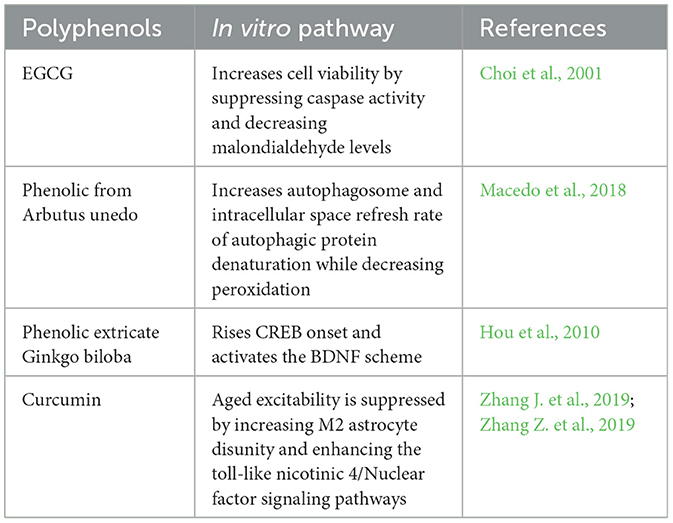
Table 3. The most important in vitro data for polyphenol effects on age-related brain changes.
Moreover, by interrupting the latent nuclear constructs of texts from sense organs, flavonoids can obstruct main product routes. Likewise, to slower cognitive decline, some research looked at how polyphenol affects motor dysfunction, which has been connected to neurodegenerative disorders and brain aging. Tea tannins have been shown in Parkinson's disease baboons to alleviate axonal damage caused by N-methyl-4-phenyl-1,2,3,6-tetrahydropyridine (Azam et al., 2019). Figure 4 shows the neuroprotective pathway. After a 6-month diagnosis and a prebiotic fiber Aegean diet, recollection improves, concentration, executive abilities, and optical vision, according to a 2015 study (Knight et al., 2015). Likewise, a 6-year drug study involving 447 participants discovered a link between the lignan diet and a big decline in psychiatric illness (Varga et al., 2020). In addition to diet trials, several investigations found that polyphenol-based nutraceutical therapy improved learning ability.

Figure 4. Phenolic acid neuroprotective mechanism.
In this context, there is evidence that grape and blueberry extract consumption significantly impacts mental performance in healthy young people over each test (Philip et al., 2019). Much research has been done to probe the organic antioxidant effects of olive flavonoids such as glycosides, tocopherol, carotenoids, thymol, and others (Annunziata et al., 2021). Resveratrol at 10 mg/kg reduced clinical symptoms' thickness dramatically in male adult CD1 mice just under a week after intracoronary fluid resuscitation by lowering IL-1 speech, a key cytokine (Afzal et al., 2022). Table 4 offers more examples of polyphenols having neuroprotective effects reported in vitro. The foremost anticipated goals are to tremendously aggravate' neuroprotective.
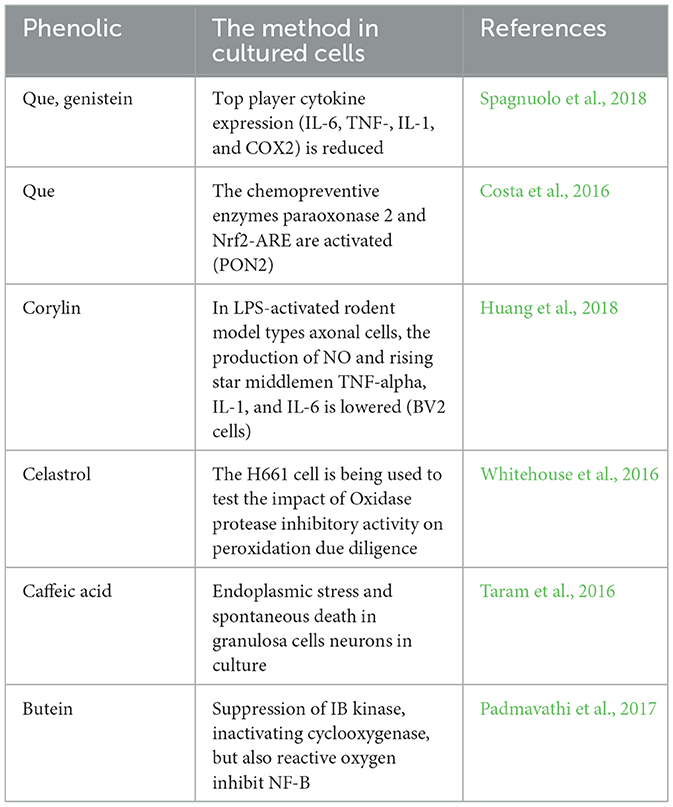
Table 4. List of neuroprotective polyphenols.
6.9. Neuro-inflammation
Many correlating irregularities discovered during neurodegeneration have been linked to low-level autoimmune conditions, stimulation of sources on the topic, and glia known as neurons. Several innovative functional products in the market have been fortified with compounds extracted from vegetables and fruits (Ahmed et al., 2021). Most importantly, plant-based secondary metabolites considerably polyphenols, are crucial in combating inflammation, diabetes, and oxidative stress-related disorders. Previous studies revealed plant-based secondary metabolites' role in regulating gastrointestinal mechanisms. Noticeably, the action mechanism was completely different in both in vivo and in vitro studies. This difference is directly linked to the GI track mechanism that conducts the compositional changes in these metabolites, modifying their action role in the digestive system (Wojtunik-Kulesza et al., 2020). Foods high in specific forms of secondary polyphenolic phytochemical constituents, For example, the striving of altering nervous responses have garnered praise (Rangarajan et al., 2016; Khalid et al., 2022a). Lately, turmeric, a diarylheptanoid, and epicatechin were suggested as key treatments for immunologic infections associated with hypertension (Chen et al., 2022). 400 mg of curcumin (Longvida®) medicinal additives improved mental function in healthy aged persons in a controlled, double-blind and moderate trial. Curcumin inhibited gelation of IL-1, TNF-, vasodilators E2, peroxynitrite, inducible NO glucanase, and Lipoxygenase in vitro experiments (Kang et al., 2022). Crocin (a carotenoid), oral dosages (an alkaloid), scutellarin (a flavone), but also anthocyanins a flavanone-7-O-glycoside are phenolic acids affiliated with predicament properties (Revi and Rengan, 2021). In patients, a 1 g numerous times oral mouthful of Rosuvastatin, a SIRT1 activator, reduced the matrix process is driven, raised myocyte interleukins, IL-4, but also fibroblast economic expansion (FGF)-2, and inevitably energized host defenses (Hao et al., 2022).
6.10. Autophagy
Fermentation is an ATP-dependent natural process that engages in a variety of cell procedures such as load transfer and breakup, as well as recycling inside of autophagy. There is event of a food shortage, this included junctional retooling, cellular protein degradation or amino acid formulation, and pro corridor senior execs (Giampieri et al., 2019). Autophagy is necessary for the advancement of some diseases, such as Alzheimer's, Parkinson's, and Huntington's. These diseases are distinguished by abnormal peptide aggregate and deposit or abnormal unfolded membrane proteins as a result of decreased turnover or rapid protein depositing, resulting in progressive neuronal death (Tang et al., 2022).
This same autophagosome phase is important in measuring the quantity of such cumulative enzymes, such as open beta atherosclerotic plaque and tau throughout Parkinson's disease, that are bred in captivity in Parkinson's disease, but also various huntingtin in Parkinson's disease, whose approval is slowed when the aging process is broken (Xiao et al., 2022). An autophagosome process is important in many genetic diseases, along with Parkinson's, Parkinson's, but also Huntington's disease. These illnesses are distinguished by increased peptide aggregation and deposit and abnormal unfolded proteins resulting from decreased turnover or faster protein deposit, which results in neuronal death (Wu et al., 2021). In this reference, the endosomes phase is necessary for lowering the levels of such combined proteins, which include amyloid plaques and tau (essential enzyme regulates the basic structure of nerve cells)in hypertension, which are biologically mutants in Parkinson's disease and Huntington's disease, or whose approval is slowed once peroxidation is inhibited (Yang et al., 2021).
6.11. Vascular function
Not only must the arteries within the brain be fit and active to prevent ischemia, but they must also be nutritious to maintain perfusion, which improves mental capacity. Endothelial failure is associated with the onset and advancement of metabolic disorders, which can contribute to cognitive loss and neurotoxicity as we age (Wu et al., 2022). Flavones can also reduce the activity of nitric oxide synthase, lowering the need for NO during vascularization (Xiao et al., 2022). An increase in NO relaxes the muscle that brings the blood, promoting vascularization and neurogenesis (Grosso et al., 2022).
Biological membranes discharge abnormal unfolded proteins and harmful molecules that activate monocytes in neurodevelopmental disorders, culminating in a normal brain response that can impede microcirculation. Several experiments have been conducted to investigate the effect of polyphenolic compounds on methods used and bond strength intermediaries, which may aid in reducing the effects of autoimmunity on the endothelium. Ingesting chemicals, caffeic acid, and RSV drastically decreased the inflammatory reaction within the vascular wall, such as pro-inflammatory cytokines protein 1, monocytes inflammatory proteins 1, MIP-1, chemokine receptor-1, and Kinases pro-inflammatory cytokines receptor-1 (Rajan et al., 2022). Green tea polyphenols have proven to ameliorate the ROS activity of the blood cells, inhibiting the oxidation of LDL cholesterol hence lowering the chances of cardiovascular disorders. Studies revealed that daily consumption of 5 or more tea cups lowered the death rate to 31% in women suffering from CVD and heart failure. CVDs like hypertension, stiffness of arteries, endothelial malfunction, cardiomyopathy etc. have been linked to increased oxidative stress. An ex vivo and in vitro research conducted by Li et al., summarized that tea polyphenols exert lowering impacts in hypertensive patients by relaxing the muscles, preventing renin activity, and boosting endothelial nitric oxide synthase function and anti-inflammatory impact on vessels. According to another study, CVD's can be controlled to levels of 10 mg/dl (0.25 mmol/L) of LDL, by consuming 1 capsule of theaflavin-enriched GTE (375 mg) regularly and 2 cups of green tea.
6.12. Oxidative stress
Enhanced oxidative stress is linked to neuronal injury in neurodegenerative diseases. When T lymphocytes are overstimulated, they are among the primary producers of radical precursors and contribute to oxidative stress. Tea Phenolic have protective properties that can both protect cells and slow the progression of toxicities. Throughout this entire reference, the effects of curcumin on the health of Mongolian ferrets with temporary carotid obstruction were studied (Song et al., 2021). Curcumin submucosal transfusions or food consumption reduced the enhanced lipid, peroxides, and apoptotic markers caused by myocardial damage. These protective benefits were connected to reducing glial activation, which led to the lower inflammatory and anti-mediator release. According to previous studies, various other ailments are stimulated by oxidative stress. Nrf2 is a gene that inhibits oxidative stress by stimulating enzymes involved in the mechanism, like glutathione peroxidase, heme oxygenase-1 and malondialdehyde (MDA). These enzymes play a crucial role by disintegrating the structure of free radicals, preventing the oxidation of vita cells (Khayatan et al., 2022).
In an induced cytotoxicity cognition loss scenario in Swiss male albino mice, hesperidin treatment dramatically ameliorated cognitive loss (Fakhri et al., 2022).
7. Conclusion
This review led us to the conclusion that polyphenols may be good for human health due to their antibacterial, anticancer, anti-inflammatory, anti-apoptotic, and antioxidant properties. Tea is naturally rich in bioactive compounds that boost health. Tea polyphenols are frequently extracted using different solvents by conventional and advanced mechanisms. In conventional methods, hot water extraction is more efficient than cold water extraction. Innovative techniques like ultrasound, microwaves, and air pressure can be implicated in more effective and efficient teal polyphenol extraction. Although, each extraction process has its limitations. It is recommended to conduct future research to optimize more specific extraction techniques with better efficacy. In this review, we also demonstrated numerous recent research to enlighten the significance of different teas, their chemical composition and theirhealth-promoting role by preventing and delaying metabolic illnesses, notably neuroprotection. Tea polyphenols are the major constituents possessing antioxidant, anti-diabetic, and anti-inflammatory attributes. Recent investigations have also suggested the possibility that phenolic acids have neuroprotective effects that target a variety of cellular pathways to prevent the development of cognitive problems. Due to potential safety profiles and immunomodulatory effects, tea might provide a new source for chemopreventive or therapeutic agents for various chronic diseases. Up to now, great efforts have been made both in vitro and in vivo, but the precise mechanisms are still unclear. Therefore, more carefully-designed studies are needed to deeply elucidate the immune-potentiating properties toward cellular and humoral immune responses.
8. Future research suggestion
During the past few decades, tea has been consumed in several forms for its relaxing and therapeutic potential. Considerably, due to its health-boosting functions, tea has been proven to aid in preventing several ailments by stopping the activation and progression of metabolic syndromes, various types of cancers, degenerative disorders, CVD's, anti-inflammatory, anti-diabetic, weight reduction, anti-hypertensive effects. This review summarized that there had been enough evidence for the beneficial functions of tea, but a few researchers also discuss the health safety issues of tea and its by-products. Hence, advanced research should be conducted on tea and its by-products bioavailability, its synergic impact along with other medical treatments and supplementation on various diseases and further need to explore the action mechanism of tea and its products. However, tea consumption as a refreshment and therapeutic function still been validated as safe and endorsed until now.
Author contributions
HS and AAl: conceptualization. HS, AAl, YZ, AAh, SR, and AK: writing—original draft preparation. HS, AAl, AAh, SR, TM, and AK: writing—review and editing. YZ and HQ: supervision. All authors have read and agreed to the published version of the manuscript.
Acknowledgments
The authors pay special thanks to Food and Nutrition Society Gilgit-Baltistan, Pakistan for giving help to access different journals. The authors also wish to thank Muhammad Hussain and Waseem Khalid for their contributions in revising the manuscript.
Conflict of interest
The authors declare that the research was conducted in the absence of any commercial or financial relationships that could be construed as a potential conflict of interest.
Publisher's note
All claims expressed in this article are solely those of the authors and do not necessarily represent those of their affiliated organizations, or those of the publisher, the editors and the reviewers. Any product that may be evaluated in this article, or claim that may be made by its manufacturer, is not guaranteed or endorsed by the publisher.
Abbreviations
ALS, amyotrophic lateral sclerosis; ATP, adenosine triphosphate; BMI, body mass index; CTC, cut/crush, tear, and curl; ChCl, chromium chloride; ECG, epicatechin-3-gallate; EGCG, epigallocatechin-3-gallate; EG, ethylene glycol; DES, deep eutectic solvent; GTP, green tea polyphenol; HDL, high density lipoprotein; HBD, hydrogen bond donors; HPE, high-pressure extraction; LDL, low density lipoprotein; MAE, microwave-assisted extraction; NO, nitric oxide; PHWE, pressurized hot water extraction; RSV, resveratrol; ROS, reactive oxygen species; SFE, supercritical fluid extraction; Tf3, theaflavin-3, 3'-digallate; TPPs, tea polyphenols; UAE, ultrasound-assisted extraction.
References
Afzal, O., Dalhat, M. H., Altamimi, A. S., Rasool, R., Alzarea, S. I., Almalki, W. H., et al. (2022). Green tea catechins attenuate neurodegenerative diseases and cognitive deficits. Molecules 27, 7604. doi: 10.3390/molecules27217604
Ahmad, A., Ali, T., Park, H. Y., Badshah, H., Rehman, S. U., and Kim, M. O. (2017). Neuroprotective effect of fisetin against amyloid-beta-induced cognitive/synaptic dysfunction, neuroinflammation, and neurodegeneration in adult mice. Mol. Neurobiol. 54, 2269–2285. doi: 10.1007/s12035-016-9795-4
Ahmad, N., Riaz, S., and Ali, A. (2023). “Ingredients for food products,” in Palm Trees and Fruits Residues, eds M. Jeguirim, B. Khiari, and S. Jellali (Amsterdam: Elsevier), 115–153. doi: 10.1016/B978-0-12-823934-6.00013-7
Ahmed, M., Ali, A., Sarfraz, A., Hong, Q., and Boran, H. (2022). Effect of freeze-drying on apple pomace and pomegranate peel powders used as a source of bioactive ingredients for the development of functional yogurt. J. Food Qual. 2022, 1–9. doi: 10.1155/2022/3327401
Ahmed, N., Ali, A., Riaz, S., Ahmad, A., and Aqib, M. (2021). “Vegetable proteins: nutritional value, sustainability, and future perspectives,” in Vegetable Crops-Health Benefits and Cultivation, eds E. Yildirim, and M. Ekinci (London: IntechOpen), 1–14. doi: 10.5772/intechopen.100236
Ahmed, Z., Manzoor, M. F., Begum, N., Khan, A., Shah, I., Farooq, U., et al. (2019). Thermo-ultrasound-based sterilization approach for the quality improvement of wheat plantlets Juice. Processes 7, 518. doi: 10.3390/pr7080518
Al Jitan, S., Alkhoori, S. A., and Yousef, L. F. (2018). Phenolic acids from plants: extraction and application to human health. Stud. Nat. Prod. Chem. 58, 389–417. doi: 10.1016/B978-0-444-64056-7.00013-1
Al-Hatim, R. R., Al-Alnabi, D. I. B., Al-Younis, Z. K., Al-Shawi, S. G., Singh, K., Abdelbasset, W. K., et al. (2022). Extraction of tea polyphenols based on orthogonal test method and its application in food preservation. Food Sci. Technol. 42, e70321. doi: 10.1590/fst.70321
Ali, A., Ain, Q., Saeed, A., Khalid, W., Ahmed, M., and Bostani, A. (2021a). “Bio-molecular characteristics of whey proteins with relation to inflammation,” in New Advances in the Dairy Industry, ed M. Subhan Qureshi (London: IntechOpen), 3–20. doi: 10.5772/intechopen.99220
Ali, A., Kousar, S., Khalid, W., Maqbool, Z., Aziz, A., Arshad, M. S., et al. (2022a). Crocin: Functional characteristics, extraction, food applications and efficacy against brain related disorders. Front. Nutr. 9, 1009807. doi: 10.3389/fnut.2022.1009807
Ali, A., Manzoor, M. F., Ahmad, N., Aadil, R. M., Qin, H., Siddique, R., et al. (2022b). The burden of cancer, government strategic policies, and challenges in Pakistan: a comprehensive review. Front. Nutr. 9, 940514. doi: 10.3389/fnut.2022.940514
Ali, A., Mughal, H., Ahmad, N., Babar, Q., Saeed, A., Khalid, W., et al. (2021b). Novel therapeutic drug strategies to tackle immune-oncological challenges faced by cancer patients during COVID-19. Expert Rev. Anticancer Ther. 21, 1371–1383. doi: 10.1080/14737140.2021.1991317
Ali, A., Riaz, S., Sameen, A., Naumovski, N., Iqbal, M. W., Rehman, A., et al. (2022c). The disposition of bioactive compounds from fruit waste, their extraction, and analysis using novel technologies: a review. Processes 10, 2014. doi: 10.3390/pr10102014
Ali, A., Zahid, H. F., Cottrell, J. J., and Dunshea, F. R. (2022d). A comparative study for nutritional and phytochemical profiling of Coffea arabica (C. arabica) from different origins and their antioxidant potential and molecular docking. Molecules 27, 5126. doi: 10.3390/molecules27165126
Al-Mahdi, Z. K. A., Ewadh, R. M., and Hindi, N. K. K. (2020). “Health benefits of aqueous extract of black and green tea leaves,” in Bioactive Compounds in Nutraceutical and Functional Food for Good Human Health, eds K. Sharma, K. Mishra, K. Kamal Senapati, and C. Danciu (London: IntechOpen).
Aloo, S.-O., Ofosu, F. K., Kim, N.-H., Kilonzi, S. M., and Oh, D.-H. (2023). Insights on dietary polyphenols as agents against metabolic disorders: obesity as a target disease. Antioxidants 12, 416. doi: 10.3390/antiox12020416
Annunziata, G., Sureda, A., Orhan, I. E., Battino, M., Arnone, A., Jiménez-García, M., et al. (2021). The neuroprotective effects of polyphenols, their role in innate immunity and the interplay with the microbiota. Neurosci. Biobehav. Rev. 128, 437–453. doi: 10.1016/j.neubiorev.2021.07.004
Anwar, R., Rabail, R., Rakha, A., Bryla, M., Roszko, M., Aadil, R. M., et al. (2022). Delving the role of Caralluma fimbriata: an edible wild plant to mitigate the biomarkers of metabolic syndrome. Oxid. Med. Cell. Longev. 2022, 1–17. doi: 10.1155/2022/5720372
Ardah, M. T., Paleologou, K. E., Lv, G., Abul Khair, S. B., Kazim, A. S., Minhas, S. T., et al. (2014). Structure activity relationship of phenolic acid inhibitors of α-synuclein fibril formation and toxicity. Front. Aging Neurosci. 6, 197. doi: 10.3389/fnagi.2014.00197
Ashfaq, F., Butt, M. S., Bilal, A., and Suleria, H. R. (2019). Impact of solvent and supercritical fluid extracts of green tea on physicochemical and sensorial aspects of chicken soup. Agric. Food 4, 794–806. doi: 10.3934/agrfood.2019.3.794
Ayyildiz, S. S., Karadeniz, B., Sagcan, N., Bahar, B., Us, A. A., and Alasalvar, C. (2018). Optimizing the extraction parameters of epigallocatechin gallate using conventional hot water and ultrasound assisted methods from green tea. Food Bioprod. Process. 111, 37–44. doi: 10.1016/j.fbp.2018.06.003
Azam, S., Jakaria, M., Kim, I.-S., Kim, J., Haque, M. E., and Choi, D.-K. (2019). Regulation of toll-like receptor (TLR) signaling pathway by polyphenols in the treatment of age-linked neurodegenerative diseases: focus on TLR4 signaling. Front. Immunol. 10, 1000. doi: 10.3389/fimmu.2019.01000
Aziz, A., Noreen, S., Khalid, W., Mubarik, F., Niazi, M. K., Koraqi, H., et al. (2022). Extraction of bioactive compounds from different vegetable sprouts and their potential role in the formulation of functional foods against various disorders: a literature-based review. Molecules 27, 7320. doi: 10.3390/molecules27217320
Babar, Q., Ali, A., Saeed, A., and Tahir, M. F. (2021). Novel Treatment Strategy against COVID-19 through Anti-inflammatory, Antioxidant and Immunostimulatory Properties of the B Vitamin Complex (London: Intechopen). doi: 10.5772/intechopen.100251
Bag, S., Mondal, A., Majumder, A., and Banik, A. (2022). Tea and its phytochemicals: hidden health benefits and modulation of signaling cascade by phytochemicals. Food Chem. 371, 131098. doi: 10.1016/j.foodchem.2021.131098
Bakht, M. A., Geesi, M. H., Riadi, Y., Imran, M., Ali, M. I., Ahsan, M. J., et al. (2019). Ultrasound-assisted extraction of some branded tea: optimization based on polyphenol content, antioxidant potential and thermodynamic study. Saudi J. Biol. Sci. 26, 1043–1052. doi: 10.1016/j.sjbs.2018.07.013
Baldi, A., Abramovič, H., Poklar Ulrih, N., and Daglia, M. (2019). “Tea catechins,” in Handbook of Dietary Phytochemicals, eds J. Xiao, S. Sarker, and Y. Asakawa (New York, NY: Springer), 1–46. doi: 10.1007/978-981-13-1745-3_19-1
Barghouthy, Y., Corrales, M., Doizi, S., Somani, B. K., and Traxer, O. (2021). Tea and coffee consumption and pathophysiology related to kidney stone formation: a systematic review. World J. Urol. 39, 2417–2426. doi: 10.1007/s00345-020-03466-8
Basu, T., Selman, A., Reddy, A. P., and Reddy, P. H. (2023). Current status of obesity: protective role of catechins. Antioxidants 12, 474. doi: 10.3390/antiox12020474
Bhandari, M., Sharma, S., Mishra, R., Nogai, L., Koli, M., and Pathak, R. (2023). Geography and the therapeutic effect of matcha tea in drinks. J. Pharm. Negat. Results 13, 1205–1210. doi: 10.47750/pnr.2022.13.S08.668
Biver, E., Herrou, J., Larid, G., Legrand, M. A., Gonnelli, S., Annweiler, C., et al. (2023). Dietary recommendations in the prevention and treatment of osteoporosis. Joint Bone Spine 90, 105521. doi: 10.1016/j.jbspin.2022.105521
Brindha, T., Rathinam, R., and Dheenadhayalan, S. (2021). Antibacterial, antifungal and anticorrosion properties of green tea polyphenols extracted using different solvents. Asian J. Biol. Life Sci. 10, 63. doi: 10.5530/ajbls.2021.10.10
Bucciantini, M., Leri, M., Nardiello, P., Casamenti, F., and Stefani, M. (2021). Olive polyphenols: antioxidant and anti-inflammatory properties. Antioxidants 10, 1044. doi: 10.3390/antiox10071044
Cao, Q., Yang, G., Wang, F., Chen, L., Xu, B., Zhao, C., et al. (2022). Discrimination of tea plant variety using in-situ multispectral imaging system and multi-feature analysis. Comput. Electron. Agric. 202, 107360. doi: 10.1016/j.compag.2022.107360
Chen, X., Le, Y., Tang, S.-Q., He, W.-Y., He, J., Wang, Y.-H., et al. (2022). Painful diabetic neuropathy is associated with compromised microglial IGF-1 signaling which can be rescued by green tea polyphenol EGCG in mice. Oxid. Med. Cell. Longev. 2022, 6773662. doi: 10.1155/2022/6773662
Chen, X., Sun, H., Qu, D., Yan, F., Jin, W., Jiang, H., et al. (2020). Identification and characterization of key aroma compounds in Chinese high altitude and northernmost black tea (Camellia sinensis) using distillation extraction and sensory analysis methods. Flavour Fragr. J. 35, 666–673. doi: 10.1002/ffj.3605
Chen, Y., Cheng, S., Dai, J., Wang, L., Xu, Y., Peng, X., et al. (2021). Molecular mechanisms and applications of tea polyphenols: a narrative review. J. Food Biochem. 45, e13910. doi: 10.1111/jfbc.13910
Choi, Y.-T., Jung, C.-H., Lee, S.-R., Bae, J.-H., Baek, W.-K., Suh, M.-H., et al. (2001). The green tea polyphenol (–)-epigallocatechin gallate attenuates β-amyloid-induced neurotoxicity in cultured hippocampal neurons. Life Sci. 70, 603–614. doi: 10.1016/S0024-3205(01)01438-2
Cianciosi, D., Forbes-Hernández, T. Y., Regolo, L., Alvarez-Suarez, J. M., Navarro-Hortal, M. D., Xiao, J., et al. (2022). The reciprocal interaction between polyphenols and other dietary compounds: Impact on bioavailability, antioxidant capacity and other physico-chemical and nutritional parameters. Food Chem. 375, 131904. doi: 10.1016/j.foodchem.2021.131904
Costa, L. G., Garrick, J. M., Roquè, P. J., and Pellacani, C. (2016). Mechanisms of neuroprotection by quercetin: counteracting oxidative stress and more. Oxid. Med. Cell. Longev. 2016, 2986796. doi: 10.1155/2016/2986796
Cui, Z., Djocki, A. V. E., Yao, J., Wu, Q., Zhang, D., Nan, S., et al. (2021). COSMO-SAC-supported evaluation of natural deep eutectic solvents for the extraction of tea polyphenols and process optimization. J. Mol. Liq. 328, 115406. doi: 10.1016/j.molliq.2021.115406
Cunha, S. C., and Fernandes, J. O. (2018). Extraction techniques with deep eutectic solvents. Trends Analyt. Chem. 105, 225–239. doi: 10.1016/j.trac.2018.05.001
Dai, X., Ge, B., Zhu, M., Wang, H., Zeng, T., Liu, Z., et al. (2022). Anti-inflammatory properties of Fu brick tea water extract contribute to the improvement of diarrhea in mice. Beverage Plant Res. 2, 1–7. doi: 10.48130/BPR-2022-0003
Dao, D. T. A., Lan, N. T. N., Hien, L. T. M., and Ha, D. V. (2022). Research on microwave-assisted extraction with blanching pretreatment effect on bioactive compounds of green tea leaves (Camellia sinensis) powder. J. Food Process. Preserv. 46, e16690. doi: 10.1111/jfpp.16690
Das, S., Langbang, L., Haque, M., Belwal, V. K., Aguan, K., and Roy, A. S. (2021). Biocompatible silver nanoparticles: an investigation into their protein binding efficacies, anti-bacterial effects and cell cytotoxicity studies. J. Pharm. Anal. 11, 422–434. doi: 10.1016/j.jpha.2020.12.003
Datta, S., Ghosh, S., Bishayee, A., and Sinha, D. (2022). Flexion of Nrf2 by tea phytochemicals: a review on the chemopreventive and chemotherapeutic implications. Pharmacol. Res. 106319. doi: 10.1016/j.phrs.2022.106319
DeBernardi, J., and Ma, J. (2022). History, creativity, and value: the modern making of Gold Jun Mei tea. Asian J. Soc. Sci. 50, 195–205. doi: 10.1016/j.ajss.2022.06.005
Deka, H., Sarmah, P. P., Devi, A., Tamuly, P., and Karak, T. (2021). Changes in major catechins, caffeine, and antioxidant activity during CTC processing of black tea from North East India. RSC Adv. 11, 11457–11467. doi: 10.1039/D0RA09529J
Demoulin, N., Aydin, S., Gillion, V., Morelle, J., and Jadoul, M. (2022). Pathophysiology and management of hyperoxaluria and oxalate nephropathy: a review. Am. J. Kidney Dis. 79, 717–727. doi: 10.1053/j.ajkd.2021.07.018
Di Meo, F., Valentino, A., Petillo, O., Peluso, G., Filosa, S., and Crispi, S. (2020). Bioactive polyphenols and neuromodulation: molecular mechanisms in neurodegeneration. Int. J. Mol. Sci. 21, 2564. doi: 10.3390/ijms21072564
Dini, I. (2019). An overview of functional beverages. Funct. Med. Beverages 11, 1–40. doi: 10.1016/B978-0-12-816397-9.00001-7
Engelhardt, U. H. (2020). Tea chemistry–what do and what don't we know?–a micro review. Food Res. Int. 132, 109120. doi: 10.1016/j.foodres.2020.109120
Fakhri, S., Abbaszadeh, F., Moradi, S. Z., Cao, H., Khan, H., and Xiao, J. (2022). Effects of polyphenols on oxidative stress, inflammation, and interconnected pathways during spinal cord injury. Oxid. Med. Cell. Longev. 2022, 8100195. doi: 10.1155/2022/8100195
Fan, X., Xiao, X., Mao, X., Chen, D., Yu, B., Wang, J., et al. (2021). Tea bioactive components prevent carcinogenesis via anti-pathogen, anti-inflammation, and cell survival pathways. IUBMB Life 73, 328–340. doi: 10.1002/iub.2445
Fantoukh, O. I., Wang, Y.-H., Parveen, A., Hawwal, M. F., Ali, Z., Al-Hamoud, G. A., et al. (2022). Chemical fingerprinting profile and targeted quantitative analysis of phenolic compounds from Rooibos Tea (Aspalathus linearis) and dietary supplements using UHPLC-PDA-MS. Separations 9, 159. doi: 10.3390/separations9070159
Fernandes, L., Cardim-Pires, T. R., Foguel, D., and Palhano, F. L. (2021). Green tea polyphenol epigallocatechin-gallate in amyloid aggregation and neurodegenerative diseases. Front. Neurosci. 15, 718188. doi: 10.3389/fnins.2021.718188
Fernandes, L., Messias, B., Pereira-Neves, A., Azevedo, E. P., Araújo, J., Foguel, D., et al. (2020). Green tea polyphenol microparticles based on the oxidative coupling of EGCG inhibit amyloid aggregation/cytotoxicity and serve as a platform for drug delivery. ACS Biomater. Sci. Eng. 6, 4414–4423. doi: 10.1021/acsbiomaterials.0c00188
Freyssin, A., Page, G., Fauconneau, B., and Bilan, A. R. (2018). Natural polyphenols effects on protein aggregates in Alzheimer's and Parkinson's prion-like diseases. Neural Regen. Res. 13, 955. doi: 10.4103/1673-5374.233432
Fujimura, Y., Kumazoe, M., and Tachibana, H. (2022). 67-kDa laminin receptor-mediated cellular sensing system of green tea polyphenol EGCG and functional food pairing. Molecules 27, 5130. doi: 10.3390/molecules27165130
Gao, W., Zhang, N., Li, S., Li, S., Zhu, S., Cong, X., et al. (2022). Polysaccharides in selenium-enriched tea: extraction performance under innovative technologies and antioxidant activities. Foods 11, 2545. doi: 10.3390/foods11172545
Gao, Y., Yin, J., Tu, Y., and Chen, Y. C. (2019). Theaflavin-3, 3′-digallate suppresses human ovarian carcinoma OVCAR-3 cells by regulating the checkpoint kinase 2 and p27 kip1 pathways. Molecules 24, 673. doi: 10.3390/molecules24040673
Giampieri, F., Afrin, S., Forbes-Hernandez, T. Y., Gasparrini, M., Cianciosi, D., Reboredo-Rodriguez, P., et al. (2019). Autophagy in human health and disease: novel therapeutic opportunities. Antioxid. Redox Signal. 30, 577–634. doi: 10.1089/ars.2017.7234
Grosso, G., Godos, J., Currenti, W., Micek, A., Falzone, L., Libra, M., et al. (2022). The effect of dietary polyphenols on vascular health and hypertension: current evidence and mechanisms of action. Nutrients 14, 545. doi: 10.3390/nu14030545
Gunec, C. B. (2023). A mini review on the relationship between coffee and tea consumption and iron absorption in the gut–iron deficiency anemia. Jpn J. Clin. Med. Res. SRC/JJCMR-156, 2–3. doi: 10.47363/JJCMR/2023(3)145
Hamaguchi, T., Ono, K., Murase, A., and Yamada, M. (2009). Phenolic compounds prevent Alzheimer's pathology through different effects on the amyloid-β aggregation pathway. Am. J. Pathol. 175, 2557–2565. doi: 10.2353/ajpath.2009.090417
Hao, W., Gan, H., Wang, L., Huang, J., and Chen, J. (2022). Polyphenols in edible herbal medicine: targeting gut-brain interactions in depression-associated neuroinflammation. Crit. Rev. Food Sci. Nutr. 62, 1–17. doi: 10.1080/10408398.2022.2099808
He, C., Du, H., Tan, C., Chen, Z., Chen, Z., Yin, F., et al. (2018). Semi-continuous pressurized hot water extraction of black tea. J. Food Eng. 227, 30–41. doi: 10.1016/j.jfoodeng.2018.02.001
He, H.-F., Wei, K., Yin, J., and Ye, Y. (2021). Insight into tea flavonoids: composition and chemistry. Food Rev. Int. 37, 812–823. doi: 10.1080/87559129.2020.1721530
Hou, Y., Aboukhatwa, M. A., Lei, D.-L., Manaye, K., Khan, I., and Luo, Y. (2010). Anti-depressant natural flavonols modulate BDNF and beta amyloid in neurons and hippocampus of double TgAD mice. Neuropharmacology 58, 911–920. doi: 10.1016/j.neuropharm.2009.11.002
Huang, M.-Y., Tu, C.-E., Wang, S.-C., Hung, Y.-L., Su, C.-C., Fang, S.-H., et al. (2018). Corylin inhibits LPS-induced inflammatory response and attenuates the activation of NLRP3 inflammasome in microglia. BMC Complement. Altern. Med. 18, 1–9. doi: 10.1186/s12906-018-2287-5
Hudiyanti, D., Al Khafiz, M. F., Anam, K., Siahaan, P., and Christa, S. M. (2022). In vitro evaluation of curcumin encapsulation in gum arabic dispersions under different environments. Molecules 27, 3855. doi: 10.3390/molecules27123855
Imran, A., Arshad, M. U., Arshad, M. S., Imran, M., Saeed, F., and Sohaib, M. (2018). Lipid peroxidation diminishing perspective of isolated theaflavins and thearubigins from black tea in arginine induced renal malfunctional rats. Lipids Health Dis. 17, 1–12. doi: 10.1186/s12944-018-0808-3
Iqra Sughra, K., Ali, A., Afzal, F., Yousaf, M. J., Khalid, W., Faizul Rasul, H., et al. (2023). Wheat-based gluten and its association with pathogenesis of celiac disease: a review. Int. J. Food Prop. 26, 511–525. doi: 10.1080/10942912.2023.2169709
Jahanfar, S., Ghavami, M., Khosravi-Darani, K., and Jahadi, M. (2021). Liposomal green tea extract: optimization and physicochemical characterization. J. Appl. Biotechnol. Rep. 8, 5–12. doi: 10.30491/jabr.2020.231423.1228
Jayabalan, R., and Waisundara, V. Y. (2019). “Kombucha as a functional beverage,” in Functional and Medicinal Beverages, eds A. M. G. A. M. Holban and M. Kubilis (Amsterdam: Elsevier), 413–446. doi: 10.1016/B978-0-12-816397-9.00012-1
Jha, A. K., and Sit, N. (2022). Extraction of bioactive compounds from plant materials using combination of various novel methods: a review. Trends Food Sci. Technol. 119, 579–591. doi: 10.1016/j.tifs.2021.11.019
Jiajia, W., Guoyan, L., Yan, Z., Na, L., Zhencheng, W., and Qiaoling, L. (2021). Establishment of continuous multi-stage countercurrent water extraction process of tea saponin from camellia meal. J. Food Sci. Technol. 39, 153–161. doi: 10.12301/j.issn.2095-6002.2021.01.017
Jin, D., Xu, Y., Mei, X., Meng, Q., Gao, Y., Li, B., et al. (2013). Antiobesity and lipid lowering effects of theaflavins on high-fat diet induced obese rats. J. Funct. Foods 5, 1142–1150. doi: 10.1016/j.jff.2013.03.011
Kan, L., Capuano, E., Fogliano, V., Oliviero, T., and Verkerk, R. (2020). Tea polyphenols as a strategy to control starch digestion in bread: the effects of polyphenol type and gluten. Food Funct. 11, 5933–5943. doi: 10.1039/D0FO01145B
Kang, H., Zhou, H., Ye, Y., Yang, J., Liu, Z., He, P., et al. (2022). Tieguanyin oolong tea extracts alleviate behavioral abnormalities by modulating neuroinflammation in APP/PS1 mouse model of Alzheimer's disease. Foods 11, 81. doi: 10.3390/foods11010081
Kannel, W. B., Cupples, L. A., Ramaswami, R., Stokes Iii, J., Kreger, B. E., and Higgins, M. (1991). Regional obesity and risk of cardiovascular disease; the Framingham Study. J. Clin. Epidemiol. 44, 183–190. doi: 10.1016/0895-4356(91)90265-B
Kasapoglu, K. N., Demircan, E., Gültekin-Özgüven, M., Kruger, J., Frank, J., Arslaner, A., et al. (2022). Recovery of polyphenols using pressurized hot water extraction (PHWE) from black rosehip followed by encapsulation for increased bioaccessibility and antioxidant activity. Molecules 27, 6807. doi: 10.3390/molecules27206807
Khalatbary, A. R., and Khademi, E. (2020). The green tea polyphenolic catechin epigallocatechin gallate and neuroprotection. Nutr. Neurosci. 23, 281–294. doi: 10.1080/1028415X.2018.1500124
Khalid, W., Ali, A., Arshad, M. S., Afzal, F., Akram, R., Siddeeg, A., et al. (2022a). Nutrients and bioactive compounds of Sorghum bicolor L. used to prepare functional foods: a review on the efficacy against different chronic disorders. Int. J. Food Prop. 25, 1045–1062. doi: 10.1080/10942912.2022.2071293
Khalid, W., Arshad, M. S., Aziz, A., Rahim, M. A., Qaisrani, T. B., Afzal, F., et al. (2023). Chia seeds (Salvia hispanica L.): a therapeutic weapon in metabolic disorders. Food Sci. Nutr. 11, 3–16. doi: 10.1002/fsn3.3035
Khalid, W., Maqbool, Z., Arshad, M. S., Kousar, S., Akram, R., Siddeeg, A., et al. (2022b). Plant-derived functional components: prevent from various disorders by regulating the endocrine glands. Int. J. Food Prop. 25, 976–995. doi: 10.1080/10942912.2022.2070643
Khan, S. A., Aslam, R., and Makroo, H. A. (2019). High pressure extraction and its application in the extraction of bio-active compounds: a review. J. Food Process Eng. 42, e12896. doi: 10.1111/jfpe.12896
Khayatan, D., Razavi, S. M., Arab, Z. N., Niknejad, A. H., Nouri, K., Momtaz, S., et al. (2022). Protective effects of curcumin against traumatic brain injury. Biomed. Pharmacother. 154, 113621. doi: 10.1016/j.biopha.2022.113621
Kłopotek, N., and Dmowski, P. (2022). Economic and quality determinants of yerba mate, tea and coffee consumption. Sci. J. Gdyn. Marit. Univ. 121, 53–66. doi: 10.26408/121.05
Knight, A., Bryan, J., Wilson, C., Hodgson, J., and Murphy, K. (2015). A randomised controlled intervention trial evaluating the efficacy of a Mediterranean dietary pattern on cognitive function and psychological wellbeing in healthy older adults: the MedLey study. BMC Geriatr. 15, 1–14. doi: 10.1186/s12877-015-0054-8
Knowler, W. C., Barrett-Connor, E., Fowler, S. E., Hamman, R. F., Lachin, J. M., Walker, E. A., et al. (2002). Reduction in the incidence of type 2 diabetes with lifestyle intervention or metformin. N. Engl. J. Med. 346, 393–403. doi: 10.1056/NEJMoa012512
Kobayashi, M., Ichitani, M., Suzuki, Y., Unno, T., Sugawara, T., Yamahira, T., et al. (2009). Black-tea polyphenols suppress postprandial hypertriacylglycerolemia by suppressing lymphatic transport of dietary fat in rats. J. Agric. Food Chem. 57, 7131–7136. doi: 10.1021/jf900855v
Lama, S. D. (2022). “Tea plantation workers and the human cost of Darjeeling tea,” in Caste, COVID-19, and Inequalities of Care: Lessons from South Asia, eds S. S. Acharya, and S. Christopher (New York, NY: Springer), 333–354. doi: 10.1007/978-981-16-6917-0_17
Lee, L.-S., Lee, N., Kim, Y. H., Lee, C.-H., Hong, S. P., Jeon, Y.-W., et al. (2013). Optimization of ultrasonic extraction of phenolic antioxidants from green tea using response surface methodology. Molecules 18, 13530–13545. doi: 10.3390/molecules181113530
Lekwuwa, M., Choudhary, M., Lad, E. M., and Malek, G. (2022). Osteopontin accumulates in basal deposits of human eyes with age-related macular degeneration and may serve as a biomarker of aging. Mod. Pathol. 35, 165–176. doi: 10.1038/s41379-021-00887-7
Li, H., Guo, H., Luo, Q., Wu, D.-T., Zou, L., Liu, Y., et al. (2021). Current extraction, purification, and identification techniques of tea polyphenols: an updated review. Crit. Rev. Food Sci. Nutr. 61, 1–19. doi: 10.1080/10408398.2021.1995843
Li, T., Xu, S., Wang, Y., Wei, Y., Shi, L., Xiao, Z., et al. (2021). Quality chemical analysis of crush–tear–curl (CTC) black tea from different geographical regions based on UHPLC-Orbitrap-MS. J. Food Sci. 86, 3909–3925. doi: 10.1111/1750-3841.15871
Li, Y., Karim, M. R., Wang, B., and Peng, J. (2022). Effects of green tea (–)-epigallocatechin-3-gallate (EGCG) on cardiac function-a review of the therapeutic mechanism and potentials. Mini Rev. Med. Chem. 22, 2371–2382. doi: 10.2174/1389557522666220328161826
Li, Y., Rahman, S. U., Huang, Y., Zhang, Y., Ming, P., Zhu, L., et al. (2020). Green tea polyphenols decrease weight gain, ameliorate alteration of gut microbiota, and mitigate intestinal inflammation in canines with high-fat-diet-induced obesity. J. Nutr. Biochem. 78, 108324. doi: 10.1016/j.jnutbio.2019.108324
Liczbiński, P., and Bukowska, B. (2022). Tea and coffee polyphenols and their biological properties based on the latest in vitro investigations. Ind. Crops Prod. 175, 114265. doi: 10.1016/j.indcrop.2021.114265
Lin, B.-B., Lin, M.-E., Huang, R.-H., Hong, Y.-K., Lin, B.-L., and He, X.-J. (2020). Dietary and lifestyle factors for primary prevention of nephrolithiasis: a systematic review and meta-analysis. BMC Nephrol. 21, 1–13. doi: 10.1186/s12882-020-01925-3
Lin, F.-J., Wei, X.-L., Liu, H.-Y., Li, H., Xia, Y., Wu, D.-T., et al. (2021). State-of-the-art review of dark tea: From chemistry to health benefits. Trends Food Sci. Technol. 109, 126–138. doi: 10.1016/j.tifs.2021.01.030
Lin, Y.-H., Huang, H.-W., and Wang, C.-Y. (2022). Effects of high pressure-assisted extraction on yield, antioxidant, antimicrobial, and anti-diabetic properties of chlorogenic acid and caffeine extracted from green coffee beans. Food Bioproc. Technol. 15, 1529–1538. doi: 10.1007/s11947-022-02828-x
Liu, S., An, Y., Tong, W., Qin, X., Samarina, L., Guo, R., et al. (2019). Characterization of genome-wide genetic variations between two varieties of tea plant (Camellia sinensis) and development of InDel markers for genetic research. BMC Genom. 20, 1–16. doi: 10.1186/s12864-019-6347-0
Lomartire, S., and Gonçalves, A. M. (2022). Novel technologies for seaweed polysaccharides extraction and their use in food with therapeutically applications—a review. Foods 11, 2654. doi: 10.3390/foods11172654
Luo, J., Si, H., Jia, Z., and Liu, D. (2021). Dietary anti-aging polyphenols and potential mechanisms. Antioxidants 10, 283. doi: 10.3390/antiox10020283
Ma, H., Hu, Y., Zhang, B., Shao, Z., Roura, E., and Wang, S. (2022). Tea polyphenol–gut microbiota interactions: hints on improving the metabolic syndrome in a multi-element and multi-target manner. Food Sci. Hum. Wellness 11, 11–21. doi: 10.1016/j.fshw.2021.07.002
Ma, J., Zheng, Y., Tang, W., Yan, W., Nie, H., Fang, J., et al. (2020). Dietary polyphenols in lipid metabolism: a role of gut microbiome. Anim. Nutr. 6, 404–409. doi: 10.1016/j.aninu.2020.08.002
Macedo, D., Jardim, C., Figueira, I., Almeida, A. F., Mcdougall, G. J., Stewart, D., et al. (2018). (Poly) phenol-digested metabolites modulate alpha-synuclein toxicity by regulating proteostasis. Sci. Rep. 8, 1–15. doi: 10.1038/s41598-018-25118-z
Magrone, T., Magrone, M., Russo, M. A., and Jirillo, E. (2019). Recent advances on the anti-inflammatory and antioxidant properties of red grape polyphenols: in vitro and in vivo studies. Antioxidants 9, 35. doi: 10.3390/antiox9010035
Malakar, H., Timsina, G., Dutta, J., Borgohain, A., Deka, D., Azariah, B., et al. (2022). Sick or rich: assessing the selected soil properties and fertility status across the tea-growing region of Dooars, West Bengal, India. Front. Plant Sci. 13, 5256. doi: 10.3389/fpls.2022.1017145
Manzoor, M. F., Ahmad, N., Ahmed, Z., Siddique, R., Mehmood, A., Usman, M., et al. (2020). Effect of dielectric barrier discharge plasma, ultra-sonication, and thermal processing on the rheological and functional properties of sugarcane juice. J. Food Sci. 85, 3823–3832. doi: 10.1111/1750-3841.15498
Manzoor, M. F., Ahmad, N., Manzoor, A., and Kalsoom, A. (2017). Food based phytochemical luteolin their derivatives, sources and medicinal benefits. Int. J. Agric. Life Sci. IJAL 3, 1. doi: 10.22573/spg.ijals.017.s12200084
Manzoor, M. F., Ali, M., Aadil, R. M., Ali, A., Goksen, G., Li, J., et al. (2023). Sustainable emerging sonication processing: impact on fungicide reduction and the overall quality characteristics of tomato juice. Ultrason. Sonochem. 94, 106313. doi: 10.1016/j.ultsonch.2023.106313
Manzoor, M. F., Arif, Z., Kabir, A., Mehmood, I., Munir, D., Razzaq, A., et al. (2022). Oxidative stress and metabolic diseases: relevance and therapeutic strategies. Front. Nutr. 9, 994309. doi: 10.3389/fnut.2022.994309
Manzoor, M. F., Hussain, A., Sameen, A., Sahar, A., Khan, S., Siddique, R., et al. (2021). Novel extraction, rapid assessment and bioavailability improvement of quercetin: a review. Ultrason. Sonochem. 78, 105686. doi: 10.1016/j.ultsonch.2021.105686
Mao, X., Gu, C., Chen, D., Yu, B., and He, J. (2017). Oxidative stress-induced diseases and tea polyphenols. Oncotarget 8, 81649. doi: 10.18632/oncotarget.20887
Maqbool, Z., Arshad, M. S., Ali, A., Aziz, A., Khalid, W., Afzal, M. F., et al. (2022). Potential role of phytochemical extract from saffron in development of functional foods and protection of brain-related disorders. Oxid. Med. Cell. Longev. 2022, 6480590–6480590. doi: 10.1155/2022/6480590
Marmot, M., Atinmo, T., Byers, T., Chen, J., Hirohata, T., Jackson, A., et al. (2007). Food, Nutrition, Physical Activity, and the Prevention of Cancer: A Global Perspective. Washington, DC: American Institute for Cancer Research.
Mukhtar, H., and Ahmad, N. (2000). Tea polyphenols: prevention of cancer and optimizing health. Am. J. Clin. Nutr. 71, 1698S–1702S. doi: 10.1093/ajcn/71.6.1698S
Nelson, S. (2022). “Considering the antioxidant properties of tea to improve human health” in Health Benefits of Tea-Recent Advances, eds C. Hano and S. Drouet (London: IntechOpen). doi: 10.5772/intechopen.107148
Niewiadomska, J., Gajek-Marecka, A., Gajek, J., and Noszczyk-Nowak, A. (2022). Biological potential of polyphenols in the context of metabolic syndrome: an analysis of studies on animal models. Biology 11, 559. doi: 10.3390/biology11040559
Nobahar, A., Carlier, J. D., Miguel, M. G., and Costa, M. C. (2021). A review of plant metabolites with metal interaction capacity: a green approach for industrial applications. Biometals 34, 761–793. doi: 10.1007/s10534-021-00315-y
Noreen, S., Tufail, T., Bader Ul Ain, H., Ali, A., Aadil, R. M., Nemat, A., et al. (2023). Antioxidant activity and phytochemical analysis of fennel seeds and flaxseed. Food Sci. Nutr. 11, 1309–1317. doi: 10.1002/fsn3.3165
Novak, V., Rogelj, B., and Župunski, V. (2021). Therapeutic potential of polyphenols in amyotrophic lateral sclerosis and frontotemporal dementia. Antioxidants 10, 1328. doi: 10.3390/antiox10081328
Oka, Y., Iwai, S., Amano, H., Irie, Y., Yatomi, K., Ryu, K., et al. (2012). Tea polyphenols inhibit rat osteoclast formation and differentiation. J. Pharmacol. Sci. 118, 55–64. doi: 10.1254/jphs.11082FP
Padmavathi, G., Roy, N. K., Bordoloi, D., Arfuso, F., Mishra, S., Sethi, G., et al. (2017). Butein in health and disease: a comprehensive review. Phytomedicine 25, 118–127. doi: 10.1016/j.phymed.2016.12.002
Pan, S.-Y., Nie, Q., Tai, H.-C., Song, X.-L., Tong, Y.-F., Zhang, L.-J.-F., et al. (2022). Tea and tea drinking: China's outstanding contributions to the mankind. Chin. Med. 17, 1–40. doi: 10.1186/s13020-022-00571-1
Payne, A., Nahashon, S., Taka, E., Adinew, G. M., and Soliman, K. F. (2022). Epigallocatechin-3-Gallate (EGCG): new therapeutic perspectives for neuroprotection, aging, and neuroinflammation for the modern age. Biomolecules 12, 371. doi: 10.3390/biom12030371
Pérez-Burillo, S., Giménez, R., Rufián-Henares, J., and Pastoriza, S. (2018). Effect of brewing time and temperature on antioxidant capacity and phenols of white tea: relationship with sensory properties. Food Chem. 248, 111–118. doi: 10.1016/j.foodchem.2017.12.056
Philip, P., Sagaspe, P., Taillard, J., Mandon, C., Constans, J., Pourtau, L., et al. (2019). Acute intake of a grape and blueberry polyphenol-rich extract ameliorates cognitive performance in healthy young adults during a sustained cognitive effort. Antioxidants 8, 650. doi: 10.3390/antiox8120650
Piasecka, I., Wiktor, A., and Górska, A. (2022). Alternative methods of bioactive compounds and oils extraction from berry fruit by-products—a review. Appl. Sci. 12, 1734. doi: 10.3390/app12031734
Plaza, M. (2019). Marina ML Pressurized hot water extraction of bioactives. Trends Anal. Chem. 116, 236–247. doi: 10.1016/j.trac.2019.03.024
Qian, Y.-C., Wang, X., Ren, J., Wang, J., Limbu, S. M., Li, R.-X., et al. (2021). Different effects of two dietary levels of tea polyphenols on the lipid deposition, immunity and antioxidant capacity of juvenile GIFT tilapia (Oreochromis niloticus) fed a high-fat diet. Aquaculture 542, 736896. doi: 10.1016/j.aquaculture.2021.736896
Rahaman, A., Kumari, A., Zeng, X.-A., Farooq, M. A., Siddique, R., Khalifa, I., et al. (2021). Ultrasound based modification and structural-functional analysis of corn and cassava starch. Ultrason. Sonochem. 80, 105795. doi: 10.1016/j.ultsonch.2021.105795
Rahaman, A., Zeng, X. A., Farooq, M. A., Kumari, A., Murtaza, M. A., Ahmad, N., et al. (2020). Effect of pulsed electric fields processing on physiochemical properties and bioactive compounds of apricot juice. J. Food Process Eng. 43, e13449. doi: 10.1111/jfpe.13449
Rajan, L., Radhakrishnan, A., Alagarsamy, K. N., Srivastava, A., Dhingra, S., Booker, A., et al. (2022). Green tea polyphenols in cardiometabolic health: a critical appraisal on phytogenomics towards personalized green tea. PharmaNutrition 20, 100296. doi: 10.1016/j.phanu.2022.100296
Rajha, H. N., Paule, A., Aragonès, G., Barbosa, M., Caddeo, C., Debs, E., et al. (2022). Recent advances in research on polyphenols: effects on microbiota, metabolism, and health. Mol. Nutr. Food Res. 66, 2100670. doi: 10.1002/mnfr.202100670
Rana, A., Samtiya, M., Dhewa, T., Mishra, V., and Aluko, R. E. (2022). Health benefits of polyphenols: a concise review. J. Food Biochem.46, e14264. doi: 10.1111/jfbc.14264
Rana, A., Sharma, E., Rawat, K., Sharma, R., Verma, S., Padwad, Y., et al. (2016). Screening and purification of catechins from underutilized tea plant parts and their bioactivity studies. J. Food Sci. Technol. 53, 4023–4032. doi: 10.1007/s13197-016-2406-6
Rangarajan, P., Karthikeyan, A., and Dheen, S. (2016). Role of dietary phenols in mitigating microglia-mediated neuroinflammation. Neuromol. Med. 18, 453–464. doi: 10.1007/s12017-016-8430-x
Rasool, I. F. U., Aziz, A., Khalid, W., Koraqi, H., Siddiqui, S. A., Al-Farga, A., et al. (2023). Industrial application and health prospective of fig (Ficus carica) by-products. Molecules 28, 960. doi: 10.3390/molecules28030960
Ratnani, S., and Malik, S. (2022). Therapeutic properties of green tea: a review. J. Multidiscip. Appl. Nat. Sci. 2, 90–102. doi: 10.47352/jmans.2774-3047.117
Ray, S., and Davidson, S. (2014). Dementia and cognitive decline. A review of the evidence. Age 27, 10–12. doi: 10.12692/ijb/15.2.305-319
Ren, J., Wu, Y. D., Chan, J. S., and Yan, J. H. (2013). Cognitive aging affects motor performance and learning. Geriatr. Gerontol. Int. 13, 19–27. doi: 10.1111/j.1447-0594.2012.00914.x
Revi, N., and Rengan, A. K. (2021). Impact of dietary polyphenols on neuroinflammation-associated disorders. Neurol. Sci. 42, 3101–3119. doi: 10.1007/s10072-021-05303-1
Rezaeinia, H., Emadzadeh, B., and Ghorani, B. (2020). Electrospun balangu (Lallemantia royleana) hydrocolloid nanofiber mat as a fast-dissolving carrier for bergamot essential oil. Food Hydrocoll. 100, 105312. doi: 10.1016/j.foodhyd.2019.105312
Riaz, S., Kabir, A., Haroon, A., Ali, A., and Manzoor, M. F. (2022). Food Dehydration Recent Advances and Approaches. London: IntechOpen. doi: 10.5772/intechopen.108649
Salinas-Roca, B., Rubió-Piqu,é, L., and Montull-López, A. (2022). Polyphenol intake in pregnant women on gestational diabetes risk and neurodevelopmental disorders in offspring: a systematic review. Nutrients 14, 3753. doi: 10.3390/nu14183753
Samanta, S. (2022). Potential bioactive components and health promotional benefits of tea (Camellia sinensis). J. Am. Nutr. Assoc. 41, 65–93. doi: 10.1080/07315724.2020.1827082
Santana-Mayor, Á., Rodríguez-Ramos, R., Herrera-Herrera, A. V., Socas-Rodríguez, B., and Rodríguez-Delgado, M. Á. (2021). Deep eutectic solvents. The new generation of green solvents in analytical chemistry. Trends Anal. Chem. 134, 116108. doi: 10.1016/j.trac.2020.116108
Sarma, L., Borah, J., Srinivasan, A., and Sarma, S. (2020). Synthesis and characterization of tea polyphenol–coated magnetite nanoparticles for hyperthermia application. J. Supercond. Nov. Magn. 33, 1637–1644. doi: 10.1007/s10948-019-05189-3
Satti, S. Z., Satti, S. Z., Khan, S. A., Iqbal, W., Rauf, Z., Ur, H., et al. (2019). Nutraceutical potential and biological activities of selected medicinal plants. Int. J. Biosci 15, 305–319.
Sena, G., Nath, M., Sarkar, N., and Maity, S. (2020). Bioactive components of tea. Arch. Food Nutr. Sci. 4, 001–009. doi: 10.29328/journal.afns.1001020
Shang, A., Li, J., Zhou, D.-D., Gan, R.-Y., and Li, H.-B. (2021). Molecular mechanisms underlying health benefits of tea compounds. Free Radic. Biol. Med. 172, 181–200. doi: 10.1016/j.freeradbiomed.2021.06.006
Sharma, V., Gupta, A., and Walia, A. (2019). Effect of green tea on diabetes mellitus. ASNH 3, 27–31.
Sharma, V., and Rao, L. J. M. (2009). A thought on the biological activities of black tea. Crit. Rev. Food Sci. Nutr. 49, 379–404. doi: 10.1080/10408390802068066
Shehata, A. A., Yalçin, S., Latorre, J. D., Basiouni, S., Attia, Y. A., Abd El-Wahab, A., et al. (2022). Probiotics, prebiotics, and phytogenic substances for optimizing gut health in poultry. Microorganisms 10, 395. doi: 10.3390/microorganisms10020395
Shehzad, M., Rasheed, H., Naqvi, S. A., Al-Khayri, J. M., Lorenzo, J. M., Alaghbari, M. A., et al. (2021). Therapeutic potential of date palm against human infertility: a review. Metabolites 11, 408. doi: 10.3390/metabo11060408
Shetty, S. S., Wen, L. Y., Dass, W., Kaur, G., Venugopal, H., Hamzah, M. R. B., et al. (2020). Effects of green tea and black tea on salivary pH and flow rate in healthy individuals. Res. J. Pharm. Technol. 13, 627–630. doi: 10.5958/0974-360X.2020.00119.5
Shibu, M. A., Kuo, C. H., Chen, B.-C., Ju, D.-T., Chen, R. J., Lai, C. H., et al. (2018). Oolong tea prevents cardiomyocyte loss against hypoxia by attenuating p-JNK mediated hypertrophy and enhancing P-IGF1R, p-akt, and p-Badser136 activity and by fortifying NRF2 antioxidation system. Environ. Toxicol. 33, 220–233. doi: 10.1002/tox.22510
Singh, B. N., Shankar, S., and Srivastava, R. K. (2011). Green tea catechin, epigallocatechin-3-gallate (EGCG): mechanisms, perspectives and clinical applications. Biochem. Pharmacol. 82, 1807–1821. doi: 10.1016/j.bcp.2011.07.093
Singh, K., Srichairatanakool, S., Chewonarin, T., Brennan, C. S., Brennan, M. A., Klangpetch, W., et al. (2022). Manipulation of the phenolic quality of assam green tea through thermal regulation and utilization of microwave and ultrasonic extraction techniques. Horticulturae 8, 338. doi: 10.3390/horticulturae8040338
Sinir, G. Ö., Tamer, C. E., and Suna, S. (2019). “Kombucha tea: A promising fermented functional beverage,” in Fermented Beverages, ed J. Truesdell (Amsterdam: Elsevier), 401–432. doi: 10.1016/B978-0-12-815271-3.00010-5
Song, D., Ge, J., Wang, Y., Yan, Q., Wu, C., Yu, H., et al. (2021). Tea polyphenol attenuates oxidative stress-induced degeneration of intervertebral discs by regulating the Keap1/Nrf2/ARE pathway. Oxid. Med. Cell. Longev. 2021, 6684147. doi: 10.1155/2021/6684147
Spagnuolo, C., Moccia, S., and Russo, G. L. (2018). Anti-inflammatory effects of flavonoids in neurodegenerative disorders. Eur. J. Med. Chem. 153, 105–115. doi: 10.1016/j.ejmech.2017.09.001
Spencer, J. P. (2009a). Flavonoids and brain health: multiple effects underpinned by common mechanisms. Genes Nutr. 4, 243–250. doi: 10.1007/s12263-009-0136-3
Spencer, J. P. (2009b). The impact of flavonoids on memory: physiological and molecular considerations. Chem. Soc. Rev. 38, 1152–1161. doi: 10.1039/b800422f
Takemoto, M., Takemoto, H., and Saijo, R. (2016). Theaflavin synthesized in a selective, domino-type, one-pot enzymatic biotransformation method with Camellia sinensis cell culture inhibits weight gain and fat accumulation to high-fat diet-induced obese mice. Biol. Pharm. Bull. 39, 1347–1352. doi: 10.1248/bpb.b16-00284
Tang, G.-Y., Meng, X., Gan, R.-Y., Zhao, C.-N., Liu, Q., Feng, Y.-B., et al. (2019). Health functions and related molecular mechanisms of tea components: an update review. Int. J. Mol. Sci. 20, 6196. doi: 10.3390/ijms20246196
Tang, Y., Chen, Q., Chen, J., Mo, Z., Li, H., Peng, L., et al. (2022). Green tea polyphenols cause apoptosis and autophagy in HPV-16 subgene-immortalized human cervical epithelial cells via the activation of the Nrf2 pathway. Nutr. Cancer 74, 3769–3778. doi: 10.1080/01635581.2022.2093922
Taram, F., Winter, A. N., and Linseman, D. A. (2016). Neuroprotection comparison of chlorogenic acid and its metabolites against mechanistically distinct cell death-inducing agents in cultured cerebellar granule neurons. Brain Res. 1648, 69–80. doi: 10.1016/j.brainres.2016.07.028
Tedeschi, E., Menegazzi, M., Yao, Y., Suzuki, H., Förstermann, U., and Kleinert, H. (2004). Green tea inhibits human inducible nitric-oxide synthase expression by down-regulating signal transducer and activator of transcription-1α activation. Mol. Pharmacol. 65, 111–120. doi: 10.1124/mol.65.1.111
Truong, V.-L., and Jeong, W.-S. (2022). Antioxidant and anti-inflammatory roles of tea polyphenols in inflammatory bowel diseases. Food Sci. Hum. Wellness 11, 502–511. doi: 10.1016/j.fshw.2021.12.008
Varga, J., Dér, N. P., Zsindely, N., and Bodai, L. (2020). Green tea infusion alleviates neurodegeneration induced by mutant Huntingtin in Drosophila. Nutr. Neurosci. 23, 183–189. doi: 10.1080/1028415X.2018.1484021
Vernarelli, J. A., and Lambert, J. D. (2013). Tea consumption is inversely associated with weight status and other markers for metabolic syndrome in US adults. Eur. J. Nutr. 52, 1039–1048. doi: 10.1007/s00394-012-0410-9
Vivarelli, S., Costa, C., Teodoro, M., Giamb,ò, F., Tsatsakis, A. M., and Fenga, C. (2023). Polyphenols: a route from bioavailability to bioactivity addressing potential health benefits to tackle human chronic diseases. Arch. Toxicol. 97, 3–38. doi: 10.1007/s00204-022-03391-2
Wang, H., Hua, J., Yu, Q., Li, J., Wang, J., Deng, Y., et al. (2021). Widely targeted metabolomic analysis reveals dynamic changes in non-volatile and volatile metabolites during green tea processing. Food Chem. 363, 130131. doi: 10.1016/j.foodchem.2021.130131
Wang, J., Jia, R., Celi, P., Ding, X., Bai, S., Zeng, Q., et al. (2020). Green tea polyphenol epigallocatechin-3-gallate improves the antioxidant capacity of eggs. Food Funct. 11, 534–543. doi: 10.1039/C9FO02157D
Wang, L., Zheng, W., Yang, J., Ali, A., and Qin, H. (2022). Mechanism of astragalus membranaceus alleviating acquired hyperlipidemia induced by high-fat diet through regulating lipid metabolism. Nutrients 14, 954. doi: 10.3390/nu14050954
Wang, S., Du, Q., Meng, X., and Zhang, Y. (2022). Natural polyphenols: a potential prevention and treatment strategy for metabolic syndrome. Food Funct. 13, 9734–9753. doi: 10.1039/D2FO01552H
Wang, Z., Gan, S., Sun, W., and Chen, Z. (2022). Quality characteristics of Oolong tea products in different regions and the contribution of thirteen phytochemical components to its taste. Horticulturae 8, 278. doi: 10.3390/horticulturae8040278
Whitehouse, S., Chen, P.-L., Greenshields, A. L., Nightingale, M., Hoskin, D. W., and Bedard, K. (2016). Resveratrol, piperine and apigenin differ in their NADPH-oxidase inhibitory and reactive oxygen species-scavenging properties. Phytomedicine 23, 1494–1503. doi: 10.1016/j.phymed.2016.08.011
Wojtunik-Kulesza, K., Oniszczuk, A., Oniszczuk, T., Combrzyński, M., Nowakowska, D., and Matwijczuk, A. (2020). Influence of in vitro digestion on composition, bioaccessibility and antioxidant activity of food polyphenols—a non-systematic review. Nutrients 12, 1401. doi: 10.3390/nu12051401
Wu, M., Luo, Q., Nie, R., Yang, X., Tang, Z., and Chen, H. (2021). Potential implications of polyphenols on aging considering oxidative stress, inflammation, autophagy, and gut microbiota. Crit. Rev. Food Sci. Nutr. 61, 2175–2193. doi: 10.1080/10408398.2020.1773390
Wu, M., Wu, X., Zhu, J., Li, F., Wei, X., and Wang, Y. (2022). Selenium-enriched and ordinary green tea extracts prevent high blood pressure and alter gut microbiota composition of hypertensive rats caused by high-salt diet. Food Sci. Hum. Wellness 11, 738–751. doi: 10.1016/j.fshw.2021.12.031
Wu, T., Guo, Y., Liu, R., Wang, K., and Zhang, M. (2016). Black tea polyphenols and polysaccharides improve body composition, increase fecal fatty acid, and regulate fat metabolism in high-fat diet-induced obese rats. Food Funct. 7, 2469–2478. doi: 10.1039/C6FO00401F
Xiao, J. (2022). Recent advances in dietary flavonoids for management of type 2 diabetes. Curr. Opin. Food Sci. 44, 100806. doi: 10.1016/j.cofs.2022.01.002
Xiao, X.-T., He, S.-Q., Wu, N.-N., Lin, X.-C., Zhao, J., and Tian, C. (2022). Green tea polyphenols prevent early vascular aging induced by high-fat diet via promoting autophagy in young adult rats. Curr. Med. Sci. 42, 981–990. doi: 10.1007/s11596-022-2604-6
Xing, L., Zhang, H., Qi, R., Tsao, R., and Mine, Y. (2019). Recent advances in the understanding of the health benefits and molecular mechanisms associated with green tea polyphenols. J. Agric. Food Chem. 67, 1029–1043. doi: 10.1021/acs.jafc.8b06146
Xu, J., Chen, T.-Y., Tai, C.-H., and Hsu, S.-H. (2023). Bioactive self-healing hydrogel based on tannic acid modified gold nano-crosslinker as an injectable brain implant for treating Parkinson's disease. Biomater. Res. 27, 1–24. doi: 10.1186/s40824-023-00347-0
Xu, P., Chen, L., and Wang, Y. (2019). Effect of storage time on antioxidant activity and inhibition on α-amylase and α-glucosidase of white tea. Food Sci. Nutr. 7, 636–644. doi: 10.1002/fsn3.899
Xu, X.-Y., Zhao, C.-N., Cao, S.-Y., Tang, G.-Y., Gan, R.-Y., and Li, H.-B. (2020). Effects and mechanisms of tea for the prevention and management of cancers: an updated review. Crit. Rev. Food Sci. Nutr. 60, 1693–1705. doi: 10.1080/10408398.2019.1588223
Xu, Y.-M., Qiao, F.-B., and Huang, J.-K. (2022). Black tea markets worldwide: are they integrated? J. Integr. Agric. 21, 552–565. doi: 10.1016/S2095-3119(21)63850-9
Yan, Z., Zhong, Y., Duan, Y., Chen, Q., and Li, F. (2020). Antioxidant mechanism of tea polyphenols and its impact on health benefits. Anim. Nutr. 6, 115–123. doi: 10.1016/j.aninu.2020.01.001
Yang, C.-C., Wu, C.-J., Chien, C.-Y., and Chien, C.-T. (2021). Green tea polyphenol catechins inhibit coronavirus replication and potentiate the adaptive immunity and autophagy-dependent protective mechanism to improve acute lung injury in mice. Antioxidants 10, 928. doi: 10.3390/antiox10060928
Ye, Y., He, J., He, Z., Zhang, N., Liu, X., Zhou, J., et al. (2022). Evaluation of the brewing characteristics, digestion profiles, and neuroprotective effects of two typical Se-enriched green teas. Foods 11, 2159. doi: 10.3390/foods11142159
Yun, J., Cui, C., Zhang, S., Zhu, J., Peng, C., Cai, H., et al. (2021). Use of headspace GC/MS combined with chemometric analysis to identify the geographic origins of black tea. Food Chem. 360, 130033. doi: 10.1016/j.foodchem.2021.130033
Zhang, J., Yang, R., Li, Y. C., Wen, X., Peng, Y., and Ni, X. (2020). Use of mineral multi-elemental analysis to authenticate geographical origin of different cultivars of tea in Guizhou, China. J. Sci. Food Agric. 100, 3046–3055. doi: 10.1002/jsfa.10335
Zhang, J., Zheng, Y., Luo, Y., Du, Y., Zhang, X., and Fu, J. (2019). Curcumin inhibits LPS-induced neuroinflammation by promoting microglial M2 polarization via TREM2/TLR4/NF-κB pathways in BV2 cells. Mol. Immunol. 116, 29–37. doi: 10.1016/j.molimm.2019.09.020
Zhang, W., Liu, Y., Zhang, X., Wu, Z., and Weng, P. (2022). Tea polyphenols-loaded nanocarriers: preparation technology and biological function. Biotechnol. Lett. 44, 387–398. doi: 10.1007/s10529-022-03234-1
Zhang, Z., Hamada, H., and Gerk, P. M. (2019). Selectivity of dietary phenolics for inhibition of human monoamine oxidases A and B. Biomed Res. Int. 2019. doi: 10.1155/2019/8361858
Zhang, Z., Zhang, Y., Li, J., Fu, C., and Zhang, X. (2021). The neuroprotective effect of tea polyphenols on the regulation of intestinal flora. Molecules 26, 3692. doi: 10.3390/molecules26123692
Zhao, B. (2009). Natural antioxidants protect neurons in Alzheimer's disease and Parkinson's disease. Neurochem. Res. 34, 630–638. doi: 10.1007/s11064-008-9900-9
Zhao, T., Li, C., Wang, S., and Song, X. (2022). Green tea (Camellia sinensis): a review of its phytochemistry, pharmacology, and toxicology. Molecules 27, 3909. doi: 10.3390/molecules27123909
Zhong, L., Furne, J. K., and Levitt, M. D. (2006). An extract of black, green, and mulberry teas causes malabsorption of carbohydrate but not of triacylglycerol in healthy volunteers. Am. J. Clin. Nutr. 84, 551–555. doi: 10.1093/ajcn/84.3.551
Ziółkiewicz, A., Kasprzak-Drozd, K., Wójtowicz, A., Oniszczuk, T., Gancarz, M., Kowalska, I., et al. (2023). The effect of in vitro digestion on polyphenolic compounds and antioxidant properties of Sorghum (Sorghum bicolor (L.) Moench) and Sorghum-Enriched Pasta. Molecules 28, 1706. doi: 10.3390/molecules28041706
Keywords: tea-polyphenols, extraction techniques, antioxidants, nutraceuticals, diseases
Citation: Shaukat H, Ali A, Zhang Y, Ahmad A, Riaz S, Khan A, Mehany T and Qin H (2023) Tea polyphenols: extraction techniques and its potency as a nutraceutical. Front. Sustain. Food Syst. 7:1175893. doi: 10.3389/fsufs.2023.1175893
Received: 28 February 2023; Accepted: 17 April 2023;
Published: 24 May 2023.
Edited by:
Abid Hussain, Karakoram International University, PakistanReviewed by:
Umair Shabbir, Ulster University, United KingdomD. R. Fareed, Saint Mary College of Education Gujranwala, Pakistan
Copyright © 2023 Shaukat, Ali, Zhang, Ahmad, Riaz, Khan, Mehany and Qin. This is an open-access article distributed under the terms of the Creative Commons Attribution License (CC BY). The use, distribution or reproduction in other forums is permitted, provided the original author(s) and the copyright owner(s) are credited and that the original publication in this journal is cited, in accordance with accepted academic practice. No use, distribution or reproduction is permitted which does not comply with these terms.
*Correspondence: Yang Zhang, cWluZ2ZlbmcxOTg0MTBAMTYzLmNvbQ==; Hong Qin, cWluaG9uZ0Bjc3UuZWR1LmNu
†These authors have contributed equally to this work