 Masoud Yazdanpanah1,2*†
 Katharina Löhr3,4†
 Harry Konrad Hoffmann5,6†
 Simone Welte7Lisa Maria Klaus5
 Tahereh Zobeidi8†
 Constance Rybak3,4*†
- 1Department of Agricultural Extension and Education, Agricultural Sciences and Natural Resources University of Khuzestan, Mollasani, Iran
- 2Department of Agricultural Education and Communication, Institute of Food & Agricultural Sciences, University of Florida, Gainesville, FL, United States
- 3Sustainable Land Use in Developing Countries, Leibniz Centre for Agricultural Landscape Research (ZALF), Muencheberg, Germany
- 4Urban Plant Ecophysiology, Humboldt-Universität zu Berlin, Berlin, Germany
- 5Policy and External Relations, Welthungerhilfe (WHH), Bonn, Germany
- 6TMG Research gGmbH, Food Systems Programme, Berlin, Germany
- 7Sector Strategy, Knowledge and Learning Unit, Welthungerhilfe (WHH), Bonn, Germany
- 8Cooperation and Transformative Governance Research Group, Advancing Systems Analysis Program, International Institute for Applied Systems Analysis, Laxenburg, Austria
Despite initial progress, overall development toward zero hunger is not promising. Combating all forms of malnutrition is a complex challenge that requires complex answers from the local to global scales. To support a common understanding and to develop a joint approach that adequately addresses these challenges, an expert panel discussion was organized during the “Nutrition for Growth Summit Tokyo” on (7–8) December 2021 entitled “Multi-sectoral systems approach to holistically tackle malnutrition” upon which this article is based. We highpoint the requirement for actual access to ideas that move beyond the abstract and mostly figurative acknowledgment of the importance of bringing all actors together to combat malnutrition. Four entry points for a food-based multi-sectoral system approach to holistically tackle the burden of malnutrition were agreed upon. These entry points are not discrete, single entities but rather require integrated approaches. While we argue for an integrated approach building on all four interlinked components, it is important to note that the degree of each component's integration is context-dependent and that the examples presented as possible implementation strategies do not apply to all countries alike.
Introduction
The need for more equitable, resilient, and sustainable food and health systems has never been more urgent. Existing food systems do not result in sustainable, affordable, and high-quality food items for an increasing population (Prima et al., 2022). Growth, longevity, health, peace of mind, mood, behavior, strength, and reproduction all relate to healthy nutrition (Amiri et al., 2020). However, millions of people suffer from food and nutrition insecurity (Miller et al., 2022), with numbers rising by 112 million to almost 3.1 billion since the outbreak of COVID-19 (FAO et al., 2022). This negative development searches for sustainable approaches to eradicate all forms of malnutrition, even more importantly, pushing the topic up in the list of development program priorities (Capone et al., 2014).
Sustainable development goal 2 (SDG) calls on all countries to eradicate hunger, realize food security, and increase nourishment by 2030 (Reeves et al., 2021). Committed to overcoming it, governments, civil society organizations, businesses, donors, and research communities are increasingly recognizing the global challenge of malnutrition and hunger. However, despite initial progress, overall development toward zero hunger by 2030 is not promising: in fact, the global prevalence of undernourishment was 9.8% in 2021, which was higher than in 2015 (8%), the year the SDG 2 was initiated (Figure 1).
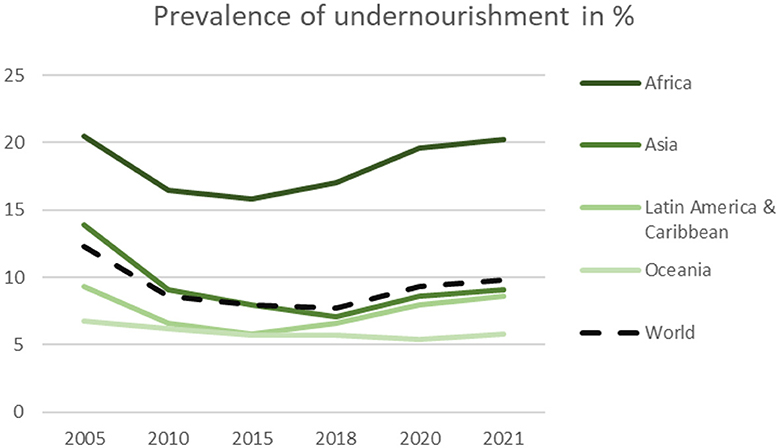
Figure 1. Prevalence of undernutrition (2005−2021), adopted from FAO et al. (2022).
However, existing GHI (Global Hunger Index) estimates indicate that at least 47 countries are unlikely to realize zero hunger by 2030, probably not even a significant rate of hunger reduction (Grebmer et al., 2022). Moreover, data reveal that other aspects of malnutrition are even increasing. Malnutrition is often divided into two broad groups namely undernutrition, including four subforms of stunting, wasting, underweight, and micronutrient deficiencies; and overweight, obesity, and diet-related non-communicable diseases (Luo et al., 2020). One-third of the world's population is affected by undernourishment, i.e., nutritional imbalance, which touches most nations (Grebmer et al., 2022). Globally, around two billion people suffer from micronutrient deficiencies, 155 million children under five are stunted, 52 million children suffer from wasting, and 815 million people are currently malnourished (HLPE, 2017). Poor nourishment is responsible for about 45% of all deaths of children under the age of five (International Food Policy Research Institute, 2017). Furthermore, obesity is also a global epidemic beyond high-income countries including many less developed and middle-income countries (Haram et al., 2015). Among the 8 billion inhabitants of the world (UN, 2022), 1.9 million adults are overweight and 650 million obese (WHO, 2021). Furthermore, as of 2016, 41 million children under 5 years and 340 million children above 5 years are overweight or obese (Karri et al., 2019). The COVID-19 pandemic will likely worsen the prevalence of overweight and obesity, leading to important weight increases by generating an unparalleled obesogenic situation. Indeed, COVID-19 is expected to worsen all forms of malnutrition, thus hindering the achievement of SDG2 (Littlejohn and Finlay, 2021). New estimates underline these projections: accounting for the COVID-19 pandemic, 657 million people are predicted to be malnourished in 2030—around 30 million more if the epidemic had not happened (FAO et al., 2022).
However, combating all forms of malnutrition is a complex challenge that requires complex answers at local, national, and global scales (Mogge and Welte, 2020). To support a common understanding and to develop a joint approach that adequately addresses these challenges, an expert panel discussion was organized during the “Nutrition for Growth Summit Tokyo” on (7–8) December 2021 entitled “Multi-sectoral systems approaches to holistically tackle malnutrition” upon which this article is based. In the following sections, entry points for integrated food-based multi-actor approaches (Figure 2) are highlighted, and the way to combat all forms of malnutrition is discussed.
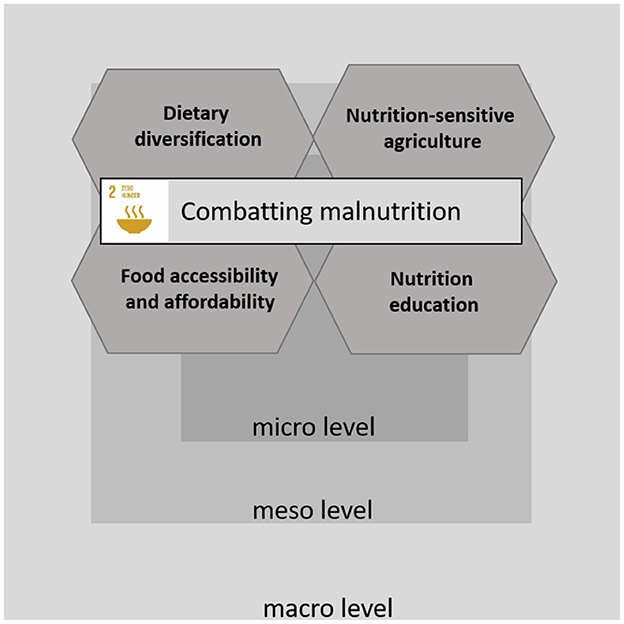
Figure 2. Integrated food-based multi-actor approach to combat malnutrition.
Entry points for engaging food-based multi-actor approaches
Based on the presentations and discussions at the aforementioned event, we highpoint the requirement for actual access ideas that move beyond the abstract and mostly figurative acknowledgment of the importance of bringing all actors together to combat malnutrition. In total, four entry points for a food-based multi-sectoral system approach to holistically tackle the burden of malnutrition were agreed upon. These entry points are not discrete, single entities but rather require integrated approaches. The variety of access ideas echoes the necessity for multi-pronged approaches that build on (a) an enhanced consideration of the food systems surrounding consumers (FAO, 2022); (b) more inclusive awareness with all relevant stakeholders involved (Baldy and Kruse, 2019); and (c) political articulations and commitments to implement long-term solutions to end all forms of malnutrition (Funck, 2022). We propose four different entry points that, if implemented in an integrated approach from the micro to the macro level (see Figure 2), are likely to support the fight against all forms of malnutrition. For entry points for a multi-actor approach, it is necessary to consider four aspects: (a) dietary diversification; (b) nutrition-sensitive agriculture; (c) food accessibility and affordability; and (d) nutrition education. While we argue for an integrated approach building on all four interlinked components, it is important to note that the degree of each component's integration is context-dependent and that the examples presented as possible implementation strategies do not apply to all countries alike. These four entry points need to define goals at three levels: micro, meso, and macro/global to reach the goal of zero hunger. At the micro level, local and context-specific solutions and actions to address malnutrition should be implemented. In the meso capacitation of government departments and services consider implementing a multi-sectoral operational model to deliver inclusive quality services for improved nutrition, and at the macro level, a conducive environment for policy formulation and programming strength toward nutrition security.
Dietary diversification
One potential solution to challenge malnutrition effectively is dietary diversification, especially the diversification of plant-based foods (Johns and Eyzaguirre, 2007). Nutritional variety is long documented as a significant constituent of food excellence (Nair et al., 2016). Obtaining all micronutrients from one single food group is impossible; instead, it is necessary to consume numerous foods covering diverse food groups (Nair et al., 2016). Several studies note that diversified diets are positively associated with improved nutrition outcomes (Bellon et al., 2016; Islam et al., 2018; Luna-González and Sørensen, 2018; Murendo et al., 2019). An overreliance on staples, in contrast, fosters malnutrition by failing to deliver enough essential macro- and micronutrients to meet human dietary needs (Mazunda et al., 2015). Systems comprising a variety of crop and livestock bases, plus vegetables and fruits, can offer all relevant micronutrients to reduce undernutrition and micronutrient deficiencies (Thompson and Amoroso, 2011).
Dietary diversification closely interlinks with diversified food production fostering the availability of various foods for consumption (Pinstrup-Andersen, 2009). The size of the effect of diversified food production on dietary diversity is contingent on other factors, such as market access, use of certain farming and storage techniques, nutrition knowledge, and education (Sibhatu and Qaim, 2018). However, there is consensus in the literature that farm production diversification is a potential pathway to advance dietary diversity, and thus, family nutrition, in contexts where production diversity at the farm level or on available markets, is not already high (Remans et al., 2011; Masset et al., 2012; Jaenicke and Virchow, 2013; Habtemariam et al., 2021). Environmental benefits related to biodiversity and climate change resilience also follow. Shifting toward more diverse and integrated production systems, such as agroforestry systems or combined crop–livestock agricultural schemes, can enhance dietary diversity and positively affect overall landscape conditions and biodiversity (Remans et al., 2014; HLPE, 2017). Food diversification, in addition to improving the nutrition and health of individuals, can simultaneously help to sustain or restore biodiversity (Kahane et al., 2013; Kremen, 2020) and higher yields (Joshi et al., 2007; Dwivedi et al., 2017), while also supporting traditional cultures and rural livelihoods (Koohafkan and Altieri, 2011). Furthermore, integrated production systems are not just a tool for building resilience in the face of climate variability but also help increase the ecological recital of crops, reducing their damaging influences on the climate and the environment (Hertel et al., 2021).
Achieving dietary diversification is an approach that requires more holistic thinking, facilitating action from the micro to the macro levels alongside the active engagement of multiple stakeholders. At the micro level, simple horticultural production systems (home gardens) or the development of post-harvest management strategies are possible solutions (Depenbusch et al., 2021). Results from Asia (Bangladesh, India, Nepal, and Cambodia) demonstrate the positive effects of home gardens on low-income household diets (see Ruel et al., 2018; Bird et al., 2019). Results from Africa (Tanzania, Kenya, and Uganda) are not satisfactory, needing further reconsideration through new precise research designs, sampling, targeting, and recognition of consumption barriers (Depenbusch et al., 2021).
At the meso level, governmental and private organizations should encourage farmers to produce diverse products, providing required extension services to facilitate crop diversification and intercropping.
At the macro level, agricultural policies must focus on targeting and creating a diverse food table from agriculture, for example, through subsidies for biodiversity via intercropping or national programs promoting agroecology. Furthermore, food labeling to facilitate more conscious consumer choices is another strategy that contributes to dietary diversification.
Nutrition-sensitive agriculture (NSA)
Globally, the role of farming in sustenance improving nutrition and health is documented, which is reflected in the debates leading to the United Nations' 2030 Agenda for Sustainable Development (Ruel et al., 2017). NSA is an idea that goals to slim the gap between existing and available food and the food desirable for a well and well-adjusted régime for all population (Prima et al., 2022). It unambiguously includes nutritional aspects into crop growing, addressing the operational dimension of diet and food safety, including diverse aspects such as environmental, social, economic, health, and education (Jaenicke and Virchow, 2013). Nutrition-sensitive food production refers to the supply of a variety of reasonable, nourishing, culturally suitable, and harmless diets in satisfactory amounts and superiority to encounter the nutritional necessities of inhabitants in a sustainable situation (Commission, 2022). This impartiality presumes an integrated approach covering all phases of the food system: from cultivation, post-harvest management, processing, and retailing to consumer (HLPE, 2017). Thus, nutrition-sensitive agricultural interventions have the probability to recover dietary consequences in agrarian communities (Ruel et al., 2017).
Making agriculture truly more nutrition-sensitive, however, requires innovative thoughtful, preparation, realizing, and associating, alongside the vigorous appointment of a diversity of stakeholders. It also needs the careful and context-specific identification of serious entry points where diet goals can be combined into agro-food systems (Ruel et al., 2017), for example, through the promotion of crop diversification and the introduction of micronutrient-rich crops (counting bio-fortified crops). Diversification should be incorporated into the notion of nutrition-sensitive agriculture (Balz et al., 2015).
Food accessibility and affordability
Throughout history, and as a result of the Russian war in Ukraine today, food shortages and the resulting high prices have been, and continue to be, a source of human suffering as well as social and political unrest (Pirie, 1993; Bondemark, 2020). Access to food directly affects the quality of people's diets and shapes dietary patterns (Huang and Tian, 2019). The ability to access food depends on two main pillars: economic and physical access (FAO, 2013). Economic and physical access to nutrient-dense and diverse foods is an important component for adequate nutrition (Ingram, 2011). Access to healthy food is strongly impacted by incomes, food prices, and the capacity of families and persons to get admission to social support. People's access to food is also influenced by social variables, including gender and power hierarchies within homes (FAO, 2013).
The cost of food affects dietary intake (Miller et al., 2016) since nutritious food is often too expensive for the poor (Mackenbach et al., 2017; Raghunathan et al., 2021). Diets of people with comparably low-income levels are—globally—often dominated by foods with low nutritional value because they are the cheapest source of calories (Huang and Tian, 2019). Thus, high food prices lead to food-based coping strategies of consumers, such as a decrease in the quantity, quality, and variety of food choices and an increase in the consumption of cheap and often high-energy foods (Miller et al., 2016). Affordability is a major barrier to improving diets (Raghunathan et al., 2021) and, thus, increasing household income plays an essential role in changing consumers' food patterns (Huang and Tian, 2019). Thereby, it is important to note that food affordability not only relies on food prices but also on the share of income that can be expended on food (Ingram, 2011; FAO, 2013).
Due to these challenges, more effective integrated approaches are needed to improve affordability and improve access to adequate, safe, and nutritious foods (Raghunathan et al., 2021). One micro and meso-level strategy is to target equal distribution of diverse and healthy foods, with low prices being one potential solution to reduce global malnutrition. In addition, policies restricting access to unhealthy foods (including a limitation of advertisement) and promoting healthy food options can be effective (Hawkins and Panzera, 2021). Policies to increase nutritional value (e.g., vitamin A, iodine, iron, and zinc), decrease less healthy ingredients (sugar, salt, and saturated fat), and increase prices of unhealthy foods (for example, taxing sugar-sweetened beverages) relate to this approach (Hawkins and Panzera, 2021). Furthermore, reducing the price of nutritious foods on the supply side with substitutions and encouraging their consumption on the demand side through public campaigns and nutrition education is important (Raghunathan et al., 2021).
Nutrition education
Nutrition education is a valuable and effective strategy that improves eating patterns and counteracts malnutrition (Barone et al., 2020). It aims to foster behavioral changes to improve dietary intake. Tailored nutrition education interventions help to reduce gaps in knowledge and practice (Bundala et al., 2020), thus encouraging healthy diets (Baird et al., 2009). Nutrition education can be regarded as any established learning involvement intended to enable the voluntary adoption of consumption and other nutrition-related performances helpful for people's health and wellbeing (Murimi et al., 2017). It refers to any mixture of educational policies, escorted by environmental supports, planned to ease voluntary acceptance of nutrition selections and other diet and nutrition-related performances favorable to health and wellbeing (Contento, 2008). Nutrition education seeks to improve awareness and activities that lead to improved dietary and/or physical activity behavior (Atoloye et al., 2021). Furthermore, it is a strategy that improves the knowledge, skills, and self-efficacy needed by people to take conscious choices for healthy food to meet dietary needs and achieve improved health (Barone et al., 2020; Atoloye et al., 2021).
Providing additional educational programs (e.g., nutrition counseling and health literacy including nutrition) to people suffering from malnutrition or as a preventive measurement can improve dietary behavior (Hawkins and Panzera, 2021). Strengthening individuals' nutrition knowledge empowers them to make healthier food choices and consume more sustainable foods. Nutrition education should not only explain the biochemistry of diets but also encourage serious examination of food selection in a variety of settings (Brazil et al., 2012).
Nutrition education must be seen as part of an integrated cross-scale approach. Policies addressing food labeling and advertising alongside public health education campaigns are strategies that provide consumers with additional information/orientation for the right dietary choices. For example, introducing food traffic lights, already present in many countries, helps consumers make more conscious dietary decisions. Many nations recognize the importance of nutrition education, often making it obligatory within school curricula, as well as hopeful diet education plans that target metropolises, universities, schools, offices, and food providers. However, it is vital to a memo that fruitful nourishment education must be comprehensive, specifically tailored for different consumer groups and contexts, rather than giving elementary diet-related information only. It should discourse diet favorites and sensory affective features; person-related aspects such as insights, opinions, and attitudes; and senses and human normative as well as environmental factors (Dhandevi and Jeewon, 2015).
Opportunities to implement multi-actor approaches on different scales
Due to the interlinked nature of possible entry points, we highlighted the crucial need to combat all forms of malnutrition in integrated cross-scale approaches. This means that all relevant stakeholders must be involved to develop successful strategies to overcome malnutrition (Arvanitakis et al., 2009; Acosta and Fanzo, 2012; Acosta and Haddad, 2014) and that emphasis should be put on three scales/levels simultaneously to achieve better nutrition and health. While overall principles for healthy diets are almost universal across most nations and life phases, in practice context aspects must be considered for policy and practice. At the micro level, multi-actor approaches should focus on improving knowledge, awareness, and practices of target households for dietary diversity while nutrition-sensitive agriculture must be embedded and organized at the community level.
At the meso level, the development of nutrition-sensitive action plans and the potential establishment of coherent ICT-based monitoring systems (e.g. prevalence of malnutrition) and knowledge platforms under multi-sectoral planning and coordination has the potential to foster up-scaling of evaluated solutions (micro-level) for improved nutrition.
At the macro level, introducing policies and national regulations discouraging unhealthy foods alongside targeted incentives for healthy food choices are potential components of integrated food system approaches.
Conclusion
This article focused on four entry points for combating malnutrition processes to support global efforts toward zero hunger. Despite some improvements, overall progress is far too slow to achieve zero hunger by 2030. Particularly more complex and integrated multi-sectoral systems approaches, including a smart mix of nutrition-specific and nutrition-sensitive interventions, nutrition education, food accessibility and affordability, and dietary diversification approaches, should be considered for implementers and policymakers around the world. The devastating increase in global malnutrition under COVID-19, coupled with debates at international summits such as the Nutrition for Growth Summit Tokyo, shows that the time to act is now. Despite the recognition of healthy diets as a precondition for a productive and healthy life, current policies and actors still tend to be disconnected, taking only uni-dimensional approaches. However, the complexity of malnutrition requires action that is implemented in an integrated multi-scale way by the international community. Four entry points, coupled with some examples for practical implementation from the micro to macro levels are proposed in this work, thus moving from talk about inclusivity to inclusive practices.
Data availability statement
Publicly available datasets were analyzed in this study. This data can be found at: Tokyo Nutrition for Growth Summit 2021: https://nutritionforgrowth.org.
Author contributions
MY: writing—original draft, investigation, and validation. CR, LMK, and KL: writing—original draft, writing—review and editing, investigation, and validation. HH and SW: writing—original draft, writing—review and editing, and investigation. TZ: writing—original draft and writing—review and editing. All authors contributed to the article and approved the submitted version.
Funding
This publication is based on research funded in part by the Bill & Melinda Gates Foundation.
Conflict of interest
The authors declare that the research was conducted in the absence of any commercial or financial relationships that could be construed as a potential conflict of interest.
Publisher's note
All claims expressed in this article are solely those of the authors and do not necessarily represent those of their affiliated organizations, or those of the publisher, the editors and the reviewers. Any product that may be evaluated in this article, or claim that may be made by its manufacturer, is not guaranteed or endorsed by the publisher.
Author disclaimer
The findings and conclusions contained within are those of the authors and do not necessarily reflect the positions or policies of the Bill & Melinda Gates Foundation. The content reflects the findings and opinions of the authors and does not necessarily reflect the position of Welthungerhilfe.
References
Acosta, A. M., and Fanzo, J. (2012). Fighting Maternal and Child Malnutrition: Analysing the Political and Institutional Determinants of Delivering a National Multisectoral Response in Six Countries. Brighton: Institute of Development Studies.
Acosta, A. M., and Haddad, L. (2014). The politics of success in the fight against malnutrition in Peru. Food Policy 44, 26–35. doi: 10.1016/j.foodpol.2013.10.009
Amiri, A., Mehrjerdi, Y. Z., Jalalimanesh, A., and Sadegheih, A. (2020). Food system sustainability investigation using system dynamics approach. J. Clean. Prod. 277, 124040. doi: 10.1016/j.jclepro.2020.124040
Arvanitakis, M., Coppens, P., Doughan, L., and Van Gossum, A. (2009). Nutrition in care homes and home care: recommendations—A summary based on the report approved by the Council of Europe. Clin. Nutr. 28, 492–496. doi: 10.1016/j.clnu.2009.07.011
Atoloye, A. T., Savoie-Roskos, M. R., Guenther, P. M., and Durward, C. M. (2021). Effectiveness of Expanded Food and Nutrition Education Program in changing nutrition-related outcomes among adults with low income: A systematic review. J. Nutr. Educ. Behav. 53, 691–705. doi: 10.1016/j.jneb.2021.03.006
Baird, J., Cooper, C., Margetts, B., Barker, M., and Inskip, H. (2009). Changing health behaviour of young women from disadvantaged backgrounds: Evidence from systematic reviews: Workshop on ‘changing nutrition behaviour to improve maternal and fetal health'. Proc. Nutr. Soc. 68, 195–204. doi: 10.1017/S0029665109001050
Baldy, J., and Kruse, S. (2019). Food democracy from the top down? State-driven participation processes for local food system transformations towards sustainability. Polit. Governance 7, 68–80. doi: 10.17645/pag.v7i4.2089
Balz, A. G., Heil, E. A., and Jordan, I. (2015). Nutrition-sensitive agriculture: New term or new concept? Agri. Food Security 4, 1–16. doi: 10.1186/s40066-015-0026-4
Barone, A., Krummel, D. A., and Lee, S.-Y. (2020). Availability of food options and nutrition education in local food pantries. J. Nutr. Educ. Behav. 52, 492–502. doi: 10.1016/j.jneb.2019.12.013
Bellon, M. R., Ntandou-Bouzitou, G. D., and Caracciolo, F. (2016). On-farm diversity and market participation are positively associated with dietary diversity of rural mothers in Southern Benin, West Africa. PLoS ONE 11, e0162535. doi: 10.1371/journal.pone.0162535
Bird, F. A., Pradhan, A., Bhavani, R., and Dangour, A. D. (2019). Interventions in agriculture for nutrition outcomes: A systematic review focused on South Asia. Food Policy 82, 39–49. doi: 10.1016/j.foodpol.2018.10.015
Bondemark, A. (2020). The relationship between accessibility and price–The case of Swedish food stores. J. Transport Geogr. 82, 102615. doi: 10.1016/j.jtrangeo.2019.102615
Brazil, K., Kaasalainen, S., McAiney, C., Brink, P., and Kelly, M. L. (2012). Knowledge and perceived competence among nurses caring for the dying in long-term care homes. Int. J. Palliat. Nurs. 18, 77–83. doi: 10.12968/ijpn.2012.18.2.77
Bundala, N. (2020). Gaps in knowledge and practice on dietary consumption among rural farming households; a call for nutrition education training in Tanzania. Int. J. Food Sci. Nutr. 71, 341–351. doi: 10.1080/09637486.2019.1655533
Capone, R., Bilali, H. E., Debs, P., Cardone, G., and Driouech, N. (2014). Food economic accessibility and affordability in the mediterranean region: An exploratory assessment at micro and macro levels. J. Food Security 2, 1–12. doi: 10.12966/ajnfs.04.04.2014
Commission, E. (2022). Nutrition Quick Tips Series—Nutrition-Sensitive Food Production. Directorate-General International Partnerships, Directorate Green Deal, Digital Agenda.
Contento, I. R. (2008). Nutrition Education: Linking Research, Theory, and Practice: Linking Research, Theory, and Practice. Jones & Bartlett Publishers.
Depenbusch, L., Schreinemachers, P., Roothaert, R., Namazzi, S., Onyango, C., Bongole, S., et al. (2021). Impact of home garden interventions in East Africa: Results of three randomized controlled trials. Food Policy 104, 102140. doi: 10.1016/j.foodpol.2021.102140
Dhandevi, P., and Jeewon, R. (2015). Fruit and Vegetable Intake: benefits and progress of nutrition education interventions - narrative review article. Iran J. Public Health. (2015) 44:1309–21.
Dwivedi, S. L., Lammerts van Bueren, E. T., Ceccarelli, S., Grando, S., Upadhyaya, H. D., and Ortiz, R. (2017). Diversifying food systems in the pursuit of sustainable food production and healthy diets. Trends Plant Sci. 22, 842–856. doi: 10.1016/j.tplants.2017.06.011
FAO (2022). Evidence Platform for Agrifood Systems and Nutrition. Food and Agriculture Organization of the United Nations, Rome, Italy. p. 47–81.
FAO, IFAD, and WFP (2013). The State of Food Insecurity in the World, 2013: The Multiple Dimensions of Food Security. Food and Agriculture Organization of the United Nations, Rome, Italy.
FAO, IFAD, UNICEF, WFP, and WHO (2022). The State of Food Security and Nutrition in the World 2022. Repurposing Food and Agricultural Policies to Make Healthy Diets More Affordable, FAO, Rome, p. 260. doi: 10.4060/cc0639en
Funck, A. (2022). ELMAU 2022: G7. Must Not Leave the Hungry Behind Again. Deutsche Welthungerhilfe e. V., Bonn, Berlin, Germany.
Grebmer, K. V., Bernstein, J., Wiemers, M., Schiffer, T., Hanano, A., Towey, O., et al. (2022). Global Hunger Index, Hunger and Food Systems in Conflict Settings; Concern Worldwide. Dublin.
Habtemariam, L. T., Gornott, C., Hoffmann, H., and Sieber, S. (2021). Farm production diversity and household dietary diversity: Panel data evidence from rural households in Tanzania. Front. Sustaina. Food Syst. 151, 612341. doi: 10.3389/fsufs.2021.612341
Haram, K., Mortensen, J. H. S., and Morrison, J. C. (2015). Tocolysis for acute preterm labor: does anything work. J. Maternal Fetal Neonatal Med. 28, 371–378. doi: 10.3109/14767058.2014.918095
Hawkins, M., and Panzera, A. (2021). Food insecurity: A key determinant of health. Archiv. Psychiatr. Nurs. 35, 113–117. doi: 10.1016/j.apnu.2020.10.011
Hertel, T., Elouafi, I., Tanticharoen, M., and Ewert, F. (2021). Diversification for enhanced food systems resilience. Nat. Food 2, 832–834. doi: 10.1038/s43016-021-00403-9
HLPE (2017). Nutrition and Food systems: A Report by the High Level Panel of Experts on Food Security and Nutrition of the Committee on World Food Security. Rome: Commitee on World Food Security, 152. Available online at:: https://agritrop.cirad.fr/604475/1/604475.pdf
Huang, Y., and Tian, X. (2019). Food accessibility, diversity of agricultural production and dietary pattern in rural China. Food Policy 84, 92–102. doi: 10.1016/j.foodpol.2019.03.002
Ingram, J. S. I. (2011). From Food Production to Food Security: Developing Interdisciplinary, Regional-Level Research. Wageningen: Wageningen University and Research.
International Food Policy Research Institute (2017). Global Food Policy Report. International Food Policy Research Institute (IFPRI). doi: 10.2499/9780896292529
Islam, A. H. M., von Braun, J., Thorne-Lyman, A. L., and Ahmed, A. U. (2018). Farm diversification and food and nutrition security in Bangladesh: Empirical evidence from nationally representative household panel data. Food Security 10, 701–720. doi: 10.1007/s12571-018-0806-3
Jaenicke, H., and Virchow, D. (2013). Entry points into a nutrition-sensitive agriculture. Food Security 5, 679–692. doi: 10.1007/s12571-013-0293-5
Johns, T., and Eyzaguirre, P. B. (2007). Biofortification, biodiversity and diet: A search for complementary applications against poverty and malnutrition. Food Policy 32, 1–24. doi: 10.1016/j.foodpol.2006.03.014
Joshi, P., Gulati, A., and Cummings, R. Jr. (2007). Agricultural diversification in South Asia: Beyond food security. Agri. Diversificat. Smallhold. South Asia 2007, 47–81.
Kahane, R., Hodgkin, T., Jaenicke, H., Hoogendoorn, C., Hermann, M., Keatinge, J. D. H., et al. (2013). Agrobiodiversity for food security, health and income. Agron. Sustain. Dev. 33, 671–693. doi: 10.1007/s13593-013-0147-8
Karri, S., Sharma, S., Hatware, K., and Patil, K. (2019). Natural anti-obesity agents and their therapeutic role in management of obesity: A future trend perspective. Biomed. Pharmacother. 110, 224–238. doi: 10.1016/j.biopha.2018.11.076
Koohafkan, P., and Altieri, M. A. (2011). Globally Important Agricultural Heritage Systems: A Legacy for the Future. Rome: Food and Agriculture Organization of the United Nations.
Kremen, C. (2020). Ecological intensification and diversification approaches to maintain biodiversity, ecosystem services and food production in a changing world. Emerg. Top. Life Sci. 4, 229–240. doi: 10.1042/ETLS20190205
Littlejohn, P., and Finlay, B. B. (2021). When a pandemic and an epidemic collide: COVID-19, gut microbiota, and the double burden of malnutrition. BMC Med. 19, 1–8. doi: 10.1186/s12916-021-01910-z
Luna-González, D. V., and Sørensen, M. (2018). Higher agrobiodiversity is associated with improved dietary diversity, but not child anthropometric status, of Mayan Achí people of Guatemala. Public Health Nutr. 21, 2128–2141. doi: 10.1017/S1368980018000617
Luo, H., Zyba, S. J., and Webb, P. (2020). Measuring malnutrition in all its forms: An update of the net state of nutrition index to track the global burden of malnutrition at country level. Glob. Food Security 26, 100453. doi: 10.1016/j.gfs.2020.100453
Mackenbach, J. D., Burgoine, T., Lakerveld, J., Forouhi, N. G., Griffin, S. J., Wareham, N. J., et al. (2017). Accessibility and affordability of supermarkets: Associations with the DASH diet. Am. J. Prev. Med. 53, 55–62. doi: 10.1016/j.amepre.2017.01.044
Masset, E., Haddad, L., Cornelius, A., and Isaza-Castro, J. (2012). Effectiveness of agricultural interventions that aim to improve nutritional status of children: systematic review. Br. Med. J. 344, d8222. doi: 10.1136/bmj.d8222
Mazunda, J., Kankwamba, H., and Pauw, K. (2015). Food and Nutrition Security Implications of Crop Diversification in Malawi's Farm Households. Mapping the Linkages Between Agriculture, Food Security and Nutrition in Malawi, International Food Policy Research Institute (IFPRI), p. 44–49.
Miller, V., Webb, P., Cudhea, F., Shi, P., Zhang, J., Reedy, J., et al. (2022). Global dietary quality in 185 countries from 1990 to 2018 show wide differences by nation, age, education, and urbanicity. Nat. Food 9, 1–9. doi: 10.1038/s43016-022-00594-9
Miller, V., Yusuf, S., Chow, C. K., Dehghan, M., Corsi, D. J., Lock, K., et al. (2016). Availability, affordability, and consumption of fruits and vegetables in 18 countries across income levels: findings from the Prospective Urban Rural Epidemiology (PURE) study. Lancet Global Health 4, e695–e703. doi: 10.1016/S2214-109X(16)30186-3
Mogge, M., and Welte, S. (2020). Programming towards improved nutrition: Welthungerhilfe's approach to the prevention of malnutrition–in all its forms. Hidden Hunger Transform. Food Syst. 121, 105–115. doi: 10.1159/000507493
Murendo, C., Gwara, S., Mazvimavi, K., and Arensen, J. S. (2019). Linking crop and livestock diversification to household nutrition: Evidence from Guruve and Mt Darwin districts, Zimbabwe. World Dev. Perspect. 14, 100104. doi: 10.1016/j.wdp.2019.02.015
Murimi, M. W., Kanyi, M., Mupfudze, T., Amin, M. R., Mbogori, T., and Aldubayan, K. (2017). Factors influencing efficacy of nutrition education interventions: A systematic review. J. Nutr. Educ. Behav. 49, 142–165.e141. doi: 10.1016/j.jneb.2016.09.003
Nair, M. K., Augustine, L. F., and Konapur, A. (2016). Food-based interventions to modify diet quality and diversity to address multiple micronutrient deficiency. Front. Public Health 3, 277. doi: 10.3389/fpubh.2015.00277
Pinstrup-Andersen, P. (2009). Food security: Definition and measurement. Food Security 1, 5–7. doi: 10.1007/s12571-008-0002-y
Pirie, G. H. (1993). Transport, food insecurity and food aid in sub-Saharan Africa. J. Transport Geogr. 1, 12–19. doi: 10.1016/0966-6923(93)90034-W
Prima, D. I., Wright, S., Sharma, E. P., Syurina, I. K. E., and Broerse, J. E. (2022). Implementation and scale-up of nutrition-sensitive agriculture in low-and middle-income countries: A systematic review of what works, what doesn't work and why. Glob. Food Security 32, 100595. doi: 10.1016/j.gfs.2021.100595
Raghunathan, K., Headey, D., and Herforth, A. (2021). Affordability of nutritious diets in rural India. Food Policy 99, 101982. doi: 10.1016/j.foodpol.2020.101982
Reeves, A., Loopstra, R., and Tarasuk, V. (2021). Family policy and food insecurity: An observational analysis in 142 countries. Lancet Planet. Health 5, e506–e513. doi: 10.1016/S2542-5196(21)00151-0
Remans, R., Flynn, D. F. B., DeClerck, F., Diru, W., Fanzo, J., Gaynor, K., et al. (2011). Assessing nutritional diversity of cropping systems in African villages. PLoS ONE 6, e21235. doi: 10.1371/journal.pone.0021235
Remans, R., Wood, S. A., Saha, N., Anderman, T. L., and DeFries, R. S. (2014). Measuring nutritional diversity of national food supplies. Glob. Food Security 3, 174–182. doi: 10.1016/j.gfs.2014.07.001
Ruel, M. T., Quisumbing, A. R., and Balagamwala, M. (2017). Nutrition-Sensitive Agriculture: What Have We Learned and Where Do We Go From Here? IFPRI Discussion paper 01681. International Food Policy Research Institute.
Ruel, M. T., Quisumbing, A. R., and Balagamwala, M. (2018). Nutrition-sensitive agriculture: what have we learned so far? Glob. Food Security 17, 128–153. doi: 10.1016/j.gfs.2018.01.002
Sibhatu, K. T., and Qaim, M. (2018). Meta-analysis of the association between production diversity, diets, and nutrition in smallholder farm households. Food Policy 77, 1–18. doi: 10.1016/j.foodpol.2018.04.013
Thompson, B., and Amoroso, L. (2011). Combating Micronutrient Deficiencies: Food-Based Approaches. Food and Agriculture Organization of the United Nations and CABI Head Office, Oxfordshire, United Kingdom.
UN (2022). World Population to Reach 8 Billion This Year, as Growth Rate Slows. UN News, Global perspective Human stories. Available online at: https://news.un.org/en/story/2022/07/1122272
WHO (2021). Obesity and Overweight. Available online at: https://www.who.int/news-room/fact-sheets/detail/obesity-and-overweight
Keywords: food security, malnutrition, nutrition-sensitive agriculture, nutrition education, dietary diversification
Citation: Yazdanpanah M, Löhr K, Hoffmann HK, Welte S, Klaus LM, Zobeidi T and Rybak C (2023) Integrated food-based multi-actor approach to combat malnutrition. Front. Sustain. Food Syst. 7:1179768. doi: 10.3389/fsufs.2023.1179768
Received: 06 March 2023; Accepted: 23 May 2023;
Published: 19 June 2023.
Edited by:
Uma Tiwari, Technological University Dublin, IrelandReviewed by:
Masoud Bijani, Tarbiat Modares University, IranPouria Ataei, Tarbiat Modares University, Iran
Copyright © 2023 Yazdanpanah, Löhr, Hoffmann, Welte, Klaus, Zobeidi and Rybak. This is an open-access article distributed under the terms of the Creative Commons Attribution License (CC BY). The use, distribution or reproduction in other forums is permitted, provided the original author(s) and the copyright owner(s) are credited and that the original publication in this journal is cited, in accordance with accepted academic practice. No use, distribution or reproduction is permitted which does not comply with these terms.
*Correspondence: Masoud Yazdanpanah, bWFzb3VkeWF6ZGFuQGdtYWlsLmNvbQ==; Constance Rybak, Y29uc3RhbmNlLnJ5YmFrQHphbGYuZGU=
†ORCID: Masoud Yazdanpanah orcid.org/0000-0001-8610-0173
Katharina Löhr orcid.org/0000-0003-2691-9712
Harry Konrad Hoffmann orcid.org/0000-0003-3176-7709
Tahereh Zobeidi orcid.org/0000-0001-6909-4269
Constance Rybak orcid.org/0000-0002-7581-8021